

Best Black Friday Fitness Equipment Deals See Deals
Best Black Friday Treadmill Deals See Deals
Best Black Friday Rowing Machine Deals See Deals
  • Best-in-Class Equipment
    • See All Roundups
    • Best Adjustable Dumbbells
    • Best Budget Home Gym Equipment
    • Best Cross-Training Shoes
    • Best Dumbbells
    • Best Exercise Bikes
    • Best Cold Plunge Tubs
    • Best Home Saunas
    • Best Ellipticals
    • Best Home Gym Machines
    • Best Kettlebells
    • Best Olympic Barbells
    • Best Rowing Machines
    • Best Squat Racks
    • Best Supplements
      • Best BCAA
      • Best Creatine
      • Best Greens Powder
      • Best Pre-Workout
      • Best Protein Powder
    • Best Treadmills
    • Best Weighted Vests
    • Best Weightlifting Shoes
    • Best Weight Benches
  • Reviews
    • See All Reviews
    • Barbells
    • Bodyweight
    • Certification Courses
    • Conditioning
    • Gym Accessories
    • Nutrition
    • Recovery
    • Rigs and Racks
    • Shoes
    • Strength Equipment
    • Support Gear
    • Technology
    • Training Programs
    • Weight Plates
  • Comparisons
    • See All Comparisons
    • Best Peloton Alternatives
    • Home Gym vs Gym Membership
    • Peloton Bike vs Bike Plus
    • PowerBlock vs Bowflex
    • Rogue Echo Bike vs Assault Air Bike
    • Rogue Ohio Power Bar vs Texas Power Bar
    • Tonal vs Tempo
  • Black Friday Deals
    • See All Black Friday Deals
    • Best Black Friday Supplement Sales (2025)
    • Peloton Black Friday Deals (2025)
    • Best Black Friday Sauna Deals (2025)
    • Best Black Friday Treadmill Deals (2025)
    • Best Black Friday Rowing Machine Deals (2025)
    • Best Black Friday Dumbbell Deals (2025)
    • Best Black Friday Elliptical Deals (2025)
    • Best Black Friday Exercise Bike Deals (2025)
    • The Best Massage Gun Black Friday Deals (2025)
    • Best Black Friday Deals for Runners (2025)
  • Coupons
    • Holiday Sales
    • Military Discounts
    • See All Coupons
      • Bells of Steel Coupons
      • REP Fitness Coupons
      • Rogue Fitness Coupons
      • Titan Fitness Coupons
      • Concept2 Coupons
      • Plunge Coupons
  • Equipment
    • Browse Gym Equipment
    • See All Equipment
    • Apparel
      • Shoes
        • Running Shoes
        • Training Shoes
        • Weightlifting Shoes
    • Strength Equipment
      • Barbells
      • Benches
      • Dumbbells
      • Glute Ham Developers (GHD)
      • Kettlebells
      • Rigs and Racks
      • Strength Machines
      • Weight Plates
    • Conditioning
      • Core and Stability
      • Endurance
        • Air Bikes
        • Ellipticals
        • Exercise Bikes
        • Rowing Machines
        • Treadmills
      • Jump Ropes
      • Strength Conditioning
    • Bodyweight
      • Climbing Ropes
      • Grip
      • Gymnastics
      • Pull-Up Systems
      • Training Equipment
    • Support Gear
      • Belts
      • Hand Protection
      • Mobility & Recovery
      • Straps & Wraps
      • Training Apparel
    • Gym Accessories
      • Flooring
      • Storage
    • Supplements
    • Technology
    • Training Programs
  • Home Gym Resources
    • See All Home Gym Resources
    • Calculators
    • DIY Guides
    • Equipment Guides
    • Gym Tours
    • Spotlight
    • Workout Guides
  • About Us
    • Meet Our Experts
    • GGR Fitness Equipment Testing Methodology
      • How We Test Ellipticals
      • How We Test Smart Home Gym Equipment
      • How We Test Smith Machines
      • How We Test Dumbbells and Adjustable Dumbbells
      • How We Test Barbells
      • How We Test Weight Benches
      • How We Test Treadmills
      • How We Test Saunas
      • How We Test Kettlebells and Adjustable Kettlebells 
      • How We Test Exercise Bikes
      • How We Test Cold Plunges
      • How We Test Massage Chairs 
      • How We Test Functional Trainers
    • GGR Supplement Testing Methodology
      • How We Test Pre-Workout Supplements
      • How We Test Creatine
  • Facebook
  • Instagram
  • YouTube

Search

Sign Up

Log In

  • Best-in-Class Equipment
    • See All Roundups
    • Best Adjustable Dumbbells
    • Best Budget Home Gym Equipment
    • Best Cross-Training Shoes
    • Best Dumbbells
    • Best Exercise Bikes
    • Best Cold Plunge Tubs
    • Best Home Saunas
    • Best Ellipticals
    • Best Home Gym Machines
    • Best Kettlebells
    • Best Olympic Barbells
    • Best Rowing Machines
    • Best Squat Racks
    • Best Supplements
      • Best BCAA
      • Best Creatine
      • Best Greens Powder
      • Best Pre-Workout
      • Best Protein Powder
    • Best Treadmills
    • Best Weighted Vests
    • Best Weightlifting Shoes
    • Best Weight Benches
  • Reviews
    • See All Reviews
    • Barbells
    • Bodyweight
    • Certification Courses
    • Conditioning
    • Gym Accessories
    • Nutrition
    • Recovery
    • Rigs and Racks
    • Shoes
    • Strength Equipment
    • Support Gear
    • Technology
    • Training Programs
    • Weight Plates
  • Comparisons
    • See All Comparisons
    • Best Peloton Alternatives
    • Home Gym vs Gym Membership
    • Peloton Bike vs Bike Plus
    • PowerBlock vs Bowflex
    • Rogue Echo Bike vs Assault Air Bike
    • Rogue Ohio Power Bar vs Texas Power Bar
    • Tonal vs Tempo
  • Black Friday Deals
    • See All Black Friday Deals
    • Best Black Friday Supplement Sales (2025)
    • Peloton Black Friday Deals (2025)
    • Best Black Friday Sauna Deals (2025)
    • Best Black Friday Treadmill Deals (2025)
    • Best Black Friday Rowing Machine Deals (2025)
    • Best Black Friday Dumbbell Deals (2025)
    • Best Black Friday Elliptical Deals (2025)
    • Best Black Friday Exercise Bike Deals (2025)
    • The Best Massage Gun Black Friday Deals (2025)
    • Best Black Friday Deals for Runners (2025)
  • Coupons
    • Holiday Sales
    • Military Discounts
    • See All Coupons
      • Bells of Steel Coupons
      • REP Fitness Coupons
      • Rogue Fitness Coupons
      • Titan Fitness Coupons
      • Concept2 Coupons
      • Plunge Coupons
  • Equipment
    • Browse Gym Equipment
    • See All Equipment
    • Apparel
      • Shoes
        • Running Shoes
        • Training Shoes
        • Weightlifting Shoes
    • Strength Equipment
      • Barbells
      • Benches
      • Dumbbells
      • Glute Ham Developers (GHD)
      • Kettlebells
      • Rigs and Racks
      • Strength Machines
      • Weight Plates
    • Conditioning
      • Core and Stability
      • Endurance
        • Air Bikes
        • Ellipticals
        • Exercise Bikes
        • Rowing Machines
        • Treadmills
      • Jump Ropes
      • Strength Conditioning
    • Bodyweight
      • Climbing Ropes
      • Grip
      • Gymnastics
      • Pull-Up Systems
      • Training Equipment
    • Support Gear
      • Belts
      • Hand Protection
      • Mobility & Recovery
      • Straps & Wraps
      • Training Apparel
    • Gym Accessories
      • Flooring
      • Storage
    • Supplements
    • Technology
    • Training Programs
  • Home Gym Resources
    • See All Home Gym Resources
    • Calculators
    • DIY Guides
    • Equipment Guides
    • Gym Tours
    • Spotlight
    • Workout Guides
  • About Us
    • Meet Our Experts
    • GGR Fitness Equipment Testing Methodology
      • How We Test Ellipticals
      • How We Test Smart Home Gym Equipment
      • How We Test Smith Machines
      • How We Test Dumbbells and Adjustable Dumbbells
      • How We Test Barbells
      • How We Test Weight Benches
      • How We Test Treadmills
      • How We Test Saunas
      • How We Test Kettlebells and Adjustable Kettlebells 
      • How We Test Exercise Bikes
      • How We Test Cold Plunges
      • How We Test Massage Chairs 
      • How We Test Functional Trainers
    • GGR Supplement Testing Methodology
      • How We Test Pre-Workout Supplements
      • How We Test Creatine

Home » Resources » What Is Creatine? The One Supplement Most People Should Take

What Is Creatine? The One Supplement Most People Should Take

8662
Written by Sydney Lappe, R.D.
8662
Sydney Lappe, R.D.

Sydney Lappe is a St. Louis-based Registered Dietitian with 6+ years of nutrition editing and writing experience. She holds a Master’s Degree in Nutrition and Dietetics and completed undergrad work in psychology. While fitness wasn’t in Sydney’s routine growing up, it quickly became a large part of her daily life while studying the facets of health and nutrition. Also managing chronic pain, she has come to fully realize movement is a special gift to never take for granted and hopes to inspire others to invest in their physical, mental, and emotional wellness while they can. Including her passion for all things health, Sydney enjoys spending time with her loved ones, being active in various capacities, drinking bottomless cups of coffee, eating a hearty bowl of oatmeal, and letting her creativity roam through writing and graphic design.

View Profile
Updated on November 26, 2025
Expert-Verified by Caitlin Giddings
25730
Caitlin Giddings

Caitlin has more than 15 years of experience writing about sleep and fitness. After getting an M.A. in journalism from the University of Missouri, she spent nearly a decade as a staff writer and editor at Runner’s World and Bicycling magazines.

Caitlin’s work has focused primarily on exercise, the outdoors, and parenting—and taken the form of everything from running shoe reviews to long, weepy personal essays about biking across the country. You can find her writing in Outside, Wirecutter, Lonely Planet, Men’s Health, ELLE, Popular Mechanics, Men’s Journal, Sierra Club Magazine, and more. When she’s not editing and writing about gear, she likes to run trails, play board games, and explore Austin by bike with her family.

View Profile

We test and review fitness products based on an independent, multi-point methodology. If you use our links to purchase something, we may earn a commission. Read our disclosures

An image for what is creatine

Creatine is a naturally occurring compound that helps your body produce energy quickly, especially in the muscles. By regenerating adenosine triphosphate (ATP), the molecule that powers every muscle contraction, creatine supports strength, exercise performance, and recovery. 

But here’s the thing: creatine isn’t just for lifters or sprinters. Even if you’re not chasing PRs or muscle with the best creatine supplements, I think everyone should be excited about the growing research outside the gym. And when I say everyone, I mean (mostly) everyone, because studies1 show perks in every stage of life.

And the best part? Creatine is safe and extensively researched, which is exactly why it’s one of the few dietary supplements I personally take and recommend as a dietitian. 

So… you in? Great! Let’s dive into the ins and outs of this remarkable compound, starting with “What Is Creatine?”

What Is Creatine?

Creatine2 is an organic compound made from the amino acids arginine, glycine, and methionine. It’s produced primarily in the kidneys, liver, and pancreas, where your body makes about half of what it needs each day.

Once produced, the enzyme creatine kinase converts and stores roughly 95 percent of creatine in skeletal muscle as phosphocreatine3 (or creatine phosphate). The remaining small amount of creatine is found in tissues such as the heart, brain, and testes.

Creatine’s primary role is to support energy production by regenerating adenosine triphosphate4 (ATP)—the body’s quick fuel for muscle contractions, AKA flexing. Because it’s so essential to your energy system, you need to maintain adequate levels—both from what your body makes and what you consume from other creatine sources. 

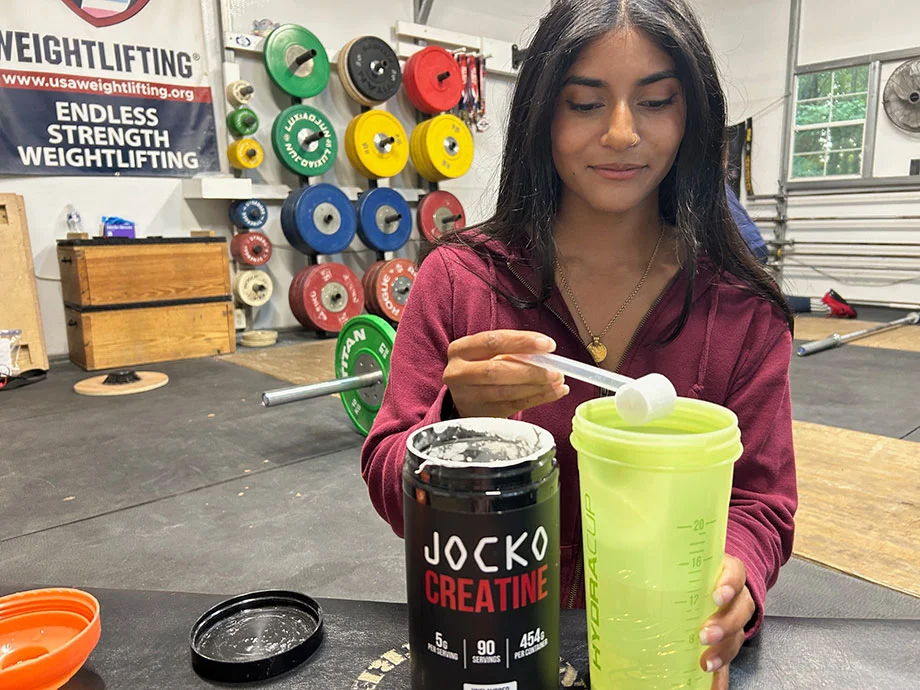
A person mixing Jocko Creatine into a shaker cup
Creatine supplements can be especially useful for those with higher physical activity levels

Sources of Creatine

While your body naturally produces creatine, the rest comes from high-protein foods such as red meat and seafood. However, most people don’t consume enough to fully saturate muscle stores, thus introducing the popularity and growth of creatine supplements.

Supplementing with creatine helps ensure your muscles are fully loaded with phosphocreatine. This enhances strength, performance, and recovery, particularly for athletes, gym-goers, and individuals with higher physical activity levels or lower dietary intake, such as those following vegetarian or vegan diets.

Benefits of Creatine

While it’s one of the most studied and effective supplements for enhancing athletic performance, creatine’s benefits go far beyond the gym. Research1 shows creatine may support brain health, reduce injury risk, and so much more.

Cost-Effective 

While meat and fish are excellent whole-food sources of creatine—as well as sources of quality protein, iron, and other key nutrients—you’d need to eat about a pound to get just 1 to 2 grams of creatine. That adds up quickly in cost: a pound of meat or fish can range from $4 to $18, whereas creatine monohydrate (CM) costs only about $0.03 to $0.05 per gram (roughly $0.25 for a 5-gram daily serving)1.

Whole foods should always come first, but when it comes to meeting your daily creatine needs, supplementation offers a more practical and budget-friendly option—without the added expense or extra fat and calories from large portions of meat or fish.

Increases Muscle Mass and Strength 

Creatine is one of the most well-researched and effective supplements for building and maintaining muscle. Studies consistently show that regular use of creatine—paired with resistance training—can increase lean muscle mass, strength, and power output over time2.

Enhances High-Intensity Exercise Capacity 

Creatine is widely recognized as one of the most effective ergogenic supplements for boosting high-intensity exercise performance.

By rapidly regenerating ATP for energy, creatine helps you push through more reps, sprints, or sets before fatigue sets in. Once your muscle creatine stores are fully saturated, research shows performance in explosive or repeated efforts can improve by up to 15 percent2!

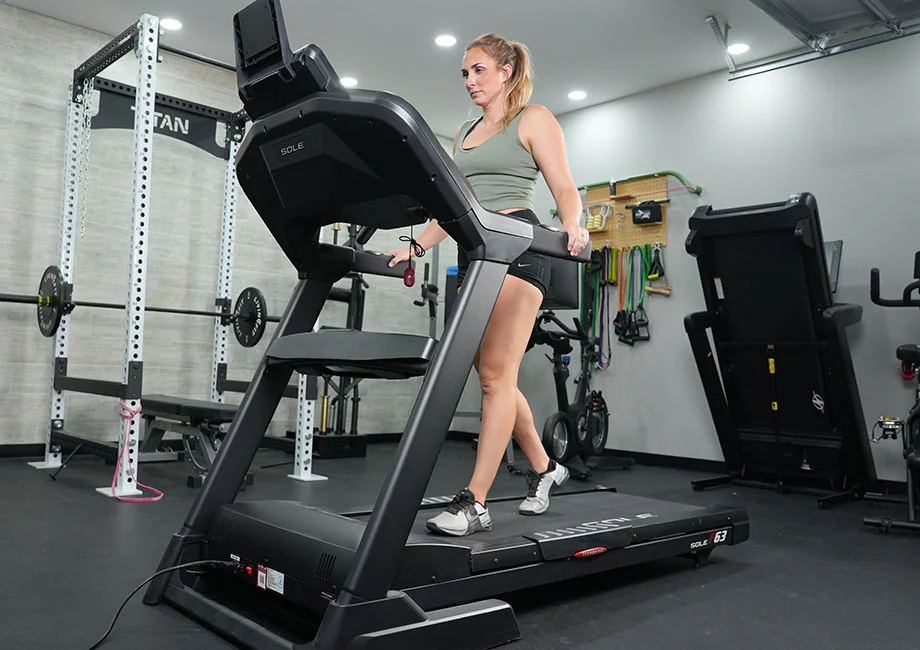
Person performing sprints
Creatine can give you the energy to push through sprints

Promotes Recovery and Injury Prevention

Creatine may support recovery and even help reduce the risk or severity of certain injuries—such as concussions or traumatic brain injuries—by helping muscle and nerve cells maintain the energy they need to function properly.

A 2021 review5 also highlights that creatine may aid post-workout recovery by limiting exercise-induced muscle damage and inflammation. This can help you recover more quickly between training sessions and maintain higher-quality workouts over time1.

Supports Brain Health and Cognitive Functions

The brain is highly active, using about 20 percent of the body’s resting energy, and neurons (nerve cells) need a steady supply of ATP to fire on all cylinders. This has led to growing interest in creatine’s role in brain health and hand function, and the data6 show promise. 

Emerging research7 suggests creatine has antioxidant and neuroprotective properties, may reduce mental fatigue, and could offer protection against neurodegenerative diseases like Alzheimer’s and Parkinson’s disease. It may also support mood and cognition in people with depression or bipolar disorder.

Newer findings8 show that while several weeks of moderate- or high-dose creatine don’t reliably enhance cognition in young, healthy adults, a single high dose9 may help counteract fatigue-related cognitive decline during extreme situations, such as sleep deprivation. Of course, proper sleep should always come first—but creatine may offer a little backup when you can’t catch a full night of Zzz’s.

Supports Healthy Aging and Overall Health

This is where I really hope to change your mind about muscle—because even if you don’t care about aesthetics, muscle is essential for long-term health.

Adults can lose up to 30 percent of their muscle mass by the age of 80, yet research shows that creatine can help preserve strength, function, and overall muscle quality as we age7. That can translate to greater mobility, independence, and more time spent doing what you love with the ones you love.

A review of creatine’s role in aging also found potential benefits for conditions such as congestive heart failure and chronic musculoskeletal pain. And its relevance isn’t limited to older adults—another review10 highlights that creatine may help support bone health, reduce the risk of several chronic diseases, and bolster immune function, to name just a few.

Altogether, the evidence shows that creatine’s impact extends far beyond performance or aesthetics—at any age.

What Does Creatine Do?

To understand what creatine does, it helps to start with adenosine triphosphate (ATP)4—your body’s primary source of energy.

Adenosine triphosphate fuels nearly every muscle contraction but depletes quickly during intense activity. When ATP breaks down to release energy, it is converted to ADP (adenosine diphosphate). To keep your muscles working efficiently, your body must recycle ADP back into ATP by adding another phosphate group.

That’s where creatine comes in. Stored in your muscles as phosphocreatine, it donates a phosphate to ADP to help regenerate ATP more quickly3. This rapid recycling process lets you maintain strength and power for longer during demanding efforts—like sprinting, jumping, or lifting weights—before fatigue sets in.

Person measuring a scoop of Sports Research Creatine Monohydrate
Supplementing with creatine can help build lean body mass

Does Creatine Help You Build Muscle?

Let’s be clear: muscle growth ultimately comes from consistent strength training, proper nutrition (especially protein), and adequate recovery.

That said, creatine can absolutely help you build muscle. In fact, the International Society of Sports Nutrition (ISSN)1 crowns creatine monohydrate as the most effective supplement for increasing muscle mass and strength.

The numbers speak for themselves: research1 shows that people who supplement with creatine monohydrate typically gain about twice as much lean body mass—roughly 2 to 4 additional pounds over 4 to 12 weeks—compared with those taking a placebo.

A 2022 review11 of 16 randomized controlled trials found that participants who supplemented with creatine while resistance training gained significantly more muscle mass than those who did not. So remember, those numbers are only possible with consistent, quality work in the gym.

Who Should Take Creatine?

Creatine isn’t just for bodybuilders and others serious about fitness—it’s one of the most versatile, well-researched supplements available, with health benefits that can support nearly everyone.

Athletes and Lifters

Creatine is one of the most effective—if not the most effective—supplements for improving strength, power, and overall training capacity, making it a staple for lifters, sprinters, and anyone who trains at high intensity. 

And the research5 is clear: Creatine supplementation enhances performance across numerous sports, including weightlifting, field hockey, and water sports.

Athletes in High-Risk Sports

Creatine helps protect the brain and spinal cord, especially during injuries or periods of reduced blood flow. Research suggests it may lessen the severity of traumatic brain and spinal cord injuries—so much so, the ISSN1 encourages creatine for athletes in high-risk collision or contact sports.

Older Adults

Age-related muscle loss (sarcopenia) can impact mobility and independence. Studies12 show creatine can help older adults preserve muscle mass, improve strength, and support cognitive function.

Vegetarians and Vegans

Plant-based eaters naturally consume little to no dietary creatine and often have lower baseline muscle creatine stores. Some research13 suggests vegetarian athletes who supplement with creatine may notice greater performance benefits compared to omnivores1.

Those with Creatine Deficiency Disorders 

Creatine Deficiency Disorders14, also known as Cerebral Creatine Deficiency Syndromes (CCDS), are rare genetic conditions that impair the body’s ability to make or transport creatine to the brain. Although many forms include creatine monohydrate as part of therapy, they require specialized medical treatment and close supervision, not standard supplementation.

People Interested in Overall Health

Creatine shows promise for promoting overall wellness, including benefits for bone health and disease prevention. For this reason, researchers recommend individuals consume 2 to 3 grams of creatine daily to promote general health1.

As always, it’s wise to seek professional guidance before starting any supplement—especially if you’re pregnant, breastfeeding, exploring use for the pediatric population, taking prescription medications, or managing a health condition. 

GGR product tester drinking MRM Nutrition Creatine from a shaker cup
Researchers recommend creatine for athletes, older adults, and anyone interested in overall health

Types of Creatine

Creatine is available in several forms, with most claiming enhanced absorption, reduced side effects, and improved performance. However, most alternatives don’t offer meaningful advantages over creatine monohydrate. 

Here’s a breakdown of the most common types of creatine and how they compare:

  • Creatine monohydrate: Creatine bound to a single water molecule. It remains the gold standard—the most researched, effective, and affordable option for increasing muscle creatine stores, strength, power, and muscle mass2. 
  • Creatine hydrochloride (HCl): A creatine molecule bound to hydrochloride to improve solubility and stomach comfort. It mixes easily and may be gentler on the stomach for some people, but studies15 show no performance or absorption advantage over monohydrate. 
  • Creatine ethyl ester: Marketed for superior absorption, yet data16 consistently show it is not more effective than CM, and may even be less effective at raising muscle creatine levels and improving performance. 
  • Creatine magnesium chelate: Creatine bound to magnesium. It performs similarly to CM, with no evidence of better bioavailability, effectiveness, or safety16. 
  • Creatine citrate: Dissolves well and raises blood creatine levels, but current research has not shown improvements in muscle or brain creatine beyond what CM offers16.
  • Creatine pyruvate: May offer small benefits for short, high-intensity efforts or endurance, though the findings are inconsistent. Overall, its effects appear weaker and less reliable than CM16.
  • Creatine nitrate: Comparable in bioavailability to CM. Any performance benefits likely come from the nitrate component, not the creatine. No clear advantage over taking CM with a nitrate source15.
  • Creatine phosphate: A phosphocreatine form used for rapid ATP regeneration, but supplementation has not been shown to outperform CM16.
  • Buffered or Kre-Alkalyn: Formulated to be less acidic. Despite marketing claims, studies show no benefits over CM in absorption, muscle creatine levels, strength, or body composition15.

Many forms of creatine claim better absorption or fewer side effects, but none have outperformed creatine monohydrate. Consider this your friendly broken-record reminder: Creatine monohydrate is still the most researched, effective, and cost-efficient choice2.

When and How to Take Creatine

With so many benefits, it’s natural to wonder whether timing your creatine intake makes a difference. Here’s what the research says and what actually matters most.

When to Take Creatine

“When is the best time to take creatine?” is one of the most common questions, especially for people deciding between pre- or post-workout dosing. 

Some early research17 suggests that taking creatine immediately after a workout may offer a slight advantage for muscle strength and body composition compared to taking it before training, but the difference is minimal. Creatine may be absorbed more effectively when taken with carbohydrates or protein, and consuming it with large amounts of caffeine could reduce its effects in some individuals.

That said, an optimal timing strategy—if one even exists—has yet to be determined. What we do know is that consistency matters far more than timing. Whether you mix it into your morning water or blend it into your post-workout smoothie, take creatine at the time that’s easiest for you to stick with daily.

How to Take Creatine

Taking creatine is simple: aim for 3 to 5 grams of creatine monohydrate daily, taken at any time—morning, pre-workout, post-workout, or whenever it fits your routine.

For faster saturation, consider a loading phase: 20 grams daily (four 5-gram doses) for 5 to 7 days, followed by a maintenance dose of 3 to 5 grams per day. If you’d rather skip creatine loading, a steady daily dose of 3 to 5 grams is just as effective over time.

Mix each dose with at least 8 ounces of water. Creatine also blends well into most beverages, including smoothies and protein shakes. Just keep in mind that creatine is less stable in liquid over time, so it’s best to mix it right before drinking.

While research18 on caffeine interactions is mixed, chronic caffeine intake—whether from consistently drinking cups of coffee or stimulant-containing preworkouts—could blunt creatine’s effects during the loading phase. Combining the two may also increase the risk of gastrointestinal side effects. 

A woman is shown drinking Kaged Creatine HCl in a gym.
Taking creatine is easy: Mix each dose in water and take it whenever it fits in your routine]

Creatine Loading Phase

A creatine loading phase involves taking higher doses of creatine for about 5 to 7 days to quickly saturate the muscles and potentially experience benefits sooner. 

A typical loading protocol involves 20 to 25 grams of creatine per day, divided into smaller 5-gram servings, or about 0.3 grams per kilogram of body weight daily. After loading, a maintenance dose of 3 to 5 grams per day helps sustain elevated muscle creatine stores.

Sounds great and all, but there are pros and cons to consider. 

Pros of Creatine Loading: 

  • Rapidly increases muscle creatine saturation (within about a week)
  • May deliver faster improvements in strength, athletic performance, and recovery

Cons of Loading Creatine:

  • Can cause temporary water retention or minor weight gain
  • Larger doses may lead to digestive discomfort if taken all at once
  • Not necessary for long-term results (but also a benefit, how I see it!)

Do You Need to Load Creatine?

Whether or not you should load depends on your goals. Because a loading phase helps muscle cells reach full saturation faster—typically within a week—it may make sense if you want to see results quickly, such as before a competition or event.

For most people, however, taking a consistent daily dose of 3 to 5 grams achieves the same muscle creatine levels after about three to four weeks, rather than one. Daily supplementation without loading is equally effective, easier on digestion, and more sustainable for long-term use.

How to Cycle Creatine

Creatine cycling refers to alternating between different doses—or taking scheduled “on” and “off” periods—over several weeks with the idea that this may boost results, prevent plateaus, or avoid “dependency.” Some people may also use cycling to minimize side effects during high-dose loading.

A typical creatine cycle includes a high-dose loading phase, a lower maintenance phase, and a deload or “off” phase where creatine is reduced or stopped. This often looks like:

  • Loading: 20 grams per day (divided into 4, 5-gram doses) for 5 to 7 days 
  • Maintenance: 3 to 5 grams per day for 4 to 8 weeks
  • Deload/Off Phase: 0 to 3 grams per day for 2 to 4 weeks

However, despite its popularity in gym culture, creatine cycling is not necessary to maintain effectiveness, prevent adaptation, or boost muscle gains. The most evidence-based approach is simply taking 3 to 5 grams of creatine daily to keep your muscle stores saturated.

Still, if you prefer taking periodic breaks, cycling on and off creatine isn’t likely to meaningfully impact your results—as long as you stay consistent with your training.

GNC Amp Creatine Man Pouring Pills In Hand
Cycling creatine isn’t necessary—it’s better to just take 3 to 5 grams daily

Is Creatine Bad for You? Potential Side Effects

Here’s the thing: No, creatine isn’t bad for you. In fact, creatine monohydrate is one of the most well-researched and safest supplements available.

According to the ISSN2, there’s no evidence that short- or long-term use—even up to 30 grams per day for 14 years—causes adverse effects in healthy individuals or in clinical populations who may benefit from it.

Despite this, creatine has earned an undeserved bad rap over the years—mainly due to myths about kidney or liver damage.

Addressing Creatine Myths

Concerns about kidney health largely stem from a misunderstanding of creatinine, a normal byproduct of creatine metabolism. Decades of research19 confirm that creatine can slightly raise creatinine levels on lab tests, but in healthy individuals, this rise is expected and harmless, not a sign of kidney function and damage. 

The same goes for the liver: there’s no solid evidence that creatine harms liver function in people without existing liver disease. In fact, early animal and cell studies20 suggest creatine may even offer protective effects in certain forms of fatty liver disease, though more human research is needed.

That said, anyone with pre-existing kidney disease or liver conditions should consult a healthcare provider before supplementing. 

Possible Short-Term Side Effects

For most users, creatine side effects are mild and temporary, and are most commonly associated with high doses exceeding 10 grams per day. These may include:

  • Water retention or bloating (as muscles store more water)
  • Mild stomach discomfort or diarrhea
  • Slight weight gain due to increased muscle hydration

The ISSN2 notes that weight gain is the only consistently reported side effect—and for many lifters, that’s a benefit, not a drawback. Plus, a 20251 highlights these effects were no more common than those seen with a placebo, reinforcing creatine’s strong safety record.

Does Creatine Expire?

Yes, creatine can expire, but it’s highly stable and often lasts well beyond its printed expiration date, especially in powder form.

Creatine monohydrate shows little to no breakdown into creatinine even after years of storage at normal temperatures. However, it’s less stable once mixed with liquid, where heat or acidity can speed up degradation19. For best results, mix only what you plan to drink right away and store the rest with the lid tightly closed in a cool, dry place.

Creatine powder rarely spoils, but it can lose quality over time. Discard it if you notice:

  • Clumping that’s hard or damp (mild clumping from humidity is generally fine)
  • Changes in color, smell, or taste
  • A broken seal or damaged packaging

Properly stored creatine monohydrate typically is safe and effective for up to two years past its expiration date. Since it’s relatively inexpensive, it’s best to replace it if you’re unsure about its freshness.

Can You Take Too Much Creatine?

Creatine is one of the safest supplements out there—and the research really drives that home. More than 680 clinical trials involving over 12,800 participants, from infants to older adults, have used doses up to 30 grams per day for 14 years with no serious adverse events reported1. 

Still, taking more won’t speed up results or magically “hulk” your gains. It may, however, increase the chance of digestive issues like cramping or diarrhea, especially if you take a hefty dose all at once.

Research2 shows that creatine is well-tolerated at 3 to 5 grams per day, and some experts recommend 2 to 3 grams daily for general health1.

How Much Water to Drink With Creatine?

There’s no strict rule for how much water to drink with creatine, but each dose should ideally be mixed with at least 8 ounces of water.

For a standard 3 to 5 gram daily dose, that’s roughly one extra glass of water per day. During a loading phase (four 5-gram servings daily), pair each dose with 8 to 10 ounces—about 32 to 40 ounces total—in addition to your regular hydration.

Ironically, the best way to minimize water retention is to stay well hydrated. As registered dietitian Sharon Lehman, RD, explains, “Dehydration forces the body to hold on to water, whereas adequate hydration allows creatine to pull water to muscle while supporting the rest of your body’s need for fluids.”

And not to mention, drinking enough water is key to overall health and wellness!

Does Creatine Make You Bloated?

Creatine can cause bloating, but it’s usually mild and temporary. This often happens during the first week—especially during a loading phase—because creatine pulls water into your muscles, creating a fuller or slightly “puffy” feeling.

Taking large doses at once may cause digestive discomfort—like gas, cramping, or stomach upset—which some people mistake for bloating. These issues are far less common with standard daily amounts, any reported side effects during creatine use are often similar to placebo, suggesting many symptoms aren’t caused by creatine at all1.

Still, to keep bloating to a minimum:

  • Take 3 to 5 grams per day (maintenance dose).
  • Skip the loading phase if you’re sensitive.
  • If you do load, limit servings to no more than 5 grams at a time.
  • Stay hydrated to prevent excess water retention or GI issues.

Most bloating resolves quickly once you establish a consistent routine of 3 to 5 grams.

woman drinking crazy nutrition crn-5
Creatine bloating is usually temporary and can be solved by staying hydrated

Conclusion

Creatine is safe, well-researched, and effective—with more than 680 clinical trials supporting its use across ages and populations. As you soak in everything we’ve covered, here are the biggest takeaways to help you use creatine confidently:

  • Creatine monohydrate is the gold standard: the most studied, most effective, and most affordable form.
  • Daily consistency matters more than timing, and most people benefit from 3 to 5 grams per day. P.S. You don’t need a loading phase, though it can help saturate muscles faster.
  • Creatine improves strength, power, and high-intensity exercise capacity, with performance boosts up to 20 percent once stores are saturated.
  • Benefits of creatine extend beyond the gym, supporting brain health, recovery, healthy aging, bone health, and immune function.
  • Vegetarians, vegans, and older adults may see especially meaningful benefits due to lower baseline creatine levels or age-related muscle loss.
  • Side effects are rare and mild, often no different from placebo in studies, and higher single doses may cause temporary digestive discomfort.
  • Creatine does not harm healthy kidneys or liver, and decades of research consistently debunk these myths.
  • Stay hydrated and mix creatine with at least 8 ounces of water; mix only what you plan to drink immediately.
  • Consult a healthcare professional if pregnant, breastfeeding, managing a medical condition, or exploring creatine for teens or children.

Convinced? I hoped so! Just remember—choosing a high-quality creatine supplement matters. Look for brands with third-party testing—like NSF Certified for Sport or Informed Sport—to ensure purity, potency, and safety. 

FAQS

How long does it take for creatine to start working?

Creatine starts working once your muscles are fully saturated, which takes about 1 week if you follow a loading phase. Without loading, saturation typically takes 3 to 4 weeks, depending on your daily dose and how much muscle mass you have. 

Should I take creatine on rest days?

Yes, you should take creatine on rest days because consistency keeps your muscle stores saturated. Missing a day occasionally isn’t a big deal, but frequent skipping can reduce muscle saturation and overall benefits. Remember, a daily dose of 3 to 5 grams supports performance and recovery, while 2 to 3 grams is supported for general health.

What happens if I stop taking creatine?

If you stop taking oral creatine, your muscle creatine levels return to baseline within 5 weeks, according to a 2023 study20. Limited research21 on stopping creatine shows that strength and lean muscle mass don’t suddenly drop, though muscular endurance may dip slightly. Also, because creatine isn’t required to build muscle or improve performance, you can still make progress as long as your training and nutrition stay consistent.

Is creatine safe for women to use?

Yes, creatine is safe for women, especially when taking the recommended 3 to 5 grams per day and choosing a third-party-tested brand for purity. In fact, the benefits of creatine for women are well-supported in research19. Because women typically have lower baseline creatine stores, supplementation can meaningfully increase lean muscle, boost strength and performance, support recovery, and delay fatigue. Any mild water retention some women notice is normal, temporary, and not an indication of true fat gain.

References:

  1. Kreider, R. B., Jagim, A. R., Antonio, J., Kalman, D. S., Kerksick, C. M., Stout, J. R., Wildman, R., Collins, R., & Bonilla, D. A. (2025). Creatine supplementation is safe, beneficial throughout the lifespan, and should not be restricted. Frontiers in Nutrition, 12. https://doi.org/10.3389/fnut.2025.1578564
  2. Kreider, R. B., Kalman, D. S., Antonio, J., Ziegenfuss, T. N., Wildman, R., Collins, R., Candow, D. G., Kleiner, S. M., Almada, A. L., & Lopez, H. L. (2017). International Society of Sports Nutrition position stand: safety and efficacy of creatine supplementation in exercise, sport, and medicine. Journal of the International Society of Sports Nutrition, 14, 18. https://doi.org/10.1186/s12970-017-0173-z
  3. Guimarães-Ferreira L. (2014). Role of the phosphocreatine system on energetic homeostasis in skeletal and cardiac muscles. Einstein (Sao Paulo, Brazil), 12(1), 126–131. https://doi.org/10.1590/s1679-45082014rb2741
  4. Dunn J, Grider MH. Physiology, Adenosine Triphosphate. [Updated 2023 Feb 13]. In: StatPearls [Internet]. Treasure Island (FL): StatPearls Publishing; 2025 Jan-. Available from: https://www.ncbi.nlm.nih.gov/books/NBK553175/
  5. Wax, B., Kerksick, C. M., Jagim, A. R., Mayo, J. J., Lyons, B. C., & Kreider, R. B. (2021). Creatine for Exercise and Sports Performance, with Recovery Considerations for Healthy Populations. Nutrients, 13(6), 1915. https://doi.org/10.3390/nu13061915
  6. Candow, D. G., Forbes, S. C., Ostojic, S. M., Prokopidis, K., Stock, M. S., Harmon, K. K., & Faulkner, P. (2023). “Heads Up” for Creatine Supplementation and its Potential Applications for Brain Health and Function. Sports Medicine (Auckland, N.Z.), 53(Suppl 1), 49–65. https://doi.org/10.1007/s40279-023-01870-9
  7. Smith, R. N., Agharkar, A. S., & Gonzales, E. B. (2014). A review of creatine supplementation in age-related diseases: more than a supplement for athletes. F1000Research, 3, 222. https://doi.org/10.12688/f1000research.5218.1
  8. Moriarty, T., Bourbeau, K., Dorman, K., Runyon, L., Glaser, N., Brandt, J., Hoodjer, M., Forbes, S. C., & Candow, D. G. (2023). Dose-Response of Creatine Supplementation on Cognitive Function in Healthy Young Adults. Brain Sciences, 13(9), 1276. https://doi.org/10.3390/brainsci13091276
  9. Gordji-Nejad, A., Matusch, A., Kleedörfer, S., Jayeshkumar Patel, H., Drzezga, A., Elmenhorst, D., Binkofski, F., & Bauer, A. (2024). Single dose creatine improves cognitive performance and induces changes in cerebral high energy phosphates during sleep deprivation. Scientific Reports, 14(1), 4937. https://doi.org/10.1038/s41598-024-54249-9
  10. ‌Kreider, R. B., & Stout, J. R. (2021). Creatine in Health and Disease. Nutrients, 13(2), 447. https://doi.org/10.3390/nu13020447
  11. Wu, S. H., Chen, K. L., Hsu, C., Chen, H. C., Chen, J. Y., Yu, S. Y., & Shiu, Y. J. (2022). Creatine Supplementation for Muscle Growth: A Scoping Review of Randomized Clinical Trials from 2012 to 2021. Nutrients, 14(6), 1255. https://doi.org/10.3390/nu14061255
  12. Chilibeck, P. D., Kaviani, M., Candow, D. G., & Zello, G. A. (2017). Effect of creatine supplementation during resistance training on lean tissue mass and muscular strength in older adults: a meta-analysis. Open Access Journal of Sports Medicine, 8, 213–226. https://doi.org/10.2147/OAJSM.S123529
  13. Kaviani, M., Shaw, K., & Chilibeck, P. D. (2020). Benefits of Creatine Supplementation for Vegetarians Compared to Omnivorous Athletes: A Systematic Review. International Journal of Environmental Research and Public Health, 17(9), 3041. https://doi.org/10.3390/ijerph17093041
  14. Mercimek-Andrews S, Salomons GS. Creatine Deficiency Disorders. 2009 Jan 15 [Updated 2025 Aug 7]. In: Adam MP, Feldman J, Mirzaa GM, et al., editors. GeneReviews® [Internet]. Seattle (WA): University of Washington, Seattle; 1993-2025. Available from: https://www.ncbi.nlm.nih.gov/books/NBK3794/
  15. Escalante, G., Gonzalez, A. M., St Mart, D., Torres, M., Echols, J., Islas, M., & Schoenfeld, B. J. (2022). Analysis of the efficacy, safety, and cost of alternative forms of creatine available for purchase on Amazon.com: are label claims supported by science?. Heliyon, 8(12), e12113. https://doi.org/10.1016/j.heliyon.2022.e12113
  16. Fazio, C., Elder, C. L., & Harris, M. M. (2022). Efficacy of Alternative Forms of Creatine Supplementation on Improving Performance and Body Composition in Healthy Subjects: A Systematic Review. Journal of Strength and Conditioning Research, 36(9), 2663–2670. https://doi.org/10.1519/JSC.0000000000003873
  17. Antonio, J., & Ciccone, V. (2013). The effects of pre versus post workout supplementation of creatine monohydrate on body composition and strength. Journal of the International Society of Sports Nutrition, 10, 36. https://doi.org/10.1186/1550-2783-10-36
  18. Trexler, E. T., & Smith-Ryan, A. E. (2015). Creatine and Caffeine: Considerations for Concurrent Supplementation. International Journal of Sport Nutrition and Exercise Metabolism, 25(6), 607–623. https://doi.org/10.1123/ijsnem.2014-0193
  19. Antonio, J., Candow, D. G., Forbes, S. C., Gualano, B., Jagim, A. R., Kreider, R. B., Rawson, E. S., Smith-Ryan, A. E., VanDusseldorp, T. A., Willoughby, D. S., & Ziegenfuss, T. N. (2021). Common questions and misconceptions about creatine supplementation: what does the scientific evidence really show?. Journal of the International Society of Sports Nutrition, 18(1), 13. https://doi.org/10.1186/s12970-021-00412-w
  20. Marinello, P. C., Cella, P. S., Testa, M. T. J., Guirro, P. B., da Silva Brito, W. A., Padilha, C. S., Cecchini, A. L., da Silva, R. P., Duarte, J. A. R., & Deminice, R. (2022). Creatine supplementation protects against diet-induced non-alcoholic fatty liver but exacerbates alcoholic fatty liver. Life Sciences, 310, 121064. https://doi.org/10.1016/j.lfs.2022.121064
  21. Candow, D. G., Chilibeck, P. D., Chad, K. E., Chrusch, M. J., Davison, K. S., & Burke, D. G. (2004). Effect of ceasing creatine supplementation while maintaining resistance training in older men.Journal of Aging and Physical Activity, 12(3), 219–231. https://doi.org/10.1123/japa.12.3.219
Sydney Lappe, R.D.

Sydney Lappe, R.D.

Registered Dietitian

About Author

Sydney Lappe is a St. Louis-based Registered Dietitian with 6+ years of nutrition editing and writing experience. She holds a Master’s Degree in Nutrition and Dietetics and completed undergrad work in psychology. While fitness wasn’t in Sydney’s routine growing up, it quickly became a large part of her daily life while studying the facets of health and nutrition. Also managing chronic pain, she has come to fully realize movement is a special gift to never take for granted and hopes to inspire others to invest in their physical, mental, and emotional wellness while they can. Including her passion for all things health, Sydney enjoys spending time with her loved ones, being active in various capacities, drinking bottomless cups of coffee, eating a hearty bowl of oatmeal, and letting her creativity roam through writing and graphic design.

Further Reading

ProForm Trainer 9.0 Treadmill Review (2025)

ProForm Trainer 9.0 Treadmill Review (2025)

Read on for our full ProForm Trainer 9.0 Treadmill review, so you can make an informed decision if you encounter one for sale.
Read More
The 15 Best Cold Plunge Tubs for Enhanced Recovery: Dive Into Our Expert-Tested Favorites (2025)

The 15 Best Cold Plunge Tubs for Enhanced Recovery: Dive Into Our Expert-Tested Favorites (2025)

We’ve tested a handful of cold plunge tubs and researched dozens more. With cold therapy gaining popularity, which is the best cold plunge tub option for you?
Read More
Try These Unilateral Exercises for Strength, Balance, and Performance

Try These Unilateral Exercises for Strength, Balance, and Performance

Bilateral exercises are great, but unilateral exercises have their perks too. Let’s not pick sides; check out our unilateral training guide right here!
Read More
Have a Ball with These 10 Exercises to Use in Your Medicine Ball Workouts

Have a Ball with These 10 Exercises to Use in Your Medicine Ball Workouts

We guarantee you’ll have a ball with our medicine ball workouts guide, written by a certified personal trainer.
Read More

On This Page

What Is Creatine?
Benefits of Creatine
What Does Creatine Do?
Does Creatine Help You Build Muscle?
Who Should Take Creatine?
Types of Creatine
When and How to Take Creatine
Creatine Loading Phase
How to Cycle Creatine
Is Creatine Bad for You? Potential Side Effects
Conclusion
FAQS
References:

Connect With Your Community

  • Facebook
  • Instagram
  • YouTube
  • https://www.google.com

Get the Latest Reviews & Updates

  • About
  • Careers
  • Privacy Policy
  • Terms of Service
  • Expert Panel
  • Affiliate Disclosure
  • Contact
  • Do Not Sell My Info
Reviews
  • Nike Grind Bumper Plates Review (2025): Are These Plates Worthy of a Spot in Your Garage Gym?

  • MERACH T12 Foldable Walking Treadmill Review (2025): A Compact and Affordable Option

  • Evolve Plant-Based Protein Shake Review (2025): Is This Low-Calorie Pea Protein Worth the Price?

  • Huel Ready-to-Drink Review (2025): Can This RTD Really Replace A Meal?

  • C4 Ultimate Shred Review (2025): Is This Fat-Burning Pre-Workout Worth It?

Equipment
  • The Best Exercise Bikes of 2025: Cycle Smarter With Our Expert-Approved Picks

  • The 13 Best Treadmills for Your Home Gym in 2025, According to Personal Trainers

  • The 12 Best Rowing Machines For Your Home Gym: Expert-Tested and Favorited (2025)

  • The Best Adjustable Kettlebells to Take for a Swing in Your Home Gym (2025)

  • Best Recumbent Exercise Bikes (2025): Top Picks from Certified Personal Trainers

Guides
  • Guide to Protein Powder: Scoop the 411 From an RD

  • Infrared Saunas Buyer’s Guide: Everything You Need to Know to Break a Sweat With Confidence

  • The Ultimate Sauna Guide: Expert Tips on Benefits, How to Use, and More

  • What Foods Have Probiotics? Colon-Ize Your Plate with Help From a Dietitian

  • Home Gym Con 2025 Recap: The New Equipment We’re Most Excited About

DIY
  • Your Expert Guide to Making Budget-Friendly DIY Ankle Weights  

  • Homemade Protein Powder: The Right Whey to Do Home-Cooked Protein

  • Building a DIY Rowing Machine: How to, Why, and Should You?

  • Try These DIY Cold Plunge Ideas To Jump-Start Your Recovery 

  • DIY Mass Gainer: You Make the Shake, and Your Body Makes the Muscle

The Most Trusted Voice in Fitness

© Garage Gym Reviews 2023 | All Rights Reserved.

GGR

  • About
  • Careers
  • Privacy Policy
  • Terms of Service
  • Expert Panel
  • Affiliate Disclosure
  • Contact
  • Do Not Sell My Info

The Most Trusted Voice in Fitness

© Garage Gym Reviews 2025 | All Rights Reserved.

Reviews
  • Nike Grind Bumper Plates Review (2025): Are These Plates Worthy of a Spot in Your Garage Gym?
  • MERACH T12 Foldable Walking Treadmill Review (2025): A Compact and Affordable Option
  • Evolve Plant-Based Protein Shake Review (2025): Is This Low-Calorie Pea Protein Worth the Price?
  • Huel Ready-to-Drink Review (2025): Can This RTD Really Replace A Meal?
  • C4 Ultimate Shred Review (2025): Is This Fat-Burning Pre-Workout Worth It?
Equipment
  • The Best Exercise Bikes of 2025: Cycle Smarter With Our Expert-Approved Picks
  • The 13 Best Treadmills for Your Home Gym in 2025, According to Personal Trainers
  • The 12 Best Rowing Machines For Your Home Gym: Expert-Tested and Favorited (2025)
  • The Best Adjustable Kettlebells to Take for a Swing in Your Home Gym (2025)
  • Best Recumbent Exercise Bikes (2025): Top Picks from Certified Personal Trainers
Guides
  • Guide to Protein Powder: Scoop the 411 From an RD
  • Infrared Saunas Buyer’s Guide: Everything You Need to Know to Break a Sweat With Confidence
  • The Ultimate Sauna Guide: Expert Tips on Benefits, How to Use, and More
  • What Foods Have Probiotics? Colon-Ize Your Plate with Help From a Dietitian
  • Home Gym Con 2025 Recap: The New Equipment We’re Most Excited About
DIY
  • Your Expert Guide to Making Budget-Friendly DIY Ankle Weights  
  • Homemade Protein Powder: The Right Whey to Do Home-Cooked Protein
  • Building a DIY Rowing Machine: How to, Why, and Should You?
  • Try These DIY Cold Plunge Ideas To Jump-Start Your Recovery 
  • DIY Mass Gainer: You Make the Shake, and Your Body Makes the Muscle