


When building a home gym, plenty of people spend most of their time researching the best squat racks, Olympic barbells, kettlebells, and dumbbells while weight plates sit as an afterthought. While they may not seem as important, having some of the best bumper plates in your garage gym can significantly improve your workout experience.
They can offer protection for your gear, allowing you to safely drop your barbell when performing Olympic lifts without worrying about excessive damage to the floor or bar. Not to mention, the rubber used in bumper plates typically offers better sound absorption than metal plates, making them a useful investment for those who don’t want their workouts to disrupt their neighbors.
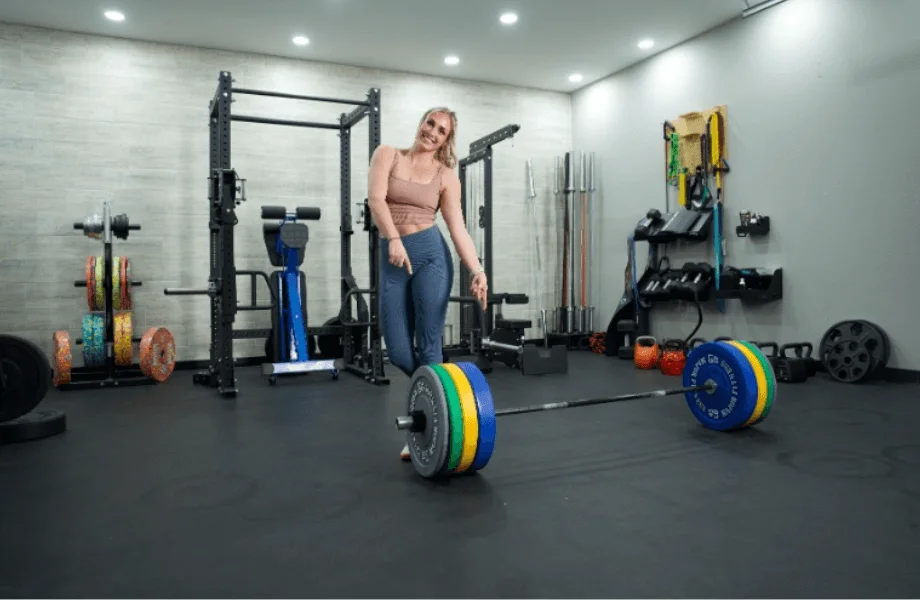
There are plenty of options to choose from, but not all bumper plates are created equal. In this PRx Crumb Rubber Bumper Plates review, I’ll break down our experience from owning and testing these high-quality plates. I’ll explain the pros, cons, and everything you need to know in order to decide if these are a good fit for your home gym.
Our PRx Crumb Rubber Bumper Plates Review, Summarized
These budget-friendly weight plates are more affordable than others we’ve had in testing thanks to their recycled crumb rubber construction. They can be great plates for most lifters, but they do bounce more than typical bumper plates, and the thinner 10-15 pound plates aren’t durable enough to be dropped on their own.
How We Test Bumper Plates
Bumper plates are specifically designed to be dropped, so durability is a critical component of our testing. You don’t want to buy bumper plates that aren’t durable enough to handle regular drops, so we carefully examine the durability by loading up a barbell and dropping the plates from varying heights. To earn 3 out of 5 stars, the bumper plates should show no signs of structural damage, but they may display some scratches and cosmetic damage.
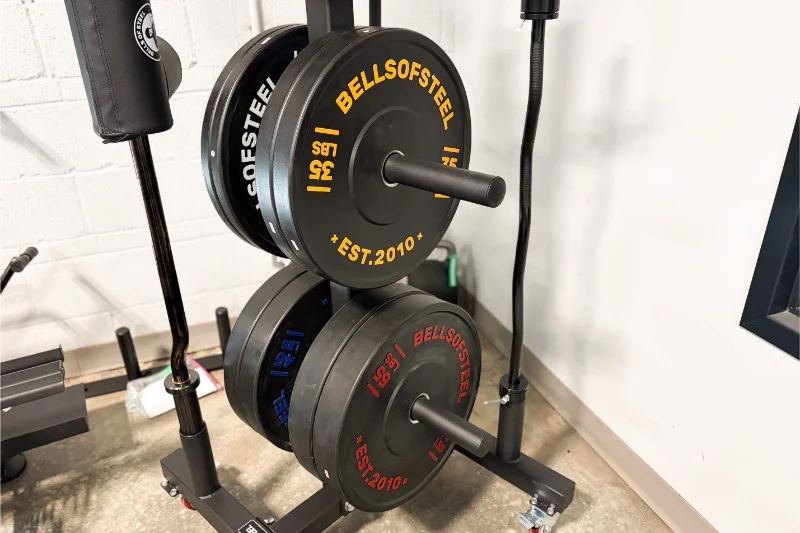
Rubber bounces, after all, so when testing bumper plates, we need to determine how controlled this bounce is upon impact. We’ll drop these plates from varying heights, taking a close look at how high the bar reacts off the floor. We also look at available durometer ratings, which measures the density of a given rubber. For a 3-out-of-5 rating, a plate should exhibit a moderate but controlled bounce, and durometer ratings should sit somewhere in the 60s or higher.
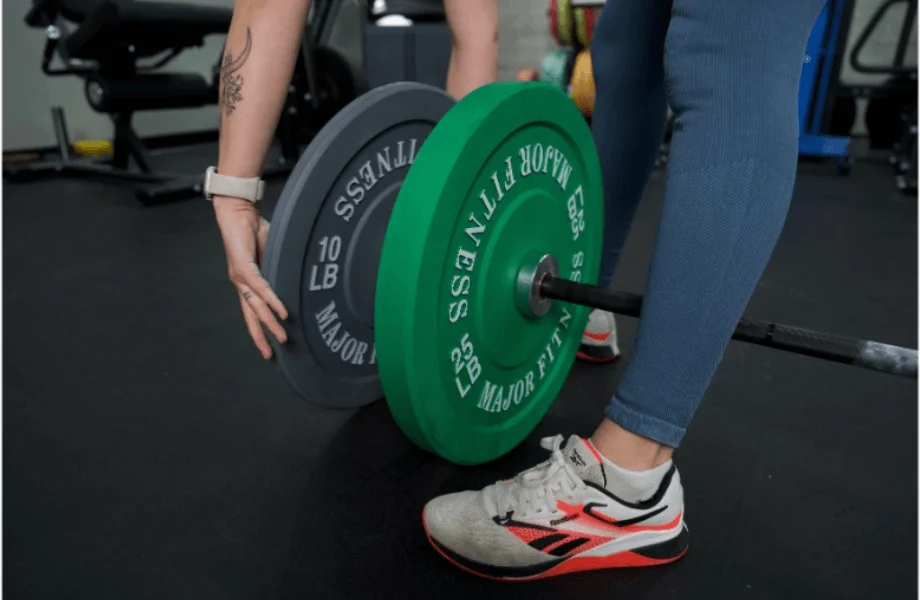
This category measures how accurate a bumper plate is. We want to see the actual weight be as close as possible to the weight listed on the plate, though it’s common to see the weight be 1-3% heavier or lighter than the listed total. For 3 out of 5 stars, the bumper plates claim to be within 2-3%, and this is validated by our testing. We award higher scores to plates with ±1% (or less) weight tolerance.
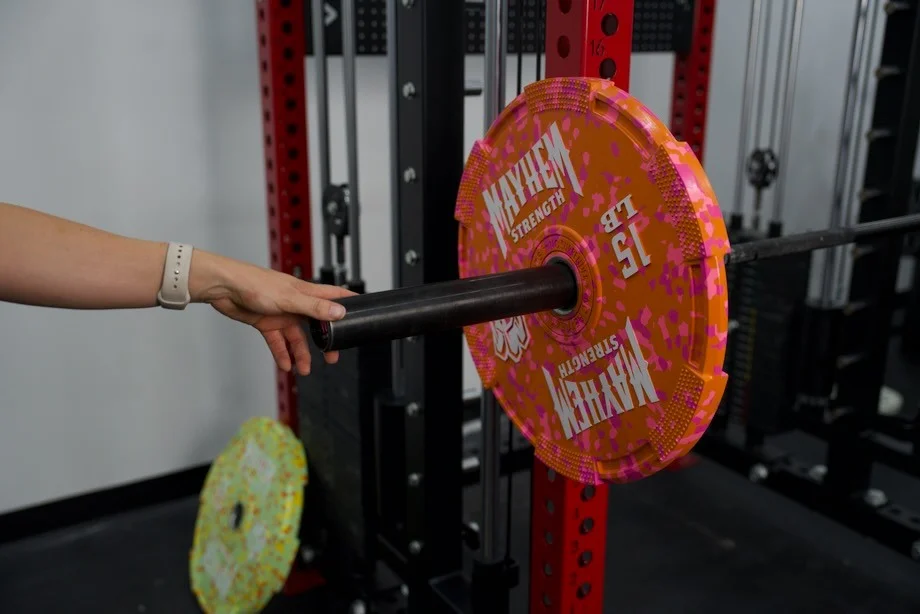
Our team has used and tested over 25 different types of bumper plates, taking each through a variety of workouts and training sessions. We load up our barbells and perform a range of exercises, seeing how the plates feel when loading and unloading the bar, as well as how they perform when dropped. After testing, we calculate a final score using our equipment testing methodology, which rates each plate on a scale of 1-5 in key categories including ergonomics, design, value, and more.
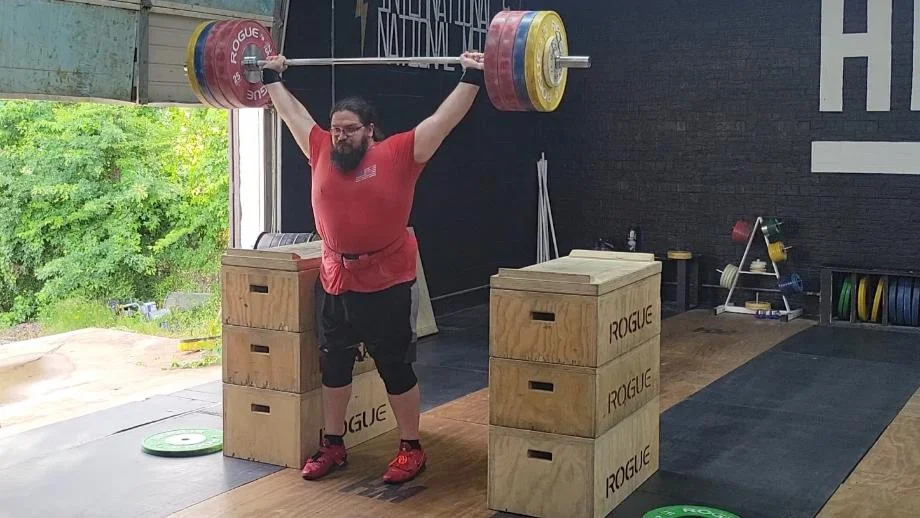
The GGR testers are a team of fitness professionals and enthusiasts, including certified personal trainers, weightlifting coaches, CrossFit enthusiasts, triathletes, gym owners, and more. Our team has extensive experience testing all kinds of fitness equipment, including bumper plates, barbells, squat racks, weight benches, and everything else you could need for a home gym.











What to Know Before You Buy
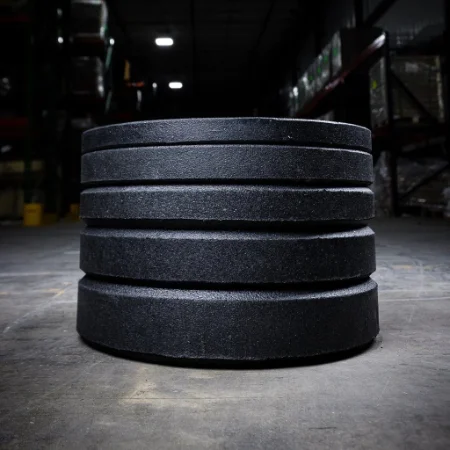
- The plates are made of crumb rubber, which results in a more affordable plate but ultimately reduces the durability.
- PRx plates bounce a little more than bumper plates with a higher density, so you’ll want to be careful when dropping your weights after a hard set.
- If you’re using the 10- or 15-pound plates by themselves, PRx says to avoid dropping the barbell, as the plates aren’t durable enough to withstand drops on their own.
Are the PRx Crumb Rubber Bumper Plates Worth It?
While they’re relatively affordable in comparison to other bumper plates, these PRx plates aren’t necessarily the best choice for everyone. It really depends on how you plan on using them, so here’s who we think should and shouldn’t consider adding these plates to their gym.
If you think these bumper plates may be the right fit for your needs, keep reading, as we’re about to get into the key features and specs, as well as talk about our detailed testing experience and scoring results.
PRx Crumb Rubber Bumper Plates: Key Features & Specs
| Price (Original MSRP) | $51.99-$187.99 per plate, sold in pairs and sets |
| Materials | Recycled crumb rubber |
| Weight Range | 10, 15, 25, 35, and 45 lbs |
| Weight Tolerance | Not disclosed |
| Diameter | 17.75” |
| Insert | 50.6 mm ±0.2 mm |
| Plate Thickness | Not disclosed |
| Durometer Rating | Not disclosed |
| Warranty | 2 years (90 days for 10- and 15-lb plates) |
Experience Using the PRx Crumb Rubber Bumper Plates
For this review, our product tester was GGR’s Director of Content, Nicole Davis, CPT, PN1-NC—a certified personal trainer and home gym owner. Nicole had these plates shipped to her house where she’s been able to spend plenty of time using them in her home workouts.
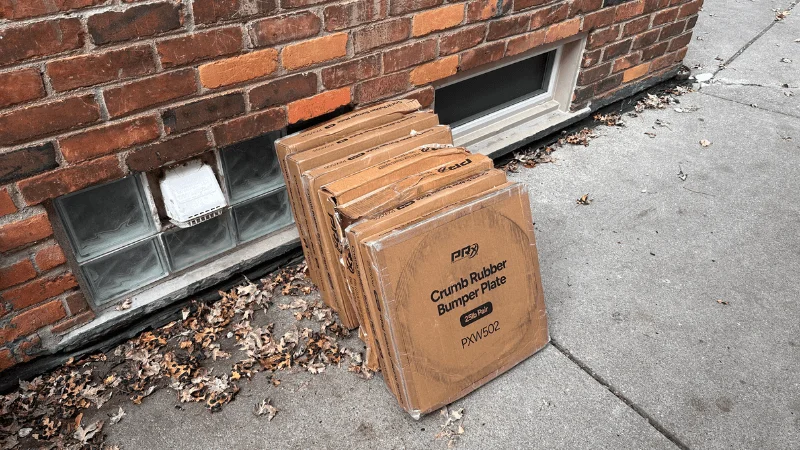
Nicole notes that while the boxes were damaged during shipping, the plates themselves were in perfect shape with no signs of visual damage. She performed a variety of barbell movements with the weights, noting how they felt when sliding them on and off the bar. She also dropped the bar plenty of times to see how much the plates bounce and how much noise they make.
RELATED: Best Home Gym Equipment
Overall, she was impressed with these plates, especially for home usage. They’re not as durable as some of the more high-end plates we’ve tested, though, and PRx encourages users to be careful when using the lighter plates.
These PRx crumb rubber plates can be a great choice for home gym owners eyeing a solution for safer, less destructive home training sessions. The higher bounce isn’t going to be ideal for serious competitions, but I think it can fit nicely in most garage settings. Plus, I do like the grip and texture of the crumb rubber—it’s plenty helpful when trying to load and unload a barbell post sweat-session.
Ben Emminger, NASM-CNC, NASM-CSNC
PRx Crumb Rubber Bumper Plates Rating
Construction and Durability
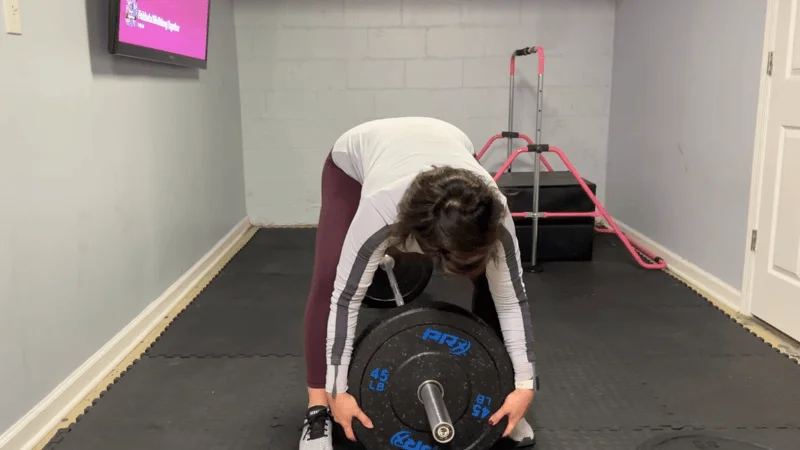
For construction and durability, PRx earns 4 out of 5 stars for its crumb rubber bumper plates. They may not be a great choice for commercial gym owners, but should offer more than enough durability for most home gyms.
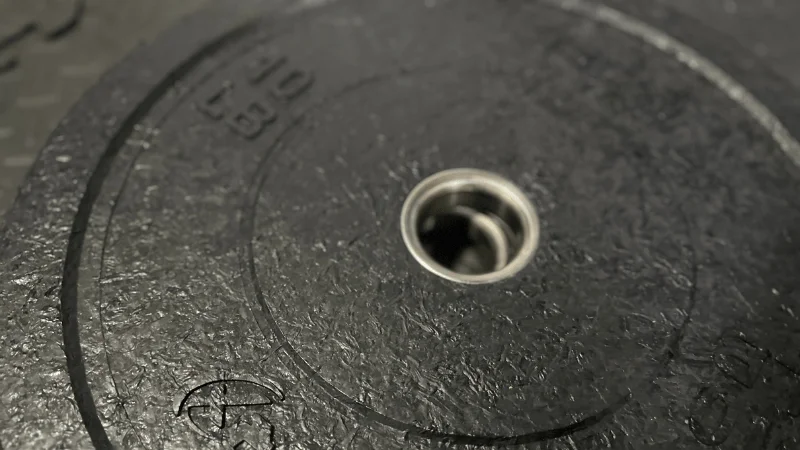
“These are crumb rubber with a hooked stainless steel insert,” says Nicole Davis, CPT, PN1-NC. “They seem very durable, and on their site, they say the plates have been tested to withstand 30,000 drops.”
RELATED: Bumper Plates Vs Iron Plates
We have to point out, though, that it’s not recommended to drop the 10-pound and/or 15-pound plates alone on the barbell, as this can cause damage to the plates and voids the warranty. This shouldn’t be an issue for most, but any lifters who primarily use lighter weights will need to be careful.
Weight Tolerance
PRx earns 3 out of 5 stars for weight tolerance, though this is a conservative rating, as we’ve yet to absolutely confirm the weight tolerance.
For this category, we typically look to the manufacturer’s official listing, although PRx doesn’t disclose an official weight tolerance. We do feel that the weight is accurate, but as we don’t have an official number from PRx, we’re giving this a 3 out of 5.
Bounce
Unfortunately, PRx doesn’t disclose these plates’ durometer rating—which measures the density of the rubber—so we had to use our best judgment for this category. Overall, Nicole gave them 3 out of 5 stars, saying they have a moderate bounce.
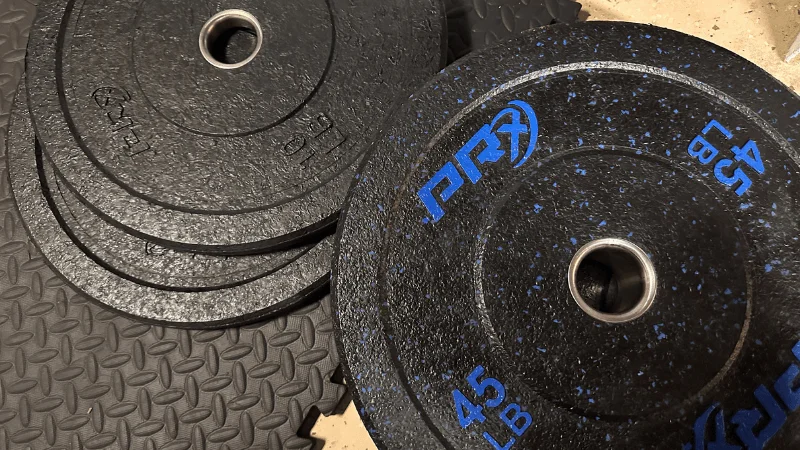
We know that crumb rubber plates generally have more bounce than denser virgin rubber plates, so if you’re used to bumpers found in commercial gyms, you’ll want to be careful so that the higher bounce doesn’t catch you off guard.
Design and Ergonomics
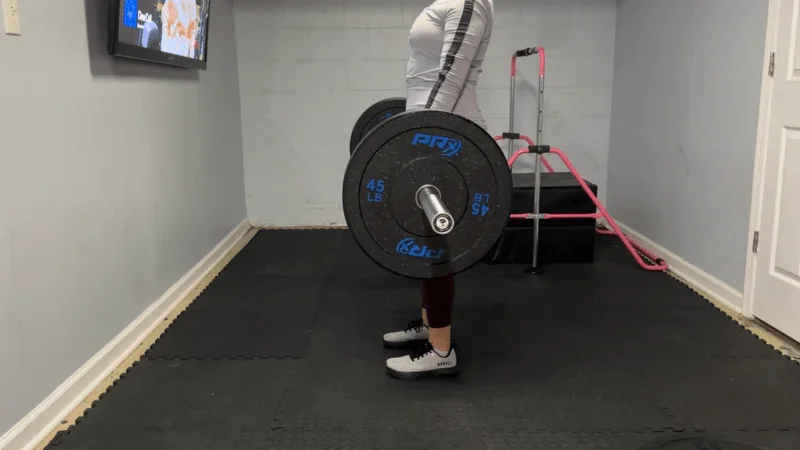
We give the overall design and ergonomics 4 out of 5 stars, which is slightly less than the average bumper plate score. The crumb rubber plates come in both solid black and color fleck editions, and the crumb rubber has a slight texture to it, which can help enhance the grip.
Nicole admits that while she thinks the flecked pattern is visually appealing, “The standard black ones are very run-of-the-mill-looking.”
The 50.6-millimeter collar opening is designed to fit standard Olympic barbells, but Crumb rubber plates are typically thicker than cast-iron plates or competition bumper plates. This is something to keep in mind if you’re a stronger-than-average individual who needs plenty of weight on a barbell; you may run out of room with thicker plates.
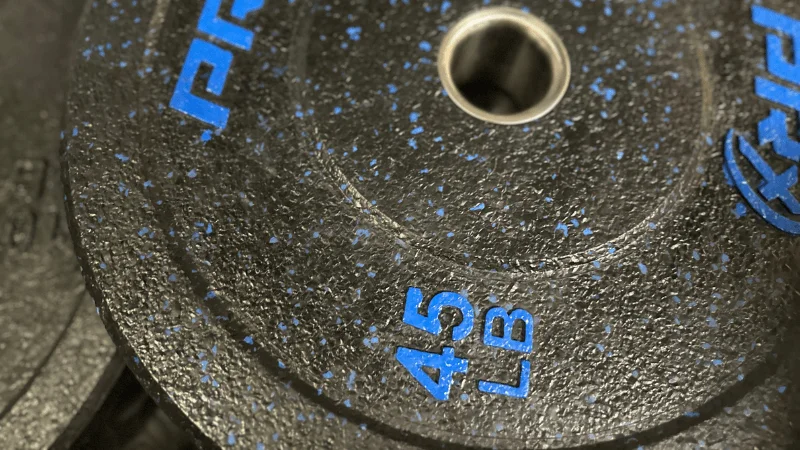
As for the ergonomics, these bumper plates act similarly to any other weight plate (aside from the bouncy sensation upon impact, of course). Research shows there are no biomechanical differences1 when lifting with bumper plates versus standard metal plates, and bumpers have the added benefit of being designed to absorb the impact from drops.
For home gym owners, this is a great way to protect your flooring from damage, as well as extend the lifespan of your barbell.
Weight Options
For weight options, we give these plates a strong 5-out-of-5-star rating. They’re sold in pairs in the standard weight options you’d expect, ranging from 10 to 45 pounds, and you can purchase 160-pound or 260-pound bundles, as well.
PRx doesn’t offer any change plates—which are typically 1.25, 2.5, or 5 pounds—but these plates should still work well for most uses.
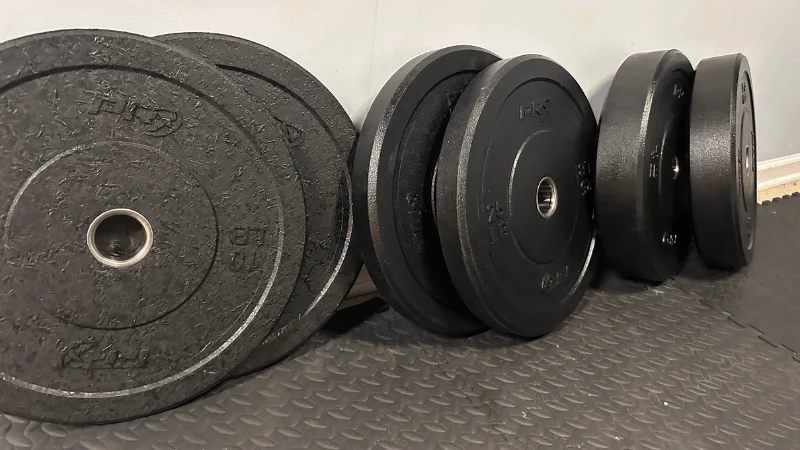
We appreciate the ability to order bundles, because PRx warns that you shouldn’t use the 10- or 15-pound plates on the bar without heavier weights to brace them for impact. This means that you’ll need a pair of 25-pound plates, at minimum, and since most people will want the option to add heavier and lighter plates to meet their lifting needs, we recommend choosing a bundle.
Value
For the value, Nicole gives these plates 3.5 out of 5 stars, which is less than the average bumper plate score.
“These are about $2.20 per pound on the cheaper end when you order the 260-pound bundle, but if you just order a set of 10s, they’re $2.60 per pound,” Nicole explains. “That’s about average when comparison shopping.”
The pricing may sound great, but Nicole adds, “With a two-year warranty on the higher weights and just 90 days on 10s and 15s, the value seems to be a bit lower than average.”
RELATED: Best Budget Home Gym Equipment
Customer Experience
The customer experience when ordering these plates from PRx earns 3 out of 5 stars. The shipping and return policy is OK, and customer service can be reached via phone, email, or contact form.
That said, we docked points for the limited warranty, which is two years for the heavy plates, and only 90 days for the 10- and 15-pound options. Not to mention, PRx warns that dropping a bar with only the lighter weights voids the warranty, so we don’t love the coverage here.
There’s no free shipping, either, and the shipping itself may be a bit slow, though we didn’t have any issues. PRx claims that most of your order should ship within 3 to 5 business days, but warns that it may take up to 2 to 4 weeks to process the entire order. Returns are accepted, but you’ll need to pay for your own return shipping, as well as a 10% restocking fee.
Customer Reviews
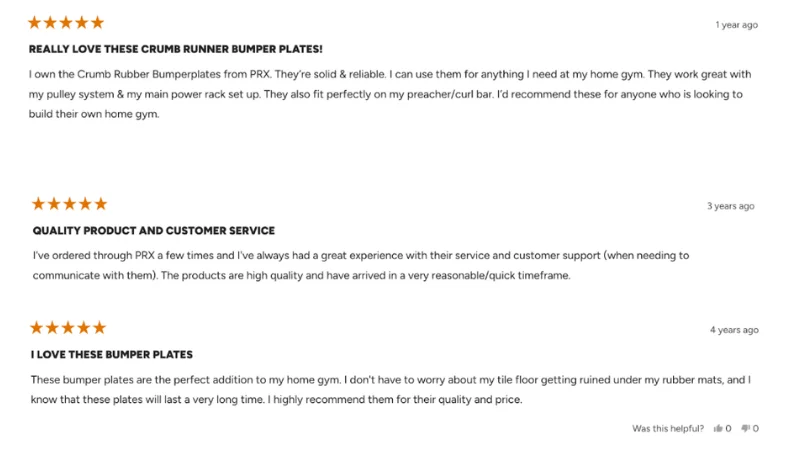
The PRx Crumb Rubber Bumper Plates have 160 customer reviews (at the time of writing) with an average rating of 4.9 out of 5 stars. Most customers seem to be very happy with their purchase, though several older reviews mention slightly delayed shipping times.
PRx Crumb Rubber Bumper Plates Vs
If you’re looking for other options, we also recommend considering the Nike Grind Bumper Plates and Fringe Sport Black Bumper Plates.
Similar to PRx, Nike uses crumb rubber in its Grind plates, but only on the outer surface; the inside uses a more durable, solid rubber material. As a result, the plates are thicker than standard bumper plates, although the exterior has a very unique design that many will love.
They cost a bit more than PRx, too, and Nike also warns to avoid dropping the 10- and 15-pound plates. They’re a good choice for those who like a stylish design, but if you’re not worried about looks, PRx may be a better choice.
You can read more in our full Nike Grind Bumper Plates review.
If you don’t want to deal with crumb rubber at all, the Fringe Sport bumper plates are some of our favorites on the market and continually rank amongst our top picks when it comes to bumper plates. They’re affordable, made of a durable virgin rubber, and feature a generous lifetime warranty.
The virgin rubber plates are a bit slimmer than the PRx plates, and the surface can feel a little slick once unboxed, but if you’re looking for better durability, the Fringe Sport plates can be a great choice.
For more, be sure to read our complete Fringe Sport Bumper Plates review.
| PRx Crumb Rubber Bumper Plates | Nike Grind Bumper Plates | Fringe Sport Black Bumper Plates | |
| Price (Original MSRP) | $51.99-$187.99 per plate, sold in pairs and sets | $46-$125 per plate, sold in pairs | $77-$279 per pair |
| Weights | 10, 15, 25, 35, and 45 lbs | 10, 15, 25, 35, and 45 lbs | 10, 15, 25, 35, 45, 55 |
| Material | Recycled crumb rubber | Nike Grind rubber made from recycled manufacturing scrap | Virgin rubber, stainless steel insert |
| Durometer Rating | Not disclosed | 65 (moderate bounce) | 90(10 and 15 lbs), 85 (25, 35, 45, and 55 lbs) |
| Weight Tolerance | Not disclosed | ±1% | ±1% |
| Plate Thickness | Not disclosed | 1.10” (10 lbs) to 3.15” (45 lbs) | 2.3” |
Final Verdict of Our PRx Crumb Rubber Bumper Plates Review
Overall, the PRx Crumb Rubber Bumper Plates can work well as training plates for your home gym and are available in a wide range of weights offering plenty of versatility. The crumb rubber has a nice, grippy feel to it, and while they have a bit more bounce than virgin rubber plates, these bumpers are more affordable than other high-end options.
You can’t use the lighter weight options alone, and the warranty coverage could be better, but we don’t have any concerns about long-term durability for home gym owners who take proper care of their gear.
- There’s a two-year warranty on the heavier plates, but only a 90-day warranty on the 10- and 15-pound plates. The 90-day coverage is also voided if you drop these lighter plates.
- PRx doesn’t disclose the weight tolerance or durometer rating for these bumper plates, but these feel pretty durable for crumb rubber and have a moderate bounce.
- The plates are sold in pairs, but you can also order them in bundled sets to save money on your purchase.
PRx Crumb Rubber Bumper Plates Review: FAQs
Are PRx Crumb Rubber Bumper Plates good?
Yes. PRx Crumb Rubber Bumper Plates are durable, relatively affordable, and can be a great choice for home gyms, although they may not be a good choice for commercial gyms due to their limited warranty and higher bounce.
Are bumper plates better than regular plates?
Bumper plates allow users to perform the same movements as standard metal plates. The only difference is the rubber materials, which are meant to absorb the shock from dropping a barbell—a regular occurrence when performing Olympic weightlifting movements.
Are bumper plates worth it?
If you’re an Olympic lifter, CrossFit athlete, or someone who regularly drops their barbell, bumper plates can be worth the cost. However, if you’re primarily using plates for traditional barbell lifts (and you aren’t dropping your plates) or as added resistance for home gym machines, regular plates can get the job done just fine.
What are the best bumper plates?
There are plenty of good bumper plates to choose from that can fit a wide variety of preferences and budgets. Reputable brands that we’ve tested include PRx Performance, Rogue Fitness, Titan Fitness, REP Fitness, Bells of Steel, and more.
References
- Fiedler, M. J., Triplett, N. T., Hamilton, K. C., Needle, A. R., & van Werkhoven, H. (2024). The Effect of Different Weight Plate Widths (Bumper vs. Standard) on the Biomechanics of the Bench Press. Journal of strength and conditioning research, 38(4), e143–e149. https://doi.org/10.1519/JSC.0000000000004679