



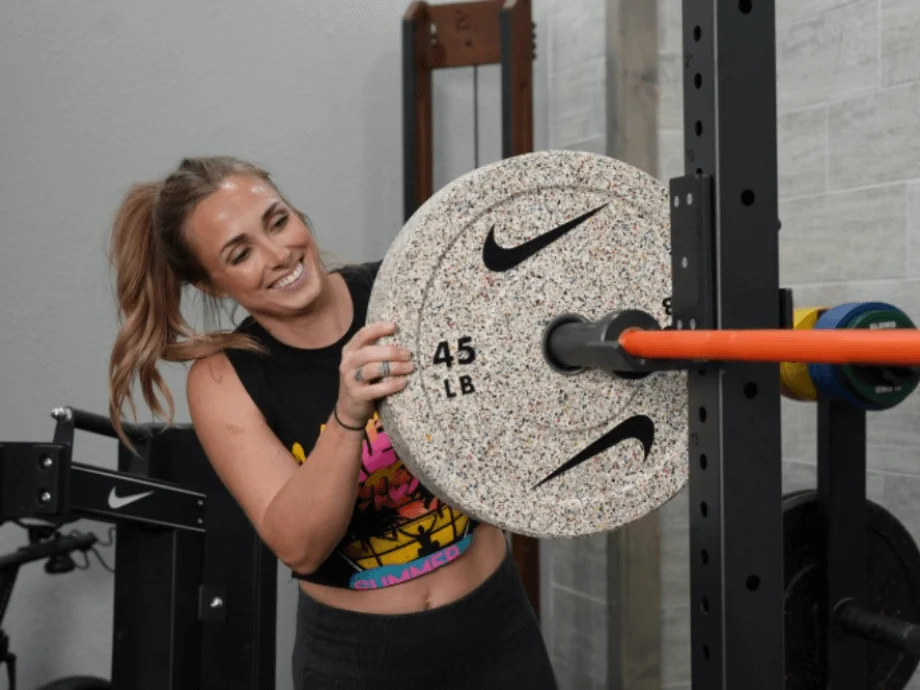
Nike is a household name in the world of sports apparel, but the Oregon-based brand has extended itself beyond the locker room as of late. Yes, Nike has entered the home gym equipment space, challenging some of the best bumper plates for supremacy with the brand’s Grind Bumper Plates.
Even if they weren’t branded with the famous Nike swoosh, Grind Bumper Plates—made of recycled Nike Grind rubber—are some of the most unique bumper plates we’ve seen in recent years, with each batch sporting its own one-of-a-kind look and pattern.
They’re flashy, but are they worth the price tag? Our experts have put these plates to the test, and in this Nike Grind Bumper Plates review, I’ll share everything you need to know before determining whether these plates are worthy of a spot in your gym.
Our Nike Grind Bumper Plates Review, Summarized
We love the design of the Nike Grind Bumper Plates, but they’re thicker than standard plates, which may limit how many you can fit on a barbell sleeve. The rubber is also soft, and the smaller plates may bend if they’re used without thicker plates to brace them.
How We Test Bumper Plates
Since bumper plates are designed to withstand repeated drops during Olympic lifting movements, we test the durability by dropping the plates from a variety of heights. Bumper plates typically have a center hub that helps prevent wear and tear between the rubber plate and the barbell, which is often the first area that sustains damage. To earn 3 out of 5 stars for this category, the plates show no signs of structural damage, but may have some scratches and exterior damage after testing.
This category is unique to bumper plates, and measures how much bounce the plates have when dropped. This depends on the density of the rubber, which is measured by its durometer rating. Denser rubbers typically have low bounce and better sound absorption, while those with lower durometer scores tend to bounce higher and make more noise. For a 3 out of 5, a plate exhibits a moderate but controlled bounce, with a durometer rating in the 60s.
Weight tolerance refers to how accurate the weight is. For example, a 20kg plate should be as close to 20kg as possible, but they’re often 1-3% heavier or lighter than claimed. To get 3 out of 5 stars for this category, the plates claim to be within 2-3% of the claimed weight, and our testing validates this. Higher scores are given to plates that are within 1%.
Each of our equipment reviews is based on extensive testing from our team of experts, and to date, we’ve tested over 25 different bumper plates. We perform a variety of exercises with the plates, drop them from different heights, and finally, rate each set of plates using our equipment testing methodology. This helps us calculate an unbiased final review score by rating each set of plates for a variety of categories, including construction, design, ergonomics, value, and more.
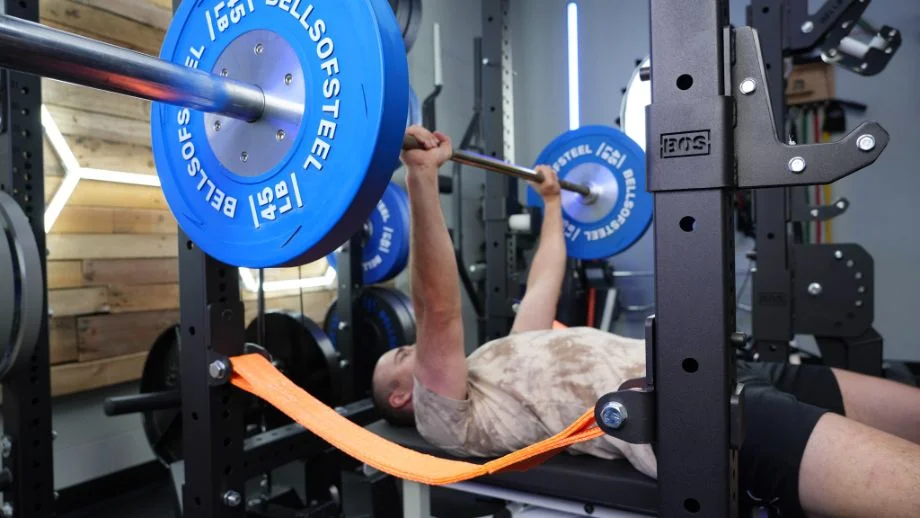
The Garage Gym Reviews team is made up of certified personal trainers, strength coaches, gym owners, CrossFit enthusiasts, and even an Olympian. Our testers have years of experience using a variety of equipment, including bumper plates, and we regularly consult with medical professionals and registered dietitians.
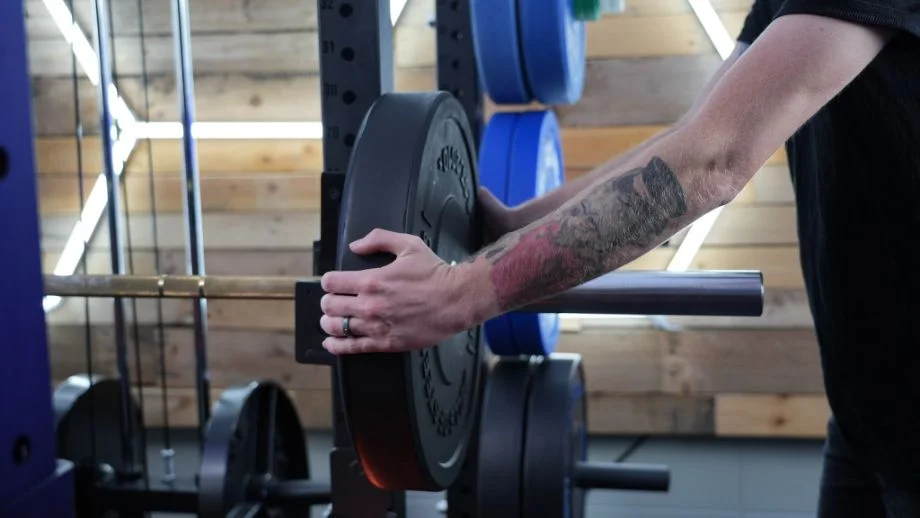
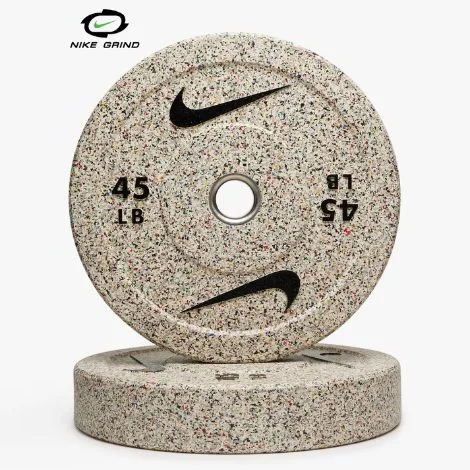
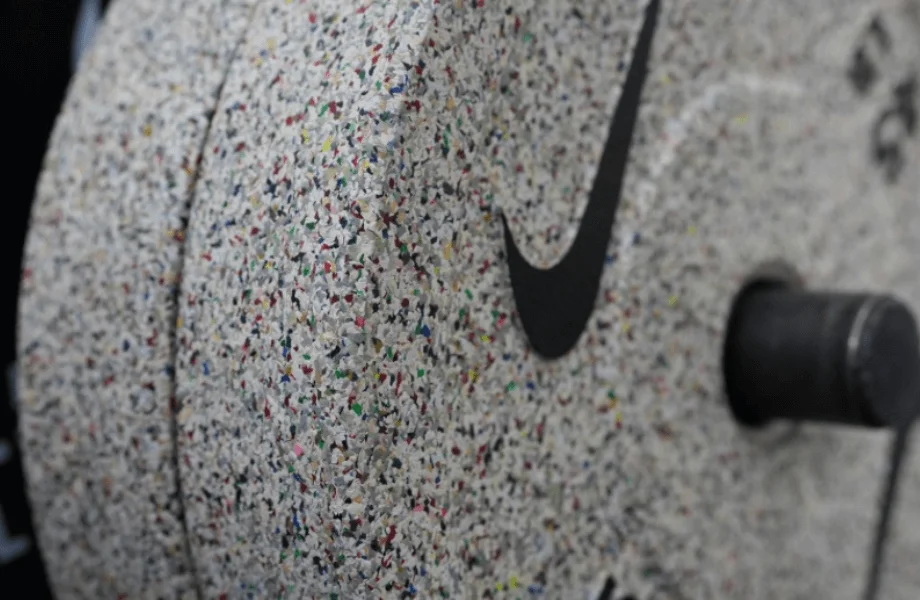
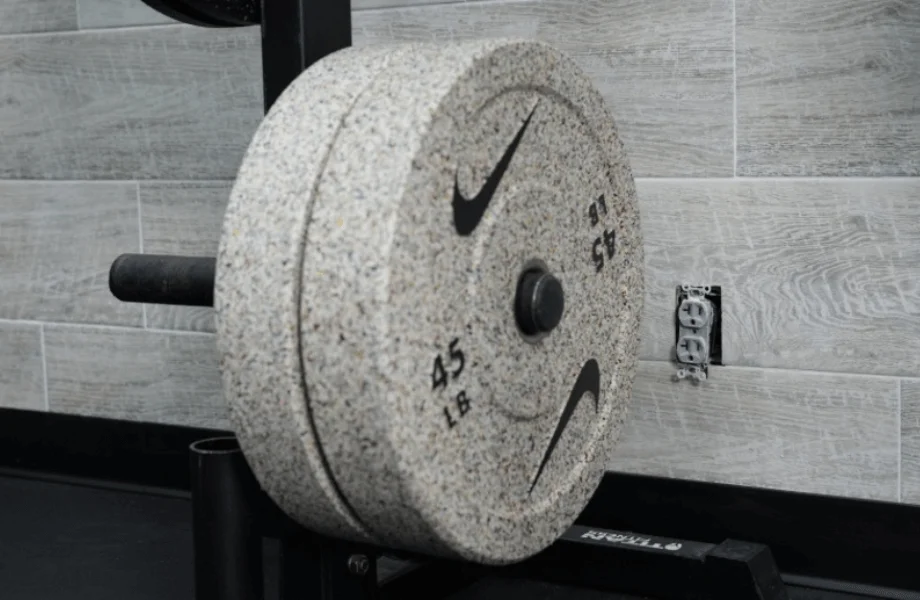
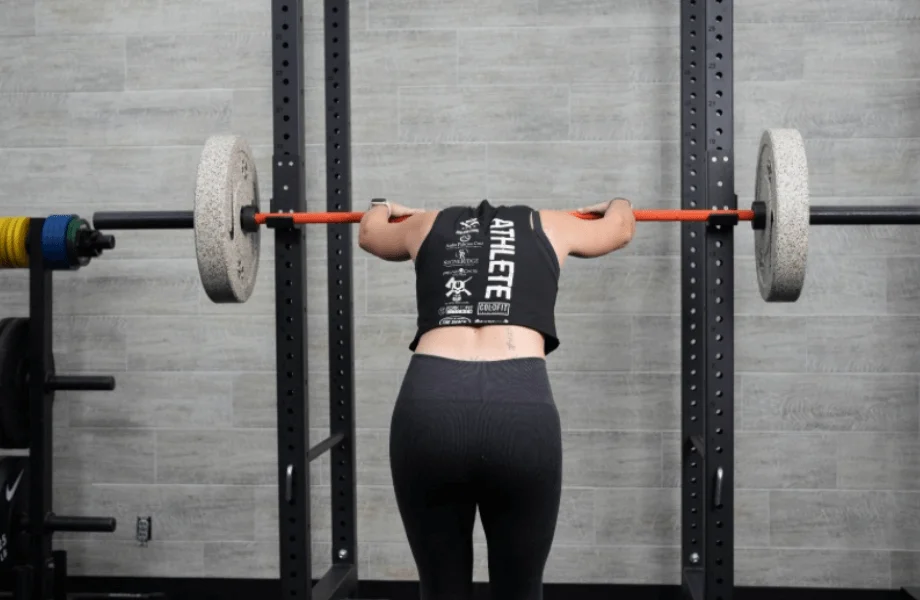






Nike Grind Bumper Plates have an exterior made with their Grind rubber, a recycled material made from Nike manufacturing scrap. Sold in pairs, these bumper plates are available from 10-pound plates to 45-pound bumper plates. With a durometer rating of 65, these bumper plates will have a moderate bounce when dropped.
What to Know Before You Buy
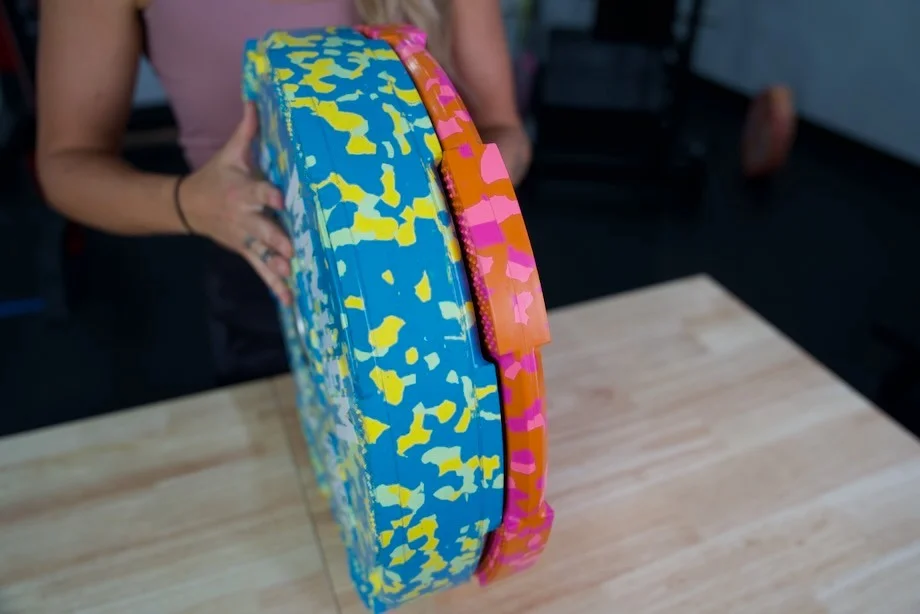
- The 45-pound plates are thicker than most, which may be an issue for stronger individuals who are worried about running out of sleeve space on the barbell.
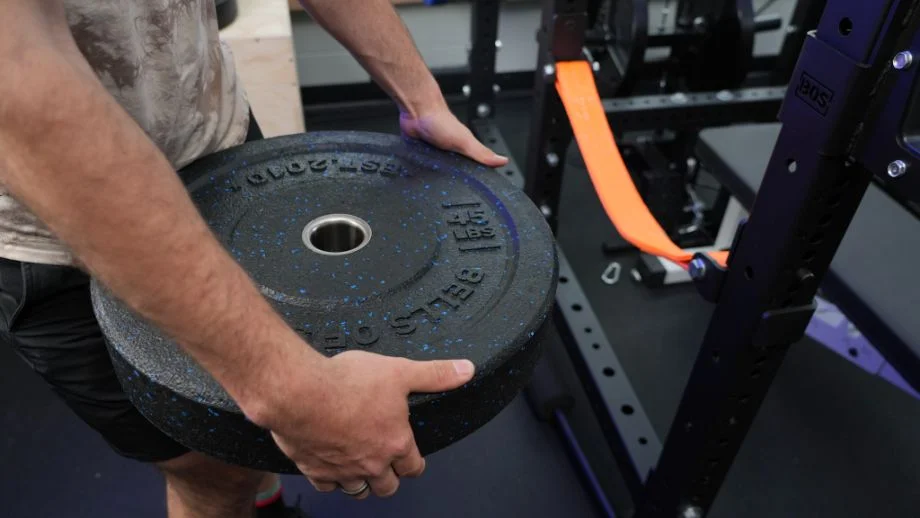
- These plates have a moderate bounce, so those looking for a dead bounce may need to choose something else, like the Bells of Steel Dead Bounce Bumper Plates.
- We found the plates to have excellent weight precision, but the durability isn’t great.
Nike Grind Bumper Plates Video Review
Are the Nike Grind Bumper Plates Worth It?
The Nike Strength bumper plates are aesthetically pleasing and versatile, but that doesn’t mean they’re the best fit for all gym owners. Here’s who we think should consider adding these plates to their home gym.
Think these plates may be a good fit for you? Here are some of the key features and specs of these recycled rubber bumper plates.
Nike Grind Bumper Plates: Key Features & Specs
| Price (Original MSRP) | $46-$125 per plate, sold in pairs |
| Weights | 10, 15, 25, 35, and 45 lbs |
| Material | Nike Grind rubber made from recycled manufacturing scrap |
| Durometer Rating | 65 (moderate bounce) |
| Weight Tolerance | ±1% |
| Plate Thickness | 1.10” (10 lbs) to 3.15” (45 lbs) |
Experience Using the Nike Grind Bumper Plates
To get the full experience, GGR founder Cooper “Coop” Mitchell took the Nike Grind Bumper Plates through a variety of exercises. To make sure we received the full Nike strength equipment experience, he tested the plates using a Nike barbell, dropped it to test the bounce, and even cut a plate open to see what was inside.
Overall, Coop liked most aspects of these plates, including the strict ±1% weight tolerance and general aesthetics of the crumb rubber exterior, along with the internal metal ring offering additional support. It’s the same grind rubber used on the Nike Grind dumbbells, and because the material is made of recycled rubber, each batch may develop a slightly different appearance during the manufacturing process.
However, he had a few concerns about durability, especially with the 10- and 15-pound plates. Additionally, he noticed a somewhat heightened bounce during our drop tests, which may cause safety issues for those who are used to traditional plates.
Nike notes that they may yellow over time when exposed to UV light—like if your garage door is open frequently, or you leave the plates outside. If you’re a home gym owner who wants them to maintain their original appearance, you may need to store them out of direct sunlight, and keep them in your garage or basement.
Cooper Mitchell, GGR Founder
Nike Grind Bumper Plates Rating
Construction and Durability
When it comes to rubber plates, density is often measured using a durometer, which indicates the rubber’s hardness on a scale of 0 to 100. Coop explained that most high-end bumper plates score between an 80 and 90 durometer rating, while other crumb rubber plates often rate at an 80 durometer. Unfortunately, the Nike plates are only 65 durometer, which is very soft and raises some durability concerns.
RELATED: Bumper Plates Vs Iron Plates
Coop noted that while the 45-pound plates seemed durable enough during our testing, the lighter plates didn’t impress him. We know Nike’s slogan is “Just Do It,” but when it comes to dropping the lighter plates, we suggest you don’t—and Nike agrees, warning that using the 10- and 15-pound plates alone on a bar voids the warranty.
“Because the rubber is so soft, I strongly suggest avoiding the 10s and 15s if you plan to use them alone on a barbell,” Coop warns. “They flop around like a pizza when dropped and will likely break over time. They’re fine if paired with larger plates, but not suitable for solo use.”
He also cut open a Grind plate to see the inside. He found that the recycled Grind rubber is only found on the outside of the plate, so the looks are a little bit deceiving.
“Overall, seeing the internals doesn’t change my opinion much,” Coop adds. “If anything, it confirms the outer layer is primarily for looks. If the whole plate were made of the soft Nike Grind material, durability would be a huge issue.”
Weight Tolerance
For weight tolerance, which measures how accurate the stated weight is, the Grind Bumper Plates earn a strong 5 out of 5 stars. We found the weight to be very precise, within ±1% of the listed weight total, which is excellent accuracy for bumper plates.
This is partially due to the construction, which includes a metal reinforcement ring.
“There’s a full metal ring embedded inside the plate,” Coop explains. “It’s not a wire like some companies use—it’s a complete circular metal band. I think this is added to increase weight without increasing thickness, and to help calibrate the plates to that ±1% spec.”
Bounce
The Grind plates have a moderate bounce, which earned 3.5 out of 5 stars.
They’ll bounce right back off the ground at you, so if you plan on dropping this from overhead while performing weightlifting movements, you’ll want to make sure you’re ready to catch the bar in case it bounces erratically. Compared to other bumpers that have a dead bounce, an Olympic barbell with Nike Grind plates might bounce higher than you’re expecting.
If you focus on powerlifting, you probably don’t want plates that bounce during a deadlift, so these are best suited for general strength training rather than the “big three” of bench press, back squat, and deadlift. They offer a lot of versatility for most fitness enthusiasts, but if you regularly deadlift, you’ll want to keep other choices on hand.
Design and Ergonomics
The look of these plates is their strongest point, and we give them 5 out of 5 stars for design and aesthetics. The speckled Grind rubber will look slightly different in each batch, so your order may not look exactly like ours. We also like the sleek Nike Swoosh and numbers on each plate.
If you plan to use these outdoors, Nike warns that prolonged UV exposure may cause discoloration. Now, we know many of our readers will likely be using these in a garage or basement gym, but we wanted to point this out in case you train outside on the regular.
As for ergonomics, while bumper plates can feel a little different during barbell lifts, a 2024 study1 compared them to standard metal plates and found no biomechanical differences on the bench press. If you’re using them for Olympic weightlifting movements, they’ll bounce more than other options, but that shouldn’t impact the lift itself.
Weight Options
The Nike bumper plates earn a strong 5 out of 5 for the weight options. Even though you have to buy them in pairs and can’t add on individual plates, the plates are sold in 10, 15, 25, 35, and 45 pounds, which is a pretty typical weight range for bumper plates.
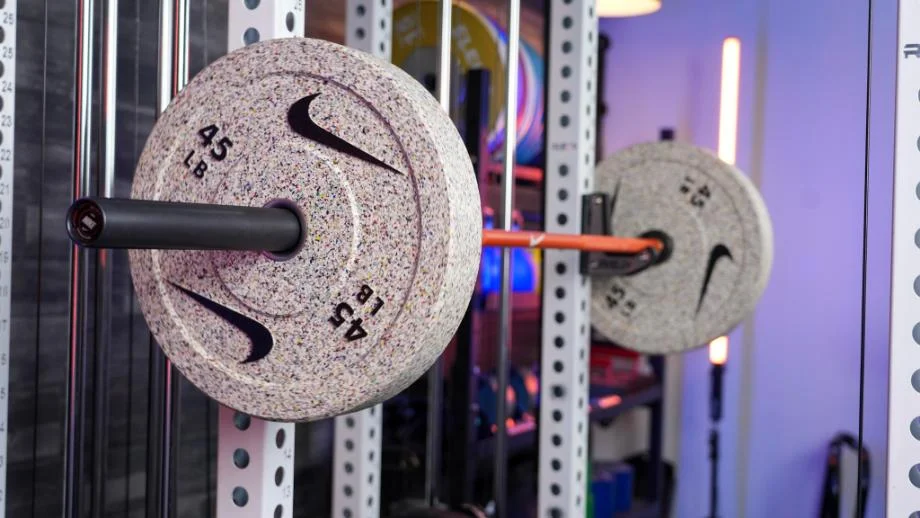
This matches what we’d expect to see for bumper plates, and should fit the needs of most home gym owners. Keep in mind, if these are your first bumper plates, we recommend at least one pair that’s more than 25 pounds, as lighter plates used alone may have durability issues.
If you need something lighter than 10 pounds, you’ll need to use your own separate change plates.
Value
We give the Nike Grind Bumper Plates 3 out of 5 stars for value. You can only buy them in pairs, and the complete set costs more than other high-end bumper plate options. This cost would be justified if the plates had exceptional durability, but this wasn’t the case, not to mention they’re a little thicker than most other plates, which may cause issues.
“These plates are sold as pairs only—$220 for a pair of 45s, and you can’t buy singles,” Coop explains. “By comparison, Rogue Mil-Spec 45 lb pairs are about $160. That’s a $60 difference per pair. A full set of Nike Grind plates (pairs of each size) costs $835, including shipping. A comparable Rogue set costs about $635 with free shipping.”
Customer Experience
The Nike customer experience earns 4 out of 5 stars. You can return your plates within 30 days, as long as they’re unopened and unused, and Nike will even cover the return shipping—a rarity when purchasing home gym equipment.
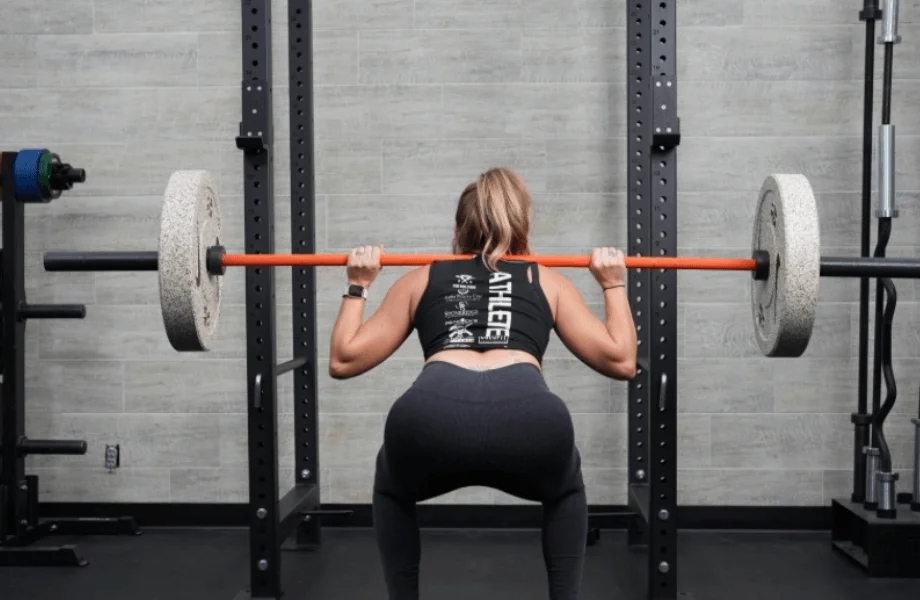
The warranty is good, but not great. The 10- and 15-pound plates are covered by a six-month warranty, while heavier plates have a three-year warranty for home use. However, Nike warns that the warranty is void if the plates aren’t used on proper home gym flooring, and even warns lifters not to use the 10- and 15-pound plates alone for durability concerns.
However, we still like the overall customer experience, as the support team can be reached via phone or live chat, and Nike offers a 10% discount for military and first responders.
Customer Reviews
The Nike Grind Bumper plates have 122 reviews at the time of writing, with an average score of 4.9 out of 5 stars on the brand’s website.
Most users are happy with their plates, though some mention that the color can change over time. Nike does make note of this color change, though, with the statement that reads, “The Nike Grind Bumper Plates may yellow over time as they are exposed to ultraviolet rays such as sunlight or heat. This natural process will not affect the integrity or function of the plate.”
Nike Grind Bumper Plates Vs
With so many bumper plates on the market to choose from, finding the right set for your garage gym can be difficult. If you’re on the fence about Nike’s fitness equipment, here are a few other options we like and recommend.
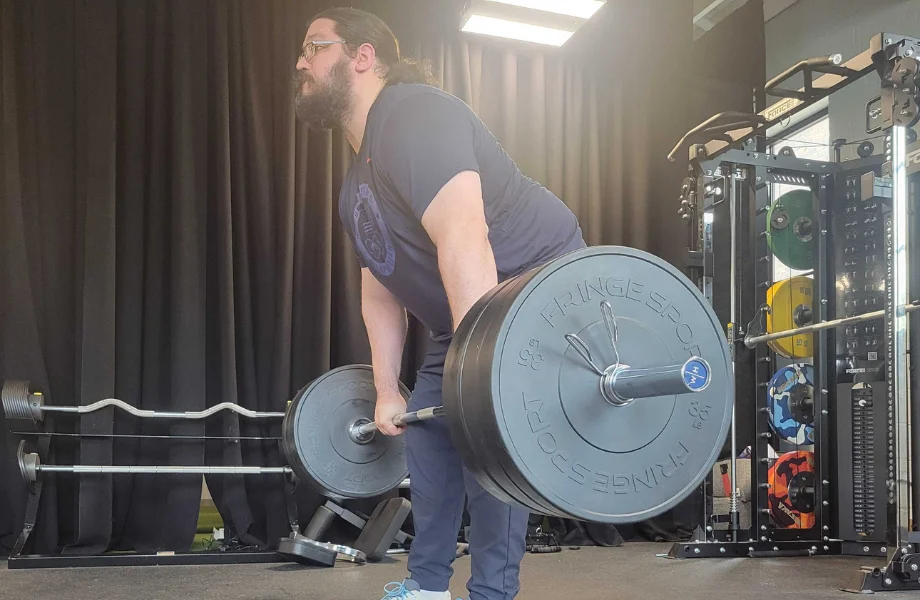
For a durable, affordable set, you may want to consider the Fringe Sport Bumper Plates, one of the better options we’ve tested. They’re affordably priced, high-quality, made of a dense virgin rubber, and come with a lifetime warranty. Nike certainly has a flashier appearance, but if you don’t mind a simpler design, the Fringe Sport plates are a good alternative.
To learn more, be sure to read our Fringe Sport Bumper Plates full review.
If price is your biggest concern, we recommend the Titan Fitness Economy Bumper Plates. They cost about $2.09 per pound, while the Nike plates range from $2.77 to $4.60 per pound. The warranty is only one year, but we still gave them 4 out of 5 for durability, and think they’re a solid choice for home gym owners.
| 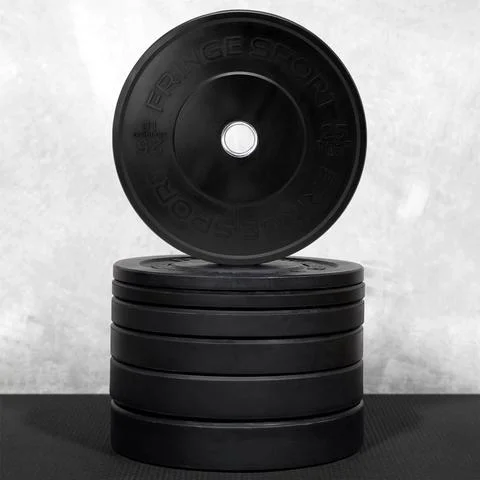 | 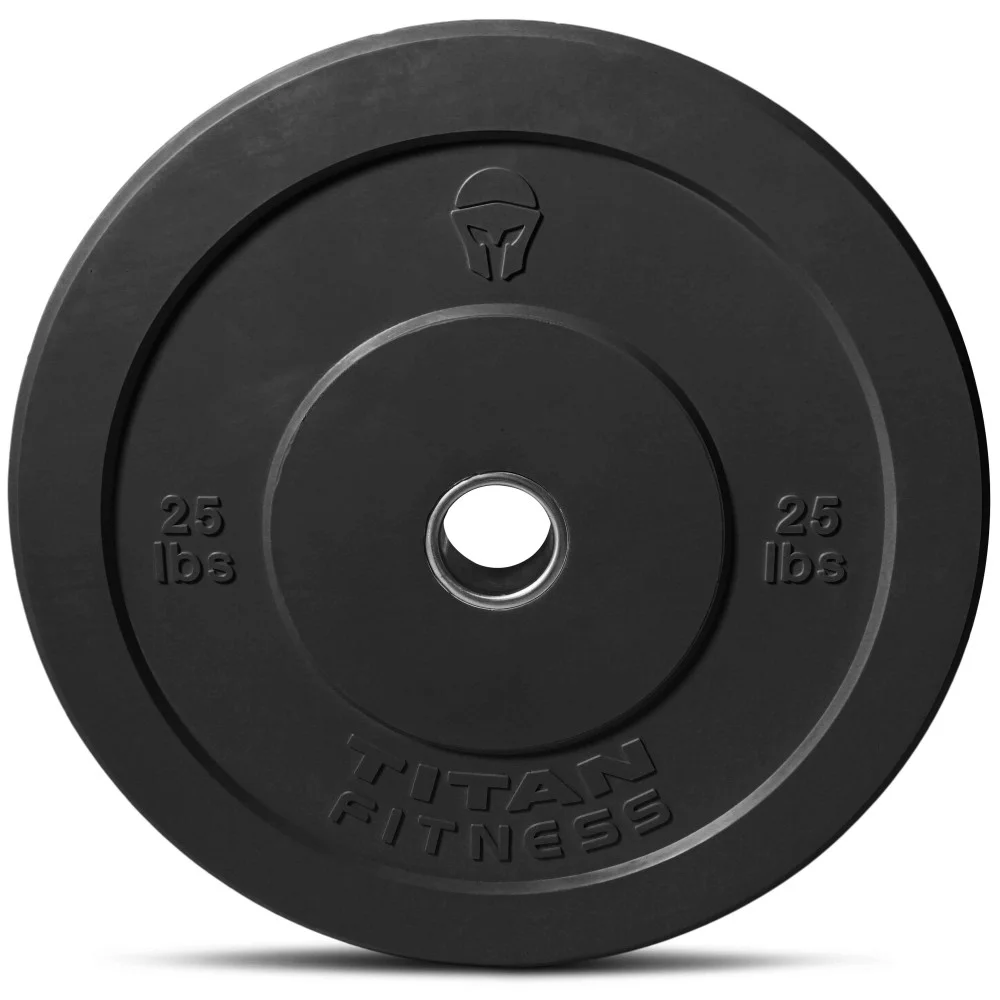 | |
| Nike Grind Bumper Plates | Fringe Sport Black Bumper Plates | Titan Fitness Economy Black Bumper Plates | |
Rating | |||
| Weights | 10, 15, 25, 35, and 45 lbs | 10, 15, 25, 35, 45, 55 lbs | 10, 15, 25, 35, 45, 55, 100 |
| Material | Nike Grind rubber made from recycled manufacturing scrap | Virgin rubber, stainless steel insert | Steel core in rubber coating, stainless steel insert |
| Durometer Rating | 65 (moderate bounce) | 90 (10 and 15 lbs), 85 (25, 35, 45, and 55 lbs) | Not disclosed |
| Weight Tolerance | ±1% | ±1% | ±3% |
| Plate Thickness | 1.10” (10 lbs) to 3.15” (45 lbs) | 2.3” (45 lbs) | 74 mm or 2.91” (45 lbs) |
| Warranty | 6 months (10 and 15 lbs); 3 years (all other weights) | Lifetime | 1 year |
Final Verdict of Our Nike Grind Bumper Plates Review
Overall, we really like the style of these plates and think they’re very aesthetically pleasing. If you’re a Nike fan, these are worth considering for your home gym, especially if you don’t mind plates that bounce a little more than usual.
We have some durability concerns about the lighter plates, but as long as you don’t use them by themselves (which Nike warns against), you shouldn’t have any issues with proper care.
They’re expensive, but you’re paying for the Grind rubber and Nike brand, so that’s to be expected. For those with a generous budget, these plates may be well worth a place in your home gym.
- Nike Grind Bumper Plates are very aesthetically pleasing, but they’re not the most durable free weights we’ve tested.
- Compared to other bumper plates, they’re very soft and have a moderate bounce.
- The 45-pound plates are thicker than many other bumper plates, which may cause issues as you get stronger and start to add additional plates to your barbell sleeves.
Nike Grind Bumper Plates: FAQs
Are Nike Grind plates worth it?
While the Grind rubber plates are expensive, they incorporate recycled rubber and may be worth it for eco-friendly buyers or fans of the Nike branding.
What exactly is Nike Grind made of?
According to Nike, Grind rubber is made of, “Manufacturing scrap, unused manufacturing materials and end-of-life footwear—including rubber, foam, fiber, leather and textiles.”
Do Nike Grind Bumper Plates reduce noise?
Yes, due to their soft-rubber construction, Nike Grind Bumper Plates can provide more noise reduction than standard metal plates, especially when used with noise-dampening flooring.
What are the best bumper plates?
The best bumper plates depend on your goals, preferences, and budget. Ideally, you want to find something that’s durable enough to withstand repeated drops, with a dense rubber material. There are plenty of great brands to choose from, including Nike, REP Fitness, Rogue, Bells of Steel, and more.
References
- Fiedler, M. J., Triplett, N. T., Hamilton, K. C., Needle, A. R., & van Werkhoven, H. (2024). The Effect of Different Weight Plate Widths (Bumper vs. Standard) on the Biomechanics of the Bench Press. Journal of strength and conditioning research, 38(4), e143–e149. https://doi.org/10.1519/JSC.0000000000004679