




Creatine has a well-documented history of helping people increase strength, build muscle, reduce muscle recovery time post-workout, and enhance overall exercise performance. Typically, this dietary supplement comes in the form of creatine powder or capsules. But what if you could get your daily dose of creatine in a tastier fashion?
It’s true, the best creatine now comes in a next-level form: gummy candy.
From gummy bears to chewable tablets, our expert testing team of personal trainers, elite athletes, and nutrition coaches bought, tested, and analyzed the best creatine gummies to help you select the most enjoyable supplements possible. We’re confident in our recommendations, as our shopping guides helped more than 7,000 consumers make creatine purchases in 2025.
Medical disclaimer: This article is intended for educational and informational purposes only. It is not intended as a substitute for medical advice. For health advice, contact a licensed healthcare provider.
GGR Gold Pick — Best Creatine Gummies
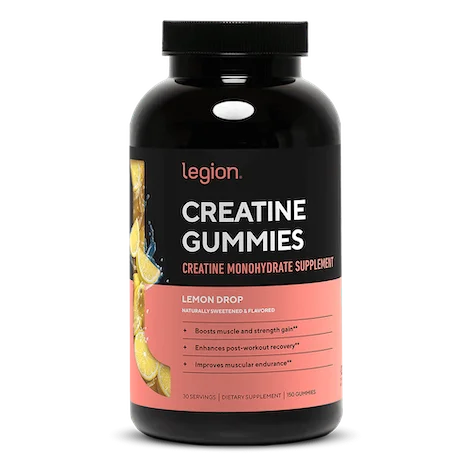
Legion’s Creatine Monohydrate Gummies earned the top spot on this list by earning a 4.6-out-of-5 rating from our testers. We love that each serving delivers 5 grams of creatine monohydrate, which is right where you want to be for enhanced athletic performance. Additionally, they taste great and are third-party tested. Big wins all around.
Best Creatine Gummies
- Best Creatine Gummies Overall: Legion Creatine Gummies come in eight flavors and earned a perfect formulation score from our team.
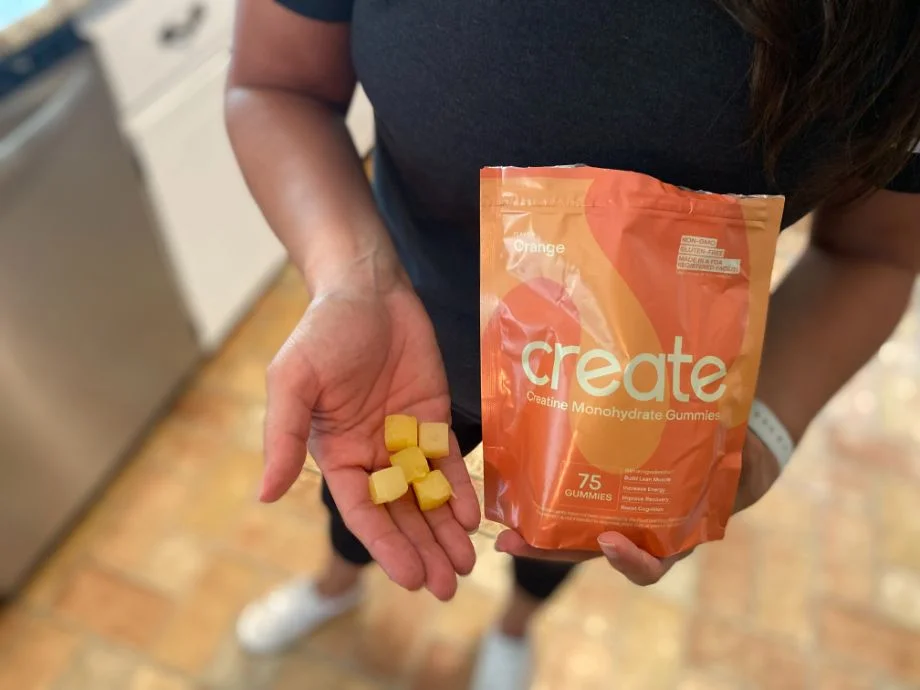
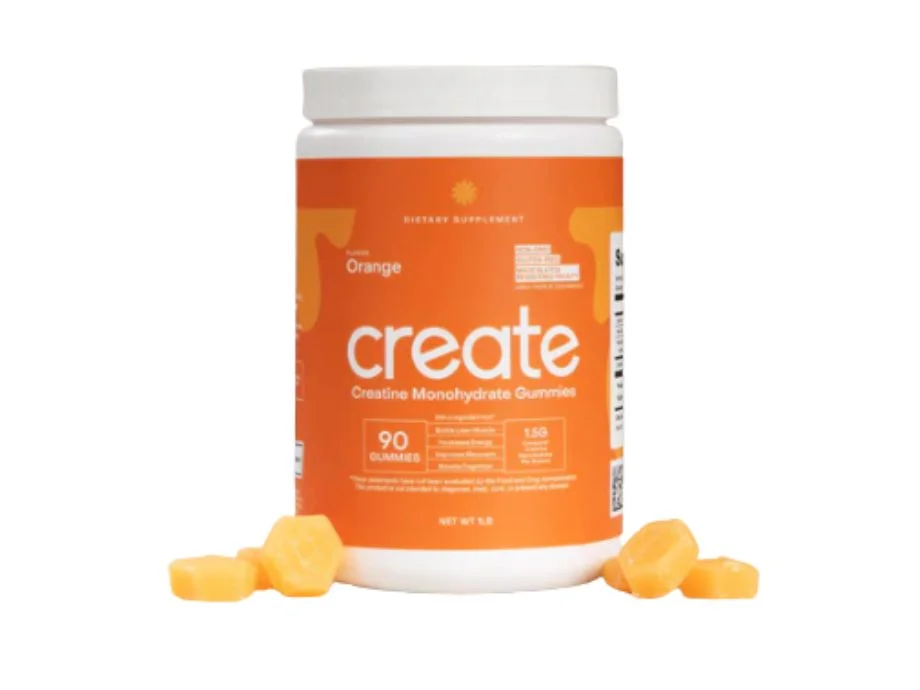
- Best Creatine Monohydrate Gummies: Create Creatine Gummies contain 1.5 grams of creatine per gummy, meaning you don’t have to consume as many as you do with other brands.
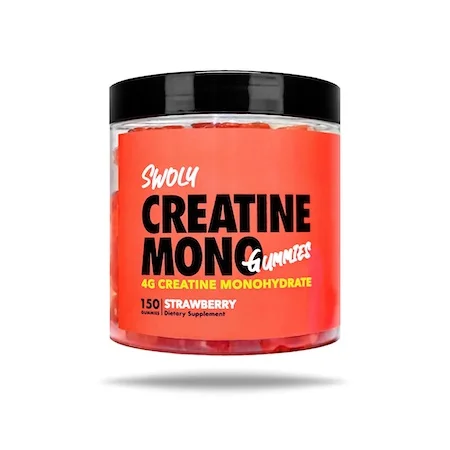
- Best-Tasting Creatine Gummies: Swoly Creatine Gummies boast a candy-like flavor that almost makes them seem too good to be healthy (we promise, they are!).
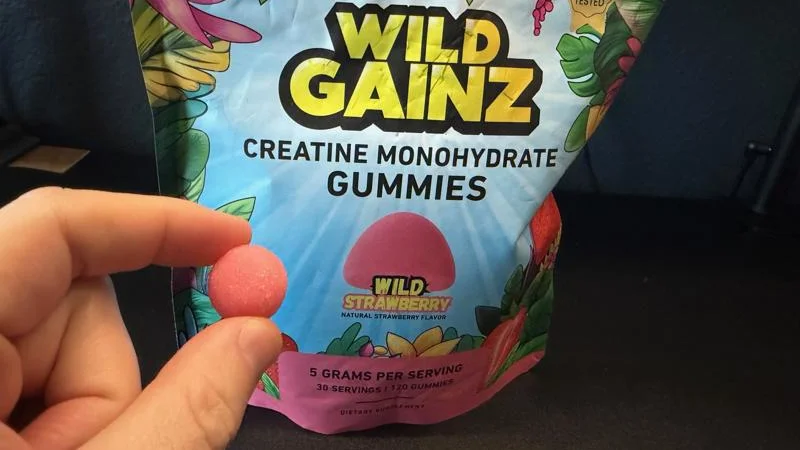
- Best Third-Party-Tested Creatine Gummies: Wild Gainz Creatine Gummies undergo an extensive third-party testing process that provides full transparency into what’s inside each gummy.
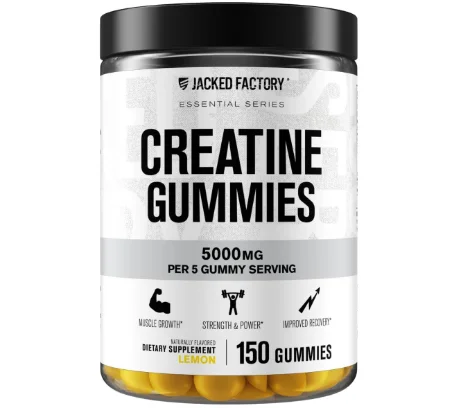
- Best Budget Creatine Gummies: Jacked Factory Creatine Gummies are a cost-effective option, especially for Amazon Prime members who take advantage of the subscribe-and-save feature.
Current Top Deals
- Create Creatine Gummies – Save 25% and free shipping with a subscription
- Legion Creatine Gummies – BOGO up to 50% off sitewide
- Organifi Creatine Chews – Get 50% off select items with code OVERSTOCK50
How We Selected the Best Creatine Gummies
When it comes to creatine, we want to see at least 3 grams of creatine per serving and as few additional ingredients as possible for the supplement to earn a 3 out of 5.
In a gummy, this means no excessive sugars or filler ingredients. Creatine gummies lacking excessive sugars along with a heightened presence of natural ingredients will often get a higher score.
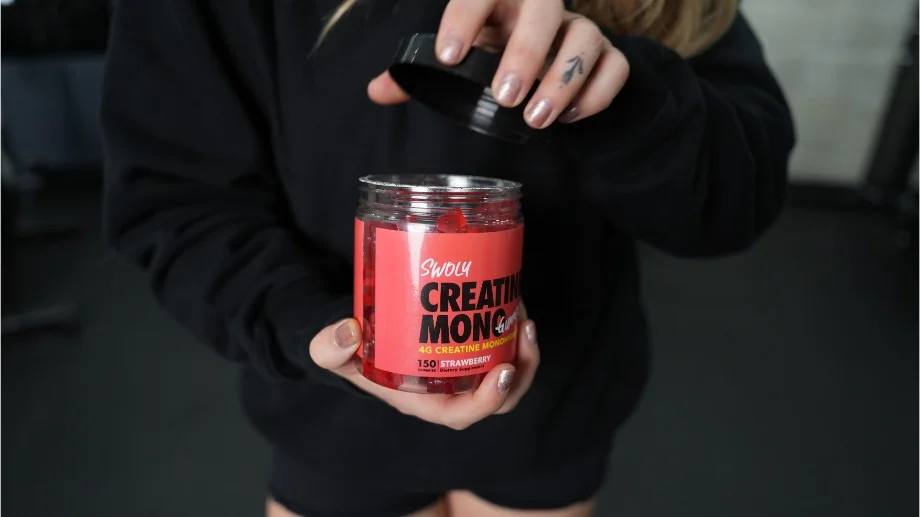
Taste is subjective, but in general, a 3-point score reflects a gummy that tastes, well, like a gummy. There are no surprises, good or bad. An outstanding taste warrants a 5-point score from our testers. We’ll also factor in customer reviews to get a feel for what the fitness community thinks about a creatine gummy’s flavor.
We require transparency from brands to award high scores in this third-party testing category. If a product is certified by a major organization like the National Sanitation Foundation (NSF) or Banned Substance Control Group (BSCG), it earns a 5 out of 5. If there is no certification, but the label is clear and manufacturing is transparent, a creatine gummy can typically earn a score of 3 out of 5.
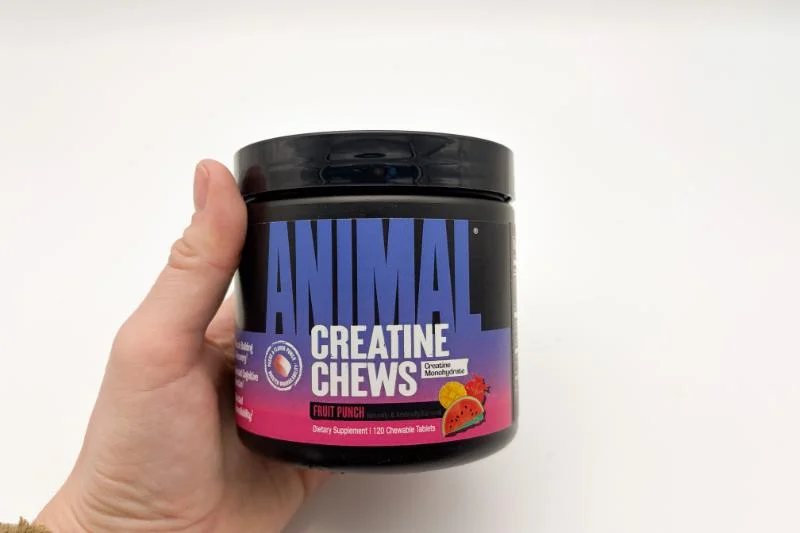
Our team of certified personal trainers, nutrition coaches, and athletes has tested over 60 creatine supplements and utilized our creatine testing methodology to rate each creatine gummy from 1 to 5 in several categories, including formulation, taste, texture, third-party testing, and more.
In addition to extensive consumption of creatine gummies (rough life, right?), we also spoke with multiple experts to get the lowdown on the benefits of creatine gummies, how they compare to the best creatine powders, and what to look for when shopping. We also talked with various experts, including registered dietitians Destini Moody and Perry Nix, to inform our choices.
Latest Updates
In August 2026, we reviewed our list of the best creatine gummies and made a few changes based on our latest testing. Legion Creatine Gummies remains in the top spot, thanks to their 5-star-rated formulation and excellent taste. We also added gummies from Momentous, Lemme, and Beast Bites. While these weren’t our favorites, we still think they’re worth considering.
Compare Side by Side
 |  |  |  |  | 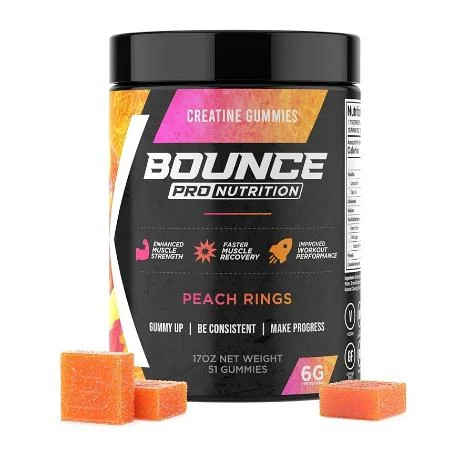 | 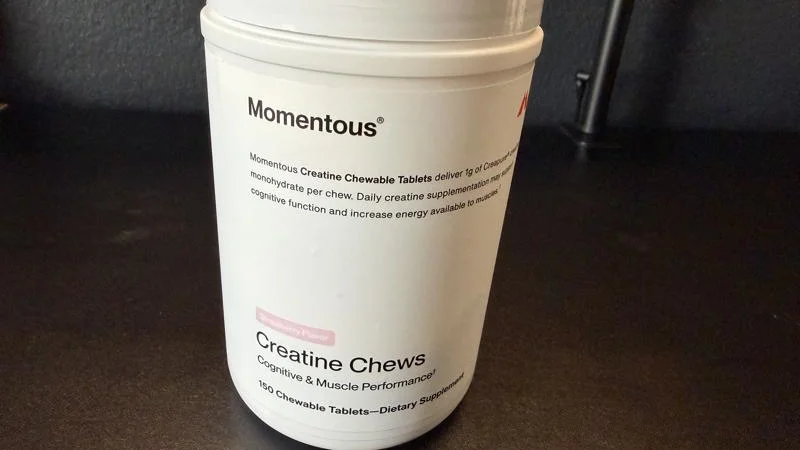 | 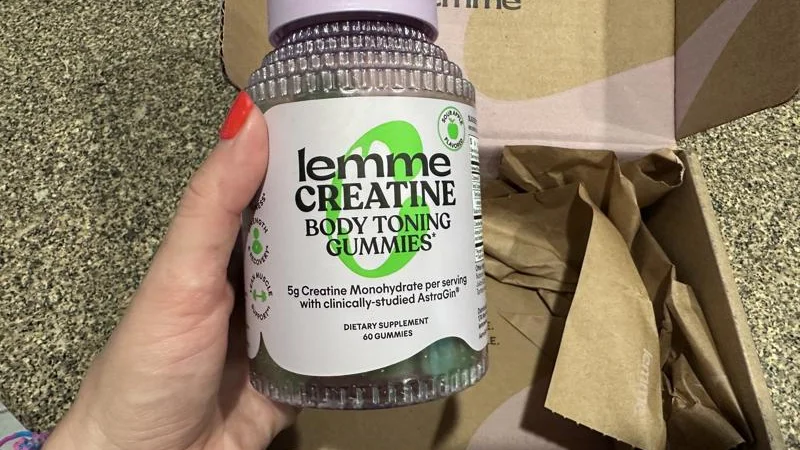 | 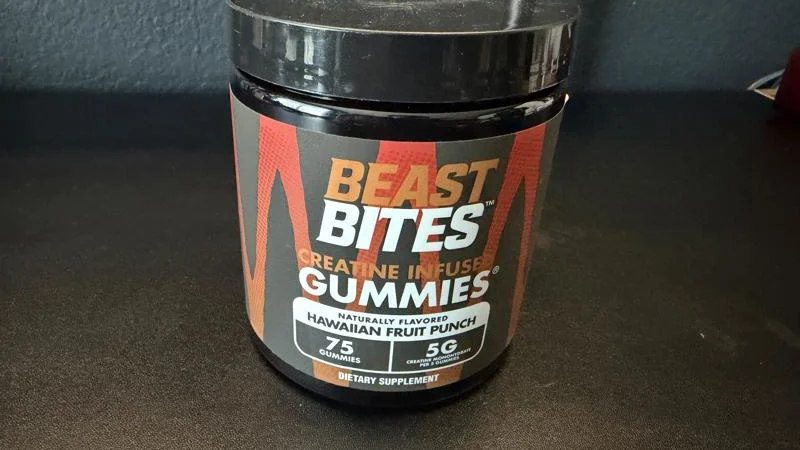 | |
| Legion Creatine Gummies | Create Creatine Gummies | Swoly Creatine Gummies | Wild Gainz Creatine Gummies | Jacked Factory Creatine Gummies | Bounce Nutrition Creatine Gummies | Momentous Creatine Monohydrate Chews | Lemme Creatine Body Toning Gummies | Beast Bites Creatine Infused Gummies | |
Rating | |||||||||
| Price Per Serving | $1.67 | $2.00 | $1.27 | $1.40 | $1.00 | $2.29 | 1.50 | 2.00 | 2.00 |
| Grams Per Serving | 5 g | 4.5 g | 4 g | 5g | 5 g | 6 g | 5g | 5g | 5g |
| Third-party Tested? | Yes | — | — | Yes | Yes | Yes | Yes | ||
| Type | Creatine Monohydrate | Creatine Monohydrate | Creatine Monohydrate | Creatine Monohydrate | Creatine Monohydrate | Creatine Monohydrate | Creatine Monohydrate | Creatine Monohydrate | Creatine Monohydrate |
| Flavors | Lemon Drop, Sour Blue Raspberry, Sour Green Apple, Sour Watermelon, Raspberry Lemonade, Sour Peach, Pink Lemonade | Sour Peach, Sour Green Apple, Blue Raspberry, Orange, Watermelon | Strawberry | Lemon Burst or Wild Strawberry | Blue Raspberry, Lemon, Watermelon | Strawberry Kiwi, Watermelon, Blue Razz, Peach Rings, Cherry Lime, Berry Snow Cone | Lemon lime, Mango, and Strawberry | Blue Raspberry, Sour Strawberry, Sour Apple | Simply Sweet Strawberry, Sour Watermelon Splash, Pink Lemonade Squeeze, Hawaiian Fruit Punch, Sweet Blue Raspberry, Sour Peach Rings |
Best Creatine Gummies Overall: Legion Naturally Sweetened & Flavored Creatine Monohydrate Gummies








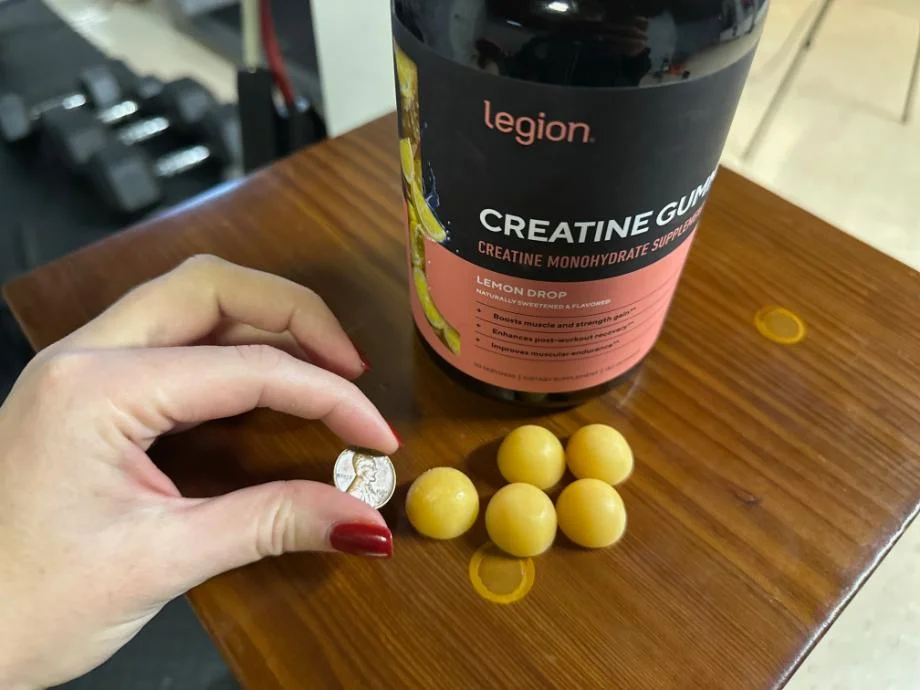
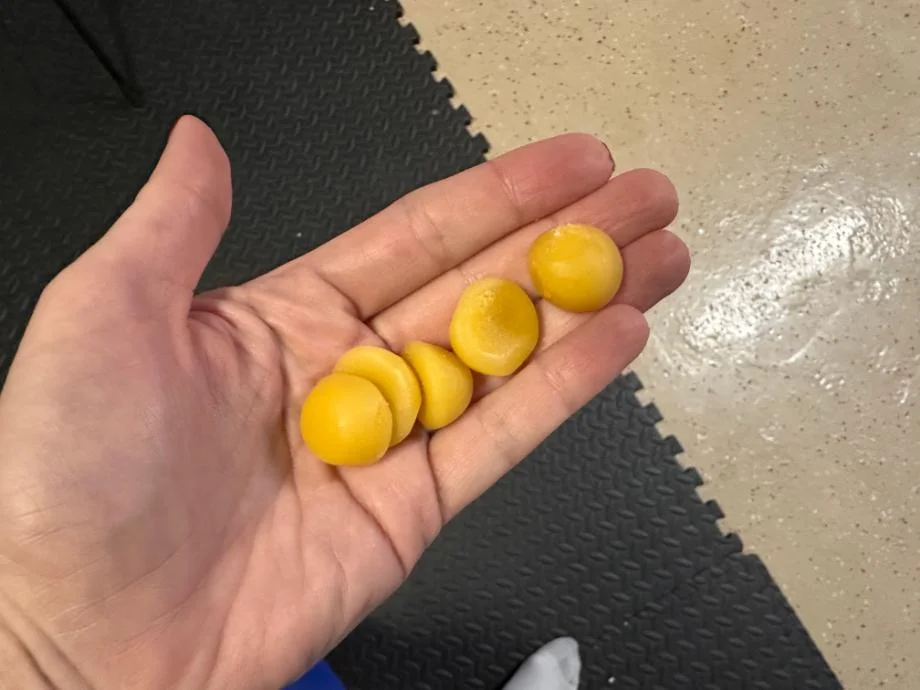
Legion Creatine Gummies are a good option for those who don’t want to drink their creatine. Although it takes 5 gummies to reach one serving, and you’ll get 8 grams of added sugar, these taste great and are third-party tested.
| Legion Creatine Gummies | Average Creatine Gummy | |
| Price Per Serving | $1.67 | $1.47 |
| Creatine Per Gummy | 1 g | 1.25 g |
| Serving Size | 5 gummies | 4 gummies |
| Creatine Per Serving | 5 g | 4.5 g |
Known for producing high-quality supplements like Pulse pre-workout and Whey+ protein, Legion knocked it out of the park (again) with their easy-to-chew creatine gummies that provide a research-approved 5 grams per dose, earning the top spot in this guide. I talked to Director of Content and CPT Nicole Davis and she was effusive in her praise for the OG Lemon Drop flavor, noting, “I love that they’re third-party tested and taste great, to boot.”


Why We Like Legion Creatine Gummies
- All Legion products are made in NSF-certified and FDA-inspected facilities
- Our tester enjoyed the sweet, slightly tangy taste of the Lemon Drop gummy
- You can score a better value with a subscription
If you like gummies, the serving size is generous and you can theoretically snack on them all day as long as you get the proper serving size. Also, having 5 grams of creatine monohydrate per serving is exactly what you’re looking for.
Destini Moody, RD, CSSD, LD
What We Didn’t Like About Legion Creatine Gummies
- Some flavors use sweeteners like erythritol and stevia, which may not align with your dietary preferences
- The soft and sticky texture can cause some remnants to get stuck in your teeth
- Although Legion conducts third-party testing, these gummies are not NSF Certified for Sport
For Legion fans who prefer their creatine in liquid form, check out Legion Recharge. This post-workout drink provides 5 grams of creatine monohydrate per serving and comes in several great-tasting flavors.
Read our full Legion Creatine Gummies review for more details.
Best Creatine Monohydrate Gummies: Create Creatine Gummies
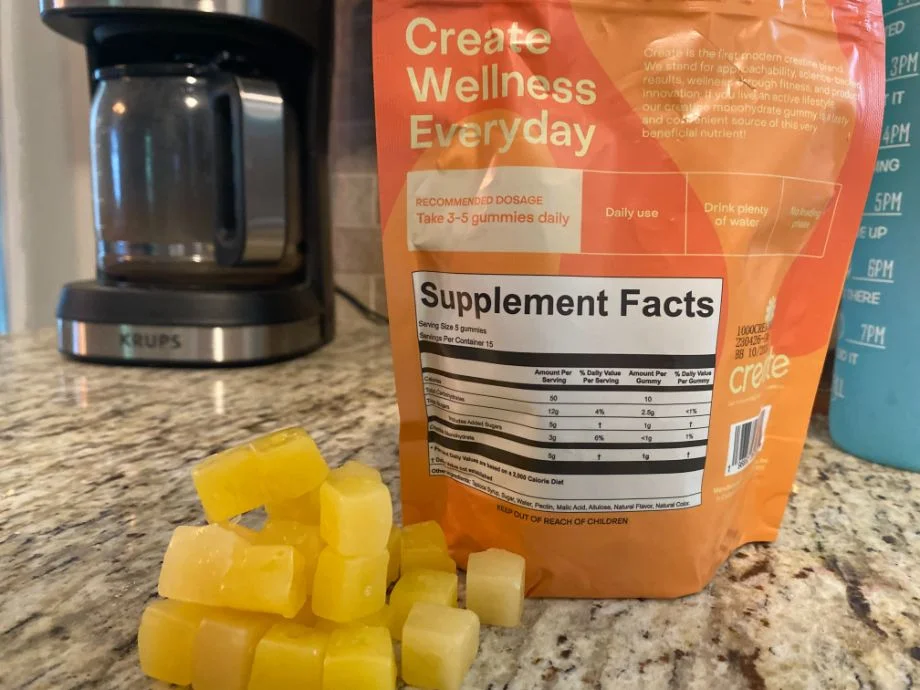
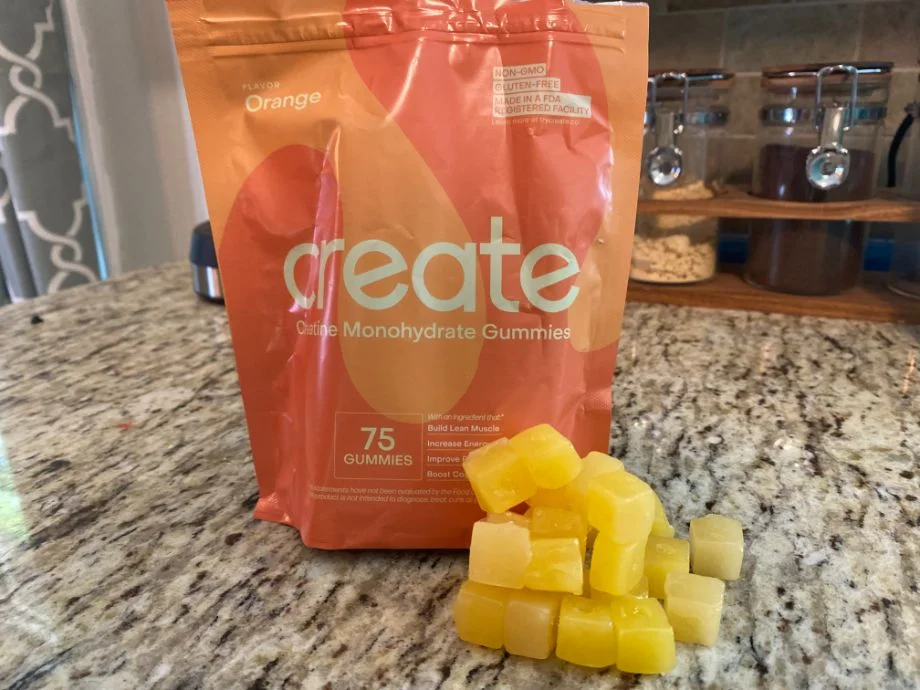
Create creatine gummies provide 4.5 grams of creatine monohydrate per 3-gummy serving. Our testers liked the taste and texture, and these would be a great option for those who’d prefer not to drink their creatine.
| Create Creatine Gummies | Average Creatine Gummy | |
| Price Per Serving | $2.16 | $1.47 |
| Creatine Per Gummy | 1.5 g | 1.25 g |
| Serving Size | 3 gummies | 4 gummies |
| Creatine Per Serving | 4.5 g | 4.5 g |
Create Creatine Gummies contain 4.5 grams of creatine monohydrate in each serving and taste incredible—that alone makes them one of the standouts on this list. I also love that they’re third-party tested for contaminants and banned substances, as well as manufactured in an FDA-approved facility. Former GGR product tester and editorial team member Kate Meier tells me, “These are a super fun treat!”
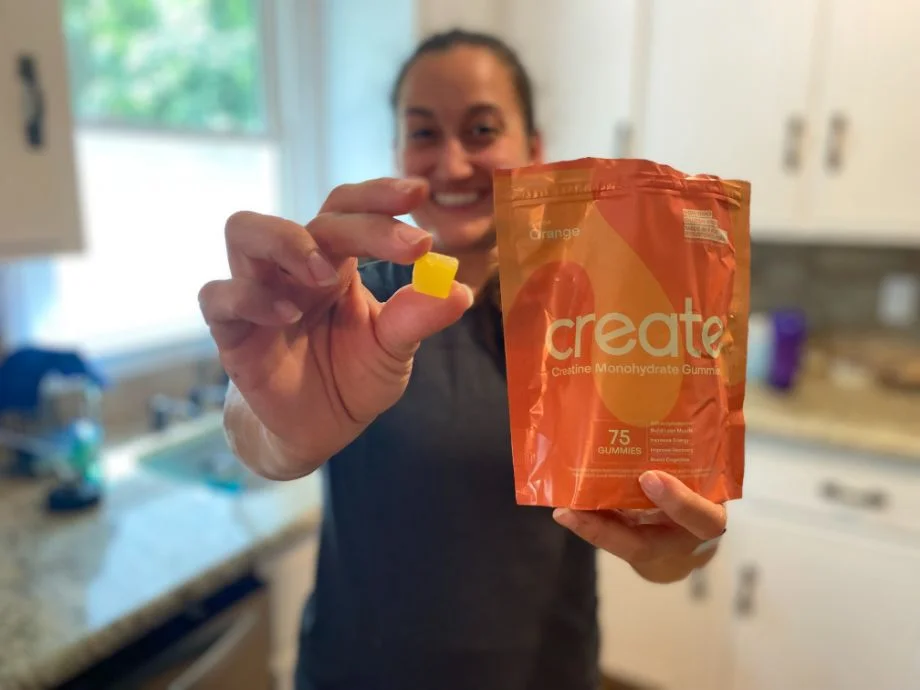
Why We Like Create Creatine Gummies
- You only need three gummies to reach the high end of the clinically validated dose of 3-5 grams
- Creapure is a trusted form of creatine monohydrate widely used across top supplements1
- Our tester gave a perfect score for taste, noting these gummies are “not quite as sweet as candy, but pretty darn close.”
- These gummies come in a wide variety of flavors, including a variety pack
The positive effect is that I’m 5 million times more likely to take a gummy than I am to take a powder.
Kate Meier, CPT, USAW-L1
What We Didn’t Like About Create Creatine Gummies
- One serving contains 2 grams of added sugars (not horrible, but not ideal if you’re watching your intake)
- At $65 for 30 servings, these are on the expensive side
- Some customer reviews mention difficulties cancelling their subscription
Looking for a creatine gummy with zero added sugars? Try Legion Naturally Sweetened & Flavored Creatine Monohydrate Gummies.
Best-Tasting Creatine Gummies: Swoly Creatine Gummies

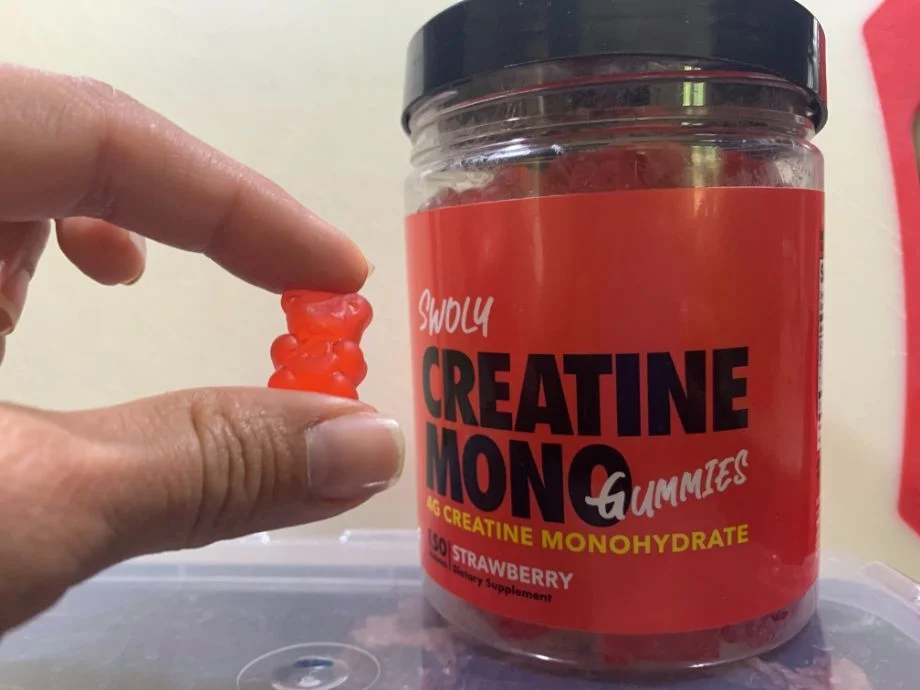
Swoly’s creatine gummies are a delicious way to take your creatine daily, especially if you don’t care for the powdered form. You’ll need five of these to reach a serving, and a serving is only 4 grams of creatine (not the research-backed dose of 5 grams that we like to see), but they taste great nonetheless.
What our tester says:
“These are friggin’ delicious. Like, need-to-make-sure-my-child-doesn’t-find-these-or-she-will-eat-them-all kind of delicious!”
| Swoly Creatine Gummies | Average Creatine Gummy | |
| Price Per Serving | $1.27 | $1.47 |
| Creatine Per Gummy | 0.8 g | 1.25 g |
| Serving Size | 5 gummies | 4 gummies |
| Creatine Per Serving | 4 g | 4.5 g |
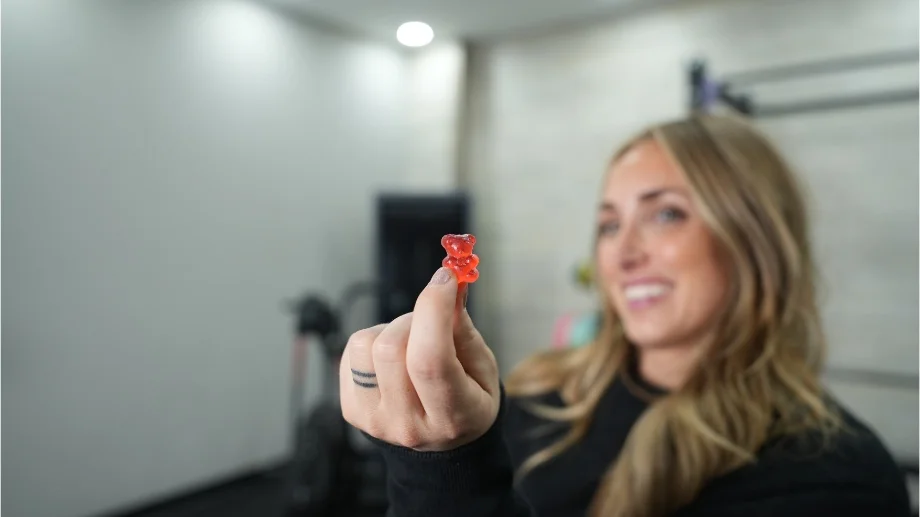
For a great-tasting creatine gummy that will harken back to your childhood, Swoly has you covered with five gummy bears per serving (yes, gummy bears) that provide the recommended daily dose of creatine while managing to taste like the real candy.
Kate Meier, former GGR Senior Director of Content, tried the Swoly gummies alongside some members of her Olympic weightlifting team. She tells me they were a big hit, to say the least, which earned them a 5 out of 5 for taste and their rightful title as the best-tasting creatine gummies.
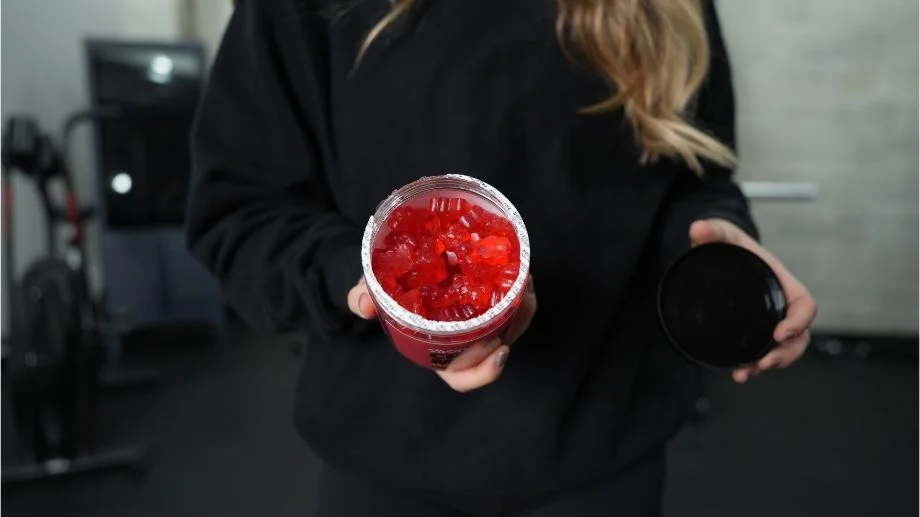

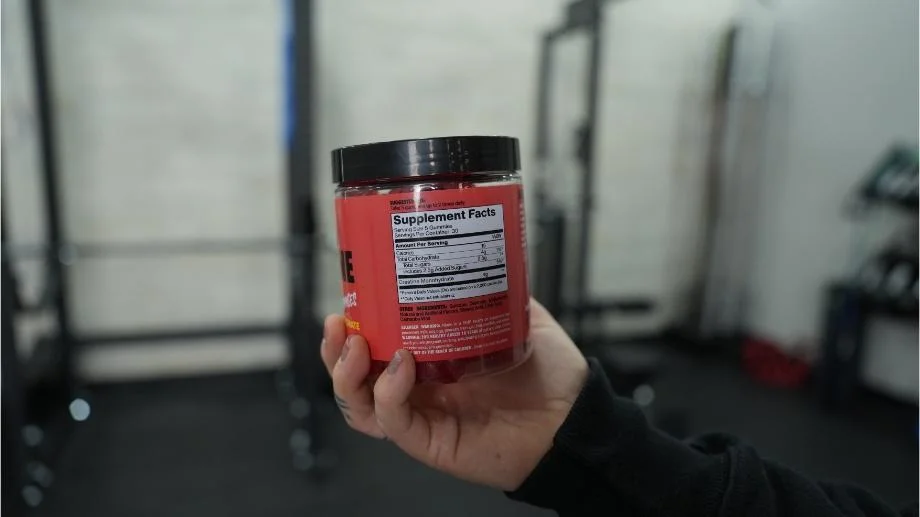
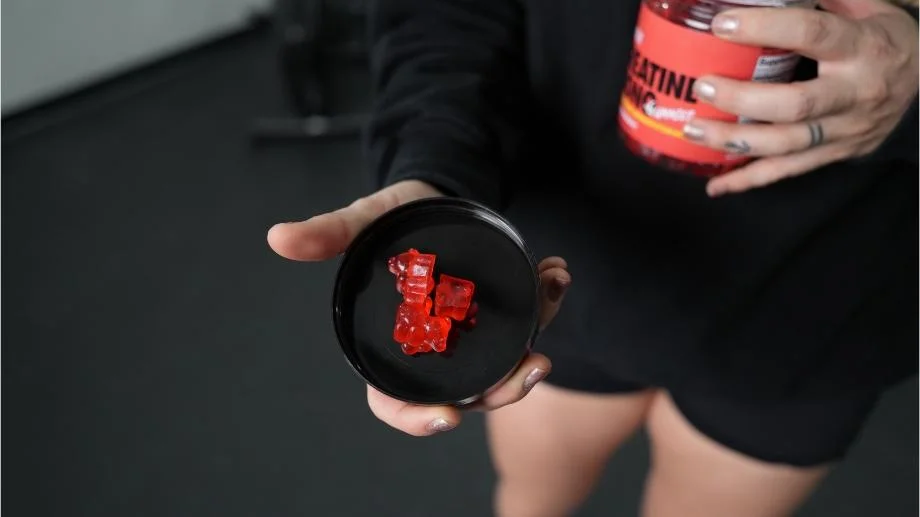

Why We Like Swoly Creatine Gummies
- Kate called them “dangerously delicious” and likened these tasty gummies to her favorite fruit snack (Annie’s Homegrown Organic fruit snacks)
- We didn’t experience unwanted side effects other than an addiction to the gummies (we’re only joking)
- The gummies have a pleasant mouthfeel that earned a perfect texture score
I’d happily eat 50 of these in one sitting.
Kate Meier, CPT, USAW-L1
What We Didn’t Like About Swoly Creatine Gummies
- They’re only available in one flavor (strawberry)
- They offer less creatine per gummy than many competitors
- Swoly does not disclose who conducts third-party testing for contaminants or banned substances
If you want more flexibility with your flavor choices, check out Create Creatine Gummies. From Blue Raspberry to Sour Green Apple to Sour Cherry, you have ample options at your disposal compared to Swoly.
You can read more about this delicious supplement in our Swoly Creatine Gummies review.
Best Third-Party-Tested Creatine Gummies: Wild Gainz Creatine Gummies
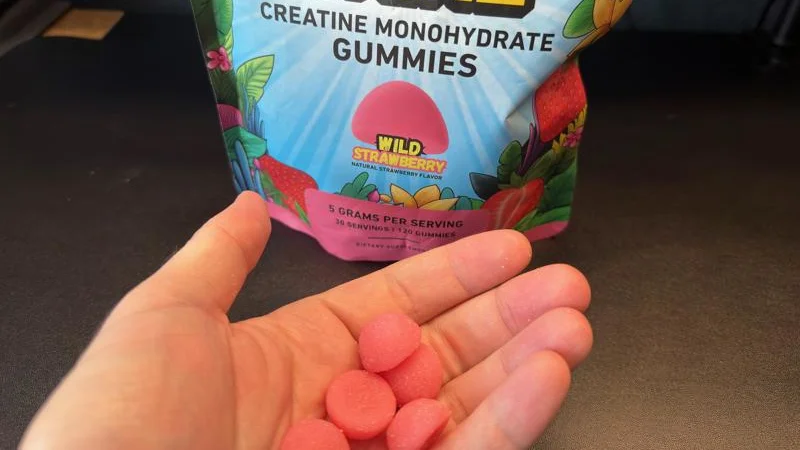
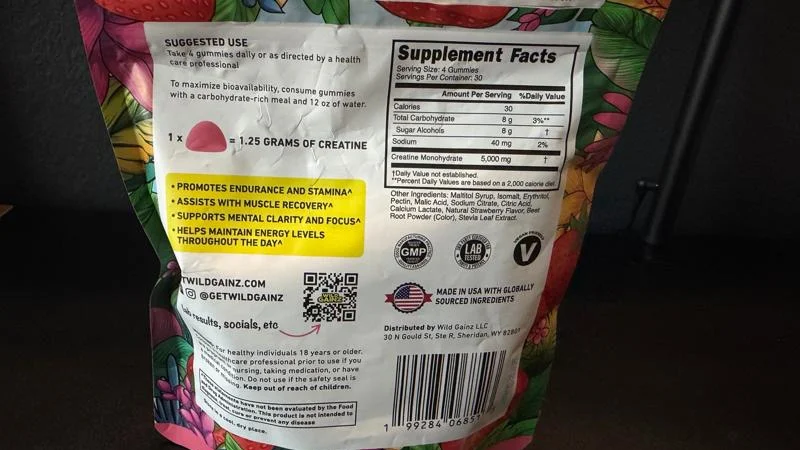


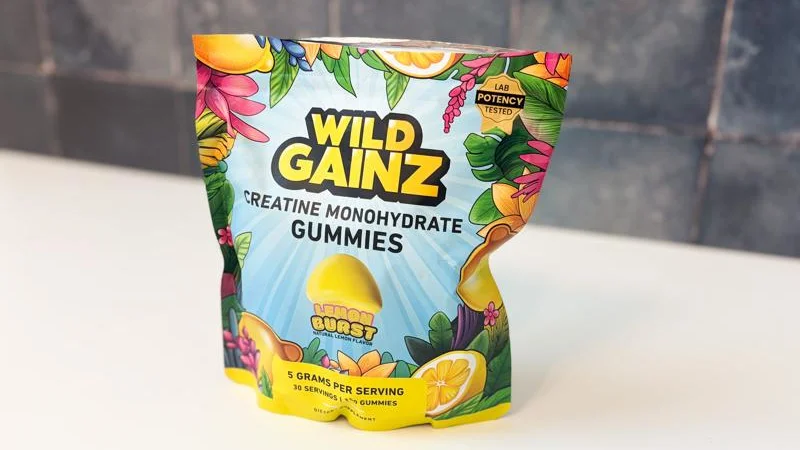
These creatine gummies from Wild Gainz come in two flavor options and deliver a clinically backed dosage of creatine monohydrate in each serving (5 g). Additionally, these chewables are third-party tested, and subscription services are available for cheaper repeat orders.
| Wild Gainz Creatine Gummies | Average Creatine Gummy | |
| Price Per Serving | $1.19 | $1.47 |
| Creatine Per Gummy | 1-1.25 g | 1.25 g |
| Serving Size | 4-5 gummies | 4 gummies |
| Creatine Per Serving | 5 g | 4.5 g |
There’s a lot to like here, but we have to start with the most important part: Wild Gainz performs third-party testing on all its gummies for everything from lead and arsenic to E. coli and salmonella.
“Okay, I love this product,” Destini Moody, RD, CSSD, LD, told us. “Wild Gainz also includes the lab analysis report for consumers to view. You can’t get more transparent than that.”
As you’d expect, Wild Gainz earned a perfect 5 out of 5 for its third-party testing.


Why We Like Wild Gainz Creatine Gummies
- They contain research-backed 5-g dose of creatine monohydrate
- Wild Gainz provides third-party testing results on their website
- Our tester rated Lemon Burst a 4 out of 5 for flavor, noting that it’s not overly strong or tart
I’ve tried creatine chews in the past and a couple of other gummies, and these are better than all of them.
GGR Senior Staff Writer Matt Dustin, CSCS, PN1-NC
What We Didn’t Like About Wild Gainz Creatine Gummies
- The sugar-free version contains erythritol, which can cause GI distress in some people
- You need to eat five gummies (or four of the sugar-free version) to reach 5 grams of creatine
- Wild Gainz only offers these in two flavors
If you crave a little more variety, there are eight flavors available for Legion Creatine Gummies.
Overall Rating: 4.3/5
Best Creatine Gummies on Amazon: Jacked Factory Creatine Gummies


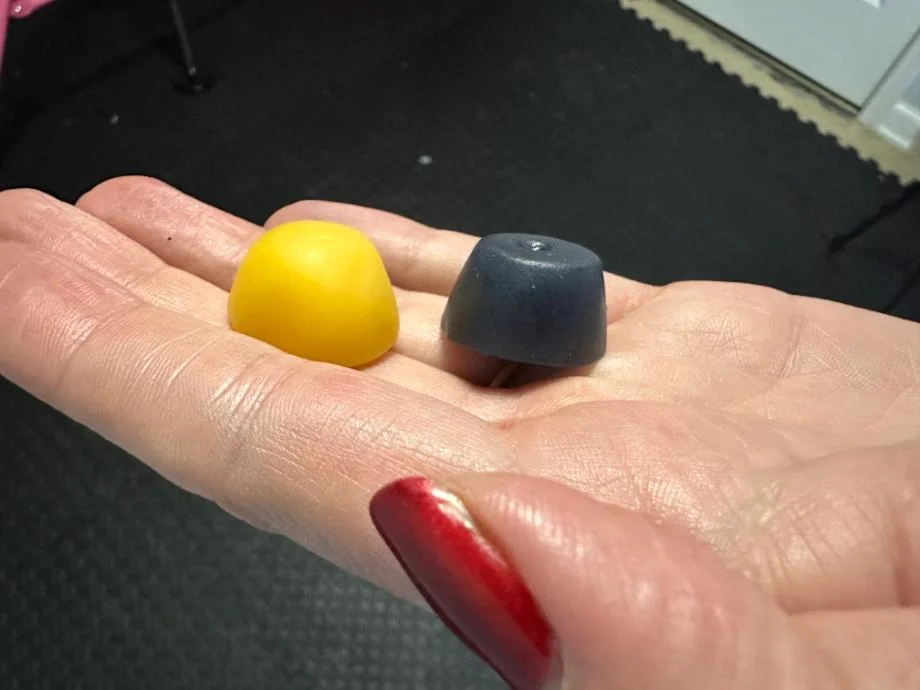
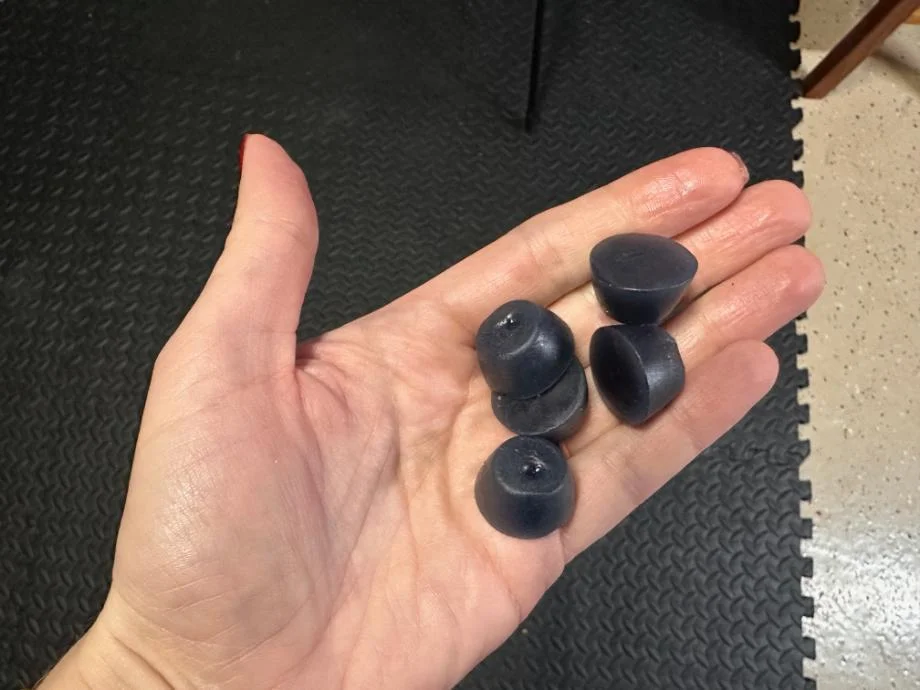
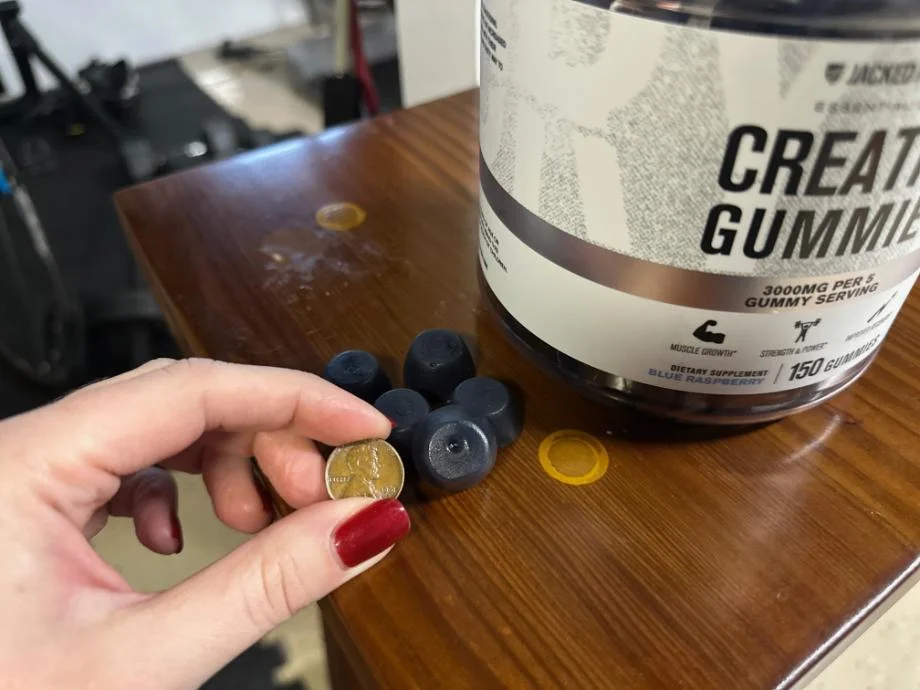
Jacked Factory Creatine Gummies offer a convenient way to get your daily creatine. They’re third-party tested and available in three flavors, but some users report a gritty texture, and each serving contains 70 calories, with both glucose syrup and sugar added to the formulation.
What our tester says:
“It tastes like tangy fruit, which I like. A little bit of an artificial taste, but overall, they’re pretty good.”
| Jacked Factory Creatine Gummies | Average Creatine Gummy | |
| Price Per Serving | $1 | $1.47 |
| Creatine Per Gummy | 1 g | 1.25 g |
| Serving Size | 5 gummies | 4 gummies |
| Creatine Per Serving | 5 g | 4.5 g |
If you take advantage of Amazon’s subscribe-and-save feature, Jacked Factory Creatine Gummies cost just $29.99 per container, making them incredibly affordable. At about $1 per serving, that palatable price point cements Jacked Factory as our best budget option. This cost-effectiveness helps them earn a near-perfect price-per-serving score of 4 out of 5.

Why We Like Jacked Factory Creatine Gummies
- One serving delivers 5 grams of creatine monohydrate
- Available in three flavors, plus sugar-free Green Apple
- May be able to score even bigger discounts during Amazon promo periods
There are 5 grams of creatine monohydrate. Considering that the efficacious dose has been shown to be anywhere from 3-5 grams, it’s safe to say that Jacked Factory was mindful enough to include the maximum dose.
Destini Moody, RD, CSSD, LD
What We Didn’t Like About Jacked Factory Creatine Gummies
- Sugar-free options contain multiple sugar alcohols
- The slightly grainy texture may be a bit off-putting for some folks
- Our tester reported that they have “a little bit of an artificial taste, but it’s not bad at all”
If you want another delicious gummy option that’s lower in added sugars, we recommend Swoly Creatine Gummies.
Our Testers

Kate Meier, NASM-CPT, USAW-L1, CF-L1
Kate is a certified personal trainer and CrossFit coach with an extensive background testing everything from supplements to cardio and strength equipment.

Nicole Davis, CPT, CNC,PN1-NC
Nicole is the Director of Content at GGR and one of our most seasoned product testers.

Caine Wilkes, OLY, CNC, USAW-L1
Caine competed at the 2020 Tokyo Olympics and is our resident strength guru.

Matt Dustin, CSCS, PN1-NC
Matt is an experienced personal trainer and nutrition coach who enjoys helping clients achieve their health and wellness goals.
Other Creatine Gummies We Tested
While the creatine gummy space is growing, there still aren’t as many options as there are with powders. That said, this roundup isn’t the end-all, be-all for every creatine gummy on the market.
Below are a handful of other chewable options we’ve tested that can work well for certain individuals.
Best Vegan Creatine Gummies: Bounce Nutrition Creatine Gummies
- Multiple Flavors
- Vegan
- Third-Party Tested
What We Like:
- One serving provides a high dose of 6 grams of creatine monohydrate
- Available in six flavors, including unique options like Peach Rings and Berry Snow Cone
- These gummies are gluten-free, vegan, non-GMO, and produced in an allergen-free facility
What We Don’t Like:
- The texture is closer to chewable candy rather than a gummy bear
- A three-gummy serving costs nearly $3, making this quite expensive
- Bounce does not conduct formal independent testing on these gummies
Testing Breakdown
Best Creatine Chews: Momentous Creatine Monohydrate Chews
- Great-tasting chews
- NSF Certified
- Travel-friendly
What We Like:
- Momentous intentionally made a dry chew to avoid liquid breaking down the creatine
- These gummies are NSF Certified for Sport, GMO- and gluten-free, and vegan-friendly
- They taste great for having no artificial flavors, colors, or sweeteners
What We Don’t Like:
- At $1.67 per serving, these aren’t the best choice for budget-conscious shoppers
- The chalky, powdery mouthfeel won’t appeal to everyone
- Momentous doesn’t accept returns on delivered products
Testing Breakdown
Best Creatine Gummies on Amazon: Lemme Creatine Body Toning Gummies
- NSF Certified
- 5g creatine
- No mixing needed
What We Like:
- Lemme offers huge discounts if you buy in bulk or sign up for a subscription
- Our tester gave a perfect taste score for the Sour Apple version
- These gummies are NSF Certified for Sport, making them a great choice for competitive athletes
What We Don’t Like:
- These are expensive at $2 per serving
- There are no returns or exchanges accepted
- Other flavor options receive negative reviews
Testing Breakdown
Best Creatine Gummies for Muscle Growth: Beast Bites Creatine Infused Gummies
- Chewable formula
- Easy to travel with
- No mixing needed
What We Like:
- Beast Bites provide a clinically backed dose of 5 grams of creatine monohydrate per serving
- These gummies are NSF Certified for Sport
- No negative side effects reported
What We Don’t Like:
- Each serving contains 14 grams of carbs and 6 grams of sugar
- There’s a strong, bitter aftertaste and an unpleasant sticky, chewy texture
- You only get 15 servings per container
Testing Breakdown
Benefits of Creatine Gummies
“Creatine monohydrate is the most well-studied form of creatine on the market,” says registered dietitian Perry Nix. “Compared to other types of creatine, it has the most evidence backing up its effectiveness.”
There are thousands of studies on creatine benefits, ranging from its effects on athletic performance to cognitive health, heart health, and beyond. Whether it’s a powder, drink, gummy, or pill, all of the usual fitness benefits of creatine apply to creatine gummies, including:
Supports Muscle Growth
Between improvements in muscular strength, power, endurance, and muscle recovery, creatine is one of the best supplements you can take for muscle growth (as long as your training also reflects the demands for muscle growth, of course).
“For exercise to be considered strength or resistance training, it must challenge your muscles to the point where they adapt and become stronger,” says Chris Mohr, PhD, RD. “This usually involves lifting weights, using resistance bands, or even your own body weight to create resistance. The key is to work the muscles until you get to the point of not being able to push out any more repetitions.”
Increased Muscular Power
Arguably the most pronounced benefit of creatine supplementation is notable improvement in muscular force production. In practical terms, that’s your power clean PR or vertical jump personal best. This is because creatine plays a direct role in phosphocreatine (PCr) metabolism, a.k.a. the process by which your body makes energy for short, powerful bursts of high-intensity exercise. Due to this role, creatine is associated with improvements in sprint performance5 and jumping abilities6.
Increased Muscular Strength
Not quite the same as maximal power, maximal strength is, in practice, your one-rep max deadlift, squat, and the like. Studies dating back to the 1980s7 report significant improvements in muscular strength with as few as four weeks of creatine supplementation8. In fact, research has even found correlations between creatine supplementation and one-rep bench press and squat capabilities9.
Expedited Muscle And Workout Recovery
More research is needed to confirm this one, but it’s possible that creatine supplementation reduces the overall amount of muscle damage that occurs during exercise, thereby increasing your chances at a quick recovery12.
May Reduce Dehydration
Creatine supplementation may support hydration 16 by retaining water in muscle cells. This is in contrast to the creatine myth that creatine causes dehydration.
Improved Muscular Endurance
While creatine is most positively associated with maximal strength and power, there’s some evidence that it can improve muscular endurance, too. If you love high-volume, lactate-producing, bodybuilding-style workouts, creatine supplementation can potentially increase your overall work capacity10. In one study11, those who took creatine and completed a strength training program built more total-body endurance over six weeks than those who did the same training program without creatine supplementation.
Creatine Gummies Are Travel-Friendly
If you travel a lot, creatine gummies are highly portable compared to powdered alternatives. Whether it’s a flight or a quick trip to the gym, popping a few creatine gummies in your gym bag can be simpler than carrying a tub of powder. If there’s any spilling, the creatine powder can get everywhere, too.
May Support Blood Sugar Control
One study from 200817 even found evidence that creatine supplementation might be able to support stable blood sugar.
Neuroprotection
For one, some research13 has shown that the amino acid compound may be neuroprotective, able to aid with brain health after traumatic injury or concussion. Other studies have shown that creatine may support brain health14 by increasing brain energy levels. This, in turn, can help influence and improve the brain’s performance. A 2021 review15 also shows that creatine can help reduce physical and mental fatigue.
Creatine Gummies Can Help With Consistency
If we’re being honest, creatine gummies simply taste good, and that enjoyable flavor could make it easier to maintain a proper supplement schedule. Even if they’re not the best-tasting gummies, having a couple of creatine gummies can be much more convenient than other creatine forms. Many of our product testers swear to this; eating a few yummy creatine gummies is easier than grabbing a shaker bottle and blending up a serving of creatine powder.
Cons of Creatine Gummies
Creatine Gummies Vs Creatine Powder
While both creatine gummies and powder have the same goal, both have differences, too.
RELATED: Creatine Gummies Vs Powder
Cost
The biggest difference is the cost between these two forms of creatine. Pure, unflavored creatine powder is a much cheaper supplement, with costs under $1 in many cases. On the contrary, creatine gummies are rarely under $1 per serving. Compared to other supplements, both are less expensive, but just be ready for creatine gummies to routinely cost more.
Preparation
Creatine gummies are ready to go straight out of the bottle. Creatine powder, on the other hand, will need to be mixed with water or liquid of your choosing for safe and effective supplementation. As such, gummies can certainly be a more convenient supplement here.
Effectiveness
Creatine monohydrate is gradually released throughout the body. Because of this, there’s virtually no difference in the effectiveness of these creatine supplements. Each one can help you with muscle-building and athletic performance, as well as giving you the many other benefits of creatine.
Creatine Dosage
“Studies have shown that hypertrophy is best seen with doses of 3 to 5 grams of creatine,” says Destini Moody, RD, CSSD. Most creatine powders come with a 5-gram scoop, providing the upper end of the recommended dosage of creatine per serving. Creatine gummies can vary between 3 and 5 grams per serving, but can still provide you with a research-backed dose.
Side Effects
Creatine can cause some digestive issues, usually from a larger dose, but side effects are usually rare and minor. There’s a greater chance of creatine gummies leading to a negative side effect, however, mostly due to the other ingredients within the supplement. Some artificial and natural sweeteners are known to give some folks gastrointestinal issues, for example.
“Creatine sometimes causes bloating and belching, though this is usually temporary and most often reported during the ‘loading phase’ where you’re taking upwards of 20 grams daily,” says Christopher Mohr, PhD, RD. “Creatine causes a fluid shift, bringing fluids into muscle cells. This shift in fluid balance may cause gastrointestinal distress, but it is not unhealthy or dangerous and can usually be limited or eliminated by forgoing that loading phase and simply taking the ‘maintenance’ dose of 3 to 5 grams daily.”
Dosing and Interactions
What To Look For In Creatine Gummies
Most of us have had enough gummy bears over the years to know: Not every candy is made the same way. The same is true for creatine gummies. Here are a few factors to consider before buying your next batch of tasty creatine supplements.
Price Per Serving
The biggest pro when it comes to creatine gummies is their convenience, but unfortunately, that luxury comes with a higher cost compared to the likes of creatine powder.
Since they have more ingredients and are processed differently, most creatine gummies fall between $1 and $2 per serving, with some even reaching as expensive as $3 per dose. For reference, creatine powders typically cost below $1 per serving, on average.
Other factors like ingredient quality and third-party testing may hike up the price, as well. Consider what cost you can comfortably afford in your budget and which factors are important to you before deciding on a creatine gummy.
Formulation
When looking at the formulation of the creatine gummy, there are two factors to consider: The ingredients and the amount of creatine in each serving. The effective dose of creatine is between 3 and 5 grams, so I’d recommend that most people aim for a creatine gummy that’s within that range on a full serving.
Also, make sure to read the label thoroughly prior to checkout and determine the importance of certain ingredients. For example, are you trying to avoid sugar, or do you prefer natural sweeteners over artificial sweeteners?
We also recommend abstaining from supplements (of any category) that contain excessive helpings of filler ingredients.
Dietary Considerations
Along with noting the sugar content and filler ingredients of a creatine gummy, it’s also important to address any dietary preferences or restrictions you may have. It’s easy enough to consider whether you’d want to avoid sugar or artificial sweeteners in a creatine gummy, but there are other things to glance at, as well.
Most notably is the common presence of gelatin in many gummies, whether creatine gummies or just gummy bears. Gelatin is used to help create the chewy, elastic texture of a gummy. However, gelatin is derived from animal collagen—typically from cows or pigs—and may not align with specific dietary or moral practices.
If you’re following a vegan diet, search for creatine gummies that use pectin—a plant-based alternative—to create that appealing gummy texture.
RELATED: Plant Protein Vs Animal Protein
Type of Creatine
Creatine comes in many types. Creatine monohydrate is the most popular (and most researched) form of creatine, but other popular forms include Creatine HCl, which is more water-soluble and can be absorbed more quickly, and creatine nitrate.
Creatine nitrate actually outperformed creatine monohydrate in a 2016 study19 for peak bench press and sprint performance, but the authors determined it wasn’t better for overall exercise performance.
Most creatine gummies on the market (and the ones we recommend) are made with creatine monohydrate, so it’s probably best to stick with what works.
Flavor and Texture
Flavor and texture are vital in creatine gummies; the main reason you’re taking them is to avoid bland or gross creatine powder! However, make sure to do some research before buying creatine gummies from an online retailer. Check customer reviews and see if a majority talk about gritty textures, weird aftertastes, or other odd mouthfeels before deciding on a supplement.
Third-Party Testing
We strive to recommend supplements that are independently tested through labs and vetted through screening agencies like the National Sanitation Foundation (NSF) and Banned Substances Control Group (BSCG). When something is BSCG- or NSF-certified, that means an independent organization lab-tested it for contaminants and performance-enhancing drugs that can get athletes banned from sport.
This is important because supplement companies are not heavily regulated by the Food and Drug Administration (FDA), and studies have shown that as many as 89% of dietary supplements are mislabeled20.
That said, this doesn’t mean you should avoid them outright, unless you’re an athlete who is subject to drug testing. When shopping, if there is no third-party verification, look around for other indicators of transparency, such as information on ingredient sourcing and complete supplement facts or nutrition facts labels.
Our Recommendations
FAQs About the Best Creatine Gummies
What is creatine?
Creatine is a compound created from the amino acids arginine, methionine, and glycine. It plays a role in the production of adenosine triphosphate (ATP), which is critical for muscle contraction. Though your body creates creatine on its own, increasing your creatine intake via supplements can saturate your muscle stores and give your body more to work with.
What does creatine do?
Creatine is a performance enhancer and by improving athletic performance, it can result in greater lean muscle mass, among other benefits. For this reason, creatine supplements are very popular among bodybuilders and other strength athletes. It accomplishes this by increasing creatine levels in your muscles which, in turn, helps your body produce more ATP faster. This can lead to improvements in muscle strength and power.
Is creatine the same as pre-workout?
No, creatine and pre-workout are not the same, but creatine is sometimes present in pre-workout formulations. The best pre-workout supplements contain many other ingredients, including beta-alanine, citrulline, caffeine, betaine anhydrous, and sometimes electrolytes.
RELATED: Creatine Vs Pre-Workout
Do creatine gummies work?
Because creatine is a supplement that works gradually, the results of creatine supplementation should be the same, regardless of the form (pill vs powder vs gummy). As long as the amount of creatine is the same in each form, it should yield similar results.
References
- Hill JA, Keane KM, Quinlan R, Howatson G. Tart Cherry Supplementation and Recovery From Strenuous Exercise: A Systematic Review and Meta-Analysis. Int J Sport Nutr Exerc Metab. 2021;31(2):154-167.
- Gomez-Ramirez M, Kelly SP, Montesi JL, Foxe JJ. The effects of L-theanine on alpha-band oscillatory brain activity during a visuo-spatial attention task. Brain Topogr. 2009;22(1):44-51.
- Young SN. L-tyrosine to alleviate the effects of stress?. J Psychiatry Neurosci. 2007;32(3):224.
- Wessinger CM, Inman CL, Weinstock J, Weiss EP. Effect of Huperzine A on Cognitive Function and Perception of Effort during Exercise: A Randomized Double-Blind Crossover Trial. Int J Exerc Sci. 2021;14(2):727-741.
- Bogdanis GC, Nevill ME, Aphamis G, et al. Effects of Oral Creatine Supplementation on Power Output during Repeated Treadmill Sprinting. Nutrients. 2022;14(6):1140.
- Izquierdo M, Ibañez J, González-Badillo JJ, Gorostiaga EM. Effects of creatine supplementation on muscle power, endurance, and sprint performance. Med Sci Sports Exerc. 2002;34(2):332-343.
- Butts J, Jacobs B, Silvis M. Creatine Use in Sports. Sports Health. 2018;10(1):31-34.
- Wang CC, Fang CC, Lee YH, Yang MT, Chan KH. Effects of 4-Week Creatine Supplementation Combined with Complex Training on Muscle Damage and Sport Performance. Nutrients. 2018;10(11):1640.
- Hoffman J, Ratamess N, Kang J, Mangine G, Faigenbaum A, Stout J. Effect of creatine and beta-alanine supplementation on performance and endocrine responses in strength/power athletes. Int J Sport Nutr Exerc Metab. 2006;16(4):430-446.
- Bogdanis GC, Nevill ME, Aphamis G, et al. Effects of Oral Creatine Supplementation on Power Output during Repeated Treadmill Sprinting. Nutrients. 2022;14(6):1140.
- Mills S, Candow DG, Forbes SC, Neary JP, Ormsbee MJ, Antonio J. Effects of Creatine Supplementation during Resistance Training Sessions in Physically Active Young Adults. Nutrients. 2020;12(6):1880.
- Wax B, Kerksick CM, Jagim AR, Mayo JJ, Lyons BC, Kreider RB. Creatine for Exercise and Sports Performance, with Recovery Considerations for Healthy Populations. Nutrients. 2021;13(6):1915.
- Rae C, Digney AL, McEwan SR, Bates TC. Oral creatine monohydrate supplementation improves brain performance: a double-blind, placebo-controlled, cross-over trial. Proc Biol Sci. 2003;270(1529):2147-2150.
- Forbes SC, Cordingley DM, Cornish SM, et al. Effects of Creatine Supplementation on Brain Function and Health. Nutrients. 2022;14(5):921.
- Kreider RB, Stout JR. Creatine in Health and Disease. Nutrients. 2021;13(2):447.
- Greenwood M, Kreider RB, Melton C, et al. Creatine supplementation during college football training does not increase the incidence of cramping or injury. Mol Cell Biochem. 2003;244(1-2):83-88.
- Gualano B, Novaes RB, Artioli GG, et al. Effects of creatine supplementation on glucose tolerance and insulin sensitivity in sedentary healthy males undergoing aerobic training. Amino Acids. 2008;34(2):245-250.
- Kreider, R. B., Gonzalez, D. E., Hines, K., Gil, A., & Bonilla, D. A. (2025). Safety of creatine supplementation: analysis of the prevalence of reported side effects in clinical trials and adverse event reports. Journal of the International Society of Sports Nutrition, 22(sup1).
- Galvan E, Walker DK, Simbo SY, et al. Acute and chronic safety and efficacy of dose dependent creatine nitrate supplementation and exercise performance. J Int Soc Sports Nutr. 2016;13:12.
- Cohen PA, Avula B, Katragunta K, Travis JC, Khan I. Presence and Quantity of Botanical Ingredients With Purported Performance-Enhancing Properties in Sports Supplements. JAMA Netw Open. 2023;6(7):e2323879.
- Zheng, Y., Ren, W., Zhang, L., Zhang, Y., Liu, D., & Liu, Y. (2020). A review of the pharmacological action of astragalus polysaccharide. Frontiers in Pharmacology, 11. https://pmc.ncbi.nlm.nih.gov/articles/PMC7105737/