



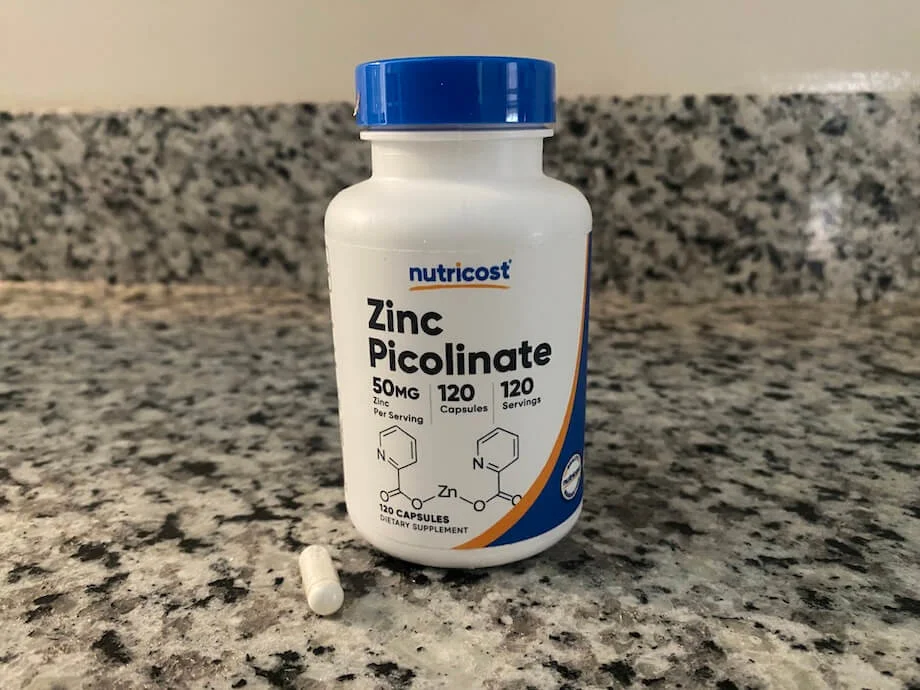
Let’s not sleep on zinc just because it shows up at the end of the alphabet—it’s still a sight to behold, deserving attention as much as the best vitamin A supplements. Zinc1 is a mighty multitasker supporting hundreds of enzyme functions, immune health, wound healing, and healthy growth during pregnancy and adolescence.
Most people in the United States get enough zinc from everyday eats like oysters, beef, and pumpkin seeds. But certain groups—like plant-based athletes, pregnant or breastfeeding women, or those with digestive conditions or a history of bariatric surgery—may need a little extra support1. Plus, supplementing with zinc may offer added benefits we’ll explore shortly.
While we always recommend a food-first approach, zinc supplements can offer a meaningful boost to support your levels and offer additional health benefits we’ll touch on soon. However, not all zinc supplements are created equal, and that’s where we come in.
Our team of certified personal trainers, registered dietitians, and nutrition experts did the research (and the taste testing) to bring you the best zinc supplements on the market. Whether you need a clean option as an athlete, prefer a tasty gummy, or are just here to learn, we’ve got something for you.
Medical disclaimer: This article is intended for educational and informational purposes only. It is not intended as a substitute for medical advice. For health advice, contact a licensed healthcare provider.
The 7 Best Zinc Supplements of 2026
- Best Zinc Supplement Overall: Sports Research Zinc Picolinate
- Best Budget Zinc Supplement: Nutricost Zinc Picolinate
- Best Zinc Supplement for Athletes: Transparent Labs ZMO
- Best Zinc Supplement for Absorption: Thorne Zinc Picolinate
- Best Zinc Supplement for Immune Support: Performance Lab Zinc
- Best Organic Zinc Supplement: Garden of Life Raw Zinc
- Best Gummy Zinc Supplement: Olly Active Immunity
Best Zinc Supplement Overall: Sports Research Zinc Picolinate
Good for: Anyone seeking a high-dose, high-quality zinc supplement in one single capsule per serving
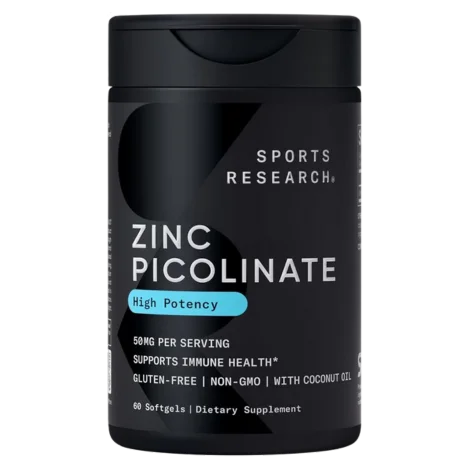








A clean, powerful, and highly bioavailable option, Sports Research Zinc Picolinate is hard to beat for purity and performance. Just don’t be caught off-guard by the coconut scent—our tester notes the aroma is very apparent despite the flavorless profile.
What our tester says:
“I’d choose this over others because of its simple ingredient list and trustworthy third-party testing.”
Best Budget Zinc Supplement: Nutricost Zinc Picolinate
Good for: Anyone looking for an affordable zinc supplement without compromising quality
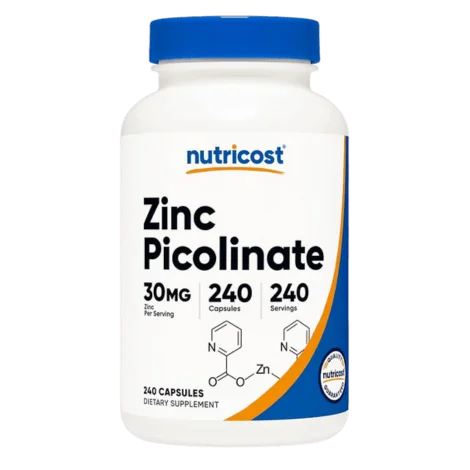



If you’re looking for high-dose zinc at a rock-bottom price, Nutricost delivers—just be cautious if you’re sensitive to zinc on an empty stomach.
What our tester says:
“Admittedly, the capsules are on the larger side, but I had no issues with swallowability and there is no apparent taste.”
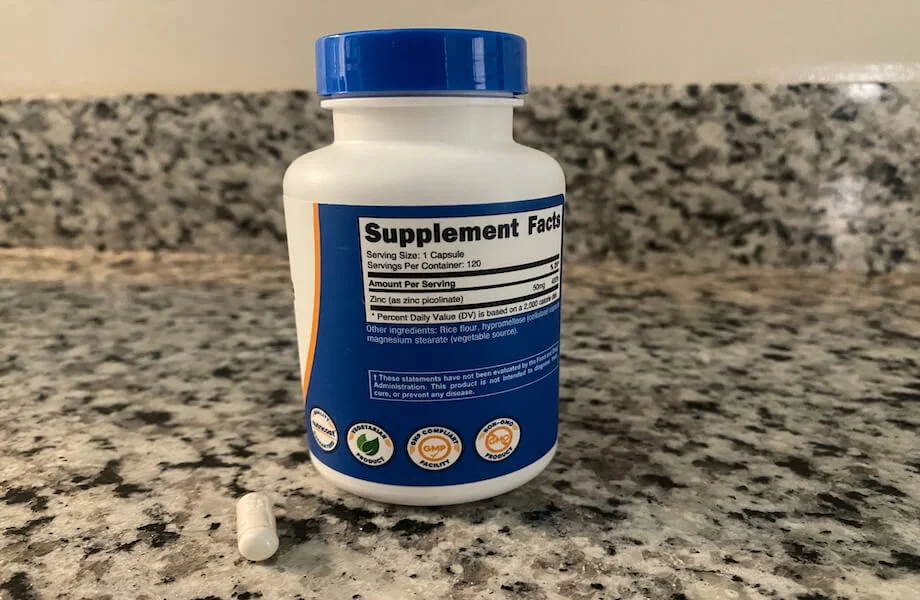
If you’re trying to get the most bang for your buck, Nutricost Zinc Picolinate makes a strong case. With 30 milligrams of a bioavailable form of zinc at just $0.08 per serving, it easily takes the title of best budget zinc supplement. As such, it’s no surprise it scores a perfect 5 out of 5 for cost per serving—but since we named it the overall best vitamin brand, price isn’t the only thing it has going for it.
This supplement delivers a moderate 30-milligram dose of zinc picolinate in a vegetable-based capsule. Besides a few anti-caking agents, what you see is what you get, leading to a solid 4 out of 5 for formulation with a slight deduction for the lack of verified purity testing.
Speaking of, full transparency is one area where Nutricost falls short. While the product is made in a GMP-compliant, FDA-registered facility and is reportedly third-party tested, the brand doesn’t disclose which labs are used or whether banned substances are included in the screening process. Due to this lack of clarity, we give it a rating of 3 out of 5 for the category.
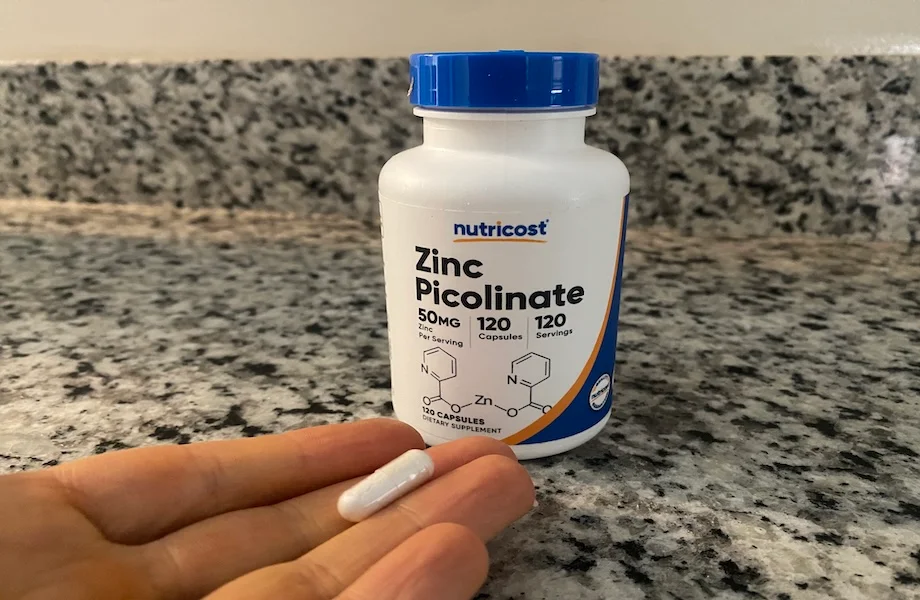
As for user experience, the capsules are a bit on the larger side but most users (myself included) commonly agree it’s easy to swallow with no off-putting tastes. Plus, you only need one per day, earning the top-notch supplement a 5-out-of-5 score in both taste and swallowability.
With more than 16,000 Amazon reviews and an impressive 4.7-star average, it’s clear this supplement is a solid pick. As always, though, check in with a healthcare provider to make sure it’s a good fit for your personal needs.
If you value third-party testing, Thorne Zinc Picolinate is NSF Contents Certified, meaning it’s been independently verified for purity, potency, and label accuracy.
| Price per serving | $0.08 |
| Zinc form | Zinc Picolinate |
| Zinc per serving | 30 mg (273 %DV) |
| Serving size | 1 capsule |
| Other active ingredients | None |
| Third-party testing | Yes |
Best Zinc Supplement for Athletes: Transparent Labs ZMO
Good for: Athletes and fitness enthusiasts seeking a pure, safe, and banned-substance-free option
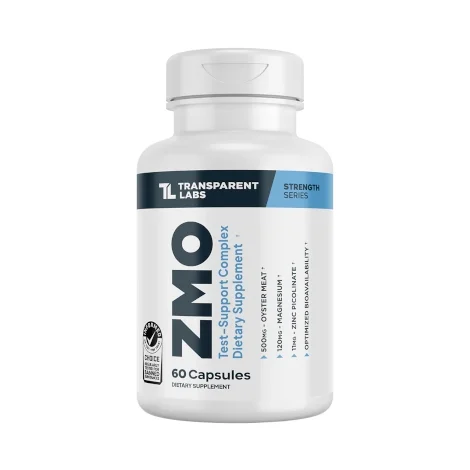



Transparent Labs ZMO supplement provides clinically effective doses of zinc, magnesium, and oyster meat extract. It’s a top-tier, athlete-friendly zinc supplement with solid support for sleep, recovery, and immune health—no fluff or fillers.
What our tester says:
“These are marketed as a test-support supplement, but they’re really not all that different from your standard ZMA. There’s no vitamin B6 here, and while the oyster meat powder is interesting, I think you can expect pretty similar results overall.”
Transparent Labs ZMO takes the title of best zinc supplement for athletes thanks to its Informed Choice certification, giving peace of mind that it’s free from banned substances. What also sets this supplement apart is its unique approach to the classic ZMA formula, and why it was crowned the best ZMA supplement overall.
Rather than sticking with the traditional zinc-magnesium aspartate blend, Transparent Labs ZMO includes 11 milligrams of zinc picolinate, 20 milligrams of magnesium bisglycinate, and 500 milligrams of oyster meat powder. Transparent Labs claims the ingredients are easily absorbed, allowing the body to utilize them optimally for improved muscle recovery as well as boosted testosterone levels, sleep quality, and overall wellness.
That said, our tester Amanda Capritto, CPT, CES, CNC, CF-L1, offers a reality check: “These are marketed as a test-support supplement, but they’re really not all that different from your standard ZMA. There’s no vitamin B6 here, and while the oyster meat powder is interesting, I think you can expect pretty similar results overall.”
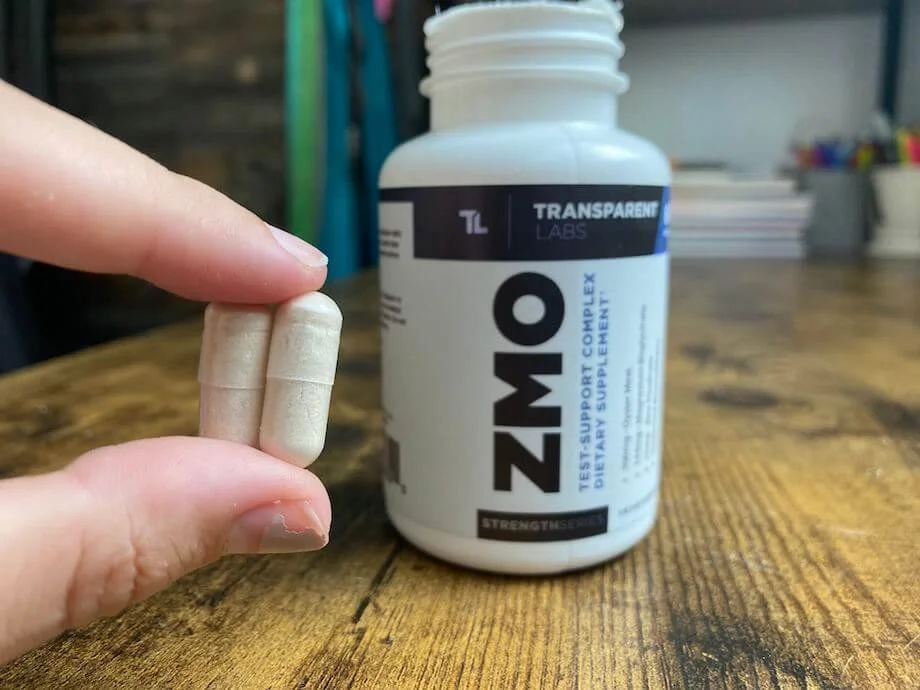
Still, Transparent Labs delivers on quality and transparency. The formula is free from artificial sweeteners, colors, and preservatives, and you can view its COAs online. All to say, it earns a perfect 5-out-of-5 rating for both formulation and third-party testing.
But Amanda offers a heads up: “I don’t know if it’s just because I know there is oyster meat powder in these, or if it’s actually real—I get a slight seafood/fishy taste and smell when taking these. It’s ignorable, but present.” She also adds, “These are just typical capsules, but you have to take two for one serving, which may be less than ideal for some.”
At around $1.00 per serving, ZMO is one of the pricier options on this list, leading to a 1 out of 5 in this category. But for athletes, or anyone who values third-party testing and premium ingredients, the cost may be worth the confidence it delivers.
If you’re looking for a simpler, yet high-quality formula, Thorne Zinc Picolinate is a trusted choice among athletes and fitness enthusiasts—just verify that it meets your specific testing requirements if you’re subject to drug screening.
| Price per serving | $1.00 |
| Zinc form | Zinc Picolinate |
| Zinc per serving | 11 mg (100 %DV) |
| Serving size | 2 capsules |
| Other active ingredients | Magnesium Bisglycinate, Oyster Powder |
| Third-party testing | Yes |
Best Zinc Supplement for Absorption: Thorne Zinc Picolinate
Good for: Anyone looking for a high-quality, highly bioavailable form of zinc with included third-party certification
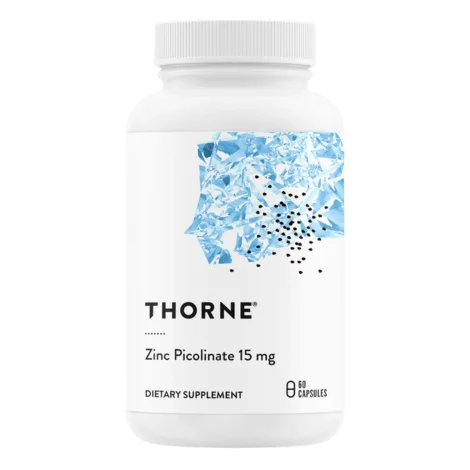

Thorne Zinc Picolinate is a simple, effective, and athlete-approved option that gets high marks for absorption and quality. Plus, the sub-$0.25 cost per serving can be appealing to those on a budget.
What our tester says:
“The NSF Contents Certified seal, a third-party certification confirming the label’s accuracy and guarantees the supplement is free of harmful contaminants. It’s a clear win for peace of mind, earning 5 out of 5 for both formulation quality and testing transparency.”
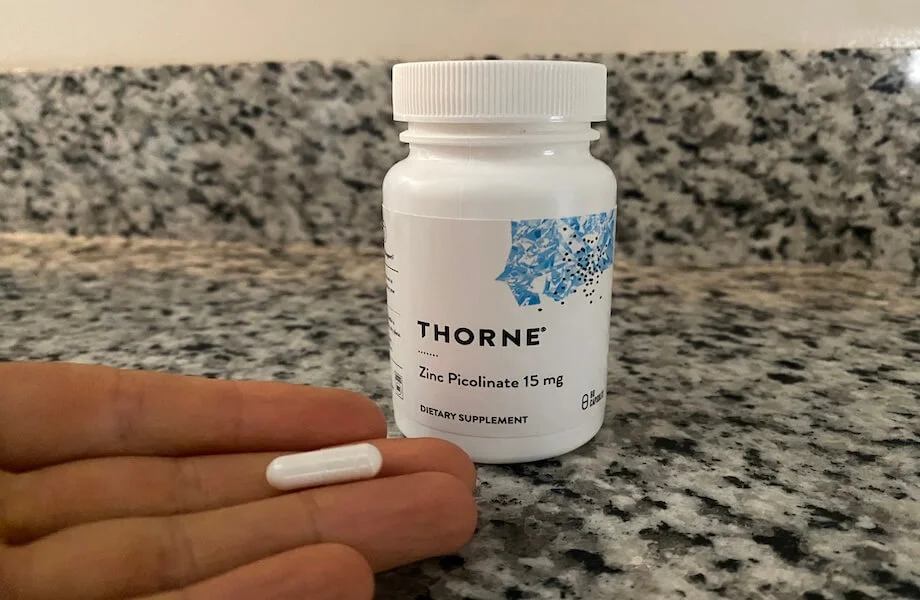
If you’re after a highly absorbable zinc supplement backed by quality and purity, Thorne delivers. Each capsule provides 15 milligrams of zinc picolinate, a form that a 2024 review2 suggests can effectively increase zinc levels in red blood cells and hair.
You’ll also find leucine, one of the branched-chain amino acids (BCAAs) known for supporting muscle protein synthesis. However, it’s not an active ingredient and doesn’t include the full trio of BCAAs, so it’s unlikely to provide full BCAA benefits. Instead, chelated amino acids3, such as leucine, may help improve absorption.
One standout feature? The NSF Contents Certified seal—a third-party certification confirming the label’s accuracy that also guarantees the supplement is free of harmful contaminants. It’s a clear win for peace of mind, earning 5 out of 5 for both formulation quality and testing transparency.
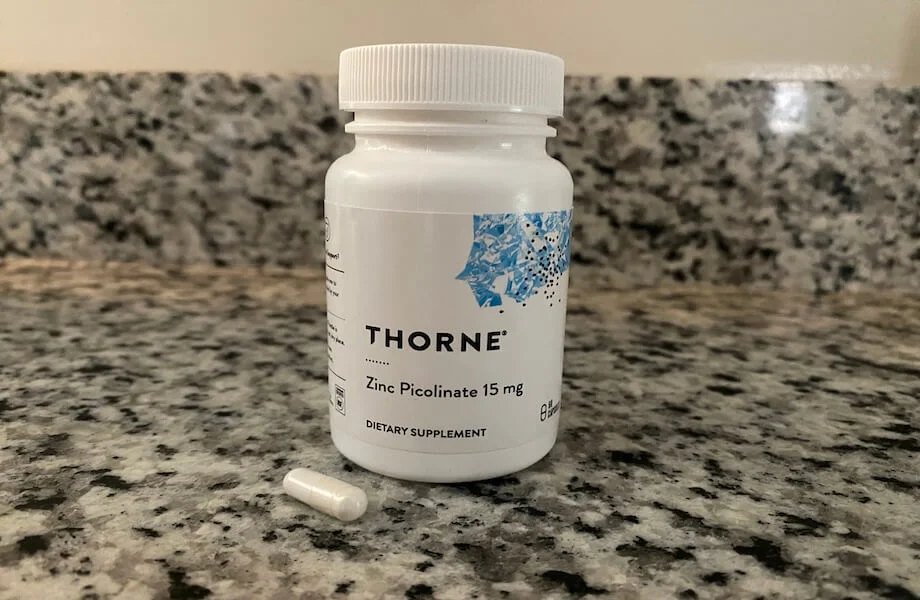
When it comes to user experience, I found the capsules tasteless and incredibly easy to swallow. Most users feel the same, and side effects are rare. One reviewer put it perfectly: “I’m not sure if they’re doing what they’re supposed to, but I know I need zinc. Doesn’t upset my stomach.” As such, it’s another round of perfect 5s for taste, swallowability, and side effects.
Customer service is generally solid, earning a 4 out of 5 in the category. While Thorne offers a 60-day satisfaction guarantee, returns through authorized sellers do require a phone call and come with a 25 percent restocking fee—something worth noting before you buy.
Still, with nearly 5,000 Amazon reviews and an average rating of 4.7 stars, this supplement clearly resonates with users. As one customer response puts it, “It’s Thorne, so of course it has quality ingredients and it’s been third-party tested. Big fan of Thorne products.”
If you prefer gummies but don’t want to compromise on third-party testing, Olly Active Immunity is NSF Contents Certified and delivers a flavorful chew.
| Price per serving | $0.23 |
| Zinc form | Zinc Picolinate |
| Zinc per serving | 15 mg (136 %DV) |
| Serving size | 1 capsule |
| Other active ingredients | None |
| Third-party testing | Yes |
Best Zinc Supplement for Immune Support: Performance Lab Zinc
Good for: Those seeking a plant-based zinc option to support immune health
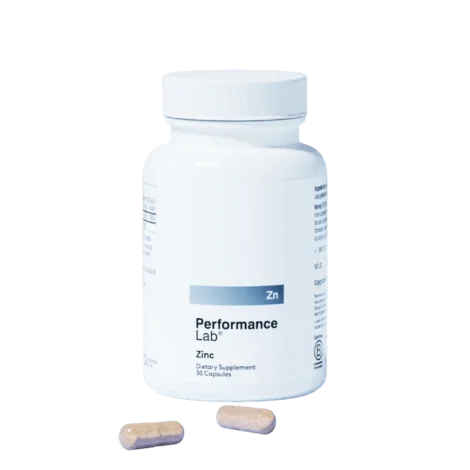



Performance Lab Zinc is a solid choice for those seeking immune support from a clean, minimalist formula. Plus, the servings consist of a clean, vegan-friendly capsule—great for daily use and bioavailability.
Best Organic Zinc Supplement: Garden of Life Raw Zinc
Good for: Anyone seeking an organic, non-GMO, and vegan-friendly zinc supplement
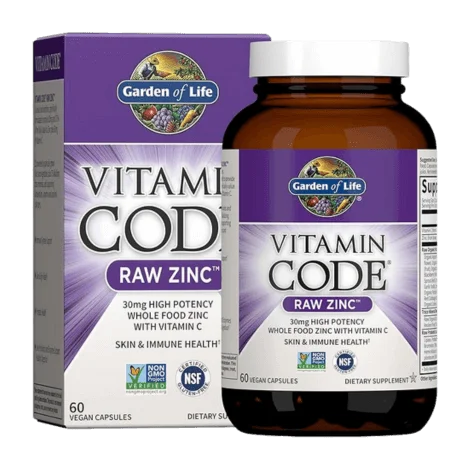

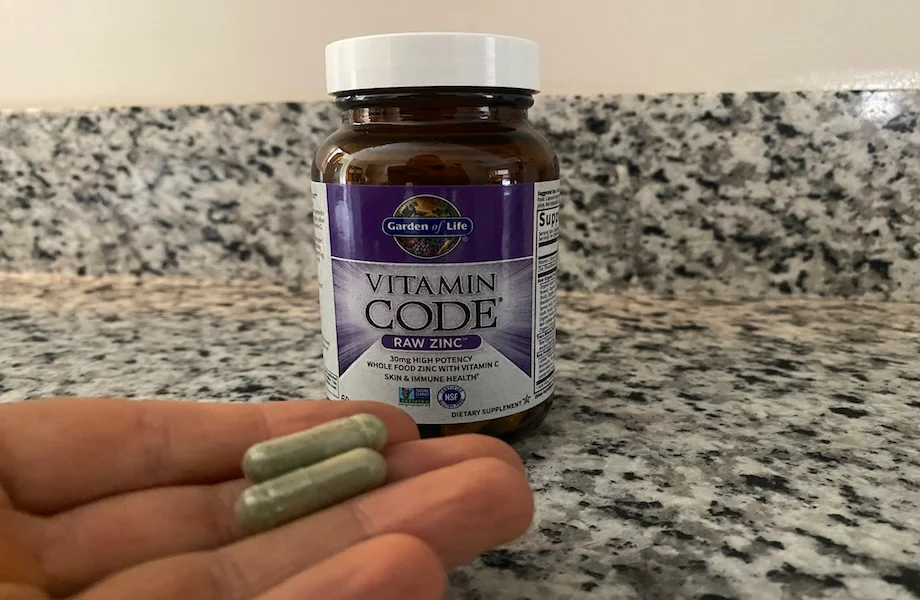
Garden of Life Raw Zinc is a top pick for those who value certified organic, plant-based supplements. Each serving consists of two capsules featuring research-backed dosages of zinc and vitamin C alongside blends of whole-food ingredients, probiotics, and more.
What our tester says:
“I didn’t find it unpleasant, but it definitely has a more noticeable flavor than most zinc supplements, and some Amazon reviewers mentioned a strong, plastic-like taste.”
Garden of Life has built a strong reputation for high-quality, organic ingredients as well as a whole-food-based approach to supplements—and its Raw Zinc lives up to the brand’s standards. Made with plant-based, organic ingredients, this formula is Non-GMO Project Verified and NSF Certified Gluten-Free, earning it the top spot as our best organic zinc supplement.
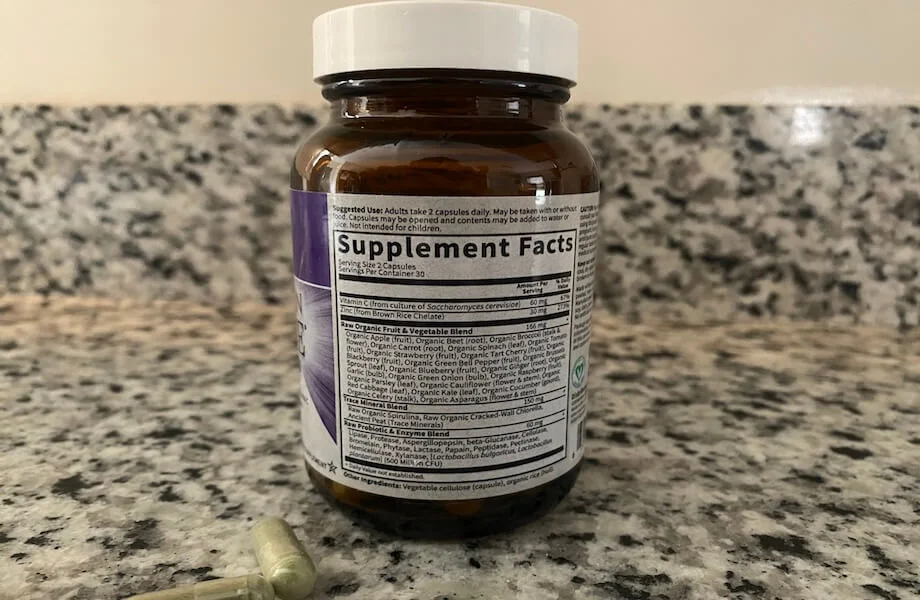
Each serving delivers 30 milligrams of zinc from brown rice chelate—a plant-based form designed to boost absorption—along with 60 milligrams of vitamin C to further support immune health. The formula also includes three proprietary blends featuring fruit and veggie powders, trace minerals, probiotics, and digestive enzymes.
These additions sound great on paper, but the lack of disclosed amounts knocks the formulation score down to 3 out of 5, especially for trace minerals where transparency matters, in my opinion as a registered dietitian. So, while its certifications are solid, Garden of Life doesn’t share third-party testing results for purity or label accuracy, earning a 4 out of 5 in the category.
When it comes to taste, this one’s a bit of a wildcard. I didn’t find it unpleasant, but it definitely has a more noticeable flavor than most zinc supplements. Additionally, some Amazon reviewers mentioned a strong, plastic-like taste. On the plus side, though, the capsules are easy to swallow, though you’ll need to take two per serving, which earns it a 4 out of 5 for swallowability.
As for side effects, experiences can vary. I had no issues, personally, but some users reported things like stomach discomfort, digestive changes, or even changes in blood pressure. This user variability leads to a 3.5-out-of-5 rating for side effects. Still, with over 31,500 reviews and an impressive 4.7-star average rating, it’s clear this supplement is a winner for thousands of people.
Performance Lab Zinc is another vegan-friendly pick for those who want a zinc-only supplement.
| Price per serving | $0.47 |
| Zinc form | Brown Rice Chelate |
| Zinc per serving | 30 mg (273 %DV) |
| Serving size | 2 capsules |
| Other active ingredients | Vitamin C, Raw Organic Fruit & Veggie Blend, Trace Mineral Blend, Raw Probiotic & Enzyme Blend |
| Third-party testing | Yes |
Best Gummy Zinc Supplement: Olly Active Immunity
Good for: Those looking for a well-rounded formula with a lower dose of zinc in gummy form
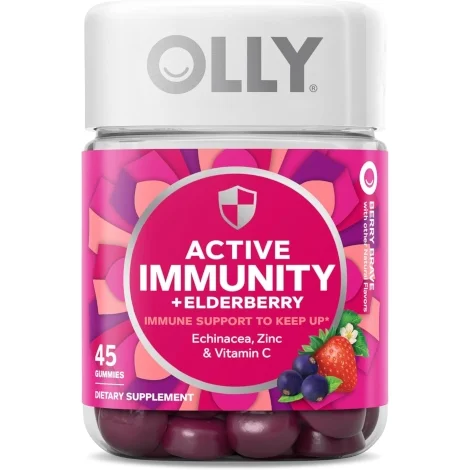
If you want a zinc supplement that tastes great and supports immunity, Olly’s Active Immunity gummies are fun, flavorful, and family-friendly. However, those needing higher doses may be underwhelmed by the included 5 milligram of zinc citrate per serving.
What our tester says:
“Taste-wise, the ‘Berry Brave’ flavor tends to be a crowd-pleaser and earns a 4 out of 5 in this category. I enjoyed it myself, and most Amazon reviewers seem to agree—though a handful describe it as just “OK” or say the flavor grows on you.”
If you’re looking for a tasty and convenient way to support your immune system, Olly Active Immunity gummies offer more than just zinc—though that’s still noteworthy! Even better? These gummies are NSF Contents Certified, which means what’s on the label is what you’re actually getting.
Each serving delivers 5 milligrams of zinc citrate, an organic form that’s well-absorbed. You’ll also get a boost of vitamin C, selenium, elderberry, and echinacea, making this a well-rounded formula for immune support. But if you’re watching your sugar intake or following a vegan lifestyle, each serving contains 3 grams of added sugar and includes gelatin, leading to a 3.5-out-of-5 rating for its formula.
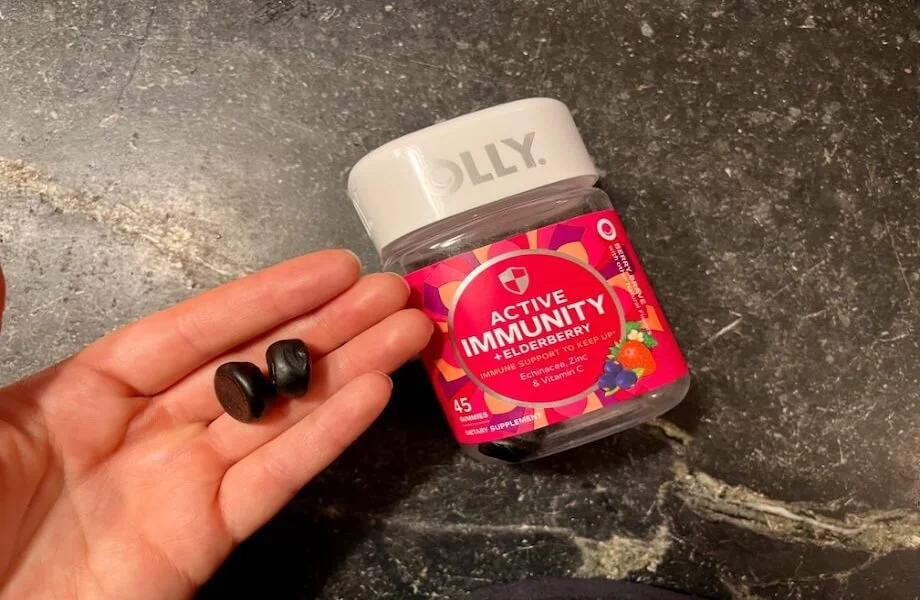
Taste-wise, the “Berry Brave” flavor tends to be a crowd-pleaser and earns a 4 out of 5 in the category. I enjoyed it myself, and most Amazon reviewers seem to agree—though a handful describe it as just “OK” or say the flavor grows on you.
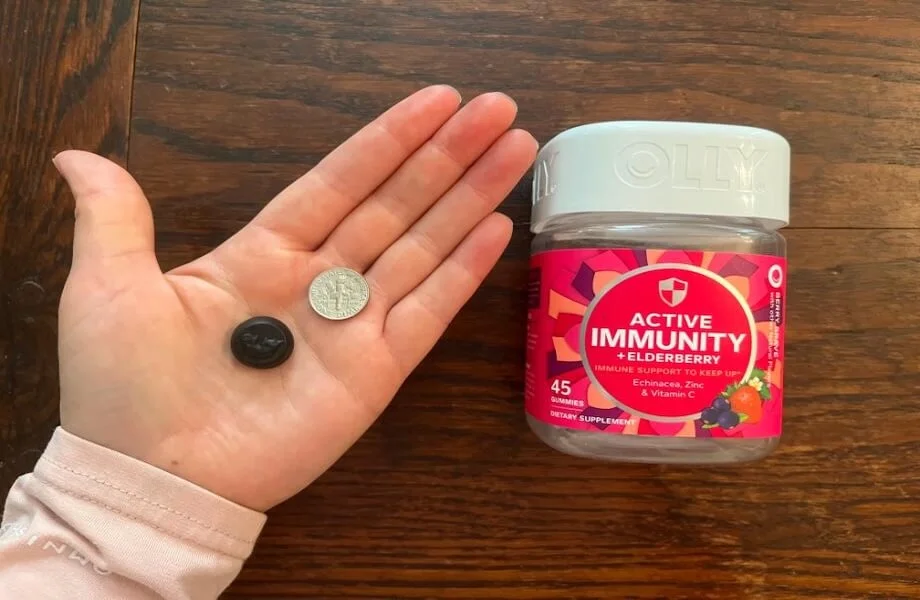
Swallowability is a bit more personal. Each serving requires three gummies, which some may find excessive. I liked the chewy texture and didn’t mind the quantity, but others might prefer fewer. Some reviewers also mentioned melting during shipping, which can cause clumping and make dosing tricky—something I didn’t personally experience likely due to cooler weather when I received my shipment.
Now, the biggest downside: the price. At $14.99 for just 15 servings, that breaks down to about $1.00 per serving, which is on the higher side compared to other options out there. One reviewer even noted that the gummy count is often off by one or more, which doesn’t help the value, earning it just 1 out of 5 for price.
That said, with nearly 2,000 reviews and a strong 4.6-star average on Amazon, Olly Active Immunity remains a fan favorite—especially for those who prefer chewable supplements with immune-supporting extras.
If you prefer a unique formulation without added sugars, check out Transparent Labs ZMO—it provides 11 milligrams of zinc, but you could halve the two-capsule serving to match Olly’s 5-milligram dose.
| Price per serving | $1.00 |
| Zinc form | Zinc Citrate |
| Zinc per serving | 5 mg (45 %DV) |
| Serving size | 3 gummies |
| Other active ingredients | Echinacea, Elderberry, Selenium, Vitamin C |
| Third-party testing | Yes |
Other Zinc Supplements We Researched
While narrowing down our top picks, we came across several other zinc supplements worth mentioning. Here are a few that stood out in some areas but didn’t quite make the final list.
- NOW Foods Calcium Magnesium Zinc: NOW Foods offers a blend of zinc, vitamin D, calcium, and magnesium> Plus, each serving size is well-detailed—something we always like to see. However, it uses zinc oxide, a form with lower bioavailability compared to other options, which means your body may not absorb and use it as effectively.
- MaryRuth Organics Zinc Gummies: While these gummies contain no added sugars, the dosage is lower than other zinc supplements we’ve tested. Plus, the included erythritol can lead to GI distress in some athletes.
- NOW Foods Zinc Picolinate: This bare-bones zinc supplement earns high praise for its bioavailability and low cost per serving. However, NOW Foods does not list any COAs or third-party testing accreditation with this capsule, whereas other wallet-friendly options did.
How We Picked and Tested the Best Zinc Supplements
Our team of certified personal trainers, registered dietitians, and nutritionists selected the best zinc supplements through a mix of in-depth research, hands-on testing, and standards based on our GGR supplement testing methodology. Each product was rated on scale of 1 (lowest) to 5 (highest) across key categories including formulation, taste, side effects, and price per serving to assess overall quality and effectiveness. Here’s a closer look at the criteria we used:
Formulation
We gave preference to supplements containing well-absorbed, organic forms of zinc such as zinc gluconate, zinc glycinate, zinc picolinate, zinc citrate, zinc methionine, and liposomal zinc. These forms tend to have better bioavailability than inorganic types such as zinc oxide.
We also deducted points for products with unnecessary fillers, artificial additives, or added sugars, especially in gummies.
Swallowability
We also took into account the overall ease of taking these supplements. For pills, we noted their size, coating, and whether they were easy to swallow. For gummies, we considered texture and palatability.
Supplements that were difficult to swallow or required taking multiple capsules per serving lost points, while those that were convenient and user-friendly stood out in our testing.
Taste
Let’s be real—if it tastes awful, you’re likely not going to consume it. While taste can be subjective, we assessed whether supplements had an off-putting flavor or odor and whether flavored versions like gummies were enjoyable to take each day.
We combined our impressions with feedback from customer reviews to compose a well-rounded sense of the taste experience.
Side Effects
We closely monitored how we felt after taking each supplement. Zinc can cause side effects like nausea, headaches, or digestive upset—especially at higher doses. As such, we paid close attention to how each product sat with us. We also analyzed online reviews to identify recurring complaints related to side effects and longer-term benefits.
Price Per Serving
We looked for products that offer solid quality without breaking the bank. Our goal was to include a range of price points, making it easier for consumers to find a supplement that fits their budget without compromising on effectiveness or safety.
Benefits of Zinc Supplements
Zinc supplements can support various aspects of adult health including immune function, blood sugar regulation, age-related vision changes, and wound healing. While not everyone needs to take zinc supplements regularly, targeted use can make a noticeable difference, especially when your dietary intake falls short.
Quick note: This overview focuses on adults, as children have different zinc requirements and specific guidelines.
Manages and Prevents Zinc Deficiency
Zinc plays a vital role across multiple body systems. So, a deficiency can cause a range of issues—from weakened immunity and slower wound healing to changes in cognition, mood, and sense of taste and smell.
If your regular diet isn’t enough, or you have higher needs such as those present in a plant-based diet or are pregnant or lactating, zinc supplements can help restore healthy levels and support overall wellness1.
May Shorten the Common Cold
If you catch the first signs of a cold, zinc might help you recover a bit faster—potentially cutting your symptoms by one to two days. The most effective doses tend to be around 75 milligrams of elemental zinc daily, especially in lozenge form1.
While research is mixed on how much it reduces cold symptom severity, zinc remains one of the most well-studied and popular remedies for relief from common cold symptoms.
May Support Healthy Vision
For adults over 50, zinc may help slow the progression of age-related macular degeneration (AMD), a leading cause of vision loss. The landmark AREDS4 study found that taking 80 milligrams of zinc oxide, alongside antioxidants like vitamin C and beta-carotene, reduced the risk of advancing to severe AMD by roughly 25 percent in those at high risk.
Because of this, the National Eye Institute recommends an AREDS formulation with 80 milligrams of zinc for eye health support1.
May Improve Metabolic Health
Zinc may help improve fasting blood glucose, insulin sensitivity, and cholesterol levels, particularly in adults with type 2 diabetes or metabolic syndrome. It’s also being studied as a potential treatment for diabetic foot ulcers, though more research is needed before clear recommendations can be made1.
May Boost Testosterone Levels
A 2023 systematic review5 shows a promising connection between zinc and testosterone, particularly in men. Low zinc levels have been linked to reduced testosterone, while supplementing with zinc (especially if you’re deficient) may help raise those levels.
It’s no wonder, then, that zinc is a key ingredient in many of the best testosterone boosters.
Potential Side Effects
Zinc is an essential nutrient that plays a crucial role in immune health, metabolism, and various other bodily functions. That said, as with many nutrients, too much of a good thing can cause problems.
While zinc from food is generally safe and unlikely to lead to toxicity, high doses from supplements can cause both acute and chronic health issues1.
Acute and Chronic Side Effects
Acute side effects of zinc supplementation, especially in excess, can include:
- Headaches
- Nausea or vomiting
- Diarrhea
- Abdominal cramps
- Loss of appetite
- Gastric discomfort
These symptoms have been reported at doses as low as 50 to 150 milligrams per day, with vomiting more likely at doses above 200 milligrams2.
Chronic high intake—especially 60 milligrams per day or more—can interfere with copper absorption, potentially causing a copper deficiency, a weakened immune system, and (in rare cases) neurological issues. At very high levels (300 milligrams or more per day), zinc itself can begin to suppress immune function2.
Because of these potential risks, the Tolerable Upper Intake Level (UL) for zinc is set at 40 milligrams per day for adults, unless you’re under the guidance of a healthcare provider1.
Medication Interactions
Zinc may also interact with certain medications, potentially reducing their effectiveness or affecting their action. Common examples include1:
- Antibiotics: Zinc can interfere with the absorption of quinolones (like Cipro) and tetracyclines (like Sumycin). To minimize this interaction, take zinc supplements at least 2 hours before or 4 to 6 hours after your antibiotic.
- Penicillamine: This medication, used to treat rheumatoid arthritis and Wilson disease, can be less effective when taken with zinc. Be sure to space doses at least 1 hour apart.
- Thiazide Diuretics: Drugs like hydrochlorothiazide (Esidrix) and chlorthalidone (Thalitone) can increase zinc loss through urine, which may lower your zinc levels over time.
If you’re taking any of the above medications (or others), check in with your healthcare provider to make sure zinc supplementation is safe and effective for your individual needs.
How Much Zinc Should I Take Per Day?
The Recommended Dietary Allowances (RDAs) give us a helpful daily target for zinc to support the overall health of most healthy adults. For adults aged 19 and older, here’s what the RDAs recommend1:
- Men: 11 mg
- Women: 8 mg
- Pregnant women: 11 mg
- Breastfeeding women: 12 mg
These amounts are typically met through a balanced diet that includes rich sources of zinc including meat, shellfish, legumes, nuts, and whole grains.
It’s also important to be aware of the tolerable upper intake level, or 40 milligrams per day for adults. This is the maximum daily intake unlikely to cause adverse health effects.
However, it’s still a good idea to avoid going overboard unless advised by a healthcare professional, since too much zinc can lead to unwanted side effects.
Buying Guide: What to Look for in Zinc Supplements
Shopping for any supplement can feel overwhelming, but it doesn’t have to be. While your doctor is the best resource for personalized advice, this quick tip guide will help you choose a zinc supplement that fits your needs with confidence and ease.
Zinc Form
There are many forms of zinc—including zinc acetate, gluconate, piconate, and oxide—and not all are absorbed equally. For the best results, choose an organic form with high bioavailability such as zinc citrate, picolinate, or gluconate.
Also, ensure the amount of zinc meets your personal needs.
Supplement Type
Zinc supplements come in different forms, ranging from zinc lozenges to capsules, gummies, and powders.
- Capsules or tablets: Convenient and typically low in additives.
- Gummies: Tasty and easy to take, but may include added sugar or fillers.
- Liquids: Helpful for those who can’t swallow pills or need flexible dosing.
- Lozenges: Great for cold season, but typically most ideal for short-term use.
The best type of zinc is the one you’ll take on a regular basis, so choose what works best for your lifestyle.
Additional Ingredients
While zinc is available on its own, it’s often in multivitamins and mineral supplements with other micronutrients including vitamin C, vitamin D, and magnesium. These can be helpful for targeted benefits and filling in nutritional gaps, but it’s important to:
- Make sure the extras support your goals and don’t duplicate what you’re already getting from other supplements or whole-food sources.
- Watch for unnecessary additives such as added sugars, artificial sweeteners, or colorings.
- Check labels for allergens like soy, dairy, or shellfish. If you’re vegan, make sure the product is clearly labeled as such.
- Avoid taking zinc at the same time as high-dose iron supplements (25 milligrams or more), as combining the two can interfere with absorption. (Iron from fortified cereals and other foods doesn’t seem to cause the same issue as several of the best iron supplements.)
Third-Party Testing
Since dietary supplements aren’t tightly regulated by the Food and Drug Administration (FDA), third-party testing can give you better peace of mind. Look for certifications from trusted organizations like NSF, USP, and Informed Choice. These verify that the supplement contains what it claims to and is free from contaminants such as heavy metals.
Cost Per Serving
Look for a product that fits your budget but doesn’t compromise on quality. Many brands sweeten the deal with perks like rewards programs, subscription discounts, and flexible delivery options that allow you to pause or cancel at any time.
It’s also smart to compare prices across reliable retailers like Amazon, but make sure you’re purchasing from a reputable seller to avoid counterfeit or expired products.
Experts Who Contributed to This Article
FAQs About the Best Zinc Supplements
Which form of zinc is best?
Zinc glycinate is often considered one of the most bioavailable forms, meaning your body can absorb and use it efficiently. Other well-absorbed options with strong results in clinical studies include zinc bisglycinate, zinc picolinate, zinc citrate, and zinc gluconate.
On the flip side, zinc oxide tends to have the lowest absorption rate and may be less effective, especially when it comes to correcting a deficiency2.
Are there any downsides to taking a zinc supplement?
Yes, there can be downsides to taking a zinc supplement—especially at high doses. Too much zinc may cause nausea, stomach cramps, or headaches. Long-term overuse can lead to copper deficiency or weakened immune function, as well. Zinc can also interact with certain medications, so it’s best to consult your healthcare provider before taking it.
What blocks zinc absorption?
Various dietary factors can block zinc absorption, including phytates, which are found in many plant-based foods like legumes, whole grains, nuts, and seeds. Phytates bind to zinc in the gut, making it harder for your body to absorb.
High-dose iron supplements taken on an empty stomach can also reduce zinc absorption, though iron consumed with meals does not have this effect. Additionally, very high zinc intake can saturate your body’s absorption capacity, lowering how much zinc gets absorbed2.
How much zinc should I be consuming daily?
For most healthy adults age 19 and up, the Recommended Dietary Allowances (RDAs) provide a reliable daily target1:
-Men: 11 mg
-Women: 8 mg
-Pregnant women: 11 mg
-Breastfeeding women: 12 mg
These targets are typically met through a balanced diet rich in foods such as meat, shellfish, legumes, nuts, and whole grains.
It’s also important to be aware of the Tolerable Upper Intake Level (UL), which is 40 mg of zinc per day for adults. This is the maximum daily amount considered safe for long-term use without raising the risk of side effects.
These statements have not been evaluated by the Food and Drug Administration. This product is not intended to diagnose, treat, cure, or prevent any diseases.
References
- National Institutes of Health. (2022, September 28). Zinc. Nih.gov; National Institutes of Health. https://ods.od.nih.gov/factsheets/Zinc-HealthProfessional/
- Devarshi PP, Mao Q, Grant RW, Hazels Mitmesser S. Comparative Absorption and Bioavailability of Various Chemical Forms of Zinc in Humans: A Narrative Review.Nutrients. 2024;16(24):4269. Published 2024 Dec 11. doi:10.3390/nu16244269
- Jacob, R. H., Afify, A. S., Shanab, S. M., & Shalaby, E. A. (2022). Chelated amino acids: biomass sources, preparation, properties, and biological activities. Biomass Conversion and Biorefinery. https://doi.org/10.1007/s13399-022-02333-3
- Age-Related Eye Disease Study Research Group (2001). A randomized, placebo-controlled, clinical trial of high-dose supplementation with vitamins C and E, beta carotene, and zinc for age-related macular degeneration and vision loss: AREDS report no. 8. Archives of Ophthalmology (Chicago, Ill. : 1960), 119(10), 1417–1436. https://doi.org/10.1001/archopht.119.10.1417
- Te, L., Liu, J., Ma, J., & Wang, S. (2023). Correlation between serum zinc and testosterone: A systematic review. Journal of Trace Elements in Medicine and Biology, 76, 127124. https://doi.org/10.1016/j.jtemb.2022.127124