




If you’re looking for a way to increase your range of motion, improve workout performance, or relieve post-workout muscle soreness, you may be considering a foam roller. Despite clinical evidence on the benefits of foam rollers being quite mixed, these tools have become ubiquitous in gyms and synonymous with muscle recovery.
Many consider the humble foam roller one of the best muscle recovery tools, and we’re here to help you find the right one for you. We tested 12 of the best foam rollers on the market and assessed them according to our fitness equipment testing methodology. We evaluated factors like:
- Construction and Durability: This category looks at the foam material, overall build quality, and whether the roller maintains its shape and integrity with regular use. A 3-point score indicates solid construction suitable for consistent use, even if the materials feel basic compared to more premium options.
- Density and Firmness: We evaluate how firm the roller feels, and whether it provides enough pressure without being overly aggressive. A 3-point score means the roller is firm enough for general recovery but may not deliver the intensity or precision of higher-end or specialty models.
- Size and Portability: This criterion examines whether the roller’s surface effectively delivers consistent or targeted pressure without discomfort. A 3-point score is given to smooth rollers that provide even pressure or textured rollers that allow for targeted work, though not as deeply or precisely as top-tier designs.
- Performance: Performance measures how well the roller works during repeated use in terms of comfort, muscle targeting, and reliability as part of a recovery routine. A 3-point score indicates the roller is effective for basic recovery needs but may have limitations in comfort, versatility, or muscle targeting.
In 2025, our expert recommendations helped more than 3,000 people connect with recovery tools. We’re confident that our thorough, hands-on testing—completed by certified personal trainers, athletes, and coaches—can help you find the right tools, too.
We also spoke with exercise physiologist Chris Mohr, PhD, RD, about the benefits of foam rolling, when to do it, and who should or shouldn’t use one.
GGR Gold Pick – Best Foam Roller
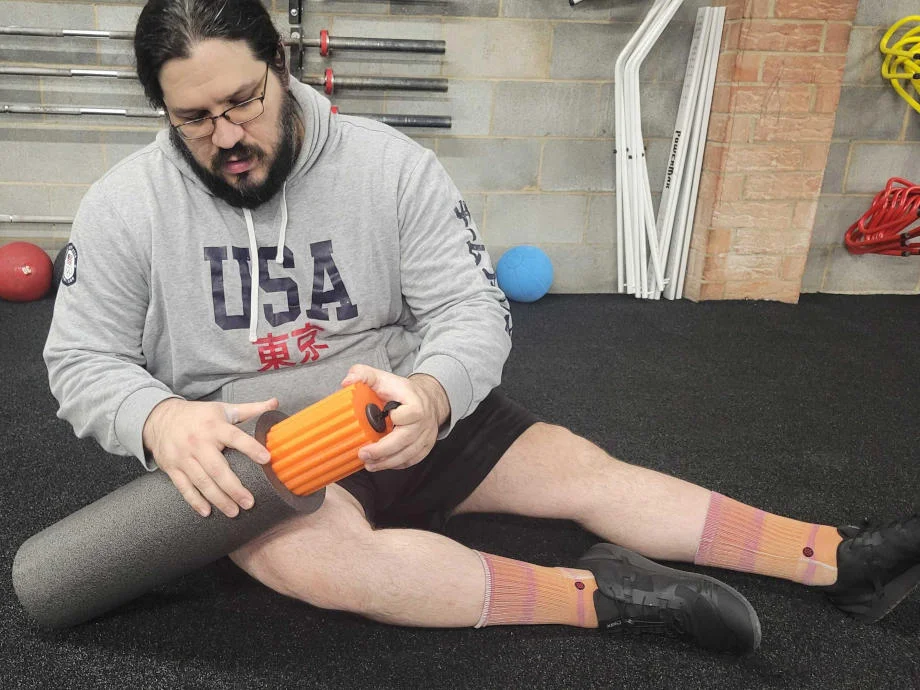
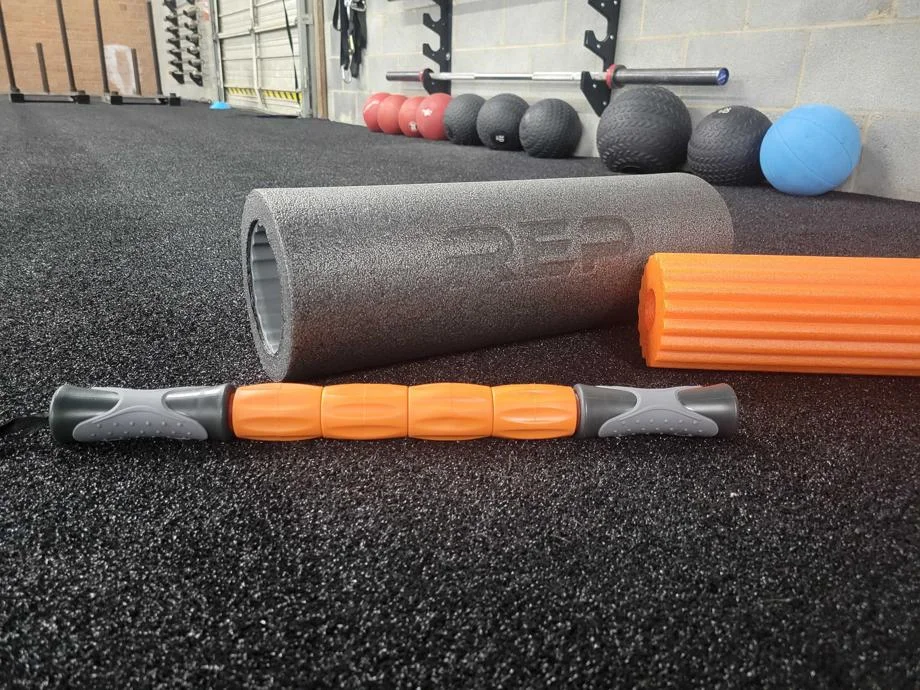
The REP Fitness 3-in-1 Foam Roller earned its title as the best overall foam roller because it offers three distinct tools in one compact package—a traditional smooth roller, a compact textured roller, and a roller stick—for under $40.
Best Foam Rollers
- Best Foam Roller Overall – REP Fitness 3-in-1 Foam Roller
- Best Budget Foam Roller – AmazonBasics High-Density Foam Roller
- Best Deep Tissue Foam Roller – Rumble Roller Compact Foam Roller
- Best Foam Roller for Upper Back – Rollga Medium Density Foam Roller
- Best Foam Roller for Back Pain – Chirp Wheel+
- Best Vibrating Foam Roller – Therabody Theragun WaveRoller
- Best Foot Foam Roller – Chirp Wheel+ Foot Roller
- Best Classic Foam Roller – TriggerPoint Grid 1.0
Best Foam Roller Overall: REP 3-in-1 Foam Roller









At a Glance
- Includes three different foam roller tools
- Makes full-body foam rolling a breeze
- Minor durability concerns with the middle roller
- Compact size, but long enough to work on larger muscles
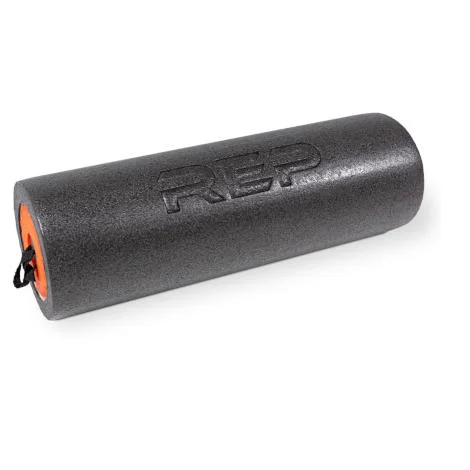
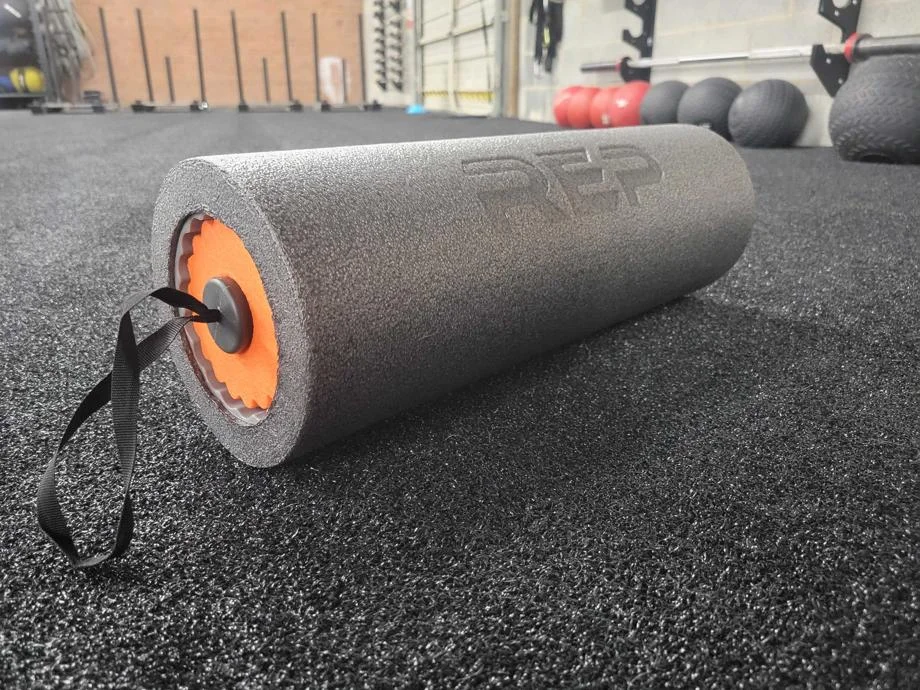
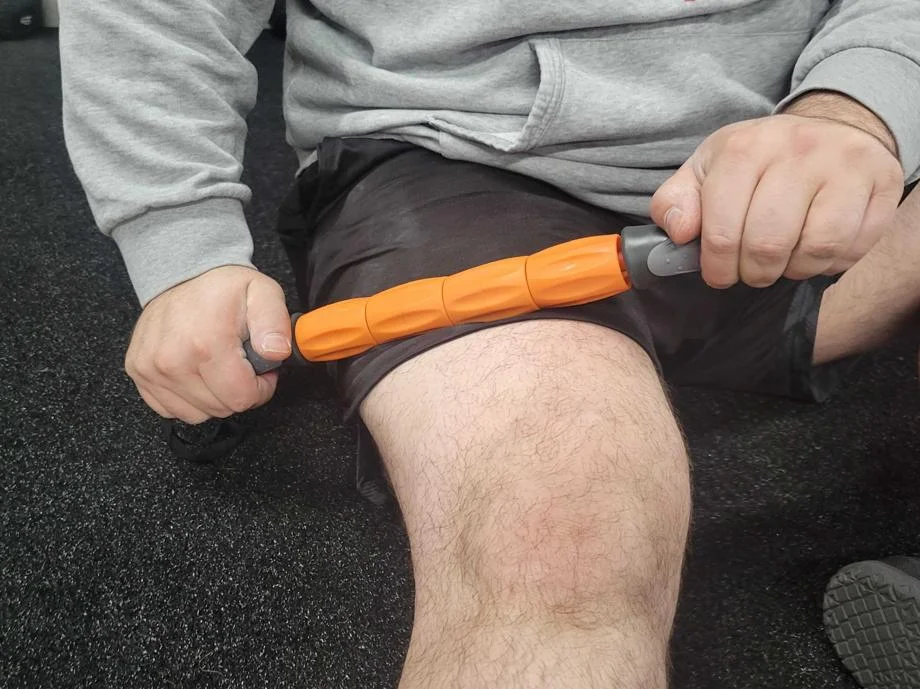
The REP Fitness 3-in-1 Foam Roller includes a traditional, smooth cylindrical roller, a textured cylindrical roller, and a mobility stick. The stick nests inside the textured roller, which nests inside the smooth roller, making this not only a standout pick in terms of value, but also in portability. Caine Wilkes, OLY, CNC, USAW-L1, tested this foam roller and tells me, “The 3-in-1 design certainly adds value to this roller, as you can pick between three different thicknesses and textures to roll out different areas and muscle groups.” He rates it a 4.5 out of 5 for value.
RELATED: Best Home Saunas
Firmness: 5/5
Surface Texture: 5/5
Size & Portability: 4/5
Why We Like the REP 3-in-1 Foam Roller
“Overall, a solid recovery tool,” Caine quips. He rates it a 4 out of 5 for durability and construction, too, noting, “Everything feels high-quality, and the mobility stick is probably the most overbuilt mobility stick I’ve used…most feel pretty flimsy, but this one’s solid.”
REP Fitness doesn’t offer any details about the type of plastic or foam they use, but Caine assures me that the outer roller has a high-density foam exterior and a hard plastic interior. The ridged foam roller is all foam, and the mobility stick is a hard plastic.
Caine also found the density and firmness to be exceptional, awarding this 3-in-1 roller 5 out of 5 points. On the largest roller, the plastic interior gives it plenty of firmness, while the foam exterior helps it from being too uncomfortable, Caine says. “I wasn’t sold on the ridged roller, but goodness gracious, that gets my lats real well! And the mobility stick helps target smaller spots, overall.”
This works really well, and the ridged roller is what sold it for me. The 3-in-1 design allows you to keep all three rollers around while taking up the space of one roller, so it’s portable, too.
Caine Wilkes, OLY, CNC, USAW-L1
Alternatives
Caine calls out one potential drawback regarding the long-term durability of this product: “The smaller ridged foam roller is my only worry, as it’s thinner and hollow (to insert the mobility stick into),” he explains. “For now, it’s all holding up extremely well, but I could see it losing its shape over time.”
Those who plan to use their foam roller liberally should also know that REP Fitness only offers a six-month warranty on the 3-in-1 roller. As Caine notes, that’s a bit shorter than the typical one-year warranty period, so he rates this product at a 2.5 out of 5 for customer experience. That said, there are some perks: This product is HSA/FSA-eligible, and you do get a 30-day, money-back guarantee.
Looking for something with more deep-tissue potential? Check out the RumbleRoller, which features a knobby surface texture for digging into knotty areas.
Testing Breakdown
The REP Fitness 3-in-1 Foam Roller scored exceptionally well across all categories, with the exception of customer experience due to the shorter-than-average warranty.
Vs. The Average
The REP 3-in-1 Foam Roller’s longer 18-inch length makes it great for treating all muscle groups.
| REP 3-in-1 Foam Roller | Average Foam Roller | |
| Price | $35.99 | $53.77 |
| Length | 18” | 12.5” |
| Diameter | 6” | 5.6” |
| Warranty | 6 months | 7 months |
Best Budget Foam Roller: Amazon Basics High-Density Foam Roller




At a Glance
- Available in 3 lengths
- Medium-firm density
- Smooth surface texture
- Very lightweight (about 0.6 lbs for the 18” length)
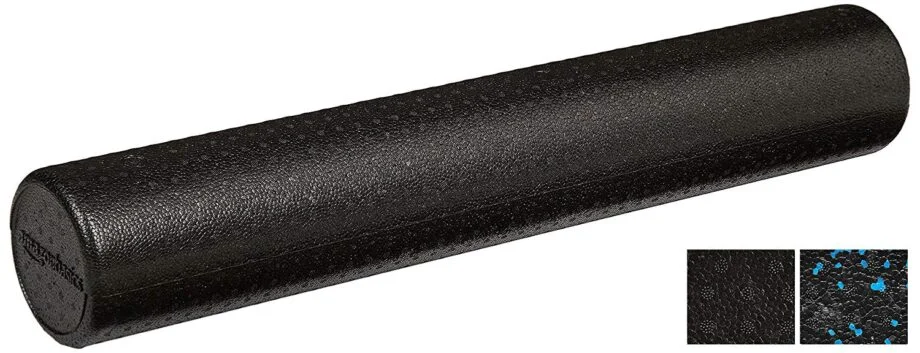
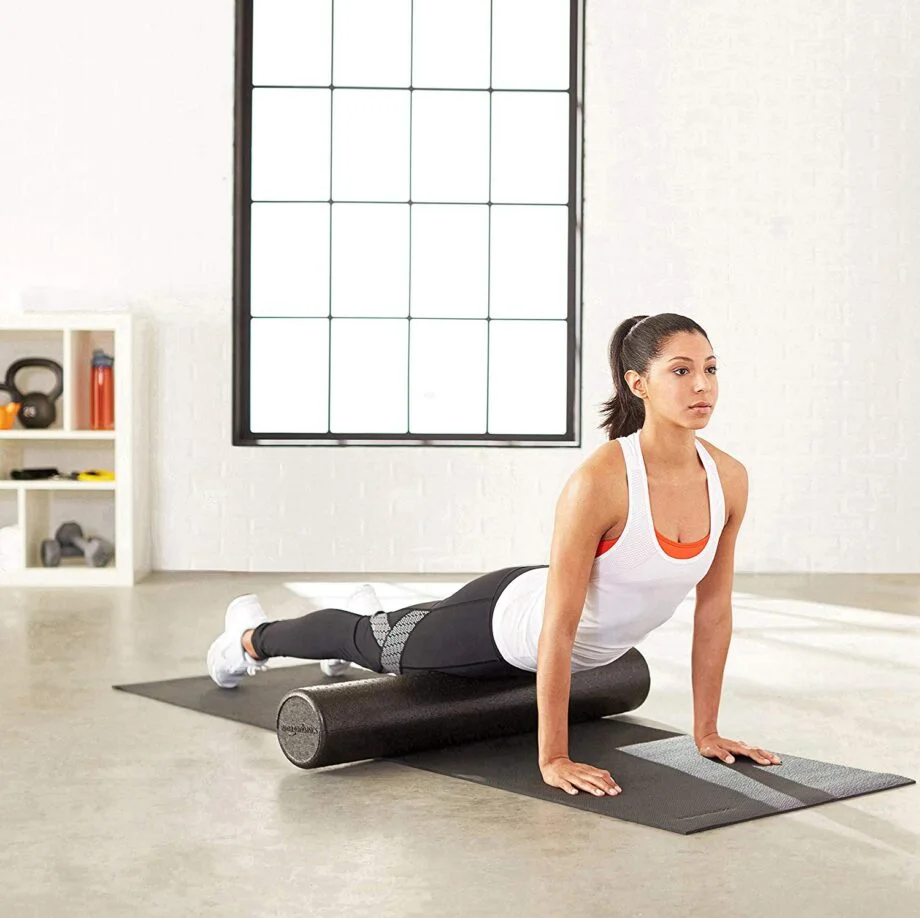
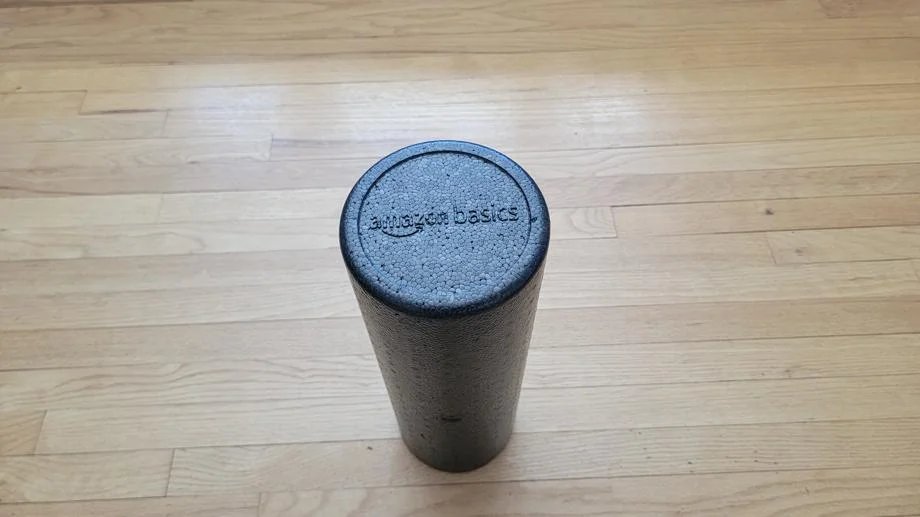
Always on the hunt for your next bargain? If a foam roller is on your shopping list of budget home gym equipment, we recommend the Amazon Basics Foam Roller. When I chatted with GGR Managing Editor Amanda Dvorak, CPT, CNC, she raved, “The 18-inch one was just over $11 when I ordered it. I wouldn’t say there’s anything special about it, but I gave it a 5 out of 5 for value since it’s affordable and seems priced competitively with other brands.”
Price & Value: 5/5
Firmness: 4/5
Performance: 4/5
Why We Like the Amazon Basics High-Density Foam Roller
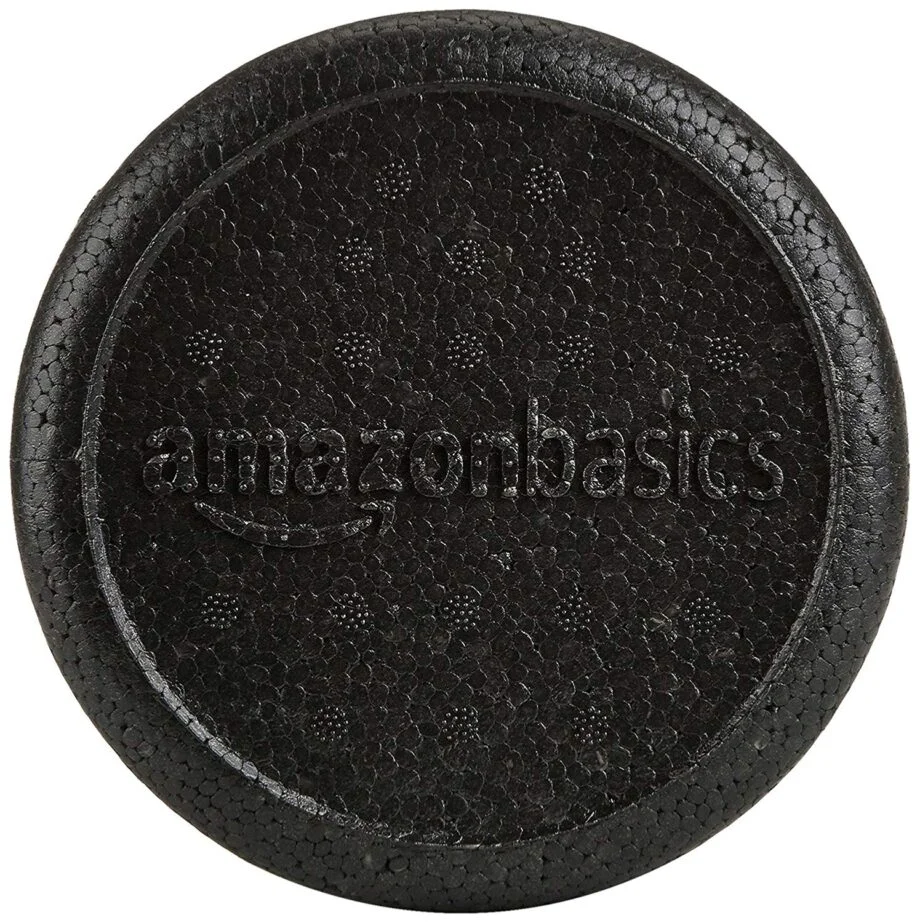
Amanda was quite surprised with the build quality for the price and rated the Amazon Basics Foam Roller at 5 out of 5 for durability and construction. It’s made from a firm polypropylene, according to the product description. “It feels pretty solid—there was no squishing when I used it,” Amanda says. “I have another foam roller that’s made with the same material, and I’ve had it for probably about eight years; it’s still going strong. I’d expect the same out of this one.”
The firmness of this foam roller also came as a (positive) surprise. “I’m no stranger to foam rolling, but even I was surprised by how firm this is,” Amanda says. “It was kind of uncomfortable, but I also feel like that’s kind of the point of foam rolling.” She rates it a 4 out of 5 for density and firmness, but notes, “This is probably something I’d recommend more for experienced athletes rather than beginners.”
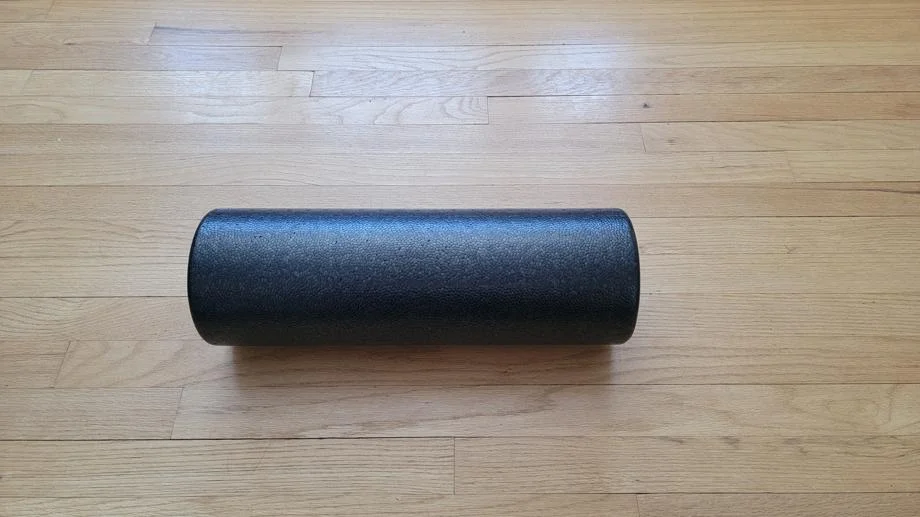
Amanda is a fan of the smooth surface texture, too. “It’s very smooth and doesn’t cause any irritation, even when I use it on bare skin,” she says. She awards the roller 4 points for this category, but mentions that some people may prefer a roller with knobs or ridges to dig deeper into their muscle tissue.
I’ve already used this several times both before and after workouts (and, particularly, after running or walking a lot to roll out my calves) and am pretty happy with it!
Amanda Dvorak, ISSA-CPT, ISSA-CNC
Alternatives
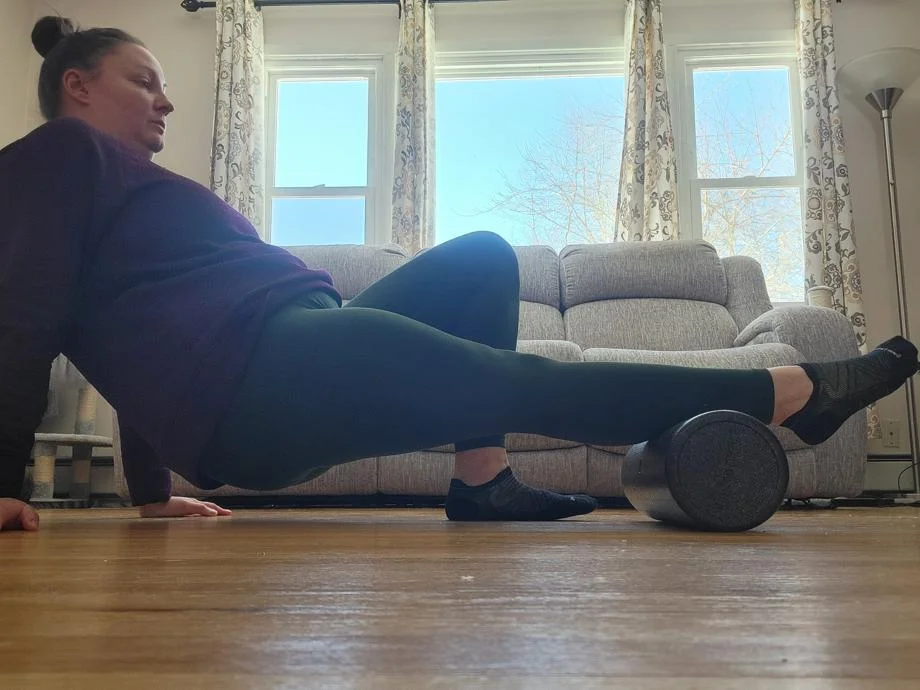
Amanda chose the 18-inch version of this foam roller and says she felt a little limited by its size. “I like this size for rolling out my calves, hamstrings, outer thighs, and glutes, but it’s trickier for my quads since I typically like to roll out both sides at the same time,” she says.
“I think this size is a bit too small for that. I also prefer my longer foam roller for rolling out my upper back,” she continues. “This short one is sufficient, but it does feel a little awkward for me.” As such, she rates the size and portability a 3.5 out of 5.
Additionally, there’s no warranty on this product, but there is a 30-day return window on Amazon. If you’re looking for more customer support for your recovery gear, it may be best to look elsewhere.
If a smooth-surfaced roller won’t cut it for you but a knobby one is too painful, consider the Rollga Roller, which has a smooth surface but is contoured to increase the depth of treatment.
Testing Breakdown
For such an inexpensive roller, our tester was impressed by the durability, density, and performance.
Vs. The Average
This Amazon Basics foam roller is significantly cheaper than average, but it performs nearly just as well as higher-end options.
| Amazon Basics High-Density Foam Roller | Average Foam Roller | |
| Price | $15.29 | $53.77 |
| Length | 18”, 24”, or 36” | 12.5” |
| Diameter | 6” | 5.6” |
| Warranty | 30 days | 7 months |
Best Deep Tissue Foam Roller: RumbleRoller Compact
At a Glance
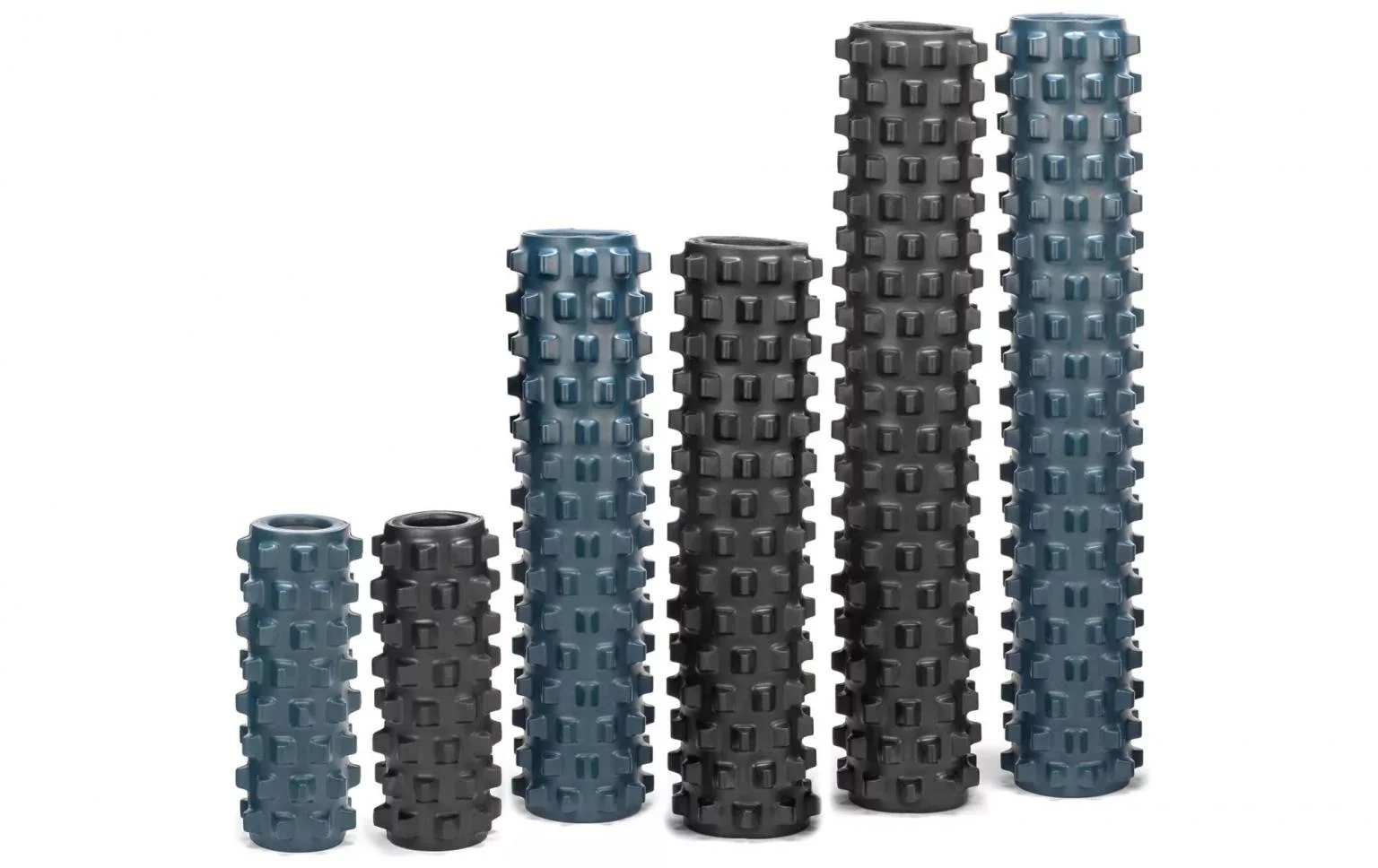
- Thumb-like knobs dig into muscles for deeper treatment
- Available in 3 sizes
- May be too intense for beginners
- Extra-firm foam
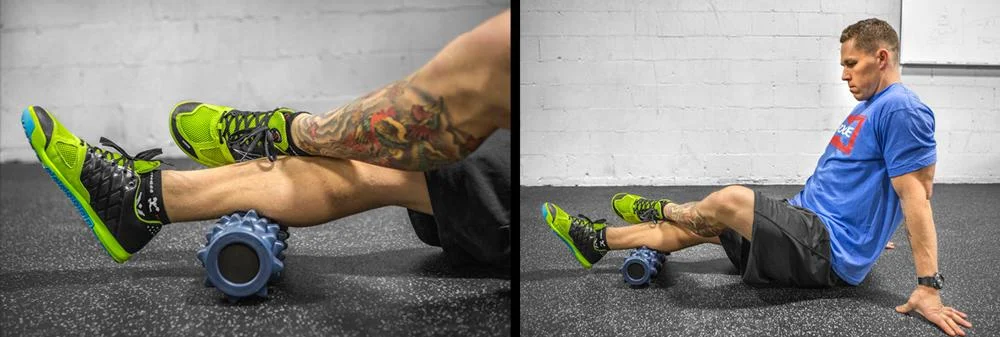
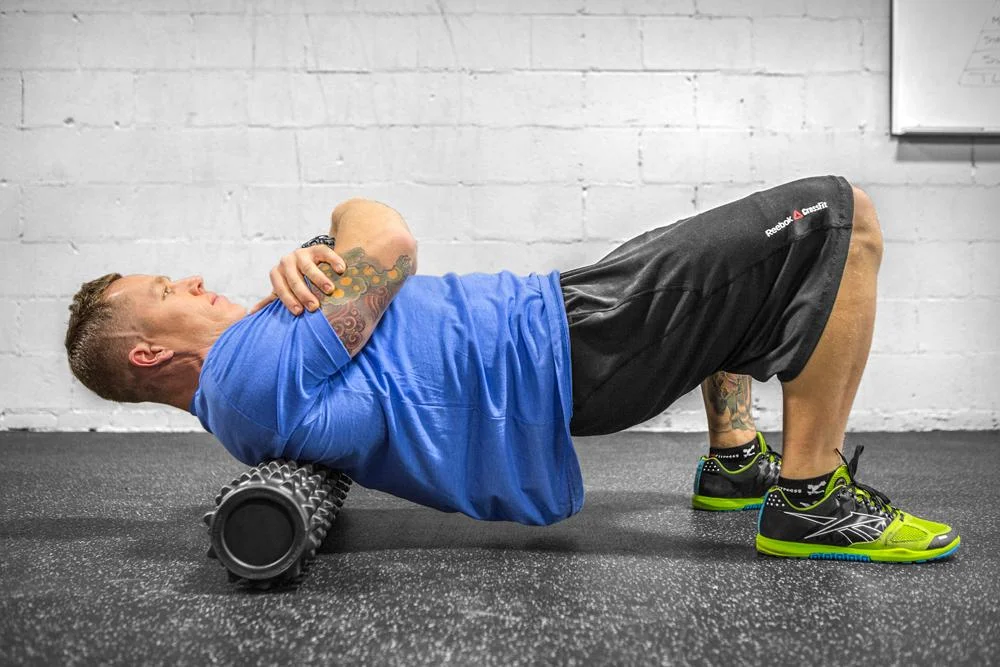
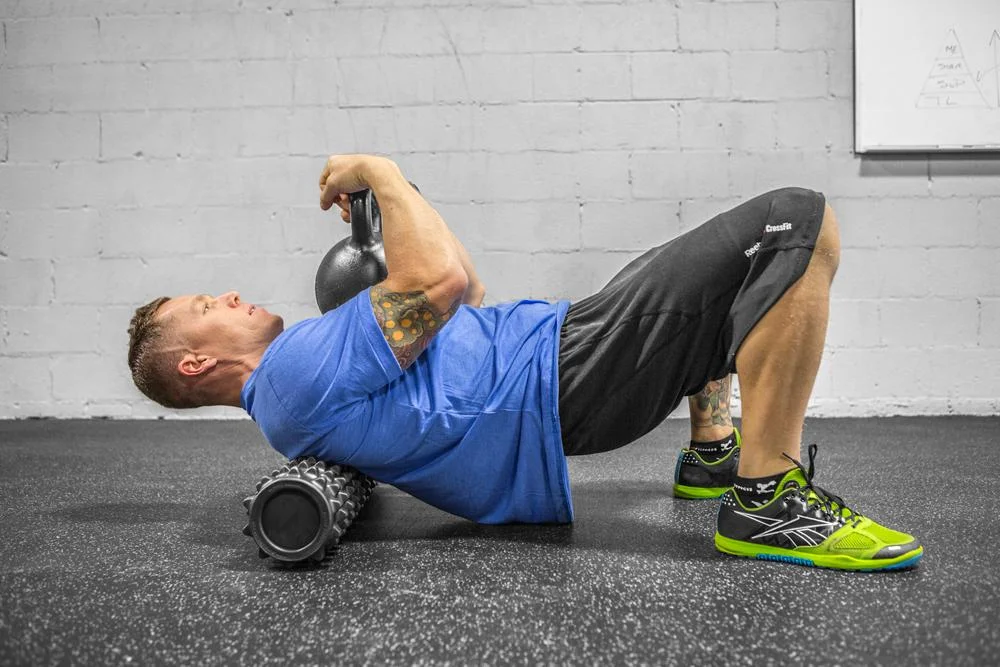
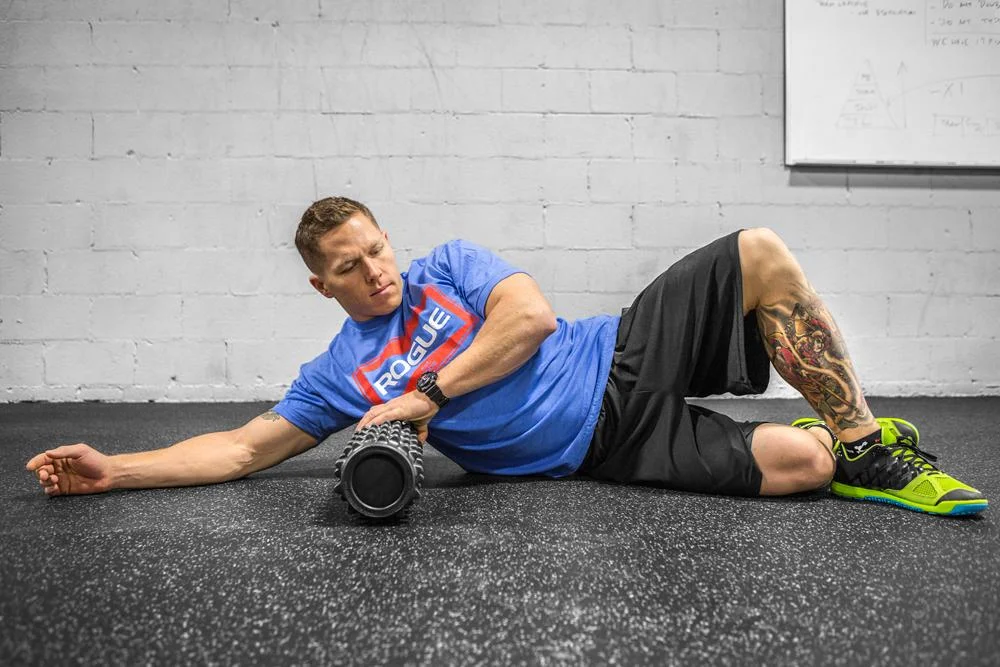
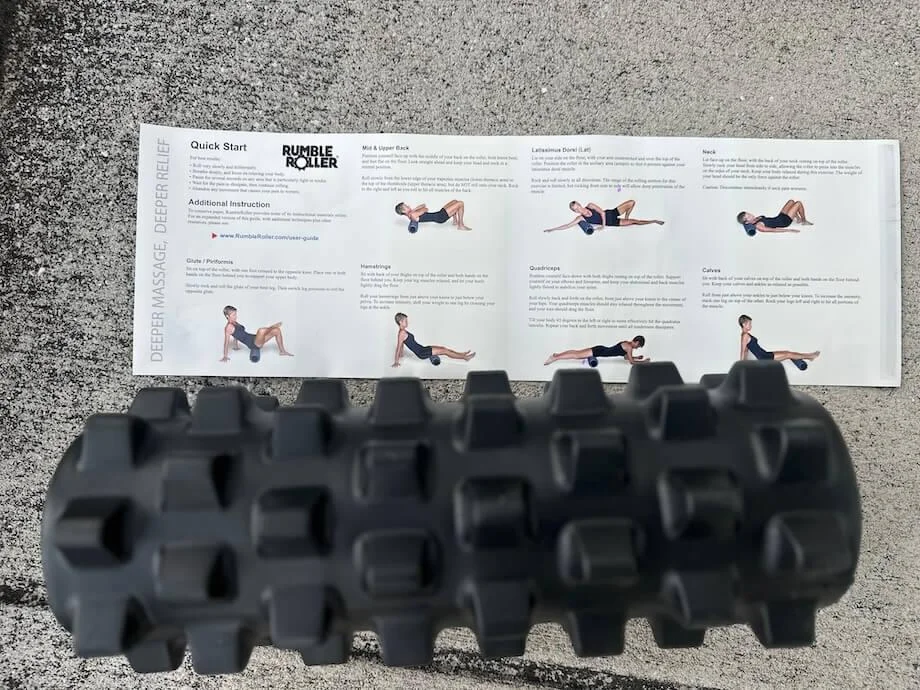
If smooth foam rollers leave you desiring a deeper massage, the RumbleRoller could offer the relief you need. GGR Senior Staff Writer Stephen Sheehan, CPT, CNC tested the Rumble Roller Compact and tells me, “I love the ridges and prefer this style of foam roller over a smooth one you’ll typically find in a commercial gym or home gym. For me, this is much more effective at digging deep into my muscles and getting better relief.” He rates the surface texture and design a perfect 5 out of 5.
RELATED: Best Massage Guns
Durability: 5/5
Surface Texture: 5/5
Size & Portability: 4.5/5
Why We Like the RumbleRoller Compact
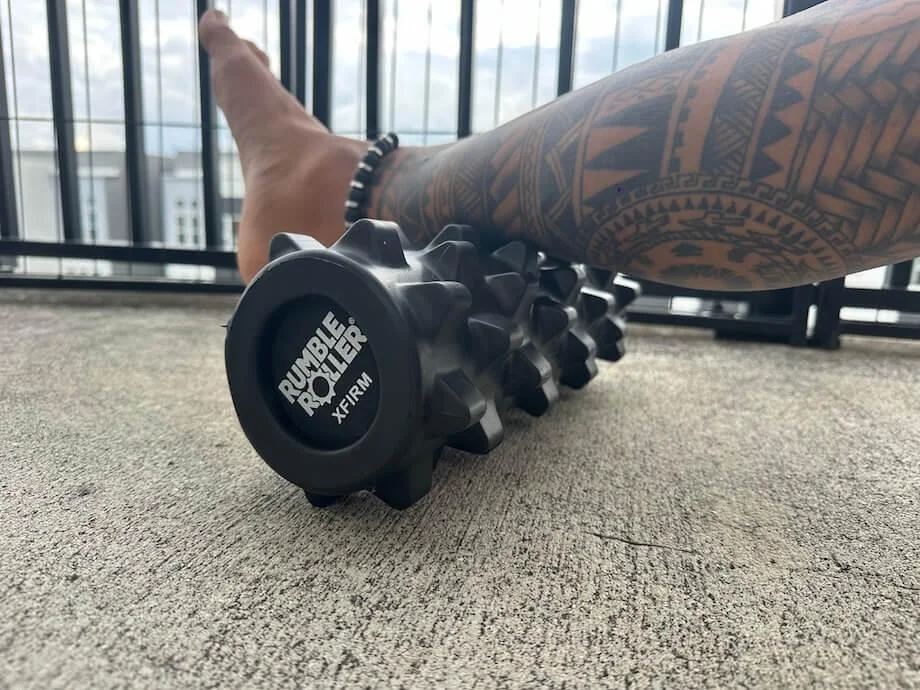
The RumbleRoller earns a perfect 5-point score for construction and durability. The outer shell is made from a proprietary EVA/polyolefin blend, and it has a high-density EVA foam core. It features firm but flexible bumps that can be helpful for getting into smaller areas.
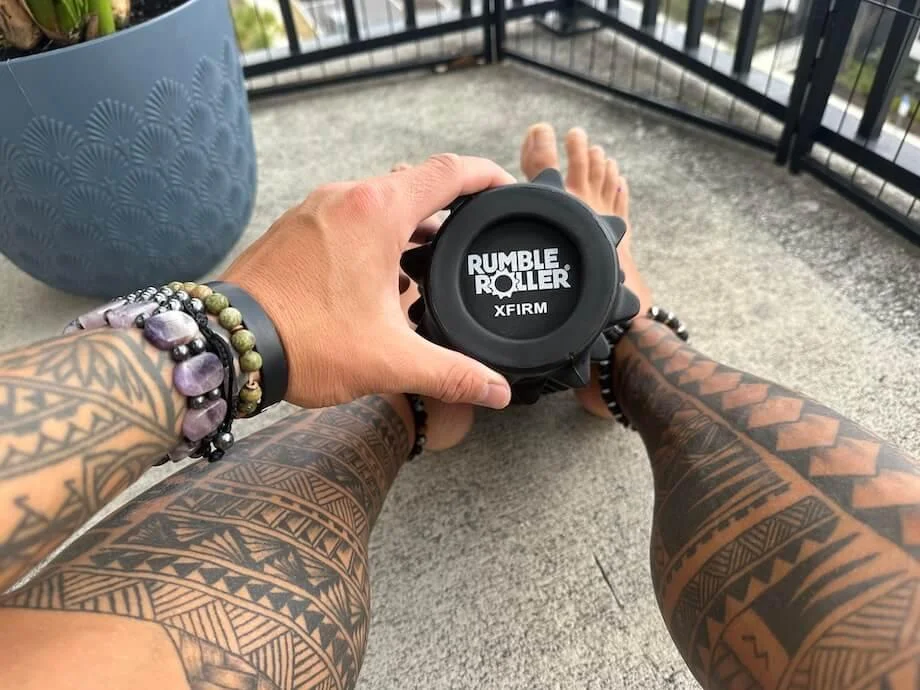
“The XFirm model that I have is stated to be 36% firmer than the original RumbleRoller, and this model is definitely designed to dig deeper into thicker muscles,” Stephen says. “You can also opt for the original if you don’t want something as firm. This thing is built extremely well, and I love the ridges for getting into tight areas.”
Stephen also gives the RumbleRoller 4 out of 5 points for performance. “Before every workout, I always foam roll, stretch, and hit the StairMaster. I usually use a long, smooth foam roller at my commercial gym, which works well for larger areas but doesn’t do a great job of digging into my glutes and hips, which are often tight due to sitting so much for work,” he notes. “I much prefer the RumbeRoller’s rigid, spiked design because it penetrates more deeply and allows me to get into those smaller areas that a bigger foam roller can’t.”
I have the XFirm version and can confirm it lives up to its name! This is probably the most firm foam roller I’ve used.
Stephen Sheehan, CPT, CNC
Alternatives
Though Stephen is a big fan of the knobby design of this foam roller, he warns it’s not going to be everyone’s cup of tea. “It’s definitely not the best option for your upper back, because it can be quite painful,” he says.
RumbleRollers are also on the pricier side. There are three models to choose from, all at different price points: Compact ($49.95), Mid-Size ($59.95), or Large ($75). Stephen still gives the roller a 4 out of 5 for value, though, stating, “The build quality and effectiveness is excellent, and I’m confident this will last for many years.”
For a softer massage, we recommend the TriggerPoint Grid 1.0 foam roller, which features a textured but knobless design.
Testing Breakdown
One of our highest-scoring foam rollers overall, the RumbeRoller earned perfect ratings for durability, density, and design.
Vs. The Average
The RumbleRoller Compact is slightly less expensive than average, though you’ll pay more for one of the larger RumbleRoller models.
| RumbleRoller Compact | Average Foam Roller | |
| Price | $49.95 | $53.77 |
| Length | 13” | 12.5” |
| Diameter | 5” | 5.6” |
| Warranty | 30 days | 7 months |
Best Foam Roller for Upper Back: Rollga Foam Roller

At a Glance
- Contours reduce pressure on the spine
- Design allows for safer rolling of neck muscles
- Made from professional-grade EPP foam
- Medium density foam
The best back exercises can certainly leave you sore, but people tend to avoid foam rolling their upper back for one of two reasons: Uncomfortable pressure on the spine, or an overly intense massage of those sensitive muscles. Enter, the Rollga Roller.
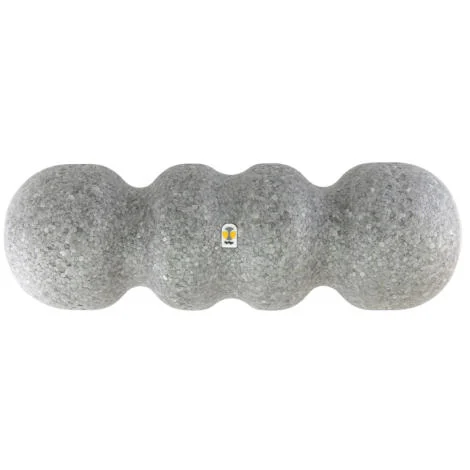
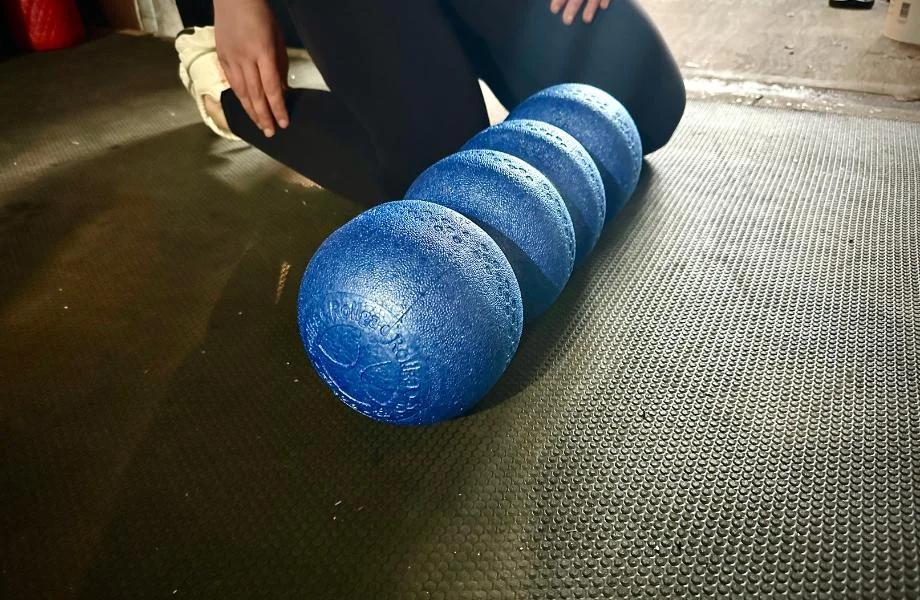
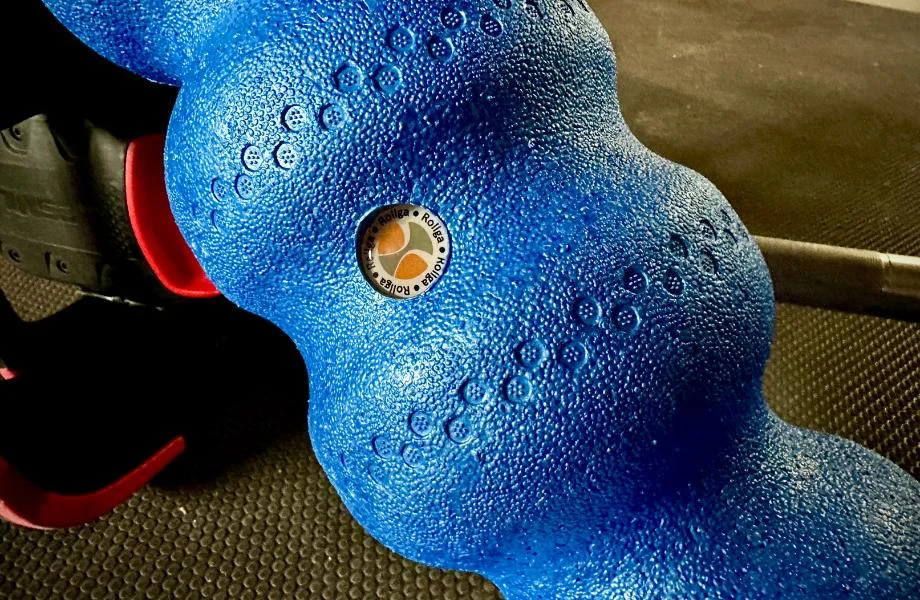
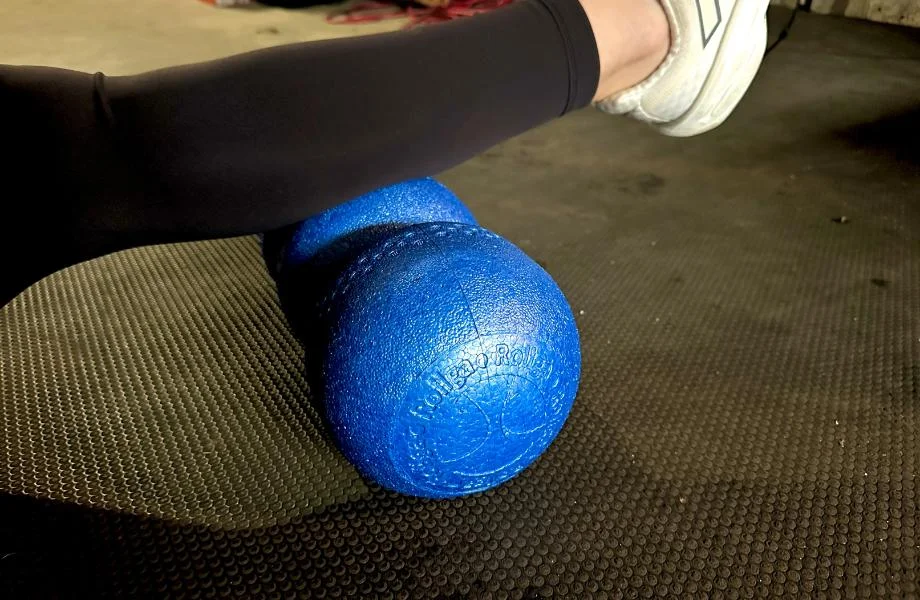
GGR Editor and product tester Ben Emminger, CNC, CSNC, awards the Rollga a 4-out-of-5 score for surface texture and design, saying, “What wins me over here is the ergonomic contours. Not only do they serve as a great guiderail system for my spine, but they also offer multiple deep tissue points that can be ideal for targeting calves or hips.”
Durability: 5/5
Surface Texture: 4/5
Performance: 4.5/5
Why We Like the Rollga Foam Roller
The Rollga foam roller earns 4.5 stars for construction and durability from Ben. “The EPP foam is stellar and hasn’t lost its shape even after (literal) years of use,” he says. “The build is light yet durable, and I suspect it will hold up for plenty of recovery sessions to come.”
Plus, the design offers a high-quality back massage. “The middle contours also really help my spine stay centered when targeting my lower back or scapula, meaning I don’t feel like I’m constantly adjusting the roller to hit that perfect spot,” Ben notes. He also appreciates the overall length of the foam roller, which he says can comfortably target his entire back without feeling too excessive.
Ben also awards the Rollga roller 4.5 out of 5 points for performance. Experience with other rollers previously led him to avoid foam rolling due to discomfort or ineffectiveness. Thanks to the Rollga, though, foam rolling is now a regular part of his recovery routine. “The Rollga has completely revamped my opinion of the discipline, and I do feel that it’s one of my most effective tools for post-workout recovery,” Ben says.
In all honesty, this has been a ‘Goldilocks’ find for me: Not too soft that I feel no pressure, yet not so rigid that I dread rolling out muscle groups before or after training.
Ben Emminger, CNC, CSNC
Alternatives
There’s not much to dislike about the Rollga Roller, according to our tester’s experience. However, Ben knocks a point off of the customer experience score (4 out of 5) due to some warranty confusion. There’s a limited lifetime warranty, but Rollga states, “The standard lifetime of a high-density foam roller is two years. The standard lifetime of a low-density foam roller is one year.” So, it’s not clear how long we should expect the product to last. That said, Ben’s had his for years and it still works great.
There’s also a 60-day return policy, which is excellent, but buyers are on the hook for the return shipping cost.
If you want an even deeper massage than the Rollga offers, the RumbleRoller may be a good choice.
Testing Breakdown
With high scores across the board, the Rollga really impressed with its durability, value, and overall design.
Vs. The Average
The Rollga Roller costs about $10 less than the average price for a foam roller, and it’s slightly larger than the typical design.
| Rollga Foam Roller | Average Foam Roller | |
| Price | $44.97 | $53.77 |
| Length | 18” | 12.5” |
| Diameter | 6” | 5.6” |
| Warranty | Limited lifetime | 7 months |
Best Foam Roller for Back Pain: Chirp Wheel+




At a Glance
- Larger wheels promote spinal mobility
- Smaller wheels offer deeper massage
- Smooth foam surface
- Rigid plastic core
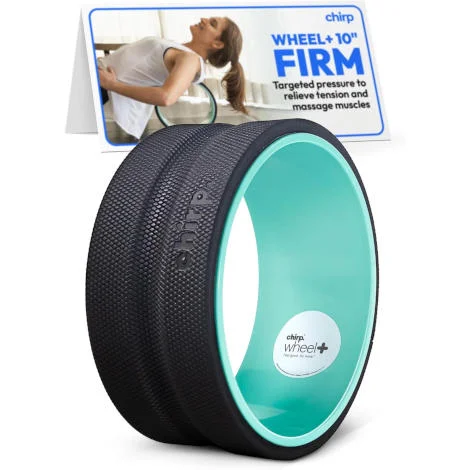
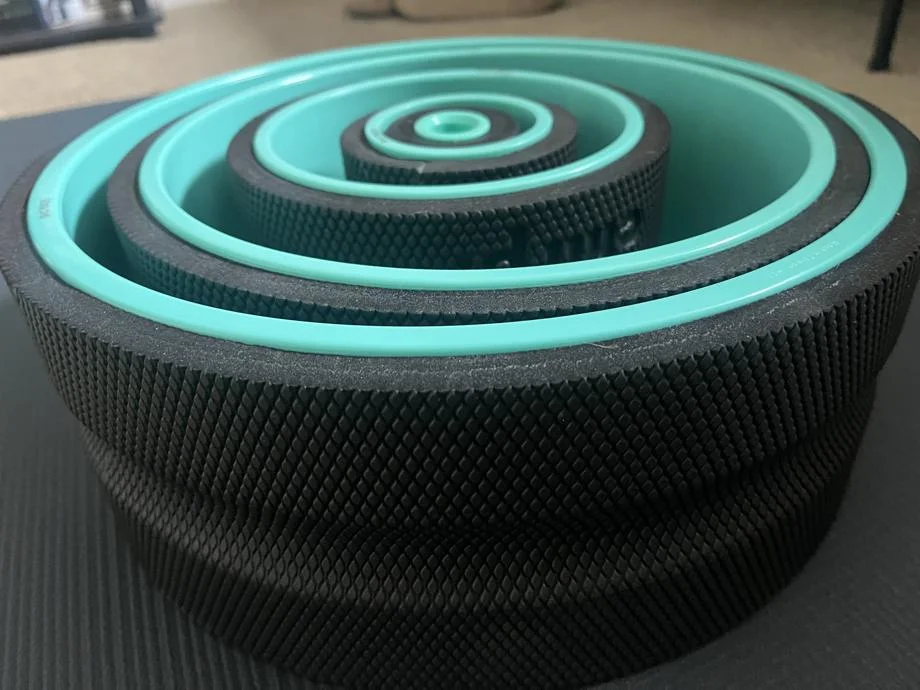
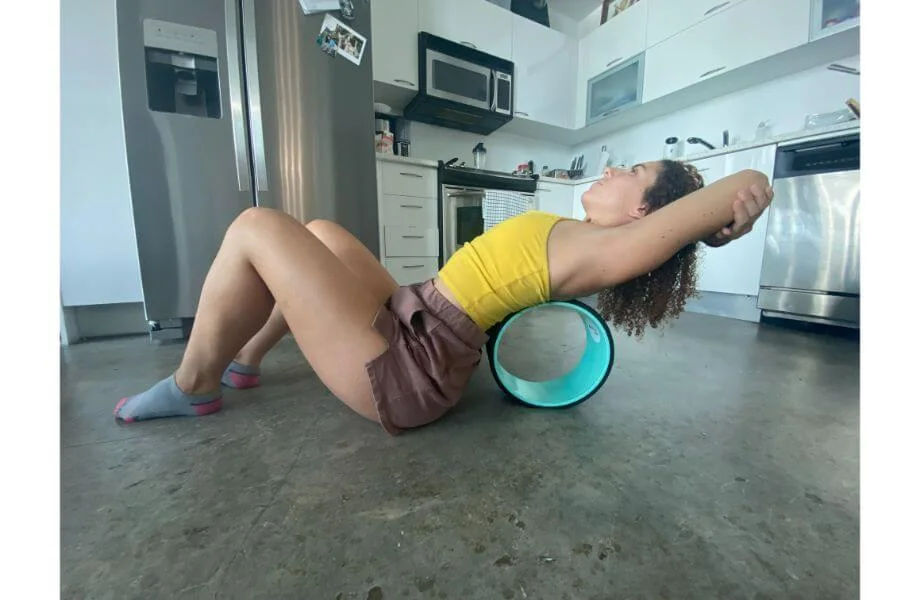
Chirp Wheels are unique in that the focus of the design centers on diameter, not length. These foam rollers range in diameter from 4 inches to 12 inches, and the intensity of massage increases as the diameter decreases. I tried the full Chirp Wheel+ set (4-, 6-, 10-, and 12-inch versions) and can confirm they all work wonders in their own ways. I give Chirp Wheels a 5 out of 5 for performance.
RELATED: Best Bath Soak for Sore Muscles
Size & Portability: 3/5
Performance: 5/5
Firmness: 5/5
Why We Like the Chirp Wheel+
Chirp Wheels earn 4.75 stars for value, because even though they’re on the pricier side for foam rollers, they are so unique that the price is worthwhile. This is especially true if you get a set of them: $120 for four separate rollers that all have a different purpose is pretty good, in my opinion.
Also, they’re built very well and earn a 5 out of 5 for durability. The plastic is extremely rigid; there’s really no give at all. And the weight capacity is an impressive 500 pounds! The foam layer is medium-firm and doesn’t give me any concerns about it wearing down prematurely.
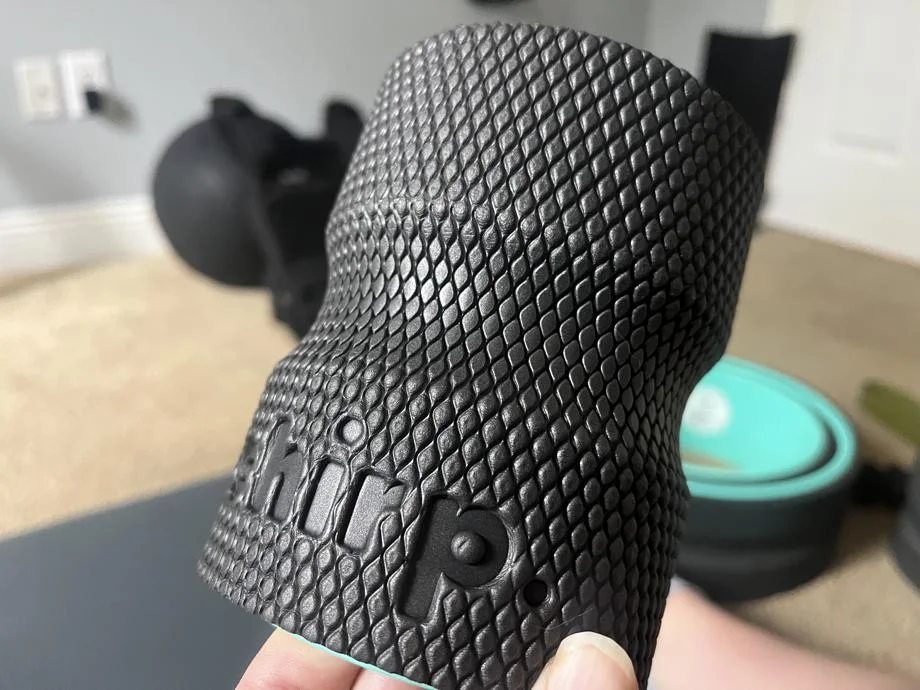
Chirp earns a 4-point score for density and firmness. This is thanks mostly to the plastic, not the foam, which is not super firm itself. Together, it makes for an excellent combination; I love that you get the rigidity to dig into soft tissue without the pokey bits on other rollers like a RumbleRoller.
If I need to open up my thoracic spine, I’ll reach for the 10- or 12-inch wheel. If I need targeted relief between my shoulder blades, I’ll go for the 6-inch wheel. The 4-inch wheel is great for getting a deeper massage around the spine or on the calves.
Amanda Capritto, CPT, CES, CF-L1, CNC, CSNC
Alternatives
Chirp Wheels don’t have much going for them in the way of portability. The largest wheel (which, in my opinion, is the best one) is big. You’re not putting it in a carry-on. However, I still give Chirp 3 points because there are various sizes to choose from, and if you get the thinner ones, they’re actually smaller than a typical foam roller. Regardless of diameter, these are all only 5 inches wide. So, the 4-inch and 6-inch diameter rollers are actually quite small.
Also, keep in mind that the full set is required for the best experience. They all serve distinct purposes, based on the diameter of the wheel. I love having different options to choose from based on what I need, but some people may prefer to have a single, more well-rounded tool.
For a multifaceted experience in a more compact package, take a look at the REP Fitness 3-in-1 Foam Roller, our top overall pick.
Testing Breakdown
Chirp Wheels earned perfect ratings for construction, firmness, and performance, but portability could be better.
Vs. The Average
When looking at the original (10-inch) Chirp Wheel+, you’ll notice it has a substantially larger diameter and shorter length than the typical foam roller.
| Chirp Wheel+ | Average Foam Roller | |
| Price | $49.99 | $53.77 |
| Length | 5” | 12.5” |
| Diameter | 10” | 5.6” |
| Warranty | 1 year | 7 months |
Best Vibrating Foam Roller: Therabody WaveRoller



At a Glance
- Combines self-mysofascial release and vibration therapy
- Customizable treatments in the Therabody app
- Wave texture adds traction
- Short warranty for the price
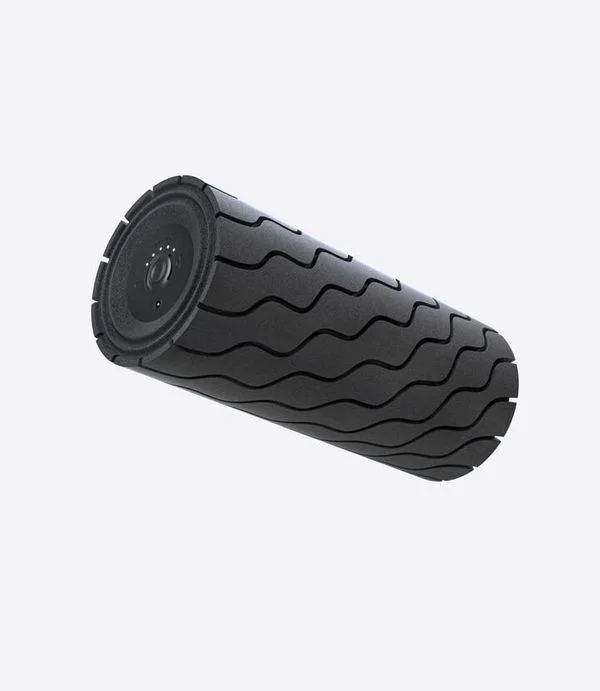
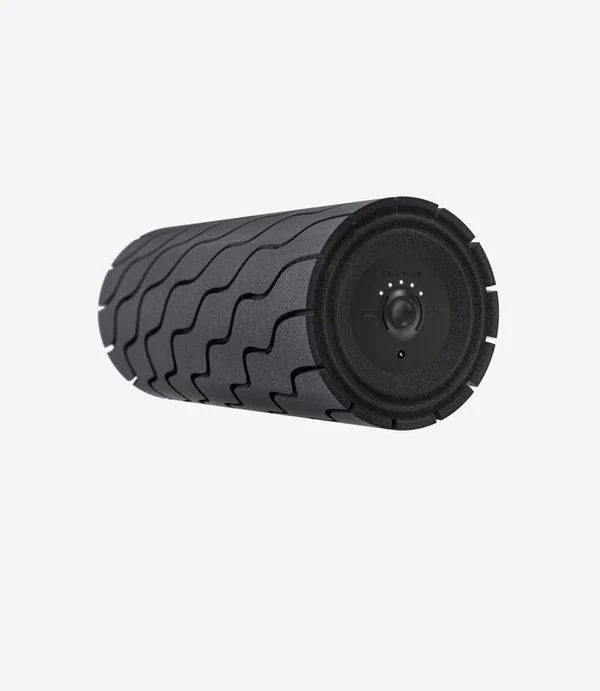
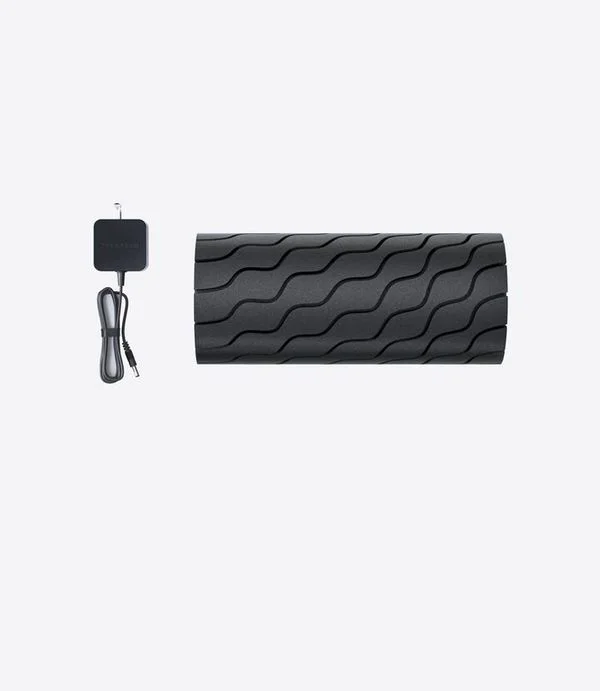
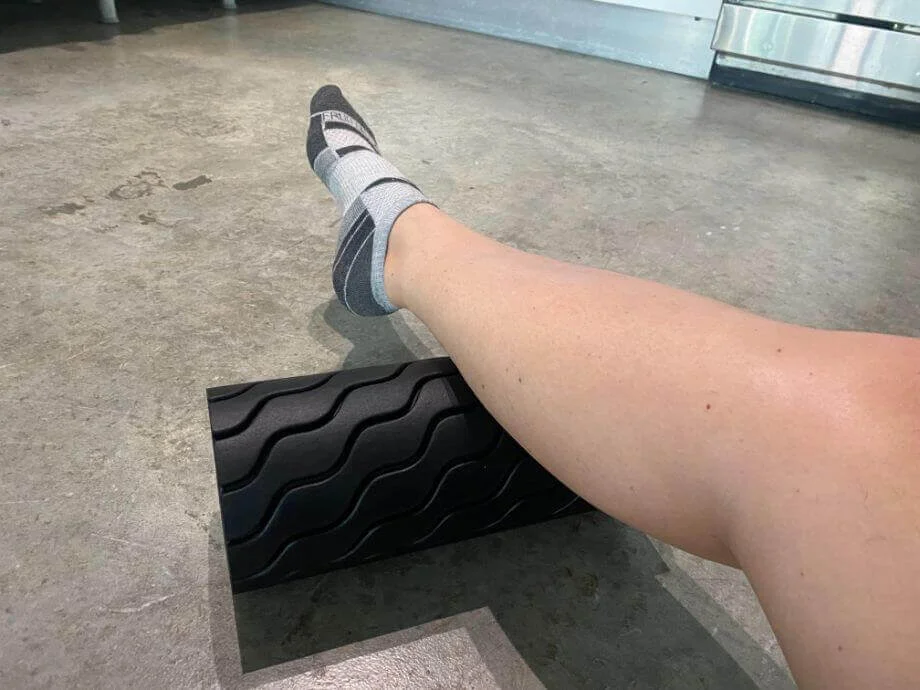
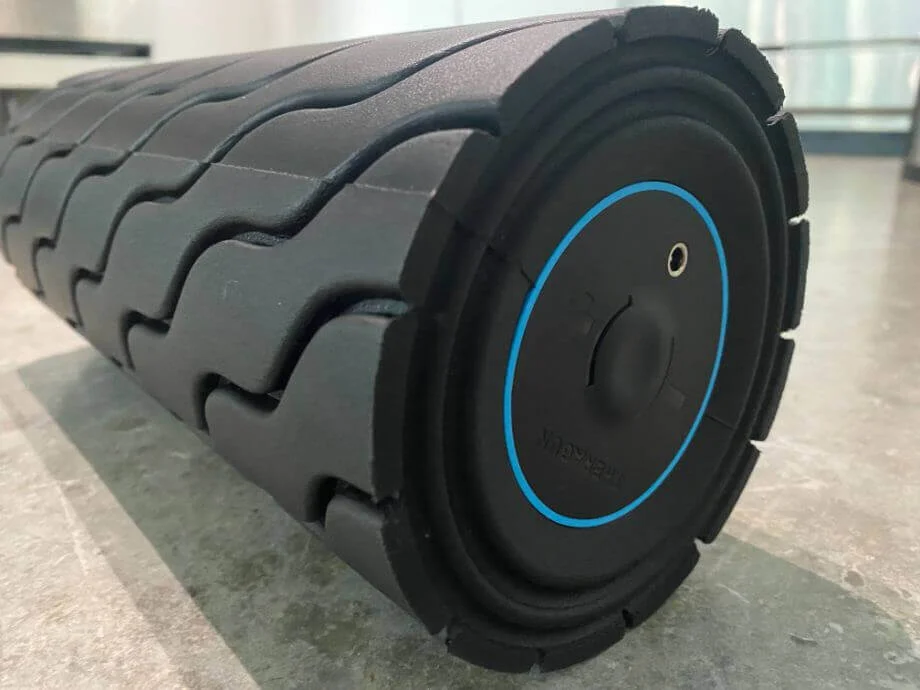
From the makers of the Theragun massage gun, the Therabody WaveRoller packages vibration therapy and self-myofascial release into one tool. It also connects to the Therabody app where you can adjust vibration settings and follow guided routines tailored to different muscle groups and recovery goals. I tried it, and while I’m skeptical of the effectiveness of the vibration element, specifically, I give it a 4 out of 5 for performance.
While a basic roller can absolutely get the job done for far less money, the WaveRoller delivers more features than many competitors, including five speed settings and travel-friendly accessories.
Surface Design: 4/5
Performance: 4/5
Price & Value: 3/5
Why We Like the Therabody WaveRoller
The WaveRoller didn’t exactly blow me away, but my reaction had less to do with this model, specifically, and more to do with vibrating foam rollers as a category. If you’re already curious about vibration-enhanced rolling, though, I’d point you to the WaveRoller. To me, it stands out as one of the more well-rounded and thoughtfully designed options available.
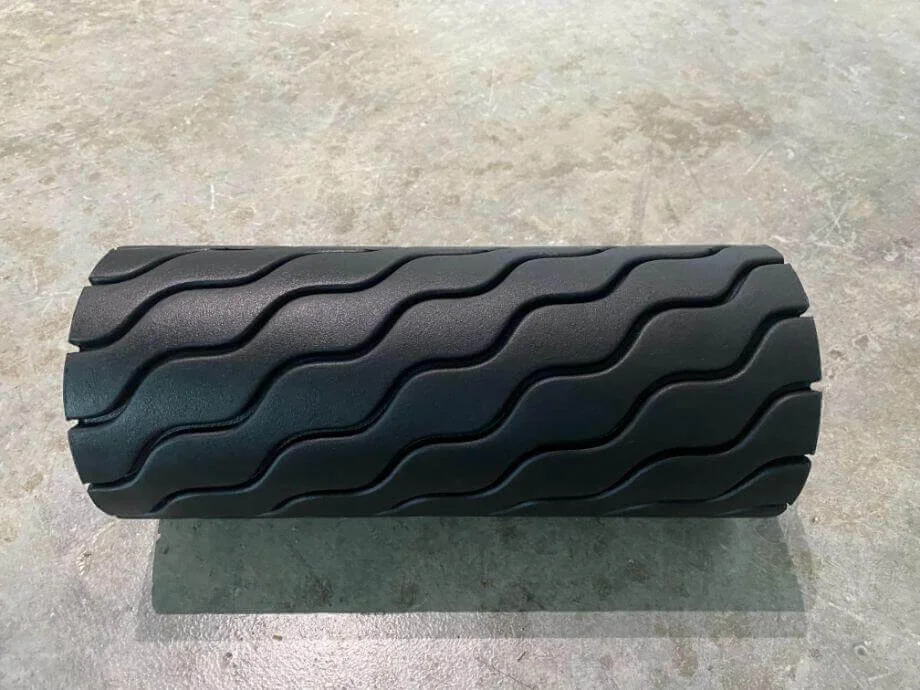
It offers five vibration intensities, which is solid for a product in this space. It’s about as firm as your typical medium-density foam roller and has a smooth surface, so you won’t get the targeted pressure you’d get from a more aggressively textured roller (which is a pro for some and a con for others). The vibration makes up for some of that, though.
From a build and usability standpoint, there’s plenty to like, and I give the WaveRoller a 4.5 out of 5 for construction and durability. The core is made from high-density polyurethane foam designed to resist flattening over time, while the EVA foam exterior is hypoallergenic, which may appeal to users with sensitive skin.
Therabody also includes a durable canvas carrying pouch for the roller and charging cable. At just over 3 pounds with a reported 3-hour battery life, it’s relatively easy to toss into a gym bag or suitcase for travel, earning a 4 out of 5 for size and portability. And at 12 inches long, it’s versatile enough for full-body rolling.
Just keep expectations in check: This is still a foam roller, not a percussive therapy tool. Even with the Therabody name attached, it doesn’t function like a Theragun massage gun.
Amanda Capritto, CPT, CES, CF-L1
Alternatives
My skepticism arises when I consider whether vibration meaningfully improves the foam rolling experience at all, especially since the smooth surface doesn’t really dig into tight spots. Noise can also be a consideration. Like most vibrating rollers, this one is audible enough that apartment dwellers may worry about it carrying through floors or walls.
It’s also expensive at about $180, which is cost-prohibitive for many folks. When a standard foam roller works just as well, it’s hard to justify the cost. I give it a 3 out of 5 for value, which is mostly bolstered by its premium materials.
For a premium build without the three-figure price tag, consider the Rollga Roller, which has proven durable and effective over years of use.
Testing Breakdown
The WaveRoller may not be the best bang for your buck, but it’s well-built and feels luxurious compared to other foam rollers, earning itself a high overall score.
Vs. The Average
The WaveRoller is expensive, but you do get the added element of vibration therapy.
| Therabody WaveRoller | Average Foam Roller | |
| Price | $179.99 | $53.77 |
| Length | 12” | 12.5” |
| Diameter | 5” | 5.6” |
| Warranty | 1 year | 7 months |
Best Foot Foam Roller: Chirp Wheel+ Foot Roller


At a Glance
- Great for runners and anyone on their feet all day
- Textured surface can feel ticklish
- Ultra-firm foam
- Contours provide deep-tissue relief
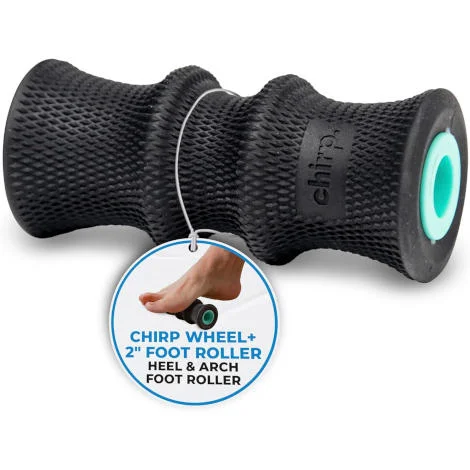
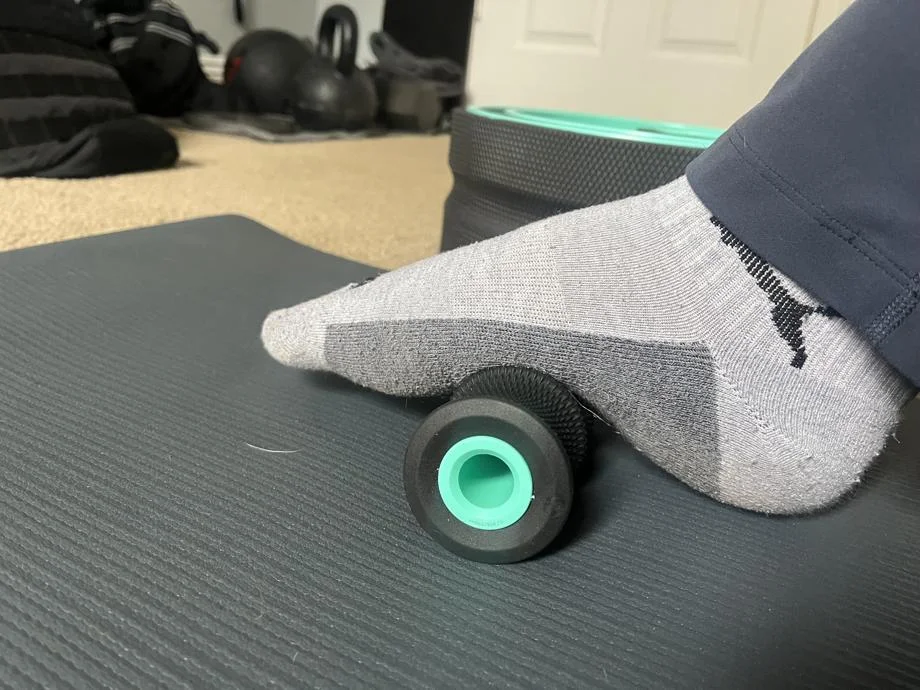
The Chirp Wheel+ Foot Roller is a compact, budget-friendly recovery tool that delivers serious pressure for tired, beat-up feet. It’s a great gift for runners. At just $20, I give it a 5 out of 5 for value. I think it’s especially well-suited for runners, nurses, retail and restaurant workers, or anyone who spends long hours on their feet that wants targeted, deep-tissue relief at home from a tool that’s easy to use.
Price & Value: 4/5
Firmness: 5/5
Performance: 4/5
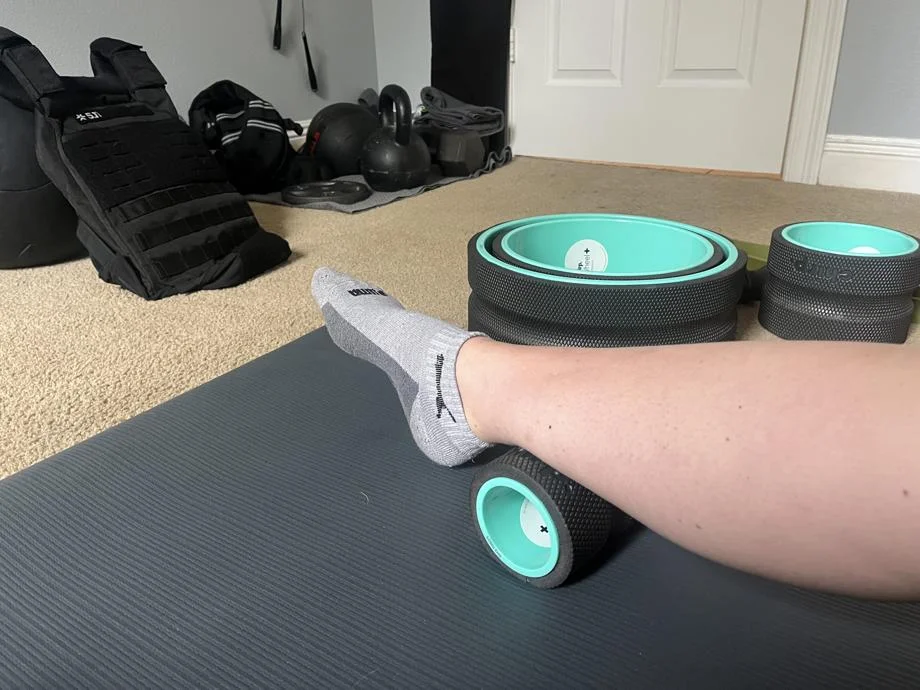
Why We Like the Chirp Wheel+ Foot Roller
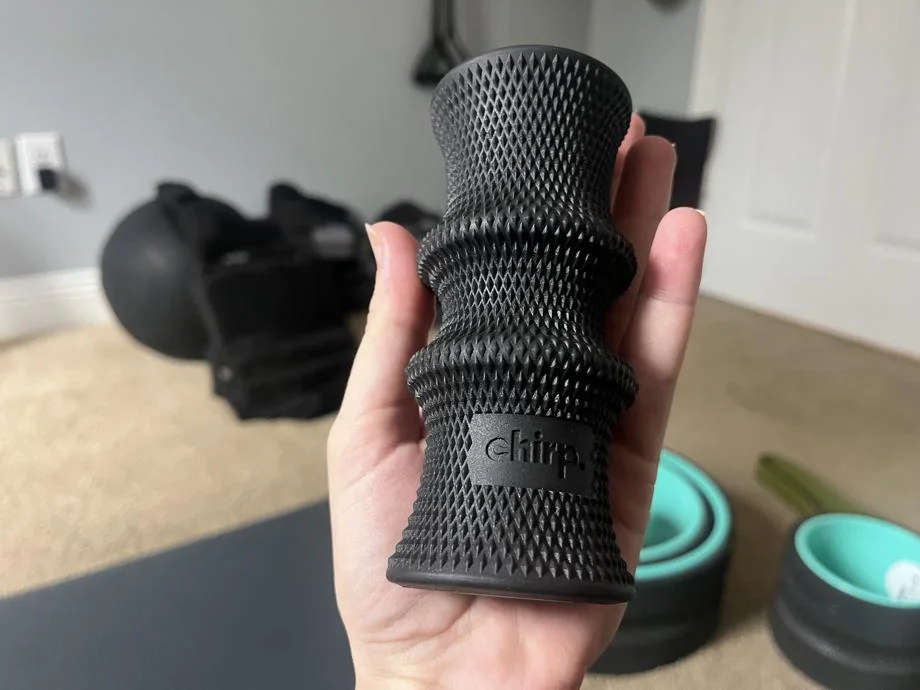
What really stands out to me is how solid this thing feels. The Chirp Wheel+ Foot Roller earned a 5 out of 5 for durability thanks to its rigid ABS plastic core and foam. It’s unclear what type of foam is used (it’s not the same as the EVA foam on the larger Chirp Wheels), but whatever it is, it’s ultra-dense.
This little roller is impressively firm, too. Earning a 5 out of 5 for density and firmness, the contoured shape allows it to dig deep into the arch and heel, which can be a huge plus if you’re dealing with foot tightness. No lie: It’s aggressive, but that intensity is exactly what many athletes want from a foot roller.
Finally, this thing is incredibly easy to toss into a gym bag or backpack. It earned a 5 out of 5 for portability, since it’s small enough to use at work, at home, or while traveling without any hassle.
I might be a sensitive baby, but when my feet are really sore, this roller is actually hard to use. But that aggressive pressure is also what makes it so great and effective.
Amanda Capritto, CPT, CES, CF-L1, CNC, CSNC
Alternatives
The Chirp Wheel+ Foot Roller isn’t for everyone. The aggressive contour earned a 4 out of 5 for surface design, because the sensation can feel borderline uncomfortable. If you prefer softer, more forgiving massage tools or are dealing with acute foot pain, this roller may feel like too much, too fast.
Also, the bumpy texture feels a bit prickly on bare skin. Wearing socks can help, though.
The REP Fitness 3-in-1 Foam Roller comes with a 4-inch textured foam roller that is a bit softer for those who want a gentler entry point into foot foam rolling.
Testing Breakdown
Thanks to its firmness and contour, the Chirp Wheel+ Foot Roller earned high scores for density, design, and performance.
Vs. The Average
This roller might be tiny, but it delivers a high-caliber massage for tired feet.
| Chirp Wheel+ Foot Roller | Average Foam Roller | |
| Price | $19.99 | $53.77 |
| Length | 5” | 12.5” |
| Diameter | 2” | 5.6” |
| Warranty | 1 year | 7 months |
Best Classic Foam Roller: TriggerPoint Grid 1.0
At a Glance
- Versatile design for full-body treatment
- Great for everyday rolling
- Effective, but not overly aggressive
- Portable enough to keep in a gym bag
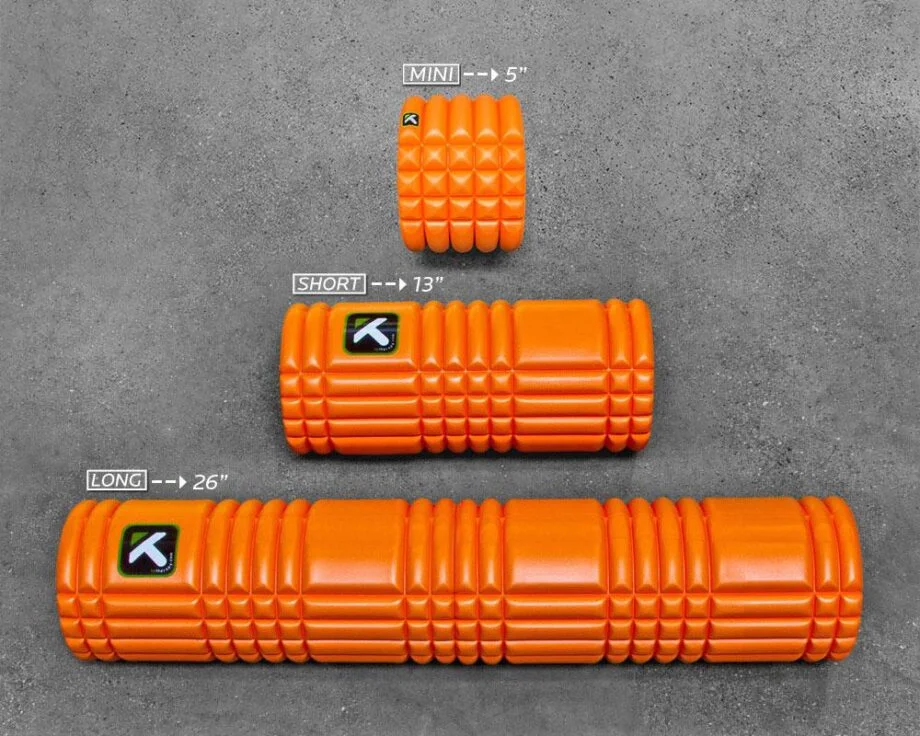
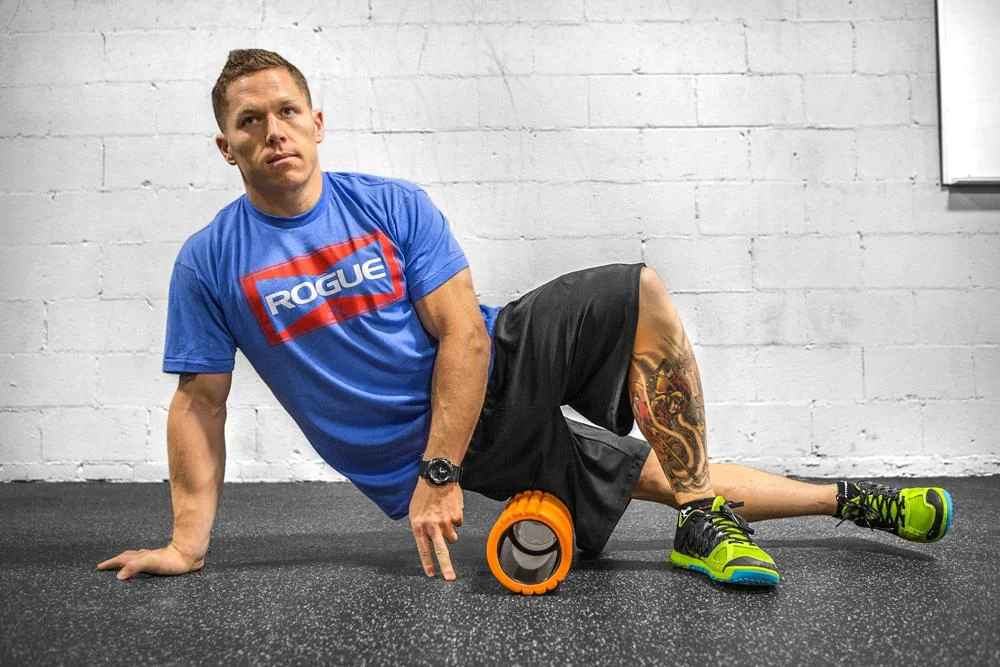
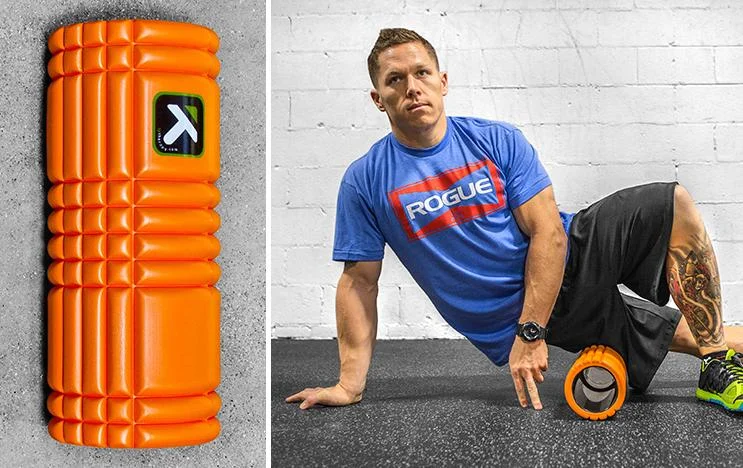
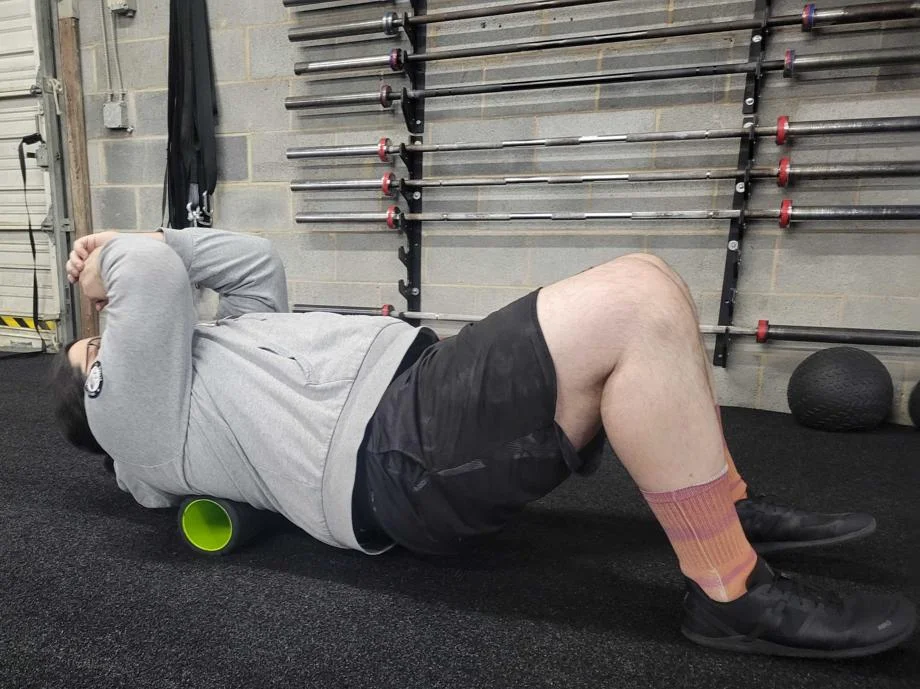
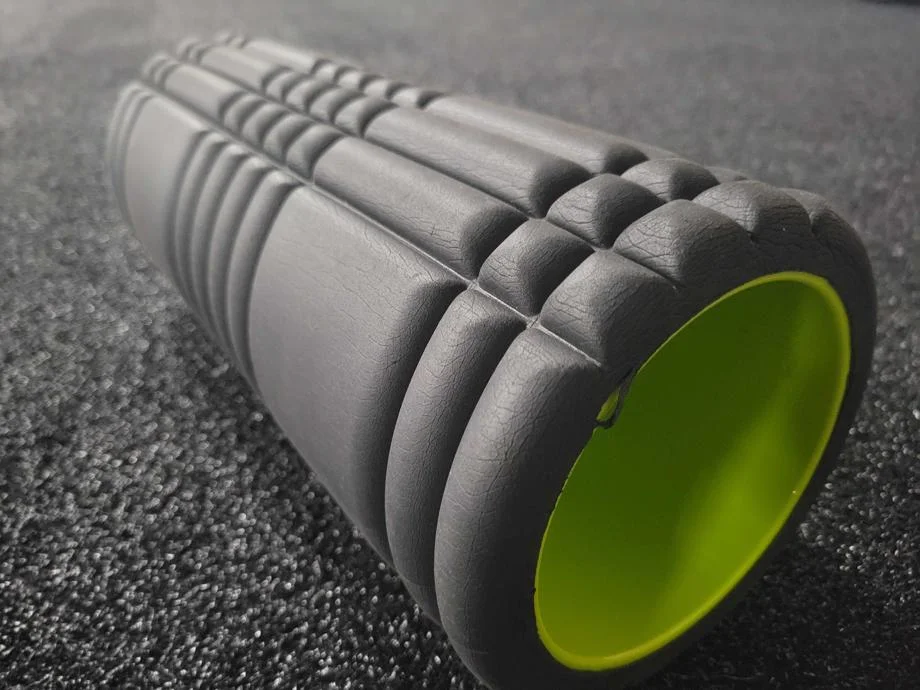
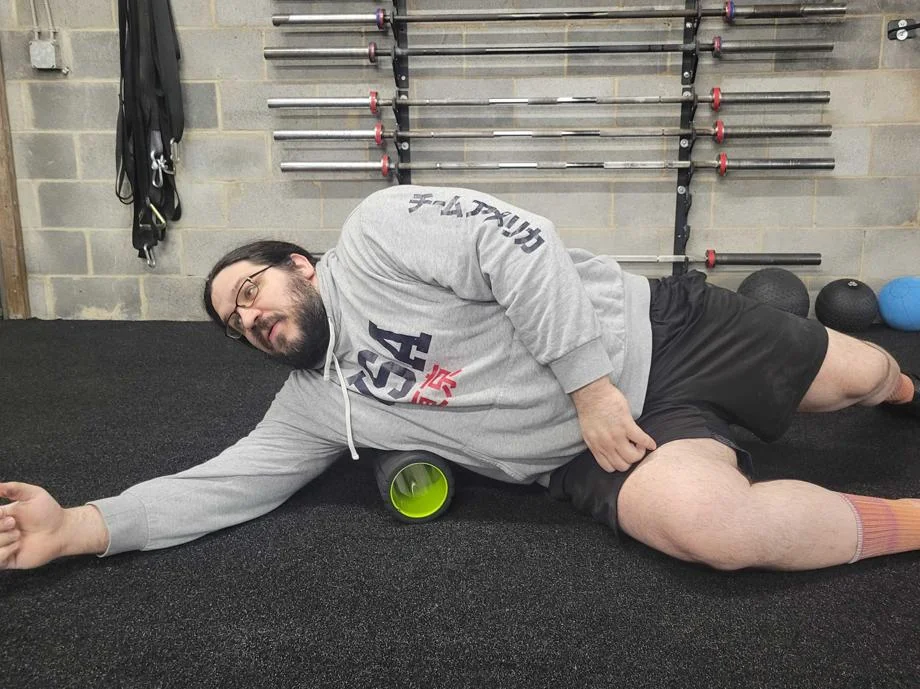
The TriggerPoint Grid 1.0 (13″) is a classic, no-frills foam roller that nails performance, even if it’s pricier than some basic options. I give it a 5 out of 5 for performance because it delivers consistent, effective pressure for full-body rolling and feels like the gold standard for what a traditional foam roller should be. There’s a reason these rollers are ubiquitous in gyms all over!
Durability: 4/5
Surface Texture: 4/5
Firmness: 5/5
Why We Like the TriggerPoint Grid 1.0
The standout feature of the TriggerPoint Grid is the balance of pressure. It earns a 5 out of 5 for density and firmness, because it hits a sweet spot between “productive discomfort” and actual pain. I personally think this foam roller provides the perfect amount of pressure—it’s not a smooth surface, but it’s not painful like some knobby-textured models.
Durability is another win for the Grid. It earned a 4 out of 5 for the category thanks to its EVA foam construction and rigid, hollow plastic core. EVA is the same material used in popular running shoe midsoles, so it’s designed to resist breakdown under repetitive pressure. That said, EVA does compress over time, typically more so than EPP foam.
Performance-wise, this is about as good as it gets for a standard foam roller. The Grid scored a 5 out of 5 for performance, offering enough length and structure for full-body rolling without feeling bulky or awkward to use. I’ve used TriggerPoint foam rollers in what seems like every gym I’ve ever been to (and that’s a lot), and there’s a reason for that: They work.
This roller is well-suited for sore muscles, offering relief without making you grit your teeth through every pass.
Amanda Capritto, CPT, CES, CF-L1, CNC, CSNC
Alternatives
The biggest downside is price. At around $40, the Grid 1.0 earned a 3.5 out of 5 for value. I think this is on the expensive side for a basic foam roller, but it’s definitely an investment that should last a really long time. If you’re on a tight budget, cheaper rollers can still get the job done, though.
And while I think the Grid strikes a perfect balance between relief and comfort during use, some people may prefer a more intense massage. In such cases, a denser or more textured roller may be more suitable.
For those looking for deeper relief than the TriggerPoint Grid offers, the Rollga Roller’s contoured design digs into muscles without placing excessive pressure on the spine.
Testing Breakdown
The TriggerPoint Grid 1.0 earns perfect scores for surface texture and performance, with high scores following in durability, design, and size.
Vs. The Average
This foam roller is slightly longer and smaller in diameter than the average.
| TriggerPoint Grid 1.0 | Average Foam Roller | |
| Price | $39.99 | $53.77 |
| Length | 13” | 12.5” |
| Diameter | 5” | 5.6” |
| Warranty | 1 year | 7 months |
Our Testers

Caine Wilkes, OLY, CNC, USAW-L1
Caine is a certified Olympic weightlifting coach, nutrition coach, and competitive weightlifter.

Stephen Sheehan, CPT, CNC
Stephen is a certified personal trainer and nutrition coach who specializes in sports strength and conditioning and physique training.

Amanda Dvorak, CPT, CNC
Amanda is a certified personal trainer and nutrition coach with expertise in CrossFit and general strength training.

Ben Emminger, CNC, CSNC
Ben is a certified nutrition coach with a background in strength training, running, recovery tools, and apparel.

Amanda Capritto, CPT, CES, CF-L1, CNC, CSNC
Amanda is a fitness and nutrition coach specializing in endurance sports performance and fueling.
Other Foam Rollers We Researched
When we put together this guide, we started with a list of popular (and not-so-popular) foam rollers across dozens of brands. Here are a few that stood out in our research:
- Bala Hourglass Foam Roller: Bala is known for its clean designs and aesthetically pleasing fitness equipment, and the Hourglass Foam Roller fits that bill. It has a unique shape featuring a divot in the center, which allows for your body to sink into the roller with less pressure on your spine.
- TRX Foam Roller: This round foam roller is akin to the type you might find at a commercial gym. It’s made from expanded polypropylene and features a smooth surface, so it’s a good choice for those who find knobs too intense.
- Rollflex Roll Massage Kit: This unique roller tool offers a deep-tissue massage and extra-firm pressure that can help break up tight adhesions. It may not be a good choice for beginners, though.
- OPTP Pro-Roller: Available in four sizes (plus a half-roller), these massage tools are popular among physical therapists for their soft density, which makes them a good option for those who find medium- or firm-density foam rollers painful.
How We Picked and Tested the Best Foam Rollers
Foam rollers may seem like simple pieces of equipment on the surface, but a lot actually goes into their design. When we test foam rollers, we evaluate:
- Price and Value: We assess whether the foam roller’s cost aligns with its materials, build quality, and overall performance compared to others in its category. A 3-point score goes to rollers that are priced fairly for their category and deliver solid, but not necessarily standout, construction and performance.
- Construction and Durability: This looks at the foam material, plastic backing (if applicable), overall build quality, and whether the roller maintains its shape and integrity with regular use. A 3-point score indicates solid construction suitable for consistent use, even if the materials feel basic compared to premium options.
- Density and Firmness: We evaluate how firm the roller feels and whether it provides enough pressure for effective recovery without being overly aggressive. A 3-point score means the roller is firm enough for general recovery but may not deliver the intensity or precision of higher-end or specialty models.
- Surface Texture and Design: This examines whether the roller’s surface delivers consistent or targeted pressure without pain. A 3-point score is given to smooth rollers that provide even pressure or textured rollers that allow for targeted work, though not as deeply or precisely as top-tier designs.
- Size and Portability: We consider length, diameter, weight, and how easy the roller is to store or travel with, ultimately aiming for a balance between portability and effectiveness. A 3-point score reflects a standard-sized roller that works well for most athletes but lacks added portability features like collapsibility or a specifically compact design.
- Performance: Performance measures how well the roller works during repeated use with a focus on comfort, muscle targeting, and reliability as part of a recovery routine. A 3-point score indicates the roller is effective for basic recovery needs but may have limitations in comfort, versatility, or muscle targeting.
- Customer Experience: This includes customer service accessibility, response time, warranty coverage, return policies, and financing options. A 3-point score requires at least two contact methods, a reasonable response time, a minimum 30-day return policy, a one-year warranty, and at least one financing option.
- Customer Reviews: We factor in the average customer rating and total number of reviews from verified sources such as the brand’s website or Amazon at the time of publication. Our rating is an average of the available customer ratings at the time of writing.
Benefits of Foam Rollers
Truthfully, clinical evidence on foam rollers is quite mixed. For every study that says they reduce muscle pain, another says they don’t. For every study that shows improvements in post-workout muscle recovery, another negates it. Many studies also vary widely in protocols, making it hard to generalize results.
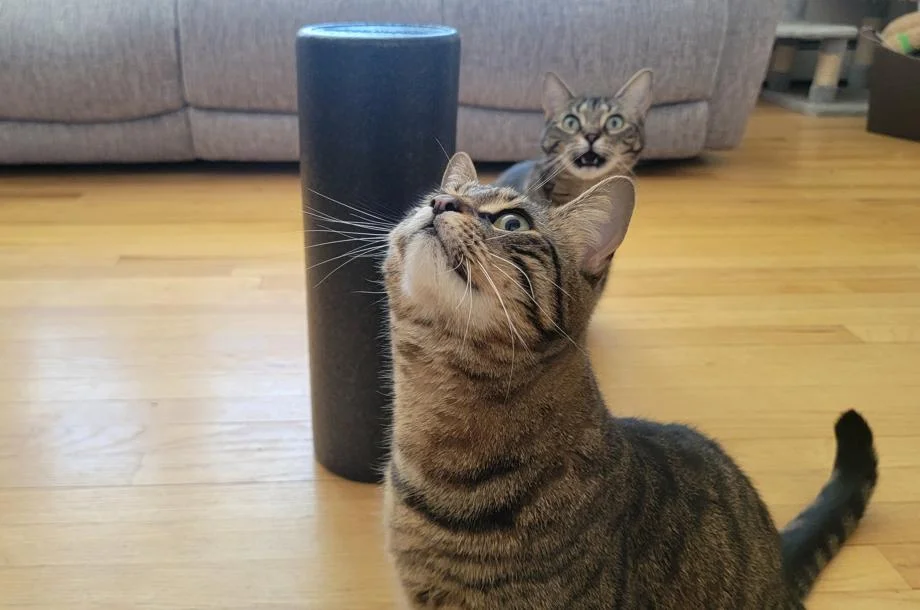
Still, overall, the evidence is in favor of foam rolling; even if it doesn’t help on a molecular level, foam roller exercises can still provide powerful psychological benefits (like a perception of reduced pain) that may improve your workout performance. Ahead, take a look at the most-studied benefits of foam rolling.
Reduce Muscle Soreness and Pain
“When you roll your muscles over it, it helps release tight spots, improve blood flow, and increase tissue mobility,” says Chris Mohr, PhD, RD. “Essentially, it provides a deep tissue massage that you control, allowing you to target specific areas.”
Some studies suggest foam rolling after intense exercise can moderately reduce muscle soreness1 and help recovery. For example, one trial2 found foam rolling after back squats reduced delayed-onset muscle soreness (DOMS) compared to no rolling.
Other research3 also suggests that foam rolling can reduce post-exercise muscle fatigue that’s driven by neuromuscular exhaustion (yet other research suggests the effect is not driven by the nervous system4).
A 2024 meta-analysis5 determined that foam rolling has a “tiny” effect on muscle soreness immediately post-exercise, with relief appearing most significantly after 24 hours.
In other words: Foam rolling can reduce muscle soreness more than nothing, but the effect is usually modest, and not consistently significant across studies.
RELATED: Speed Up Muscle Strain Recovery
Increase Flexibility
Foam rolling is often shown to increase range of motion (ROM) acutely, meaning the joints can move a bit more right after rolling. Some small studies6 show greater flexibility gains than static or dynamic stretching. One systematic review7 reports increases in ROM and decreased muscle stiffness after foam rolling.
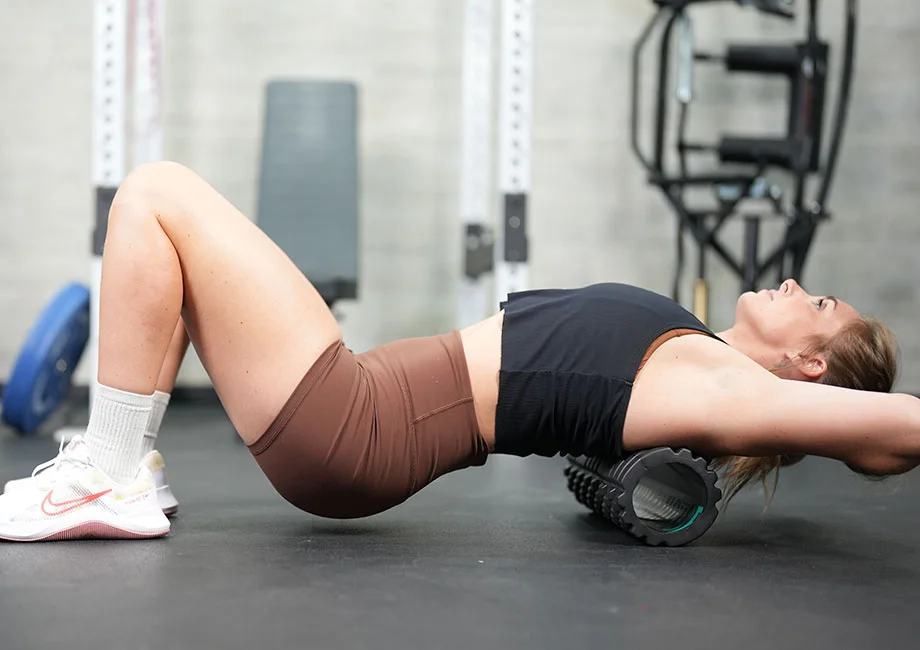
Dr. Mohr confirms, “Foam rolling can reduce muscle tightness and soreness, and it may improve flexibility and increase your range of motion. It can also help relax the nervous system and might reduce your risk of injury by keeping your muscles more pliable.”
Manage Muscle Pain
Some research suggests foam rolling might slightly reduce pain sensitivity by increasing pressure pain thresholds (how much pressure you can tolerate before feeling pain), at least in the short term for healthy muscles. A systematic review9 found that foam rolling interventions modestly improved pressure pain thresholds compared with before rolling.
There is also limited evidence showing potential benefits when foam rolling is added to therapeutic exercise programs for specific conditions (like patellofemoral pain syndrome or chronic neck pain), although these findings aren’t consistent across studies, per a 2024 systematic review10.
RELATED: Post-Workout Recovery Myths
Warm Up for Exercise
Foam rolling is widely used in warm-ups because it can increase perceived mobility and make muscles feel “looser.” Reviews7 suggest that combining foam rolling with dynamic stretching may be helpful before activity.
On the other hand, some trials11 have found that foam rolling before a workout does not improve performance measures like jump height or sprint speed, and may even slightly impair performance relative to a dynamic warm-up in trained athletes.
The most recent meta-analysis (2024)8 found no benefit of foam rolling on ROM compared with other warmup protocols. This tells us that foam rolling can boost flexibility temporarily, but it’s not clearly better than other warm-up strategies, and effects may dissipate quickly.
As Mohr puts it, “Before exercise, foam rolling can help loosen tight muscles and improve range of motion, which may make your movements more efficient. It is best to keep pre-exercise rolling light and quick and make it more like a warm-up.”
Buying Guide: What to Look for in Foam Rollers
Before you buy, familiarize yourself with some key characteristics of foam rollers, these can greatly influence your experience and potentially elevate your active recovery regimen.
Density
Density determines how firm the pressure will be. A very firm foam provides a more intense experience, akin to a deep-tissue massage. It’s great for those who are experienced with self-massage, but may be too intense for beginners or those with sensitive muscles or skin.
A softer roller can be ideal for those new to foam rolling or those who tend to experience more muscle pain.
A medium-density roller is generally a good pick for most people, as you can alter body positioning and rolling technique to target specific areas with deep pressure, as well as lighten the pressure where needed.
Foam Type
The material can affect feel, durability, and how the roller performs. The most common materials are EVA foam, EPP foam, and high-density polyethylene—a hard plastic.
- EVA (ethylene vinyl acetate) foam is lightweight and usually on the softer side. It’s great for general use and beginners.
- EPP (expanded polypropylene) foam is more resilient and offers firm pressure.
- High-density polyethylene is very firm with deep pressure. It’s great for experienced users or athletes, but is more intense.
Some foam rollers may feature a blend of materials, such as the Chirp Wheel+, which has a plastic core and a foam layer on top.
Surface Texture
The surface affects how the roller feels and how it targets muscle tissue. Smooth textures allow for even pressure and can be easier to control, which makes them ideal for general everyday use. Textured rollers with ridges or knobs mimic the hands/fingers of a massage therapist and can dig into tight spots, but this style can be uncomfortable if you’re new to rolling.
RELATED: Foam Roller Vs Massage Gun
Shape and Size
The shape of a foam roller determines how versatile and portable it is. The traditional cylinder is most common and extremely versatile, while shorter or compact designs offer many of the same benefits but are easier to travel with or store.
Length
Standard rollers (24-36 inches) are ideal for full-body treatment and rolling large muscle groups, like the back, quads, and hamstrings. Shorter ones (12-24 inches) are better for travel and great for the calves, glutes, and shoulders.
Diameter
A 6-inch diameter is standard. This size should be good for most people and muscle groups. Compact rollers (4-5 inches) can offer a more intense experience. Ultra-compact rollers (2-3 inches) are great for the feet and between the shoulder blades. Large, wheel-style rollers (8 inches in diameter or more), are best for the back and can help with spinal mobility.
Traditional Roller
A classic, round foam cylinder is ideal for everyday use. Their design makes them applicable for most muscle groups, and they come in a variety of sizes and styles to accommodate different needs.
RELATED: Best Red Light Therapy Devices
Wheel
This type is a sturdy roller with a hard plastic core and a sometimes textured surface, though wheels tend to have smooth exteriors. The plastic core makes them more durable, and the wide diameter makes them great for achieving a deep stretch while getting tissue treatment, too. However, the firm pressure can be uncomfortable for beginners, and they’re not as versatile as a traditional cylinder.
Roller Stick
Massage sticks are handheld sticks that you roll over muscles using your arms. They’re nice for precise control over the area of treatment and easy to travel with, but pressure and depth are limited by your upper-body strength.
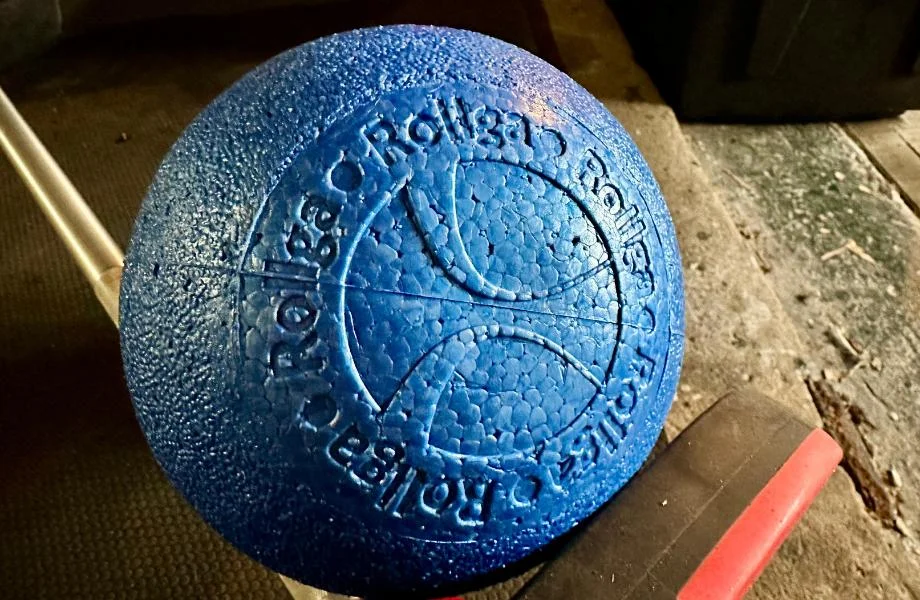
Ball
Massage balls are ideal for targeting small parts of the body, like the arches of the feet or in between the shoulder blades. (Tip: a lacrosse ball does the job just as well).
FAQs About the Best Foam Rollers
Are foam rollers actually good for you?
As long as they’re used properly, yes, foam rollers can be good for you. At worst, they do nothing physiologically but might provide a convincing placebo effect9 that you’re experiencing less muscle tightness—which is by no means a bad thing. At best, foam rollers really do facilitate self-myofascial release, which can reduce muscle fatigue3, increase range of motion12, and improve workout performance13.
What happens if I foam roll every day?
To be honest, the lasting effects of foam rolling are unclear. Studies on the effects of foam rolling are mostly short-term, with very little data pointing to long-term positive (or negative) effects. For instance, one study found that foam rolling increased arterial tissue perfusion (delivery of oxygen to the muscles) to the treatment area by nearly 74%14, but the study looked at the effects for just a half-hour post-treatment.
Other research points to improvements in athletic performance15, but only looked at 24- to 48-hour periods. Newer research suggests that improvements in range of motion may be lasting, with one meta-analysis showing positive effects after four weeks of treatment12.
Per Chris Mohr, PhD, RD, “The frequency of foam rolling depends on your activity level and muscle tightness. For most active people or those who train regularly, rolling two to five times per week is effective. You can roll daily if you have chronic tightness, but it is important to keep the pressure moderate to avoid irritation.”
What are the disadvantages of foam rolling?
Foam rolling can be uncomfortable, and pushing into excessive pain may cause muscles to tense rather than relax, which defeats the purpose. Relief or mobility gains might be short-lived, and foam rolling doesn’t fix underlying issues like strength imbalances, poor movement patterns, or chronic injuries.
Plus, foam rolling is not appropriate for everyone. Those with acute injuries or certain medical conditions, like circulation disorders, should use caution. Foam rolling can also become a time-consuming habit with limited payoff if it replaces more effective strategies like proper warm-ups, strength training, and sleep.
How to use a massage roller on quads?
Start by lying face down with the roller under the front of one thigh, just above the knee. Use your forearms and the opposite leg to control how much weight you put on the roller. Slowly roll upward toward your hip, stopping before you hit the hip bone. Move slowly and steadily and avoid holding your breath. When you find a tender spot, pause for 10–20 seconds and let the muscle relax before moving on.
Who should not use a foam roller?
Some people should be careful or avoid foam rolling. For example, those with acute injuries, fractures, or severe inflammation should not use a foam roller on those areas. “People with certain cardiovascular issues or uncontrolled high blood pressure should also consult a doctor, because rolling can temporarily increase circulation,” says Chris Mohr, PhD, RD. “It also might be a good idea for those with severe osteoporosis or fragile bones to avoid foam rolling, but for most healthy adults, foam rolling is safe and effective.”
References
- Cheatham Sw, Kolber Mj, Cain M, Lee M. The Effects Of Self-Myofascial Release Using A Foam Roll Or Roller Massager On Joint Range Of Motion, Muscle Recovery, And Performance: A Systematic Review. Int J Sports Phys Ther. 2015;10(6):827-838.
- Pearcey Ge, Bradbury-Squires Dj, Kawamoto Je, Drinkwater Ej, Behm Dg, Button Dc. Foam Rolling For Delayed-Onset Muscle Soreness And Recovery Of Dynamic Performance Measures. J Athl Train. 2015;50(1):5-13.
- Fleckenstein J, Wilke J, Vogt L, Banzer W. Preventive And Regenerative Foam Rolling Are Equally Effective In Reducing Fatigue-Related Impairments Of Muscle Function Following Exercise. J Sports Sci Med. 2017;16(4):474-479.
- D’amico A, Gillis J, Mccarthy K, Et Al. Foam Rolling And Indices Of Autonomic Recovery Following Exercise-Induced Muscle Damage. Int J Sports Phys Ther. 2020;15(3):429-440.
- Zhou J, Jia D, Mao J, Xu Y. Preventive Effect Of Foam Rolling On Muscle Soreness After Exercise: A Systematic Review And Meta-Analysis. J Bodyw Mov Ther. 2024;40:1890-1898.
- Su H, Chang Nj, Wu Wl, Guo Ly, Chu Ih. Acute Effects Of Foam Rolling, Static Stretching, And Dynamic Stretching During Warm-Ups On Muscular Flexibility And Strength In Young Adults. J Sport Rehabil. 2017;26(6):469-477.
- Hendricks S, Hill H, Hollander Sd, Lombard W, Parker R. Effects Of Foam Rolling On Performance And Recovery: A Systematic Review Of The Literature To Guide Practitioners On The Use Of Foam Rolling. J Bodyw Mov Ther. 2020;24(2):151-174.
- Warneke K, Plöschberger G, Lohmann Lh, Et Al. Foam Rolling And Stretching Do Not Provide Superior Acute Flexibility And Stiffness Improvements Compared To Any Other Warm-Up Intervention: A Systematic Review With Meta-Analysis. J Sport Health Sci. 2024;13(4):509-520.
- Habscheid C, Szikszay Tm, Luedtke K. The Effect Of Foam Rolling On Local And Distant Pain Sensitivity Assessed With Pressure Pain Thresholds In Healthy Participants And Musculoskeletal Pain Patients: A Systematic Review. J Bodyw Mov Ther. 2024;40:786-796.
- Santos Is, Dibai-Filho Av, Dos Santos Pg, Et Al. Effects Of Foam Roller On Pain Intensity In Individuals With Chronic And Acute Musculoskeletal Pain: A Systematic Review Of Randomized Trials. Bmc Musculoskelet Disord. 2024;25(1):172.
- Ormeno L, Driller M. Does Massage Gun Or Foam Roller Use During A Warm-Up Improve Performance In Trained Athletes? Sports. 2025; 13(9):282.
- Konrad A, Nakamura M, Tilp M, Donti O, Behm Dg. Foam Rolling Training Effects On Range Of Motion: A Systematic Review And Meta-Analysis. Sports Med. 2022;52(10):2523-2535.
- Ferrauti A. A Meta-Analysis Of The Effects Of Foam Rolling On Performance And Recovery. Frontiers In Physiology.
- Hotfiel T, Swoboda B, Krinner S, Et Al. Acute Effects Of Lateral Thigh Foam Rolling On Arterial Tissue Perfusion Determined By Spectral Doppler And Power Doppler Ultrasound. J Strength Cond Res. 2017;31(4):893-900.
- Pearcey Ge, Bradbury-Squires Dj, Kawamoto Je, Drinkwater Ej, Behm Dg, Button Dc. Foam Rolling For Delayed-Onset Muscle Soreness And Recovery Of Dynamic Performance Measures. J Athl Train. 2015;50(1):5-13.