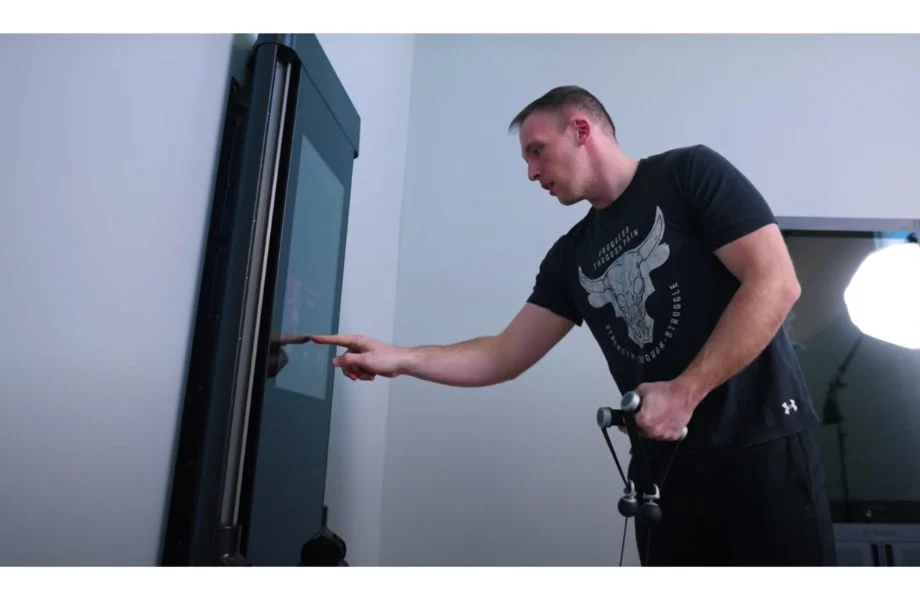
Smart home gym equipment is a delicate blend of hardware, software, and user experience. As such, testing it properly takes more than a few workouts. At Garage Gym Reviews, we evaluate every machine hands-on to understand how well it performs in real homes. We look at everything from resistance accuracy and app functionality to long-term usability, programming quality, value, and more.
Each piece of smart gym equipment is tested by certified fitness professionals who have deep understandings of strength and conditioning protocols. Our testers spend weeks training with the equipment to uncover what it does well, where it falls short, and whether it’s worth the investment. Our goal is to help readers cut through marketing claims and make confident, informed buying decisions.
RELATED: Best Online Workout Programs
Across functional trainers, treadmills, exercise bikes, and cable machines, we’ve tested more than 100 products with smart capabilities. In 2025 alone, nearly 75,000 people used our strength and conditioning equipment reviews to find the best products for their home gyms. Read on to see how our extensive testing practices aim to help you digitize your home gym setup in 2025.
Our Values
Our reviews are grounded in real experience and guided by evidence. Every product we test is used extensively by credentialed professionals—including certified personal trainers, strength coaches, and athletes—who know what functional, effective training feels like. We also consult with physical therapists, cardiologists, and other experts to evaluate accuracy, movement quality, and long-term durability.
We reference exercise science research and digital fitness data studies to better understand manufacturer claims about AI training, adaptive resistance, or form feedback. Our testers train with the equipment in both solo and connected environments to evaluate content quality, hardware-software integration, and the overall user experience.
All this to say, we log extensive hours and comb through mounds of research to ensure your next smart home gym purchase is one based in accuracy and detail, rather than an investment reliant on half-baked testimony.
Our Process
Our testing process starts with market research. We identify new and established smart gym systems and filter them by accessibility, innovation, and consumer demand. Once we have hands-on access, we test each model using the same structured scoring system to ensure fair comparison across categories.
We benchmark every product against key industry standards like hardware build quality, audio/visual quality, available resistance, and cost of ownership. When new products launch or existing ones receive major updates, we retest and revise our rankings to reflect the latest performance. This keeps our recommendations relevant in a fast-changing category where tech updates can make or break the user experience.
Given the breadth of the smart home gym equipment category, we naturally don’t directly compare smart cable machines to smart treadmills, but we compare profiles where it makes sense—for instance, with subscription cost for software. Here are some of the metrics we’ve seen through years of research and testing that serve as a solid through-line across the smart equipment category.
| Category | Average Smart Home Gym Equipment We Test |
| Price | $1,930 |
| Max resistance | 186 lbs |
| Subscription cost | $22.81 |
| Return period | 23.7 days |
| Warranty | 4.27 years |
Smart Home Gym Equipment Performance Testing
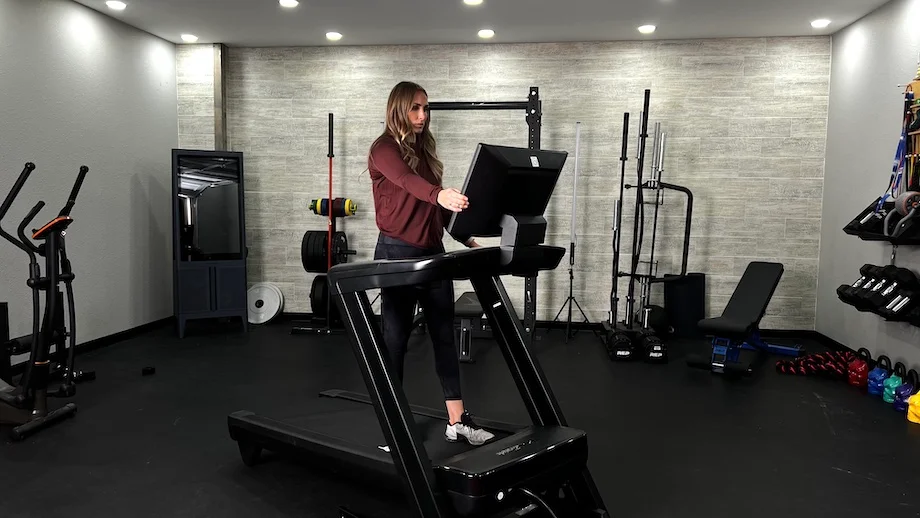
We evaluate each product across the following performance categories to understand how it functions as both a training tool and a tech platform. There are a range of testing criteria between equipment types, but these are the categories that we focus on when grading smart home gym equipment against one another.
Footprint and Portability
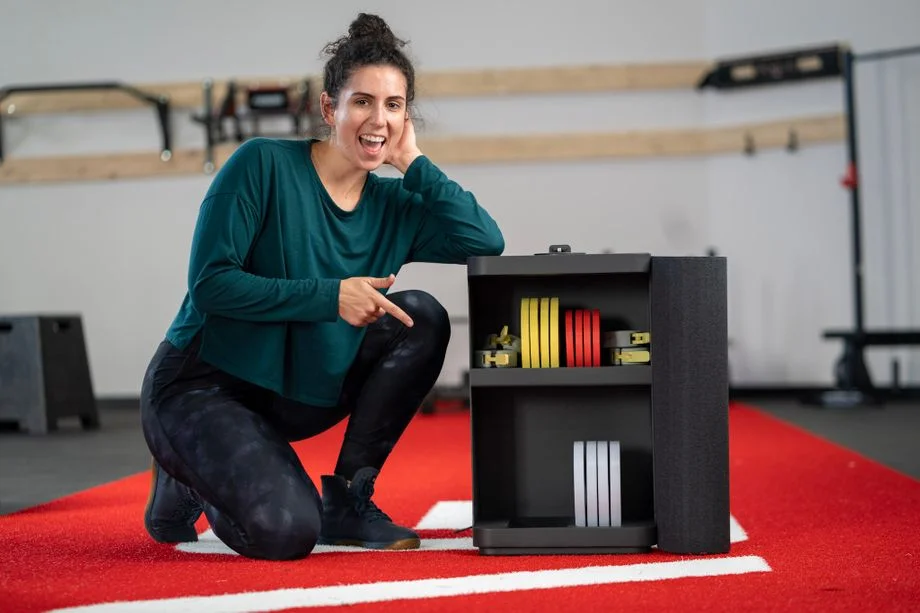
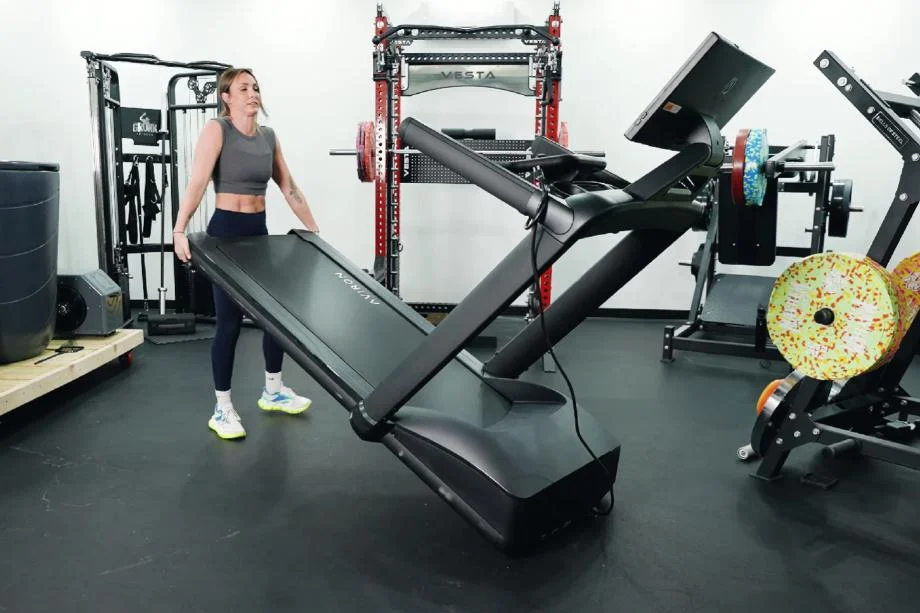
We record physical dimensions, wall-mounting requirements, and installation logistics when evaluating this category. We also assess how well each system fits into real homes, especially shared or small spaces, and how easily it can be relocated or adjusted. We award 3-point scores to home gym equipment that can reasonably fit in a spare room or living room in an average single-family home. Equipment that is apartment- and second-floor-friendly (reasonably easy to move up and down stairs, and lightweight enough to safely live on a second floor) earns higher marks.
RELATED: Best Compact Exercise Equipment
Customizations
The ability to personalize workouts matters. Evaluations here include looks into available resistance ranges, adaptive training algorithms, user profile flexibility, and how easily individuals can tailor workouts to goals or ability levels. To earn 3 points, the software or hardware allows for at least two distinct workout types (for instance, strength training and HIIT) and offers basic tracking metrics like weight used, heart rate, and calories burned.
Adjustability and Ergonomics
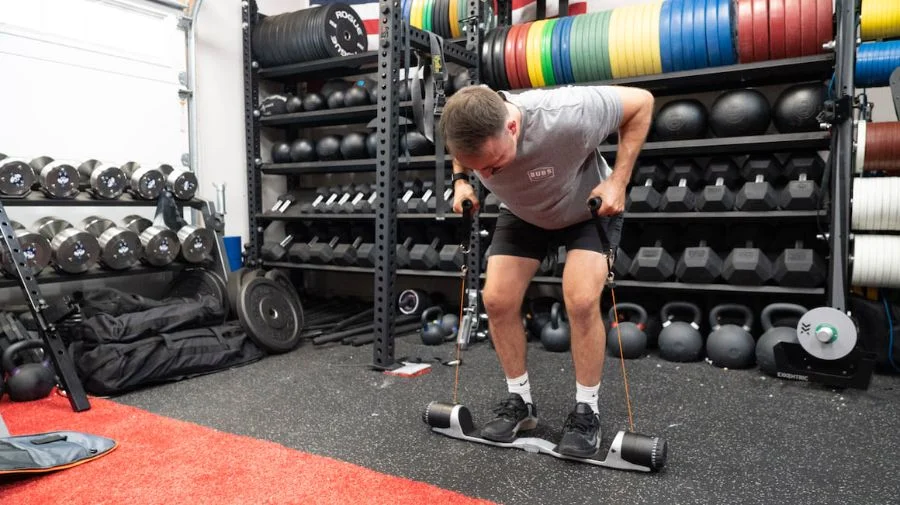
We examine setup flexibility, range of motion for cable arms or attachments, comfort during exercises, and how easily users of different heights and strengths can use the system safely. Our benchmark score of 3 points requires that machines accommodate a range of body types and are comfortable to use multiple days in a row. To earn a perfect score, the user weight capacity exceeds industry standards, and all of our testers of varying heights and weights feel comfortable with the dimensions and adjustments offered for the equipment type: stride length, handlebar adjustments, seat height, and whatever else is applicable to the type of equipment.
Tech Capabilities
Hardware-software interaction defines the “smart” in smart gym equipment. Our testers examine app interfaces, connection stability, and compatibility with third-party devices, along with data accuracy in metrics like rep count, time under tension, and resistance tracking. To earn 3 points, equipment should offer a seamless experience with no obvious glitches along with basic tech components like Bluetooth connectivity and workout data collection. Devices with advanced features like form tracking and feedback typically earn more points here, provided their operation is seamless and a true boost to our training experiences.
RELATED: Best Smart Treadmills
Durability
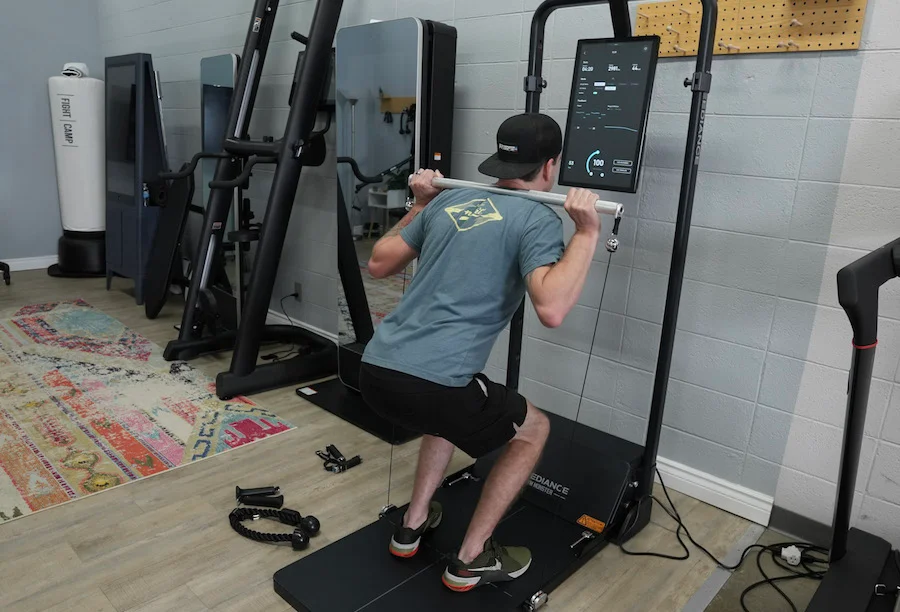
Long-term reliability is tracked through repeated use. Reviewers observe wear on moving parts, responsiveness of included sensors, and the stability of mounting and cable systems over time. Because this equipment is so expensive, our standards are higher. Any noticeable wear-and-tear in our initial testing knocks the score down to below 3 points.
Conveniences
We note features that can enhance usability like automatic resistance adjustment, storage solutions, and workout summaries. We also score the quality and layout of companion apps, noting ease of navigation and depth of features. Basic conveniences, like easy-to-use controls, Bluetooth connectivity, water bottle holders, and tablet holders, earn equipment 3 points, at least.
Dynamic Programming
Our testers evaluate content libraries, coaching quality, and AI-driven training adaptiveness for variety and engagement. The goal is to see whether a platform can keep users progressing or simply serves as a form of mid-workout entertainment.
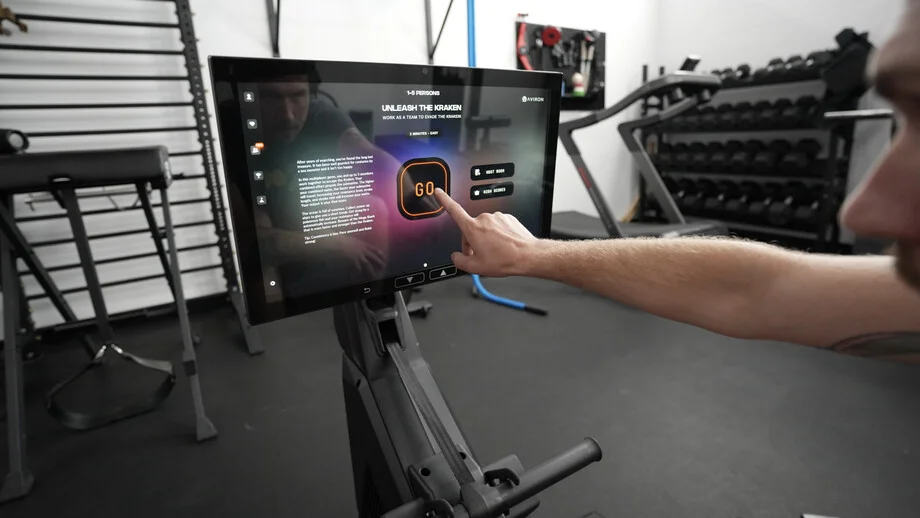
To earn 3 points, programming platforms must offer at least two distinct types of workouts (like strength training and cycling), either through the app or the hardware itself. Additionally, the programming must be engaging and effective. Live instructor-led classes, a suite of entertainment streaming apps, and on-screen metrics constitute higher scores.
RELATED: Best Workout Apps
Value
Because smart home gym equipment is so expensive, this category carries a lot of weight in our rankings. We compare prices against other examples in the smart home gym’s respective category but still examine other tech-derived costs like subscription fees, professional assembly, and the overall cost of ownership. Equipment that feels solidly worth the cost earns 3 points, while products that make us think, “I can’t believe I only paid $X for this!” earn 5.
Customer Experience Testing
Smart home gyms represent a significant investment, so our testing extends beyond performance to include the entire ownership experience. From how these machines make their way to your doorstep, to how easy it is to reach customer service agents for any tech support, here are some additional categories we rate and examine as part of our methodology.
Delivery and Setup
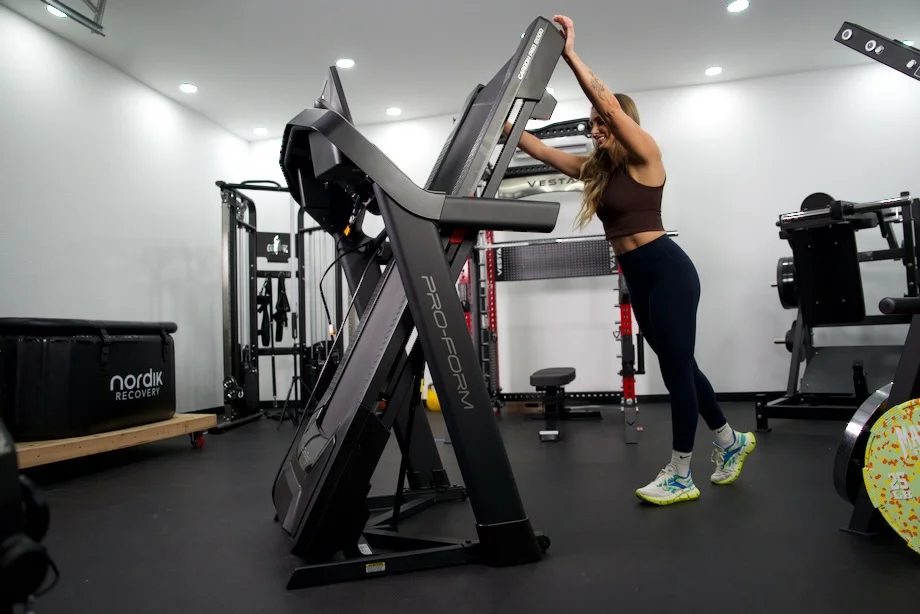
Packaging quality, delivery logistics, and installation demands are carefully documented during our testing process. Reviewers also assess whether setup can be done solo or requires professional support. To earn at least 3 points, machines and devices can be set up in under one hour with just one person, or professional assembly is available for an additional fee.
We look at packaging elements to ensure safe travels for these high-tech devices, though we understand that individual experiences are at the mercy of your personal parcel handler. Still, we do award higher scores to equipment that features worthwhile packaging that does its best to keep screens, consoles, and tech components safe along the way.
Financing, Warranty, and Returns
We review warranty coverage on both hardware and electronics, return policies, and financing options. We also compare these policies against industry norms to highlight potential risks or advantages. To earn 3 points, brands must meet our benchmark of 24+ months at 0% APR, as well as offer a minimum three-year warranty.
Customer Service
Interactions with support teams are evaluated for speed, accuracy, and tone. A prompt, knowledgeable response earns 3 points, while teams that go out of their way to make our experience better earn a perfect 5-out-of-5 score. We also take into account the avenues for contacting the company, such as phone, email, and live chat.
Customer Reviews
We analyze verified customer feedback to identify trends in reliability, app stability, and long-term satisfaction. We use this data to validate (or challenge) our own hands-on impressions. We source these ratings from the manufacturer’s site and third-party retailers, like Amazon and Walmart, to come up with a customer review rating.
Overall Score
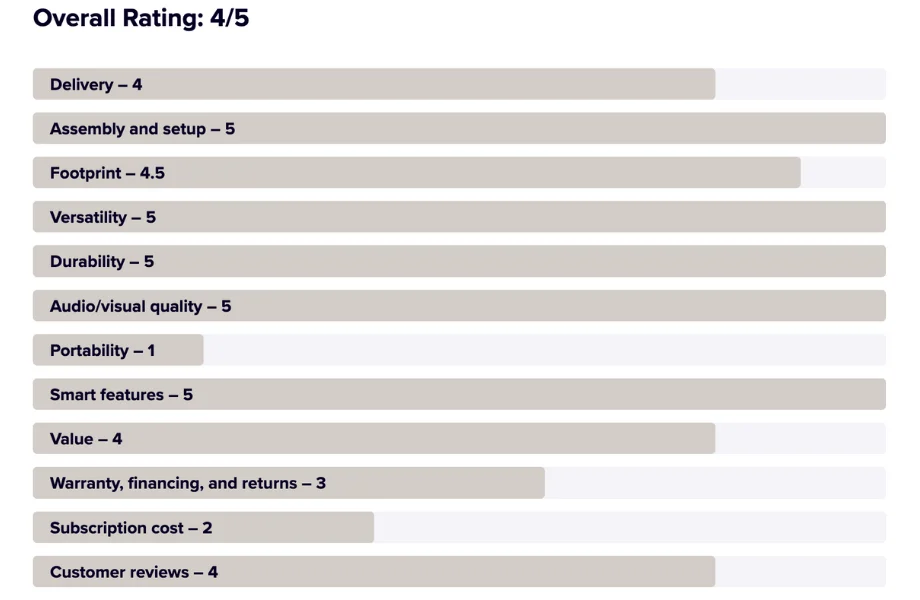
Each smart home gym product receives an overall score out of 5, based on weighted averages across the performance and customer experience categories listed above. Hardware performance and software functionality carry the most weight, but we also factor in user experience, longevity, and value for cost. The result: our top-rated smart gyms are the ones that balance innovation, reliability, and real-world usability.
These overall grades also influence which products make their way to our best-of roundups and reviews. We do our best to showcase the absolute cream of the crop, but will still consider a lower-rated profile at times, especially if it stands out in a key area like portability or dynamic programming. In these instances, we’ll be sure to explain its shortcomings yet still justify why we consider it a worthwhile inclusion.