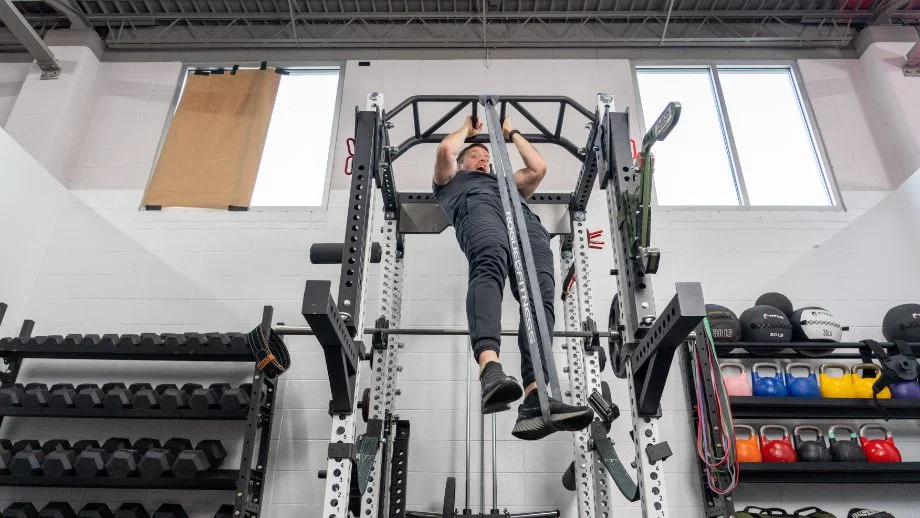





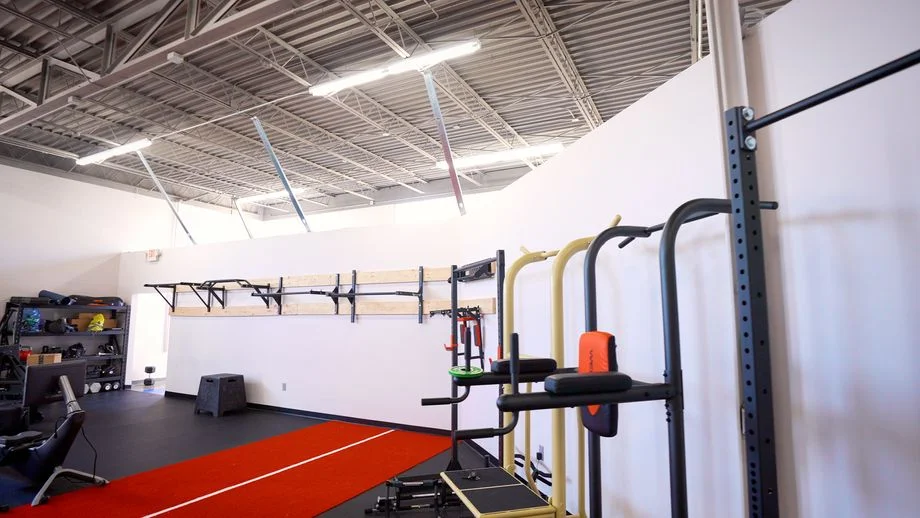
Pull-ups are arguably one of the best exercises for upper-body strength and overall functional fitness. Although they’re sometimes seen as an advanced-only exercise, even beginners can benefit from them. The best pull-up bars can support a range of pull-up variations and other bodyweight training or calisthenic movements.
Our team of certified personal trainers, CrossFit athletes, and long-time exercisers have sifted through the bottomless pit of pull-up bar listings on the internet, ordering and personally testing more than a dozen of them to compile this comprehensive guide so you can easily order the one that best fits your home gym setup. We use our fitness equipment testing methodology to evaluate pull-up bars using a 1-to-5 scoring system, assessing key factors such as:
- Construction and Durability: What material is the pull-up bar made of? To earn at least a 3, there shouldn’t be any noticeable flex, wobble, or stability issues. Bars made from 11-gauge steel that offer high weight capacities receive top marks.
- Assembly and Mounting: How difficult is it to install the bar in a doorway or on a wall? Does the manufacturer provide clear instructions along with the necessary hardware? To earn a 3, the step-by-step instructions must be easy to follow, and the installation must be manageable with basic tools. Intuitive designs that make the installation process a breeze score a 4 or 5.
- Grip Options: To score at least a 3, a bar should have one or two usable grip positions with some type of knurling or powder coating that helps you maintain control during use. Multiple well-spaced grip options that support different training styles can earn higher marks in this category.
In addition to our research and testing data, we consulted with GGR Chief Medical Advisor, Dr. Raj Dasgupta, MD, FACP, FCCP, FAASM and exercise physiologist Dr. Chris Mohr, RD, to discuss the benefits of strength training and including bodyweight exercises in your fitness routine. From weight benches to barbells, we helped more than 100,000 athletes find high-quality strength training equipment in 2024, and we’re confident that the following details can help you find the perfect pull-up bar for your home, too.
The 5 Best Pull-Up Bars of 2026
- Best Overall Pull-Up Bar – REP Fitness Mounted Multi-Grip Pull-Up Bar
- Best Pull-Up Bar For Home – Fringe Sport Garage Series Squat Cage
- Best Doorway Pull-Up Bar – Rogue Jammer Pull-Up Bar
- Best Wall-Mounted Pull-Up Bar – Titan Wall-Mounted Pull-Up Bar
- Best Freestanding Pull-Up Bar – Baseblocks The Big Bar
Current Top Deals
- REP Fitness Mounted Multi-Grip Pull-Up Bar – Free shipping on all orders
- Titan Wall-Mounted Pull-Up Bar – Up to 65% off for a limited time + free shipping
Latest Updates
In December 2025, we reviewed our list of the best pull-up bars and made a few changes based on our latest testing. The REP Fitness Wall-Mounted Multi-Grip Pull-Up Bar still earns our top recommendation, but we whittled our lineup down to only feature the cream of the crop, with the Fringe Sport Squat Rack With Pull-Up Bar earning the nod as the best option for home since you get excellent versatility and value for the price.
Best Overall Pull-Up Bar: REP Fitness Wall-Mounted Multi-Grip Pull-Up Bar
Updated by: Stephen Sheehan, CPT, CNC








At a Glance
- 11-gauge steel construction
- High weight capacity of 700 lbs
- Multiple grip options (close, neutral, and wide)
- Compatible with REP PR-4000 and PR-5000 racks
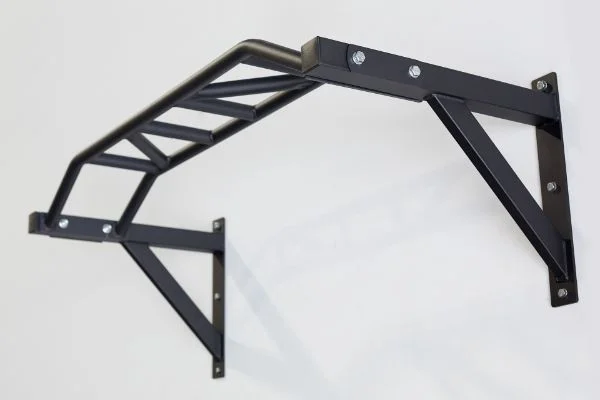
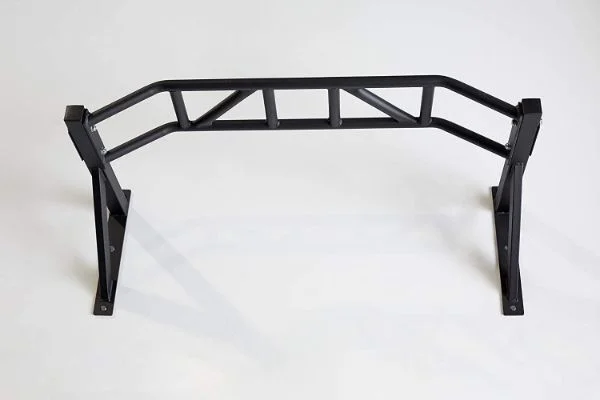
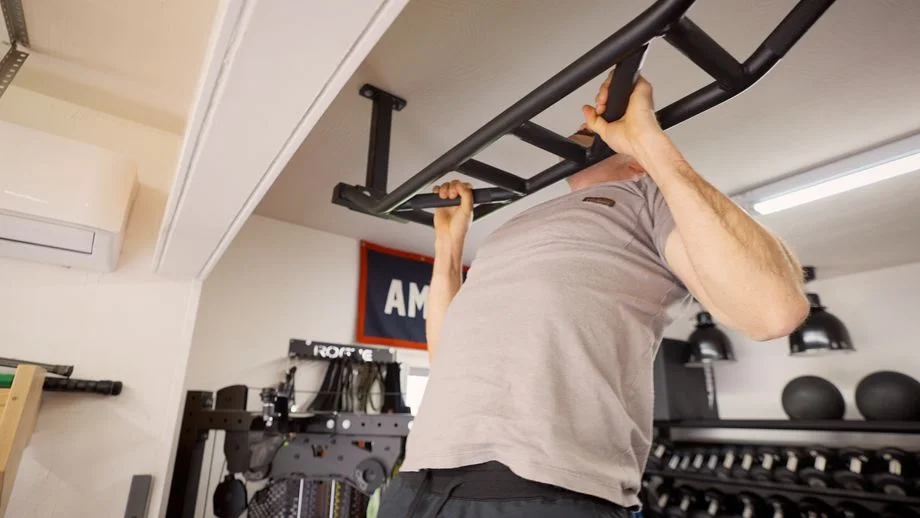
The REP Fitness Wall-Mounted Multi-Grip Pull-Up Bar is our top overall pick given the amount of workout variety it offers for a reasonable price. It features close-grip, neutral-grip, and wide-grip options, as well as a 2-inch thick rear bar for grip strength training. Earning an overall score of 4.2 out of 5, this well-built bar is a sturdy piece of home gym equipment you can count on for years to come.
Grip Options: 4.5/5
Price & Value: 4/5
Construction & Durability: 4/5
Why We Like the REP Fitness Wall-Mounted Multi-Grip Pull-Up Bar
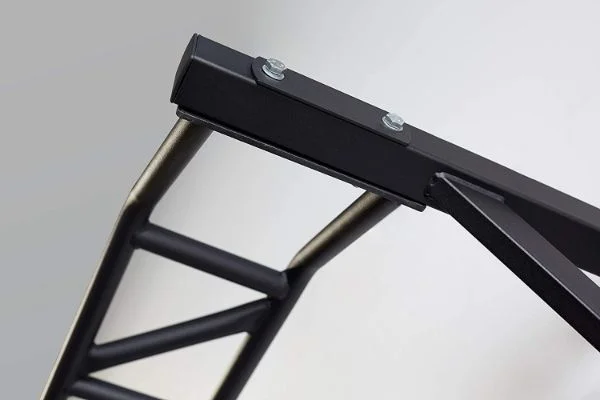
Offering an impressive weight capacity of 700 pounds, the REP Fitness Wall-Mounted Multi-Grip Pull-Up Bar is made from 11-gauge steel(our preferred material for strength training equipment). The hardware for connecting the handles to the beams is equally sturdy and resilient. GGR expert product tester Ben Emminger, NASM-CNC, NASM-CSNC, rates the construction and durability at 4 out of 5.
“The only time I’ve had doubts about the bar’s integrity is when I’ve seen improper installations; not the pull-up bar, itself,” he told me. “I also appreciate that you can invert the multi-grip pull-up station to accommodate lower ceiling heights.”
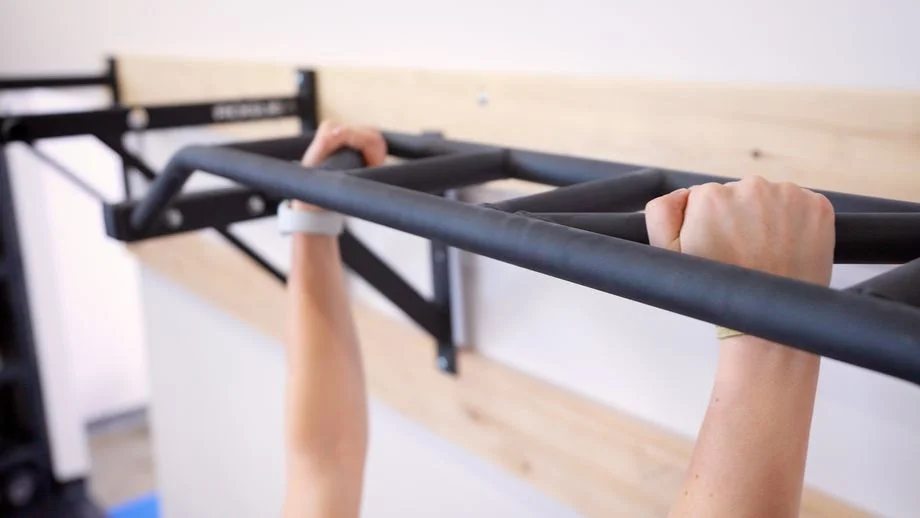
Measuring 50.75 inches wide, 21.5 inches deep, and 17.5 inches tall, this pull-up bar offers multiple grip options (close, neutral and wide), giving you the flexibility to train muscle groups at different angles. Ben rates the grip options at a near-perfect 4.5 out of 5, noting that the 9-inch spacing is more than enough to accommodate his hands. However, he told me that the powder-coated handles aren’t as grippy as he’d prefer.
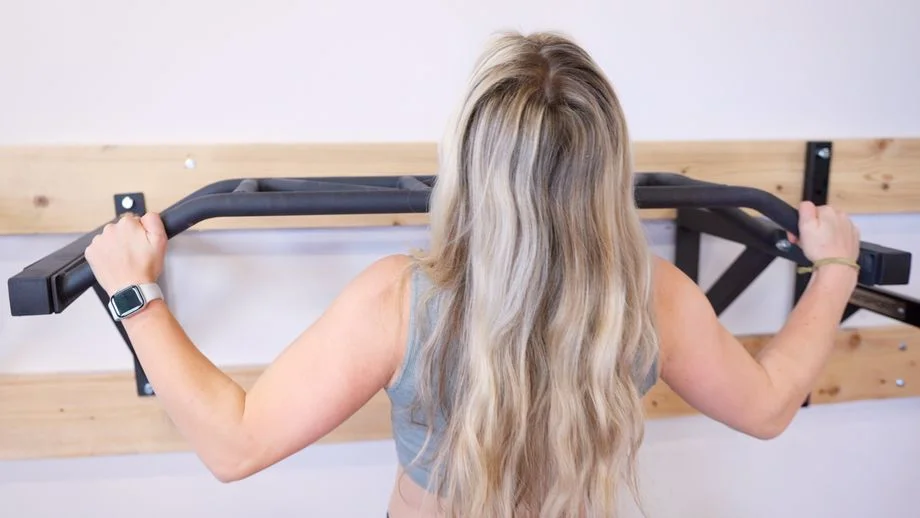
Most importantly, the REP Wall-Mounted Multi-Grip Pull-Up Bar provides a stable, enjoyable workout experience. The grip is solid enough for extended use, and the multiple grip positions allow for some variety across your bodyweight training. Plus, you can attach resistance bands, gymnastics rings, or exercise straps for added workout variations. While the shallow depth may be less than ideal for movements like kipping pull-ups, Ben still gave a solid 4-out-of-5 rating after training with this bar.
If you correctly install this profile with the right anchors, I don’t doubt that you’d experience a sturdy setup.
Ben Emminger, NASM-CNC, NASM-CSNC
Alternatives
The only category in which this pull-up bar scored less than a 4 was assembly and mounting (3.5 out of 5). Luckily, the instructions are clear and digestible, which isn’t always the case with some manufacturers. However, Ben recommends asking for assistance if you’re not keen on drilling pilot holes or finding studs.
“I’ve helped some of my associates install this bar on their cement walls, which requires some additional anchors, as well as more intricate tools than your typical drill and socket set,” Ben told me. “I do appreciate that REP includes the wall-mounting hardware, though, which can make for an easier assembly.”
In addition, this isn’t the most budget-friendly option. The $140 price tag puts it on the upper end of the wall-mounted pull-up bar market. However, we still rated the price and value at a 4 out of 5 since REP offers free shipping, as well as alternative payment options like Affirm, Shop Pay, and HSA/FSA funds.
If you want to keep a few more dollars in your pocket and can live without a multi-grip station, the Titan Wall-Mounted Pull-Up Bar is roughly $35 cheaper.
Testing Breakdown
Here’s how the REP Fitness Wall-Mounted Multi-Grip Pull-Up Bar scored based on our testing methodology.
Vs. The Average
The REP Fitness Wall-Mounted Multi-Grip Pull-Up Bar is more affordable than the average pull-up bar. Plus, it boasts an impressive 700-pound weight capacity—nearly 125 pounds more than the average bar.
| REP Fitness Wall-Mounted Multi-Grip Pull-Up Bar | Average Pull-Up Bar | |
| Price | $139.99 | $197 |
| User Weight Capacity | 700 lbs | 578 lbs |
| Grip Positions | 5+ | 1 |
| Pull-Up Bar Length | 50.75 inches | 45.5 inches |
| Material | 11-gauge steel | Steel |
| Mounting Type | Wall-mounted | Varies |
Best Pull-Up Bar For Home: Fringe Sport Garage Series Squat Rack with Pull-Up Bar
Updated by: Stephen Sheehan, CPT, CNC
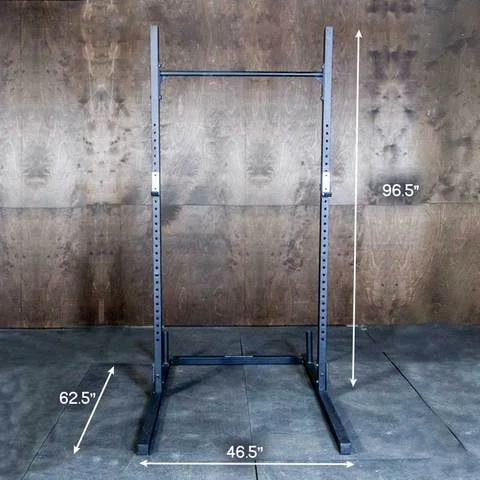
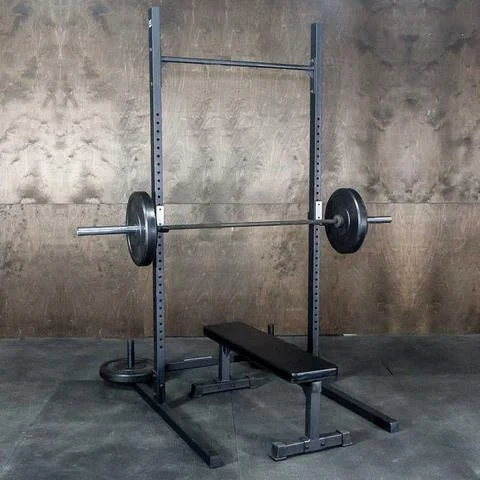
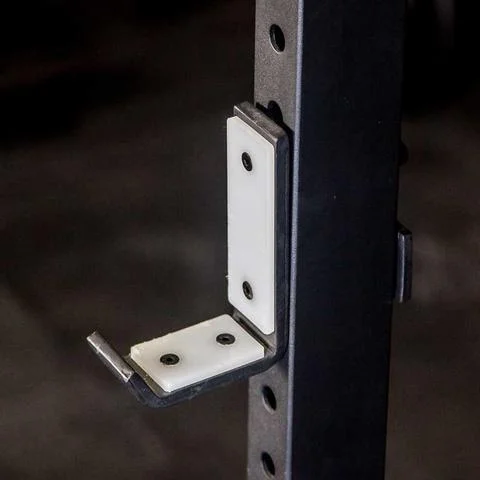
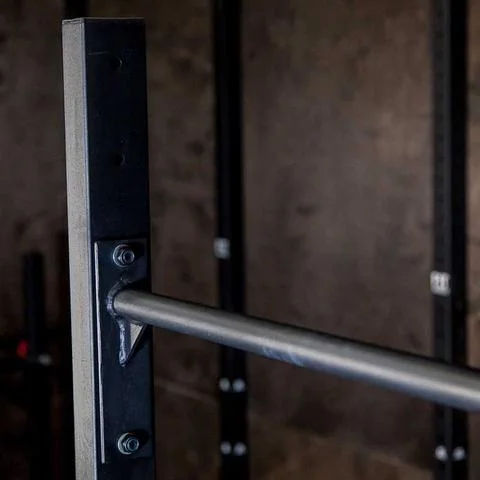
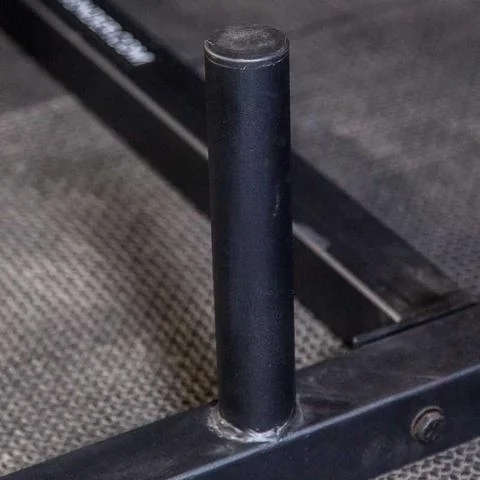




This is an affordably priced rack that comes with a pull-up bar.
What our tester says:
“If you spend less money, does the quality of the equipment go down so far that it is no longer worth the purchase? In the case of the Fringe Sport Squat Rack, the answer is no.”
At a Glance
- Budget-friendly squat rack with built-in pull-up bar
- Below-average weight capacity
- Thinner 12-gauge steel composition
- Free shipping
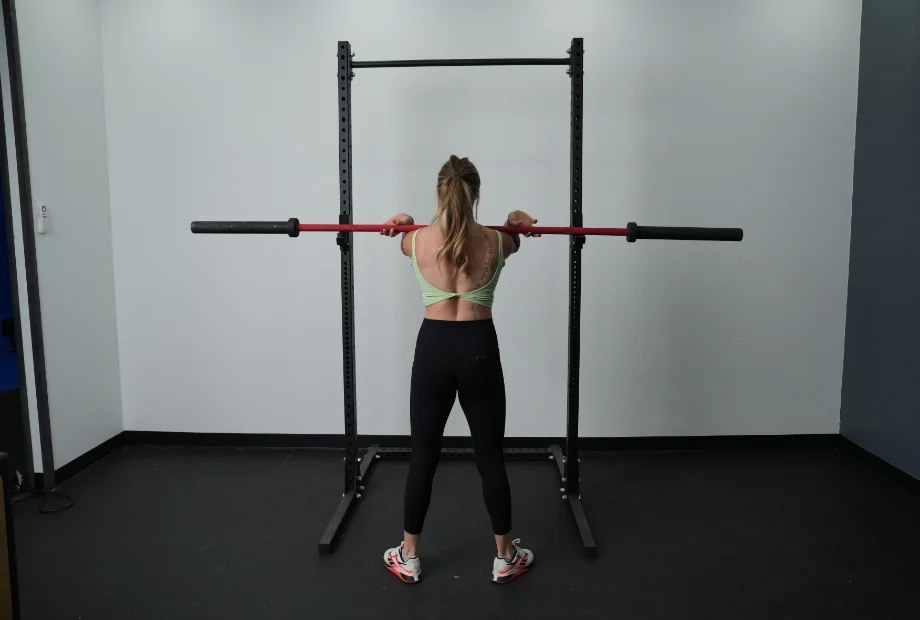
Value-focused home gym owners can get some serious bang for their buck by getting a pull-up bar and a squat rack in a single purchase. For roughly $350, the Fringe Sport Garage Series Squat Rack with Pull-Up Bar is the ideal investment for budget-minded trainees who prefer the less-is-more approach. Not only do you get a squat stand with a 600-pound weight capacity (and Westside hole spacing), but you also receive a straight pull-up bar for working on your upper body strength.
Value: 4.5/5
Construction & Durability: 4/5
Versatility: 4/5
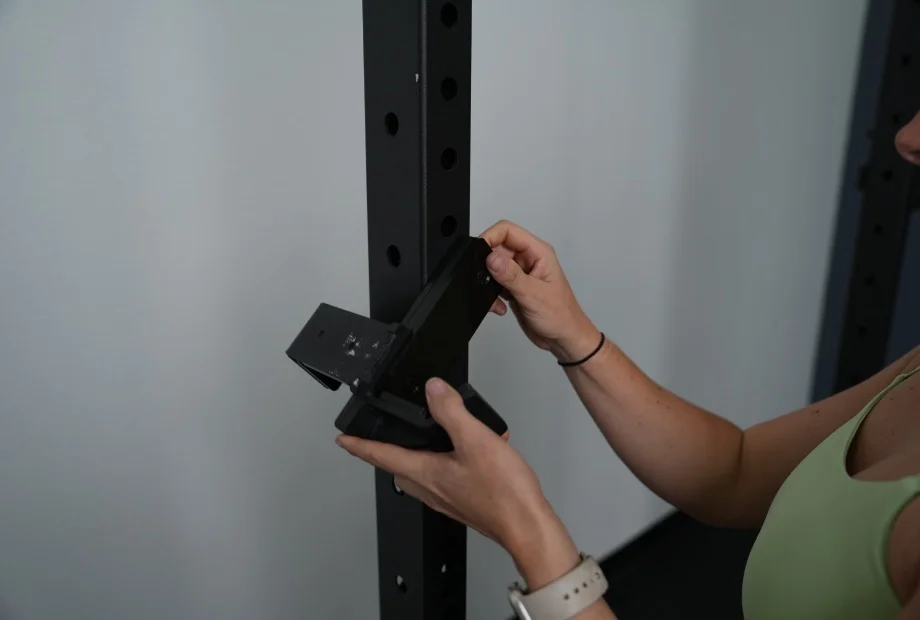
Why We Like the Fringe Sport Garage Series Squat Rack with Pull-Up Bar
For the same price as the Cerakote-finished Rogue Ohio Bar (our top Olympic barbell for home gyms), you can get a squat stand and pull-up bar in one fell swoop. Of course, you’ll need a barbell and weight plates to utilize your new rack, which means you’ll have to budget accordingly if you don’t own those already.
Made with 2-inch-by-3-inch 12-gauge-steel, this Fringe Sport rack is not as sturdy as some of the other options on our best squat racks list. However, it still earned a solid 4-out-of-5 construction and durability score from our founder and most seasoned product tester, Coop Mitchell.
“I’ve used and tested Fringe Sport products for over six years now, and I can say products like this squat stand can still hold up, unless you’re an elite powerlifter,” he told me. “But if you’re a powerlifter, I wouldn’t suggest a squat stand, anyway.”
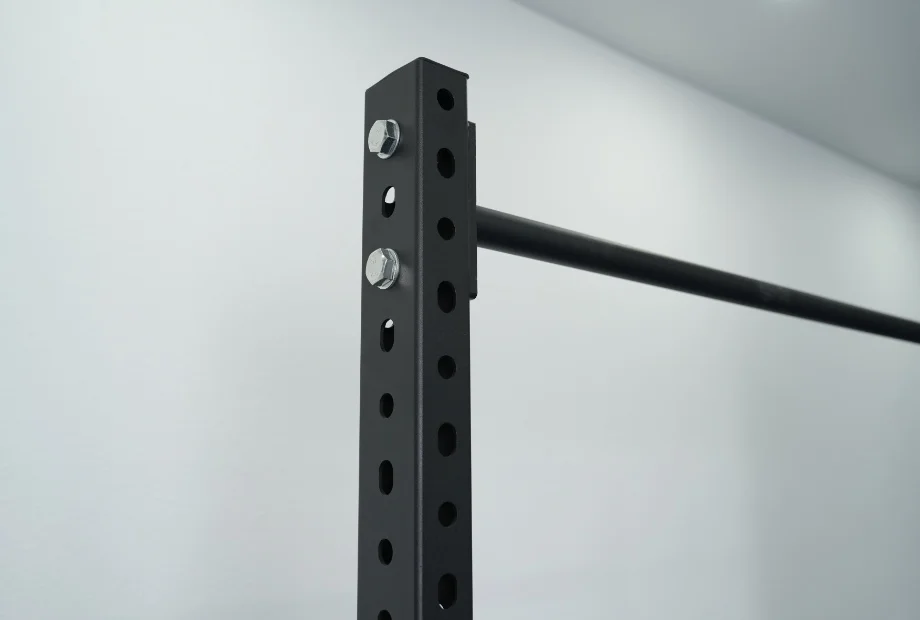
With uprights that support up to 600 pounds for squats, this rack includes a straight pull-up bar with a 450-pound weight capacity. It features a matte black, powdercoat finish that has a subtle gritty feel for improved grip. We particularly appreciate that the adjustable pull-up bar has multiple options to accommodate different heights and workout preferences, as well.
At its tallest setting, the pull-up bar hangs 83 inches off the ground, giving you ample space to achieve full extension at the bottom of a pull-up without touching your feet on the ground. Alternatively, shorter users can set it as low as 70.25 inches for a more comfortable training experience. As a result, we rate the versatility at a 4 out of 5.
This is a pretty standard rack that serves its purpose well for lifts: Squats, bench, jerks, and more. If you don’t need extra bells and whistles, this is well worth its price point.
Lindsay Scheele, CPT, CNC, GGR Everything lead reviewer
Alternatives
Despite its budget-friendly price tag, we’d be remiss without mentioning Fringe Sport’s disappointing one-year warranty. In our experience, many squat rack frames come with a lifetime warranty, so the short coverage period leaves something to be desired. While we appreciate the company’s 30-day return policy on lightly used equipment, we rated the customer experience a 3.5 out of 5.
Furthermore, the affordable cost comes at an expense. Since it’s a squat stand instead of a full-sized power rack, you may experience some instability during pull-ups. However, GGR Everything lead reviewer Lindsay Scheele, CPT, CNC found a solution that helped quell some of those concerns.
“Bolting the rack down to the floor will definitely add some stability,” she told me.
If you want a beefier squat rack with an integrated pull-up bar, we recommend the Bells of Steel Hydra 4-Post Power Rack. Keep in mind, however, that this is in a different price bracket than the budget-friendly Fringe Sport Garage Series rack.
Testing Breakdown
With a budget-friendly price tag and sturdy enough structure for regular home use, this Fringe Sport offering fared well in our testing. Here’s an overview of its full ratings performance.
Editor’s Note: The following ratings are more aligned to the Fringe Sport’s capabilities as a squat rack, but factors like durability and construction can indicate its standing as a high-quality pull-up station.
Vs. The Average
The Fringe Sport Garage Series Squat Rack with Pull-Up Bar is less than half the price of the average squat rack. However, there are some notable tradeoffs. The average squat rack offers nearly double the weight capacity of this budget-friendly model. Plus, the average squat rack comes with a limited lifetime warranty compared to just one year of coverage from Fringe Sport.
| Fringe Sport Garage Series Squat Rack with Pull-Up Bar | Average Squat Rack | |
| Price | $349 | $708 |
| Dimensions | 47” D x 45” W x 85” H | 46.5” D x 51.8” W x 87.5” H |
| Weight Capacity | 600 lbs | 1,000 lbs |
| Upright Size | 2” x 3” 12-gauge | 3” x 3” 11-gauge |
| Hole Size | ⅝” | ⅝” |
| Pull-Up Bar? | Yes, straight bar | Yes, straight bar |
| Warranty | 1 year | Limited lifetime |
Best Doorway Pull-Up Bar: Rogue Jammer Pull-Up Bar
Updated by: Stephen Sheehan, CPT, CNC

At a Glance
- Made in the USA
- Includes stringer and laser-cut steel brackets
- Available in smooth or knurled texture
- Mounts above any door frame on a wood stud wall
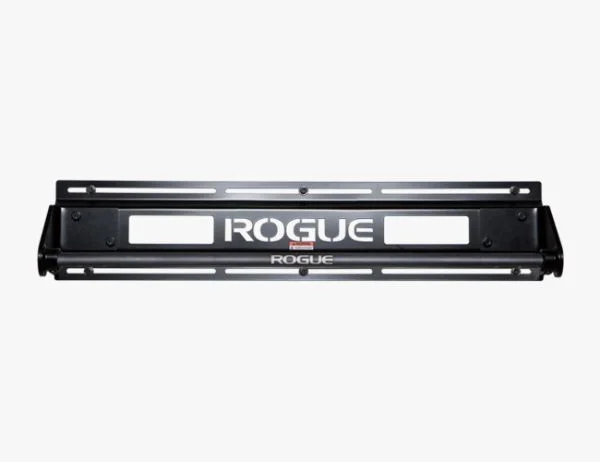
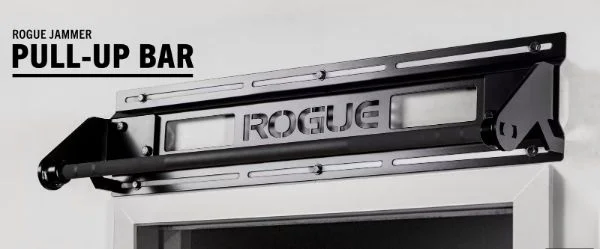
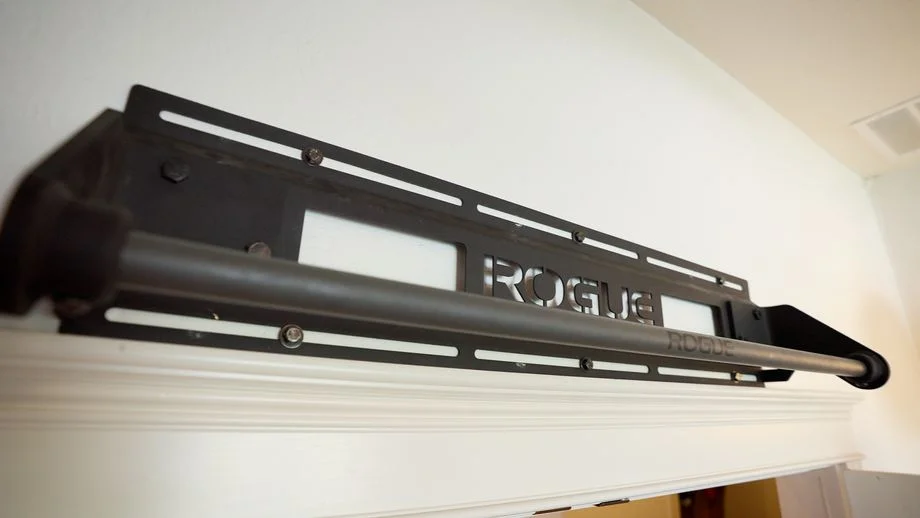
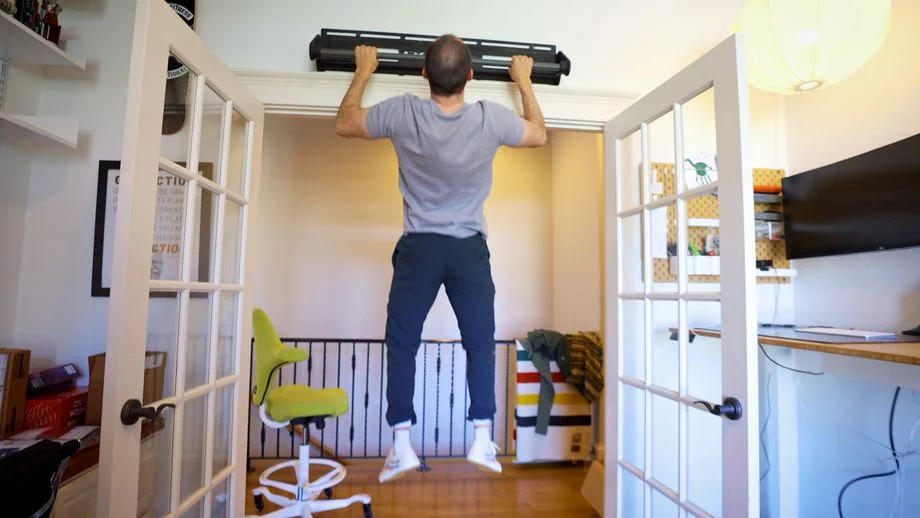
Most doorway bars simply slip over your doorframe, which leaves a lot of room for mishaps. Thankfully, the Rogue Fitness Jammer Pull-Up Bar is not your average doorway pull-up bar. It may be more accurately described as another wall-mounted pull-up bar, but it’s designed to mount specifically into wooden studs above a door frame. Though the high-end finishes cost a pretty penny, we appreciate that Rogue gives you so many color and texture options to tailor your bar to your aesthetic and comfort preferences.
Construction & Durability: 4/5
Workout Experience: 4/5
Price & Value: 2.5/5
Why We Like the Rogue Jammer Pull-Up Bar
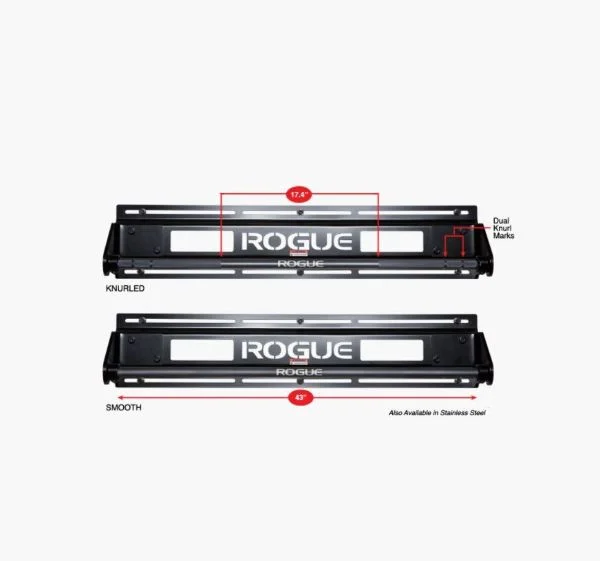
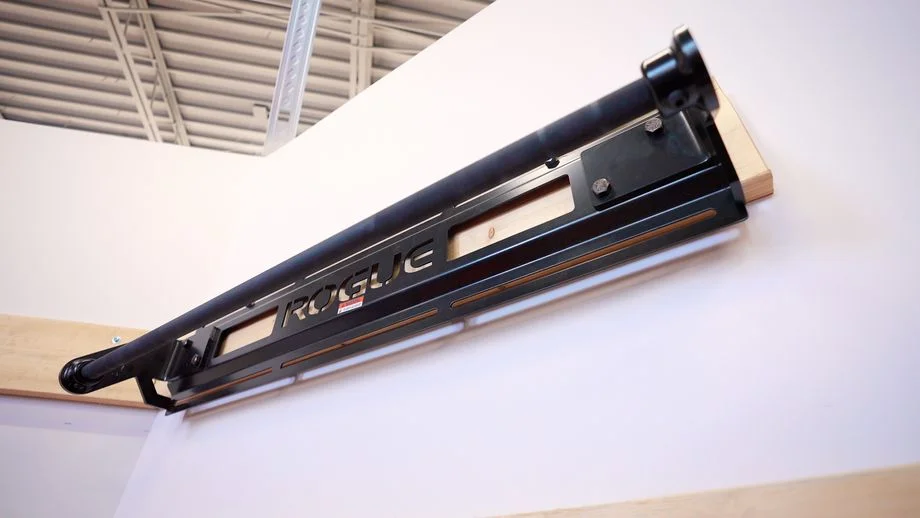
Rogue has established a reputation for producing sturdy, high-performing fitness equipment that holds up with consistent use, and the Jammer Pull-Up Bar certainly met our expectations in terms of build quality. Featuring 0.375-inch thick laser-cut steel brackets, a custom-finished 1.125-inch diameter bar, and a 43-inch long stringer, this 33-pound pull-up station earned a 4 out of 5 construction and durability score from our team.
“In my experience, the pull-up bar is rigid enough to support extensive sets and hangs,” GGR expert product tester Ben Emminger, NASM-CNC, NASM-CSNC, told me.
RELATED: Hanging Leg Raises: Your Key to a Rock-Solid Core
While the idea of a doorway pull-up bar may conjure up images of someone falling to the floor mid-rep, you shouldn’t have to worry about that with the Rogue Jammer. The engineering team smartly designed this pull-up bar with safety and security in mind, resulting in a strong assembly and mounting score of 4 out of 5.
“I’m always a fan of pull-up bars that are actually mounted to a wall or structure,” Ben told me. “Mounting the setup is a breeze if you know how to locate studs, and Rogue does include 2.5-inch wood lags for appropriate mounting.”
One of our favorite things about the Rogue Jammer is its customization options. It’s available in several colors and finishes, from a standard black powder coat to full knurling to colorful Cerakote. Most importantly, the Jammer provides a rock-solid workout experience, with Ben handing out another 4-out-of-5 rating.
“The knurling is on par with some of the brand’s best barbells, and I think the installation is fairly seamless if you’re handy enough,” he told me. “You are paying for the quality, though, so be sure your budget can accommodate the expense.”
If you’re looking for the best doorway pull-up bar experience, it’s hard to overlook the Rogue Jammer.
Ben Emminger, NASM-CNC, NASM-CSNC
Alternatives
Rogue offers the Jammer with nine available bar variations, including power-coated and knurled finishes. While some of the options are fairly affordable, the most expensive (knurled stainless steel) costs a staggering $255; about the same as the REP FB-5000—our top-rated flat weight bench. When you consider the “bang for your buck” factor, we rated the price and value at a 2.5 out of 5.
“You definitely get a sturdy, reliable piece of equipment, but paying upwards of $255 for a standard pull-up bar with no multi-grip stations or added versatility is a little egregious, in my opinion,” Ben told me.
Of course, you can always check out our Rogue coupon code page for the latest promos and ways to save on the company’s products. However, that doesn’t change the fact that paying north of $250 for a product with limited functionality (and just one grip option) may not make sense for some home gym enthusiasts. With knurling that may be too aggressive for some users and no variations available for neutral or angled chin-ups, there are justifiable reasons to pass on the Jammer in favor of a more versatile, comfortable pull-up bar.
If you don’t mind mounting something to your wall, the REP Fitness Wall-Mounted Multi-Grip Pull-Up Bar offers much better value and versatility.
Testing Breakdown
Here’s how the Rogue Jammer Pull-Up Bar fared based on our testing methodology. While it scored well in several categories, it’s hard to ignore the lackluster value rating.
Vs. The Average
Depending on which finish you choose, the Rogue Jammer Pull-Up Bar could fall on either side of the average price line. The most expensive option (knurled stainless steel) costs roughly $60 more than the average pull-up bar.
| Rogue Jammer Pull-Up Bar | Average Pull-Up Bar | |
| Price | $145-$255, depending on the finish | $197 |
| User Weight Capacity | Not listed | 578 lbs |
| Grip Positions | 1 | 1 |
| Pull-Up Bar Length | 43 inches | 45.5 inches |
| Material | 11-gauge steel | Steel |
| Mounting Type | Door-mounted | Varies |
Best Wall-Mounted Pull-Up Bar: Titan Wall-Mounted Pull-Up Bar
Updated by: Stephen Sheehan, CPT, CNC
At a Glance
- Excellent price point of roughly $105
- 11-gauge steel construction
- Supports advanced movements like muscle-ups
- May need to purchase mounting hardware separately
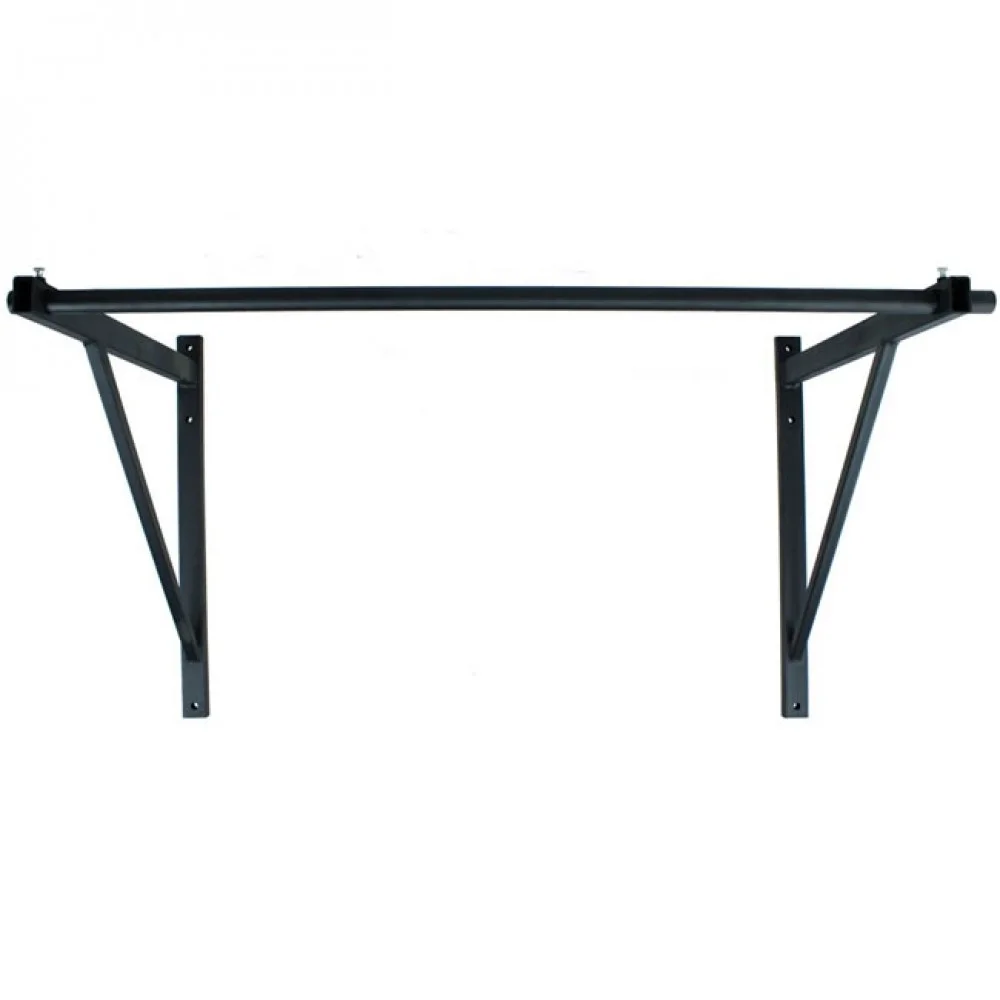
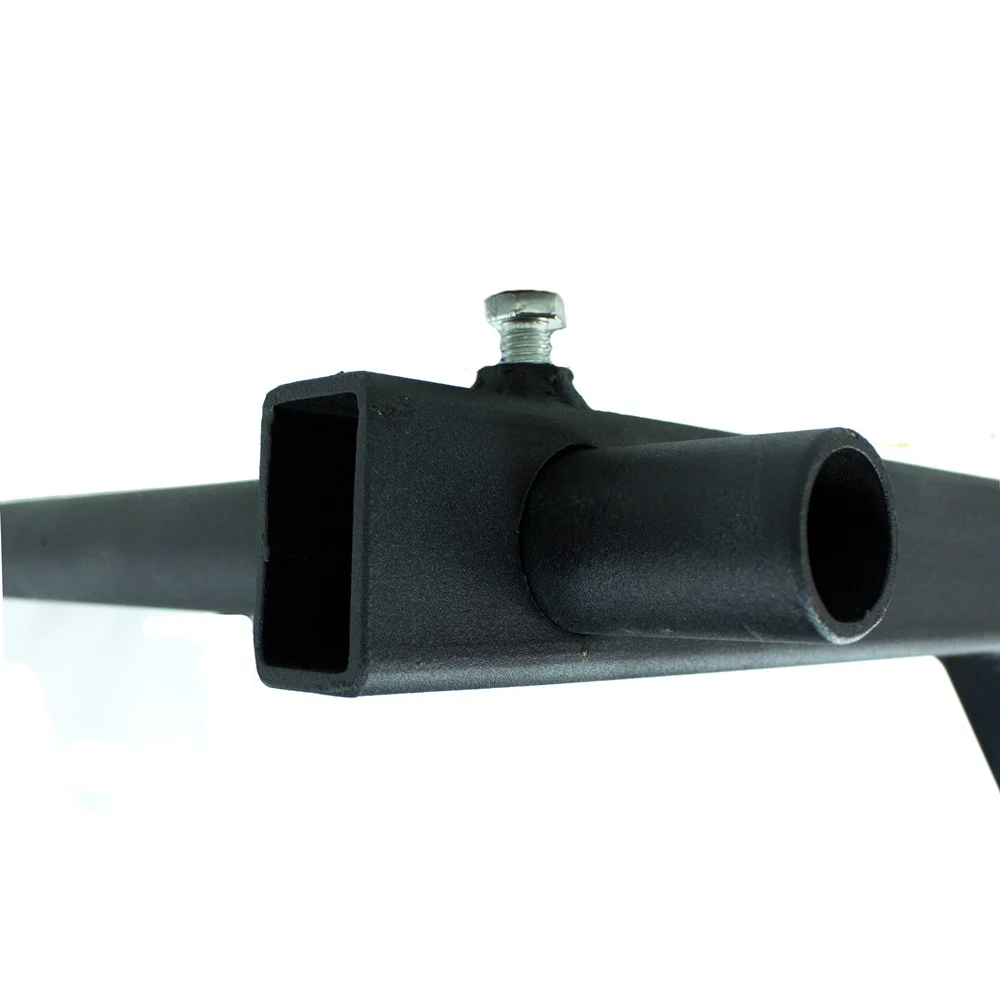
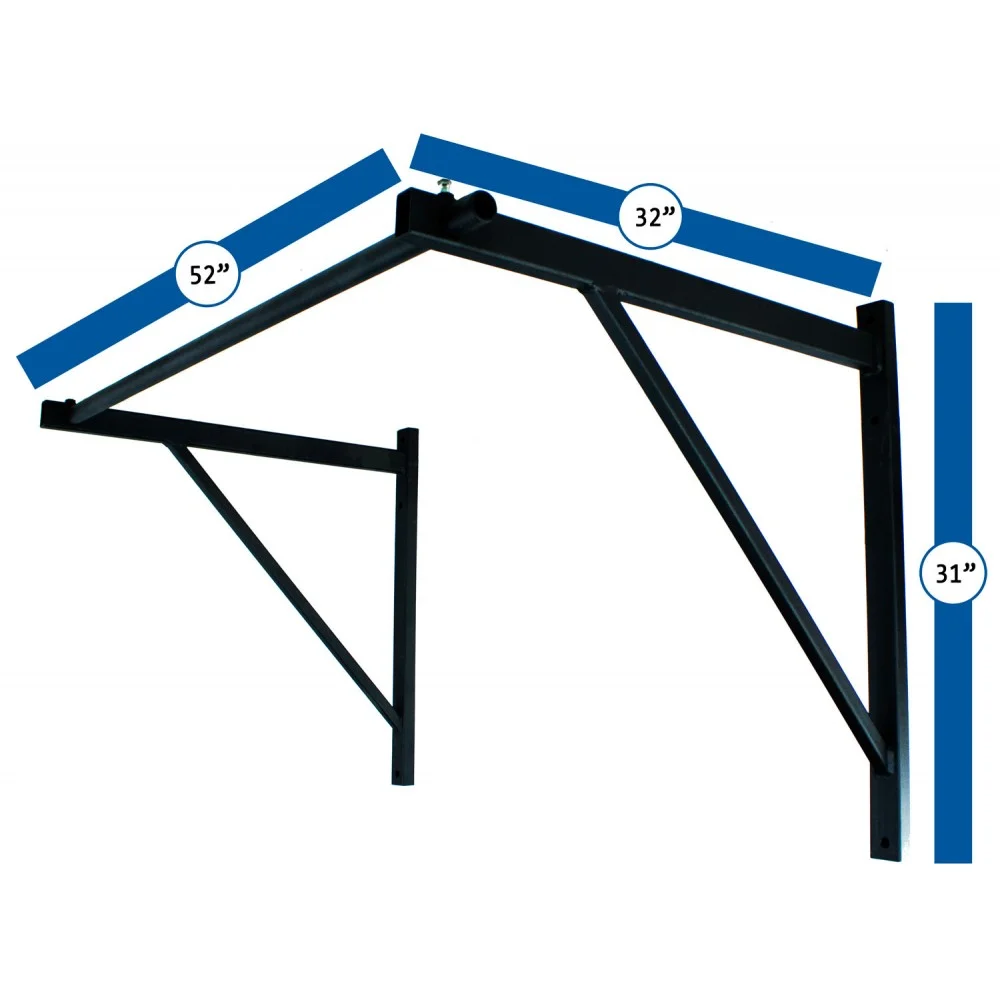
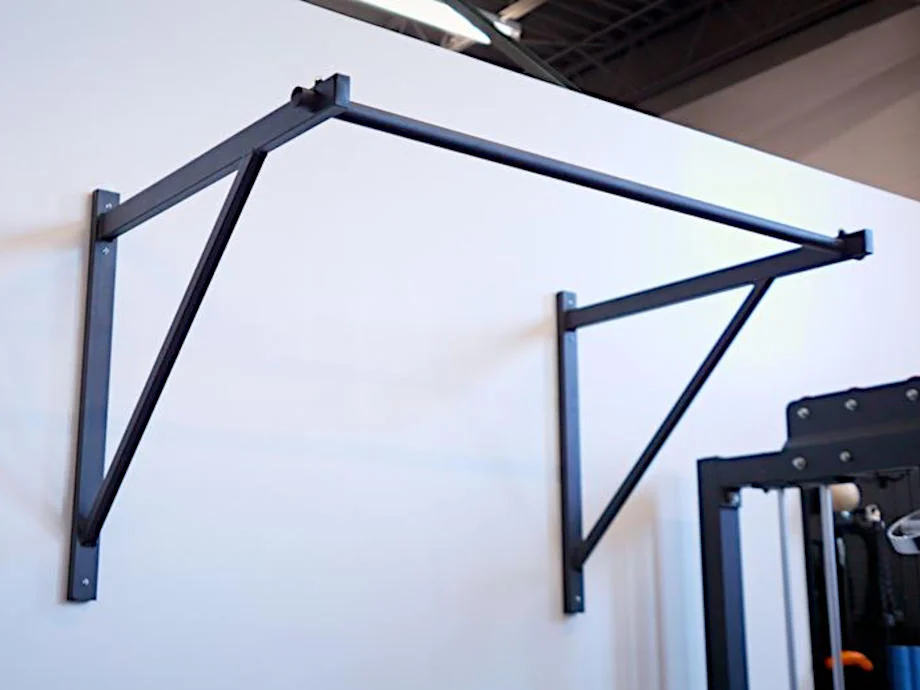
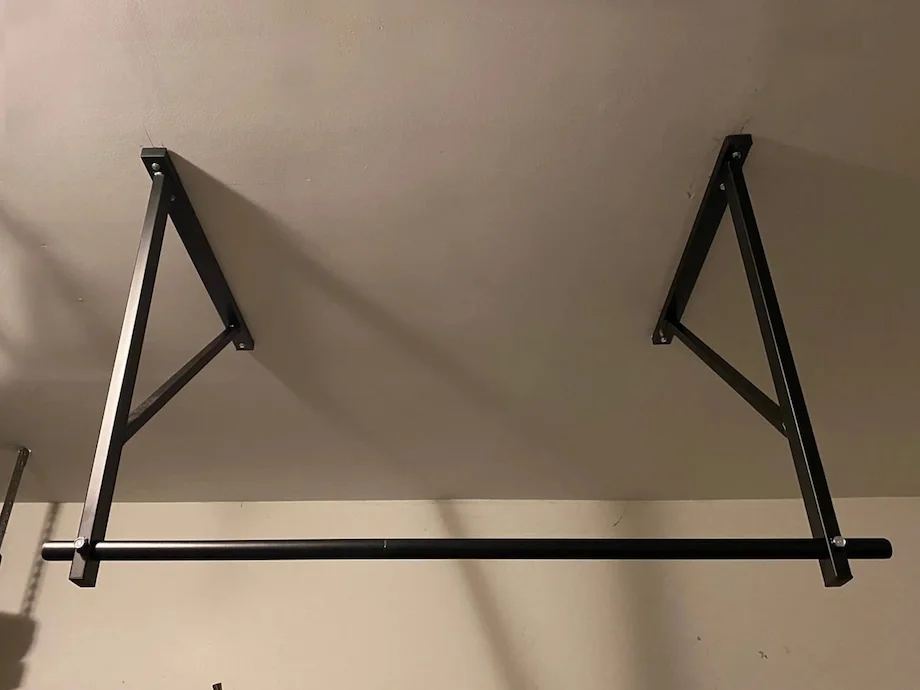
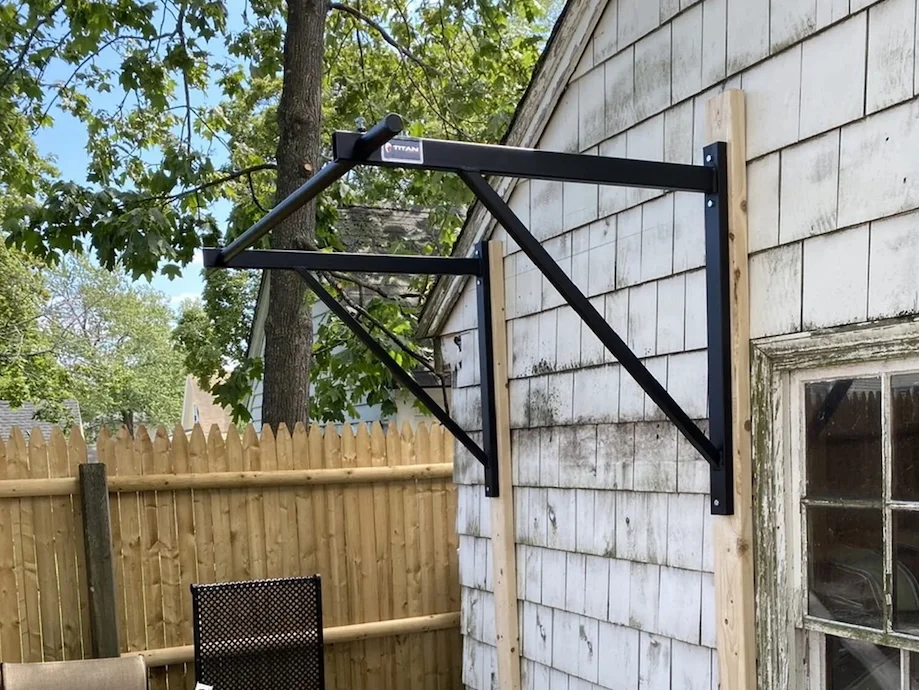
The Titan Fitness Wall-Mounted Pull-Up Bar earned the nod as our top pick for those looking for a wall-mounted pull-up station because it checks so many boxes for a low price. For roughly $105, you get a bar that boasts 11-gauge steel construction, a 500-pound weight capacity, and multiple mounting options. GGR founder Coop Mitchell loves that you can mount it on wood studs that are 16, 32, or 52 inches apart, as well as any concrete wall at any width up to 52 inches. What this means for you is that more types of home gyms can accommodate this well-priced pull-up bar.
Price & Value: 4.5/5
Workout Experience: 4/5
Assembly & Mounting: 2.5/5
Why We Like the Titan Wall-Mounted Pull-Up Bar
Is this the best pull-up bar money can buy? No.
Is it one of the best high-value options on the market? Undoubtedly.
Even at its list price of $105, the Wall-Mounted Pull-Up Bar offers tremendous bang for your buck. To make matters even better, Titan routinely has it on sale for less than $100.
“With the 11-gauge steel construction, free shipping, and HSA/FSA eligibility, it’s one of the best value picks in the pull-up bar sector,” says Ben Emminger, NASM-CNC, NASM-CSNC, rating the price and value at a near-perfect 4.5 out of 5.
Although it didn’t score quite as high for construction and durability (3.5 out of 5), our top wall-mounted pull-up bar has an impressive 500-pound weight capacity. Plus, the powdercoat exterior is resilient and grippy enough for regular use. That said, Ben recommends employing a stringer setup for optimal integrity.
“I’ve performed kipping pull-ups and (attempted) muscle-ups on this setup and never had any qualms regarding shakiness or instability,” he told me, rating his workout experience at a 4 out of 5.
At less than $110, I’d be happy to take a flyer on this and install it in a garage or barn gym.
Ben Emminger, NASM-CNC, NASM-CSNC
Alternatives
Be warned; the assembly and mounting process isn’t as straightforward as other options on our list. The product manual doesn’t feature actual installation instructions, so you’ll need to do your own research if you’re not familiar with mounting items to a pre-existing wall. And while the bar comes with lag bolts for mounting to wooden studs and framing, Ben recommends purchasing your own hardware for added stability.
“I helped install this bar at an associate’s garage gym years ago and do recommend longer bolts as well as a wooden stringer for improved stability,” he told me, rating the assembly and mounting process a 2.5 out of 5.
Another callout worth mentioning are the grip options, or lack thereof. You only get a straight bar with this setup, which limits your ability to target different muscle groups.
“Thankfully, Titan does offer a multi-grip pull-up bar, albeit with a different beam structure and price point,” Ben told me.
If you can stretch your budget a little further, the REP Fitness Wall-Mounted Multi-Grip Pull-Up Bar gives you far more versatility than what you get from Titan.
Testing Breakdown
The Titan Wall-Mounted Pull-Up Bar performed well in some areas (price and value as well as workout experience) and left us a bit disappointed in others, particularly assembly and mounting. Here’s a complete breakdown of how it scored across all testing categories.
Vs. The Average
The Titan Wall-Mounted Pull-Up Bar is substantially cheaper than the average pull-up bar. Unfortunately, it doesn’t offer as robust a weight capacity.
| Titan Wall-Mounted Pull-Up Bar | Average Pull-Up Bar | |
| Price | $104.99 | $197 |
| User Weight Capacity | 500 lbs | 578 lbs |
| Grip Positions | 1 | 1 |
| Pull-Up Bar Length | 53.5 inches | 45.5 inches |
| Material | 11-gauge steel | Steel |
| Mounting Type | Wall-mounted | Varies |
Best Freestanding Pull-Up Bar: BaseBlocks The Big Bar
Updated by: Stephen Sheehan, CPT, CNC


At a Glance
- Quick setup process
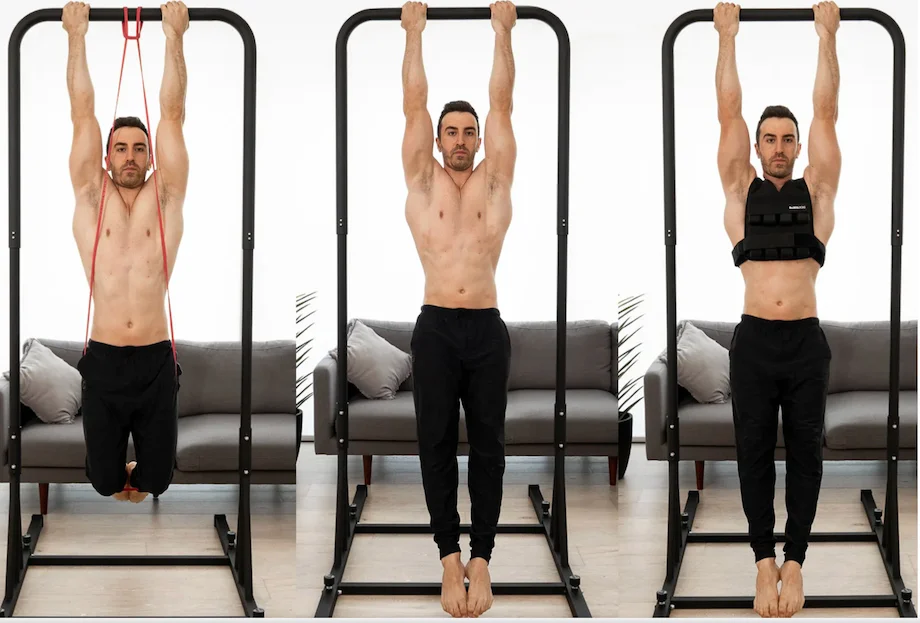
- Ring- and band-friendly
- Foldable feet for compact storage
- Steel construction with 660-pound weight capacity
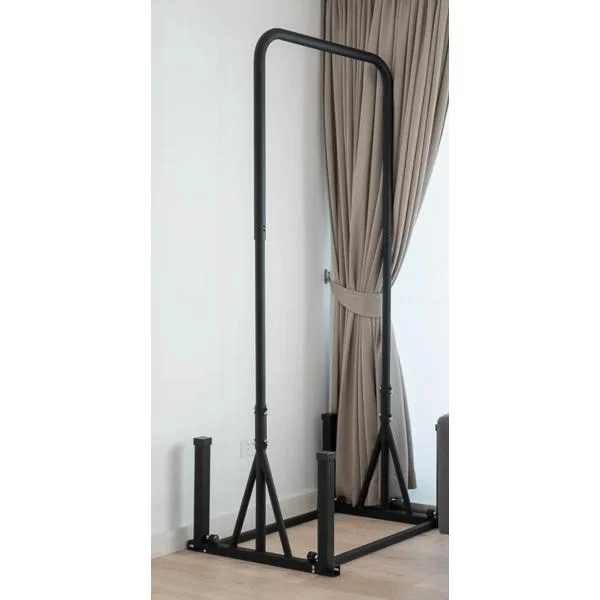
Most home gym equipment isn’t built for apartments, so we’re happy to see The Big Bar from BaseBlocks fill that void. This freestanding pull-up bar requires no drilling, has an adjustable height, and comes with foldable feet that makes this already compact exercise equipment even smaller for storage. It has an impressive 660-pound weight capacity, and the steel has a powder-coated finish, so it should be easy enough to grip, no matter which exercise you’re doing.
Construction: 4.5/5
Assembly & Mounting: 4/5

Price & Value: 2.5/5
Why We Like The Big Bar from BaseBlocks
Although we haven’t gotten our hands on The Big Bar from BaseBlocks just yet, we’re encouraged by its specs—and by our prior experience with other BaseBlocks equipment. GGR expert tester Ben Emminger, NASM-CNC, NASM-CSNC, has trained with several of the brand’s products, and their overall build quality has been consistently solid. On paper, the Big Bar checks a lot of boxes we like to see in a freestanding pull-up station.
“I appreciate the foldable base for easier storage, and the dimensions should be supportive enough for standard pull-ups, chin-ups, and hangs,” Ben told me. Overall, we rate the construction and durability at a near-perfect 4.5 out of 5.
From a performance standpoint, The Big Bar appears to be designed for more than just basic vertical pulling. It can be set as low as 45 inches, opening the door for muscle-ups, inverted rows, and creative band or ring work. The bar is powder-coated, which should provide reliable grip across different movements, though the 2-inch diameter is on the thicker side. That may be a drawback for athletes with smaller hands, but your grip strength can improve over time, and thicker bars can even be a training benefit for some.
RELATED: The 6 Best Grip Strengtheners
In terms of setup, BaseBlocks claims assembly takes around 15 minutes, which seems very reasonable for a freestanding unit, so we’re comfortable rating the assembly and mounting a 4 out of 5. Finally, the foldable feet reduce the footprint by roughly 30 inches when stored. That may not be massive, but it’s still a meaningful space-saving feature if you’re training in an apartment or studio where every inch counts.
The lifetime warranty is a major plus with this BaseBlocks offering, especially since other pull-up bars regularly don’t come with such coverage.
Ben Emminger, NASM-CNC, NASM-CSNC
Alternatives
At roughly $250, it’s hard to ignore how expensive The Big Bar is, especially when you consider its limited versatility. Offering just one grip option, you don’t get the flexibility to change your hand position to target specific muscles. We do appreciate, however, that BaseBlocks includes a lifetime warranty, which is something we rarely see in this product category. Ultimately, we docked a few points off the value score, resulting in a 2.5-out-of-5 rating.
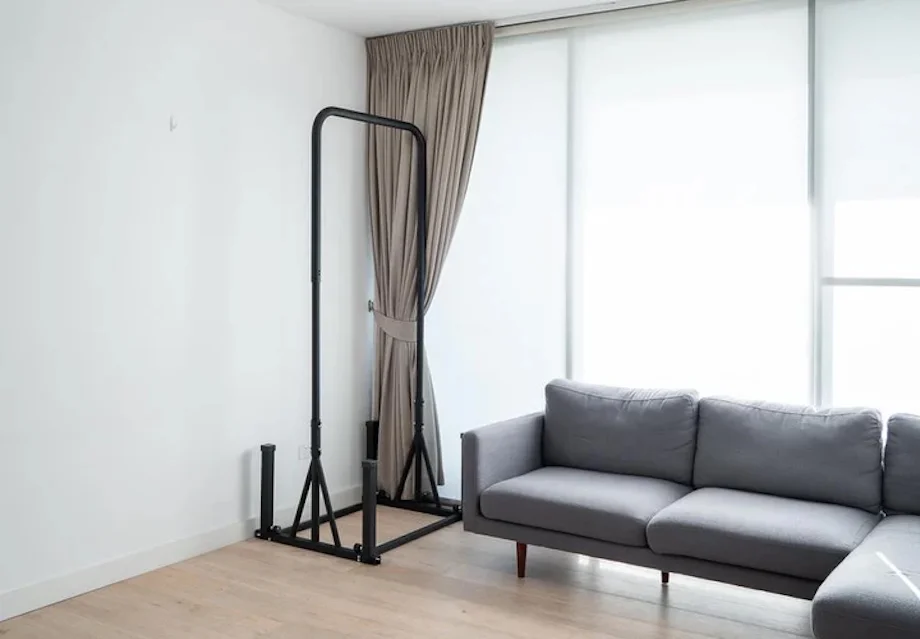
Furthermore, while we appreciate that The Big Bar has foldable feet, it still features a much larger footprint (about the area of a two-seat sofa) than a doorway or wall-mounted pull-up station. That may not be an issue if you have ample room in your garage gym, but it could be problematic for those with limited space.
If you don’t have room for a freestanding pull-up station, the Rogue Jammer Pull-Up Bar is a more footprint-friendly option.
Testing Breakdown
Here’s how The Big Bar measured up against our testing methodology. While it received average ratings for value and grip options, it earned high marks for construction and durability. We’ll be sure to update these ratings and include a workout experience score once we get hands-on with the setup.
Vs. The Average
The Big Bar from BaseBlocks is more expensive than the average pull-up bar by more than $50. However, this freestanding option offers a higher weight capacity.
| BaseBlocks The Big Bar | Average Pull-Up Bar | |
| Price | $249 | $197 |
| User Weight Capacity | 660 lbs | 578 lbs |
| Grip Positions | 1 | 1 |
| Pull-Up Bar Length | 35 inches | 45.5 inches |
| Material | Steel | Steel |
| Mounting Type | Freestanding | Varies |
Other Pull-Up Bars We Researched and Tested
In our quest to find the best pull-up bar, we tested and researched dozens of models; some of which made a strong impression, but were ultimately left on the testing room floor. Here are a few contenders that didn’t quite make the cut.
- Ultimate Body Press Ceiling Mounted Pull-Up Bar: A unique ceiling-mounted pull-up bar, the Ultimate Body Press features patented reversible risers and both 16-inch and 24-inch joists. It’s an interesting design concept, but ultimately didn’t impress our testers enough to make the list.
- OneTwoFit Wall-Mounted Pull-Up Bar: This is a cool quasi-power tower product that takes up no floor space, but a regular power tower is better for most people since it’s portable and likely more durable over time.
- Rogue Fitness P-4 Pull-Up System: The Rogue P-4 pull-up bar is much like the Titan Fitness Wall-Mounted Pull-Up Bar, but it’s more expensive, and we think the Titan profile is a better value.
- Titan Fitness Adjustable-Depth Pull-Up Bar: This is similar to the Titan Fitness Wall-Mounted Pull-Up Bar, but we don’t think most people need the adjustable depth since the fixed version has a 34-inch interior to support multiple exercises.
RELATED: Best Pull-Up Assist Bands
How We Picked and Tested The Best Pull-Up Bars
After sifting through tons of product listings, our team of product testers created a list of pull-up bars to order and test. The pull-up bars were delivered to our product testing facility in Springfield, Missouri, where our facility manager assembled and installed them all. We’ve also relied on various teammates’ first-hand experience in training with these bars in home and commercial gym settings.
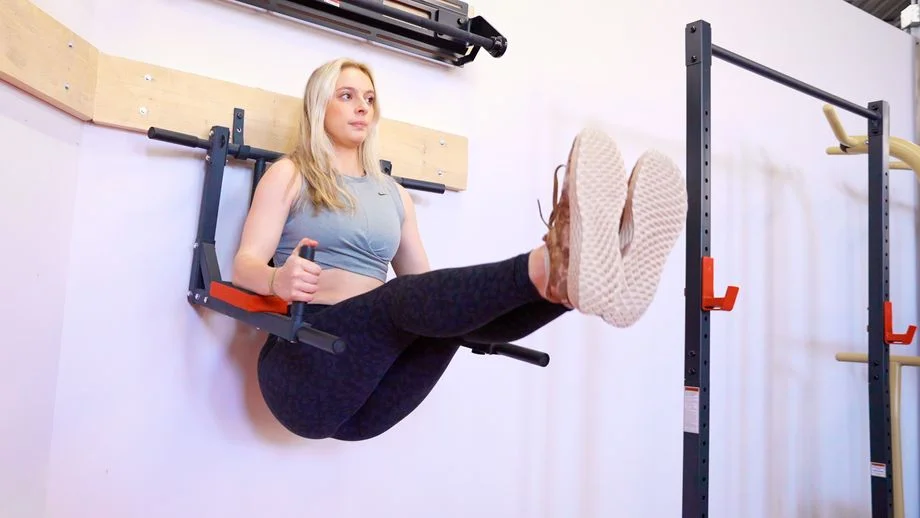
Here’s an in-depth look at how we evaluate and score pull-up bars across five key categories:
Price and Value
We compare a pull-up bar’s cost to the typical range for its respective category. Doorway models typically fall between $30 and $60, wall-mounted bars range from $70 to $150, and specialty options often exceed $150.
We then evaluate whether the build quality, safety, stability, and features justify that price. Bars that earn a 1 or 2 are significantly overpriced for what they offer or, in some cases, priced cheaply but compromised by poor construction, safety, or stability. A score of 3 reflects a fair, competitive price with standard features appropriate for the category.
Pull-up bars scoring a 4 or 5 deliver outstanding value by combining strong, sturdy construction with thoughtful extras (such as multiple grip options) that clearly exceed expectations for the cost.
RELATED: Best Budget Home Gym Equipment
Mounting and Assembly
We evaluate assembly and mounting by looking at how clear the instructions are, the quality and organization of the hardware, and whether the installation feels safe and intuitive for the average home gym owner. Products that score low on our scale have confusing or incomplete instructions, poor-quality or missing hardware, and a mounting process that feels frustrating or unsafe.
On the other hand, a 3-out-of-5 rating reflects that the installation is manageable with basic tools, though it may require extra alignment, measuring, or trial and error. Pull-up bars earn a 4 or 5 in this category if there are clear instructions, well-labeled hardware, an intuitive design, and a secure mount that installs smoothly with minimal effort (or headaches).
Construction and Durability
This category encompasses the quality of materials, welds, hardware, finish, and overall stability during use. A low score indicates that the bar shows noticeable flex or wobble, has weak welds or hardware, thin steel, or finish issues that raise concerns about long-term safety and reliability.
A score of 3 means the bar is reliable for regular training but may show minor flex, wear, or stability limitations under heavier loads or dynamic movements like kipping pull-ups or muscle-ups. To earn a 4 or 5, the bar should feature robust steel construction (ideally, 11-gauge), quality welds and hardware, a durable finish, high weight capacity, and minimal movement even under rigorous use.
Grip Options
We assess the comfort, ergonomics, spacing, and how well the grips support different hand positions and training styles. Bars scoring a 1 or 2 have slippery or uncomfortable grips, awkward angles or spacing, or designs that limit hand positioning and reduce your overall comfort.
A 3-star rating reflects one or two usable grip positions with limited variety or less-than-ideal ergonomics, though some form of knurling should be present. Pull-up bars earn a 4 or 5 if they offer multiple well-spaced grip options such as straight, angled, and neutral with comfortable diameters and grippy, knurled finishes that enhance control and exercise versatility.
RELATED: 10 Best Grip Strength Exercises
Workout Experience
The workout experience score focuses on stability, clearance, comfort, and versatility. A score of 1 or 2 indicates an unstable bar, limited clearance, or discomfort that interferes with training. A score of 3 means the bar is stable enough for standard pull-ups and chin-ups but has minor limitations in clearance, versatility, or overall feel.
Pull-up bars earn a 4 or 5 if they deliver a rock-solid experience with comfortable grips, ample clearance for movements like kipping pull-ups or muscle-ups, and the versatility to handle strict reps, higher-volume training, and accessory work.
Why You Should Have a Pull-Up Bar in Your Home Gym
Pull-ups are truly one of the best (and hardest) bodyweight exercises out there. A pull-up bar can provide one of the best returns on investment as far as exercise equipment goes. Here’s a look at how they can up the ante on your home workouts.
Develop Upper Body Strength
Anyone who’s even attempted a pull-up understands it takes a requisite amount of upper-body strength to perform a full rep correctly.
“Pull-ups are one of the most challenging bodyweight exercises you can perform, and, I’d argue, one of the most effective, too,” says GGR Director of Content Nicole Davis, CPT, PN1-NC. “If you integrate pull-ups into your training program you’ll strengthen not only your back muscles, namely the lats, but muscles in your chest, shoulders, arms, and core, too.”
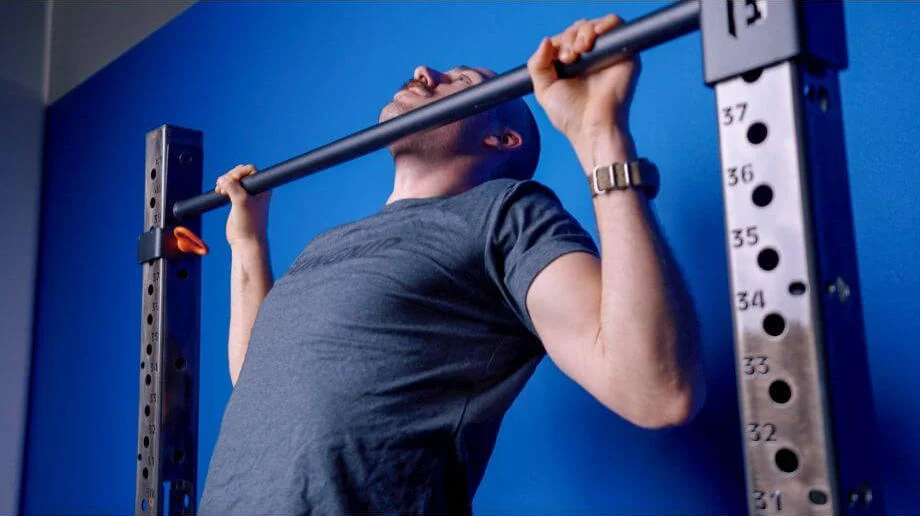
And if you’re concerned that using just your bodyweight may not be effective, think again.
“For exercise to be considered strength or resistance training, it must challenge your muscles to the point where they adapt and become stronger,” says GGR expert contributor Chris Mohr, PhD, RD. “This usually involves lifting weights or using resistance bands, but you can even use your own body weight to create resistance.”
Increase Functional Fitness
Pulling strength is one of the most crucial skills for developing overall functional fitness, which refers to any type of physical activity or skill that supports you in daily life activities.
Although pull-ups primarily train the upper body, you can use a pull-up bar as part of full-body workouts. Try incorporating pull-up variations into workouts with other functional movements, such as squats, lunges, sit-ups, or push-ups, to increase functional strength and stamina. Just remember that you shouldn’t sacrifice form simply to increase your workload.
“Maintaining correct form is important for avoiding injuries and maximizing the effectiveness of your workouts,” Chris explains.
RELATED: What Muscles Do Pull-Ups Work?
Save Space in Your Home
If you’re creating your home gym in a small space, a pull-up bar can be a great way to incorporate strength training equipment. You can do many exercises on a pull-up bar to build strength, and they don’t take up much space (especially if they’re on the ceiling).
Easy Access to Exercise
Compared to other types of home gym equipment, pull-up bars aren’t as cost-prohibitive or space-prohibitive. Most of our top picks cost less than $150 and are relatively easy to assemble and install.
This makes pull-up bars much more accessible to most people than larger, more expensive equipment such as power cages or cardio equipment. Plus, once a pull-up bar is assembled, it’s ready to go at all times; you don’t need to do any setup or even press a button to turn it on. No excuses!
Buying Guide: What to Look For In the Best Pull-Up Bars
Consider these factors as you search for a pull-up bar for your home gym.
Mount Type
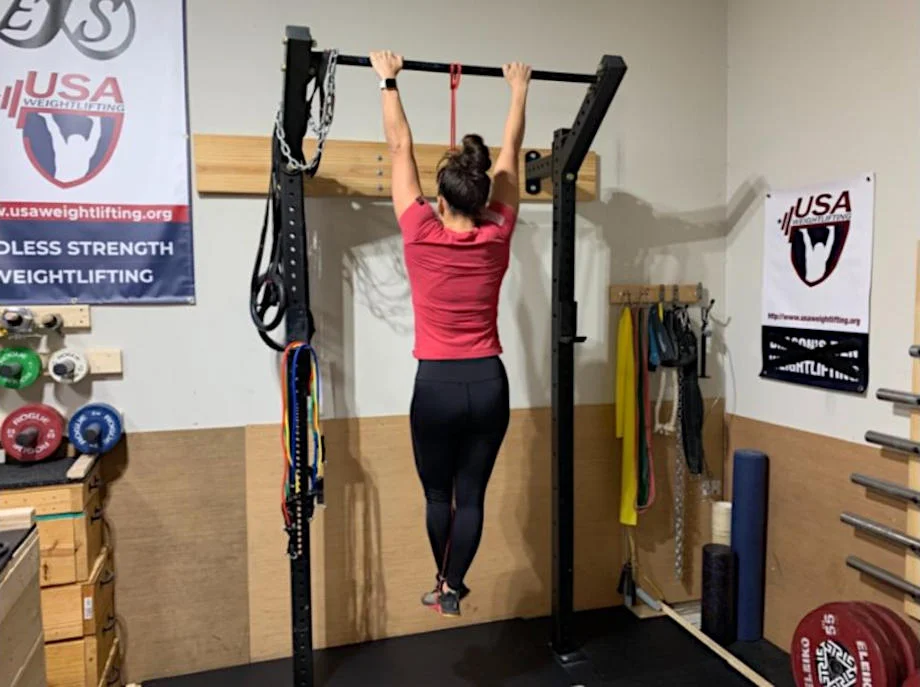
There are four main types of pull-up bars: Ceiling-mounted, wall-mounted, door frame-mounted, and freestanding. The best mount type for you depends largely on your home gym setup and what kind of workouts you intend to do with your pull-up bar.
Wall- and ceiling-mounted bars tend to be the sturdiest, while doorway bars tend to be less expensive but less durable. Freestanding bars are great if you want a multi-purpose piece of equipment that allows you to train multiple muscle groups.
Grip Options
Choosing a pull-up bar with multiple grip positions provides more opportunities for targeting different muscles. For example, wide-grip pull-ups primarily engage the latissimus dorsi (lats), while neutral-grip pull-ups put the rhomboids and rear deltoids under more duress.
Construction and Stability
Not everyone needs a super heavy-duty pull-up bar, but those who intend to do weighted pull-ups, kipping pull-ups, or other intense exercises on their bar should pay close attention to the construction of products they’re interested in. The sturdiest pull-up bars will feature steel tubing, minimal bolt-together parts, and hefty mounting brackets.
Weight Capacity
Be sure to check the weight capacity of a pull-up bar before purchasing one, especially if you intend to perform weighted pull-ups. The last thing you want is your pull-up bar to tear through the wall mid-set.
This is also particularly important when it comes to progressive overload1. After all, if you want to continuously challenge your body, you want to know the pull-up bar can support more weight.
“As your strength improves, you can gradually increase the weight, as added resistance will offer a bigger benefit,” explains Chris Mohr, PhD, RD.
Workout Versatility
There are two factors that create versatility in pull-up bars: Grip options and dimensions. With more than one grip option, you can do more than one type of pull-up exercise. And with larger dimensions (particularly, greater depth between the bar and the mounting site) it’s safer to do kipping pull-ups, toes-to-bars, muscle-ups, and other movements.
Power towers can offer even more versatility, with dip stations for working out the triceps and pectorals plus supports for leg raises and other core exercises. Freestanding pull-up bars can sometimes double as squat racks, too, so you can use them for barbell work or other strength training needs. In fact, they make it easy to implement supersets into your routine, which can reduce your session time without compromising training volume or muscle activation2.
“Super sets, where exercises are done continuously without rest, are a time-efficient way to increase exercise intensity and can lead to hypertrophy,” Chris explains. “They can also elevate heart rate and increase caloric burn, which can be beneficial.”
Cost
Do you plan on using this pull-up bar on a regular basis, or are you only going to use it once or twice a week (if that)? If you’re in the first group, then spend a bit more on your pull-up bar, but if you’re in the second, consider decreasing your budget and using the money for things you’ll use more often.
How to Use a Pull-Up Bar
The first step to using a pull-up bar is carefully following the manufacturer’s installation instructions—including drilling into studs, if required—to ensure the bar is securely mounted and won’t come loose from the wall or doorway.
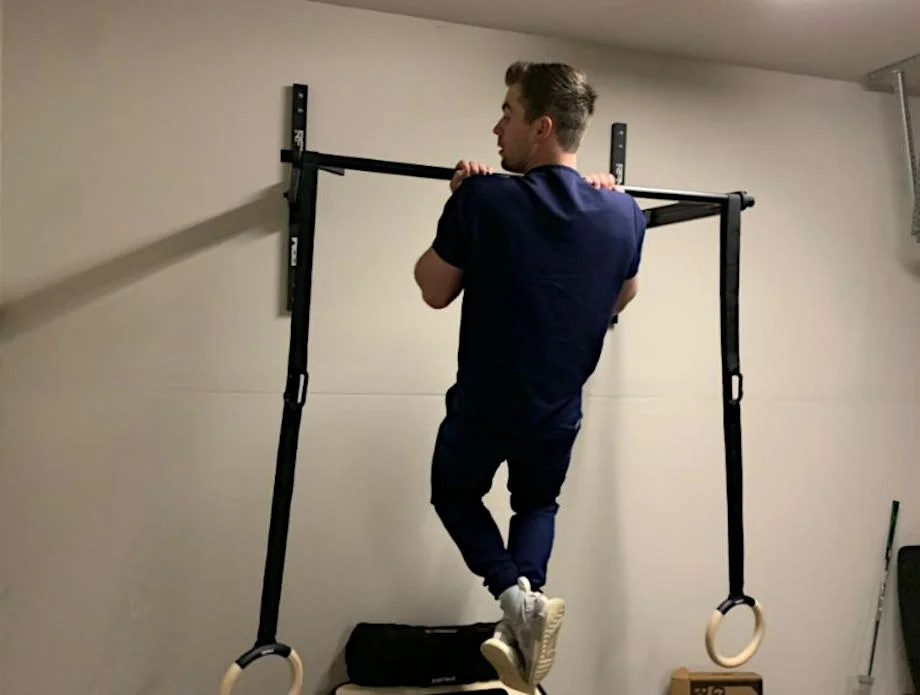
Then, follow these steps:
- Stand beneath a pull-up bar, using a platform if you can’t reach the bar on your own.
- Grab the bar with an overhand grip, keeping your hands slightly wider than shoulder-width apart. Wrap your hands all the way around the bar.
- Draw your elbows toward your obliques and pull yourself up to the bar by squeezing your shoulder blades back and down while contracting your lats. Pull until your chin passes the bar and avoid rounding your shoulders.
- Control your descent and remain on the bar until your elbows and shoulders are fully extended.
- Go for another rep or drop yourself down (safely).
RELATED: Ultimate 30-Day Pull-Up Progression Plan
FAQs About the Best Pull-Up Bars
Is a curved pull-up bar better than a straight one?
A curved pull-up bar allows users to perform pull-ups with a variety of angles and widths, while a straight bar is a bit more limiting. For those with shoulder or elbow pain, a curved pull-up bar may provide a more comfortable training experience, though both curved and straight pull-up bars can be very effective.
Is a thick or thin pull-up bar better?
This depends on personal preference. A thick pull-up bar may be more durable, but challenging to grip for those with smaller hands, while a thin pull-up bar may be easy to hold, but not feel very secure.
How do wall-mounted pull-up bars compare to doorway models?
While wall-mounted bars are generally more stable and can support heavier loads than door pull-up bars, they require permanent installation and more space. Doorway pull-up bars are a great space-saving option for bodyweight training exercises like chin-ups, pull-ups, and hanging leg raises.
What features should I look for in the best pull-up bar?
Look for sturdy steel construction, secure mounting hardware, multiple grip options, and enough clearance for exercises like dead hangs or even muscle-ups.
References
- Chaves, T. S., Scarpelli, M. C., Bergamasco, J. G. A., Silva, D. G. D., Medalha Junior, R. A., Dias, N. F., Bittencourt, D., Carello Filho, P. C., Angleri, V., Nóbrega, S. R., Roberts, M. D., Ugrinowitsch, C., & Libardi, C. A. (2024). Effects of Resistance Training Overload Progression Protocols on Strength and Muscle Mass. International journal of sports medicine, 45(7), 504–510. https://doi.org/10.1055/a-2256-5857
- Zhang, X., Weakley, J., Li, H., Li, Z., & García-Ramos, A. (2025). Superset Versus Traditional Resistance Training Prescriptions: A Systematic Review and Meta-analysis Exploring Acute and Chronic Effects on Mechanical, Metabolic, and Perceptual Variables. Sports medicine (Auckland, N.Z.), 55(4), 953–975. https://doi.org/10.1007/s40279-025-02176-8