
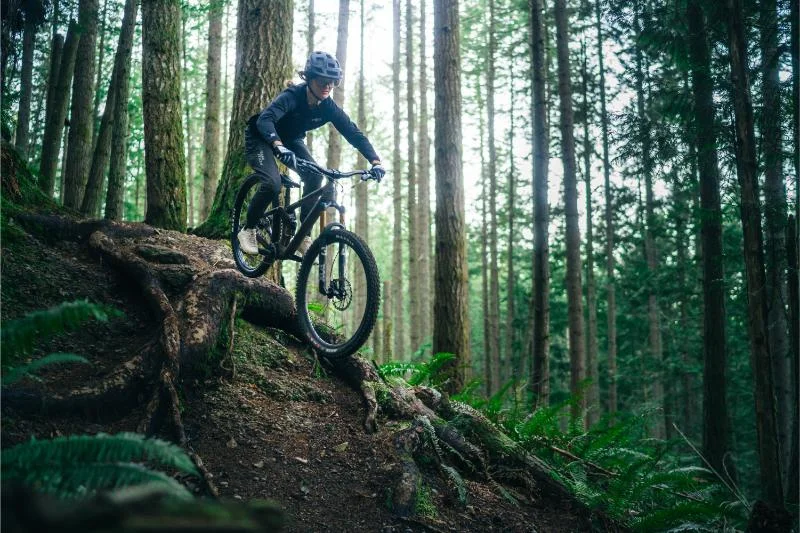
The beauty of mountain biking is it means something different to everyone: Some riders live for gnarly, adrenaline-spiking descents, while others seek solitude and peaceful, leisurely riding on relaxed trails. And it’s not just fun and games: Mountain biking can bring “intense positive emotions and fulfilling experiences,” according to research1.
This guide to the best mountain bikes combines personal experience, crowdsourced input, brand research, and consumer insights to detail nine bikes that are worth the money, whether your budget is $500 or $15,000.
RELATED: Indoor vs Outdoor Cycling: Which is Better & How Do They Compare?
9 Best Mountain Bikes of 2026
- Best Mountain Bike Overall: Rocky Mountain Element Carbon 30
- Best Splurge: Specialized S-Works Epic 8
- Best Budget Mountain Bike: Cannondale Trail 2
- Best Hardtail Mountain Bike: Trek Marlin
- Best Mountain Bike Under $500: Ozark Trail Ridge
- Best Mountain Bike Under $1,000: Marin Bobcat Trail
- Best Mountain Bike for Beginners: Specialized Stumpjumper 15 Alloy
- Best Electric Mountain Bike: Specialized Turbo Levo 4
- Best Fat Bike: Salsa Beargrease
Best Mountain Bike Overall: Rocky Mountain Element Carbon 30
Good for: Riders who want a good climbing and downhill bike in one affordable package
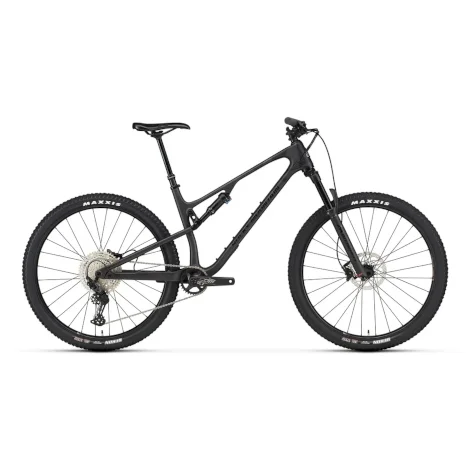







Best Splurge: Specialized S-Works Epic 8
Good for: The serious mountain biker who refuses to skimp on quality, speed, or comfort
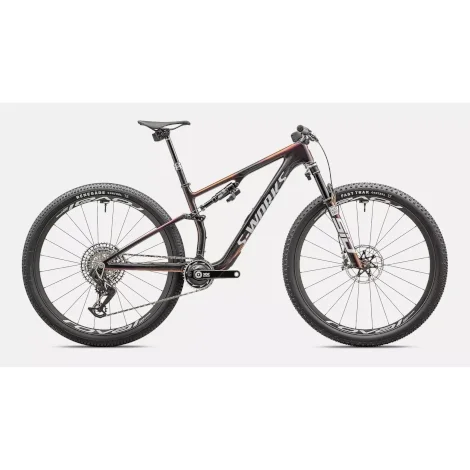
Clare Zecher, mountain bike competitor and head coach at Clare Zecher Coaching, rode the Specialized S-Works Epic 8 to the finish line at the Leadville 100, a renowned mountain bike race that takes place at high altitudes in the Colorado Rocky Mountains.
“It did the job—I earned my buckle last year,” she says. (If you don’t know, now you do: To earn your Leadville 100 buckle, you must complete more than 100 miles and 12,000 feet of elevation gain on forest roads, double-track, and single-track in under 12 hours.)
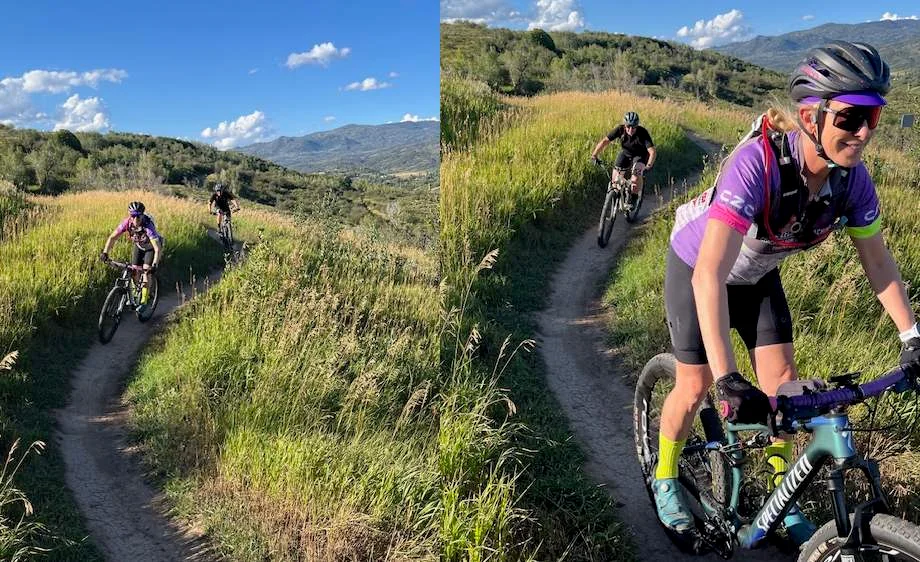
“It’s light, fast, and responsive. This bike was designed to go long distances while also handling some gnarly drops and terrain,” Clare says. “The rear and front suspension are generous and the bike is super durable and definitely takes a beating and keeps rolling. It’s at the top of the food chain for mountain bikes.”
That much is true: With a mind-boggling MSRP of $15,000, this price tag is not for the faint of heart. But neither is an event like the Leadville 100. If you have the funds, the S-Works Epic 8 will undoubtedly give you one of the most pristine MTB experiences you’ve ever had. Though it’s pricey, it’s one of the most durable and capable bikes we’ve researched, so it earns 4 out of 5 stars for value.
Equipped with components of the highest quality, the S-Works Epic 8 is easily one of the most advanced in an ever-growing sea of race bikes, earning itself 4.75 out of 5 stars for both durability and versatility. To name a few:
- Brakes and drivetrain from SRAM, known for its durable, precise, and lightweight groupsets
- Fork, rear shock, and dropper post from RockShox, an industry leader in mountain bike suspension systems
- Ultra-light wheelset from Roval, tubeless-ready Control SL rims weighing under 1500 grams
RELATED: Treadmill vs. Outside Running: Which Is More Effective?
| Frame material | Carbon fiber |
| Weight | 22 lbs 9.2 oz |
| Rear suspension | Yes |
| Dropper seat post | Yes |
| Wheel Size | 29” |
| Tire Width | 2.35” |
| Suspension Travel | 120 mm |
| Drivetrain Configuration | 1x |
| Cassette | SRAM XX Eagle SL 10-52t 12spd |
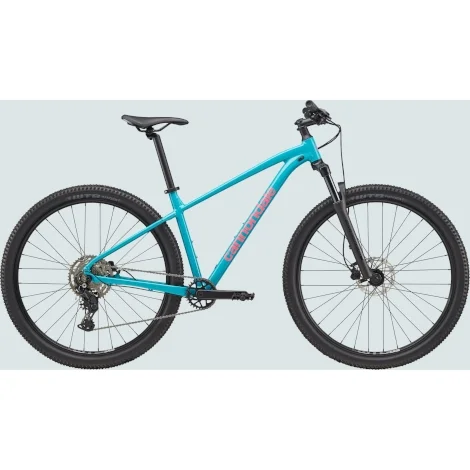
Best Budget Mountain Bike: Cannondale Trail 2
Good for: Cost-conscious riders who want to take on smooth trails and fun rides around town


Best Hardtail Mountain Bike: Trek Marlin
Good for: Riders who want a do-it-all bike at an affordable price
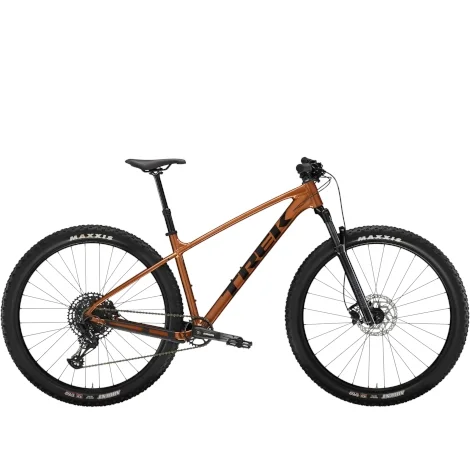
The Trek Marlin was my first mountain bike and the one that got me hooked on the sport. I owned a Trek Marlin 5 Gen 2; the most current model is the Marlin 7 Gen 3. I call it a “gateway bike”—once you own one, you’re probably stuck on mountain biking for good. Like my Marin Bobcat, my Trek Marlin did it all, from sugar sand in Florida to flowy Idaho downhilling.
According to Adelia Valadez, bike rental shop manager at Massanutten Resort, “The Gen 3 Marlin brings much-needed modern geometry into the lineup, making it feel more like a true trail hardtail than just a hybrid with knobby tires. It handles surprisingly well on singletrack and comes with a solid drivetrain that works great for climbing and casual trail riding.”
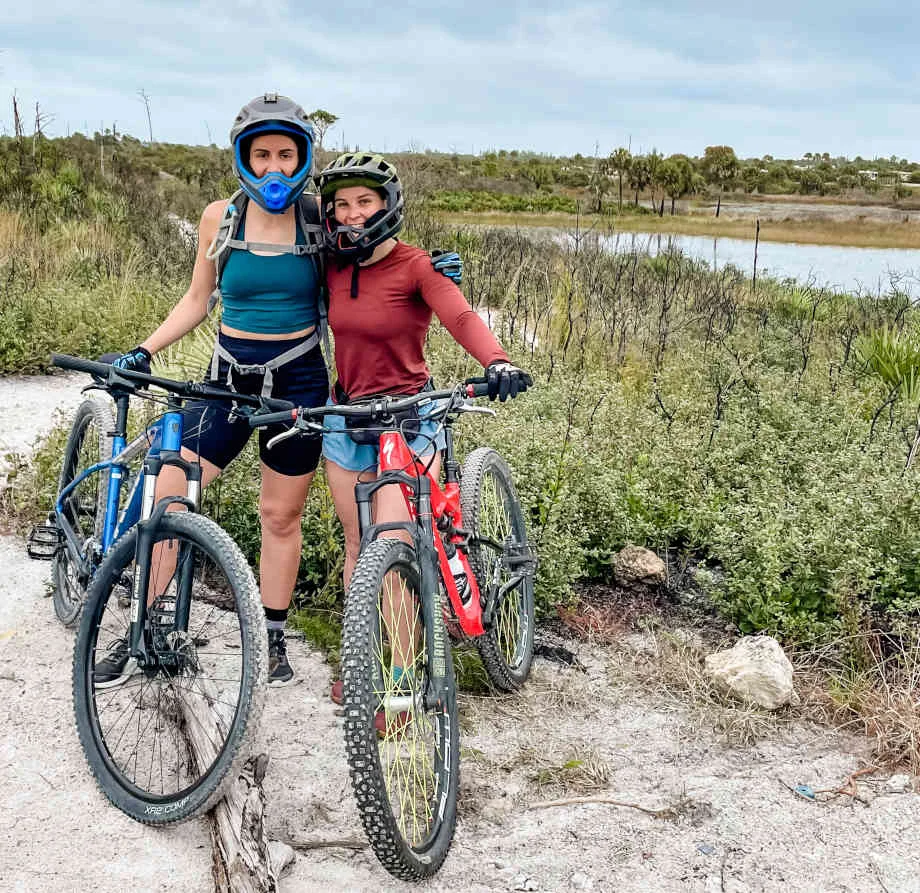
One standout feature is the tubeless-ready wheels, Adelia says: This is not something you usually see at the Marlin’s price point of around $1,400. Tubeless tires are ideal for mountain biking because they reduce your risk of flat tires and shave some weight from the bike build. That said, it’s still a budget-oriented bike, Adelia points out.
“The fork is pretty limited in performance, and the brakes don’t offer the same modulation or stopping power as higher-end Shimano or SRAM setups,” she says. “The frame is also on the heavier side, which can make climbs feel a bit sluggish, but it does add durability.” All this considered, the Trek Marlin earns 3 out of 5 stars for weight and 3.75 out of 5 for versatility.
Adelia recommends the Marlin 7 Gen 3 for people who are just getting into mountain biking. It’s trail-capable, upgrade-friendly, and versatile enough to handle gravel paths, fire roads, and mellow singletrack, she says, noting it’s also a great pick for students or commuters who want one bike they can ride just about anywhere without breaking the bank. It wins in the value department, earning 4.25 out of 5 stars.
Related: Biking vs. Walking: Which Should You Choose for Health Benefits?
| Frame material | Aluminum alloy |
| Weight | 33.14 lbs |
| Rear suspension | No |
| Dropper seat post | No |
| Wheel Size | XXS: 26”; XS-S: 27.5”; M-XXL: 29” |
| Tire Width | 2.4” |
| Suspension Travel | 100 mm (80 mm for XXS) |
| Drivetrain Configuration | 1x |
| Cassette | SRAM PG-1210 Eagle, 11-50, 12spd |
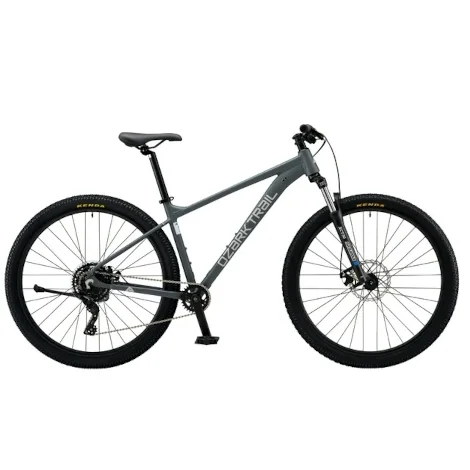
Best Mountain Bike Under $500: Ozark Trail Ridge
Good for: Those on a tight budget who plan to ride very mild routes


Best Mountain Bike Under $1,000: Marin Bobcat Trail
Good for: The recreational rider who wants to balance capability, fun, and funds
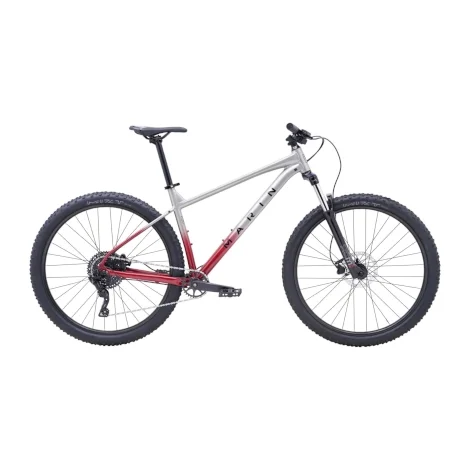
The Marin Bobcat Trail has been my trusty steed since 2022 (I own the Bobcat Trail 3; the current generation is the Bobcat Trail 5) and I’ve taken it quite literally all around North America. I bought it at a local shop when I lived in Miami, where I rode weekly on sandy coastal trails at Virginia Key North Point and rooty scrub forest trails at Markham Park.
I took it through Louisiana’s only set of machine-groomed trails at Bogue Chitto State Park, on desert singletrack in Moab, Utah, through Arizona backroads in Sedona, and at downhill bike parks in British Columbia, Canada, and Anchorage, Alaska. All this on a $999 bike! The Bobcat earns a 4-out-of-5 score for versatility in my book.
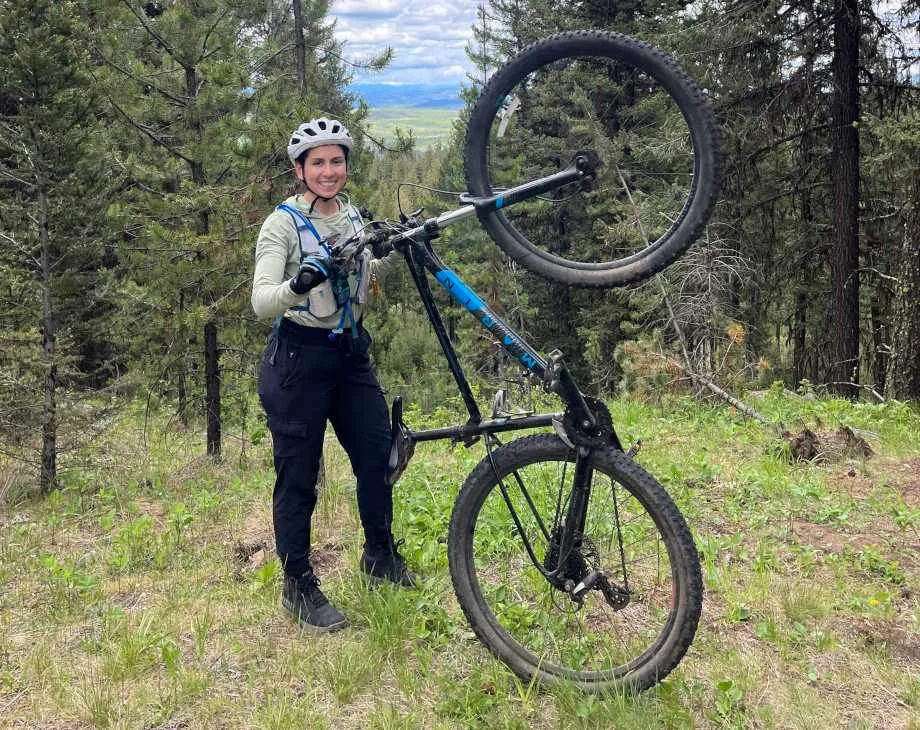
While it’s certainly not the best bike in each of these scenarios, it is versatile enough and built tough enough to handle it all. (My joints may beg to differ re: downhill parks, but hey, we got it done).
And thanks to its lockable front fork, I’ve even ridden it on various paved routes, like the famous Shark Valley loop in Everglades National Park (though, I must admit, the Bobcat is much too heavy for regular use as a commuter or hybrid bike). Because of this, it earns a less-than-favorable score of 2.75 out of 5 for weight.
The Bobcat’s versatility is due largely to its trail-oriented frame geometry, which features a slack head tube angle, steep seat tube angle, low standover, and medium-to-long reach. Combined with 120 millimeters of front fork travel, this bike is ideal for singletrack with plenty of ups, downs, and variety in obstacles.
Despite its versatility and durability, the Bobcat is affordable in part because of its aluminum alloy frame, a less expensive sibling to carbon. Aluminum also happens to be less susceptible to cracks and crash damage; the trade-off is weight. I give the Bobcat 4.75 out of 5 stars for value, seeing as it’s taken me safely (and with loads of fun) across all types of MTB environments.
RELATED: 37% of Gen Z survey respondents say rock climbing is their favorite workout
| Frame material | Aluminum alloy |
| Weight | Not listed |
| Rear suspension | No |
| Dropper seat post | No (future compatible) |
| Wheel Size | 29” or 27.5” |
| Tire Width | 2.25” |
| Suspension Travel | 120 mm |
| Drivetrain Configuration | 1x |
| Cassette | SunRace 11-51T 11spd |
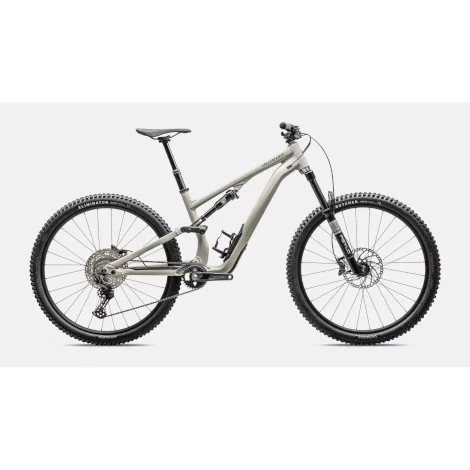
Best Mountain Bike for Beginners: Specialized Stumpjumper
Good for: Beginners who want a capable bike that can grow with them
Best Electric Mountain Bike: Specialized Turbo Levo 4
Good for: Riders who want an eMTB to unlock steeper ascents and longer distances
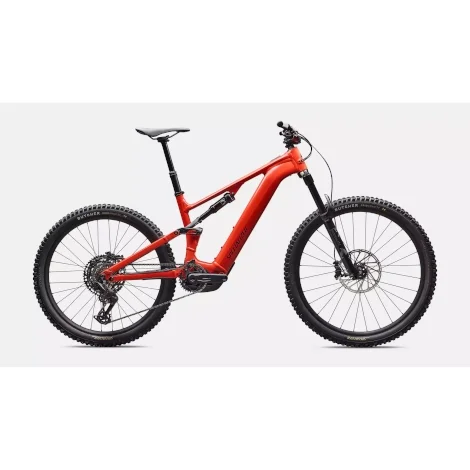




Hands down, the best e-bike is the new Specialized Turbo Levo 4, says Julie Gabay, owner of Pacific Cycling & Triathlon in Stamford, Connecticut. Just released in early 2025, the Turbo Levo 4 ranges in price from $5,799 to $13,499 depending on spec.
“The S-Works model ($13,499) features an all-new Specialized 3.1 S-Works motor with 111 nanometers of torque and 720 watts of power, along with an 840 watt-hour battery,” Julie raves, saying, “this bike can move very quickly and operates super quietly.” Moreover, it is a rare class 3 bike, she points out, which means it provides pedal-assist speeds of up to 28 miles per hour. Because class 3 bikes are not allowed on all mountain bike trail systems, the Levo 4 earns 3 out of 5 stars for versatility. Though it can take you pretty much anywhere you want to go, local regulations may prevent you from riding where you want.
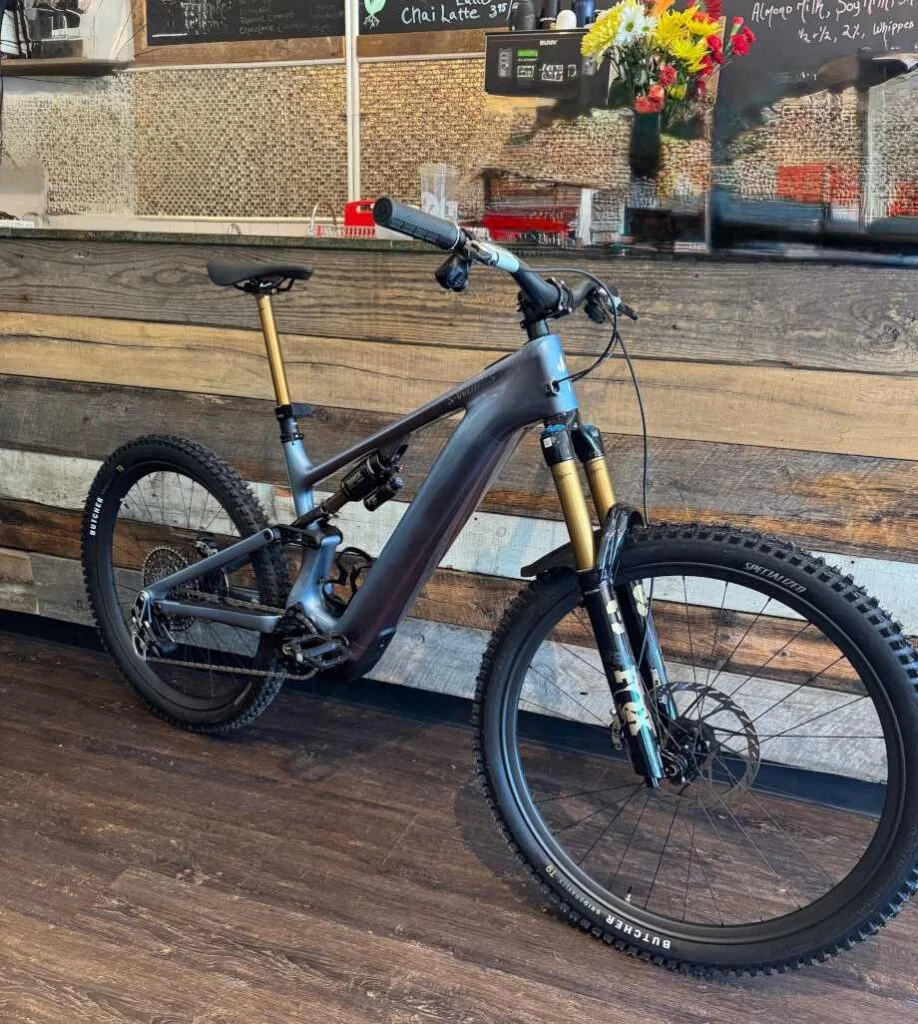
For more budget-conscious buyers who still want a powerful eMTB, Julie and her shop staff recommend the Specialized Turbo Levo 4 in alloy ($5,799), which “still boasts impressive specs”: 101 nanometers of torque, 666 watts of power, and an 840 watt-hour battery. The Levo 4 Alloy earns 4.5 out of 5 stars for value; it’s still pricey, but it features some of the best possible specifications—and thus performance—for e-mountain bikes.
Its dropper post, adjustable frame geometry, 1×12 drivetrain, and suspension travel up to 180 millimeters (front) and 150 millimeters (rear), the Turbo Levo 4 is built to handle just about anything. Plus, its four-piston hydraulic brakes provide stopping power to the greatest degree so you can descend quickly with confidence. Between its SRAM drivetrain, aluminum frame, and other high-tier components, it earns 4 out of 5 stars for durability.
| Frame material | Aluminum alloy |
| Weight | 57 lbs 7.8 oz |
| Rear suspension | Yes |
| Dropper seat post | Yes |
| Wheel Size | 29” front; 27.5 rear |
| Tire Width | 2.4” |
| Suspension Travel | 150–180 mm front; 150 mm rear |
| Drivetrain Configuration | 1x |
| Cassette | SRAM XS-1270, 12spd, 10-52t |
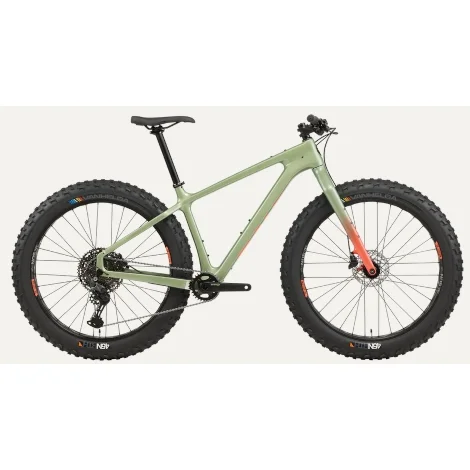
Best Fat Bike: Salsa Beargrease
Good for: Riders who regularly bike over snow, sand, or mud


Other Mountain Bikes We Researched
We researched dozens—nearing 100—mountain bikes to put together this guide. Below are just a few more that stood out in our research and riding experience.
- Specialized Rockhopper Comp: My husband rides this mountain bike. It’s an entry-level, affordable setup that doesn’t skimp on the most necessary features, like a reliable 1x drivetrain and dropper post compatibility. It performed wonderfully on Moab slickrock and even stood up to the test of downhill tracks at 100 Mile House in British Columbia, Canada.
- Juliana Furtado: Recommended to us by Natasha Woodworth, founder of Curious Creatures mountain bike apparel, the Furtado is a women-specific bike built with a carbon frame, FOX Float Performance shock, and, most notably, a mixed-wheel setup with a 29-inch front wheel and 27.5-inch rear wheel.
- Specialized Crux: Woodworth also recommends the Crux, a high-performing gravel bike, for fast, flowy rides on smoother trails and backroads.
- GT Zaskar LT Expert: Jason Cowie, bike buyer for Sun & Ski Sports, recommends this entry-level bike for beginners, calling it “hands-down one of the best hardtail mountain bike values under $2,000.”
- Chromag Stylus: A personal recommendation from Luke Burgess, general manager of Riders Outpost at Madbush Falls, the Stylus “can be a super versatile bike for someone looking to get faster and challenge themselves to pick better lines that the hardtail rewards but the geometry will still keep you comfortable charging super fast.”
How We Picked and Tested the Best Mountain Bikes
We looked at key specs when establishing this lineup of bikes, including (but not limited to):
MTB Subcategory
We included bikes from a variety of categories, including cross-country, trail, electric, and fat bikes. That way, aspiring mountain bikers can get an idea of all the different options at their disposal, helping them make the most educated decision.
Frame Construction
The frame material dictates a bike’s price range, durability, weight, and handling, so it was a key factor in our decision-making process. Our experts helped us pinpoint solid models with a variety of frame materials, from alloy to carbon.
Suspension Type
We included both hardtails (no rear suspension) and full-suspension bikes in our research and recommendations. Most beginners will probably want to start with a hardtail option, as they’re lighter and easier to maneuver. Generally, hardtails are a little cheaper, too, so you won’t have to invest a ton of money before you really dive into the sport.
For more experienced bikers, we made sure to ask our experts for some full-suspension options. These have a little more control and traction than a hardtail, making them suitable for rough or technical trails.
Suspension Travel
Suspension travel dictates how much up-and-down movement the wheels can have, which influences whether the bike is best for cross-country riding, trail riding, downhill riding, or a mix of any of these.
Wheels and Tires
We looked for lightweight, durable wheelsets with rims that accommodate 2.25 to 2.5-inch tires, with the exception of our fat bike pick, which supports 4-inch tires.
To find the best tire size for your purposes, consider both the type of terrain you’ll likely encounter and your personal goals for the sport. For those who want a cross-country bike or an all-mountain option, we recommend tires around 2.25 to 2.4 inches wide.
For athletes who love single-track downhills with lots of drops, we suggest a 2.5-inch-wide tire.
Drivetrain
We looked for 1x drivetrain configurations for simplicity and ease of use, and at least eight speeds, even on our budget picks, prioritizing well-known brands like SRAM and Shimano.
Different Types of Mountain Bikes
According to Connor Swegle, CMO and co-founder at Priority Bicycles, “A rider’s intended terrain should be the starting point for choosing the right suspension setup, frame geometry, and tire size.”
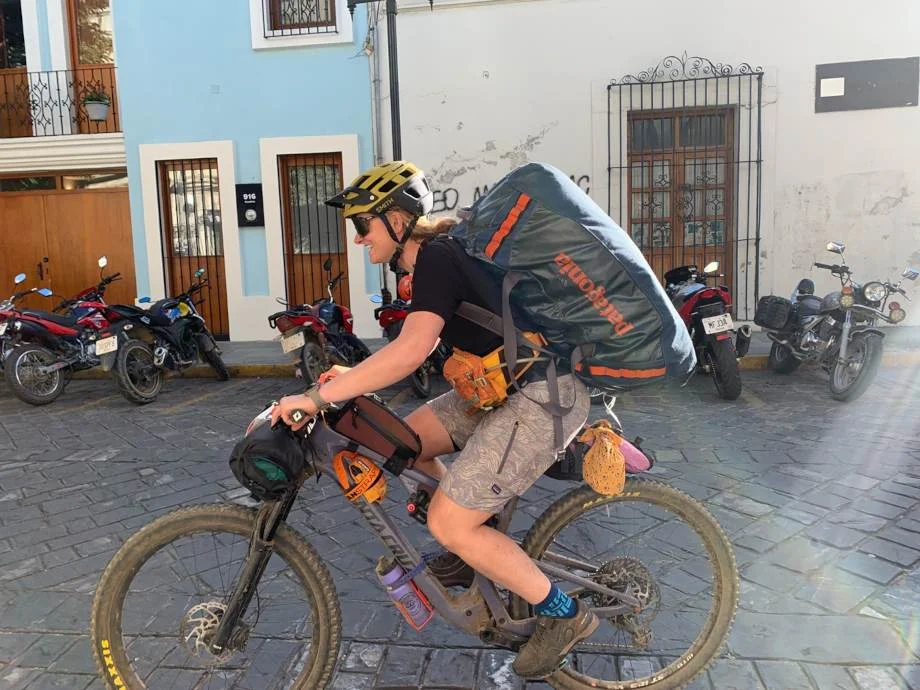
Different types of mountain bikes cater to different riding styles and environments. The key, Swegle says, “is matching the bike’s design to the riding style and environment to get the most control, comfort, and confidence out on the trail.”
Hardtail vs. Full-Suspension
When you start researching mountain bikes, it won’t be long until you come across the “hardtail vs. full suspension” debate. A hardtail mountain bike has a front suspension only (called the “fork”), whereas a full-suspension mountain bike has both a fork and a rear suspension.
A full-suspension bike absorbs much more shock than a hardtail and is generally much better-suited to downhilling or riding trails with drops, jumps, and chunky features (like rock gardens and exposed tree roots).
However, hardtails have an advantage when it comes to climbing and long-distance riding on smoother trails. They also have fewer parts, which means less maintenance and inevitably less money spent on repairs. Hardtails are cheaper, too, presenting a lower financial barrier to entry.
Trail Mountain Bikes
Trail riding includes a mix of climbing, descending, and technical features, Swegle says, so it “benefits from a more balanced bike with stable geometry and suspension that can handle a variety without feeling sluggish.”
According to Matt Peterson, Senior Engineer at American Kenda Rubber Industrial, some key features that define a trail bike include:
- Suspension travel between 120 and 150 mm
- Mid- to long-travel dropper seat post (150 to 200 mm)
- Powerful brakes with a midsize rotor (160 to200 mm)
- Heavier and more durable wheels than an XC bike, but less so than an enduro bike
Cross-Country (XC) Mountain Bikes
XC mountain bikes are designed for long rides and climbing. “Cross-country terrain generally calls for a lightweight and efficient bike, with geometry that favors quick handling and responsive climbing,” Swegle says.
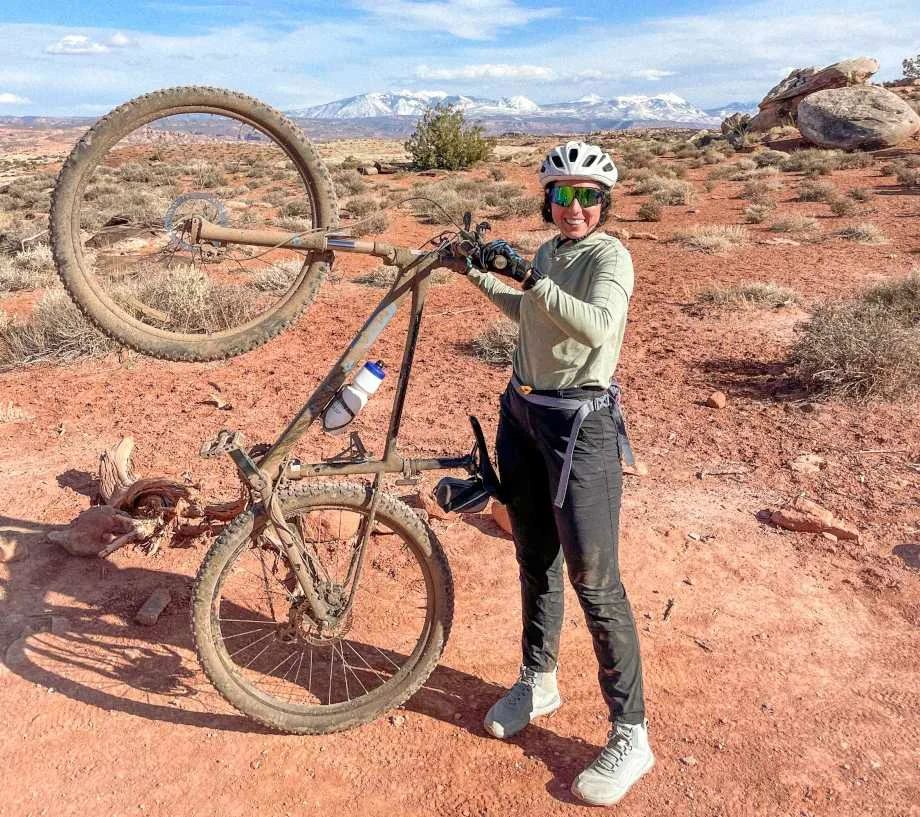
Something lighter, with steeper geometry, shorter travel (100 to 120 millimeters), and faster-rolling tires is ideal for this purpose, says Adelia Valadez, Rental Shop Manager at Massanutten Resort.
Downhill Mountain Bikes
“Downhill terrain demands a focus on control and durability, so riders should look for geometry that prioritizes stability at speed, paired with suspension and tires that can absorb rough impacts and maintain grip,” Swegle says. “The more aggressive the terrain, the more important it becomes to have a bike designed to stay planted and predictable.”
Downhill riders don’t need to worry much about weight or climbing efficiency, says Valadez. More important is sufficient travel (160 to 180 millimeters), slack geometry, and “wide, grippy tires that can handle steep, technical descents.”
Enduro Mountain Bikes
Enduro bikes are built to balance downhill riding and climbing, with a greater emphasis on downhill capabilities. So, for instance, if you like to bomb descents but prefer to ride back up instead of taking the chairlift, an enduro bike could be a good fit for you. In this way, they’re similar to trail bikes, but trail bikes still win out for overall versatility.
“For riders who want to mix it up and ride a bit of everything, it’s all about balance,” says Valadez. Look for 130 to 150 millimeters of travel, moderate geometry, and versatile tires, as this will allow you to climb efficiently without sacrificing too much on descents, she says. “The key is finding a setup that doesn’t compromise too much in either direction.”
All-Mountain Bikes
“All-mountain” is a newer term that’s surfacing and refers to mountain bikes that are designed to be a go-to on any type of terrain; a Jack-of-all trades, if you will. They’re typically full-suspension. According to Trek, these are “the most capable full-suspension bikes on the trail.”
Buying Guide: What to Look for in Mountain Bikes
Mountain bikes are complex pieces of gear with a lot of components. It’s important to understand the major components before moving forward with a purchase.
Frame Material
This is likely to be—and should be—one of your first decisions. It not only informs the handling, responsiveness, and durability of the bike, but it largely establishes the price range you’re working with.
- Carbon steel: High-tensile, strong, and heavy, but generally the least expensive
- Chromoly (chromium molybdenum) steel: Lighter than carbon steel, very durable, generally a budget-friendly option
- Aluminum alloy: Lighter than steel, durable, but often produces a stiffer/harsher ride
- Titanium alloy: Lighter than steel, quite responsive, but can be very expensive
- Carbon fiber: Lightest, responsive, very expensive, more susceptible to crash damage than aluminum alloy
Adelia Valadez, bike rental shop manager at Massanutten Resort, says she recommends aluminum for most riders. “It’s durable, affordable, and modern alloy frames perform really well for the majority of riding styles,” she says. “Unless you’re really focused on climbing and want to shave every bit of weight, I don’t think the price jump to carbon is worth it.”
“Carbon does offer a lighter ride,” she points out, which can help on long climbs, “but for most people, aluminum gives you great performance without the extra cost.”
Frame Geometry
Valadez says that frame geometry is one of the most important components in choosing a mountain bike. “Geometry affects how the bike handles and how stable it feels, which really shapes the whole ride experience,” she explains. Frame geometry changes based on the intended ride type (trail, XC, downhill, enduro), so it’s important to understand the type of riding you will be doing before buying.
Rear Suspension
Hardtail mountain bikes (no rear suspension) offer a more affordable, low-maintenance option compared to full-suspension models (front and rear suspension), making them a great choice for newer riders, budget-conscious buyers, or those focused on climbing. Plus, as Valadez explains, “They’re typically lighter and more efficient on climbs, and they help build solid bike handling skills.”
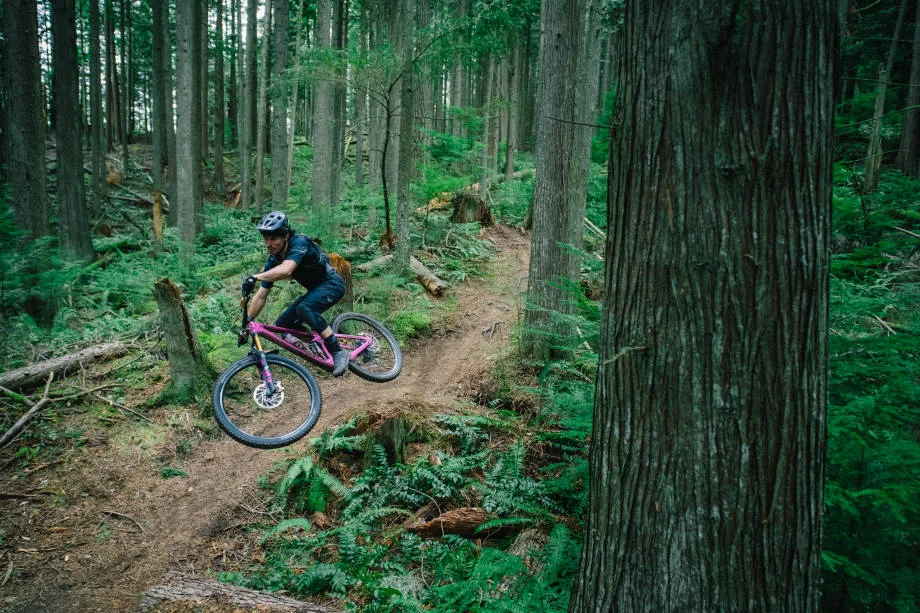
Hardtails are better suited for smoother trails and XC riding, she says, but they may not be ideal for rough, technical terrain or downhill-focused riding, where comfort and control can be compromised. In the latter case, a rear suspension is worth investing in.
Dropper Seat Post
A dropper post is a seat post that can be adjusted while moving. This allows you to quickly change the saddle (seat) height in the middle of riding, typically by way of a lever installed on your handlebars. The lever connects to the dropper post via cables, allowing it to move up and down while you’re in a standing position on the bike.
This isn’t necessarily something beginners need, and it is often easy to upgrade to a dropper post later on. But if you plan to ride trails with a lot of flow and a variety of rapidly changing features, it’s something to consider investing in.
Wheel Size
There are two wheel sizes in mountain biking: 27.5 and 29 inches. The larger diameter offers more roll-over capability (i.e., it’s easier to get up and over chunky obstacles) and is ideal for long-distance riding, though 27.5-inch wheels definitely have their place: They tend to be nimbler and more responsive, and have an advantage when acceleration is a priority.
Rim Width and Tire Size
According to Matt Peterson, senior engineer at American Kenda Rubber Industrial, 2.4 inches is the go-to width for mountain biking. “But when the terrain is overwhelming the suspension (or rider) of the bike, a 2.5- or 2.6-inch tire may be more appropriate to add more suspension and grip,” he says. For long-distance cross-country riding, riders may reach for a 2.2-inch tire to optimize speed.
Tire Type
Tubeless tires are highly recommended over traditional bike tires with innertubes, as tubeless tires typically weigh less for the same size tire and come with a lower risk of flats. This is an easy future upgrade as long as you buy a tubeless-compatible bike.
Suspension Travel
Travel in the sense of mountain bikes refers to how much the wheels can move up and down over the terrain due to their suspension design. In general, longer travel (150 to 170 millimeters) is better for downhill or any particularly aggressive riding styles, because the wheels can move more to accommodate the fluid nature of such trails. Short-travel mountain bikes (100 to 140 millimeters), on the other hand, are snappier and ideal when speed and uphill momentum are key.
Drivetrain
Drivetrains most often come in 1x (one chainring) or 2x (two chainrings; a large and a small one). While you can typically get more gears (speeds) on a 2x drivetrain, a 1x drivetrain has fewer moving parts and therefore requires less maintenance, which is really important considering the wear and tear that mountain bikes endure. They also offer more simplicity when riding; you only have one shifter instead of two.
Brakes
Hydraulic brakes are the standard and should be non-negotiable in almost every case. “Hydraulic disc brakes are well worth the money, even entry-level ones,” says Valadez. “They are worth it over mechanical brakes.”
Tips for Buying a Mountain Bike
“As they say in photography, the best camera you can buy is the one that you will use the most. In mountain biking, this is very similar,” says Blanton Unger, chief bicycle technician at American Kenda Rubber Industrial. “Equipping yourself with a high-quality mountain bike requires a good look at where you will be riding, how you intend to use the bike, as well as selecting a frame size appropriate to your height.”
For your first-ever bike, it’s highly advisable to go to a bike shop to get fit for a bike. Not only that, but also to talk to a bike pro about your intended riding terrain and style, so they can help you choose a bike with components that match your intentions.
If you’re buying online, you need to have a good grasp on what you plan to do with the bike and what you want to get out of it—and what your non-negotiables are within your budget. You also need to know what size bike you need. Mountain bikes are generally sold in sizes extra-small through extra-large.
Sizing can vary slightly across brands (and even across different models from the same brand), but a size chart is a good place to start. If you’re interested in a specific brand, use the size chart from that brand. You’ll need to know your height and inseam length.
Experts Who Contributed To This Article
- Connor Swegle, CMO and Co-Founder at Priority Bicycles
- Adelia Valadez, Bike Rental Shop Manager at Massanutten Resort
- Matt Peterson, senior engineer, American Kenda Rubber Industrial
- Blanton Unger, Chief Bicycle Technician, American Kenda Rubber Industrial
- Clare Zecher, mountain bike competitor and head coach at Clare Zecher Coaching
- Julie Gabay, owner of Pacific Cycling & Triathlon in Stamford, Connecticut
FAQs About the Best Mountain Bikes
Which bike is best for mountain riding?
The best type of bike for mountain riding is a mountain bike. From there, there are several subcategories of mountain bikes that are designed to maximize riding performance and comfort on different types of trails. For instance, downhill bikes are designed to handle steep, fast descents, while cross-country bikes are built to optimize climbing and long-distance rides.
What are the top 10 MTB brands?
Ten of the best MTB brands include Trek, Giant, Specialized, Salsa, Cannondale, Santa Cruz, Marin, Canyon, GT, and Yeti.
Is 27.5 or 29 better for trail riding?
Larger, 29-inch tires are better for trails that have a lot of chunky obstacles; a larger wheel means it’s easier to get up and over them. It’s also easier to keep momentum with 29-inch wheels, so they’re well-suited to long-distance riding. But 27.5-inch wheels are better for smoother trails, when quick acceleration is essential, and often for uphill routes.
What are the three big bike brands?
Three of the biggest mountain bike brands are Trek, Giant, and Specialized.
References
- Roberts L, Jones G, Brooks R. Why Do You Ride?: A Characterization of Mountain Bikers, Their Engagement Methods, and Perceived Links to Mental Health and Well-Being. Front Psychol. 2018 Sep 19;9:1642. doi: 10.3389/fpsyg.2018.01642. PMID: 30283372.