

Creatine is a nonessential amino acid found in animal foods and synthesized by the human body from protein. Creatine is stored primarily in our muscles, where it plays a role in creating cellular energy to fuel muscular activity.
Creatine supplements are a popular fitness supplement used to enhance strength, muscle growth, and workout performance. You may have heard that creatine supplements need to be taken with water for optimal results. It’s true—drinking too little or too much water with creatine supplements can alter their effectiveness and contribute to side effects like changes in hydration, water retention, and bloating.
RELATED: Best Creatine Supplements
So, how much water should you drink with creatine supplements for the best results? In this article, we’ll help you figure out how much water to pair with your creatine dose, plus what total daily water intake should look like while you’re taking creatine.
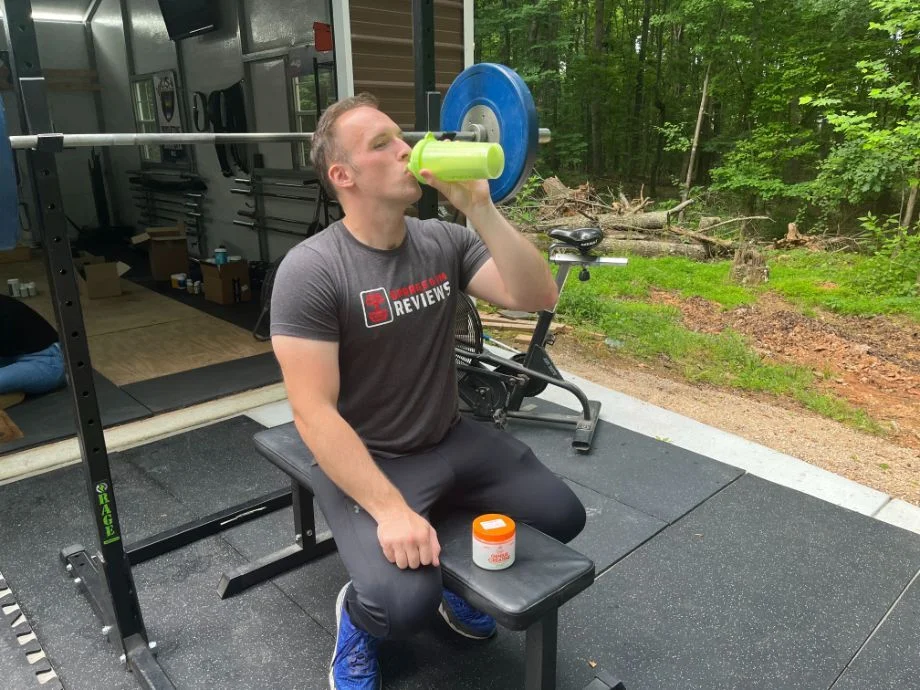
Keep reading for everything you need to know about the relationship between creatine and water.
Medical disclaimer: This article is intended for educational and informational purposes only. It is not intended as a substitute for medical advice. For health advice, contact a licensed healthcare provider.
How Much Water Should You Drink Based On Creatine Dosage?
Creatine supplements typically are made with creatine monohydrate and are available in powders and capsules. Both forms need to be taken with plenty of water. The amount of water you should drink with a creatine supplement depends on creatine intake.
A 2021 review published in the Journal of the International Society of Sports Nutrition1 recommends a dosage of 3 to 5 grams of creatine per day for most people. If you’re just starting a creatine supplement, you can either choose to take this amount or practice creatine loading.
Creatine loading helps you flood muscles with creatine in a short time period for faster results. It’s done by taking 20 to 25 grams of creatine everyday for 5 to 7 days. Instead of taking one dose of creatine per day, you split up the total amount into 4 to 5 doses of 5 grams each during the loading phase.
After the initial 5 to 7 days of creatine loading, the dose is reduced to 3 to 5 grams per day for maintenance.
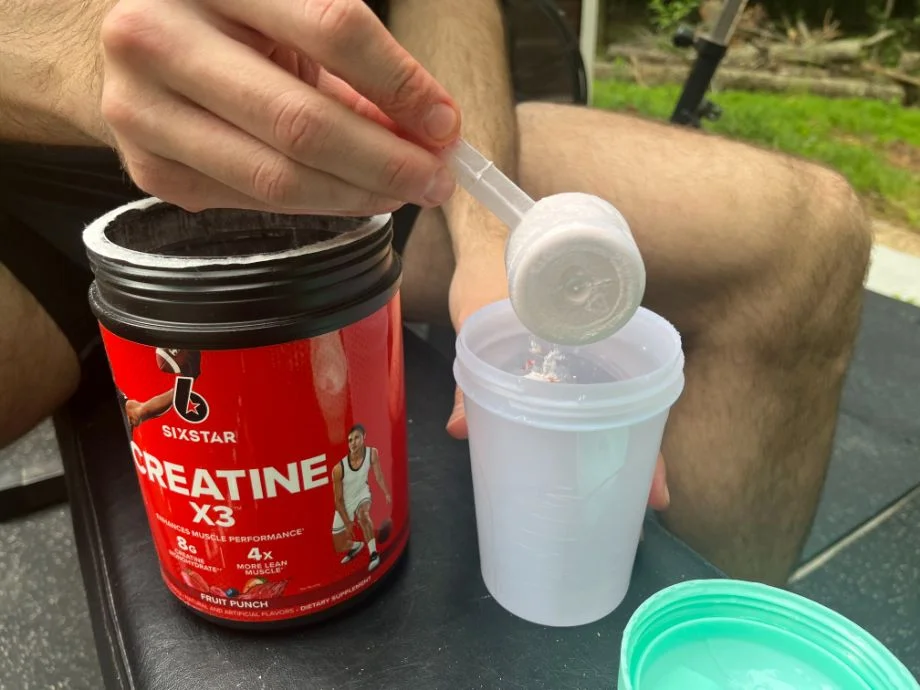
While there’s no standard for how much water to take with creatine, each dose of creatine should be taken with at least 8 ounces of water. Pairing enough water with each creatine dose ensures your supplement dissolves thoroughly and counts toward your daily water intake.
With a single 3- to 5-gram dose of creatine per day, you’ll consume at least 8 ounces of water in addition to your daily water intake. If you’re creatine loading, you’ll drink at least 32 to 40 ounces of water with your supplement doses on top of your normal water intake.
RELATED: What Is Creatine?
How Much Water Should You Drink a Day While Taking Creatine?
Staying on top of your total water intake while taking creatine is important for your supplement to work. The water you consume with a dose of creatine is only a part of your daily total water intake; a drop in the bucket, if you will.
RELATED: Best Electrolyte Powder
The general recommendation for water intake is 8 glasses of water per day, but that’s on the low end for most people and isn’t enough for active individuals or those taking creatine.
Part of creatine’s job is to pull water into muscle tissue to make muscles bigger and stronger. You need extra water while taking creatine so that your body is hydrated and there’s water available for creatine to power your muscles.
A quick way to determine how much water you need daily is to drink half your weight in ounces. For example, a 150-pound woman needs approximately 75 ounces, or roughly 9.5 cups, of water per day.
If you’re taking creatine, the water you take with your creatine dose will be in addition to your daily water goal. You also need to drink water to account for fluids lost during exercise.
The amount of water2 each person needs is dependent on several factors, like gender, body size, and degree of physical activity. To account for physical activity and creatine use, most people should aim for at least 3 to 4 liters of water, or 12 to 16 cups, per day.
RELATED: Hydration for Runners
If you don’t drink enough water, your creatine may not work optimally, which means your muscles and gym performance won’t benefit from your supplement. Alternatively, if you don’t replace the water being pulled into your muscles, there may not be enough fluid for other bodily functions.
How Creatine Works
Once absorbed, dietary creatine travels to the liver where it’s converted into the active form of creatine, called phosphocreatine. Phosphocreatine is then released into the blood and absorbed by muscle cells.
In muscles, creatine exerts osmotic force, which means it attracts water molecules. In fact, creatine supplements are known for saturating muscles with water, making them bigger and fuller in size.

Creatine is used by muscles to create energy3, in the form of ATP (adenosine triphosphate), during short-duration, high-intensity exercise like lifting weights and sprinting. The energizing effect of creatine makes it a popular pre-workout ingredient in the world of bodybuilding.
Will Creatine Supplementation Cause Water Retention?
Creatine supplementation can cause water retention4 in muscle tissue by increasing the amount of water present in muscles. Users may notice their muscles feel puffy or swollen, especially when you first start taking creatine.
Most people gain a few pounds in water weight when they first start taking creatine due to water retention. The good news is that the body quickly adapts to creatine use and you won’t continue to gain water weight long-term.
Multiple studies have found creatine has no long-term effect on total body water1, even though it does impact water distribution.
It may sound counterintuitive, but you can minimize your risk of water retention by drinking plenty of water with your creatine supplement. Dehydration forces the body to hold on to water, whereas adequate hydration allows creatine to pull water to muscle while supporting the rest of your body’s need for fluids.
Benefits of Creatine
Creatine is one of the most well-researched exercise supplements. Numerous scientific studies3,5 have outlined the benefits of creatine for fitness and athletic performance, including:
- Increased energy supply for muscles
- More strength and power during exercise
- Increased muscle mass
- Reduced muscle cramping and fatigue during exercise
- Shortened recovery time during exercise
- Fewer exercise-related injuries
- Enhanced cognitive function
In this section, we’ll dive deeper into some of the biggest gains creatine supplementation has to offer to help you decide if this supplement is worth incorporating into your routine.
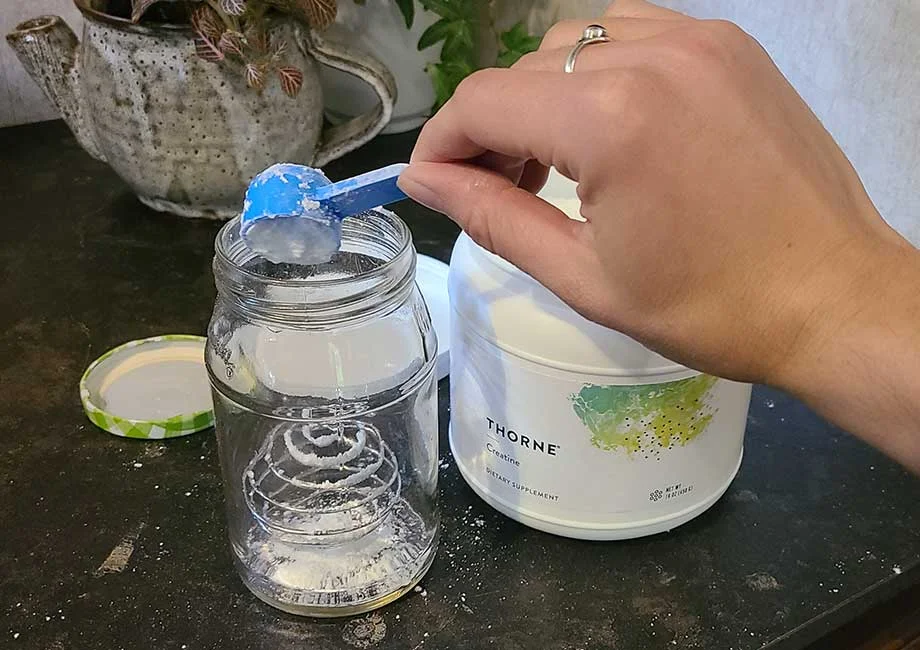
Improve Exercise Performance
It’s estimated creatine supplements increase athletic performance by 10-15% based on existing research studies5. Creatine supplementation powers performance by enhancing strength, improving endurance, and shortening the recovery period between repetitions.
Saturating your muscles with creatine helps increase energy levels in muscles for use during short-duration, high-intensity exercise. Energized muscles allow you to do more work before fatigue sets in.
RELATED: Best Creatine for Women
Build Muscle
You may notice an immediate increase in the size of your muscles when you start taking creatine.
It’s not in your head—your muscles quickly swell with water as creatine pulls water into muscle cells. This increase in water content triggers muscle growth6 by sending an anabolic, or muscle building, signal to your muscles.
The effects are multiplied when you combine creatine with strength training. As creatine boosts your workout performance, you’ll start building more muscle than you could without supplementation.
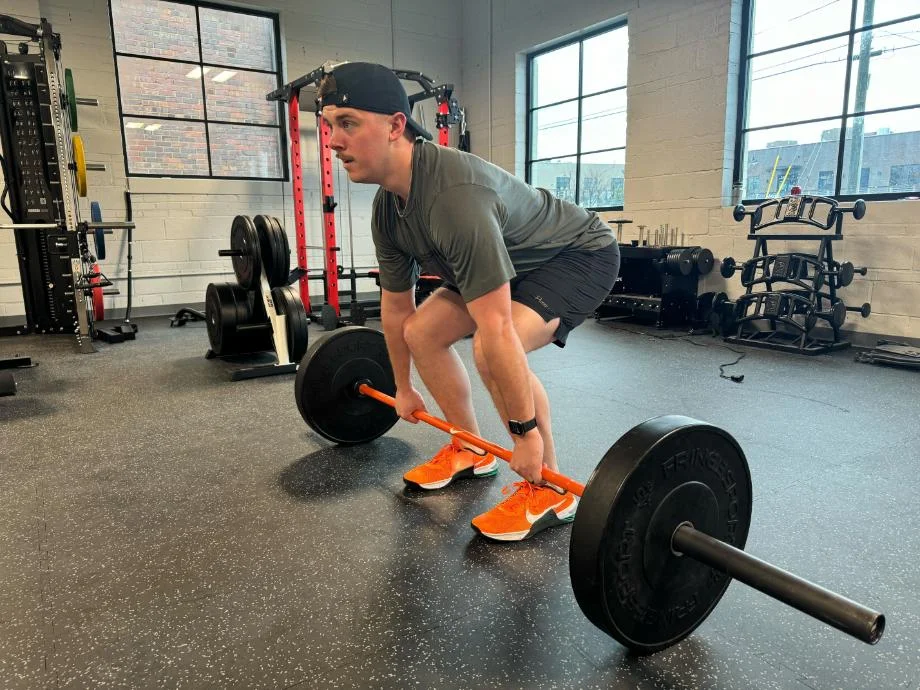
A 2022 review7 published in Nutrients summarizes the findings of 16 randomized controlled trials evaluating the effects of creatine supplementation for muscle growth. Individuals who use creatine while resistance training had more muscle gains than those taking a placebo.
Injury Prevention
The benefits of creatine may also protect muscles from exercise-induced injury. There are numerous studies that have linked creatine supplementation to reduced incidence of muscle cramps, tightness, strains, and other exercise related discomforts and injuries. Researchers conclude that athletes who take creatine have fewer injuries than those who do not3.
Potential Side Effects of Creatine
Creatine is a well-researched supplement that is considered safe for most healthy individuals. However, as with all dietary supplements, taking creatine is not entirely risk-free.
There aren’t many side effects associated with either short-term or long-term use of creatine. The few side effects that have been observed most commonly occur when creatine is taken incorrectly. High doses of creatine and/or not consuming enough water while using creatine supplements may increase your risk of side effects.
Before starting a creatine supplement, you should be aware of potential side effects4. Here’s what to watch out for:
Weight Gain
Most people report weight gain when they start taking creatine. The initial weight gain you experience when you start taking creatine is water weight, as creatine draws more water into your muscles and increases muscle size.
As time goes on, your muscles adapt to a higher level of creatine and weight typically stabilizes. However, you may see an increase in body weight due to an increase in muscle mass as a result of increased workout performance (i.e., lifting heavier or increased repetitions).
The important thing to remember is that creatine-associated weight gain is an increase in lean body mass and not body fat.
RELATED: Optimum Nutrition Creatine Review
Dehydration
Creatine itself doesn’t cause dehydration, but not drinking enough water while you’re taking creatine can result in changes to total body water and hydration status. Signs you’re not getting enough water include increased dry mouth, thirst, muscle cramps, headache, and dark colored urine.
Combining creatine with caffeine, alcohol, and/or diuretics, all of which contribute to water loss, may increase your risk for dehydration and decrease the effectiveness of your creatine supplement.
Digestive Upset
Some digestive disturbances, such as stomach upset, cramping, diarrhea, and bloating, have been reported with creatine usage.
Although everyone tolerates supplements differently, digestive upset is more likely to occur with high doses of creatine. A 2008 study8 observed a higher incidence of diarrhea among individuals taking 10 grams of creatine compared to those taking 5 grams of creatine.
You can minimize your risk of digestive side effects by taking the recommended dose of 3 to 5 grams of creatine per day instead of larger doses. Drinking plenty of water while taking creatine can also help minimize bloating.
In addition to the above side effects, creatine may not be a good option for individuals who have preexisting kidney or liver problems. Speak with a trusted healthcare provider before starting any creatine supplement to make sure it’s the right choice for you.
How Much Water Should You Drink With Creatine: Final Thoughts
Creatine can help muscles produce extra energy to power intense bursts of activity, like weightlifting. Creatine works by drawing water into muscle tissues, increasing their size and strength.
If your fitness goals include increased power or muscle growth, a creatine supplement may be a good fit for you. Creatine is safe for most people to take regularly, but there are a few guidelines to know before you get started for maximum benefit:
- Your water needs increase while taking creatine due to the transfer of water into your muscles, so proper hydration is important.
- The recommended dose of creatine is 3 to 5 grams per day. Each dose should be taken with at least 8 ounces of water.
- Total daily water intake should account for creatine use and physical activity. Everyone’s hydration needs are slightly different and there’s no standard formula to calculate how much water you should drink with creatine.
- Not drinking enough water may impact the effectiveness of your creatine supplement, resulting in dehydration, bloating, and/or little to no change in muscle strength or lean mass.
How Much Water Should You Drink With Creatine: FAQs
Do you need to drink a lot of water with creatine?
Yes, you need to drink plenty of water with creatine for maximum benefit and to minimize potential side effects, like bloating and changes to hydration status.
Creatine causes water to transfer from your bloodstream to muscle tissues. To ensure you’re well hydrated and that there’s enough water in your body for creatine to draw into muscles, you should increase your total water intake while using creatine supplements.
What happens if I don’t drink enough water while taking creatine?
If you don’t drink enough water while taking creatine, it’s likely you won’t experience the muscle growth and strength benefits creatine has to offer. Creatine draws water into the muscles, so without adequate hydration, you won’t have enough water available for creatine to work properly.
You may also notice increased thirst, headaches, or darker colored urine if you’re not drinking enough water to account for your body’s normal hydration needs plus the water creatine pulls into muscles.
How much water do I need for 5g of creatine?
You should take each 5-gram dose of creatine with at least 8 ounces of water. As for total daily water intake, you should aim for 3 to 4 liters, or 12 to 16 cups, per day. Remember: 1 L equals 1000 ml of water and 1 cup equals 8 ounces of fluid.
Is loading on creatine safe?
The short answer is yes when done correctly. Check out our complete guide to the creatine loading phase for more information.
References
- Antonio J, Candow DG, Forbes SC, et al. Common questions and misconceptions about creatine supplementation: what does the scientific evidence really show?. J Int Soc Sports Nutr. 2021;18(1):13. Published 2021 Feb 8. doi:10.1186/s12970-021-00412-w
- Riebl SK, Davy BM. The Hydration Equation: Update on Water Balance and Cognitive Performance. ACSMs Health Fit J. 2013;17(6):21-28. doi:10.1249/FIT.0b013e3182a9570f
- Kreider RB, Kalman DS, Antonio J, et al. International Society of Sports Nutrition position stand: safety and efficacy of creatine supplementation in exercise, sport, and medicine. J Int Soc Sports Nutr. 2017;14:18. Published 2017 Jun 13. doi:10.1186/s12970-017-0173-z
- Dietary Supplements for Exercise and Athletic Performance. Office of Dietary Supplements, NIH. Accessed March 1, 2023.
- Wax B, Kerksick CM, Jagim AR, Mayo JJ, Lyons BC, Kreider RB. Creatine for Exercise and Sports Performance, with Recovery Considerations for Healthy Populations. Nutrients. 2021;13(6):1915. Published 2021 Jun 2. doi:10.3390/nu13061915
- Häussinger D, Roth E, Lang F, Gerok W. Cellular hydration state: an important determinant of protein catabolism in health and disease. Lancet. 1993;341(8856):1330-1332. doi:10.1016/0140-6736(93)90828-5
- Wu SH, Chen KL, Hsu C, et al. Creatine Supplementation for Muscle Growth: A Scoping Review of Randomized Clinical Trials from 2012 to 2021. Nutrients. 2022;14(6):1255. Published 2022 Mar 16. doi:10.3390/nu14061255
- Ostojic SM, Ahmetovic Z. Gastrointestinal distress after creatine supplementation in athletes: are side effects dose dependent?. Res Sports Med. 2008;16(1):15-22. doi:10.1080/15438620701693280