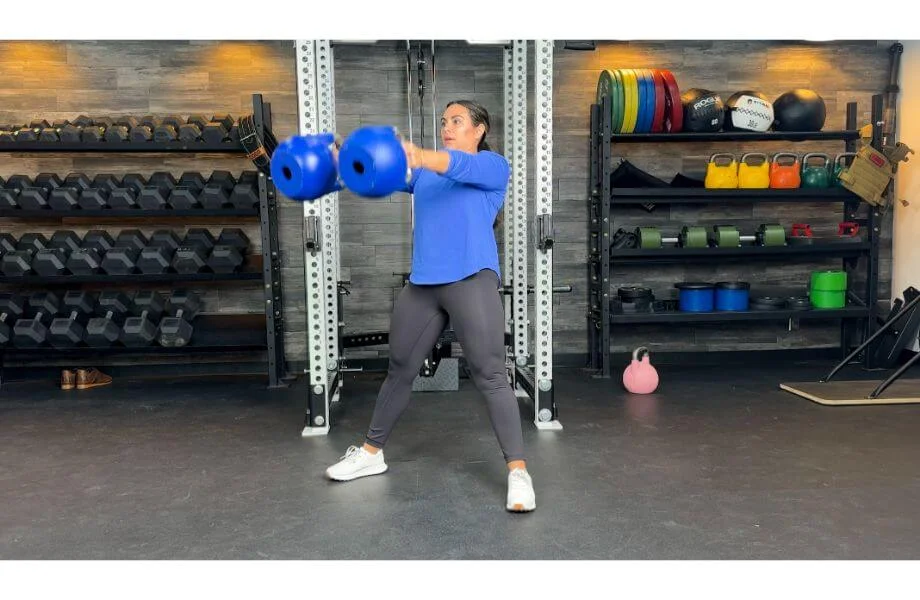





Snacks in general dominate the typical American diet, and while most chips, pastries, and candy bars are filled with carbohydrates, they aren’t nutritionally dense in the slightest. This is one reason health-conscious people opt, instead, for high-protein snacks made with a more balanced macronutrient profile and packed with more protein than your traditional treat.
The best protein snacks are becoming more and more popular, from well-known protein bars and beef jerky, to lesser-known snack alternatives like cereal and chips. But with so many options filling the shelves—and with more and more brands hopping on the snack bandwagon—it’s hard to know which protein snacks are worth a gander for taste, nutritional value, and cost.
Fortunately, our team of fitness experts—from certified nutrition coaches to personal trainers and athletes—have made the sacrifice to taste test top options on the market.
We went through the good, the bad, and the ugly of protein snacks to give you our top options for enjoyable munching to help boost your protein intake. In testing, we rated each snack in multiple categories according to our testing methodology, including:
- Price
- Formulation and protein content
- Taste and texture
- Side effects
- Ingredient transparency and third-party testing
Let’s see which protein-packed treats will work best for satisfying your nest snack craving.
Medical disclaimer: This article is intended for educational and informational purposes only. It is not intended as a substitute for medical advice. For health advice, contact a licensed healthcare provider.
Best Protein Snacks
- Best Protein Snack Overall: Pure Protein Cheddar Cheesy Crackers
- Best Protein Bar: Transparent Labs Grass-Fed Protein+ Bars
- Best Healthy Protein Snack: Legion Protein Crispy Treats
- Best Protein Shake: Jocko Molk Protein Shake
- Best Low-Calorie Protein Snack: BUILT Puff Protein Bars
- Best Low-Carb Protein Snack: 1st Phorm Protein Sticks
- Best-Tasting Protein Snack: Magic Spoon Fruity Cereal
- Best Protein Chips: Quest Nutrition Protein Chips
- Best Protein Cookies: Naked Nutrition Protein Cookies
- Best Plant-Based Protein Snack: Oats Overnight
- Best Low-Sugar Protein Snack: Quest Nutrition Protein Cookies
- Best Protein Pastry: Lenny and Larry’s The Complete Cookie
- Best High-Protein Yogurt: Ratio Protein Yogurt
Best Protein Snack Overall: Pure Protein Cheddar Cheesy Crackers
Good for: People wanting a savory snack that has a decent amount of protein and good flavor
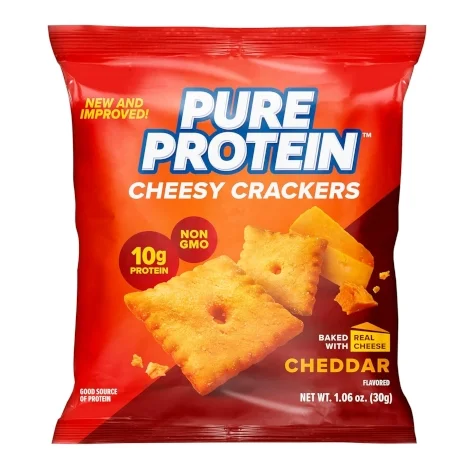









Pure Protein, known for budget-friendly protein bars and shakes, really shines with the brand’s Cheddar Cheesy Crackers. Available in two flavors, these crackers break into our top spot mostly due to their taste and texture. These crunchy snacks taste as close to the real thing, Cheez-Its, as you can hope for, while keeping the calorie count low and the price affordable.

RELATED: Pure Protein Bar Review
At less than $2 per bag, Pure Protein Cheddar Cheesy Crackers provide 10 grams of protein and just 130 calories per bag. With only 9 grams of carbohydrates, it provides more protein than carbs, earning the snack a 5 out of 5 for its formulation. Still, this protein snack is a bit more processed than some may appreciate.
“The ingredients list is pretty long,” explains GGR editorial team member Bojana Galic, CNC. “But on the bright side, Pure Protein is transparent in the protein source they use—milk protein isolate.” Bojana rates the transparency at 4 out of 5.
The whole GGR editorial team tested out these cheese crackers, too, and all were in agreement—they are pretty good. “This was definitely among our team’s favorite protein snacks,” recalls Bojana. “The crackers were crunchy and crispy, and the flavor was incredibly similar to a Cheez-It.” The whole team rates these crackers at 5 out of 5 on taste.
The texture also gets a 5 out of 5, although Bojana adds, “These crackers are a little thicker than your typical Cheez-It.” They’re still just as crunchy, if not more so, however.
Obviously, this won’t appease people with more of a sweet tooth, but for people who like savory snacks, Pure Protein Cheddar Cheesy Crackers can provide a nice protein boost with an added, enjoyable crunch.
For a more sweet protein snack, try out Naked Nutrition Protein Cookies, which are made with minimal ingredients and have the soft, chewy consistency of a real cookie.
| Type of snack | Cheese crackers |
| Price per serving | $2 ($23.99 per 12-pack) |
| Protein source | Milk protein isolate |
| Protein content | 10 g |
| Calories | 130 |
| Fat content | 6 g |
| Carbohydrate content | 9 g |
| Sugar content | 1 g (0 g added sugar) |
| Flavors | Cheddar Cheese, Hot and Spicy |
Best Protein Bar: Transparent Labs Grass-Fed Protein+ Bars
Good for: Anyone wanting a bit of carbs while supporting their protein goals
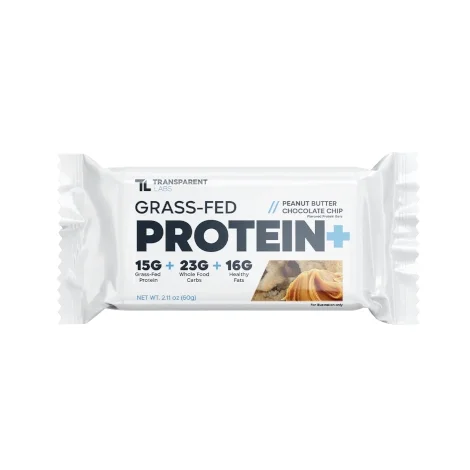



For a filling protein bar with sizable counts of protein, healthy fats, and carbs, we like Transparent Labs Grass-Fed Protein+ Bars. This chewy, gluten-free protein bar provides 15 grams of protein per serving without any artificial sweeteners, coloring, or preservatives.
Although 15 grams of protein is decent for a protein bar, it does have a lot of carbohydrates, as well: 23 grams to be exact, 10 grams of which come from added sugars. The sugars come from natural ingredients, like peanut butter and honey, but it is notable to point out for any snackers looking for a more keto-friendly alternative. As such, these protein bars get a 3.5 out of 5 for their formulation.
RELATED: Best Protein Bars for Muscle Gain
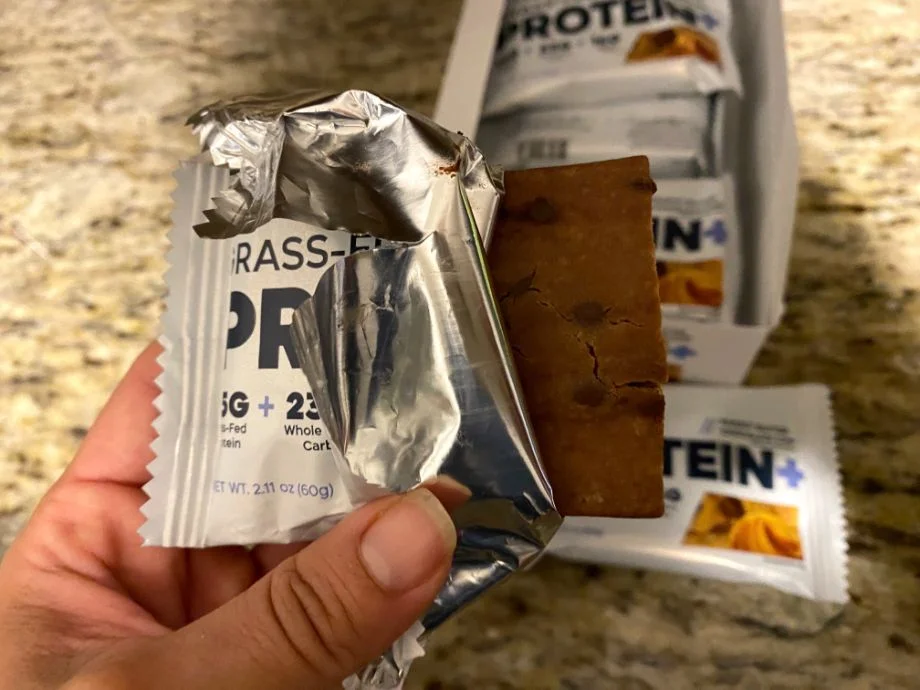
At the time of this writing, Transparent Labs has expanded the brand’s protein bar taste roster to five flavors, but GGR senior director of content Kate Meier, NASM-CPT, USAW-L1, CF-L1, tested the original Peanut Butter Chocolate Chip bar and rates the taste at 4 out of 5. “They don’t have a protein taste like other bars do, which I really enjoy since I find it hard to stomach protein bars,” says Kate. She loved that the chocolate chips used were real, too, and the taste was very clean overall.
Texture also gets a 4 out of 5 from Kate, who explains, “Although the bars are soft and chewy, they can be a little dry. The chocolate bits are a delight, though.” She also notes that even though she’s not a huge fan of protein bars in general, she could see herself having these in stock for days when she’s rushing out the door and in need of a quick protein fix.
At over $3 per bar, these are a pricier protein bar than some competitors. Transparent Labs does provide a subscribe-and-save service, though, which can save you $4 on a pack of 12 (with free shipping included).
If the price is a bit much, try out Barebells Protein Bars, which are under $3 per bar and one of the best-tasting protein bars our team has tried.
| Type of snack | Bar |
| Price per serving | $3.33 ($39.99 per 12 bars) |
| Protein source | Grass-fed whey protein isolate, egg white protein |
| Protein content | 15-16 g |
| Calories | 270-280 |
| Fat content | 16-17 g |
| Carbohydrate content | 23 g |
| Sugar content | 10 g (5 g added sugars) |
| Flavors | Peanut Butter Chocolate Chip, Oatmeal Chocolate Chip, Dark Chocolate Almond, Chocolate Sea Salt Brownie, Chocolate Coconut |
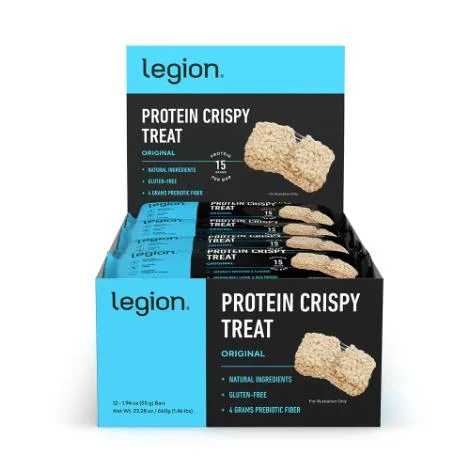
Best Healthy Protein Snack: Legion Protein Crispy Treats
Good for: People wanting a healthy snack with a good bit of protein and no filler ingredients

Best Protein Shake: Jocko Molk Protein Shake
Good for: Anyone needing a high-protein drink while on the go
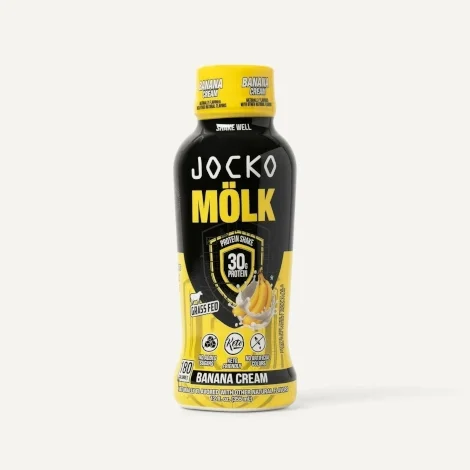

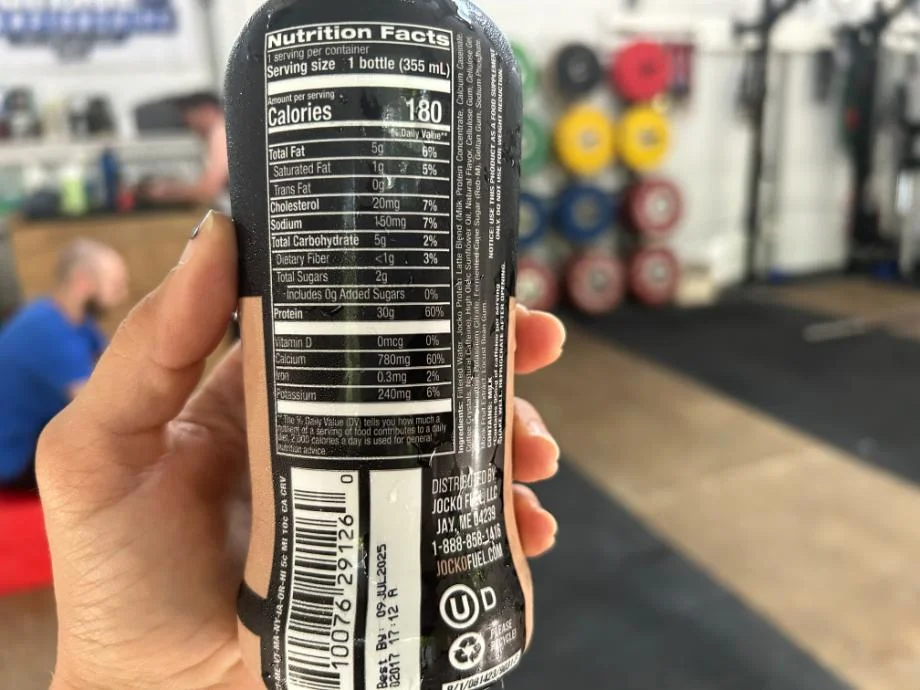
Many protein snacks don’t have as much protein as typical protein powders, but if you’re looking for a quick snack that packs a lot of protein, you should consider some of the best protein shakes, notably Jocko Molk Protein Shakes. Available in four different flavors, Jocko Molk packs 30 grams of protein in a 12-ounce shake with minimal carbohydrates and fats earning it a 5-out-of-5 rating for formulation.
We had multiple testers try out different flavors of Jocko Molk, notably Kate Meier, NASM-CPT, USAW-L1, CF-L1, and Anthony O, Reilly, CPT, CNC. While Anthony thought the Banana Cream shake was OK, Kate really enjoyed the Sweet Coffee Cream, rating the taste at 5 out of 5.
“I’ve been drinking Jocko Molk instead of a second cup of coffee each morning,” says Kate. “It’s been helping me get more protein earlier in the day.”
Jocko Molk Protein Shakes have a thin consistency…maybe too thin, according to our testers. Anthony and Kate both rate the texture at 3.5 out of 5. “The first ingredient in this shake is water, and you can definitely tell,” adds Anthony. “It’s quite thin and, in my opinion, the thinness kind of dilutes the flavor.”
These protein shakes go for $3.75 per bottle when purchased from the Jocko Fuel website. Still, the label is pretty transparent, and Jocko tests for banned substances, making it worth the price for some, particularly athletes—although Jocko doesn’t have a certification from such labs as NSF or Informed Choice.
For a vegan-friendly protein shake, try Ripple Vegan Protein Shakes, packed with 20 grams of pea protein.
| Type of snack | Shake |
| Price per serving | $3.75 ($44.99 per 12-pack) |
| Protein source | Milk protein concentrate, calcium caseinate |
| Protein content | 30 g |
| Calories | 180 |
| Fat content | 4.5-5 g |
| Carbohydrate content | 4-5 g |
| Sugar content | 2 g (0g added sugars) |
| Flavors | Chocolate, Vanilla Sweet Cream Coffee, Banana Cream |
Best Low-Calorie Protein Snack: BUILT Puff Protein Bars
Good for: People wanting a light taste and texture that’s reminiscent of their favorite candy bars
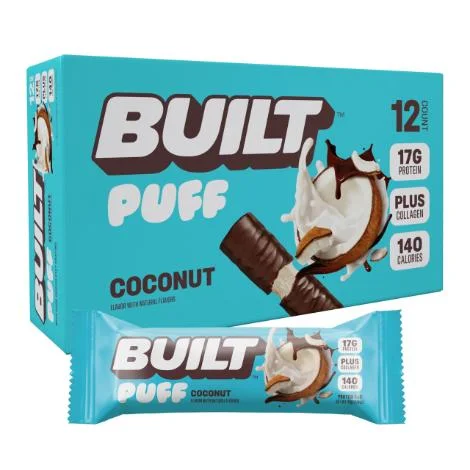

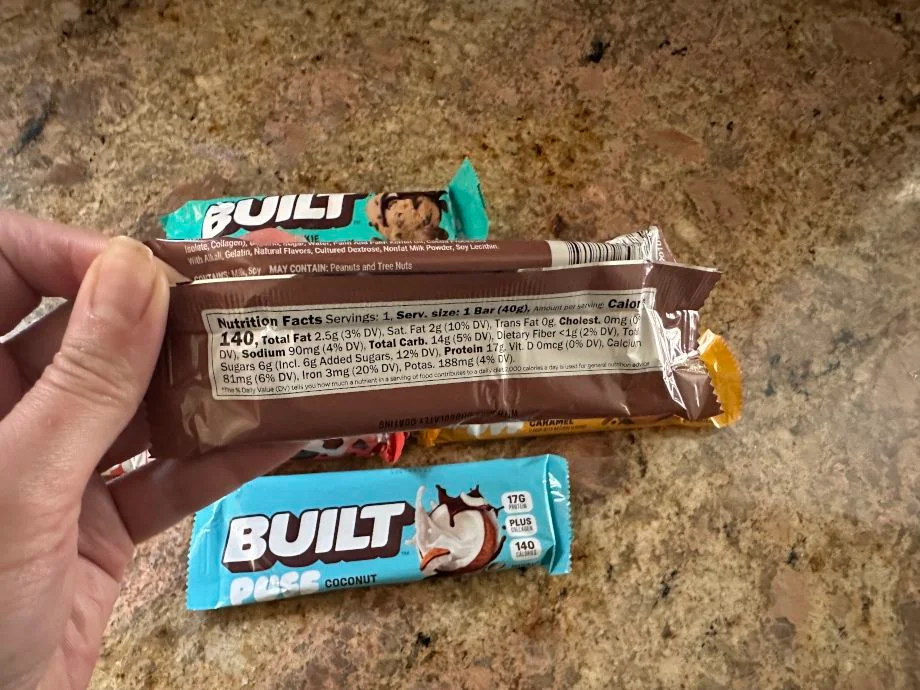
For a low-calorie bar that tastes more like a candy bar than a protein bar, it’s amazing that BUILT Puff Protein Bars pack in 15 to 17 grams of protein in each serving, depending on the flavor. BUILT Puff Bars have solid protein while only being around 150 calories, oftentimes less.
The taste is surprisingly good for most bars, too, as GGR director of content Nicole Davis, CPT, PN1-NC, attests. “I cannot explain how good these are for just a protein snack,” says Nicole, rating the overall taste at 4.5 out of 5. “My favorites are Coconut, which tastes straight-up like an Almond Joy, as well as Cookies and Cream, which has Oreo-flavored cookie chunks in the hard outer shell.” Some flavors tasted a bit more artificial than others, according to Nicole, but overall, she was impressed.
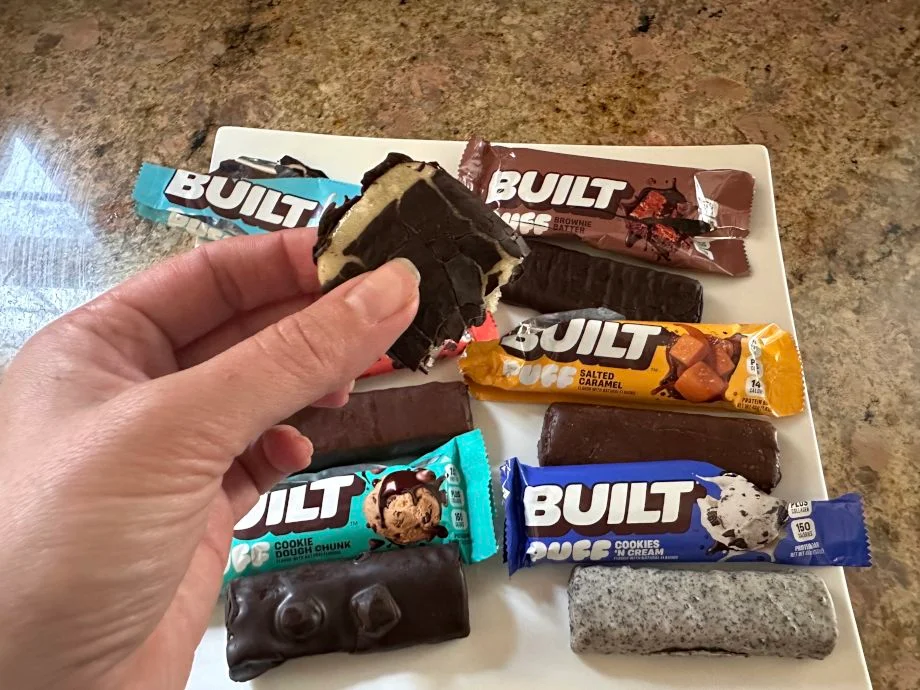
For a candy bar, the texture is also unique—it’s basically a hard chocolate shell with marshmallow fluff on the inside. Nicole rates the texture at 4 out of 5 and says, “I quite like the texture of these, but others who dislike marshmallows may not. I also noticed that certain flavors flatten out over time, even if stored in the fridge. They taste the same, but it can be tough to get them out of the wrapper when that happens.”
One callout Nicole has with BUILT Puff Bars is that they’re not entirely transparent with their protein source, labeling it as a “protein blend” of partially hydrolyzed whey protein isolate and collagen. Collagen doesn’t contain all nine essential amino acids that other protein sources have, so it’s not considered a complete protein.
RELATED: Best Collagen Supplements
With collagen added in this protein blend, we’re not sure how much of the 15 or more grams of protein you’re getting are from collagen or whey, so we’d love to get more transparency from BUILT down the road. For now, the brand gets a 2.5 out of 5 for its transparency and third-party testing, of which it has none. Still, it’s a tasty treat with decent protein and lower carb contents than other bars.
Not a fan of marshmallows? Check out Quest Nutrition Protein Bars, which have a chewy texture more like your typical protein bar.
| Type of snack | Bar |
| Price per serving | $2.50 ($29.99 per 12-pack) |
| Protein source | Partially hydrolyzed whey protein isolate, collagen |
| Protein content | 15-17 g |
| Calories | 140-160 |
| Fat content | 2.5-3.5 g |
| Carbohydrate content | 13-19 g |
| Sugar content | 6-8 g (6-8 g added sugars) |
| Flavors | Banana Cream Pie, Cookie Dough Chunk, Brownie Batter, Strawberries ‘N Cream, Coconut, Salted Caramel, Churro, Cookies ‘N Cream, Chocolate Milkshake |
Best Low-Carb Protein Snack: 1st Phorm Protein Sticks
Good for: Meat-eaters who like protein snacks with little to no carbs
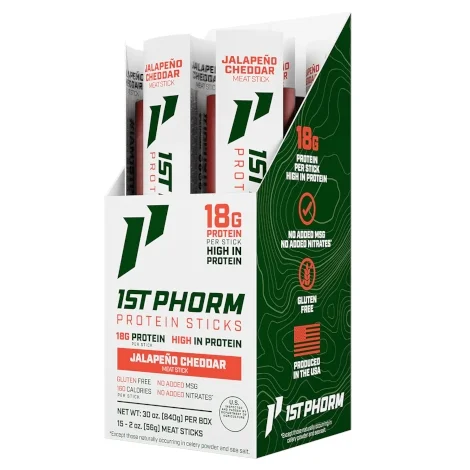

One of the easiest sources of protein—so long as you’re not following a vegetarian or vegan diet—is animal protein like beef, pork, and poultry. A nice benefit is that, depending on your cut of meat, these proteins can also be low in other macronutrients, making them an ideal candidate for low-carb diets or keto lifestyles. Our best low-carb protein snack is 1st Phorm Protein Sticks—jerky sticks that provide 18 grams of protein with 2 to 3 grams of carbs across most flavors.

RELATED: Best Meat Subscription Boxes
With 18 grams of protein and minimal carbohydrates, 1st Phorm Protein Sticks earn a 5 out of 5 for the formulation. The nutrition label and ingredients list is pretty transparent, as well, although there aren’t any apparent certifications or third-party testing notes, so these savory snacks get a 4.5-out-of-5 score for transparency.
Certified nutrition coach Bojana Galic tried out the Original flavor and rated it a 4.5 out of 5 on taste. “They remind me of your usual beef jerky stick,” she says (although I should note that some flavors are not only beef, but beef and pork). “They’re not overly salty, which I also like. I can totally see myself eating these as a snack or with a bowl of soup.”
I had the Jalapeno Heat flavor, as well, and was impressed with the flavor. I’m not a fan of heat for heat’s sake, but these protein sticks had a slow build to them with a nice sense of spice. Bojana and I give the texture of these jerky sticks a 5 out of 5, too. Bojana adds, “The mouthfeel of these protein sticks is solid, exactly like your typical jerky stick.”
That said, these are one of the pricier snacks on our list with one stick costing you $3. They’re also only sold in 15-packs, making it hard to adjust for your household. Compared to other jerky sticks, this isn’t too unusual of a price, so it earns a 3 out of 5 for its cost per serving.
If you’d like a bit more variety in your animal protein, try out EPIC Bars, with a range of flavors that each feature different meats, spices, and flavors.
| Type of snack | Jerky stick |
| Price per serving | $3 ($44.99 per 15 sticks) |
| Protein source | Beef and/or pork |
| Protein content | 18 g |
| Calories | 150-190 |
| Fat content | 6-12 g |
| Carbohydrate content | 2-8 g |
| Sugar content | 1-7 g (0-6 g added sugars) |
| Flavors | Jalapeno Cheddar, Teriyaki Seasoned, Breakfast Sausage, Jalapeno Heat, Original Smokehouse, Seasoned Barbecue, Sharp Cheddar |
Best-Tasting Protein Snack: Magic Spoon Fruity Cereal
Good for: Those wanting a protein cereal that is reminiscent of sugar-filled breakfasts growing up
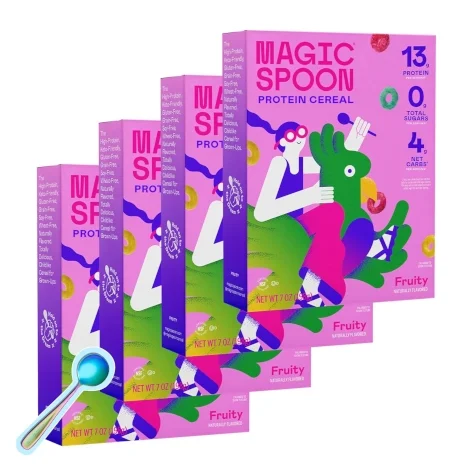

The best-tasting protein snack goes to Magic Spoon, although we have to emphasize that this is particularly for the available Fruity Cereal flavor. Our entire team enjoyed the flavor of the Fruity Cereal; GGR editorial member Bojana Galic, NASM-CNC, explains, “We all love it. The flavor tastes just like Froot Loops, although the texture is a little softer.” We rate the taste here a near-perfect 4.75 out of 5.
Again, I stress that the Fruity Cereal is the one we’re talking about here for taste, as our team tried other flavors of this protein cereal and were less impressed. The Frosted flavor was a bit bland, and Cocoa was underwhelming, to say the least. However, Fruity Cereal had the entire team reminiscing about Toucan Sam.

As said before, the texture of Magic Spoon Cereal is a bit softer than your traditional breakfast cereal, so Bojana rates Magic Spoon’s mouthfeel at 4 out of 5. “The texture doesn’t bother me much at all, but I do prefer the crunchiness of standard cereal,” says Bojana. “Still, for the protein benefit, I’d sooner opt for these over your typical cereal.”
Magic Spoon typically has a bit more carbohydrates than protein content, so it only earns a 3.5 out of 5 for its formulation. That said, it’s a pretty transparent label with a gluten-free certification and stamp as well as disclosures stating their protein is a casein and whey blend. So, it earns a 4.5 out of 5 for its transparency.
For more of a hint of sweetness, try out Special K Protein Cereal, with 10 grams of protein in a single serving and a light, refreshing sweetness.
| Type of snack | Cereal |
| Price per serving | $1.99 ($39.99 for 5 boxes or 20 servings) |
| Protein source | Casein, whey protein concentrate |
| Protein content | 12-14 g |
| Calories | 140-170 |
| Fat content | 7-9 g |
| Carbohydrate content | 10-15 g |
| Sugar content | 0 g |
| Flavors | Birthday Cake, Blueberry Muffin, Chocolate Chip Cookie, Cinnamon Roll, Cocoa, Frosted, Fruity, Maple Waffle, Peanut Butter, Smores |
Best Protein Chips: Quest Nutrition Protein Chips
Good for: Snackers looking for a savory protein option with bold flavors
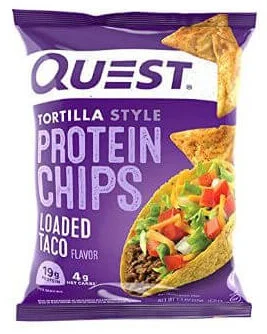

Looking for a savory snack? Take a gander at the best protein chips, in our opinion, Quest Nutrition Tortilla-Style Protein Chips. These protein chips pack in a high amount of protein per serving while providing bold flavors and taste, as well.
Another solid reason we appreciate Quest Protein Chips is the formulation, which earns a solid 5 out of 5 from our trials. These chips contain roughly 5 grams of carbs along with up to 20 grams of protein in one serving. The label is also fairly transparent and the chips are certified gluten-free.

These chips earn a respectable 3.75 out of 5 for their taste, too, as the flavors are bold but not long-tasting. The team tried out the Salsa Verde offering, and Bojana Galic, NASM-CNC recalls, “I don’t think these are the absolute best chips I’ve ever had, but they’re not terrible, either. Our whole team loved the seasoning on these, but once that flavor fades, they’re so-so. The flavor doesn’t last long, either.”
Once the flavor is gone, you’re left with the texture of the chips, which earns a middle-of-the-road 3 out of 5. GGR editorial member and nutrition coach Nicole Davis describes the texture to be “very similar to a Doritos chip, but thinner, almost like it was baked or air-fried instead of fried in oil.”
Bojana adds, “They’re thinner than your typical chip. I wish they had a bit more crunch.”
That said, these are a flavorful chip, and the price per bag is pretty affordable for a protein snack at just over $2 a bag.
Looking for a bit more crunch? Made from chicken, WILDE Protein Chips have quite a bit of protein and crunch rolled up into one savory snack.
| Type of snack | Chips |
| Price per serving | $2.50 ($29.99 per 12 bags) |
| Protein source | Milk protein isolate, whey protein isolate |
| Protein content | 18-20 g |
| Calories | 140-150 |
| Fat content | 4.5-6 g |
| Carbohydrate content | 5 g |
| Sugar content | 1 g (0-<1 g added sugars) |
| Flavors | Buffalo Ranch, Chili Lime, Salsa Verde, Hot & Spicy, Loaded Taco, Nacho Cheese, Ranch, Spicy Sweet Chili |
Best Protein Cookies: Naked Nutrition Protein Cookies
Good for: Anyone wanting a great-tasting snack with a little bit of protein
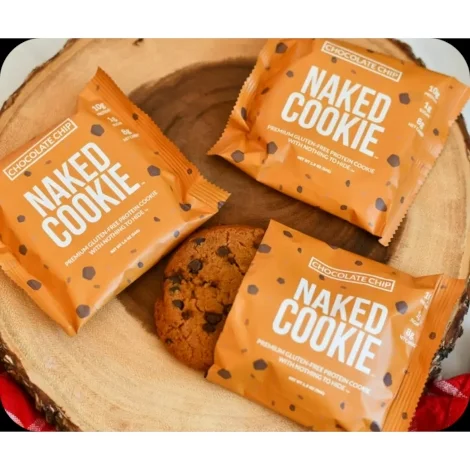

Some people who have a sweet tooth may prefer a cookie with a bit of extra protein. For these particular tendencies, we recommend Naked Nutrition Protein Cookies. These protein cookies taste good, pack a bit of extra protein, and use minimal ingredients, making them a great protein snack for those who prefer a sweeter treat.
GGR editorial member Nicole Davis, CPT, PN1-NC, tested out Naked Nutrition’s cookies and found them pleasant, although it took some time to win her over. “I set the bar too high initially,” she says, “so, when I came back to them later, I found them tasting pretty good for a healthier cookie option.”
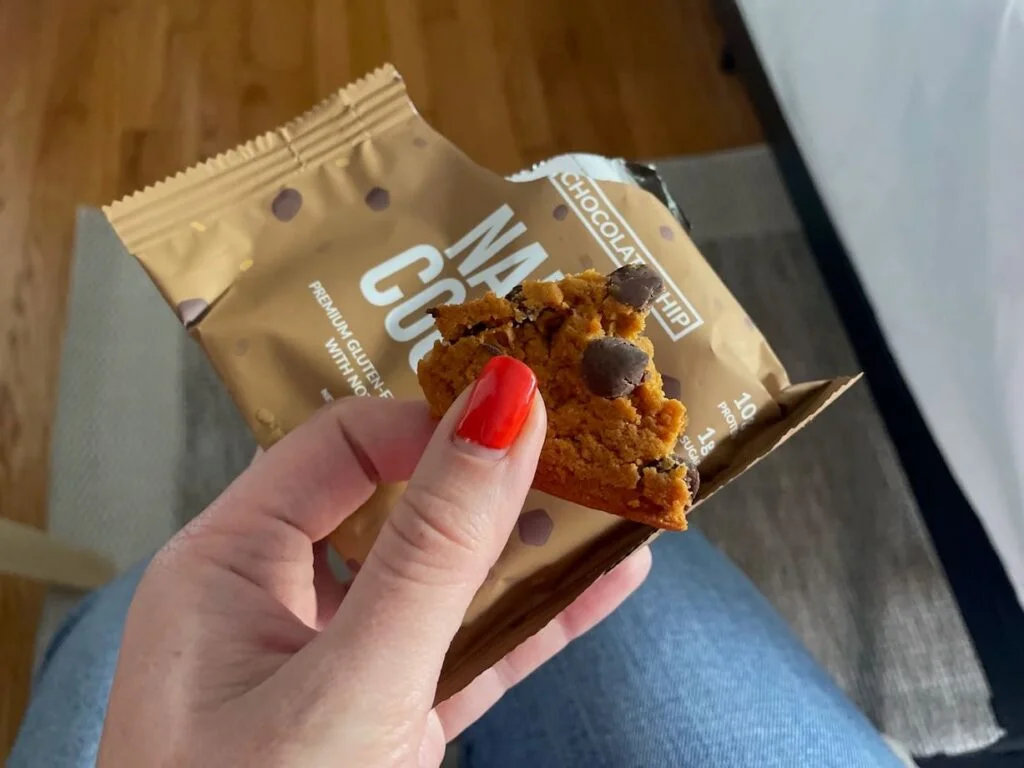
Nicole tried the Chocolate Chip cookies and rates the taste at 4 out of 5. “They’re a little nutty and taste a bit healthy,” she adds, “But they aren’t overly sweet and they don’t have any artificial taste to them, either.”
She adds that she was mostly impressed with the texture of the cookie, which earns a 4.5-out-of-5 rating. “These have a very good texture,” Nicole explains. “The cookies are soft and chewy, and the chocolate chips used are real and melt in your mouth. It’s a nice touch.”
As far as formulation goes, there are quite a lot of carbohydrates within each cookie compared to the 10 grams of protein. Therefore, it only gets a 3 out of 5 for its formulation. Still, if you’re not too worried about your carbohydrate intake, these can be a tasty treat with a nice bit of protein—more than you’d find in other cookies, for sure. Plus, at about $2.50 per cookie, it’s not a bad price, either.
If you’d like something more savory to snack on, try Pure Protein Cheddar Cheesy Crackers, which have a surprising amount of crunch for a protein snack, and have a cheesy flavor reminiscent of actual Cheez-Its.
| Type of snack | Cookie |
| Price per serving | $2.50 ($29.99 per 12 cookies) |
| Protein source | Whey protein concentrate, defatted almond flour |
| Protein content | 10 g |
| Calories | 190-210 |
| Fat content | 11-13 g |
| Carbohydrate content | 26-28 g |
| Sugar content | 1-5 g (0-3 g added sugars) |
| Flavors | Chocolate Chip, Oatmeal Raisin, Sugar Cookie |
Best Plant-Based Protein Snack: Oats Overnight
Good for: Plant-based eaters wanting a tasty morning snack
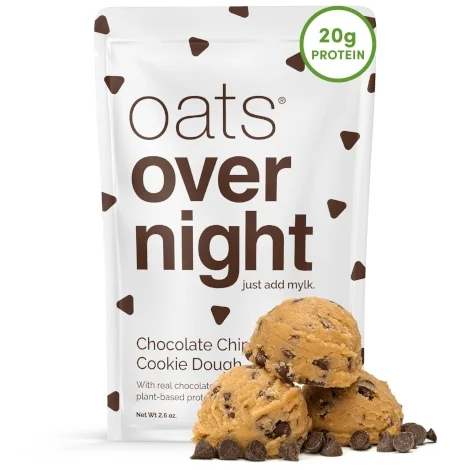

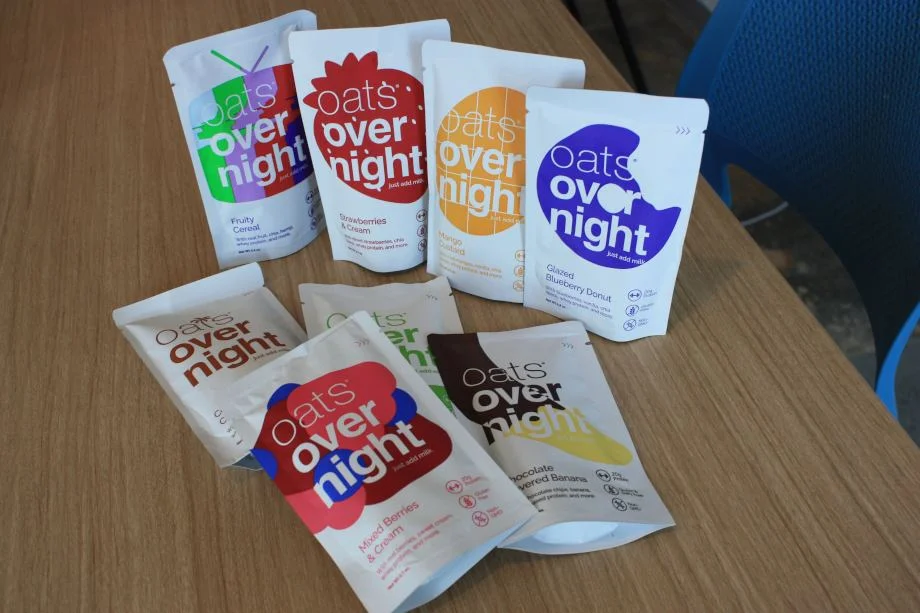
If you’re looking for a vegan-friendly snack to have that features plant-based ingredients, look no further than Oats Overnight. While there is a bit of prep time behind these snacks, they pack a solid 20 grams of protein per serving and come in over 30 fun flavors, although not every flavor is completely plant-based.
RELATED: How Much Protein Is In Oatmeal?
If you’ve never made overnight oats before, it involves taking oats, fruit, and other toppings with milk (or water) and letting the snack thicken up overnight in the refrigerator. Oats Overnight makes it easy by providing pre-mixed oats and flavors. All you have to do is mix it with your favorite milk or milk alternative, and let it set overnight (or, at least 4 hours, according to the brand).
Unlike many snacks using milk or whey protein to enrich their snacks, Oats Overnight sources its protein from pea protein isolate, keeping these oatmeal snacks predominantly vegan-friendly. Flavors like Chocolate Chip Cookie Dough and Banana Bread—along with 10 others—are completely vegan-friendly, as well.
“I tried Chocolate Chip Cookie Dough,” says GGR editorial member Nicole Davis, CPT, PN1-NC, “And after letting it set overnight, I loved it.”
As an Olympian and competitive weightlifter, I’ve had these oatmeal packets while traveling and competing in foreign countries, often provided by our team’s sports dietitian (thanks Meagan!). I’ve had flavors like Banana Bread and Fruity Cereal, and have found the flavors to be pretty enjoyable. So, I rate the taste at 4 out of 5.
The texture is nice, although a lot of it relies on the liquid of choice. Depending on the country I was in, sometimes water was the best liquid I could use; it’s fine with water, but you’re certain to have the best consistency with milk or almond milk. As such, I rate the texture a 4 out of 5.
Although one packet provides 20 grams of protein, the carbohydrates are pretty steep, as well, providing over 30 grams of carbs, depending on the flavor. Because of this, we rate the formulation at 3.5 out of 5. Regardless, this can be a great snack for plant-based eaters wanting a bit of extra protein.
Don’t have time to prep overnight oats? Grab a yogurt cup, particularly :ratio Protein Yogurt, which packs 25 grams of protein into a single cup.
| Type of Snack | Oatmeal |
| Price per serving | $3.75 ($60 for a pack of 16) |
| Protein source | Pea protein isolate |
| Protein content | 20 g |
| Calories | 280 |
| Fat content | 6 g |
| Carbohydrate content | 38 g |
| Sugar content | 9 g (5 g added sugars) |
| Flavors | 37 flavors including Cookies & Cream, Cinnamon Roll, Cherry Pie, Glazed Blueberry Donut, Strawberries & Cream, French Toast, Chocolate Chip Cookie Dough, Fruity Cereal, and Coconut Cream Pie |
Best Low-Sugar Protein Snack: Quest Nutrition Protein Cookies
Good for: People who want a sweet treat without excessive sugars
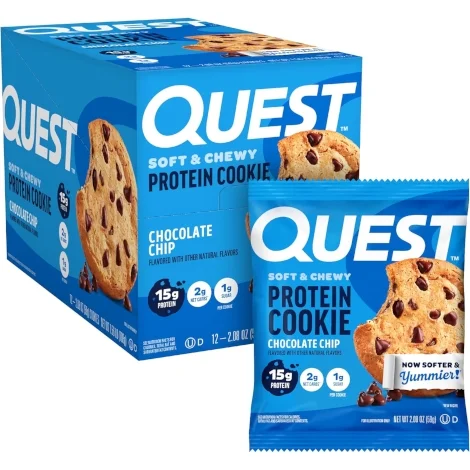
If you’re wanting a snack but don’t want a ton of sugar, we recommend Quest Nutrition Protein Cookies. While the carbohydrate content varies from flavor to flavor, each cookie features 15 grams of protein and only 1 gram of sugar—none of which are added sugars.
RELATED: Best Quest Bar Flavors
Because the carb-to-protein ration is a little high, we rate the formulation at 3.5 out of 5. Certified nutrition coach Bojana Galic explains, “Most flavors have more carbs than protein, but it’s only by a few grams.”

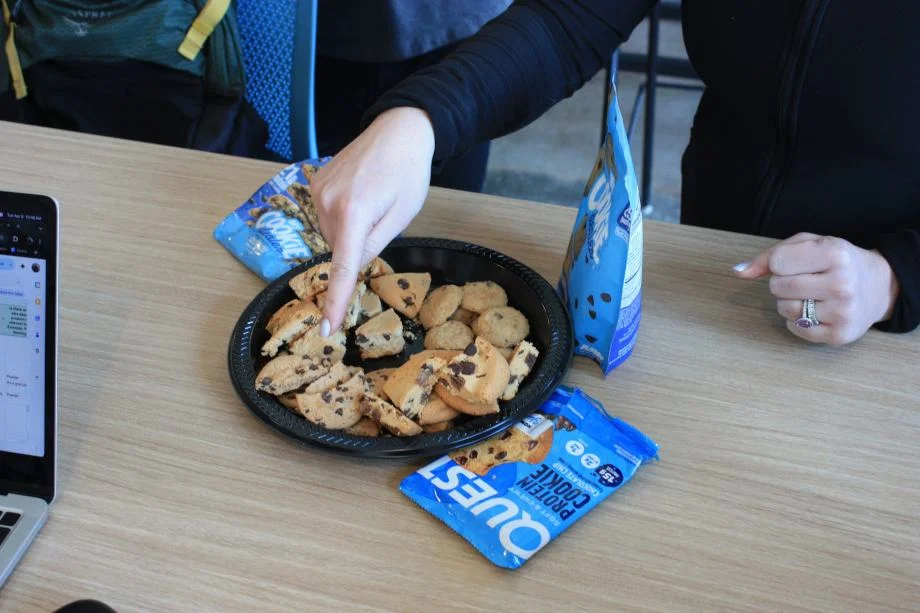
In testing, Bojana liked the flavor of the Chocolate Chip Quest Cookie, so she rates the taste at 4 out of 5. “What I like about these protein cookies is that they’re soft and chewy—my go-to preference,” adds Bojana. “I also thought they weren’t overly sweet and definitely had a nice chocolate chip taste.”
Some people may prefer more of a crunch in their protein cookies, but this suited Bojana just fine, rating the texture at 4 out of 5. GGR director of content Nicole Davis, CPT, PN1-NC, tried out the cookies, as well, and while the taste felt artificial to her, she also appreciated the texture. “These cookies are soft, and the crunch of the chocolate chips really comes through,” she says.
Quest Nutrition uses sugar alcohols in many of their protein-enriched snacks to sweeten each profile and keep the sugar counts low. While this can be fine for some people, sugar alcohols do tend to cause digestive issues like bloating, according to studies1. Bojana notes that, in her personal experience, this typically occurs when she has a Quest Bar or Cookie. So, if you know you don’t handle sugar alcohols well, these snacks may best be avoided.
Not worried about sugar content? Check out Lenny and Larry’s The Complete Cookie, which has several great-tasting flavors, although the carbs and sugar content are a bit higher.
| Type of snack | Cookie |
| Price per serving | $2.08 ($24.99 per 12-pack) |
| Protein source | Milk protein isolate, whey protein isolate |
| Protein content | 15 g |
| Calories | 210-260 |
| Fat content | 13-20 g |
| Carbohydrate content | 15-23 g |
| Sugar content | 1 g (0 g added sugars) |
| Flavors | Chocolate Chip, Double Chocolate Chip, Peanut Butter, Peanut Butter Chocolate Chip, Snickerdoodle, White Chocolate Macadamia |
Best Protein Pastry: Lenny and Larry’s The Complete Cookie
Good for: Those who appreciate a vegan-friendly cookie packed with protein and flavor
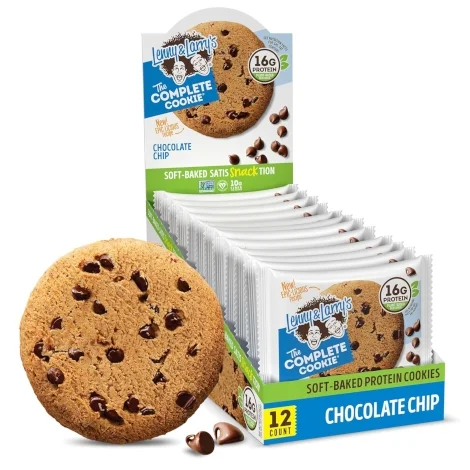
If you’re looking for a chewy, fluffy snack that can satisfy your protein needs, Lenny and Larry’s has you covered with The Complete Cookie. Multiple people on our team have had these cookies over the years and love a ton of the available flavors, rating the taste at 4.5 out of 5.
Bojana Galic, NASM-CNC, says, “I’ve had several in the past, but Lemon Poppy Seed is easily my favorite.” While I humbly disagree on this point—the best flavor is Snickerdoodle, hands down—I do agree with her other sentiment regarding taste: “They certainly don’t taste like your average protein cookie; they’re far less chalky.”
Compared to other protein cookies on this list, Lenny and Larry’s stands apart for multiple reasons. For one, the ingredients are completely plant-based and are certified non-GMO and vegan. Being that they have these certifications, The Complete Cookie gets a 4.5 out of 5 for label transparency.
RELATED: Best Vegan Protein Powder
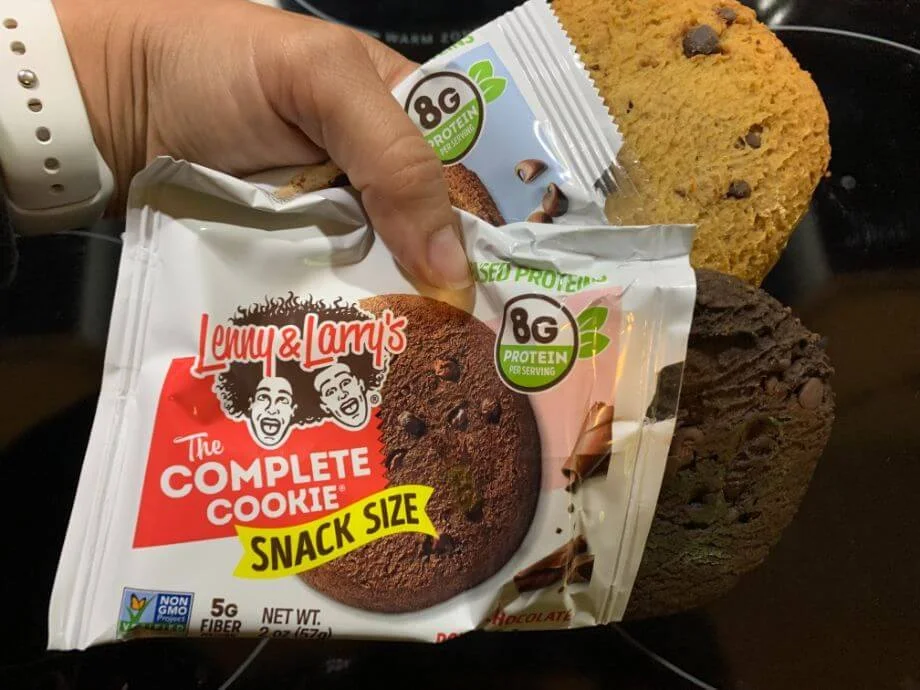
Another reason these cookies are different is that the protein content is actually less than most other protein cookies. Each cookie has 16 grams of protein, but a serving size is only half of a cookie. So, you’re getting 8 grams of protein with over 30 grams of carbohydrates. This ratio is way off, so the formulation only gets a 1 out of 5, according to our methodology. When you have these cookies, keep the serving size in mind to prevent oversnacking, too.
Lenny and Larry’s cookies have phenomenal texture, which Bojana rates a perfect 5 out of 5. “To me, these genuinely have the same texture as a regular cookie,” she says. “I know some people find them a bit crumbly, but that can just depend on how long the cookie has been on the shelf at the store.” In my experience, the crumbly nature of the cookie reminds me of Crumbl Cookies.
Although the protein is minimal in this snack, each cookie is around $2, making each half-cookie serving just $1. This makes it one of the least expensive snacks on our list. However, if you’re wanting a bit more protein in your snack, you may want to keep looking at other options.
For a vegan-friendly snack in bar form, check out GoMacro Bars, which is one of the best-tasting vegan protein bars we’ve tested.
| Type of snack | Cookie |
| Price per serving | $0.91 per half cookie ($21.99 peer 12 cookies) |
| Protein source | Vital wheat gluten, pea protein , rice protein |
| Protein content | 8 g |
| Calories | 210-240 |
| Fat content | 6-8 g |
| Carbohydrate content | 33-35 g |
| Sugar content | 10-14 g (9-14 g added sugars) |
| Flavors | Big Time Brownie, Birthday Cake, Choc-O-Mint, Chocolate Chip, Chocolate Donut, Lemon Poppy Seed, Oatmeal Raisin, Peanut Butter, Peanut Butter Chocolate Chip, Snickerdoodle, White Chocolate Flavored Macadamia |
Best High-Protein Yogurt: :ratio Protein Yogurt
Good for: Dairy lovers who want a high-protein snack
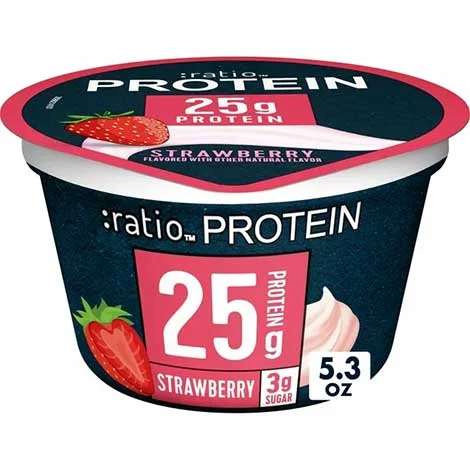

For the best high-protein yogurt, our team recommends :ratio Protein Yogurt. There are plenty of reasons why we like this yogurt, but mostly, it’s an affordable snack that tastes great across multiple flavors, and it packs 25 grams of protein into each yogurt cup.
I tested these yogurt cups and had three flavors: Blueberry, Strawberry, and Key Lime. Since then, :ratio has expanded its flavor lineup to nine flavors, overall. I rate the taste at 5 out of 5, although I do pose a warning. These yogurt cups are sweetened with sucralose, and that artificial flavor can come through in some flavors. If you’re OK with that, then get the Blueberry yogurt; it’s the bee’s knees.
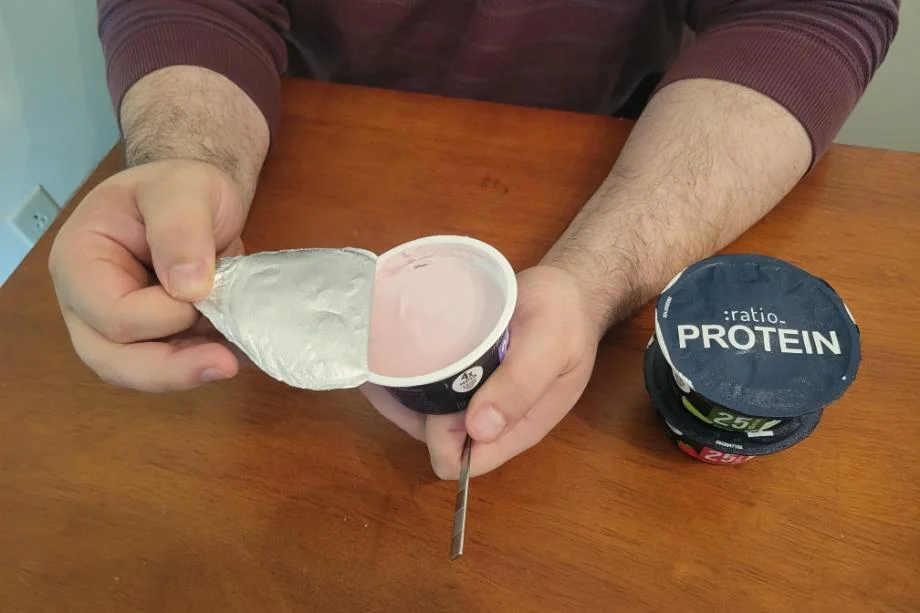
The texture gets a 4.5 out of 5, as well. I didn’t mind the texture at all, but felt it was a bit thicker and drier than your typical yogurt cup. This was probably due to the protein content in the yogurt, but it certainly wasn’t an issue for me.
With 25 grams of protein and only 8 grams of carbohydrates in each serving, this has a solid formulation for a protein snack, earning it a 5 out of 5 for the category. The sugar content is low, as well, with only 3 grams of total sugars and zero added sugars.
One complaint I had from :ratio when I first tested it out was that the items were only available through WalMart, which isn’t a nearby store for me. Since then, however, they’ve expanded the brand’s availability, so I can find them at stores much closer to my abode. With that convenience, you can be sure I’ll be snacking on these yogurt cups in the near future.
For a zero-sugar option, try out Dannon Light and Fit Zero-Sugar Yogurt. This low-calorie treat has no sugar and comes in six different flavors.
| Type of snack | Yogurt |
| Price per serving | $1.66 |
| Protein source | Whey protein concentrate |
| Protein content | 25 g |
| Calories | 170 |
| Fat content | 3.5 g |
| Carbohydrate content | 9 g |
| Sugar content | 3 g (0 g added sugar) |
| Flavors | Strawberry Cheesecake, Peach, Black Cherry, Mixed Berry, Strawberry, Vanilla, Blueberry, Coconut, Key Lime |
Other Protein Snacks We Researched and Tested
There are so many snacks that have been turned into high-protein alternatives these days. However, not every treat was good enough to earn a spot within this guide. Whether it be due to taste, price, or listed ingredients, here are a few honorable mentions that happened to fall short of our list.
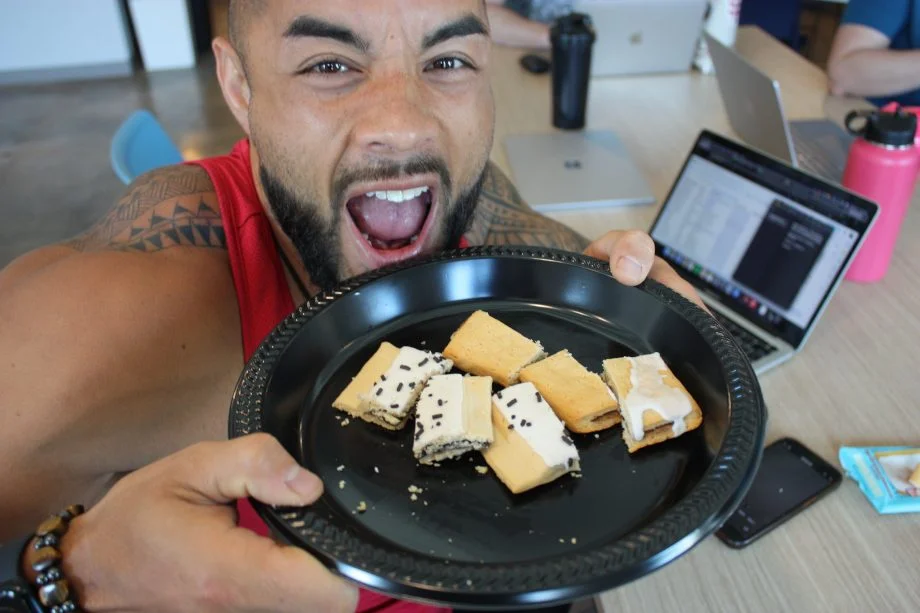
- Legendary Foods Protein Pastry: These pastries were made to replace the traditional toaster pastries, but the flavor was a miss, in our team’s opinion. I love Pop-Tarts, but these were not up to par with the flavor of the classic pastries. Our team found the Blueberry to be OK, the Cinnamon pretty mid, and the Strawberry rough with a noticeable artificial flavor.
- CTRL Monster Cookie: Our tester for these cookies felt like the Peanut Butter flavor was very mild, and the texture, while soft, was still pretty dry, as many protein cookies can be.
- Twisted Dough Protein Chocolate Pudding: Although a delicious concept and treat, the 2-tablespoon serving size of this pudding may leave some snackers wanting a bit more.
- Wilde Protein Chips: I love these chips, particularly their Himalayan Pink Salt flavor, but seeing how they’re made from chicken, these are best suited for a low-carb or keto diet. Those following a vegan diet will want to avoid these, as well.

How We Picked and Tested the Best Protein Snacks
As with all the supplements and fitness equipment we test, we form a testing methodology to determine and compare items to one another. For protein snacks, this was no different, although we had to account for different types of snacks and how that could impact each snack’s formulation, cost, and taste, among other factors. Here are the criteria we considered, rating each category one a scale of 1 to 5:
- Price per serving: This varies from snack to snack, but generally, protein snacks are more expensive than their traditional counterparts. To score this category, we looked at the snacks price and how it compares to other similar types of protein snacks. Less expensive snacks got higher scores.
- Formulation: Because these are protein-enriched foods, they won’t have as much protein on average as the best protein powders. Still, we checked the carb-to-protein ratio, as this can most directly affect blood sugar levels and weight management. Top scores were given to snacks with more protein than carbs.
- Taste: This score is one of the more subjective ones, but each of our testers scored snacks on their overall taste as well as what they were able to find through online customer reviews. Top scores were given to great-tasting snacks that most closely resembled the original version of the snack—think a Cookies & Cream cookie resembling an Oreo, for example.
- Texture: Because protein snacks can be processed, they can often have an odd, dry texture. We compared these protein snacks to similar products to determine how closely they resembled traditional snacks and noted any drastic differences in texture or mouthfeel.
- Side effects: This score was based on how our testers felt after eating each protein snack. We noted if the treats caused any digestive issues, had a weird aftertaste, or were the leading culprit for any other unwanted side effects.
- Nutrition Label and Transparency: We scored here on how transparent the ingredient list and nutrition facts were. Transparent labels were given good scores, but top scores went to companies that backed their transparency with a certificate of analysis or third-party testing.
Benefits of Protein Snacks
High-quality protein snacks can be worthwhile additions to a balanced diet for a few reasons.
Convenience
The most obvious benefit to protein snacks is their plain-old convenience. When life gets busy, a quick protein bar or cookie wrapped up in a single serving size can be a convenient to-go snack to grab on your way out the door. Plus, you can feel a bit better about your snacking choices on the move, since protein snacks typically have a more balanced macronutrient profile than traditional snacks. Speaking of…
Traditional Snacking Alternative
Very few people dislike a little snack every now and then, but the typical snacks in the United States—chips, donuts, cookies, and candy bars, for example—are filled with empty carbs and fats with little nutritional value. Protein-rich snacks, on the other hand, can have more balanced macros, usually with protein greater than or equal to the carbohydrate content.

Also, many protein snacks have been made with fewer, healthier ingredients, such as natural flavors and sweeteners. This can make them a healthier alternative to your typical Snickers bar, especially for people who are avoiding artificial ingredients.
Source of Protein
Another obvious health benefit to protein snacks is in the name: Protein. These snacks are an easy way to help macro-counters hit their protein quota for the day. While not all of your protein should come from protein supplements or snacks (we’ll get into that more in a bit), protein-enriched foods can help you meet your protein goals for each 24-hour period.
As a macronutrient, protein is essential to anyone’s diet, but it’s important for many reasons. Protein supplementation post-workout has been shown to aid with muscle recovery and performance, according to a 2014 systematic review2, but it goes beyond that as well.
A 2020 review3 showed that a diet high in protein helped increase muscle and decrease fat in people when combined with regular exercise. Yet another review4 suggests that protein can aid in weight loss or maintenance by controlling appetite and influencing the body’s metabolism.
Potential Side Effects
So, protein snacks can be a healthy alternative for habitual snackers, but can there be too much of a good thing? Technically, yes. I talked with our Chief Medical Advisor Dr. Raj Dasgupta, MD, FACP, FCCP, FAASM about the potential side effects of protein supplementation through snacks and powders.
As with protein powder, some protein snacks can cause digestive issues such as bloating or gas. Because some can use alternative sweeteners, like sugar alcohol or stevia, these snacks can cause some gastrointestinal problems to people who are sensitive to those sweeteners1.
Dr. Dasgupta adds, “Those with kidney problems, allergies to dairy or soy, or sensitive stomachs, should be careful with protein powder and supplements. Some brands might have adverse additives in them, so it’s good to pick trusted brands with available testing records.” He also suggests pregnant or nursing women should talk to their doctor or a licensed nutritionist before supplementing with protein.
How Much Protein Should I Take Per Day?
The recommended dietary allowance for protein—the amount considered sufficient for most folks—is 0.8 grams per kilogram of bodyweight each day. However, a 2016 review5 suggests that the number is low if you’re looking to help manage your weight, improve athletic performance, and/or promote healthy aging. Many dietitians and nutrition organizations recommend 1.2 to 2 grams of protein per kilogram of bodyweight to help with muscle growth, recovery, and performance.
That said, all of your protein shouldn’t come from just protein powder, and definitely not just from protein snacks, mostly because these sources aren’t as nutritionally dense as whole food sources.
Registered dietitian Chris Mohr, PhD, explains, “The biggest concern with adding protein supplements to a diet could be a nutrient imbalance. Protein is filling, and with a focus solely on protein, it could displace other nutrient-dense foods like quality carbohydrates and fats. You’ll run the risk of not getting enough of other nutrients—fiber, vitamins, and minerals—which can affect overall health.”
The majority of your daily protein intake should come from whole food sources, with protein powders and snacks only supplementing your diet. You can find good amounts of protein in foods like:
- Animal proteins like beef, poultry, and pork
- Fish and shellfish
- Eggs
- Dairy foods like Greek yogurt or cottage cheese
- Almond butter and other nut butters
- Plant-based protein sources like chickpeas, edamame, and lentils
You can find a more comprehensive list in our high-protein foods article.
Third-Party Testing and Transparency
Because protein snacks aren’t always marketed for athletes, third-party testing isn’t as typical as you’d find with protein powder or pre-workout. However, some protein bars and snacks will have third-party testing, even earning certifications through organizations like NSF, Informed Choice, or Informed Sport. Ideally, these are the snacks for drug-tested athletes to have, since these snacks are tested to be free of any banned substances.
If you’re not an elite athlete worrying about drug-testing, it’s still good to look for transparent labels and certificates of analysis (COAs). Look out for proprietary blends that don’t give you a full picture of the ingredients or quantities of said ingredients. Also, try to find snacks that are certified organic, gluten-free, kosher, or non-GMO, as these snacks have been tested for purity and accuracy.
Buying Guide: What to Look for in Protein Snacks
Still not sure which protein snack will satisfy your craving? Here are a few things to consider before making your purchase.
Type of Snack
Which kind of snack do you prefer? At this point, if you have a snack you like, there’s a good chance they’ve made a protein-rich version of it. Here’s a list of common protein snacks, although it’s not exhaustive at all:
- Bars
- Cookies
- Chips
- Shakes
- Yogurt
- Cereal
- Pastries
- Pudding
- Trail mix
Whatever is tickling your fancy, you can most likely find a high-protein variation of it.
Amount of Protein
Protein snacks typically contain less protein than protein powders, although some protein bars and shakes will contain equivalent counts (if you search hard enough). Most protein snacks will have between 6 and 12 grams of protein per serving, although you’ll be able to find options with higher (and lower) content.
The important thing is to try and find protein snacks with a balanced macronutrient profile. Generally speaking, you’d ideally want a protein snack with as much or more protein than carbohydrates. Carbohydrate-heavy snacks can more often affect blood sugar, so try to avoid protein snacks with a higher ratio of carbs to protein.
Protein Source
Where does the protein in your snack come from? Many opt for a whey protein blend, but some snacks use casein or even plant-based protein. Jerky simply uses beef, pork, or another animal protein. If you have intolerances to milk or dairy, it may be best to opt for a jerky snack or a protein snack using plant-based protein.
Sweeteners
To keep the carbohydrate counts low, some protein snacks will use alternative sweeteners, natural or artificial. Make sure to read the nutrition label and ingredient list in case you’re avoiding sweeteners like sucralose or sugar alcohols. Also, if you’re avoiding added sugars, you may want a protein snack sweetened with a natural sweetener, like stevia or monk fruit.
Experts Who Contributed to This Article
FAQs About the Best Protein Snacks
What is a good snack high in protein?
While there are many protein-enriched snacks available, like protein chips, cookies, and bars, you can get a decent amount of protein from whole-food sources, as well. Healthy snack options that are high in protein include jerky, hard-boiled eggs, Greek yogurt, cottage cheese, and some plant-based options like edamame, roasted chickpeas, or even hummus.
Does oatmeal have protein?
Yes, oatmeal does contain protein, although it’s not a high amount. A half-cup serving of oatmeal contains about 5 grams of protein. You can boost the protein content of your oatmeal, however, by adding in whey protein, chia seeds, nut butter, or a granola with higher protein content.
How can I get 30 grams of protein easily?
One of the quickest and easiest ways to get 30 grams of protein is through animal protein. For example, the USDA’s FoodData Central6 says that 100 grams—3.5 ounces—of skinless, braised chicken breast provides just over 32 grams of protein. Beef tenderloin roast provides 28 grams at the same amount.
Those who prefer dairy can get around 30 grams of protein from roughly one cup of non-fat Greek yogurt or cottage cheese. And those following plant-based diets will get to 30 grams quickest with soybeans, as 3.5 ounces of raw soybeans are packed with 36.5 grams of protein.
These statements have not been evaluated by the Food and Drug Administration. This product is not intended to diagnose, treat, cure, or prevent any diseases.
References
- Kasti, A., Nikolaki, M., Synodinou, K., Katsas, K., Petsis, K., Lambrinou, S., Pyrousis, I., & Triantafyllou, K. (2022). The effects of stevia consumption on gut bacteria: Friend or foe? Microorganisms, 10(4), 744. https://pmc.ncbi.nlm.nih.gov/articles/PMC9028423/
- Pasiakos, S. M., Lieberman, H. R., & McLellan, T. M. (2014). Effects of protein supplements on muscle damage, soreness and recovery of muscle function and physical performance: a systematic review. Sports medicine (Auckland, N.Z.), 44(5), 655–670. https://doi.org/10.1007/s40279-013-0137-7
- Antonio, J., Candow, D. G., Forbes, S. C., Ormsbee, M. J., Saracino, P. G., & Roberts, J. (2020). Effects of Dietary Protein on Body Composition in Exercising Individuals. Nutrients, 12(6), 1890. https://doi.org/10.3390/nu12061890
- Leidy, H. J., Clifton, P. M., Astrup, A., Wycherley, T. P., Westerterp-Plantenga, M. S., Luscombe-Marsh, N. D., Woods, S. C., & Mattes, R. D. (2015). The role of protein in weight loss and maintenance. The American journal of clinical nutrition, 101(6), 1320S–1329S. https://doi.org/10.3945/ajcn.114.084038
- Phillips, S. M., Chevalier, S., & Leidy, H. J. (2016). Protein “requirements” beyond the RDA: implications for optimizing health. Applied physiology, nutrition, and metabolism = Physiologie appliquee, nutrition et metabolisme, 41(5), 565–572. https://doi.org/10.1139/apnm-2015-0550
- FoodData Central; U.S. Department of Agriculture. Agricultural Research Center. Available from: https://fdc.nal.usda.gov/