
According to research1 by the Trust for Public Land and the International Mountain Bicycling Association, nearly 9 million mountain bikers hit the more than 300,000 miles of U.S. trails in 2021, and the sport continues to see growth. Want in on the fun? Start with one of the best trail bikes.
According to Matt Peterson, senior engineer at American Kenda Rubber Industrial, these mid-weight, do-it-all bikes are becoming the standard. Instead of investing in multiple highly specific bikes for different types of riding, riders want one good, durable bike to take them everywhere. And they can get that: “Bikes are becoming more capable every year, so riders can do more with ‘less bike’ with modern design and components,” he says.
Whatever your skill level, these all-rounder mountain bikes will handle just about anything you can throw at them, from laps at your local trails to multi-day backroad expeditions.
The 4 Best Trail Mountain Bikes of 2026
- Best Trail Mountain Bike Overall: Santa Cruz Hightower
- Best Budget Trail Mountain Bike: Marin Bobcat Trail
- Best Mountain Bike for Trail and Road: Specialized Crux
- Best Trail Full Suspension Mountain Bike: Trek Fuel EX
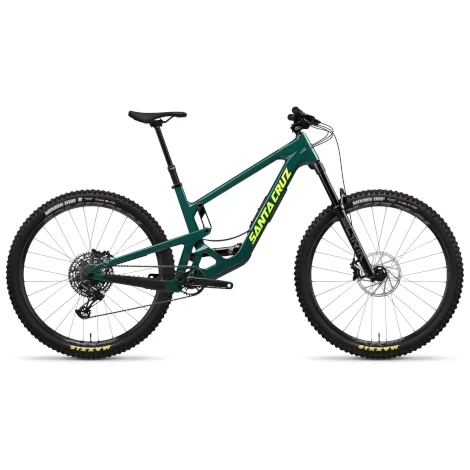
Best Trail Mountain Bike Overall: Santa Cruz Hightower
Good for: A diverse mix of terrain and riders who love to climb as much as they love to descend









Best Budget Trail Mountain Bike: Marin Bobcat Trail
Good for: Riders who want tons of fun on varied trails without too much spec sacrifice
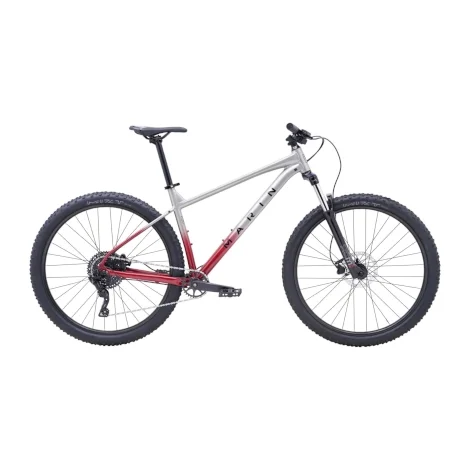




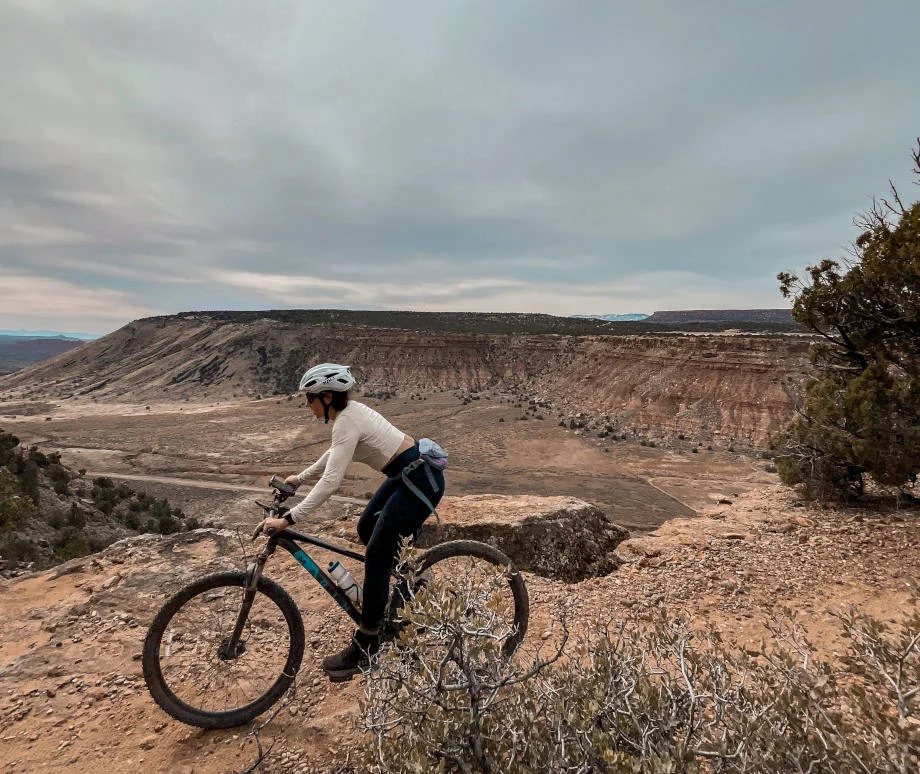
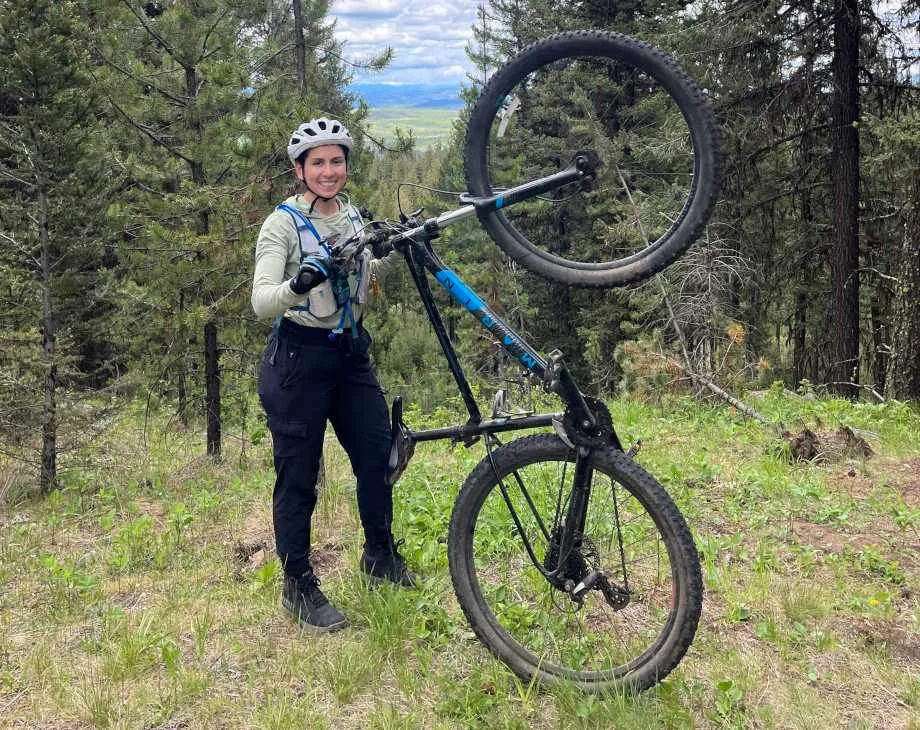
The best value on our list of the best trail bikes, the Marin Bobcat Trail epitomizes versatility. A short-travel trail bike (120 millimeters from the fork), this hardtail MTB punches well above its weight class. Since 2022, the Marin Bobcat Trail has been my go-to ride. I picked it up from a bike shop back when I lived in Miami and quickly put it to work on the sandy singletrack and root-riddled scrub forests in Florida bike parks. That was just the beginning.
RELATED: Best Budget Mountain Bikes
Over the years, this bike has gone far beyond its original Florida stomping grounds. I’ve taken it across a wide range of terrain, from the groomed flow trails at Bogue Chitto State Park in Louisiana to the red rock routes of Moab and the rugged backroads of Sedona. It’s even survived laps at downhill parks in British Columbia and Alaska—not exactly what it was built for, but it managed just fine, even if my knees didn’t. I give it high marks for versatility: 4 out of 5, easily. It won’t outperform a bike purpose-built for each of those settings, but it’s held its own everywhere I’ve taken it.
The front fork’s lockout has also come in handy on pavement. I’ve pedaled it along flat, paved routes like Shark Valley in Everglades National Park. That said, it’s a little sluggish on pavement and climbs due to its wide handlebars and slack head tube angle. The weight isn’t listed online, but based on my riding of it and other MTBs, I estimate it sits at about 35 pounds, earning 2.75 out of 5 for that category.
Its durability stems from an aluminum alloy frame—not as light as carbon, but much more forgiving when it comes to wear, tear, and the occasional crash. It’s far from the lightest trail bike around, but for the price, the value is almost unbeatable. I’d rate it 4.75 out of 5 for value, no question. It’s also future-compatible for dropper posts, so you can upgrade when you’re ready.
| Price | $999 |
| Bike Weight | Not listed |
| Suspension Type | SR/Suntour XCR LOR-DS BOOST, thru-axle, lockout, 42 mm (27.5″) and 46 mm (29″) offsets |
| Suspension Travel | 120 mm |
| Wheel Size | 27.5” or 29” |
| Tire Size | 2.25” |
| Tubeless Tires | No |
| Available Frame Sizes | S–XL |
| Frame Material | Aluminum alloy |
| Rear Derailleur | Shimano CUES U6000GS, w/clutch |
| Cassette | Shimano CUES CSLG400, 11-speed, 11-48T |
| Crankset | Alloy crank, steel narrow-wide chainring, 32t |
| Brakes | Tektro M280 hydraulic disc; 180 mm rotor (front); 160 mm rotor (rear) |
| Warranty | Lifetime on the frame; 1 year on components |
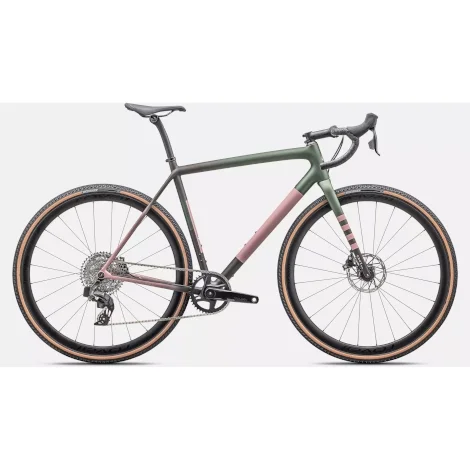
Best Mountain Bike for Trail and Road: Specialized Crux
Good for: Riders who love firm, flowy singletrack and exploring back roads—dirt, gravel ,or pavement



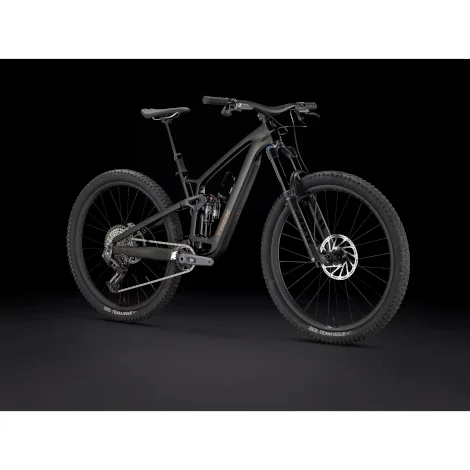
Best Trail Full Suspension Mountain Bike: Trek Fuel EX 9.8
Good for: All types of trail riding with some extra oomph for downhilling
Other Trail Mountain Bikes We Researched
These six bikes were strong contenders for our guide to the best trail mountain bikes. Here’s what real mountain bikers have to say about them.
- Trek Marlin: I rode a Trek Marlin for three years and loved it as a beginner MTBer. Adelia Valadez, bike rental shop manager at Massanutten Resort, concurs, saying that the Marlin is great for those just getting started because it’s “trail-capable, upgrade-friendly, and versatile enough to handle gravel paths, fire roads, and mellow singletrack.”
- Cannondale Trail 2: Jason Cowie, bike buyer for Sun & Ski Sports, says the Trail 2 is “A lightweight, versatile hardtail mountain bike built for both trail adventures and everyday rides.” It’s an excellent choice for cyclists who are looking for fun on beginner to moderate trails, plus a bike for commuting or leisurely road rides.
- Specialized Stumpjumper: Clare Zecher, mountain biking coach and Leadville 100 athlete, recommends the Stumpjumper to beginners because it “will give a new rider a true feel for how a mountain bike is supposed to move, and it will grow with a newer rider as they progress their skills.”
- Transition Smuggler: Luke Burgess, general manager of Riders Outpost at Madbush Falls recommends the Smuggler for riders who love trail riding with a preference for downhills. It’ll get you up the mountain and still provide comfort and stability on descents, he says.
How We Picked and Tested the Best Trail Bikes
This guide is the culmination of our own mountain biking experience and insights from our vast network of recreational mountain bikers, MTB racers, bike mechanics, bike buyers, and bike shop owners/managers. Here are some key factors we looked at when evaluating trail mountain bikes.
Frame Construction
We chose aluminum or carbon frames, or bikes that have the option of both. While carbon frames are generally lighter, they’re also more expensive than alloy or aluminum bike frames.
Suspension Travel
All of our top picks for trail bikes feature travel in the range of 120 to 150 millimeters in order to balance performance for ascents and descents.
Drivetrain
We prioritized bikes with 1x drivetrains with at least 12 speeds, except for our budget pick, which is under $1,000 and has 11 speeds.
Frame Geometry
Our recommendations have moderate geometry, which is crucial for being able to ride uphill and downhill comfortably; most have adjustable geometry with flip chips for even greater versatility.
Brakes
All of our top picks have hydraulic disc brakes. These are generally better than brake pads, as they have enhanced stopping power and don’t require much maintenance.
Wheels and Tires
We chose models with 29-inch wheels or the option to choose 27.5-inch or 29-inch wheels.
Trail Mountain Bikes Vs. Other Mountain Bike Types
“Trail riding, which includes a mix of climbing, descending, and technical features, benefits from a more balanced bike with stable geometry and suspension that can handle a variety without feeling sluggish,” says Connor Swegle, CEO of Priority Bicycles.
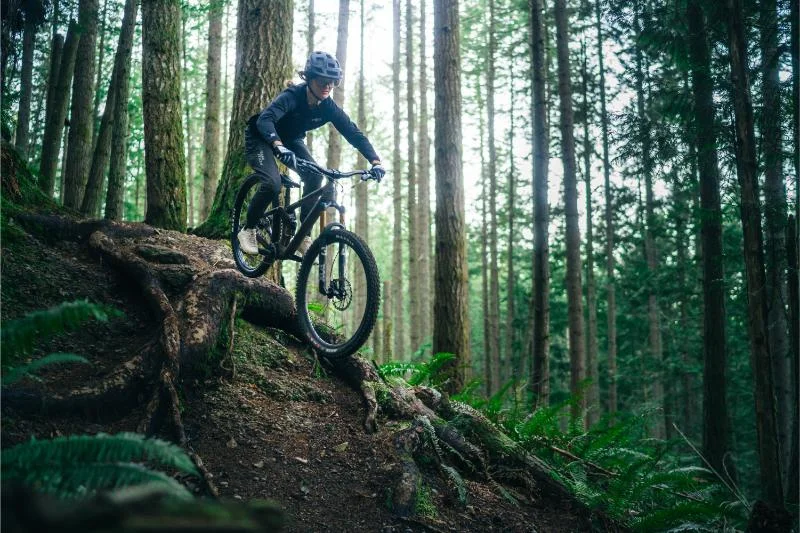
Conversely, “Cross-country terrain generally calls for a lightweight and efficient bike, with geometry that favors quick handling and responsive climbing,” he explains, adding that “Downhill terrain demands a focus on control and durability, so riders should look for geometry that prioritizes stability at speed, paired with suspension and tires that can absorb rough impacts and maintain grip.”
A rider’s intended terrain should always be the starting point for choosing the right suspension setup, frame geometry, and tire size, Connor says.
“The more aggressive the terrain, the more important it becomes to have a bike designed to stay planted and predictable, while smoother terrain rewards efficiency and agility,” Connor explains. “Ultimately, the key is matching the bike’s design to the riding style and environment to get the most control, comfort, and confidence out on the trail.”
Where to Ride Your Trail Mountain Bike
As the name suggests, trail mountain bikes are ideal for trail environments, mainly of the single-track variety. Trail bike design prioritizes versatility, so trail bikes simultaneously lend themselves well to a mix of climbing and descending, and flowiness and technicality, explains Swegle.
They are all-mountain machines—this means you can ride them just about anywhere, but you can’t expect them to be the very best at any single element of mountain biking. Trail bikes can handle gravel or dirt forest roads, lift-served downhill bike parks, cross-country laps, and more.
Trail Mountain Bike Maintenance Guide
Maintenance for trail mountain bikes is no different from maintenance for any other type of mountain bike. Here’s how to keep your shiny new bike clean and in good working condition.
- Before every ride: Check for loose bolts and components; make any necessary adjustments with a bike tool; air up tires to your desired pressure; squeeze the brakes to ensure they’re functioning; pedal backwards to make sure the chain runs smoothly through the derailleur and cassette.
- After every ride: Spray the bike down at a wash station if available, or with your garden hose, clearing out dirt and grime from the drivetrain, suspension, and tire tread. (Important! Avoid high-pressure water flow to avoid damaging bearing systems on your bike). Wipe down the frame, forks, and handlebars with a damp cloth.
- Weekly or monthly, depending on how much you ride: Thoroughly clean your drivetrain (chain, cassette, chainring(s), derailleur(s), crankset, bottom bracket, shifters) with cleaning rags and brushes. You don’t need any fancy bike cleaner; diluted dish soap works just fine. Lube the chain with chain lube for your riding conditions (wet or dry).
- Biannually or annually, depending on how much you ride: Take your bike in for a proper tune-up by a mechanic. They will check all components, make necessary adjustments, and clean your bike better than you can at home.
Buying Guide: What to Look for in Trail Mountain Bikes
For riders who want to mix it up and ride a bit of everything—i.e., trail mountain biking—”it’s all about balance,” says Adelia Valadez, mountain bike rental shop manager at Massanutten Resort in Virginia. The best specs for trail bikes fall somewhere in between the best specs for downhill or enduro bikes and cross-country mountain bikes designed for long-distance riding. “The key,” she says, “is finding a setup that doesn’t compromise too much in either direction.”
Mid-Travel
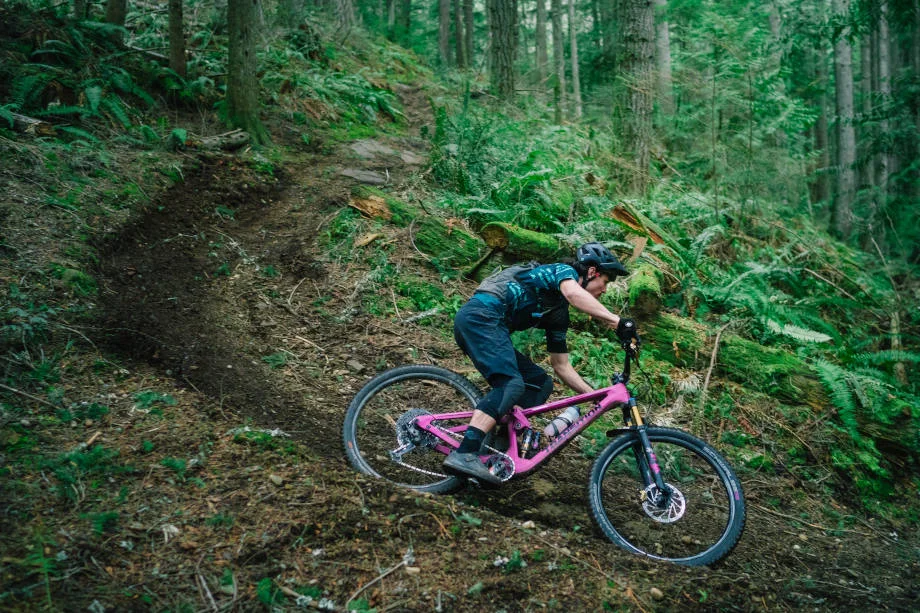
For trail riding, you don’t want a long-travel bike nor do you want a short-travel bike. The ideal amount of suspension travel in a trail bike is between 120 and 150 millimeters, according to Matt Peterson, senior engineer at American Kenda Rubber Industrial.
Moderate Geometry
Adelia explains that downhill riding is best done with slack geometry (lesser head tube angle; positions you further back on the bike; provides stability at high speeds); cross-country or XC bikes, meanwhile, have steeper geometry (greater head tube angle; positions you more over the handlebars; improves steering, handling, and speed maintenance). A trail bike, once again, should fall somewhere in the middle, Adelia says.
Hydraulic Disk Brakes
Hydraulic brakes are always worth the money over mechanical brakes, Adelia says, even if you can only spring for entry-level ones. They provide greater stopping power, which not only improves your performance but enhances your safety. More specifically, look for powerful brakes with a midsize rotor (160 to 200 millimeters), says Peterson.
Aluminum or Carbon Frame
Adelia recommends aluminum to most riders. “It’s durable, affordable, and modern alloy frames perform really well for the majority of riding styles,” she says. Unless you’re really focused on climbing and want to shave every bit of weight—which you probably won’t be if your intention is trail riding—the price jump to carbon isn’t usually worth it, Adelia says. “Carbon does offer a lighter ride, which can help on long climbs, but for most people, aluminum gives you great performance without the extra cost.”
1x Drivetrain Configuration
A 1x drivetrain has a single chainring, a rear derailleur, a single shifter on one handlebar, and a wide-range cassette in the rear. This is in opposition to a 2x drivetrain, which is losing popularity as the standard on mountain bikes. The 2x drivetrain features two chainrings (a large and a small one), a front and rear derailleur, and two shifting levers (one on each handlebar).
Mountain bike manufacturers are increasingly adopting 1x drivetrains, as they simplify shifting and minimize components that require cleaning and maintenance. When you’re dealing with a lot of variety in terrain features, you’ll appreciate the lower-maintenance 1x drivetrain.
Tips For Buying a Trail Mountain Bike Online
- Sizing: Make sure to know your height and inseam measurement before shopping. You’ll need this to purchase the correct size. Better yet, try to go to a bike shop in person to try different bikes before buying; you can also have a bike-fitting session with a professional.
- Shipping:
- Return policy: There’s a chance you won’t like the bike. Make sure you know and understand the return policy—and how you will get the bike back to the retailer—if you don’t want it after trying.
- Warranty: The best warranties include lifetime coverage on the frame and at least one year on all components. Check for differences in coverage for carbon vs. aluminum, full suspension vs. hardtail, and other differences among models.
- Used vs. new bike: You have little to worry about when buying a new bike online. If buying used, however, be sure to test ride the bike and/or get a mechanic to check it out before making a commitment.
RELATED: Bike Seat Height: How To Measure Correctly for a More Comfortable Ride
Experts Who Contributed To This Article
- Cassie Abel, founder and CEO of Wild Rye women’s technical apparel
- Natasha Woodworth, founder of Curious Creatures mountain bike apparel
- Adelia Valadez, bike rental shop manager at Massanutten Resort
- Connor Swegle, CEO of Priority Bicycles
- Matt Peterson, senior engineer at American Kenda Rubber Industrial
FAQs About the Best Trail Mountain Bikes
What size trail mountain bike do I need for my height?
Bike sizing differs a bit between brands, and sometimes for different bike models from the same brand. They do come in standard sizes (XS–XXL, though not all brands offer all of those sizes), and the sizes correspond to height. Use the size chart for the brand you’re interested in to find the right size trail bike for you.
How important are disc brakes on a trail mountain bike?
Hydraulic disk brakes are extremely important on a trail mountain bike, and any type of mountain bike for that matter. They are standard on all types of mountain bikes; mechanical brakes are found on ultra-budget bikes. Hydraulic brakes offer superior stopping power, which is critical for both safety and performance.
How much does a trail mountain bike cost?
Trail mountain bikes range in price from under $1,000 to more than $10,000, depending on the frame material, front suspension, rear shock, frame storage, and other components, including pedals, handlebars, wheelsets, and tires.
What is the difference between a normal mountain bike and a trail mountain bike?
Trail mountain bikes are actually what some would call “normal” mountain bikes. That is, they’re versatile and can be ridden in all sorts of environments, from technical trails to beginner trails to dirt roads. Other types of mountain bikes include downhill bikes, which are designed with high-speed travel and shock absorption in mind, and cross-country mountain bikes, which prioritize pedaling efficiency and climbing. There are also all-mountain bikes, which are very similar to trail bikes with a slight bias toward downhill riding; and enduro mountain bikes, which are also quite similar to trail bikes but with a slight edge for climbing.
References
- Trust for Public Land; International Mountain Bicycling Association. Economic Benefits of Mountain Biking (March 2025).