




As much as we’d all like to have a Samsung Galaxy Watch 8 or the latest Apple Watch, affordability is a legitimate concern. After all, some of the best fitness trackers can cost well over $500—especially if you want all the bells and whistles.
However, that doesn’t mean you’re out of luck.
With fitness tracking technology developing at a rapid rate in recent years, there are more options at your disposal than ever. To help you find the right fit for your wrist (or finger), we’ve evaluated dozens of smartwatches, rings, and other devices using our comprehensive testing process.
Most importantly, we narrowed our search to only include picks that won’t take a huge bite out of your wallet. So, if you’re ready to make your workouts count even more, let’s dive into our list of the best budget fitness trackers.
GGR Gold Pick — Best Budget Fitness Tracker
The Xiaomi Mi Smart Band 10 is our top pick for budget-conscious buyers looking for a reliable fitness tracker. Offering up to 21 days of battery life, heart-rate monitoring, and more than 150 workout modes, this sleek fitness tracker punches well above its weight class.
The 5 Best Budget Fitness Trackers
- Best Budget Fitness TrackerOverall – Xiaomi Mi Smart Band 10
- Best Budget Fitness TrackerUnder $100 – Fitbit Inspire 3
- Best Budget Garmin Fitness Tracker – Garmin vivoactive 5
- Best Budget Fitness Tracker with GPS – Fitbit Charge 6
- Best Budget Fitness Ring Tracker – RingConn Gen 2 Air
Current Top Deals
- Garmin vivoactive 5 – Get $50 off instantly upon approval for Amazon Visa
- Fitbit Inspire 3 – Save $20 on the Fitbit Inspire 3
- RingConn Gen 2 Air – Save up to $40 on your new Gen 2 Air with qualifying trade-ins.
How We Selected the Best Budget Fitness Trackers
Just because a tracker is budget-friendly doesn’t mean it can’t be visually appealing. We take note of the quality of the materials (especially the band), the size and clarity of the display, and how well it blends with everyday attire. Higher scores go to models that feel premium and offer interchangeable bands or multiple style options.
Fitness wearables are only as useful as the data they provide. We assess features like heart rate monitoring, built-in GPS, sleep and health tracking, and compatibility with platforms like Apple Health and Google Fit. Trackers with accurate sensors, intuitive software, and robust tracking capabilities earn the highest marks.
Whether you need a running watch that can withstand the elements or a simple activity tracker to monitor your step count and calories burned, you want a device that’ll hold up with daily use. We evaluate the overall build quality, water resistance, and battery life when determining the durability score. Models that feel sturdy and continue performing reliably over time receive top marks.
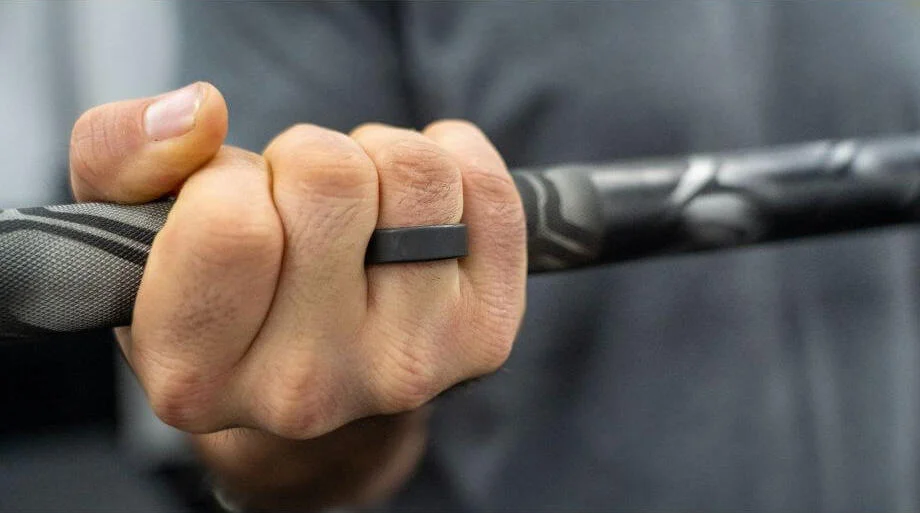
The GGR team includes certified personal trainers, competitive athletes, and exercise enthusiasts who have tested 35 fitness trackers (and counting). Using our fitness equipment testing methodology, we rate key categories—such as adjustability, durability, and community—on a 1-5 scale. We then calculate a composite score to reflect each tracker’s overall value.
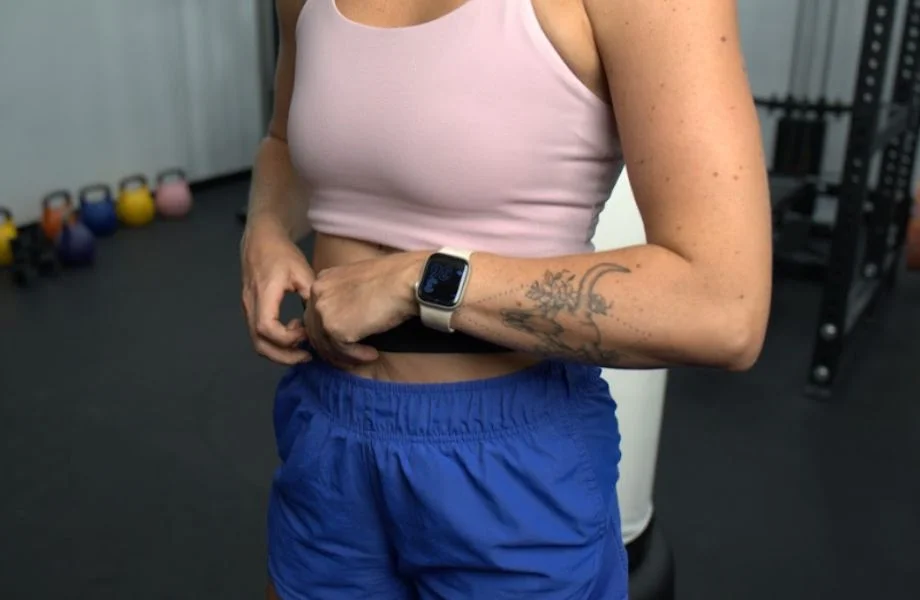
In addition to our team of fitness experts, we consult with experts in the field to provide further insight. For this piece, we discussed the benefits of sleep and activity tracking with GGR expert contributor Dr. Raj Dasgupta, MD, FACP, FCCP, FAASM. He also offered practical tips for building a well-rounded health and wellness routine that can be supported by this piece of fitness tech.

Latest Updates
In July 2026, we reviewed our list of the best budget fitness trackers and updated a few of our picks with newer iterations. So, while the Xiaomi Mi Smart Band still earns our top spot, the latest version (the 10) offers even more features than its predecessor. We also swapped out the original RingConn Smart Ring for the Gen 2 Air—a budget-friendly alternative to the brand’s standard Gen 2 model.
Best Budget Fitness Tracker Overall: Xiaomi Mi Smart Band 10
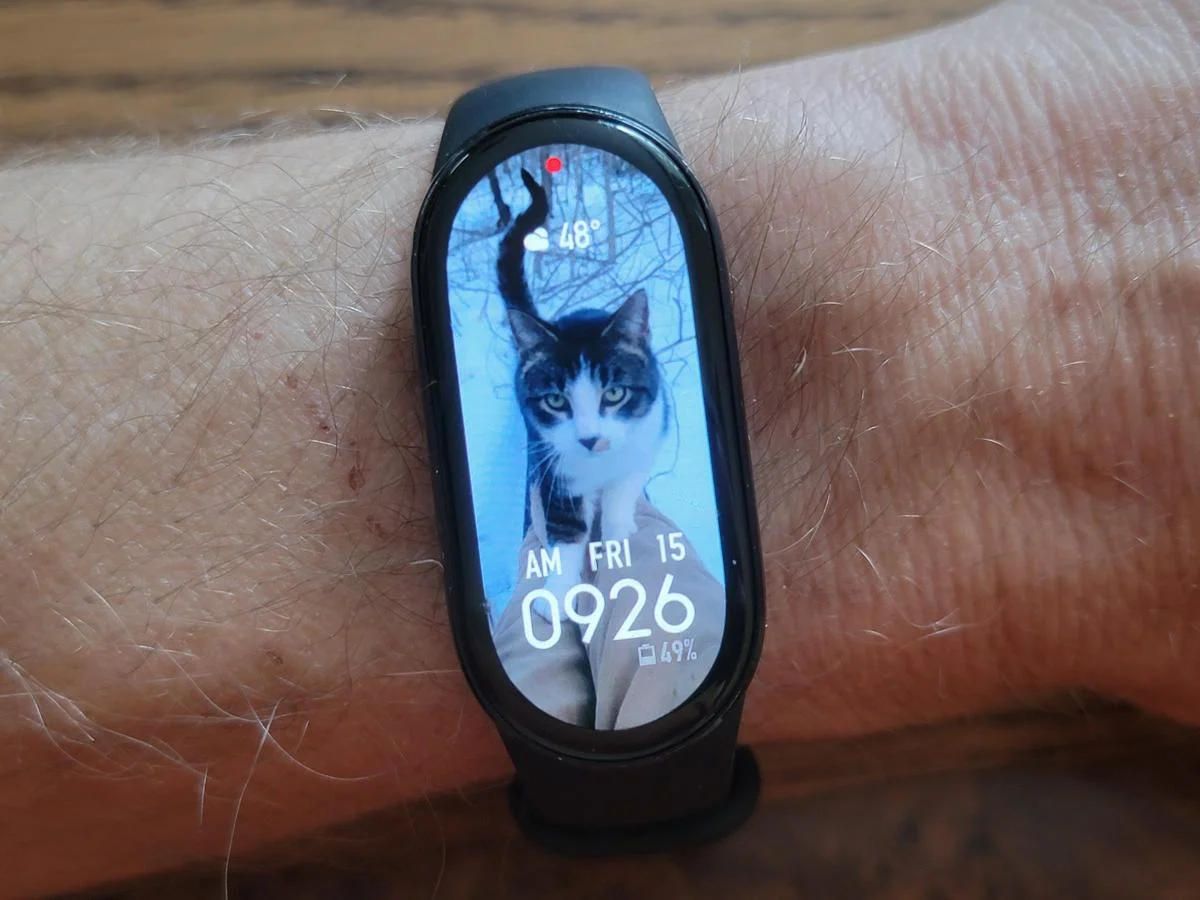
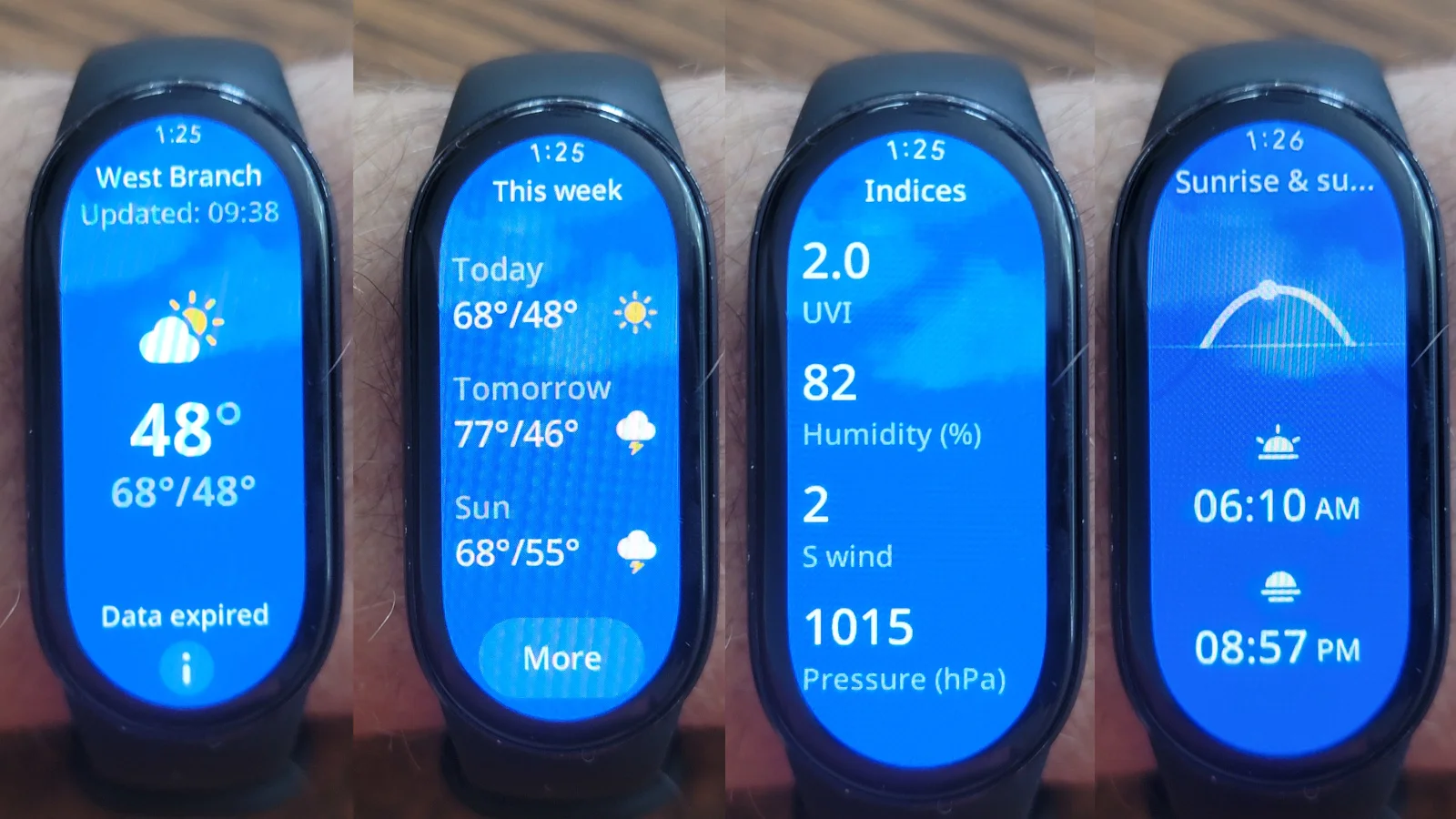











The Xiaomi Mi Smart Band 10 is an affordable yet comprehensive fitness tracker. The slim design is lightweight and non-intrusive, and the bright display is easy to read even in direct sunlight. However, this tracker does not come with GPS technology.
Priced under $50, the Xiaomi Mi Smart Band 10 is our No. 1 pick for the best budget fitness tracker. Offering up to 21 days of battery life on a single charge, it has all the features you’d expect from a wearable device, including heart rate monitoring, sleep tracking, and an upgraded high-precision electronic compass that you can use to track swimming workouts. Having tested older versions of the Mi Smart Band, we were even more impressed by the latest version, awarding it a perfect 5 out of 5 for value.
Value: 5/5
Durability: 4.5/5
Tech Capabilities: 4.5/5
Why We Like the Xiaomi Mi Smart Band 10
You won’t be encouraged to wear a fitness tracker if it’s not comfortable. Luckily, you don’t have to worry about that with the Smart Band 10.
“The silicone band has a flexible rubbery feel that slides nicely along the skin without rubbing the skin or pulling on arm hairs,” our expert product tester told me, rating the adjustability a 4 out of 5. “I found it was comfortable to sleep in and I never had any skin irritation or discomfort of any kind from wearing the watch too much.”
In addition, there’s no need to fret over how often you’ll need to charge this sleekly designed fitness tracker. Although 21 days of battery life is a bit of a marketing stretch, you can certainly look forward to extended use.
“The battery life lasted almost 10 days, and it charges back up in a couple hours or less,” our tester explains. “In the eight weeks I’ve been using this device, I’ve only had to charge it five times.”
Meanwhile, the watch face has a durable 1.72-inch AMOLED display that you can customize with digital widgets.
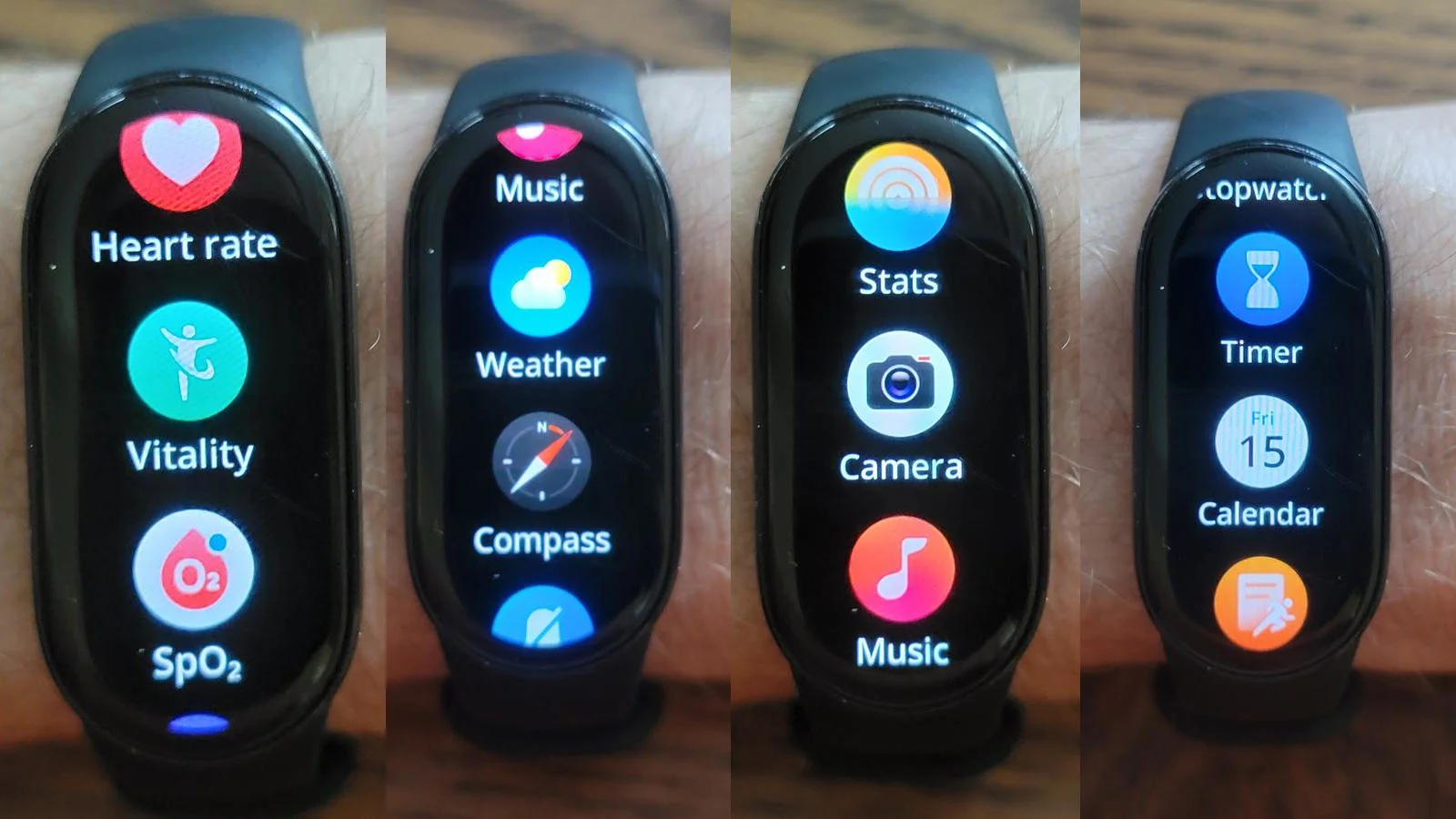
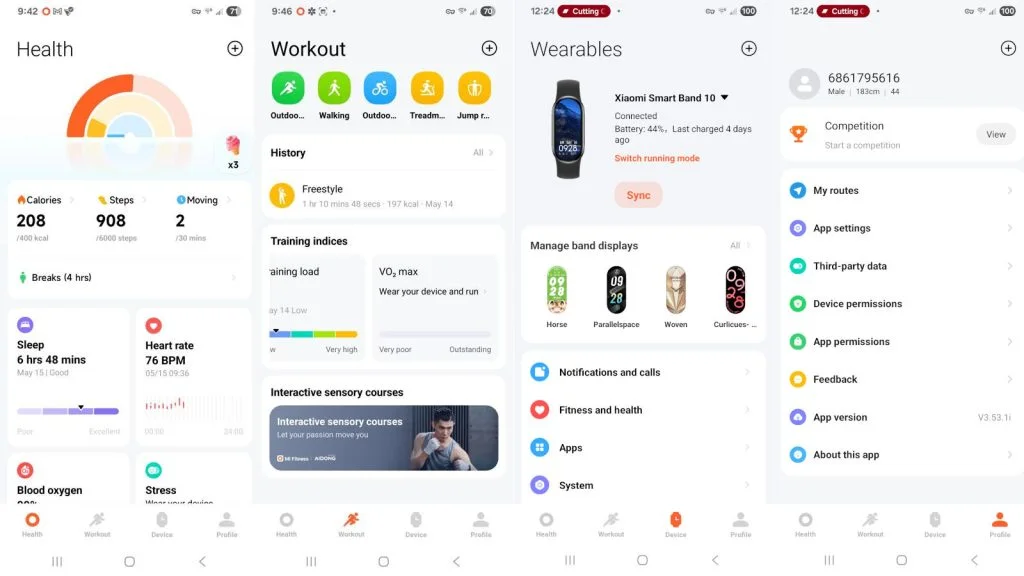
“The touchscreen on the Smart Band 10 is very effective and has a simple interface,” our tester explains. “There are 27 useful apps and you can easily use the watch itself or the Mi Fitness app on your phone to select which of these appear and choose the sequence.”
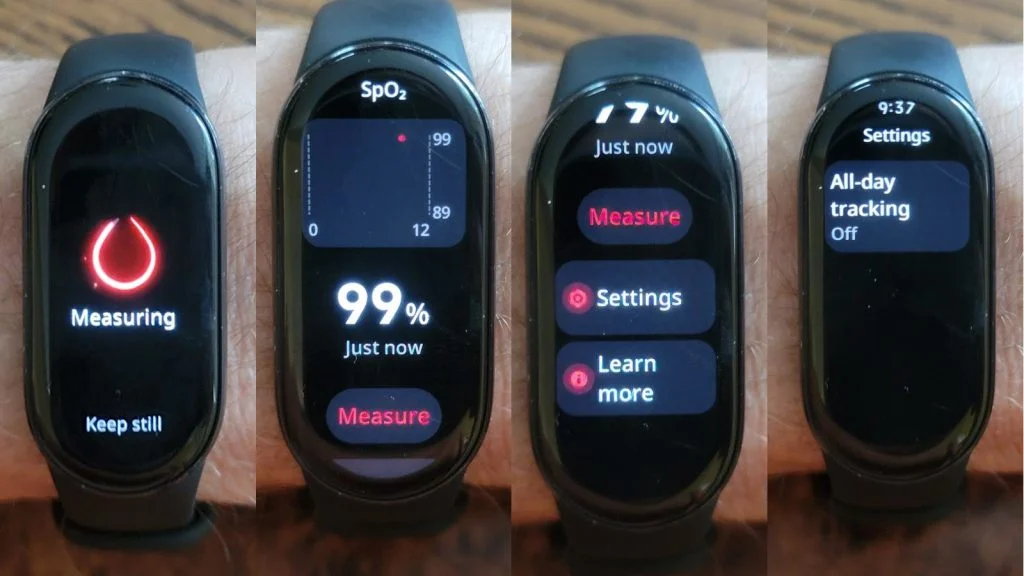
Earning a 4.5-out-of-5 for tech capabilities, the Mi Smart Band 10 can track everything from your blood oxygen saturation (SpO2) to your heart rate to your sleep patterns.
“If you are looking for a comfortable and easy-to-use tracker that is relatively accurate in tracking total sleep time, then a wrist-worn tracker is a good option,” says GGR expert contributor Dr. Raj Dasgupta, MD, FACP, FCCP, FAASM.
The watch will even vibrate when your SpO2 or heart rate falls out of the optimal safe zone. And if you’re concerned about the accuracy of a budget-friendly device, our tester experienced the exact opposite.
“Before I began exercising, I counted 70 beats in 60 seconds, and the device measured 70 BPM. After doing 20 push-ups it was reading 90 BPM, which is exactly what I counted during 60 seconds at that time,” he told me.
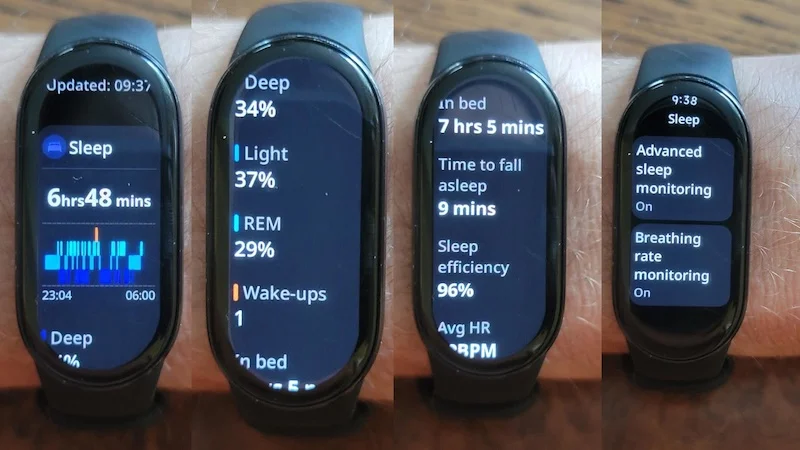
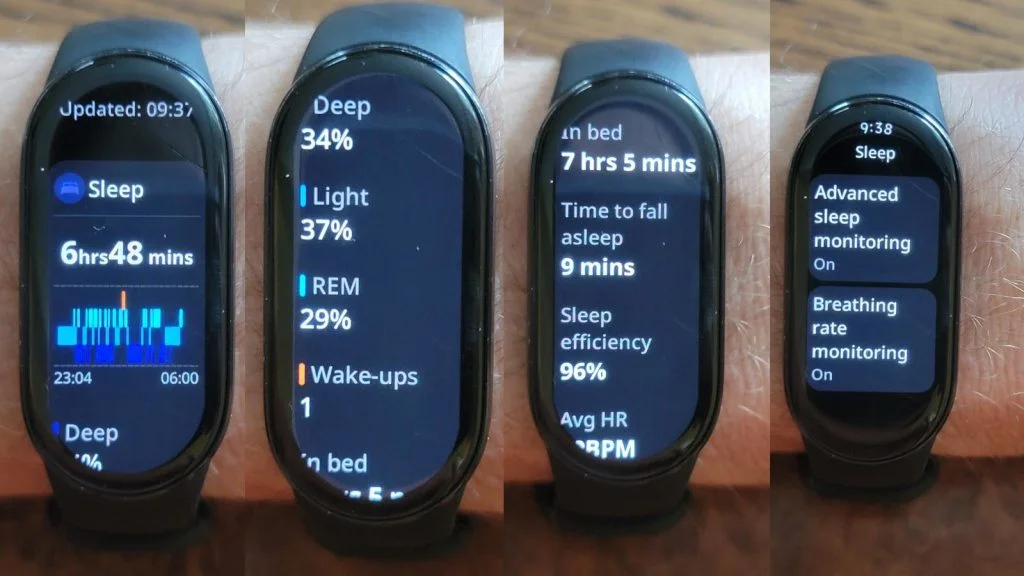
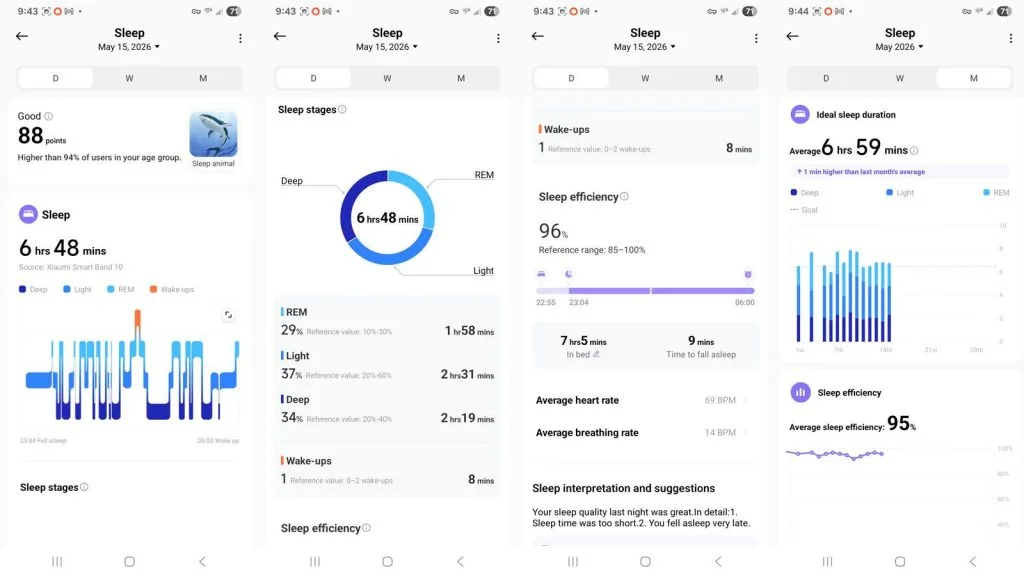
The other shining achievement of this device is the detailed sleep tracking capabilities that include light, deep, and REM monitoring. These features require zero effort from the user to set up. You sleep with it on and in the morning you are seeing detailed info about your sleep patterns the night before.
Our expert product tester
What We Didn’t Like About the Xiaomi Mi Smart Band 10
Although the Xiaomi Mi Smart Band 10 earned at least a 4 in every category, our tester still had a few callouts.
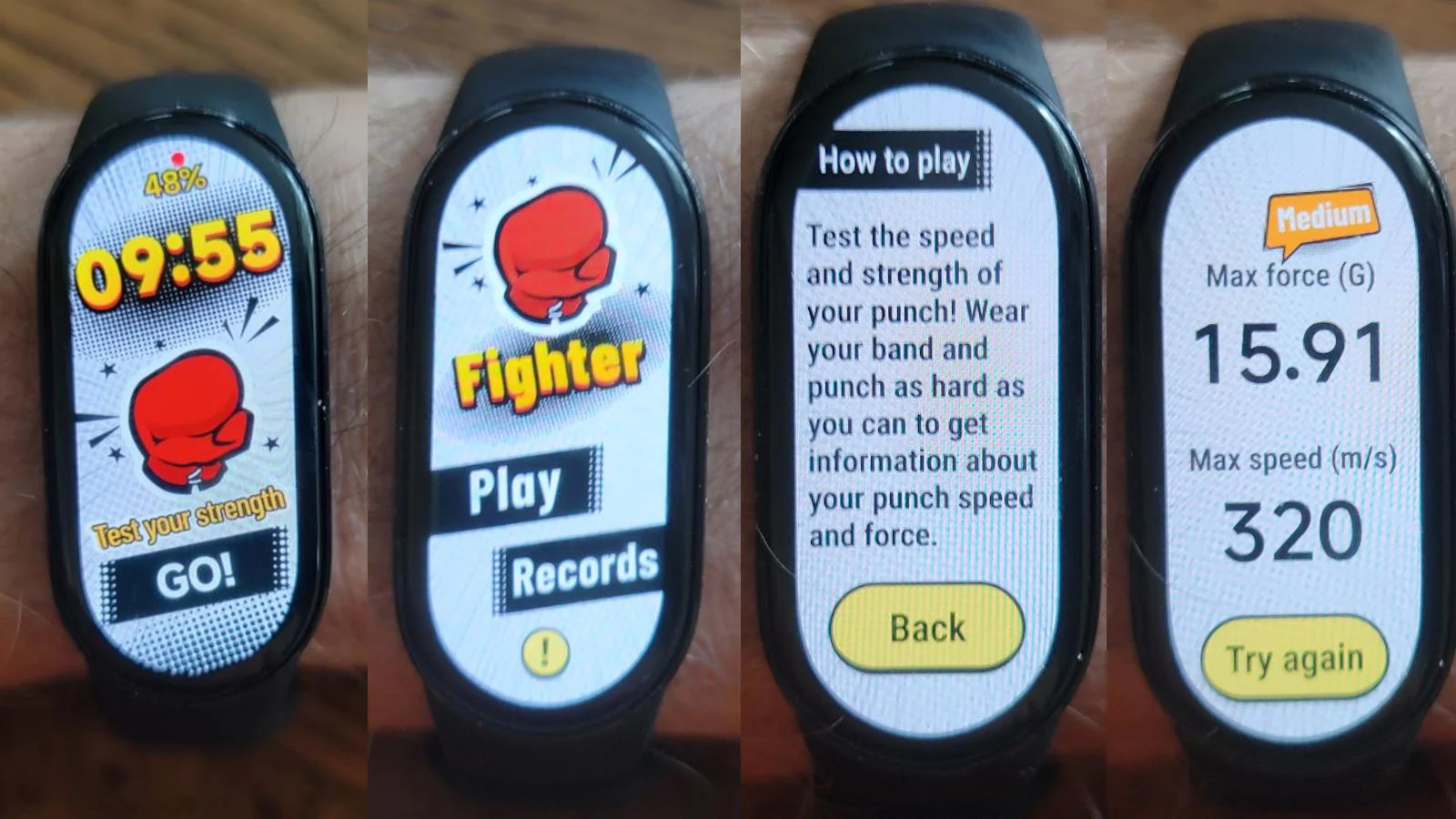
“It seems that you have to activate one of three workout modes on the smart watch: Freestyle, Outdoor running, and Walking,” he explains. “This functionality feels really bare-bones for most serious athletes.”
Another issue our tester pointed out is that while the Smart Band 10 easily syncs with the Google Fit app, it only supports sleep time and duration tracking.
“When using the Smart Band 10 and the Mi Fitness app, there is much more information showing periods of deep sleep, light sleep, REM cycles, and wake-up times.”
If you have a bit more room in your budget, the Garmin vívoactive 5 is a premium fitness tracker that pairs excellent health and activity tracking with the look and functionality of a smartwatch.
Testing Breakdown
Here’s how the Xiaomi Mi Smart Band 10 scored based on our testing methodology.
Vs. The Average
The Xiaomi Smart Band 10 is a bargain even when compared to other budget-oriented fitness trackers. Most impressively, it offers a substantially longer battery life—though, in our tester’s experience, 21 days is a bit optimistic.
| Xiaomi Mi Smart Band 10 | Average Budget Fitness Tracker | |
| Price | $48.19 | $155.42 |
| Battery Life | Up to 21 days | 12 days |
| Water Resistance | Up to 50 meters | 50 meters |
| Warranty | 1-year warranty | 1-year warranty |
Best Budget Fitness Tracker Under $100: Fitbit Inspire 3
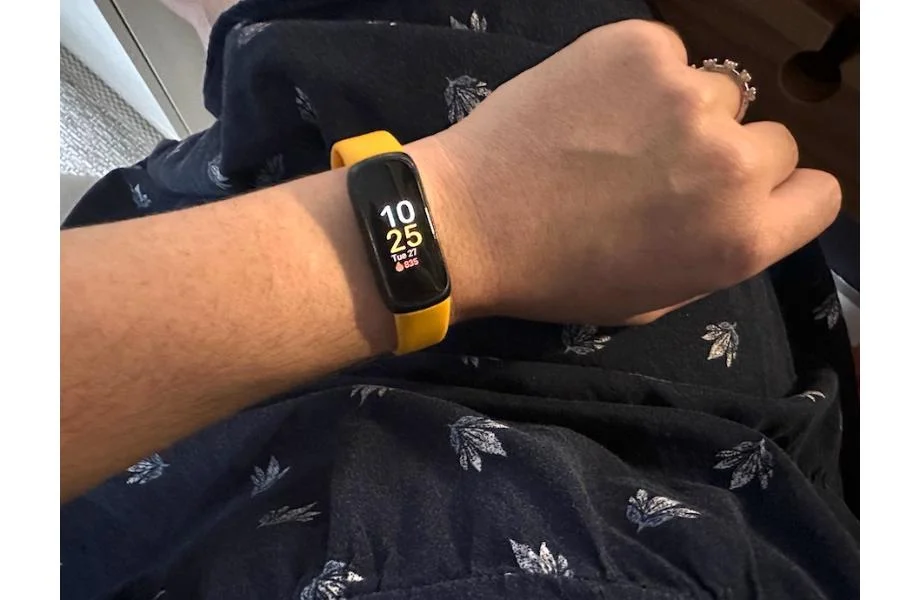
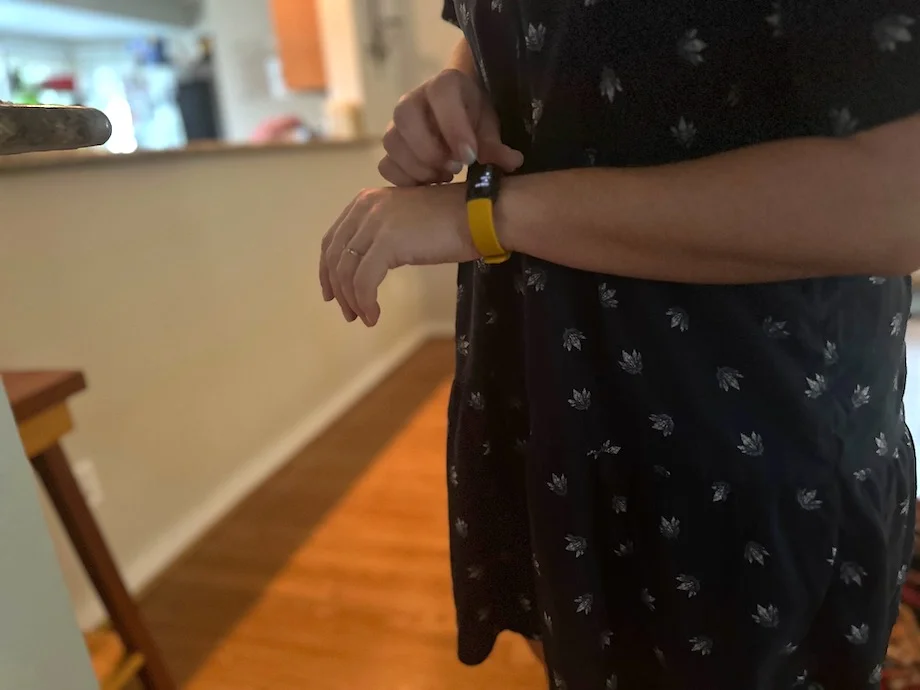
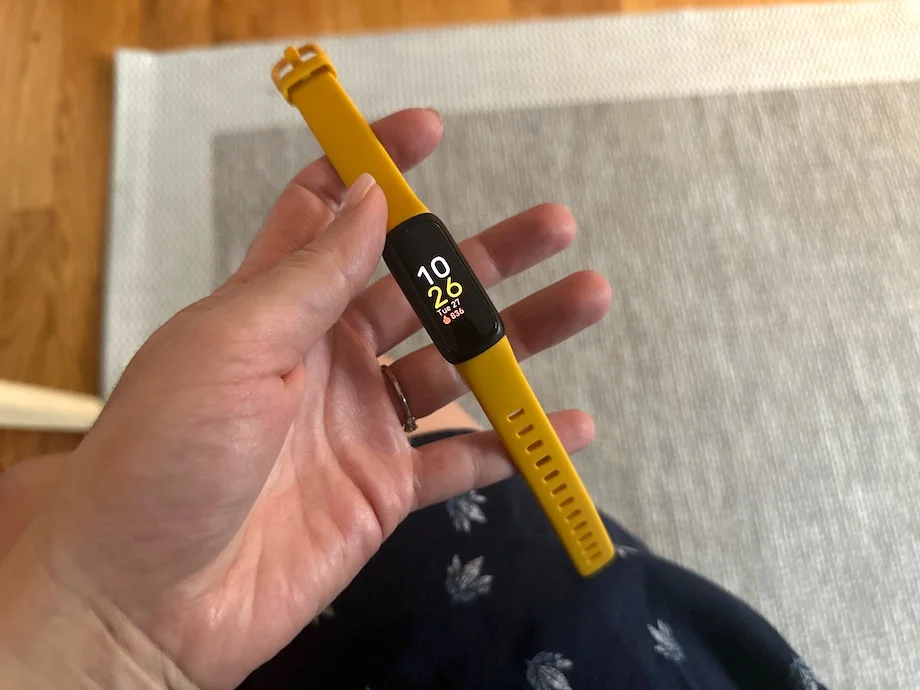




The Inspire 3 is a budget-friendly option that covers core fitness tracking, including heart rate and sleep, though it lacks more advanced tools like GPS.
An OG in the wearable space, Fitbit has carved out a reputation for making some of the most intuitive, user-friendly devices. Out of all the best Fitbit models to hit the market, the Inspire 3 remains one of the most popular, thanks in large part to its sub-$100 price point. It won’t have as many smartwatch features as a pricier Apple Watch, but it still offers text, call, and app notifications, plus GPS when connected to (and in range of) your smartphone.
Earning a strong overall score of 4.4 out of 5, the Inspire 3 checks many of the most important boxes in a fitness tracker, even if it lacks some more advanced features.
Value: 5/5
Aesthetic: 4/5
Tech Capabilities: 4.5/5
Why We Like the Fitbit Inspire 3
Right off the bat, you can’t beat the bang for your buck you get with the Inspire 3. Priced just under the $100 mark, it earns a perfect value score.
“For $99, the Inspire pretty much does anything the Fitbit Sense 2 smartwatch can do for about half the price,” says GGR Senior Director of Content Nicole Davis, CPT, PN1-NC. “You definitely get your money’s worth with this.”
Despite its budget-oriented price tag, rest assured you won’t be short on tech capabilities. Nicole says you can track all of your important health metrics like heart rate (resting, while working out, and heart rate variability), blood oxygen, breathing rate, stress levels, and steps. Like other Fitbit models, the Inspire 3 also has automatic workout tracking features. As a result, we rate the tech capabilities a 4.5 out of 5.
From an aesthetic standpoint, the Inspire 3 is quite sleek, boasting a minimalist design. You can select from three band colors (black, purple, and bright yellow/orange), allowing you to tailor it to your liking.
“After wearing the Sense 2 for a while, and having an Apple Watch in the past, I actually like the slim look of this tracker,” Nicole says, rating the aesthetic a 4.5 out of 5. “I also used the Inspire 2 for months and like that this generation has color options. Another upgrade in the Inspire 3 is the color screen—the Inspire 2 only offered white text.”
This is a great tracker that does a lot. It would be great for beginners but offers data even data nerds would love. I really like it—almost more than my Sense 2.
GGR Senior Director of Content Nicole Davis, CPT, PN1-NC
What We Didn’t Like About the Fitbit Inspire 3
It’s tough to find many knocks against the Inspire 3. However, while Nicole appreciated the slim design, others may find it less appealing if they prefer a larger screen. After all, the AMOLED touchscreen display only measures 0.76 inches—less than half the size of the Xiamoi Mi Smart Band 10.
Another point worth mentioning: You’ll need a Google Health Premium membership (formerly called Fitbit Premium) to unlock the Inspire 3’s full potential. While the tracker includes core health and fitness features right out of the box, the paid membership gives you access to Daily Readiness Scores, detailed sleep profiles, guided workouts, mindfulness sessions, and more in-depth health insights.
Without a subscription, you’ll miss out on many of the features that set the Inspire 3 apart from more basic fitness trackers. Thankfully, the subscription cost checks in at a manageable $9.99 per month or $99.99 per year, and you get a six-month trial when you purchase the Inspire 3. However, you’ll need to budget for this expense after that period ends if you truly want to maximize your investment.
If you’re open to a different type of wearable, the RingConn Gen 2 Air is a discrete option that delivers plenty of useful data. Keep in mind that it’s about double the cost of the Inspire 3.
Testing Breakdown
The Fitbit Inspire 3 earned a 4 or higher in every category we tested. Here’s a detailed scoring breakdown:
Vs. The Average
The Fitbit Inspire 3 is significantly cheaper than its competitors. While the battery life is slightly shorter than the average budget fitness tracker, it meets all other thresholds.
| Fitbit Inspire 3 | Average Budget Fitness Tracker | |
| Price | $99.95 | $155.42 |
| Battery Life | Up to 10 days | 12 days |
| Water Resistance | Up to 50 meters | 50 meters |
| Warranty | 1-year warranty | 1-year warranty |
Best Budget Garmin Fitness Tracker: Garmin vivoactive 5
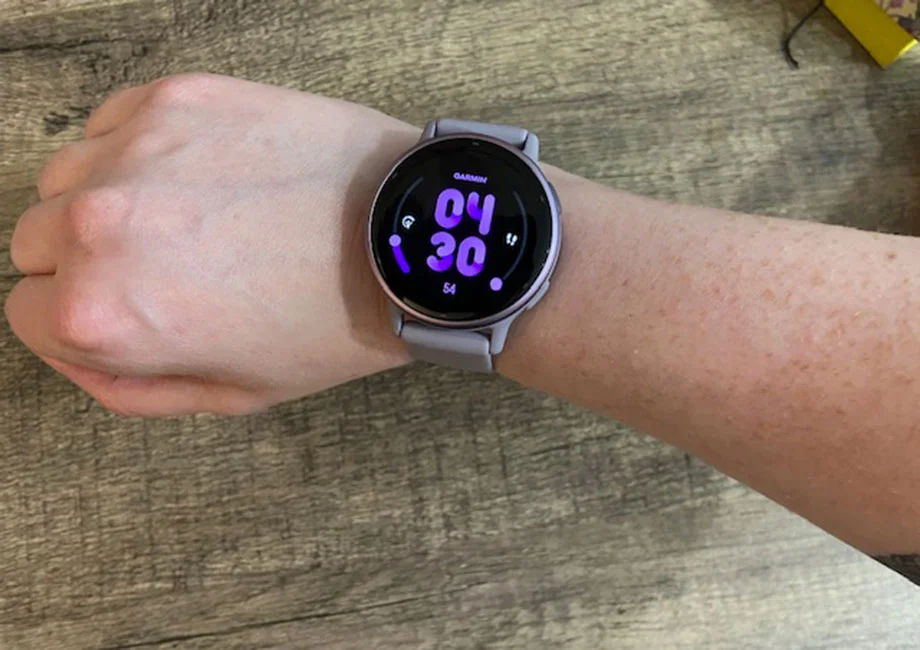
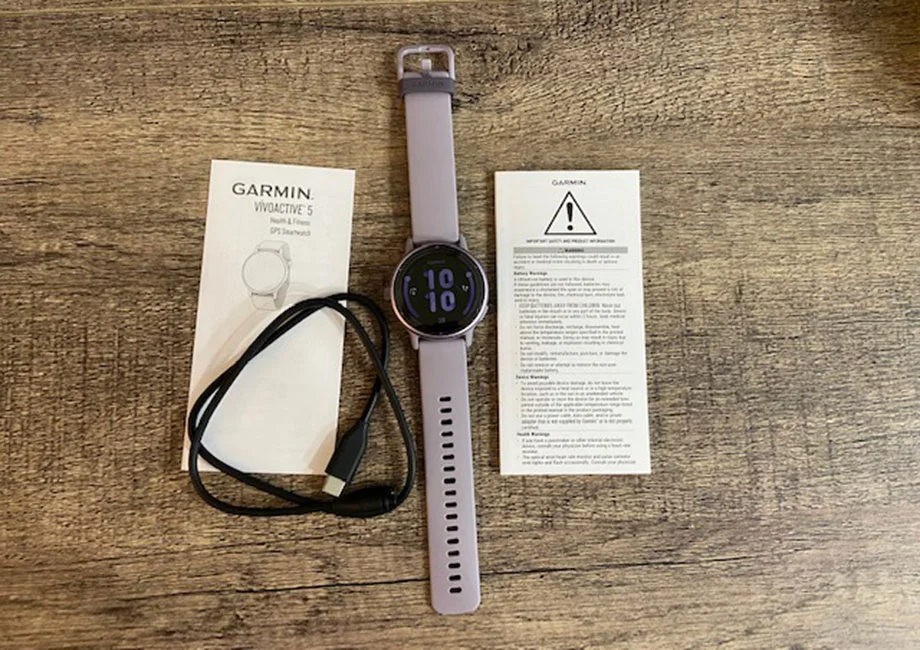
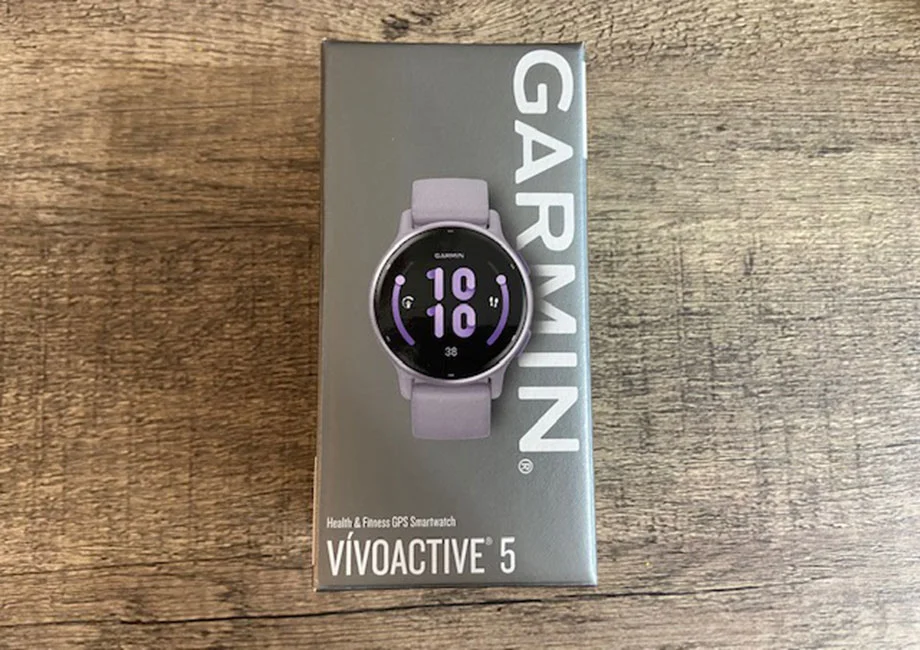
The Garmin vivoactive 5 isn’t the latest model in this line, but it’s still a comprehensive, high-performing fitness tracker. It offers Garmin coaching, a plethora of sports modes and workout types, smart features, and advanced health tracking metrics.
While many of the best Garmin fitness trackers fall outside the “budget-friendly” scope, the vivoactive 5 is one of the few models with a relatively palatable price tag. Listed for $269.99 on the Garmin website as of this writing, it’s often available for even less during holiday sales and promotional periods. As such, we rate it a 4 out of 5 for value, even though it’s pricier than other fitness trackers on this list.
“It’s less expensive than other Garmin models, but it’s similar to smartwatches like the Samsung Galaxy Watch, Google Pixel Watch, and some Apple Watch models,” says former GGR Senior Editor Erin Chancer, CPT, CNC.
Aesthetic: 4.5/5
Tech Capabilities: 5/5
Value: 4/5
Why We Like the Garmin vivoactive 5
Featuring a 1.2-inch AMOLED touchscreen display, the vivoactive 5 boasts an attractive aesthetic that earned a near-perfect score of 4.5 out of 5 from Erin.
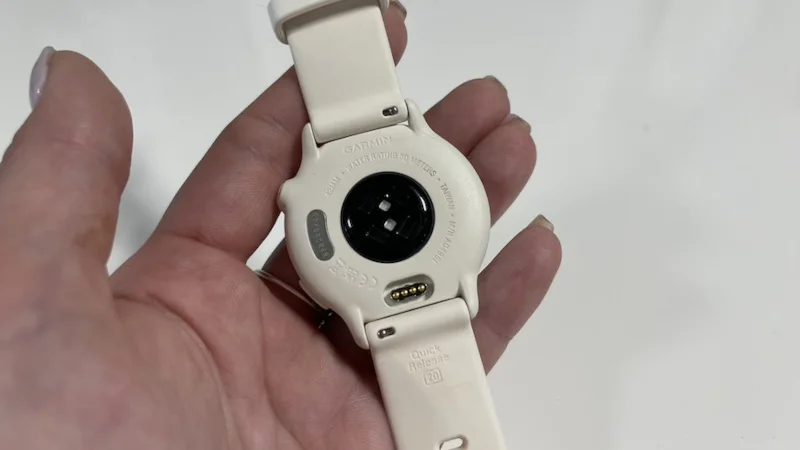
“This is a gorgeous design. I went with the light lavender color and love the way it looks and the softness of the band,” she says. “I have smaller wrists, so while the watch face takes up a lot of real estate, it doesn’t feel too bulky. The home screen display is also really simple with just the date and time.”
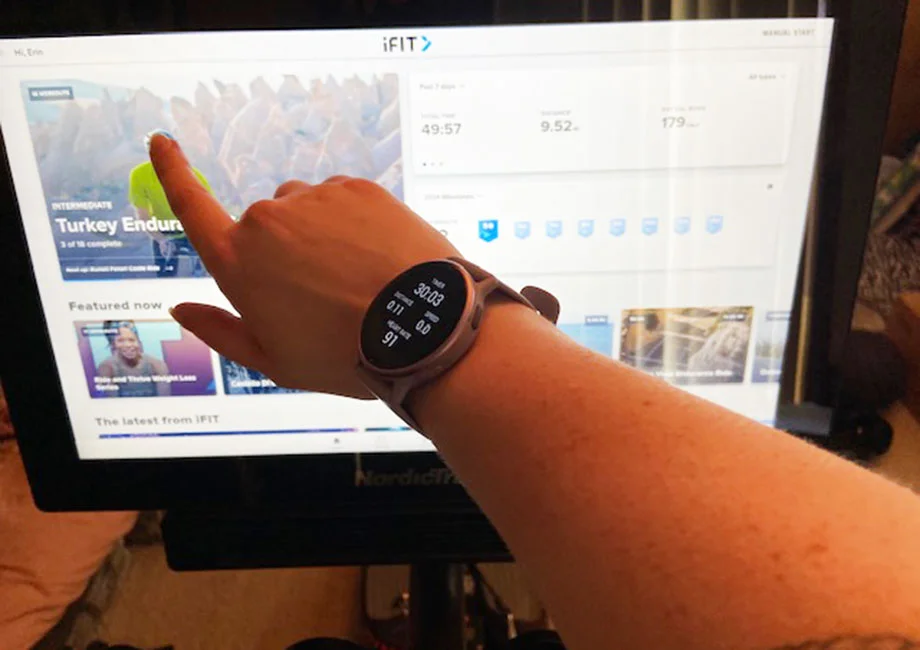
From a functionality standpoint, Erin was also impressed with the ability to create workouts in the Garmin Connect App and send them to your watch. You’ll even be able to cue audio prompts for walking and running workouts and play music from your watch (although this feature will drain the battery more quickly).
Erin says the Garmin vivoactive 5 makes a great running watch with the built-in GPS that doesn’t require your smartphone to be nearby. That means you can hit the trails without your phone weighing you down. You’ll also be able to track sports like disc golf, swimming, paddleboarding, rowing, tennis, pickleball, ice hockey, boxing, and more. As a result, the vivoactive 5 easily scores a 5 out of 5 for tech capabilities.
Finally, if you’re someone who gets ultra-focused and forgets to move during the day, this device can act like a subtle accountability partner by nudging you to stay active.
“I get these periodical alerts to move or stretch. As someone who’s regularly anchored to my desk for work, this was a game-changer,” Erin explains.
On that note, we also appreciate the brand’s community-focused nature. Garmin Connect is a free online app-based fitness community where you can connect with others and share your fitness milestones, complete challenges, and earn badges. So, if you need a little motivational boost, Garmin’s got you covered.
It’s really comfortable, and I forgot I had it on after a while, which is huge because I don’t normally wear watches or jewelry—especially when working.
Former GGR Senior Editor Erin Chancer, CPT, CNC
What We Didn’t Like About the Garmin vivoactive 5
Although the vivoactive 5 checks the boxes for aesthetics and performance, there’s a small design issue that could pose a minor problem.
“One item of note that I ran into when training with it is that the band can trap sweat underneath, which is something to watch out for if you have sensitive skin,” Erin explains.
Furthermore, it’s fair to say the vivoactive 5 isn’t a fit for everyone. That’s not to say it isn’t comfortable, but rather it might be too feature-packed for more casual users.
“I feel like I haven’t even scratched the surface of what this watch can do,” Erin says. “There’s definitely an intimidating learning curve, so I wouldn’t necessarily recommend this for beginners or those who aren’t as tech-savvy (myself included).”
For a more simplified digital fitness experience, check out the Xiaomi Mi Smart Band 10. It’s not as complicated as the vivoactive 5—and it’s about a fifth of the price.
Testing Breakdown
As you can see, the Garmin vivoactive 5 performed remarkably well based on our testing methodology. It earned perfect scores in three categories, solidifying its standing as one of the top overall fitness trackers we’ve tested.
Vs. The Average
The Garmin vivoactive 5 is the most expensive fitness tracker that made our budget-friendly list. However, it offers excellent functionality that justifies its price tag.
| Garmin vivoactive 5 | Average Budget Fitness Tracker | |
| Price | $269.99 | $155.42 |
| Battery Life | Up to 11 days | 12 days |
| Water Resistance | Up to 50 meters | 50 meters |
| Warranty | 1-year warranty | 1-year warranty |
Best Budget Fitness Tracker with GPS: Fitbit Charge 6
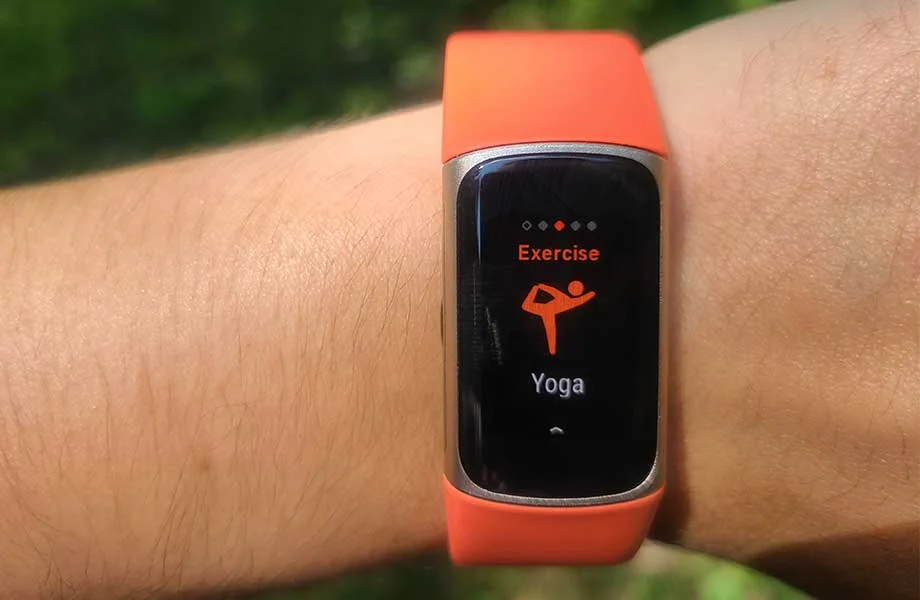
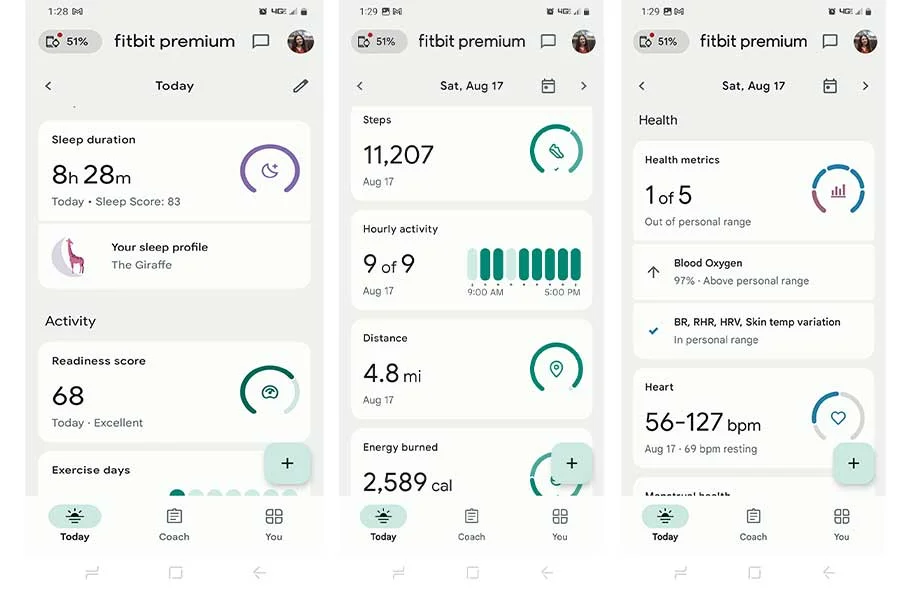
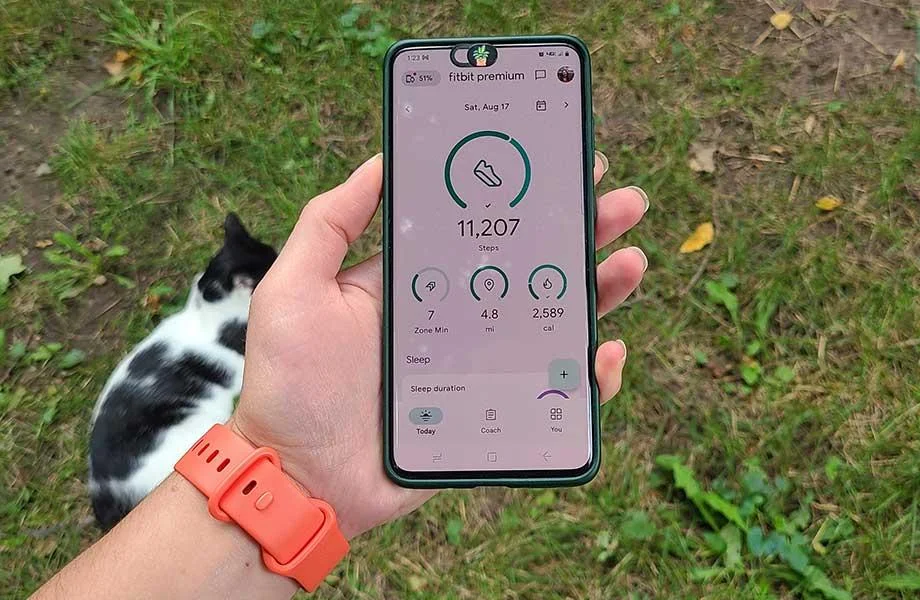


The Fitbit Charge 6 offers a robust set of features for everyday fitness tracking at an affordable price. While some advanced features require a subscription, its integration with Google services and comprehensive health metrics make it a solid choice for most users.
Thanks to built-in GPS and Google Maps turn-by-turn directions, the Fitbit Charge 6 is built for outdoor adventurers. While you won’t see a full map on your wrist, the Google Maps integration helps keep you on course while the onboard GPS delivers accurate pace and distance metrics for running, walking, cycling, and other outdoor activities.
Best of all? You don’t have to sacrifice an arm and a leg to get this type of guidance, as the Charge 6 is nearly half the cost of the GPS-equipped Garmin vivoactive 5.
Aesthetic: 4/5
Tech Capabilities: 5/5
Value: 5/5
Why We Like the Fitbit Charge 6
Former GGR Editor Frieda Johnson, NASM-CNC, ISSA-SET, tested the Fitbit Charge 6 and thought this budget-friendly tracker had everything she needed, which is why she gave it a 5-star rating for tech capabilities.
“It tracks so many different things that I haven’t even used them all yet. I love that I can check my notifications, set a timer, and track a workout without having to pull out my phone,” says Frieda.
The Fitbit Charge 6 is also reasonably priced at roughly $160. You’ll get a six-month trial of the Fitbit Premium app, but you won’t need it for basic metrics. The premium membership just has a few more features, like personalized insights on stress and sleep scores.
The Charge 6 has over 40 exercise modes to choose from and can track your target heart rate during exercise with the “active zone minutes” feature (which is on all Fitbit devices). We also like that Fitbit devices have automatic exercise tracking and reminders to move.
“I really like the ‘smart wake’ feature—it works better for me than any alarm I’ve ever tried,” says Frieda. “The daily readiness score is also really nice. It takes into account your recent activity levels, sleep, and heart rate variability to give you an idea of how ready you are to perform that day.”
You’ll also have an ECG heart rate sensor for all-day heart rate monitoring, in addition to tracking activity, sleep, and stress. Combined with the built-in GPS, seven-day battery life, and useful insights such as your Daily Readiness Score, the Charge 6 easily earns a perfect value rating.
I can’t think of anything else I could possibly want this to do that it doesn’t already do.
Former GGR Editor Frieda Johnson, NASM-CNC, ISSA-SET
What We Didn’t Like About the Fitbit Charge 6
Although the Charge 6 passed the eye test, we still docked a point for the aesthetic category. Unfortunately, FitBit only offers three color choices, so you are pretty limited in that regard.
“I do wish it came in more colors, but I like the coral/champagne color I got,” Frieda explains.
Sizing could also be a bit of an issue. Frieda expressed some concerns about the bands and docked one point from the adjustability score.
“I will say that the small band is almost too small for me and the large band is too large, and I think I have fairly average-sized wrists,” she told me.
Overall, though, Frieda enjoys using the Charge 6. And if this is her biggest gripe, we’re confident you’ll like it, too.
“The ‘automatic exercise recognition’ feature did think that I was dirt biking when I was actually driving a truck down a dirt road, but I can’t really hold that against it.”
If you want to stay in the Fitbit family but want to keep more money in your pocket, the Inspire 3is a great alternative.
Testing Breakdown
Here’s how the Fitbit Charge 6 scored based on our testing methodology.
Vs. The Average
The Fitbit Charge 6 is almost right on par with the price of the average budget fitness tracker. Unfortunately, its battery life isn’t quite as good.
| FitBit Charge 6 | Average Budget Fitness Tracker | |
| Price | $159.95 | $155.42 |
| Battery Life | Up to 7 days | 12 days |
| Water Resistance | Up to 50 meters | 50 meters |
| Warranty | 1-year warranty | 1-year warranty |
Best Budget Fitness Ring Tracker: RingConn Gen 2 Air
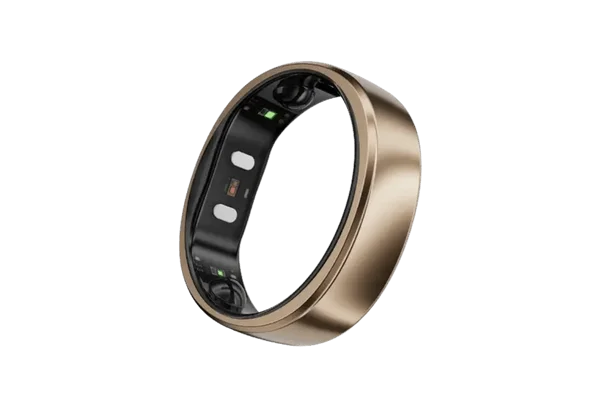


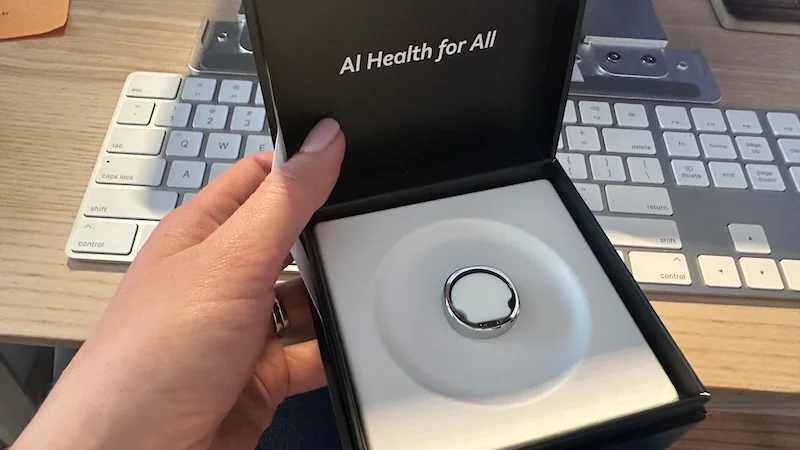
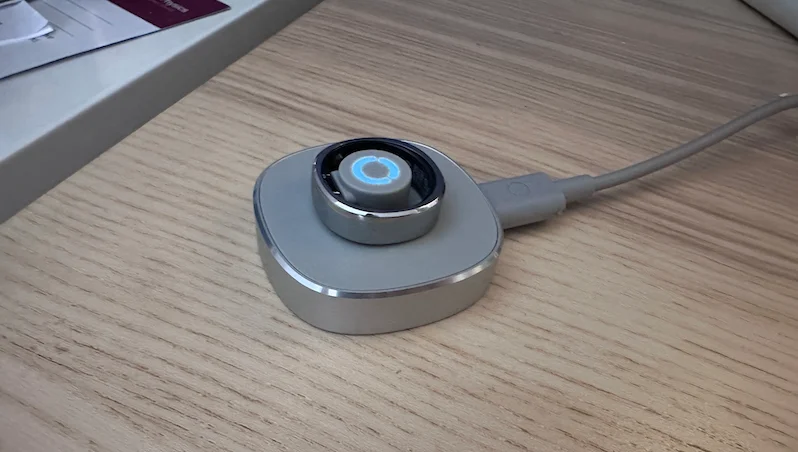
The RingConn Gen 2 Air is a lightweight alternative to a bulky wrist-worn fitness tracker. The lack of a display brings some obvious limitations, but the Gen 2 Air is a wallet-friendly version of the brand’s more expensive Gen 2 and Gen 3 smart rings. It tracks a wide range of health metrics, offers excellent battery life, and boasts a sleek, stylish aesthetic.
Is this the one fitness tracker ring to rule them all? While Samsung, Oura, and Ultrahuman have worthy contenders, our pick for the best budget-friendly option is the RingConn Gen 2 Air. Our team is intimately familiar with this brand, but this model is particularly impressive considering everything you get for about $200. As a result, we rate the Gen 2 Air a perfect 5 out of 5 for value.
Aesthetic: 4/5
Value: 5/5
Durability: 4/5
Why We Like the RingConn Gen 2 Air
GGR Senior Director of Content Nicole Davis, CPT, PN1-NC, isn’t afraid to switch things up when it comes to her health and fitness routine. But little did she know that the Gen 2 Air would completely change her approach to tracking.
“I’ve actually stopped wearing my watch and have switched to the ring fully. It takes a little bit to get used to because it’s a bit clunky, but I much prefer wearing something a bit more discreet that’s not pinging at you all day about one thing or another,” she told me.
Earning a 4.5 out of 5 for adjustability, the Gen 2 Air comes in sizes ranging from 6 to 14. If you’re unsure about which size you need, RingConn offers a free sizing kit (which we highly recommend).
“I’m glad I did this because my ring finger is a size 7 and I ended up getting a size 9 RingConn for my index finger,” Nicole told me.
Of course, you may be wondering what exactly that inconspicuous ring is doing when you have it on. Well, the Gen 2 Air packs an impressive set of health-tracking features, including monitoring sleep stages, heart rate, blood oxygen saturation, HRV, skin temperature, and more. It also has a companion app that delivers your health data in a clear, easy-to-understand format.
Remember when Nicole said she switched from a smartwatch to the RingConn? She compared her step counts, sleep scores, and HRV data from her Fitbit Sense to the Gen 2 Air and found the latter to be more accurate. That helped this pick earn a near-perfect 4.5 out of 5 for tech capabilities.
“One night I got a 78 sleep score on my Fitbit with a 62 BPM resting heart rate and 32 HRV, and the same day my RingConn gave me a 91 sleep score, 55 resting heart rate and 50 HRV,” she explains. “It seems like rings are more accurate than watches for stats like heart rate, sleep, and HRV because the blood vessels are closer to the skin on your finger.”
Compared to an Oura ring at $500, the $200 RingConn provides a great value. There are lots of reviews mentioning that people researched the Oura ring as well and chose the RingConn and were happy with that decision.
GGR Senior Director of Content Nicole Davis, CPT, PN1-NC
What We Didn’t Like About the RingConn Gen 2 Air
We have two main callouts with the RingConn Gen 2 Air. First, don’t expect much in the way of community. Nicole says there’s nothing in the app, though you can connect with other users on a Facebook group.
The most glaring issue, however, is RingConn’s warranty and return policies. Although you can purchase RingConn Care+ for $30 for one year or $50 for two years, the ring only comes with a one-year limited warranty.
But the reason we only awarded a 2.5 out of 5 in this category is that the company only accepts returns within 14 days, and you have to present a “valid reason” such as defects or damage.
“You can’t just decide you don’t like it,” Nicole explains. “This is a big callout—you’ll have to be sure you want this product before purchasing.”
If RingConn’s strict return policy gives you second thoughts, consider the Fitbit Charge 6or FitBit Inspire 3. You get a 30-day return policy if you purchase through Amazon or 45 days if you purchase directly from Fitbit.
Testing Breakdown
Here’s how the RingConn Smart Ring Gen 2 Air fared based on our testing methodology. It’s fair to call out the low warranty and returns rating, as this was the only product that failed to meet our threshold for a 3 out of 5.
Vs. The Average
The RingConn Gen 2 Air is about $45 more expensive than the average budget fitness tracker. However, you get a much better water resistance rating.
| RingConn Smart Ring Gen 2 Air | Average Budget Fitness Tracker | |
| Price | $199 | $155.42 |
| Battery Life | Up to 10 days | 12 days |
| Water Resistance | Up to 100 meters | 50 meters |
| Warranty | 1-year warranty | 1-year warranty |
Check out our full review of the original RingConn. While this model is no longer available, you can still learn more about its functionality and our team’s experience with the OG design.
Other Fitness Trackers We Researched and Tested
Finding fitness trackers that meet our budget-friendly standards can be a bit of a challenge. Here are a few models we explored that ultimately fell short of making the cut.
- Evie Ring: I personally tested this smart ring and thought it was pretty decent. In my full Evie Ring review, I discuss how some metrics aren’t personalized enough, but overall it does the job for activity and sleep tracking. It’s priced at $269 and does not have a monthly subscription fee.
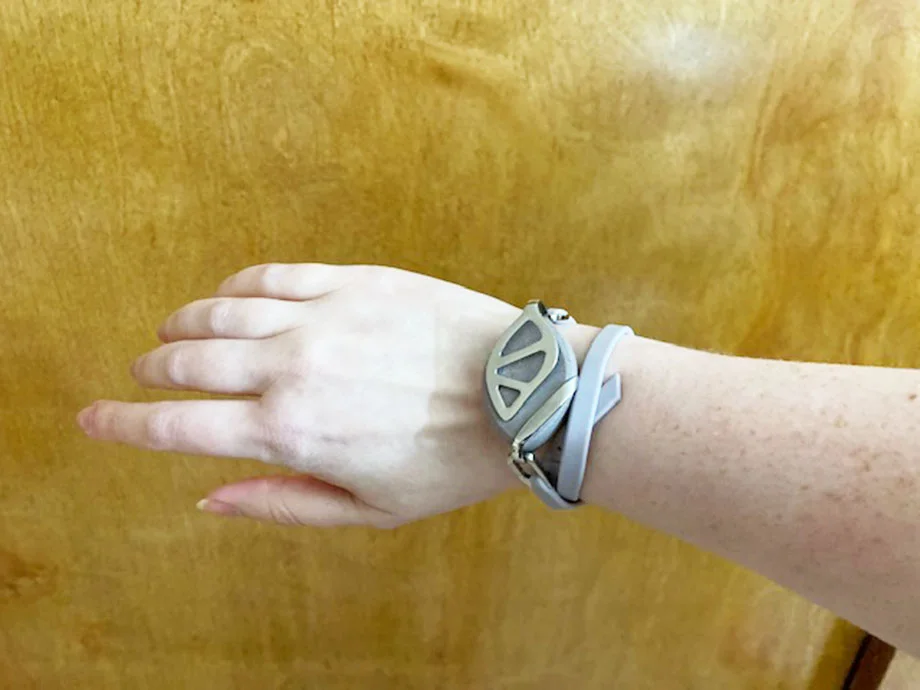
- Bellabeat Leaf Fitness Tracker: The Leaf Urban fitness tracker is stylish and offers a reasonable price at $99, but former GGR Senior Editor Erin Chancer had a ton of trouble getting it to function. We have a saga of her experience in our Bellabeat Leaf Fitness Tracker review.
- Oura Ring 4: While this device delivers some of the most advanced health and sleep tracking available, its premium price point of $349 puts it well outside the budget category. Ditto for the Oura Ring 5, which is even more expensive than its predecessor.
- Whoop 5.0: The Whoop 5.0 excels in providing detailed sleep and recovery insights, but its reliance on a subscription model and lack of a display may not appeal to everyone.
Our Testers

Frieda Johnson, NASM-CNC, ISSA-SET
Frieda is a certified nutrition coach and ISSA-certified Specialist in Exercise Therapy who’s lent her expertise in a variety of testing duties for GGR.

Erin Chancer, CPT, CNC
Erin is a certified personal trainer and nutrition coach who’s tested everything from strength training tools to cardio equipment.

Nicole Davis, CPT, PN1-NC
Nicole is a certified personal trainer and nutrition coach with years of experience testing cardio and recovery equipment for GGR.
How We Picked and Tested The Best Budget Fitness Trackers
Over the years, our team developed a comprehensive testing methodology to rate fitness trackers on a 1-to-5 scoring scale. We evaluate everything from their visual appeal to their tech capabilities to their overall value to determine a composite score.
Here’s a closer look at what we assess for each category.
Aesthetic
A fitness tracker should look as good as it performs. We evaluate the overall design and display quality, giving higher scores to models that are sleek, lightweight, and fit different types of styles.
Adjustability
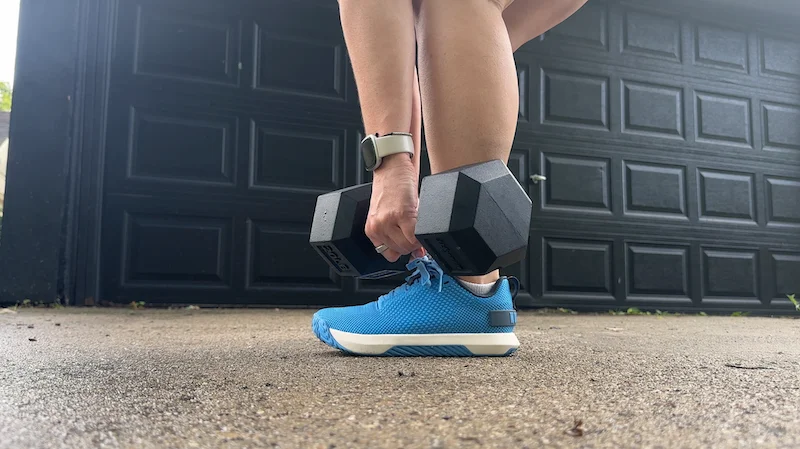
A tracker should accommodate a wide range of users, so we assess how easy it is to adjust the band, whether there are multiple size options available, and how securely the device stays in place during everything from treadmill walking workouts to kettlebell HIIT workouts. This is particularly important for a fitness ring—the last thing you want is for it to fall off in the middle of a training session.
Tech Capabilities
This is what matters most. We examine the health and fitness features each tracker offers, including metrics like heart rate, sleep, and blood oxygen levels. This category also encompasses smartphone connectivity, workout tracking, and any companion apps that enhance your experience.
Value
Obviously, most budget fitness trackers aren’t as advanced as higher-end models like the Samsung Galaxy Watch. However, we also know price isn’t everything, so we assess whether the build quality, features, and performance match the cost. Generally speaking, we look for fitness trackers that are around $200 or less in order to meet our budget-friendly standard.
Community
Many fitness trackers have compatible apps that promote connectivity with other exercise enthusiasts. From social challenges, leaderboards, coaching, and community support, we award higher scores to platforms that help keep you engaged and motivated during your journey.
Durability
Since fitness trackers are designed for daily use, they need to withstand as much wear and tear as you’re willing to put your body through. We consider the build quality, water resistance, scratch resistance, and battery life when determining the durability score.
Warranty and Returns
Does the company offer multiple years of coverage? Can you purchase additional protection or extended warranty plans? We also factor in return policies, as some companies allow exchanges or refunds within 30 days. Others, such as RingConn, have much stricter policies.
Customer Service
Is it easy to get in touch with a representative if you are troubleshooting an issue or have a problem with your order? We look for multiple modes of contact, including email, phone, or live chat. Brands that respond quickly earn higher scores than ones that leave you waiting for answers.
Customer Reviews
We take a look at what actual customers have to say about a fitness tracker. Whether it’s Amazon, the official company website, or another reputable site, we look at the average rating and dive into customer reviews for detailed feedback.
Benefits of Budget Fitness Trackers
If you don’t have to spend an arm and a leg to start tracking health and wellness metrics, that’s an even bigger win than tracking alone. Regardless of how much you spend, here are some general benefits to fitness trackers:
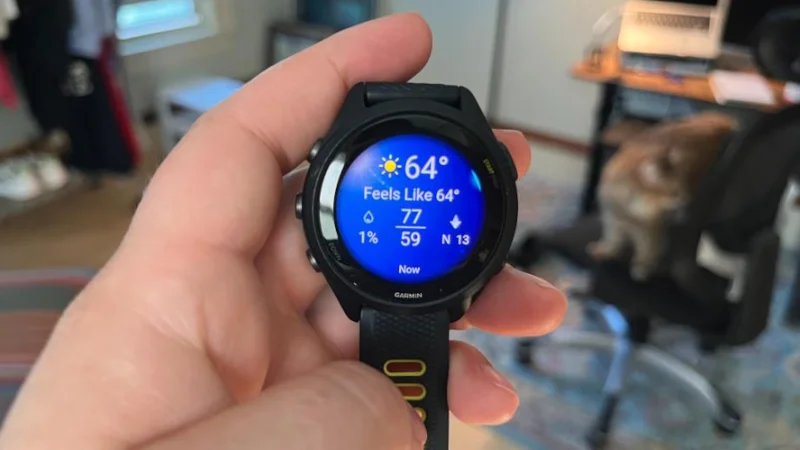
Fitness Goal Setting
Depending on the device, you’ll likely be able to set up goals or at least see patterns in your activity, sleep, and stress, which may help you make healthier choices in the future.
“Routinely exercising can also increase your mood, lower your risk of serious health problems (such as diabetes, cardiovascular disease, and cancer), and lead to a higher quality of life,” explains GGR expert contributor Dr. Shelby Harris, Licensed Clinical Psychologist, Clinical Associate Professor of Neurology and Psychiatry at Albert Einstein College of Medicine.
RELATED: Home Workout Accountability Tips
Heart Rate Zones
Unless you’re tracking with a screenless device (like a smart ring), you’ll be able to glance down at your watch face and check your heart rate. This can be especially helpful for athletes who want to exercise in a certain heart rate zone for a predetermined amount of time.
“Short bursts pack a punch! Even quick periods of high activity get your heart rate up and can improve your fitness over time. They make the workout more efficient and are easy to fit into any schedule,” says Dr. Raj Dasgupta, MD, FACP, FCCP, FAASM.
It can also be helpful for folks new to exercise. You can track your heart rate, determine what types of exercise elevate your pulse, and discover how long it takes to return to your resting heart rate. With more physical activity, your heart rate can return to normal faster, and the same exercise that once had you winded may feel like a total breeze.
Promotes Accountability
Between your job, paying bills, and taking care of other responsibilities, it’s easy to put your health on the back burner. However, a fitness tracker can provide some form of accountability by encouraging you to keep moving throughout the day.
A recent study from the Journal of Medical Internet Research1 found that fitness trackers may help offer accountability to move more throughout the week and shift people’s mindset around health and wellness.
Plus, if you connect with friends and family, you can celebrate milestones together, join challenges, and infuse a healthy dose of friendly competition to help keep everyone motivated. As with any wellness tool, though, the biggest benefit comes from using it consistently—and regular physical activity has been shown to support both your physical and mental well-being2.
“When we exercise, our brain releases endorphins, which are the feel-good hormones. Therefore, exercise can boost mood, reduce stress, and increase self-esteem, all of which can help alleviate symptoms of depression,” explains Dr. Raj.
RELATED: Exercise and Mental Health
Buying Guide: What to Look For In the Best Budget Fitness Trackers
Below are a few things to consider when buying a budget-friendly fitness tracker:
Price
There are two things to consider when shopping for a budget fitness tracker: the upfront cost and monthly subscription fees. While you may consider a fitness tracker priced under $200 affordable for your budget, you may not appreciate adding in a $10 recurring fee line to your monthly budget. The most budget-friendly devices are the ones you don’t have to continue to pay for each month.
Battery Life
Purchasing a budget fitness tracker is an excellent way to form new habits, but you’ll want to consider how long you’ll be able to wear it between charges. If the proposed battery life doesn’t last a full week, you’ll want to consider how likely you are to stay on top of charging throughout the week.
Tracking Capabilities
When buying a budget-conscious fitness tracker, consider what metrics it can track and what type of exercise it can detect. Many trackers only detect walking and running. Poke around to find out if the tracker you want can detect sports activity or lifting weights.
In addition to the types of activity a tracker can detect, you’ll also want to know what kind of metrics it can read and display. For example, some folks may be interested in tracking basal body temperature for cycle and fertility tracking. Other folks may be more interested in heart rate tracking for target heart rate training (or monitoring heart health and blood pressure).
FAQs About the Best Budget Fitness Trackers
What’s the best basic fitness tracker?
We put the Xiaomi Mi Smart Band 10 at the top of our list since it offers excellent functionality at an unbeatable price point of about $50. The Fitbit Inspire 3 is also a great basic fitness tracker that combines a comfortable, streamlined design with accurate activity tracking and long battery life.
Can you use a fitness tracker without a subscription?
Yes. Most fitness trackers include core features like step counting, heart rate monitoring, sleep tracking, and workout tracking without a subscription. However, some brands—including Fitbit— require a membership to unlock more advanced features.
How is a smartwatch different from a fitness tracker?
While fitness trackers prioritize health and activity tracking, smartwatches offer more robust capabilities like app support, calling, texting, and contactless payments. In general, fitness trackers are smaller, simpler, and more affordable.
References
- Zahrt, O. H., Evans, K., Murnane, E., Santoro, E., Baiocchi, M., Landay, J., Delp, S., & Crum, A. (2023). Effects of Wearable Fitness Trackers and Activity Adequacy Mindsets on Affect, Behavior, and Health: Longitudinal Randomized Controlled Trial. Journal of Medical Internet Research, 25, e40529. https://doi.org/10.2196/40529
- Mahindru, A., Patil, P., & Agrawal, V. (2023). Role of Physical Activity on Mental Health and Well-Being: A Review. Cureus, 15(1), e33475. https://doi.org/10.7759/cureus.33475