

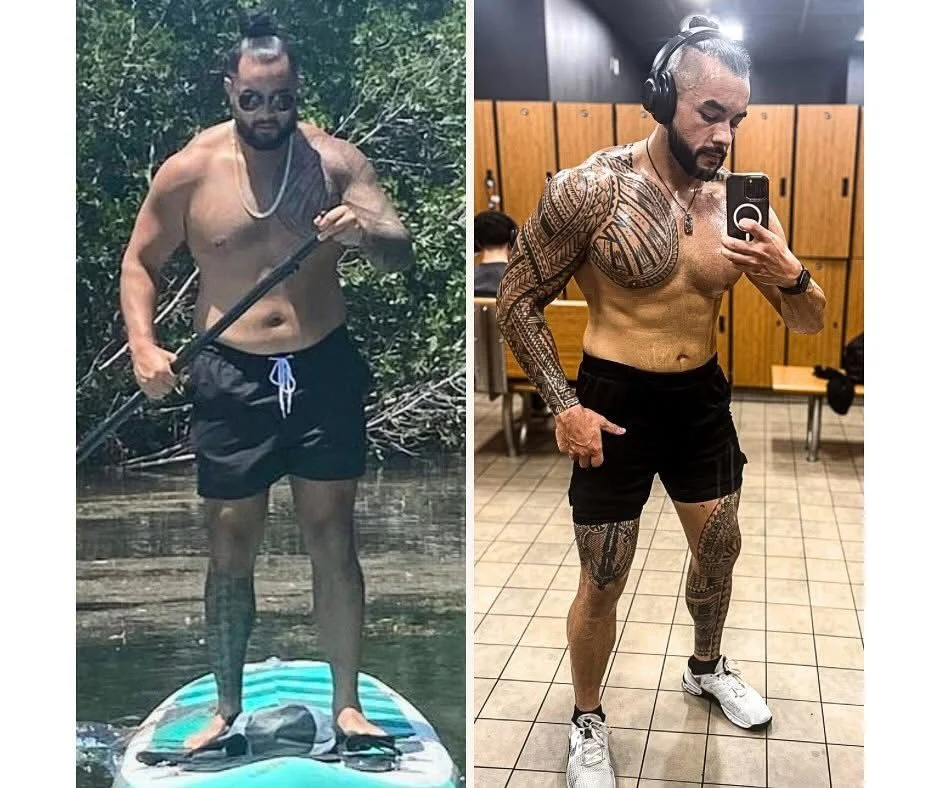
My whole world changed the day I stepped on the scale and saw an all-time high of 285 pounds.
That fateful moment at the beginning of 2022 served as the wake-up call I desperately needed.
Despite being a lifelong athlete, I completely lost my way during the pandemic. Instead of sticking to my workout routine and eating clean, I spent far too much time sitting in front of my computer, lying on the couch binge-watching true crime documentaries, and stuffing my face with fast food and sugary snacks. Naturally, that meant I spent too little time focusing on core principles like movement, food quality, and recovery.
As a result, I went from being a well-conditioned, ultra-competitive men’s rugby player to a sloppy, sluggish shell of my former self.
Sometimes, though, reaching your lowest point forces you to confront the reality that it’s time to make the arduous climb to the top of the mountain again.
Faced with a make-or-break moment, I embarked on a quest to reshape my body and mind.
While that nearly year-long journey featured plenty of ups and downs, I ultimately lost 75 pounds, and more importantly, regained the spark that had been missing for quite some time. With plenty of time to reflect upon my body recomposition mission, I want to empower you to make lasting changes of your own with these 10 tips and takeaways that can help make your weight-loss efforts more effective and enjoyable.
So, whether you want to make a complete transformation or just trim some extra pounds off your frame, I hope these lessons give you some inspiration to crush your goals.
1. Set Small Goals (as Well as Big Ones)
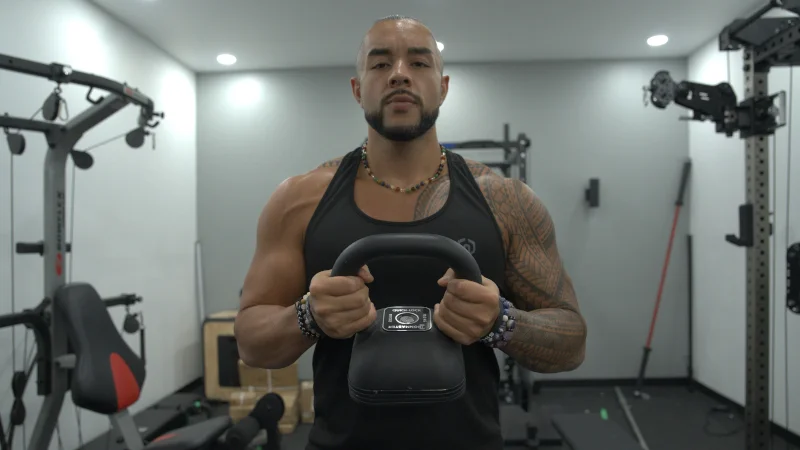
Speaking of goal-setting, this is where it all starts. After all, how can you make a plan if you don’t know where you want to go?
It’s easy to set a big-picture goal of losing “x” amount of pounds, hitting a PR, or fitting into a particular size. But setting such lofty expectations can also cause you to get discouraged since none of those are achievable in the short term.
Instead of taking the macro-level view, refine things further with realistic, attainable measures of success. There’s actually a term for this (I’m sure you’ve probably heard of SMART goals before), which stands for Specific, Measurable, Achievable, Relevant, and Time-Bound.
How does this look in practice?
Rather than saying, “My goal is to lose 75 pounds,” you could (and should) set smaller benchmarks, such as:
- I will take three 10-minute walks throughout the day.
- I will reduce my calorie intake by 250 calories a day for the first two weeks.
- I will strength train three times per week for at least 30 minutes.
Of course, that doesn’t mean you have to only focus on the short term. There’s nothing wrong with setting long-term goals, but remember that the path to success involves checking off many smaller boxes along the way. If you do that consistently, then you’ll be well on your way to making that big goal seem more attainable than ever.
2. Prioritize Your Protein Intake
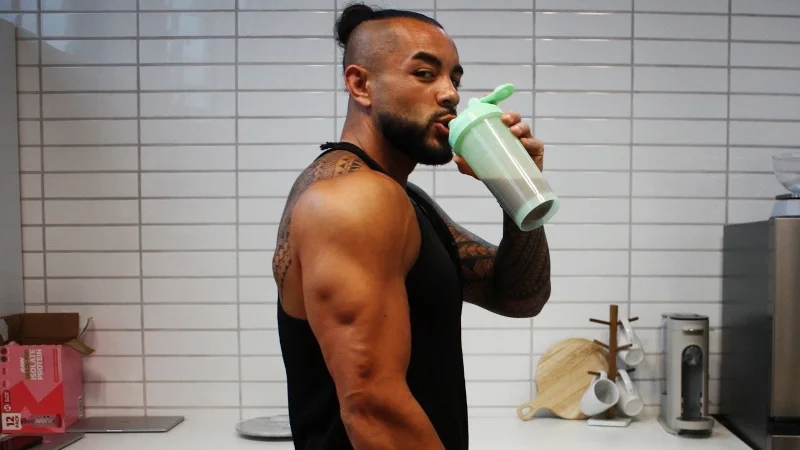
As a certified personal trainer and nutrition coach, I’ll readily admit that eating is the hardest part of the weight-loss equation for me. However, it’s no secret that you can’t out-train a bad diet, and one of the simplest ways to set yourself up for success is to make protein the star of the show.
Research shows1 that a high-protein diet is a safe, effective tool for losing weight that can help prevent obesity and obesity-related diseases. We also know that protein is essential for muscle growth and repair, and the Dietary Guidelines for Americans2 recommends 0.8 grams of protein per kilogram for the general population.
RELATED: How Much Protein Should I Eat to Lose Weight?
Luckily, there are plenty of tasty ways to make sure you get a sufficient amount of this vital macronutrient. From keeping a few of my favorite protein bars in my backpack to using my Ninja Creami to transform my protein shake into homemade ice cream to signing up for a meat subscription box so I could get the highest-quality steak and chicken, I kept things fresh by varying my sources.
Besides providing the building blocks for your tissues, protein is also more satiating (aka it helps keep you full longer) than fats and carbohydrates. And when you’re trying to maintain a calorie deficit, anything you can do to stave off those hunger pains a bit longer certainly helps.
Stephen’s Protein Picks
While I aim to get most of my protein from whole foods, here are some of my favorite products that help me hit my daily goal:
- Optimum Nutrition Gold Standard 100% Whey: Available in more than a dozen tasty flavors, this has been my go-to protein powder for more than a decade.
- Quest Protein Bars: Whether you eat it on the go or heat it up in the microwave (I highly recommend this), these are a great low-carb “treat” that deliver between 17-21 grams of protein, depending on which flavor you choose.
- Fairlife Core Power: These convenient, ultra-delicious shakes contain a whopping 42 grams of protein (and just 8 grams of sugar) per bottle.
3. Minimize Sugar, Maximize Micronutrients
I’m not here to demonize sugar. After all, I have a huge sweet tooth that’s not going away anytime soon.
That being said, consuming candy, cookies, and other sugar-laden “foods” isn’t going to help move the scale in the right direction. That shouldn’t be news to anyone, but what may be surprising is just how big of an impact sugar can have on your gut health. According to a 2022 systematic review3, high sugar intake can disrupt the balance of good gut bacteria, and it’s been linked to the rise in diabetes, cardiovascular diseases, and cancer.
This doesn’t mean you can’t have sugar ever again. However, if you want to lose weight and have optimal gut health, you should minimize its presence (the World Health Organization suggests it should be less than 5% of your total caloric intake3) and focus on feeding your body the micronutrients it needs to thrive.
Often overlooked and underappreciated compared to the Big Three (carbs, fats, and proteins), these small but mighty compounds can make a huge difference in how you feel and perform. Incorporating more fruits and vegetables will provide more micronutrient support, and you can give your gut a well-deserved boost by adding a probiotic to the mix.
Of course, saying no to sugar can be tough, but that’s exactly why there are healthier alternatives that can get the job done.
RELATED: Best Sugar-Free Electrolyte Powders
4. Build a Supportive Supplement Stack
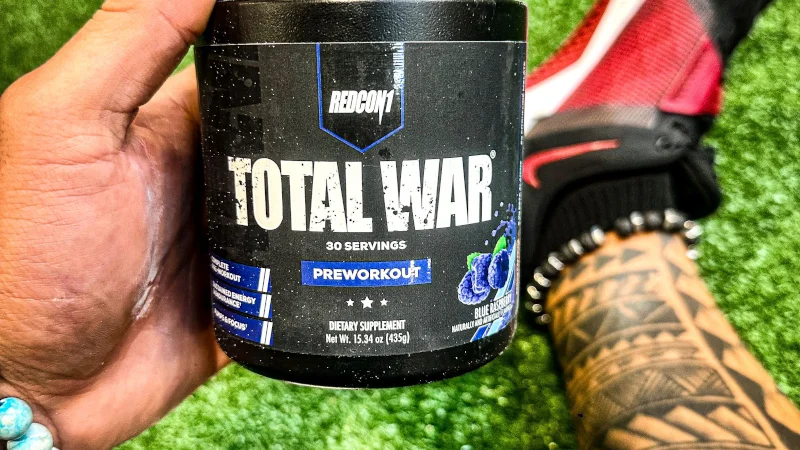
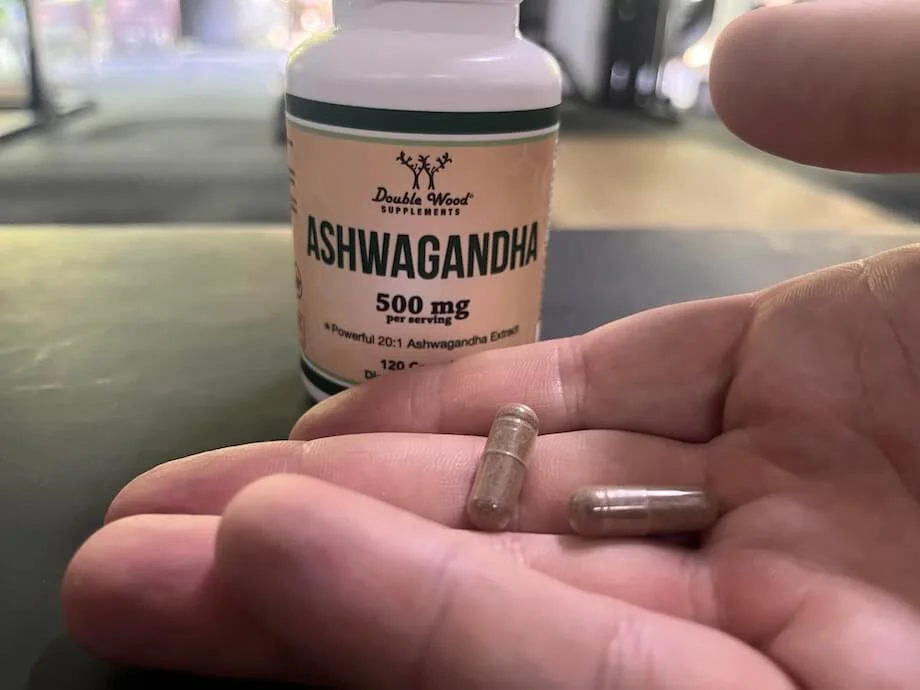
Nothing can replace a well-balanced diet based around whole foods. However, even if you’re committed to filling your plate with nutrient-dense options, you can (and should) utilize supplements strategically for support. After all, it’s tough to get everything you need strictly from food sources—especially when it comes to some of the micronutrients I touched upon above.
During my weight-loss journey (and still today), here’s what I keep in my rotation—and why:
My Keep-It-Simple Supplement Stack
- Protein Powder: A tasty, convenient way to help hit my daily protein goal. I’ve always been a fan of Optimum Nutrition’s Gold Standard 100% Whey (as I outlined above), but I’ve also relied on Isopure Whey Protein Isolate, especially when I’m trying to minimize my sugar intake.
- RedCon1 Total War Pre-Workout : Gives me the mental and physical boost to crush my training sessions
- Transparent Labs Multivitamin: Helps fill in any nutrient gaps in my diet and is third-party certified by Informed Choice
- Optimum Nutrition Micronized Creatine Monohydrate: A cost-effective, research-backed way to help improve my performance in high-intensity activities
As you can see, I kept things fairly straightforward since I prefer the “less is more” approach. However, you should tailor your stack based on your needs.
For example, the best magnesium supplements can help with everything from energy production to protein synthesis. Plus, they’re also beneficial for getting quality zzz’s.
And speaking of getting rest…
5. Don’t Sleep on Sleep!

When you’re all-in on losing weight, it’s all too easy to ignore the signs of overtraining. Maybe you can push through in the short term, but I promise you that you’ll eventually feel the effects over the long haul.
Unfortunately, far too many of us (myself included) neglect this core component of a healthy lifestyle. But as I learned during my weight-loss journey, you have to treat sleep—and recovery as a whole—as a priority rather than an afterthought.
As a night owl, it took some time for me to adjust my habits, but here are some actionable tips that can help set you up for a restful night’s sleep:
- Minimize screen time before bed.
- Journal or read to quiet your mind.
- Use a meditation app for guided sessions.
- Avoid going to bed on a full stomach (you’ll thank me in the morning).
- Keep consistent sleep and wake-up times to maintain your circadian rhythm.
- Utilize melatonin supplements to help regulate your wake-sleep cycle.
Obviously, there are many individual factors that affect your sleep—including your work schedule, stress levels, and nutrition—but implementing some of these practices can be highly beneficial.
6. Preparation is Paramount
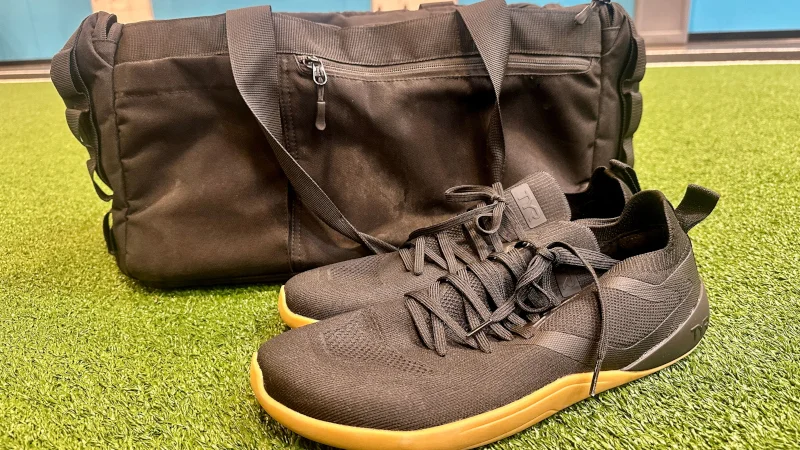
The old adage “failure to prepare is preparing to fail” applies directly to weight loss. If you don’t have the right tools, the right foods, and the right attitude, you’re setting yourself up for disappointment.
What does preparation look like in practice?
- It means having all your gym bag essentials on hand before you go train.
- It means setting a weekly meal schedule so you don’t resort to fast food.
- It means making a workout plan you can follow instead of choosing random exercises.
If you take care of the little things ahead of time, you’ll have more energy and attention for what really matters. If not, you’ll be stressed and ill-equipped to crush your goals.
7. HIIT the Ground Running
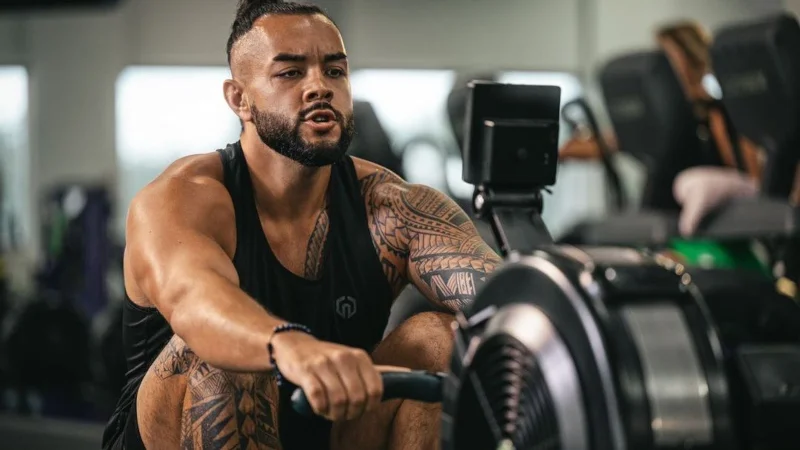
While there’s nothing wrong with steady-state cardio, I’ve never been a fan of walking on a treadmill or spinning my wheels on an exercise bike for 30+ minutes. Perhaps it’s because of my rugby background, but I’ve always gravitated towards high-intensity interval training (HIIT).
This proved to be a game-changer when I wanted to shed all those extra pounds I put on over a two-year period. In fact, I can directly credit circuit training with helping me lose fat and build muscle simultaneously—one of the big benefits of HIIT.
Once I got back in the gym, I structured my workouts around a combination of compound exercises and common strength and conditioning movements like kettlebell swings, farmer’s walks, sled pushes, and everyone’s favorite: burpees. I would set a target time or rep range for each movement, keep my rest periods brief (usually less than 1 minute between exercises), and go all-out for each round.
Then, I’d rest for 2 to 3 minutes, and repeat the circuit.
In the beginning, I could barely muster three rounds before I ran out of steam. However, following the time-tested principle of progressive overload helped keep me on track. As I got in better shape, I would:
- Increase the amount of weight
- Increase the work time per round
- Decrease the rest time
- Add more exercises
- Complete more rounds of the circuit
RELATED: 3 Effective HIIT Workouts for Beginners
How to Get Started
Now, let me warn you that HIIT is inherently exhausting, and you may not be ready for such a robust training program. However, even starting with a simplified bodyweight workout can be a great entry point.
Here’s an example you can use as a baseline:
- 10 push-ups, rest for 30-45 seconds
- 10 bodyweight squats, rest for 30-45 seconds
- 10 burpees, rest for 30-45 seconds
- 10 alternating lunges (each leg), rest for 30-45 seconds
Once you complete all four bodyweight exercises, rest for at least 2 minutes. Then, repeat the circuit at least 2-3 times. Feel free to swap out movements and make adjustments based on your fitness level.
8. Expect (and Embrace) a Plateau

Even though the end result was 75 pounds lost, let me tell you that progress is not linear.
Actually, you should expect some lulls during your journey where the scale remains the same.
But don’t panic.
It’s normal.
According to a 2014 study4 in the American Journal of Clinical Nutrition, weight loss plateaus usually begin six months after starting a low-calorie diet. I actually ran into that proverbial brick wall right around that time, and I’ll admit it tested my willpower and resolve.
However, a plateau doesn’t mean you won’t make progress again. Look at it as a temporary blip on the radar—and one that you can fix by following some fairly easy-to-implement strategies. I put together an entire guide on tips for breaking a weight loss plateau that can give you the encouragement and knowledge you need to push through.
Trainer’s Tip: Don’t rely on the scale as the sole measure of success. Progress may be evident by your clothes fitting better, looking leaner in photos, or improving your performance during your workouts.
9. Take Care of Your Mental Health, Too

As your physique changes, so will your mindset. However, that can be a bit of a double-edged sword.
On one hand, you may develop a new level of discipline that makes everything else other than your weight-loss journey seem inconsequential. But that unwavering commitment to eating clean and training as hard as possible can lead you to neglect your mental health.
That’s probably one of the most valuable lessons I learned during that fateful year of 2022. As much as I enjoyed watching the number on the scale go down, I needed to remind myself that those digits didn’t define me.
Sure, it’s satisfying to see tangible results like a leaner stomach and bigger biceps. But what about your emotional, mental, and spiritual pillars of health? Those aren’t as easy to quantify, but they’re intrinsically tied to your physical well-being.
It was during this time that I began practicing meditation, which can literally be as simple as sitting in silence for 10 minutes every morning. I also learned that taking a day off for a mental reset is not just fine—it’s actually necessary.
And that leads perfectly into my final lesson.
10. Teamwork Makes the Dream Work
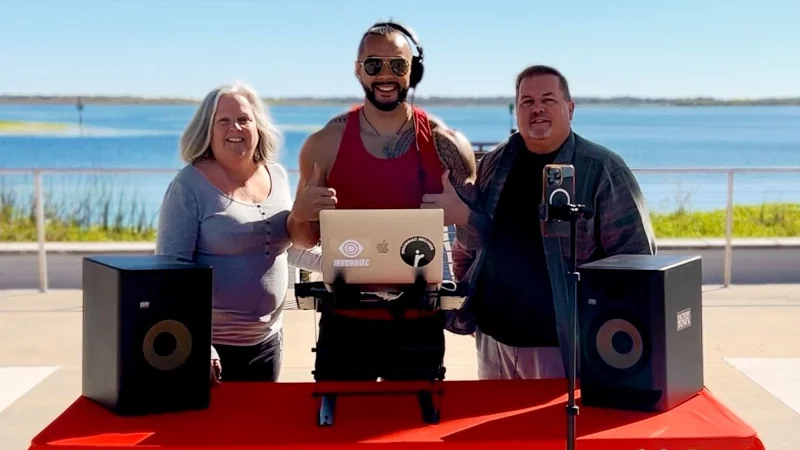
It may be your body and mind on the line, but remember this: You’re never alone.
No matter if your goal is to lose 75 pounds, become a professional DJ, or launch your own business, none of those will happen solely through your efforts. It takes a combination of hard work, a little luck, and a network of support to make your dreams come to fruition.
For me, it meant having motivating training partners who pushed me on the days I wanted to tap out early. It meant having encouraging parents who listened to me vent on the days I wanted to give up. And it meant having genuine friends who showed nothing but love and respect as I documented my progress.
So, if you want to shed some pounds, make sure you surround yourself with a circle of positive people who will inspire, motivate, and encourage you to be your best.
The Last Word on Losing Weight
If you had asked me back in January 2022 where I would be four years later, I certainly couldn’t have predicted that I’d be writing about health and fitness for a living. However, what started as a weight-loss journey led me to become a certified personal trainer—a decision that paid more dividends than I ever expected.
After honing my coaching skills at YouFit Gyms in South Florida, I was incredibly grateful to join the Garage Gym Reviews team, where I can use my experience and knowledge to help more people become healthier, better versions of themselves.
So, if you’ve felt stuck and are ready to take back control, I hope my story serves as an example of why you should always bet on yourself. And if you build the right environment and surround yourself with the right people, you can crush any goal you set your mind to.
References
- Moon, J., & Koh, G. (2020). Clinical Evidence and Mechanisms of High-Protein Diet-Induced Weight Loss. Journal of obesity & metabolic syndrome, 29(3), 166–173. https://doi.org/10.7570/jomes20028
- Snetselaar, L. G., de Jesus, J. M., DeSilva, D. M., & Stoody, E. E. (2021). Dietary Guidelines for Americans, 2020-2025: Understanding the Scientific Process, Guidelines, and Key Recommendations. Nutrition today, 56(6), 287–295. https://doi.org/10.1097/NT.0000000000000512
- Arnone, D., Chabot, C., Heba, A. C., Kökten, T., Caron, B., Hansmannel, F., Dreumont, N., Ananthakrishnan, A. N., Quilliot, D., & Peyrin-Biroulet, L. (2022). Sugars and Gastrointestinal Health. Clinical gastroenterology and hepatology : the official clinical practice journal of the American Gastroenterological Association, 20(9), 1912–1924.e7. https://doi.org/10.1016/j.cgh.2021.12.011
- Thomas, D. M., Martin, C. K., Redman, L. M., Heymsfield, S. B., Lettieri, S., Levine, J. A., Bouchard, C., & Schoeller, D. A. (2014). Effect of dietary adherence on the body weight plateau: a mathematical model incorporating intermittent compliance with energy intake prescription. The American journal of clinical nutrition, 100(3), 787–795. https://doi.org/10.3945/ajcn.113.079822