



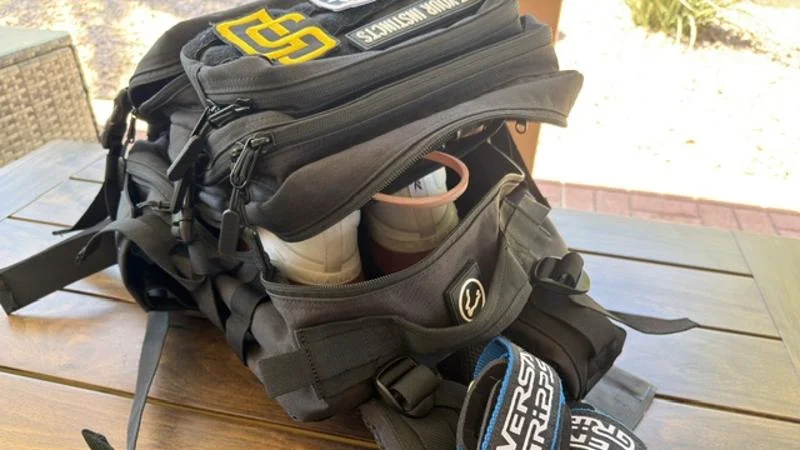
Whether you never leave home without your favorite gym bag, or you prefer to keep your training gear organized in your garage or basement gym, there are countless tools and accessories out there that can support your training and recovery, helping you get more out of every rep.
From the best lifting shoes and belts, to accessories like chalk, straps, and pre-workout formulas, our team of experts has used just about everything on the market. To help you find the best gear for your own training, I asked some of our editorial staff members to share their personal favorite tools and accessories—the gear we own and use on a daily basis.
In this guide, we’ll be focusing on tools that are specifically designed to enhance your training experience. Rather than making a one-size-fits-all gym bag checklist, we’re sharing a variety of tools for various goals, so you can pick what you need for your own training.
Without further ado, here are our gym bag essentials in no particular order, hand-chosen by our team of certified personal trainers, strength coaches, CrossFit enthusiasts, runners, and Olympic weightlifters.
Training Shoes
Your feet set the foundation for any workout. No matter your preferred workout type, proper footwear is very important, according to Caine Wilkes, OLY, CNC, USAW-L1, an Olympian who competed in the 2020 Tokyo Olympics.
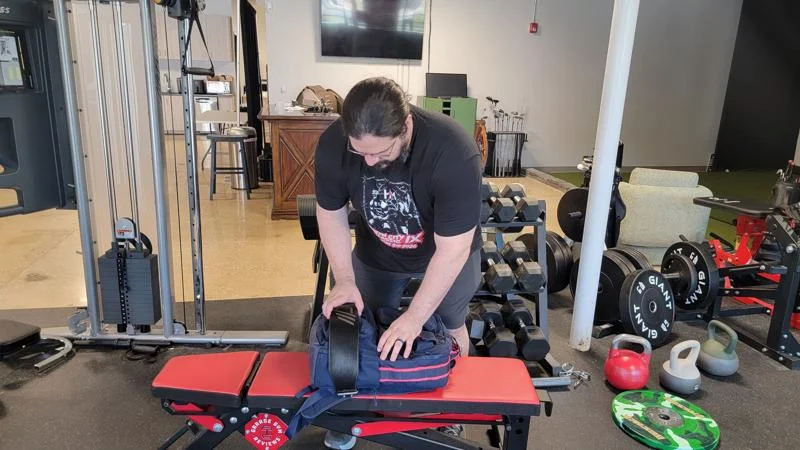
He says, “Whether you’re a runner, weightlifter, or just a general fitness enthusiast, the right training shoes can make or break your workout routine.”
Take the best running shoes, for example, which typically provide shock absorption and cushioning. While this is great for your cardio sessions, having a soft cushion between your foot and the ground can make things very unstable for lower-body training, since your heel can shift side to side.
On the other hand, a pair of weightlifting shoes will do a great job of keeping you anchored to the ground during your strength training, but will typically be too stiff and heavy for any sort of cardio. It’s always a good idea to make sure you have the right footwear for your training demands, even if that means keeping an extra pair of shoes in your gym bag.
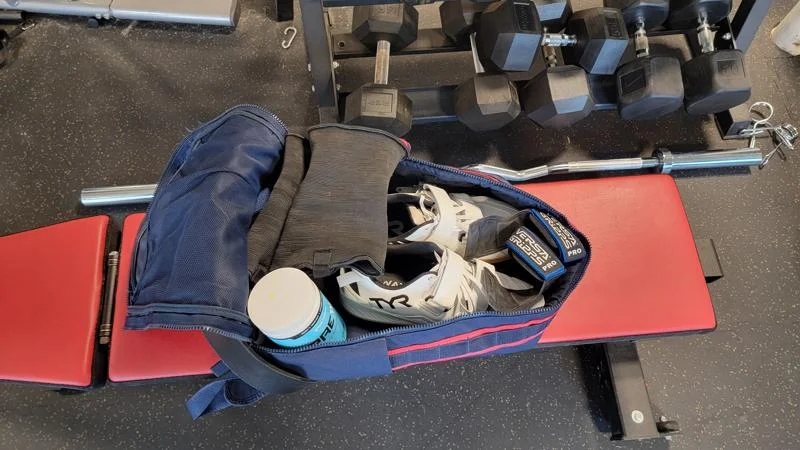
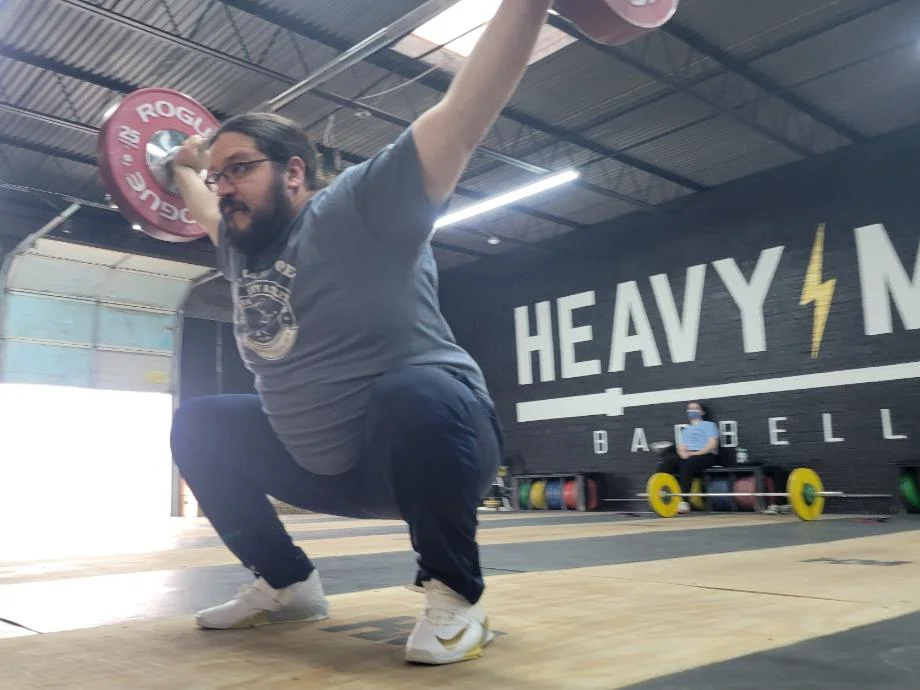
“Because of my weightlifting background, I always have a pair of weightlifting shoes in my gym bag,” says Caine. “A good pair of lifters helps give you a solid foundation for squats and Olympic lifts, and the raised heel helps give me a more upright posture for those heavy squats too.”
GGR Recommends: Best Running Shoe
The Adidas Adizero EVO SL is our favorite running shoe, and it scored well in our testing with a 4.4-out-of-5-star rating. They’re lightweight, durable, and still provide plenty of cushion for a very comfortable run, regardless of the surface you’re training on. You can wear them around the gym for upper-body days, but we don’t suggest these for leg day.
GGR Recommends: Best Cross-Training Shoe
If you want a hybrid shoe that can handle a variety of activities in the gym, we recommend the Nike Metcon 10, which earns 4.3 out of 5 stars overall. This versatile shoe is suitable for nearly any type of strength work, offering plenty of traction and stability, though it’s not cushioned enough for long runs. Olympic weightlifters may prefer a taller heel, but for everyone else, the Metcon is a great choice that’s built to last.
Lifting Belt
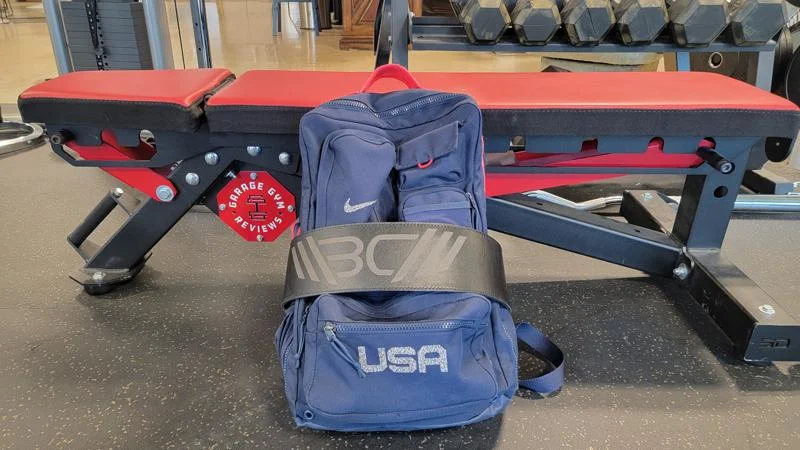
If you like to train heavy with a barbell, a good lifting belt may be your best friend. While many people think a belt is designed to hold your lower back in place, similar to a back brace, lifting belts are different.
When used properly, a weightlifting belt gives you something to brace your core against, which increases intra-abdominal pressure and lumbar support. This increase in pressure has been shown1 to provide great rep belt stability, allowing you to move more weight.
Belts come in a variety of materials and sizes, but for most lifters, we recommend using a 10mm leather lifting belt. This will provide enough support for heavy compound lifts, without restricting your mobility too much. You can also use a fabric belt to skip the break-in period, but leather belts typically offer better support.
If you’re not sure where to start, be sure to check out our guide to the best weightlifting belts.
GGR Recommends
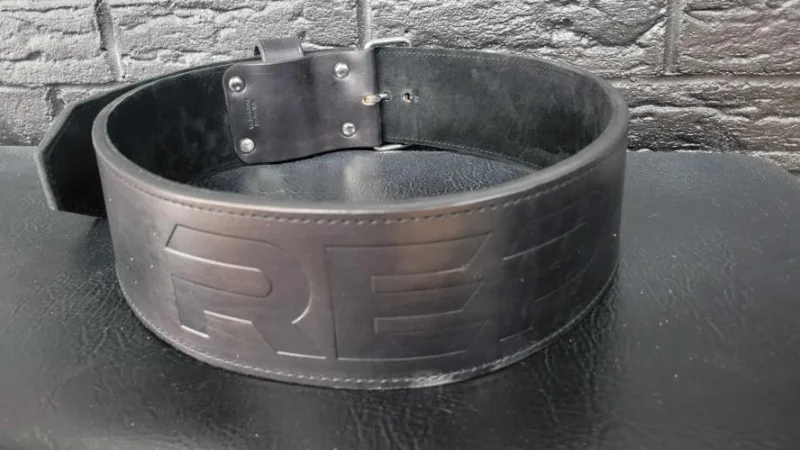
For a great all-purpose belt, you can’t go wrong with the REP USA Premium Leather Lifting Belt, which earns 4.25 out of 5 stars overall from our testers. This single-prong leather belt is available in a wide variety of sizes, and offers excellent durability and support. It also comes with a lifetime warranty, so it may be the first and last belt you ever need to buy.
Pre-Workout Formula
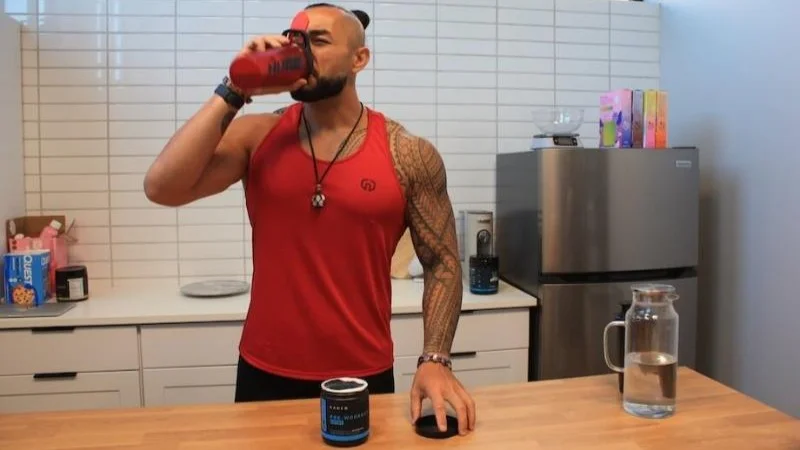
If you find yourself dragging before a tough workout, reaching for one of the best pre-workout supplements is a great way to power up and feel energized. Depending on the formulation, a pre-workout can improve your blood flow, boost your mental focus, buffer lactic acid buildup to delay fatigue, and of course, give you a nice dose of caffeine.
“I honestly don’t use many supplements, but the one staple is pre-workout,” says GGR senior staff writer Stephen Sheehan, CPT, CNC. “I don’t necessarily need it for energy, but I absolutely love the pump and blood flow effects, and more importantly, the enhanced focus. I feel more locked in mentally, and that allows me to perform better physically.”
GGR’s medical advisor, Dr. Raj Dasgupta, MD, FACP, FCCP, FAASM, also sees the value in using pre-workout formulas, saying, “Pre-workout supplements are beneficial for various workouts, whether you’re into strength training, cardio, high-intensity interval training (HIIT), or team sports.”
GGR Recommends
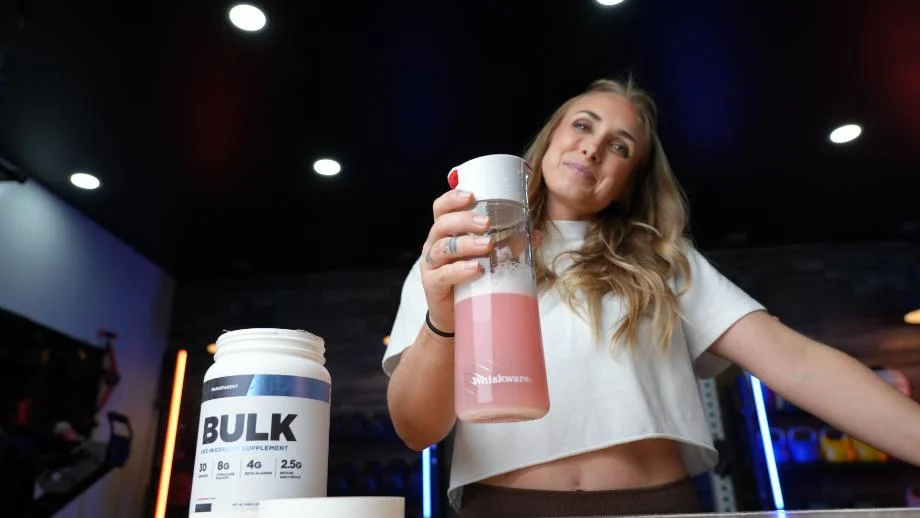
After testing and scoring more than 100 pre-workout formulas, Transparent Labs BULK Pre-Workout was our top choice, earning an impressive 4.8 out of 5 stars overall. We appreciate its excellent formulation, which includes 200 milligrams of caffeine, as well as its third-party testing and lack of artificial sweeteners and colors.
Stephen’s Pick
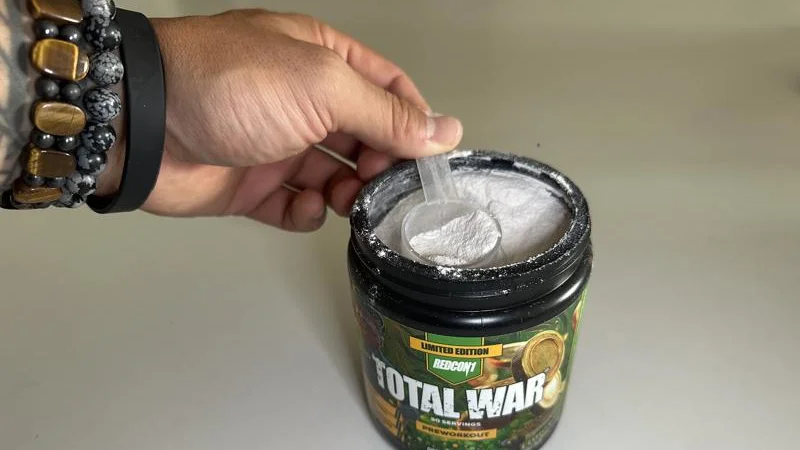
RedCon1 Total War Pre-Workout is aptly named because as soon as I down it and put on my music, I feel an intense focus, like I’m going into battle against the weights. I never experience jitters or the tingly skin sensation you get from other pre-workouts. It’s just as effective now as it was when I started using it back in 2022, so it’s a mainstay in my gym bag.
-Stephen Sheehan, CPT, CNC
Lifting Chalk
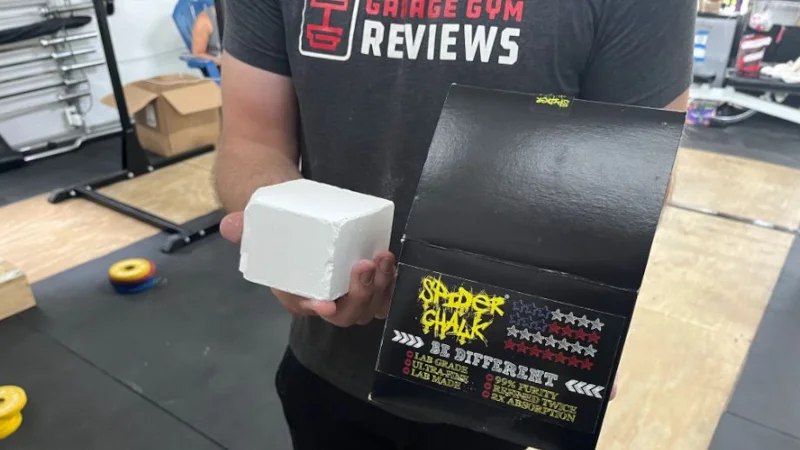
For athletes and fitness enthusiasts who tend to sweat during their strength workouts, which is going to be most of us, lifting chalk is a fantastic tool to keep in your gym bag. It absorbs the sweat, which makes it significantly easier to maintain your grip on a barbell or pull-up bar, and it can even help reduce blisters.
Our pro tip? Chalk can be messy, so if you train at a public gym, make sure they allow it before you pull out a bag of dry chalk. If you train at home, use what you want, but either way, we recommend wiping down your barbell after using chalk to keep the knurling clean.
If you don’t feel like dealing with a powdery mess, you can also use liquid chalk, which will make your life much simpler, according to GGR editor Amanda Capritto, CPT, CES, CNC, CF-L1, CSNC.
Amanda’s Pick
My gym bag is never without Spider Chalk! This liquid chalk works incredibly well and is a great option for commercial gyms that don’t allow use of traditional powder chalk. It’s also great for home gym owners who don’t want to worry about cleaning up chalk. It comes in a 2-ounce bottle or an 8-ounce bottle. My tip: Grab both, and use the 8-ounce bottle to refill your 2-ounce bottle whenever needed. That way you’re not lugging a giant bottle of liquid chalk around.
-Amanda Capritto, CPT, CES, CNC, CF-L1, CSNC
Wireless Headphones
Even if your gym plays good music, most of us prefer to choose our own music to get fired up. Even if you don’t normally listen to music, headphones can be a great way to stay focused on your training, especially if you tend to get distracted by listening to conversations going on around you.
That’s why GGR editor and gear expert, Ben Emminger, NASM-CNC, NASM-CSNC, told me they’re a must-have for him.
“I honestly can’t even start a workout if I don’t have my headphones,” he says. “Music is a major motivator for me and I feel locked in when listening to my curated playlists. If you have similar preferences, I’d recommend investing in a quality pair of headphones or earbuds so that your training sessions aren’t hindered by lower sound quality or patchy connectivity.”
If you prefer over-ear headphones, Ben also recommends you make sure your sweat won’t damage them, saying, “For training-specific listening, I’d suggest looking at earbuds or headphones with some form of sweat or water resistance, as well.”
Ben’s Pick
I know that over-ear headphones aren’t everyone’s cup of tea in training, but these 540 Actives from Skullcandy are my definite go-to’s for working out. The cans sit comfortably across my entire ear, and you can even toggle the sensory bass to your liking with the sliding dial.
The sweat-resistant makeup means I don’t have to worry about drenching my tech, either, and I’ve rarely had to charge these thanks to the 40-hour battery life. Skullcandy’s ‘Personal Sound’ tech also gives you plenty of room to tailor your soundscape so your podcasts, playlists, or guided workouts come through crystal clear.
-Ben Emminger, NASM-CNC, NASM-CSNC
Knee Sleeves
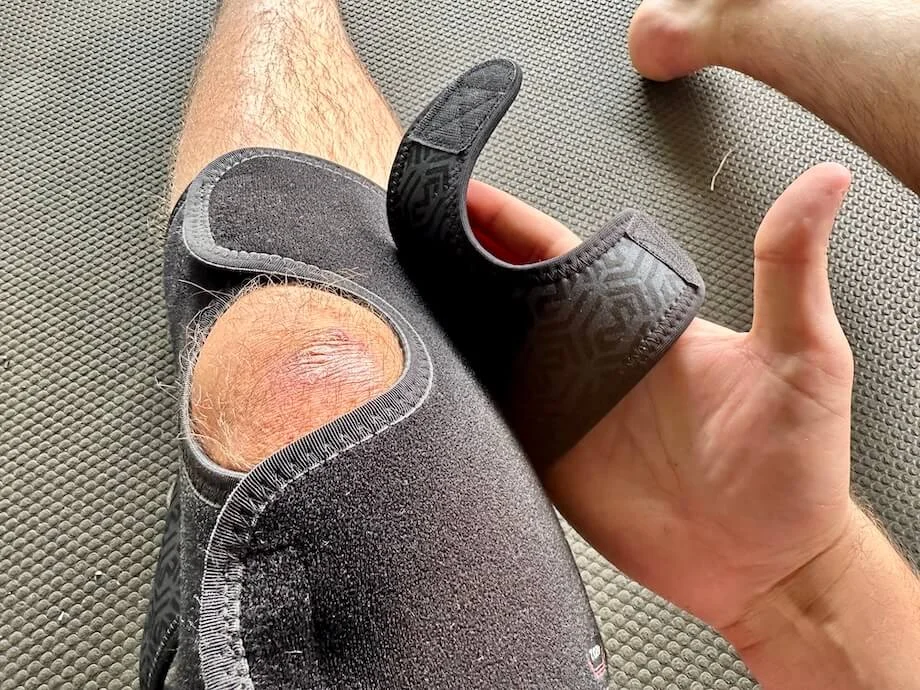
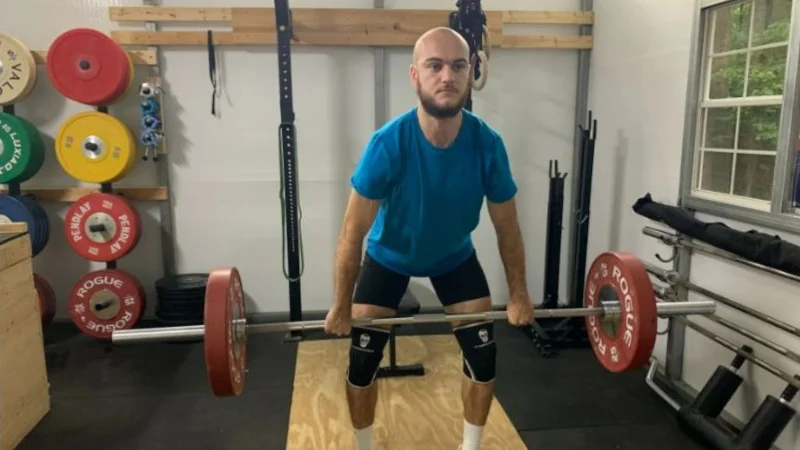
If you regularly train your lower body, as you should, a good pair of knee sleeves can be a great tool, especially for those of who tend to get achy joints. Unlike knee wraps, which are typically meant to help you lift more for a given set, and then removed, many people wear knee sleeves for the duration of their leg workouts.
“I like knee sleeves for a bit of warmth and compression during my strength training; it helps keep my joints warm enough for dynamic lifts like snatches, and I can rest adequately between sets without any worries of my joints cooling off or stiffening up,” says Caine Wilkes, OLY, CNC, USAW-L1. “Even though I switched recently to a more elastic sleeve, I usually recommend neoprene sleeves to my fellow athletes. I used those types of knee sleeves for most of my lifting career, and they’ve proven durable and flexible enough for a variety of exercises.”
In addition to keeping your knees warm and comfortable, the added compression can help support proper knee alignment. Some people find they can lift a little more with sleeves, since the added compression can help you “bounce” out of the bottom position of a squat or leg press, but that shouldn’t be the main goal of wearing sleeves.
Matt’s Pick
I’ve been using the Gymreapers 7mm Knee Sleeves for a few months, and I’m really impressed, especially for the price, which is only about $60. They’re IPF-approved, and comfortable to wear through my entire leg workout. I also love that they come with a little carrying bag, too. Knee sleeves can be pretty sweaty by the end of the workout, and it’s nice to have the pouch to keep them separate from the rest of my stuff.
-Matt Dustin, CSCS, PN1-NC
Wrist Wraps
Wrist wraps tend to be a bit overlooked, but if you like to train heavy, they’re a fantastic way to keep your wrists properly supported, according to Ben Emminger, NASM-CNC, NASM-CSNC.
“I traditionally have smaller wrists that don’t necessarily allow for heavier pressing,” he told me. “A quality pair of wrist wraps brings that extra sense of support and stability to my joints, creating an ideal orientation for heavier training.”
There may be a slight learning curve as you figure out how to use your wraps, but getting the right size makes a big difference.
Wrist wraps typically range from 12 to 24 inches in length, with some models measuring longer than 24 inches. Ben recommends choosing something in the middle, saying, “A longer wrap can provide added support, but it may be too time-consuming to secure and loosen after each set.”
Ben’s Pick
“Honestly, the TuffWraps Villain Wrist Wraps are some of the best I’ve ever used. The cotton/poly elastic blend is durable and rigid enough for excellent support, and the ‘Belt Loop Tightening System’ allows me to cinch down the wraps without much effort.
Traditional wrist wraps often use a thumb loop as an anchor point, which regularly rips or stretches after excessive use. These TuffWraps, however, make the process super simple—you can quickly get these on and off for heavy press days. Plus, the available colorways and affordable pricing make these an even sweeter addition to your gym bag ensemble.”
-Ben Emminger, NASM-CNC, NASM-CSNC
Lifting Straps
My personal favorite tool is a good pair of lifting straps. Even if I don’t bring my full gym bag with me, I always have lifting straps on hand.
For those focused on lifting weights and getting stronger through progressive overload, your grip is nearly always going to be the weak link, and can limit how much weight you’re able to move. There’s nothing worse than performing a set of heavy deadlifts and having your grip fail before the rest of your body gets tired.
If you’re a competitive weightlifter or powerlifter who can’t use straps in competition, you should probably skip them. For everyone else, a great pair of straps can be a game-changer, even if you’re still early in your lifting career.
As a strength and conditioning coach and former personal trainer, I found that clients typically had the most trouble feeling their back muscles, especially during exercises like lat pulldowns. Using straps means you don’t have to squeeze the bar as hard, so you can relax your forearms (a bit) and really focus on pulling your elbows down to squeeze your lats.
Matt’s Pick
I first tried on a pair of Versa Gripp Pros about eight years ago, and never looked back. Compared to traditional fabric straps that can be a bit of a pain to use, Versa Gripps are incredibly easy to use, and save me so much time during my workouts. Not to mention, the durability is outstanding. I owned my first pair for six years before I lost them, and they only got better with time as they broke in.
-Matt Dustin, CSCS, PN1-NC
Jump Rope
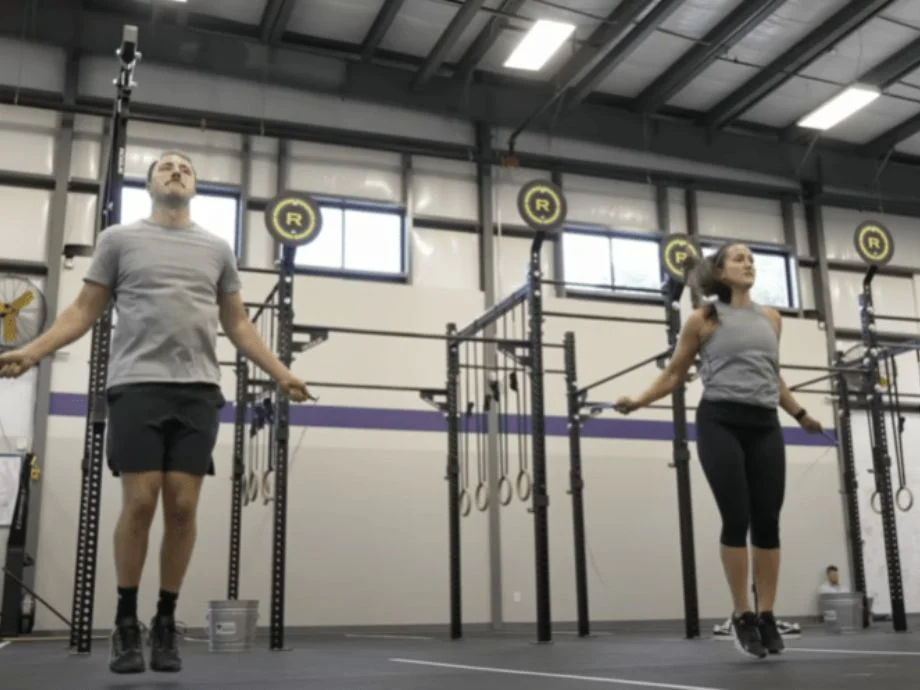
If you love the idea of cardio to improve your conditioning and cardiovascular health, but hate the idea of wod jump spending your time on a treadmill, a good jump rope may be just what you need.
This conditioning tool is extremely portable and allows you to enjoy a challenging workout from anywhere. It’ll improve your coordination, give you a great cardio workout, and can help burn extra calories.
A jump rope is a great tool to use at home, and if you train in a gym with limited cardio equipment, like I do, you can find an empty corner of the gym and get some work in. As long as you check your surroundings to avoid accidentally whipping someone, these affordable tools make a great addition to any gym bag.
GGR Recommends
We’ve tested speed ropes, weighted ropes, and even cordless jump ropes, and our favorite rope is the WOD Nation Double Under Speed Jump Rope, which earned a 4.31-out-of-5-star rating. It’s extremely lightweight and durable, and if you’re not sure what size you need, you can easily adjust the length with a cable cutter. Our testers have tried over 20 jump ropes, and this is our clear favorite.
Resistance Bands
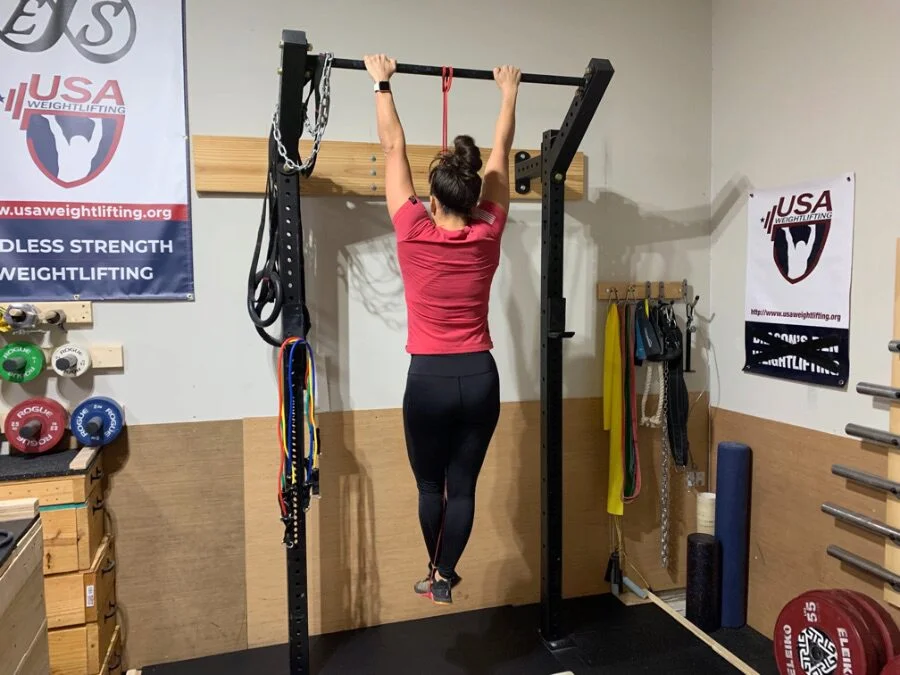
Whether you’re looking to warm-up stiff joints, get some assistance with your pull-ups, or simply pick up a portable tool to enjoy some strength training on the road, you can’t go wrong with resistance bands.
“Aside from being handy alternatives for a range of different exercises and movements, resistance bands are just downright portable,” says Ben Emminger, NASM-CNC, NASM-CSNC. “I prefer keeping a few lighter bands on-hand for pre-workout stretches, but you can effectively store an entire gym’s worth of resistance in just your gym bag.”
Ben’s Pick
I really like these Fringe Sport Latex-Free Strength Bands as they pack easily, are available in lighter resistance totals (ideal for pre-workout stretching), and the looped design allows for easy anchoring across pull-up bars and power rack uprights.
I typically carry the X-Light (Black) and Light (Purple) with me when hitting the gym and routinely use them for hip and chest activation before getting into my regular exercise routine. The latex-free makeup is a nice touch, too, especially for those with known sensitivities to the compound.
-Ben Emminger, NASM-CNC, NASM-CSNC
Other Accessories
While I shared our ten favorite training tools, they’re all focused on strength and performance in the gym. We know there are plenty of people who use the gym for pools, basketball courts, or group fitness classes, too, and we didn’t forget about you.
Some may need to bring a change of clothes for a post-workout shower, and we could do a whole article about our favorite post-workout snacks and protein bars, which we know many like to carry with them.
Here are a few other things you may want to consider based on your training goals and needs.
Toiletries
We’re not going to share specific product recommendations here, but if you’re someone who likes to hit the gym on the way to work, you’ll want to bring everything you need to shower and get ready before work. Clean socks, underwear, and clothes are a must, but don’t forget your toiletries, which typically aren’t provided by your gym.
Shampoo, conditioner, deodorant, body wash, and conditioner are great to bring, and a comb or hairbrush for after your shower. Don’t forget a pair of flip flops or shower shoes either, to make sure you don’t have to walk into a public shower with your bare feet. We’d also suggest keeping some type of waterproof bag on hand to keep your workout clothes separate from the rest of your gym gear when you’re done. A hiking drybag, like this one from Sea to Summit, is a good choice.
General Fitness Accessories
Outside of the strength-focused essentials we already shared, you may need other miscellaneous gear if you’re primarily hitting the gym for classes, swimming, running on an indoor track, and other activities.
For example, you may need a yoga mat for floor-based group fitness, or goggles and a bathing suit if you like to hit the pool. If you have longer hair that gets in the way, extra headbands or hair ties are always a good idea.
Gym Bag Essentials: Final Thoughts
While we’ve covered our favorite tools, the ones we consider the most essential, there are plenty of things we’ve left off the list. There are countless supplements and protein powders you could bring, workout towels, massage guns, weightlifting gloves, and all kinds of other things you may find in any given gym bag.
It can feel overwhelming, so we recommend starting with just a handful of things you’ll actually use in your daily training—your gym bag and wallet will thank you. There’s no point in hauling around a bunch of gadgets you never use, but the right tools can absolutely improve your workouts.
Gym Bag Essentials: FAQs
What should you carry in a gym bag?
If you want to bring a duffle bag full of gear to the gym, think about what you’ll need before, during, and after your workout. That typically includes things like a reusable water bottle or shaker bottle, towel, and change of clothes if you need to shower. Training accessories can include shoes, lifting straps, knee sleeves, a belt, and much more.
Don’t forget your fitness tracker or heart rate monitor, too, if you like to track your data while training.
What does every gym-goer need?
While there are plenty of tools you can try to help your workouts, all you really need to bring with you is water, since not every gym offers free water fountains. Once you’ve got your hydration covered, everything else is optional. A workout towel is always a good idea, and many like to use lifting belts and straps, but you can enjoy a great workout without any equipment at all.
References
- Blazek, D., Stastny, P., Maszczyk, A., Krawczyk, M., Matykiewicz, P., & Petr, M. (2019). Systematic review of intra-abdominal and intrathoracic pressures initiated by the Valsalva manoeuvre during high-intensity resistance exercises. Biology of sport, 36(4), 373–386. https://doi.org/10.5114/biolsport.2019.88759