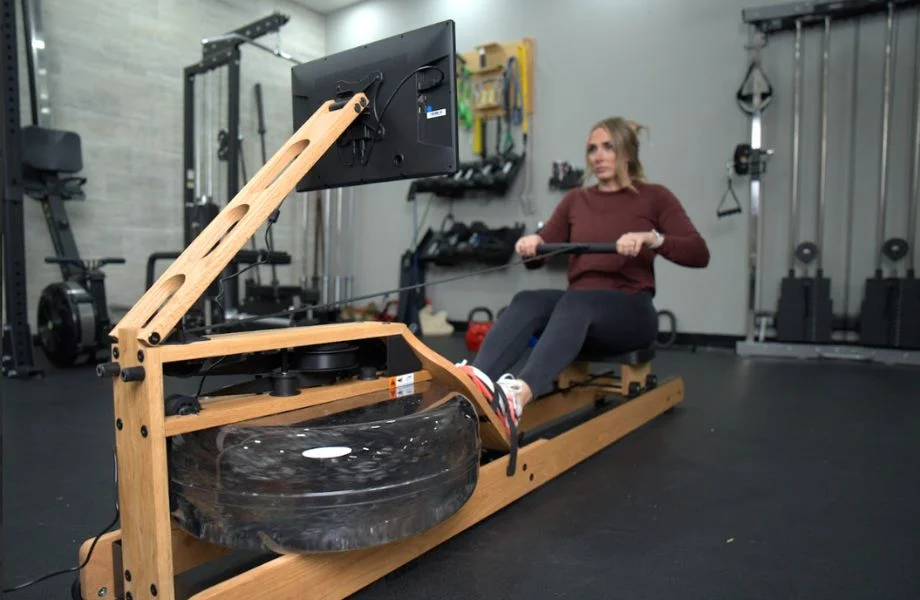
Rowing machines are more than just sliding seats and pull cords. They’re complex systems of mechanics designed to offer engaging workouts with lower impact to your joints. When we test rowers, we put them through a battery of evaluations to simulate everything from steady-state cardio workouts to sprint intervals, CrossFit WODs, and more. We tweak them, break them in, and stress them to see how they hold up over months of real-world use.
Every model we test is held to the same rigorous standard to ensure that comparisons are meaningful and transparent. Our goal is to give you insight into how a rower behaves under stress, whether its programming software is usable in practice (not just in theory), and whether it delivers value in real life.
We’ve tested more than 30 rowing machines across air, magnetic, water, and hydraulic profiles. In 2024 and 2025, more than 7,400 readers relied on our rowing machine reviews to inform their purchase decisions. Here’s how we aim to help you make your own investments into your home gym, health, and fitness.
Our Values
We believe readers deserve more than spec-sheet summaries. That’s why every rower we test is evaluated by the likes of certified personal trainers, established fitness coaches, and experienced athletes. We also consult with physical therapists and equipment experts as needed to evaluate claims and align our findings with the latest research.
Our testers bring machines into their home gyms, perform real training cycles, track maintenance over time, and observe how features wear or break down after weeks and months of use. Our reviewers are credentialed, experienced, and unafraid to call out flaws.
Our Process
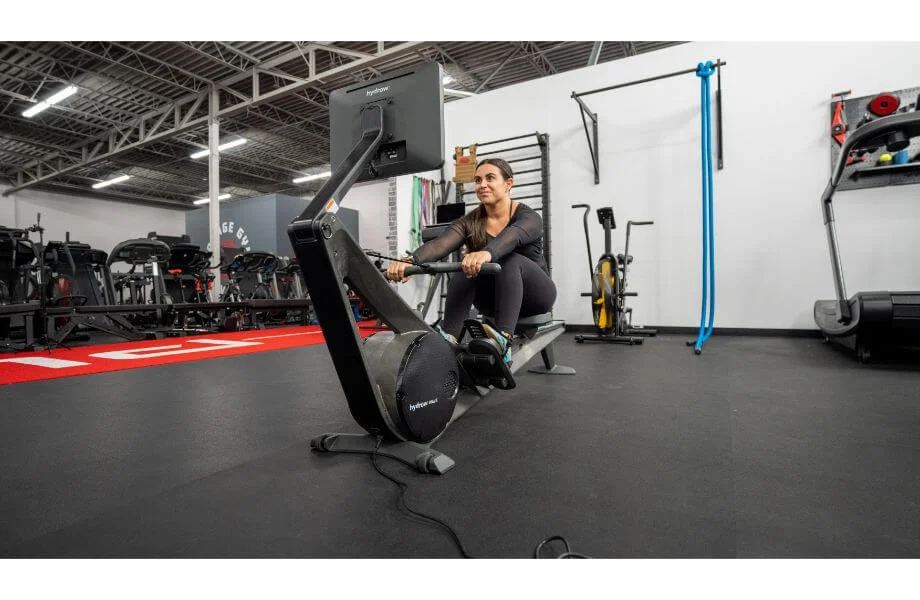
We start with comprehensive market research and identify rowing machines currently (or soon to be) available across popular resistance types and price ranges. We filter out models that are clearly underbuilt or outdated, then obtain those that remain for firsthand testing.
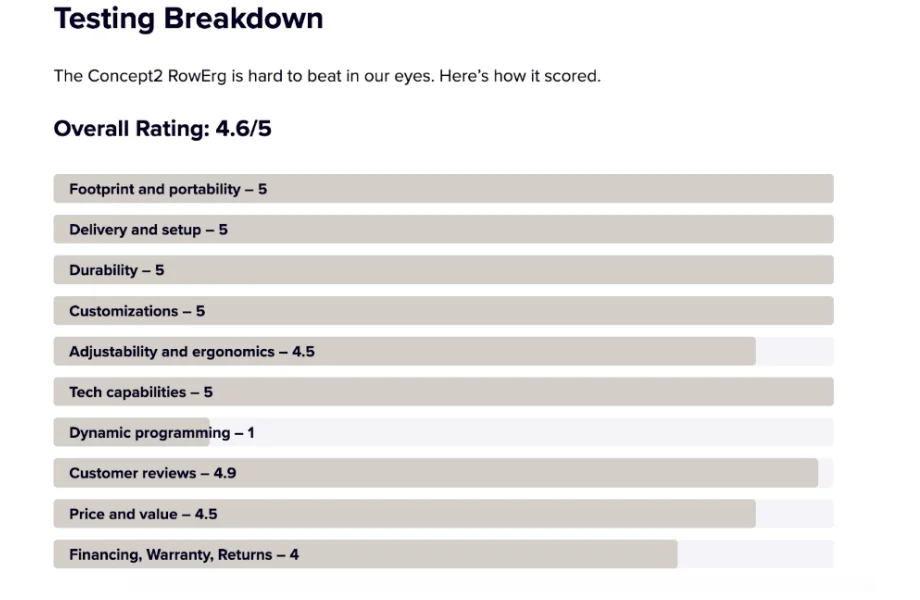
Our scoring follows a structured rubric. Each rower is judged against the same performance and customer-experience categories. We benchmark against industry averages, best-in-class models (like the Concept2 RowErg), and past testing results.
| Category | Average Rowing Machine We Test |
| Price | $1,502 |
| Product weight | 96.13 lbs |
| Dimensions | 86” L x 23.3” W x 43.3” H |
| Weight capacity | 352 lbs |
| Warranty | 5-year frame, 2-year parts |
Over time, we reassess, adding new models, removing underperformers, and revising scores when firmware or hardware updates are released. This keeps our rankings dynamic and current.
Rowing Machine Performance Testing
We evaluate each rower across the following categories to produce a holistic performance profile. Read below to further understand what separates a ho-hum rating from best-in-class standouts in each area.
Footprint and Portability
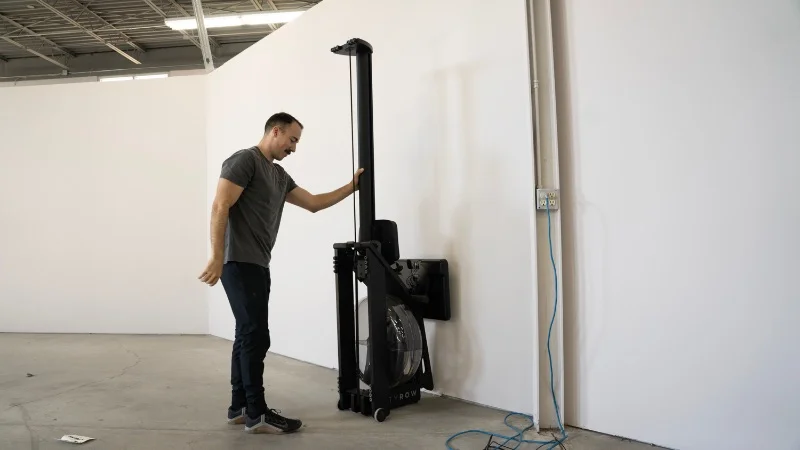
We log footprint (length x width), overall weight, storage options (folding, vertical standing, wall mount), and how easy the machine is to move via transport wheels or handles. To get at least a 3 out of 5, one person can move the rower around on their own and it easily stands up vertically or folds for storage.
RELATED: Best Water Rowers
Customizations
We examine how granular resistance adjustments are (e.g. incremental levels) as well as any available user profiles, resistance curves, and calibrations for different user preferences. To get at least 3 points in this category, the machine should feature adjustable resistance of some nature, with more points awarded for more adjustment options. Ease of adjustment also plays a role in our ratings: Can you toggle settings via the handlebars or are they on-screen settings that need to be changed in the start position of a row?
Adjustability and Ergonomics
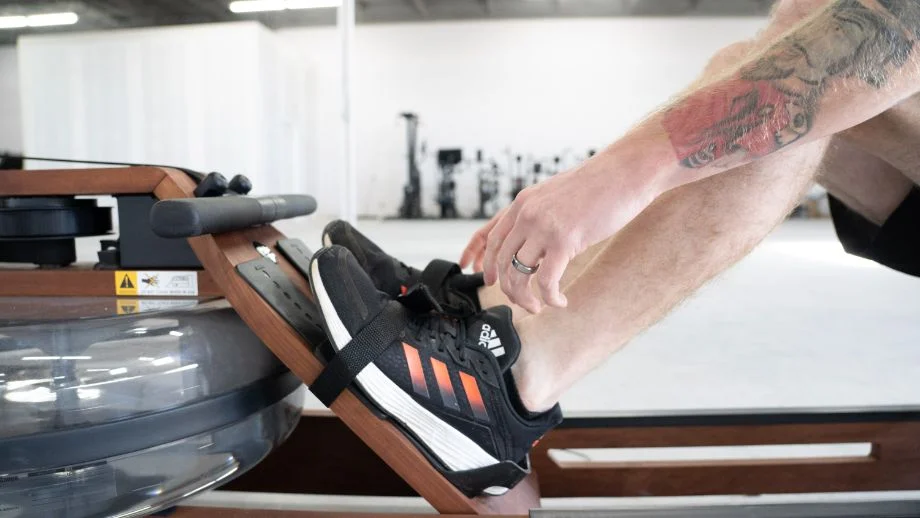
We assess how well a broad range of users can attain an efficient, comfortable rowing position on each machine. This includes measurements such as seat height, handle reach, foot strap range, monorail design, and handgrip ergonomics. Machines that earn at least 3 points can comfortably accommodate users between 5’2” and 6’4” and have adjustable footbeds.
RELATED: Best Magnetic Rowing Machines
Tech Capabilities
We test onboard consoles, connectivity (Bluetooth, ANT+, Wi-Fi), compatibility with external apps (e.g. ErgData), and the quality of the user interface under real use (lag, responsiveness, data stability). Our benchmark for a 3-out-of-5 rating demands, at minimum, a small console to show time, distance, calories, and splits (usually 500-meter splits). To earn 4 or 5 points, rowers have features like touchscreen displays with engaging training, entertainment apps, built-in speakers, and digital resistance levels.
Durability
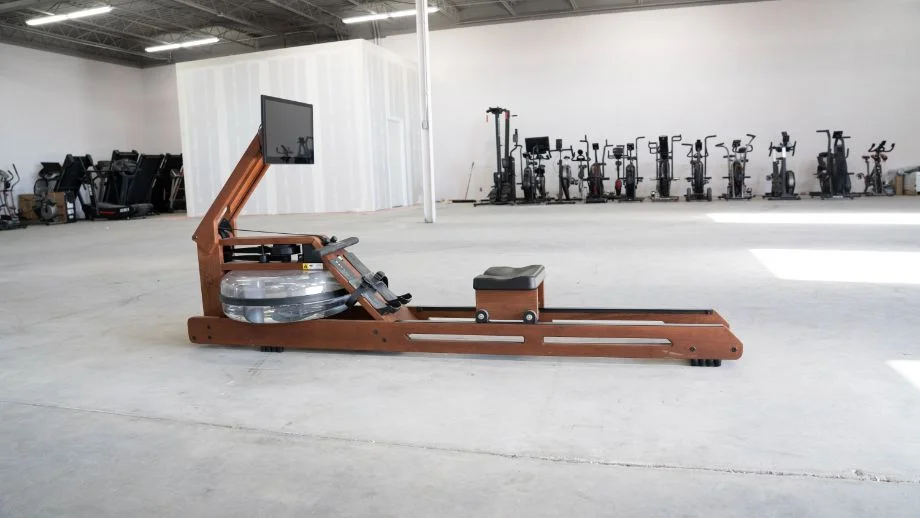
We inspect frame welds, included hardware, chain/cord/belt systems, flywheel consistency, and how smoothly the machine functions after repeated use. Stability under load, wobble, and looseness all matter to us when recommending rowing machines for home use. To get at least 3 points in this category, there should be little to no uncomfortable shaking during a workout, and the rower’s weight capacity exceeds 250 pounds.
RELATED: Best Rowing Machines Under $300
Dynamic Programming
We test built-in workout programs, how the machine handles sudden changes (like a sprint mode or intervals), auto-resistance adjustments, and the overall fluidity or responsiveness of the machine’s programming logic. To score a median 3 out of 5, a rower should feature, at minimum, a handful of built-in workouts, like a 500-meter or 2,000-meter set. When a rower scores a 5 out of 5, it has an extensive library of on-demand studio classes or live classes (or both), games, targets, or other engaging ways to stay motivated and on track.
Customer Experience Testing
Our evaluations don’t stop at the gym: We complement raw performance assessments with analyses of the buyer’s journey and support experience. This helps us understand the customer experience, and what the experience of our readers may be.
Delivery and Setup
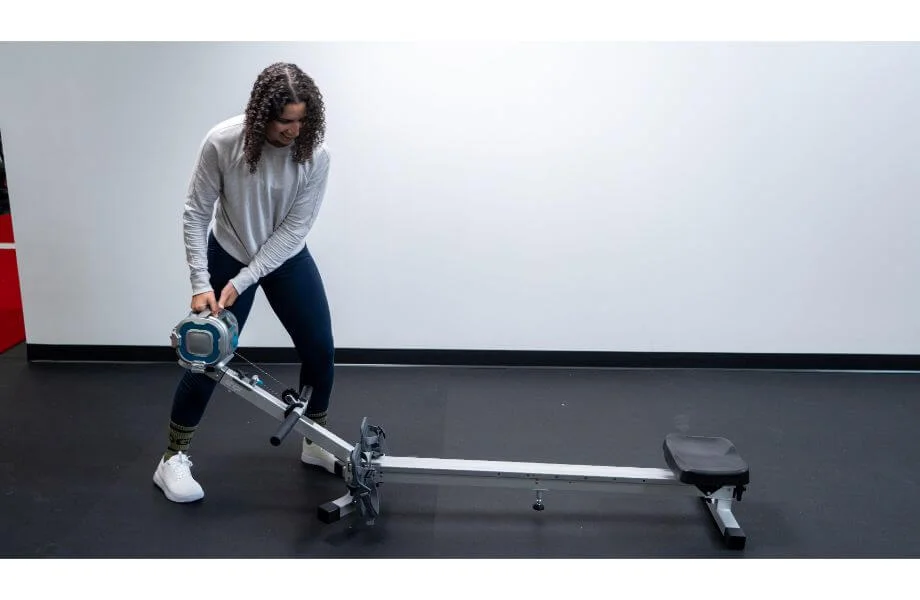
We document delivery lead times, packaging quality, and ease (or difficulty) of assembly. We evaluate clarity of manuals, tool requirements, and whether professional help is required to achieve a proper equipment setup. To get at least a 3 in this category, curbside delivery is available and assembly with two people takes no longer than two hours.
Financing, Warranty, and Returns
We examine warranty coverages, return windows, financing or installment options, and how those policies stack up relative to peers. For a rower to get 3 points here, it must meet these industry standards: 0% APR financing for 30 or more months, a five- to 10-year warranty on the frame, a two-year warranty on parts, a one-year warranty on labor, and a 30-day return window for refunds.
Customer Service
We contact a brand’s support team with varying issue scenarios (like software inquiries or missing hardware) to test response speed, resolution quality, and professionalism. To get at least a 3, our testers get responses within 24 business hours and issues are resolved in days with no hassle. If a brand is slow to respond or difficult to reach, that is reflected in our ratings.
Customer Reviews
We analyze verified user reviews across platforms to detect patterns like recurring mechanical faults, long-term reliability issues, or software bugs people frequently mention. A rower’s score comes directly from retailer and manufacturer sites.
Overall Score
Every rowing machine receives an overall score (out of 5) that is a weighted aggregation of performance and customer-experience categories. Performance (how well the machine functions in real use) carries the most weight, but we ensure user support, durability, and value play meaningful roles, as well. This ensures our top picks aren’t just technically capable, but they’re smart, long-term buys for interested fitness enthusiasts.