
Best Black Friday Fitness Equipment Deals See Deals
Best Black Friday Treadmill Deals See Deals
Best Black Friday Rowing Machine Deals See Deals
  • Best-in-Class Equipment
    • See All Roundups
    • Best Adjustable Dumbbells
    • Best Budget Home Gym Equipment
    • Best Cross-Training Shoes
    • Best Dumbbells
    • Best Exercise Bikes
    • Best Home Gym Machines
    • Best Kettlebells
    • Best Olympic Barbells
    • Best Rowing Machines
    • Best Squat Racks
    • Best Supplements
      • Best BCAA
      • Best Creatine
      • Best Greens Powder
      • Best Pre-Workout
      • Best Protein Powder
    • Best Treadmills
    • Best Weighted Vests
    • Best Weightlifting Shoes
    • Best Weight Benches
  • Reviews
    • See All Reviews
    • Barbells
    • Bodyweight
    • Certification Courses
    • Conditioning
    • Gym Accessories
    • Nutrition
    • Recovery
    • Rigs and Racks
    • Shoes
    • Strength Equipment
    • Support Gear
    • Technology
    • Training Programs
    • Weight Plates
  • Comparisons
    • See All Comparisons
    • Best Peloton Alternatives
    • Home Gym vs Gym Membership
    • Peloton Bike vs Bike Plus
    • PowerBlock vs Bowflex
    • Rogue Echo Bike vs Assault Air Bike
    • Rogue Ohio Power Bar vs Texas Power Bar
    • Tonal vs Tempo
  • Black Friday Deals
    • See All Black Friday Deals
    • Best Black Friday Supplement Sales (2025)
    • Peloton Black Friday Deals (2025)
    • Best Black Friday Sauna Deals (2025)
    • Best Black Friday Treadmill Deals (2025)
    • Best Black Friday Rowing Machine Deals (2025)
    • Best Black Friday Dumbbell Deals (2025)
    • Best Black Friday Elliptical Deals (2025)
    • Best Black Friday Exercise Bike Deals (2025)
    • The Best Massage Gun Black Friday Deals (2025)
    • Best Black Friday Deals for Runners (2025)
  • Coupons
    • Holiday Sales
    • Military Discounts
    • See All Coupons
      • Bells of Steel Coupons
      • REP Fitness Coupons
      • Rogue Fitness Coupons
      • Titan Fitness Coupons
      • Concept2 Coupons
      • Plunge Coupons
  • Equipment
    • Browse Gym Equipment
    • See All Equipment
    • Apparel
      • Shoes
        • Running Shoes
        • Training Shoes
        • Weightlifting Shoes
    • Strength Equipment
      • Barbells
      • Benches
      • Dumbbells
      • Glute Ham Developers (GHD)
      • Kettlebells
      • Rigs and Racks
      • Strength Machines
      • Weight Plates
    • Conditioning
      • Core and Stability
      • Endurance
        • Air Bikes
        • Ellipticals
        • Exercise Bikes
        • Rowing Machines
        • Treadmills
      • Jump Ropes
      • Strength Conditioning
    • Bodyweight
      • Climbing Ropes
      • Grip
      • Gymnastics
      • Pull-Up Systems
      • Training Equipment
    • Support Gear
      • Belts
      • Hand Protection
      • Mobility & Recovery
      • Straps & Wraps
      • Training Apparel
    • Gym Accessories
      • Flooring
      • Storage
    • Supplements
    • Technology
    • Training Programs
  • Home Gym Resources
    • See All Home Gym Resources
    • Calculators
    • DIY Guides
    • Equipment Guides
    • Gym Tours
    • Spotlight
    • Workout Guides
  • About Us
    • Meet Our Experts
    • GGR Fitness Equipment Testing Methodology
      • How We Test Ellipticals
      • How We Test Smart Home Gym Equipment
      • How We Test Smith Machines
      • How We Test Dumbbells and Adjustable Dumbbells
      • How We Test Barbells
      • How We Test Weight Benches
      • How We Test Treadmills
      • How We Test Saunas
      • How We Test Kettlebells and Adjustable Kettlebells 
      • How We Test Exercise Bikes
      • How We Test Cold Plunges
      • How We Test Massage Chairs 
      • How We Test Functional Trainers
    • GGR Supplement Testing Methodology
      • How We Test Pre-Workout Supplements
      • How We Test Creatine
  • Facebook
  • Instagram
  • YouTube

Search

Sign Up

Log In

  • Best-in-Class Equipment
    • See All Roundups
    • Best Adjustable Dumbbells
    • Best Budget Home Gym Equipment
    • Best Cross-Training Shoes
    • Best Dumbbells
    • Best Exercise Bikes
    • Best Home Gym Machines
    • Best Kettlebells
    • Best Olympic Barbells
    • Best Rowing Machines
    • Best Squat Racks
    • Best Supplements
      • Best BCAA
      • Best Creatine
      • Best Greens Powder
      • Best Pre-Workout
      • Best Protein Powder
    • Best Treadmills
    • Best Weighted Vests
    • Best Weightlifting Shoes
    • Best Weight Benches
  • Reviews
    • See All Reviews
    • Barbells
    • Bodyweight
    • Certification Courses
    • Conditioning
    • Gym Accessories
    • Nutrition
    • Recovery
    • Rigs and Racks
    • Shoes
    • Strength Equipment
    • Support Gear
    • Technology
    • Training Programs
    • Weight Plates
  • Comparisons
    • See All Comparisons
    • Best Peloton Alternatives
    • Home Gym vs Gym Membership
    • Peloton Bike vs Bike Plus
    • PowerBlock vs Bowflex
    • Rogue Echo Bike vs Assault Air Bike
    • Rogue Ohio Power Bar vs Texas Power Bar
    • Tonal vs Tempo
  • Black Friday Deals
    • See All Black Friday Deals
    • Best Black Friday Supplement Sales (2025)
    • Peloton Black Friday Deals (2025)
    • Best Black Friday Sauna Deals (2025)
    • Best Black Friday Treadmill Deals (2025)
    • Best Black Friday Rowing Machine Deals (2025)
    • Best Black Friday Dumbbell Deals (2025)
    • Best Black Friday Elliptical Deals (2025)
    • Best Black Friday Exercise Bike Deals (2025)
    • The Best Massage Gun Black Friday Deals (2025)
    • Best Black Friday Deals for Runners (2025)
  • Coupons
    • Holiday Sales
    • Military Discounts
    • See All Coupons
      • Bells of Steel Coupons
      • REP Fitness Coupons
      • Rogue Fitness Coupons
      • Titan Fitness Coupons
      • Concept2 Coupons
      • Plunge Coupons
  • Equipment
    • Browse Gym Equipment
    • See All Equipment
    • Apparel
      • Shoes
        • Running Shoes
        • Training Shoes
        • Weightlifting Shoes
    • Strength Equipment
      • Barbells
      • Benches
      • Dumbbells
      • Glute Ham Developers (GHD)
      • Kettlebells
      • Rigs and Racks
      • Strength Machines
      • Weight Plates
    • Conditioning
      • Core and Stability
      • Endurance
        • Air Bikes
        • Ellipticals
        • Exercise Bikes
        • Rowing Machines
        • Treadmills
      • Jump Ropes
      • Strength Conditioning
    • Bodyweight
      • Climbing Ropes
      • Grip
      • Gymnastics
      • Pull-Up Systems
      • Training Equipment
    • Support Gear
      • Belts
      • Hand Protection
      • Mobility & Recovery
      • Straps & Wraps
      • Training Apparel
    • Gym Accessories
      • Flooring
      • Storage
    • Supplements
    • Technology
    • Training Programs
  • Home Gym Resources
    • See All Home Gym Resources
    • Calculators
    • DIY Guides
    • Equipment Guides
    • Gym Tours
    • Spotlight
    • Workout Guides
  • About Us
    • Meet Our Experts
    • GGR Fitness Equipment Testing Methodology
      • How We Test Ellipticals
      • How We Test Smart Home Gym Equipment
      • How We Test Smith Machines
      • How We Test Dumbbells and Adjustable Dumbbells
      • How We Test Barbells
      • How We Test Weight Benches
      • How We Test Treadmills
      • How We Test Saunas
      • How We Test Kettlebells and Adjustable Kettlebells 
      • How We Test Exercise Bikes
      • How We Test Cold Plunges
      • How We Test Massage Chairs 
      • How We Test Functional Trainers
    • GGR Supplement Testing Methodology
      • How We Test Pre-Workout Supplements
      • How We Test Creatine

Home » Resources » Guide » 10 Signs of Overtraining, Plus Expert Tips on How to Recover

Guides

10 Signs of Overtraining, Plus Expert Tips on How to Recover

8548
Written by Nicole Davis, CPT, PN1-NC
8548
Nicole Davis, CPT, PN1-NC

Nicole is director of content at GGR. She’s been a journalist for the last 14 years and a CPT/group fitness instructor for the last 11 years. She grew up playing tennis, became an avid runner in college, competed in a bikini competition in her mid-twenties, and even completed a triathlon. Her workout of choice nowadays is strength training, plus logging her daily steps. After her first daughter was born six years ago, she became especially passionate about prenatal and postnatal fitness, teaching stroller bootcamp classes and working with expecting moms as clients. Post-journalism school, Nicole worked in print media as a magazine editor for eight years, then went freelance for a while, writing for fitness websites and manufacturers in the industry. Now, as director of content at GGR, she brings her expertise in fitness to writing and editing honest reviews on everything you might need for your home gym.

View Profile
Updated on December 3, 2022

We test and review fitness products based on an independent, multi-point methodology. If you use our links to purchase something, we may earn a commission. Read our disclosures

A graphic illustrating the 10 signs of overtraining

Are you giving your workouts everything you’ve got but still feel like you’re hitting a wall? If you just can’t seem to shake that fatigue, you may need to watch for signs of overtraining. 

Training without proper post-workout recovery can impact an athlete both physically and mentally and eventually lead to a condition known as overtraining syndrome (OTS). To improve your performance, you have to push your limits. That’s true. But there’s a fine line between commitment to your fitness goals and overdoing it. 

At first, you may notice a decrease in your athletic performance, but overtraining syndrome extends far beyond typical burnout. It’s not uncommon for OTS to evolve into issues such as physical injuries, changes in mood, dips in your immune system, and poor sleep. This article will take an in-depth look at the impact overtraining can have on your body and ways to both prevent and recover from OTS.

What is Overtraining?

According to the latest edition of the NASM Essentials of Personal Fitness Training, overtraining is a condition that results in fatigue, declining performance, and burnout. The risk of overtraining spans all sports and fitness programs, affecting athletes of all ages.

Overtraining affects your muscles and central nervous system, putting you at risk of injury and systemic issues. OTS doesn’t discriminate against any type of exercise. Establishing a safe training volume is essential for cardio, weight training, and everything in between.

There are two classifications for excessive exercise: overreaching and overtraining. Overreaching is typically described as muscle soreness beyond the usual soreness of a typical hard-hitting workout. Overreaching most commonly occurs after several consecutive days of intense training without enough recovery between workouts. It may leave you feeling run down, but thankfully the effects of overreaching can be reversed relatively quickly with sufficient rest days.

Recovery from overtraining, on the other hand, takes much longer. Overtraining occurs when signs of overreaching are ignored, and the high-intensity workouts continue. It can take weeks or even months to recover from OTS fully.

To break it down further, here’s how overreaching develops into OTS over three defined stages,  according to the National Sports Medicine Institute: 

  1. Functional overreaching: Periods of increased training that can result in performance decline unless proper rest is taken.
  2. Non-functional overreaching: Physiological and psychological symptoms of continued functional overreaching start to manifest, including hormonal imbalances and mental health issues.
  3. OTS: Full-blown overtraining syndrome has manifested, which includes a slew of physical and mental symptoms and can take months to recover from.

Symptoms of Overtraining

Symptoms of OTS may vary from one person to the next, but they can negatively impact your athletic performance and your overall wellness. Symptoms can range from physical ailments to mental health concerns and lifestyle challenges.  

“At face value, overtraining seems self-explanatory, but it’s hard to identify sometimes,” explains  Garage Gym Reviews expert panelist Dr. Mike Masi, doctor of physical therapy. “This is the important thing. In reality, the symptoms may be much more subtle—maybe you’re still performing in the gym, but your mood isn’t great or you’re not sleeping well.”

In general, you’ll want to monitor yourself for any of the signs and symptoms below to try and catch overreaching or overtraining before it develops into OTS.  

Training-Related Symptoms

Overtraining can negatively affect your current and future performance in the gym.

  • Unusual muscle soreness: Delayed onset muscle soreness isn’t uncommon or abnormal, but if it persists, you could be overdoing it.
  • Performance plateaus: If you’re not continuing to progress, even with consistent effort, or your results decline, your body may be giving you a signal. 
  • Chronic fatigue: Overtraining can lead to anemia and chronic muscle pain.
  • Overuse injuries: Repetitive movements without the recovery that your body needs can lead to severe injuries such as stress fractures, tendinitis, and chronic muscle pain. 

Health-Related Symptoms

Physical symptoms may be the most obvious sign of overtraining.

  • Increased resting heart rate or blood pressure: Conditioning generally results in a lower resting heart rate and blood pressure, but overtraining can actually have the opposite effect on your cardiovascular system. 
  • Unintentional weight loss: Overtraining can cause a decrease in appetite, leading to inadequate nutritional intake and eventually unintended weight loss or muscle atrophy.
  • Reproductive issues: Overtraining can lead to irregular or missed menstrual cycles, affecting reproduction. 
  • Recurrent illnesses: Overtraining puts your immune system at risk, leaving you susceptible to frequent colds, infections, or other illnesses. 

Lifestyle Symptoms

Mental and emotional side effects can also occur from OTS.

  • Decline in motivation or joy: Overtraining can result in emotional stress and mood changes.
  • Difficulty sleeping: Training without proper recovery time can cause fluctuations in your stress hormone cortisol, resulting in insomnia. 

How to Recover from Overtraining

Overtraining affects everyone differently, so there isn’t just one sure way to recover. In reality, it will probably require many different tactics to heal over time.

Rest

If you are showing symptoms of OTS, it’s crucial to allow your body to rest and heal. Some athletes may see improvements by significantly reducing their training, but others may require total rest. Depending on the severity of your case, you may need to stop training for an entire week or longer to allow your body to recover.

Coop in a gym using a foam roller

According to Dr. Masi, sometimes one to three weeks of eased-up programming is enough to feel back to normal. “But, if you’re deep into overtraining, some big hormonal issues can arise and your endocrine system can get completely out of whack,” he says. “ If this happens, a lot of time off is needed to completely recover.”

Nutrition

Adequate nutrition is a key aspect of recovery after exercise. It’s essential to replenish with quality carbohydrates and proteins to facilitate muscle protein synthesis. Many people cut calories when trying to lose weight, but severe restrictions may actually work against your goals and contribute to OTS.

Mental Health

Taking time away from your sport or training program can be challenging mentally, even if it is for the greater good. Finding a mental health professional that offers you a safe space to discuss your feelings can help you navigate the struggles associated with OTS.

Treat Your Injuries

Don’t leave injuries unaddressed. Seek treatment from a healthcare professional prior to returning to your training program. Once you’re able to get to sweating again, make adaptations or modifications as needed for post-injury training. Even muscle soreness can be treated with different recovery tools.

Ease Back Into It

Your sports medicine doctor and personal trainer can help you determine when it’s appropriate for you to return to the gym or start logging miles again. Once you get the green light, take it slow and ease yourself back into your workouts.

Preventing Overtraining

Whether you notice symptoms of overtraining starting to arise or simply want to be proactive before leveling up your workouts or your mileage, there are many effective ways to prevent overtraining. Here are some key ways to keep OTS at bay:

Listen to Your Body

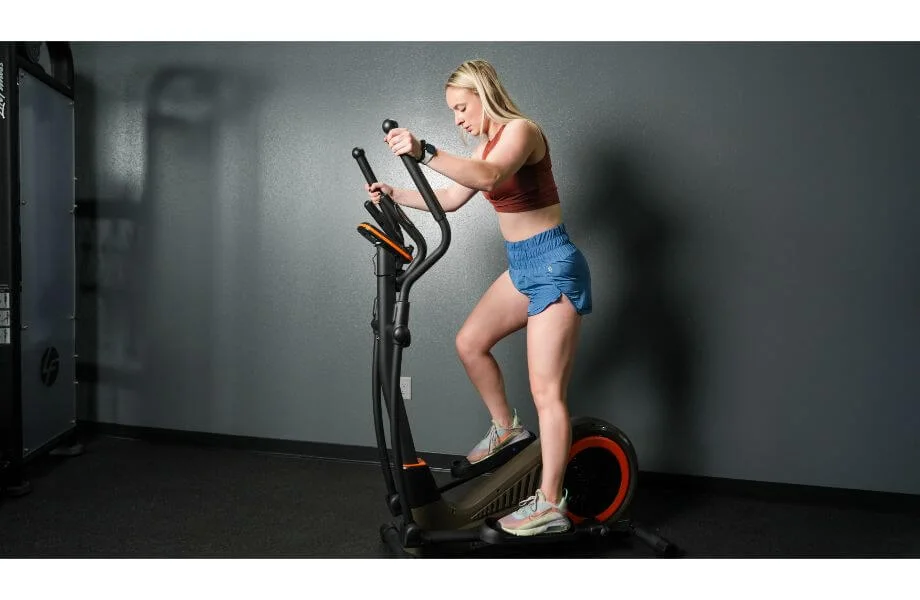
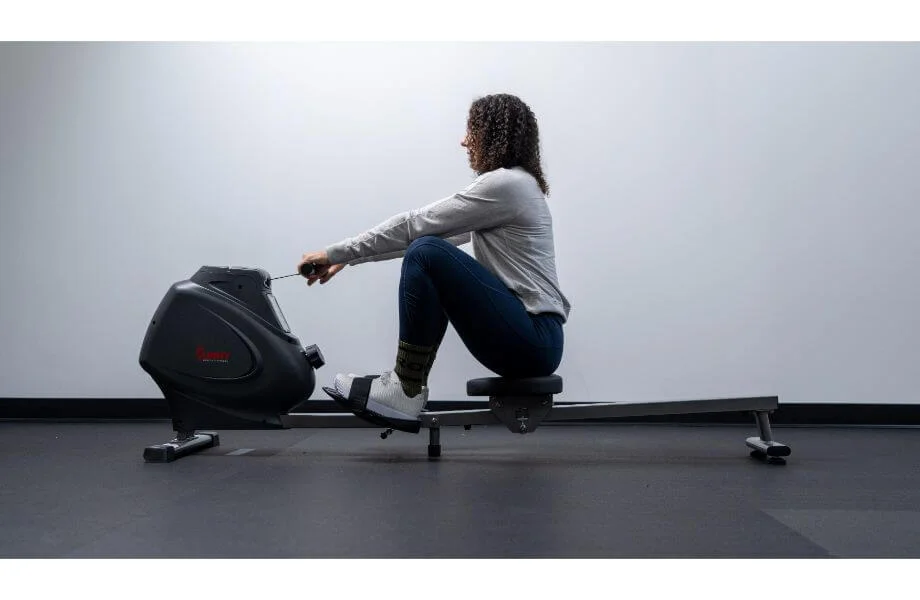
You know your body better than anyone else. If you sense that something isn’t right, don’t ignore it. If you’re working with a personal trainer, keep them in the loop with any concerns or ailments. Consider cross-training on days that your body needs a break. Ellipticals and rowers are great options for low-impact, individualized workouts.

Log Your Training Sessions

It may help to log your training sessions and include how your body responds to each workout. Documenting how you feel during your workouts can help you understand trends in your training schedule related to overtraining.

Dr. Masi, who also coaches athletes and creates their programming, has his clients assign an objective number from 1 to 5 on seven factors at the end of each training week (1 being really good and 5 being really bad): 

  • Fatigue
  • Hunger
  • Life stressors
  • Desire to train
  • How heavy the weights feel
  • Sleep quality
  • Sleep quantity

He says he expects these numbers to increase over the course of a training program, getting into the 3 to 4 range, as overreaching can, in many cases, be a good thing for athletes who are training intensely. 

But, the key here is that when you start to see signs of overreaching, you schedule a deload week or even complete rest to ensure that your body has time to recover from the period of increased fatigue. This is called compensation, and primes your body to have a higher capacity for performance if done properly. 

Schedule Rest Days

Make sure to schedule rest days and give yourself enough time to recover between workouts. Adhering to your scheduled rest days is probably the most obvious tactic to prevent OTS, and yet, many times, it can be the most difficult. 

Coop in his gym stretching his hamstrings

When passionate about your goals, you might be tempted to increase your training load or push through fatigue to get in a few extra reps. However, rest and recovery are part of the process and are just as important to reaching your fitness goals.

Stay Hydrated

Adequate hydration is key to preventing muscle fatigue. An excellent way to ensure you’re well-hydrated is to monitor the color of your urine. The lighter its color, the more hydrated you are. You’ll also want to be careful with fluids that act as diuretics, such as caffeinated drinks and alcohol.

Intake Adequate Nutrition

It’s important to refuel your body with the nutrition it needs after a workout. Like putting gas in your car’s tank, your body needs nourishment to be ready to go when it’s time for your next training session. To ensure you’re getting enough carbs and protein to support muscle protein synthesis, you might consider working with a registered dietitian nutritionist to determine your individual nutrition needs.

Stress Management

Stress is not uncommon in today’s busy world. Unfortunately, if stress is left unchecked, it can take a toll on your body and distract you from common warning signs of OTS. Increased stress hormones can inhibit quality sleep and trigger loss of appetite, two very important recovery factors. You might consider working with a licensed counselor or therapist to proactively address your mental health needs.

Don’t Skip Out on Sleep

Sleep is prime time for muscle repair. Poor sleep habits can contribute to burnout and overuse injuries. Aim to get at least eight hours of quality sleep every night.

Final Verdict on Signs of Overtraining

Without proper rest periods between your high-intensity training sessions, your body is at increased risk for overtraining syndrome. OTS can affect athletes of all backgrounds and all ages. Whether you’re an endurance athlete or a weightlifting pro, your body needs adequate recovery time to pursue your fitness goals successfully. More than just muscle fatigue, overtraining can affect your central nervous system and negatively impact overall wellness.

A few key takeaways:

  • Overtraining can affect people of all fitness levels. 
  • Proper rest between workouts is crucial for preventing overtraining syndrome. 
  • OTS can have physical, mental, and emotional consequences. 
  • Treating OTS most often requires quality sleep, proper nutrition, adequate rest periods, and medical treatment of any injuries. 

FAQs about Signs of Overtraining

What are the eight signs of overtraining?

-Overtraining can manifest in many different ways, but eight common symptoms include:
-Chronic fatigue
-Overuse Injuries
-Performance plateaus
-An increase in resting heart rate or resting blood pressure
-Unintentional weight loss or weight gain
-Recurrent illnesses
-A decline in motivation or joy
-Difficulty sleeping

What are the three stages of overtraining?

According to the National Sports Medicine Institute, the three stages of overtraining are: 
1. Functional overreaching:The athlete executes periods of increased trainingand notices performance declines unless proper rest periods are integrated into his or her training program.
2. Non-functional overreaching: After continued functional overreaching, the athlete starts to notice a myriad of physiological and psychological symptoms, including hormonal imbalances, constant fatigue, or personality changes.
3. Overtraining syndrome:Non-functional overreaching has progressed into overtraining syndrome, which includes a slew of physical and mental symptoms and can take months to recover from.

How long does it take to overtrain?

Overtraining syndrome (OTS) is characterized by decreased athletic performance for two months or more. Underperformance for fewer than two months shouldn’t be ignored, though. A decrease in performance over a few days to a few weeks is considered overreaching and should be addressed before it evolves into OTS.

Nicole Davis, CPT, PN1-NC

Nicole Davis, CPT, PN1-NC

Director of Content, Personal Trainer, Mom of 3

About Author

Nicole is director of content at GGR. She’s been a journalist for the last 14 years and a CPT/group fitness instructor for the last 11 years. She grew up playing tennis, became an avid runner in college, competed in a bikini competition in her mid-twenties, and even completed a triathlon. Her workout of choice nowadays is strength training, plus logging her daily steps. After her first daughter was born six years ago, she became especially passionate about prenatal and postnatal fitness, teaching stroller bootcamp classes and working with expecting moms as clients. Post-journalism school, Nicole worked in print media as a magazine editor for eight years, then went freelance for a while, writing for fitness websites and manufacturers in the industry. Now, as director of content at GGR, she brings her expertise in fitness to writing and editing honest reviews on everything you might need for your home gym.

Further Reading

The Best Lactose-Free Protein Powders of 2025: Build Muscle Without the Milk

The Best Lactose-Free Protein Powders of 2025: Build Muscle Without the Milk

See our top picks for the best lactose-free protein powder for muscle gains without GI distress.
Read More
A Look at the Fascinating, Tortuous History of Treadmills

A Look at the Fascinating, Tortuous History of Treadmills

In this article, we take a look at the tortuous, incredibly history of treadmills.
Read More
Polar Monkeys Cold Plunge Review (2023): We Tested Four Ice Baths From One Brand

Polar Monkeys Cold Plunge Review (2023): We Tested Four Ice Baths From One Brand

In this Polar Monkeys Cold Plunge review we’re going to look at the brand’s most popular ice bath options side by side.
Read More
Mushroom Coffee Benefits: Should You Trade Your Cup of Joe for Shrooms?

Mushroom Coffee Benefits: Should You Trade Your Cup of Joe for Shrooms?

Curious about the mushroom coffee trend? In this article, you’ll learn what it is, how mushroom coffee benefits health, and potential cons to consider.
Read More

On This Page

What is Overtraining?
Symptoms of Overtraining
How to Recover from Overtraining
Preventing Overtraining
Final Verdict on Signs of Overtraining
FAQs about Signs of Overtraining

Connect With Your Community

  • Facebook
  • Instagram
  • YouTube
  • https://www.google.com

Get the Latest Reviews & Updates

  • About
  • Careers
  • Privacy Policy
  • Terms of Service
  • Expert Panel
  • Affiliate Disclosure
  • Contact
  • Do Not Sell My Info
Reviews
  • MERACH T12 Foldable Walking Treadmill Review (2025): A Compact and Affordable Option

  • Evolve Plant-Based Protein Shake Review (2025): Is This Low-Calorie Pea Protein Worth the Price?

  • Huel Ready-to-Drink Review (2025): Can This RTD Really Replace A Meal?

  • C4 Ultimate Shred Review (2025): Is This Fat-Burning Pre-Workout Worth It?

  • Almost Heaven Morgan Barrel Review (2025): A Sleek Barrel Sauna Built for Four

Equipment
  • Best Recumbent Exercise Bikes (2025): Top Picks from Certified Personal Trainers

  • Best Folding Exercise Bikes (2025): Compact and Lightweight Bikes for Small Spaces

  • After Testing More Than 50, We Found The 10 Best Folding Treadmills for Your Home (2025)

  • Best Quiet Treadmills (2025): 7 Peaceful Options for Keeping the Right Pace

  • Best Dumbbells of 2025: Top Picks From Fitness Experts After Thousands of Curls and Presses

Guides
  • Infrared Saunas Buyer’s Guide: Everything You Need to Know to Break a Sweat With Confidence

  • The Ultimate Sauna Guide: Expert Tips on Benefits, How to Use, and More

  • What Foods Have Probiotics? Colon-Ize Your Plate with Help From a Dietitian

  • Home Gym Con 2025 Recap: The New Equipment We’re Most Excited About

  • Tariffs Affecting Gym Equipment Prices (2025)

DIY
  • Your Expert Guide to Making Budget-Friendly DIY Ankle Weights  

  • Homemade Protein Powder: The Right Whey to Do Home-Cooked Protein

  • Building a DIY Rowing Machine: How to, Why, and Should You?

  • Try These DIY Cold Plunge Ideas To Jump-Start Your Recovery 

  • DIY Mass Gainer: You Make the Shake, and Your Body Makes the Muscle

The Most Trusted Voice in Fitness

© Garage Gym Reviews 2023 | All Rights Reserved.

GGR

  • About
  • Careers
  • Privacy Policy
  • Terms of Service
  • Expert Panel
  • Affiliate Disclosure
  • Contact
  • Do Not Sell My Info

The Most Trusted Voice in Fitness

© Garage Gym Reviews 2025 | All Rights Reserved.

Reviews
  • MERACH T12 Foldable Walking Treadmill Review (2025): A Compact and Affordable Option
  • Evolve Plant-Based Protein Shake Review (2025): Is This Low-Calorie Pea Protein Worth the Price?
  • Huel Ready-to-Drink Review (2025): Can This RTD Really Replace A Meal?
  • C4 Ultimate Shred Review (2025): Is This Fat-Burning Pre-Workout Worth It?
  • Almost Heaven Morgan Barrel Review (2025): A Sleek Barrel Sauna Built for Four
Equipment
  • Best Recumbent Exercise Bikes (2025): Top Picks from Certified Personal Trainers
  • Best Folding Exercise Bikes (2025): Compact and Lightweight Bikes for Small Spaces
  • After Testing More Than 50, We Found The 10 Best Folding Treadmills for Your Home (2025)
  • Best Quiet Treadmills (2025): 7 Peaceful Options for Keeping the Right Pace
  • Best Dumbbells of 2025: Top Picks From Fitness Experts After Thousands of Curls and Presses
Guides
  • Infrared Saunas Buyer’s Guide: Everything You Need to Know to Break a Sweat With Confidence
  • The Ultimate Sauna Guide: Expert Tips on Benefits, How to Use, and More
  • What Foods Have Probiotics? Colon-Ize Your Plate with Help From a Dietitian
  • Home Gym Con 2025 Recap: The New Equipment We’re Most Excited About
  • Tariffs Affecting Gym Equipment Prices (2025)
DIY
  • Your Expert Guide to Making Budget-Friendly DIY Ankle Weights  
  • Homemade Protein Powder: The Right Whey to Do Home-Cooked Protein
  • Building a DIY Rowing Machine: How to, Why, and Should You?
  • Try These DIY Cold Plunge Ideas To Jump-Start Your Recovery 
  • DIY Mass Gainer: You Make the Shake, and Your Body Makes the Muscle