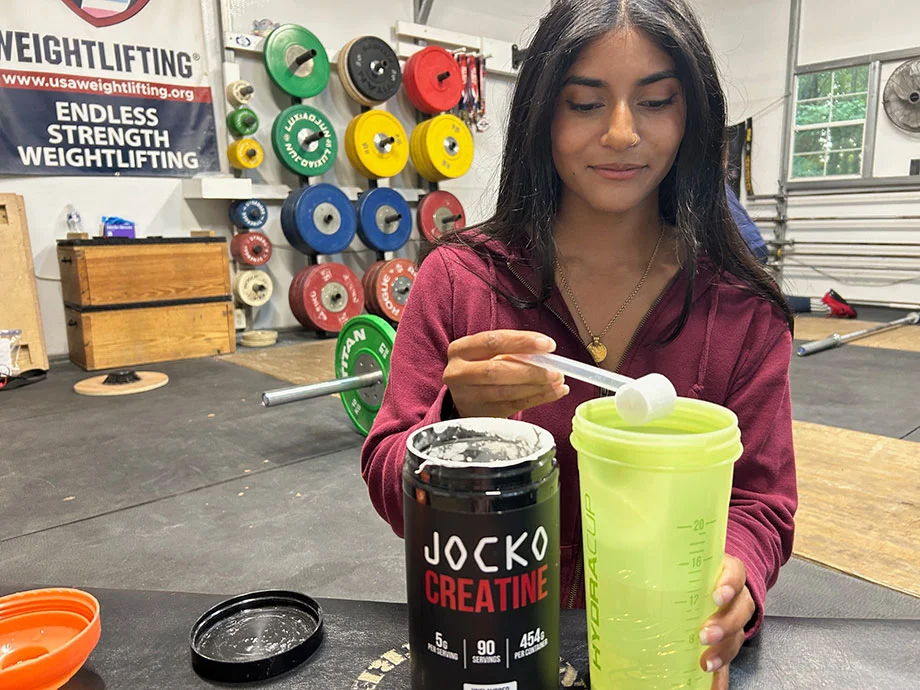


One of my favorite pastimes is dispelling old wives’ tales. For example, you can swim right after eating food, it’s not taboo to rub your chopsticks together at a sushi restaurant, and you can build muscle on a vegan diet. You can disagree all you want, but there are countless athletes and everyday people who thrive without meat or milk.
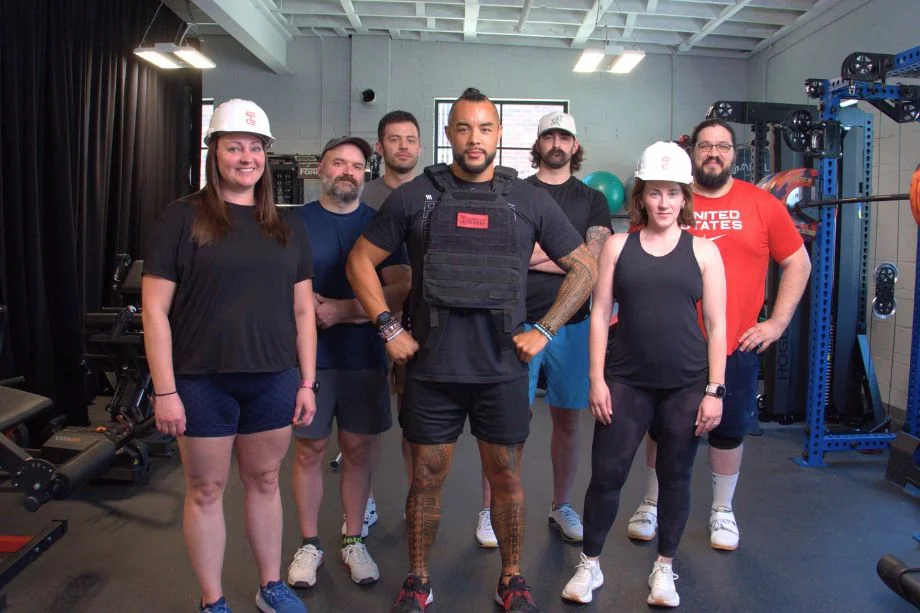
I’m what they call a “flexitarian,” meaning I eat animal-based products, but there have been times where I primarily drink vegan protein powders. Our team has personally tested more than 90 of the top protein powder supplements on the market and researched dozens more to help those living a plant-based lifestyle, lactose-intolerant gym-goers, or those just looking to shake up their diet.
When it comes specifically to vegan proteins, we look at factors like:
- Protein source: The source and quality of the protein — does it use soy (a common allergen) or complementary proteins like brown rice, pumpkin, chia seed, and flax seed?
- Formulation: The amount of protein, carbs, and fats per serving
- Transparency: Has it been third-party tested for heavy metals and toxins? Bonus points were awarded to any brand that showed an amino acid breakdown to prove it contains all essential amino acids needed for muscle growth.
- Other ingredients: Does it contain artificial sweeteners and ingredients?
We also ran tests for solubility and judged how the powder tastes. I’m a certified nutrition coach, and I worked with Laila Ouldibbat, R.D., and Sydney Lappe, R.D., to examine the amino acid profile and other ingredients of each powder on this list to determine the best vegan protein powder.
RELATED: Best Vegan Creatine
Medical disclaimer: This article is intended for educational and informational purposes only. It is not intended as a substitute for medical advice. For health advice, contact a licensed healthcare provider. GGR also recommends choosing a product that has been third-party tested for quality.
The 13 Best Vegan Protein Powders
- Best Vegan Protein Powder Overall: Legion Plant+
- Best Vegan Protein Powder for Weight Gain: Transparent Labs Vegan Mass Gainer
- Best Organic Vegan Protein Powder: Ora Organic Plant-Based Superfood Protein
- Best Vanilla Vegan Protein Powder: Huel Black Edition
- Best Vegan Protein Powder for Athletes: Vega Sport Premium Protein
- Best Vegan Protein Powder for Muscle Building: Onnit Plant-Based Protein Powder
- Best-Tasting Vegan Protein Powder: Truvani Plant Protein Powder
- Best Budget Vegan Protein Powder: Now Sports Plant Protein Complex
- Best Unflavored Vegan Protein Powder: Garden of Life Raw Organic Plant-Based Protein
- Best Soy Vegan Protein Powder: Bulk Supplements Soy Protein Isolate
- Best Hemp Vegan Protein Powder: Manitoba Harvest Hemp Yeah!
- Best Pea Protein Powder: Transparent Labs Organic Vegan Rice and Pea Protein
- Best Vegan Protein Powder for Weight Loss: Ritual Essential Protein 18+
A Word About Vegan Protein and Amino Acids
While we maintain that you can build muscle and get stronger on a vegan diet, it’s important to note that vegan protein differs from animal-based protein sources in a pretty significant way. Some vegan protein lacks compounds known as essential amino acids1, or amino acids that our body can’t produce in substantial amounts by itself and thus must be obtained through our food.
Amino acids are the building blocks of protein—essentially, they’re little puzzle pieces that work to create a picture (in this case, a protein molecule). Animal-based protein sources, like whey protein powders, have all the pieces, but vegan-based protein sources, with the exception of soy, are missing some.
This is why vegan protein is sometimes called “incomplete protein,” and why it’s more challenging—but again, not impossible—to build muscle on a vegan diet.
There are two ways to address this issue, the first being to mix two or more complementary proteins together. This is why you’ll sometimes see vegan protein powders with pea and hemp protein, because one has the essential amino acids that the other doesn’t. Manufacturers can also add amino acids to their protein powder to create a complete protein.
Compare Side by Side
|
|
|
|
|
|
|
|
|
|
|
|
|
|
| Legion Plant+ | Transparent Labs Vegan Gainer | Ora Organic Plant-Based | Huel Black Edition | Vega Sport Protein | Onnit Plant Protein | Truvani Plant Protein | NOW Plant Protein | Garden of Life Vegan Protein | Bulk Supplements Soy Protein | Manitoba Hemp Protein | Transparent Labs Vegan Protein | Ritual Protein | |
|
Rating
|
|||||||||||||
| Price Per Serving | $2.50 | $5.33 | $2.50 | Starting at $3.31 | $2.33 | $2.25 | $3.00 | $1.26 | $1.78 | Starting at $0.45 | $1.05 | $1.67 | $3.27 |
| Protein Per Serving | 24-25g | 52g | 21 g | 40 g | 30 g | 20g | 20 g | 22 g | 22 g | 27 g | 20 g | 24 g | 20g |
| Type | Pea and rice protein | Pea and rice protein | Pea and rice protein | Pea, pumpkin seed, sunflower, alfalfa | Pea and pumpkin seed protein | Pea, chia, and pumpkin seed | Pea, quinoa, and hemp protein | Pea and brown rice protein | Soy isolate | Hemp protein | Rice and pea isolate | Pea protein | |
| Third-party Tested? | |||||||||||||
| Calories Per Serving | 140 | 710 | 120 | 400 | 170 | 110 | 130 | 140 | 120 | 117 | 140 | 130 | 115 |
| Flavors | 6 flavors | 2 flavors | 4 flavors | 9 flavors | 5 flavors | 2 flavors | 5 flavors | 2 flavors | Unflavored | Unflavored | 1 flavor | 2 flavors | 1 flavor |
Best Vegan Protein Powder Overall: Legion Plant+
Good for: Anyone looking for a good-tasting and nutritious vegan protein powder
Legion’s Plant+ plant protein is made of a blend of pea and brown rice and contains 24-25 grams of protein per serving. Reviewers like the texture and taste, which for a vegan protein powder is much harder to come by.
What our tester says:
“This mixes easily with your standard shaker bottle, and I do think the flavor roster has a good bit of variety for different palates.”
Best Vegan Protein Powder for Weight Gain: Transparent Labs Vegan Mass Gainer
Good for: Plant-based bodybuilders or other athletes looking to put on quality size
Our product testers love Transparent Labs Vegan Mass Gainer because it tastes just as good as their dairy-based products, has an optimal carb-protein ratio, and had no negative side effects. It is, however, a little too expensive for some people’s taste, though vegan bodybuilders may find it’s worth the cost.
What our tester says:
“Their Chocolate Glaze Donut reminds me of an Entenmann’s donuts. It tastes very natural and has the right amount of sweetness. It’s more of a milk chocolate taste than dark chocolate, but that’s alright with me.”
Best Organic Vegan Protein Powder: Ora Organic Plant-Based Superfood Protein
Good for: Those who prefer to buy organic
Ora is a well-known brand with positive reviews. It’s a good option for those looking for a very clean, organic vegan protein powder.
What our tester says:
“There are zero clumps to speak of when mixing this protein powder, even with just water.”
Best Vanilla Vegan Protein Powder: Huel Black Edition
Good for: Those looking for a flavorful vanilla meal replacement shake
Huel Complete Protein Powder Black Edition is a nutritionally complete meal replacement shake powder, containing 400 calories per serving along with up to 41 grams of protein in all of the nine flavors. Fat, carb, and fiber content varies by 1 to 3 grams across flavors, but you can expect to find a healthy serving of unsaturated fats, complex carbohydrates, and fiber in each shake.
What our tester says:
“Its a far thicker shake than others I’ve tested, but I actually appreciate the consistency given that it’s designed to be a full-blown meal replacement shake. It’s more filling this way, at least, in my head.”
Best Vegan Protein Powder for Athletes: Vega Sport Premium Protein
Good for: Athletes wanting a quality vegan protein powder free of banned substances
Vega Sport Protein is plant-based, third-party tested, and gluten-free, making it suitable for a wide variety of people. One scoop provides 30 grams of vegan-friendly protein. Our testers report taste and blendability is not comparable to whey protein, but far better than other vegan-friendly options on the market.
What our tester says:
“I like the included probiotics for boosted digestibility. Other plant proteins typically leave my stomach in knots, but this one was easy on my gut and I had no issues post-consumption.”
Best Vegan Protein Powder for Muscle Building: Onnit Plant-Based Protein
Good for: Any plant-based eaters who want to gain size
Onnit’s Plant-Based Protein mixes a variety of protein sources. Customer reviews are much more positive for the chocolate flavor.
What our tester says:
“I recommend the Chocolate offering over the Vanilla flavor, which seems to carry some less-than-stellar reviews online. My chocolate experience, though, reminded me of a dairy-free milk I previously loved yet haven’t found in quite some time.”
Best-Tasting Vegan Protein Powder: Truvani Plant Protein Powder
Good for: Those who want their vegan protein shake to actually taste good
The chocolate flavor is a fan favorite, especially on Amazon, as Truvani’s Chocolate Protein Powder is rated #4 in Sports Nutrition Pea Protein Powders at the time of writing. We’ve found that reviewers love this product for its taste and simple ingredients.
What our tester says:
“It’s a good experience when mixed with water, but I highly recommend pairing this protein with your plant-based milk of choice. It really unlocks the taste and gives your shake that smooth, creamy texture we all know and love.”
Best Budget Vegan Protein Powder: NOW Sports Plant Protein Complex
Good for: People on a budget
NOW Sports Protein Powder has very mixed reviews on taste, but people like the price point and that it uses a variety of protein sources.
What our tester says:
“I think it’s an inoffensive flavor, but not the most exciting option by any means. My recommendation is to play around with your liquid content to find a solution that suits your taste buds best.”
Best Unflavored Vegan Protein Powder: Garden of Life Raw Organic Plant-Based Protein
Good for: Anyone who wants an unflavored protein supplement
Reviewers love the product for its digestive support, muscle recovery, plant-based ingredients, and smooth taste.
What our tester says:
“This high-protein formulation earns a perfect 5 out of 5 thanks to its 22 grams of plant protein per serving alongside just 2.5 grams of fat and 2 grams of carbohydrates.”
Best Soy Vegan Protein Powder: Bulk Supplements Soy Protein Isolate
Good for: Plant-based eaters looking for a complete protein source
Bulk Supplements Soy Protein Powder is a cheap vegan protein option, but reviewers share it isn’t the best-tasting option. There are no flavors available, but if you’re looking for a protein powder to bake with, or one you can easily blend into smoothies, this could be a good option.
What our tester says:
“There is no included scoop, so I’d recommend throwing in an extra measuring cup or reserving this for baking needs. I keep mine in my cupboard next to my flour and sugar stores, for example.”
Best Hemp Vegan Protein Powder: Manitoba Harvest Hemp Yeah!
Good for: People looking for a hemp protein powder
Hemp Yeah! Protein is a protein powder with a short list of ingredients that is good for the environment.
What our tester says:
“I really like this hemp protein for smoothies thanks to its Unflavored taste and smooth texture that won’t compromise the other ingredients I’ve added to my blender.”
Best Pea Protein Powder: Transparent Labs Organic Vegan Rice and Pea Protein
Good for: Those looking for an all-natural, third-party tested pea protein powder
This organic rice and pea protein powder is a good choice for people who want a clean plant-based protein option with minimal ingredients.
What our tester says:
“It tastes like a dark chocolate drink (not milk chocolate) but with an earthy hint because of the rice and pea protein.”
Best Vegan Protein Powder For Weight Loss: Ritual Essential Protein 18+
Good for: Anyone looking for a protein powder that can help them achieve a caloric deficit
Ritual’s Essential Protein Daily Shake has 20 grams of protein per serving and 150 milligrams of chlorine (to support brain and nervous system function).
What our tester says:
“I tried this two ways – in a blender cup with water, and in a smoothie with strawberries and blueberries. Even just with water, this has a nice taste.”
Other Vegan Protein Powders We Researched

- Anthony’s Premium Pea Protein: This is “pretty standard for pea protein,” Frieda says. “If you’re not used to it, it might taste a bit strong. It mixes fine in smoothies and baked goods, but some of the pea flavor is likely to come through.”
- Naked Pea: According to our product tester, this one has a strong pea protein flavor, and a serving is two pretty large scoops. It will make whatever you mix it with taste like pea protein unless you really double-down on the sweeteners.
- NOW Sports Pea Protein Isolate: This pea protein was one of the best for baking, our tester says, but the pea flavor comes through too strongly in beverages.
- Bulk Supplements Pea Protein Isolate: Another that’s good for baking, but not so much for drinking.
- Nutiva Hemp Protein: “It has a slightly nutty, bitter flavor. I thought it was quite good with oatmeal with some dried fruit, cinnamon, and a drizzle of maple syrup,” Frieda says. She didn’t use the full serving amount, however, as it’s a whopping 4 tablespoons, which is a bit much for a bowl of oatmeal.
How We Picked and Tested the Best Vegan Protein Powders
We have a rigorous supplement testing methodology we apply to any product we test.
We start by researching dozens of vegan protein powders before choosing the products we order and bring in-house for personal testing. From there, our team actually uses the protein powder to assess for factors like solubility and taste. We also consult with registered dietitians for their take on the formulation.
Our criteria for assessing protein powders includes the following factors.
Third-Party Testing
We prioritize products that have undergone third-party testing, because it means we know we can trust what’s on the label is accurate. Our team rates products high when they are NSF-Certified for Sport or hold some other type of certification.
However, we recognize that not all brands can afford such testing, and that doesn’t necessarily mean the product is no good. In those cases, we analyze the brand and the product label to look for trust signals and transparency, such as avoiding proprietary blends.
Price
We do the math to figure out how much you’re paying per serving of a product. When it comes to vegan protein powders, we find that the average price is between $1.50 and $1.90 for a quality product.
Formulation
There are several factors that come into play here, as we look not only at the ingredients, but also the dosing. To score a perfect 5 out of 5 on formulation, a product must have at least 20 grams of protein as well as be free from artificial ingredients.

We take into account factors like:
- Protein content: How much protein does each scoop contain?
- Amino acids: Can all essential amino acids be found in the product?
- Micronutrients: Did the protein powder come with vitamins and minerals?
- Ingredients: Does the vegan protein powder contain high-quality ingredients, or is it filled with artificial sweeteners and thickeners?
- Allergens: We looked for vegan protein powders free from allergens such as soy to give everyone an option.
Taste
Taste is subjective, and we recognize that it isn’t necessarily fair for meat-eaters like many of the people on our team to gauge the taste of a vegan protein powder. We enlisted product testers who are themselves vegan or who have vegan preferences.
We also looked at flavor offerings. While unflavored protein is just fine, we gave bonus points to brands that offer at least two or more flavor options.
Solubility
No one likes a chunky protein shake. Our testers mixed the vegan protein powders with water and with a milk substitute, using shaker cups, spoons, and blenders to rate how well the powder dissolves.
What is Vegan Protein Powder?
Vegan protein powder is a plant-based protein powder option for those who don’t want to—or can’t—consume the typical whey-based proteins out there. They come in powdered form and are made from plants like beans, legumes, nuts, seeds, and even whole grains.
When it comes to the amino acid profile in plant protein vs animal protein, some plant proteins lack the nine essential amino acids that your body needs from food, so oftentimes, vegan protein powder will contain a blend of different proteins.
Types of Vegan Protein Powder
Vegan protein isn’t just limited to soy; there are many plant sources that you can get your protein intake from.
Soy
One the most popular plant-based protein sources, soy protein is a complete protein with all nine essential amino acids.
Pea
Another popular pick for plant-based proteins, pea protein is technically complete, but it’s low in one amino acid called methionine so it’s typically paired with another vegan protein source to up its impact.
Brown Rice
Brown rice is an incomplete protein, so it’s usually also paired with another vegan protein source.
Hemp
Hemp protein is a complete protein source, meaning it contains all nine essential amino acids. You can often find hemp protein sold on its own, or mixed with other vegan protein sources in a protein powder formulation.
Chia
Chia seeds are also considered a complete protein, though you’ll usually find this ingredient added as a complement to other vegan protein sources in a formulation.
Pumpkin Seeds
Pumpkin seeds are another technically complete protein, but they also contain low amounts of methionine similar to pea protein. As with other types of vegan protein, you’ll typically find this added to a formulation instead of a standalone option.
If you’re interested in diving deeper into the cave of plant-based wonders, here are a few of our roundups detailing the top brands in the vegan protein category:
Benefits of Vegan Protein Powder
This one’s more aimed at people who are considering going plant-based, vegetarian, or dairy-free but may not have made the jump yet. Here are a few reasons why you might consider vegan protein powder over whey or casein protein.
- Easier digestibility: Whey and casein protein contain lactose, which can be hard for some people to digest even if they’re not lactose intolerant. For that reason, some people prefer vegan protein powders over dairy-based protein.
- Price: Many of the vegan protein powders we tried out were more budget-friendly than their whey and casein counterparts.
- Environmental: Vegan and plant-based foods are often better for the environment and result in fewer carbon emissions when compared to animal products.
RELATED: Best protein bars
Potential Side Effects
Vegan and plant-based protein powders are typically easier to digest than whey and casein protein powders, but that’s not the case for everyone. For some, you may see similar digestive issues, such as bloating or gas.
Another thing to look out for is that most plant proteins by themselves won’t contain all nine essential amino acids needed in your diet. Try to use a mix of plant proteins, or a vegan protein powder with a blend of plant proteins, so that you’ll be getting an abundance of all essential aminos.
Who Should Use Vegan Protein Powder?
Anyone who struggles to meet their daily protein needs will benefit by supplementing with a protein powder. However, there are some specific reasons a person may choose a vegan or plant-based protein powder over whey or casein.
- Dietary restrictions: The most obvious people who could benefit from vegan protein powders are those who follow a vegan diet. Plant-based protein powders can help ensure people following a plant-based diet can get their daily protein intake much easier.
- Allergies: Some people may opt for a plant-based protein over the popular alternative whey protein simply because whey is a milk-derived protein. People with dairy allergies or who are lactose intolerant might be able to avoid gastrointestinal issues by opting for a vegan protein powder.
- Environmental concerns: If you’re concerned about your carbon footprint, vegan protein powders might be a good option. Plant-based foods are often better for the environment and can emit fewer carbon emissions than animal products.
How Much Protein Do You Need?
The amount of protein needed in your diet will vary from person to person, depending on your activity level, body weight, and fitness goals.
The recommended daily allowance (RDA) for protein set by the USDA is 0.8 grams of protein per kilogram of body weight7. This quantity is the minimum amount required for basic physiological processes. However, many reputable organizations like the International Society for Sports Nutrition recommend more protein—between 1.2 and 2 grams of protein per kilogram of body weight8—for optimal muscle recovery and athletic performance.
Do Vegan Protein Powders Contain Heavy Metals?
Heavy metals can show up in supplements due to the source of the ingredients. For example, whey protein might contain heavy metals if the cow’s food source contains heavy metals like mercury, lead, or cadmium. Sometimes, plant-based protein powders can be the worst offenders, as the soil these plants are grown in may contain higher levels of these heavy metals.

Heavy metals can be dangerous in detectable levels, as they have a toxic effect on the body9 or may even affect metabolic processes. Also, these heavy metals can accumulate in the body and food chain, causing a cyclical nature of passing these metals on.
The best way to avoid heavy metals is to do your research on the sources of your vegan protein powders. Transparency is a huge factor to many customers, so many companies aim to have a level of transparency behind their products.
Buying Guide: What to Look for in Vegan Protein Powder
The best protein powder for men may differ from what women, but in some cases they’re the same. Here’s a look at what to keep in mind before going up and down the supplement aisle.
- Price: How much does each serving cost?
- Protein source: Where does the vegan protein powder get its protein content from? Does it have all essential amino acids?
- Total calories: How many calories, carbs, and fats are in each scoop?
- Serving size: Those who need more protein day-to-day, like athletes, older adults, and those with muscle-building goals, may need two, if not three or four, scoops of vegan protein to get an adequate amount because they are incomplete proteins.
- Taste: Does it taste good?
- Allergens: If you’re allergic to soy be sure to read the nutrition label extra carefully. Some vegan protein powders may also not be gluten-free.
RELATED: Best Greens Powder
Experts Who Contributed to This Article
- Bob Iafelice, MS, RDN, LDN
- Sydney Lappe, R.D.
- Laila Ouldibbat, R.D.
- Kate Meier NASM-CPT, USAW-L1, CF-L1
- Lauren Strong, CPT
- Lindsay Scheele, CPT, CNC
- Erin Chancer, CNC, CPT
- Amanda Capritto, CPT, CES, CNC, CF-L1, CSNC
- Frieda Johnson, NASM-CNC, ISSA-SET
- Nicole Davis, CPT, PN1-NC
- Ben Emminger, NASM-CNC, NASM-CSNC
FAQs About the Best Vegan Protein Powders
Are vegan protein powders healthy?
Most vegan protein powders we looked at were just as healthy as whey or casein protein powders, but they might be easier for some people to digest due to the fact that there’s no lactose in them.
What is the best form of vegan protein powder?
For protein powder in general, we like to see at least 20 grams of protein per serving. For vegan protein powders, however, it’s important to note if a protein source has all nine essential amino acids. Plant-based proteins are usually lacking in a few essential aminos, making them incomplete proteins.
The best form of vegan protein powder contains all essential aminos, which is often achieved by blending multiple protein sources together, like pea and rice protein. Some plants are also complete proteins, like soy (although it’s a common allergen) and hemp.
What is the healthiest plant-based protein?
There are plenty of plant-based proteins that are rich in fiber, vitamins, minerals, and other micronutrients. Here are some of our favorite healthy sources, along with the amount of protein:
-Plant-based protein powders: 18-23 g per serving
-Seitan: 15-23 g in 3 oz
-Tempeh: 18 g per ½ cup
-Firm tofu: 23 g per ½ block
-Beans and lentils: 7-9 g per ½ cup
-Quinoa: 8 g in 1 cup
-Pasta: 6-8 g in 1 cup
-Nuts and seeds: 5-7 g in 1 oz
-Broccoli: 4 g in 1 cup
-Chickpeas: 2.4 g per 1 tbsp
What is the best vegan protein blend?
Because plant proteins are often incomplete proteins, lacking all nine essential amino acids, vegan protein powders will often blend different plant proteins together to ensure an abundance of all essential aminos. Typically, pea protein is used as a base along with other plant-based proteins, such as brown rice, hemp, quinoa, or pumpkin seeds.
References
- Lopez MJ, Mohiuddin SS. Biochemistry, Essential Amino Acids. In: StatPearls. Treasure Island (FL): StatPearls Publishing; March 18, 2023.
- Hill JA, Keane KM, Quinlan R, Howatson G. Tart Cherry Supplementation and Recovery From Strenuous Exercise: A Systematic Review and Meta-Analysis. Int J Sport Nutr Exerc Metab. 2021;31(2):154-167. doi:10.1123/ijsnem.2020-0145
- Howarth NC, Saltzman E, Roberts SB. Dietary fiber and weight regulation. Nutr Rev. 2001;59(5):129-139. doi:10.1111/j.1753-4887.2001.tb07001.x
- Leson G, Pless P, Grotenhermen F, Kalant H, ElSohly MA. Evaluating the impact of hemp food consumption on workplace drug tests. J Anal Toxicol. 2001;25(8):691-698. doi:10.1093/jat/25.8.691
- Rodriguez-Leyva D, Pierce GN. The cardiac and haemostatic effects of dietary hempseed. Nutr Metab (Lond). 2010;7:32. Published 2010 Apr 21. doi:10.1186/1743-7075-7-32
- Simopoulos AP. The importance of the omega-6/omega-3 fatty acid ratio in cardiovascular disease and other chronic diseases. Exp Biol Med (Maywood). 2008;233(6):674-688. doi:10.3181/0711-MR-311
- Hudson, J. L., Wang, Y., Bergia Iii, R. E., & Campbell, W. W. (2020). Protein Intake Greater than the RDA Differentially Influences Whole-Body Lean Mass Responses to Purposeful Catabolic and Anabolic Stressors: A Systematic Review and Meta-analysis. Advances in nutrition (Bethesda, Md.), 11(3), 548–558. https://doi.org/10.1093/advances/nmz106
- Carbone, J. W., & Pasiakos, S. M. (2019). Dietary Protein and Muscle Mass: Translating Science to Application and Health Benefit. Nutrients, 11(5), 1136. https://doi.org/10.3390/nu11051136
- Jaishankar, M., Tseten, T., Anbalagan, N., Mathew, B. B., & Beeregowda, K. N. (2014). Toxicity, mechanism and health effects of some heavy metals. Interdisciplinary toxicology, 7(2), 60–72. https://doi.org/10.2478/intox-2014-0009