
Best Black Friday Fitness Equipment Deals See Deals
Best Black Friday Treadmill Deals See Deals
Best Black Friday Rowing Machine Deals See Deals
  • Best-in-Class Equipment
    • See All Roundups
    • Best Adjustable Dumbbells
    • Best Budget Home Gym Equipment
    • Best Cross-Training Shoes
    • Best Dumbbells
    • Best Exercise Bikes
    • Best Home Gym Machines
    • Best Kettlebells
    • Best Olympic Barbells
    • Best Rowing Machines
    • Best Squat Racks
    • Best Supplements
      • Best BCAA
      • Best Creatine
      • Best Greens Powder
      • Best Pre-Workout
      • Best Protein Powder
    • Best Treadmills
    • Best Weighted Vests
    • Best Weightlifting Shoes
    • Best Weight Benches
  • Reviews
    • See All Reviews
    • Barbells
    • Bodyweight
    • Certification Courses
    • Conditioning
    • Gym Accessories
    • Nutrition
    • Recovery
    • Rigs and Racks
    • Shoes
    • Strength Equipment
    • Support Gear
    • Technology
    • Training Programs
    • Weight Plates
  • Comparisons
    • See All Comparisons
    • Best Peloton Alternatives
    • Home Gym vs Gym Membership
    • Peloton Bike vs Bike Plus
    • PowerBlock vs Bowflex
    • Rogue Echo Bike vs Assault Air Bike
    • Rogue Ohio Power Bar vs Texas Power Bar
    • Tonal vs Tempo
  • Black Friday Deals
    • See All Black Friday Deals
    • Best Black Friday Supplement Sales (2025)
    • Peloton Black Friday Deals (2025)
    • Best Black Friday Sauna Deals (2025)
    • Best Black Friday Treadmill Deals (2025)
    • Best Black Friday Rowing Machine Deals (2025)
    • Best Black Friday Dumbbell Deals (2025)
    • Best Black Friday Elliptical Deals (2025)
    • Best Black Friday Exercise Bike Deals (2025)
    • The Best Massage Gun Black Friday Deals (2025)
    • Best Black Friday Deals for Runners (2025)
  • Coupons
    • Holiday Sales
    • Military Discounts
    • See All Coupons
      • Bells of Steel Coupons
      • REP Fitness Coupons
      • Rogue Fitness Coupons
      • Titan Fitness Coupons
      • Concept2 Coupons
      • Plunge Coupons
  • Equipment
    • Browse Gym Equipment
    • See All Equipment
    • Apparel
      • Shoes
        • Running Shoes
        • Training Shoes
        • Weightlifting Shoes
    • Strength Equipment
      • Barbells
      • Benches
      • Dumbbells
      • Glute Ham Developers (GHD)
      • Kettlebells
      • Rigs and Racks
      • Strength Machines
      • Weight Plates
    • Conditioning
      • Core and Stability
      • Endurance
        • Air Bikes
        • Ellipticals
        • Exercise Bikes
        • Rowing Machines
        • Treadmills
      • Jump Ropes
      • Strength Conditioning
    • Bodyweight
      • Climbing Ropes
      • Grip
      • Gymnastics
      • Pull-Up Systems
      • Training Equipment
    • Support Gear
      • Belts
      • Hand Protection
      • Mobility & Recovery
      • Straps & Wraps
      • Training Apparel
    • Gym Accessories
      • Flooring
      • Storage
    • Supplements
    • Technology
    • Training Programs
  • Home Gym Resources
    • See All Home Gym Resources
    • Calculators
    • DIY Guides
    • Equipment Guides
    • Gym Tours
    • Spotlight
    • Workout Guides
  • About Us
    • Meet Our Experts
    • GGR Fitness Equipment Testing Methodology
      • How We Test Ellipticals
      • How We Test Smart Home Gym Equipment
      • How We Test Smith Machines
      • How We Test Dumbbells and Adjustable Dumbbells
      • How We Test Barbells
      • How We Test Weight Benches
      • How We Test Treadmills
      • How We Test Saunas
      • How We Test Kettlebells and Adjustable Kettlebells 
      • How We Test Exercise Bikes
      • How We Test Cold Plunges
      • How We Test Massage Chairs 
      • How We Test Functional Trainers
    • GGR Supplement Testing Methodology
      • How We Test Pre-Workout Supplements
      • How We Test Creatine
  • Facebook
  • Instagram
  • YouTube

Search

Sign Up

Log In

  • Best-in-Class Equipment
    • See All Roundups
    • Best Adjustable Dumbbells
    • Best Budget Home Gym Equipment
    • Best Cross-Training Shoes
    • Best Dumbbells
    • Best Exercise Bikes
    • Best Home Gym Machines
    • Best Kettlebells
    • Best Olympic Barbells
    • Best Rowing Machines
    • Best Squat Racks
    • Best Supplements
      • Best BCAA
      • Best Creatine
      • Best Greens Powder
      • Best Pre-Workout
      • Best Protein Powder
    • Best Treadmills
    • Best Weighted Vests
    • Best Weightlifting Shoes
    • Best Weight Benches
  • Reviews
    • See All Reviews
    • Barbells
    • Bodyweight
    • Certification Courses
    • Conditioning
    • Gym Accessories
    • Nutrition
    • Recovery
    • Rigs and Racks
    • Shoes
    • Strength Equipment
    • Support Gear
    • Technology
    • Training Programs
    • Weight Plates
  • Comparisons
    • See All Comparisons
    • Best Peloton Alternatives
    • Home Gym vs Gym Membership
    • Peloton Bike vs Bike Plus
    • PowerBlock vs Bowflex
    • Rogue Echo Bike vs Assault Air Bike
    • Rogue Ohio Power Bar vs Texas Power Bar
    • Tonal vs Tempo
  • Black Friday Deals
    • See All Black Friday Deals
    • Best Black Friday Supplement Sales (2025)
    • Peloton Black Friday Deals (2025)
    • Best Black Friday Sauna Deals (2025)
    • Best Black Friday Treadmill Deals (2025)
    • Best Black Friday Rowing Machine Deals (2025)
    • Best Black Friday Dumbbell Deals (2025)
    • Best Black Friday Elliptical Deals (2025)
    • Best Black Friday Exercise Bike Deals (2025)
    • The Best Massage Gun Black Friday Deals (2025)
    • Best Black Friday Deals for Runners (2025)
  • Coupons
    • Holiday Sales
    • Military Discounts
    • See All Coupons
      • Bells of Steel Coupons
      • REP Fitness Coupons
      • Rogue Fitness Coupons
      • Titan Fitness Coupons
      • Concept2 Coupons
      • Plunge Coupons
  • Equipment
    • Browse Gym Equipment
    • See All Equipment
    • Apparel
      • Shoes
        • Running Shoes
        • Training Shoes
        • Weightlifting Shoes
    • Strength Equipment
      • Barbells
      • Benches
      • Dumbbells
      • Glute Ham Developers (GHD)
      • Kettlebells
      • Rigs and Racks
      • Strength Machines
      • Weight Plates
    • Conditioning
      • Core and Stability
      • Endurance
        • Air Bikes
        • Ellipticals
        • Exercise Bikes
        • Rowing Machines
        • Treadmills
      • Jump Ropes
      • Strength Conditioning
    • Bodyweight
      • Climbing Ropes
      • Grip
      • Gymnastics
      • Pull-Up Systems
      • Training Equipment
    • Support Gear
      • Belts
      • Hand Protection
      • Mobility & Recovery
      • Straps & Wraps
      • Training Apparel
    • Gym Accessories
      • Flooring
      • Storage
    • Supplements
    • Technology
    • Training Programs
  • Home Gym Resources
    • See All Home Gym Resources
    • Calculators
    • DIY Guides
    • Equipment Guides
    • Gym Tours
    • Spotlight
    • Workout Guides
  • About Us
    • Meet Our Experts
    • GGR Fitness Equipment Testing Methodology
      • How We Test Ellipticals
      • How We Test Smart Home Gym Equipment
      • How We Test Smith Machines
      • How We Test Dumbbells and Adjustable Dumbbells
      • How We Test Barbells
      • How We Test Weight Benches
      • How We Test Treadmills
      • How We Test Saunas
      • How We Test Kettlebells and Adjustable Kettlebells 
      • How We Test Exercise Bikes
      • How We Test Cold Plunges
      • How We Test Massage Chairs 
      • How We Test Functional Trainers
    • GGR Supplement Testing Methodology
      • How We Test Pre-Workout Supplements
      • How We Test Creatine

Home » Resources » A Registered Dietitian Breaks Down Pea Protein Benefits

A Registered Dietitian Breaks Down Pea Protein Benefits

8691
Written by Perry Nix, MS, RD, LD
8691
Perry Nix, MS, RD, LD

Perry Nix, the owner of The Free RD, is a registered dietitian and freelance nutrition writer. Her passion is breaking down complex nutrition information into bite-sized pieces that are easy to digest and apply. With experience in corporate wellness, public health, and clinical dietetics, Perry has crafted engaging nutrition content for a variety of health-conscious audiences. She resides with her husband and two boys in Texas and enjoys hiking and traveling.

View Profile
Updated on November 2, 2023

We test and review fitness products based on an independent, multi-point methodology. If you use our links to purchase something, we may earn a commission. Read our disclosures

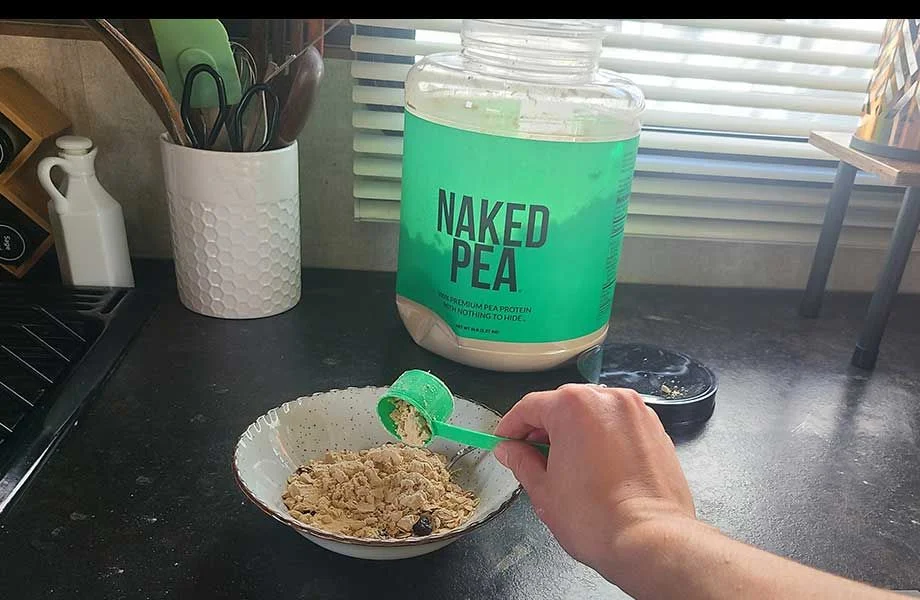
An image of Naked Nutrition Naked Pea in oatmeal

It often seems that whey protein gets all the glory, with its numerous associated health benefits. However, whey protein might not be the ideal choice for everyone, especially if you’re someone who avoids animal products, has a milk allergy, or deals with lactose intolerance. In such cases, pea protein powder may be a more suitable option. This article delves into the numerous pea protein benefits to help you decide if it’s the best fit for you.

As a registered dietitian nutritionist, I’ll break down the nutrient content of pea protein powder to explain how it affects the body. I’ll compare it to other types of protein powders to demonstrate how it measures up in categories like amino acid content, digestibility, and ability to promote muscle protein synthesis. In doing so, you’ll have a comprehensive understanding of how pea protein powder can be a valuable addition to your diet. 

Medical disclaimer: This article is intended for educational and informational purposes only. It is not intended as a substitute for medical advice. For health advice, contact a licensed healthcare provider.

What Is Pea Protein?

Pea protein is a plant-based protein created from yellow peas. It’s made by drying out the peas and then grinding them into a fine powder that contains mostly protein and starch. The powder then goes through an extraction process that removes the starch and other compounds, leaving behind primarily protein. The resulting pea protein powder can be further processed to achieve different purity levels and can be made into pea protein isolate or concentrate. 
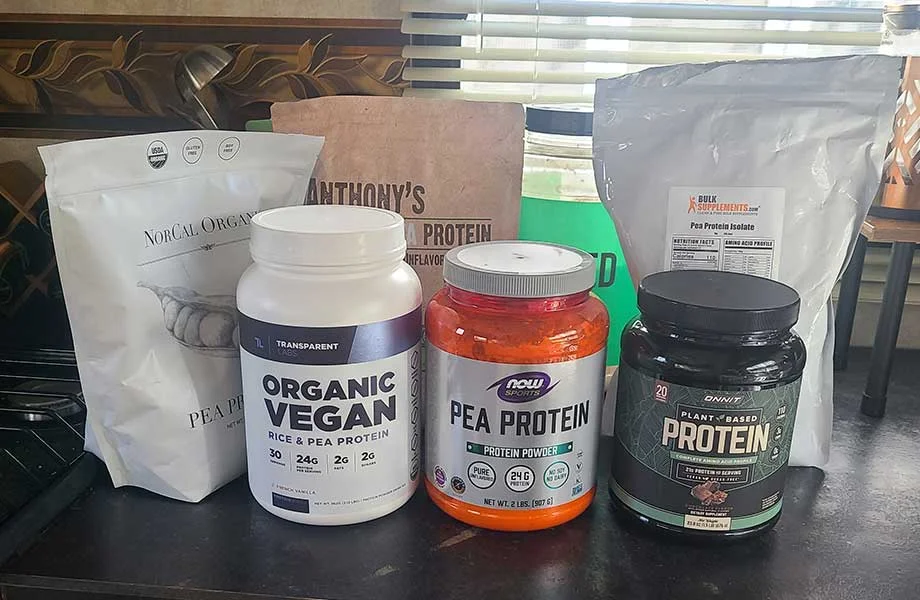
A group of Pea Protein Powders

Many vegan protein powders contain a mix of plant-based proteins, including pea protein. Although pea protein is technically a complete protein, meaning it contains all nine essential amino acids, it’s low in methionine. Mixing pea protein with other plant-based proteins ensures the supplement contains sufficient amounts of all essential amino acids, the building blocks of protein necessary for building and repairing muscles.

Types of Pea Protein

Pea protein isolate and pea protein concentrate are the different types of pea protein. Both options are considered high-quality, but pea protein isolate stands out due to its higher protein content and minimal presence of other nutrients. In comparison, pea protein concentrate is less extensively filtered, containing a lower percentage of protein while retaining more starches, fiber, and sugars.

Pea protein isolate, being a highly concentrated protein source, often carries a more pronounced pea flavor. It’s also usually more expensive because it requires more processing than pea protein concentrate. Pea protein isolate may be more suitable for those taking a protein supplement solely to increase their protein intake without the added consumption of carbs. 

On the other hand, pea protein concentrate has a milder flavor, which may be preferred if you dislike the taste of peas. It’s the more budget-friendly option because it undergoes less processing. Furthermore, pea protein concentrate provides a range of nutrients beneficial to health, with a notable emphasis on fiber. Fiber can help reduce cholesterol levels and manage blood glucose. Pea protein concentrate may appeal to those wanting an affordable plant protein supplement with other beneficial nutrients.

How Much Protein Is in Pea Protein?

The amount of protein in pea protein powder will vary depending on the brand and product. However, a typical serving size for pea protein powder is around 20 to 30 grams, which usually provides between 20 to 30 grams of protein. Here is the protein content per serving for a few different pea protein supplements:

  • Naked Nutrition Pea Protein: 27 grams
  • Ritual Essential Protein Daily Shake 18+: 20 grams
  • Bulk Supplements Pea Protein Isolate: 21 grams
  • NOW Sports Nutrition Pea Protein: 24 grams 

Pea Protein Benefits

Whether you’re vegan or not, pea protein powder offers several benefits that other protein powders don’t always provide. Here are just a few of the many benefits of pea protein powder. 
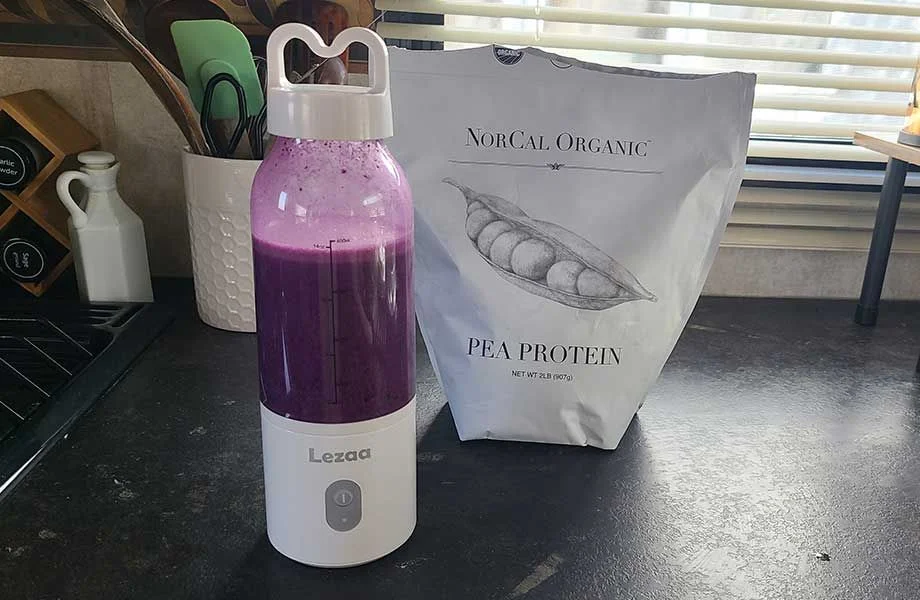
An image of Source Organic/Norcal organic pea protein

Plant-Based Protein Source

Pea protein powder is derived from peas, making it a plant-based protein option. Plant-based protein is suitable for vegans, vegetarians, and individuals wanting to reduce their consumption of animal products. Plant-based protein powders, such as pea protein, are often lower in fat and cholesterol and higher in fiber, making them suitable for heart health. They also tend to be higher in antioxidants, which can help reduce inflammation. 

It’s a Complete Protein 

Pea protein is one of very few complete plant-based protein sources. As mentioned previously, this means it contains all nine essential amino acids. Your body doesn’t make these amino acids, and you must consume them through your diet. Included in the essential amino acids are the branched-chain amino acids (leucine, isoleucine, valine), which are particularly important for muscle growth and repair. 

Pea protein is low in the amino acid methionine, but you can mediate that by consuming a variety of plant-based protein sources. Nuts, soy, and beans are foods rich in methionine that complement a plant-based diet. 

Free of Common Allergens

Pea protein is free of common food allergens, such as wheat, soy, and dairy. This attribute makes it a suitable choice for individuals unable to tolerate soy or whey protein due to allergies. Pea protein powder offers an option for those with food allergies to fulfill their protein needs while reducing the likelihood of an allergic reaction. 

Easy to Digest

Pea protein is generally well-tolerated, causing fewer side effects than whey or casein protein. Milk proteins contain lactose, a sugar in milk that some individuals are not able to properly digest. Someone who’s lactose intolerant may experience digestive issues like bloating, gas, diarrhea, abdominal pain, or nausea when they consume lactose. Pea protein is likely to be gentle on the stomach, even for those with food sensitivities. 

Weight Management

Increasing your protein intake with pea protein powder could help promote weight loss. A higher protein intake is needed to gain muscle. Increased muscle mass raises metabolism, meaning you burn more calories throughout the day. 

Furthermore, protein has a higher thermic effect of food (TEF) than carbohydrates and fat. Your body burns more calories when digesting and metabolizing protein than other nutrients. Finally, protein improves feelings of satiety, so you may find yourself less likely to overeat. 

RELATED: Best Protein Powder for Weight Loss
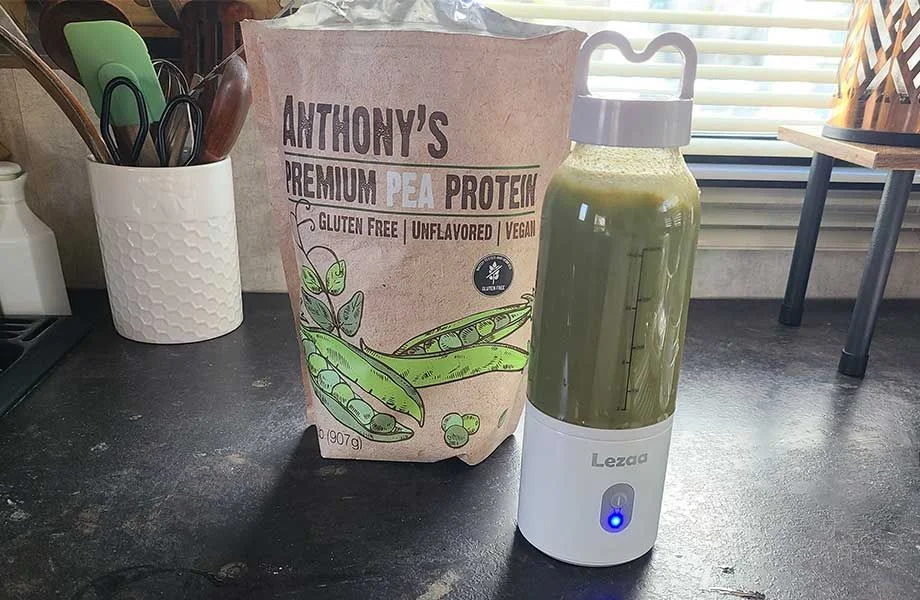
An image of Anthony's Pea Protein Isolate

Muscle Building

Building muscle requires considerably more protein than what’s needed for maintenance. It’s theorized that increasing protein results in a positive net protein balance, contributing to increased muscle protein synthesis and muscle mass. To maximize the muscle-building benefits of pea protein powder, use it in conjunction with a consistent strength training routine and a well-rounded diet. 

Sustainability

The production of pea protein utilizes more sustainable, efficient agricultural practices and reduced resource consumption compared to animal-based protein powders. Pea plants typically require less water and land, and they have a lower carbon footprint compared to raising livestock needed for milk proteins. Choosing pea protein can be a step toward a more eco-friendly and sustainable diet.

RELATED: Benefits of Protein 

Pea Protein vs Whey Protein

Pea and whey protein have several commonalities and differences. Let’s compare their amino acid profiles, digestibility, allergens, and other factors.

RELATED: Pea Protein vs Whey

Source

Pea protein is derived from yellow peas and whey protein is derived from milk. Pea protein aligns with plant-based and vegan diets, while whey, being an animal-based protein, is not vegan-friendly. With these origins in mind, you can make informed choices that best suit your dietary preferences and values.

Nutrients

Pea and whey protein powders are both rich in protein content (~20 to 30 grams per serving), but whey protein typically has a slightly higher amount. Both are typically low in sugar, fat, and starch. Notably, pea protein is richer in fiber and iron, while whey, made from milk, may provide more calcium and potassium.
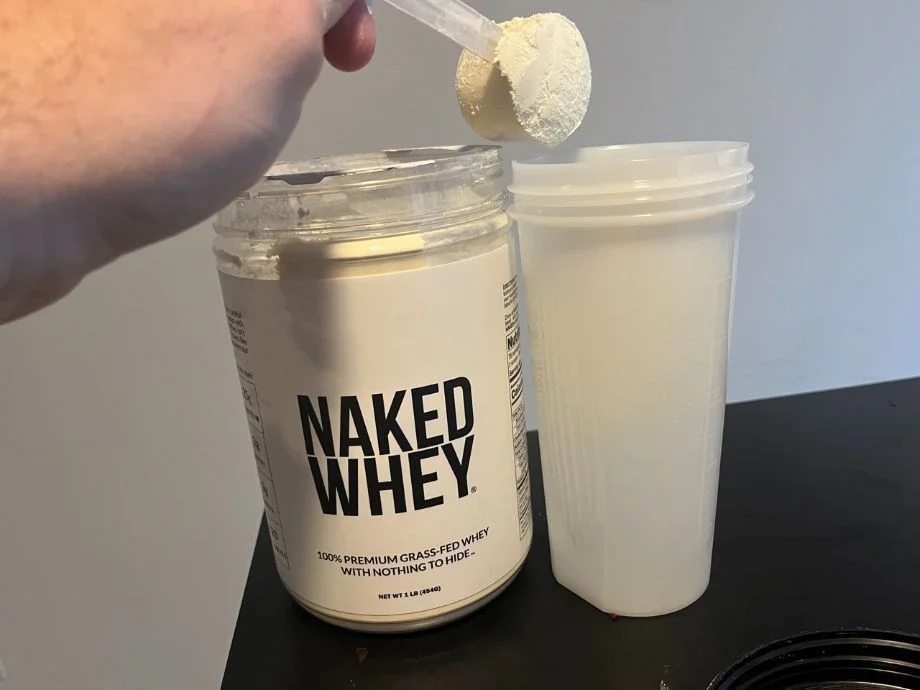
Scooping Naked Whey Unflavored Protein

Amino Acid Profiles

Both pea protein and whey protein contain all nine essential amino acids the human body can’t produce on its own. Whey protein is higher in leucine1, a BCAA known to stimulate muscle protein synthesis more than the other essential amino acids. On the other hand, pea protein is higher in arginine (a non-essential amino acid) than whey protein. Arginine is important for nitric oxide production, which helps relax blood vessels, improve circulation, and reduce blood pressure. 

RELATED: Best BCAA Supplements

Effectiveness

Many athletes take protein powder to help meet their increased protein needs for repairing and building muscle mass. One 2019 study2 found the ingestion of whey and pea protein produced similar outcomes in measurements of body composition, muscle thickness, force production, exercise performance, and strength after 8 weeks of training for 15 men and women.

A larger 2020 study3 involving 92 participants resulted in comparable findings, showing no noteworthy differences in fitness performance and post-workout muscle soreness between the whey and pea protein groups.

How to Pick the Best Pea Protein Powder

Choosing the optimal pea protein powder requires evaluating several factors to ensure it aligns with your needs. Here are some key considerations to keep in mind.

  • Protein Content: Look for pea protein powders with a high protein content. Pea protein isolate is a concentrated option and is likely to have more grams of protein in each scoop. Consider a pea protein powder with 20-30 grams per serving.
  • Allergen Information: Pea protein itself is usually free of common food allergens. However, pea protein is often mixed with other plant-based protein sources like soy and brown rice protein. Soy, gluten, and dairy are common in protein powders, so always check the label if you have a food allergy. 
  • Nutrient Content: Aside from protein, check the label for fat and added sugar. If you are limiting these, be sure to choose a product with less than 5 percent of the daily value of these nutrients.
  • Certifications: Depending on your dietary preferences, look for certifications that indicate the product is vegan, organic, gluten-free, or made without GMOs. Give priority to protein powders that are third-party certified to ensure it’s a product of high quality and purity. 
  • Cost: Compare prices among different products to ensure you find one that fits into your budget. 
  • Customer Reviews: Read customer reviews on the company websites to see how others rate the taste and solubility of each supplement when used in a protein shake. 

Pea Protein Benefits: Final Thoughts 

As a complete plant-based protein source, pea protein caters to the needs of vegetarians, vegans, and those wanting to reduce their intake of animal-based products. Pea protein has earned its place as a nutritious and eco-conscious choice for those seeking an effective, plant-based protein supplement for muscle growth or weight loss. 

  • Pea protein is free of lactose, making it easier to digest for those who are lactose intolerant
  • Generally soy-, gluten-, and dairy-free, pea protein doesn’t contain common food allergens in other types of protein powders
  • Contains all nine essential amino acids, including branched-chain amino acids, for muscle repair and growth 

Pea Protein Benefits: FAQs

What does pea protein do for the body?

Pea protein provides the body with essential amino acids for muscle repair, growth, and recovery. It can also aid in weight management by improving satiety and boosting metabolism. 

Is it OK to have pea protein every day?

Yes, it’s generally OK to have pea protein daily. Check with your healthcare provider before starting a new supplement to ensure it’s safe for you. 

Is pea protein good for gut health?

Peas are rich in dietary fiber, which is essential for a healthy gut as it supports regular bowel movements and provides nourishment for beneficial gut bacteria. Pea protein powder isn’t as rich in fiber as whole peas, but may still contain fiber that contributes to your overall daily intake. 

What are the drawbacks of pea protein?

Pea protein is a complete protein but contains smaller amounts of leucine, a BCAA known to stimulate muscle protein synthesis, than whey protein. Additionally, not everyone likes the earthy taste and texture of pea protein. 

These statements have not been evaluated by the Food and Drug Administration. This product is not intended to diagnose, treat, cure, or prevent any diseases.

References

  1. Jäger, R., Kerksick, CM., Campbell, BI., et al. National Society of Sports Nutrition Position Stand: protein and exercise. J Int Soc Sports Nutr. 2017;14:20. doi:10.1186/s12970-017-0177-8
  2. Banaszek A, Townsend JR, Bender D, Vantrease WC, Marshall AC, Johnson KD. The Effects of Whey vs. Pea Protein on Physical Adaptations Following 8-Weeks of High-Intensity Functional Training (HIFT): A Pilot Study. Sports (Basel). 2019;7(1):12. Published 2019 Jan 4. doi:10.3390/sports7010012
  3. Nieman DC, Zwetsloot KA, Simonson AJ, et al. Effects of Whey and Pea Protein Supplementation on Post-Eccentric Exercise Muscle Damage: A Randomized Trial. Nutrients. 2020;12(8):2382. Published 2020 Aug 9. doi:10.3390/nu12082382
Further Reading

AssaultRunner Pro Review: Sprint Your Way To Your Fitness Goals With This Manual Treadmill

AssaultRunner Pro Review: Sprint Your Way To Your Fitness Goals With This Manual Treadmill

Popularized by CrossFit athletes, bootcamp baddies, and four-season runners, the AssaultFitness Runner Pro is a manual treadmill that can help you achieve your fitness goals.  One of two manual treadmill models made by AssaultFitness, the AssaultRunner Pro is considered the most elementary model, although there’s nothing low-grade about its heavy-duty steel frame and precision ball bearings. (The AssaultRunner Elite is a fancier-shmancier option, by the way).  In our AssaultRunner Pro review,  » Read more about: AssaultRunner Pro Review: Sprint Your Way To Your Fitness Goals With This Manual Treadmill  »
Read More
Best Budget Mountain Bikes (2025): Coaches and Athletes Share Top Picks

Best Budget Mountain Bikes (2025): Coaches and Athletes Share Top Picks

Mountain bikers share the best budget mountain bikes: top picks all under $4,000.
Read More
ProForm Carbon CX Review 2025: The Best Budget-Friendly Peloton Alternative?

ProForm Carbon CX Review 2025: The Best Budget-Friendly Peloton Alternative?

In this ProForm Carbon CX review, we’ll take a close look at one of the best budget exercise bikes and Peloton alternatives.
Read More
Renu Therapy Cold Stoic Review (2025): Expensive, but Is It Worth It?

Renu Therapy Cold Stoic Review (2025): Expensive, but Is It Worth It?

In our Renu Therapy Cold Stoic review, we’ll discuss if this pricey cold plunge tub is worth the investment.
Read More

On This Page

What Is Pea Protein?
Pea Protein Benefits
Pea Protein vs Whey Protein
How to Pick the Best Pea Protein Powder
Pea Protein Benefits: Final Thoughts 
Pea Protein Benefits: FAQs
References

Connect With Your Community

  • Facebook
  • Instagram
  • YouTube
  • https://www.google.com

Get the Latest Reviews & Updates

  • About
  • Careers
  • Privacy Policy
  • Terms of Service
  • Expert Panel
  • Affiliate Disclosure
  • Contact
  • Do Not Sell My Info
Reviews
  • MERACH T12 Foldable Walking Treadmill Review (2025): A Compact and Affordable Option

  • Evolve Plant-Based Protein Shake Review (2025): Is This Low-Calorie Pea Protein Worth the Price?

  • Huel Ready-to-Drink Review (2025): Can This RTD Really Replace A Meal?

  • C4 Ultimate Shred Review (2025): Is This Fat-Burning Pre-Workout Worth It?

  • Almost Heaven Morgan Barrel Review (2025): A Sleek Barrel Sauna Built for Four

Equipment
  • Best Recumbent Exercise Bikes (2025): Top Picks from Certified Personal Trainers

  • Best Folding Exercise Bikes (2025): Compact and Lightweight Bikes for Small Spaces

  • After Testing More Than 50, We Found The 10 Best Folding Treadmills for Your Home (2025)

  • Best Quiet Treadmills (2025): 7 Peaceful Options for Keeping the Right Pace

  • Best Dumbbells of 2025: Top Picks From Fitness Experts After Thousands of Curls and Presses

Guides
  • Infrared Saunas Buyer’s Guide: Everything You Need to Know to Break a Sweat With Confidence

  • The Ultimate Sauna Guide: Expert Tips on Benefits, How to Use, and More

  • What Foods Have Probiotics? Colon-Ize Your Plate with Help From a Dietitian

  • Home Gym Con 2025 Recap: The New Equipment We’re Most Excited About

  • Tariffs Affecting Gym Equipment Prices (2025)

DIY
  • Your Expert Guide to Making Budget-Friendly DIY Ankle Weights  

  • Homemade Protein Powder: The Right Whey to Do Home-Cooked Protein

  • Building a DIY Rowing Machine: How to, Why, and Should You?

  • Try These DIY Cold Plunge Ideas To Jump-Start Your Recovery 

  • DIY Mass Gainer: You Make the Shake, and Your Body Makes the Muscle

The Most Trusted Voice in Fitness

© Garage Gym Reviews 2023 | All Rights Reserved.

GGR

  • About
  • Careers
  • Privacy Policy
  • Terms of Service
  • Expert Panel
  • Affiliate Disclosure
  • Contact
  • Do Not Sell My Info

The Most Trusted Voice in Fitness

© Garage Gym Reviews 2025 | All Rights Reserved.

Reviews
  • MERACH T12 Foldable Walking Treadmill Review (2025): A Compact and Affordable Option
  • Evolve Plant-Based Protein Shake Review (2025): Is This Low-Calorie Pea Protein Worth the Price?
  • Huel Ready-to-Drink Review (2025): Can This RTD Really Replace A Meal?
  • C4 Ultimate Shred Review (2025): Is This Fat-Burning Pre-Workout Worth It?
  • Almost Heaven Morgan Barrel Review (2025): A Sleek Barrel Sauna Built for Four
Equipment
  • Best Recumbent Exercise Bikes (2025): Top Picks from Certified Personal Trainers
  • Best Folding Exercise Bikes (2025): Compact and Lightweight Bikes for Small Spaces
  • After Testing More Than 50, We Found The 10 Best Folding Treadmills for Your Home (2025)
  • Best Quiet Treadmills (2025): 7 Peaceful Options for Keeping the Right Pace
  • Best Dumbbells of 2025: Top Picks From Fitness Experts After Thousands of Curls and Presses
Guides
  • Infrared Saunas Buyer’s Guide: Everything You Need to Know to Break a Sweat With Confidence
  • The Ultimate Sauna Guide: Expert Tips on Benefits, How to Use, and More
  • What Foods Have Probiotics? Colon-Ize Your Plate with Help From a Dietitian
  • Home Gym Con 2025 Recap: The New Equipment We’re Most Excited About
  • Tariffs Affecting Gym Equipment Prices (2025)
DIY
  • Your Expert Guide to Making Budget-Friendly DIY Ankle Weights  
  • Homemade Protein Powder: The Right Whey to Do Home-Cooked Protein
  • Building a DIY Rowing Machine: How to, Why, and Should You?
  • Try These DIY Cold Plunge Ideas To Jump-Start Your Recovery 
  • DIY Mass Gainer: You Make the Shake, and Your Body Makes the Muscle