



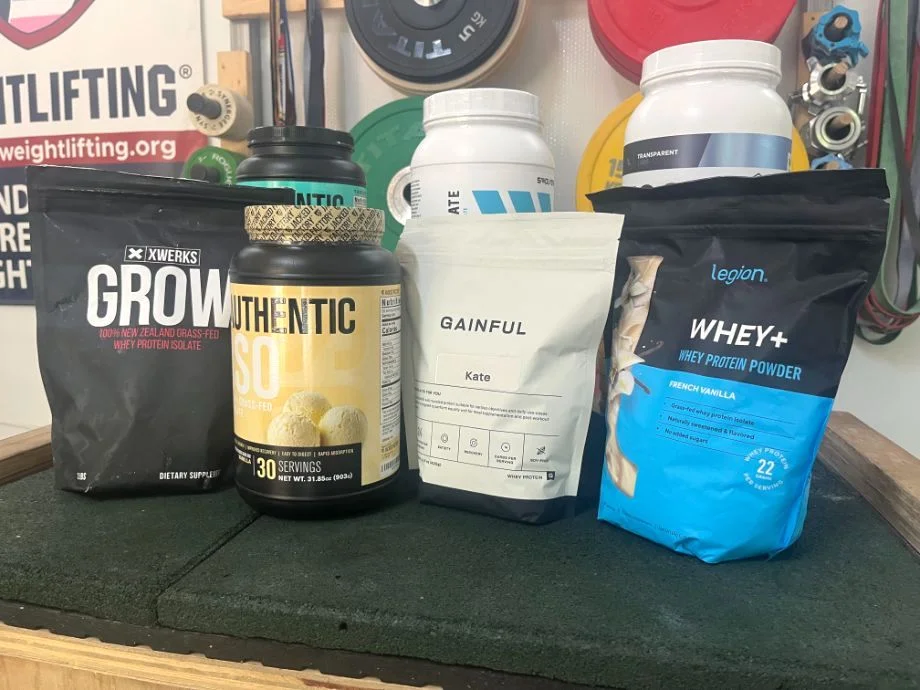
On top of fridges, stacked in grocery aisles, and sprinkled all over your social feed—protein powder is everywhere. You might even have a half-used tub quietly judging you from the back of your pantry. But what is protein powder, really?
Protein powder is a concentrated source of protein made from animal or plant ingredients like whey, casein, soy, pea, egg, or blends. The best protein powders deliver a potent dose of high-quality protein, making it one of the simplest ways to meet your daily needs, especially if you’re busy, active, or can’t be bothered with cooking another chicken breast.
But here’s what most people don’t realize: Different protein types digest differently, taste differently, mix differently, and support different goals such as muscle building, appetite control, and overall health. Here’s where this guide to protein powder steps in, covering:
- The benefits of protein powder (that exist beyond muscle-building)
- The different types and how they compare
- How to use it in shakes, meals, and around workouts
- How to choose the right one for your goals and preferences
By the end, you’ll be motivated to actually use your protein powder rather than let it sit on top of your fridge collecting dust.
What Is Protein Powder?
Protein powder1 is a dietary supplement designed to help increase daily protein intake. It’s made from animal or plant sources such as whey, casein, soy, pea, rice, or hemp, and processed into concentrates, isolates, or hydrolysates for easier mixing and digestion.
Because protein is essential for muscle growth and recovery, protein powder has long been popular among athletes and bodybuilders. But its use extends far beyond sports nutrition. Busy individuals, vegetarians and vegans, and people with low appetites often rely on protein supplements to help meet their daily needs when food alone isn’t enough.
All to say, protein powder offers benefits for many people, and ongoing research continues to reveal new ways protein supplementation may support broader health and wellness.
Benefits of Protein Powder
The benefits of protein powder go far beyond muscle building (though let’s be honest, that’s a strong perk to flex). If you’re not fully on Team Protein Powder yet, or just need a gentle nudge to dust off that neglected tub, these benefits might change your mind.
Convenient and Budget-Friendly
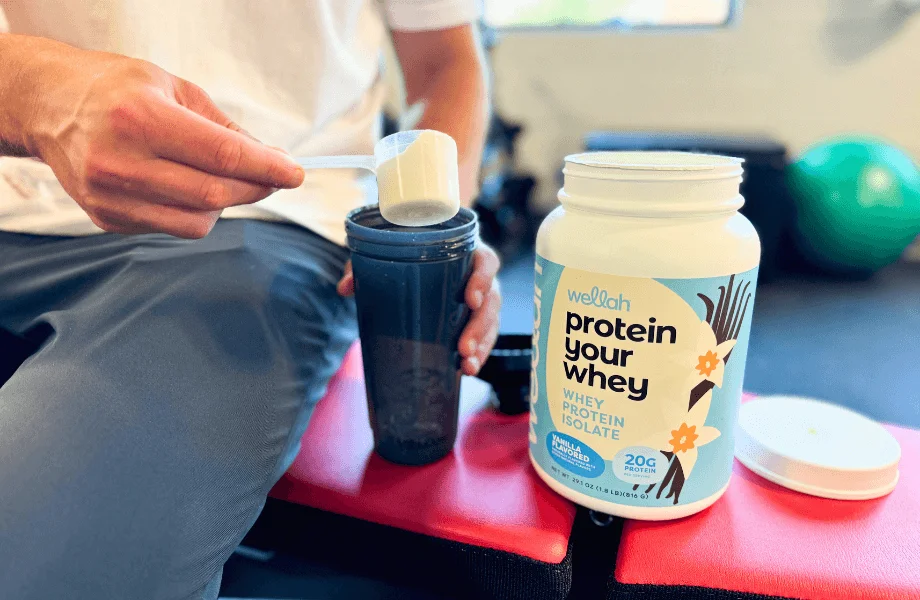
While whole foods should anchor your diet, protein powder offers unmatched convenience. It’s easy to store, quick to mix, and typically costs under $2 per serving while delivering 20 to 30 grams of protein. This is often cheaper per gram than high-protein foods like poultry and beef. Plus, there’s no food prep or spoilage to worry about. (Just try not to forget a used shaker in your gym bag.)
Versatile
Protein powder blends seamlessly into smoothies, oatmeal, yogurt, and pudding. Unflavored varieties can be added to soups, sauces, and baked goods, too, for a sneaky high-protein boost without altering flavor.
Supports Muscle Growth
The International Society of Sports Nutrition2 reports that consuming 20 to 40 grams of high-quality protein, including 10 to 12 grams of essential amino acids (EAAs) and 1 to 3 grams of leucine, a branched-chain amino acid (BCAA), stimulates muscle protein synthesis.
Because most whey and other EAA-rich protein powders naturally meet these thresholds, they’re an effective and convenient way to support muscle growth when used alongside resistance training3.
Increases Fullness
Protein digests more slowly than carbohydrates or fats, helping you stay full longer and resist mindless snacking. Perry Nix, RD, adds, “Protein intake increases concentrations of GLP-1, a hormone that signals fullness and satisfaction to the brain. As a result, you feel enhanced satiety and may consume fewer calories overall.”
Supports Weight Loss
Research4 shows that protein supplements can help reduce BMI, waist circumference, and body fat when paired with a balanced diet. Higher-protein eating also boosts fullness and increases thermogenesis, or the calories your body burns during digestion. This makes fat loss more manageable and sustainable.
Adequate protein intake during a calorie deficit helps preserve lean muscle, supporting a stronger and more efficient metabolism. Plus, a strong metabolism makes weight loss easier by increasing the number of calories your body burns both at rest and throughout the day.
May Promote Whole Body Health
Many protein powders, especially whey and high-quality plant blends, support several aspects of overall health. They may help improve blood pressure, cholesterol, and blood sugar levels, particularly when you choose low-sugar formulas2.
Protein rich in BCAAs also supports immune function, metabolism, and nervous system health. Plus, dairy-based powders provide calcium for bone strength, while many plant blends offer added fiber to support healthy digestion.
Types of Protein Powder
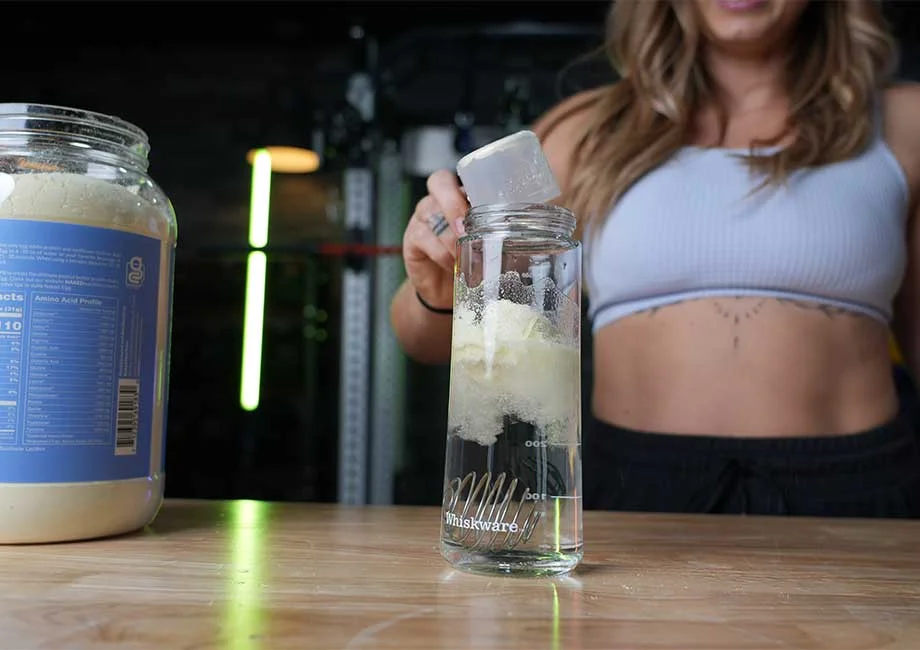
There are many types of protein powder, including dairy- and plant-based options, and each has its own digestion speed, amino acid profile, and best-case use.
Whey Protein Powder
Whey protein powder5 comes from whey, the liquid byproduct created when cow’s milk is separated into curds (casein) and whey during cheesemaking. Whey contains about 20% of the protein in milk, with casein comprising the remaining 80%.
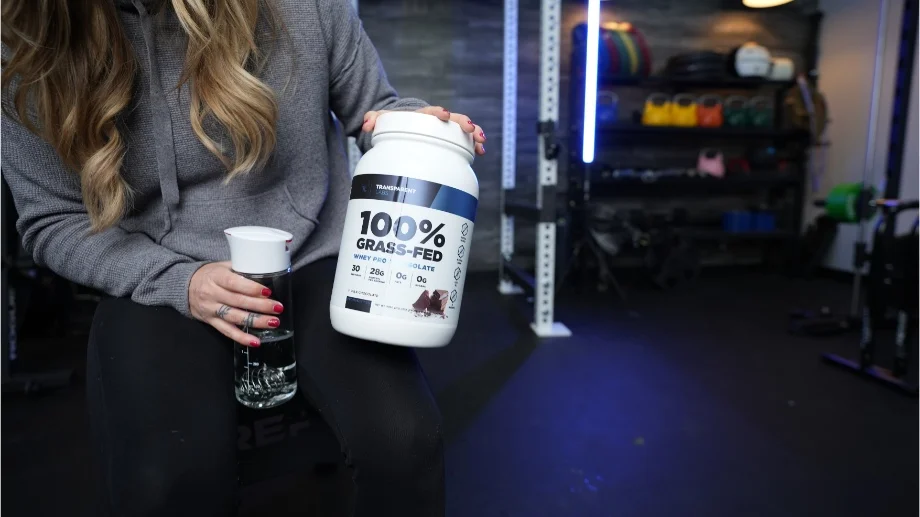
Using processes like ultrafiltration, ion exchange, microfiltration, and spray drying, manufacturers remove water, lactose, and fat from whey. This results in a concentrated protein that’s rapidly absorbed and rich in essential and branched-chain amino acids such as leucine, a key driver of muscle protein synthesis.
Three main types of whey protein powder include:
- Whey protein concentrate: The most common form, containing 35 to 80% protein along with small amounts of lactose, fat, and minerals. It retains more of whey’s natural bioactive compounds, but the lactose content may be an issue for people with lactose intolerance.
- Whey protein isolate: Contains at least 90% of protein with minimal lactose and fat due to additional filtration. It’s ideal for those seeking a higher-purity option or who are sensitive to lactose.
- Whey protein hydrolysate: Partially “pre-digested” through a process called hydrolysis, making it the fastest to digest and easiest to absorb. Useful for rapid post-workout recovery or digestive issues, though it’s more expensive and sometimes slightly bitter.
Casein Protein Powder
Casein protein powder is made from casein, the primary milk protein that coagulates into curds during cheesemaking. It accounts for approximately 80% of milk’s protein and provides a complete amino acid profile with a slower digestion rate.
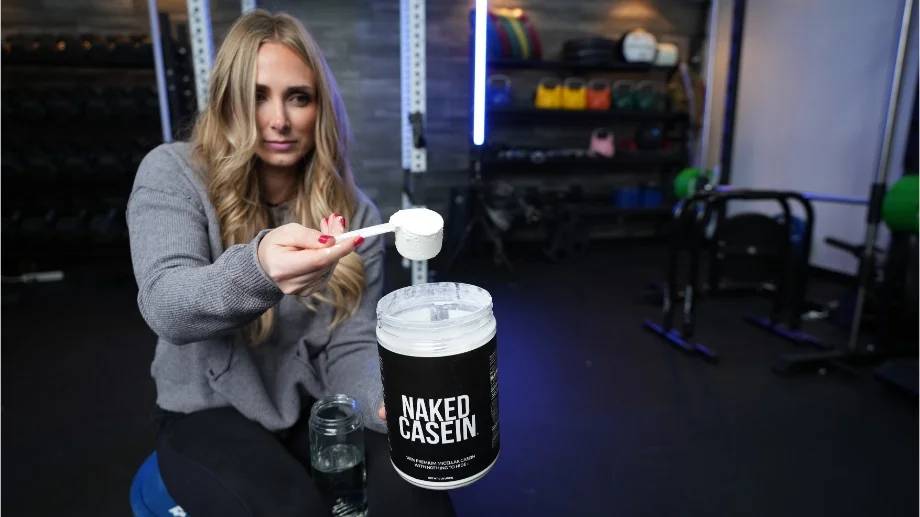
Once separated from whey, the casein curds are washed, filtered, and dried into a powder. Casein protein powder is most commonly available as micellar casein, the least processed and most intact form. Unlike fast-digesting whey, casein delivers a steady, prolonged release of amino acids, making it ideal for overnight muscle repair, sustained fullness, and longer gaps between meals.
Egg Protein Powder
To produce egg white protein powder, egg whites are pasteurized, filtered, and dried. Although research on egg protein isn’t as extensive as whey, it’s a complete, high-quality protein with excellent digestibility.
Because it’s naturally lactose-free and very low in fat, egg protein is a great option for those with dairy sensitivities or individuals seeking a lean protein source.
Plant-Based Protein Powders
Plant-based protein powders may use a single protein source or a blend. Some of the most popular options include:
- Soy protein: Complete protein shown to help build muscle similarly to whey when leucine content is matched.
- Pea protein: Easily digested and hypoallergenic, though incomplete on its own.
- Brown rice protein: Allergy-friendly and about 80% protein, but is incomplete because it does not contain all essential amino acids.
- Hemp protein: Complete and naturally rich in omega-3s, but low in leucine, making it potentially less effective for muscle building.
To get the most from plant proteins, choose a complete protein (like soy) or a well-formulated blend that combines complementary proteins (like pea protein and rice). Rotating plant protein sources throughout the day can also help ensure a full spectrum of essential amino acids.
RELATED: Best Vegan Protein Powder
How to Use Protein Powder
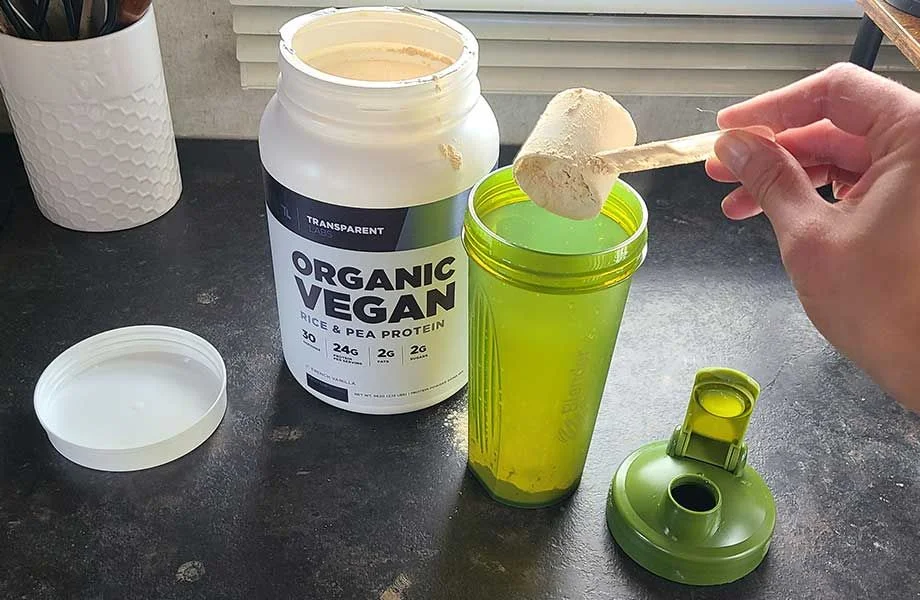
Thanks to its incredible versatility, you can use protein powder in simple shakes, mix it into meals, time it around workouts, and so much more. Let’s highlight how you can make the most of this anabolic powder.
Add It to Foods and Drinks
Protein powder can go far beyond a basic shaker bottle, though that convenience sure is hard to beat. Blend it into smoothies, stir it into oatmeal or yogurt, whisk it into pancake batter, or add it to baked goods like muffins or protein bites. Unflavored powders also mix seamlessly into soups, sauces, and other savory dishes.
Make It a Habit
You can take protein powder daily or just when it’s helpful. Many people use it post-workout, while others rely on it in the morning or between meals to meet protein targets. There’s no perfect timing. What matters most is consistently hitting your total daily protein needs.
Pair With Other Foods
Combining protein with carbohydrates (like fruit, oats, or milk) provides energy pre-workout or helps replenish it afterward. Adding healthy fats, such as nut butter and chia seeds, slows digestion and enhances your feeling of fullness, making your shake or meal more filling and balanced.
The right combo depends on your goals: Carbs for energy, fats for fullness, or a mix of both for balanced nutrition.
Understand Your Serving Size
Check the label to make sure you get adequate protein per scoop, ideally 20 to 30 grams for most uses. You can also adjust the portion up or down depending on your needs, such as adding half a scoop to Greek yogurt or proats (aka, protein oats) to improve flavor and boost protein.
Flexing the serving size helps you hit your goals without overdoing calories or overly relying on shakes.
When to Take Protein Powder
While total daily protein intake matters most, timing can still fine-tune your recovery, performance, and results. Depending on your goals and schedule, here’s when to take protein powder.
Post-Workout
This is widely believed to be the most effective time to take protein powder. After training, your muscles are primed to take up amino acids and begin the repair process. Whey moves through the digestive tract quickly, often hitting the bloodstream in under an hour, making it a great choice to jumpstart recovery and minimize muscle breakdown.

However, relying only on post-workout protein won’t make up for a low total daily intake. Even the most protein-rich shake can’t compensate for inconsistent protein throughout the day.
Before or During Workouts
A small amount of protein before training can be helpful if you haven’t eaten in several hours, since it supplies amino acids that help prevent muscle breakdown. Whey is a good option because it digests quickly and usually won’t cause stomach heaviness, and during longer endurance sessions, pairing protein with carbohydrates may further reduce muscle loss.
However, protein slows digestion, so taking too much too close to your workout, especially alongside pre-workout stimulants, can cause bloating or nausea. If you experience adverse effects, prioritize carbohydrates before training and save your protein shake for afterward.
Morning or Between Meals
Taking protein powder in the morning or between meals can help control hunger, stabilize energy, and prevent you from overeating, especially during a calorie deficit. A protein shake is also useful if you tend to skip breakfast or have long stretches without food.
That said, shakes shouldn’t replace most of your meals. Whole foods provide vitamins, minerals, fiber, and additional nutrients that shakes lack, so pairing your powder with fruit, oats, or nut butter keeps things balanced.
Before Bed
Casein is the go-to protein before bed because it digests slowly and delivers a steady release of amino acids throughout the night. Research6 suggests that 30 to 40 grams of casein before sleep may increase muscle protein synthesis and metabolic rate.
The main caveat is digestion. Casein is derived from dairy with a higher lactose content, and individuals sensitive to lactose or dairy proteins may experience bloating or discomfort. In such cases, a plant-based blend can serve as a gentler substitute.

How Much Protein Do I Need?
How much protein you need depends on your body weight, fitness level, and general goals. While your doctor or dietitian can provide you with recommendations geared toward your individual needs, the guidelines below are a good research-backed starting point.
General Guidelines
For most adults, the Acceptable Macronutrient Distribution Range (AMDR) recommends that 10 to 35% of daily calories come from protein, which translates to roughly 50 to 175 grams per day on a 2,000-calorie diet2.
The Recommended Dietary Allowance (RDA) is 0.8 grams per kilogram (g/kg) of body weight (about 0.36 g per pound) and represents the minimum needed to prevent deficiency. However, some data7 support that 1.2 to 1.6 g/kg is more ideal for optimal health.
For Athletes and Lifters
Active individuals typically require 1.4 to 2.0 g/kg of protein per day to maintain and build muscle mass. This range is generally best for maximizing muscle protein synthesis, reducing muscle breakdown, and supporting performance and recovery2.
For Weight Loss or Maintenance
Higher protein intakes (typically 1.6 to 2.4 g/kg and especially when paired with resistance training) help preserve lean mass, increase a feeling of fullness, and support fat loss through the thermic effect of food.
Emerging research2 suggests that intakes above 3.0 g/kg may further enhance body composition in resistance-trained individuals by promoting greater fat loss while preserving muscle tissue.
Daily Protein Calculation Examples
For someone who weighs about 150 pounds (68 kilograms), daily protein needs might look like this for various health and fitness goals:
- RDA (0.8 g): ~54 g
- General health (1.2 to 1.6 g): 82 to 109 g
- Muscle gain (1.4 to 2.0 g): 95 to 136 g
- Fat loss (1.6 to 2.4 g): 109 to 163 g
If these numbers feel high, don’t worry. Protein adds up quickly with the right habits, and small changes to your meals and snacks make it much easier to hit your daily target.
How to Increase Protein Intake
Knowing how to get more protein is essential for meeting your daily needs. Here’s how to hit your targets day after day so those small wins stack into months, years, and lasting progress.
Lean on Protein Supplements
Protein powders, ready-to-drink protein shakes, and bars aren’t meant to replace whole foods, but they make it convenient to hit your target on busy days or when your appetite is low. Add a shake after workouts, mix half a scoop into oats or smoothies, or keep a protein bar handy for an easy 15 to 20 grams of protein on the go.
Add Protein-Rich Snacks
Snacking is one of the simplest ways to boost your total protein intake, especially if your usual go-to’s are richer in carbs and fat. Get inspired with these protein snack ideas from a dietitian:
- Apple and Greek yogurt
- Jerky
- Turkey and veggie roll-ups
- Tuna salad and crackers
- Edamame
Even a single snack with 10 to 20 grams of protein can make a meaningful difference by day’s end.

Increase Protein in Your Meals
Look at the meals you already enjoy and find ways to add or upgrade the protein source. Think:
- Tossing extra egg whites into scrambled eggs
- Adding beans or lentils to soups and salads
- Mixing tofu or tempeh into stir-fries
- Stirring a scoop of protein powder into oatmeal or pancake batter
Small additions like these can boost meals by 10 to 25 grams without needing to overhaul your entire diet.
Prep Ahead for Easy Wins
When protein is prepped and visible, you’ll naturally eat more of it throughout the week. Batch-cook chicken breasts, turkey meatballs, or marinated tofu at the start of the week, or keep hard-boiled eggs ready in the fridge.
And don’t forget about your protein snacks: Pre-portion Greek yogurt cups, cottage cheese bowls, or nut packs.
Make Smart Yet Simple Swaps
Tweaking a few ingredients can boost your daily protein intake without adding extra volume to your meals. Try swapping:
- Greek yogurt over regular yogurt
- Cottage cheese in place of sour cream
- Chickpea or lentil pasta instead of traditional
- Milk over water in oatmeal
Small swaps like these can add up quickly, and in a big way.

How to Choose the Best Protein Powder for You
The best protein powder is the one that fits your goals, dietary needs, and daily routine. Here’s how to find your Goldilocks option, or the one that feels (and tastes) “just right.”
Consider Your Goals
Your fitness and health goals should guide your choice:
- Muscle growth and athletic performance: Choose fast-digesting, amino-acid–rich options like whey isolate, whey concentrate, or whey hydrolysate.
- Fat loss or appetite control: Pick leaner protein powders, such as whey isolate or egg white, or use casein for its slow digestion and filling effect.
- General health and wellness: Select any high-quality powder you digest well and enjoy using consistently. Some formulas also contain beneficial extras, such as prebiotics for gut health, so also consider broader wellness goals.
Check Your Dietary Needs
Your diet and health history can help narrow your protein powder options:
- If you’re lactose intolerant, whey isolate, egg white, soy, or well-formulated plant blends are usually more tolerable.
- If you have food allergies, check both the ingredient list and the label for cross-contamination warnings, such as “processed in a facility that also handles…”
- If you’re vegan or dairy-free, opt for soy, pea, rice, hemp, or multi-source plant blends to make sure you’re getting a complete amino acid profile.
- If you follow a low-carb or low-fat diet, whey isolate or egg white protein provides high protein with minimal extras.
RELATED: Best Low-Carb Protein Powder
Think About Texture
How a protein powder blends varies by type, with each one having its own signature texture. Whey is typically smooth and creamy, plant proteins tend to be thicker and slightly earthy, and egg white protein is light and easy to mix.
Match the Powder to How You’ll Use It
The “right” protein also depends on how you plan to incorporate it:
- Quick shakes: whey isolate, whey concentrate, egg white
- Thicker smoothies or meal-like shakes: plant blends or casein
- Cooking or baking: unflavored whey powder, pea powder, or rice blends
- Before bed: casein for slow, steady amino acid release
Choose a flavor that matches how you’ll most often use it, too. If protein shakes are your go-to, pick a flavor you enjoy. When in doubt, a classic vanilla is a versatile staple.
Common Protein Powder Mistakes to Avoid
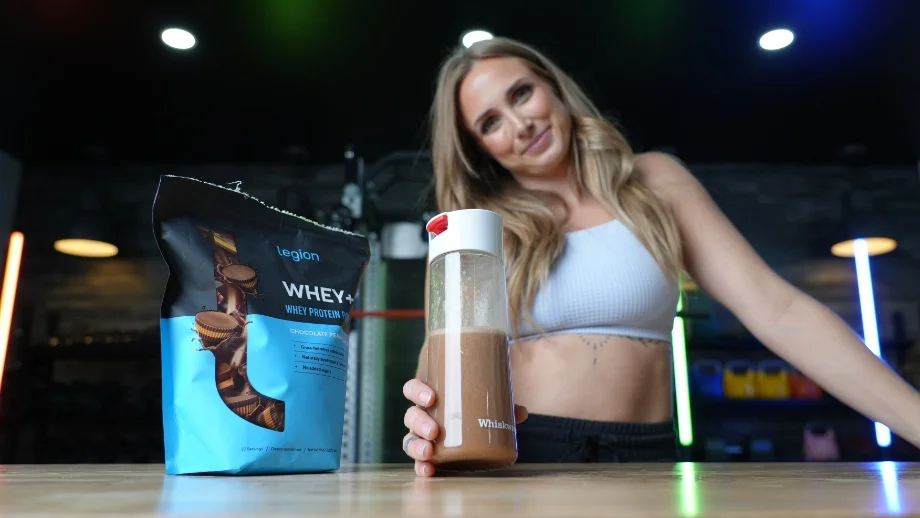
These protein powder mistakes might be common, but they’re easy to avoid. After all, you don’t know what you don’t know, so now you know…ya know?
Choosing a Powder With Low Protein Content and Sourcing
Aim for at least 20 grams of protein per serving to support recovery and hit your daily protein needs. Likewise, cheaper blends or single-source plant proteins may lack a complete amino acid profile or adequate leucine. Prioritize high-quality, complete proteins like whey, casein, soy, or well-formulated plant blends.
Not Checking the Ingredient List
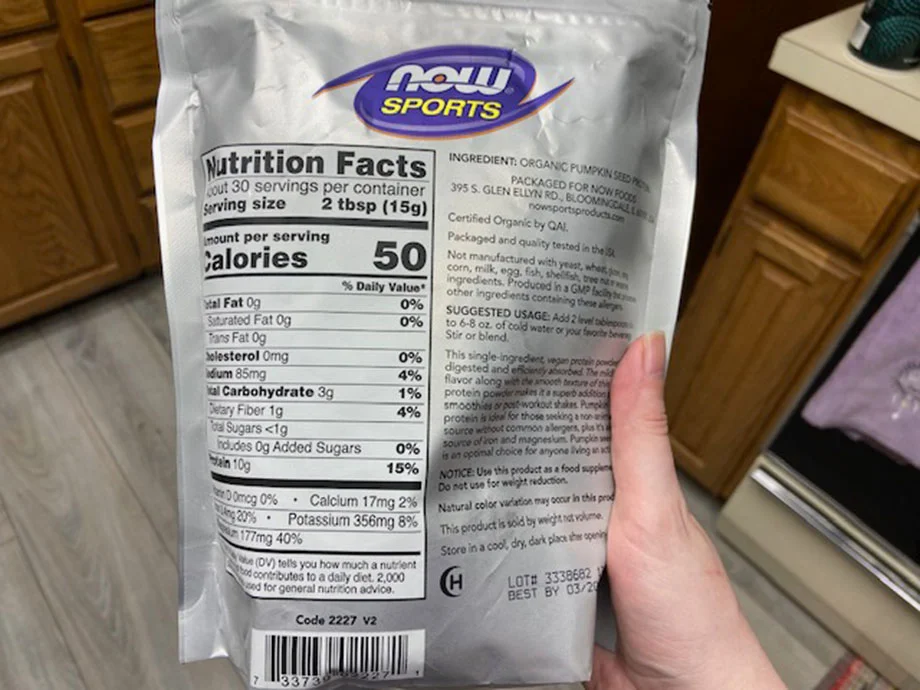
Some powders contain added sugar, sweeteners, gums, fillers, or unnecessary additives. On the flip side, some are formulated with beneficial ingredients, like digestive enzymes and prebiotics. Double-check the list of ingredients and choose products that work with your individual needs.
Overlooking Third-Party Testing
Protein powders aren’t regulated by the Food and Drug Administration (FDA), so there can be a wide range in quality. Third-party testing from organizations like NSF Certified for Sport or Informed Choice helps regulate purity, safety, and accurate labeling.
This is particularly important for competitive athletes. Verifying the protein powder is third-party tested for banned substances is a non-negotiable.
Ignoring Budget and Long-Term Value
Protein powder is often a daily supplement, so cost matters. Compare prices between retailers (including Amazon) and consider rewards programs or subscriptions for long-term perks.
Potential Side Effects of Protein Powder
Protein powder is generally safe for most people, but like any supplement, it can cause side effects depending on the protein source, your health history, and how much you consume.
Could Trigger Allergies
Protein powders made from milk, eggs, soy, or nuts can trigger allergic reactions in people allergic to those foods. Symptoms may include hives, wheezing, itching, swelling, or digestive discomfort.
Individuals with known food allergies should avoid powders made from their trigger foods. Just as importantly, and not always as obvious, choose formulas clearly labeled allergen-free and produced in facilities that don’t pose a cross-contamination risk.
Could Cause Digestive Issues
Digestive issues, like cramping and diarrhea, are among the most commonly reported side effects. Possible culprits include:
- Lactose intolerance, particularly in dairy-based (whey and casein) powders
- Large serving sizes, especially since protein takes longer to digest
- Added gums, fibers, or sugar alcohols found in some flavored or thickening formulas
Could Contribute to Unintentional Weight Gain
Protein powder can support your weight loss or weight maintenance goals, but it still contains calories and some powders include added sugars, carbohydrates, or higher fat content. If these extras aren’t accounted for, they may contribute to gradual weight gain.
Reading the nutrition facts label and staying within your daily calorie and protein goals helps prevent overconsumption.
Could Lead to Nutrient Deficiencies
Relying too heavily on protein powders can crowd out whole foods that provide essential nutrients like healthy fats, vitamins, minerals, and fiber. Over time, this can throw off your nutrient intake and even possibly your overall health.
Could Interact With or Worsen Any Health Issues
Certain conditions, such as kidney and liver disease, warrant specific protein requirements. It’s also important to check for medication interactions, since protein can interfere with or reduce the effectiveness of some prescriptions, including levodopa and some antibiotics.
While high-protein diets are generally safe for healthy individuals, anyone with underlying health concerns should consult a healthcare professional before increasing protein intake through supplements.
Guide to Protein Powder: Final Thoughts
So, now that you actually know what protein powder is and how to make it work for you, here are the biggest takeaways to help you use it with confidence (and finally put that dusty, half-used tub to good use):
- Protein powder is a concentrated, convenient way to boost your daily intake, especially if you’re busy, active, or not in the mood to cook another protein-rich meal.
- Different types digest, mix, and taste differently. Whey absorbs fast, casein digests slowly, egg is clean and lean, and plant blends offer flexibility with varied textures and amino acid profiles.
- Protein powder can do far more than build muscle. It supports fullness, weight management, metabolism, bone health, and overall wellness, especially when paired with a balanced diet.
- Total daily protein matters most, but timing, whether post-workout for muscle recovery or between meals for fullness, can fine-tune results.
- Use it your way: Whether in shakes, smoothies, oatmeal, yogurt, baked goods, or sauces, protein powder plays well with sweet and savory (depending on the flavor you choose).
- Choose smart: 20–30 grams per scoop, transparent labels, minimal fillers, and high-quality sources. Third-party testing is essential for competitive athletes and anyone who wants guaranteed purity and safety.
- Common mistakes, like choosing low-protein formulas and unwanted additives, are easy to avoid now that you know what to look for.
- Protein powder is generally safe, but allergies, lactose intolerance, and mega-scooping can cause digestive issues. Pick a powder your body actually likes.
Protein powder isn’t just a tub taking up space or collecting dust. It’s a simple, shelf-stable, and versatile tool to help you consistently hit your goals, one scoop at a time.
Guide to Protein Powder: FAQs
Can you use protein powder as a meal replacement?
Protein powder alone shouldn’t replace a meal, since it lacks the carbohydrates, fats, and micronutrients that make a meal balanced and satisfying. However, pairing or blending it with ingredients like fruit, oats, and nut butter can create a more nutrient-dense, complete shake.
Is it okay to drink protein shakes every day?
Yes, drinking protein shakes daily is generally OK as long as most of your protein comes from whole foods, your overall diet is balanced with carbs and fats, and you don’t have medical conditions that limit protein intake.
What’s the difference between whey isolate and whey concentrate?
Whey isolate and whey concentrate come from whey, the liquid byproduct of cheesemaking, and are high-quality protein sources. The difference between whey protein isolate vs concentrate comes down to filtration: Whey isolate is more heavily processed, resulting in a higher protein percentage and lower lactose and fat, while whey concentrate is less refined, contains more lactose and fat, and is typically more affordable. That said, isolate is often better for those sensitive to lactose, while concentrate remains a solid, budget-friendly option.
Does protein powder go bad or expire?
Yes, protein powder does expire, but the printed date reflects peak quality, not safety. Most powders last nine to 18 months when stored properly, and using them slightly past that date is usually safe. Skip it, though, if it’s over two years old or shows signs of spoilage, such as an off smell, discoloration, or hard clumping. Outdated powder won’t typically cause food poisoning, but it can lead to stomach discomfort, so you should probably play it safe.
References
- Patel, V., Aggarwal, K., Dhawan, A., Singh, B., Shah, P., Sawhney, A., & Jain, R. (2023). Protein supplementation: the double-edged sword. Proceedings (Baylor University. Medical Center), 37(1), 118–126. https://doi.org/10.1080/08998280.2023.2280417
- Jäger, R., Kerksick, C. M., Campbell, B. I., Cribb, P. J., Wells, S. D., Skwiat, T. M., Purpura, M., Ziegenfuss, T. N., Ferrando, A. A., Arent, S. M., Smith-Ryan, A. E., Stout, J. R., Arciero, P. J., Ormsbee, M. J., Taylor, L. W., Wilborn, C. D., Kalman, D. S., Kreider, R. B., Willoughby, D. S., Hoffman, J. R., … Antonio, J. (2017). International Society of Sports Nutrition Position Stand: protein and exercise. Journal of the International Society of Sports Nutrition, 14, 20. https://doi.org/10.1186/s12970-017-0177-8
- Krzysztofik, M., Wilk, M., Wojdała, G., & Gołaś, A. (2019). Maximizing Muscle Hypertrophy: A Systematic Review of Advanced Resistance Training Techniques and Methods. International Journal of Environmental Research and Public Health, 16(24), 4897. https://doi.org/10.3390/ijerph16244897
- Ambulkar, P., Hande, P., Tambe, B., Vaidya, V. G., Naik, N., Agarwal, R., & Ganu, G. (2023). Efficacy and safety assessment of protein supplement – micronutrient fortification in promoting health and wellbeing in healthy adults – a randomized placebo-controlled trial. Translational and Clinical Pharmacology, 31(1), 13–27. https://doi.org/10.12793/tcp.2023.31.e1
- Luparelli, A., Trisciuzzi, D., Schirinzi, W. M., Caputo, L., Smiriglia, L., Quintieri, L., Nicolotti, O., & Monaci, L. (2025). Whey Proteins and Bioactive Peptides: Advances in Production, Selection and Bioactivity Profiling. Biomedicines, 13(6), 1311. https://doi.org/10.3390/biomedicines13061311
- Kerksick, C. M., Arent, S., Schoenfeld, B. J., Stout, J. R., Campbell, B., Wilborn, C. D., Taylor, L., Kalman, D., Smith-Ryan, A. E., Kreider, R. B., Willoughby, D., Arciero, P. J., VanDusseldorp, T. A., Ormsbee, M. J., Wildman, R., Greenwood, M., Ziegenfuss, T. N., Aragon, A. A., & Antonio, J. (2017). International society of sports nutrition position stand: nutrient timing. Journal of the International Society of Sports Nutrition, 14, 33. https://doi.org/10.1186/s12970-017-0189-4
- Phillips, S. M., Chevalier, S., & Leidy, H. J. (2016). Protein “requirements” beyond the RDA: implications for optimizing health. Applied physiology, nutrition, and metabolism = Physiologie appliquee, nutrition et metabolisme, 41(5), 565–572. https://doi.org/10.1139/apnm-2015-0550