




Before getting into the thick of things, here’s a quick dose of reality: Protein powders, unless they are specifically formulated for a particular woman’s concern or life status (such as pregnancy), don’t affect men and women differently.
The best protein powder for women and the best protein powder for men are largely the same. Men and women can drink the same protein powders and enjoy the same benefits, like enhanced muscle recovery after workouts, as one example.
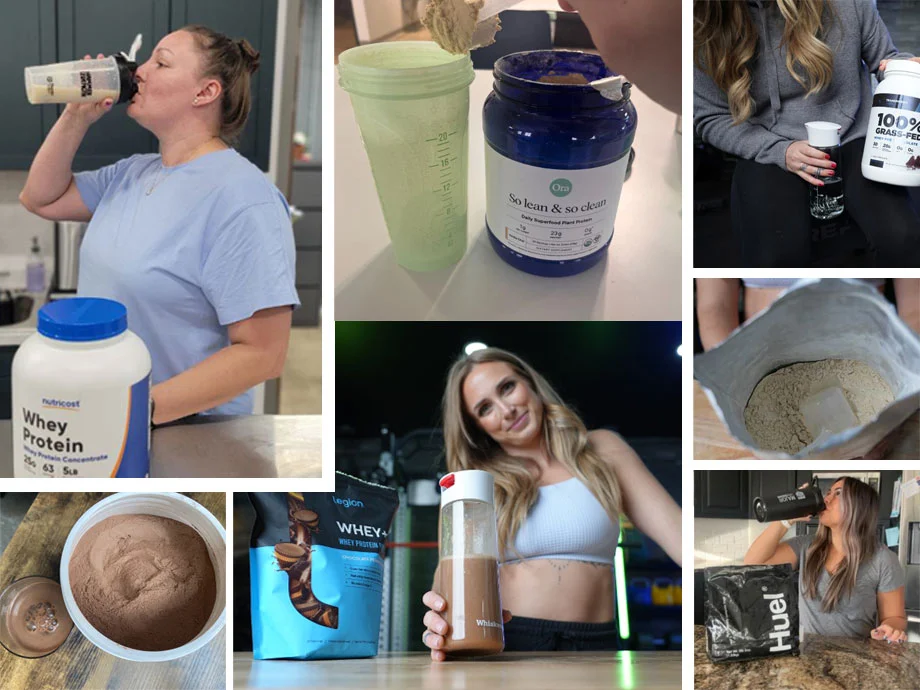
That said, thanks to our roster of woman-identifying product testers, RDs, and athletes with knowledge of women’s needs, we can recommend the best protein powder for women. Our team has tested more than 150 of the most popular protein powders to find the best of the best, and we consulted with several registered dietitians to get their input, too.
In this guide to the best protein powder for women, we’re sharing our favorite options on the market to help you reach your fitness goals.
Medical disclaimer: This article is intended for educational and informational purposes only. It is not intended as a substitute for medical advice. For health advice, contact a licensed healthcare provider.
“We intend the term “women” to include all women, including trans women. However, we recognize that almost all research on this topic has focused on cis women (i.e., women who are not trans). For that reason, when we reference gender-based research and nutritional recommendations, we will clarify by saying “cis women.” We encourage trans and nonbinary people of all genders to check in with a trans-competent nutritionist regarding their supplements and training needs.”
GGR Gold Pick – Best Protein Powder for Women
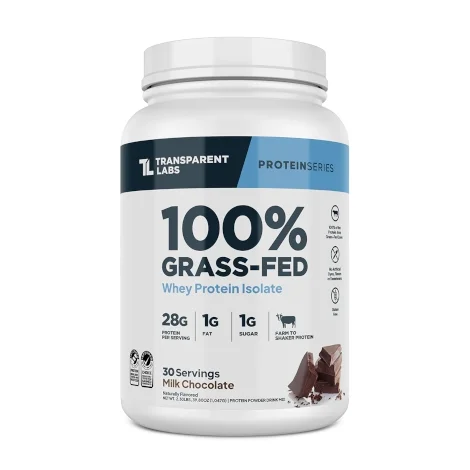
Transparent Labs Whey Protein Isolate is our pick for the best overall protein powder for women. It’s made with all-natural ingredients, high in protein, and third-party tested, which helped it receive 4.6 out of 5 stars overall.
Best Protein Powder for Women
- Best Protein Powder for Women Overall – Transparent Labs Whey Protein Isolate
- Best Clean Protein Powder for Women – Legion Whey+
- Best Clear Protein Powder for Women – 1st Phorm Phormula-1 Clear
- Best-Tasting Protein Powder for Women – NOBULL Grass-Fed Whey Protein Isolate
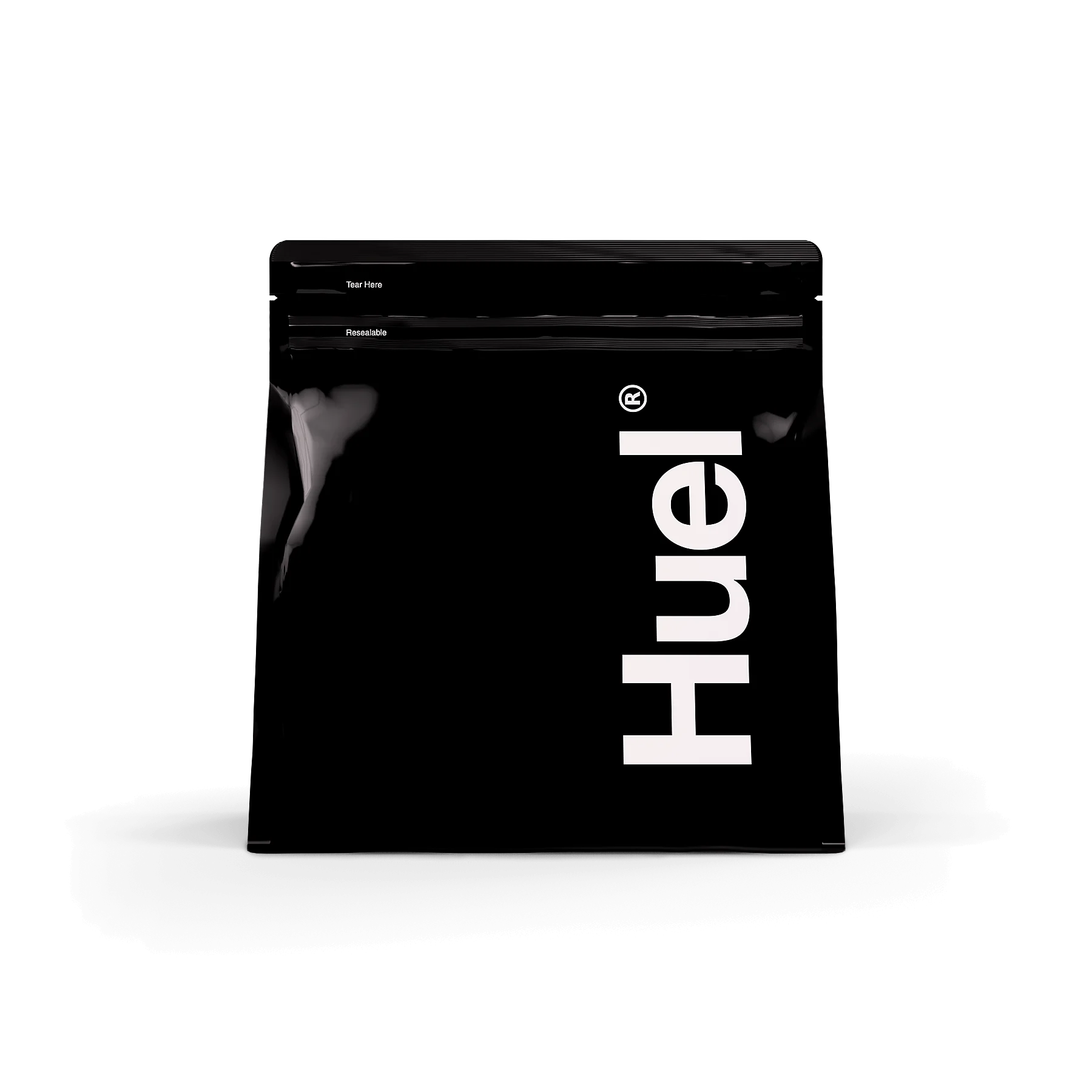
- Best Protein Powder for Pregnancy – Huel Complete Black
Current Top Deals
- Legion Whey+ – BOGO up to 50% off sitewide
- 1st Phorm Phormula-1 Clear – Subscribe and save $5
How We Selected the Best Protein Powder for Women
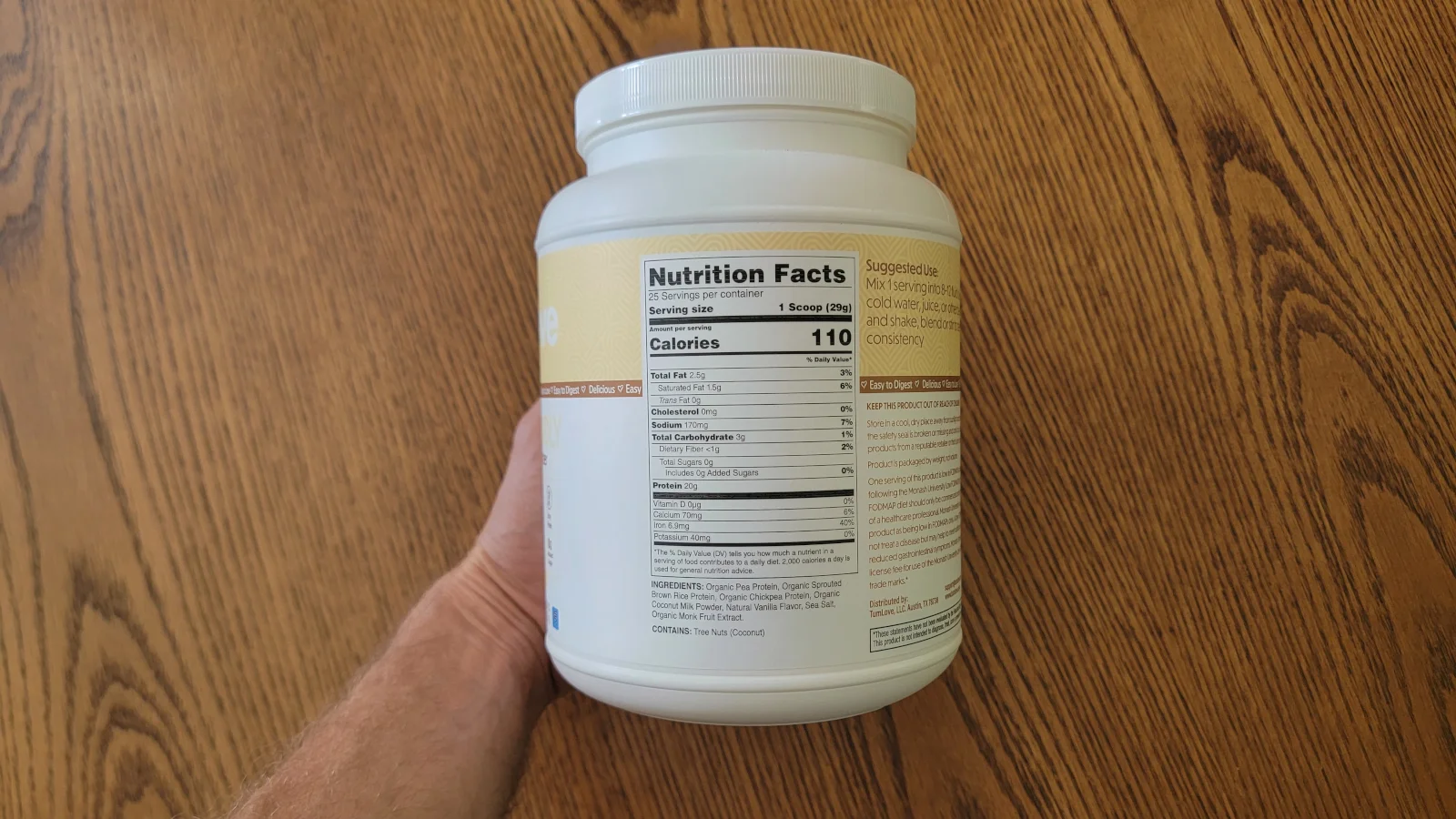
Our formulation considers not only the protein content, but also looks at any additional carbs, fats, and other ingredients that you may see in a protein powder. For 3 out of 5 stars in this category, we want to see a protein powder with at least 18 grams of protein per serving, with little to no unnecessary fillers.
If a protein powder doesn’t taste good, you won’t enjoy taking it, and there are few things worse than being stuck with a tub of protein you don’t like. While taste is subjective, our testers have tried just about every flavor imaginable, and in addition to our opinion, we consider what customer reviews have to say about the flavor.
To earn 3 out of 5 stars, a protein tastes fine—not offensive, but nothing to write home about. High scores are given to those we consider among the best-tasting protein powders we’ve ever tested.
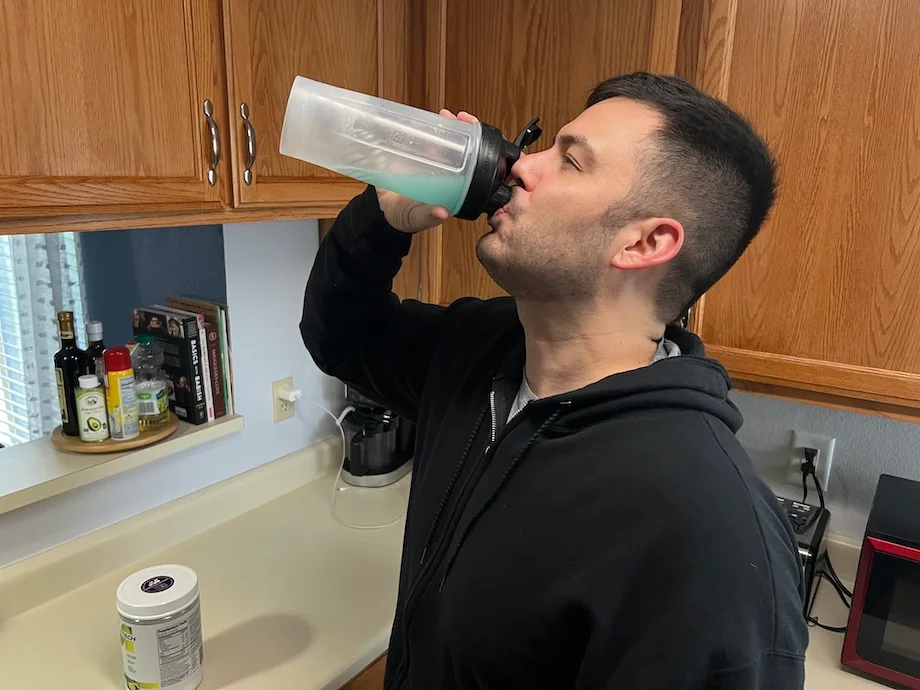
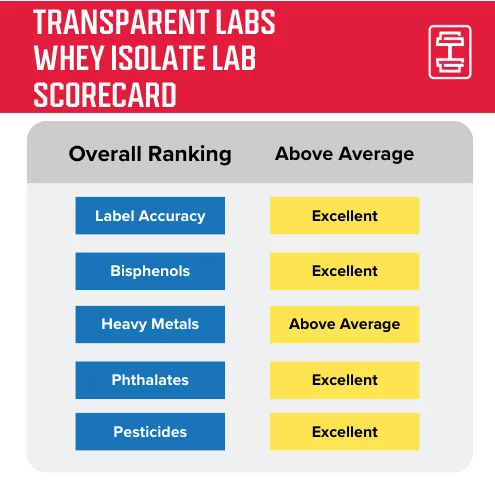
When possible, you should prioritize finding a protein with third-party testing. Since supplements aren’t strictly regulated by the FDA, transparency and third-party testing are essential to ensure the protein contains what it claims on the label, with no banned ingredients, contaminants, or other fillers that aren’t disclosed.
To earn 3 out of 5 stars, the manufacturer seems fairly transparent, but the product is not certified by a major organization like NSF, Informed Choice/Sport, or Banned Substance Control Group (BSCG).
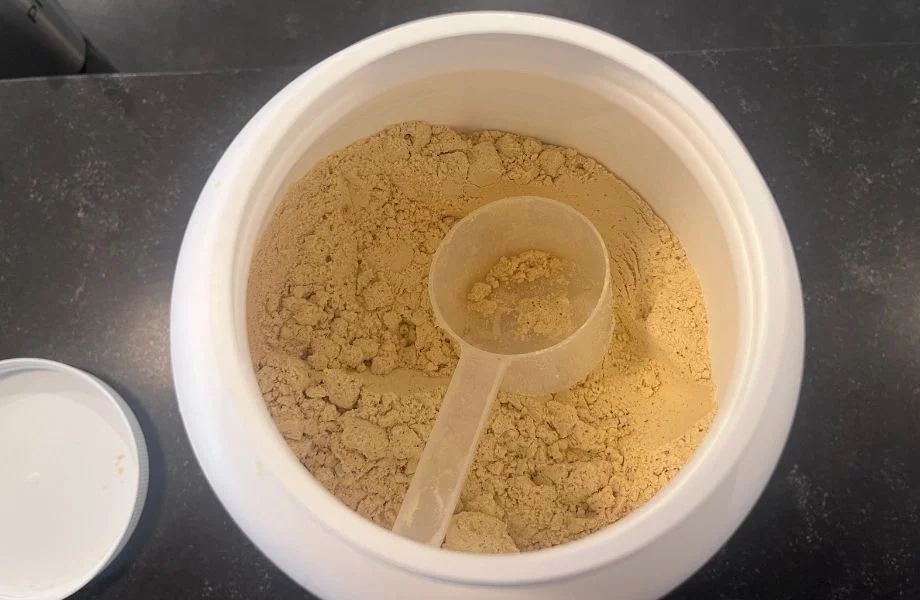
Each protein powder we review is scored after careful and thorough testing from our team of experts. We mix, stir, and shake every protein, and of course, give it the all-important taste-test.
After testing, we use our protein powder testing methodology to rate each protein on a scale of 1-5 for important categories like side effects, price per serving, solubility, and more. This helps ensure we’re providing as unbiased of a rating as possible whenever we test a new protein powder.
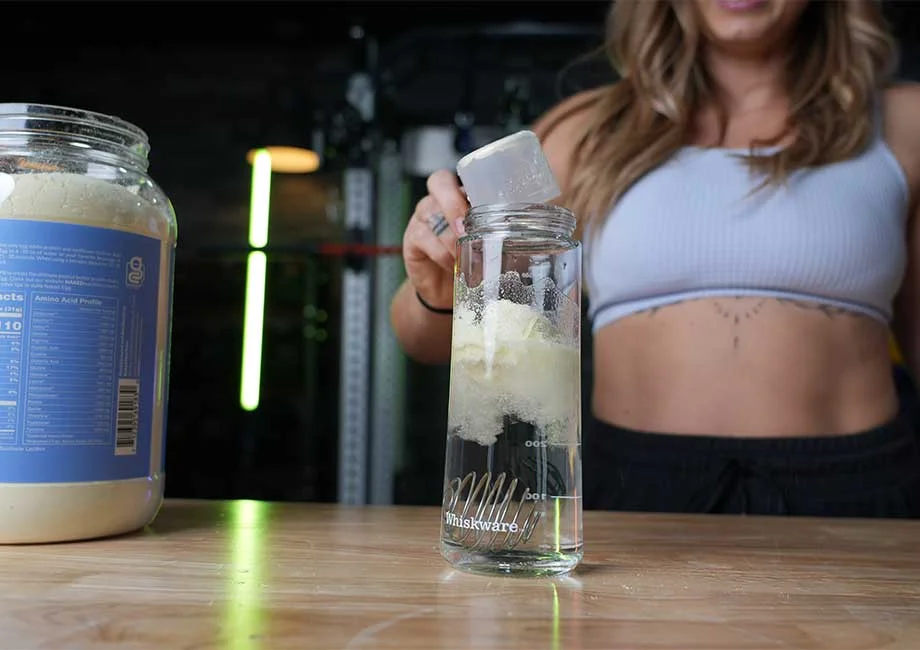
Our team of expert testers is made up of certified nutrition coaches, athletes, gym owners, certified personal trainers, and more. To date, we’ve personally tested over 150 protein powders, looking for the best on the market.
We also regularly consult with sports dietitians and medical professionals to ensure our testing methods and recommendations are aligned with current nutritional science.
Latest Updates
In September 2026, we reviewed our list of the best protein powder for women and made a few changes based on our latest testing. Transparent Labs Whey Protein Isolate still earns our top recommendation, but we swapped out picks that didn’t hold up in formulation, taste, and solubility. New additions—like NOBULL Whey Isolate and 1st Phorm Phormula-1 Clear—stood out for their high scores in these categories.
Compare Side by Side
 |  |  |  |  | |
| Transparent Labs Whey Protein Isolate | Legion Whey+ | 1st Phorm Phormula-1 Clear | NOBULL Grass-Fed Whey Protein Isolate | Huel Complete Black | |
Rating | |||||
| Price Per Serving | 1.82 | 2.00 | 2.78 | 2.00 | $2.50 |
| Protein Per Serving | 28 g | Starting at 21g | 22 g | 25 g | 39-41g |
| Type | Grass-fed whey protein | Whey protein | Protein powder | Whey protein isolate | Pea and rice protein |
| Third-party Tested? | — | — | |||
| Calories Per Serving | 130 to 150 | 100 | 90 | 120 | 400 |
| Flavors | Milk Chocolate, Vanilla Oatmeal Cookie, French Vanilla, Peanut Butter, Dark Chocolate, Chocolate Peanut Butter, Oatmeal Chocolate Chip Cookie, Unflavored, Strawberry Milkshake, Vanilla Peanut Butter, Mocha, and Cinnamon French Toast | Apple Pie, Banana Bread, Birthday Cake, Chocolate Peanut Butter, Chocolate Hazelnut, Coco Cereal, Cookies & Cream, Cinnamon Swirl, Dutch Chocolate, Salted Caramel, French Vanilla, Fruity Cereal, Honey Cereal, Mocha Cappuccino, and more | Watermelon, Tropical Punch, Grape, Rainbow Sherbet, Strawberry Limeade, Lemonade, Orchard Splash | Chocolate, Vanilla | 9 flavors |
Best Protein Powder for Women Overall: Transparent Labs Whey Protein Isolate
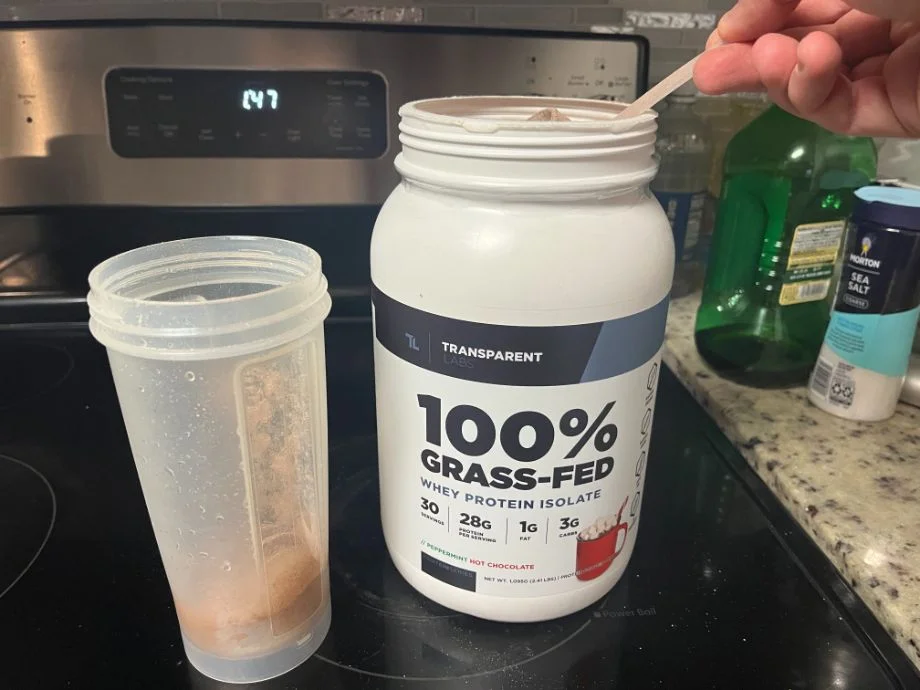







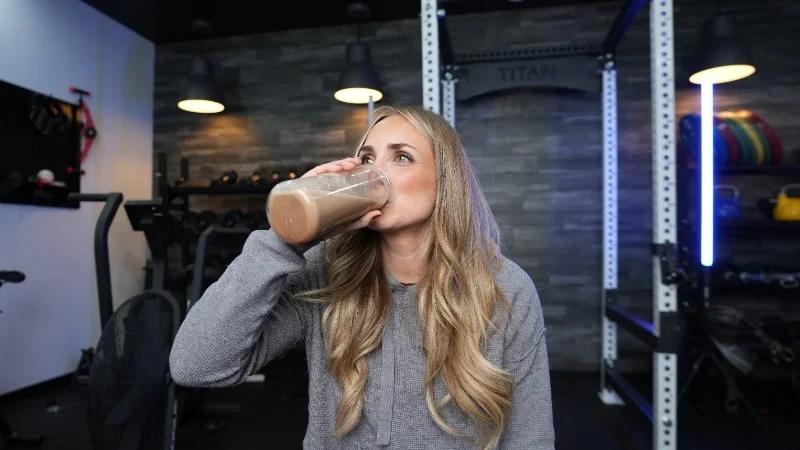
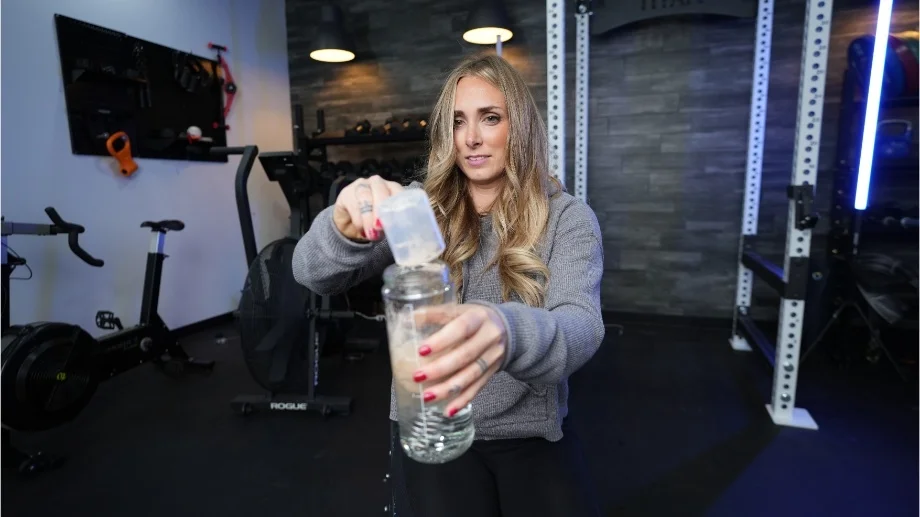
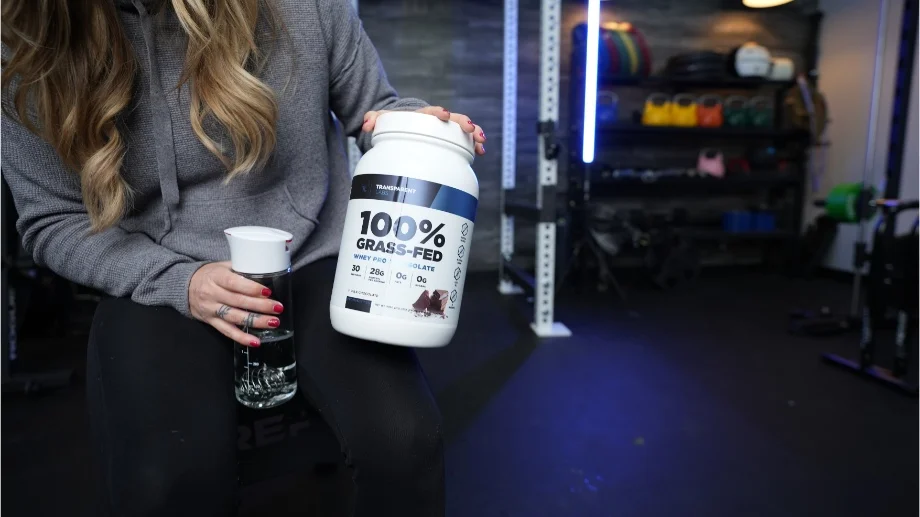
Our testers love Transparent Labs 100% Grass-Fed Whey Protein Isolate because we know exactly what’s in it, and almost every flavor we’ve tried is a 5 out of 5 on taste. Yes, it’s a little more expensive than other protein powders but you get what you pay for.
What our tester says:
“Peppermint Hot Chocolate: It’s exactly that—all you need is some whipped cream and marshmallows to complete the scene.”
| Transparent Labs Whey Protein Isolate | Average Protein Powder | |
| Price per serving | As low as $1.81 | $1.85 |
| Calories per serving | 120-150, depending on the flavor | 130 |
| Protein per serving | 28 g | 25 g |
| Available flavors | 22 | 8 |
| Third-party tested? | Yes | Yes |
Transparent Labs appears on many of our nutritional guides and tops our best protein powder rankings. With 28 grams of protein from pure whey protein isolate, 130 calories per serving, and a plethora of delicious flavors to choose from, Transparent Labs 100% Grass-Fed Whey Protein is the best protein powder on the market, earning an overall score of 4.6 out of 5.
It also gets the stamp of approval from Laila Ouldibbat, RD, who says, “This is a ‘clean’ protein powder, free of artificial stuff, and the short ingredient list is great.”
Mint Chocolate Chip tastes exactly like the flavor name. If you enjoy peppermint mocha lattes, you’ll love adding this to your coffee.
Amanda Dvorak, ISSA-CPT, ISSA-CNC
Why We Like Transparent Labs Whey Protein Isolate
- It’s third-party tested and Informed Choice certified
- There are 22 flavors to choose from, with seasonal flavors added throughout the year
- Each scoop delivers 28 grams of protein
What We Didn’t Like About Transparent Labs Whey Protein Isolate
- It’s expensive, especially if you buy the 2-pound tub
- Some users find the flavors to be a little too sweet
- Whey protein isolates are generally quite light and may not be very filling
If you want a more filling option that can serve as a meal replacement shake, we recommend Huel Complete Black.
For more, be sure to read our full Transparent Labs Protein review.
Best Clean Protein Powder for Women: Legion Whey+



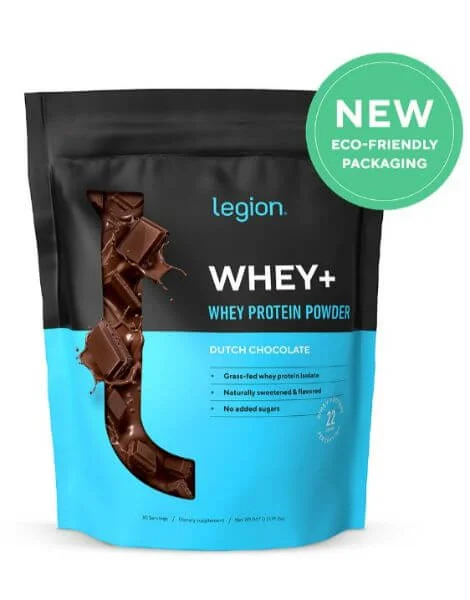
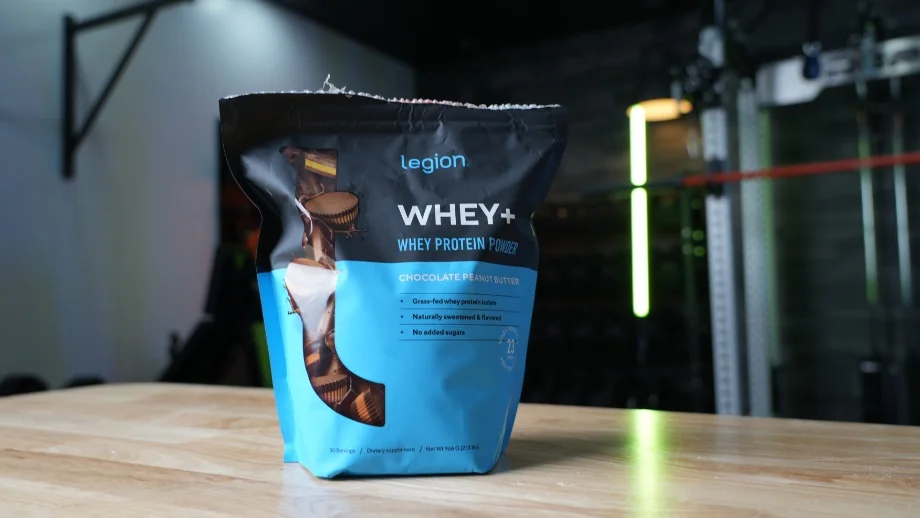
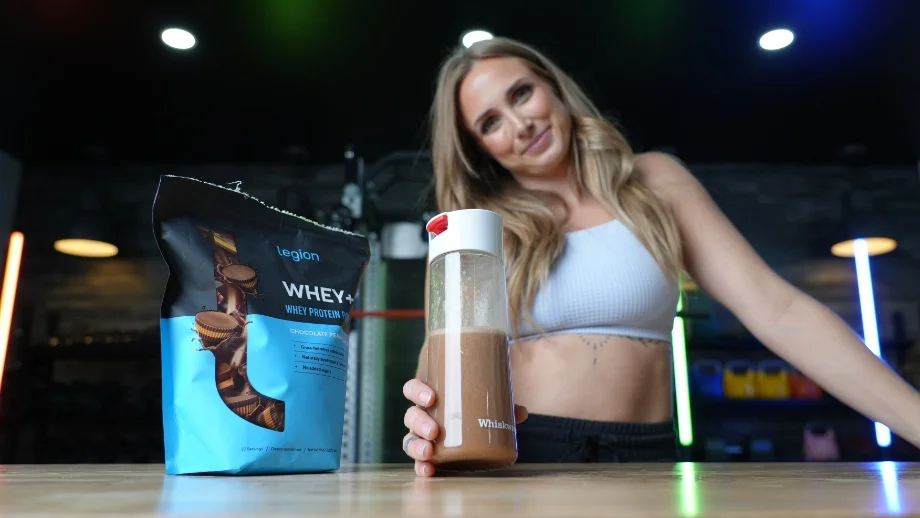
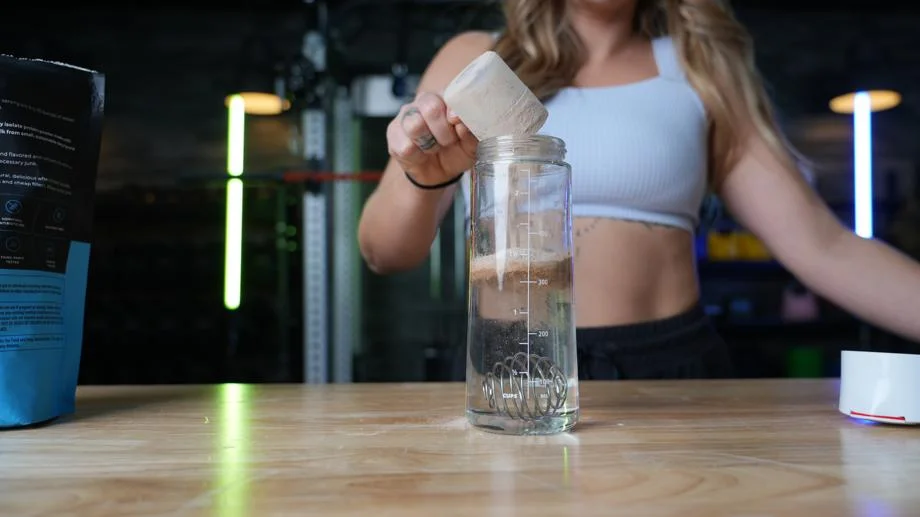
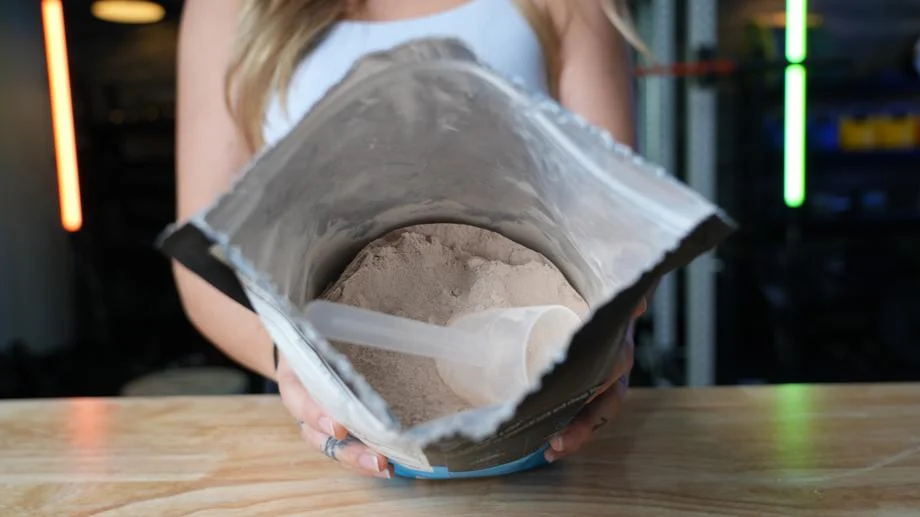
Legion Whey+ is a clean, sustainable protein powder that also is macro-friendly and a great option for anyone looking for a clean protein supplement. Many of our testers have bought this with their own money because they love the taste and easy mixability.
What our tester says:
“It tastes like the milk at the bottom of a bowl of Cinnamon Toast Crunch.”
| Legion Whey+ | Average Protein Powder | |
| Price per serving | $2.16 | $1.85 |
| Calories per serving | 100-130, depending on the flavor | 130 |
| Protein per serving | 22-24 g | 25 g |
| Available flavors | 25 | 8 |
| Third-party tested? | Yes | Yes |
Man or woman aside, if you’re going to be downing a protein shake daily, you want it to taste good—lucky for you, Legion Whey+ fits the bill. And not only do we give the taste a 5 out of 5, the flavor variety is clutch, as well.
RELATED: Best-Tasting Protein Bars
“I love to use the Cinnamon Cereal flavor of Whey+ in some oatmeal with peaches on top and maybe a little cinnamon,” Lindsay Scheele, CPT, CNC, told me. “It tastes like a peach crumble and is just to die for.”
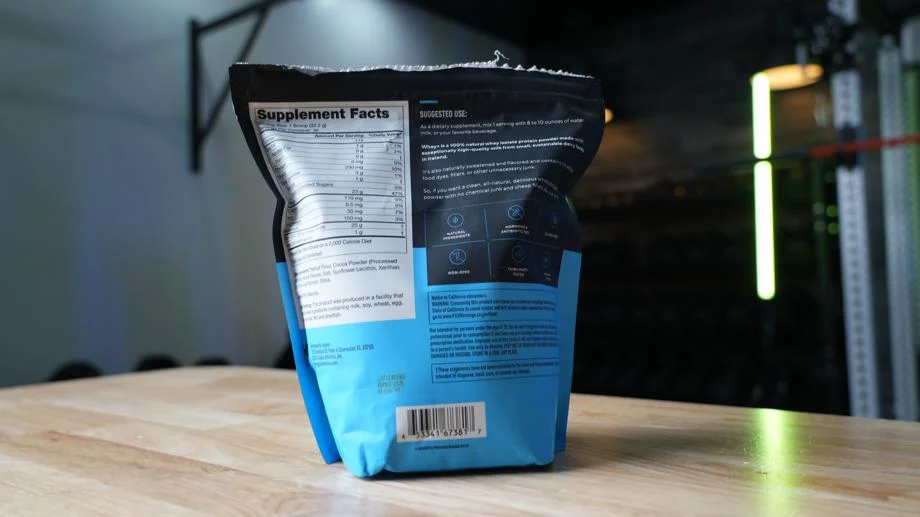
We also appreciate that Legion uses non-GMO and hormone-free milk from grass-fed cows, and there are no artificial sweeteners, flavors, food dyes, or fillers. This is an easy 5-out-of-5 for its formulation.
Why We Like Legion Whey+
- Formulated with natural ingredients and grass-fed whey
- No artificial sweeteners
- Plenty of flavors to choose from
I’m not one to avoid artificial sweeteners, but I do appreciate that Legion Whey+ contains stevia instead of sucralose or another artificial sweetener. Some protein powders I’ve had that have stevia can leave behind a bitter aftertaste, but I don’t get that with Legion.
Amanda Dvorak, GGR Managing Editor, ISSA-CPT, ISSA-CNC
What We Didn’t Like About Legion Whey+
- The protein content varies by flavor, and may be as low as 22 grams
- It costs more than the average protein powder
- The resealable bag can be messy and hard to close
If you’re looking to avoid artificial sweeteners but prefer more protein per serving, Transparent Labs Whey Protein Isolate is another great option to consider.
Check out our in-depth Legion whey protein review for more details.
Best Clear Protein Powder for Women: 1st Phorm Phormula-1 Clear





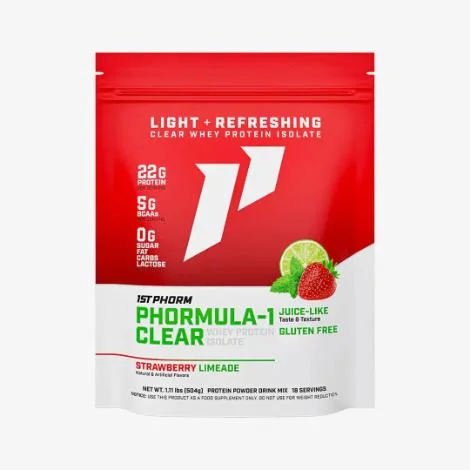
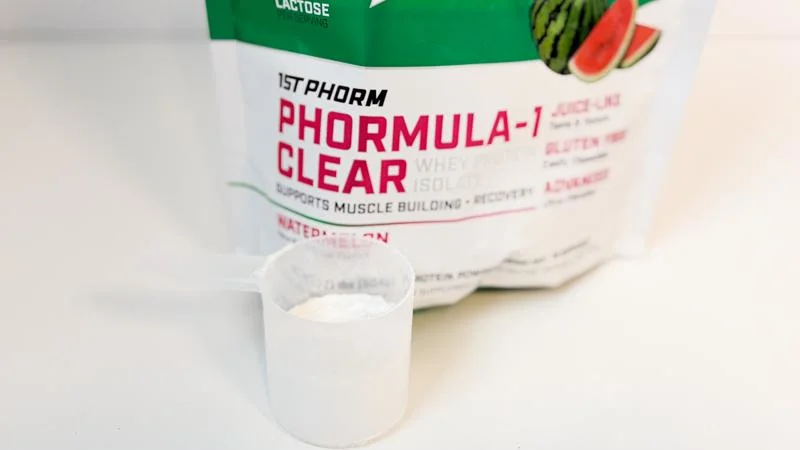
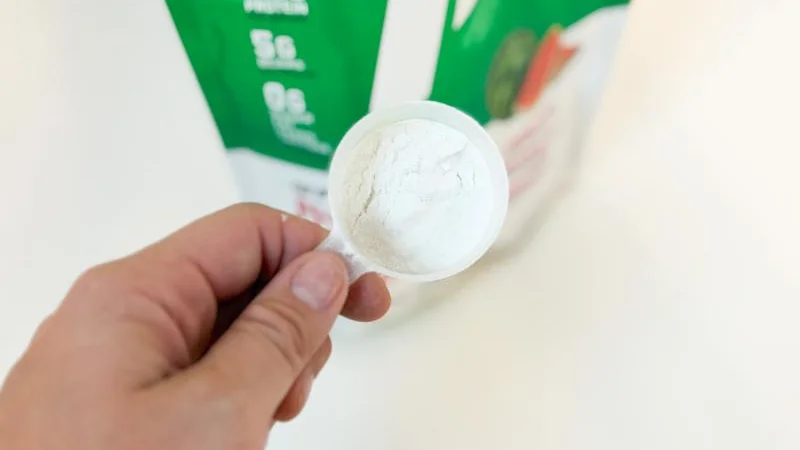
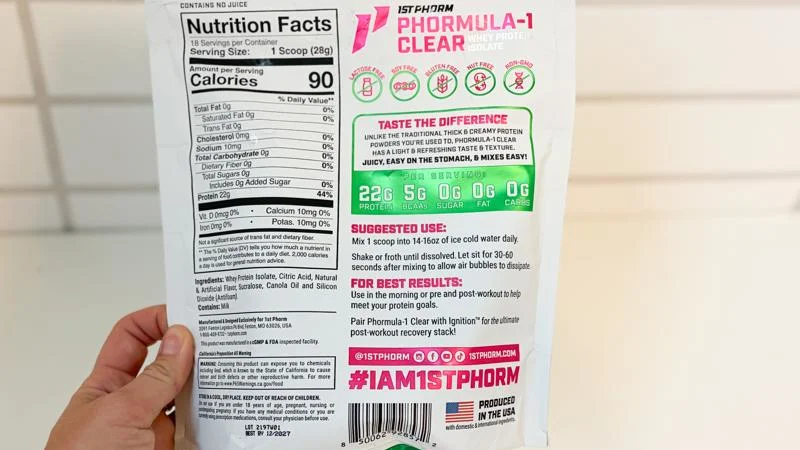
A clear whey protein like 1st Phorm's Phormula-1 Clear can be a good alternative to the traditional thicker protein shakes on the market. Phormula-1 Clear uses minimal ingredients to pack 22 grams of protein into each serving without adding additional filler ingredients. Plus, the fun, fruity flavors tasted great during our testing of this clear whey protein drink.
| 1st Phorm Phormula-1 Clear | Average Protein Powder | |
| Price per serving | $2.78 | $1.85 |
| Calories per serving | 90 | 130 |
| Protein per serving | 22 g | 25 g |
| Available flavors | 7 | 8 |
| Third-party tested? | Yes | Yes |
For those who are tired of the typical chocolate, vanilla, cookies and cream, and other dairy-based shakes, the best clear whey protein drinks offer a refreshing new take on the classic protein powder, and 1st Phorm Phormula-1 Clear is our favorite one on the market.
It contains 22 grams of protein with only 90 calories, and in a variety of tropical flavors, similar to what you may find in a pre-workout or amino acid supplement. It’s also much more soluble than most other clear proteins according to expert product tester Carter Coughlin, who told me, “There was a layer of foam on the top, but it disappeared after about 2 minutes, and then the shake was completely smooth and tasted just like a juice.”
Why We Like 1st Phorm Phormula-1 Clear
- The clear formulation is a nice break from milky protein shakes
- It’s lactose-free and very easy to digest
- The total calories are low for how much protein it contains
This is my favorite protein powder of all time. They have finally managed to make whey enjoyable and easy on the stomach.
Carter Coughlin, GGR Product Tester
What We Didn’t Like About 1st Phorm Phormula-1 Clear
- The fruity flavor doesn’t mix well with many things besides water
- While 22 grams of protein is good, it’s still less than the average protein powder
- At $2.78 per serving, this protein is expensive
If you prefer a traditional whey protein experience and don’t want a clear, tropical shake, Legion Whey+ has plenty of great flavors to choose from, and an impressive, clean formulation.
Best-Tasting Protein Powder for Women: NOBULL Grass-Fed Whey Protein Isolate

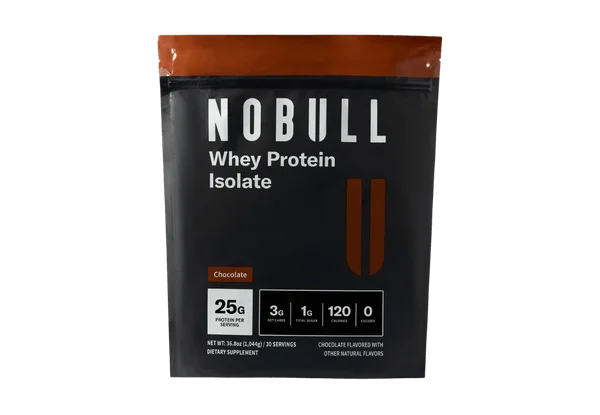
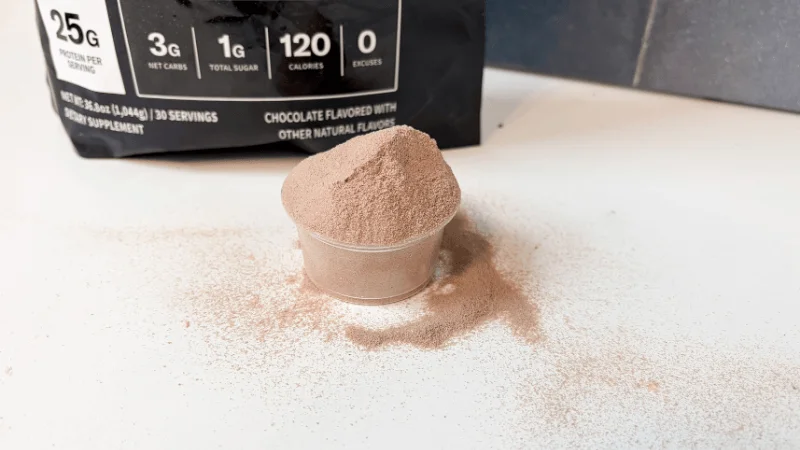
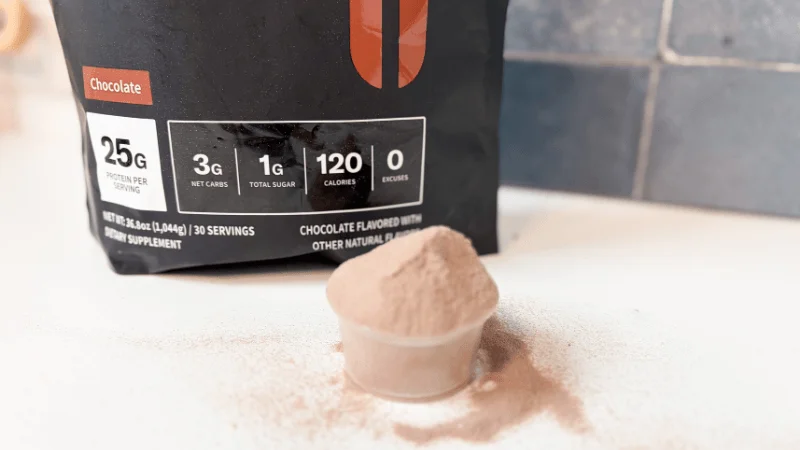
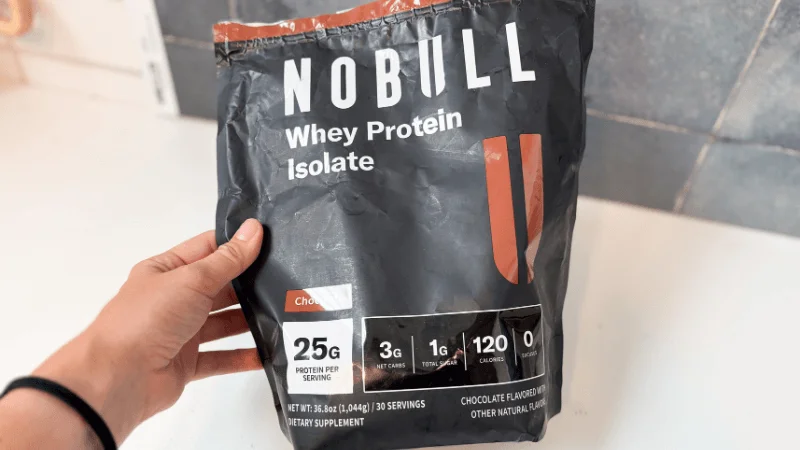
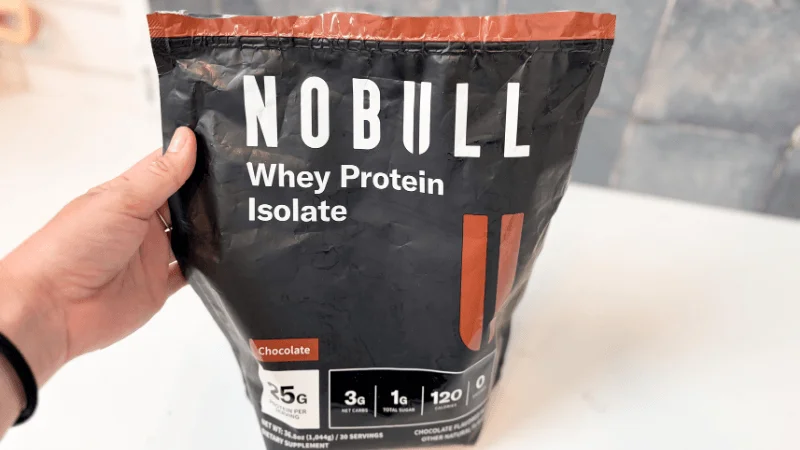
In the market for a protein powder with optimal macros and an enjoyable taste? Consider NOBULL Grass-Fed Whey Protein Isolate. Our testers thoroughly enjoyed the chocolate profile of this supplement, comparing it to their favorite glass of chocolate milk. This protein is also independently tested by Light Labs for added transparency and reassurance that what’s on the label is in the formulation itself.
| NOBULL Grass-Fed Whey Protein Isolate | Average Protein Powder | |
| Price per serving | $2.00 | $1.85 |
| Calories per serving | 120 | 130 |
| Protein per serving | 25 g | 25 g |
| Available flavors | 2 | 8 |
| Third-party tested? | Yes | Yes |
For a simple, no-frills, delicious protein shake that packs a full 25 grams of protein for only 120 calories, look no further than NOBULL Grass-Fed Whey Protein Isolate. This all-natural, third-party tested protein doesn’t use any artificial sweeteners or ingredients, but even without sweeteners, it tastes fantastic.
Our expert tester gave it 5 out of 5 stars for both the taste, and solubility, which is why we rate this so highly.
“I’m not a protein powder girlie, tbh,” she told me. “I normally find them poor-tasting and chalky, but I actually would recommend this one. It tasted exactly like chocolate milk, and the texture was great! I didn’t feel like it left a film on my tongue or left my mouth feeling overly dry.”
Why We Like NOBULL Grass-Fed Whey Protein Isolate
- Mixes very well with no clumping
- No artificial ingredients of any kind
- Delicious flavor
I thought this protein powder was super tasty. I don’t like protein shakes usually, but this one tastes really smooth and the flavor isn’t fake-tasting. It is very sweet, but more like a dessert than syrupy-sweet.
GGR Expert Product Tester
What We Didn’t Like About NOBULL Grass-Fed Whey Protein Isolate
- It’s only available in chocolate and vanilla
- It costs more than the average protein powder
- You need to spend $99 to get free shipping
If you like the idea of an all-natural protein with no artificial ingredients, but prefer to have more flavors to choose from, we recommend Transparent Labs Whey Protein Isolate instead.
Best Protein Powder for Pregnancy: Huel Complete Black
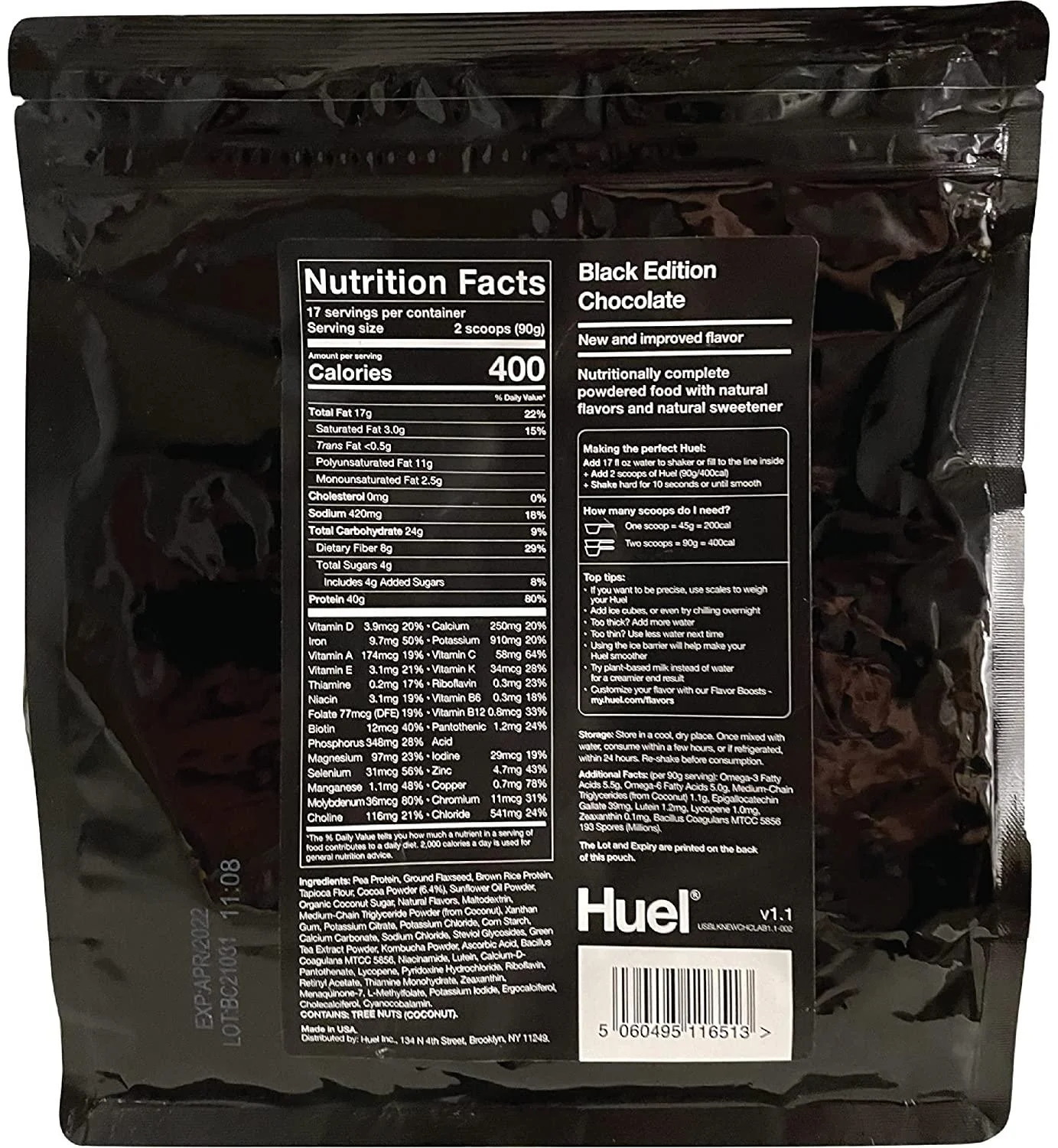

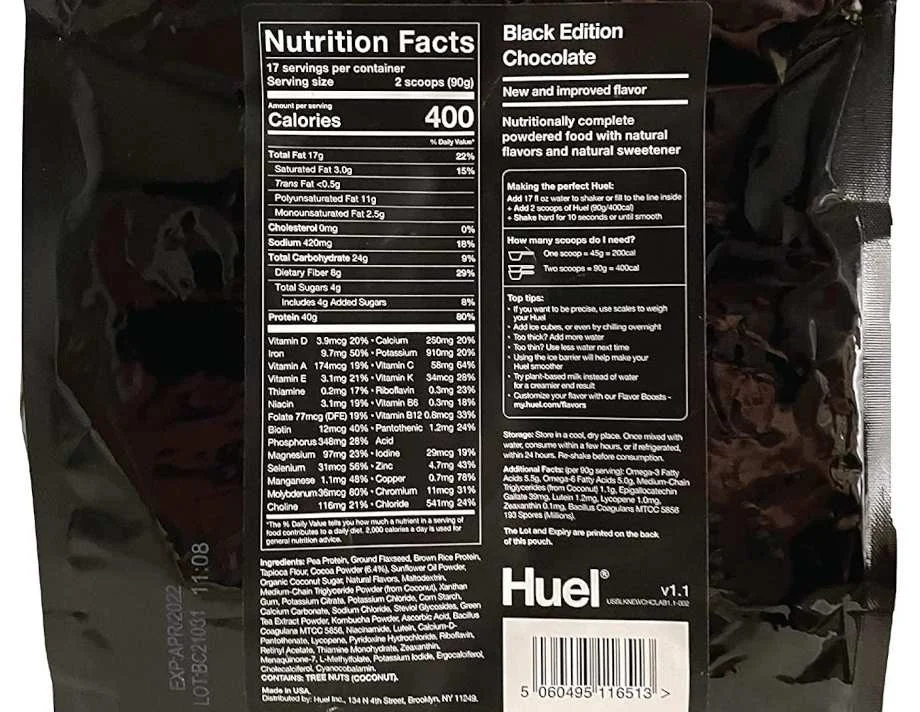
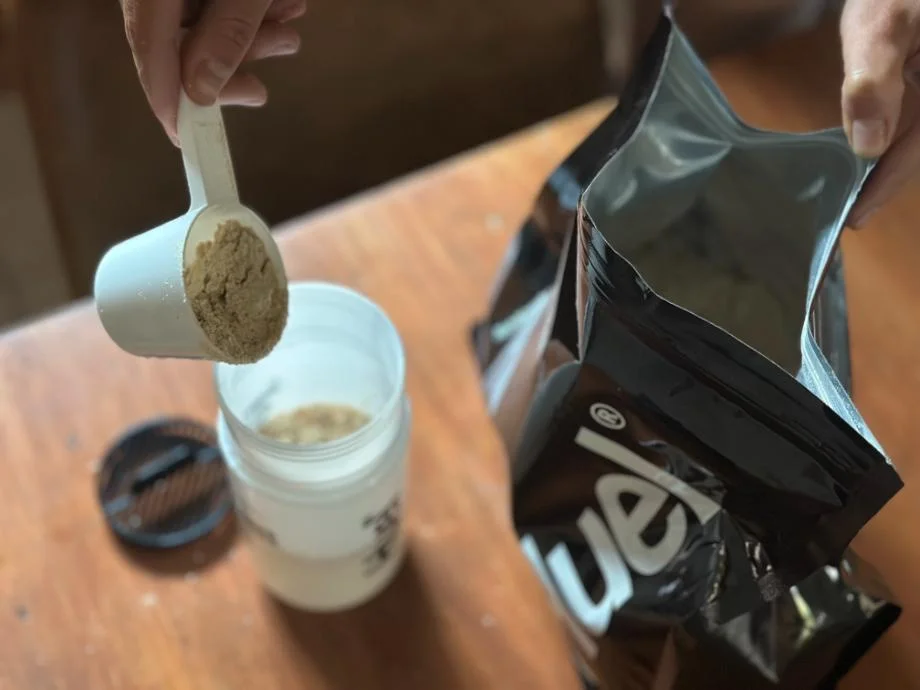
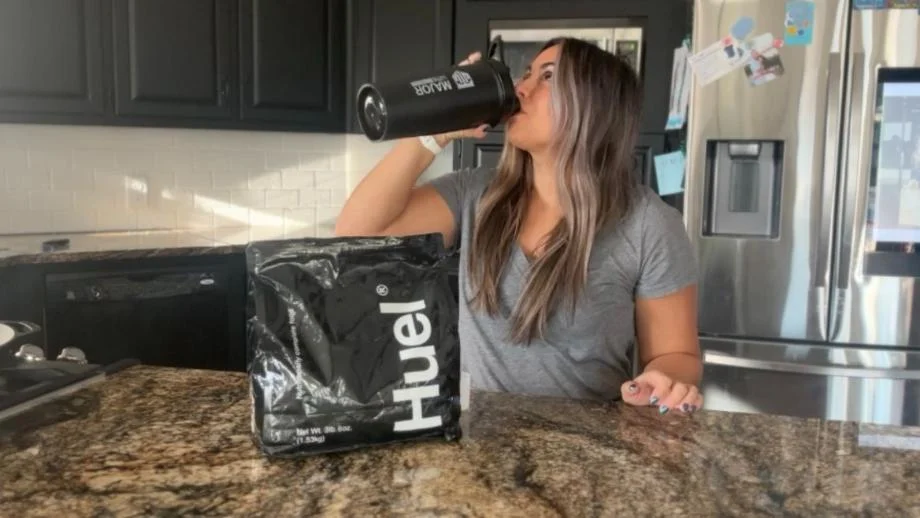
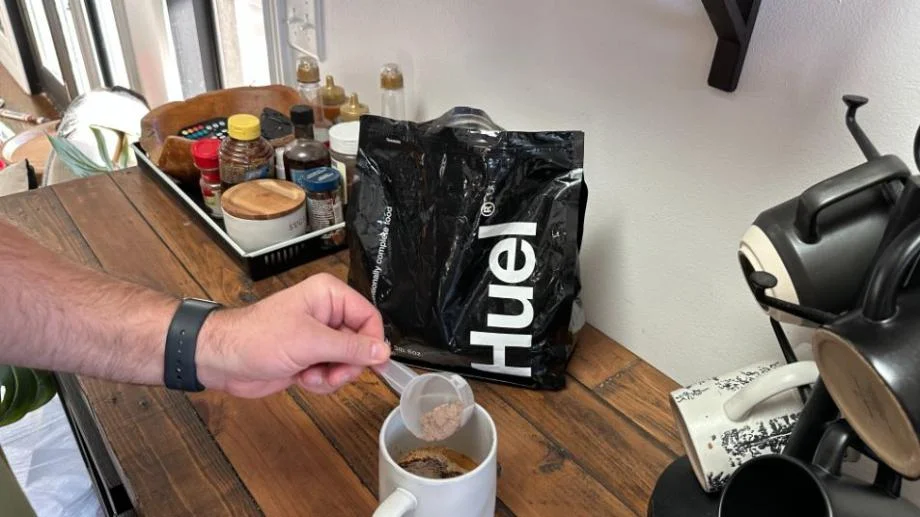
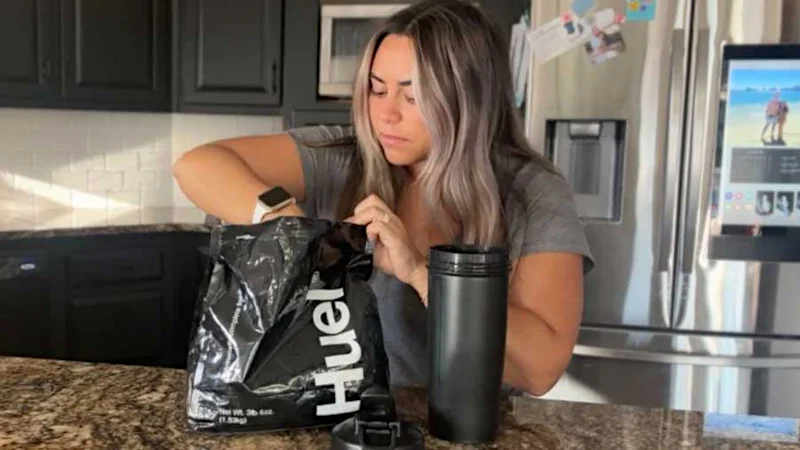
Huel Complete Protein Powder Black Edition is a nutritionally complete meal replacement shake powder, containing 400 calories per serving along with 40 grams of protein in all of the nine flavors.
What our tester says:
“The Cookies & Cream flavor is sweet, but not too sweet, and it dissolves pretty well for a meal replacement.”
| Huel Complete Black | Average Protein Powder | |
| Price per serving | $2.65-$3.53 | $1.85 |
| Calories per serving | 400 | 130 |
| Protein per serving | 41 g | 25 g |
| Available flavors | 11 | 8 |
| Third-party tested? | Yes, NSF | Yes |
When looking for the best protein powder for pregnancy, you may not start with a meal replacement shake. But Huel Black Edition is packed with macronutrients and micronutrients you’ll need throughout your pregnancy. Most notably, it contains 40 grams of plant-based protein, earning it a 5 out of 5 for formulation.
Registered dietitian Perry Nix, MS, RD, LD, adds, “Plant proteins on their own often lack certain essential amino acids, but combining pea protein, ground flaxseed, and brown rice protein ensures a rich and complete amino acid profile.”
Perry was also impressed with the 27 included vitamins and minerals, saying, “These micronutrients provide countless benefits, including enhancing muscle function, supporting energy metabolism, bolstering immune health, and promoting bone health.” Among the micronutrients in Huel Black Edition is choline, which has been shown to be beneficial for the baby’s brain development3 during pregnancy.
Why We Like Huel Complete Black
- Works as a complete meal replacement
- Formulated with plenty of protein, fiber, and vitamins and minerals
- Uses a blend of plant-based proteins
I’m wildly impressed by the formulation of Huel Black. The amount of protein, balanced macronutrients, fiber, and essential vitamins and minerals make this product stand out.
Perry Nix, Registered Dietitian and mom
What We Didn’t Like About Huel Complete Black
- Higher in calories than many other protein powders
- It mixes well in a blender, but can be a bit chalky at times
- Expensive compared to normal protein powders
If you’re not interested in a meal replacement shake, but still want something a bit different from your typical protein powders, 1st Phorm Phormula-1 Clear is a great option to consider.
Read our Huel review for more information.
Our Testers

Amanda Dvorak, CPT, CNC
Amanda is a certified personal trainer, nutrition coach, and GGR’s managing editor.

Perry Nix, MS, RD, LD
Perry is a registered dietitian and freelance nutrition writer.

Amanda Capritto, CPT, CES, CNC, CF-L1, CSNC
Amanda is a fitness and nutrition expert, and editor at Garage Gym Reviews
Other Protein Powder for Women We Tested
While we chose our top five products for this roundup, there are plenty of other great protein powders to consider that we love, even if they didn’t quite make our top picks. Here are a few other options worth considering.
Best Protein Powder for Women to Lose Weight: Optimum Nutrition Gold Standard 100% Whey
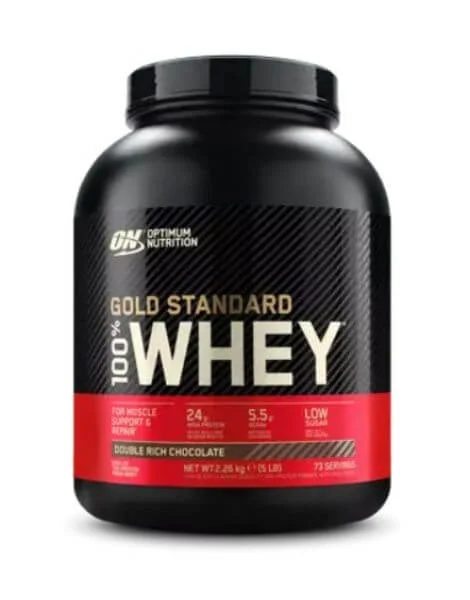
- Affordable
- Fast absorption
- Over 5 g of BCAAs per serving
What We Like:
- Affordable whey protein powder
- Low calories per serving
- Excellent flavor selection
What We Don’t Like:
- Contains artificial sweeteners
- Flavors can be hit or miss
- Certain flavors may have higher calories than others
Best Vegan Protein Powder for Women: Swolverine Plant Protein
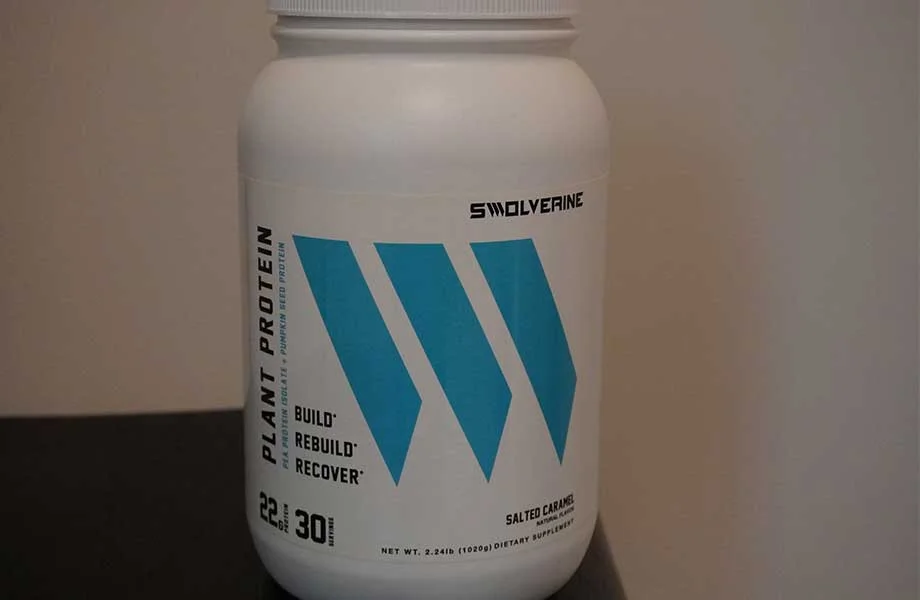
- Users love Chocolate Cake and Salted Caramel flavors
- Third-party tested
- Affordable vegan protein
What We Like:
- Contains 22 grams of plant-based protein per serving
- Uses a blend of pea and pumpkin protein
- Great taste, especially for a plant-based formula
What We Don’t Like:
- High price per serving
- Limited flavor options
- Has a gritty texture
Best Organic Protein Powder for Women: Ora Organic Daily Superfood Plant Protein
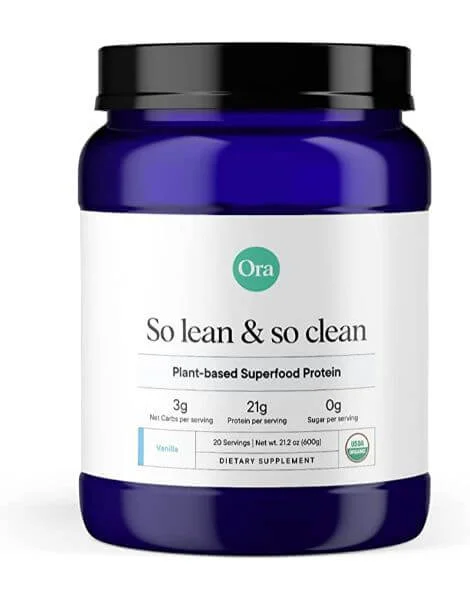
- Non-GMO, vegan, paleo, and organic
- Comes in 4 delicious flavors
- Free of dairy, gluten, and soy
What We Like:
- Certified USDA organic protein powder
- Formulated with additional superfoods and greens
- Enhanced with digestive enzymes
What We Don’t Like:
- The protein is a bit thick and chalky
- More expensive than the average protein
- Some people may not want all the added ingredients, such as greens powders
Best Whey Protein Isolate for Women: Sports Research Whey Isolate
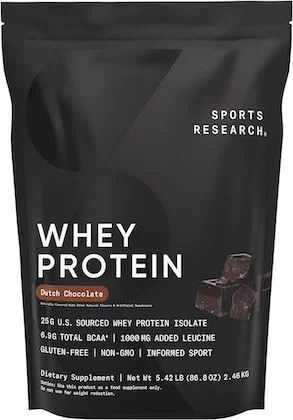
- Whey protein isolate
- Non-GMO, gluten- and soy-free
- Affordable
What We Like:
- High protein content
- Good cost for the quality
- Uses whey protein isolate
What We Don’t Like:
- The solubility could be better
- Only 6 flavor options
- Artificial sweeteners may bother some
Benefits of Protein Powder for Women
It’s important to eat enough protein for a lot of reasons, but here are some of the most notable benefits of a high-protein diet.
Increases Daily Protein Intake
Increasing your daily protein intake doesn’t get any easier than swigging a protein shake, or adding a scoop of protein powder to your smoothie. Keep in mind that the recommended dietary allowance (RDA) for protein1 is 0.8 grams per kilogram of body weight per day. However, recent studies2 suggest this RDA is actually much lower than the true needs of most people. If you’re regularly active, your protein needs may be higher.
According to exercise physiologist Chris Mohr, Ph.D., RD, “Individuals who are active, want to build muscle, or want to maintain muscle as they age might need 1.2 to 2.0 grams of protein per kilogram of body weight per day.”
Aids Muscle Building and Recovery
Consuming enough protein is important for muscle health, in general, but prioritizing protein after your workouts can be an anabolic strategy3 (that is, one that helps you build muscle).
Even if your goal isn’t to get as jacked as possible, protein powder can support post-workout recovery, especially from tough strength-training sessions. Scientific research also points to dietary protein, which is what you get from protein shakes, as an important nutrient for muscle repair after exercise4.
Helps Control Appetite
If one of your goals is weight loss, protein powder may be able to assist, as dealing with hunger and cravings is one of the most difficult parts of losing weight. Research shows us that dietary protein is important in both appetite regulation5 and energy balance6, which are important to control for weight management.
“Protein is very satiating, which can help you reduce your overall calorie intake if fat loss is a goal,” adds exercise physiologist Chris Mohr, Ph.D., RD.
RELATED: Best Protein Powder for Weight Loss
Buying Guide: What to Look for in Protein Powder for Women
With so many options to consider, it can be hard to make your final decision. Here are a few important factors to keep in mind before buying any type of protein powder.
Taste and Texture
Take it from us—you won’t consume your protein supplement if it doesn’t taste good. We’ve tested plenty to know there are a lot of great-tasting protein powders and a lot of gross ones. A good protein dietary supplement mixes into a smooth, tasty treat.
Whether you crave a chocolate flavor, prefer peanut butter, or always go after vanilla flavor, there’s something out there for you. Chocolate peanut butter? Fruity Cereal? Banana Creme Pie? Watermelon? We’ve seen it all.
If you prefer to hide your protein in smoothies or baked goods, some brands also offer unflavored versions that can make it easier to hide the taste.
Protein Per Serving
Make sure the product you buy meets your protein needs. A good amount of protein is 18 grams per serving at minimum, though plenty of options provide closer to 25 grams, which is even better.
It’s also worth checking whether the serving size is one scoop or two, to help you figure out how quickly you’ll need to re-order another tub.
Other Nutrient Information
Check the ingredients list for artificial sweeteners, artificial flavors, added sugar, monk fruit, and stevia. Many high-quality protein powder brands pride themselves on using minimal ingredients. Sometimes, the ingredients list can key you into positives, too.
Some brands add superfoods like greens blends to add more vitamins or use probiotics to support digestion, or added ingredients like creatine or additional carbohydrates to support performance. Depending on the added ingredients, this may add calories without adding additional protein, so we recommend carefully reading the label.
While many dairy-based proteins are naturally gluten-free, some plant-based protein powders may have other additives you may not expect that could cause digestive upset if you’re sensitive to specific ingredients.
Protein Source
Many types of protein powders get their protein content from different sources. There are plant proteins, like pumpkin seed protein, brown rice protein, pea protein, and chia and hemp protein.
Then, there are milk-derived sources that contain lactose, like whey protein isolate, whey protein concentrate, and casein. If you have lactose intolerance, whey isolate may be a good choice, as nearly all of the lactose is removed, and whey protein concentrates and casein protein can cause bloating in some.
P.S. If you’re looking for amino acid supplementation, check out our picks for the best BCAA for women.
Our Recommendations
If you’re still feeling overwhelmed, here’s a quick guide to help you choose from the protein powders we covered.
| Buy If | Avoid If | |
| Transparent Labs Whey Protein Isolate | You want a simple whey isolate | You’re on a tight budget |
| Legion Whey+ | You prioritize third-party testing | You want the highest possible protein per serving |
| 1st Phorm Phormula-1 Clear | You prefer a clear, juice-like protein | You want a thicker, creamier protein shake |
| NOBULL Grass-Fed Whey Protein Isolate | You want the best taste | You want a wide variety of flavors |
| Huel Complete Black | You’re looking for a meal replacement | You don’t need a full meal replacement |
| Optimum Nutrition Gold Standard 100% Whey | You want a wide range of flavor options | You want to avoid artificial sweeteners |
| Swolverine Plant Protein | You want a dairy-free protein | You want a smooth, non-chalky protein |
| Ora Organic Daily Superfood Plant Protein | You want added superfoods and greens | You want a nutrient-packed s |
| Sports Research Whey Isolate | You’re looking for a simple whey isolate | You prefer a thicker protein that digests slower |
FAQs About the Best Protein Powder for Women
Is protein powder worth it for women?
Protein is an important nutrient for men and women alike. It supports lean muscle growth, helps you maintain muscle mass, assists with muscle recovery, and much more. Protein powder can help women intake up to 30 extra grams of protein at a time, helping them reap the many benefits of this macronutrient.
What is the best protein powder for women’s weight loss?
While losing weight, it’s important to keep your protein intake high to maintain muscle mass and help lose fat. Try to get protein from lean sources of whole foods. If you supplement with protein powder, ensure that your protein powder has a good amount of protein in each serving (at least 18 grams), and that there’s a low carb and fat content, as well. Most whey protein and whey protein isolate supplements will fit this profile nicely.
What is the best form of protein for women?
The best protein for anyone is the type that comes from healthy, whole foods. Animal sources like lean chicken or fish are excellent high-protein foods, but you can also get protein from plant sources such as soy, peas, rice, and more. Just make sure that you’re choosing complementary proteins to get all of the essential amino acids if you’re using plant-based protein powder.
Is collagen a good protein powder for women?
Collagen peptides are typically used for hair, skin, and nail health, as the amino acid profile is different from typical muscle-supporting protein powders to use. It’s a fine supplement to use, but typically isn’t considered a primary protein source because it lacks the amino acid tryptophan, making it an incomplete protein.