



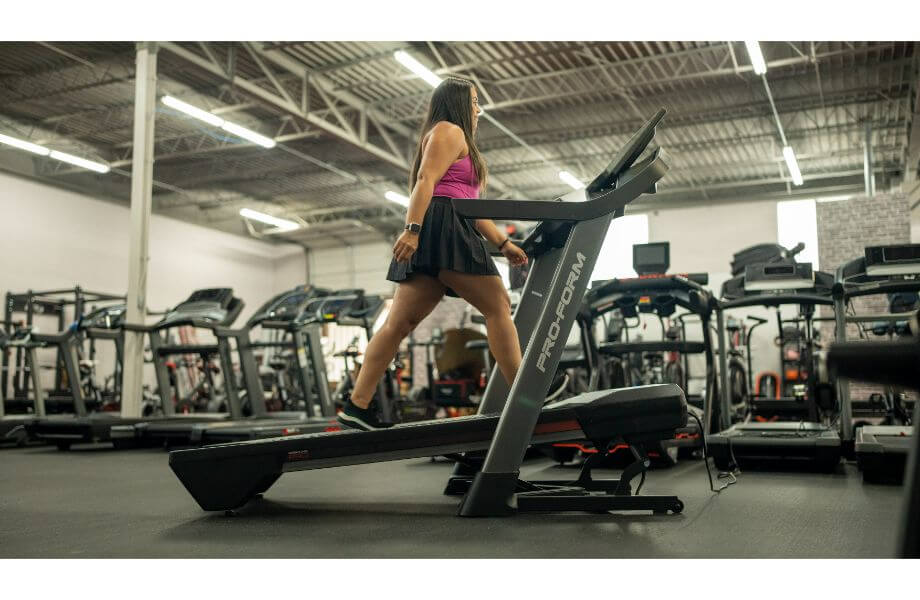
So, you want to start using a treadmill, but maybe you just don’t know where to start. Or maybe you bought yourself the best treadmill and you’re just not quite ready to start your cardio workouts.
The good news is that treadmill workouts are scalable for every fitness level. Much like any form of exercise, with practice (and an established workout routine) you’ll be able to progress your running or walking performance with methods such as increasing speed, length of time, incline levels, or reducing rest periods between intervals.
There are a few things to consider before you hop on a treadmill—running in place is a little different from running outside, after all. Keep reading to learn how to use a treadmill effectively. It’s time to get your running shoes out of the closet and lace up!
Treadmill Features to Get Familiar With
Have no fear if you’re a beginner; the treadmill is a great place to start when it comes to cardiovascular fitness. Treadmills are relatively straightforward when it comes to exercise equipment, but each brand and model will have some different features that will take a few minutes to get acquainted with. There are a variety of prices available, as well, but there are ways to save with treadmill coupons and deals.
Running Belt
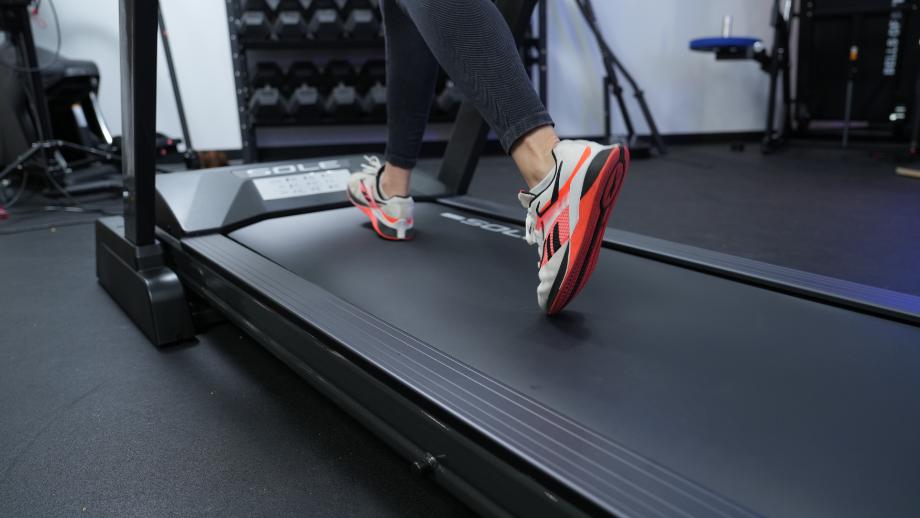
The running belt is located on the treadmill deck. When powered on, this is the part of the treadmill that moves. When starting up your machine, the belt always starts at a slow and steady pace, so you won’t need to anticipate a running start. To get going, you can take one of two positions: Your feet can be on the belt, or you can have your feet flanking the running belt and step on one foot at a time.
Console and Monitor
How long it takes you to get familiar with your console and monitor will depend on how much technology your treadmill features. Some treadmills are now fully loaded with touch screen consoles, streaming capabilities, and GPS navigation systems to run “anywhere” you want.
RELATED: Best Treadmill With TV Screen
As such, it’s safe to say you might want to spend a minute tapping through options while the belt is not moving (or your feet are on either side of the running deck) rather than trying to navigate the console mid-workout!
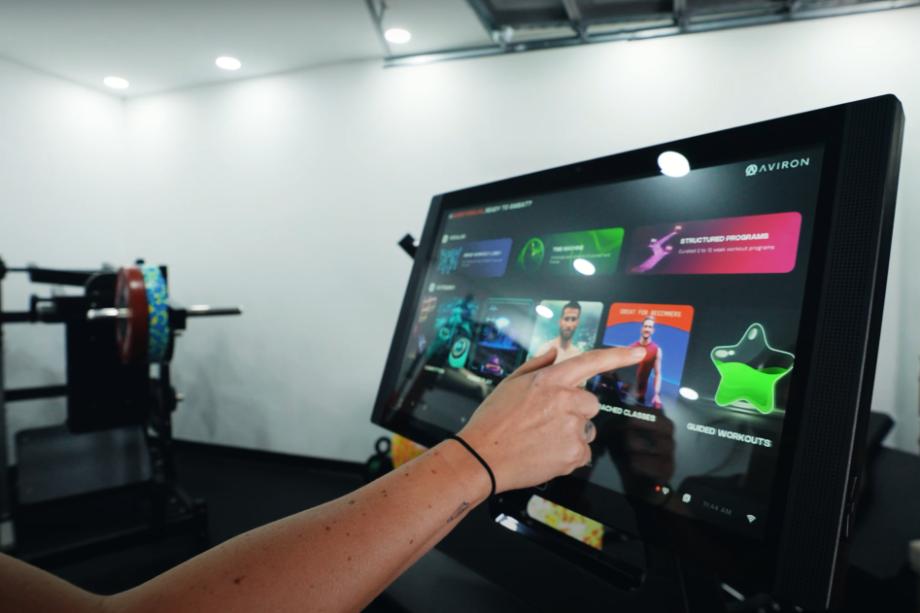
If the console feels overwhelming, the “quick start” button can be a really great place to start. This option starts the belt off at a slow pace and allows you to manually toggle any speed and incline adjustments to your liking.
Start and Stop Buttons
When you’re ready to kick off your session, you’ll need to scope out not only where the ‘Start’ button is located, but the ‘Stop’ button, as well. You won’t want to fumble the power-down process if you want (or need) to stop your training short. It’s common practice that treadmill brands feature a green button to indicate start and red to indicate stop—simplicity at its finest!
Safety Key
Before starting up the treadmill, it’s important to locate the safety key, sometimes called a safety clip. The safety key is a magnetic button that attaches to the console portion of your treadmill with a string attached to a clip. While this small feature may seem inadequate when compared to the bulkier buttons and handrails, it’s actually one of the most important treadmill safety components available on your machine.

To use the safety key, fasten the clip to your clothing before you begin (usually your shirt or waistband). The running belt will automatically come to an emergency stop if the magnetic key becomes unattached from the treadmill console. In essence, you can think of this safety key as the emergency brake for your treadmill machine.
Pick the Right Machine for You
Choosing the right treadmill for home use will be a massive factor in your overall experience. For example, you wouldn’t select the most souped-up, tech-infused treadmill if having lots of buttons and controls overwhelms or confuses you. Likewise, you wouldn’t buy a bare-bones budget model if you want the capability to follow instructor-led workouts and live fitness classes.
Here are some guides written by our product testers and fitness experts that can help you choose the right treadmill for your home gym:
- Best Treadmills for Home
- Best Treadmills for Seniors
- Best Treadmills for Walking
- Best Treadmills for Runners
- Best Treadmills for Bad Knees
- Best iFIT Treadmills
- Best Budget Treadmills
How to Safely Begin—Pre‑Workout Checklist and Setup
Before you get going, it’s important to acquaint yourself with basic treadmill safety, running form, and maintenance. This checklist covers all the basics, with more detailed breakdowns to follow.
Before You Begin
- Inspect the equipment: Confirm the safety key is attached and clipped to your clothing. Familiarize yourself with the main controls, including speed, stop, and incline.
- Choose the right footwear: Wear supportive, closed-toe athletic shoes.
- Clear the space: Make sure the area around the treadmill is open and free of obstacles and debris.
- Store your personal items: Securely place your water bottle, phone, and sweat towel in the proper areas and make sure they’re easily within arm’s reach.
- Warm up: Walk at an easy pace for 3 to 5 minutes to ease your body into the session.
During Your Session
- Maintain good posture: Stand upright with your shoulders relaxed and eyes forward rather than looking down.
- Activate your core: Keep your core lightly braced to support your spine.
- Allow natural arm movement: Let your arms swing comfortably at your sides with elbows bent. Avoid holding the handrails unless you truly need them for balance.
- Strike smoothly: Try to strike the belt with the middle of your foot to help reduce joint stress.
- Breathe steadily: Use deep, rhythmic breaths to stay comfortable.
- Pay attention to signals: If you feel lightheaded, overly winded, or in pain, ease your pace or step off safely.
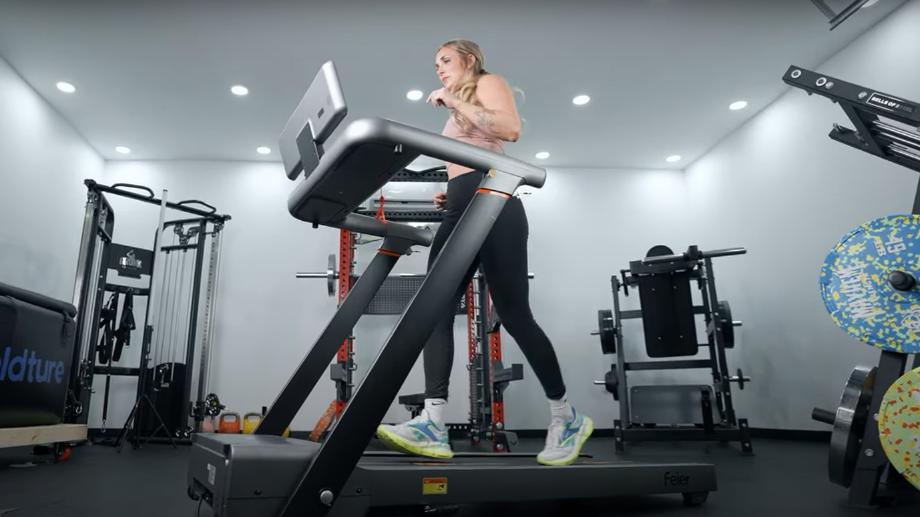
Wrapping Up
- Ease off slowly: Gradually lower your speed and incline for over a minute or two.
- Wait for a full stop: Stay on the treadmill until the belt comes to a complete halt before stepping off.
- Clean the surface: Wipe down the treadmill after use, especially in shared gym spaces.
Maintenance Tips
- Lubricate as needed: Follow the manufacturer’s guidance for belt lubrication.
- Check hardware: Look for loose screws or bolts and tighten them as necessary.
- Keep It clean: Regularly vacuum around and underneath the treadmill to prevent dust buildup.
Proper Use of a Treadmill
It’s never a bad idea to whip out your owner’s manual and take a look at the capabilities (and limitations) of your treadmill. It can be helpful to know information like its top speed and incline settings, as well as any scheduled maintenance or software requirements. Your owner’s manual will also give you an idea of the pre-set workout programs available for your use, as well as which fitness streaming apps the machine is compatible with.
Incline
Before you start pressing buttons, make sure you’re manipulating the correct set of controls. Typically, both the incline and speed options are adjusted by up arrows (or the “+” symbol) and down arrows (or the “-” symbol). Every machine is different, but some treadmills have incline grades of up to 15% or 20%. To mimic outdoor running, set your incline treadmill to at least 1% or 2%.
Speed
Again, be mindful of which set of buttons you’re using! Incline and speed options look similar, but are usually spaced apart. Increasing speed would be a bad move if you wanted to increase the incline, instead.
RELATED: How Fast Do Treadmills Go?
Depending on your cardio machine, you’ll oftentimes be able to reach speeds of 10 miles per hour (MPH) and even faster with high-end treadmills. Increase your speed in accordance with your skill set; there’s no need to strain yourself as you try to keep up with the fast-rotating belt.
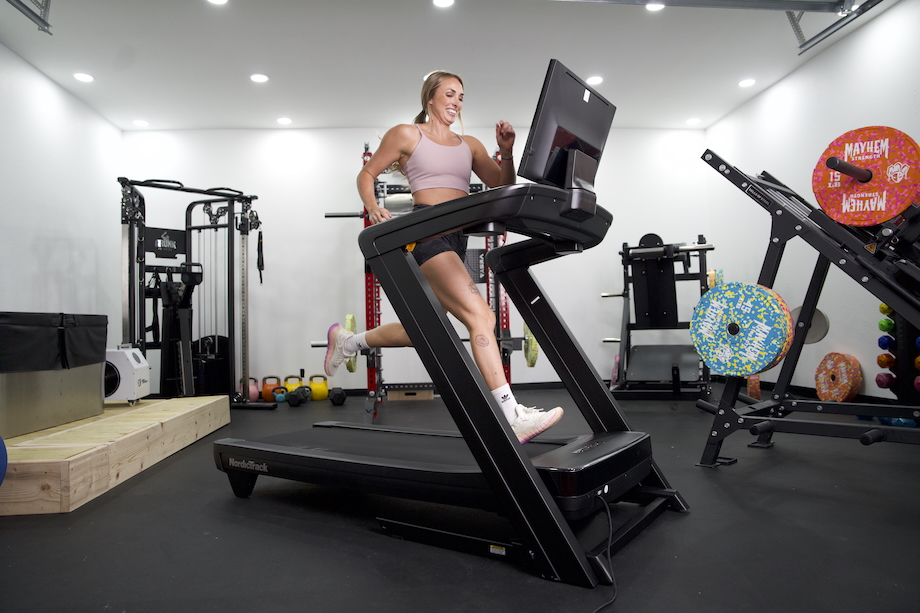
Pre-Set Programs
The team of coaches and personal trainers at GGR suggests getting comfortable with the way your treadmill functions and how your body responds to treadmill running before experimenting with pre-set programs.
When you are ready to try a workout beyond the manual adjustments of your incline and speed settings, your treadmill will likely have the capability to choose from one of the pre-set programs hardwired into your cardio machine.
These presets change the incline and speed for you, so all you have to do is focus on your movement. Common built-in programs often include high-intensity interval training (HIIT), fat-burning workouts, weight-loss workouts, hill climbs, and distance runs.
Maintenance and Troubleshooting
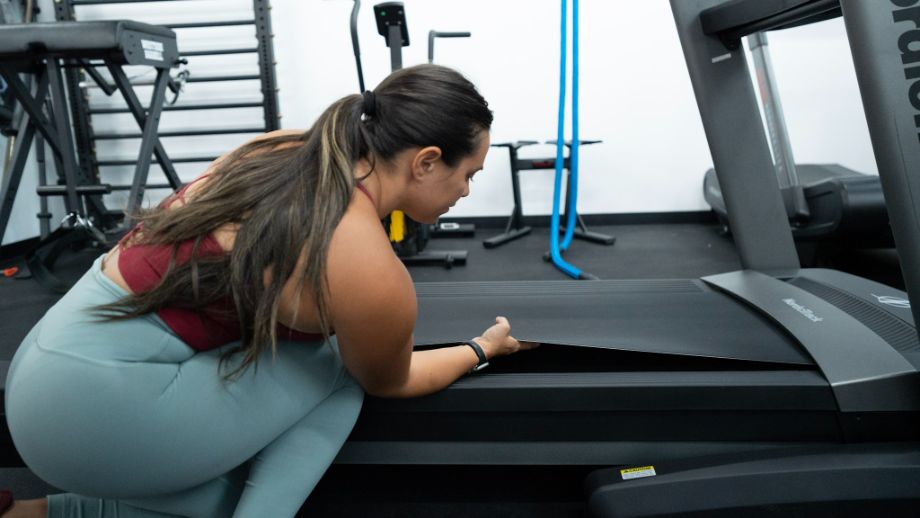
Machines break—unfortunately, that’s a fact of life. You can extend the working life of your treadmill, though, by following the treadmill maintenance protocols specified in your owner’s manual.
Every treadmill is different, but maintenance typically involves regular cleaning, checking for loose bolts and parts, inspecting and cleaning the belt, lubricating the belt, and maintaining electronic components by keeping up with software updates.
If you happen to need to fix your treadmill, it’s best to consult your owner’s manual as troubleshooting will vary among different brands and models.
Use Good Form on a Treadmill
Good form comes first. Speed comes second. It’s more important to keep your safety in mind and maintain good running form.
Good posture includes keeping your eyes forward and shoulders, chest, rib cage, and pelvis stacked on top of each other, meaning you’re upright and none of the aforementioned body parts are leaning too far forward or tilted back.
That said, avoiding these treadmill mistakes might mean slowing down the pace for a while. You’ll want to go at a pace where you feel comfortable taking your hands off the handrails to allow your arms to move as they naturally would, regardless of whether you’re walking, jogging, or running.
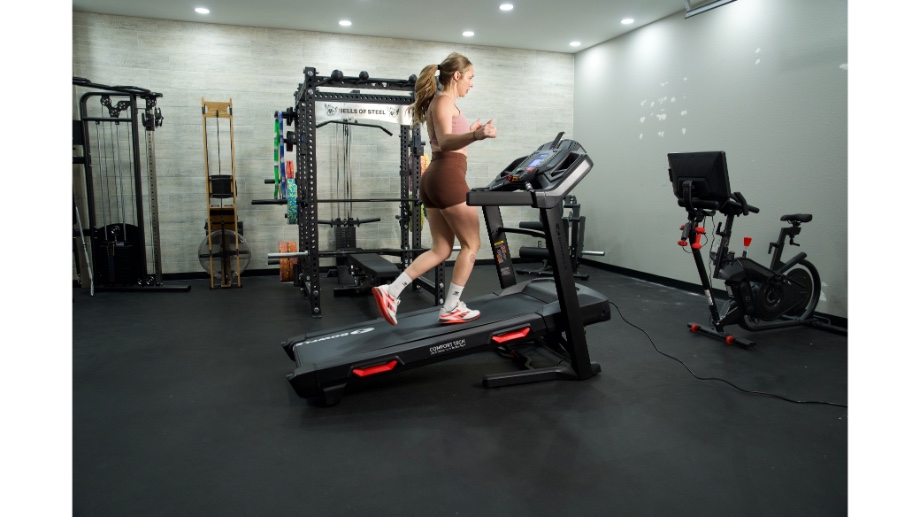
As GGR Senior Staff Writer Amanda Capritto, CPT, CES, CNC, CF-L1, CSNC explains in our guide to good running form, “Running with good technique is important for injury prevention and alleviating general discomfort during and after your runs. By focusing on and perfecting your technique, your runs will feel easier and you’ll make yourself less susceptible to running-related injuries”
Injuries associated with poor running biomechanics2 (and overuse) can include patellofemoral pain syndrome (“runner’s knee”), iliotibial band syndrome, achilles tendinitis, medial tibial stress syndrome (shin splints), and stress fractures. So, yeah, running technique is pretty important!
Here are a few quick tips to help you improve your running form:
- Keep your elbows lightly tucked by your torso (not swinging out to the side) and bent at a 90-degree angle. This can prevent you from moving your body side-to-side, which is always important, but especially so on a treadmill. If you’re swinging your arms widely, you may accidentally step off of the running belt, which can lead to a fall.
- Unclench your hands. This wastes precious energy!
- Breathe deeply into your diaphragm. It should feel like you’re filling your belly, not your chest, with air. Try to maintain a slow two-count breath in and two-count breath out to control respiration.
- Keep your chin up and your eyes forward. Looking at the ground can lead to hunching and overly leaning forward in your stride.
- Try to increase your cadence or stride rate. Evidence shows3 that a greater stride rate improves biomechanics and may reduce injury risk.
- Engage your core. Pull your belly button in toward your spine and avoid arching your lower back.
General Treadmill Tips for Safety and Success
These few general running tips can help you stay safe on your treadmill and set you up for a successful run.
Consult a Medical Professional if Needed
Not everyone will need permission from a physician to run on a treadmill, but it can’t hurt to discuss health and safety with your doctor, and those who have preexisting medical conditions should definitely do so. If you have any conditions affecting your bones, joints, muscles, or respiratory system (and you haven’t already been cleared to exercise), check with your doctor before attempting to run on a treadmill.
Lace Up
Shoes can make or break your run. The last thing you want is to get blisters mid-workout and put yourself in recovery for a few days until they heal. Buying a pair of good running shoes might be more complex than you think, but luckily, we have an entire guide dedicated to helping you choose the right running shoes for your feet, gait, and more.
Fuel Your Body
Whether you’re planning to do some treadmill walking or upping the ante and doing an interval treadmill training workout, you have to fuel your body to complete the job. Failing to consume enough calories prior to running can lead to low blood sugar and feelings of weakness, lightheadedness, and dizziness. Make sure to chow down on a snack about 30 minutes prior to your workout, or a full meal an hour or two beforehand. Even if you’re wondering how to use a treadmill to lose weight, this advice still applies; please eat before you train!
Warm Up
Your elementary school P.E. teacher was onto something when they made you stretch out and jump around before running the mile. Studies show that warming up benefits athletic performance and reduces injury risk1 by increasing body temperature, enhancing blood flow, and preparing tendons, ligaments, and other body tissues for the demands of upcoming exercise.
Hydrate as Needed
Hydration is just as important as fueling. Although there are no hard-and-fast rules about how much water you should drink, it’s a good idea to drink 8 to 16 fluid ounces before a workout and keep a water bottle handy to remain hydrated as you sweat.
RELATED: Best Running Water Bottle
How Long Should I Be on a Treadmill?
How long you spend on a treadmill workout will depend on your current activity levels, fitness goals, and health needs. With practice, you can be able to go for longer, or increase your intensity. Regardless of how long you spend on the treadmill, you’ll want to dedicate the first few minutes to a warmup and the last few minutes to a cooldown.
Warm Up
Plan for your warm-up to be dynamic4, meaning you’re moving and activating muscles. Skip static stretching and leave that to cool down after your muscles are warmed up and worked out. It’s your choice if you want to warm up with bodyweight movements off the treadmill (like air squats, glute bridges, lunges or calf raises).
Either way, start the treadmill off at a walking pace to get your legs moving and arms swinging. You’ll want to make sure your hamstrings, quads, calves, hips, and even your upper body feel good and ready before moving to a faster pace.
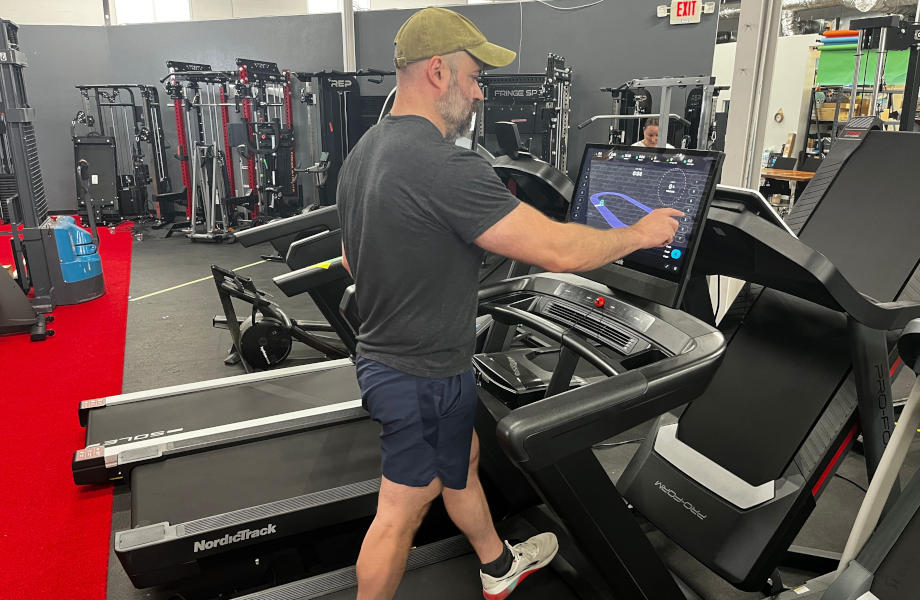
From a moderate walking pace, increase speed and incline levels gradually. As a rule of thumb, the warm up process should be short and sweet, about five to 10 minutes in total.
Exercise Long Enough to Get Cardiovascular Benefits
The length of your treadmill workouts will vary depending on what you want and what you can tolerate. Keep in mind, where you start today doesn’t mean it will always be this hard. With practice, you’ll be able to handle longer or more intense bouts of cardio.
The American Heart Association5 recommends adults get at least 150 minutes of moderate to vigorous exercise every week. You can break that down into five 30-minute segments, seven 20-minute bouts, or two 10-minute sessions per day.
Dr. Chris Mohr, PhD, RD, explains cardiovascular exercise in more detail, stating, “Cardio is any activity that raises your heart and breathing rates for an extended period, helping to improve heart and lung health. To be considered cardio, the exercise should make your heart beat faster, reaching about 60% to 80% of its maximum rate (calculated as 220 minus your age), and keep it there for at least 10 to 20 minutes.” Walking or jogging on a treadmill is an excellent way to get your daily dose of cardio exercise, he adds.
You don’t have to reach top speeds to get all of the heart health benefits, but according to a table published by Harvard Health, a moderate-to-vigorous pace is defined6 at any pace that has you feeling like you’re in a hurry, and speaking out loud will require shorter phrases with more breaths.
Cool Down
To cool down, slow the treadmill to a walking pace and spend a few minutes here to get your heart rate to its normal baseline. After you’re done, bring the treadmill belt to a stop and power down the machine. Here, you can add in static stretching for the lower body.
Final Thoughts on How to Use a Treadmill
When you’re armed with an owner’s manual and an overall sense of safety, a treadmill workout will not be a difficult thing to master, even for beginner athletes. Here are a few reasons for beginners to start using a treadmill:
- Treadmill workouts help build leg muscles and strength in the lower body.
- Running has many health benefits: Regular cardiovascular exercise can reduce the risk of heart disease.
- Treadmill workouts are scalable for all levels from beginner to advanced.
FAQs About How to Use a Treadmill
What is the best way to use a treadmill?
The correct way to use a treadmill depends on your personal goals. If a treadmill will be your main way to move and exercise, you’ll likely spend more time on the machine than an individual who is supplementing their weight training routine with short walks a few times per week.
How long should I walk on the treadmill?
The American Heart Association recommends adults get 150 minutes of moderate-to-vigorous exercise each week to decrease the risk of heart disease. You can use this recommendation as a guideline or as a goal to work up to.
Is it safe to use a treadmill every day?
Firstly, consult your doctor before you start a new exercise routine. For some individuals, using a treadmill at a moderate pace on a daily basis will be perfectly okay. For others, such as those with joint or bone conditions, less frequent use might be recommended.
How to use a treadmill for beginners?
Beginners can use a treadmill as tolerated. A good rule of thumb is to aim for 150 minutes of exercise per week, which you can split between walking workouts and running workouts.
What will 30 minutes a day on the treadmill do?
Running or walking for 30 minutes per day on a treadmill can help you reach many health and fitness goals, including improved cardiovascular health, enhanced mental health, weight loss, lower body fat percentage, increased endurance, and more.
Is the treadmill harmful for knees?
Contrary to popular belief, running (outside or on a treadmill) is not inherently harmful to the knees. For people with bone or joint problems or prior injuries, using a treadmill may exacerbate problems. This is why it’s important to check with a doctor first. That said, for the majority of the population, using a treadmill won’t harm the knees.
References
- Afonso J, Brito J, Abade E, et al. Revisiting the ‘Whys’ and ‘Hows’ of the Warm-Up: Are We Asking the Right Questions?. Sports Med. 2024;54(1):23-30.
- Kakouris N, Yener N, Fong DTP. A systematic review of running-related musculoskeletal injuries in runners. J Sport Health Sci. 2021;10(5):513-522.
- Schubert AG, Kempf J, Heiderscheit BC. Influence of stride frequency and length on running mechanics: a systematic review. Sports Health. 2014;6(3):210-217.
- Aguilar, A. J., DiStefano, L. J., Brown, C. N., Herman, D. C., Guskiewicz, K. M., & Padua, D. A. (2012). A dynamic warm-up model increases quadriceps strength and hamstring flexibility. Journal of Strength and Conditioning Research, 26(4), 1130–1141. https://pubmed.ncbi.nlm.nih.gov/22446678/
- American Heart Association: To be a relentless force for a world of longer, healthier lives. www.heart.org. (n.d.). https://www.heart.org/
- Corliss, J. (2023, January 1). The many ways exercise helps your heart. Harvard Health. https://www.health.harvard.edu/heart-health/the-many-ways-exercise-helps-your-heart