


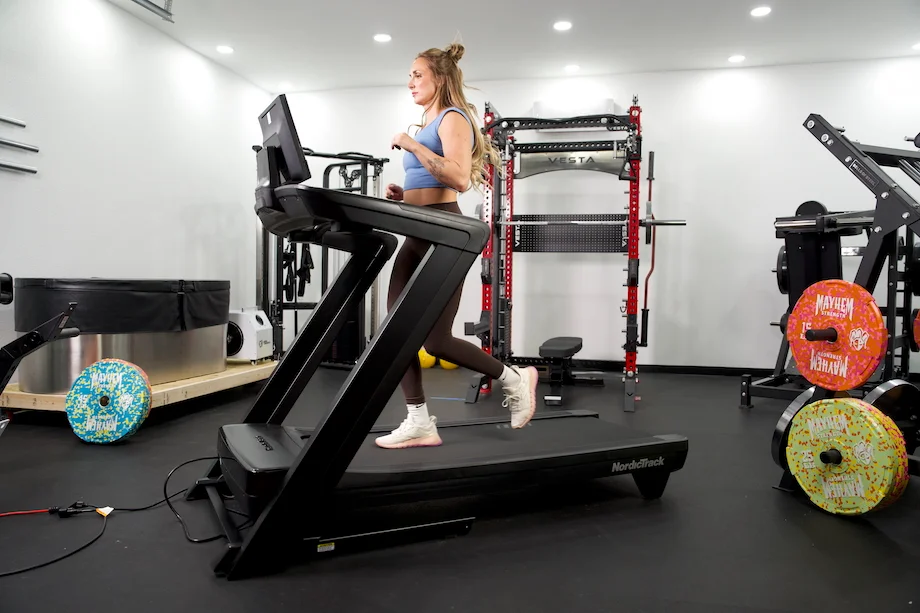
There are immense benefits to physical movement1, like improved cardiovascular health, bone density, and mental well-being, to name a few. The best treadmills offer a solution when we need to move and can’t get outside, and you may even find that you prefer your treadmill over being out on the road or trail.
That said, looking for a treadmill can be tough in such a saturated market. What is continuous horsepower? What belt size do I need?
Finding the right treadmill can be confusing, but we’ve got you covered. The GGR team is made up of certified personal trainers, gym owners, runners, CrossFit enthusiasts, and even an Olympian. We’ve tested over 50 treadmills, including the best budget treadmills, folding treadmills, manual treadmills, and beyond, and in 2025, we helped 13,891 people choose the right treadmill for their needs.
Our team has plenty of experience and knowledge when it comes to testing treadmills (we even have a dedicated treadmill testing methodology that guides our examinations), and we’re here to help you find the best one for your goals and needs with this comprehensive treadmill buying guide. Whether you’re sticking to strict budget, matching your small workout space to a compact machine, or going all in for every bell and whistle available, if you’ve got a treadmill in mind, odds are that we’ve tested it.
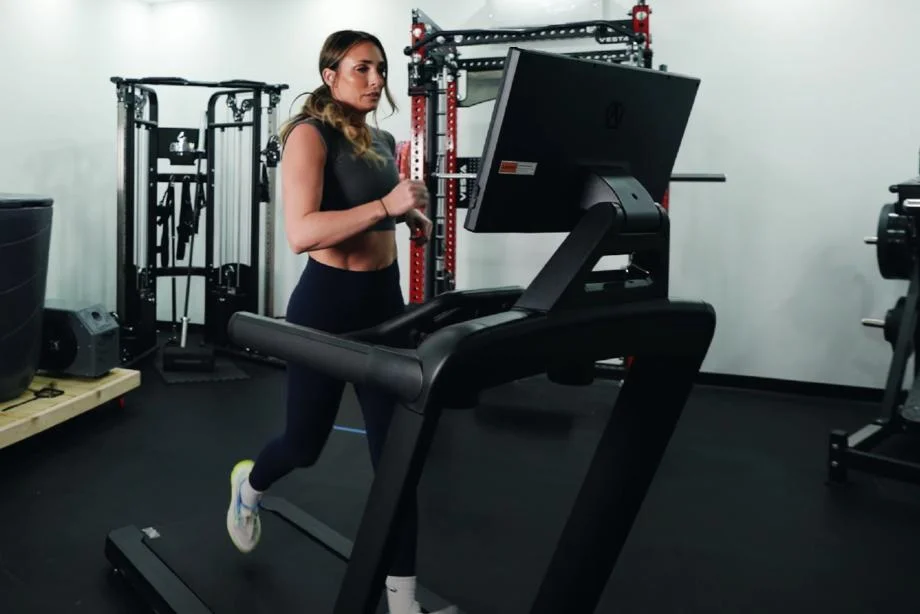
Benefits of Owning a Treadmill
If you’re on the fence about investing in a treadmill, here are some of the main reasons we think they’re a great choice for most home gym owners:
- Convenience: Running may be a free activity, but not everyone lives in a suitable environment for an outdoor training session. It’s not always easy to find a good running trail due to weather or safety issues, and a treadmill can allow you to enjoy a run or walk anytime you want from the comfort of your own home.
- All-Weather Training: There’s nothing worse than getting up for your morning run only to find that it’s pouring rain, or your routes are coated from an overnight snowfall. If you don’t live in a place with nice weather year-round, a treadmill can be safely used indoors without the need to plan around impending forecasts.
- Steady Pacing: If you’re following a specific running plan, a treadmill may be a better choice than running outside. You can set the exact pace and incline you want (and adjust them on the fly), which offers significantly more control than following your neighborhood trail.
- Detailed Metrics: For those who don’t own (or don’t want to wear) a fitness tracker, a treadmill can display your current pace, distance traveled, and even display metrics like heart rate and calories burned through built-in heart rate sensors.
- Virtual Workouts: Many modern treadmills are packed with preset workout programs and feature large HD screens for virtual workouts. Interactive programming can deliver trainer-led workouts, studio classes, scenic walks, and much more—all from the comfort of your at-home treadmill.
As you can see, there are plenty of treadmill benefits, regardless of your fitness level. Whether it’s a 20-minute walk to get you up and moving in the morning, a run inside on a rainy day, or an intense HIIT treadmill workout to burn some fat, you can improve your overall fitness and quality of life with a treadmill.
RELATED: Treadmill Vs Outside Running
Treadmill Types
In today’s day and age, there are various types of treadmills on the market. Here’s a quick breakdown of the main categories:
Motorized Treadmills
Motorized treadmills, which are the type of treadmill you often see in commercial gyms, are exactly what they sound like: An electric motor powers the belt and controls your speed and incline settings. This allows the treadmill to work at a set speed that forces us, the users, to maintain specific paces. These features also open the door for the treadmill to have preset workouts, which can eliminate the need for special programming or writing your own training splits.
On the other hand, the major drawback of motorized machines is the change in running mechanics.
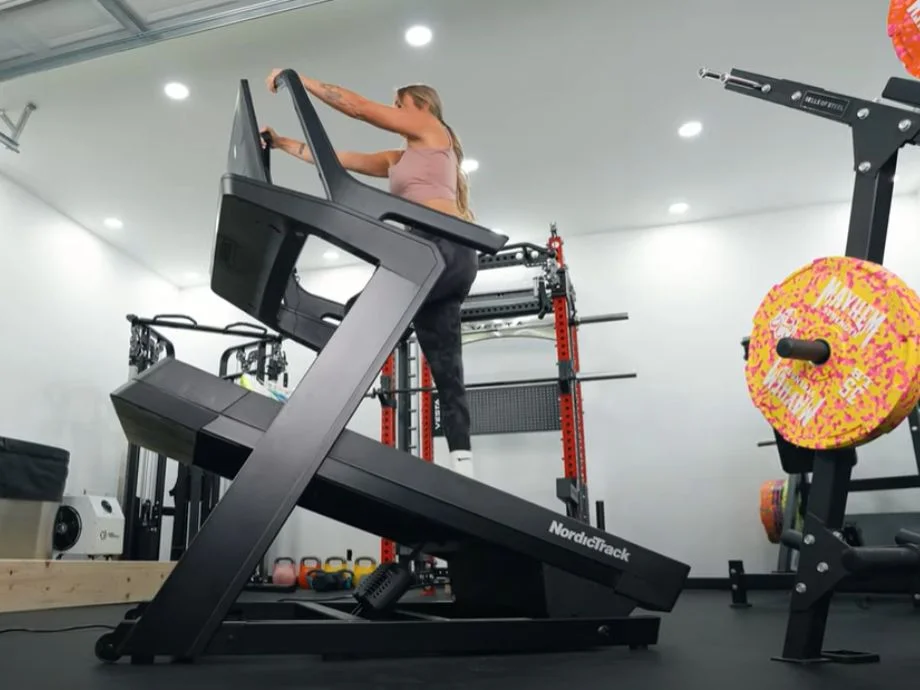
“Since the belt moves itself, we don’t use our backside mechanics to push ourselves forward as we do on flat ground,” explains Jacob Penner, personal trainer and former competitive track athlete. “There’s still a demand for front-side mechanics, like lifting the knees and stepping forward, but there’s an imbalance between the front and back.”
As such, treadmill running mechanics can make flat-ground running feel a bit different if you go back and forth between the two.
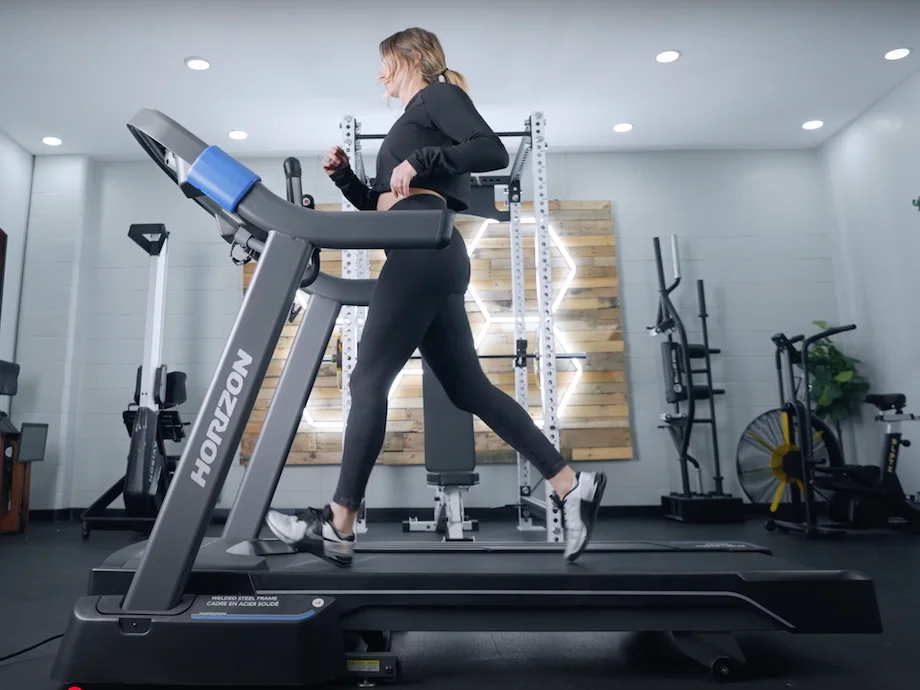
For the most part—unless you’re looking at cheaper treadmills—motorized treadmills also tend to come with all the fancy features you may have seen, such as touchscreen displays, preset treadmill workouts, water bottle holders, and tablet holders.
GGR’s Pick
While there are plenty of options on the market worth considering, our pick for the best motorized treadmill for most users is the NordicTrack Commercial 1750. It’s packed with features, including:
- Incline range of -3% to 12%
- Pivoting 16-inch touchscreen
- Spacious running deck
- iFIT integration for virtual programming
Hybrid Treadmills
Hybrid treadmills are here to kill two birds with one stone. These are often a combination of a treadmill and an elliptical or other cardio piece. A major drawback, though, is that these machines just aren’t very common and often underperform for the cost—kind of like the whole, “Jack of all trades, master of none,” idea. On top of that, the movement pattern can feel foreign, which can take away from the training experience.
GGR’s Pick
If you’re looking for a hybrid machine, we recommend the NordicTrack X16 elliptical. Technically we classify this as an elliptical, but it’s meant to mimic the motion pattern of running on a treadmill. Here’s what’s included with this one-of-a-kind-machine:
- A decline/incline range of -10% to 10%
- 26 levels of digital resistance
- Spacious pedals and an adjustable stride length
- 3-in-1 machine that can mimic a treadmill, elliptical, and stair climber
Foldable Treadmills
Folding treadmills have been a game-changer for the space-conscious crowd. They are meant to be easily folded up whenever the layout of your space demands more compact storage. Many folding treadmills don’t exactly fold in half, though. Instead, the lower deck may fold up to a set (albeit more compact) angle.
For example, the NordicTrack Commercial 1750 treadmill is foldable, but you’ll see when it’s folded that the deck still sits at a pitched degree. Other treadmills that fold, like the Echelon Stride Treadmill, have handlebars that collapse, so the machine is virtually flat. This means you can store it vertically against a wall or, in some cases, even under your bed.
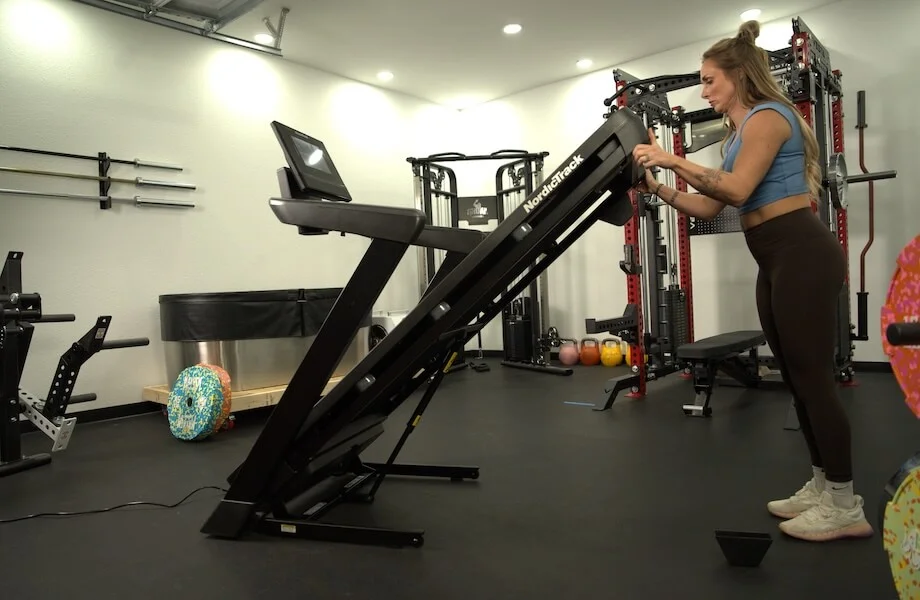
One thing to think about with a foldable treadmill is how easy the folding process is—is it just the push of a button, or will you manually have to lift a heavy treadmill deck and lock it into place for optimal, secure storage?
GGR’s Pick
While most treadmills fold these days, if you’re looking for a worthwhile compact option, we love and recommend the Echelon Stride 6s-10. It has one of the most compact profiles we’ve seen when folded, making it a great choice for those working with tighter confines. Here are some of our favorite features:
- Available with or without a built-in display console
- Convenient rear handlebar for easier transportation
- Light enough to be stored vertically between uses
- Optional 10-inch screen with streamable classes
Non-Motorized Treadmills
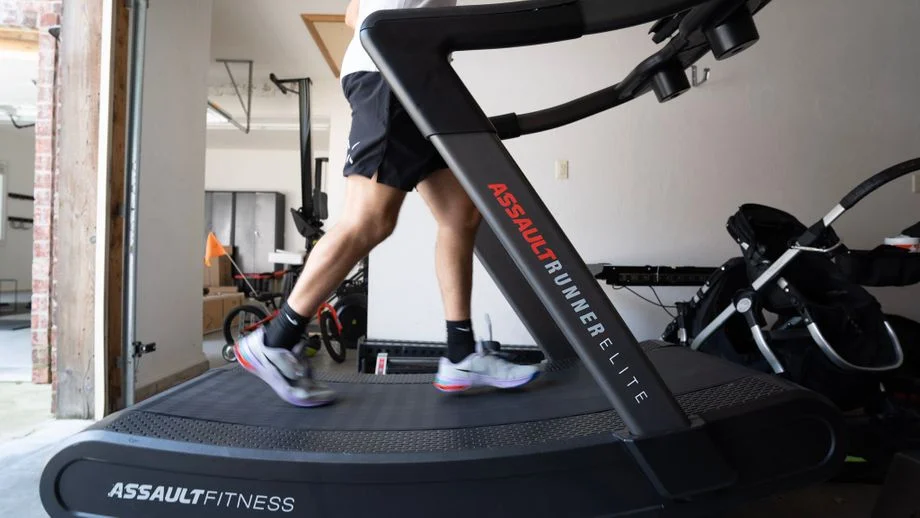
Non-motorized treadmills, also referred to as manual treadmills, don’t have any power source for the belt—You are the motor in this scenario. As such, this can be the closest experience to a natural running form that you can get on a treadmill, especially if the running surface is curved in nature. Additionally, manual treadmills typically don’t have a cord (why would they, after all), meaning they can be placed anywhere space is available without concern for access to an outlet.
A downside to manual treadmills is that, for many people, they feel “harder” to run on than a motorized machine. They are also typically large and heavy, often taking up a considerable amount of space in your home without convenient folding capabilities.
That said, some manual treadmills, like the AssaultRunner Pro, still have a comparable footprint to many popular motorized treadmills. We love curved manual treadmills for their ability to force you into a more natural running gait (which might feel unnatural if you don’t have great form!).
GGR’s Pick
If you’re looking for one of the best manual treadmills on the market, we recommend the TrueForm Trainer. It’s not cheap, but it provides plenty of lovable features, including:
- Ergonomic curved running deck
- Durable welded frame with a 10-year warranty
- Above-average 400-pound weight capacity
- Basic LCD console capable of displaying your training metrics
In total, there are plenty of treadmills to choose from. To help you out, here’s a table comparing the various types of treadmills in one place:
| Motorized Treadmill | Non-Motorized Treadmill | Folding Treadmill | Hybrid Treadmill | |
| Best For | Runners, walkers, virtual classes | Sprinting, HIIT work, athletes | Compact spaces, budget-minded shoppers | Versatility, multiple users |
| Drawbacks | Expensive, can be difficult to move | Not ideal for incline walking, initial learning curve | May have limited speed and incline options | Expensive, running mechanics can often feel different from traditional treadmill workouts |
| Price Range | $700-$3,000+ | $200-$4,000+ | $300-$2,500+ | $2,000-$3,000+ |
What to Look for When Buying a Treadmill
How do you know if you are getting the right treadmill? There are a few considerations to make:
Price
There is a huge range of treadmill prices—from cheap, flat-belt manual treadmills for around $150 to commercial-grade products that can exceed $10,000. More often than not, you get what you pay for. I typically do not recommend looking for the cheapest treadmill you can find, because it could mean you are looking for another treadmill in a year’s time when that “bargain” find ultimately breaks.
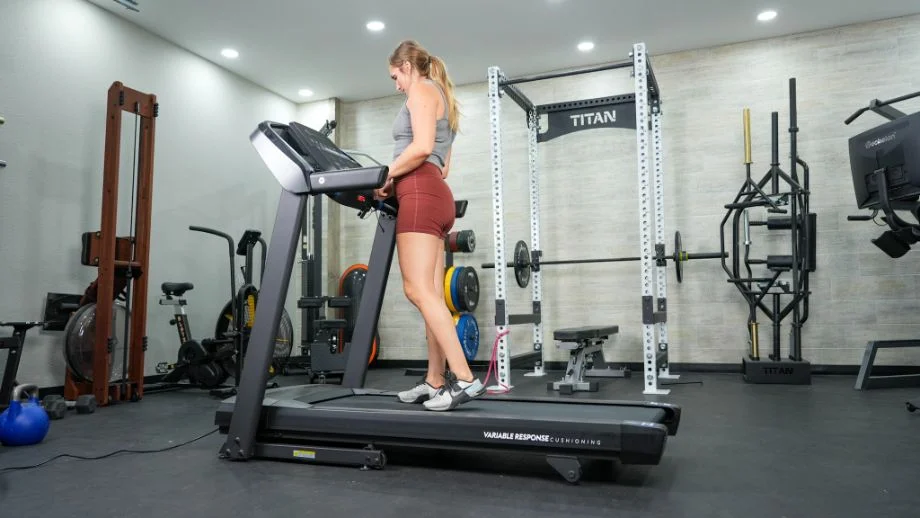
The treadmill’s ability to meet your fitness needs is the No. 1 priority, and going for a cheap treadmill to save a few bucks now can cost you in the long run. That said, you don’t necessarily have to shell out a lot of cash to find something great, thanks to many worthwhile budget-friendly options on the market.
Noise
Noise is almost always a factor in product selection when you work out of a home gym. Some forms of cushioning can help with the shock absorption of each step you take, such as stall mats or other vibration-reducing flooring options. Treadmill mats are often sold from the same companies that you’d buy a machine from—sometimes in package deals, too!
However, you may find that when you’ve exhausted all the external solutions, the treadmill, itself, is just loud and shaky. If this is a big concern, curved-belt treadmills such as the Tru Grit Runner can match better with your gait cycle to eliminate the loud striking of your feet. On top of that, there is no loud motor to worry about.
Size Constraints
Before buying any cardio machine, measure to see if you have enough space for it! Be sure to add a few extra inches to each dimension of the available space to account for the machine’s movement (and your own comfort).
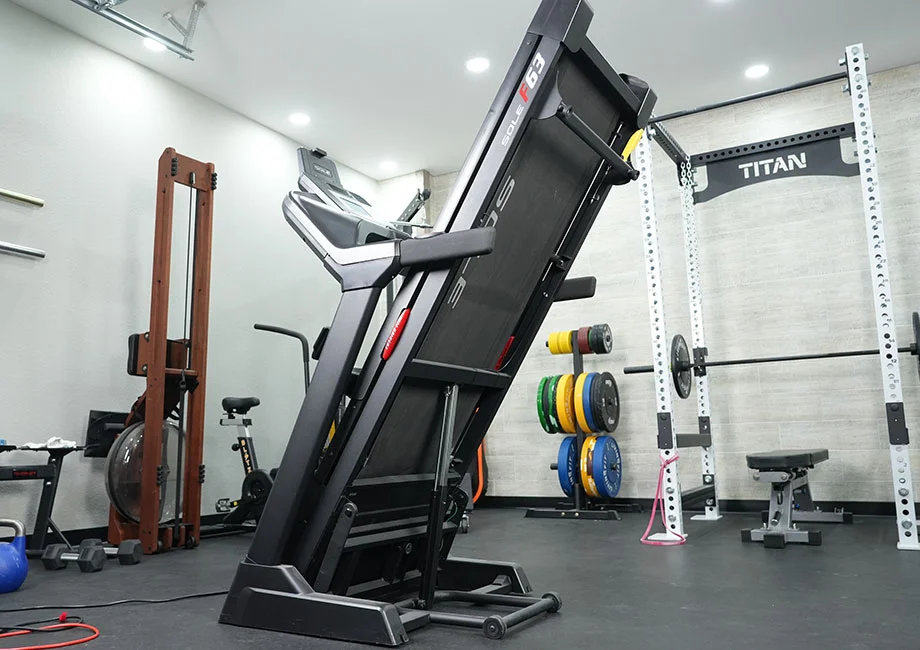
If available space is a major concern, folding treadmills can be helpful if you need to use your training area when the treadmill is at rest. Remember, though, to give yourself enough space to maneuver around the machine when folding it up. You might also find some under-desk treadmills designed to be stowed under furniture or home office desks in-between uses.
RELATED: How to Move a Treadmill
Warranty
Always read the warranty before buying, as many popular treadmill brands will void their coverage if the machine used in a garage setting. That said, you can find premium bundles, even with affordable treadmill profiles. Some machines, such as the Sole F63 Treadmill, offer a lifetime warranty on the frame, regardless of where it is used.
At the end of the day, warranties come down to your comfort level. If the treadmill is going to get a ton of use, it can be wise to opt for a product with a longer coverage timeframe. The industry standard is about 10 to 15 years on the frame, and a few years on parts and labor.
Interactive Programming
In recent years, it has become more popular to have interactive programming, such as iFIT, that accompanies the treadmill to create an engaging workout experience. This often comes at an additional cost or a monthly subscription, and connects via Bluetooth or a direct line.
RELATED: Best Smart Treadmills
These workouts can actually take you around the world—virtually, of course—through apps like Google Maps. You can “run” through mountains and along the beach if you want, with a “coach” who can even adjust your speed and incline as you go. Of course, there are also studio-style workouts that have you follow along to trainer-led instructions, all from the comfort of your home gym.
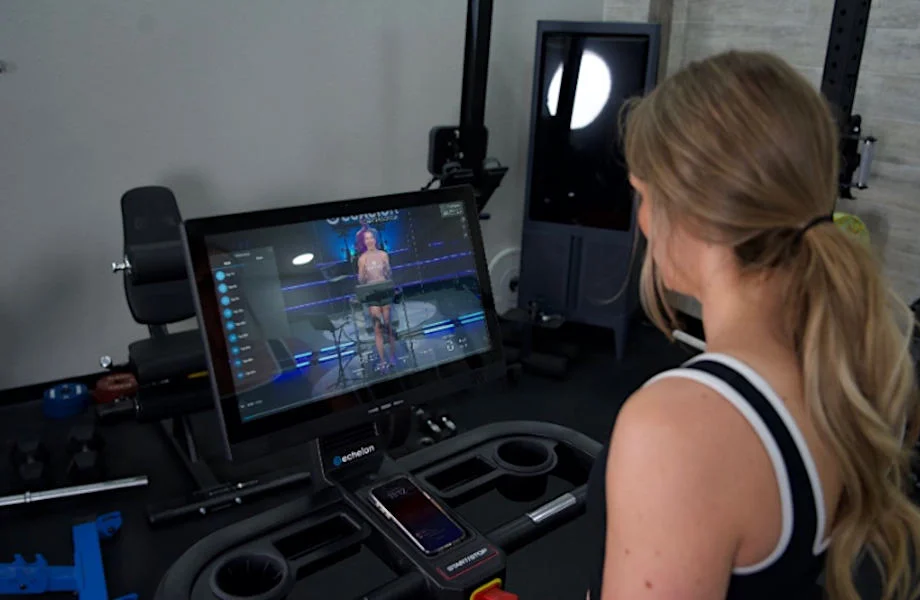
Before you buy, check which workouts are available on the machine itself, in case you forgo any additional interactive programming. Plenty of treadmills come with workouts that sync with a chest-strap heart rate monitor to enhance personalization, as well. These machines may also include interval training workouts (HIIT), which tend to have a potent effect on fat burning.
Deck Length
Deck length is often overlooked, but it can be important if you’re a long-legged individual.
“I’m 6 foot, 3 inches with longer legs, and I’ve felt like I had to deliberately shorten my stride on several treadmills,” says Jacob Penner, NCSA, USAW-L2, CF-L1. “That’s not necessarily the worst thing, and it sometimes improves my running technique, but it’s something to consider, nonetheless.”
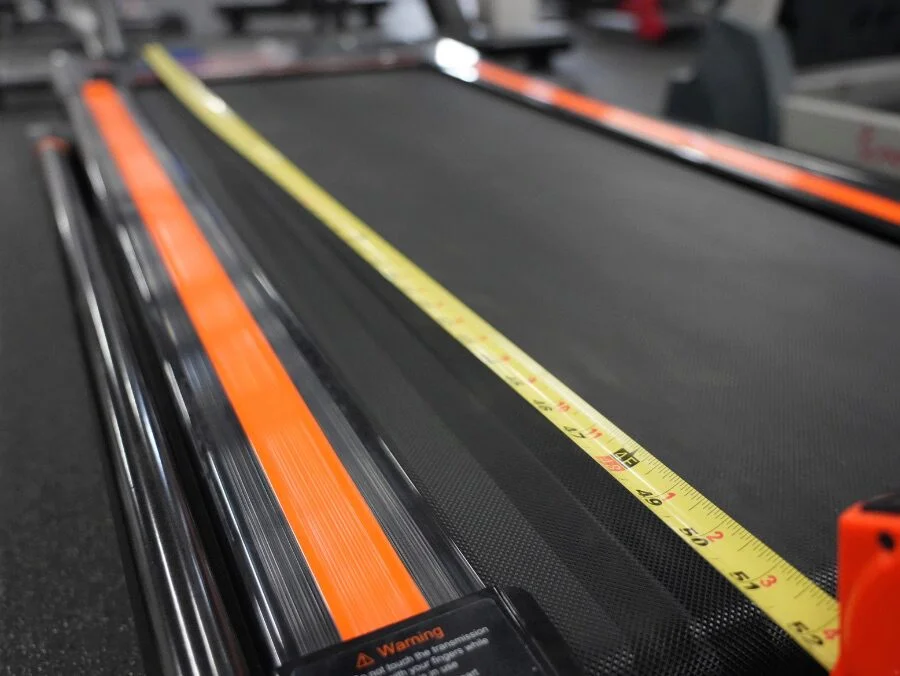
From our experience, a 60-inch running deck can accommodate just about everyone, including those who are 6 feet or taller. A 55-inch deck should fit most people, too, though taller runners may have to make adjustments. Anything less than that may not be great for running, unless you are on the shorter side and don’t take longer strides.
If you are using the treadmill exclusively for walking, you can get away with a shorter deck size. Some, like the UREVO 2-in-1 Under Desk Treadmill, have a deck that is just 42.5 inches. While that sounds short, it simply indicates that it’s strictly for walking. Still, taller people (like me) may struggle with something that compact.
Horsepower
In general, we want to look at continuous horsepower (CHP) when examining treadmill motors. This is the measurement of the horsepower a treadmill can maintain as continuous duty. For joggers, we look for at least 2.5 horsepower, and we suggest more than 3.0 CHP for dedicated runners. Having a quality motor means the machine can support the activity you want to do. Sure, you can save your money by getting a motor with less horsepower, but you risk prematurely wearing out the machine.
To help you visualize the difference, here’s a chart that breaks down the key differences between various speeds:
| CHP Power | Max Speed | Best For | Example Models | Price Range |
| 1.5-2.5 | 10 MPH | Walking, light jogging | GoPlus Walking Pad with Incline | $300-$700 |
| 2.5-3.0 | 12 MPH | Walking, jogging, running | Bowflex T6 | $700-$2,000 |
| 3.5-4.0+ | 14 MPH | Running, incline running | NordicTrack Commercial 1750 | $2,000-$3,000+ |
Speed Range and Acceleration
Depending on how you’ll use your treadmill, the speed range is one of the most important factors to consider. The average treadmill can reach 10 miles per hour, which should be plenty supportive for walking, jogging, or light runs. The best treadmills for running, though, can reach speeds north of 12 MPH—a definite must-have when aiming to tackle sprint intervals.
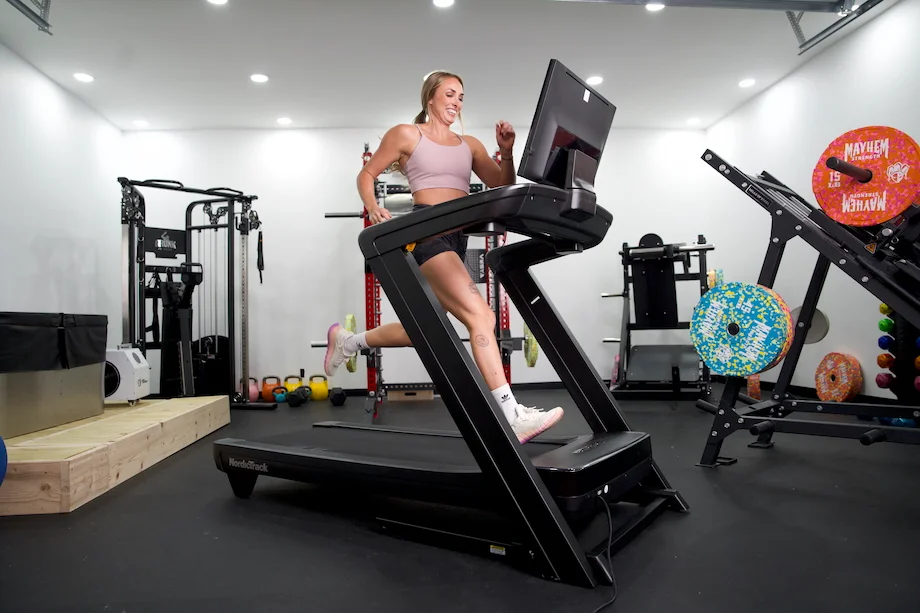
Acceleration should also be considered, as most electronic treadmills can take a few seconds to reach the prescribed speed. For those who train at a steady pace, this is probably fine. However, if you need instant acceleration and deceleration for things like interval training, you may want to choose a manual treadmill, instead.
Here’s a list of the various speed ranges, and what they’re best for.
- 2 to 3.5 MPH: Walking
- 4-5 MPH: A light jog
- 5-6 MPH: Light running
- 6-8 MPH: Running
- 8-12+ MPH: Running, sprinting
Weight Capacity
Industry standards tend to showcase a minimum weight rating of 300 pounds, which you should find on just about any treadmill in the mid- to high-end—around $1,500 to $3,000. This is something to pay close attention to if you’re looking for a budget treadmill, as the structure may be less supportive and prone to quicker wear and tear. Make sure you get a machine that can support anyone who might be using it.
RELATED: Best Treadmill for Heavy People
Delivery and Assembly
If you’re buying a treadmill, odds are that it’s going to come in some big boxes. You may have to schedule the delivery, depending on the size of the parcels. When it comes to the assembly, be prepared to ask a friend for help—a few treadmills are easy to put together yourself, but some can be a real pain.
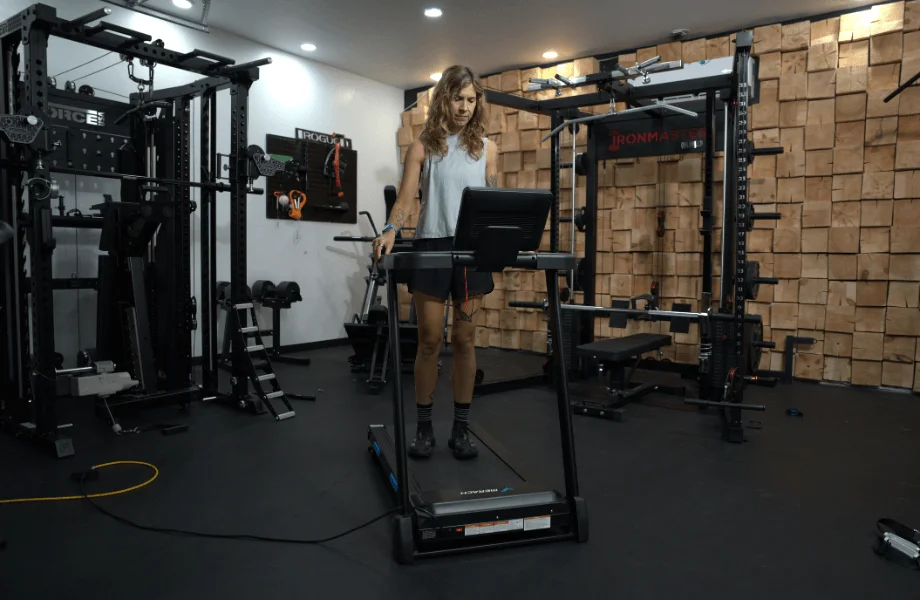
Depending on the retailer, you may also be able to schedule expert assembly. I highly recommend this for the more advanced machines that require you to run wiring for the screens. Of course, this will likely cost extra, but it can save you a significant amount of work (and headache).
Buy a Treadmill Online
Buying a treadmill online can be a more economical and pain-free method, especially when compared to purchasing one in-store. For one, you’re likely to spend less money. You can check out all your options online and find the lowest price, or take advantage of online-only sales. You’ll be able to do all of this from the comfort of your couch without having to run around from store to store.
RELATED: Treadmill Coupons
Secondly, shipping will likely be free or cheaper than arranging pick-up from your local store. Some companies bake the cost of shipping into the purchase price, which is still less than what it would cost to get a 300-pound treadmill into a box truck and take it to your home.
Lastly, shopping online relieves most shopping anxiety you may feel when interacting with in-person salespeople. You’ll be able to make a level-headed decision of your own volition without the input of a pushy salesperson.
Other Treadmill Elements
If you want to be thorough with your buying process, be sure to check out the specs of the product for information on the following topics:
Treadmill Belt
Your treadmill belt will eventually wear out if you don’t keep it lubricated. Before you buy, check whether the company sells replacement belts or if the warranty covers them. They may even have a recommended lubricant or maintenance package for more efficient upkeep.
RELATED: How to Fix a Treadmill
Cushioning
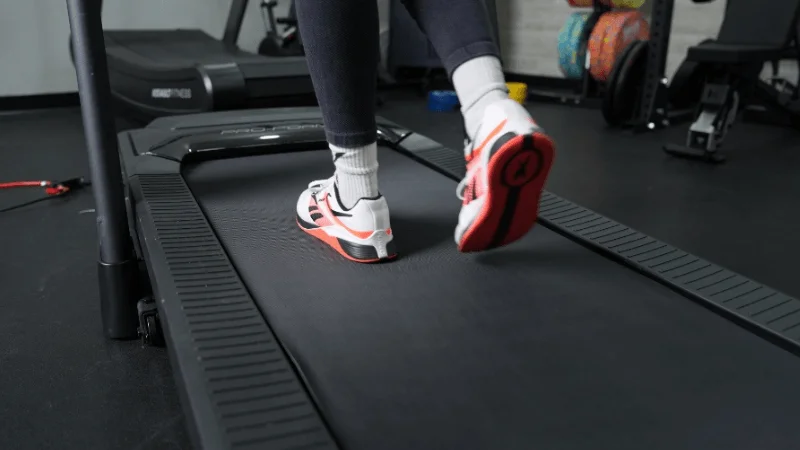
Cushioning can affect how stressed the joints of the lower leg may feel after a treadmill workout. Unfortunately, there aren’t any consistent, objective measurements of cushioning across brands, so if it’s a concern, look for treadmills that advertise cushioning as a main feature. There are even machines that allow you to turn cushioning on and off, depending on whether you want that “real road” feel or not.
Incline
Treadmill incline is a simple way to up the intensity. Bumping up the incline can take a casual walk to a tough glute burn with just a press of a button. If that’s what you want, look for treadmills that go to at least a 5% incline—that tends to be where people start to notice the difference.
Safety Features
Motorized treadmills should have a fail-safe or safety key system. This is often clipped to your clothes or accessories and comes off the treadmill should you fall or go off the back of the belt without grabbing the handrails. The key triggers an emergency stop to ensure no further damage from the piece of equipment.
If you opt for a folding treadmill, make sure you thoroughly examine the mechanism that locks the deck in place for storage. There should be a safety feature to prevent children or pets from accidentally unlocking the deck, which can lead to crashes and potential injuries.
Final Thoughts
We get it—this can be a lot to take in, especially if you’re just starting your treadmill purchase journey. At the end of the day, though, our goal is to help educate you on what to look for, so that your cardio machine purchase is your best pick from the start. To sum it up, buying a treadmill should involve:
- Identifying your intended use for the machine, itself
- Determining which features are most important for the performance you want out of your treadmill
- Selecting products that meet most (or all) of these preferences at a price you can afford, while simultaneously factoring in longevity and warranty
Treadmill Buying Guide: FAQs
Which brand of treadmill is best?
The best treadmill is the one that fits your needs when it comes to price, features, programming, and safety components. Some of our favorite brands include NordicTrack, Horizon, Sole, and Echelon, but there are many other reputable brands on the market, as well.
What horsepower should a treadmill have?
A treadmill motor should have at least 2.5 CHP for home use. For heavy use, you’ll want a more powerful motor with 3.0 CHP or more.
How much do you need to spend to get a good treadmill?
Price range can be anywhere from $400 to several thousand dollars. In general, the cost of your new treadmill depends on what you value most. We have found great treadmills for under $1,000. Beware of going too cheap, though, as cutting costs often means sacrificing quality.
What time of year do treadmills go on sale?
Fortunately, cardio equipment goes on sale pretty frequently. Some brands offer savings practically year-round, while others stick to the main holidays. To save on your next treadmill purchase, be sure to check out our holiday shopping guides:
New Year’s Fitness Sales
President’s Day Sales
4th Of July Fitness Equipment Sales
Labor Day Sales
Memorial Day Sales
Black Friday/Cyber Monday Fitness Deals
References
- Dhuli, K., Naureen, Z., Medori, M. C., Fioretti, F., Caruso, P., Perrone, M. A., Nodari, S., Manganotti, P., Xhufi, S., Bushati, M., Bozo, D., Connelly, S. T., Herbst, K. L., & Bertelli, M. (2022). Physical activity for health. Journal of preventive medicine and hygiene, 63(2 Suppl 3), E150–E159. https://doi.org/10.15167/2421-4248/jpmh2022.63.2S3.2756