


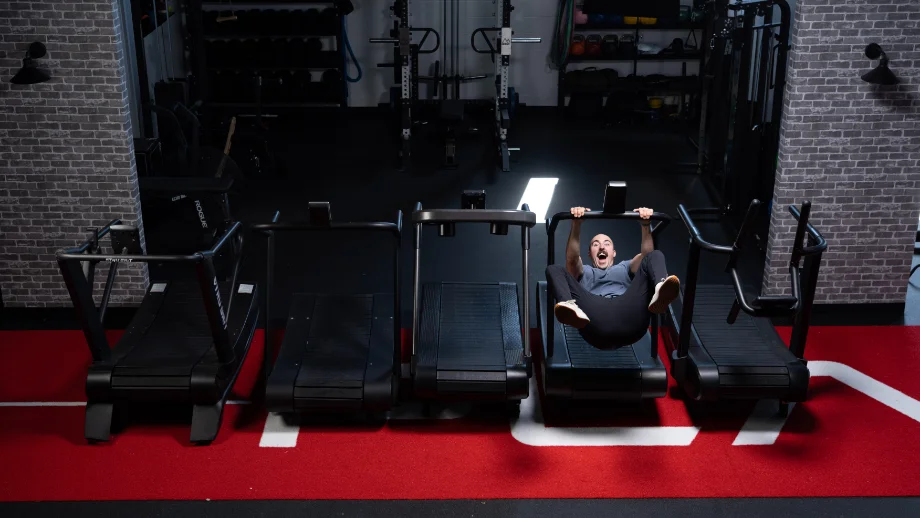
Sure, you know that it’s a good thing to get in a treadmill workout every now and again, but do you know why? Aside from the obvious notions of, “It burns calories,” or, “It makes me feel good,” there are a number of treadmill benefits you stand to gain each time you step onto your machine.
The best treadmills can be a great way to partake in cardiovascular exercise regardless of your fitness level, available time, or other factors like weather. Here, we’ll dive into 10 reasons why adding some indoor running to your regimen can be a good idea, taken from studies, experience, and insight from exercise physiologist Chris Mohr, Ph.D, RD.
1. Can Aid In Weight Loss
Perhaps one of the biggest health benefits of regular cardio exercise on a treadmill is that it can help you lose weight (if that’s your goal). Walking or running at a moderate to vigorous pace can increase your heart rate, make you sweat, and promote caloric burn. Who’s not into that?
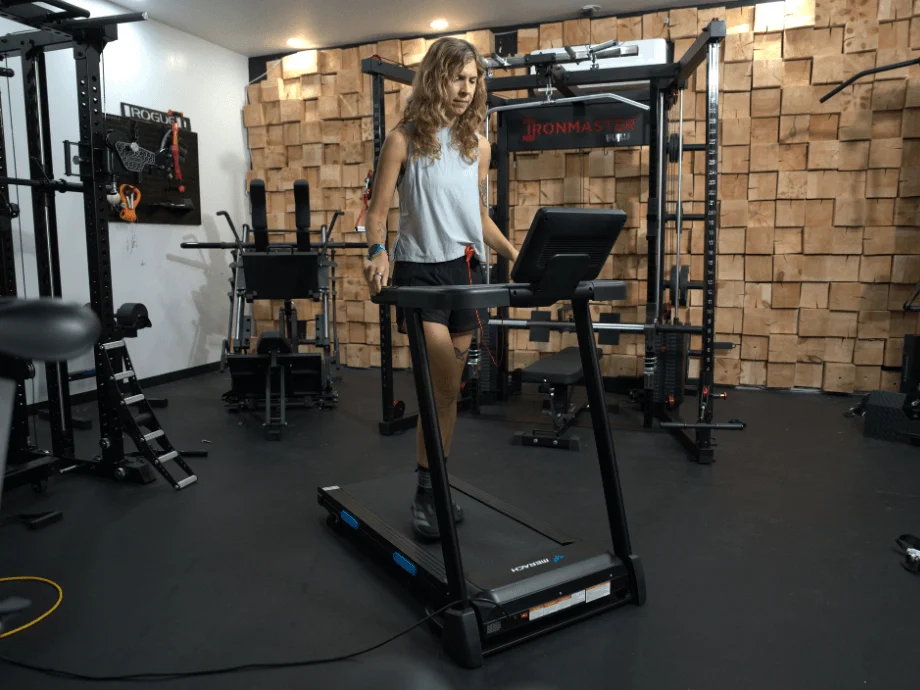
You’re probably already aware that your nutrition choices are an important factor to your body composition, as well. That said, the most effective long-term strategy for weight loss combines a focused approach to nutrition and dieting along with a regular training schedule, of which treadmills can definitely support. One study from 20131 found that cardiovascular exercise alone (without dietary restrictions) can actually lead to weight loss.
The study was conducted over the course of 10 months, with one group of overweight and obese participants completing aerobic exercise sessions five days a week and burning between 400 and 600 calories per session, while the control group did not exercise. All participants’ diets remained the same throughout the study. The exercise group lost weight, while the control group actually gained weight.
So, although nutrition is the most important factor for sustained weight loss, aerobic exercise alone can also be effective as a means to jumpstart the process. (Even with those results from the study, it’s best to focus on both food intake and exercise for long-term results.)
RELATED: Best Treadmill Workouts for Weight Loss
2. May Help Maintain Bone Density
Your body undergoes changes and adaptations every time you exercise. You can cue in on some of these changes right away—the feeling of fatigued muscles or your boosted mood at the end of a workout, for example. Some changes, though, only start to take place when you train regularly and over long periods of time. One of these long-term effects is the body’s ability to maintain or increase bone density.
Every time your body endures weight-bearing activities like treadmill running or lifting weights, you apply strain to your joints and bones. Although strain sounds like a bad thing, it’s really not in this case. According to the National Strength and Conditioning Association2, this type of weight-bearing tension stimulates small and dynamic tissues that reside inside your bones. Treadmill walking (or running) is one way to trigger these tissues to generate new bone formation.
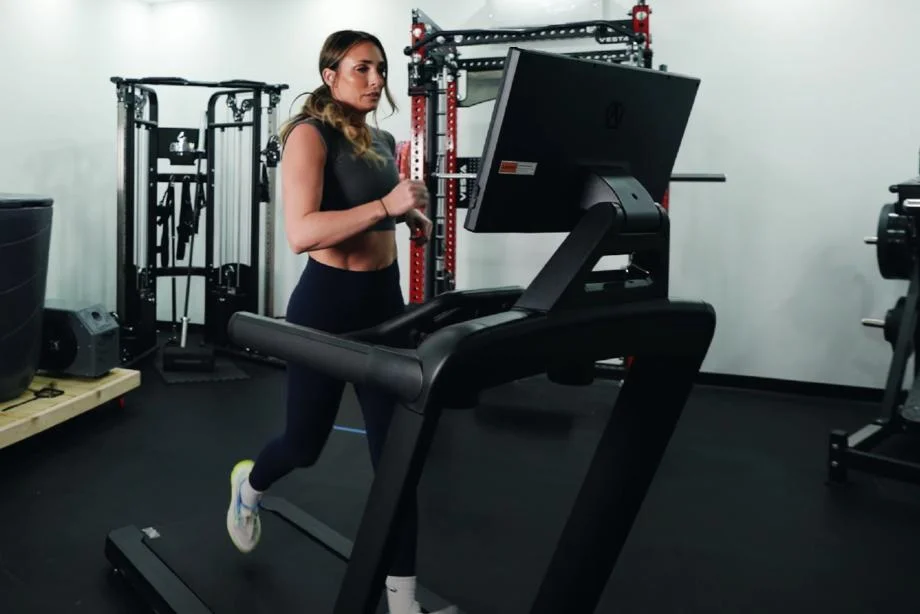
Keep in mind that you need more than just a handful of treadmill sessions to create a change in bone density; these changes occur over an extended period of time, after all. A 2016 study3 measured the effects of treadmill walking in relation to bone mineral status in a group of obese asthmatic patients over a six-month period. Patients were split into two groups; both received medical treatment, but only one group underwent six months of treadmill walking.
The results indicated that the group who used treadmills for walking increased bone mineral density (and the amount of calcium in the blood) more so than individuals treated with medicine, alone.
3. You’re In Control of Your Workouts
Control is one of the biggest benefits of treadmill use in your own home gym. You can manipulate the speed and incline grade to your preference and ability, if your treadmill has the right features.
RELATED: Best Incline Treadmills
If you’re new to treadmill workouts, take it one step at a time—literally. You can use similar progression principles that you might apply to your own strength training routine, meaning that you can go as slowly or as quickly as you need to, progressively adding to the time, speed, or intervals. You can start with short five- to 10-minute sessions at lower intensities while you work your way up to longer, more intense bouts of cardio.
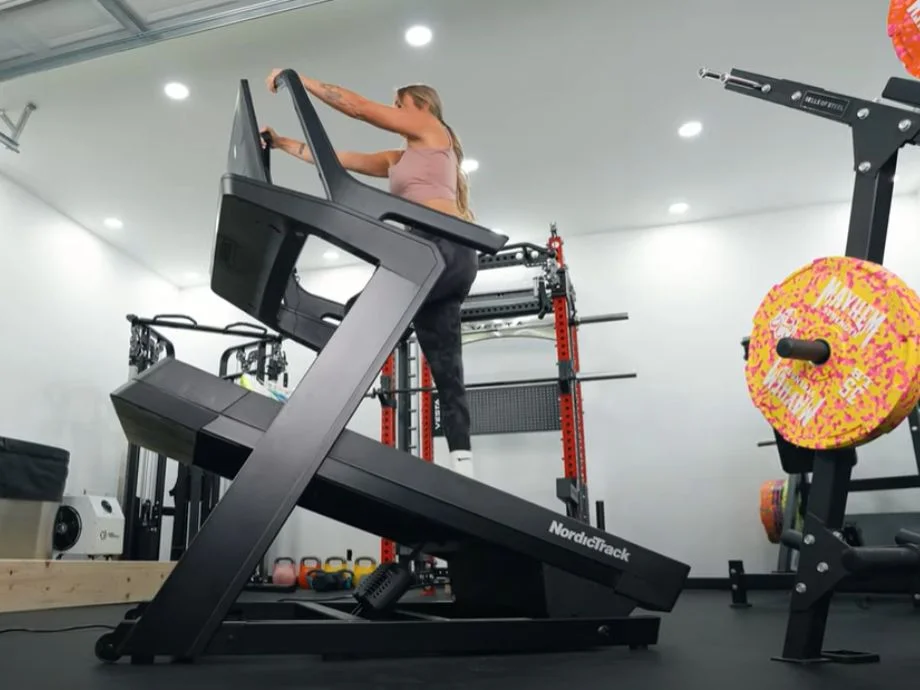
Ultimately, you’re the one who decides what type of work you do on the treadmill. Maybe longer bouts of steady-state walking or jogging are the perfect aerobic complements to your training. If increasing your endurance, performance, and oxygen consumption is important to you, the treadmill can be a great place for sprinting and high-intensity interval training, as seen in popular HIIT treadmill workouts.
Another aspect of control is that you can (mostly) control the climate in your home, whereas running outside means you’re subject to Mother Nature. “Because treadmills are often used indoors, they have a controlled environment,” adds exercise physiologist Chris Mohr, Ph.D., RD. “There’s no weather, uneven ground, or traffic to worry about, making it safer and easier to achieve a consistent training atmosphere.”
4. Weather-proof and Convenient Training
Similar to being in control of your workouts, convenience also plays a big part in having a treadmill for home use. If it’s cold, hot, or storming outside, it’s so much easier to hop on your garage gym’s treadmill for a quick running workout than to get in your car, drive up to 30 minutes or more to your local training center, hope there’s a treadmill available, and then get a quick workout in. Your time is valuable, so having a treadmill can help you save on the commute. In turn, this can leave you with more time to work out, as well as longer post-training windows for other activities and hobbies.
Additionally, if you’d rather do your running indoors, a treadmill can help you save money and time in the long term, as the monthly cost of a gym membership can quickly add up. Although a quality treadmill can be an investment initially, the savings can begin to outweigh the cost within the first year or two.
5. Can Benefit Mental Health
Most studies on cardio exercise focus on physical health, function, and performance. The benefits of exercise for mental health aren’t as often studied, but that field has been growing. Physical activity, itself, can help boost the production of feel-good chemicals or hormones called endorphins4.
A study from 20185 gathered data over the course of three years on 1.2 million Americans, aged 18 or older, to analyze the effects of exercise and self-reported bad mental health days. The study found that if sociodemographic and physical characteristics were similar, individuals who exercised had 43% fewer days of self-reported poor mental health over the course of one month than individuals who did not exercise.
In fact, a moderate treadmill workout multiple times per week has the potential to improve how you feel cognitively, too.
Significant research has been done to understand the influence of exercise on brain performance, and it appears that physical activity strongly aids in cognitive health. According to a study from March 20146, “Aerobic fitness spares age-related loss of brain tissue during aging, and enhances functional aspects of higher-order regions involved in the control of cognition.”
If you need an additional mental health reason to include regular exercise as part of your routine, the sleep benefits might be your shot! Most people probably know from experience that the quality of your sleep can change your outlook on the day—whether you feel grumpy and sluggish or composed and alert. Exercise can help regulate your circadian rhythm7—your natural body clock that controls when you start to feel ready for bed and when you regain your energy. With enough sleep, you might be on your way to feeling a little less irritable.
6. Improves Heart Health
Because the heart is made up of muscle tissue, it has to go through bouts of exercise to ensure it stays strong, just like the rest of your muscles. The treadmill can be a great way to ensure your heart stays healthy with regular exercise, ranging from a quick walking pace to a speedy run.
Regular aerobic exercise acclimates the heart to be more efficient at pumping blood to the whole body. It can also stimulate the lungs and circulatory system. The American Heart Association8 suggests that getting regular physical activity can reduce the risk of diseases like diabetes, heart disease, and stroke.
Cardio workouts are also recommended for managing high blood pressure. The AHA recommends9 that adults get at least 150 minutes of aerobic activity per week. When you break that up, it equates to 30 minutes, five days per week. If you need to, you can break that up further into 10- or 15-minute sessions at a time and still reap the benefits.
Here’s the kicker, though: The activity needs to range from moderate to vigorous intensity to get all the heart-healthy benefits. In an article from Harvard Health Publishing10, a moderate walking pace is categorized by feeling like you’re in a bit of a hurry. You should still be able to talk in complete sentences, but may need to take more breaths. When crossing over from a moderate to vigorous walking pace, you’re using more effort and might feel slightly breathless; you’ll have to speak in shorter phrases.
7. Can Help Maintain Muscle and Strength
The treadmill might not be the first place you turn to when you think about building muscle. After all, cardiovascular exercise can’t really compete with barbells or dumbbells if you’re looking to get jacked. That said, using a treadmill for running or walking does promote muscle-building and strength or, at least, maintaining it, especially for people who are otherwise inactive.
One study from August 201611 found that, “Treadmill exercise is an important complementary exercise countermeasure to maintain [leg muscle] mass, strength, and endurance.” The study looked at people who were in extreme states of inactivity (for example, those who were put on bed rest). As the saying goes, “If you don’t use it, you lose it.”
If you’re an active person, don’t expect the treadmill to help you with any serious muscle or strength gains. Beginners, however, and people recovering from injuries could see results in this area with consistent treadmill use.
8. Can Be Low-Impact
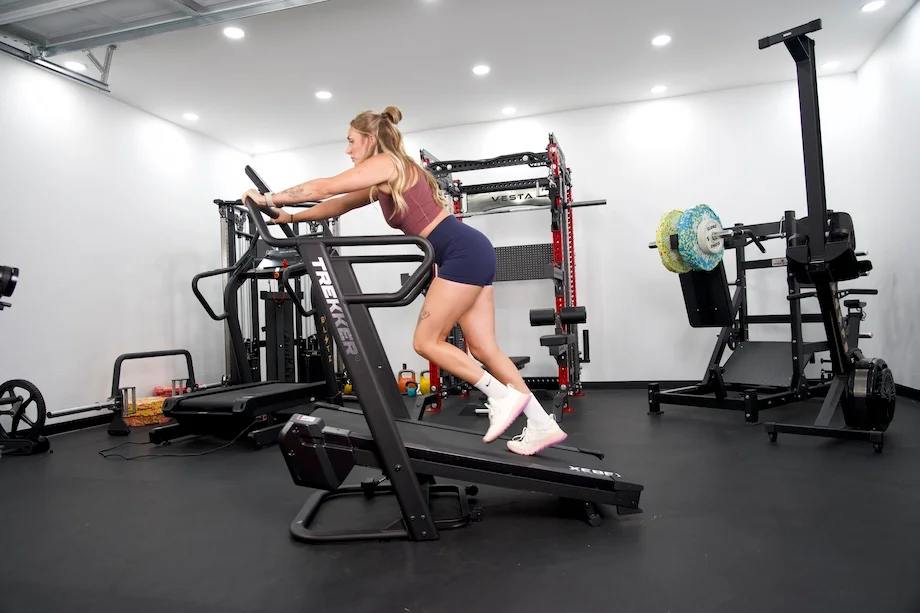
When it comes to cardiovascular exercise, running can often get a bad rap due to the amount of impact it places on the joints; particularly, the knees, hips, and lower back. While it may not be as low of an impact as using one of the best rowing machines or exercise bikes, treadmills often feature cushioned decks that can help absorb shock and reduce the stress experienced across your joints.
“A cushioned treadmill helps reduce the impact that running places on your joints,” explains exercise physiologist Chris Mohr, Ph.D, RD. “This can make it a good option for people who want the benefits of running but also deal with pain, stiffness, or past injuries. The softer surface also allows for more frequent training with less wear and tear compared to pounding on harder surfaces every day.”
The amount of cushioning and responsiveness can vary from treadmill to treadmill, so if you’re wanting a low-impact option, make sure to do some research on optimal cushioned treadmills for your running workouts.
9. Easy To Use
Treadmills are really a no-fuss option when it comes to cardio machines. Learning proper running form is a fairly low barrier of entry. No fancy shoes or additional equipment is required. Multiple people can use one treadmill easily, as well. Simply hop on, press start, and put one foot in front of the other.
10. Fun and Safe Extras Are Available
Let’s be honest: Spending a large amount of time running can be, well, boring…especially if you’re in the same space for a long time. Chris Mohr, Ph.D, RD explains, “Physically, treadmill running might be less demanding, since there’s less variance on wind resistance and terrain changes. However, treadmills can mentally feel more challenging because it lacks variation.”
That said, there are treadmills out there that can actually make exercise a little more entertaining. Top machines like the Aviron Victory Treadmill are equipped with fancy touchscreens and gamified, interactive programming that makes it seem like you’re running along the beach or through the mountains.
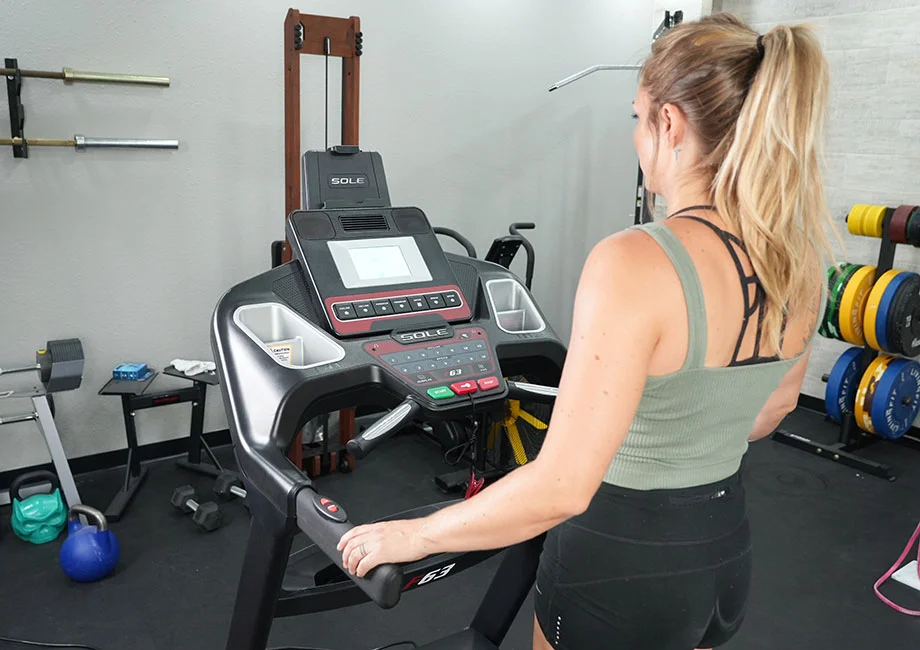
Even more affordable treadmills, like the Sole F63 treadmill, come with built-in programs that help answer the age-old question: “Which workout should I be doing?” You’ll find options for interval training, calorie burn, hill workouts, and more.
You also might find that the benefits of running on a treadmill, as opposed to running outside, include the fun extras that come along with using exercise equipment for cardio. For example, there are treadmills with built-in fans to cool you down as you work out. Also, you can find machines with Bluetooth speakers to stream your own music or entertainment. Lastly, many treadmills have safety features, such as an emergency stop buttons and handrails, that can give you an boosted sense of confidence when trying to up your daily mileage.
Tips To Maximize Benefits
Using a treadmill and adding cardio exercise to your routine can create benefits on their own, but there are some simple ways to get the absolute most out of your running endeavors each time you set out for a run. Here are a few suggestions that can help you optimize your treadmill workouts:
- Be consistent: Whether it’s cardio or strength training, a consistent workout regimen can be more beneficial than sporadically completing sessions here and there. Obviously, life happens, and I’d argue that rest days are integral to training and recovery, but try to set up a consistent routine and stick with it as best as you can.
- Start slow and build up: If you’re new to treadmills (or running, in general), learn the tempo and timing of your treadmill deck first. It’s OK to (literally) walk before you run. Once you’ve gotten a handle on the pacing, start with shorter runs before progressing onto longer times and workouts.
- Dress comfortably: Wear the right clothing for walking, jogging, or running. Wear comfortable garments and be sure to have the right running shoes. Whether your shoes are neutral, cushioned, or minimal, they should be comfortable for you and your running endeavors.
- Recover adequately: You’ll get the most out of exercise if you’re dialed in on other aspects of your life; namely, nutrition and recovery. Make sure to eat balanced and nutritious foods, get enough sleep, incorporate recovery into your exercise routine, and be active in and out of the gym.
- Use interval training: If you’re short on time, using interval training treadmill workouts can give you a challenging circuit that’s typically much shorter than going for a long run. By mixing periods of high-intensity effort with low-intensity recovery, you don’t need much time for an effective cardio session.
- Adjust your incline: For those who want a greater challenge without using high-intensity intervals, increasing the incline setting can significantly increase the challenge while still providing a low-impact workout. Even walking at an incline can help elevate your heart rate more than walking on a flat surface, so you can still push yourself without having to run.
RELATED: Incline Treadmill Benefits
Treadmill Benefits: Final Thoughts
Treadmills can be a great investment when it comes to cardio equipment and home gym essentials, overall. They certainly take up some space, but they can be well worth it when you begin to witness the increase in blood flow and those feel-good endorphins. In closing, treadmills can be beneficial for:
- Cardiovascular health at any age and fitness level
- Promoting bone density and muscle-building for beginners’ leg muscles
- Incorporating cardio into your exercise routine, regardless of the weather
- A great method for supporting healthy lifestyle changes
- Helping to lessen feelings of anxiety and depression
Treadmill Benefits FAQs
What are the benefits of treadmill use?
With exercise on a treadmill incorporated into your routine, you can keep your heart healthy in addition to maintaining muscle mass11 and improving bone density2. Cardio exercise can also support weight loss1 and release feel-good hormones called endorphins4.
Is walking on a treadmill every day good?
Sure! The American Heart Association9 recommends that adults get 150 minutes of moderate to vigorous exercise every week. Why not use a treadmill every day to complete at least a portion of that time? Before you start any exercise program, however, be sure to consult with your physician to ensure you’re taking a healthy approach based on your circumstances and goals.
Is the treadmill useful for losing belly fat?
Aerobic exercise can help burn calories, and thus, can aid in losing overall body fat, so long as you’re in a calorie deficit. Keep in mind, though, that you can’t spot-treat fat loss.
Is 30 minutes of treadmill use a day enough?
Because life can be busy, I always recommend that any exercise is better than no exercise. However, 30 minutes of treadmill walking or running can be a great goal, so long as you’re properly resting and recovering between workouts.
Since the American Heart Association9 recommends 150 minutes of moderate to vigorous cardio exercise each week, 30 minutes daily would certainly hit that benchmark. If you’re worried about recovery, you can add a couple of rest days throughout the week so that you’re still doing five 30-minute sessions and hitting your goal on a regular basis.
References
- Donnelly, J. E., Honas, J. J., Smith, B. K., Mayo, M. S., Gibson, C. A., Sullivan, D. K., Lee, J., Herrmann, S. D., Lambourne, K., & Washburn, R. A. (2013). Aerobic exercise alone results in clinically significant weight loss for men and women: midwest exercise trial 2. Obesity (Silver Spring, Md.), 21(3), E219–E228. https://doi.org/10.1002/oby.20145
- Earle, R. W., & Baechle, T. R. (2004). Resistance Training Adaptations: Skeletal Changes. NSCA’s essentials of personal training, 2nd ed. Human Kinetics. https://www.nsca.com/education/articles/kinetic-select/resistance-training-adaptations-skeletal-changes/
- Abd El-Kader, S. M., Al-Jiffri, O. H., Ashmawy, E. M., & Gaowgzeh, R. A. (2016). Treadmill walking exercise modulates bone mineral status and inflammatory cytokines in obese asthmatic patients with long term intake of corticosteroids. African health sciences, 16(3), 798–808. https://doi.org/10.4314/ahs.v16i3.21
- Hossain, M. N., Lee, J., Choi, H., Kwak, Y. S., & Kim, J. (2024). The impact of exercise on depression: how moving makes your brain and body feel better. Physical activity and nutrition, 28(2), 43–51. https://doi.org/10.20463/pan.2024.0015
- Chekroud, S. R., Gueorguieva, R., Zheutlin, A. B., Paulus, M., Krumholz, H. M., Krystal, J. H., & Chekroud, A. M. (2018). Association between physical exercise and mental health in 1·2 million individuals in the USA between 2011 and 2015: a cross-sectional study. The lancet. Psychiatry, 5(9), 739–746. https://doi.org/10.1016/S2215-0366(18)30227-X
- Gomez-Pinilla, F., & Hillman, C. (2013). The influence of exercise on cognitive abilities. Comprehensive Physiology, 3(1), 403–428. https://doi.org/10.1002/cphy.c110063
- Shen, B., Ma, C., Wu, G., Liu, H., Chen, L., & Yang, G. (2023). Effects of exercise on circadian rhythms in humans. Frontiers in pharmacology, 14, 1282357. https://doi.org/10.3389/fphar.2023.1282357
- American Heart Association. (2024, January 18). Endurance Exercise (Aerobic). https://www.heart.org/en/healthy-living/fitness/fitness-basics/endurance-exercise-aerobic
- American Heart Association. (2024, April 24). What’s the Link Between Physical Activity and Health? https://www.heart.org/en/health-topics/cardiac-rehab/getting-physically-active/whats-the-link-between-physical-activity-and-health
- Corliss, J. (2023, January 1). The many ways exercise helps your heart. Harvard Health Publishing. https://www.health.harvard.edu/heart-health/the-many-ways-exercise-helps-your-heart
- Schneider, S. M., Lee, S. M., Feiveson, A. H., Watenpaugh, D. E., Macias, B. R., & Hargens, A. R. (2016). Treadmill exercise within lower body negative pressure protects leg lean tissue mass and extensor strength and endurance during bed rest. Physiological reports, 4(15), e12892. https://doi.org/10.14814/phy2.12892