
Whether you’re a powerlifter, bodybuilder, or just someone who wants to gain some strength and muscle in your garage gym, following a plan and tracking your lifts is the key to making continued progress year after year. The best workout apps offer great training plans to follow, allow you to track your lifts, and make sure you always know what your next workout will be.
As a strength coach who’s been lifting weights for more than 15 years, I’ve used countless logging methods along the way. From taking a notebook and pen to the gym, to trying quite a few of the most popular weightlifting apps out there, I’ve used most of the options on the market. For more than a year now, I’ve logged nearly all of my workouts in Boostcamp, which has given me personal experience with nearly every feature it offers.
In this Boostcamp review, I’ll be sharing my honest thoughts about this strength training app, including my favorite features, some of the things I don’t like, and why I think it’s one of the best training apps on the market.
Our Boostcamp Review, Summarized
Boostcamp has a near-endless program library and offers plenty of useful data, as well as the ability to build your own program. There’s no individualized coaching, but it’s one of the best apps we’ve ever used for strength and hypertrophy training. While a free plan is available, we recommend the paid plan to unlock all of the data and progress charts within the app.
How We Test Workout Apps
For this category, we’re assessing whether or not an app can be tailored to your equipment, or if it requires specialized gear that you may not have. Ideally, an app should be customizable to whatever you have on hand, even if that’s simply your own bodyweight. To earn 3 out of 5 stars, an app allows you to customize the workout plan to match your equipment.
This score is based on how much variety there is for users, both in terms of training styles and actual workout programs to choose from. To earn a 3 out of 5, there may be some repetition and similar workout formats/types, but it’s tolerable enough, and our testers could see themselves using this app consistently.
To maximize your training results, there should be measurable progress over time, whether that’s adding more reps, more weight to the bar, running further, or some other form of progressive overload. For this category, an app earns 3 out of 5 stars if the programs seem okay from a fitness professional’s standpoint, but could be improved for better results.
Before writing any review, we spend as much time as possible using a given workout app. We set up our accounts, try a variety of programs, and log or progress, carefully noting any pros and cons about the user experience. After testing, we carefully score each app using our testing methodology, which assess categories like pricing, ease of use, accountability, and more.
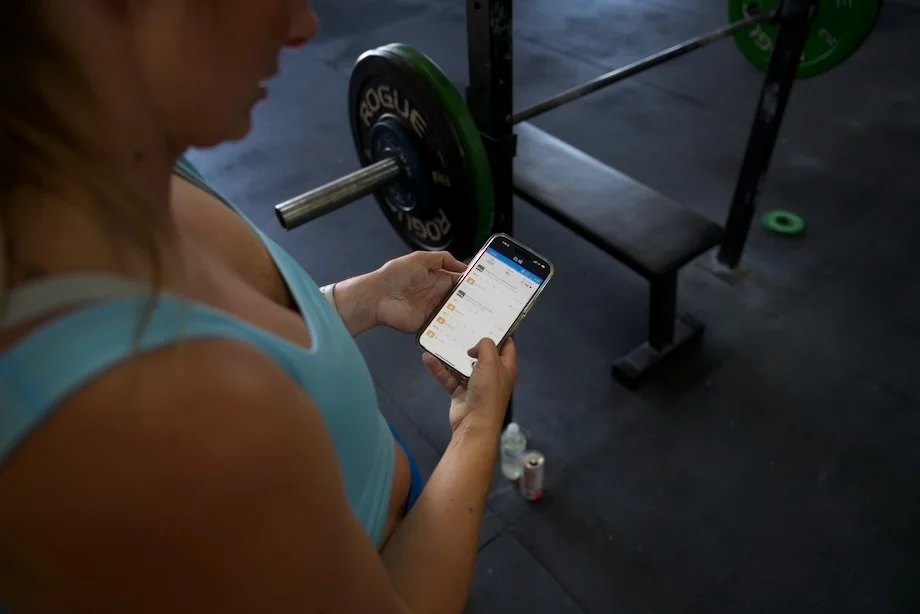
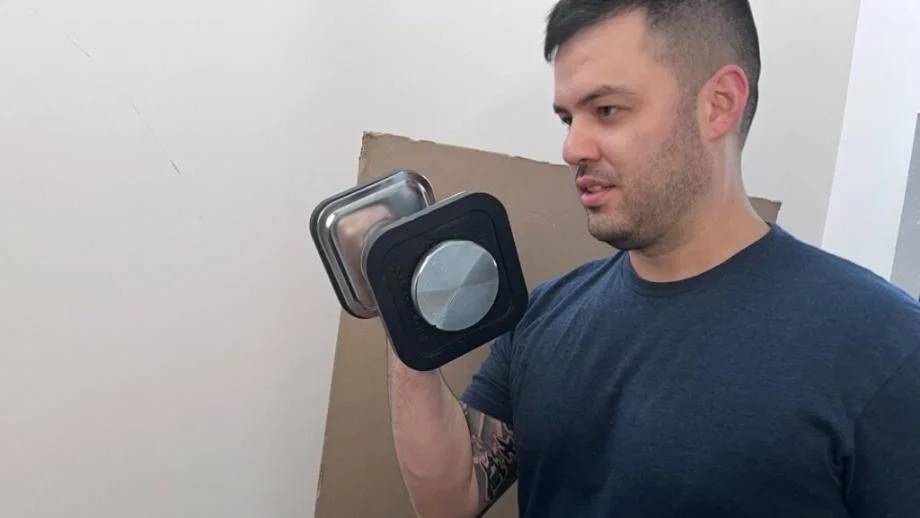
The GGR team of testers is made up of certified personal trainers, strength coaches, weightlifters, CrossFit enthusiasts, runners, and more. We’ve tested over 70 of the most popular workout apps, and many of us have spent years writing training programs for ourselves and our clients, so we understand what to look for in a good training app.










What to Know Before You Buy
- Boostcamp is best for those who don’t mind training alone, as there’s no individual coaching available.
- The app is focused on various forms of strength training, but it’s not meant for other forms of exercise, like running, yoga, or mobility.
- All programs can be customized to your liking, allowing you to choose your own alternative exercises based on the equipment you have access to.
Is Boostcamp Worth It?
Boostcamp is one of the best resistance training apps on the market, especially for intermediate to advanced lifters who want an easy way to track their progress over time. It’s affordable and easy to use, but it’s certainly not the best fit for all gym enthusiasts.
Here’s who we think should consider Boostcamp, as well as who should avoid it.
If you think Boostcamp may be a good fit, keep reading to learn about the key features and specs of this app, as well as our detailed scoring and review notes.
Boostcamp: Key Features & Specs
| Price | $59.99 for annual subscription, $14.99 per month for month-to-month subscription, free plan available |
| Free Trial Period | 7-day Pro trial available, Free plan available for life |
| Type of Training | General strength training, bodybuilding, powerlifting |
| Equipment Needed | Adaptable based on access to equipment; options ranging from bodyweight-only workouts to a fully equipped commercial gym |
| Compatible With | iOS, Android |
Experience Using the Boostcamp App
I started using Boostcamp in early 2025, and while I’ve tried a few other apps along the way, I always find myself coming back to Boostcamp. I needed something that would allow me to build my own training plans, or follow other plans I enjoy, and easily track my sets and reps for each workout, which is exactly what this app does.
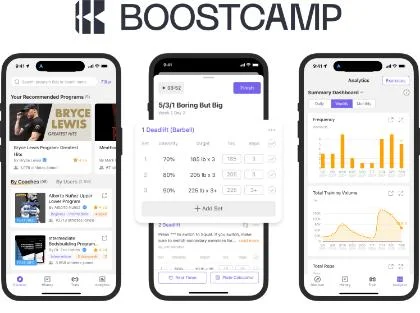
What I love the most is the program library that comes with the app, though some of the programs are only available as part of the paid. At the time of writing, there are 132 programs from top coaches and athletes like Dr. Eric Helms, Brandon Campbell, Cody Lefever, Alex Bromley, Geoffrey Verity Schofield, and plenty of others. You can also follow popular programs from fitness communities on Reddit, like the Reddit PPL split, nSuns 5/3/1 program, and various PHUL (power-hypertrophy-upper-lower) routines.
Those are the official programs—there are also more than 12,000 user-generated programs you can browse, since you can publish your own custom program to the workout library if you want to share them. There’s also an option to have Boostcamp’s AI generate a plan for you based on your training preferences, schedule, and equipment availability.
RELATED: Best Home Gym Equipment
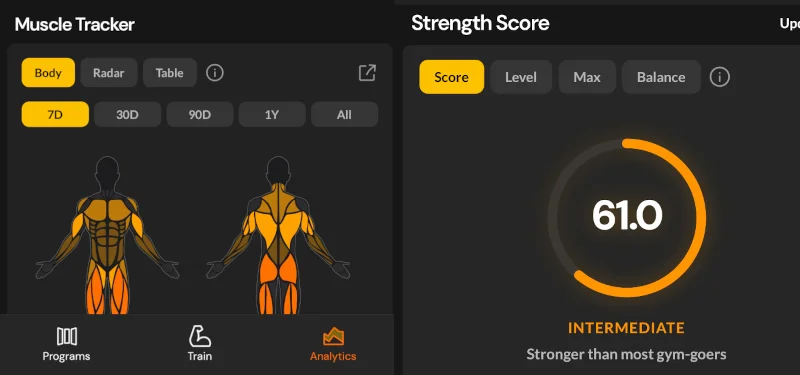
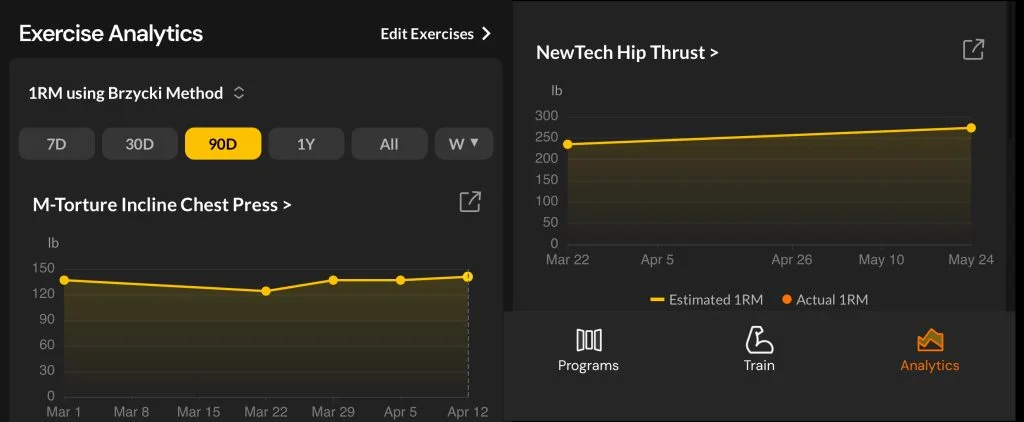
Finally, Boostcamp Pro users can access useful data, like your progress with individual lifts, progress photos, and a heatmap showing how much training volume each body part has received, which helps ensure your program is balanced.
It’s not the best app for any type of endurance athlete, or those who like to include things like yoga and mobility training throughout the week. However, for lifters who want an app to replace their pen-and-paper training log, this is one of the best on the market.
An app like Boostcamp is a great tool for anyone, especially home gym owners who may have limited equipment. You can tell the app exactly what equipment you have, and it’ll help find the right plan for you, and it’s easy to add custom exercises if you have something that’s not already in the app.
Amanda Capritto, CPT, CES, CNC, CF-L1, CSNC
Boostcamp Rating
Trial
For this category, Boostcamp earns a strong 5-out-of-5 star rating. While most of the analytics are locked behind the Pro plan, you can use the free version forever, which is great if you’re simply looking for a way to record your workouts.
RELATED: Best Workout App for Men
That said, I highly recommend the Pro plan, especially since the annual plan is very affordable. I think it’s well worth it to unlock the advanced data and analytics, as well as many of the premade programs that aren’t available to those using the free plan.
Pricing
While the monthly price is comparable to many other apps, the annual plan is extremely affordable, which is why we give this 4.5 out of 5 stars for its pricing.
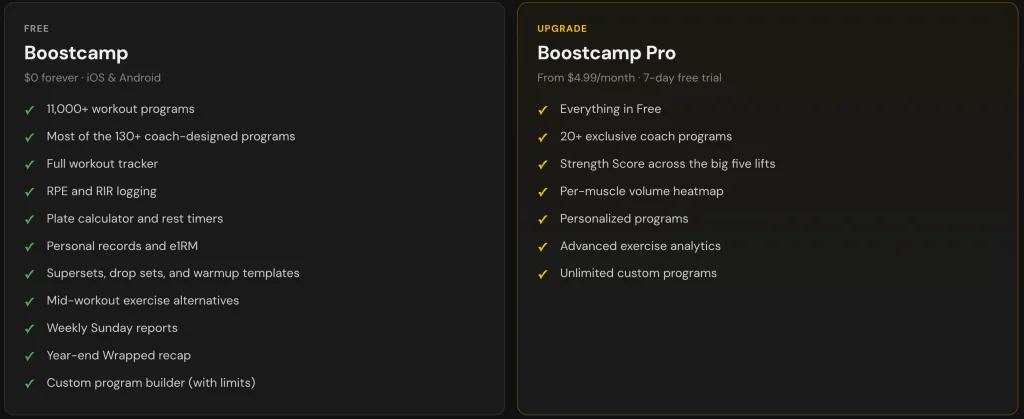
For those who want to experience the paid version of this excellent workout tracker, you can do a seven-day trial to see if the features are worth it to you before committing to anything. If you want to buy it, it’s $14.99 per month, or you can get an annual plan for $59.99, which works out to $4.99 per month—an absolute steal, in my opinion.
App Setup
While the custom program builder has a small learning curve, the initial setup is very easy, and I give it 4 out of 5 stars. You can do a quiz to find your ideal program, browse the library of programs on your own, or even let the AI create a full training plan for you that’s tailored to your goals and equipment.
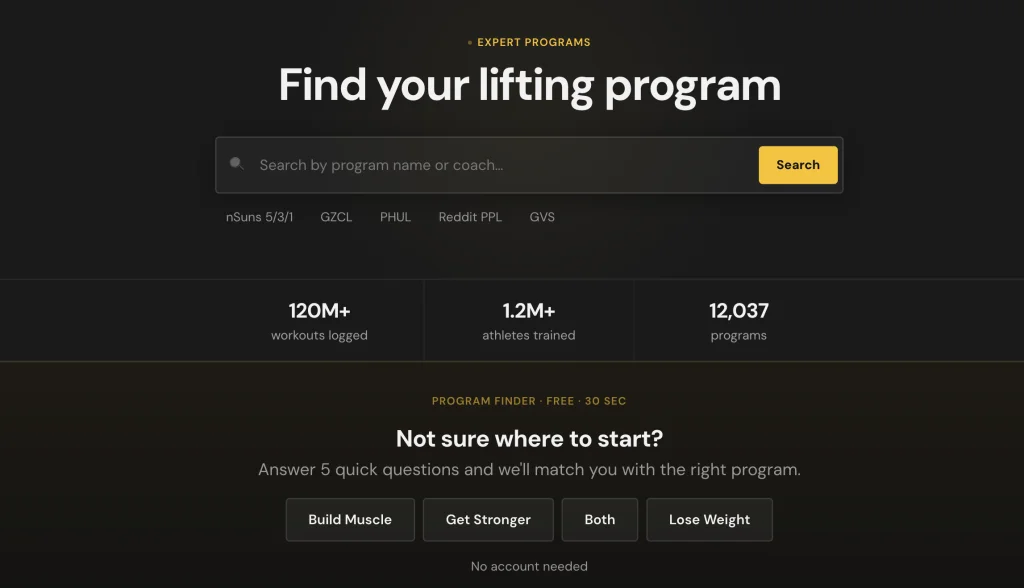
It’s quite easy, but I docked a point, as the custom program builder takes a little bit to learn and customize, especially if you’re adding custom exercises like I am.
Ease of Use
After testing at least 10 training apps, I’ve found Boostcamp to be the easiest one to use, which is why I give it 5 out of 5 stars for ease of use.
Once you’ve chosen a program, following along is easy. Each day will have your planned exercises with set and rep targets, and you can add things like RPE targets, rest timers, and more. Once you’re past the first week, each workout will also show your previous week’s results, making it very easy to try and beat your previous performance with each workout.
RELATED: Best Workout App for Women
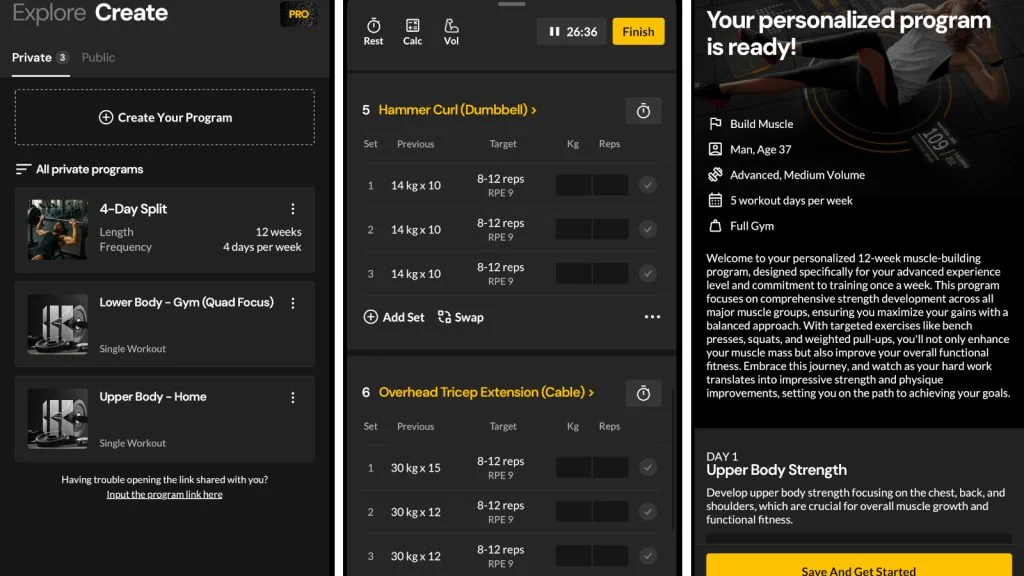
It’s also easy to swap out exercises in real-time if you need to change your plan. For example, if the chest press machine I normally use at my gym isn’t available, I can quickly swap it for a different one in the app, and Boostcamp will ask me if I want to apply that swap to future workouts, or just today.
I also love the automatic plate calculator. For those who struggle with math, like me, the app will tell you how many plates you need to add to each side of the barbell for each set, which saves you the effort of mentally calculating the best way to put 255 pounds on an Olympic barbell.
Accountability
Accountability is the one area where Boostcamp is lacking, but that’s by design. Still, it’s not a great choice for those who want any kind of support, and only earns 2 out of 5 stars for this category.
It’ll send you push notifications that are previews of your next workout, plus weekly summaries, but there’s no real accountability. This is definitely for intermediate lifters who want an app to track progress, not someone looking for accountability or feedback on their progress or technique. For the latter, you’ll want to look at the best personal training apps.
Instruction
The instruction delivered is okay, but could certainly be better. I give it 3.5 out of 5 stars overall, and remind you once again that Boostcamp isn’t really one of the best workout apps for beginners , or those brand new to lifting.
For example, there are animations that demonstrate the movements, but there aren’t video demos of each exercise, which can be confusing if you’re relatively new to lifting. Other apps I’ve tried have detailed coaching videos, but Boostcamp assumes you already know how to lift.
That said, I do love most of the program guides. Many of the programs created by certified coaches have detailed instructions that walk you through how to follow the plan, how long you should rest between sets, and things like that. Some of the strength-focused apps also include auto-progression, so you can enter your starting lifts, and it’ll tell you how much weight to use each week.
Workout Variety
Boostcamp earns a strong 4 out of 5 stars for workout variety, as you can customize your training however you want. However, I’ll dock a point because it’s not really meant for cardio or mobility at all, which is a bummer. This is first and foremost a lifting app, but it does that quite well.
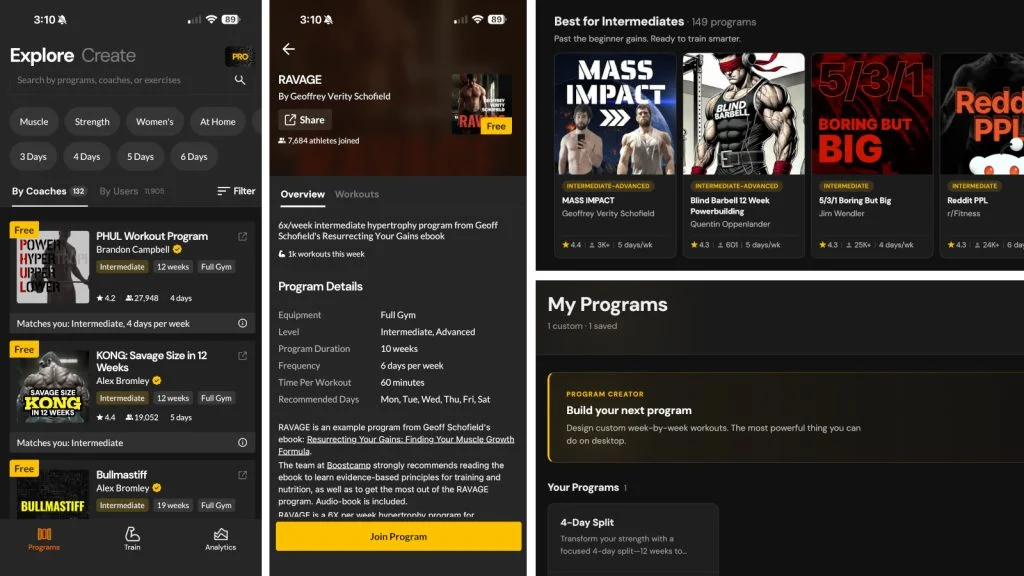
There are strength and bodybuilding workouts for just about any goal, training frequency, and experience level. Whether you’re looking to improve your max deadlift with a program from Jonnie Candito, work on full-body muscle development with the Jacked and Tan 2.0 program, or follow the beginner-friendly GZCLP plan, there’s an option for you.
Several programs also have customizations within the plan, which adds even more variety. For example, one of the more popular plans is the Alberto Nuñez Upper Lower Program. Once you join, you can choose one of four variations: Arms and Delts Dominant, Chest and Back Dominant, Quad Dominant, or Glute-Ham Dominant, allowing you to tailor the program to your goals.
Progressive Overload
Progressive overload is the focus on getting stronger over time, whether that’s through adding more weight, reps, or both. This has been shown1 to be a key part of a successful weight training program, and for this category, Boostcamp earns 5 out of 5 stars.
If you follow a pre-made program, the coaches have usually put in detailed instructions on how to follow it and make progress. If you use it on your own, it’s easy to make sure you’re actually getting stronger. When you start a workout, you’ll see your exact sets and reps from the last session (after the first week), so you know exactly what weight to choose, and how many reps you’re trying to beat.
“Being able to see your previous week’s sets, reps, and weight during your workout eliminates the guesswork of progressive overload,” says certified personal trainer and GGR editor Amanda Capritto. “You don’t need to remember any details, which is often a huge barrier to progressive overload when not tracking workouts.”
Equipment Demands
For this category, Boostcamp again earns 5 out of 5 stars. You can customize your program of choice to match any equipment setup, add your own custom exercises, and swap out movements.
Whether you have access to the best commercial gym equipment, you train in a garage gym, or you have nothing but your own bodyweight, Boostcamp has you covered.
Interactive Features
For interactive features, we’re looking at any type of community or access to coaches. There’s a Community tab in the app where you can follow other users and like or comment on their logged workouts. However, there doesn’t appear to be a true chat function or leaderboard, and there’s no access to individual coaches, either, which is why it earns 3 out of 5 stars in this category.
I also love that you can read user reviews of programs if you find one that looks interesting, and people will say if it worked, share their results, and offer tips and advice, but there’s no real community beyond that.
You can share programs and invite your friends to start with you, but that’s about it.
For what it’s worth, there’s an active subreddit for Boostcamp users, but as that’s a separate app, we don’t count it in our scoring.
Value
Boostcamp earns a strong 5 out of 5 stars for value. As long as you’re only focused on lifting, I can’t think of a better app, especially at this price point.
The monthly fee is about average ($14.99), but $59.99 for Pro for a year is incredible for how much data it provides. You’re getting access to hundreds of expert-created training plans, as well as thousands of community plans, all in a smooth, easy-to-use app.
Customer Service
For customer support, Boostcamp earns 4 out of 5 stars. You can email support, and the app has a really popular Reddit community, so it’s not hard to get help. However, we docked a point as there’s no way to call or chat with customer support.
Customer Reviews
At the time of writing, Boostcamp has a 4.8-out-of-5 rating in the App Store, with over 9,100 reviews. It’s received mostly positive reviews, though some users have found that interface updates were confusing, and some have reported tech issues, which I’ve never personally run into.
Boostcamp Vs
We know that Boostcamp isn’t the only workout app on the market–we’ve personally tried more than 70, and plenty more hit the App Store on a regular basis. If Boostcamp isn’t your cup of tea, here are a few others to consider .
First, we have SHRED, which is a good choice for those who prefer faster-paced, circuit training. The built-in algorithm adjusts your training as you go, to ensure you’re continuing to make progress. However, we found that it only gives you circuits and supersets, so it’s not great for those who prefer to do one lift at a time.
You can read all about it in our full SHRED App review.
For those who prefer a fully customized plan built by a personal trainer, we recommend Future. It’s expensive, but it gives you direct access to a trainer who’s there to help you every step of the way, without having to pay for an in-person trainer. If you want that individual support, Future is a great choice, and you can learn more in our detailed Future App review.
| Boostcamp | SHRED | Future | |
| Price | $59.99 for annual subscription, $14.99 per month for month-to-month subscription, free plan available | $9.99 per month or $119.99 per year | $199 per month |
| Free Trial Period | 7-day Pro trial available, Free plan available for life | 7 days | No |
| Type of Training | General strength training, bodybuilding, powerlifting | Strength, HIIT, cardio, bodyweight | Customized based on your goals |
| Equipment Needed | Adaptable based on access to equipment; options ranging from bodyweight-only workouts to a fully equipped commercial gym | Varies based on which workouts you choose | Customized based on your individual setup |
| Compatible With | iOS, Android | iOS, Android | iOS |
Final Verdict of Our Boostcamp Review
Boostcamp is one of the best apps on the market for those looking to track their lifts week to week, with plenty of pre-made plans to choose from. The custom program builder works well, and it’s very easy to monitor your progress week to week, ensuring you’re getting stronger.
It’s designed for strength training, so if your fitness goals include cardio and mobility, this app won’t provide much guidance. However, for those who primarily train for strength and hypertrophy, and want an app that acts as an easy-to-use, data-filled training log, this is the one to use.
- While the monthly plan is somewhat pricey at $14.99, the annual plan is only $59.99, which is a steal for how much value this provides.
- There’s no community or personal coaching, which makes this app best for those who don’t mind training alone.
- If you’re a competitive powerlifter or weightlifter, you may need something a bit more personalized, but this app works very well for nearly any other type of strength training.
Boostcamp Review: FAQs
Is Boostcamp a free app?
Yes. While there’s a Pro plan that unlocks paid features, Boostcamp offers a completely free edition that still provides plenty of value.
Is Boostcamp worth it?
We think it’s worth the Pro plan, especially if you’re willing to pay for a year up front. The monthly cost is $14.99, but the annual subscription is only $59.99 for the entire year, which is a great deal for how many programs it offers and its detailed tracking.
References
- Kraemer, W. J., & Ratamess, N. A. (2004). Fundamentals of resistance training: progression and exercise prescription. Medicine and science in sports and exercise, 36(4), 674–688. https://doi.org/10.1249/01.mss.0000121945.36635.61