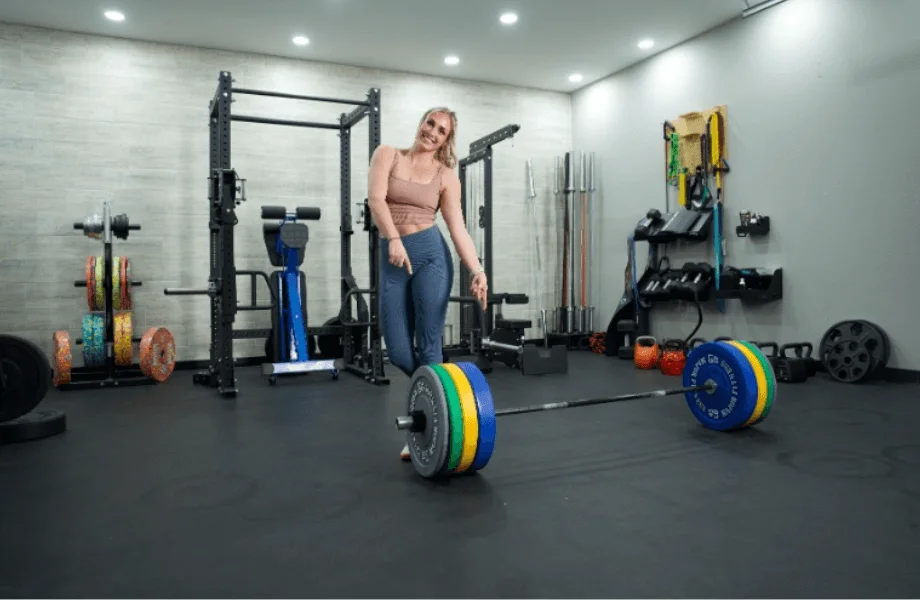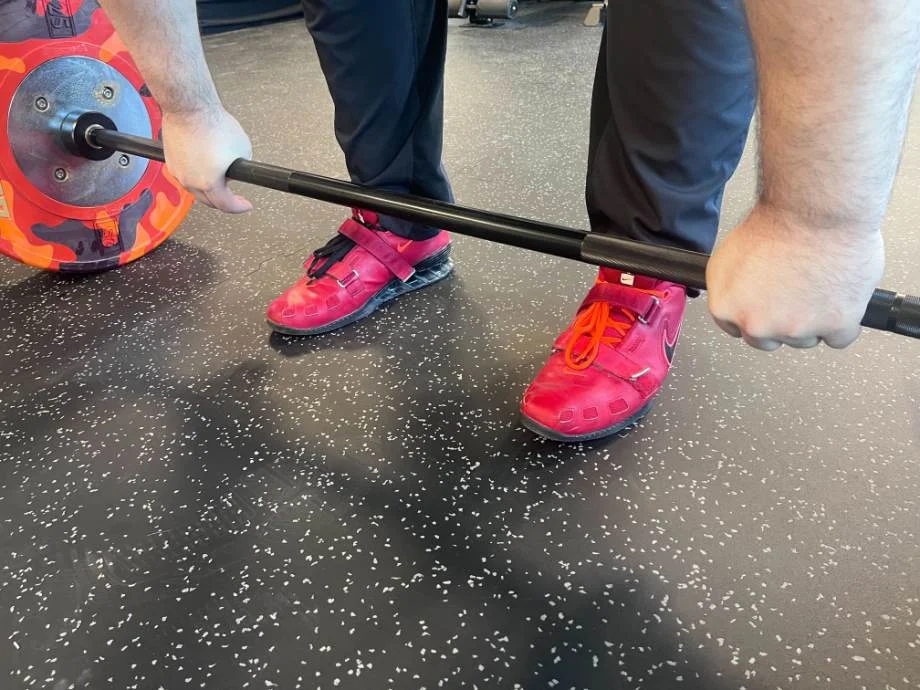


Olympic bumper plates are a bona fide home gym essential due to their low bounce, safety features, and lower noise rating when compared to iron weight plates. However, choosing a set of bumper plates can be difficult due to the amount of variety currently present on the market.
In 2024, the Garage Gym Reviews team helped over 2,800 people buy bumper plates. We’ve also researched more than 100 sets and used more than 50 of them in our personal testing protocols. We score each one from 1 to 5 based on factors from our fitness equipment testing methodology, such as:
- Construction and durability: We carefully assess the materials used and assign a top score to high-quality bumper plates that withstand plenty of drops.
- Weight tolerance: A score of 3 out of 5 is given to bumpers within 3% of their advertised weight when measured on an accurate scale.
- Bounce: A score of 4 out of 5 is given to plates with a low, dead bounce.
- Value: A 3 out of 5 is given to plates with a fair pricing; more competitive pricing earns a higher score.
In this guide, we strive to give our best bumper plate recommendations based on years of use with a large variety of brands and models, along with benefits of bumper plates and resistance training, as told by exercise physiologist Chris Mohr, Ph.D.,R.D.
The 8 Best Bumper Plates
- Best Bumper Plates Overall – Fringe Sport Black Bumper Plates
- Best Home Gym Bumper Plates – Rogue Echo Bumper Plates
- Best Budget Bumper Plates – Titan Fitness Economy Black Bumper Plates
- Best Olympic Bumper Plates – Bells of Steel 45-LB Bumper Plates
- Best Value Bumper Plates – Major Fitness Low Bounce Bumper Plates
- Best Crumb Bumper Plates – PRx Crumb Rubber Bumper Plates
- Best Rubber Bumper Plates – Fringe Sport MilSpec Bumper Plates
- Best Competition Bumper Plates – Rogue KG Competition Bumper Plates
Current Top Deals
- Fringe Sport Black Bumper Plates – Free Shipping to lower 48 states
- Titan Fitness Economy Black Bumper Plates – Early Black Friday: 25% off racks | Up to 60% off everything else
- Major Fitness Low Bounce Bumper Plates – Score mystery boxes for 20% off + a free gift
Editor’s Note
At Garage Gym Reviews, we are always testing the newest bumper plates and updating this page to reflect our favorite finds from top brands. Our team of certified personal trainers, elite athletes, and home gym experts has tested more than 50 bumper plates made from vulcanized rubber, crumb rubber, urethane, and more. In November 2025, we re-evaluated and trimmed down our list to eight products to genuinely reflect the best of the best, marking Fringe Sport Bumper Plates as the best bumper plates overall. We also reworked this page to provide more detailed ratings charts and testing notes.
Best Weight Plates Video Review
Best Bumper Plates Overall: Fringe Sport Black Bumper Plates
Updated by: Stephen Sheehan, CPT, CNC
Best Home Gym Bumper Plates: Rogue Echo Bumper Plates
Updated by: Caine Wilkes, OLY, CNC, USAW-L1
The Rogue Echo Bumper Plates are a great value plate based upon our review. Although they’re cheaper than Rogue’s flagship HG 2.0 Plates, they have extremely similar specs and warranty at a much lower price. If you need bumper plates for your garage gym, these are a great option. If you need them for your commercial facility or CrossFit Affiliate, we’d suggest going with something like Hi-Temps.
What our tester says:
“I like that each plate in this kit shares a similar durometer rating for greater integrity. The white, raised lettering helps weight identification easier, but also gives your setup a clean look overall.”
Best Budget Bumper Plates: Titan Fitness Economy Black Bumper Plates
Updated by: Caine Wilkes, OLY, CNC, USAW-L1
If you simply want a cheap pair of bumper plates to either figure out if you’re going to stay with working out at home or don’t have the money, the Titan Bumper Plates are what we suggest. They have easy-grip edges for easy carrying and white contrast numbers and letters so you can quickly identify the weight.
What our tester says:
“I really like the construction of most Titan weight plates. And if their reputation speaks to these plates, you can expect a low-bounce experience.”
Best Olympic Bumper Plates: Bells of Steel Dead Bounce Bumper Plates
Updated by: Caine Wilkes, OLY, CNC, USAW-L1
Whether you enjoy lifting for fun or intend to compete, these bumpers will help you reach your goals! All weights are the same diameter, giving you a consistent feel with each rep. The plates are also specifically designed to be no wider than 3.15 inches so that you can fit more plates on with each lift.
What our tester says:
“You can stack plenty on a barbell sleeve and still have room for collars—a major perk when loading up for heavy deadlifts.”
Best Value Bumper Plates: Major Fitness Low Bounce Bumper Plates
Updated by: Caine Wilkes, OLY, CNC, USAW-L1
Best Crumb Rubber Bumper Plates: PRx Crumb Rubber Bumper Plates
Updated by: Caine Wilkes, OLY, CNC, USAW-L1
Best Rubber Bumper Plates: Fringe Sport MilSpec Bumper Plates
Updated by: Stephen Sheehan, CPT, CNC
The Fringe Sport MilSpec Bumper Plates are a good option for most home gym owners thanks to their durability and low bounce. They’re approved for use in the Army Combat Fitness Test and have a 1% weight tolerance. They may be slick when you first get them, but wiping them with a rag and gentle cleaner makes them easier to handle.
What our tester says:
“Having that harder rubber is a great feature and eliminates the need for cautious handling during workouts.”
Best Competition Bumper Plates: Rogue KG Competition Bumper Plates
Updated by: Caine Wilkes, OLY, CNC, USAW-L1
Other Bumper Plates We Researched
It would be impossible to include every bumper plate on the market in our recommendations and still make them easily accessible. For this reason, here are some other plates that didn’t make our top rankings, although they’re worth an honorable mention:
- Rogue Fitness Hi-Temp Competition Training Plates: These are decent plates, but there are no 55-pound options, and crumb rubber is likely to chip more easily over time.
- REP Fitness Sport Bumper Plates: These black bumper plates with color-coded lettering from REP Fitness are solid and look sharp, but are only sold in pairs, not sets.
- Eleiko Sport Training Plates: This can be a great option for those that want premium Eleiko bumpers, but at a lower premium cost. If you’re going to spend this much, though, you might as well buy the brand’s IWF-approved competition plates.
- American Barbell Color Urethane Pro Series Plates: We’re a big fan of these plates. However, when comparing them to other urethane plates, they simply cost too much more to recommend over the others.
- DHS Competition Bumpers: Great bumpers for Olympic weightlifting, but at a high price. We’d like to see more reviews or spend more time with them than we have thus far.
- Nike Grind Bumper Plates: The recycled shoe rubber on the exterior of the Grind Bumper Plates makes for a freakin’ sweet look, and all of our product testers agree. However, these plates have more of a bounce than other picks on our list.
How We Picked and Tested the Best Bumper Plates
In order to gather the best bumper plates and make a truly comprehensive comparison between them, we first began as we do with all of our guides—by researching top brands for weight plates and bumpers across the internet. We researched well over 100 different bumper plates before narrowing down to the over 50 we’ve tested—with more trials in the future.
It should be said, however, that we prioritized Olympic weight plates with 2-inch holes over standard weight plates with 1-inch holes, as Olympic barbells and plates have fast become the more popular type of free weights in the home gym community.
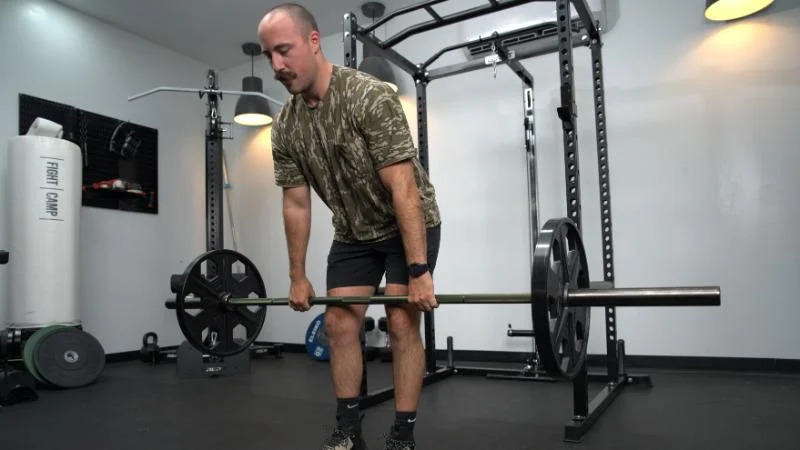
With CrossFit coaches, certified personal trainers, and a resident Olympian in weightlifting on our team, we were able to put each of these bumper plates through the wringer. After plenty of deadlifts, split jerks, snatches, and drops, we rated and ranked the bumper plates based on various categories. Here’s a quick breakdown of features that we looked at.
Construction and Durability
To determine a score for a bumper plate’s construction and durability, we took a look at the materials and how the bumpers performed in use. You may think all bumper plates are made with rubber, but there are different types of rubber, as well as materials like heavy-duty urethane (which also tends to be a low-odor alternative).
After consistent dropping through multiple workouts, we checked the plates for any premature signs of wear and tear. A score of 4 out of 5 or more went to bumper plates made with durable materials that showed little to no signs of wear during our testing.
Weight Tolerance
How accurate to the listed weight are the plates? Most companies will display a weight tolerance, or a range that the weights may be off by, and we checked the accuracy in our testing, as well. A score of 3 out of 5 was given to weight tolerances within 3% of the claimed weight, with smaller tolerances being awarded higher scores.
Bounce
To determine our score here, we looked at the Shore A Durometer rating (when available). This rating, which goes up to 100, demonstrates the firmness of the rubber used; a higher rating means harder rubber, and less bounce.

Not every bumper plate has a Durometer rating listed, however, so we also just performed some good-ole-fashioned barbell dropping to determine how low or dead of a bounce a plate exhibited. A minimal, dead bounce is ideal, as it’s a much more controlled drop, saving your gym flooring as well as being a quieter bounce, too. Top scores went to bumper plates with a low, dead bounce, with a Durometer rating of 88 or higher.
RELATED: Best Soundproof Exercise Mats
Design and Ergonomics
For this category, we took a look at, well, the look and feel of these bumper plates, notably how easy they were to grip from the floor. While not every bumper plate is color-coded, we made sure that weight plates were accurately color-coded according to IWF standards:
- 55-lb plate (25 kg): red
- 45-lb plate (20 kg): blue
- 35-lb plate (25 kg): yellow
- 25-lb plate (10 kg): green
- 10- or 15-lb plate (5 or 7.5 kg): varies
A score of 4 out of 5 went to a sharp-looking bumper plate with lettering that’s easy to read, as well as ergonomic silhouettes with rounded edges or cut-out handles for improved grip and control.
Weight Options
Here, we looked at the weights that were available, as well as the optionality for purchasing bumper plates. Many of these bumper plates can be bought in sets; the more set options, the better. Top scores went to bumper plates that had a broad range of plate options, as well as an abundance of sets that could be purchased.
Value
The cost of bumper plates can vary, especially depending on the materials and styles used. Typically, rubber plates are cheaper than urethane plates, but competition-style bumpers are more expensive than your standard bumper plate with a stainless steel insert. Bumper plates usually average out to a little over $2 per pound, with competition plates reaching $4 per pound or more.
RELATED: Best Budget Home Gym Equipment
In determining the value of a bumper plate, we factored in the price with the design and durability of the bumper plates. A 3-out-of-5 score referenced a bumper plate that was priced fairly, but didn’t do much to stand out from the rest of the market. Top scores, however, were reserved for plates that were competitively priced or standouts in terms of added features.
Customer Experience
This is a look at how easy it is to contact customer service, as well as the policies of the company—warranties, financing, and returns, namely. The standard warranty for most bumper plates is a year or more, with thinner 10- or 15-pound bumper plates having a smaller timeline—usually 90 days. Top scores go to bumper plates whose company provides financing options, fair return policies, good multi-year warranties, and who are quick to respond to questions.
Customer Reviews
We like to see what other people are thinking about these plates and other fitness equipment as we review them, so this is just a reflection of what customers are saying, either from the company website, or from other sites with reviews, like Amazon or Trustpilot.
Benefits of Bumper Plates in Your Home Gym
Home gym owners are, in all honesty, the ideal candidates for bumper plates. All of the benefits previously stated apply directly to those with garage gyms, and I’d say they might be even more relevant for owners of commercial gyms or CrossFit affiliates.
I asked exercise physiologist Chris Mohr, Ph.D., R.D., about how important strength training can be to your training regimen, and he responded, “Strength training helps in burning fat and managing weight by building muscle. Because muscle is a metabolically active organ, building muscle increases your resting metabolic rate, which means you burn more calories even when at rest.”
Along with the benefits that free weight training can bring to your workouts, here are some major reasons bumper plates can be a big help to home gyms over metal weight plates.
A Free Weight Option
When we talk about how bumper plates can impact your training, we are usually talking about resistance training—in particular, free weight training. The major difference between free weights and isolation training from machines, like a Smith machine, is that more muscles are activated in the movement1.
In a barbell squat, for example, you’re recruiting more than your legs; your abdominals, obliques, upper and lower back are all being used, as well as small stabilizer muscles that wouldn’t be used in isolation training.
Exercise physiologist Chris Mohr adds, “Compound exercises that work multiple muscle groups help build overall strength and also mimic the movements we use in daily activities, like lifting groceries or climbing stairs. These can help improve balance and coordination.”
RELATED: Smith Machine Vs. Free Weights
Along with that, weighted exercise can also improve joint mobility and pain relief. Chris continues, “Using weights during exercises can strengthen the muscles around the joints, providing better support and reducing stress on the joints themselves. This can help decrease the risk of injuries and joint-related problems like arthritis.”

And before you ask, many lifters will say that bumper plates can give more oscillation to the bar due to the plates being wider out on the barbell, making weights feel lighter and kind of like you’re “cheating” a rep. However, a 2024 study2 showed no significant difference between bumper plates and metal weight plates while performing bench presses. Bumper platers have plenty of versatility and benefits, but won’t make you lift more.
Another note: Chris adds to progress slowly and learn the proper form with free weight exercises first. “It’s smart for beginners to start with lighter weights and focus on mastering the correct form; a weight that allows you to do 12 to 15 repetitions of an exercise while still being challenged is a good starting point,” he says. “As your strength improves, you can gradually increase the weight safely, as added resistance will offer bigger benefits.”
A Quieter Option
Without a doubt, bumper plates, when compared to cast iron plates, are vastly quieter. Think about it. Instead of uncoated iron being dropped on the ground, which makes a loud, shrill sound that continues to reverberate, virgin rubber or urethane compresses, leaving a much quieter thud.
This is a very significant difference, as any home gym owner with neighbors or any commercial gym owner with a landlord who likes to “pop in” to the gym at random times can attest. The benefit of a home gym is that it’s always open, so limiting yourself to only working out when people are awake because you’ll wake them up with your weight plates defeats the purpose.
The decibel level of bumper plates being dropped can also be mitigated further by the use of rubber matting, such as horse stall mats, which we often recommend.
RELATED: Best Horse Stall Mats for Home Gyms
A Safer Option
Have you ever dropped a 45-pound iron plate on your foot? “I have, and a majority of the time it leads to broken bones,” Coop tells me. He continues, “More common than broken bones are cracked concrete, a disturbed foundation, and damaged barbells.” Because iron plates have no give upon impact, they can cause havoc in your garage gym, damaging your floor and other equipment.
On the other hand, bumper plates compress when dropped, therefore absorbing some of the blow, and far less damage is done. If they land on you, they won’t hurt nearly as much as steel—although I’d still try to avoid your foot.
Additionally, if bumper plates rattle on your Olympic barbell sleeve after dropping a barbell from overhead, bumper plates are less likely to scratch or deform your bar like cast iron can potentially do.
Most importantly, outside of your safety, of course, is the fact that bumper plates won’t hurt the foundation of your much more expensive home. If you’re going to lift at home, then you should have bumpers.
A More Versatile Option
Thanks to the quieter and safer nature of rubber in comparison to its older brother, iron, bumper plates allow for greater workout versatility. With metal plates, you simply can’t drop the weight from overhead unless you don’t mind breaking things. You shouldn’t even drop them from hip height (although many do).
On the other hand, bumper plates can be dropped from just about any height without fear. This means suddenly you can overhead press, clean and jerk, snatch, deadlift, and perform other barbell exercises and movements without worrying about lowering the barbell in a slow, deliberate manner—although you should still control a bar and plates while you’re dropping them.

A home gym also has a finite floor plan. This means limited space for both equipment and room for movements that use the equipment. To maximize your space, versatile and functional equipment is ideal, and the best bumper plates we recommend fit that bill more so than metal weights. You can simply do more.
RELATED: Best Compact Exercise Equipment
Standard Bumper Plates vs Competition Bumper Plates
There are two types of bumper plates currently on the market. The first doesn’t really have a specific name, so we’ll just call them “standard bumper plates” (sounds pretty riveting, doesn’t it?) and the other type is “competition bumper plates.”
Standard Bumper Plates
Standard bumper plates are definitely more common. These are often black, although many companies have started to make colorized versions. Standard bumper plates use a stainless steel insert instead of a center hub. They’re also wider than competition plates, and therefore don’t allow you to fit as much weight on the bar. Bumpers in this category are usually cheaper, but they’re also more likely to warp or “taco” due misuse or extended wear and tear.
Competition Bumper Plates
Competition bumper plates mimic plates used in Olympic weightlifting meets and are often approved by the International Weightlifting Federation. They utilize a steel hub disc that is often in two sections, then bolted together to secure the rubber. This design makes for a thinner plate and means more weight can fit on the barbell sleeve.
These plates most often are in different colors and are also the more expensive option. Although competition bumper plates often have a more dead bounce than black bumper plates, that isn’t always the case. It largely depends on the Shore A Durometer rating of the plates.
Which Is Right For You?
For most people, we recommend standard or black bumper plates. Most trainees won’t lift more than what is permitted by these plates’ widths, and if using them for deadlifts or squats, it’s easy to add some cast iron plates on the end to meet whatever weight that is needed.
Competition bumper plates certainly have their place, though. If you want plates that should last the rest of your life, like the aesthetic of the profiles, or need the ability to load the barbell heavy, then we suggest competition plates. This is also a bumper plate to consider if you’re actively competing in a strength sport like Olympic lifting or powerlifting.
“It’s what I use in my garage gym,” Coop says, “But then again, I also have a 10-foot tall squat rack and 30 barbells, so I wouldn’t say I’m your ‘typical’ home gym owner.”
Hi-Temp and Other Crumb Rubber Bumper Plates
Hi-temp bumper plates, at one point, were some of the most popular bumper plates on the market, lining the walls of CrossFit boxes and high-traffic, functional-focused commercial gyms. However, we find ourselves recommending them less and less just because there are other great options available.
I wouldn’t say this about every crumb rubber plate I’ve come across, but these plates are less durable, and the rubber around the steel insert usually deteriorates, making the insert fall out over time. Additionally, they’re some of the widest plates available, meaning you won’t fit a lot of weight on your barbell, and they can sometimes be more expensive than other, more durable options.
If you’re running a high-traffic CrossFit affiliate, I could see use cases for hi-temps, however, there are simply too many other options available these days that have a lower bounce, keep a standard diameter, and provide better value.
What to Look for in Bumper Plates
Still on the fence about which bumper plates to get? Here are a few factors to consider before making that purchase.

Materials
The vast majority of bumper plates are made with a type of rubber with a stainless steel insert in the center to help protect the barbell. However, there is a bit more variety than you may realize.
Most rubber is either virgin rubber—fresh, brand-new rubber—or crumb rubber—made from recycled rubber. In general, crumb rubber is cheaper but less durable than virgin rubber. Beyond that, urethane bumper plates have gained popularity, as well, which is a far more durable (yet more expensive) material.
Make sure to choose a compound that works for your needs. If you’re anticipating a lot of drops with these plates, you may want to opt for a more durable material.
Bounce
Less bounce is generally the better option with bumper plates, but these plates can also be a pricier option. Most bumper plates have Durometer ratings (based on the firmness of the rubber) in the 60s to the 80s, with some pushing 90 or more. Typically, a Durometer rating of 85 or more will provide a low, dead bounce, which will help protect your home gym flooring as well as the weights themselves.
Weight Tolerance
Most companies display a weight tolerance—an estimate of how close or far a weight plate may be from the weight declared on the bumper plate. Most plates are within 1% of the indicated weight, but competitive athletes may want more accurate options to mimic meet day metrics. Also, home gym owners might be OK with a cheaper option with a greater weight tolerance—although I wouldn’t recommend going past 3% of the declared weight.
Price Per Pound
Bumper plates tend to be around $2 or $2.50 per pound. Highly durable competition bumpers will be more expensive, while less durable crumb rubber can be less expensive. Buying weights in a set instead of pairs can also save you money on the cost per pound. Consider your budget and fitness needs to decide which is the more valuable aspect of the bumper plates—durability or price.
FAQs About the Best Bumper Plates
What is the best brand of bumper plates?
The ideal bumper plates can differ from person to person based on their fitness goals, needs, budget, and style. However, we recommend Fringe Sport Black Bumper Plates for most people, as they’re affordable, very durable, and can be purchased in pairs and sets.
Are competition bumper plates worth it?
Competition bumper plates, which are more durable than your standard bumper plates, are also more expensive. Their tighter weight tolerance and heightened durability may not be worth it to the average garage gym user, but for some folks, they may be the better option.
For example, competitive strength athletes may appreciate the more accurate weights. Also, some home gym owners may simply want the higher-quality plates for their aesthetic, especially with their bright color-coding.
What is the difference between crumb and virgin rubber bumper plates?
Crumb rubber bumper plates, which are made from recycled rubber, are typically a cheaper alternative to those made with virgin rubber—or brand-new rubber. However, crumb rubber is also often less durable than virgin rubber, so each has their pros and cons.
References
- Schwanbeck, S., Chilibeck, P. D., & Binsted, G. (2009). A comparison of free weight squat to Smith machine squat using electromyography. Journal of strength and conditioning research, 23(9), 2588–2591. https://doi.org/10.1519/JSC.0b013e3181b1b181
- Fiedler, M. J., Triplett, N. T., Hamilton, K. C., Needle, A. R., & van Werkhoven, H. (2024). The Effect of Different Weight Plate Widths (Bumper vs. Standard) on the Biomechanics of the Bench Press. Journal of strength and conditioning research, 38(4), e143–e149. https://doi.org/10.1519/JSC.0000000000004679