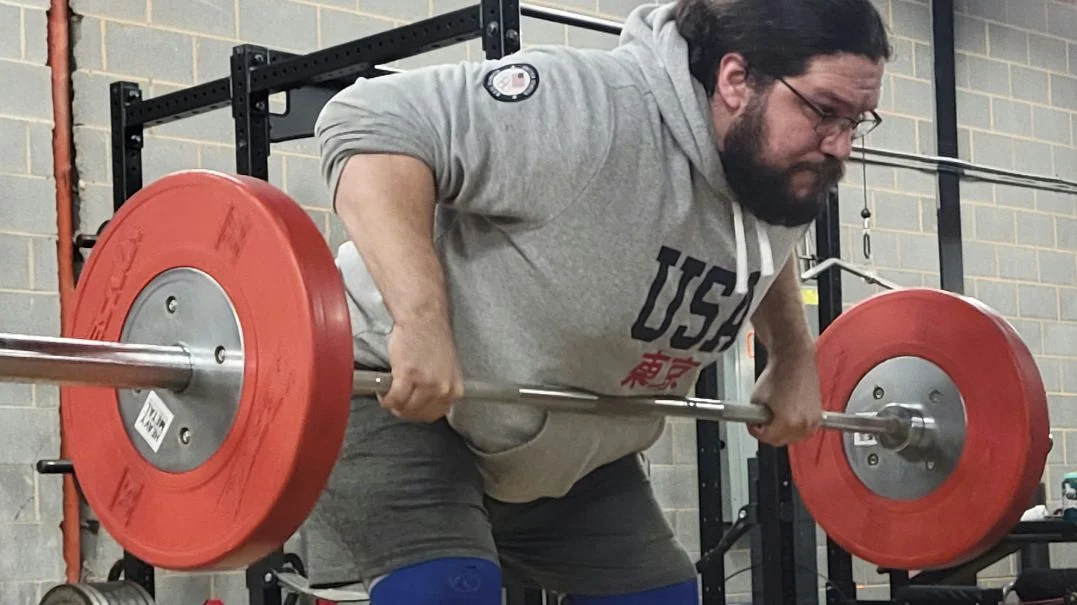




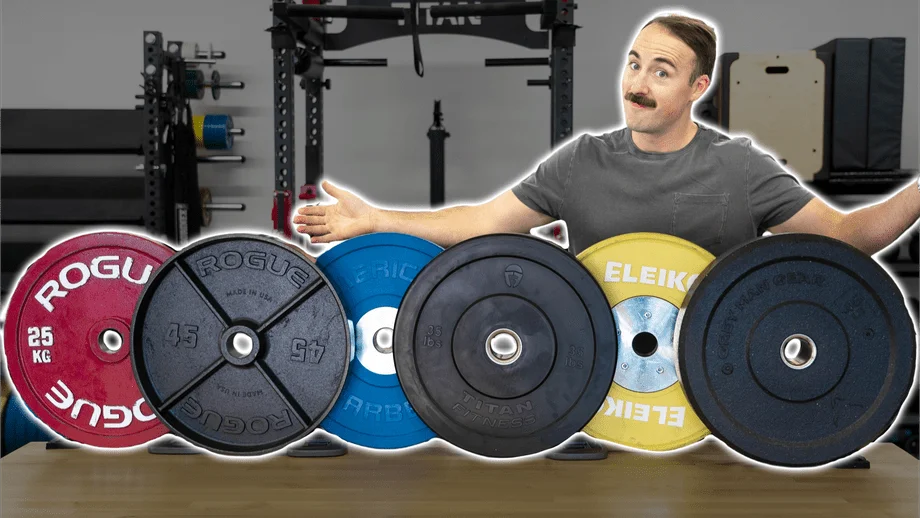
Weight plates are an essential piece of home gym equipment. With weight plates, you can perform virtually any exercise you can think of. The best weight plates will resist damage, have minimal to no bounce, fit snugly on an Olympic barbell, and look good while you’re smashing PRs left and right.
In truth, the “best” weight plates will be different for everyone, and which plates are right for you depends largely on your training style, fitness goals, and budget. Fortunately, our team of certified personal trainers, lifting coaches, and Olympic-level weightlifters has tested over 100 different weight plates, including the best bumper plates, iron plates, steel plates, and competition plates available. This guide to weight plates should help you make a smart decision based off our multi-point testing methodology that looks at things like:
- Construction and Durability: We look for solid materials and a great design to ensure a plate will last a long time (if used properly). A 3-out-of-5 rating indicates that a weight plate isn’t showing any structural wear after limited testing, but might already show some marks or scratches.
- Weight Tolerance: You want your weight plates to actually be what they claim to weigh. Several companies guarantee a weight tolerance, and we give at least a 3 out of 5 to brands that state a ±3% tolerance in either direction.
- Weight Options: Depending on how your home gym is set up, you may only need a pair of 45-pound plates, or you may require an entire set of weights. Top scores here are reserved for weights available in paired sets as well as complete bundles with an expansive range of weight totals, too.
- Value: The price per pound of a weight plate can vary due to the materials and quality of each profile. To earn a 3-out-of-5 rating in value, weights should be priced fairly, but the highest scores go to competitively priced plates that offer high durability or design features at a low cost.
As you can see, we’ve done the research on pricing, shipping, warranty, and construction. However, we’ve also gone the extra mile and talked to fitness experts like exercise physiologist Chris Mohr, Ph.D., RD to create this comprehensive guide to the best weight plates for you. In 2024, we helped connect over 107,000 fitness enthusiasts with their ideal strength equipment (weight plates, included) and we’re confident we can help you, too.
The Best Weight Plates for 2026
- Best Weight Plates Overall – REP Fitness Equalizer Urethane-Coated Plates
- Best Value Bumper Plates – Major Fitness Low Bounce Bumper Plates
- Best Rubber Weight Plates – Rogue Echo Bumper Plates
- Best Budget Weight Plates – REP Fitness Old School Iron Weight Plates
- Best 10-Pound Bumper Plates – Fringe Sport Black Bumper Plates
- Most Durable Bumper Plates – Titan Fitness Economy Black Bumper Plates
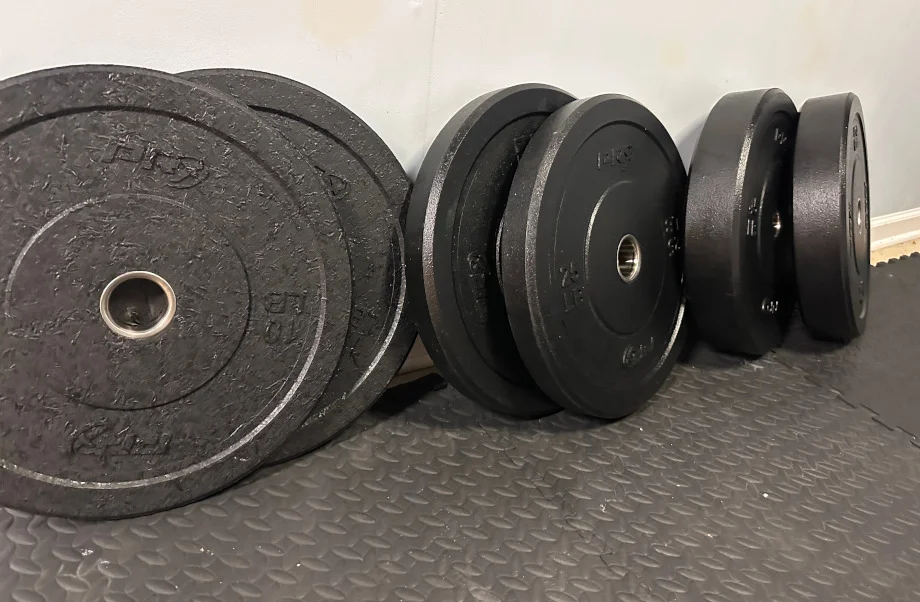
- Best Crumb Bumper Plates – PRx Crumb Rubber Bumper Plates
- Best Cast Iron Plates – The Strength Co. Olympic Iron Barbell Plates
- Best Urethane Weight Plates – American Barbell Urethane Pro Series Plates
- Best Competition Bumper Plates – Rogue KG Competition Bumper Plates
Current Top Deals
- REP Fitness Equalizer Urethane-Coated Plates – Free shipping on all orders
- Major Fitness Low Bounce Bumper Plates – Score mystery boxes for 20% off + a free gift
Latest Updates
In December 2025, we reviewed our list of the best weight plates and made a few changes based on our latest testing. The REP Equalizer Urethane-Coated Weight Plates still earn our top recommendation, but we swapped out a few picks in favor of higher-rated weight plates. New additions—like the Titan Fitness Economy Black Bumper Plates and Major Fitness Low Bounce Bumper Plates—stood out for their high scores in durability and value.
Best Weight Plates Video Review
Best Weight Plates Overall: REP Fitness Equalizer Urethane-Coated Plates
Updated by: Caine Wilkes, OLY, CNC, USAW-L1
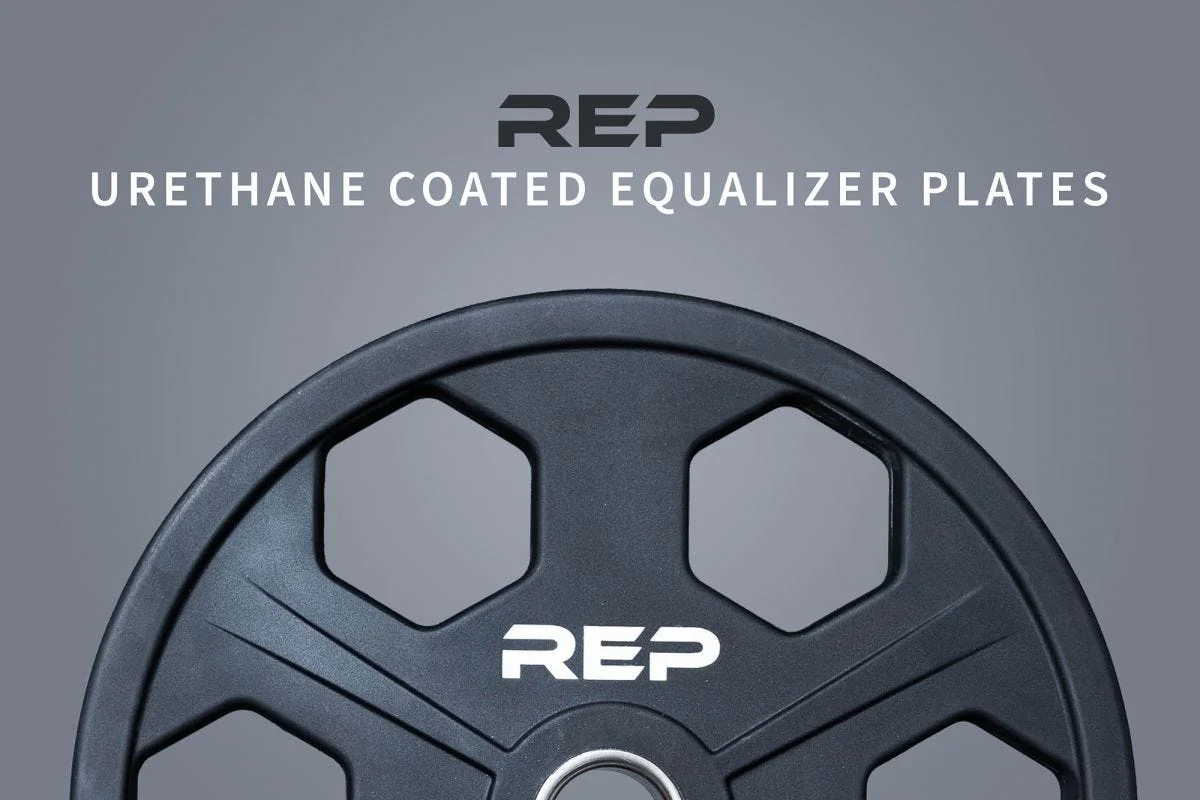








The urethane-coated Equalizer Plates from REP Fitness are versatile, grippy, and built to last—perfect for home gym owners who want a premium feel. Although they’re pricier than standard iron plates, the coating makes for a durable construction, and they’re backed by a lifetime warranty.
At a Glance
- Urethane-coated cast iron weight plates
- More expensive average price per pound
- Below-average weight tolerance (although they proved accurate in our testing)
- Warranty is well above the average
From the best barbells to the best adjustable dumbbells, REP Fitness is no stranger to earning the top spot in our roundups. And when it comes to weight plates, you’ll be hard-pressed to find anything better than the brand’s Equalizer Urethane-Coated Plates. A urethane-coated version of REP’s original USA-made Equalizer plates, this type of weight plate is most often found at big-box commercial gyms. This is for good reason: Cast iron weight plates are an economical choice, yet they’ll last for ages.
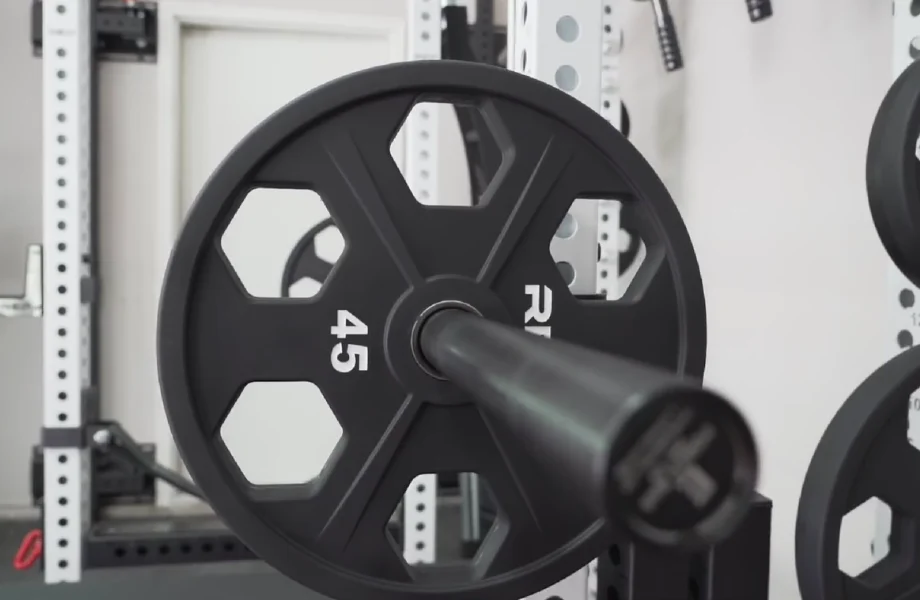
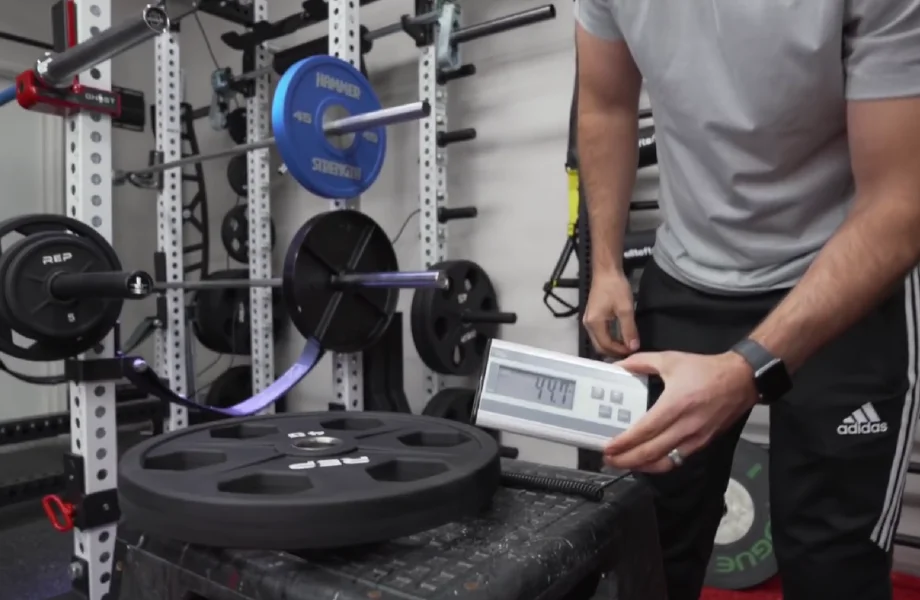
The six-hole design in these REP Fitness Equalizer Plates also makes them much easier to grip than other types of weights, earning a 5 out of 5 for their design and ergonomics.
Design & Ergonomics: 5/5
Value: 4/5
Weight Tolerance: 3.5/5
Why We Like REP Fitness Equalizer Urethane-Coated Plates
These REP Equalizer weight plates are a great pick for anyone who hates bothering with bumpers or metal plates that feel nearly impossible to pick up from the ground. We’ve all been there: Trying for five minutes to finagle a finger underneath a plate lying flat on the ground or stacked on one of those mobile plate poles.
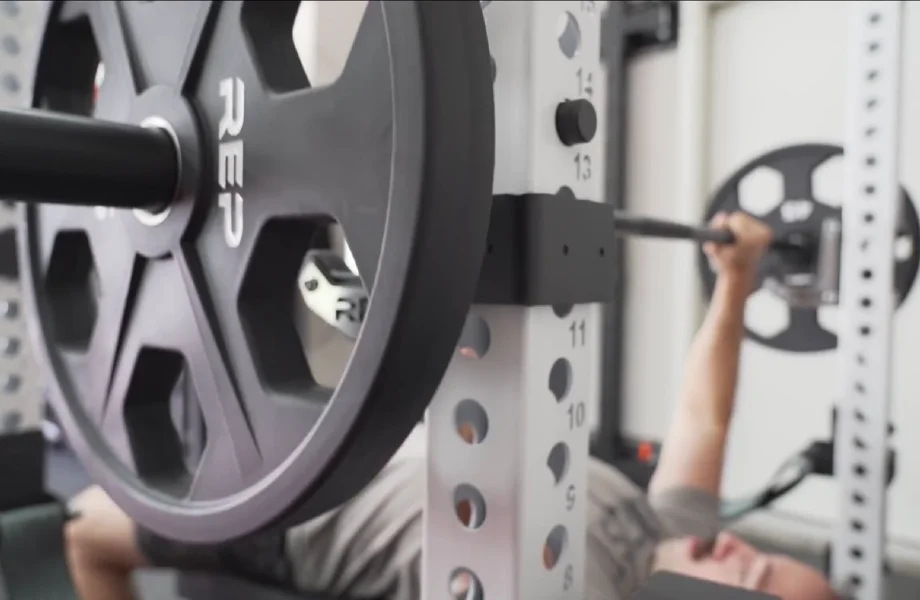
The honeycomb cutouts make them easy to grab onto and load onto barbells. “It has such a nice feel with the urethane, too,” says GGR founder Coop Mitchell. “It gives the plates a grippy texture, which helps an already well-designed plate be easier to handle.” Plus, thanks to the thin width (45-pound plates clock in at just 1.8 inches), you can load up to eight 45-pound plates on each barbell sleeve and still have room for collars, making these a solid choice for a powerlifting bar.
Compared to bare steel or iron weight plates, urethane-coated ones like these have increased durability, so they should be resistant to excessive wear and tear, earning them a 4.5 out of 5 in durability. Over time, the thin rubber coating may start to peel, but by that point, you’ve had many years of use without even touching the metal underneath.
The urethane coating makes for a nice look and some noise reduction, but the feeling in-hand is the biggest benefit of the REP Equalizer plates. The plates just have a nice feel and aesthetic to them; better than what you’d see with normal iron.
Coop Mitchell, GGR founder and expert product tester
Alternatives
It’s important to note: These are not bumper plates. “While you may be inclined to think a rubber coating implies a bumper plate design, this exterior is actually more of an audio protection than an impact protection,” notes Ben Emminger, NASM-CNC, NASM-CSNC. “I’d still recommend avoiding drops from overhead, the front rack…anywhere, really.” While REP does offer a lifetime warranty on the 10-pound plates and heavier, they aren’t warrantied for dropping.
Surprisingly, REP guarantees that these Equalizer plates will be within ±3% of the declared weight. That means that a 45-pound plate can be well over a pound off. Still, we rate the weight tolerance at 3.5 out of 5, since Coop tested the weight accuracy and found the plates to be closer to within ±1%. These plates also feature a machine-drilled center hole—not cast—for a super tight fit on the barbell sleeve.
Looking for weights to drop? If you’re a fan of REP Fitness, you’ll appreciate REP Competition Bumper Plates, which are built to specifications for weightlifting events and can withstand drops from overhead.
Testing Breakdown
Other than the broad weight tolerance, REP Equalizer Urethane-Coated Plates scored highly in our testing, as shown below.
Vs. The Average
Albeit a slightly pricier weight plate than the average, the Equalizer plates are thinner than the average weight plates, and are covered by an impressive warranty package: 5 years for 2.5- and 5-pound plates, and lifetime warranties on heavier weight plates.
| REP Fitness Equalizer Urethane-Coated Plates | Average Weight Plate | |
| Average price per pound | $3.22 | $2.86 |
| Sold in sets? | Yes | Yes |
| Weight options | 2.5, 5, 10, 25, 35, 45 lbs | 10, 15, 25, 35, 45 lbs |
| Weight tolerance | ±3% | ±2% |
| Plate thickness (45 lbs) | 1.8” | 2.24” |
| Material | Urethane-coated cast iron | Varies |
| Warranty | 5 years (2.5 and 5 lbs), lifetime (10, 25, 35, and 45 lbs) | 1 year |
Check out our REP Fitness Equalizer Iron Plates review, which are similar to the urethane-coated plates, minus the exterior shell.
Best Value Bumper Plates: Major Fitness Low Bounce Bumper Plates
Updated by: Caine Wilkes, OLY, CNC, USAW-L1







At a Glance
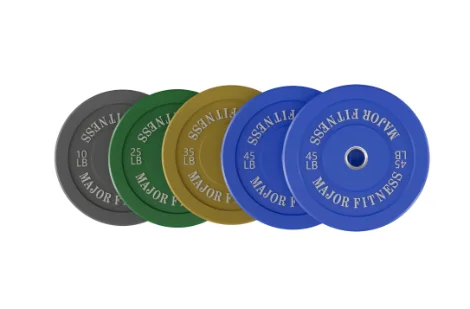
- Color-coded bumper plates
- Average price per pound
- Thicker plate than the standard
- Average 1-year warranty
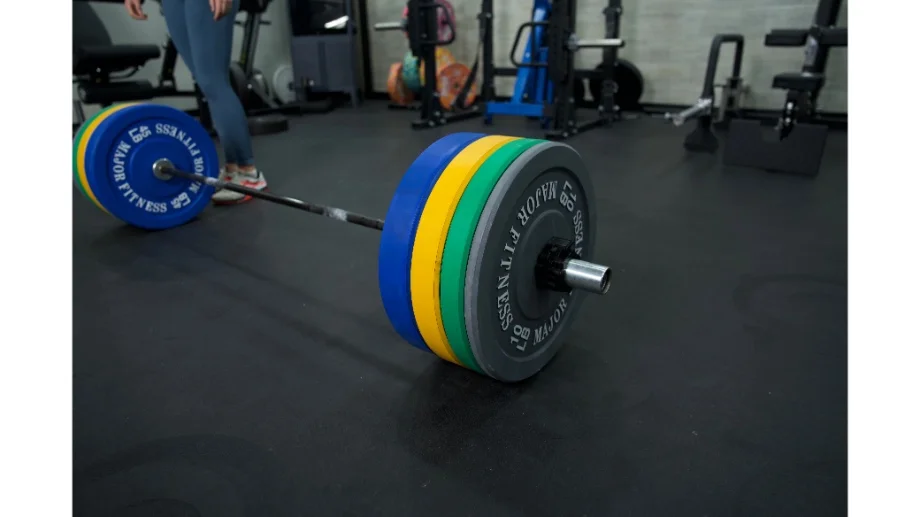
When we talk about value, we’re not always talking about the cheapest equipment available (although we sometimes are, admittedly). In this case, we don’t pick Major Fitness as the best value bumper plates because they’re cheap. Instead, they’re solid, and come in multiple weight sets and bundles to help any home gym enthusiast start up their home gym—or improve upon their current one. We rate the value at 4.5 out of 5, since Major Fitness offers sets of 70, 140, 230, and 320 pounds spread across different bumper plates.
Weight Options: 4.5/5
Design & Ergonomics: 3/5
Construction & Durability: 4/5
Why We Like Major Fitness Low Bounce Bumper Plates
Although Major Fitness doesn’t state a Durometer rating (how firm the rubber is), our product tester, who used the plate set in his own home gym for several months, found they had a low, minimal bounce. He told me, “They had a pretty minimal bounce, even while dropping the weights from overhead, which I was honestly shocked by.” They aren’t the lowest bounce we’ve seen, however, so they get a 4 out of 5 for the category.
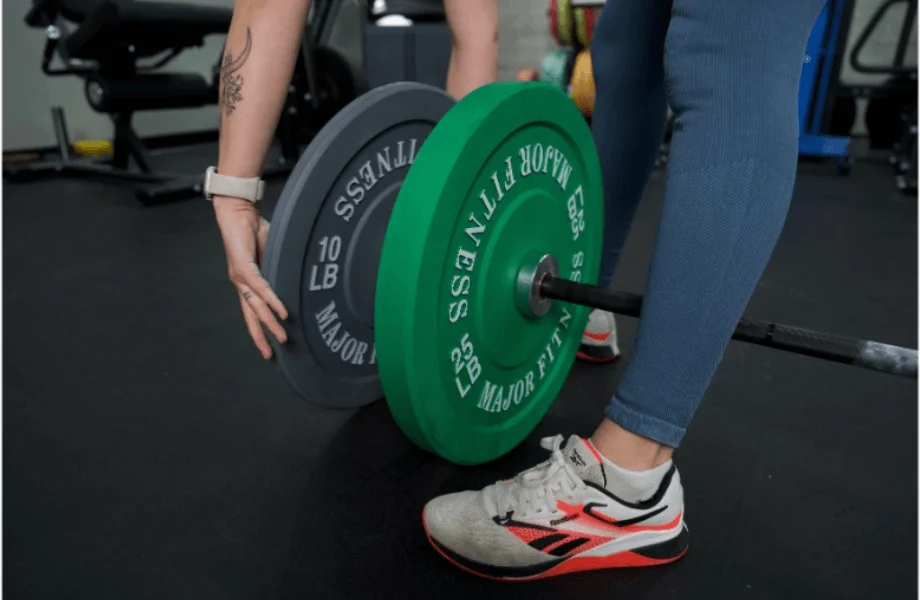
These are also durable bumper plates made with solid rubber and featuring a stainless steel insert. “I used them on different surfaces,” our product tester recalls, “and even when used on concrete flooring, the bumpers held up through workouts involving deadlifts, rows, and more.” He rated the construction and durability at 4 out of 5.
As far as options go, Major Fitness earns a 4.5 out of 5 from us. We marked a half-point off simply because you can’t buy pairs of 10- or 25-pound plates; you have to buy a pair of each together. Otherwise, there’re plenty of purchasing options, up to a 320-pound weight set.
These aren’t the quietest plates, but they still have a low bounce and provide solid durability against multiple drops and intense workouts.
Lindsay Scheele, CPT, CNC, GGR Everything lead reviewer
Alternatives
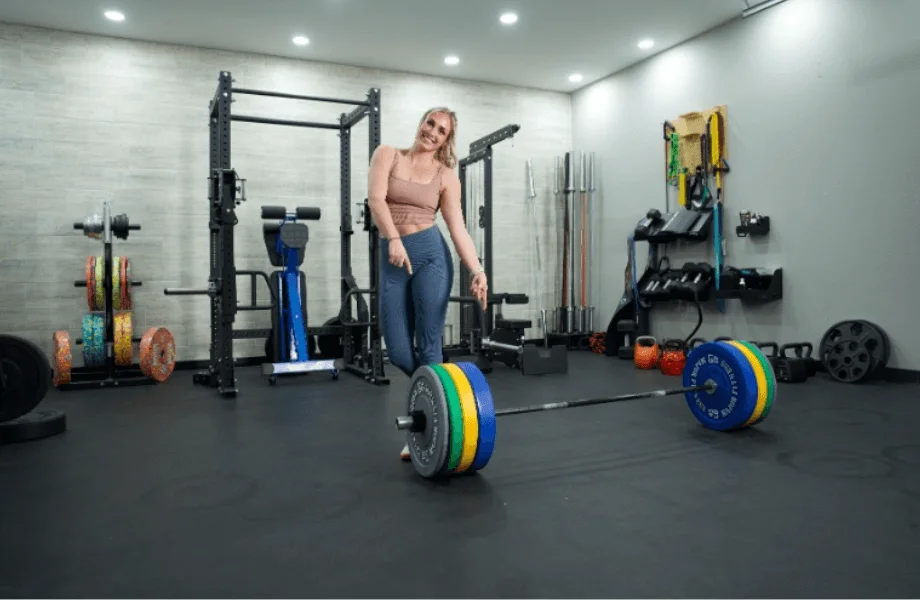
If there’s anything to complain about, it’s the design of the Low Bounce Bumper Plates. Being an Olympic weightlifter, I’m used to brightly colored plates and am a big fan of color-coded bumpers. However, that’s not where the complaint comes in. The major callout comes from the lettering on the plates, which are an odd combination of serif lettering and a sans-serif writing on the logo. It’s not a very appealing look, so it gets a 3 out of 5 on the design.
Additionally, the plates were particularly oily after the initial unboxing. “I didn’t have a plate tree when I first started using the plates, so they laid on the floor and the oil picked up a lot of dust and particles pretty quickly,” our tester adds. Ideally, it’ll be best to keep these bumper plates off the floor at first.
If you want a sharper look to your color-coded bumper plates, I’d suggest Rogue Competition Bumper Plates. Although they’re pricier, the design is appealing and the plates are made to weightlifting specs for competition.
Testing Breakdown
Despite the less-than-stellar design of the plates. Major Fitness Low Bounce Bumpers provide solid weight options and great value.
Vs. The Average
Although they’re ever-so-slightly less expensive than the average weight plate, it’s important to note that these plates are actually slightly pricier than the average bumper plate, which we find to be around $2.50 per pound.
| Major Fitness Low Bounce Bumper Plates | Average Weight Plate | |
| Average price per pound | $2.75 | $2.86 |
| Sold in sets? | Yes | Yes |
| Weight options | 10, 25, 35, 45 lbs | 10, 15, 25, 35, 45 lbs |
| Weight tolerance | Not disclosed | ±2% |
| Plate thickness (45 lbs) | 3” | 2.24” |
| Material | Rubber, stainless steel insert | Varies |
| Warranty | 1 year | 1 year |
Best Rubber Weight Plates: Rogue Echo Bumper Plates
Updated by: Caine Wilkes, OLY, CNC, USAW-L1
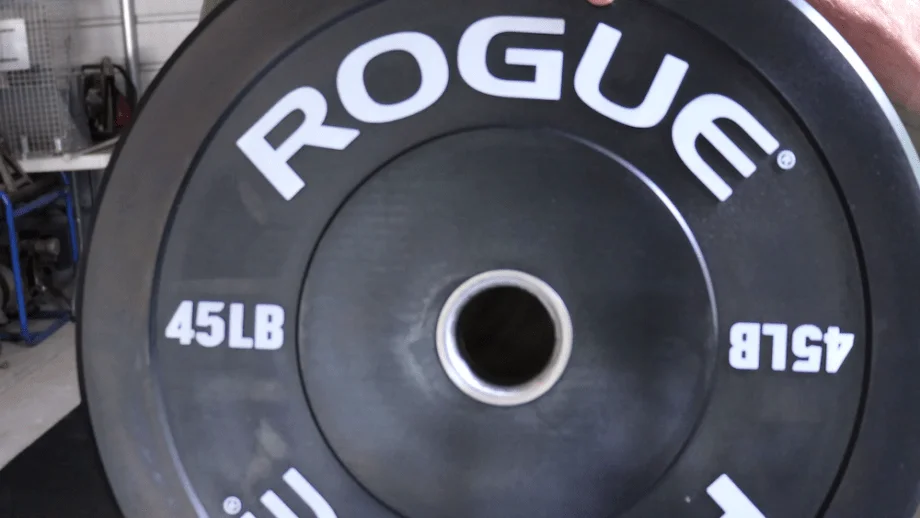
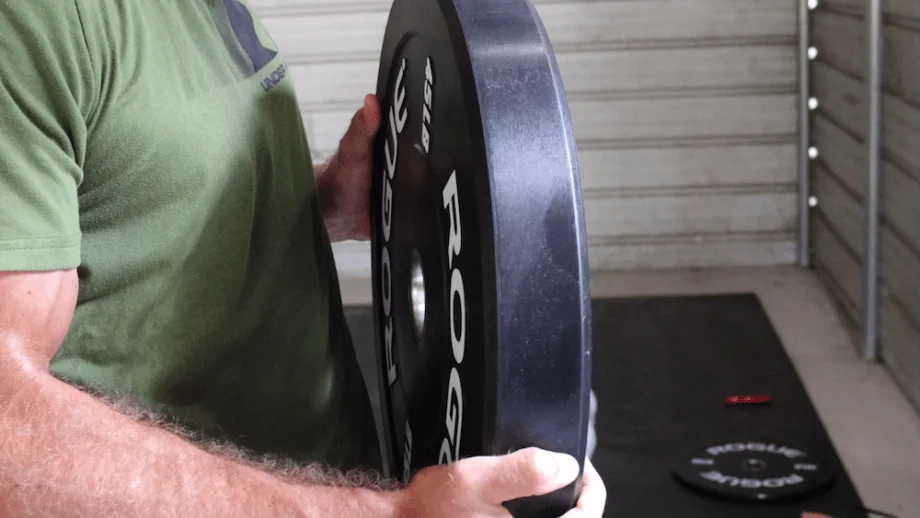
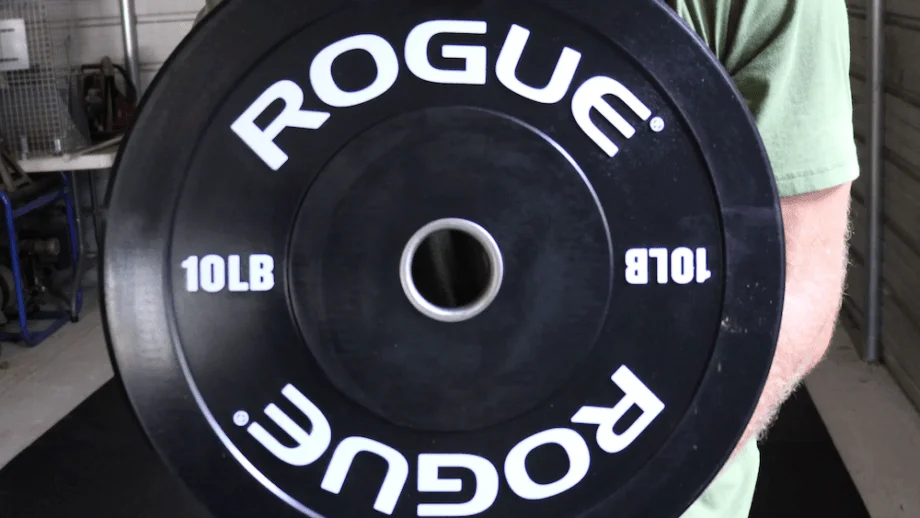
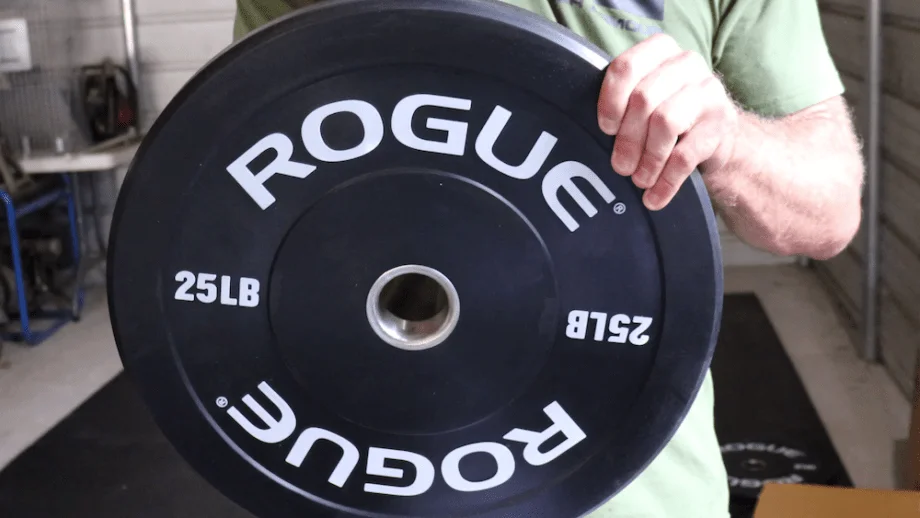
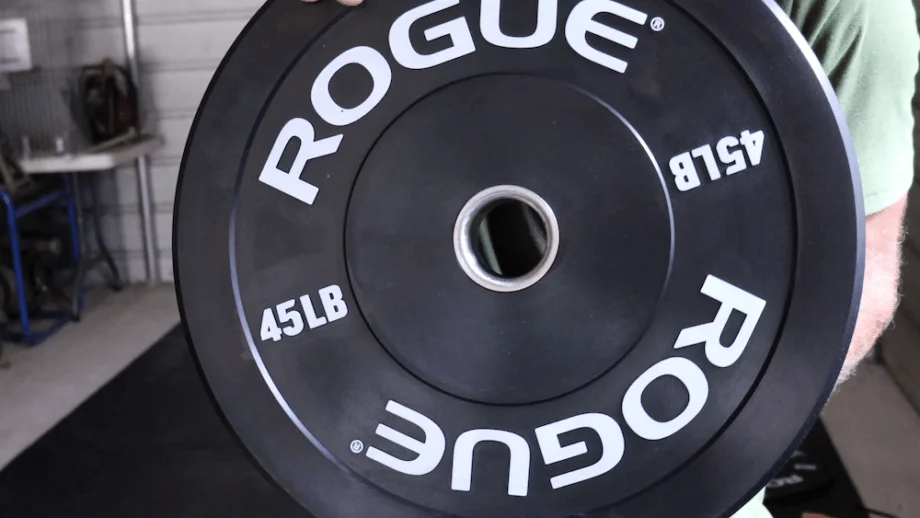
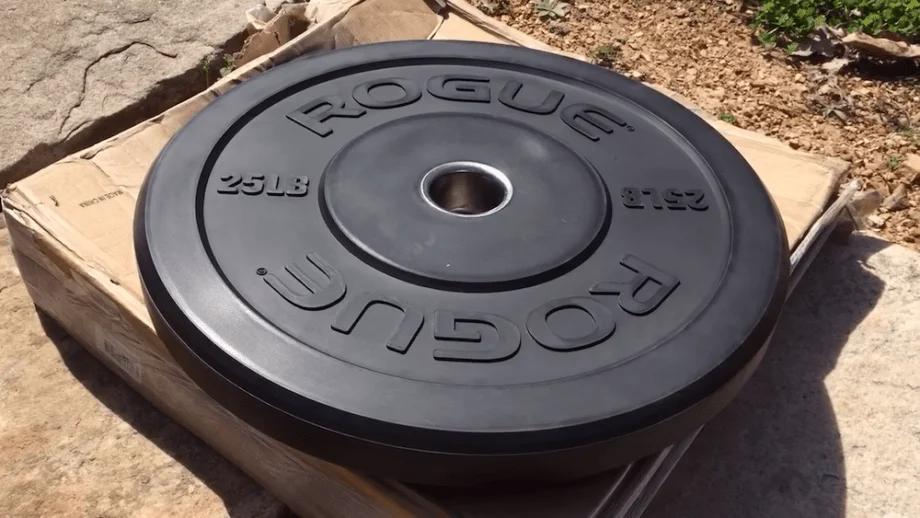
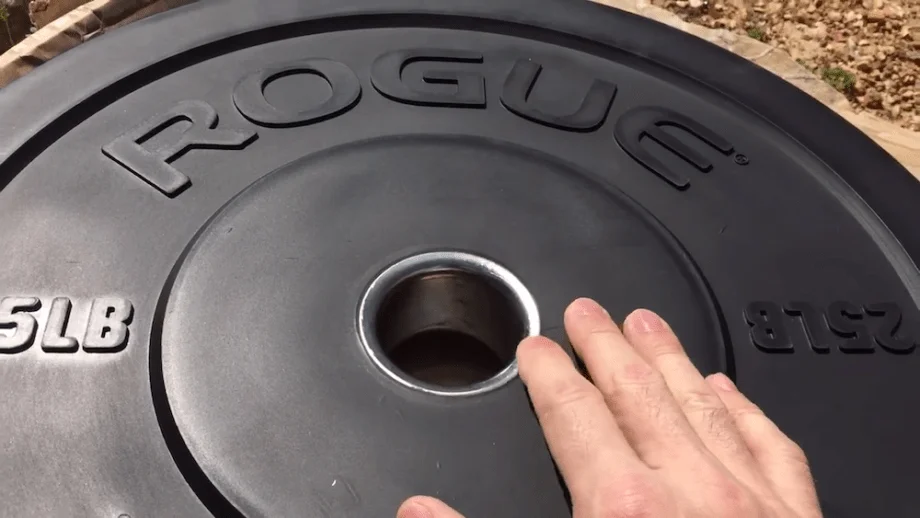
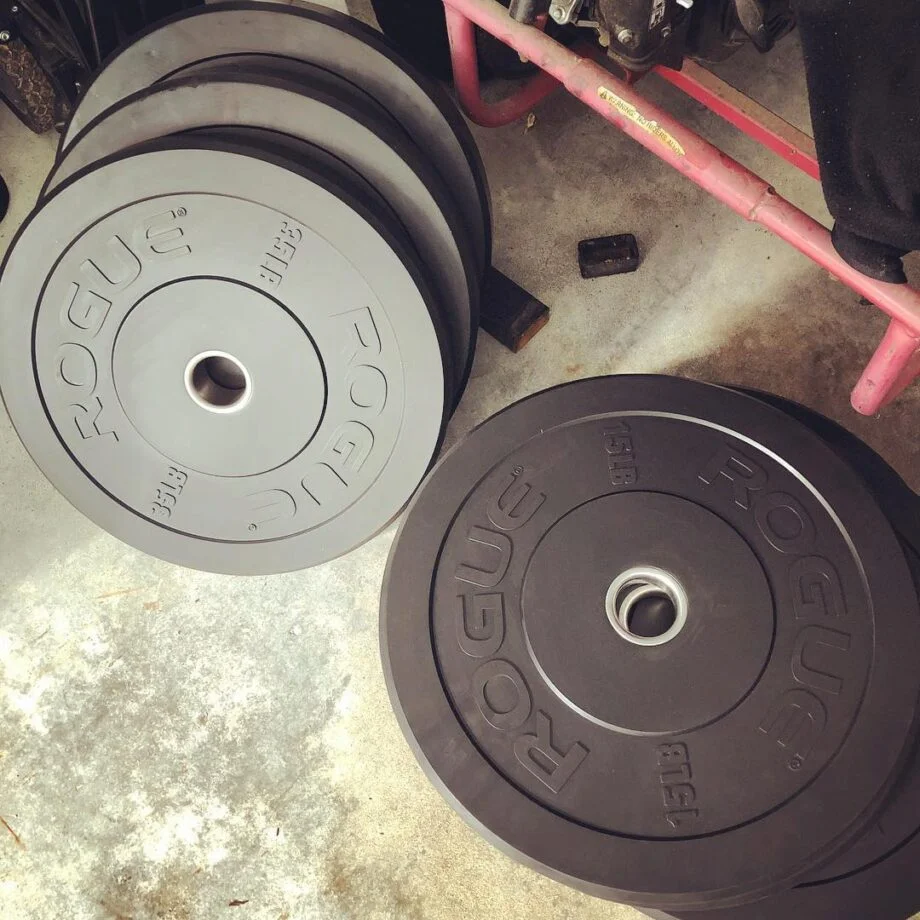




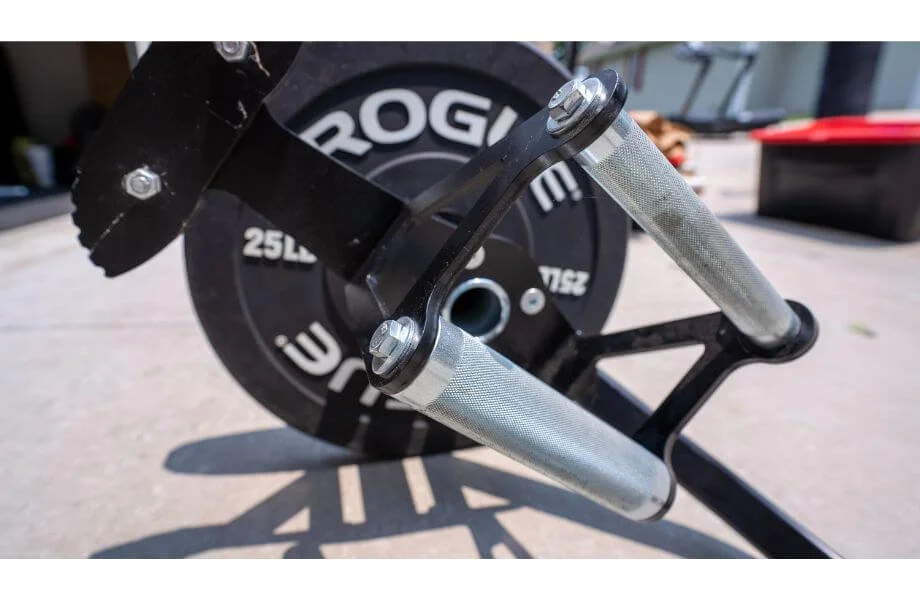
The Rogue Echo Bumper Plates are a great value plate based upon our review. Although they’re cheaper than Rogue’s flagship HG 2.0 Plates, they have extremely similar specs and warranty at a much lower price. If you need bumper plates for your garage gym, these are a great option. If you need them for your commercial facility or CrossFit Affiliate, we’d suggest going with something like Hi-Temps.
What our tester says:
“I like that each plate in this kit shares a similar durometer rating for greater integrity. The white, raised lettering helps weight identification easier, but also gives your setup a clean look overall.”
At a Glance
- Affordable black bumper plates with white lettering
- Above-average weight tolerance of ±1%
- Thinner bumper plate, but still thicker than the average weight plate
- Above-average warranty (for 25-lb plates and heavier)
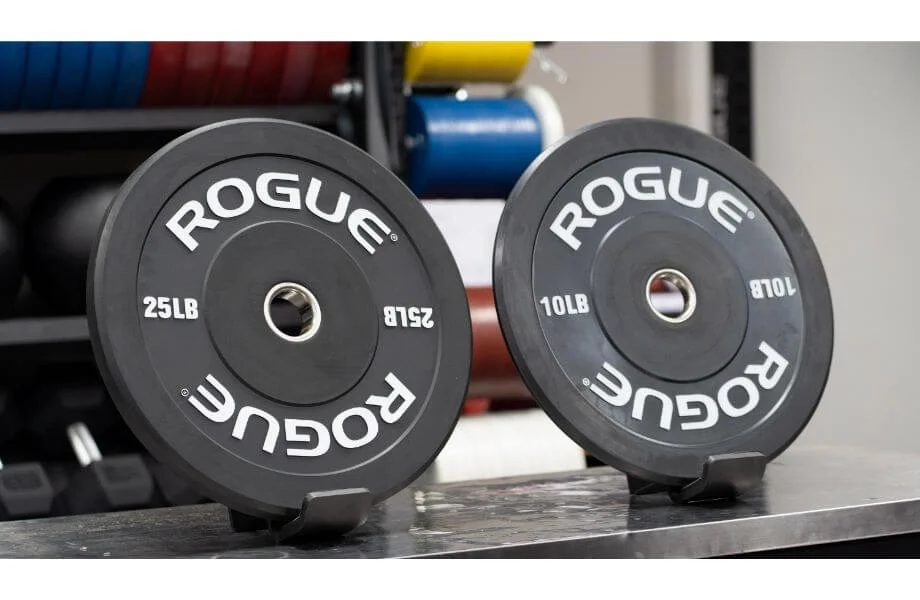
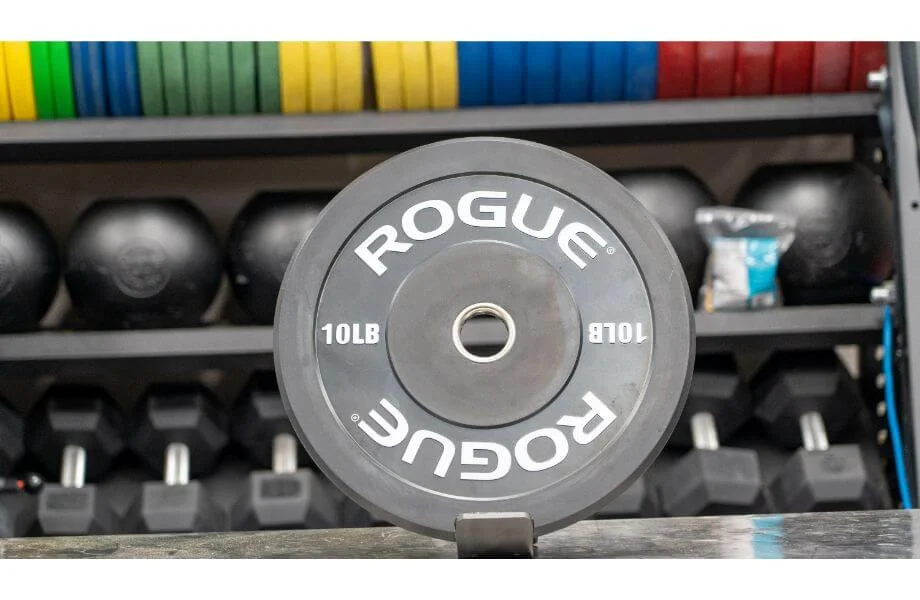
If you’re looking for a durable, classic set of black bumper plates, look no further than the Rogue Echo Bumper Plates, our pick for best rubber weight plates. These sturdy bumpers are constructed of virgin rubber with a stainless steel center ring—two factors that automatically boosted these weight plates to the top of our list.
Although the Echo bumpers are imported and we’d prefer to see them American-made, we also know that would shoot up the price. Despite this imported denomination, though, we don’t think the quality is subpar at all. Our testers rate the value at a 4 out of 5.
Construction & Durability: 4/5
Bounce: 4/5
Design & Ergonomics: 4.5/5
Why We Like Rogue Echo Bumper Plates
With a Shore A Durometer rating of 88, you can rest assured that the Rogue Echo Bumper Plates can withstand drops from the overhead position, as well as the occasional ego-filled bar slam after hitting a personal record, earning a 4 out of 5 for their low bounce. GGR founder Coop Mitchell adds, “A low, dead bounce is good for you and the plates. Your home gym, too.” A low bounce will deaden impact across your home gym flooring, as well as keep the weights from bouncing around wildly in your garage gym.
The 450-millimeter diameter and 50.6-millimeter collar opening meet International Weightlifting Federation (IWF) specs, and Rogue’s promise of a ±1% weight tolerance means you can confidently train with these bumper plates and hit the same numbers in competitions. The plates earn a 4 out of 5 for the weight tolerance.
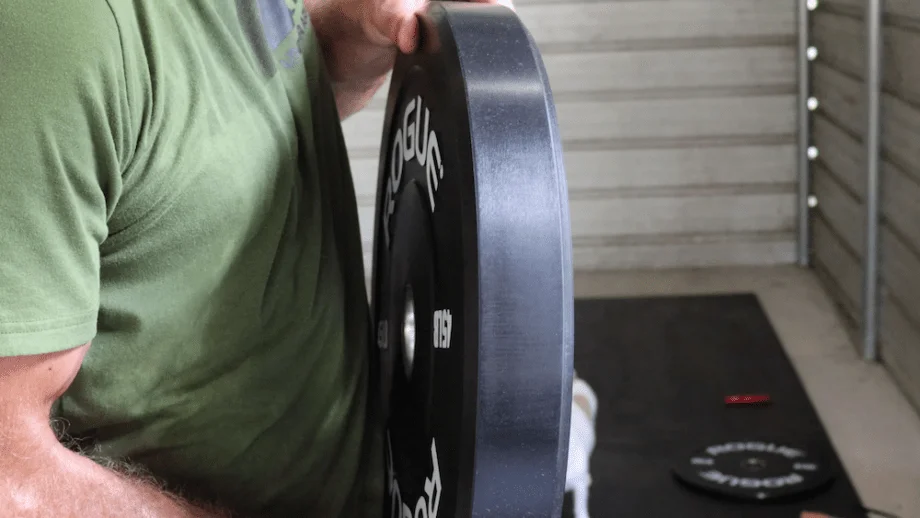
I also think these are some of the cleanest-looking bumper plates out there with a smooth matte black finish and stark contrast with the raised white lettering. The rounded edge also makes it easy to grab these weight plates off the floor or a plate tree without pinching your fingers. Accordingly, Rogue gets a 4.5 out of 5 for the superb design. “The virgin rubber makeup also helps limit that ‘old tire’ smell you can get with some bumper plates,” adds Ben Emminger, NASM-CNC, NASM-CSNC on the olfactory appeal of these weight plates.
The white, raised lettering helps make weight identification easier, and the angled edge is a nice touch. It makes a flat bumper so much easier to lift up from your home gym floor.
Coop Mitchell, GGR founder and expert product tester
Alternatives
While I like the three-year warranty on the 25-, 35-, and 45-pound bumper plates, I will say I’m not a fan of the measly 90-day warranty on the 10- and 15-pound Echo bumpers. A 90-day warranty isn’t uncommon for thinner plates, but I’d like to see a bigger company like Rogue cover these plates a little longer. The 10s run the risk of folding or “taco-ing” over time, as well.
The Rogue Echo Bumper Plates also come in a color-coded version, but the price is higher on these plates. If you prefer color-coded bumpers, just make sure you factor in this extra cost.
For bumper plates that go up to heavier totals than the Echo Bumpers, check out the Fringe Sport Milspec Bumper Plates, which range from 10 pounds all the way to 55 pounds.
Testing Breakdown
The Rogue Echo Bumper Plates are an all-around solid set of weights, scoring a 4 or higher in each category we tested for.
Vs. The Average
With a cost per pound just above $2, Echo Bumper Plates are an inexpensive bumper plate with tighter weight tolerances and a better warranty than the average (aside from the 90-day warranty on the thinner plates).
| Rogue Echo Bumper Plates | Average Weight Plate | |
| Average price per pound | $2.19 | $2.86 |
| Sold in sets? | Yes | Yes |
| Weight options | 10, 15, 25, 35, 45 lbs | 10, 15, 25, 35, 45 lbs |
| Weight tolerance | ±1% | ±2% |
| Plate thickness (45 lbs) | 2.4” | 2.24” |
| Material | Rubber, stainless steel insert | Varies |
| Warranty | 3 years (90 days for 10- and 15-lb plates) | 1 year |
Check out our Rogue Echo Bumper Plates review for more information.
Best Budget Weight Plates: REP Fitness Old School Iron Weight Plates
Updated by: Caine Wilkes, OLY, CNC, USAW-L1
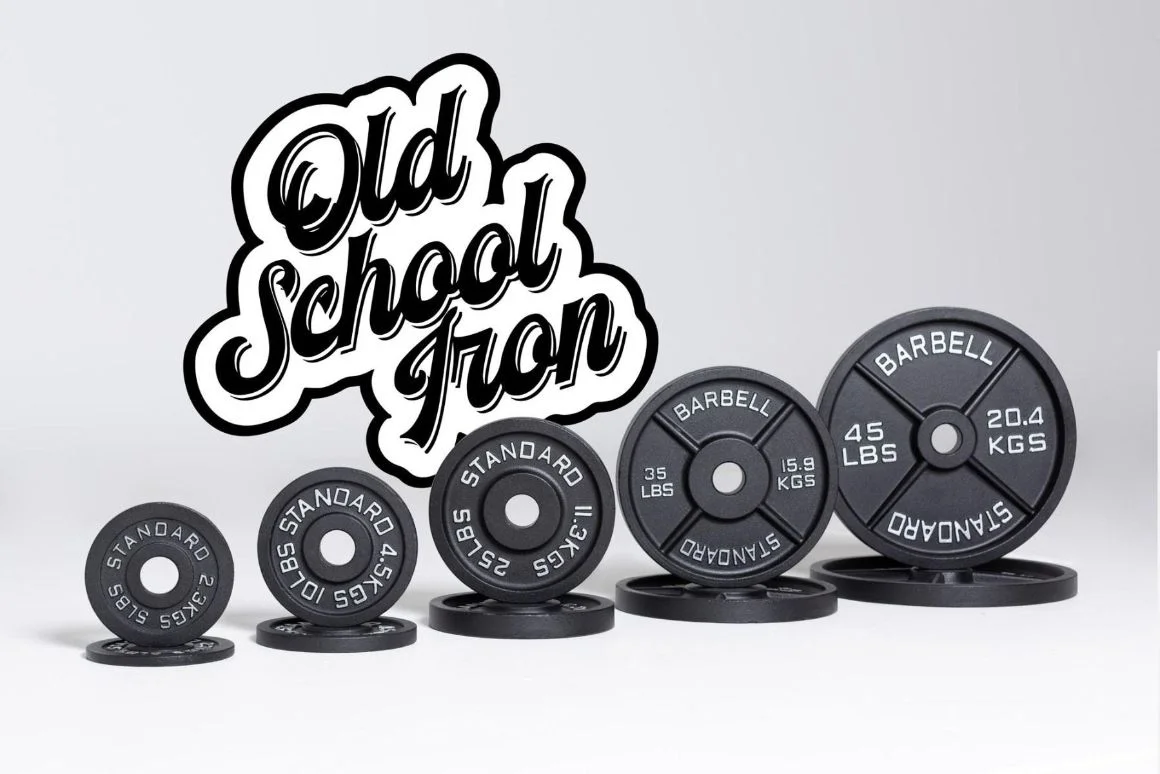
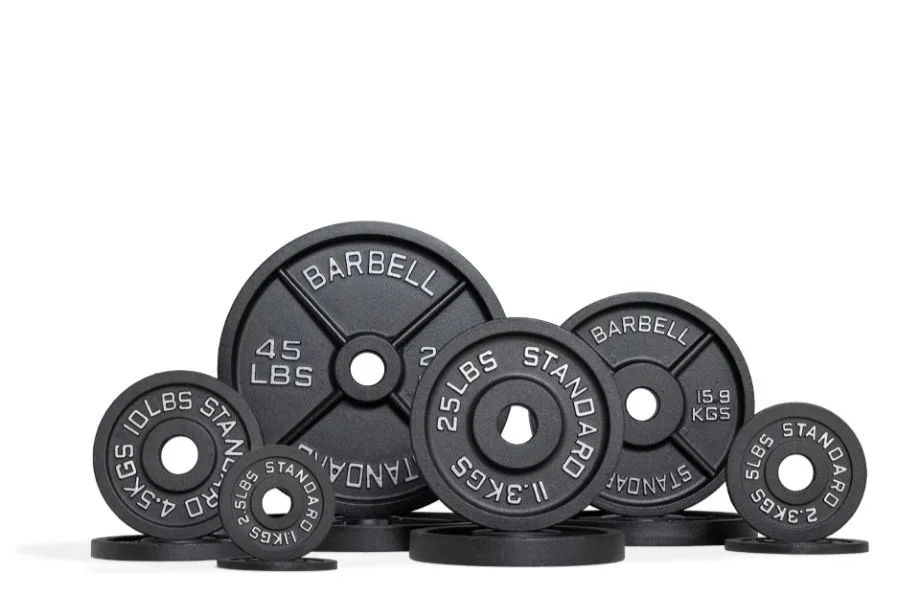
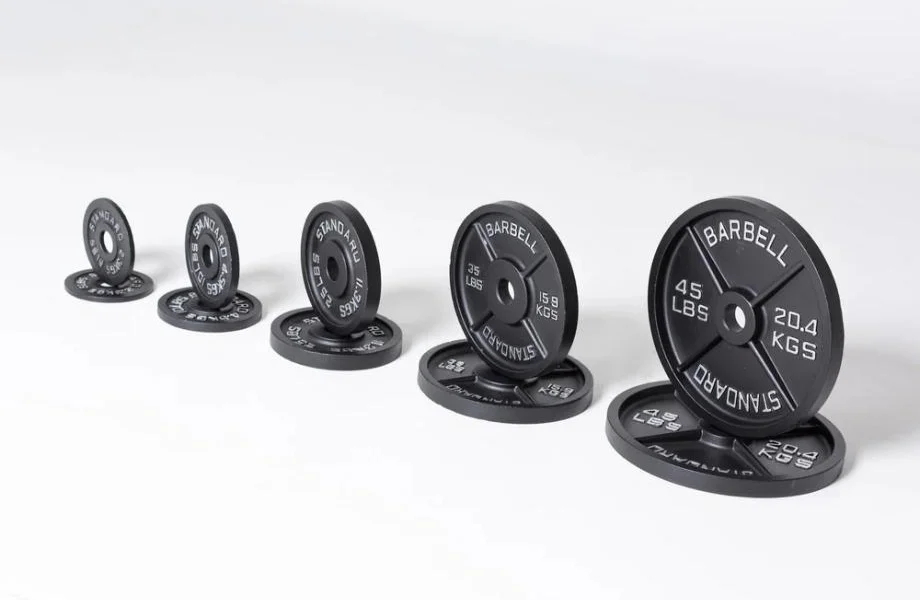
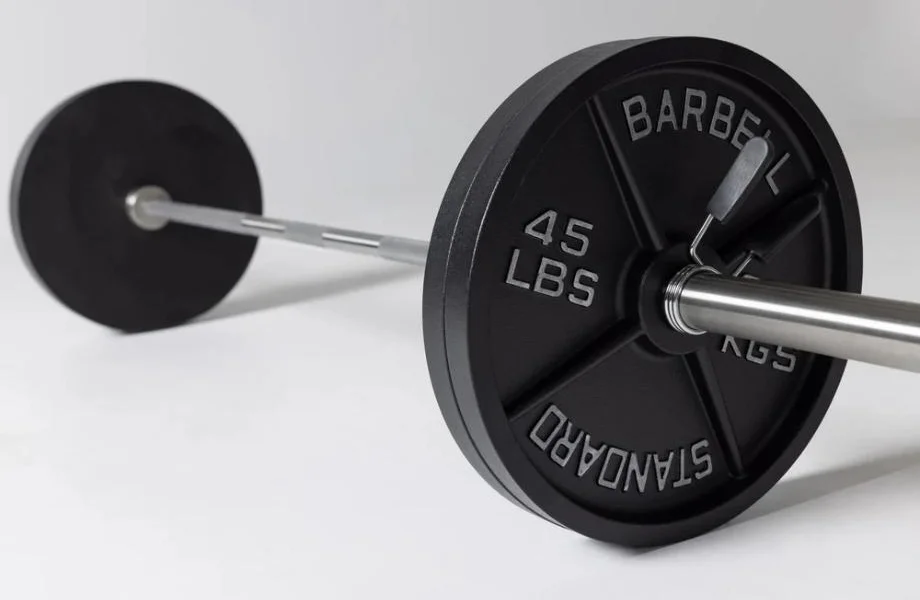
If you’re after classic iron plates, the REP Fitness Old School Iron Plates deliver solid performance with an iron-gym aesthetic without breaking the bank. These are a no-fuss iron plate, with some imperfections from its casting and matte finish, due to not being machine afterward.
At a Glance
- Cast iron weight plates with a traditional design
- Priced below the average
- Larger weight tolerance than the average
- Average 1-year warranty
We haven’t used the REP Fitness Old School Iron Plates ourselves, but our team and I have used plenty of old-school iron plates that these plates are designed after…think Barbell Standard, CAP Barbell, or Weider International weight plates. At less than $2 per pound, on average, these weight plates are some of the best budget home gym equipment around.
Similar to the Rogue Deep Dish Plates, the REP Old School Iron Plates are single-sided with one deep lip. They’re solid cast iron that’s coated with a matte finish and raised silver lettering to complete the classic vintage look. “Plus, there’s something about that ‘clanging’ sound of iron weights that gives each set an added zest of intensity,” adds Ben Emminger, NASM-CNC, NASM-CSNC. They get a solid 4 out of 5 for their classy design and ergonomic deep lip.
Weight Options: 5/5
Value: 4.5/5
Weight Tolerance: 3/5
Why We Like REP Fitness Old School Iron Weight Plates
Since they’re bare metal plates, they also cost less than the urethane-coated REP Equalizer Plates that are currently our top pick. On average, they’re drastically cheaper, costing less than $2 per pound in most cases. All in all, they’re a solid choice that come at a great price point, earning a 4.5 out of 5 for value. There’s nothing inherently special about these weight plates in terms of construction or function, but if you’re looking for value, you’ve found it.
While the REP Old School Iron Plates may not seem like a budget item on the surface, once you factor in shipping costs, these come out less expensive than many other iron plates. REP’s free shipping really comes in clutch here. Additionally, as with many weight plates, the more you buy, the better price per pound you get.
Just like REP’s standard iron plates, the Old School Iron Plates feature a complete cast construction, earning them a 4 out of 5 for construction and durability. It doesn’t receive full marks though, since there are no machined or precision-drilled parts. So, you should expect some minor discrepancies between plates. Small imperfections shouldn’t be anything to worry about, but it’s worth noting.
There are many great companies that manufacture gym equipment, but time and time again, we find ourselves impressed by the quality and value delivered by REP Fitness.
Matt Dustin, CSCS, PN1-NC, GGR Staff Writer
Alternatives
Unfortunately, REP Fitness only warranties these iron plates for one year. This doesn’t make me feel super confident in the product, especially not having tested it, but then again, most bare metal plates don’t have a fantastic warranty. These are not plates you’re going to want to drop consistently if you want them to last. That said, the brand has a REPutation (see what I did there?) for quality plates and products, so these should hold up.
Another callout is the ±3% weight tolerance. A weight tolerance that broad could mean that 45-pound plates could be less than 44 pounds, or over 46.5 pounds. If you want a tighter tolerance, you may need to look elsewhere. These plates get a 3 out of 5 for their weight tolerances.
For a tighter tolerance, try out The Strength Co. Olympic Iron Plates, which have a smaller ±2% weight tolerance—right at the average for weight plates.
Testing Breakdown
Although the weight tolerances are larger than we’d like to see, the REP Old School Iron Plates are a solid set of weight plates with high value. Here’s how we scored them.
Vs. The Average
With an average price per pound below $2, these weight plates can be a solid investment, although the warranty only matches the average of one year.
| REP Fitness Old School Iron Weight Plates | Average Weight Plate | |
| Average price per pound | $1.95 | $2.86 |
| Sold in sets? | Yes | Yes |
| Weight options | 2.5, 5, 10, 25, 35, 45 lbs | 10, 15, 25, 35, 45 lbs |
| Weight tolerance | ±3% | ±2% |
| Plate thickness (45 lbs) | 1.5” | 2.24” |
| Material | Cast iron | Varies |
| Warranty | 1 year | 1 year |
Best 10-Pound Bumper Plates: Fringe Sport Black Bumper Plates
Updated by: Caine Wilkes, OLY, CNC, USAW-L1




At a Glance
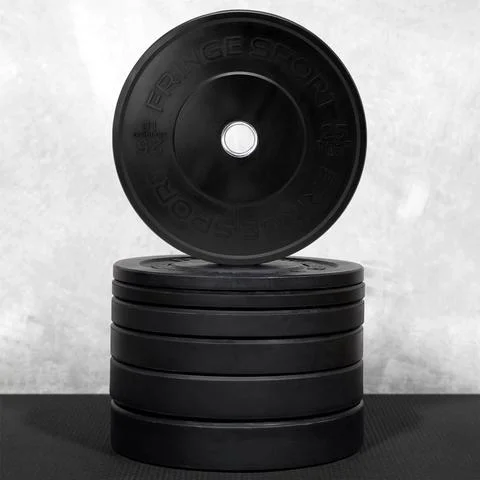
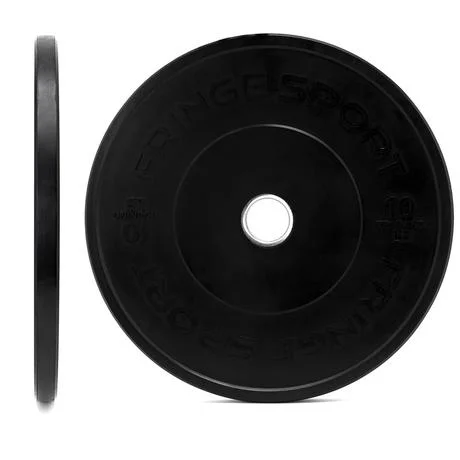
- Black bumpers constructed using virgin rubber
- Budget-friendly pricing
- Plates are thinner than the standard, but just as durable
- Lifetime warranty is well above the average
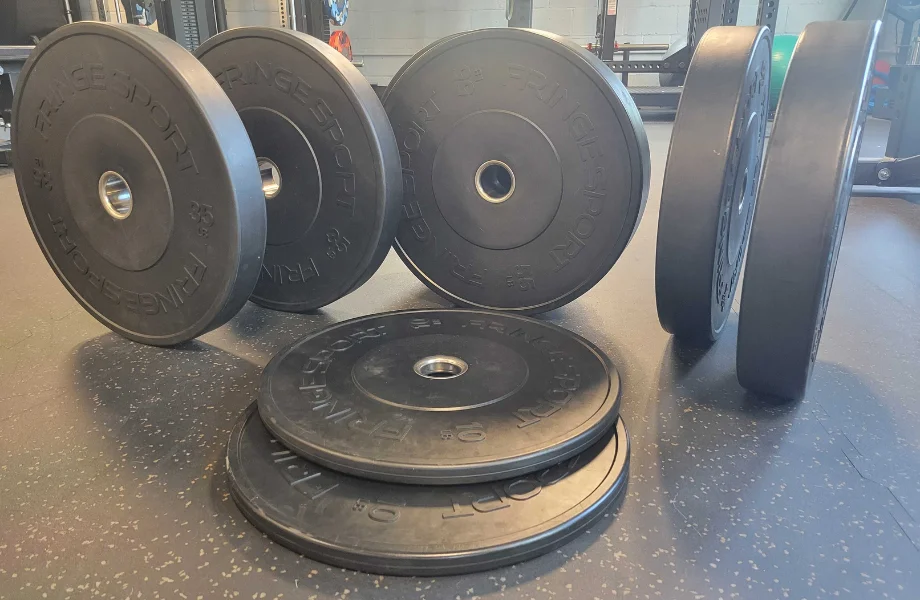
Not all 10-pound bumper plates are created equal. Being the most vulnerable weight plates in your weight plate set, it’s vital to get a solid pair of them if you’re planning on dropping them. Fringe Sport has done a pretty darn good job with the brand’s 10s, which feature a durable construction that helps prevent bending, flexing, cracking, and deforming—common pitfalls of 10-pound plates from other manufacturers.
The wildest thing of all is that Fringe Sport backs all these plates with a lifetime warranty—rare in weight plates, already, but almost unheard of for thinner 10- and 15-pound plates—which earns the company a 5 out of 5 for customer experience.
Value: 5/5
Bounce: 4/5
Weight Tolerance: 4/5
Why We Like Fringe Sport Black Bumper Plates
Fringe Sport’s 10-pound bumpers are the best I’ve tested, dropping them from hip height and from overhead with ease by themselves and with 300 pounds added, as well. The Shore A Durometer rating of 90 is higher than that of most other 10-pound bumpers, so naturally, the Fringe Sport ones don’t bend or flex as easily. The bumpers get a 4 out of 5 for their bounce and Durometer rating, since the heavier plates have a slightly lower rating (85).
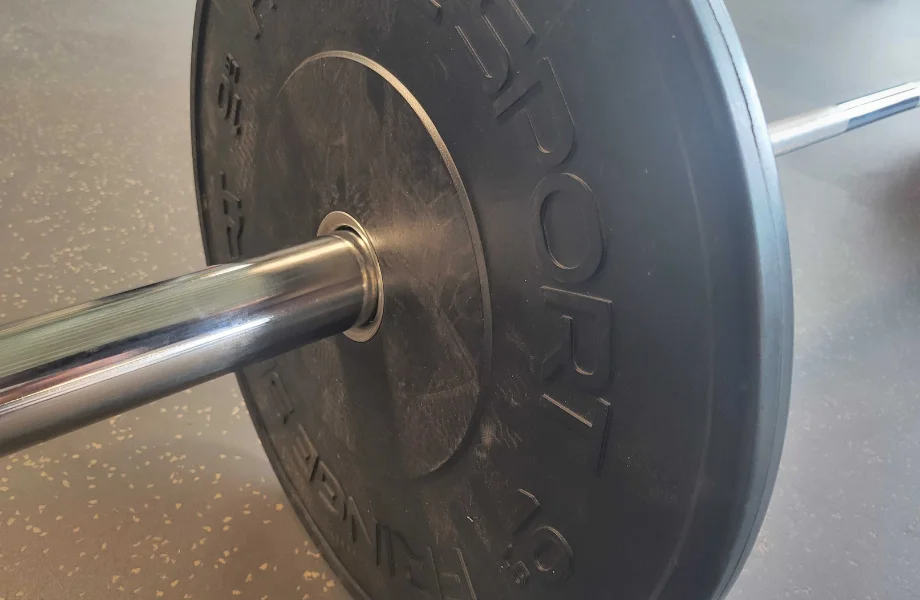
I’m talking about the 10-pound bumper plates, but in reality, all of Fringe Sport’s bumpers in this plate set are solid. The virgin rubber is exceptional, and we didn’t notice any flexing or bowing in the plates at all. The noise was muted by the dead bounce, too. There’s no doubt in my mind that these plates will last a long time, especially with the hooked stainless steel center insert, which also adds to the build quality. I rate the durability at 4.5 out of 5.
RELATED: Best CrossFit Equipment
With an average price per pound of about $1.79, these are also some of the least expensive bumper plates on the market, as well, earning them a 5 out of 5 for value.
I’ve had the pleasure of using these plates in multiple gym scenarios, and I do appreciate the smooth insert that helps when loading these weights onto a barbell.
Ben Emminger, NASM-CNC, NASM-CSNC
Alternatives
I don’t have much to complain about with the Fringe Sport Black Bumper Plates, but if I had to pick something, it’d be the simple design. It’s a clean look, but I would’ve liked some contrast between the plate and its lettering. If nothing else, it would make the plates more readable. For now, it earns a 3.5 out of 5 for its design and ergonomics.
There are some great aspects to this bumper plate’s design, however, including Fringe Sport’s decision to make the 10-pound plates slightly smaller than the normal 450-millimeter diameter (17.7 inches). This keeps the 10s from taking any force when loaded up with other plates, but some astute lifters may notice the slightly different diameter if you have the 10-pound plates by themselves.
If you prefer bumper plates with more of an appealing aesthetic, check out the PRx Crumb Rubber Bumper Plates, which have a colored fleck design and contrast lettering.
Testing Breakdown
I truly enjoyed my time with the Fringe Sport Black Bumper Plates, as seen in my (and our team’s) scoring below.
Vs. The Average
Fringe Sport has made a high-value bumper plate here, with a budget-minded cost per pound while still providing a superior lifetime warranty.
| Fringe Sport Black Bumper Plates | Average Weight Plate | |
| Average price per pound | $1.79 | $2.86 |
| Sold in sets? | Yes | Yes |
| Weight options | 10, 15, 25, 35, 45, 55 lbs | 10, 15, 25, 35, 45 lbs |
| Weight tolerance | ±1% | ±2% |
| Plate thickness (45 lbs) | 2.3” | 2.24” |
| Material | Virgin rubber, stainless steel insert | Varies |
| Warranty | Lifetime | 1 year |
Read our Fringe Sport Bumper Plates review to learn more about the contrast plates. They’re similar to the black bumper plates, just with color-coded lettering.
Most Durable Bumper Plates: Titan Fitness Economy Black Bumper Plates
Updated by: Caine Wilkes, OLY, CNC, USAW-L1
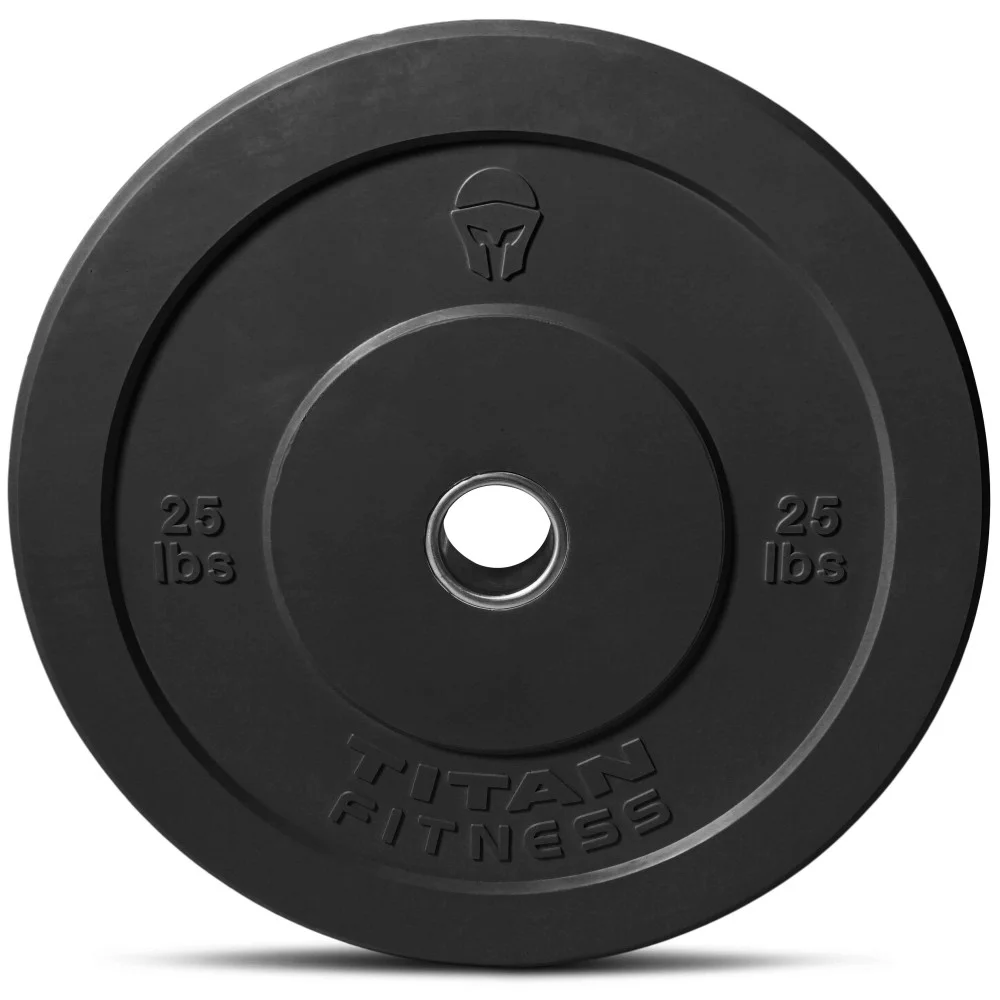
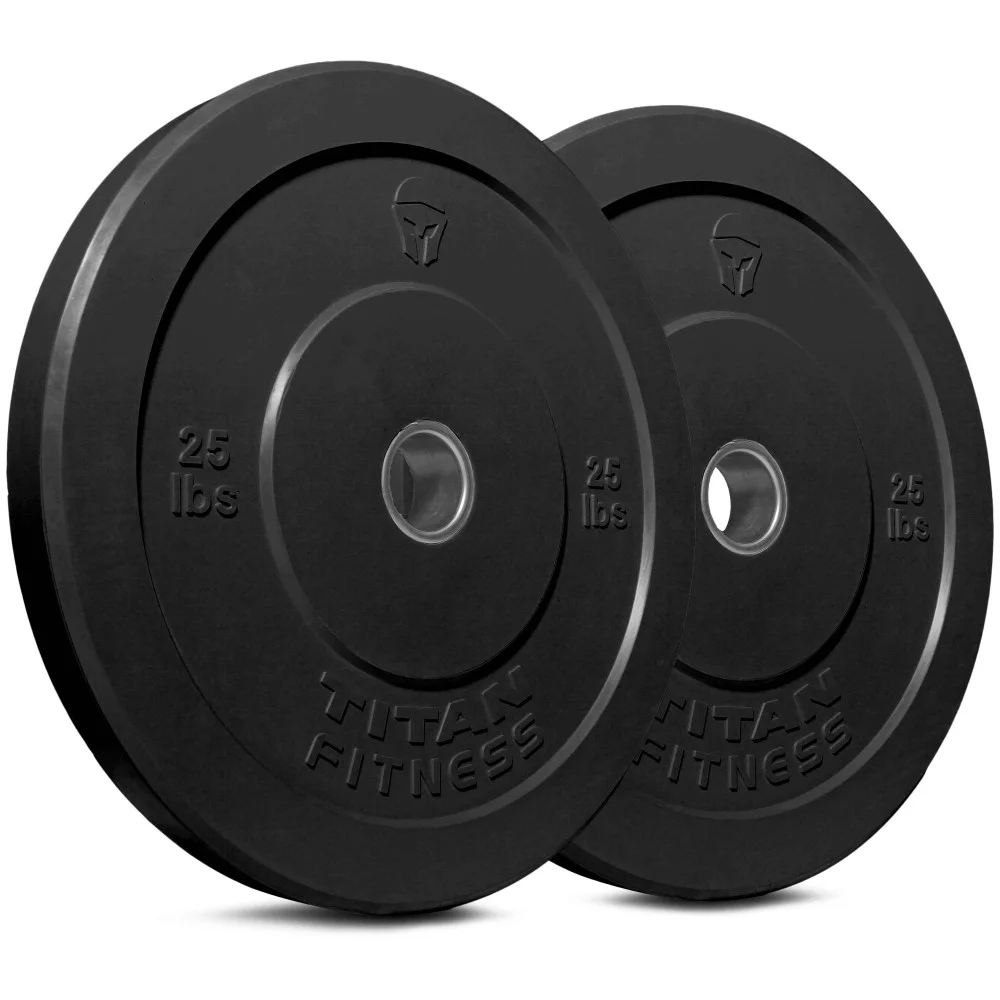
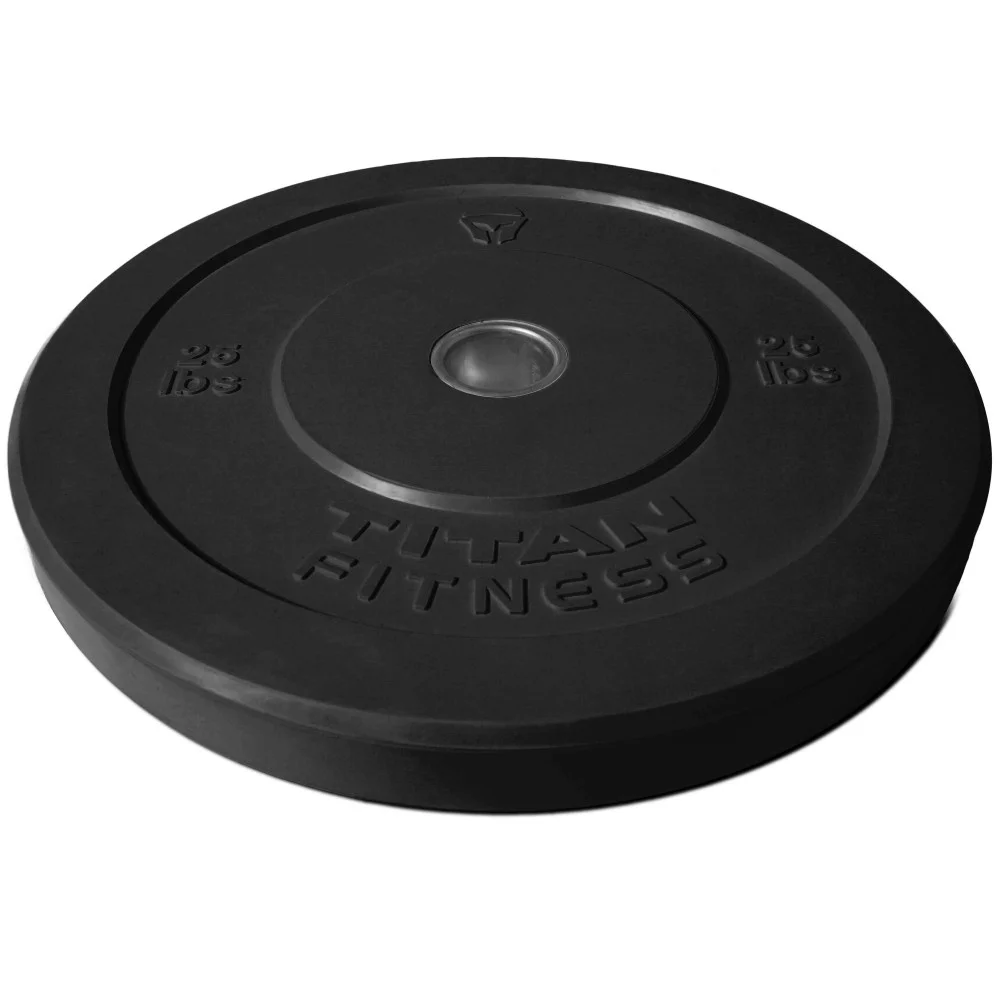
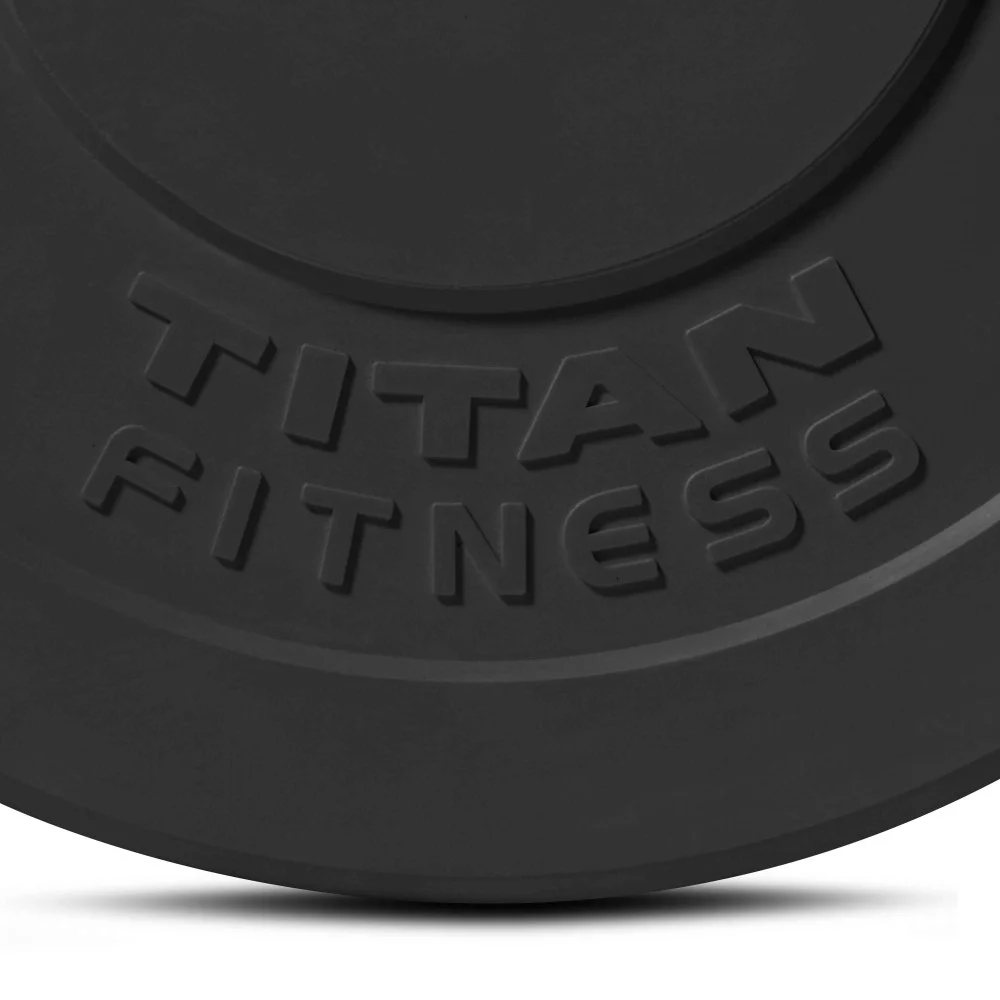
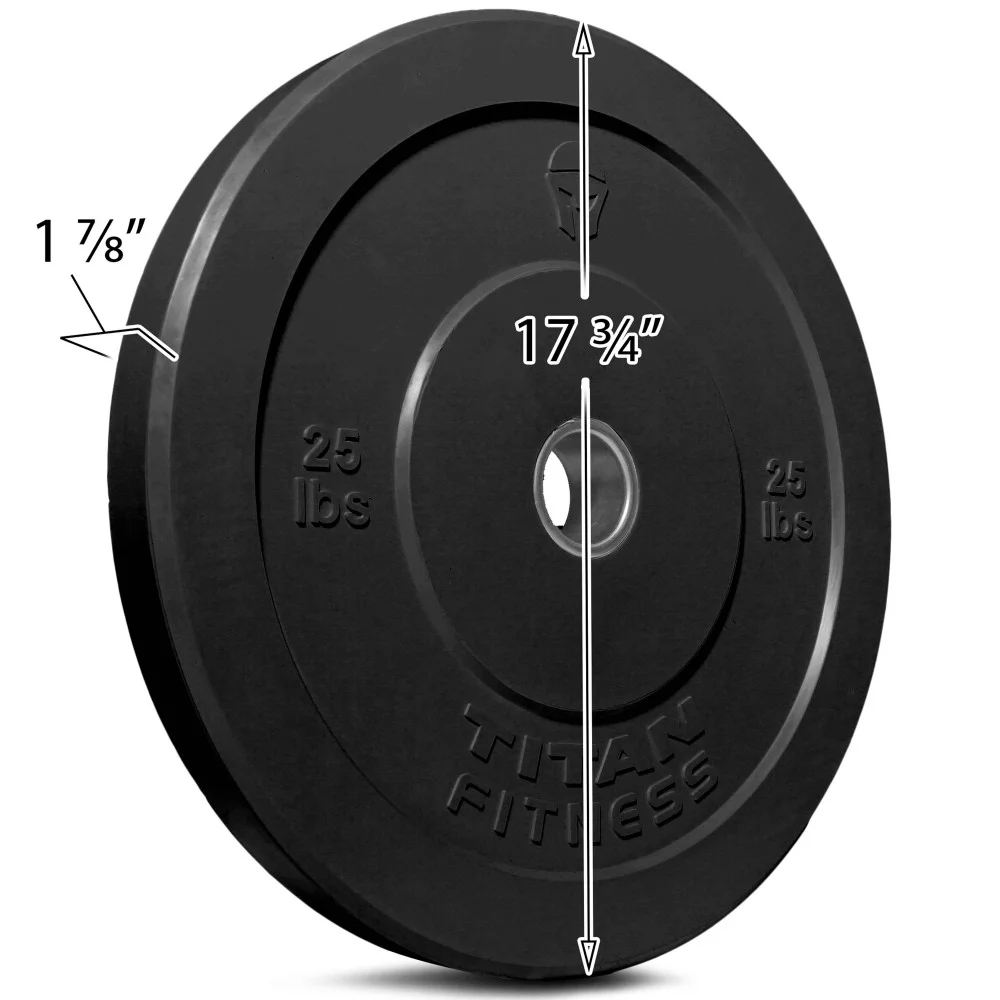
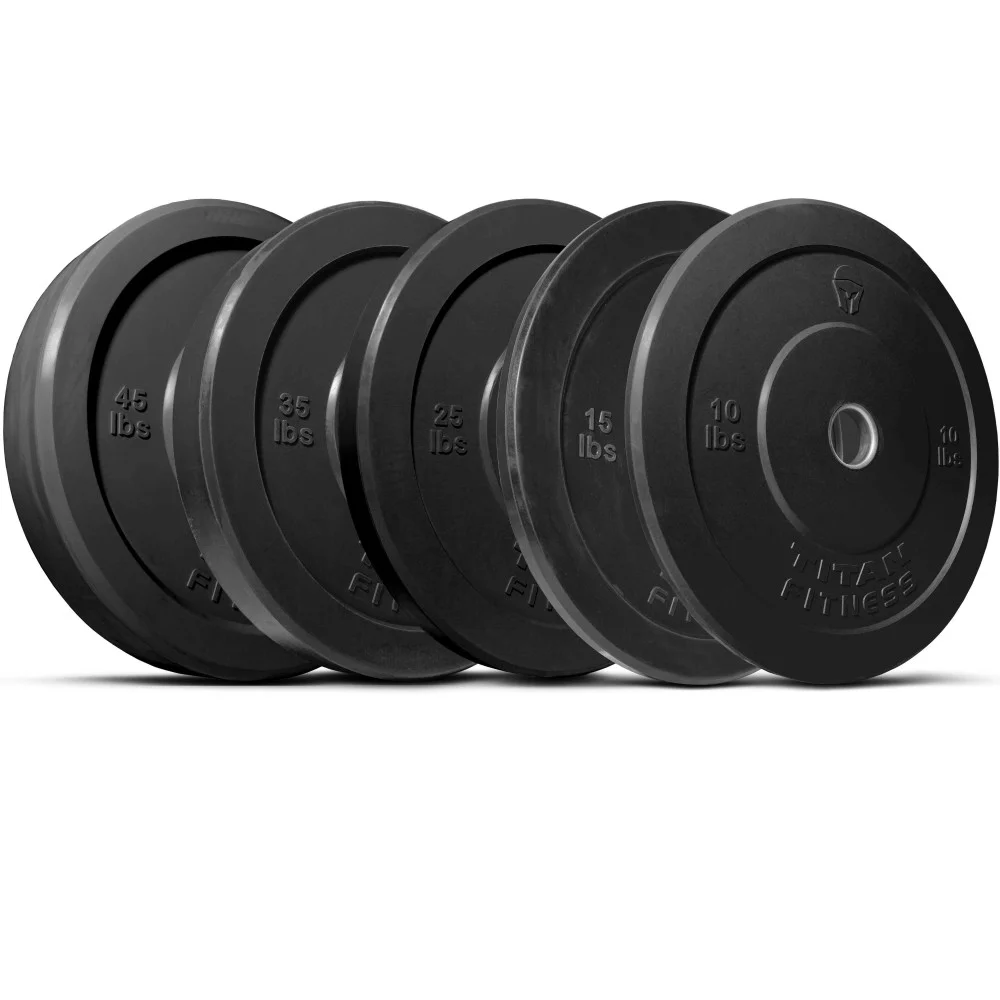
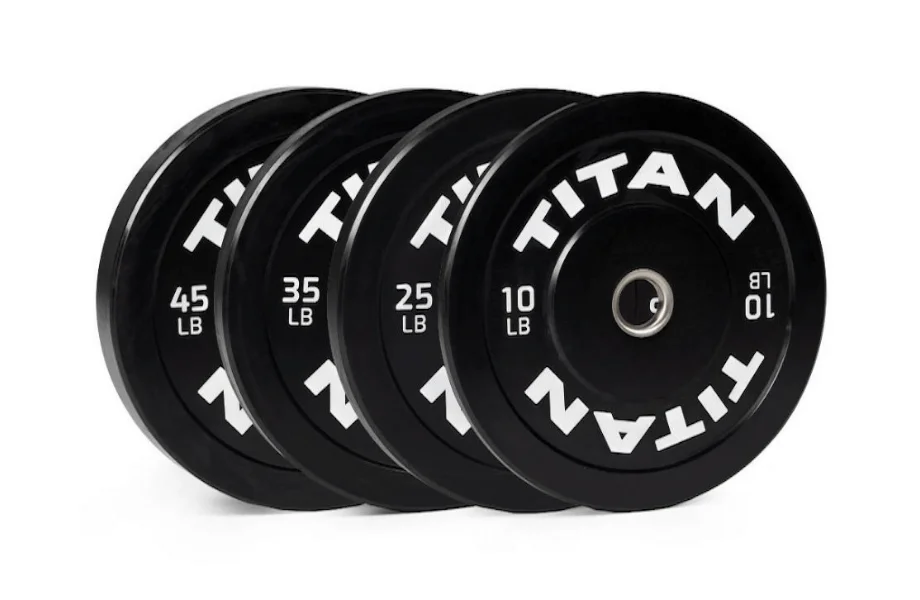
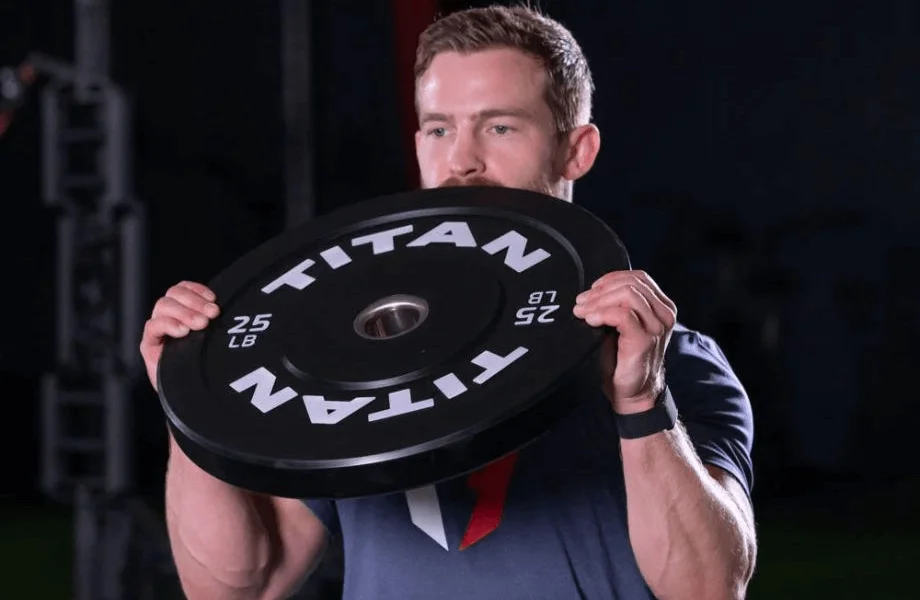
If you simply want a cheap pair of bumper plates to either figure out if you’re going to stay with working out at home or don’t have the money, the Titan Bumper Plates are what we suggest. They have easy-grip edges for easy carrying and white contrast numbers and letters so you can quickly identify the weight.
What our tester says:
“I really like the construction of most Titan weight plates. And if their reputation speaks to these plates, you can expect a low-bounce experience.”
At a Glance
- Inexpensive black bumper plates
- Above-average plate thickness
- Larger weight tolerance compared to the standard
- 1-year warranty matches the average
You might think that the most durable bumper plates should be our top pick for the best overall weight plates. But that’s simply not the case: Durability is just one factor you should consider when looking for weight plates, albeit an important one.
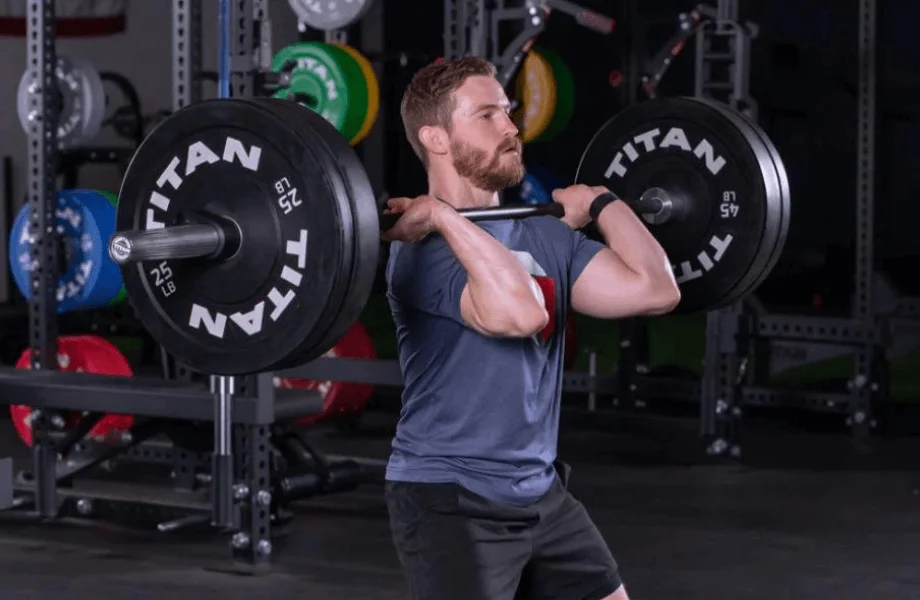
If durability is the primary driver for your bumper plate purchase, the Titan Fitness Economy Black Bumper Plates can be a fantastic option with solid value, as well. Made with a steel core surrounded in a rubber coating, these Titan plates will feature a low bounce and solid durability, all with a budget-friendly cost of about $2 per pound. They earn a 4 out of 5 for value.
Design & Ergonomics: 4.5/5
Value: 4/5
Weight Tolerance: 3/5
Why We Like Titan Fitness Economy Black Bumper Plates
We haven’t tested the latest iteration of these Economy Bumper Plates, but we have tested previous versions before, as well as other Titan Fitness products and weight plates. “Titan weight plates typically have a solid construction,” GGR founder Coop Mitchell told me. Having used some of Titan’s other weight plates before, I agree with Coop.
The classic rubber-coated steel core and stainless steel insert make these plates highly durable for their price point, earning a 4 out of 5 for durability. “If the construction is on par with the brand’s squat racks and weight benches, I don’t doubt the resiliency of these bumpers,” notes Ben Emminger, NASM-CNC, NASM-CSNC.
RELATED: Titan Fitness Coupon Code
One of my favorite things to see upgraded in this latest version of the Titan Economy Bumpers is the overall design. The contrasting white lettering on the black bumpers makes the weights pop for improved readability. The old versions were solid black, which can work fine, but isn’t as sharp of a look. As such, the new Titan Economy Black Bumper Plates earn a 4.5 out of 5 for their design.
Titan Fitness has recently prioritized budget-friendly equipment without sacrificing quality, releasing top-end fitness equipment like the Economy Bumper Plates at a competitive price.
Coop Mitchell, GGR founder and expert product tester
Alternatives
Titan Fitness doesn’t have the best weight options available for purchase, earning only a 3.5 out of 5 in the category. The 10-, 15-, and 25-pound plates are sold in pairs, but heavier weights are sold individually. There’s also only one weight set for purchase, and it’s not even a full set, missing both 15s and 55s. It’s also missing the massive 100-pound bumpers, but I honestly wouldn’t expect that heavy of a weight to come standard in a plate set.
With a ±3% weight tolerance of a plate’s stated weight, Titan Fitness also has a broader tolerance than many plates on this list. As such, we rate the tolerances and accuracy at 3 out of 5.
For more weight sets and options, you can check out Rogue Echo Bumper Plates. These plates are sold in pairs and have multiple available bundles, all while being nearly the same price as these Titan bumpers.
Testing Breakdown
Despite limited weight options and broader weight tolerances, the Titan Fitness Economy Black Bumper Plates are still a solid pick and provide good value.
Vs. The Average
Priced below the average weight plate, the Titan Economy Bumper Plates are a solid weight plate, although the tolerances are higher and the plates are thicker than the average.
| Titan Fitness Economy Black Bumper Plates | Average Weight Plate | |
| Average price per pound | $2.09 | $2.86 |
| Sold in sets? | Yes | Yes |
| Weight options | 10, 15, 25, 35, 45, 55, 100 | 10, 15, 25, 35, 45 lbs |
| Weight tolerance | ±3% | ±2% |
| Plate thickness (45 lbs) | 2.91” | 2.24” |
| Material | Steel core in rubber coating, stainless steel insert | Varies |
| Warranty | 1 year | 1 year |
Best Crumb Rubber Plates: PRx Crumb Rubber Bumper Plates
Updated by: Caine Wilkes, OLY, CNC, USAW-L1

At a Glance
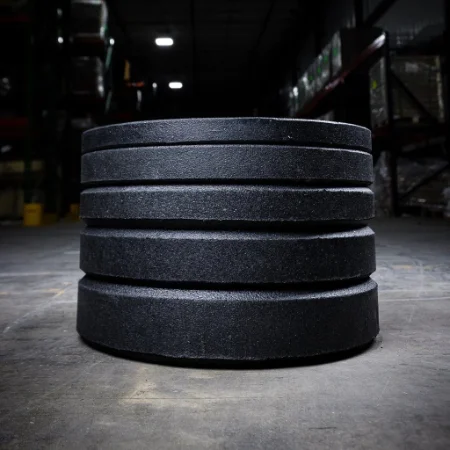
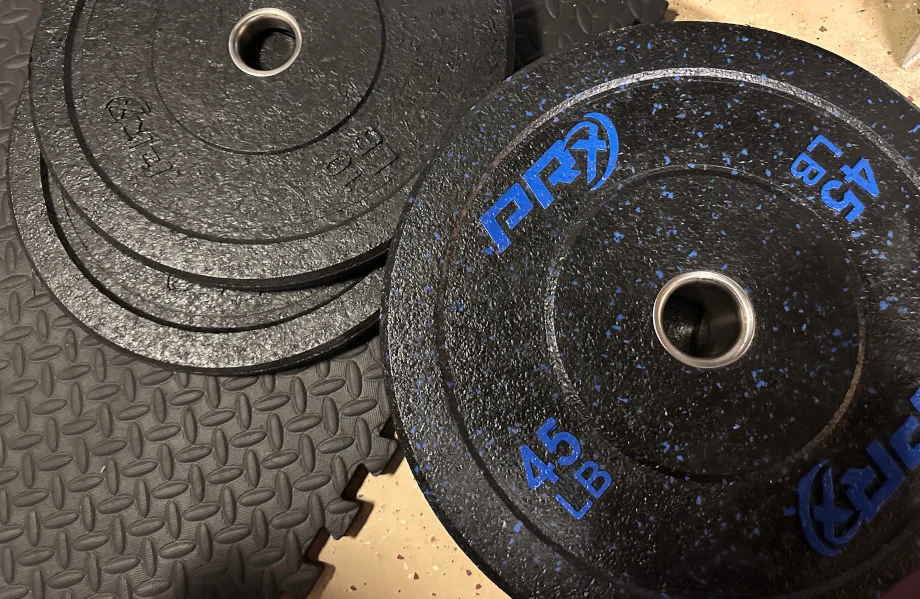
- Made of recycled rubber and with a flecked pattern
- Less expensive than the average weight plate
- Average amount of weight plate options
- Above-average 10-year warranty
Made from recycled rubber, crumb rubber plates are a standard option for CrossFit gyms or outdoor workouts. The flaky exterior will hold up better to some dings and scratches than your typical virgin rubber plates (made with brand-new rubber). We’ve tried more than a dozen different crumb rubber plates and the PRx profiles top our list of favorites.
In particular, the flecked colors throughout each PRx plate make for a unique design, earning them a 4 out of 5 in the category. “I’m a huge fan of the flaky look on the plates,” adds GGR Everything reviewer Lindsay Scheele, CPT, CNC. “The rounded edge also makes them easier to grab from the floor.”
Construction & Durability: 4/5
Bounce: 3/5
Weight Options: 5/5
Why We Like PRx Crumb Rubber Bumper Plates
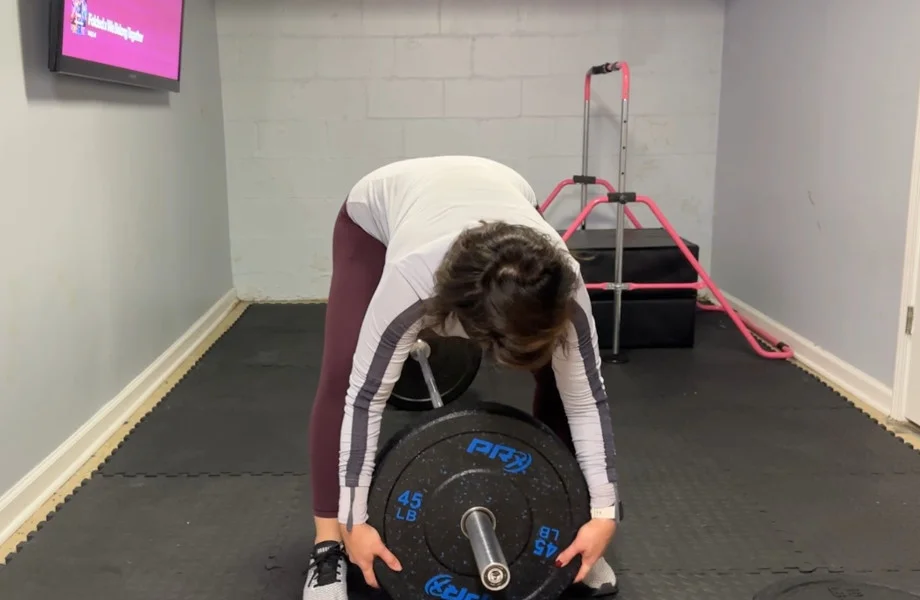
“These are crumb rubber with a hooked stainless steel insert. They seem very durable in my use of them,” GGR Director of Content Nicole Davis, CPT, PN1-NC, told me. Along with a solid design, PRx has tested these plates to withstand 30,000 drops. With that durability, it should perform well enough in your home gym, earning these weights a 4.5 out of 5 for durability and construction. Just don’t drop the 10- or 15-pound plates by themselves, as it’ll void your warranty.
Since the 10s and 15s can’t be dropped alone, you may want to opt out of those plates. Fortunately, PRx sells the weights in pairs and sets, so you can make a purchase based on whatever needs you have for your garage gym. Nicole rates the weight options at 5 out of 5.
I really love the flecked colors in the weights. This can add a lot of fun to your home gym lifts, plus these weights are pretty solid and durable.
Lindsay Scheele, CPT, CNC, GGR Everything lead reviewer
Alternatives
A higher bounce is usually not a great thing, as it can potentially cause more damage to your home gym flooring or equipment. PRx doesn’t disclose the crumb rubber plates’ durometer rating, but Nicole notes that they have a moderate bounce—typical of crumb rubber—earning the PRx plates a 3 out of 5 for the category.
They’re also not the greatest value, as the plates average a little over $2 per pound, which is typical for these types of bumper plates. “The value seems about average, especially considering the median two-year warranty (90 days for the 10s and 15s),” adds Nicole, rating the value at a middle-of-the-road 3 out of 5.
If you’re concerned about the bounce of these plates, you might want to consider the Bells of Steel Dead Bounce Bumper Plates, which—as the name implies—have a low, dead bounce from a drop at any height.
Testing Breakdown
PRx Crumb Rubber Plates shined in their optionality, and our testers really enjoyed the fleck pattern, as well. Here’s a breakdown of how they scored.
Vs. The Average
They’re cheaper than the average weight plate, but PRx’s price per pound is actually slightly above typical crumb rubber plates. The warranty is above the average, too, but not by much.
| PRx Crumb Rubber Bumper Plates | Average Weight Plate | |
| Average price per pound | $2.22 | $2.86 |
| Sold in sets? | Yes | Yes |
| Weight options | 10, 15, 25, 35, 45 lbs | 10, 15, 25, 35, 45 lbs |
| Weight tolerance | Not disclosed | ±2% |
| Plate thickness (45 lbs) | Not disclosed | 2.24” |
| Material | Recycled crumb rubber | Varies |
| Warranty | 2 years (90 days for 10- and 15-lb plates) | 1 year |
Best Cast Iron Plates: The Strength Co. Olympic Iron Barbell Plates
Updated by: Caine Wilkes, OLY, CNC, USAW-L1
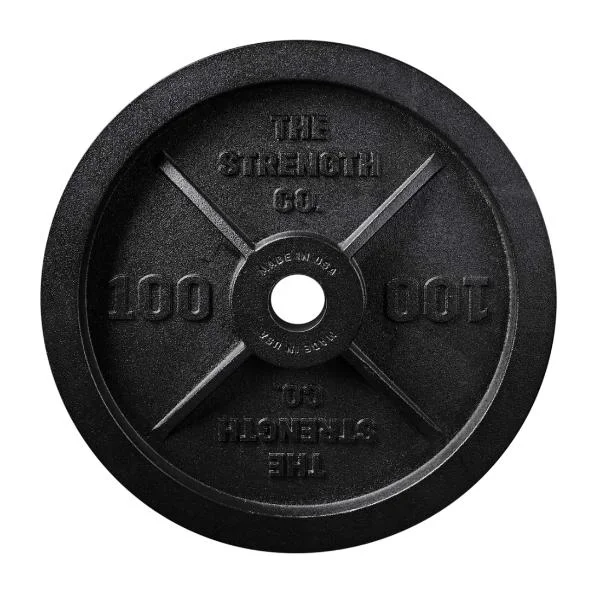
These no-frills cast iron plates from The Strength Co. are made in the United States. With a classic ironplate design, these plates have a thinner profile for serious lifters to load heavy weights onto a barbell, as long as they’re OK with a little clang and bang.
At a Glance
- Iron weight plates sold in pairs and various sets
- Wide weight range from 0.75 to 100 lbs
- Average weight tolerance
- Thinner plates than the average
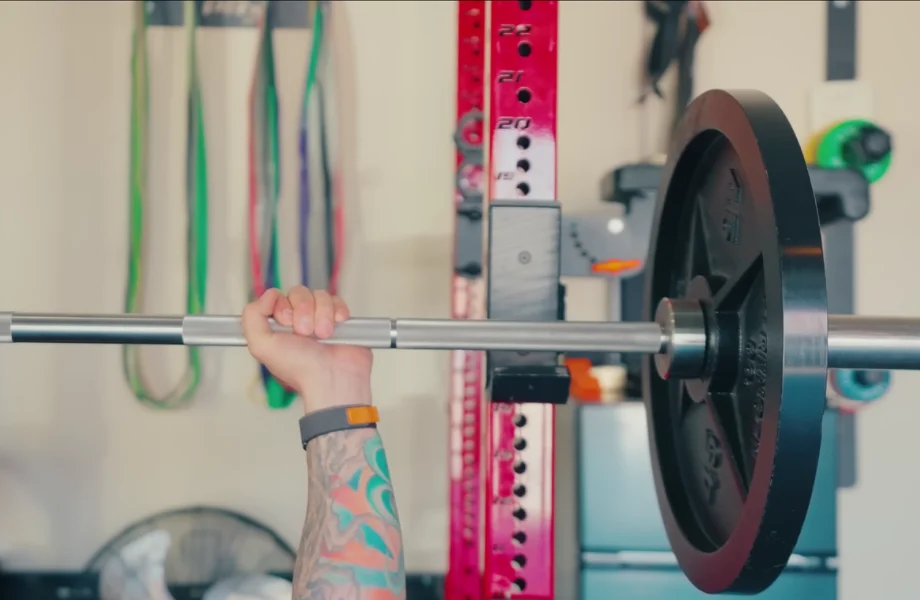
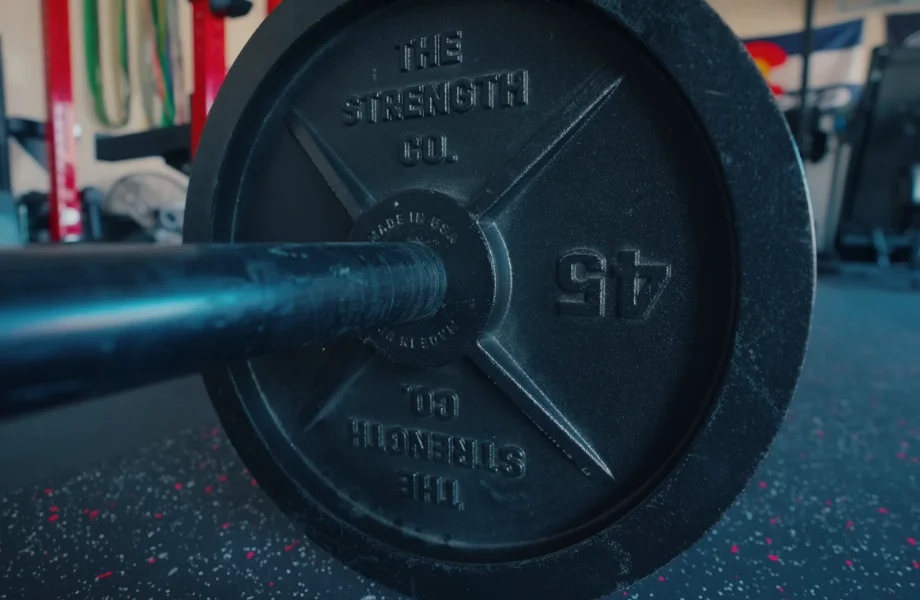
We love an iron plate that looks sleek, yet solid, and the Strength Co. Olympic Iron Plates more than hit the mark. These look great and are functional, too. With these plates, you won’t have to worry about them slipping from your tired grip thanks to the wide lip on the edge of each weight. Whether you want to load up your barbell for some heavy back squats or work on your grip with minimal equipment, these have you covered.
“These iron plates are a great alternative to deep dish plates offered by other brands like Rogue,” adds GGR founder Coop Mitchell. “Plus, they can come in cheaper at more accommodating costs per pound.” He rates the value at 4 out of 5.
Construction: 4.5/5
Weight Options: 5/5
Value: 4/5
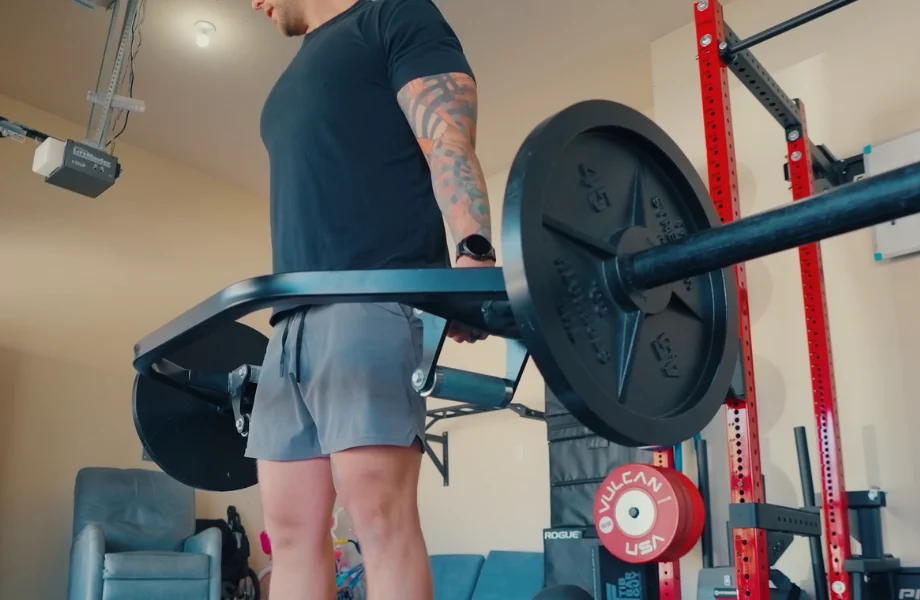
Why We Like The Strength Co. Olympic Iron Barbell Plates
With a smaller inner diameter of 1.99 inches, you won’t have to worry about these weights wiggling around on the barbell. At the time of release, these were the tightest-fitting plates on the market! The 45-pound plate in the set is also only 1.25 inches thick, so you will have plenty of room on your bar to keep stacking them up. You can also opt for the brand’s mammoth 100-pound plates, which are still only 2.25 inches thick. They earn a 4.5 out of 5 for their design and ergonomics.
The weight range on the Strength Co. plates is far-reaching. Not only do the plates feature 100-pound behemoths, but several fractional plates are available, as well: 5-, 2.5-, 1.25-, and 0.75-pound plates can be purchased directly from The Strength Co.. Several plate sets are available for purchase, too, or you can purchase plates in pairs. As such, the weights get a 5-out-of-5 score for their options.
These plates are made in the USA and have a machined edge and interior collar. They don’t use ductile iron, but Coop still says these are a durable plate, rating them a 4.5 out of 5 for construction and durability.
The price is actually pretty good. Depending on the weight increment, they’re just a little bit more than Rogue deep dishes, but they’re actually less than the USA Olympic plates from Rogue. So, they’re just a really good value.
Coop Mitchell, GGR founder and expert product tester
Alternatives
While these iron weight plates may not be the best option for Olympic lifts with so many great bumper plates out there, they can be perfect for powerlifting or bodybuilding-style barbell exercises. Coop would like a thinner lip, however. “It just feels a little too wide to me, and I think it’d look a little better and more like a traditional plate with a thinner lip.” That’s more of a preference, however, and the plates are still well-designed.
I should also note, too, that the Strength Co. offers no returns on their equipment due to many products being custom-made. If you prefer to have the possibility of a return, then I’d look elsewhere.
For better customer policies, you can check out Fringe Sport Black Bumper Plates, which have a 30-day return window. These plates are also backed by a lifetime warranty.
Testing Breakdown
The lack of a return policy and undisclosed warranty period lowered the customer experience score for the Strength Co. plates, but otherwise, this was a solid set of weights in testing.
Vs. The Average
Costing about $2.53 per pound, these are already slightly less expensive than the typical weight plate, but the wide weight plate range and thinner plate thickness also add to their overall value.
| The Strength Co. Olympic Iron Barbell Plates | Average Weight Plate | |
| Average price per pound | $2.53 | $2.86 |
| Sold in sets? | Yes | Yes |
| Weight options | 0.75, 1.25, 2.5, 5. 10, 25, 35, 45, 100 lbs | 10, 15, 25, 35, 45 lbs |
| Weight tolerance | ±2% | ±2% |
| Plate thickness (45 lbs) | 1.25” | 2.24” |
| Material | Iron | Varies |
| Warranty | Not disclosed | 1 year |
Best Urethane Weight Plates: American Barbell Urethane Pro Series Plates
Updated by: Caine Wilkes, OLY, CNC, USAW-L1
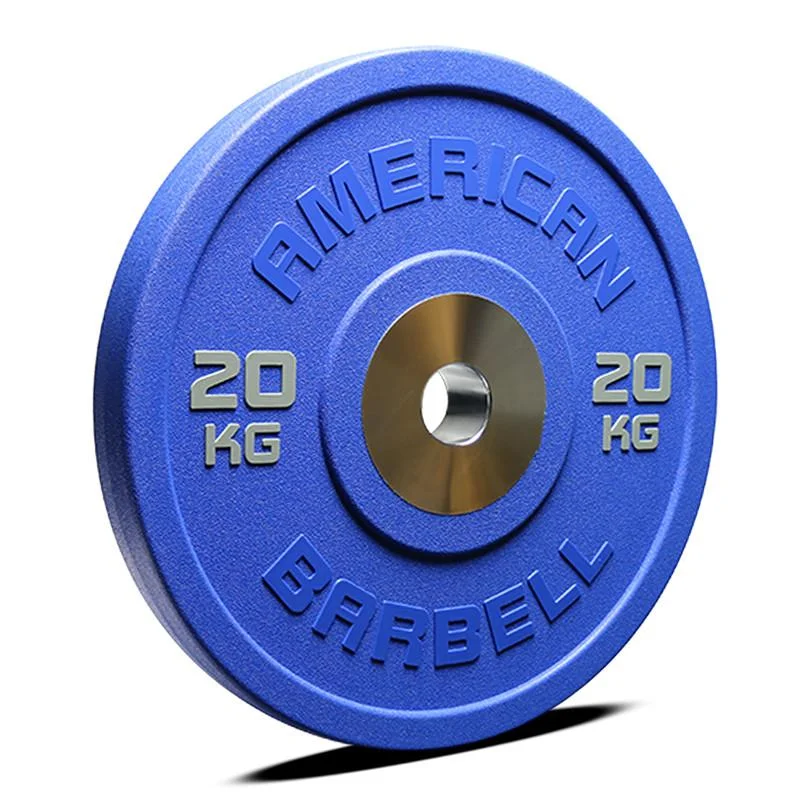
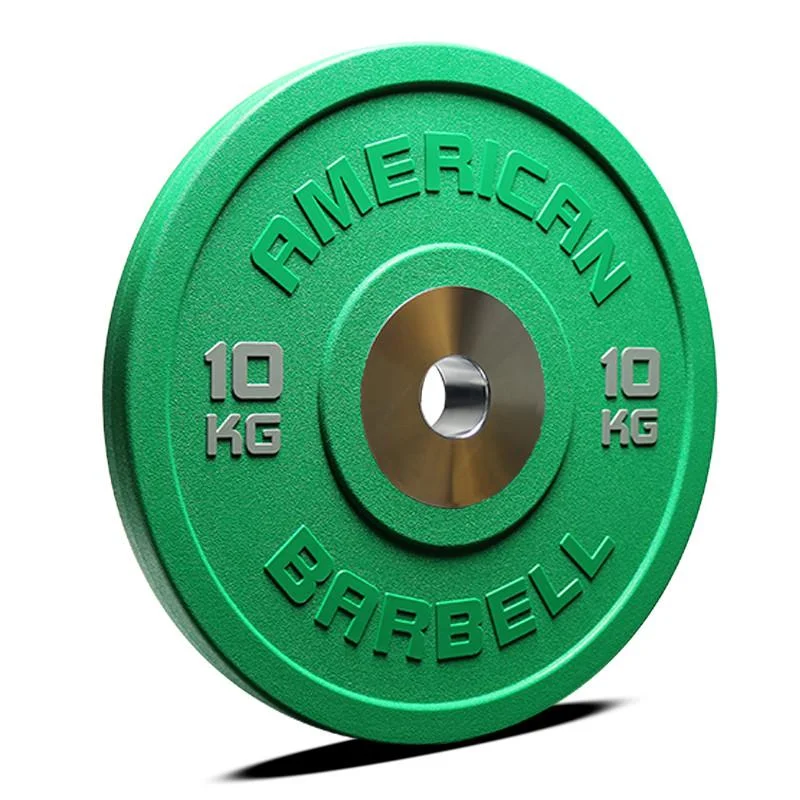
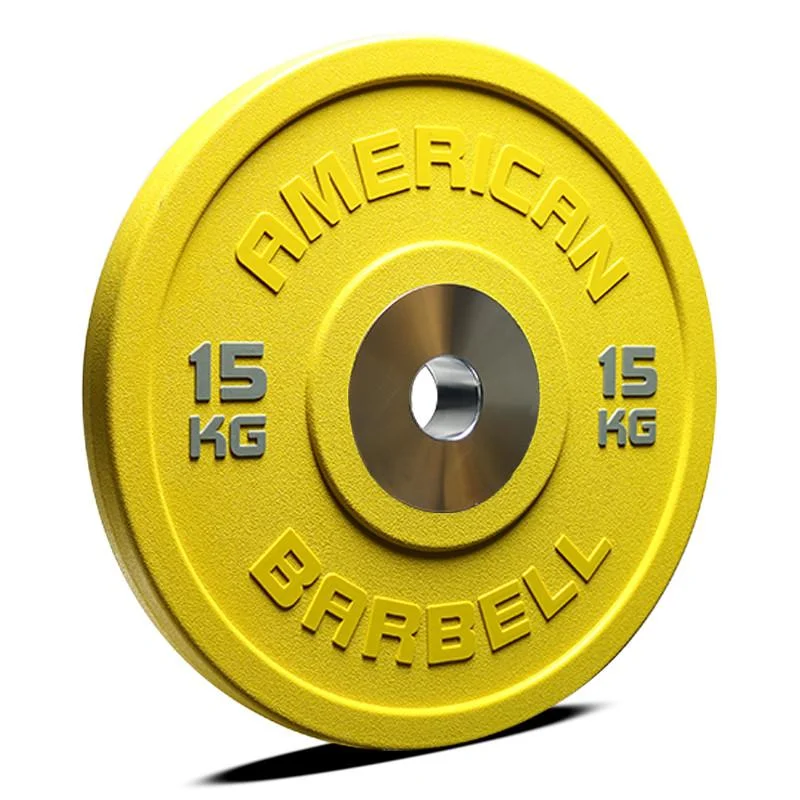
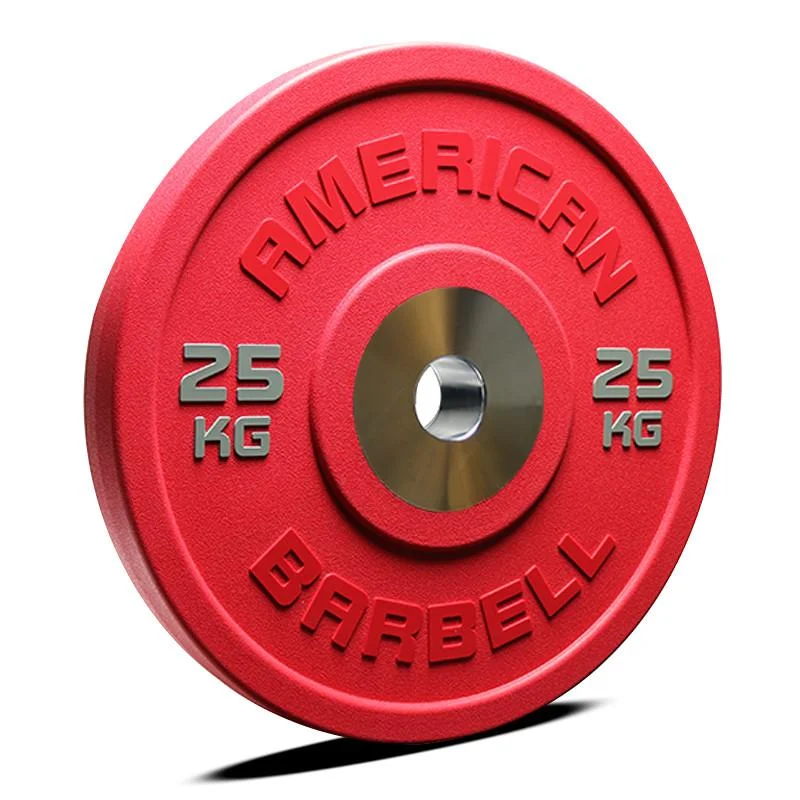

American Barbell Urethane Pro Series Plates deliver elite-level performance, whether for a home gym or commercial gym. With a durable construction and vibrant color coding, these plates look and feel great, although they also come with a premium price tag.
At a Glance
- Highly-durable urethane bumper plates
- Not sold in sets
- More expensive than the standard weight plate
- Above average 5-year warranty
I love a good urethane weight plate. Urethane is an ultra-durable type of rubber that makes for solid, dense weight plates that can resist bouncing and skipping. It’s the same material that’s used to make skateboarding wheels, which last a long time despite thousands of revolutions.
American Barbell Urethane Pro Series Plates are a pricier option for an already-pricey type of bumper plate, but their durability is unmatched. As an Olympic weightlifter, I’ve had the same set of American Barbell bumpers for well over a decade, and they still look nearly brand-new. Having dropped over 400 pounds repeatedly from overhead with these, they’ve held up incredibly well, earning a 5 out of 5 for their construction and durability.
Construction & Durability: 5/5
Design & Ergonomics: 4.5/5
Weight Tolerance: 4/5
Why We Like American Barbell Urethane Pro Series Plates
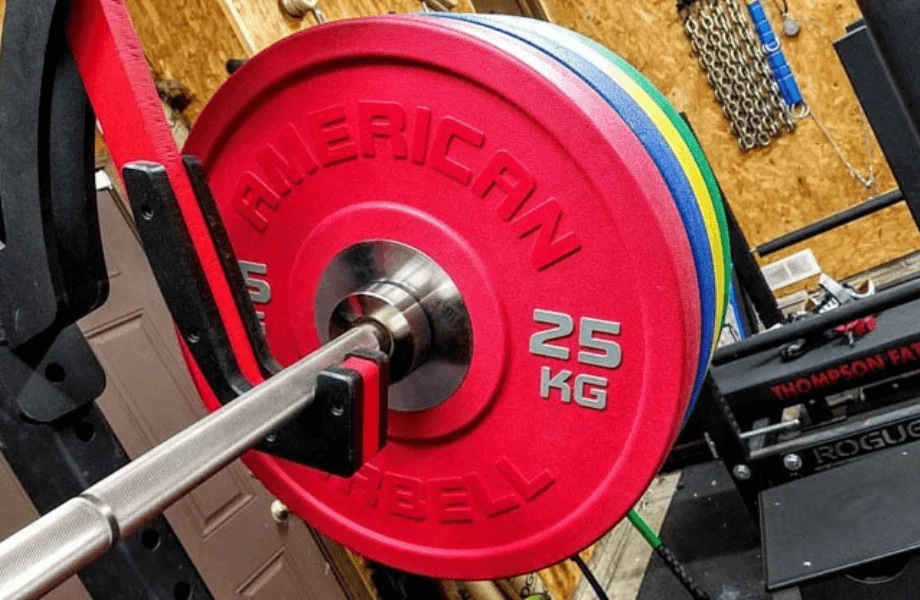
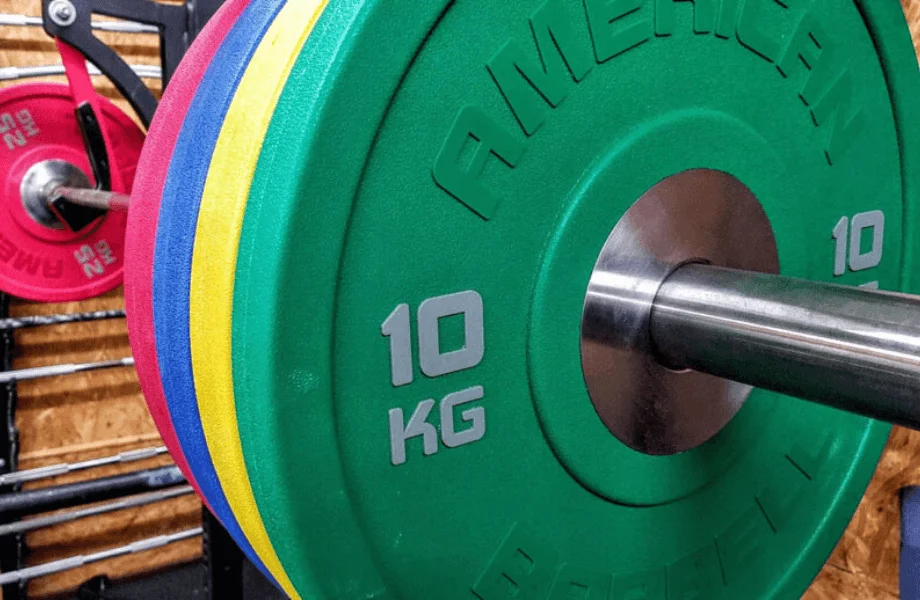
One of my favorite things about these weight plates is their vibrant color. Pictures don’t do them justice, and I have a hard time explaining just how shockingly bright these plates are. They can be a standout addition to any home gym. “They’re a completely different shade than rubber plates, and it’s due to how urethane accepts dye versus lower-grade compounds,” GGR founder Coop Mitchell explained to me. I rate the design at a 4.5 out of 5.
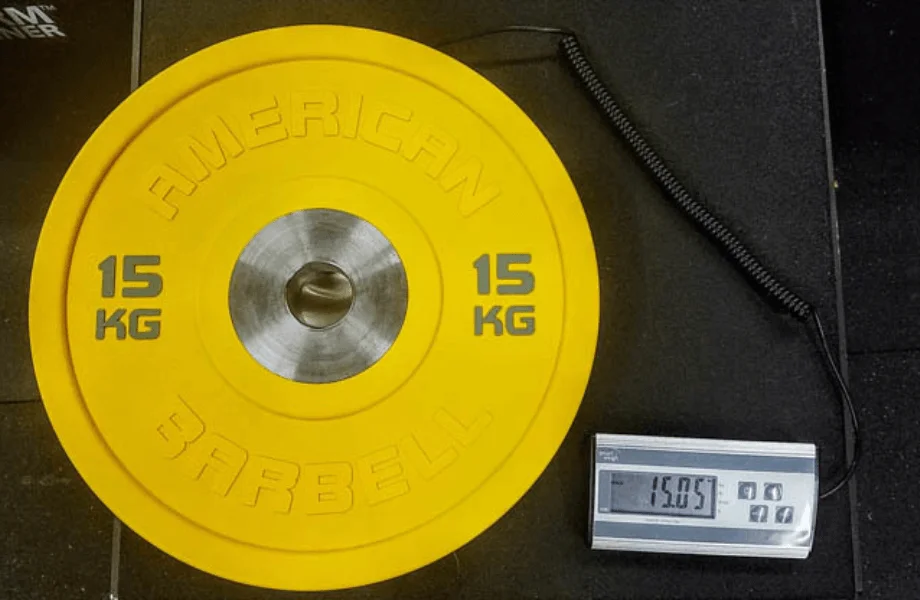
American Barbell doesn’t claim a weight tolerance for these plates online, but when Coop tested them, he found the plates to all be within 15 grams of their stated weight—the typical weight tolerance of competition bumpers. However, since the tolerance isn’t stated, we rate the weight tolerance at 4 out of 5; just know it’s been highly accurate in my and Coop’s experiences.
These bumpers have a one-piece construction. That one-piece hub construction allows it to not displace or break away from the urethane over time. It’s going to last much longer than most plates.
Coop Mitchell, GGR founder and expert product tester
Alternatives
Even though I like the bright color coding and sharp looks, I do have one complaint about the design. The square, angular edges make picking up these bumpers tough if they’re flat on the floor—a common occurrence while switching weights in the middle of a lifting workout. A slightly angled edge would make these plates way easier to lift up. It’s a small hassle, but an annoyance, nonetheless.
Another callout is the price. Urethane is already a pricier weight plate material, but the American Barbell plates cost, on average, over $7 per pound. These are certainly a premium plate to buy, especially considering they’re not sold in sets…meaning there are no bulk discounts for these plates. They’re available in both pounds and kilograms, at least, so they earn a 2.5 out of 5 for weight options.
For an easier grip, try the Titan EZ-Grip Elite Urethane Color Plates. With built-in handles along the edge, these plates are a little easier to handle (and slightly cheaper).
Testing Breakdown
Although weight options are limited, American Barbell Urethane plates are a high-quality set for home gym enthusiasts.
Vs. The Average
The premium construction and materials used in the American Barbell Urethane Pro Series Plates will justify the price for some folks, which is substantially higher than the average.
| American Barbell Urethane Pro Series Plates | Average Weight Plate | |
| Average price per pound | $7.37 | $2.86 |
| Sold in sets? | No | Yes |
| Weight options | 25, 35, 45, 55 lbs (5, 10, 15, 20, 25 kg) | 10, 15, 25, 35, 45 lbs |
| Weight tolerance | Not disclosed | ±2% |
| Plate thickness (45 lbs) | 2.05” | 2.24” |
| Material | Urethane rubber, steel center hub | Varies |
| Warranty | 5 years | 1 year |
Check out our American Barbell Urethane Bumper Plates review for additional details.
Best Competition Bumper Plates: Rogue Competition Bumper Plates
Updated by: Caine Wilkes, OLY, CNC, USAW-L1
At a Glance
- Durable bumper plates made to last through weightlifting competitions
- Above-average price per pound
- Tighter weight tolerances than the standard
- Above-average warranty
Many think competition Olympic bumper plates are the same as regular training bumper plates. Having experienced competition bumpers at the world and Olympic stages, I can verify that they’re definitely different. Competition bumper plates utilize a steel center plate instead of just a center ring; are typically thinner so you can fit more weight on the bar; are made to IWF specifications (including color coding); and they have tighter weight tolerances than standard bumpers.
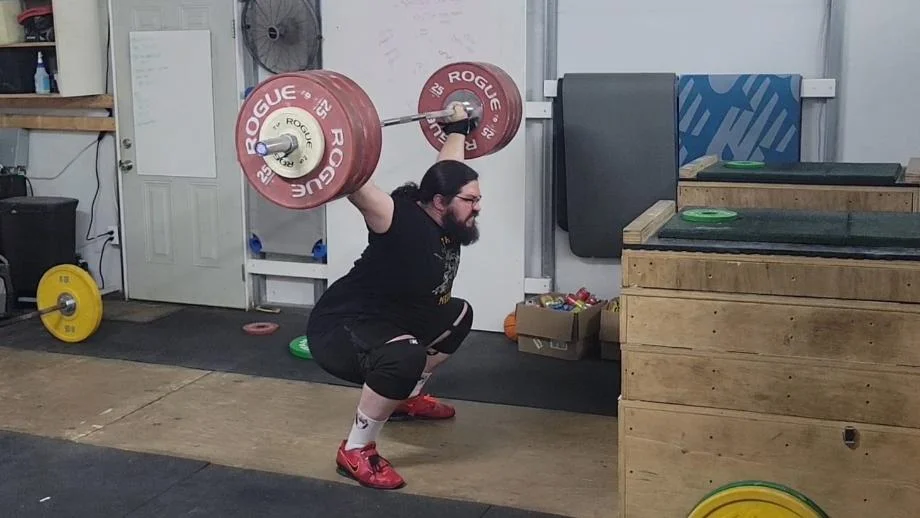
The Rogue Competition Bumper Plates are solid if you’re looking for a durable set of competition bumper plates. I’ve used these in gyms that have had them for years, and aside from some small dings and scratches, they hold up extremely well. I rate the construction and durability at 4.75 out of 5.
Weight Tolerance: 5/5
Value: 3.5/5
Design & Ergonomics: 5/5
Why We Like Rogue Competition Bumper Plates
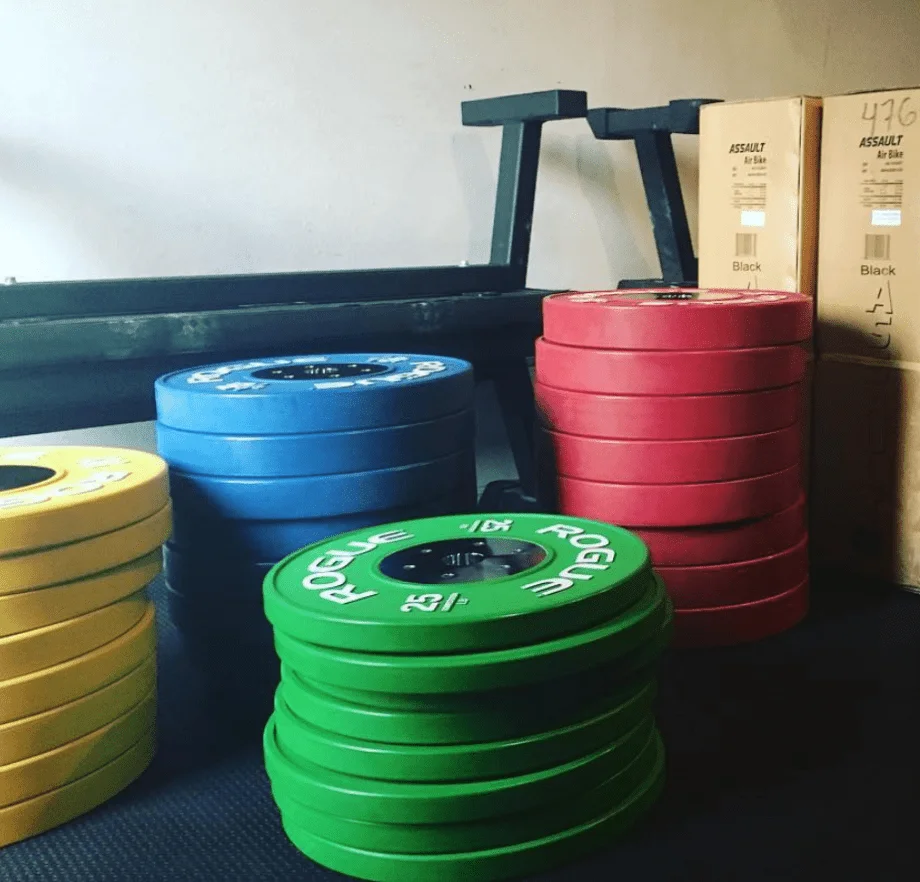
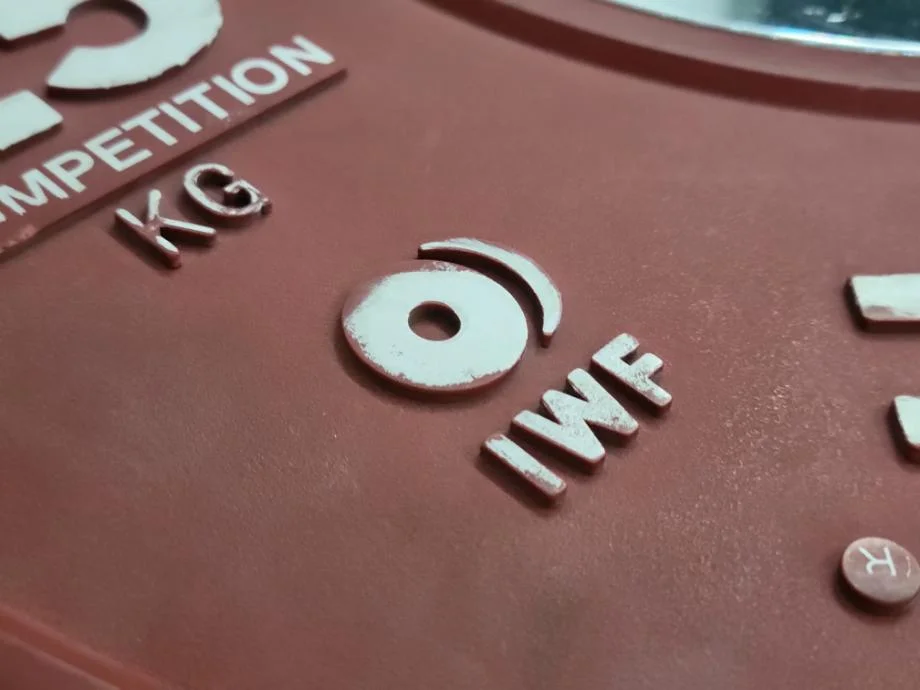
The Rogue Competition Bumper Plates, in particular, feature a chrome-plated steel center plate, a gloss-matte-gloss finish in IWF colors, raised white lettering, and official IWF branding. The 450-millimeter diameter meets IWF specs, too. With a 50.4-millimeter collar opening, these competition bumpers fit an Olympic barbell very snugly and may not fit cheaper barbells that aren’t made to spec. These weights are literally made to handle constant drops on the international stage, earning them a 5 out of 5 for design and ergonomics.
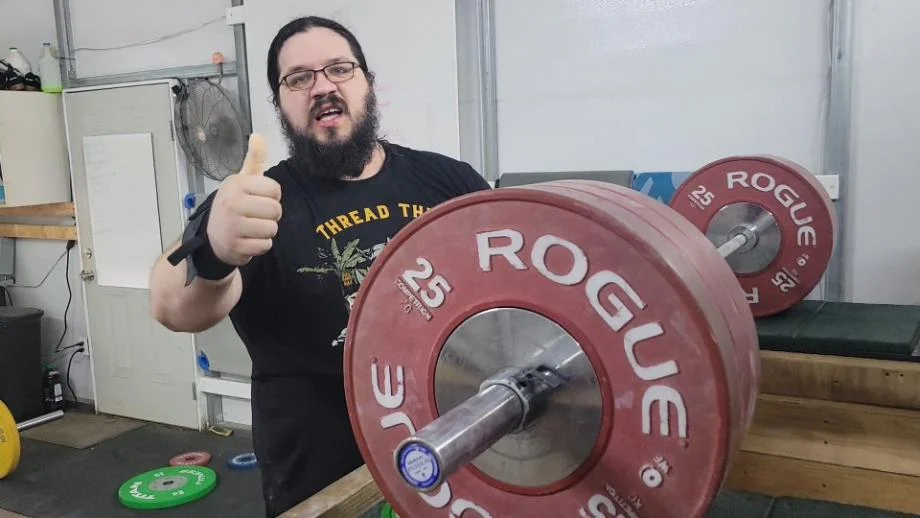
A tight weight tolerance of just 15 grams in either direction of the stated weight means competitors can confidently train with these Olympic weight plates and match their lifts in competitions. These plates get a 5 out of 5 for weight tolerances. “I’ve weighed a handful of these plates before and am always surprised by how accurate they are,” adds USA Weightlifting coach Jacob Penner, who owns these plates and uses them frequently at his barbell club.
Rogue Competition Bumper Plates have an insanely high Shore A Durometer rating of 94, making these some of the densest bumper plates available. No matter how much or how little weight you have on the bar, you will receive a dead bounce when you drop these weight plates, enough to earn these weights a 5-out-of-5 rating for bounce.
These keep their color really well. USA Weightlifting uses Rogue competition plates every year, and they’ve been used multiple times. The color is still really vibrant year after year.
Jacob Penner, USAW-L2, GGR expert contributor
Alternatives
The saying “you get what you pay for” rings true with these plates. Rogue Competition Bumper Plates are not a budget product; I’d go as far as to say they’re a luxury, rating them a 3.5 out of 5 for value. They’ll most likely be too expensive for most people, and I typically wouldn’t recommend them unless you have plans to seriously compete. Most home gym enthusiasts are likely better served with a standard bumper plate set or even rubber-coated iron weights.
If you do compete in Olympic weightlifting, however, this is one of the best plate set options out there.
If you’re a fan of Rogue Fitness but prefer a less expensive weight plate, take a look at Rogue Echo Bumper Plates, which are geared more toward a budget cost.
Testing Breakdown
These are very high-quality weight plates, although not everyone is looking for this level of quality in the day-to-day home gym. Here’s how these Rogue KG Competition Bumper Plates scored in our testing.
Vs. The Average
Although a pricier bumper plate, Rogue Competition Bumper Plates have tighter weight tolerances, as well as an above-average warranty. As such, they may be a worthwhile investment for anyone who has the budget to cover the cost.
| Rogue KG Competition Bumper Plates | Average Weight Plate | |
| Average price per pound | $4.25 | $2.86 |
| Sold in sets? | Yes | Yes |
| Weight options | 10, 15, 20, 25 kg | 10, 15, 25, 35, 45 lbs |
| Weight tolerance | ±15 g | ±2% |
| Plate thickness (45 lbs) | 2.15” (20 kg) | 2.24” |
| Material | Rubber, chrome-plated steel hub | Varies |
| Warranty | 5 years | 1 year |
You can read more in our Rogue Competition Bumpers review.
Our Testers


Lindsay Scheele, CPT, CNC
Lindsay Scheele is a certified personal trainer, ISSA-certified nutrition coach, Level 1 CrossFit coach, and lead reviewer on GGR Everything.

Ben Emminger, NASM-CNC, NASM-CSNC
Ben is a NASM-Certified Nutrition Coach and NASM-Certified Sports Nutrition Coach.

Caine Wilkes, OLY, CNC, USAW-L1
Caine is an Olympian, placing 9th in weightlifting at the 2020 Tokyo Olympics.
Other Weight Plates We Researched and Tested
There are hundreds of options out there for weight plates. It would be impossible to cover all of them in-depth, but we did put together a list of honorable mentions that we’ve tried or, at the very least, thoroughly researched. Here’s a look at other options for bumper plates, competition bumpers, iron plates, and steel plates compared to our top picks above:
- Rogue Six Shooter Urethane Grip Plates: Rogue Six Shooters have a great cast iron finish and machined openings to make them one of the best weight plates with handles for gripping or moving. They’re a great looking plate, but the bare steel might make them louder with multiple weights on a barbell.
- Titan Fitness Calibrated Steel Weight Plates: We haven’t had the chance to test them yet, but they’re on our schedule These may be some of the best calibrated steel weight plates price-wise, but like other Titan equipment, several weight plates are often out of stock.
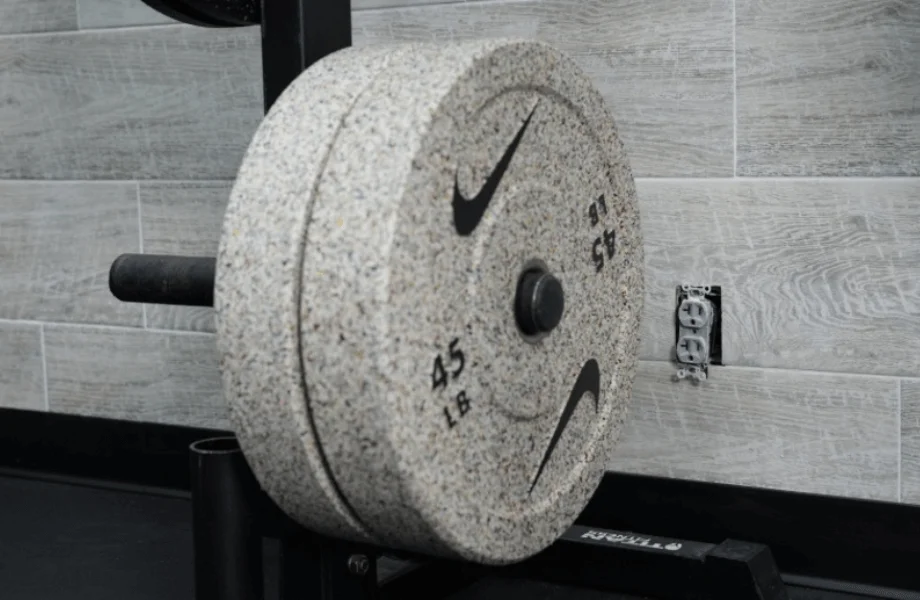
- Nike Grind Rubber Bumper Plates: Although big in apparel, Nike Strength equipment is pretty new to the scene of strength and fitness equipment. The brand’s bumper plates are sharp-looking and durable, but can only be bought in pairs.
- Eleiko XF Bumper Plates: These are great bumper plates, but I think they’re too expensive for most home gym owners in the United States. Eleiko equipment is always cheaper in Europe since that’s where the headquarters is. Regardless, these plates have great sound suppression, although they’re a bit thick for my liking. They now offer these in pounds as well as kilograms.
- REP Fitness Competition Bumper Plates: We actually really like these plates, as seen in our REP Competition Bumper Plates review. They’re a good value competition plate and have proven very durable in our gym. However, the pricing feels off to me: They aren’t very budget-friendly, but they also aren’t high enough quality to outrank other competition bumpers.
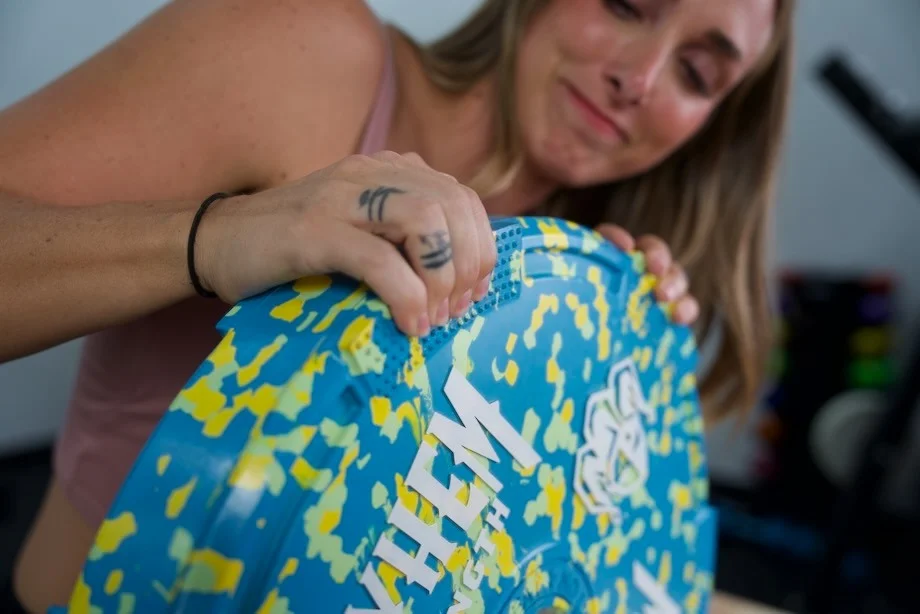
- Mayhem Strength Bumper Plates: The neon fleck patterns on these bumpers certainly make them stand out, but the price might deter some from taking a closer look. Read more in our Mayhem Strength Bumper Plates review.
How We Picked and Tested the Best Weight Plates
Admittedly, there are tons (pun intended) of weight plates out on the market, so to bring you our picks for the best weight plates, we started with research drawing both from our expert team’s experience and knowledge of top brands. We researched hundreds of different types of weight plates, including bumper plates, steel calibrated plates, competition plates, hi-temp bumpers, and even smaller change plates and technique plates—all to provide you with a comprehensive list that covers a breadth of different interests, goals, and strength training methodologies.
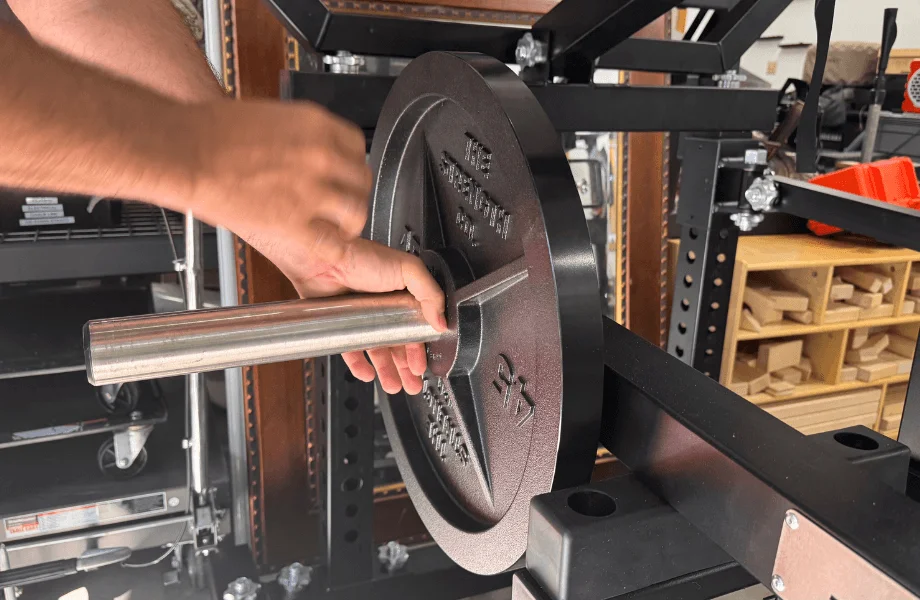
From there, we’ve tested and used over 100 weight plates to make sure each plate was worth its cost, amongst other factors. We prioritized Olympic weight plates that had 2-inch holes over standard weight plates with 1-inch openings, as most home gym owners prefer the 2-inch Olympic sizing nowadays.
RELATED: Olympic Weights Vs. Standard Weights
Our team took these plates and bumpers through extensive testing and drops (if the plate was supposed to withstand drops) and rated each one using our proprietary testing methodology. Scores between 1 and 5 were given to each weight plate set in the following categories:
Construction and Durability
Weight plate materials can vary, but the more common materials are rubber, cast iron, and steel. Durable urethane bumper plates are growing in popularity, but due to their increased price, they aren’t quite as popular as the other options.
Metal weight plates aren’t made for drops from overhead, since they’d mostly be used for squats, deadlifts, or bench press; they’re not made for any drops, really. Still, accidents can happen, so we’d like a weight plate to be able to handle an occasional accidental drop from hip height—the top of a deadlift.
To earn a 3 out of 5 in this category, weight plates should show no structural damage or wear from our testing (although design choices or lesser-quality materials may lead our testers to question the long-term durability of the plates). Aesthetic scratches or marks may also occur during testing.
Weight Tolerance
Ideally, we’d like every 45-pound plate we purchase to weigh exactly 45 pounds. However, each weight plate can be slightly off in total, so many companies guarantee a weight tolerance, stating that each weight plate will be within a certain percentage of the declared weight. A weight tolerance of ±3% gets a 3 out of 5, while smaller, tighter tolerances are awarded higher scores.
Bounce
Because you shouldn’t be dropping an iron weight plate, this score is for bumper plate sets only. To determine a bounce rating, our testers will take into account any listed Shore A Durometer rating, along with testing the bumpers out during some drops. Durometer ratings, which can go to 100, express the firmness of rubber; a higher rating means a harder rubber, which, in turn means a lower, minimal bounce when dropped.
We rate a bounce at 4 out of 5 if the Durometer rating is 85 or higher, and the weight has a controlled, low, and dead bounce during our testing.
Design and Ergonomics
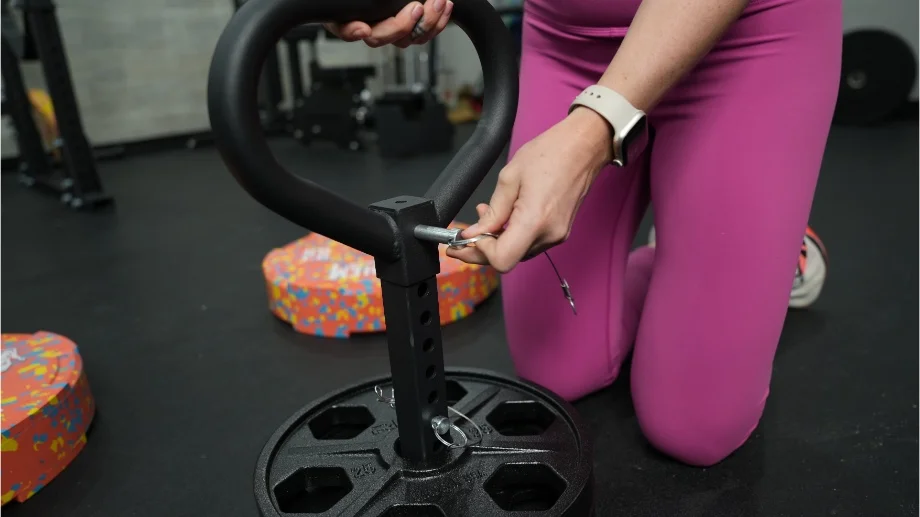
While you might perceive that there’s not much to think about with weight plate designs, there are plenty of ways companies can improve upon the silhouette of a plate to bolster its functionality and ergonomics. Handles and grips, for example, make weight plates easier to load onto and off of a barbell, but can also make the weights more versatile and usable for exercises like lunges or farmer’s carries.
Another factor in design is color coding. Not every weight plate is color-coded—and some use unique colors and patterns—but we like to see plates that follow color-coding standards set forth by the IWF and IPF (International Weightlifting Federation and International Powerlifting Federation, respectively):
- 55-lb plate (25 kg): Red
- 45-lb plate (20 kg): Blue
- 35-lb plate (25 kg): Yellow
- 25-lb plate (10 kg): Green
- 10- or 15-lb plate (5 or 7.5 kg): Varies
A score of 4 out of 5 means a weight plate has a sharp design and lettering that allows for easy reading, but top scores may include nice features that allow for easier use, such as a rounded edge, deep dish plate lip, or cut-out handles.
Weight Options
Because each garage gym owner and fitness enthusiast has different needs for their setups, we favor weight plates that are sold in plenty of options; ideally, both pairs and sets. It’s also nice that weight plates hit a full range of weights, from lighter 5-pound change plates to heavier 45- or 55-pound plates.
We award a 3 out of 5 to weight plates with a broad range of available weights, but they may lack a variety of purchasing options: They’re either sold in pairs or sets, but not both. Top scores go to weights available in pairs and various sets.
Value
Weight plates can vary in price due to their materials and quality. Both iron weight plates and rubber bumper plates can cost below $2 per pound, but competition plates with a tighter weight tolerance will cost more. LIkewise, urethane plates will cost significantly more, as much as $7 or $8 per pound—the literal price to pay for a more durable bumper plate.
Because the range of prices can vary from plate to plate, we factor in the overall value to determine if the price is justified or not. A weight plate may be pricier but designed with ergonomical features or built with quality materials that make the price worthwhile. A good (or bad) warranty period may also be a factor.
A value score of 3 out of 5 means that the weights are priced fairly around the market standard, but a higher score means the weight plates have extra features or durability in their design while still being priced competitively.
Customer Experience
We break down the customer experience into two main factors: customer service and policies. For policies, we take a look at the warranty, financing options, and return policy of companies and make sure they’re up to industry standards or higher. As for customer service, we look for staff to be responsive and knowledgeable, ideally answering inquiries within 24 hours. Making sure that customer service is easy to reach is also an important factor.
Typically, top scores go to brands with solid customer service and multi-year warranties. They also may have 0% financing options available, and returns can be made within 30 days.
Customer Reviews
We want to know what other customers experience, not just our expert testers. Don’t get me wrong; there’s a reason we call our testers “experts.” However, we still look for the many experiences had by the home gym community to help round out our reviews. For example, just because we didn’t have any issues with our purchase, it doesn’t mean that other customers had no issues, either.
We’ll pull this score directly from the website or an online retailer like Amazon, and we’ll also note any repeated issues or problems seen from customers in our reviews.
Benefits of Weight Plates
Weight plates are a staple for any home gym, especially if you’re prioritizing strength training in your routine. “Strength training helps in burning fat and managing weight by building muscle,” exercise physiologist Chris Mohr explained to me. “Muscle is a metabolically active organ, so building muscle increases your resting metabolic rate, which means you can burn more calories, even when at rest.”
Here are some other reasons why weight plates are often seen as an essential part of a home gym.
Versatility
With a barbell and some weight plates, you can do 99% of the exercises you need to do to get stronger and fitter. If you can only choose one type of equipment to get for your home gym right now, I’d suggest making it a barbell and a set of plates, even if it’s just a pair of 45s. This will allow for plenty of versatility, more than the best dumbbells or cardio machines.
With a barbell and plates, you can do back squats, front squats, deadlifts, overhead press, bench press, clean and jerks, snatches, rows, lunges, and some of the best back exercises. You can also do accessory work such as biceps curls, Romanian deadlifts, good mornings, skull crushers, and so much more. You can even hold weight plates to add challenge to some bodyweight exercises, like Russian twists or lunges. The versatility of weight plates is really only limited to the exercises you can think of.
Functional Movements
Weight plates allow for free weight exercises, which basically means you’re handling weight and stabilizing across multiple planes of motion—not just isolating one motion like machines would do. Isolation exercises from Smith machines and the like have their place in training, but free weight movements allow for more muscles to be activated1 during exercise.
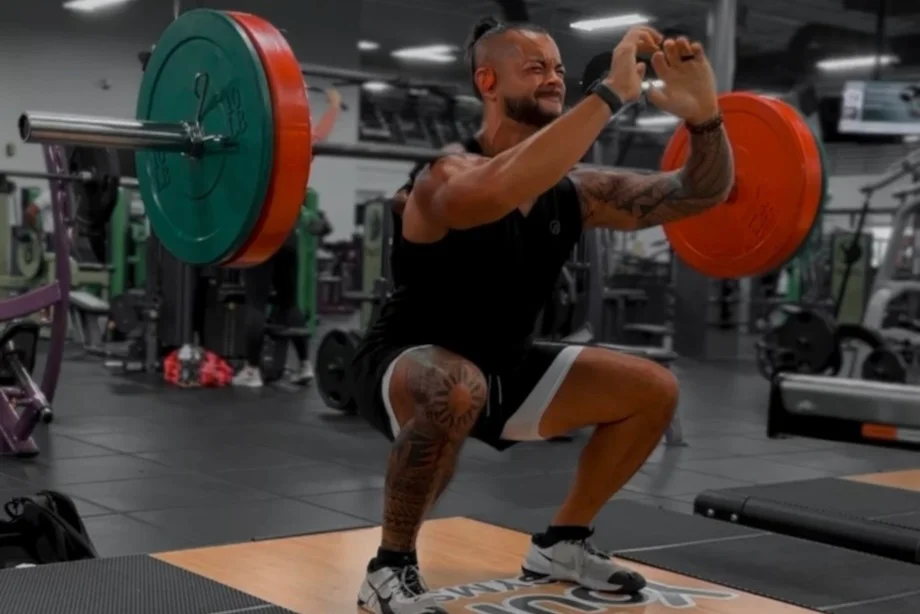
These free weight exercises often involve compound movements, which are functional and mirror movement patterns done in everyday life. Chris explains, “Compound exercises can train multiple muscle groups, help build overall strength, and also mimic movements we use in daily activities, such as lifting groceries or climbing stairs. With consistent training, these exercises can help improve balance and coordination.”
Improved Joints and Bone Health
Weight plates don’t just help build muscle; they can support stronger joints and bones, too. A 2022 meta-analysis2 found that resistance training not only aids in building muscle and strength, but there’s also a positive effect on strengthening bones. Bone mineral density was improved in most studies looked at, suggesting it can be a great tool in minimizing bone loss in older populations.
Chris also explained to me the benefits of strength training on the joints. “Weight training can strengthen the muscles around the joints, providing better support and reducing stress on the joints themselves, too,” he states. “Improved stability around joints can alleviate joint-related issues like arthritis.”
Durable Equipment
A good barbell and some durable weight plates—whether you choose bumpers or metal plates—can last a lifetime with proper care and maintenance. You’ll have a better gym and become a better athlete with these basic but important pieces of gym equipment.
RELATED: Barbells vs Dumbbells
Chris emphasizes, however, for beginners to ease into strength training. He says, “Beginners should start with lighter weights and focus on mastering technique and form first. A weight that allows you to do 12 to 15 repetitions with decent form is a good starting point; as your strength improves, you can gradually increase the weight, as progressive overload will offer bigger benefits.”
Bumper Plates vs. Metal Plates
In the fitness community, you’ll often hear people argue over whether metal plates or rubber plates are best. The truth is, neither is inherently better than the other. They just have their own places and their own uses. Choosing the right type of plate for your facility and your training style is what’s important.
Bumper plates are best for Olympic lifting and functional fitness-style training. If you’ll be dropping your barbell at all from overhead, from the front-rack position, or even from the hang, you should get bumper plates. Why? Because bumper plates are made primarily of rubber: A thin iron or steel core is coated with a thick, protective layer of rubber to create accurate yet durable plates.
RELATED: Bumper Plates vs. Iron Plates
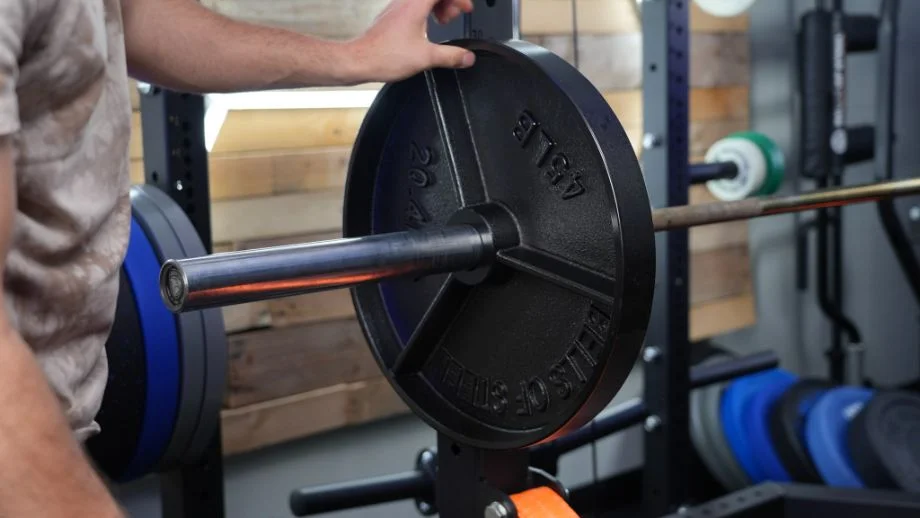
Metal plates, on the other hand, don’t have a protective rubber coating. This means you should not drop them from any position, so it limits the types of lifts you can do with them. If you have no intention of doing Olympic lifts or CrossFit-style training, iron or steel plates are a good option for you. They can get noisy, though, especially on heavy deadlifts or simply while re-racking the bar.
Keep in mind that some metal plates have a thin rubber outer layer, but this doesn’t make them bumper plates. You still shouldn’t drop these or similar plates from any position. If you’re after metal plates, the kind with a thin rubber coating reduces noise, which is a good option if you live close to your neighbors.
By the way, there doesn’t appear to be any difference in muscle activation when using bumper or standard plates, according to one study3. The study looked at the bench press, so it’s unclear if there’s any difference when doing deadlifts or squats.
How to Choose the Best Weight Plates for Your Garage Gym
Weight plates, like all other home gym equipment, are subjective. The best weight plates for you may not be the best weight plates for someone else. (That’s why we have so many different categories of weight plates in this roundup.)
To choose the best weight plates for your home gym, consider the following factors and buy the weight plates that best fit your needs for each category.
Materials and Construction
Rubber or metal? That is the question—the initial question, at least. Much more goes into weight plates than just “rubber or metal,” but to narrow down your options, that’s the first thing you should consider. Do you need bumper plates or will metal plates suffice?
Once you determine that, consider what subcategory of materials you need. If you’re going with bumper plates, will recycled rubber types such as crumb rubber work for you? Or, do you need something with a higher density and less bounce, such as urethane rubber? If you’re going with metal, research the differences between cast iron plates and steel plates. Look for calibrated metal plates if you’re a competitive powerlifter, or competition bumpers if you’re an Olympic weightlifter.
Make sure to also look at what the center ring is made of on any weight plates you’re interested in, as well. A stainless steel center ring is best for durability and longevity. Any version of finished steel, such as zinc-coated steel, will scuff over time and potentially rust if not in a climate-controlled environment or if not cared for properly. Some center hubs are made of brass, which is a softer metal and can scuff easily and wear down over time.
Your Training Goals
This goes hand-in-hand with materials and construction. The way you train and your fitness goals will largely dictate which weight plates are the best for your home gym. As mentioned above, rubber weight plates are best for people who do Olympic lifting, functional training, or otherwise have any chance of dropping barbells. Metal plates will work for powerlifters and anyone else who has no intention of dropping weights.
Durability
Once again, we circle back to materials and construction. As you would expect, pricier plates generally (but not always) prove to be more durable than less expensive weight plates. For example, urethane rubber plates are more expensive than crumb rubber plates; urethane is far more durable than crumb rubber and will hold up for many more years. As for metal plates, it’s worth paying more for ones that are powder-coated, e-coated, or rubber-coated to delay scuffing and rusting.
Your Home Gym Setup and Location
Think about things like flooring and insulation when choosing weight plates. If you live in a townhome and your garage backs right up to your neighbors’ on both sides, consider getting high-quality bumper plates to keep bounce and noise to a minimum. If you happen to have 10 acres of land and a barn-turned-gym, however, who cares how much noise your iron plates make?
Working out on unprotected floors like bare concrete? First of all, I recommend getting some inexpensive horse stall mats from your nearest Tractor Supply Company store, but if that’s not an option at the moment and you’re ready to buy plates, bumpers are likely to be better for your floors (and they’ll hold up better than bare metal plates on bare concrete floors).
Calibrated vs. Uncalibrated Weight Plates
If you compete in powerlifting or Olympic lifting, you should consider buying calibrated weights. For powerlifters, calibrated iron or steel weights are the best options. For Olympic lifters, competition bumper plates are the best. Regardless of your sport, look for plates that deviate no more than 15 grams from the stated weight.
Budget
Your budget, of course, ultimately determines which weight plates you can buy. More money will get you better weight accuracy, improved durability, and higher quality materials. A tighter budget means you’ll have to sacrifice some elements of a good weight plate, such as weight accuracy or, when it comes to bumper plates, minimal bounce.
FAQs About the Best Weight Plates
What type of weight plates are best?
The best kind of weight plate for you will depend on your fitness goals and preferred method of training. If you’re a bodybuilder or don’t plan on slamming weights often, go for iron or steel weight plates. Weightlifters or CrossFitters, on the other hand, should lean toward rubber or urethane plates, because the material can be dropped onto the floor while taking little to no damage.
What weight plates are used in the Olympics?
The Olympic sport of weightlifting uses competition bumper plates, which are made to be highly accurate and specified to the International Weightlifting Federation’s specs. Competition bumper plates actually used for international competitions (like the Olympics) have to be IWF-certified to be used.
Very few brands carry IWF-certified plates, but you’ll see brands like Eleiko, ZKC, Werksan, Uesaka, and DHS on an Olympic platform. Rogue Fitness also has certified bumpers and bars, but the brand has yet to be featured at an Olympic Games.
RELATED: Equipment for Olympic Weightlifting
Are rubber-coated weight plates better than bumper plates?
It mostly depends on how you train. While both plates have a protective rubber coating to help protect your gym floor, bumper plates are designed to handle drops from overhead. The rubber design also helps minimize noise and can absorb shock on drops, better protecting your floors and gym equipment.
Rubber-coated iron plates, on the other hand, will help reduce noise and protect your flooring in minor drops, but aren’t designed for major drops from overhead. Any drops, even from a deadlift height, runs the risk of damaging or breaking your weight plates. That said, metal weight plates are typically thinner than bumper plates, so powerlifters will be able to load more weight onto a barbell using rubber-coated metal plates.
References
- Schwanbeck, S., Chilibeck, P. D., & Binsted, G. (2009). A comparison of free weight squat to Smith machine squat using electromyography. Journal of strength and conditioning research, 23(9), 2588–2591. https://doi.org/10.1519/JSC.0b013e3181b1b181
- Massini, D. A., Nedog, F. H., de Oliveira, T. P., Almeida, T. A. F., Santana, C. A. A., Neiva, C. M., Macedo, A. G., Castro, E. A., Espada, M. C., Santos, F. J., & Pessôa Filho, D. M. (2022). The Effect of Resistance Training on Bone Mineral Density in Older Adults: A Systematic Review and Meta-Analysis. Healthcare (Basel, Switzerland), 10(6), 1129. https://doi.org/10.3390/healthcare10061129
- Fiedler, M. J., Triplett, N. T., Hamilton, K. C., Needle, A. R., & van Werkhoven, H. (2024). The Effect of Different Weight Plate Widths (Bumper vs. Standard) on the Biomechanics of the Bench Press. Journal of strength and conditioning research, 38(4), e143–e149. https://doi.org/10.1519/JSC.0000000000004679