

Since starting Garage Gym Reviews, I’ve been asked countless questions about the best squat racks or the best dumbbells. Recently, though, people want to know which manual treadmills to put in their home gyms.
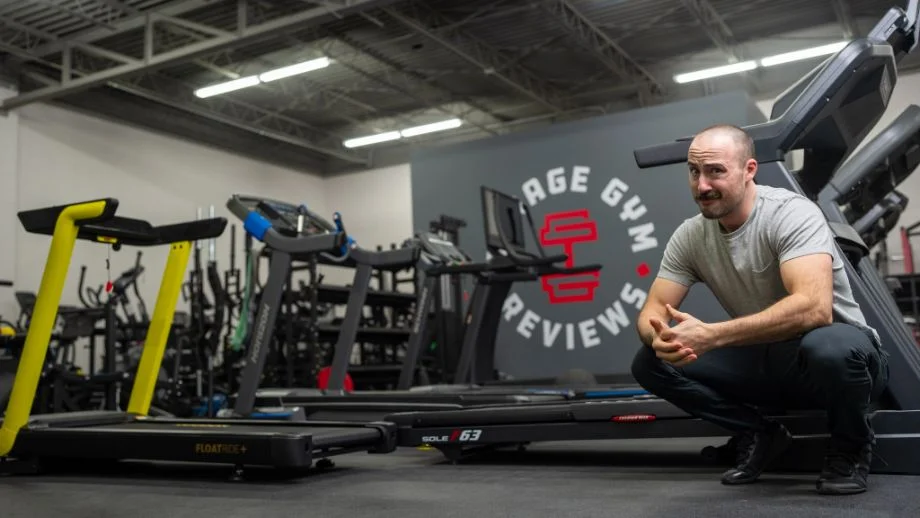
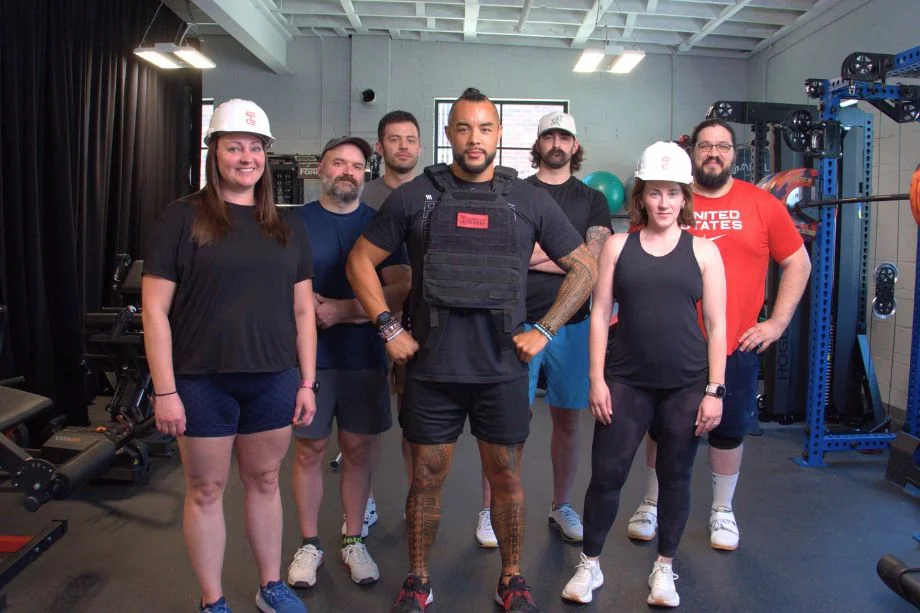
Our team of expert product testers—which includes marathon runners, triathletes, certified personal trainers, strength and conditioning specialists, and more—has tested over 50 treadmills with guidance and direction provided by our treadmill testing methodology. These protocols help us assign a score from 1 to 5 for important categories, including:
- Durability: To receive a 3 out of 5 for durability, a treadmill should have a weight capacity of at least 275 pounds. Top scores go to manual treadmills with rock-solid profiles that show no signs of wobbliness or shaking during use.
- Footprint and Portability: Many home gym owners may need treadmills that can be moved, if needed, so we give scores of 3 out of 5 to machines that can be easily moved by one or two people. We’ll also consider the overall dimensions of the treadmill when scoring this category—do you need ample space to house this machine, or can it fit comfortably in a small apartment or office?
- Ergonomics: For ergonomics, we’re looking at the running deck dimensions, belt material, and overall treadmill cushioning. To earn 3 out of 5 stars, a treadmill should have a running deck that’s at least 55 inches long by 18 inches wide, a belt that’s 0.8 to 1.1 millimeters thick, and some degree of joint-protecting cushioning tech built into the running platform. We also assess the curvature of the deck, as many manual treadmills feature a curved design.
- Dynamic Programming: Most, but not all, treadmills have some preset workout programs you can follow, though this can be less common with manual treadmills. Treadmills earn 3 out of 5 for this category when they have at least a few built-in workouts that are easily accessible with a few pushes of a button.
We also consulted with GGR’s Chief Medical Advisor, Dr. Raj Dasgupta, MD, FACP, FCCP, FAASM, and exercise physiologist Chris Mohr, Ph.D., RD, to get their thoughts on how treadmills can help with various health goals.
We’ve helped over 7,300 home gym owners find their perfect treadmill, and we’re ready to help you, too.
Best Manual Treadmills
- Best Overall Manual Treadmill – TrueForm Trainer
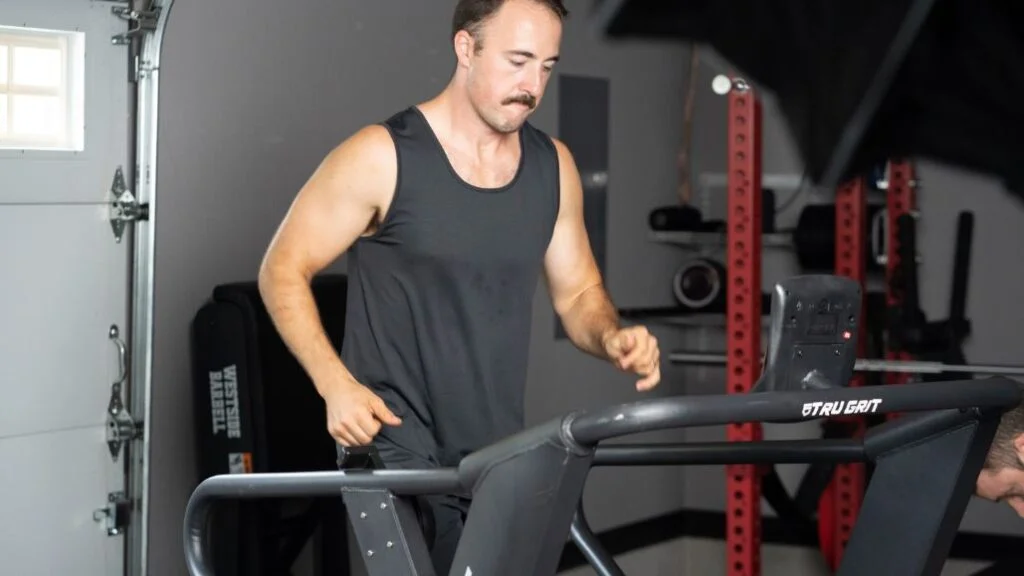
- Best Curved Manual Treadmill – Grit Runner by Tru Grit Fitness
- Best Basic Manual Treadmill – Xebex Runner
- Best Manual Treadmill for Walking – Sunny Health and Fitness Manual Walking Treadmill
- Best Durable Manual Treadmill – AssaultRunner Classic
- Best Manual Treadmill for Athletes – Rogue Woodway Curve LTG Treadmill
Current Top Deals
- Grit Runner by Tru Grit Fitness – Use code FIT2025 at checkout for everyday savings
- TrueForm Trainer – Save $300
Editor’s Note
At Garage Gym Reviews, we are always testing the newest manual treadmills and updating this page to reflect our favorite finds. Our team of certified personal trainers, elite athletes, and home gym experts has more than 50 treadmills, including manual treadmills, incline treadmills, and under-desk treadmills. In November 2025, we reformatted our top picks and added further details to each mini-review to keep our readers as informed as possible
Compare Side by Side
|
|
|
|
|
|
|
| TrueForm Trainer | Grit Runner | Xebex Runner | Sunny Health and Fitness Walking Pad | AssaultRunner Classic | Rogue Woodway Curve LTG | |
|
Rating
|
||||||
| Speed Range | N/A | N/A | N/A | N/A | N/A | N/A |
| Incline Range | N/A | N/A | N/A | 13.5% (fixed) | N/A | N/A |
| Deck Size | 54″ L x 17″ W | 19″ W | 67″ L x 17″ W | 42″ L x 13″ W | 62″ L x 17″ W | |
| Foldable? | — | — | — | — | — | |
| Programs | N/A | N/A | Preset programs available | N/A | Preset programs available | |
| Display | LED screen | LCD screen | LCD screen | LCD screen | LCD monitor | |
| Warranty | 10-year frame | Lifetime frame, 2-year belt, tread, and monitor | 5-year frame, 3-year moving parts, 2-year console | 3-year structural frame; 180-day parts and components | ||
Best Overall Manual Treadmill: TrueForm Trainer
Updated by: Matt Dustin, CSCS, PN1-NC
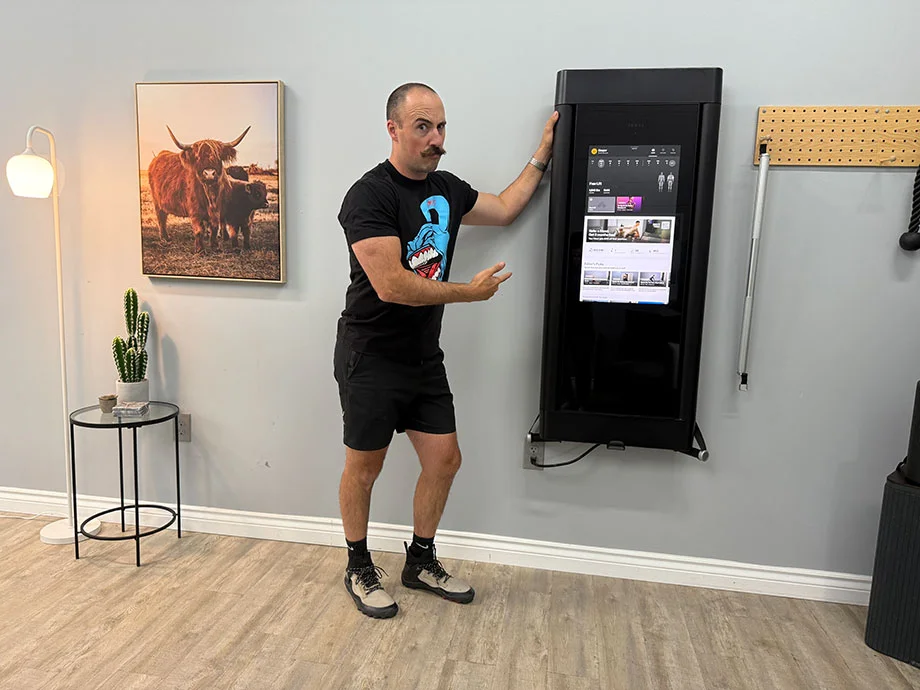
The TrueForm Trainer is a unique treadmill designed to help runners improve their form.
What our tester says:
“f you want a treadmill that is designed for home use and will improve your running performance, the Trainer would be our pick for most.”
Best Curved Manual Treadmill: Grit Runner by Tru Grit Fitness
Updated by: Matt Dustin, CSCS, PN1-NC
The Grit Runner by Tru Grit Fitness is one of the cheapest manual treadmills on the market.
Best Basic Manual Treadmill: Xebex Runner Smart Connect
Updated by: Matt Dustin, CSCS, PN1-NC
The Xebex Runner is a simple manual treadmill that’s durable, and doesn’t require any electricity.
Best Manual Treadmill for Walking: Sunny Health and Fitness Manual Walking Treadmill
Updated by: Matt Dustin, CSCS, PN1-NC
A low-impact and budget-friendly cardio machine that has a number of conveniences.
What our tester says:
“It always seems to take you by surprise. You can kind of teach yourself to lean back and step softly enough to slow it down, but you have to constantly be mindful”
Best Durable Manual Treadmill: AssaultRunner Classic
Updated by: Matt Dustin, CSCS, PN1-NC
_What our tester says:_
_Add a quote from a video review, our testing notes, our_ [_GGR expert quote log_](https://docs.google.com/spreadsheets/d/1E_1QtXhgoup74cA0cX65tmrH_mjZqbQNBCFAQtfoDx4/edit?gid=1292775888#gid=1292775888)_, or the_ [_Medical Experts quote log_](https://docs.google.com/spreadsheets/d/1LUiVwdBbJ5VBEw5V5lLA_nsYBxpKLu3fslOA39dz7GI/edit?gid=497223157#gid=497223157)_._
Best Manual Treadmill for Athletes: Rogue Woodway Curve LTG Treadmill
Updated by: Matt Dustin, CSCS, PN1-NC
Other Manual Treadmills We Researched
While there aren’t as many manual treadmills on the market as you might be used to seeing with electric treadmills, we still test as many as we can. Here are a few others we’ve tested that didn’t make our top six picks.
- Bells of Steel Manual Treadmill: We love the look of this treadmill, but the assembly is a little difficult, and we had concerns about its durability during our testing.
- Xebex Trekker: While we think this is a great manual treadmill with a flat surface, we prefer the curved design of the Xebex Runner Smart Connect, which was included in our top picks.
How We Picked and Tested the Best Manual Treadmills
As with any of our guides to the best treadmills for home gym owners, we chose the products to include after hands-on testing experience. When testing treadmills, we assess things such as durability, portability, weight capacity, value, and more. Here are some important categories we consider.
Footprint and Portability
This assesses how much space a treadmill takes up and how easy or difficult it is to move around. With manual treadmills, in particular, portability can be a concern, as they’re often large, bulky, and curved for ergonomics with no available folding mechanisms.
To receive an average rating here (3 out of 5 stars) we expect one to two people to be able to effectively move the treadmill, if needed. Higher scores are given to lighter, compact treadmills, or those with foldable designs.

RELATED: Best Folding Treadmills
Durability
Our durability rating assesses how long we think a treadmill will last with regular home use, and we consider things like weight capacity and stability at high speeds. A 3-out-of-5-star rating is given to treadmills that have a weight capacity of at least 275 pounds, and little to no shaking or wobbling when in use.
Customizations
For treadmills, our customization rating is based on the available speed and incline settings. Again, with manual treadmills, this isn’t always applicable, but some manual treadmills have resistance and/or incline settings, which we point out such instances as they come about in testing.
We’ve found that the average treadmill has speeds up to 10 miles per hour and incline settings that can reach 10%, which is our standard for an average rating, or 3 out of 5 stars.
However, with manual treadmills, we don’t often see a maximum speed, as the experience is user-powered, not dependent on a motor. As such, manual treadmills don’t often rank highly in this category, but that doesn’t mean they’re not useful.
Ergonomics
Ergonomics reflects how comfortable the running experience is, so we’re mainly looking at the size of the belt and any cushioning when grading this category. Since the workout experience can be somewhat subjective, we use the following dimensions as our benchmark for a product to earn 3 out of 5 stars:
- Treadmill belt size: We look for a size that can accommodate runners with all body types and stride lengths, which means it should have at least a 55-inch-long-by-18-inch-wide running deck. This is our recommendation for runners, though users primarily interested in walking can get by with a shorter deck.
- Treadmill belt material: We prefer machines with at least a single-ply belt measuring 0.8 to 1.1 millimeters thick.
- Treadmill cushioning: We prefer machines to have at least some deck cushioning to take the stress off users’ joints. The best cushioned treadmills can offer pillow-like experiences that make even the toughest sprints and workouts feel like a (literal) walk in the park.
Higher scores are given to machines with features such as larger deck sizes, thicker belts, or what we consider as better-than-average cushioning.
Tech Capabilities
For tech capabilities, we’re looking at features like heart rate monitoring, Bluetooth capabilities, and a screen that displays workout metrics. While many newer treadmills have things like touchscreens and streaming classes, we consider this a bonus, not something we expect to see in an average treadmill. Many manual treadmills don’t feature much in the way of programming, and only have a basic LCD monitor to display your stats.

RELATED: Best Treadmills With a TV Screen
To earn 3 or more stars, a treadmill must display your time, distance, and other basic workout metrics. We also expect it to provide some sort of animation along with the display, and provide heart rate monitoring through available pulse sensors or Bluetooth connectivity.
Financing, Warranties, and Returns
This assesses the overall purchasing experience, including financing options, warranty protection, and the return policy. After checking the available data for over 100 treadmills, we’ve calculated the following average metrics, which we want to see for a treadmill to earn 3 out of 5 stars:
- Financing: Many companies offer financing through third-party vendors to well-qualified buyers. The best deals include 0% offers for set timeframes.
- Warranty: The best warranties are typically 15 years to life on the frame, at least two years on parts, and one year on labor.
- Returns: The industry standard is 30 days from the date of delivery to be eligible for a refund. Only a few companies refund shipping and won’t charge a restocking fee, so those would be the 5-star ratings.
Benefits of Manual Treadmills
We know there are plenty of benefits to regular cardio exercise, mainly when it comes to health improvements. Regular cardio can help improve your V02 max1, reduce your risk of premature death due to heart disease2, and burn plenty of calories.

However, for those who have never used a manual treadmill, paying more for something without a motor may not make a lot of sense.
If you’re not sold on the idea of a manual treadmill, especially one with a curved design, here are a few reasons to consider one.
Easier to Maintain
If you own a treadmill, get ready for regular maintenance. Typically, it’s as simple as lubricating the belt on a regular basis, but motorized treadmills can have all sorts of complications, and motors can fail over time. With manual treadmills, you have far less to worry about and maintain on a regular basis.
User-Controlled Tempo
Manual treadmills move as fast as you do, which makes it very easy to adjust your speed. This is particularly useful for interval training, as you no longer have to manually adjust the speed and wait for the motor to catch up. Rather, you simply run faster or slower.
No Electricity Required
While we love motorized treadmills, they can be a little limiting, as you need to keep them near an outlet for proper operations. With a manual treadmill, you can place it anywhere in your home gym without worrying about power, or even move it outdoors on a nice day. This offers significant flexibility when choosing your workout location.
May Provide a Greater Challenge
Research shows that using a manual treadmill can increase your perceived3 exertion up to 27% over a motorized treadmill. If you’re a cardio expert who finds traditional treadmill runs too easy, a manual treadmill can provide a significant challenge. The running form is different, too, which may take some getting used to. Once you’re over the initial learning curve, though, the workout experience can be as difficult as you want.
RELATED: Treadmill Benefits
Buying Guide: What to Look for in Manual Treadmills
If you’re still unsure of which treadmill to choose, here are some of the most important things to think about when making your decision.
Materials
Some manual treadmills are constructed from heavy-duty steel, while others are made from plastic to save consumers money. You’ll have to decide what you prefer and consider durability. If you expect multiple users to use the treadmill regularly, it’s worth choosing something with a high durability score. If your machine’s build components lead to more questions than confirmations, be sure to double-check the available warranty coverage, as well.
Features
Is it important to you to have programs available on the monitor? Do you have to have a phone or a water bottle holder? Does the manual treadmill have to be transported or folded? Do you care if the treadmill has an LCD monitor? These are things to consider when choosing a manual treadmill.
Most, but not all, manual treadmills offer basic features like water bottle holders or a phone holder, but they generally have fewer conveniences than traditional treadmills.
Size
This is probably obvious, but we don’t suggest choosing a manual treadmill that is too large for your space. Make sure you measure your floor plan before ordering anything, and if you know you’ll need to move it around, choose one that’s not too heavy or difficult to move.

We’ll also note that many manual treadmills feature a non-folding running surface, meaning the silhouette is consistent and cannot be altered when not in use. If you’re looking to regain some floor space after your workout, you may need to opt for a motorized treadmill.
Budget
As much as I’m sure we all wish we could blow $10,000 on a manual treadmill without so much as batting an eye, this just isn’t realistic for most of us. You’ll need to consider your budget, or watch for sales around Memorial Day, Labor Day, and Black Friday, to help you save on your treadmill.
Stability
You’ll want to make sure the treadmill stays steady as you start to get into a stride. Some treadmills can feel a little shaky, so look for something heavy-duty and stable if you plan to run or sprint regularly. Be sure to look for durable frame components and floor stabilizers, as these can help limit the “shake” you feel when paces begin to climb.
FAQs About the Best Manual Treadmills
Is a manual treadmill good for walking?
Yep, almost any manual treadmill on the market is suitable for walking, regardless of flywheel speed or magnetic tension levels.
Are manual treadmills quiet?
This is a subjective question, but if you’re walking on a non-motorized treadmill, it is pretty quiet. However, if you’re sprinting, the treadmill will definitely make noise, which should be expected.
What is the cost of a manual treadmill?
Manual treadmills can vary significantly in cost depending on the shape, size, deck dimensions, monitor, and spin rate. Non-motorized treadmills are a category of gym equipment that we believe you generally pay for what you get. They can range from $200 all the way to almost $10,000. We’re not saying you need to spend that much on a manual treadmill, but budget-friendly models sold on Amazon often have reduced durability and longevity.
References
- Schoenmakers, Patrick P.J.M. et al. The physiological and perceptual demands of running on a curved non-motorised treadmill: Implications for self-paced training. Journal of Science and Medicine in Sport, Volume 21, Issue 12, 1293 – 1297
- Nystoriak, M. A., & Bhatnagar, A. (2018). Cardiovascular Effects and Benefits of Exercise. Frontiers in cardiovascular medicine, 5, 135. https://doi.org/10.3389/fcvm.2018.00135
- Schoenmakers, P, Reed, K. The physiological and perceptual demands of running on a curved non-motorised treadmill: Implications for self-paced training. Journal of Science and Medicine in Sport, Volume 21, Issue 12, 2018, https://doi.org/10.1016/j.jsams.2018.05.011