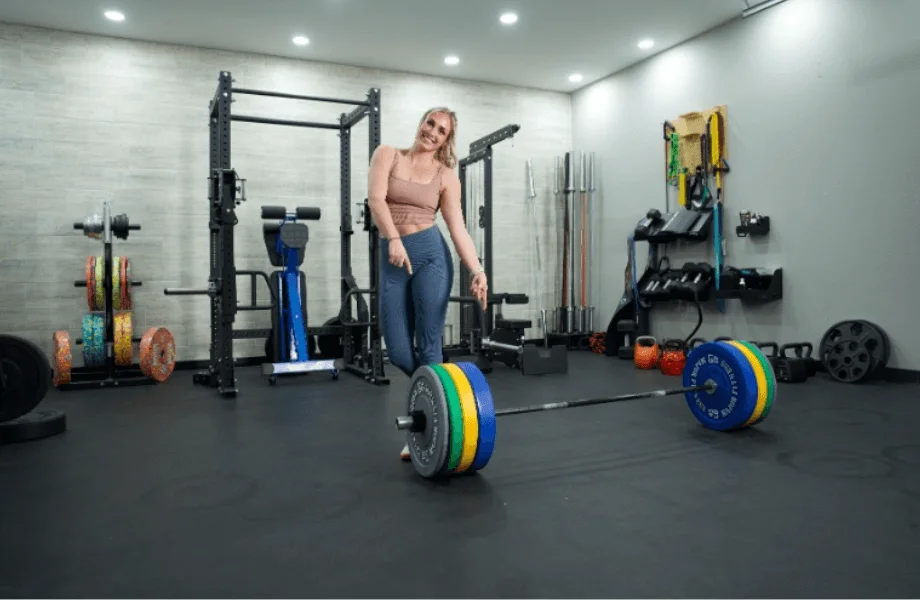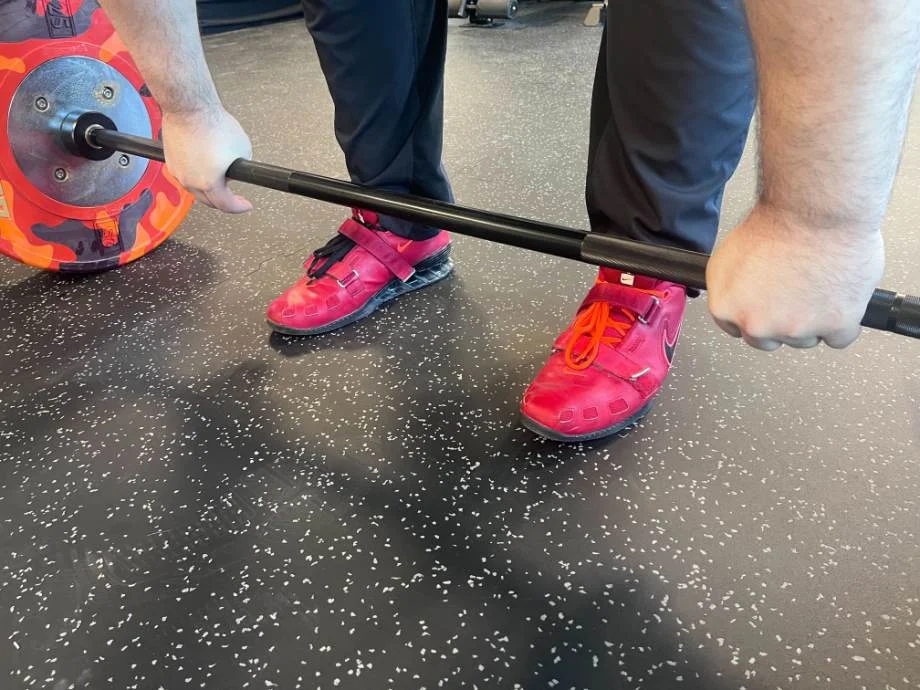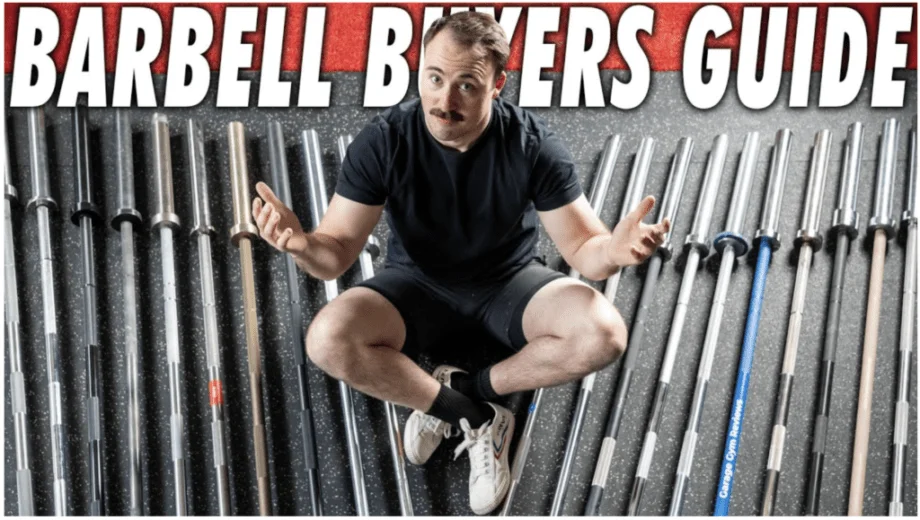
When combined with the best weight plates, a barbell is the most versatile tool in any commercial or home gym. However, thanks to the exponential growth in both barbell training and home gyms, there are now hundreds of companies producing thousands of different barbells—making it much harder to decide what the best Olympic barbell is.
That’s where we come in. In this guide, we want to help you find the best barbell for you, just like we helped over 4,400 people in 2024. We’ve personally tested over 100 barbells and researched twice as many.
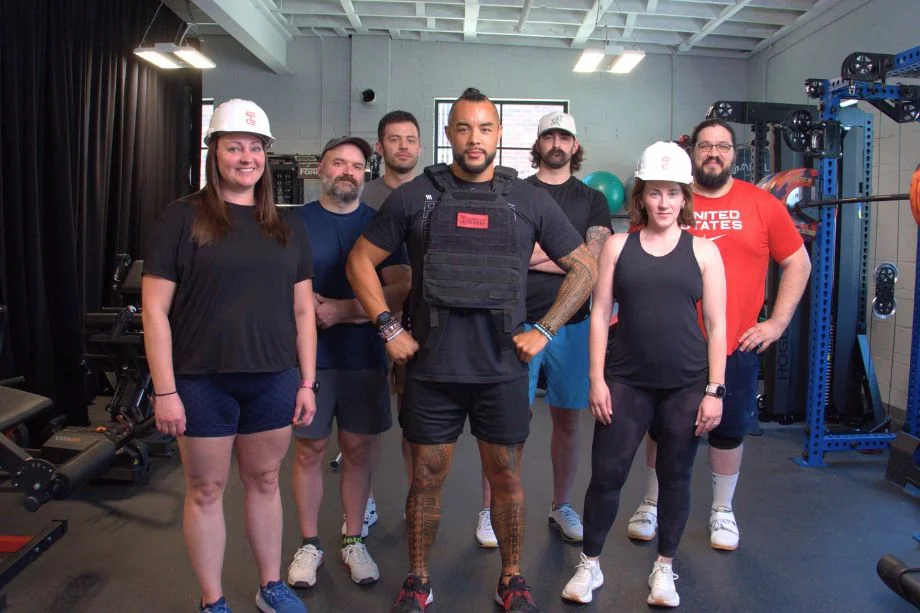
Our team of expert product testers includes certified personal trainers, elite-level weightlifters and athletes, weightlifting coaches, and CrossFit L-1 trainers. I also talked with exercise physiologist Chris Mohr, Ph.D., R.D., about the benefits of weight training (in case you’re on the fence).
We use a multi-point barbell testing methodology as we squat with the bars, deadlift them, snatch them, turn them into landmines, drop them, and load them with tons of weight to see how they perform, rating each aspect on a scale of 1 to 5. A few attributes we examine when testing barbells include:
- Coating and finish: We favor scratch- and rust-resistant bars, giving a 3 out of 5 to barbells with a lower-end finish.
- Tensile strength: As a measurement of how much flex the steel has, top marks are given to tensile strengths at or above 190K PSI.
- Spin: Different bars need different rotation for powerlifting or weightlifting movements, but a score 4 or 5 means the bar has a fast, yet controlled spin.
- Knurling and grip: Top scores here go to barbells with the “Goldilocks” of grips: not too aggressive, not too passive, but just right.
Barbells are at the top of our list of home gym essentials, and for a good reason: They are king. So let’s dig into our picks for the top barbells.
The Best Olympic Barbells on the Market
- Best Barbell Overall – REP Fitness Colorado Bar
- Best Olympic Barbell for Home Gyms – Rogue Ohio Bar
- Best Olympic Barbell For CrossFit – Fringe Sport Wonder Bar V2
- Best Value Barbell for Weightlifting – Bells of Steel Olympic Weightlifting Barbell 2.0
- Best Safety Squat Bar – Titan Safety Squat Olympic Bar V2
- Best Premium Barbell – Eleiko IWF Weightlifting Competition Bar
- Best Multipurpose Olympic Barbell – Synergee Games Cerakote Barbell
- Best Power Bar – Rogue Ohio Power Bar
- Best Budget Barbell – Major Fitness Home Gym Barbell
Best Black Friday and Cyber Monday Barbell Deals (2025)
- REP Fitness Colorado Bar, 20 Kg – Free shipping on all orders + 10% off benches with code BENCH10
- Major Fitness Home Gym Barbell – Save up to $300 + free gifts on orders $2,000+
- Titan Safety Squat Olympic Bar V2 – Black Friday VIP Pass: Up to 65% off + free shipping on every order
- Rogue Ohio Power Bar – Save $45 for a limited time
Editor’s Note
At Garage Gym Reviews, we are always testing the newest Olympic barbells and updating this page to reflect our favorite finds. Our team of certified personal trainers, elite athletes, and home gym experts has tested 100+ barbells for powerlifting, weightlifting, and multipurpose use. In October 2025, we re-evaluated all Olympic barbells on our best-of list to ensure we’re still showcasing the cream of the crop. We also reworked this page to provide the most current and up-to-date information.
Best Olympic Barbell Video Review
Compare Side By Side
|
|
|
|
|
|
|
|
|
|
| REP Colorado Bar | Ohio Bar | Fringe Wonder Bar | Bells of Steel Olympic Barbell | Titan Safety Squat Bar | Eleiko IWF Competition Bar | Synergee Barbell | Rogue Ohio Power Bar | Major Fitness Barbell | |
|
Rating
|
|||||||||
| Durability | 190,000 PSI | 190,000 PSI | 205,000 PSI | 240,000 PSI | 1,500 lb weight capacity | 236,000 PSI | 190,000 PSI | 205,000 PSI | 750 lb weight capacity |
| Spin | Composite Bushing | Bushing | Bushing or Bearing | 4 Needle Bearings | N/A | Precision bearing construction | Needle Bearings | Bushing | Bushing |
| Knurling | Medium Volcano with | Medium Knurling with Dual Knurl Marks | Medium with Dual Knurl Marks | Medium with Dual Knurl Markings | N/A | 1.2 mm competition knurling with Weightlifting Marks | Medium with Dual Knurl Marks | Aggressive Volcano Knurling with Powerlifting | Medium Diamond Knurling with Dual Knurl Marks |
| Finish | Hard Chrome, Cerakote | Black Zinc, Stainless Steel, Cerakote, E-Coat, Black Oxide | Black Zinc | Hardened Chrome | Chrome | DN3 Chrome | Cerakote | Stainless Steel, Black Zinc, Cerakote, E-Coat | Chrome, Black Oxide |
| Diameter | 28.5 mm | 28.5 mm | 28 mm | 28 mm | 43 mm grip diameter, 38 mm shaft diameter | 28 mm | 28 mm | 29 mm | 33 mm shaft, 50 mm sleeve |
| Warranty | Lifetime | Lifetime | Lifetime | Limited Lifetime | 1 year | Limited lifetime | Lifetime | Lifetime | 1 year |
Best Barbell Overall: REP Fitness Colorado Bar
Updated by: Caine Wilkes, OLY, CNC, USAW-L1
The 20-kilogram Colorado Bar from REP Fitness is a durable, versatile Olympic barbell made for heavy powerlifting, Olympic weightlifting, and cycling weights in CrossFit workouts. The barbell has two knurl markings for IWF and IPF specs. The bar is available with a hard chrome finish or different-colored cerakote finishes with Duracoat on the sleeves. With composite bushings, the barbell provides decent spin and durability that helps dampen noise when dropping weights.
What our tester says:
“This bar is fantastic. From REP’s previous bars, this blows those away. This is now a true contender.”
Best Olympic Barbell for Home Gyms: Rogue Ohio Bar
Updated by: Caine Wilkes, OLY, CNC, USAW-L1
The Rogue Ohio Bar is one of the most iconic barbells in the world. It’s been used at the CrossFit Games by some of the fittest athletes in the world and is just as well suited in your garage gym. The Ohio Bar is priced well despite its features and being made in the USA. Although we prefer the Rogue 2.0 Bar for its price, we don’t blame you if you decide to spring for the Ohio Bar, although we’d suggest getting the Stainless Steel or Cerakote version.
What our tester says:
“The Rogue Fitness Ohio Bar is one of the most popular barbells in the world, and for good reason. It is a high-quality barbell with high tensile strength, refined knurl, consistent spin, and comes in at a great price.”
Best Olympic Barbell For CrossFit: Fringe Sport Wonder Bar V2
Updated by: Caine Wilkes, OLY, CNC, USAW-L1
The Fringe Sport Wonder Bar V2 is one of the best value general training/CrossFit barbells on the market that we’ve reviewed. This is a great barbell that will perform in any workouts for as long as you keep it.
Best Value Barbell for Weightlifting: Bells of Steel Olympic Weightlifting Barbell 2.0
Updated by: Caine Wilkes, OLY, CNC, USAW-L1
The Bells of Steel Olympic Weightlifting Barbell 2.0 is an affordably priced bar ideal for those who like to snatch, clean, and jerk. Needle bearings, high tensile strength, and dual markings are great for those who enjoy the Olympic lifts.
Best Safety Squat Bar: Titan Safety Squat Olympic Bar V2
Updated by: Caine Wilkes, OLY, CNC, USAW-L1
The Titan SSB V2, despite being imported and of slightly lower quality compared to competitors, was chosen as our Top Pick for the Best Safety Squat Bar for most people. And for good reason, its features for the price are outstanding. We love the EliteFTS SS Yoke, but this one gets you 95% of the way there for less than half the price. We have been blown away with just how good this bar is for the price. If you’re in the market, we don’t see a huge reason to spend more.
Best Premium Barbell: Eleiko IWF Weightlifting Competition Bar
Updated by: Caine Wilkes, OLY, CNC, USAW-L1
Best Multipurpose Olympic Barbell: Synergee Games Cerakote Barbell
Updated by: Caine Wilkes, OLY, CNC, USAW-L1
If you want a nice-looking CrossFit barbell with weather-resistant Cerakote (more on that in a second) but don’t want to spend the money on something like a Rogue Ohio Bar, then go for the Synergee Games Cerakote Barbell.
What our tester says:
“I don’t have many complaints about these bars. I’ve used them for years. I love the grip, I love the spin, I love the movement.”
Best Power Bar: Rogue Ohio Power Bar
Updated by: Caine Wilkes, OLY, CNC, USAW-L1
The Rogue Ohio Power Bar is the power bar we recommend most often. You cannot spend less and get a better bar. You can spend more, and depending on your preferences get something maybe better, but even then, it’s debatable.
What our tester says:
“If you do lots of squatting, deadlifting, and bench pressing, I think the Rogue Ohio Power Bar is one of the best investments you could ever make for your home gym.”
Best Budget Barbell: Major Fitness Home Gym Barbell
Updated by: Caine Wilkes, OLY, CNC, USAW-L1
What our tester says:
“This is a great bar for cross-training. Based on our testing we felt like the knurling is passive enough and holds chalk well enough that it would provide a good fit for CrossFit-style training.”
Other Barbells We Have Tested
People on our team have tested lots, and I mean lots, of barbells over the years, with some of us even competing on national and international stages in weightlifting. While there are tons of barbell options and choices available, our list can’t have them all. Here are some other barbells worth mentioning, but didn’t quite break into our list.

- DMoose Regional Barbell: This barbell is pretty versatile, and very inexpensive. However, in our DMoose Regional Barbell review, we do note that it’s less suited for powerlifting and better for bodybuilding, general fitness, or even Olympic lifting.
- Texas Power Bar: The Texas Power Bar was, in our minds, the best barbell until Rogue came out with the Ohio Power Bar. If you want to learn the differences between the two, check out our comparison between the Rogue Ohio Power Bar vs. Texas Power Bar.
- CAP Barbell “The Beast”: I think that this CAP bar is the best barbell on Amazon that’s under $150. It has medium knurling to it and the rotation system is the bushing. The finish is black oxide, which isn’t the highest quality, but it also does offer some protection against corrosion. Sure, it has some dings and a little surface rust, but that’s to be expected at this price range.
- PRx Men’s Olympic Elite Bar: We used this bar for Olympic lifts, power lifts, and CrossFit, and we felt it performed well. However, the powder coat on the sleeves scratches very easily. For $300, this bar just doesn’t match up to other similarly-priced barbells.
- Synergee Regional Olympic Bar: The Synergee Games Bar has a cerakote finish, and that’s the only real difference between the two. The Regional Bar comes with a 190,000 PSI tensile strength as well as needle bearings, which make the bar spin really fast.
How We Picked and Tested the Best Olympic Barbells
In addition to this, we tested out several barbells at Garage Gym Reviews HQ and elsewhere to rank top brands—having trialed over 100 at this point. After researching even more barbells that could be worth your time and money, we narrowed it down to our top picks.
To compile our list of the best Olympic barbells for 2025, we researched all the major manufacturers and even reached out to industry experts.
There is an overwhelmingly large amount of barbells available for purchase today. Due to the various specializations of training, each category will have barbells that hit every price point from $100 all the way up to $1,000 plus.
Due to this, we stuck mainly to barbells that were more situated toward general training. If you want to use these bars for powerlifting, they’re stiff enough to do so. If you want to use many of these for Olympic weightlifting or add them to your CrossFit equipment, go for it. The spin, knurl, and whip will work for the movements within those sports.

Most of the bars we picked to test could all be considered great for general-purpose training and at prices worth considering to be included in some of the best home gyms. Ultimately, after some deliberation, we narrowed down our specifications to the following list of features ordered in no particular order:
- Tensile strength: This is a measurement of the flex of steel and the pressure it can take before permanently bending. The tensile strength of the steel used should be a minimum of 130K PSI and preferably much higher (around 190K). A barbell with 130K PSI should only be used if you don’t plan on using over 400 lbs on the bar. We gave top scores to bars that had 190K PSI tensile strength or more.
- Knurling and grip: The knurling should be consistent and not overly aggressive. A medium knurl will grip well when chalk is used. A center knurl, although great for powerlifting, is not needed for the majority of people. A score of 4 or higher went to bars with medium knurling that allowed for grip without tearing up your hands.
- Spin: The rotation system can be either a bushing or bearing system, and each has pros and cons. Bushings have less spin but are also cheaper, and bearings might provide too much spin for powerlifting movements. Top scores go to tight, controlled spins that can move quickly when needed.
- Coating and finish: The barbell should have some sort of finish to prevent oxidation such as surface rust. The top-scored coatings typically go to cerakote or stainless steel, with hard chrome and zinc coating also scoring well in certain cases.
- Durability: Combining the construction, finish, and tensile strength of each barbell, along with testing the bar out, determines this score. We gave highest scores to bars that withheld constant abuse through repetitions and showed very few marks and scratches from wear and tear.
- Value: The price should be in accordance with the features offered. Top scores go to competitively-priced barbells (usually under $400) that are packed with quality and features.
We also looked at the customer experience and policies, favoring lifetime warranties and brands that were knowledgeable and helpful in responding to questions or issues.

During testing, we performed all of the major barbell movements including squat, deadlift, bench, overhead press, clean and jerk, and snatch. We blind-tested the feel of the knurling, observed the spin of the sleeves using a 25-pound bumper plate, weighed and measured the diameter of the shafts for accuracy, and even tested the oxidation of the bars over three weeks, leaving them in an often-opened garage in the midwest.
Benefits of Barbell Training
First of all, lifting with a barbell makes you look totally badass. There’s nothing like throwing some bumper plates on a bar and pushing it overhead. It’s such a Hulk-ed out feeling.
RELATED: Barbells vs Dumbbells

Superhero fantasies aside, however, there are actual, tangible benefits to adding a barbell to your training ensemble:
Build Muscle
According to a 2012 review1, inactivity can result in a 3% to 8% loss of muscle mass per decade. However, resistance training for 10 weeks can add 1.4 kilograms of lean mass as well as a loss of 1.8 kilograms of body fat.
It goes without saying that lifting weights builds muscle. Working out with a standard barbell a few times a week can target several types of muscle gains, like muscle endurance, muscle size, and muscle power. It just depends on what type of workouts you do.
It doesn’t all have to be with a barbell, though, according to exercise physiologist Chris Mohr, Ph.D., R.D. “Resistance training challenges your muscles to adapt. This can involve lifting weights, using resistance bands, or even your own body weight to create resistance,” he explains.
Still, if you want to develop and grow muscle, then the barbell is king. It’s simple to use, and you can hit just about every muscle group with compound movements: squats, deadlifts, presses. Unlike machines in a commercial gym, which often isolate just one muscle group, the barbell can be used to hit many at once.
Protect Bones and Joints
When you build muscle, you protect your bones and joints. Muscles give you a stronger body that is less likely to fall, and less susceptible to damage. Not only that, but according to a review from Aging Clinical and Experimental Research2, weight training is best for your bones and can improve bone mass and density, actually decreasing your risk of bone loss.
Chris Mohr agrees, adding, “Resistance training can improve bone density by stimulating bone formation. When muscles pull against bones during lifting activities, it encourages bone cells to produce more bone tissue, increasing bone density and reducing the risk of osteoporosis.”
Pride
Lifting a barbell over your head with huge plates on the chrome sleeves just looks awesome. It can also be motivating to literally see yourself get stronger as you are able to load more weight (over time and with good form) on the barbell.
The goal is to slowly add weight and get stronger, according to Chris, who references the concept of progressive overload. “Progressive overload is when you gradually increase the weight, frequency, or number of repetitions in your training routine over time. This continual challenge helps your muscles grow stronger.”
He does warn, however, that, “It’s important to start with manageable increments to prevent injury.”
Accessible and Affordable Equipment
Relative to other strength training tools, like large machines, a barbell is pretty accessible. It, and the plates that go with it, don’t take up too much space. I have people on my team who live in apartments and they still have a barbell, portable squat rack, and Olympic plates.
Also, and (again) relative to the equipment you’d see in a gym, a barbell is fairly affordable. Many of the ones on this list are priced under $400. You can essentially get a bar, some plates, and a rack for under $1,000, and that’s just about all you need to get a full-body workout.
Versatile Training Options
Barbells are much more than simply strength training. You can use a barbell for:
- Building explosive strength with Olympic movements
- Building power through lifts like squats and deadlifts
- Building endurance in volume training
- Building on work capacity in HIIT workouts
You can even use your barbell to roll out sore muscles. I’ve done it. It hurts, but it hurts so well.
Quick Barbell Training Resources
Once you’ve found the best Olympic barbell for your home gym, what’s next? Our team of experts at GGR have done the heavy lifting for you with this handy guide:
Safety First
Exercise Form Guide
Beginner Workout
Full-Body Workout Split
Buying Guide: What to Look for in Olympic Barbells
There are several characteristics of an Olympic barbell that will cause distinctions between the wide array of bars available today. Let’s break down those different factors.

Steel
The steel is the most important part of the bar and is more than just looks; it’s the essence and backbone of the barbell. To determine the quality of steel used, two of the most telling specifications are the tensile strength and yield strength.
Do not listen to anyone who tries to tell you that a bar is 1,000-pound tested or 1,500-pound tested. This is often designed to take advantage of buyers’ limited amount of knowledge and is, more often than not, seen on very cheap bars.
Companies assess the tensile and yield strength of the barbell steel through static and dynamic testing. To give a simple example, a static test would load an enormous amount of weight (upwards of a ton) on each side of the bar and then slowly take the weight off to see if the bar returns back to being straight.
A dynamic test is much more telling and involves tracking how the bar bends when dropped with a certain amount of weight. There is much more variance in this sort of test than the static test between manufacturers.
That being said, every bar will bend if handled improperly. I don’t care if you’re using a $1,000 Eleiko, if you drop it on a pin with 400 pounds, it’s going to bend.
The general rule of thumb is that a high-quality barbell has a tensile strength upward of 190,000 PSI (pounds per square inch) or higher. To be honest, this number is becoming closer to the norm, as well. You can certainly get by with less, but the best durability in the business will be around there.
When it comes to yield strength, most companies don’t list a number (this is how much the bar can be loaded with before it can bend). You can use the tensile strength number as a good idea of weight capacity.
Knurling
Knurling is the texture that allows your hands to grip the bar, especially when combined with chalk. For most people, medium knurling is best due to it being sticky enough to grip, yet smooth enough for comfort. Although there are great bars with more aggressive knurling, for the majority of training purposes, it’s less than desired.
RELATED: Best CrossFit Grips
If you have yet to experience what a volcano knurl feels like, you’re missing out. The reason a volcano knurl—a diamond shape with a divot at the top—is superior for most to the traditional “peaky mountain” knurling that dominated the industry for so long is that it gives you more contact surface area with hands and skin, or with the various fibers on the back of your favorite squat shirt.
Essentially, there are more peaks to grip your hand (four times as many as would be if the tops of the peaks weren’t chopped off) so you don’t need as “sharp” of a knurl. This leads to a greater grip, plus fewer ripped calluses and less blood on the platform. This is why we feel, for a power bar, this is often the best type of knurling.
In the CrossFit world, if you’re doing a lot of reps and you go from moving the barbell to doing something on a pull-up bar, your hands are experiencing a lot of friction. Because of this, a barbell with a light knurling pattern would most often be the best for CrossFit to prevent immature rips of the hands.
Also, consider where the knurling is. Powerlifting bars come with center knurling so you feel the bar better as it rests on your back. However, center knurling can annoy and bother people who are using the bar for more of a general-purpose.
Lastly, there are often notches in the knurling. These are either IWF or IPF markings for competition reasons (though I just use them so I know where to put my hands when I snatch or deadlift).
Spin
The spin is determined by the rotation system used in the barbell. There are two main types of rotation systems used in barbells today—a bushing system or a needle-bearing system. Bearings will spin quicker overall, but they also cost more and may not stand up to abuse as well as bushings, although some bearings can be plenty durable.
Which one is more ideal for your use will depend on the type of training you’re doing. Bearings and bushings can be great for multi-purpose barbells, but bearings are better for dynamic movements, while bushings are better for slower movements, like powerlifting.
Finish
The finish of the bar comes down to personal preference and the environment it will be used in. Although a bare steel bar is generally regarded as the best ‘feeling’ barbell, it will oxidize quicker than if a finish was applied.
For the price range we recommend, more often than not, the bar will feature a black oxide as it is middle-of-the-road in terms of oxidation and is cheaper to apply than hard chrome. Stainless steel is usually the higher-end finish we recommend, with cerakote being close behind.
RELATED: Best Olympic Barbell Collars
How To Take Care of a Barbell
While a barbell can be a relatively low-maintenance piece of gym equipment, it still needs some love in order to stay in good condition (i.e. looking and performing the way you want it to).

RELATED: How To Clean a Barbell
Whenever you use chalk, brush the chalk off when you’re done. Don’t use a wet cloth, because that will just ingrain the chalk into the knurling even more. Use a stiff brush and move in a circular motion around the bar until the chalk is off.
You should also oil your barbell, albeit on a much less regular basis. After you brush off the bar, use a 3-in-1 oil or WD-40 to lightly coat the bar. Then, use your brush to lightly brush the oil into the bar. That’s it. There is no need to wipe off the oil, you can simply let it dry.
The type of finish on your barbell determines how often you should oil it. A bare steel bar may need oiling every few months. A higher-grade finish, like stainless steel, may do well with getting oiled just twice a year.
FAQs About the Best Olympic Barbells
Which Olympic barbell is best?
The ideal Olympic barbell for you will depend on the type of training you’re performing, as well as your budget and goals. With that in mind, our favorite barbell to recommend to fitness enthusiasts is the REP Fitness Colorado Bar, as it’s a highly-durable bar that’s designed and built for multiple uses and exercises. It’s a great all-around barbell to have in your garage gym.
Is an Olympic barbell worth it?
Barbells (and weight plates) are a pretty accessible and affordable way to strength train in your own home. With quality Olympic barbells priced at around $300, they’re much more affordable than bulky functional trainers or an entire dumbbell set. Plus, they allow for resistance training, which has been shown to help gain muscle and lose fat1—if those are your goals.
Are all Olympic barbells 45 pounds?
No, not all Olympic barbells are 45 pounds. The standard is typically 20 kilograms, or 44 pounds, with some bars using a rounded-up 45 pounds. However, 15-kilograms barbells have become popular, especially in CrossFit and Olympic weightlifting. Some specialty bars, like trap bars or curl bars, will also weigh more or less than the typical standard.
What is the difference between a 6-foot bar and a 7-foot bar?
The major difference between a 6-foot and 7-foot barbell (other than the length) is the weight. A 6-foot bar is usually 15 kilograms (33 pounds), while a 7-foot barbell is 20 kilograms, or 44 pounds. Another difference is that a 7-foot bar will have a longer sleeve length, meaning more weight could potentially be loaded onto the barbell.
References
- Westcott W. L. (2012). Resistance training is medicine: effects of strength training on health. Current sports medicine reports, 11(4), 209–216. https://doi.org/10.1249/JSR.0b013e31825dabb8
- Suominen H. (2006). Muscle training for bone strength. Aging clinical and experimental research, 18(2), 85–93. https://doi.org/10.1007/BF03327422