


For those who take their strength training pretty seriously, choosing the right training shoes can make or break your workout, and Nike Metcon 10s are among the most popular lifting shoes on the market.
They’re designed for a variety of activities, including lifting, jumping, sprinting, and more, with a firm, supportive heel that’ll keep your foot anchored to the ground, without weighing you down too much. If you find that running shoes are too soft, but don’t want a pair of dedicated weightlifting shoes with a steep heel lift, a hybrid shoe like the Metcon 10 may be just what you need.
However, just because something is popular doesn’t mean it’s the right fit for you. In this Nike Metcon 10 review, I’ll share our detailed testing notes to help you decide if this is the right training shoe for your needs and goals.
Our Nike Metcon 10 Review, Summarized
The Nike Metcon 10 is supportive, durable, and a fantastic shoe for a variety of gym activities, like lifting, plyometrics, rope climbs, and more. It’s not cushioned enough for running, and may be uncomfortable for long walks, but it’ll work well for just about any other activity.
How We Test Training Shoes
If you’re going to be putting your shoes through tough workouts on a regular basis, it’s important to make sure they’re built to last. Our durability score assesses the overall construction of a given sneaker, which helps us predict how long they’ll last. For 3 out of 5 stars, construction aligns with the intended use, but long-term durability may be in question for one reason or another.When a shoe earns 5 stars, there’s no question it’ll last through years of training.

If you don’t want your foot slipping around while lifting, which can be dangerous, it’s important to choose a training shoe that offers plenty of stability. We want to see good traction in the sole, and minimal side-to-side movement inside the show. To earn 3 out of 5 stars, a shoe should provide moderate stability for the intended use, though it may be stable and supportive in some areas of the shoe, and slightly weaker in others.

This isn’t based only on the price of a shoe; rather, whether or not we feel the price is justified, especially when compared to similar products on the marketplace. For 3 out of 5 stars, a training shoe has middle-of-the-road pricing and features compared to similar models. It’s fine, but nothing in particular stands out, and the price is fair. Higher scores indicate a great value.
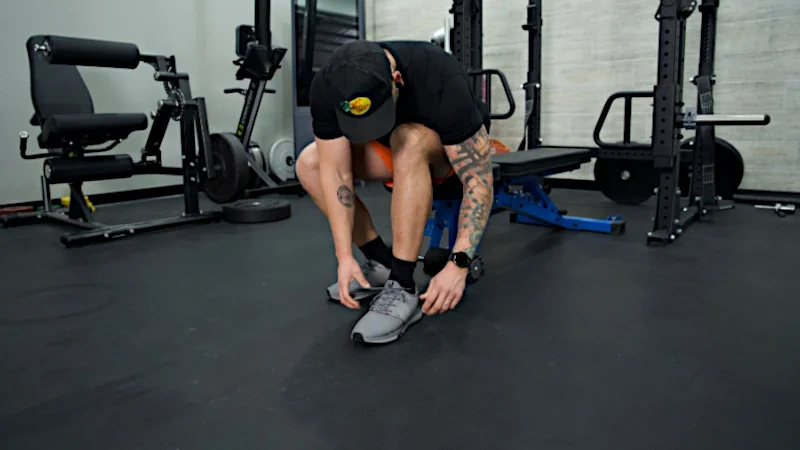
Each of our shoe reviews is based on thorough testing. We lift, jump, and run in every pair, testing the various features. After thoroughly testing a pair of shoes, we score it using our equipment testing methodology, which rates each shoe on a scale of 1-5 for features like appearance, versatility, customer reviews, and comfort.

Our expert testers include certified personal trainers, weightlifters, CrossFit enthusiasts, triathletes, and more. We’ve tested more than thirty pairs of training shoes over the years to find the best pair, and regularly try to test as many new shoes as we can get our hands on.









What to Know Before You Buy
- The Metcon 10 is very durable and supportive, offering plenty of traction on most gym surfaces, including turf and rubber.
- While it’s designed to be a hybrid shoe, the sole is stiff and a bit heavy, and the shoe isn’t very comfortable to wear for extended periods of walking or running.
- While the 4-millimeter heel raise is lower than a traditional weightlifting shoe, it still offers enough of a lift to help improve your squats, without interfering with other exercises.
Is the Nike Metcon 10 Worth It?
At $155, the Metcon 10 isn’t cheap, but it offers fantastic durability and should hold up for quite some time, even when regularly performing high-impact movements typical of CrossFit or Hyrox training. That said, it’s not the perfect shoe for everyone, so here’s who we think should consider the Metcon 10, and who may want to choose a different option.
If you think the Metcon 10s may be a good fit, keep reading to learn about the key features and specs, as well as our detailed testing and scoring notes.
Nike Metcon 10: Key Features & Specs
| Price (Original MSRP) | $155 |
| Weight Per Shoe | 12 oz |
| Heel-to-Toe Drop | 4 mm |
| Trial Period | 60-day returns for Nike members |
| Upper | Open-holed engineered mesh |
| Midsole | ReactX foam with Hyperlift heel plate |
| Tread | Rubber tread |
| Available Sizes | Men’s 3.5-15, Women’s 5-15 |
| Colorways | 13 men’s, 7 women’s |
Experience Using the Nike Metcon 10
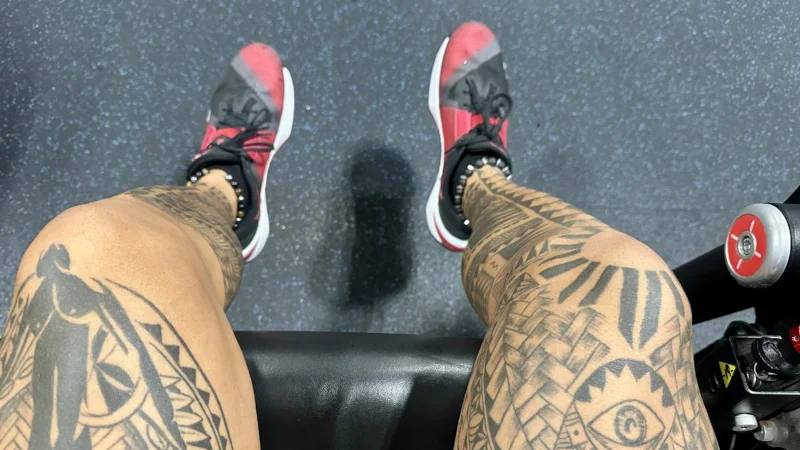
For this review, our product tester was Stephen Sheehan, CPT, CNC, a GGR senior staff writer and certified personal trainer with years of strength training experience. Before sharing his testing notes with me, he wore these shoes daily for nearly a month, using them both in and out of the gym to get the full experience.
He’s owned Metcons in the past, as have I, and while Nike makes small changes from model to model, the overall concept of the shoe hasn’t changed too much. The Metcon 10, like its predecessors, is first and foremost a strength-training shoe that offers enough versatility to handle most of your lifting in a gym.
Lifting shoes may seem like an investment, but we think they’re worth it, and science does, too. A 2021 study1 found that the type of footwear worn during squats can impact the lifting mechanics, including things like muscle activation and joint movement. If you’ve never squatted in a pair of dedicated lifting shoes with a firm sole and slight heel lift, it’s a game changer.
The Metcon 10 isn’t a pure lifting shoe, however, and is marketed as a hybrid cross-training shoe instead. While we love it for lifting, jumping, climbing ropes, or pushing a sled, it’s not the most comfortable shoe in the world, so it’s probably not something you’ll want to wear for long walks, running errands, or any type of distance running.
Unlike traditional weightlifting shoes, which typically have a steep heel lift and a very heavy, almost clunky sole to keep your foot anchored in place, the Metcon does offer a bit more flexibility. While most lifters change in and out of their weightlifting shoes after they’re done due to how stiff and heavy they feel, Metcons are much easier to wear throughout your entire workout.
“These are ultra-stable for all types of lifts. I have used them for HIIT style workouts (tire flips, clean and press) as well as traditional lifts (squats, RDLs, leg press) and have felt stable throughout.”
-Stephen Sheehan, CPT, CNC
Nike Metcon 10 Rating
Appearance and Design
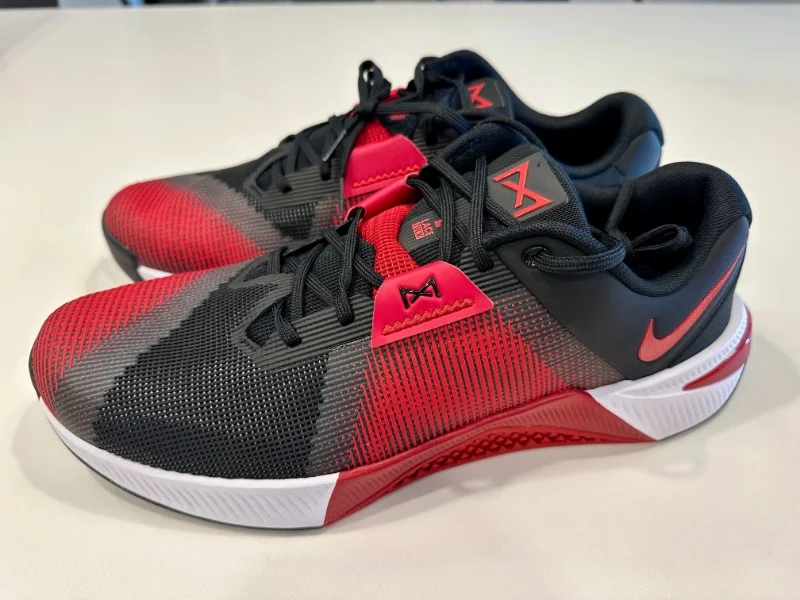
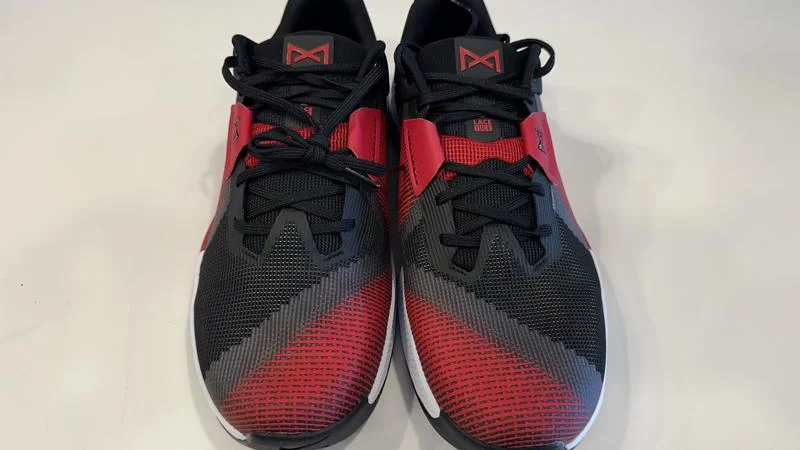
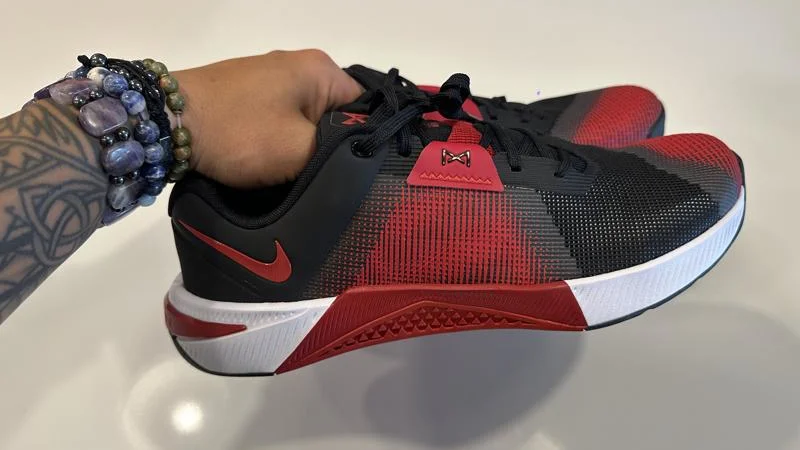
For appearance and design, the Metcon 10s earn 5 out of 5 stars. With 13 men’s colorways and 7 women’s colorways to choose from, you’re sure to find an option that you like. For an extra $20, you can also customize your shoes and choose the colors used, but that will slow down the shipping time.
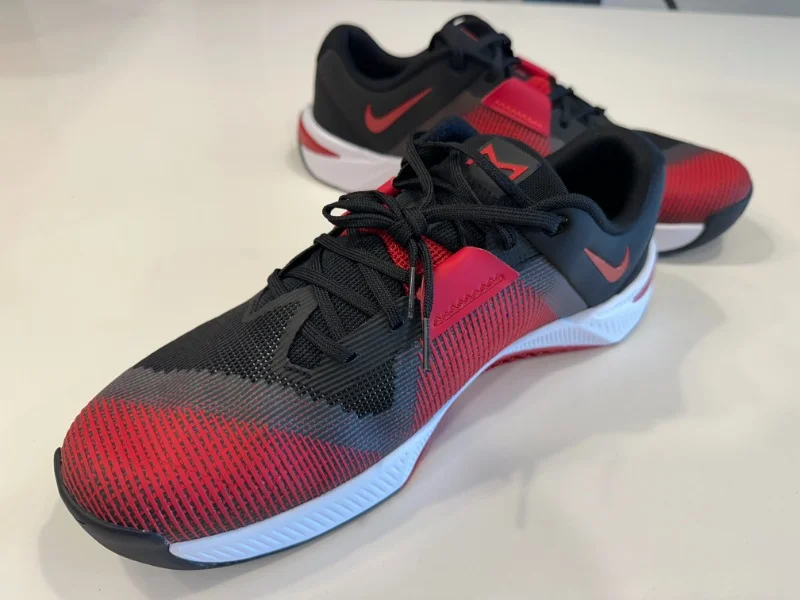
Stephen chose Black/White/Varsity Red colorway, and says he loves it.
“The colorways are typical for running/workout shoes, with a variety of brightly colored options as well as a few simple ones,” he explains. “They are perfect for that athletic leisure look where they look like a performance shoe but still have that ‘swag’ to them. I’m a HUGE fan of the design and color I chose.”
RELATED: What Shoes Should I Wear for Different Types of Training?
Construction and Durability
The Metcon 10s earn another 5-out-of-5-star rating for construction and durability, as they’re built to last and should withstand plenty of tough training sessions.
Thanks to the breathable upper mesh, your feet won’t overheat, so they feel lighter than you’d expect. They’re designed for deadlifts, box jumps, burpees, lunges, and all kinds of heavy lifts, so we appreciate that the versatile design doesn’t sacrifice any durability.
Stephen also noted that the rope guard is a bit smaller than in previous models, which is worth noting for those who regularly participate in CrossFit workouts.
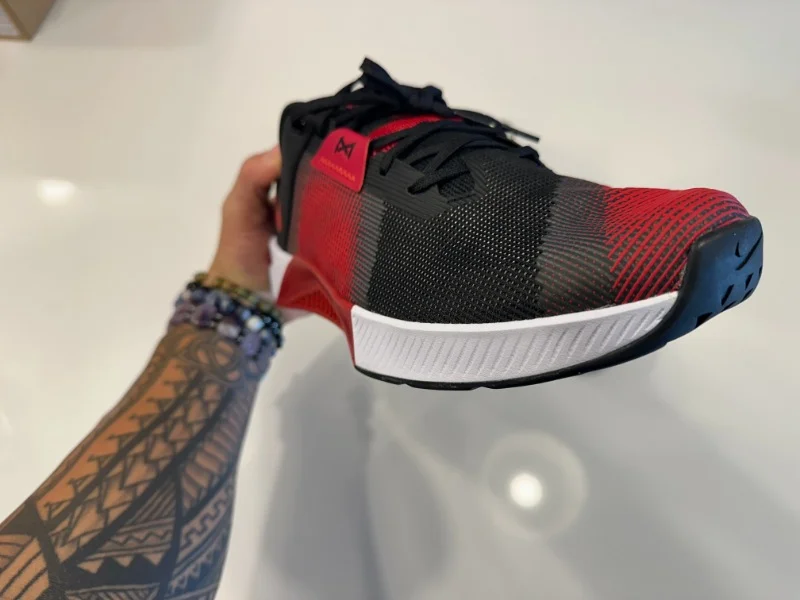
“The outsole is constructed from durable rubber with a sticky traction pattern strategically placed on high-wear areas like the midfoot and toe,” Stephen told me. “The toe box also has reinforced rubber texture/traction placed in high-wear zones, which serves as reinforcement for durability. Since testing, I do not see any issues with tearing/fraying.”
While I don’t own a pair, I had the Metcon 8s for three years, wearing them primarily indoors at the gym, and they hardly showed any signs of wear and tear at all, so I’d expect the 10s to last for a long time, too.
Stability and Performance
The Metcon 10 is certainly designed for stability and performance, and we give it 5 out of 5 stars for this category. It’s designed to keep your foot securely anchored in place, no matter what exercise you’re doing, and it does an excellent job.
The Hyperlift plate in the heel is designed to provide plenty of stability, unlike a squishy running shoe under your heel. There’s still foam in the heel, and midsole foam that provides a bit of cushion for agility drills or short runs, but the shoe still feels quite stable.
Another great touch is the lace tuck system, which allows you to keep your laces out of the way during exercises like double-unders, jump rope exercises, or really any kind of plyometrics.
“These are ultra-stable for all types of lifts,” says Stephen. “I have used them for HIIT style workouts (tire flips, clean and press) as well as traditional barbell lifts (squats, RDLs) and have felt stable throughout.”
RELATED: Best Shoes for Standing All Day
Versatility
For versatility, the Metcons earn 4 out of 5 stars. They’re significantly more versatile than a pure weightlifting shoe like the Nike Romaleos 4, and can handle most gym activities, but they’re still not a good choice for long-distance walking or running.
“I have not used them for a long-duration run, but have done a few sprints and cardio workouts on the treadmill/stairmaster,” Stephen explained. “In my experience, I think these work OK, but are not ideal for running due to the lack of cushioning. Compared to my Altra Experience Form or Asics, it’s a night-and-day difference.”
Adjustments and Comfort
For this category, the Metcon 10s earn 3 out of 5 stars. As with most of the previous models, you’re buying these shoes for a secure, durable shoe that’ll keep you well-supported during a variety of strength training movements.
This means they’re built for function, not comfort, and while they feel fine to wear around the gym, you probably don’t want to go on any long walks in your Metcons—grab a pair of the best walking shoes instead.
The lack of cushion simply isn’t very comfortable, so the Metcon 10s are best used for the gym only, not for running, jogging, hiking, or your evening walk.
Price and Value
For price and value, the Metcon 10s earn 4 out of 5 stars. At the time of writing, they cost $155, which isn’t cheap, but we have no concerns about their longevity or durability. Both Stephen and I have owned older models of Metcons and noticed they tend to last for a very long time, and he says he expects the same with the Metcon 10s.
“I have always been a huge fan of Metcons, and these do not disappoint,” he told me. “They have a premium look and feel, and they perform well.”
There are more affordable shoes on the market, but you get what you pay for, and in this case, that’s a durable shoe that offers plenty of stability and traction for your workouts.
Customer Experience
Nike earns 4 out of 5 stars for its customer experience. If you have a Nike membership, which is free, you’ll unlock a 60-day return policy, Even better, there’s no language in Nike’s return policy about wearing them, and users have reported that Nike will accept returns even if you’ve worn them, which means you truly get a 60-day trial period to wear these around and see how you like them.
If you need to reach customer support, you can use the live chat feature on the website, or give Nike a call.
Customer Reviews
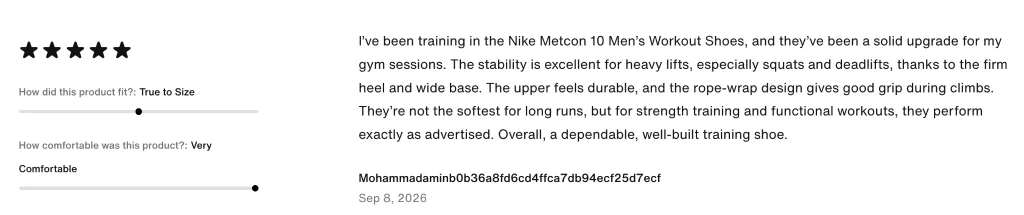
At the time of writing, the Metcon 10s have an average customer review score of 4.7 stars on the Nike website. Most customers love the durability and feel, though some reviewers have noted that they run small, which Nike says as well on the sales page.


Nike Metcon 10 Vs
If you’re looking for a versatile, multi-purpose training shoe, but aren’t quite sold on the Metcon 10s, there are a few other options we’ve enjoyed that scored highly during our testing.
The Reebok Nano X5 may be one of the most similar shoes on the market. It’s also meant to be a versatile training shoe that can handle everything but running, and it’s also extremely popular in the CrossFit and functional training community. However, compared to the Metcon 10, the Nano X5 has a bit more cushioning in the sole, so it doesn’t feel quite as firm underfoot, but it’s significantly more comfortable.
I’ve owned previous models of Metcons and have been unable to go on longer walks in them without foot pain, and my Nano X5s are significantly more comfortable—though still a bit too stiff for running.
For more, be sure to read our in-depth Reebok Nano X5 Review.
If you don’t care about having a stiff, elevated heel, and just want a versatile gym shoe that’s extremely comfortable to wear, we recommend the Nike Free Metcon 7.
It’s not quite as good for heavy strength training, particularly squats, due to the cushioned sole, but it earned a strong 4.5 out of 5 stars for adjustments and comfort. While the Metcon 10 is mostly a lifting shoe with a little bit of cushion, the Free Metcon 7 is much closer to an all-day shoe that still provides enough support for most strength workouts, and is better suited for all-day wear and comfort.
| Nike Metcon 10 | Reebok Nano X5 | Nike Free Metcon 7 | |
| Price (Original MSRP) | $155 | $150 | $125 |
| Weight Per Shoe | 12 oz | 12 oz | 11.5 oz |
| Heel-to-Toe Drop | 4 mm | 7 mm | 6 mm |
| Trial Period | 60-day returns for Nike members | 30 days | 60-day returns for Nike members |
| Upper | Open-holed engineered mesh | Synthetic textile | Lightweight mesh |
| Midsole | ReactX foam with Hyperlift heel plate | Dual-density midsole | Flexible foam |
| Tread | Rubber tread | Rubber | Rubber |
| Available Sizes | Men’s 3.5-15, Women’s 5-15 | Men’s 4.5-14, Women’s 5-12 | Men’s 6-15, Women’s 5-15 |
| Colorways | 13 men’s, 7 women’s | 11 unisex, 18 women’s | 10 men’s, 14 women’s |
Final Verdict of Our Nike Metcon 10 Review
If you’re looking for a versatile gym shoe that can handle just about any kind of strength-based workout, with a firm, supportive heel that’ll keep you securely anchored in place, the Nike Metcon 10 is a great choice.
It’s very durable, and if you’re looking for something to wear throughout your entire workout, without having to change in and out of various shoes, the Metcon 10 is an excellent choice.
The only real flaw is the lack of cushion, but that’s intentional, as it’s a shoe made for strength training. If you want something to wear on a long walk, or something that’ll work well for sprints, jogging, or running, this isn’t the one—but it can handle nearly anything else.
- Nike offers a 60-day trial for Nike members, which allows you to take the Metcon 10 for a test drive and see how you like it.
- While it’s very durable and suitable for most lifting, the heel lift is lower than most squat shoes, coming in at only four millimeters.
- We think the Metcon 10s will last for a long time, but don’t forget to order half a size-up (Nike’s recommendation) as they don’t run true to size, and may feel narrow, especially if you have wide feet.
Nike Metcon 10 Review: FAQs
Are Nike Metcon 10 shoes good for running?
No. They’re stable lifting shoes with a stiff heel and very minimal cushioning. It doesn’t feel quite like walking with a brick strapped to your foot, but it’s not too far off, and running in Metcon 10s would likely be quite painful after a while.
Are Nike Metcon 10 shoes good for walking?
While they’re fine for walking around the gym between sets, we wouldn’t recommend using Metcons as your everyday walking shoes. Even low-intensity walking can put a little bit of strain on your body, and since there’s not much cushion in the Metcon 10, your feet, ankles, and knees may not feel so great after a while.
Is Metcon 10 better than Metcon 9?
Compared to the Metcon 9, Nike claims that the Metcon 10 is more flexible through the sole, with a lighter design that makes it better suited for things like plyometrics, or shorter sprints. It also has more arch support than the Metcon 9, which may be a pro or con depending on your preferences. The Metcon 10 is better if you want that versatility, while the Metcon 9 may be a better choice for anyone who would prefer to prioritize stability.
References
- Pangan AM, Leineweber M. Footwear and Elevated Heel Influence on Barbell Back Squat: A Review. J Biomech Eng. 2021 Sep 1;143(9):090801. doi: 10.1115/1.4050820. PMID: 33844006.