


Although Peloton has been around since 2012, the company can truly thank the pandemic for making it a household name. Its connected fitness equipment, namely its Peloton Bike, made ditching the gym membership and working out at home cool for many people and, even though not quite as popular is its post-pandemic peak in 2022, it has truly revolutionized the home fitness industry.
The product that started it all—the original Peloton Bike—allows you to hop on and experience an immersive, motivating cycling class from the comfort of your home gym. This bike isn’t exactly considered a budget exercise bike, but in our Peloton Bike review, we’re going to give you our honest opinion about the bike that transformed indoor cycling. Is this smart bike worth the hype?
Editor’s note: In May 2023, Peloton announced a voluntary recall of all original Peloton Bikes sold from January 2018 to May 2023 because of a defect with the seat post that causes it to break while in use. Peloton has identified 35 reports of broken seats, resulting in 13 injuries, including a wrist fracture, lacerations, and bruises.
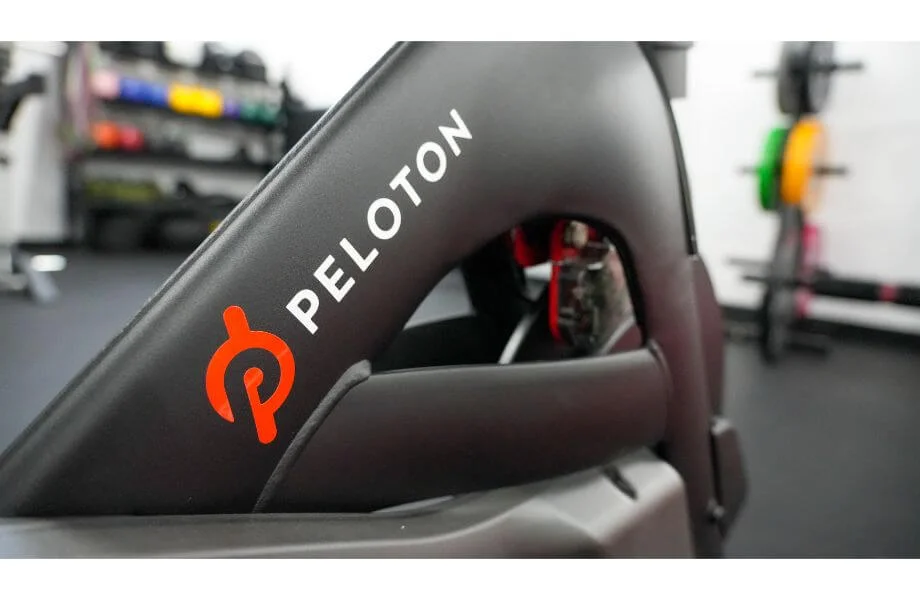
The original Peloton Bike can be identified by “its PL-01 model number on the label located on the inside front fork (near the flywheel), the red ‘P’ logo followed by the white-colored’ ‘Peloton’ brand name on the Bike’s frame, and by its non-swivel display.”
If your bike is impacted or if you have any questions, call Peloton’s support team toll-free at 866-679-9129 from 6 a.m. to 12 a.m. ET, 7 days a week or by visiting onepeloton.com and clicking on Product Recalls at the bottom of the page.
Testing the Peloton Bike for 5 Years And Counting
We’ve been going HAM on exercise bikes. In fact, our team of expert product testers—who are also certified personal trainers, CrossFit coaches, and competitive athletes—has easily tested more than 50 of the best exercise bikes and researched dozens more. We know where the bar is set for bike functionality, performance, interactive programming, and more.
Plus, rest assured that just because Peloton is a darling of the fitness industry, it doesn’t mean we won’t give you our honest opinion about its OG bike. It’s an investment, and we want to ensure that you’re spending your hard-earned dollars on something that’s worth it for you. We’ve enlisted the opinions of several friends of GGR as well—Alie, Amanda, and John. They are all long-term Peloton Bike owners and shared their insights into whether the bike has been a worthwhile investment.
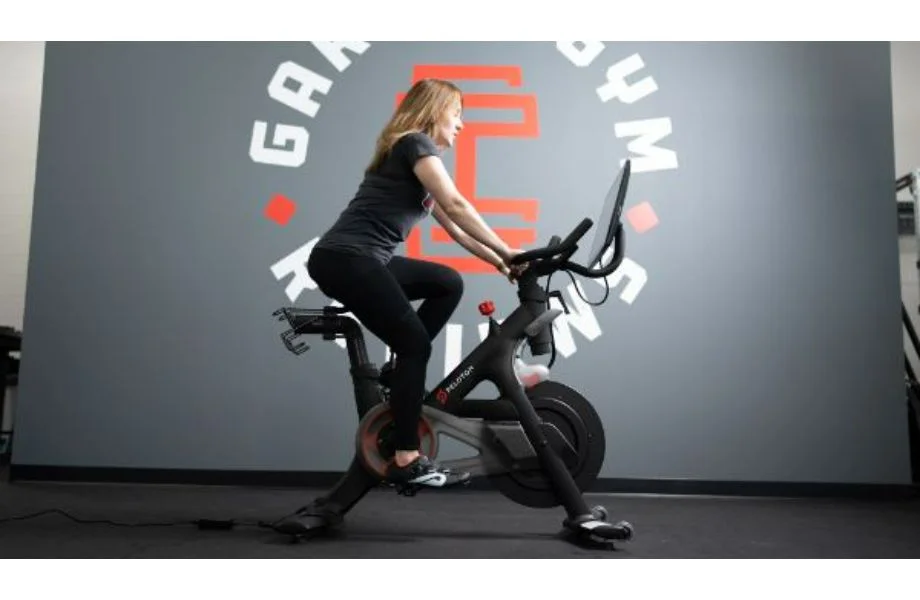








One of the more expensive options for virtual biking, the Peloton Bike is designed to be an all-in-one fitness solution on a high-quality cardio machine. You’re paying not only for the bike, but the unique training experience it makes accessible from the comfort of your home.
What our tester says:
“Sure, this bike may need regular maintenance and other bikes may be built better, but the streaming experience is unbeatable. I’ve had to reach out to Peloton support twice in two years, and they’ve been vey responsive and fast to ship replacement parts. I’m happy with my purchase.”
A Quick Look At The Peloton Bike
It’s no secret that Peloton has been going through some changes lately. From a scary recall of the Peloton Tread to wide-ranging layoffs and the CEO stepping down, to a drop in the price of the Bike, plus an increase in the monthly subscription price in 2022, the company is trying to find its footing after its pandemic high.
Rewind to mid-2020, and Peloton had announced that its sales had surged a whopping 172%. And even in the first few months of 2021, the company was struggling to keep up with demand for its bikes as more and more people saw them as a solution to keeping active amidst shutdowns.
But just as quickly as it rose, it fell. In August 2021, Peloton slashed the price of its bike from $1,895 to $1,485, trying to hedge decreasing demand. And then once again, in April 2023, the price of the Bike dropped again, down to $1,195. Since then, the price has gone back up to $1,445, although Peloton sales aren’t as high as they were immediately after the pandemic.
Despite this trend, the Peloton Bike remains one of the most iconic and trending pieces of digitally integrated fitness equipment on the market.
RELATED: Stationary Bike Benefits
To get right to the point, our hot take is this: While the Peloton Bike itself is pretty good, the interactive programming is even better.
Before You Buy
- The Peloton requires Delta-compatible cycling cleats; Peloton-brand shoes are an extra $125.
- You’ll want to budget for the monthly subscription—which costs $44—to get ultimate functionality out of the bike.
- Take full advantage of the class offerings off the bike, too, to really get the most bang for your buck.
- Be prepared for shipping delays depending on your location—or even customer service delays—as Peloton continues to navigate rapid changes.
Peloton Bike Video Review
Is the Peloton Bike Worth It?
I’m just going to say it: While we don’t love everything about the bike itself, the experience that you get when you ride on a Peloton is top-notch, earning a 4.5 out of 5 for its value. However, it’s an investment at $1,445. That said, be sure to check out the best ways to save on a Peloton purchase on our Peloton promo codes page.
Here’s who I think a Peloton would be good for, and who I think should pass:
Great for:
- A rider who wants to replicate the boutique cycling class experience at home
- People who like competition
- Those who are invested in cycling as a form of exercise
Not recommended for:
- Someone who wants a budget exercise bike
- A casual rider
- Super tall people (over 6 feet 4 inches)
Peloton Bike Specs
| Footprint | 59” L X 53” H X 23” W |
| Weight | 135 lbs |
| Weight capacity | 297 lbs |
| Height range | 4’11” to 6’4” |
| Display | 21.5-inch HD touchscreen |
| Camera | 5 megapixels, front-facing |
| Resistance | Magnetic with manual knob |
| Frame | Welded steel, ED & powder coated |
| Flywheel | 38 lbs |
| Drive | Belt |
| Pedals | Delta-compatible aluminum |
| Seat | Vertically and horizontally adjustable sport series saddle |
| Handlebars | Vertically adjustable |
| Subscription | Yes, $44 monthly |
| Live programming | Yes |
| Sound system | 2-channel rear-facing stereo system |
| Tech extras | Video camera, microphone, USB microport, headphone jack |
| Warranty | 5-year frame; 12-month touchscreen, components, pedals, and labor |
Workout Experience on the Peloton Bike
Having read and heard so much about Peloton before actually testing its bike, I had an idea in my head of what kind of experience I was about to have. And honestly, I have to say that it lived up to the hype.
After adjusting the seat and handlebars, connecting my AirPods (which actually took some messing around with), and choosing my ride, I was ready to rock. My first class was with Tunde, and I loved it—the playlist, her energy (and stamina!), and surprisingly, the leaderboard. During the HIIT class I took, I got my cardio in, my legs were on fire, and I gave a Peloton high five to some fellow riders.
RELATED: Peloton Rower Review
Friend of GGR Alie got her first Peloton in 2019 and upgraded to the Bike+ in 2022 because she and her husband liked the experience so much. She takes cycling classes with Alex Toussaint religiously. “His instruction/coaching style is very no BS, straight to the point, cut out excuses and push to be the best,” she says. However, she utilizes off-the-bike classes on the Peloton app as well.
“One of the main reasons we got the bike in the first place is because both my husband and I work from home, and live in an area where winters are really hard on us mentally,” Alie says. “I especially struggle with mental health more in the wintertime when it’s cold, and leaving the house really isn’t an option, or the motivation to do so is minimal. It has been a game-changer for myself mentally, especially in the colder months.”
Recent studies1 show this trend of improved mental health, too. Researchers have found that exercising multiple times a week can help reduce depression and anxiety.
“Even if it’s only a few times a week, the movement, having the bike right in my own living room has had a positive impact on my own mental health journey,” Alie continues. “Having that consciousness of knowing that I do feel better after a ride makes it that much easier to get on when I know I’m starting to feel the lows.”
RELATED: HIIT Bike Workout
Footprint
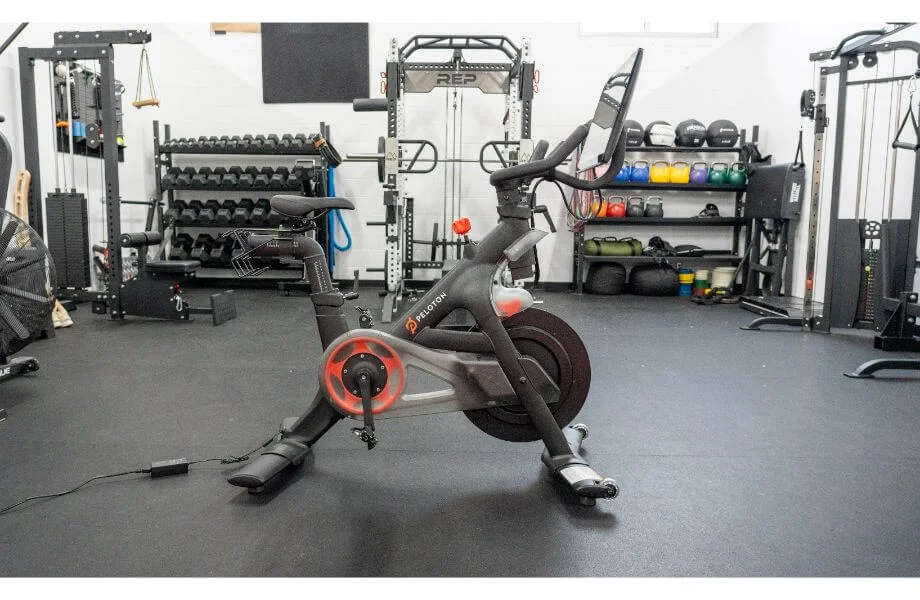
The Peloton Bike measures 59 inches long, 53 inches high, and 23 inches wide and has a 4-foot-by-2-foot footprint. Not bad, right? The Peloton Bike may be a good choice if you’re really tight on space, but for those people, also check out one of our best folding exercise bikes.
RELATED: Best Compact Exercise Equipment
But wait: On its website, the company recommends a minimum ceiling height of 8 feet, as well as 24 inches on all four sides of the bike for ample room to ride (and store it afterward). That means you need an area of about 8 feet in length and 6 feet in width to safely get your sweat on. Suddenly, this bike just became a bit less compact.
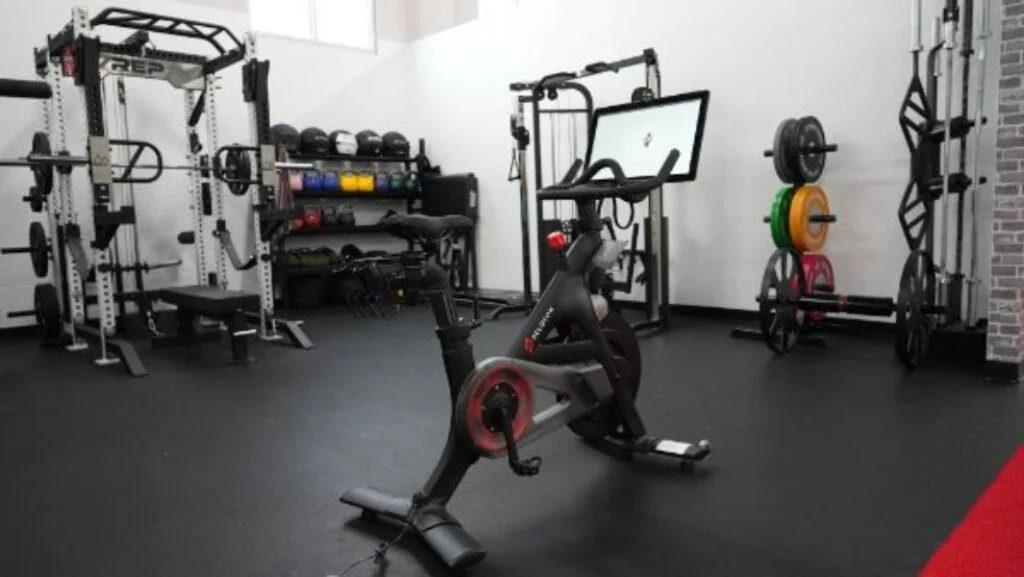
And although Peloton explicitly says you need 24 inches on all sides of the bike, a blog post on its site about using a Peloton Bike in small spaces shows that they may not take this recommendation too seriously.
Portability
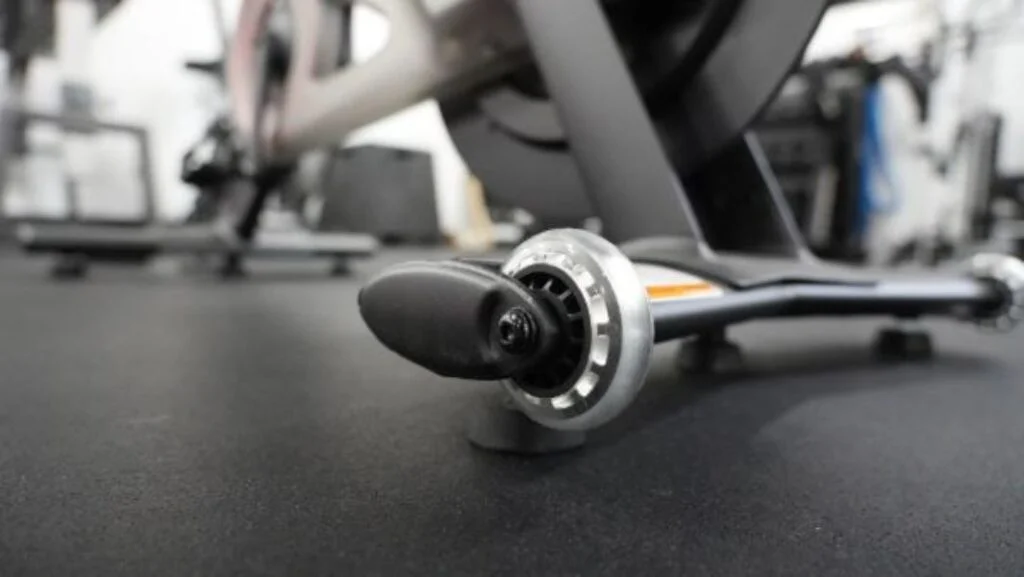
The Peloton Bike has wheels on the front for easy portability. Nathan, another friend of the GGR staff, moved it all around GGR headquarters on his own to shoot stills without any issue. I was also able to move the bike fairly easily. I rate the footprint and portability at 4.5 out of 5.
Durability
The Peloton Bike provided a sturdy and stable ride for me, but it’s worth noting that I’m a petite person. However, certified personal trainer and exercise bike aficionado Anthony O’Reilly, who is 6 feet 3 inches tall, felt the same.
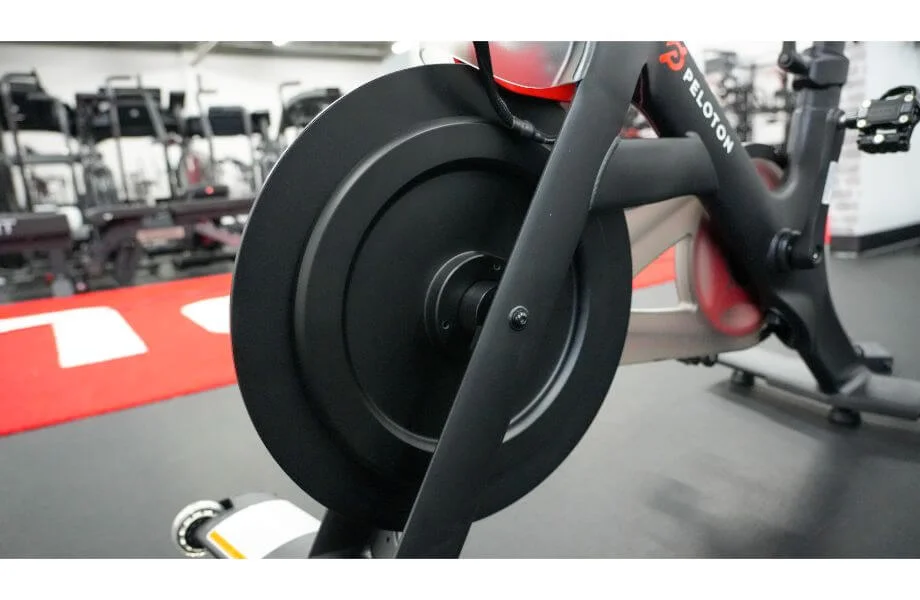
The flywheel weighs 38 pounds, which is respectable against industry standards and helps provide a smoother ride. The user weight capacity is 297 pounds, which is just OK for a bike at this price point. For reference, the $1,400 former Peloton competitor MYX II Bike (which appears to be out of production) had a weight capacity of 350 pounds. Even the Bowflex C6—which costs $1,000—has a weight capacity of 330 pounds.
Despite our impressions, reviewers do have gripes with the bike’s durability. Issues with the hardware—particularly the WiFi not connecting, the screen cutting out, and the pedals breaking—were the most common. Complaints about issues with the bearings were also common. For those reasons, we rate the durability at 4 out of 5.
Ergonomics and Performance
The Peloton bike looks and feels sleek. Here are a things we like the most:
- The frame of this stationary bike is made of powder-coated welded steel.
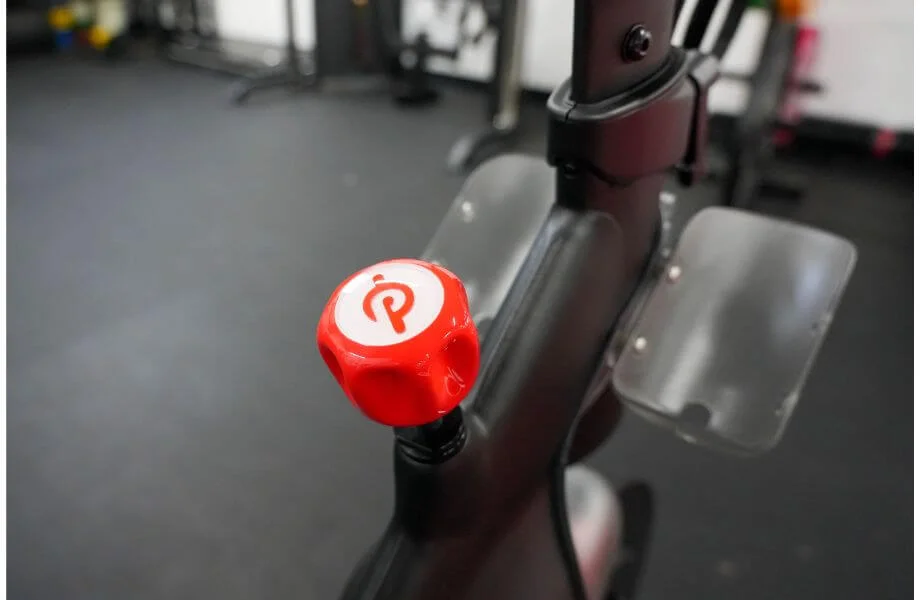
- The resistance system is magnetic, which is smoother and requires less maintenance than friction resistance, and is adjusted with an ergonomic resistance knob.
- The belt-driven drive system is smoother and requires less maintenance than a chain drive.
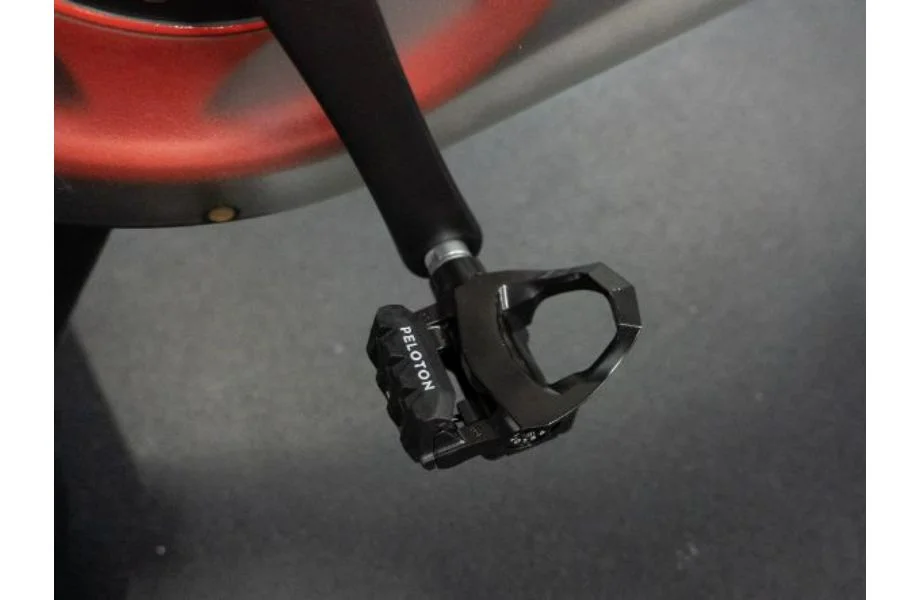
- The pedals are aluminum.
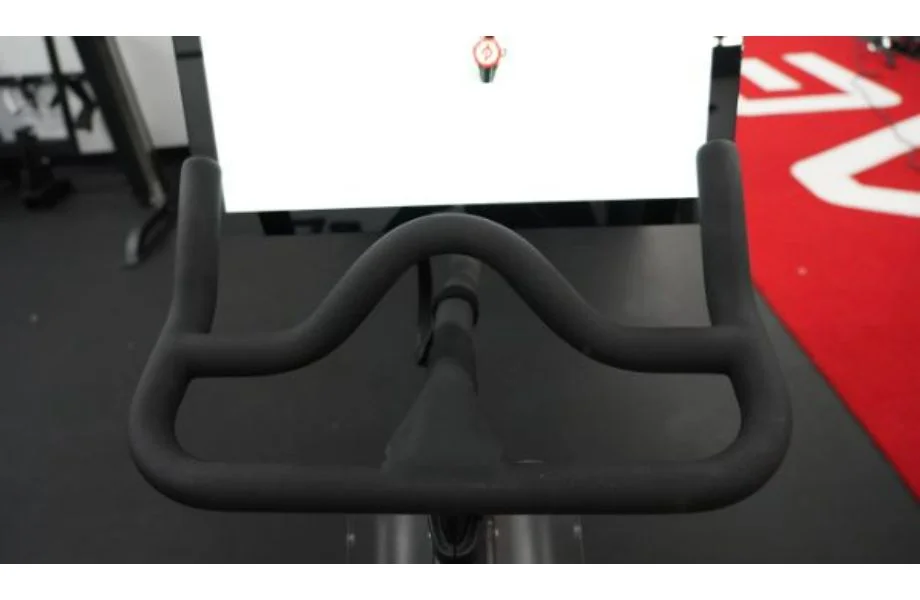
- The handlebars’ bullhorn design adds to the ergonomics of the ride.
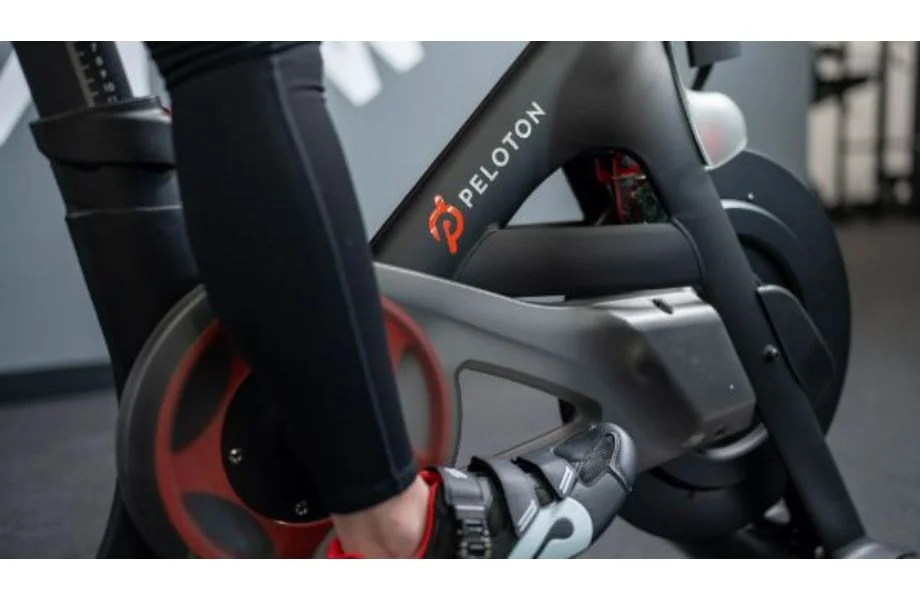
My maiden voyage on the Peloton Bike did not disappoint. It’s a smooth ride—smoother than many other bikes I’ve been on—and because of the magnetic resistance, each tiny twist of the knob provides just a bit more for you to pedal against. The 100 resistance levels allow you to customize your workout in pretty much any way that suits you.
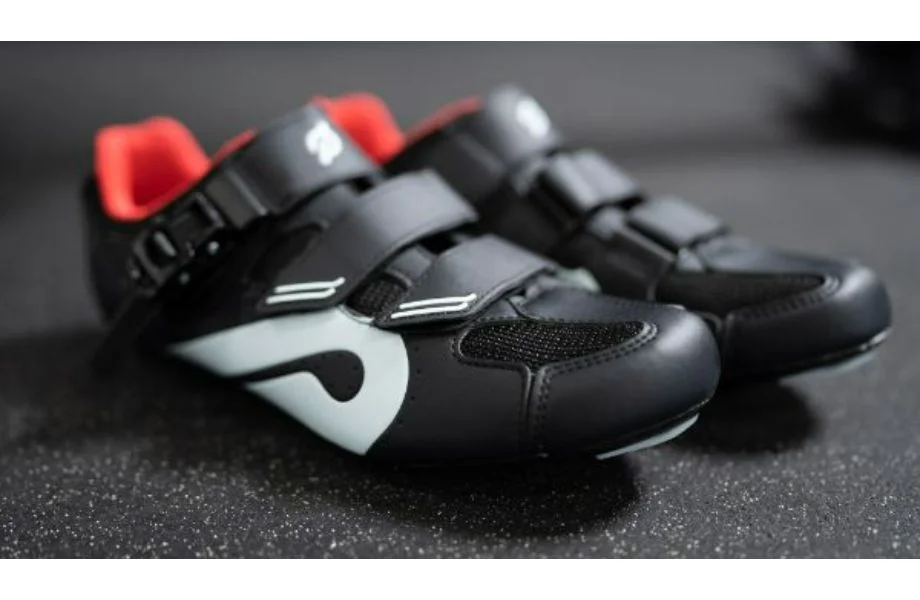
If you decide to buy a Peloton, you will have to purchase the accompanying cycle shoes or buy Delta-compatible cleats to clip into the pedals. It’s another expense—Peloton Cycling Shoes are $125—and each person who uses the bike will need their own pair, unless you happen to wear the same size. I prefer the toe cage option on exercise bikes, but that’s just me.
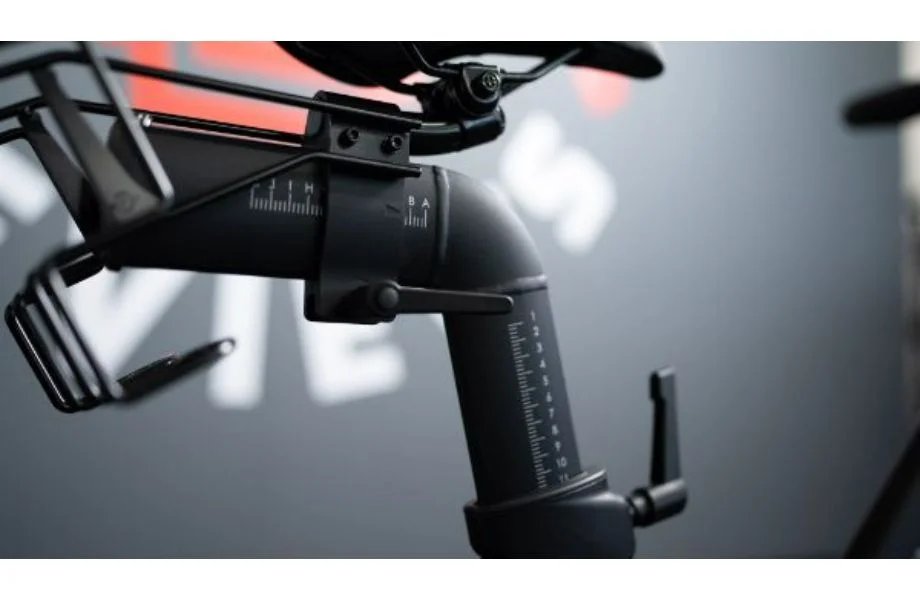
The seat is not super comfortable, I won’t lie. You can swap it out for a seat of your choosing or try a padded seat cover over top. But if you’re new to consistent cycling, it may just take some time to get used to the hardness of the seat, so don’t give up too quickly. Overall, the Peloton Bike earns a 4 out of 5 for its ergonomics and adjustability.
You can adjust the seat vertically and horizontally, but the handlebars can only be adjusted vertically, which I don’t love. I’m pointing this out because this may impede your ability to find a comfortable riding position, particularly if you’re on the short or tall side. It’s common for exercise bike handles to adjust horizontally, and I’m surprised this isn’t a customization feature on a luxury bike like the Peloton.
In fact, Alie, a friend of GGR who’s been a Peloton user for 5 years and counting, says that she sometimes struggles to get the bike to the correct settings after her husband uses it. “My arms are short and I’m constantly wondering if I’m seated correctly with how much I have to lean to be able to reach, even with adjustments,” she explains.
Technology Benefits
The Peloton Bike is built around technology and connectivity. The machine is WiFi- and Bluetooth-enabled, and the 21.5-inch HD touchscreen displays all the workouts with pristine crispness. You can tilt the screen up and down to accommodate different heights. The two-channel stereo speaker system plays the music and cues of the instructor.
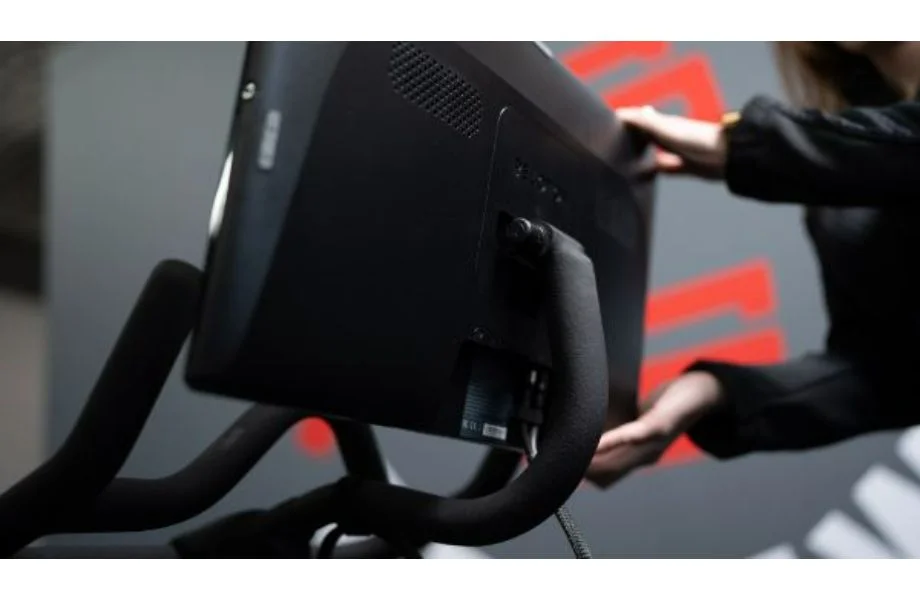
Because the speakers are rear-facing, I did feel like the sound wasn’t directed away from me instead of at me. Still, I had no problem hearing it, and actually ended up pairing my AirPods to it during my rides, but if noise level is a concern, this is something to note. I consider myself a pretty technologically savvy person and I did have some issues connecting my AirPods to the bike; it eventually worked, though. The technology gets a near-perfect 4.5 out of 5 from me.
The Peloton Bike also has a built-in front-facing camera and microphone. You can video chat with a fellow rider during a class or video chat with the support team if you’re having an issue with your bike. Although the instructor cannot see you, and only someone you’re video chatting with can view you through your camera, there is a privacy screen you can slide over the camera for your own peace of mind.
I didn’t use the camera during my Peloton rides, but I’ve seen others post about how they use it to work out with their friends and family in real time (virtually, of course), boosting accountability. Cool concept, although plenty of reviewers say the camera is low-quality, so its use is limited.
RELATED: Peloton Guide Review
There’s also a USB port and headphone jack on the back of the screen for charging and plugging in, respectively.
Other Features
The Peloton Bike gets a 4 out of 5 for conveniences, as it also comes equipped with two water bottle holders and dual dumbbell holders on the back. There is no media shelf since you use the included touchscreen for video and music, but you can buy one online if you want a place to mount your phone during your ride. Same goes with a fan—Peloton doesn’t include one, but there are plenty available online from different manufacturers.
The bike itself is pretty quiet—although I actually think other bikes might be quieter—and you also have the option to pop in your wireless headphones to listen directly in your ear.
Peloton Accessories
While the bike is the most important piece of equipment, there are also plenty of accessories that can make your ride more enjoyable. Plus, if you bundle them with the purchase of your bike, you can save some cash.
- Cycling shoes: You’ll need Delta-compatible cycling shoes (which clip into the pedals) to ride the Peloton. If you don’t already have them, you can purchase them when you get your bike for an additional $125.
- Hand weights: Weights are available from 1 to 3 pounds and can provide some options to add an upper-body aspect to your ride. There’s a built-in holder for them behind the seat.
- Bike mat: A mat is useful to protect your floor from potential scratches and sweat. Peloton’s bike mat measures 72 inches long and 36 inches wide, providing about 6 inches of room on each side of the bike.
- Heart rate monitor: The ANT+ and BLE chest strap can connect to the bike and help you track your heart rate during each workout.
Peloton Classes
This is where the Peloton Bike really shines, and I rate the dynamic programming at 5 out of 5 easily. But let’s talk about how the bike shines.
For $44 monthly, you’ll get an all-access membership to the Peloton app, which gives you full access to thousands of on-demand and live Peloton classes on your bike. Each member of your household can have their own profile, and you can take classes like cycling, of course, but also running, strength, bootcamp, yoga, and more.
Peloton instructors are now pseudo-celebrities in their own right, many with huge endorsement deals, shaking it on Dancing With the Stars, and writing best-selling books. My advice is to take the time to find an instructor you connect with, as so much of your Peloton experience will center around their energy. There’s someone for everyone, that’s for sure. My faves are Tunde Oyeneyin and Jess Sims. Alie, a friend of GGR and long-time Peloton user, loves Alex Toussaint.
“If I don’t feel like I’m being pushed, if the music isn’t good or matching the tempo, I am immediately disengaged from a mental standpoint and am more than likely going to quit or not exert myself, which is why I choose Alex’s classes every single time,” she says. “For being a virtual instructor, it can’t be easy to try and motivate people and have energy that radiates to an audience that isn’t in front of you, but he does just a phenomenal job making me feel like he’s right in the living room with me in my ear, kicking my butt.”
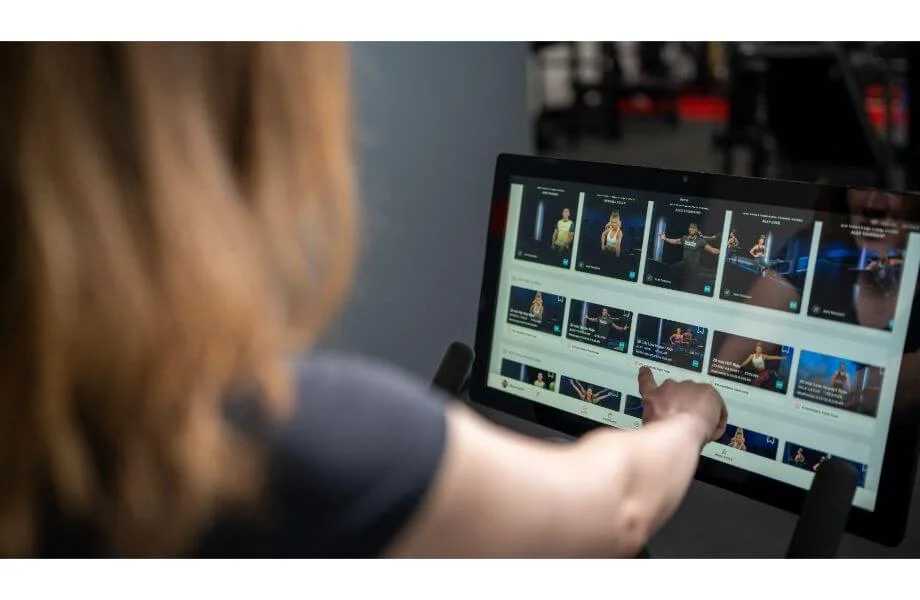
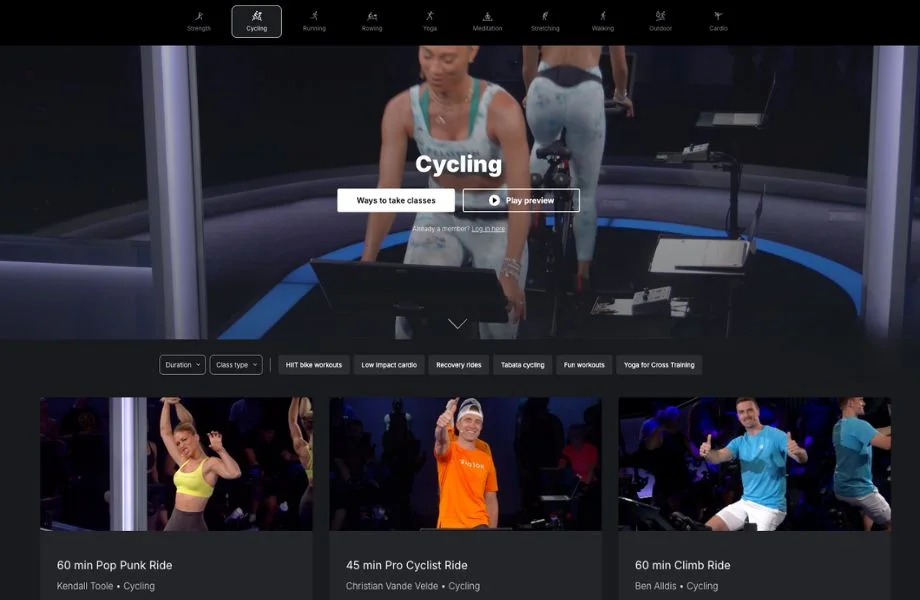

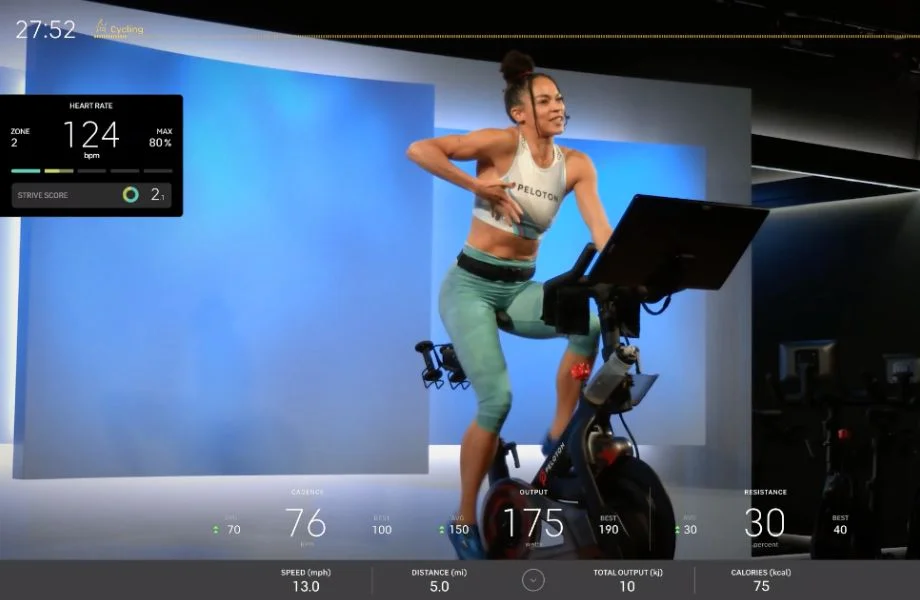
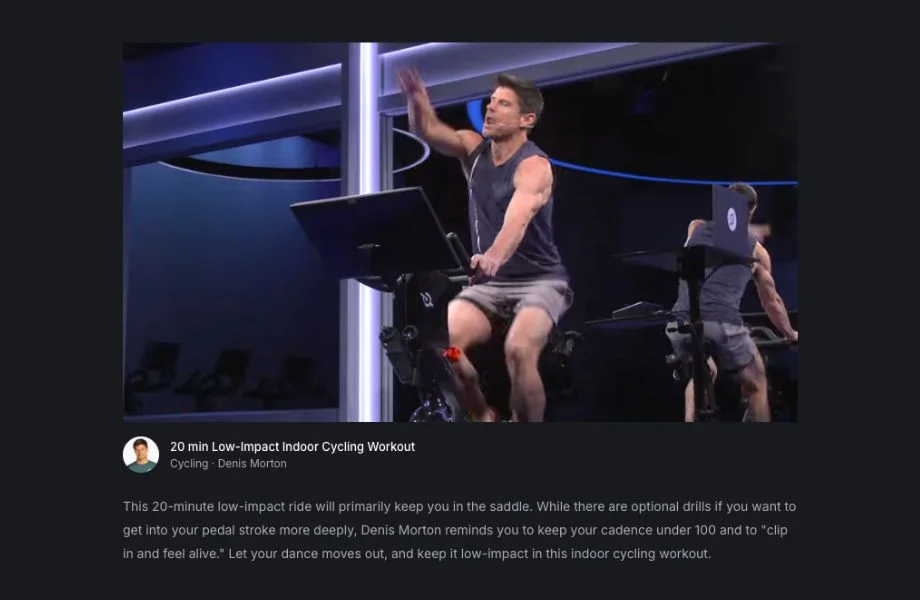
During a cycling class, you’ll see metrics on screen like cadence (measured in rotations per minute (RPM), resistance, output (measured in watts), and total output (measured in kilojoules). Instructors will cue you throughout class to be at a certain resistance level or RPM and you’ll adjust your ride accordingly. During live classes, they’ll shout out participants for milestone rides and other notable things, which I think is fun. Some people find this distracting or unnecessary—they just want to focus on working out—and I get that, too.
If you have an all-access membership to the Peloton app, you can use it on your Android or iPhone as well to complete running, strength, bootcamp, and yoga workouts, plus more. If you don’t have a Peloton Bike but want to use the app for these classes—or if you have a different bike and want to utilize the on-demand cycling workouts—the membership fee is $12.99 per month.
Alie points out that the only real con of the Peloton Bike experience for her is the price of the monthly membership.
“Especially if you’re a new Peloton owner, and just dropped the amount of money you did for the actual bike, then having to pay for the app on top of it seems a little excessive,” she explains. “But now that we’ve had our bike for quite some time, it’s paid for itself, and the app gets used outside of the bike, whether we stream classes from the gym or from the TV in the living room.”
Peloton Bike vs Peloton Bike+
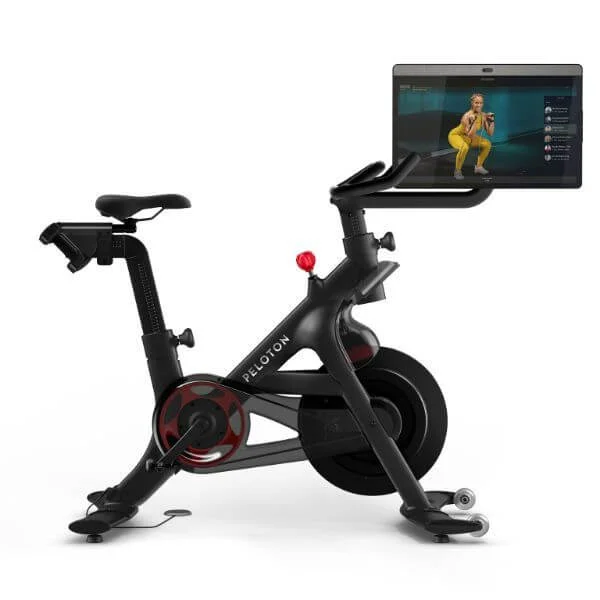
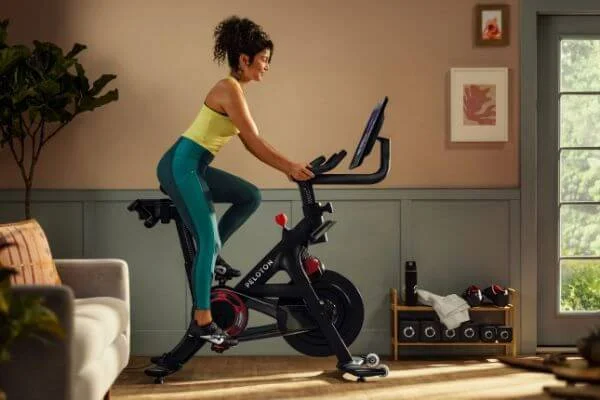





The Peloton Bike Plus is the souped-up version of the base model. It’s really meant to offer an immersive cycling and strength training experience. The main difference between the bikes is the tech.
Now available for just about $2,500, the Bike+ offers a 360-degree rotating touchscreen—which is even bigger than the screen on the original Bike at 23.8 inches—so you can easily shift between the bike and the floor. The Bike+ also integrates with Apple GymKit to track your workouts via syncing your Apple Watch. There’s also an auto-resistance option on the Bike+, which means the machine will automatically adjust to match the instructor’s cues.
The Bike+ is slightly larger than the Bike—it’s 59 inches high, versus the Bike at 53 inches high—and it weighs slightly more, but the user height and weight capacities are the same.
Is the Bike+ worth the extra $1,000? It depends. If you have the money to spend and appreciate the best technology, the rotating screen and automatic resistance adjustment could be enough to convince you. Otherwise, the OG Bike will provide more than enough in terms of a good cycling experience, which is why you buy a Peloton in the first place.
| Peloton Bike | Peloton Bike Plus | |
| Price | $1,445 | $2,495 |
| Footprint | 59” L x 53” H x 23” W | 59″ L x 59″ H x 22″ W |
| Weight | 135 lbs | 140 lbs |
| Weight capacity | 297 lbs | 297 lbs |
| Height range | 4’11”-6’4” | 4’11”-6’4” |
| Display | 21.5” touchscreen | 23.8 rotating touchscreen |
| Camera | 5 megapixels, front-facing | 8 megapixels, front-facing |
| Resistance | 100 micro-adjustable magnetic levels | 100 micro-adjustable magnetic levels |
| Pedals | Delta-compatible | Delta-compatible |
| Seat adjustment | Horizontal and vertical | Horizontal and vertical |
Peloton Bike vs NordicTrack X24 Bike
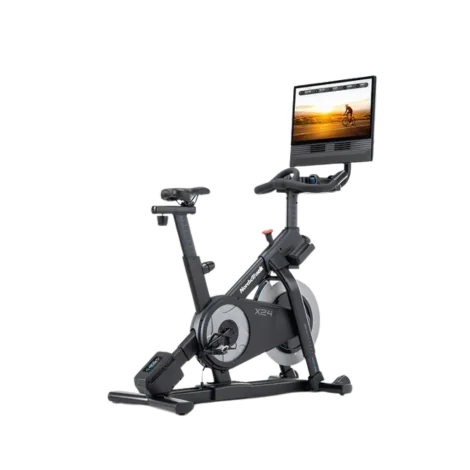

The X24 Bike is NordicTrack’s latest exercise bike offering an impressive incline range between -10% and 20% alongside iFIT compatibility for engaging on-demand workout programming. This all-new stationary bike also comes with two 3-pound dumbbells, which are ideal for taking part in iFIT’s library of non-cycling modules as well.
The NordicTrack X24 Bike is another Peloton Bike alternative that features interactive programming via iFIT and lots of tech. It’s around $2,000—quite a bit more expensive than the Peloton Bike—but it does have the features to back up the price.
RELATED: Peloton vs iFIT
The S22i has a slightly more compact footprint than the Peloton Bike (although it’s several inches taller at nearly 63 inches), and is quite a bit heavier at 205 pounds, versus 135 pounds for the Peloton. It’s more akin to the Peloton Bike+ in that it offers automatically adjustable resistance. And, it also boasts incline and decline training, something very unique for exercise bikes but potentially very useful for you.
Plus, NordicTrack X24 boasts SmartAdjust technology that controls resistance settings, incline, and decline based on coaching cues or the topography of a scenic ride. The incline and decline features can simulate hill cycling, which can allow you to activate muscles differently2 during your workout. Our iFIT reviews have more details on this unique feature.
If you’re a diehard cyclist and would appreciate the automatically adjustable resistance and incline/decline training, the X24 may be worth the investment.
| Peloton Bike | NordicTrack X24 | |
| Price | $1,445 | $2,299 |
| Footprint | 59” L x 53” H x 23” W | 56.4″ x 21.8″ W x 62.7″ H |
| Weight | 135 lbs | 205 lbs |
| Weight capacity | 297 lbs | 350 lbs |
| Display | 21.5” touchscreen | Pivoting 24″ touchscreen |
| Resistance | 100 micro-adjustable magnetic levels | 24 levels of Silent Magnetic Resistance (SMR) |
| Pedals | Delta-compatible | Compatible with any shoe or SPD cleats |
| Seat adjustment | Horizontal and vertical | Horizontal and vertical |
Customer Experience
Peloton offers a limited warranty on its Bike and Bike+: five years on the frame and 12 months on the touchscreen, components (like the belt, resistance, handlebars, etc.), pedals, and labor. This is not a great warranty policy, and one of the biggest complaints in reviews on the Peloton website is the lack of customer service when a bike needs to be repaired.

A bright spot: Peloton does offer 0% APR monthly financing, and you could pay as little as $38 per month for the bike if you qualify. You can also try the bike for 30 days with the Seven Day Home Trial program. If you decide you don’t want to keep the machine, it will be picked up and you’ll receive a full refund. In total, we rate the policies a 3.75 out of 5, as the warranty is the only policy that’s lacking.
Ordering and Assembling the Peloton Bike
We ordered our Springfield warehouse’s Peloton Bike and it took about a month to get delivered, which isn’t Prime Delivery on Amazon, that’s for sure. Delivery windows vary based on location and how busy they are, so you may experience a speedier process altogether. Delivery and setup of your Peloton Bike costs an extra $250, and that’s automatically tacked onto the purchase price.
Our Operations Manager Sam “AsSAMbly” Presley was particularly enthused about the Peloton Bike assembly because for once, he didn’t have to do it.
“The delivery guys had it built when they got here except for the screen,” Sam says. “It took them about 15 minutes to put that on, but overall it was a great experience for us and I think it will be great for most people.”
After the bike is assembled and connected to your WiFi network, you’ll also want to ensure that the seat and handlebars are at the appropriate height for you, so take some time to do this before you hop on for your first ride. Peloton has a great video to guide you through this process if you need help.
It’s worth noting that the Bike Basics package doesn’t come with a bike mat. You’ll probably want to order one separately, especially if the bike will be inside your house somewhere, like in your living room.
Maintenance and Support
We always say that if you’re good to your equipment, it will be good to you. For the Peloton, this means that you need to maintain it to the best of your ability by cleaning it regularly.
According to Peloton, you should wipe your bike down after each workout using a soft, clean cloth. Sweat can degrade the finish and metal frame over time, so removing it after each ride is crucial. Pay close attention to the “sweat path”—the area right below the resistance knob as well as the stabilizers—as well as any grooves and screws where liquid could pool.
Every 20 to 30 rides the company recommends doing a deep cleaning with diluted dish detergent and a soft, clean cloth. Wipe down the entire bike, including all nooks and crannies (and excluding the touchscreen), and dry it thoroughly. Clean the touchscreen with an electronics wipe.
If you need support for your bike, you can call the 866 number listed on the website or take advantage of the live chat. Representatives are available between 6 a.m. and 12 a.m. ET seven days per week. We will say, however, that Peloton support has a reputation for being notoriously difficult. Many have a hard time even reaching a helpful live person, and if a tech needs to be sent out to assess your machine, it can take a long time to actually happen (our own Peloton Tread broke, and it took months for someone to come out).
Customer Reviews
The Peloton Bike has an average of 4.7 out of 5 stars on the company’s website with over 24,000 reviews. You can purchase a new Peloton Bike from www.onepeloton.com or from Amazon, where ratings average out to 4.3 stars.
Most reviews are overwhelmingly positive, complimenting the instructors and class variety.

Complaints mention problems reaching customer service, as well as the aforementioned hardware issues with the touchscreen, pedals, and more.
Final Verdict of Our Peloton Bike Review
Is the Peloton Bike worth it?
If you’re looking for a top-notch boutique cycling experience in your home, Peloton is the way to go. They live and breathe cycling, which is clear from the programming they offer. While the bike itself isn’t bad (but it’s definitely not the most impressive available on the market), what you’re really paying for is the whole experience.
- To get the most out of the bike, budget for the monthly subscription fee of $44.
- The Peloton Bike doesn’t have toe cage pedals; you’ll have to purchase Peloton Cycling Shoes or Delta-compatible cleats.
- While the bike itself is OK in our experience, the biggest reason to get a Peloton Bike is for the interactive classes with passionate instructors and solid programming.
Peloton Bike Rating
Peloton Bike

Considering a Peloton Bike for your home gym? Our certified fitness experts dish all the pros and cons in this Peloton Bike review.
Product Brand: Peloton
Product Currency: USD
Product Price: 1495.00
Product In-Stock: InStock
4.33
Peloton Bike Review FAQs
What are the disadvantages of a Peloton Bike?
It’s not a cheap piece of equipment, for starters. And on top of the price of the bike, to get the most out of it, you’ll have to pay a monthly fee for an All-Access membership, which is how you’ll access the interactive programming. There’s also a lack of variety available with a Peloton Bike—unless you truly love cycling classes, it may get repetitive.
Can you use Peloton without subscription?
You can ride the Peloton Bike without a subscription. You’ll be able to use manual mode (the Just Ride feature) or access two pre-recorded classes. We will say though, that the magic in a Peloton Bike is by taking advantage of the interactive programming, so we wouldn’t recommend buying a Peloton Bike if you’re not planning on also purchasing a monthly membership.
Is a 30-minute Peloton ride enough?
Any physical activity is good, and 30 minutes is plenty of time to reap health benefits. The CDC recommends that adults get 150 minutes of moderate-intensity exercise (or 75 minutes of vigorous-intensity exercise) per week, so depending on your effort during your ride, you’d be well on your way to hitting that weekly goal.
Are there any other bikes as good as Peloton?
We know there is ton of hype around the Peloton Bike, but we think some of the best Peloton alternatives include the Echelon Smart Connect EX-5 and NordicTrack X24 Bike. We also really enjoy the leaning feature on the Bowflex VeloCore and the budget-friendly price of the Sunny Health & Fitness Synergy Magnetic.
References
- Sharma, A., Madaan, V., & Petty, F. D. (2006). Exercise for mental health. Primary care companion to the Journal of clinical psychiatry, 8(2), 106. https://doi.org/10.4088/pcc.v08n0208a
- Duc, S., Bertucci, W., Pernin, J. N., & Grappe, F. (2008). Muscular activity during uphill cycling: effect of slope, posture, hand grip position and constrained bicycle lateral sways. Journal of electromyography and kinesiology : official journal of the International Society of Electrophysiological Kinesiology, 18(1), 116–127. https://doi.org/10.1016/j.jelekin.2006.09.007