



Are you looking for a low-impact workout that can improve your overall health and wellness? Get ready to stay and put the pedal to the metal. Cycling indoors on a bike that goes nowhere (we promise, it’s a lot of fun!) is surprisingly therapeutic and offers customizable intensity levels.
RELATED: Stationary Bike Workouts For Beginners
Whether you’re clipping in for the first time or have recently decided it’s time to get back in the saddle, the best exercise bikes can offer you a wide range of stationary bike benefits, including improved strength, reduced disease risk, and better health markers. You can take a virtual cycling class or create your own ride. The benefits of stationary bikes are undeniable!
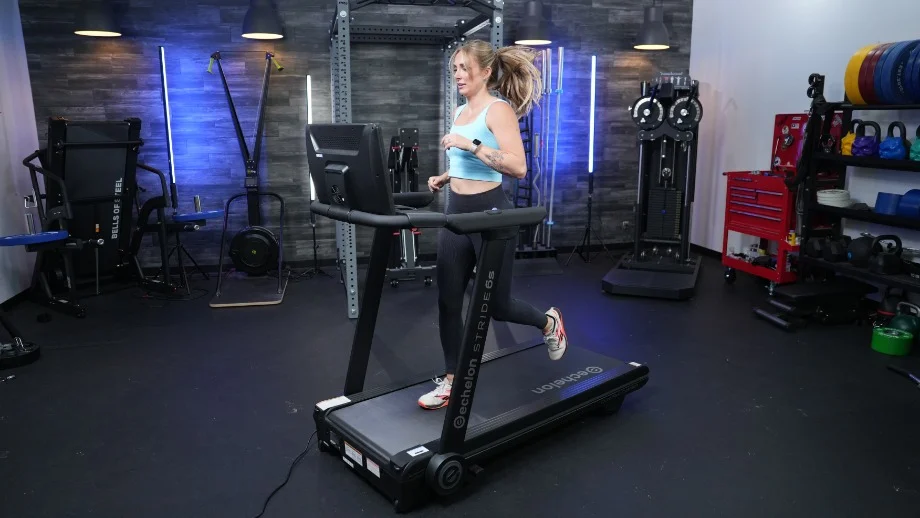
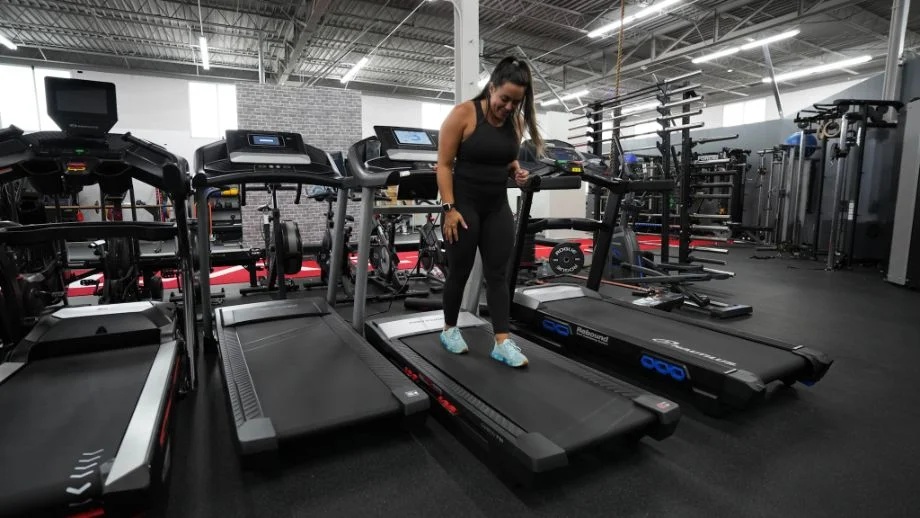
If you’re on the fence about purchasing a stationary bike—maybe you’re considering a treadmill, instead—we’re here to show you why it’s a good investment for your health and worth implementing into your exercise routine.
RELATED: Exercise Bike Vs Treadmill
12 Stationary Bike Benefits You Should Know
Indoor cycling on a stationary bike is so much more than burning calories. It can strengthen the most important muscle in your body—the heart. Here are several other important health-related stationary bike benefits:
1. Improved Endurance
Riding a stationary bike is an excellent way to improve your cardiovascular and muscular endurance (plus your stamina), with less risk of injury. Let’s be honest, whether you’re an avid runner or into strength training, we all want the ability to exercise for more extended periods without fatigue. Quality training equals better results for performance, muscle-building, and overall health.
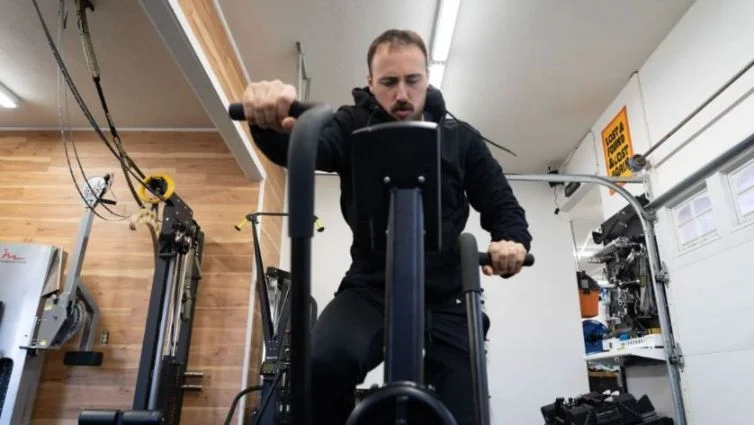
Even if you’re not a fitness enthusiast and want to use a stationary bike to incorporate regular exercise, the consistent movement from pedaling and activated muscle engagement from simply your body weight can increase your endurance. The stationary bike benefits can translate to other areas of your life, such as keeping up with your kids, giving you sustained energy, and improving your quality of life.
2. Improved Cardiovascular Fitness
A stationary bike is one of the best cardio machines and can effectively raise your heart rate, which helps improve cardiovascular health. Accordingly, this exercise can be just as beneficial as running or jogging for improving heart health.
A healthy heart can positively impact your blood pressure, blood flow, and keep cholesterol low. The more you implement cardiovascular activities into your exercise routines, the quicker your body pulls needed oxygen from your blood during workouts. A heart that’s conditioned from exercise allows you to handle stress better and improves your exercise recovery.
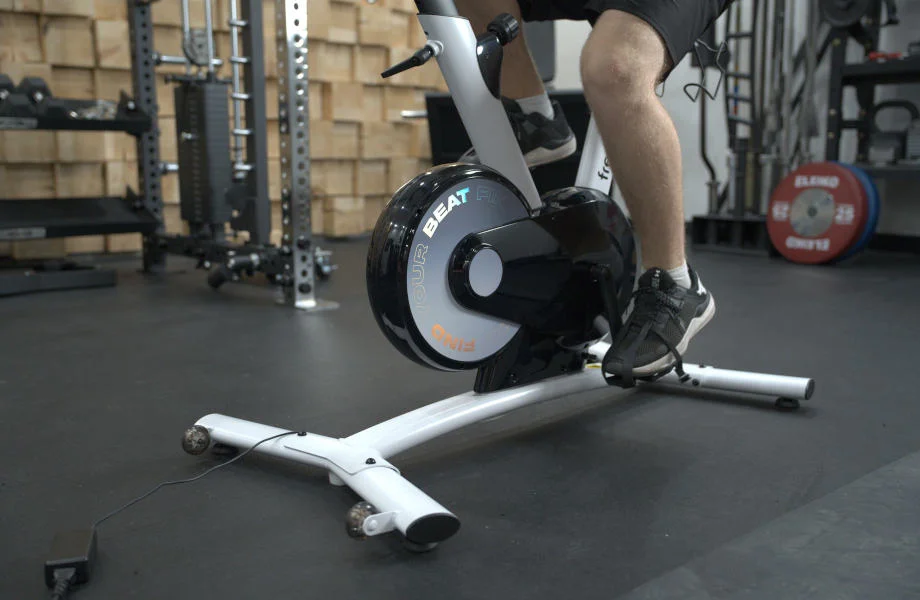
Another benefit of biking and heart health: Even a little bit may make a difference in your chances of developing heart disease. A 2016 study published in Circulation1 found that ridership was linked with lower rates of heart disease. So, whether you’re gearing up for a leisurely ride or some intense exercise, the more time you spend on your bike may lower your chances of developing heart disease.
3. Low-Impact Workout and Easy on the Joints
Cycling on a stationary bike is a low-impact exercise that can benefit all; from active athletes to older trainees, this form of exercise puts less stress on the joints. In fact, a stationary bike is easier on your joints than running or even road cycling. A 2016 Journal of Rheumatology study2 even found that cycling reduced joint stiffness, swelling, and perceived pain while also enhancing the quality of life in middle-aged and older adults with osteoarthritis.
RELATED: Best Exercise Bikes For Seniors
GGR Recommends — NordicTrack X24 Bike
If you’re looking for the best exercise bike on the market, we recommend the NordicTrack X24 Bike. It received a strong 4.6-out-of-5-star rating during trials thanks to its ability to provide both incline and decline training, a beautiful 24″ pivoting touchscreen, and seamless iFIT integration.
4. Better Health Markers
Cardiovascular exercise on a stationary bike can also improve a wide range of health markers, such as cholesterol, insulin resistance, and blood pressure, to name a few.
Riding a stationary bike can naturally help increase good cholesterol levels in our bodies. According to a 2010 randomized-controlled trial3, using a stationary bike three times per week for 45 minutes over a 12-week timespan raised HDL (good cholesterol) levels by 8%, whereas diet alone only raised them by 2%. In addition to raising HDL levels, the study also suggested that regular exercise on a stationary bike can help reduce dangerous triglycerides. High triglycerides contribute to the hardening of the arteries, or the thickening of the artery walls, which increases the risk of stroke, heart attack, and cardiovascular disease.
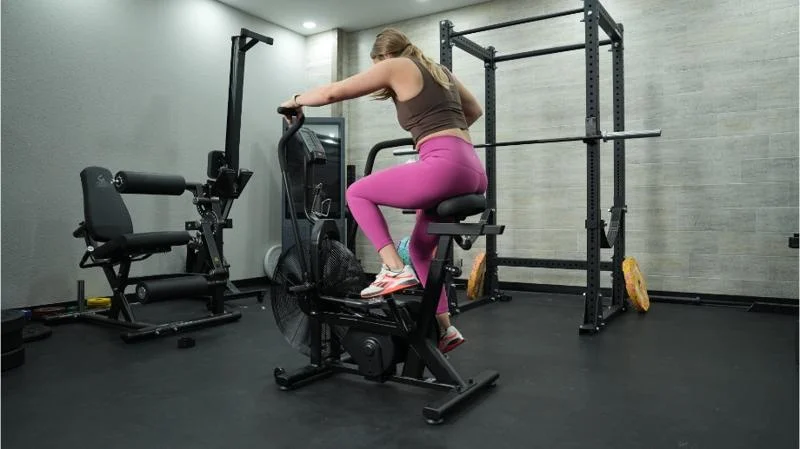
Physical inactivity and obesity are the leading risk factors for Type 2 diabetes, and regular indoor cycling can help lower this risk. Another 2016 study4 showed that cycling-based training was more effective than standard aerobic exercise in reducing insulin resistance.
If you want to lower your blood pressure, riding a stationary bike can help, too. A 2017 study5 demonstrated that young male patients with Type 2 Diabetes saw a reduction in blood pressure over a six-month span of cycling 25 kilometers per day for at least five days a week. Aerobic exercise like cycling helps to make your blood vessels more elastic, which helps to increase blood flow.
5. Strengthens Legs and Lower Body Muscles
Don’t let the stationary bike trick you into thinking it’s only for cardio. This piece of equipment is also a strength-building machine and a good workout for your legs. Regular riding can strengthen your calves, hamstring, glutes, and quadriceps.
When you’re on a cycling machine, your body is in constant motion. Your legs are pushing and pulling. Your core naturally begins to engage from the movement of your legs. All of these movements are compound stationary bike benefits for strengthening your legs and lower body muscles. This increased strength can help make everyday activities easier and improve your performance in other exercises.
6. Strengthens Your Core
To maintain a neutral spine and for your legs to pedal while leaning forward, both your anterior core (rectus abdominis, obliques) and posterior core (lower back) are engaged. Indoor cycling does strengthen core endurance, but this is not a substitute for more targeted core exercises, like planks.
7. Improves Coordination
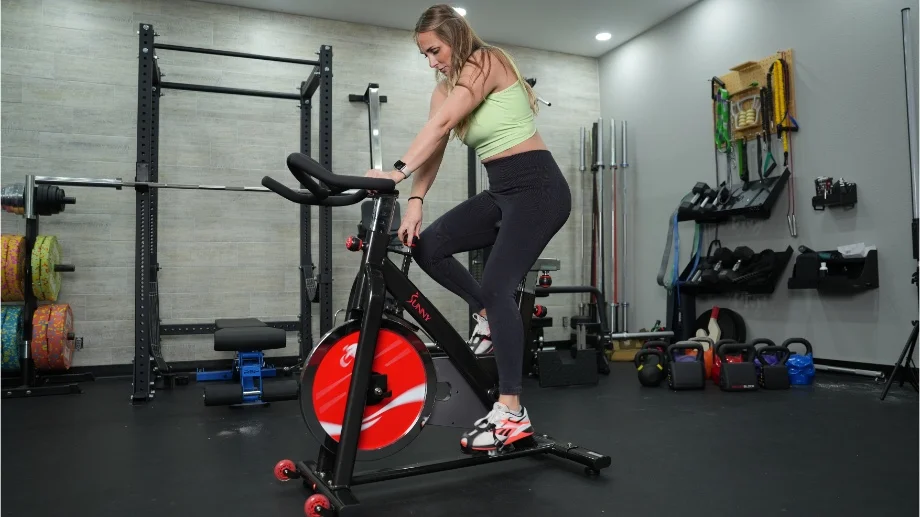
Staying upright on the bike whether indoor or outdoor leads to improved arm-to-leg, feet-to-hands, and body-to-eye coordination. Plus, many classes found on Peloton and other cycling platforms are choreographed by a personal trainer, and this type of riding can improve your coordination abilities between muscle groups when you’re riding to a beat.
8. Safety
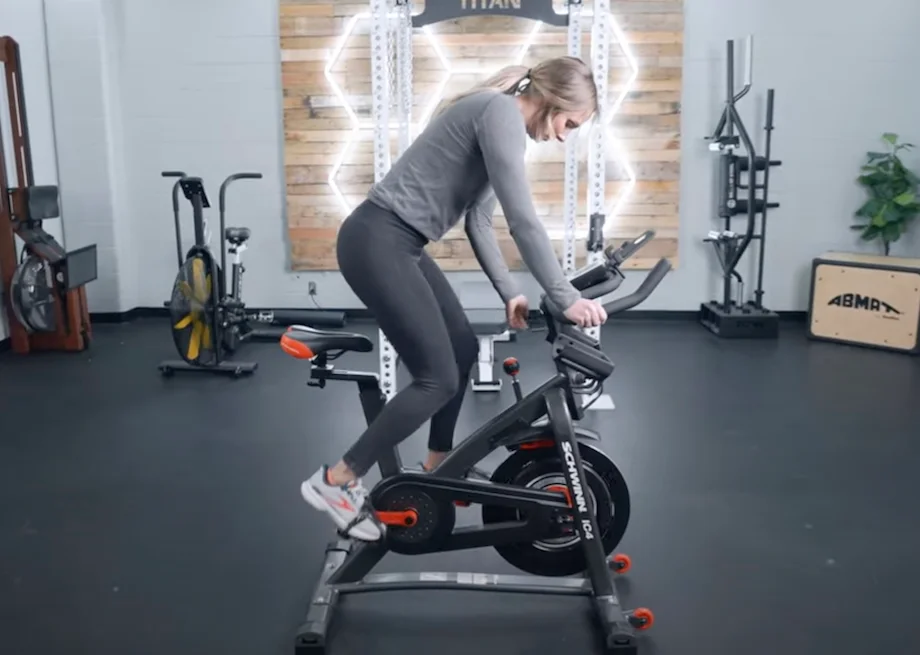
One thing to consider when riding an indoor stationary bike is increasing your level of safety compared to cycling outdoors. When riding outside, you have to be aware of your surroundings, avoid obstacles in your path, and protect yourself from cars. When riding inside on a stationary bike, you can stay focused on your workout without having to worry about anything else other than giving your best.
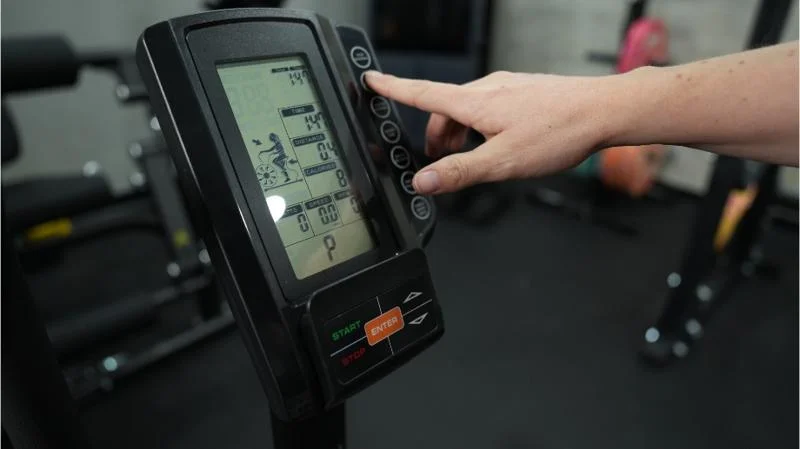
Another bonus to indoor cycling is that you can ride no matter the weather. If you’re working from home and dread the thought of sitting through another work call in your chair, or want to catch up on a podcast episode, you can opt to multitask on your low-impact stationary bike, too.
9. Can Help Burn Calories
Although a combination of diet and exercise is the best approach for weight loss, cycling can help you burn calories. The faster you cycle, the more calories you’ll burn because your body uses more energy to pedal quicker. Specifically, intervals of high-intensity cycling can burn a significant number of calories in as little as 30 minutes. According to Harvard Health6, for a moderate 30-minute stationary bike workout, a person weighing 155 pounds can expect to burn about 250 calories.
| Stationary bike for 30 minutes; moderate intensity | Stationary bike for 30 minutes; vigorous intensity | |
| 125-lb person | 210 cals | 315 cals |
| 155-lb person | 252 cals | 278 cals |
| 185-lb person | 294 cals | 441 cals |
10. Boosts Mood
Stationary bikes offer more than physical health benefits. Riding is also a great way to reduce stress levels. Endorphins—the body’s feel-good chemical—are released when you exercise, helping you feel great post-sweat session. This calmness can last long after your workout is over, allowing you to better handle stress in your everyday life.
A scoping review7 of more than 1,000 studies has shown that a combination of cardio and strength training done several times per week can help decrease depression and anxiety. Cardio exercise increases blood circulation8, including to the brain, as well as releases endorphins, the body’s feel-good hormone—both of these factors have been proposed to contribute to improvements in mood.
11. Increases Mental Fortitude
Exercising, in general, is known to improve mental toughness. “The ability to endure physical discomfort that comes from high-intensity indoor cycling can help to improve your emotional strength in facing difficulty and adversity in situations you find yourself in daily,” explains certified personal trainer and GGR Senior Staff Writer Amanda Capritto.
12. Accessible For All Fitness Levels
Stationary bike riding can be an excellent exercise for all fitness levels. Whether you want to work out at low intensity, moderate intensity, or high intensity, there’s a stationary bike that can accommodate your needs. It’s also an option for someone recovering from an injury who needs low-impact cardio exercise.
Stationary bikes allow you to customize speed and resistance, making them accessible no matter where you are in your fitness journey. Everyone in your household can use the same bike, too, since you’re able to adjust the settings for each rider. If you’re unsure where to start when it comes to workouts, many cycling apps or in-person classes are available, both paid and free, to guide you.
What’s The Difference Between Indoor and Outdoor Cycling?
Let’s get the obvious over with: During an indoor cycling session you’re stationary inside your house (or a studio), and during an outdoor cycling session, you’re on the move outside.
The indoor cyclist may be able to go faster and longer because he or she isn’t subject to environmental and physical factors like weather or uneven terrain. You’ll also have complete control over your workout during a stationary cycling session, adjusting the resistance and speed as you’d like. The same isn’t true for outdoor cycling, where you’re at the mercy of the road (or path or hill) before you.
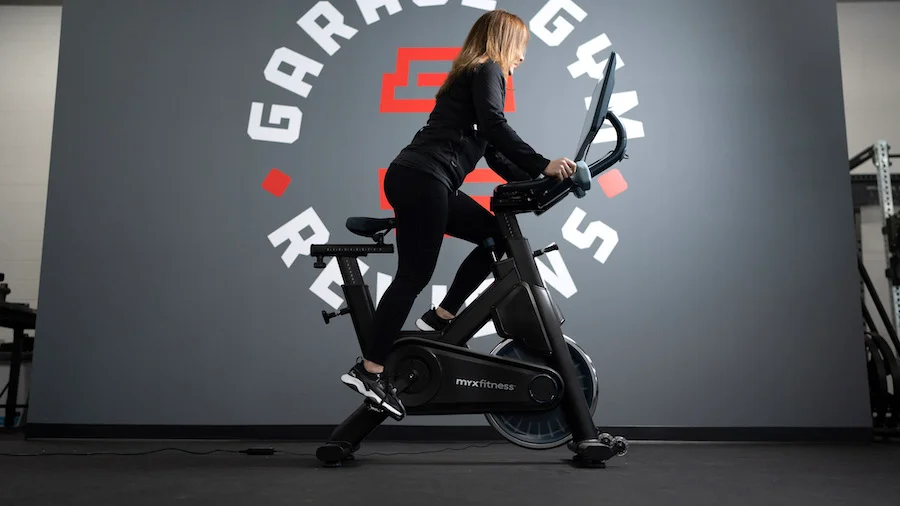
In both indoor and outdoor cycling, you’ll recruit your hamstrings, quads, and core. But, if you’re riding on uneven terrain outside, your arms and core will work in overdrive. You can also replicate this with an indoor cycling bike like the Bowflex Velocore, which leans from side to side to mimic riding through hills.
If you like being outdoors but you’re stuck inside cycling, then you probably won’t enjoy it. If you don’t like the risk of falling or being subject to environmental factors, or if you’re a beginner and just want to be active, then indoor cycling may be a better choice. It really comes down to your personal fitness goals.
GGR Recommends — Echelon Connect EX-5
If you’re looking for one of the best smart bikes that won’t break the bank yet still desire plenty of tech features, we love the Echelon Connect EX-5 and give it 3.8 out of 5 stars. It provides similar smart features to some of the top bikes on the market, and changing the resistance is easy with the built-in knob. However, you’ll need to use your own phone or tablet to stream workouts, which is why this bike is more affordable than similar competitors.
Workouts on a Stationary Bike
When it comes to improving your health, there’s no doubt that riding a stationary bike has a lot to offer. These bikes can help you reach your fitness goals, lose weight, build lower body strength, reduce stress levels, and promote better sleep quality. Below are some workouts you can try on a stationary bike.
Remember that any new form of exercise can feel challenging at first, so start easy and give yourself grace. After a five- to 10-minute warmup at a comfortable pace with low resistance, slowly increase the resistance and speed in small intervals. This will be your baseline, and you can continue to increase it so that you’re working slightly harder. After maintaining that pace, start to slow down and decrease resistance before finishing with a cooldown.
RELATED: Are Exercise Bikes Good For Weight Loss?
Stationary Bike Workout for Beginners
If you’re new to cycling, we recommend keeping things simple at first. You don’t want to burn yourself out, so a simple, easy workout is the best way to get used to cycling. We recommend doing a longer workout to build your workout capacity and get used to cycling, varying your intensity throughout the session.
Here’s our go-to 30-minute workout for beginners, with the effort you should be exerting for each time period.
| Time | Pace |
| 0:00-7:00 | Warmup |
| 7:00-12:00 | Moderate |
| 12:00-14:00 | High intensity |
| 14:00-16:00 | Moderate |
| 16:00-17:00 | Easy |
| 17:00-22:00 | Moderate |
| 22:00-25:00 | High intensity |
| 25:00-30:00 | Moderate |
Stationary Bike Workout for Intermediate Athletes
Once you’re past the beginner stage, it’s time to increase the intensity a bit. You don’t need much time if you train with enough intensity, which is exactly what this Tabata workout is built for.
You can do this workout on any type of bike, but we recommend using an air bike for the best challenge. You’ll repeat this workout three to four times for a total of 12 to 16 minutes.
| Three- to Five-Minute Warmup | 2-3 RPE |
| Tabata Protocol | Perform eight rounds of 20 seconds of all-out effort (9 to 10 RPE) and 10 seconds of rest |
| Repeat | Repeat this sequence three to four times. Add 30 seconds of rest or a recovery ride at a light resistance between each of the eight rounds |
| Three- to Five-Minute Cooldown | 4-and-down RPE, gradually reducing speed |
HIIT Bike Workout
Technically, our intermediate Tabata workout is a HIIT workout. If that’s enough, we’ve got you covered with another classic HIIT workout that you can do on any type of stationary bike.
This is called a pyramid HIIT workout, as the interval lengths start short, gradually increase in length, then taper back down.
The high intensity should be the highest effort you can sustain for that amount of time, and it can be done against higher or lower resistance if you’re able to adjust. The low intensity should be the highest pace you can sustain that still allows you to perform the next interval. If you need to rest, it’s OK to rest completely during your low-intensity time. Here’s how you do it:
| Round 1 | 30 seconds at high intensity, 30 seconds at low intensity for three sets |
| Round 2 | 45 seconds at high intensity, 45 seconds at low intensity for two sets |
| Round 3 | 1 minute at high intensity, 1 minute at low intensity for one set |
| Round 4 | 45 seconds at high intensity, 45 seconds at low intensity for two sets |
| Round 5 | 30 seconds at high intensity, 30 seconds at low intensity for three sets |
Recovery Workout
If you just want a lighter, easier session, using your bike for a recovery workout can be a great piece to mix into your weekly routine. This form of active recovery can help your body recover faster between challenging workouts by stimulating blood flow to deliver nutrients and flush out toxins.
The trick, though, is to keep it light. Aim for 20 to 30 minutes at a low intensity that doesn’t push your heart rate above Zone 2. This can help ensure you’re not adding more stress and interfering with your body’s recovery.
If you don’t know your heart rate zones, that’s OK. Aim for a pace that leaves you slightly out of breath, but not so much that you can’t hold a conversation. This should be pretty easy and a pace you could sustain for quite some time, if needed.
Indoor Cycling Safety Tips
As with any exercise, warming up and stretching go a long way in preventing injuries. But there are some other things you need to do to stay safe on a stationary bike:
- Safety first: Make sure your bike is assembled correctly and that all screws are tightened. Position the seat and handlebars so that you can maintain proper posture while riding.
- Make adjustments: Adjust the bike according to your height and ensure that the seat is parallel with your hips. The handlebars should be at a forearm’s distance from the start of the seat.
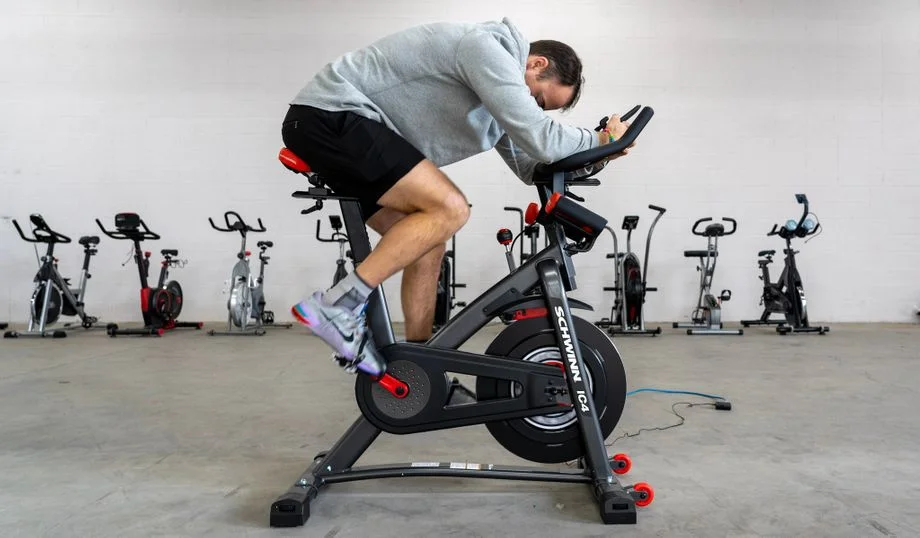
- Mind your posture: Keep your shoulders relaxed and bring them away from your ears as you ride. To perfect your form, your upper body should be slightly leaning forward with a straight spine. Your core should be engaged, and you should have a slight bend in your elbows.
- Control your environment: Place your stationary bike in a basement or the first floor of your house, where it stays cooler in the summer and warmer in the winter. Upstairs rooms tend to be less insulated, which means your ride could be a little uncomfortable. Don’t place your bike in an area that gets too hot because you’re going to be working up a sweat! You might consider adding a fan to the room to help keep you cool.
- Clear your space: Be sure there is enough clearance around your bike, so it’s easy for you to get on and off and move freely.
Hydration is also important. Having a little water before you begin your session and having a fluid handy when you’re riding is no-brainer, because dehydration can reduce your performance and will put your health at risk. We suggest consuming about 10 ounces of water for every 20 minutes of your training session.
Finally, it helps to read the manual before your first ride because each exercise bike has something different from the other. If something does go wrong, it may go really wrong, so it’s better to be safe than sorry.
Cycling Do’s and Don’ts
Seems pretty simple, right? You get on the bike and pedal. But, there are some simple do’s and don’ts to get the best out of your training.
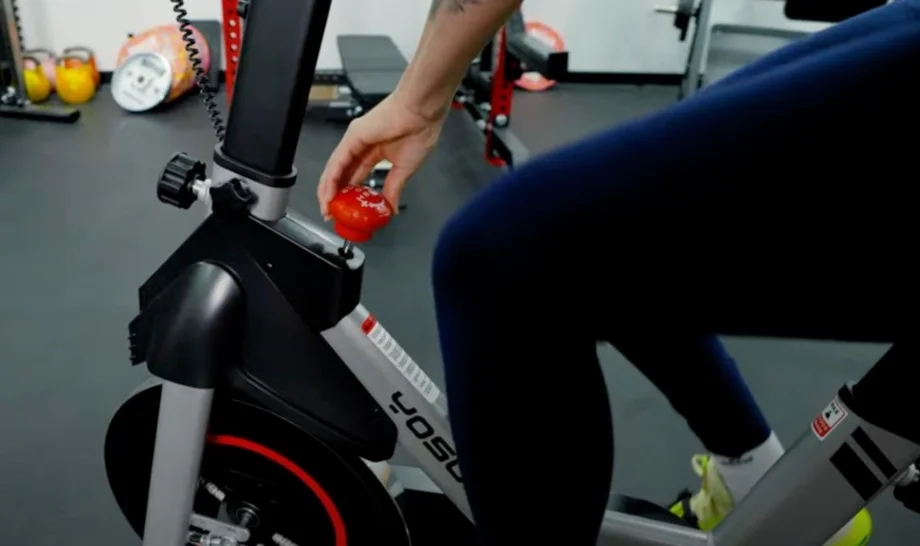
Do: Warm Up
Warming up before any workout is necessary to get your blood pumping and your muscles primed to help reduce your risk of injury.
Don’t: Ride Without Resistance
When you’re cycling, you need to be in control of your bike; not the other way around. In riding without resistance, you risk the control of your bike and increase your risk of injury. Always start with light to medium resistance to keep your muscles engaged.
Do: Set Up Properly
Getting the bike set up before you start can make all the difference with your comfort level and your pedaling efficiency. Make sure the seat and handlebars are adjusted properly based on your height, and ensure that you know how to use the resistance mechanism.
Don’t: Rely on the Handlebars
Relying too heavily on the handlebars may put your upper body out of position and affect your form. They are there for your balance—nothing more, nothing less. Instead, engage your core, keep the grip light, and relax your elbows and wrists.
Types of Stationary Bikes
There are different types of stationary bikes, and each one has its own unique benefits and drawbacks. Each type serves a different purpose, and the best choice for you depends on your personal needs. The main differences are the seating positions and features.
Upright
Upright bikes have a large, padded seat and two pedals with high-positioned handlebars. They can provide a great cardio workout and are ideal for people just starting with cycling.
Recumbent
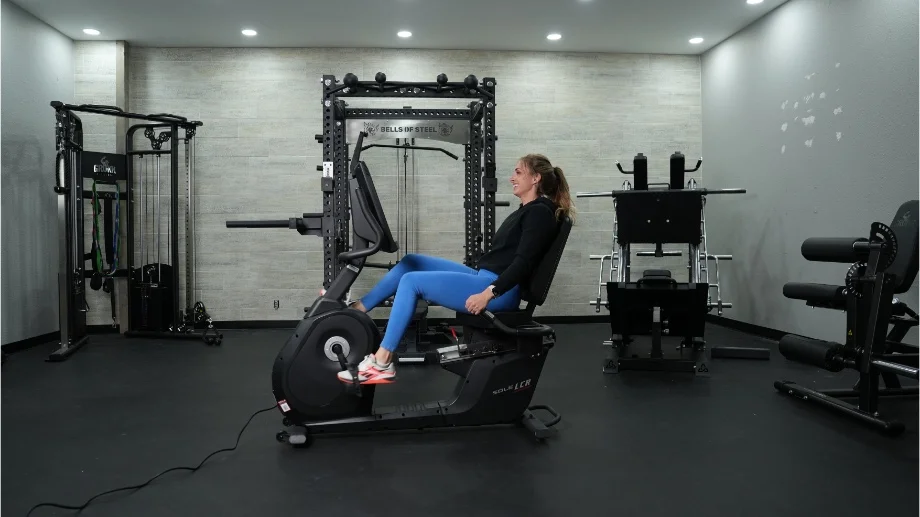
With a reclined seat and back support, recumbent bikes can be ideal for people with back or knee problems. They also provide a great cardio workout.
Air Bike
Instead of a flywheel, air bikes use a large fan blade to create resistance. There are no adjustment knobs for the resistance levels because it depends on the fan’s speed and how fast you pedal. On many models, there are also levers—attached to handlebars—that you push and pull with your hands. Because it’s so manual, these bikes can be ideal for people who want an intense air bike workout.
Cycling Bikes
These bikes have a small, racing-style seat and two pedals. They are perfect for people who want an intense, high-intensity cycling workout with adjustable resistance.
So, which type of stationary bike is right for you? It depends on your fitness level and needs, along with your budget and the space you have available. If you need to stick to a lower-priced option or have limited space, there are stationary bikes for you, too, including folding bikes that are compact and lightweight for small spaces.
Overall, though, the upright stationary bike can be a good choice for most people, while the stationary recumbent bike is a good choice for people with back problems. And, if you’re looking for an intense cycling workout, the cycling bike may be a perfect fit.
How To Choose A Stationary Bike
So, you’ve read up on the many stationary bike benefits and are ready to find the best option for your home gym. We know that choosing the right one can be challenging, so here’s a table to use as a visual guide, as well our best tips to help you find your ideal bike:
| Type of Bike | Best For | Not For |
| Upright Bike | Beginners | Those who want to include HIIT workouts or stand while pedaling |
| Recumbent Bike | Seniors, those with injuries | People looking for something that feels like a traditional bike |
Air Bike | Interval training, athletes | Long-distance cyclists, those looking for virtual classes |
| Cycling Bike | People who want a traditional cycling experience, those training in small spaces | Individuals who prefer a more comfortable bike for longer sessions |
Type
Review the different types of stationary bikes (listed above) and decide which model best fits your fitness level and goals.
RELATED: How To Choose An Exercise Bike
Footprint
Check out the measurements of each bike you’re interested in to guarantee that it will fit in your available space. If you have lower ceilings, you may want to opt for a recumbent bike rather than an air bike. Some stationary bikes are even foldable for small spaces or more convenient storage.
Budget
Stationary bikes can cost anywhere from $250 for the most basic models to $2,000+ for a stationary bike decked out with plenty of additional features.
GGR Recommends — Sunny Health & Fitness Indoor Cycle Bike SF-B1002
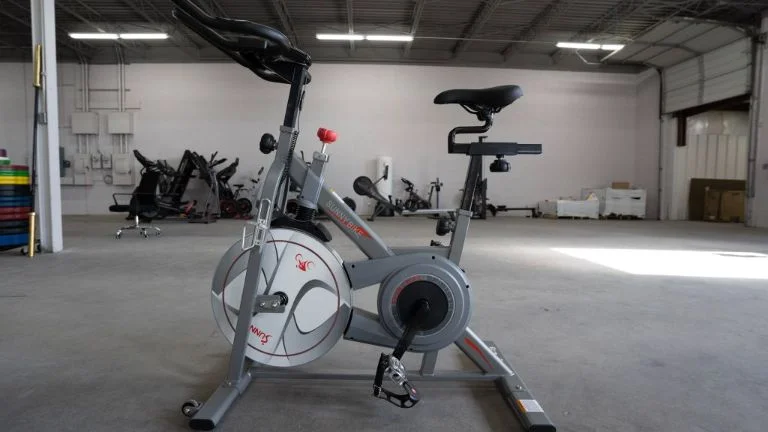
If you’re shopping on a budget, look no further than the Sunny Health and Fitness Indoor Cycle Bike SF-B1002. It costs less than $400 and earns 4.5 out of 5 stars for value. Despite the low cost, it’s very quiet, provides a smooth ride, and still offers a respectable 275-pound weight capacity.
Features
Speaking of features, when shopping for a bike, you’ll want to determine what you can and can’t live without. Do you run hot and need a bike with a cooling fan? Maybe you can’t fathom completing a cardio session without a built-in console with streaming capabilities. Or, maybe you’re content with just easy pedals and basic metrics.
Knowing what specifications you need to stay motivated can help you gauge the level of investment you’re willing to make for your new stationary bike. Remember, you want a piece of exercise equipment that you’ll use regularly, not another item that sits untouched in your garage and takes up space.
Stationary Bike Benefits: Final Thoughts
Stationary cycling is especially significant because it can be tailored to any fitness level, making it an excellent choice for people of all ages and abilities. If you’re looking for an easy way to get moving and improve your health, indoor bikes are worth considering as a part of your workout routine.
Stationary Bike Benefits: FAQs
Can stationary bikes burn belly fat?
There’s no way to spot-reduce body fat, but stationary bikes can help burn calories. Calorie burn, in conjunction with nutritional management, can help you lose weight, overall. Where you hold fat on your body is highly genetic, but exercise can be an effective tool for decreasing overall body fat.
Is 30 minutes on a stationary bike enough?
It depends on what your goals are. Training for 30 minutes on an exercise bike can be great for overall health. If you’re doing a HIIT workout on a stationary bike, you wouldn’t even need 30 minutes. However, if your goal in riding a stationary bike is more endurance-based—i.e., you’re training for a race—you may need to ride longer. Consistency is key, regardless, so aim for several days a week on the bike to reap the most stationary bike benefits.
How long should you ride a stationary bike?
This is dependent upon the workout’s intensity. If you’re performing Tabata intervals, then four minutes two to three times a week is enough. If you’re performing steady-state cardio, then anywhere from 15 to 60 minutes per day can be a good starting point. It always pays to mix up your intensity and time to avoid boredom and overuse injuries.
“Most adults can improve their fitness by following widely accepted fitness recommendations: Aim for around 150 minutes of moderate cardio each week, or roughly half that amount if you’re doing high-intensity workouts,” says Dr. Raj Dasgupta, GGR’s Chief Medical Advisor.
What happens if you ride a stationary bike every day?
It’s alright to ride a stationary bike every day, as long as you alternate between higher intensity/longer duration rides and recovery rides to allow your body to flush the build-up of lactic acid in your legs and rest properly.
Is a stationary bike better than a treadmill?
Stationary bikes and treadmills are both great ways to exercise. Both pieces of equipment can be ideal for most people from beginners to seasoned athletes. Stationary bikes may be better for some because they’re easier on the joints and can increase endurance for other forms of exercise. Stationary bikes are also ideal for those with arthritis or foot problems since they’re non-weight-bearing.
Can you lose weight with indoor cycling?
Weight loss is all about being in a caloric deficit while retaining muscle mass and reducing stress. When all of your ducks are in a row (and depending on your intensity), indoor cycling can help you burn calories before and after your workout. That said, it’s only part of the equation.
Is cycling better than a treadmill?
The benefits of exercise on a treadmill versus an exercise bike in terms of fitness and aerobic improvement are minor. As Dr. Raj Dasgupta, GGR Chief Medical Advisor, puts it, “Physical activity of all kinds can improve your health in a number of ways. It can strengthen the heart muscle, improve cardiovascular fitness, increase stroke volume, reduce blood pressure, and improve parasympathetic nervous system function. Additionally, exercise can reduce inflammation, improve blood sugar control, and reduce stress—all of which can contribute to a lower resting heart rate.”
References
- Blond, K, Jensen, M.K., Rasmussen, M.G., Overvad, K, Tjønneland, A, Østergaard, L, Grøntved, A. Prospective Study of Bicycling and Risk of Coronary Heart Disease in Danish Men and Women. 2016 Circulation, Volume 134, Number 18, https://doi.org/10.1161/CIRCULATIONAHA.116.024651.
- Mohammed Alkatan, Jeffrey R. Baker, Daniel R. Machin, Wonil Park, Amanda S. Akkari, Evan P. Pasha and Hirofumi Tanaka. The Journal of Rheumatology. March 2016, 43 (3) 666-672; DOI: https://doi.org/10.3899/jrheum.151110.
- Valle VS, Mello DB, Fortes Mde S, Dantas EH, Mattos MA. Effect of diet and indoor cycling on body composition and serum lipid. Arq Bras Cardiol. 2010 Aug;95(2):173-8. English, Portuguese. doi: 10.1590/s0066-782×2010005000080. Epub 2010 Jul 2. PMID: 20585735.
- Walter Verrusio, Paola Andreozzi1, Alessia Renzi, Andrea Martinez, Giovanni Longo, Marco Musumeci, and Mauro Cacciafesta. Efficacy and safety of spinning exercise in middle-aged and older adults with metabolic syndrome: randomized control trial. Ann Ist Super Sanità 2016 | Vol. 52, No. 2: 295-300. DOI: 10.4415/ANN_16_02_24
- Jhingan A, Jhingan RM. Effect of Cycling on Glycaemia, Blood Pressure, and Weight in Young Individuals with Type 2 Diabetes. J Clin Diagn Res. 2017 Jul;11(7):OC09-OC11. doi: 10.7860/JCDR/2017/28111.10162. Epub 2017 Jul 1. PMID: 28892953; PMCID: PMC5583829.
- Calories burned in 30 minutes of leisure and routine activities. Harvard Health. (2021, March 8). https://www.health.harvard.edu/diet-and-weight-loss/calories-burned-in-30-minutes-for-people-of-three-different-weights
- New Report: Exercise Plays Key Role in Mental Health & Well-being. Health & Fitness Association. (2022, July 14). https://www.healthandfitness.org/improve-your-club/new-report-exercise-plays-key-role-in-mental-health-well-being/
- Sharma A, Madaan V, Petty FD. Exercise for mental health. Prim Care Companion J Clin Psychiatry. 2006;8(2):106.