


Stationary bikes for the sake of weight loss have become increasingly popular over the years, and for good reason. They can be instrumental in reaching your health and fitness goals while providing the convenience and safety of indoor equipment. Indoor cycling offers a low-impact workout that’s completely customizable to any fitness level, and because of their increasing popularity, some of the best exercise bikes are available for your home gym.
Cycling can improve your overall health, increase your muscle mass, and benefit your mental health. But are exercise bikes good for weight loss? The short answer is, yes. However, it’s important to remember that if weight loss is your goal, you must consider your energy intake versus your energy output. So, how can we make the most of our time on a bike, and how can we lose weight on an exercise bike? Let’s explore.
Calories and Weight Loss
Our bodies use calories from the foods we eat to function on all levels, and in order to lose weight on an exercise bike, we must create a calorie deficit. Of course, the exact number varies from person to person based on our genetics, body composition, and metabolic rate, but generally speaking, to lose 1 pound of body weight in a week, we must burn 3,500 more calories than we consume.
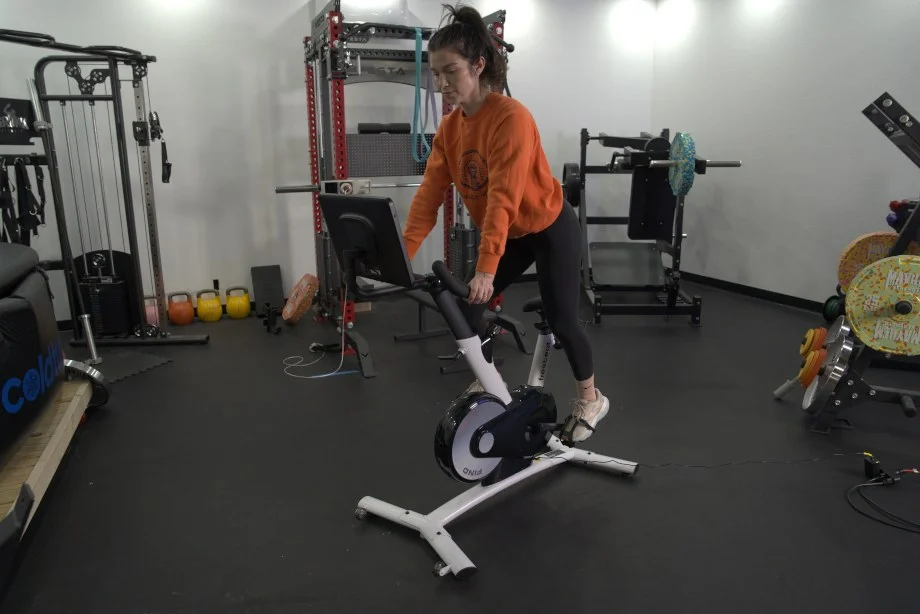
In a world that craves instant gratification, many people search for rapid weight loss solutions. However, most healthcare and fitness professionals tend to frown upon rapid weight loss, as it comes with physical and mental health concerns. If used correctly, exercise bikes can support a gradual weight loss that empowers you to take charge of your health without having to fret about the number on the scale.
Diet and Weight Loss
Much like putting gas in your car, your body needs fuel to operate by way of adequate nutrition. Unfortunately, not all calories are created equal when it comes to optimizing your weight loss. You could maximize your workouts and hit every rep, but without adequate nutrition, you will find yourself struggling to achieve fat loss.
It’s important for us to remember that true success in weight loss requires more than just decreasing our calories. Choosing the right foods for your body’s needs and supplying those foods at the optimum time both play a role in loss of body fat but increase in muscle muscle mass. Long story short, you can pedal on that bike all day long, but if your nutrition is not in line with your weight loss goals, you will not see the results you’re hoping to achieve.
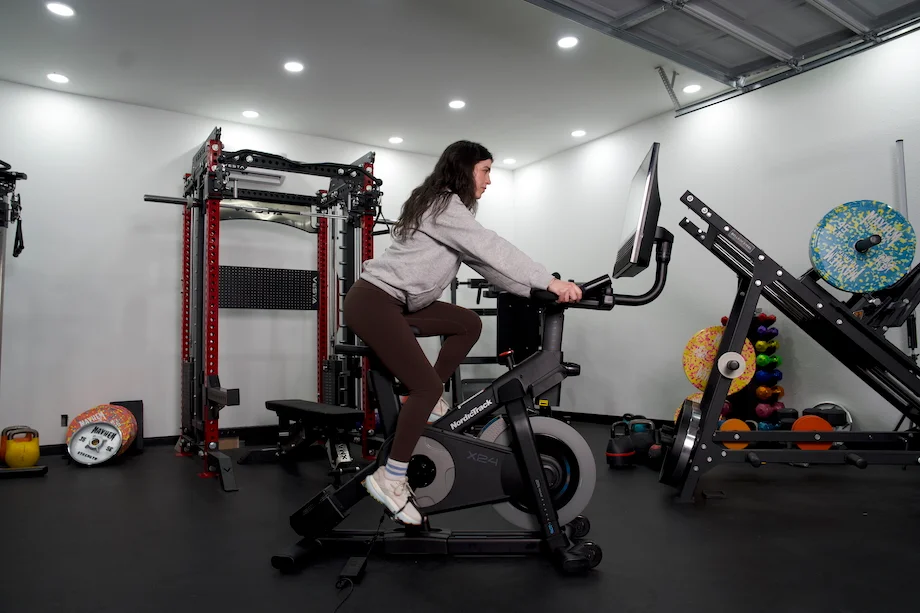
How Many Calories Can You Burn on an Exercise Bike?
The answer to this question looks different for everyone, as each of our bodies uses a specific number of calories to survive and function each day. The number of calories we burn depends on age, body weight, body composition, and activity level.
According to Harvard Health1, for someone who weighs 125 pounds, 30 minutes of moderate-level stationary cycling can burn approximately 210 calories. For a 155-pound person, you can expect to burn about 252 calories on a 30-minute ride. Then, those weighing 185 pounds will burn close to 294 calories on a ride of the same length and intensity.
Here’s a look at how a 30-minute indoor bike ride can impact caloric burn for different body sizes, and how long it takes to burn a pound’s worth of calories (3,500).
| 125-pound person | 155-pound person | 185-pound person | |
| Calories Burned in 30 Minutes | 210 | 252 | 294 |
| How Many Minutes to Burn 3,500 Calories Per Week | 500 (8.3 hours) | 417 (6.9 hours) | 357 (5.9 hours) |
In addition to body composition, you can maximize calories burned by changing your output on the bike, too. The length and intensity of the ride also dictate the number of calories we burn. For instance, if you’re going all out on a Rogue Echo bike for 5 minutes, you’ll burn more calories than if you were to pedal leisurely, as your muscles are working harder to sustain the movement.
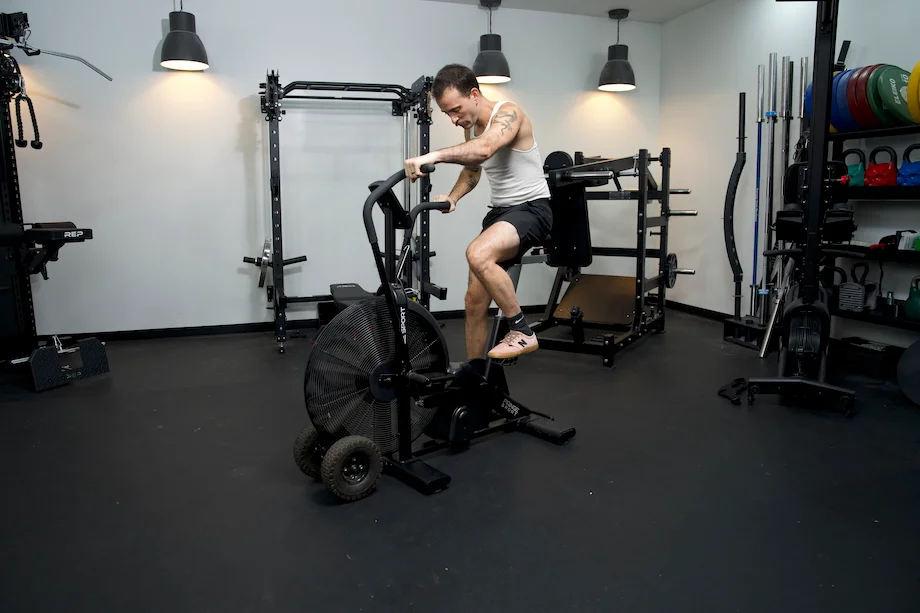
So, how long should you ride a stationary bike to lose weight? Many of us have at least 30 minutes to spare in our busy schedules for a cardio workout, but is 30 minutes a day on an exercise bike enough time to lose weight? The answer is, yes; it can be! Spending 30 minutes on the bike each day can be an excellent way to invest in your overall health and your journey to weight loss.
As you get more comfortable on the exercise bike, you may decide to set more specific goals such as increased muscle mass or increased endurance. If that’s the case, your rides may look a little different as you cater the intensity of your workout to reach your goals. For example, high-intensity interval training ( or HIIT) rides often take less time, while endurance rides may go longer.
RELATED: HIIT Bike WorkoutHow Often Should You Use an Exercise Bike to Lose Weight?
Based on current research, the American Heart Association2 recommends that adults should aim for approximately 150 minutes of moderate-intensity aerobic exercise each week. Hopping on an exercise bike is an effective way to log those minutes.
Additionally, it’s recommended that we incorporate strength-building activities into our routine. Whether it’s with resistance bands, barbells, kettlebells, or the best dumbbells you can buy, time spent building your muscles is time well spent.
Other Benefits of Exercise Bikes
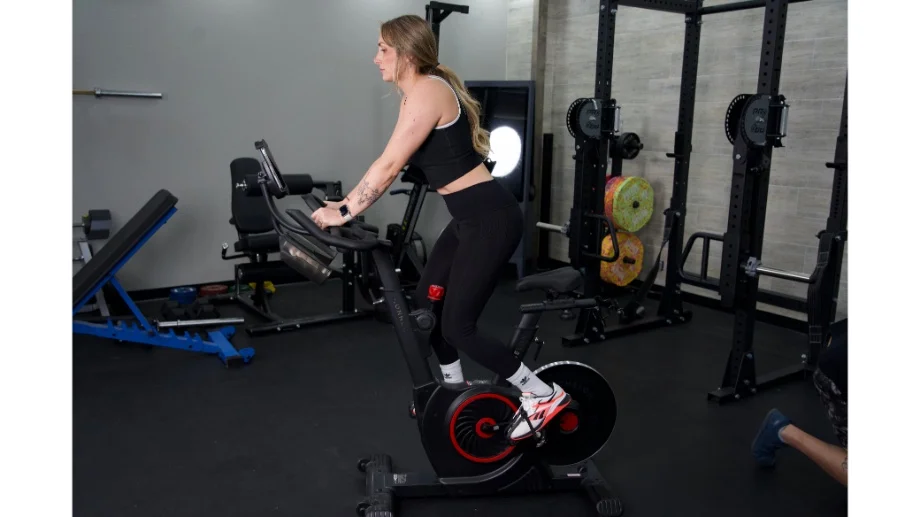
With an abundance of cycling classes now available to complement your home gym setup, many people are intrigued by the benefits that indoor cycling offers. Of course, we know exercise bikes can be an effective tool for weight loss, but they offer so much more.
RELATED: Stationary Bike Benefits
Convenience
Consistency is key when it comes to exercise routines and lifestyle changes in pursuit of weight loss, and indoor cycling bikes, like the YOSUDA Bike, offer added convenience that supports consistency. Stationary bikes are accessible for all fitness levels, from beginners to advanced cyclists.
They allow riders to customize their speed and intensity, and if you’re not sure where to start, there are so many apps that you can rely on for safe guidance. Whether you’re drawn to Peloton’s interactive programming or a trusted Peloton alternative, there’s an endless supply of coaching available to you from your own living room.
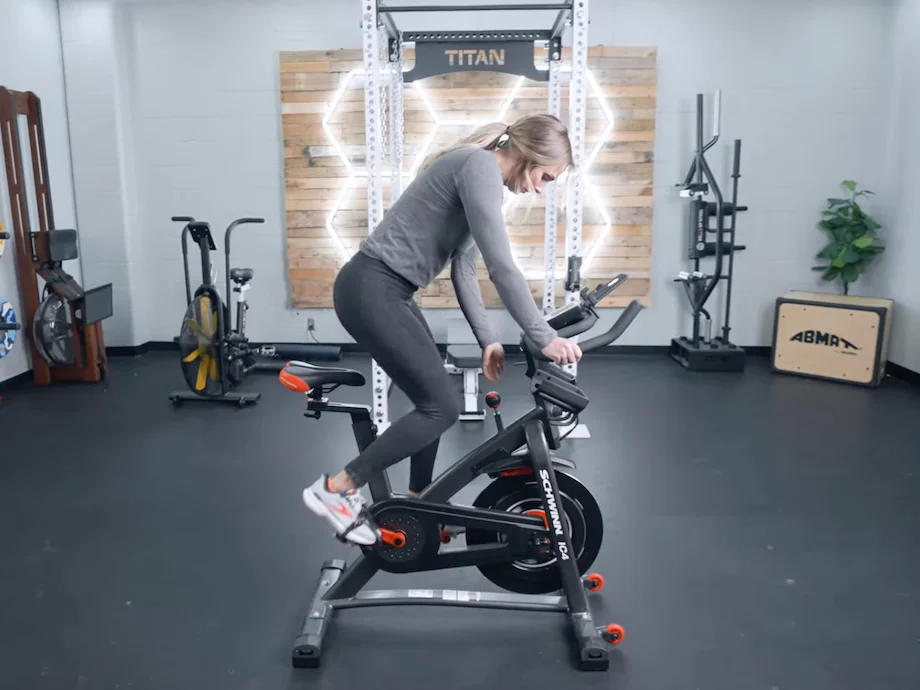
Indoor stationary bikes also allow you the convenience to work out on your schedule independent of weather, time constraints, or even space. Don’t have enough room for a large home gym? There are some foldable exercise bikes that can fit in even the tightest of spaces.
Safety
Stationary bikes offer the benefits of outdoor cycling without the added stress of navigating dangers that can accompany outdoor rides. When riding outside, you have to be on high alert to avoid obstacles in your path and protect yourself from cars. Riding inside lets you rock your workout without the environmental hazards.
Low Impact
Low-impact workouts have a place in everyone’s fitness routine. Whether you’re an advanced athlete or someone new to a fitness routine, cycling can help strengthen your body and increase your heart rate without stressing your joints.
In fact, cycling is easier on your joints than running. If you’re debating between an exercise bike and a treadmill, or even an elliptical, that may be an important factor to consider. Recumbent bikes are particularly low impact, as you’re pedaling in a reclined position, taking even more stress off your back and joints.
RELATED: Exercise Bike vs Treadmill
Improves Overall Health
The fantastic thing about exercise bikes is their ability to improve our overall health, no matter our specific goals. We could be riding next to each other in a cycling class with two very different goals for our workout, yet we can both see an improvement in our overall health as a result of our pedaling. The health benefits of cycling include better cardiovascular health—namely improved blood pressure3, decreased risk of diabetes4 and lower cholesterol—plus increased lung capacity and improved mental health.
Strengthens Lower Body
While exercise bikes are most often labeled a cardio machine, they also build strength in your lower body. During a bike workout, your body is in constant motion, and by increasing your speed and resistance on the bike, you can build muscle mass in your legs, glutes, core, and lower back. This added strength can be helpful in your day-to-day activities and can help boost your performance in other areas of your fitness routine.
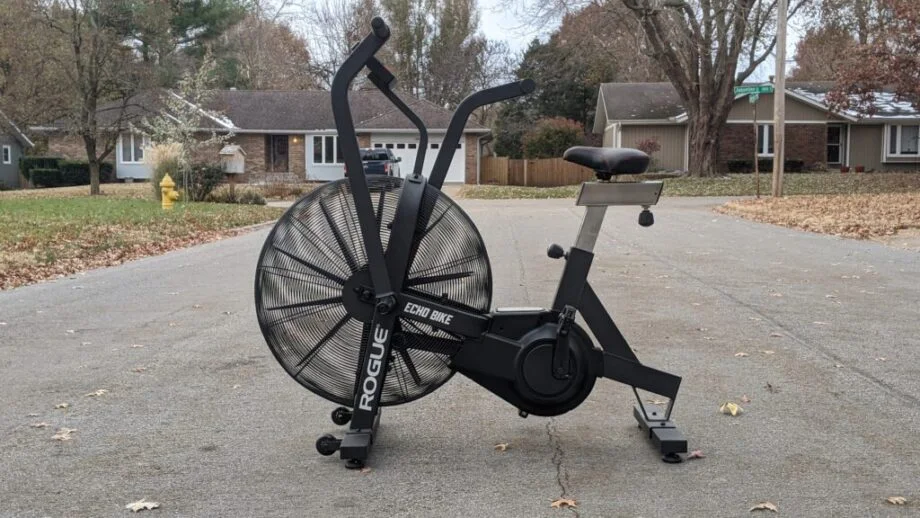
Which Type of Exercise Bike is Right for You?
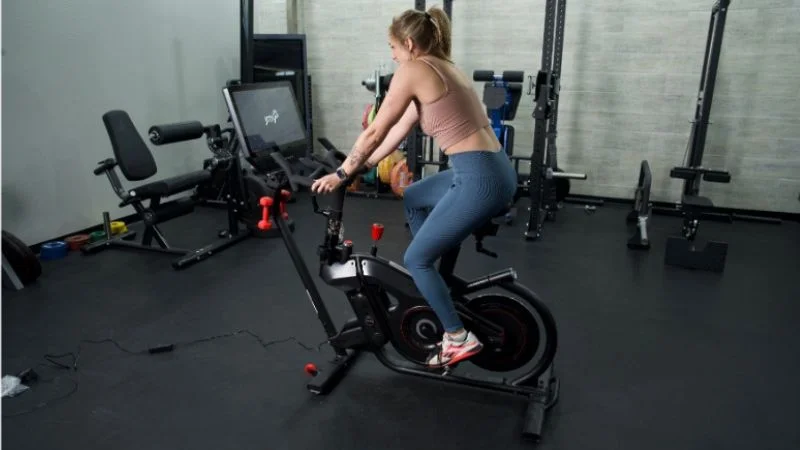
There are many types of exercise bikes. This chart breaks down the main four options to help you decide which kind of stationary bike is right for you.
| Type of Bike | Experience Level | Best For | Not Great For |
| Indoor Cycle | Beginner, intermediate, advanced | General cycling, health and fitness | CrossFit, mobility limitations |
| Recumbent Bike | Beginner, intermediate | Rehabbing injuries, mobility limitations, seniors | Road cyclists, competitive cyclists |
| Upright Bike | Intermediate, advanced | Road cyclists, competitive cyclists | Mobility limitations, seniors |
| Air Bike | Beginner, intermediate, advanced | HIIT, CrossFit, more calorie burn (due to arm movement) | Mobility limitations, road cyclists |
Try This Exercise Bike Workout for Beginners
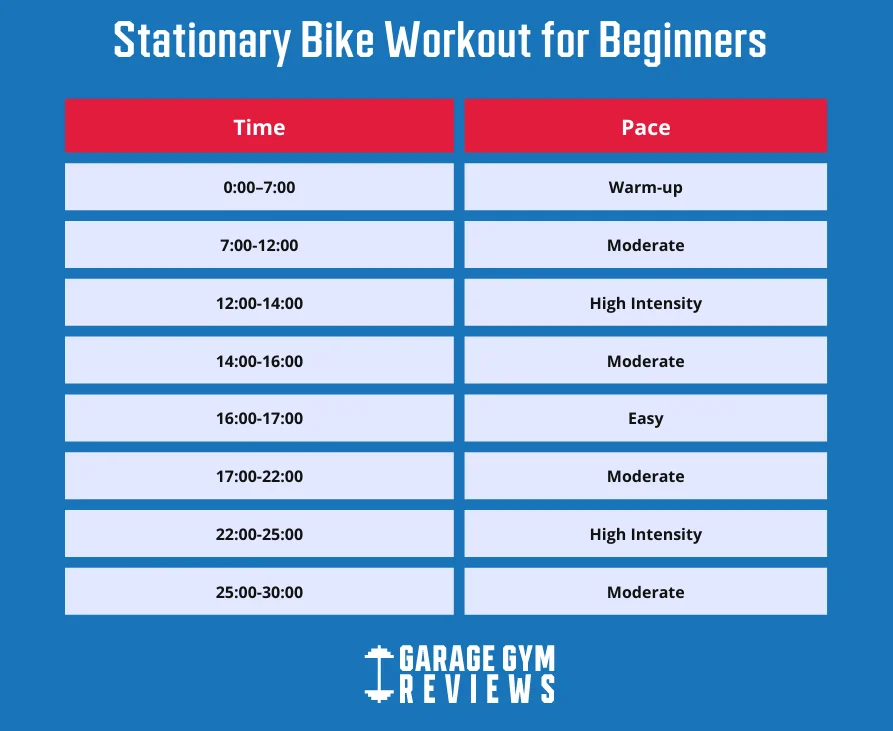
Ready to get started? This stationary bike workout for beginners is simple, fun, and effective. Let’s go!
Step-By-Step Instructions
- Begin with 7 minutes of easy pedaling to warm up, riding at a relaxed or moderate pace.
- Increase your effort to a moderate intensity for 5 minutes.
- Push into a hard effort for 2 minutes, riding as fast and as powerfully as you can maintain.
- Dial the effort back to a moderate pace for 2 minutes.
- Take 1 minute at your original easy warm-up pace to recover and reset your breathing.
- Build back up to moderate intensity for another 5 minutes.
- Go all-out for 3 minutes of high-intensity cycling, using your full power.
- Finish with 5 minutes of steady pedaling at a moderate effort, gradually easing the pace so your body cools down and returns to the comfortable rhythm you started with.
The Bottom Line
Are exercise bikes good for weight loss? Their benefits expand much further than just burning calories. Increased strength, decreased risk of disease, and improved mental health are all positive outcomes that stem from regular rides. Plus, with the convenience and safety that stationary bikes present, an effective ride is easy to find.
FAQs: Are Exercise Bikes Good for Weight Loss?
How long should I ride a stationary bike to lose weight?
The American Heart Association recommends that we get 150 minutes of aerobic exercise each week, but everyone begins at their own starting line. If cycling is new to you, you can start with a 10- to 15-minute ride and eventually work your way up to a longer 45- to 60-minute endurance ride, depending on your goals.
Remember, though, that exercise in conjunction with proper nutrition is the most sustainable way to lose weight. If your diet doesn’t support your weight loss goals, relying solely on exercise to lose weight can be a big challenge.
Can an exercise bike lose belly fat?
There’s no way to target specific areas of fat when trying to lose weight, but riding an exercise bike in conjunction with proper nutrition can be an effective way to burn calories, ultimately leading to overall weight loss.
Are exercise bikes effective for weight loss?
Exercise bikes allow riders to change the intensity of their ride by adjusting their speed and resistance, which helps to increase calories burned. Some bikes can even do that part for you. Paired with strength training and a healthy diet, exercise bikes can be effective machines to help with weight loss.
RELATED: How to Choose an Exercise Bike
Is 30 minutes a day on an exercise bike enough to lose weight?
Yes, 30 minutes on an exercise bike each day can be great for overall wellness and can help support weight loss. As you get stronger, you may want to explore different rides, such as shorter high-intensity interval training (HIIT) workouts or longer endurance rides.
References
- Calories burned in 30 minutes of leisure and routine activities. Harvard Health. (2021, March 8). https://www.health.harvard.edu/diet-and-weight-loss/calories-burned-in-30-minutes-for-people-of-three-different-weights
- American Heart Association recommendations for physical activity in adults and kids. www.heart.org. (n.d.). https://www.heart.org/en/healthy-living/fitness/fitness-basics/aha-recs-for-physical-activity-in-adults
- Chavarrias, M., Carlos-Vivas, J., Collado-Mateo, D., & Pérez-Gómez, J. (2019). Health benefits of Indoor Cycling: A Systematic Review. Medicina, 55(8), 452. https://pmc.ncbi.nlm.nih.gov/articles/PMC6722762/
- Jhingan, A. (2017). Effect of cycling on glycaemia, blood pressure, and weight in young individuals with type 2 diabetes. JOURNAL OF CLINICAL AND DIAGNOSTIC RESEARCH. https://doi.org/10.7860/jcdr/2017/28111.10162