



At GGR, honesty is our policy. So, let me get extra real with you for a moment. Yes, vitamin A is an essential nutrient that supports your vision, immune system, skin health, and overall wellness. However, not even the best vitamin A supplement will give you eagle-precision vision, an immune system stronger than the world’s strongest man, or flawless skin straight out of your wildest dreams. Even after eating carrots like a bunny and trying plenty of great options myself, I’m still typing this with my regular ol’ four eyes—proudly, I might add.
What I can tell you is the products you’re about to see, like the best multivitamins, protein powders, and pre-workouts, have been carefully researched, tested, and selected by our expert team of certified personal trainers, registered dietitians, and nutritionists. Whether you’re looking for a plant-based option, a comprehensive formula, or something easier on your Apple Pay, our expert-approved picks are here to help you find the perfect fit—just like a great pair of glasses or comfortable pair of contacts.
So, let’s see what the top picks are all about!
Medical disclaimer: This article is intended for educational and informational purposes only. It is not intended as a substitute for medical advice. For health advice, contact a licensed healthcare provider.
The 8 Best Vitamin A Supplements of 2026
- Best Vitamin A Supplement Overall: Nutricost Vitamin A 10,000 IU Softgels
- Best Multipurpose Vitamin A Supplement: AG1
- Best Vitamin A Supplement for Vision Support: NOW Foods Vitamin A 10,000 IU Softgels
- Best Vegan Vitamin A Supplement: Why Not Natural 10,000 IU Vitamin A Drops
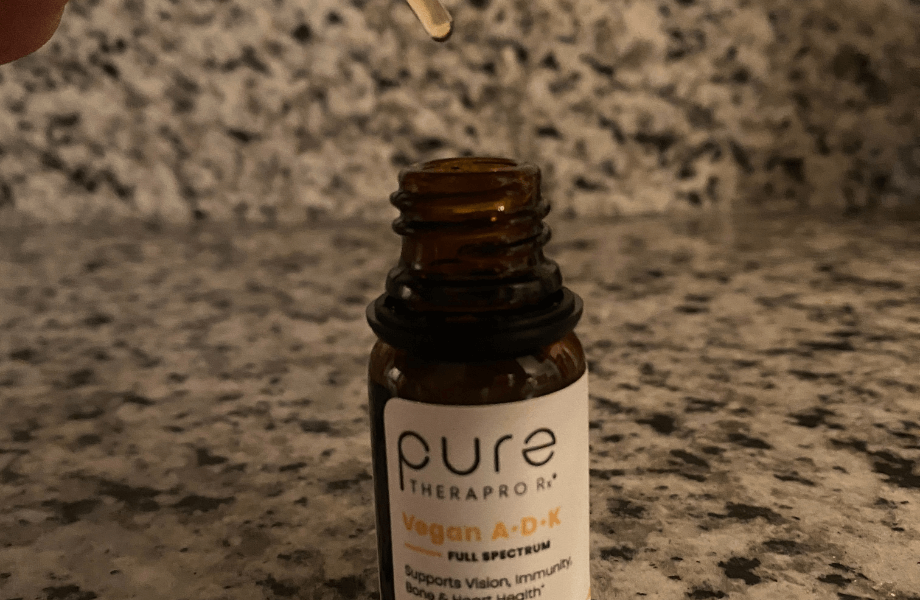
- Best Liquid Vitamin A Supplement: Pure TheraPro Rx Vegan A-D-K Drops
- Best Budget Vitamin A Supplement: Swanson Vitamin A 10,000 IU Softgels
- Best Gummy Vitamin A Supplement: Bulletproof Vitamin A+D+K Gummies
- Best Cod Liver Oil Vitamin A Supplement: Carlson Cod Liver Oil
Best Vitamin A Supplement Overall: Nutricost Vitamin A 10,000 IU Softgels
Good for: Anyone looking for an affordable, high-quality, and reliable source of vitamin A
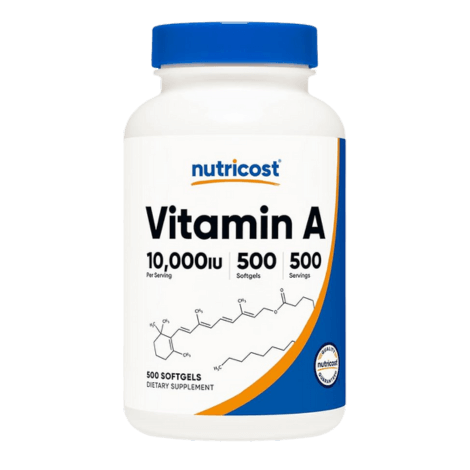








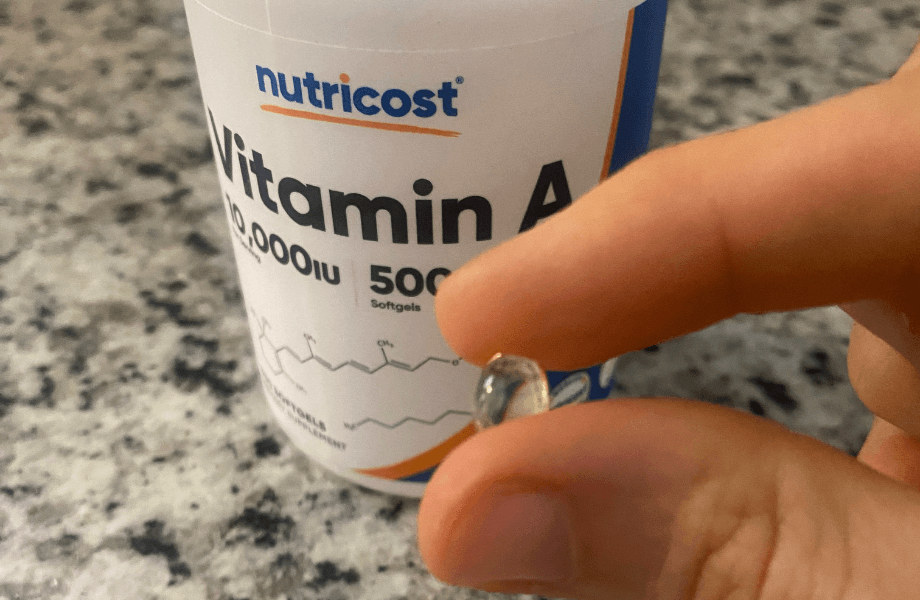
Nutricost’s vitamin A capsules feature a high dosage of the vital compound in a convenient, single-capsule serving size. Plus, the 500-serving containers and bulk order options can help you keep stock for plenty of days ahead.
What our tester says:
“Each capsule is roughly the size of my pinky nail. I had no issues getting them down each day, and it appears that online reviews share the same sentiment.”
Affordable, accessible, straightforward, and consistent—that’s exactly why Nutricost claimed the top spot in our best vitamin brands round-up. And their vitamin A supplement upholds that reputation, delivering high quality, value, and ease of use.
Each one-capsule serving delivers 3,000 micrograms (mcg) of retinol activity equivalents (RAE)—that’s 333 percent of your daily value (% DV)—sourced from retinyl palmitate, a preformed and highly bioavailable form of vitamin A1. Since vitamin A is fat-soluble, Nutricost pairs it with sunflower oil to help enhance absorption. Plus, sunflower oil is rich in vitamin E2, an antioxidant and natural preservative that helps prevent the oxidation of oils.
That said, a quick heads-up that we’ll continue echoing: while 3,000 micrograms is a common dose in dietary supplements1, fat-soluble vitamins like A can build up in the body over time and potentially lead to toxicity. For that reason, it’s always a smart idea to take them under the guidance of a healthcare provider.
Safety considerations aside, this formula earns a solid 4 out of 5. The high-quality source of vitamin A and inclusion of oil are definite strengths, but we gave preference to non-seed oils, and there’s no confirmation of the formulation’s purity from reputable third-party organizations like NSF, which slightly lowers its score.
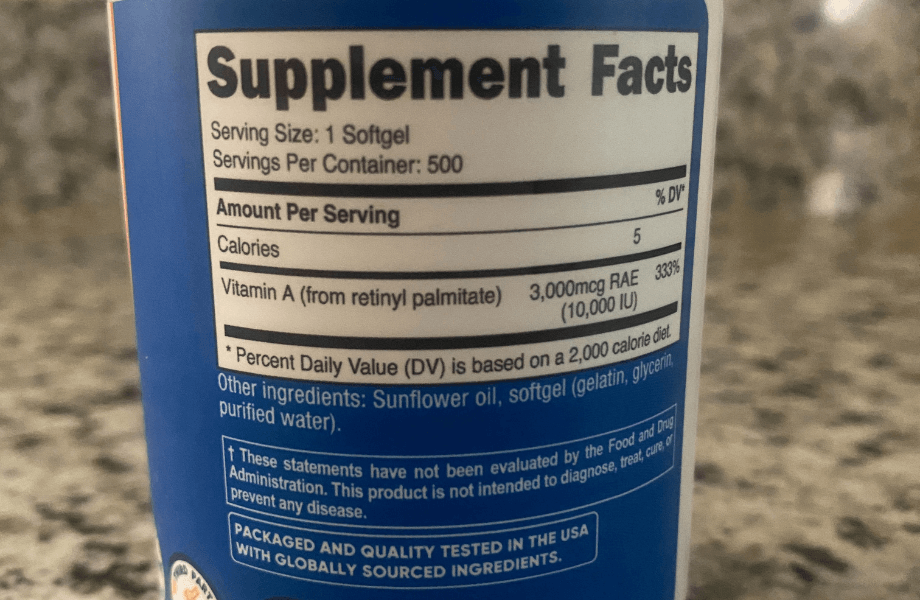
That said, the product claims third-party testing and is made in a GMP-certified, FDA-registered facility, which is great—but the brand doesn’t disclose who does the testing or whether it includes banned substance screening. For athletes or ingredient-conscious consumers, that’s worth keeping in mind. For that, we’re giving transparency a 3 out of 5.
As for swallowability, it deserves its perfect 5 out of 5—the softgel is small, smooth, and easy to take. Taste-wise, it’s virtually neutral, though there is a faint scent when you open the bottle, which slightly brings the overall taste experience down to a 4 out of 5.
Personally, I had no digestive issues or side effects, and some users even report benefits like clearer skin and fewer breakouts. While everyone’s experience will vary, the positive feedback earns a solid 5 out of 5, here.
All things considered, Nutricost’s vitamin A is a strong, budget-friendly option, clocking in at under $0.05 per serving. And with a 60-day return policy, it’s a low-risk pick for first-time buyers.
Why Not Natural 10,000 IU Vitamin A Drops are a solid alternative if you’re looking for more flexible dosing from your supplement.
| Price per serving | $0.04 |
| Vitamin A per serving | 3,000 mcg RAE (333% DV) |
| Vitamin A form | Retinyl Palmitate |
| Serving size | 1 Softgel |
| Supplement form | Softgel |
| Other key ingredients | Sunflower Oil |
| Available flavors | n/a |
| Third party testing | Yes |
Best Multipurpose Vitamin A Supplement: AG1
Good for: Those looking for a comprehensive formula that goes beyond just vitamin A
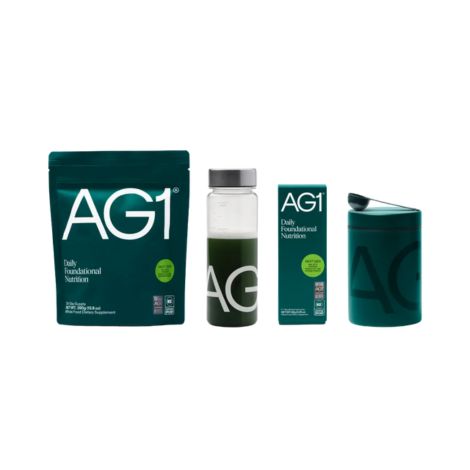





If you’re looking for a greens powder with a unique blend of minerals, nutrients, power greens, enzymes, and probiotics and you’re willing to spend some money, Athletic Greens may be a good choice for you.
What our tester says:
“I just like the peace of mind knowing that I’m getting more micronutrients than are in my diet already, and it’s a healthy habit that I can feel good every day.”
If you’re looking for a comprehensive daily greens powder that contributes to your vitamin A needs—and then some—AG1 is a reliable way to fill in nutritional gaps. As expert tester Nicole Davis, CPT, PN1-NC, puts it, “It’s an effective habit that I could see being a good safeguard, especially for those with less-than-stellar diets.”
Each scoop provides 250 micrograms of retinol equivalents (RE) from beta-carotene—about 31 percent of your daily value. While that’s more modest compared to multivitamins, which often offer between 83 and 117 percent of your daily value1, it’s still a meaningful boost—especially if you’re already getting vitamin A from food sources.
And that’s just the start: AG1 packs 74 more ingredients, which we break down in detail in our Athletic Greens Review.
To clarify, Retinol Equivalents (RE) and Retinol Activity Equivalents (RAE) are two ways of measuring vitamin A. According to a 2023 review3, REs (used by the FAO) assume beta-carotene is more readily absorbed, while RAEs (used by the IOM) are more conservative. For reference, 1 microgram RAE = 12 micrograms of beta-carotene, whereas 1 microgram RE = 6 micrograms.
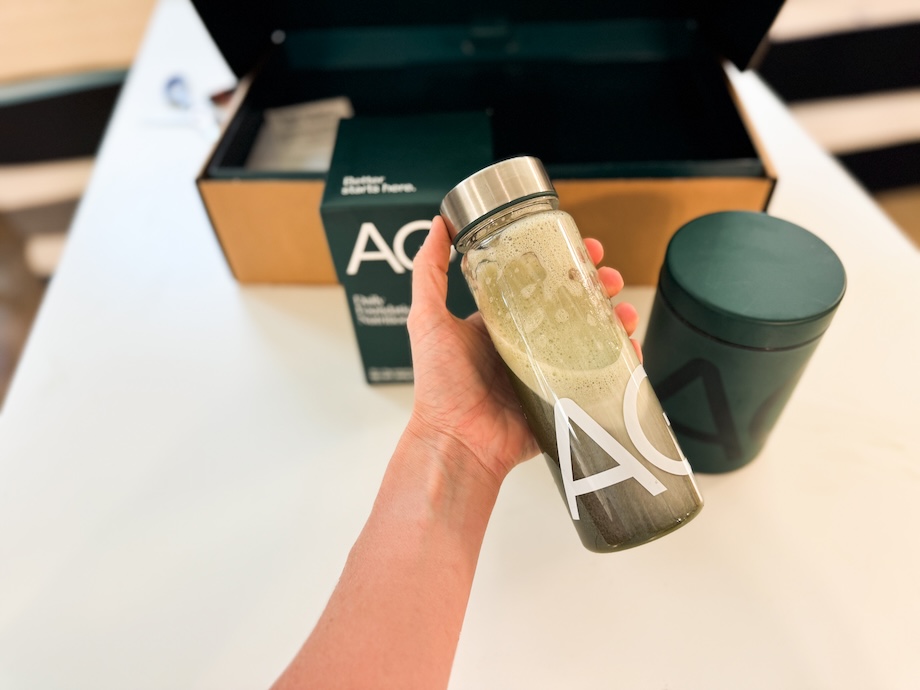
Technical details aside, AG1 made a strong impression in terms of taste and mixability. Nicole gave it a 4.5 out of 5 for flavor, describing it as, “Mild and (as expected) a bit grassy, but you do get hints of pineapple and vanilla.” There was a little settling at the bottom of the glass, according to Nicole, but no grittiness, earning a 4 out of 5 for solubility.
AG1 earns a perfect 5 out of 5 for third-party testing thanks to its NSF Certified for Sport seal. This certification ensures that it has been rigorously tested for purity and screened for banned substances, which is imperative for athletes subject to drug testing or anyone who wants peace of mind.
At $99 for 30 servings, value is where AG1 takes a hit, receiving just 1 out of 5 in this category. But for those prioritizing convenience, quality, and comprehensive support, it may be worth the investment.
If you’re not looking for an all-in-one formula and enjoy flavorful supplements, Bulletproof Vitamin A+D+K Gummies could be a great fit for you.
| Price per serving | $3.30 for the large pouch, $3.63 for travel packs |
| Vitamin A per serving | 550 mcg RAE (62% DV) |
| Vitamin A form | Beta-Carotene |
| Serving size | 13 g (about 1.5 Tbsp)per scoop or pack |
| Supplement form | Greens powder |
| Other key ingredients | 75+ vitamins, minerals, probiotics, and whole-food sourced nutrients |
| Available flavors | Flavor unspecified, but described as pineapple and vanilla |
| Third party testing | NSF Certified for Sport |
Best Vitamin A Supplement for Vision Support: NOW Foods Vitamin A 10,000 IU Softgels
Good for: Supporting eye health with a high-quality vitamin A formula
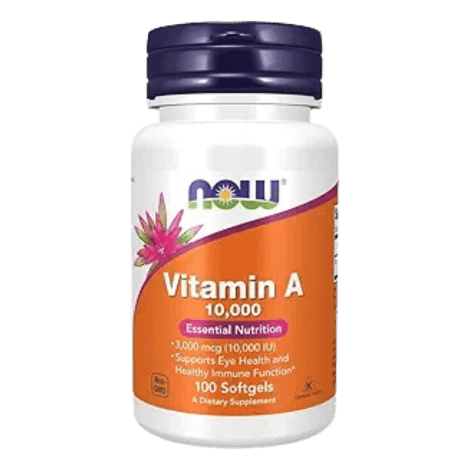

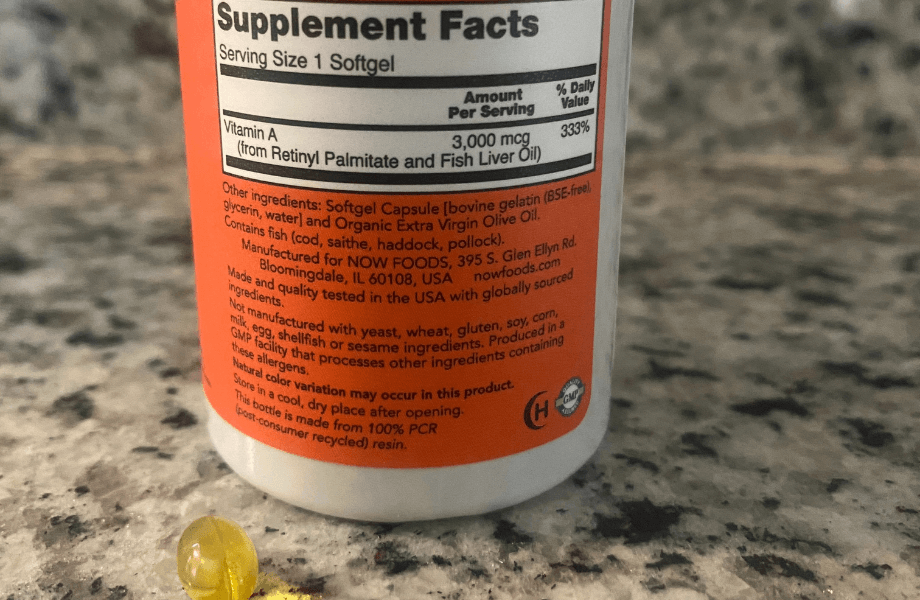
NOW Foods’ 10,000 IU vitamin A softgel is a dependable go-to for people seeking vision support. Plus, vitamin A—sourced from retinyl palmitate and fish liver oil—is the lone ingredient, so there’s no gray area surrounding what’s actually in each daily serving.
What our tester says:
“This is a solid formulation with 3,000 micrograms of preformed vitamin A (from bioavailable retinyl palmitate and fish liver oil) and organic extra virgin olive oil to increase absorption. However, I’d prefer to see an antioxidant source within the makeup to better preserve the oil’s freshness.”
Vitamin A plays a crucial role in maintaining healthy vision, so getting enough of it is essential for supporting long-term eye health. While a balanced diet is always the foundation, a well-formulated supplement can fill in nutritional gaps—and NOW Foods Vitamin A 10,000 IU Softgels stand out for several great reasons.
To start, they’ve earned an impressive 4.7 out of 5 stars from over 3,000 reviews on Amazon. One user even noted their eye doctor recommended the brand, while others reported noticeable improvements in eye health, including better night vision.
Each softgel delivers 3,000 micrograms (RAE) of preformed vitamin A—a highly bioavailable form—from retinyl palmitate and fish liver oil. It also contains organic extra virgin olive oil to enhance absorption of the fat-soluble vitamin. While the formula is solid overall, it would benefit from the addition of an antioxidant, such as vitamin E, to help preserve the freshness of the oil. For that, it earns a 4 out of 5 for the category.
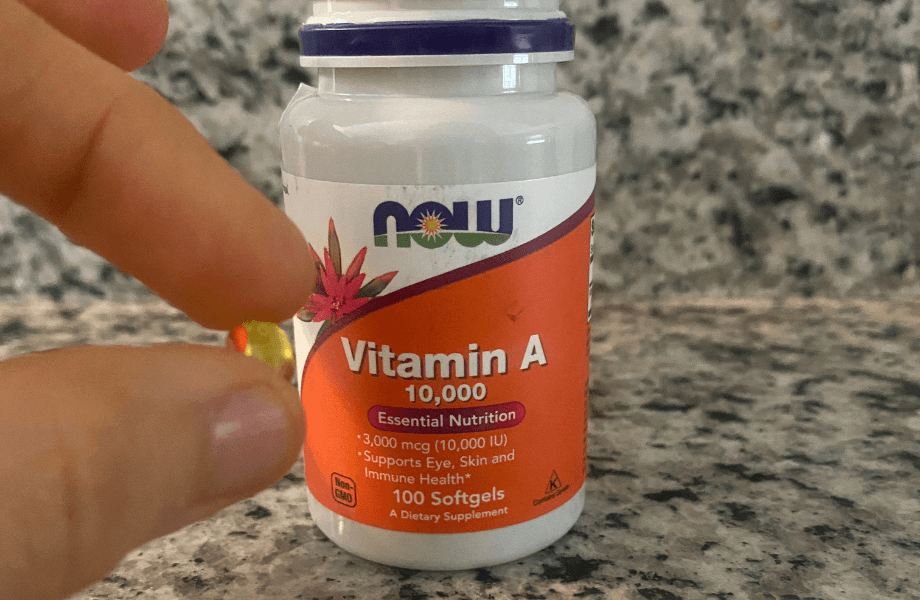
The softgels themselves are tiny, easy to swallow, and leave no unpleasant aftertaste. They earn a 5 out of 5 for swallowability and a 4 out of 5 for taste, with only a minor deduction for a faint scent when first opening the bottle.
The largest area for improvement is third-party testing and transparency. While this supplement is manufactured in a GMP-certified facility—and NOW Foods has a strong reputation for quality—it doesn’t currently carry third-party certifications like Informed Sport or NSF. For ingredient-conscious shoppers or athletes who value that extra layer of assurance, this could be a drawback. As a result, it earns a 3 out of 5 for transparency and testing.
Still, at just $0.08 per serving, this supplement scores for value with a perfect 5 out of 5 rating in this category. With 100 softgels per bottle, it provides more than three months of consistent support for your eyes and overall health.
If you’re seeking a vitamin A supplement with antioxidant-rich tocopherols to help preserve the oil, consider Swanson Vitamin A 10,000 IU Softgels.
| Price per serving | $0.08 |
| Vitamin A per serving | 3,000 mcg RAE (333% DV) |
| Vitamin A form | Retinyl Palmitate and Fish Liver Oil |
| Serving size | 1 softgel |
| Supplement form | Softgel |
| Other key ingredients | Organic Extra Virgin Olive Oil |
| Available flavors | n/a |
| Third party testing | No |
Best Vegan Vitamin A Supplement: Why Not Natural 10,000 IU Vitamin A Drops
Good for: Plant-forward or vegan dieters seeking a highly absorbable form of vitamin A
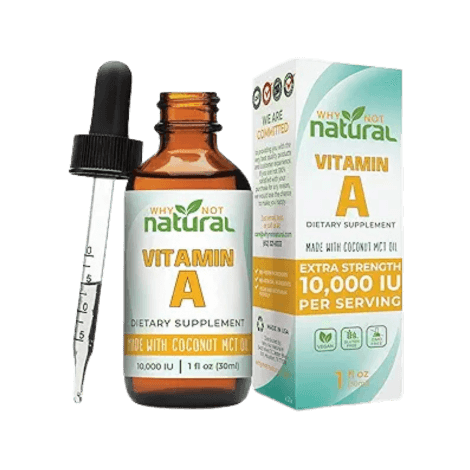


For those needing a vegan-friendly vitamin A source, Why Not Natural’s 10,000 IU Vitamin A Drops can be worthwhile with a plant-based formulation free of sugars, soy, gluten, or GMOs. Plus, the liquid format can make it easy to manage your daily serving whether you’re in need of the full 10,000 IU or a smaller quantity to match your nutrient goals.
What our tester says:
“You get a natural flavor that’s pretty unique, but I think this is a refreshing daily supplement thanks to the included orange extract. It’s a hint of citrus that makes this liquid tincture easier to consume.”
If you’re looking for a vegan-friendly way to boost your vitamin A intake, consider Why Not Natural 10,000 IU Vitamin A Drops. While vitamin A is often tied to carrots and sweet potatoes, the bioavailable forms are typically animal-derived, making this plant-based liquid a solid option for those on plant-forward diets.
RELATED: Best Vegan Protein Powders
Each 9-drop serving delivers 3,000 micrograms of vitamin A as palmitate—a readily absorbed form—blended with MCT oil, natural orange extract, and mixed tocopherols (the major forms of vitamin E2) to support absorption and preserve potency.
Still, there are transparency issues to consider. While the product is labeled vegan, it doesn’t clarify the source of its palmitate, a form often derived from animal products. Combined with limited transparency in third-party testing (the company mentions GMP compliance and purity testing, but not the specific lab used), it scores 3.5 out of 5 for formulation and 3 out of 5 for third-party testing.
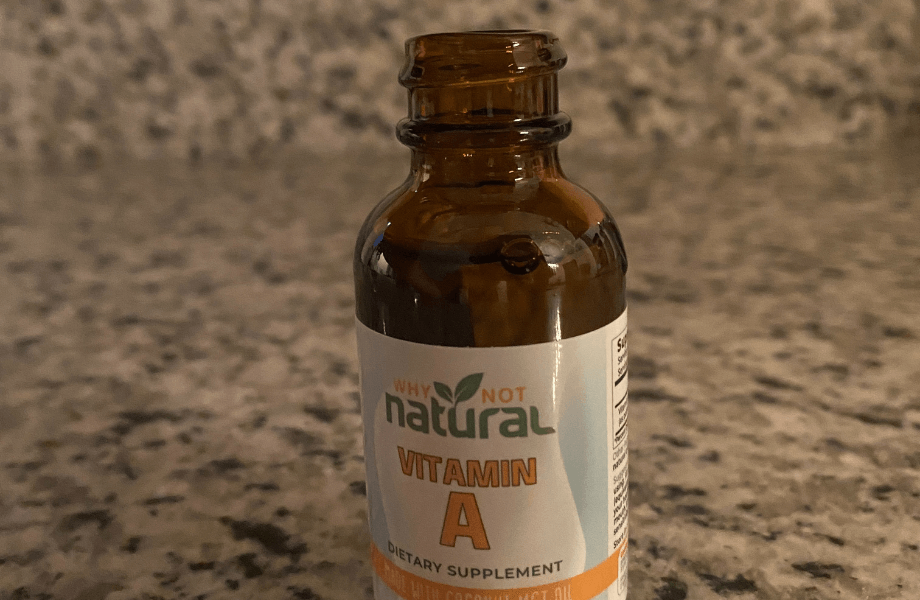
That said, the citrus-flavored liquid earns top marks for taste and ease of use. It earned a 5 out of 5 for both swallowability and flavor, highlighted by how seamlessly and effortlessly it could fit into a supplement routine.
Customer reviews are also overwhelmingly positive, averaging 4.7 out of 5 across more than 1,000 ratings. Many users report improved skin clarity and even better vision. As one reviewer put it, “My eyesight improved after just a few weeks.”
While the price per serving is slightly above average, earning a 3 out of 5, Why Not Natural is a compelling option for anyone seeking an easy-to-take, plant-based vitamin A supplement.
AG1 might be a more appealing option if you value third-party testing certifications and vegan products—and have flexibility in your budget to accommodate the higher cost.
| Price per serving | $0.21 |
| Vitamin A per serving | 3,000 mcg RAE (333% DV) |
| Vitamin A form | Palmitate |
| Serving size | ¼ mL (9 drops) |
| Supplement form | Liquid |
| Other key ingredients | MCT Oil, Natural Orange Extract, Mixed Tocopherols |
| Available flavors | n/a |
| Third party testing | Yes |
Best Liquid Vitamin A Supplement: Pure TheraPro Rx Vegan A-D-K Drops
Good for: Those who prefer a flexible, easy-to-swallow liquid supplement that combines vitamins A, D, and K in one formula
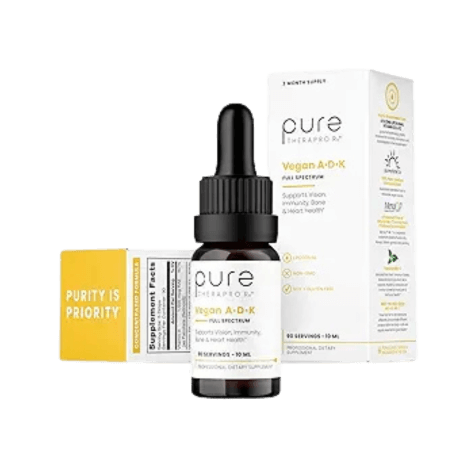
Pure TheraPro Rx gives you more than just vitamin A in an easy-to-absorb liquid format. This clean, vegan-friendly formula contains vitamin A alongside vitamins D3 and K2 for a robust tincture that can help to support your immune system, bone health, skin health, and more.
What our tester says:
“I really like the five-drop serving size that allows for quick, convenient supplementation each day.”
Vitamin A capsules are usually small and easy to swallow, but their smell isn’t always the most pleasant. Additionally, not everyone enjoys taking capsules or prefers a fixed dose. That’s where Pure TheraPro Rx Vegan A-D-K Drops come in—a flexible, liquid form that gives you more than just vitamin A.
A 5-drop dose delivers 1,500 micrograms RAE of vitamin A (in the highly absorbable palmitate form), along with 125 micrograms of vitamin D34 (similar to some of the best vitamin D supplements), and 600 micrograms of vitamin K25. Together, these support your vision, immune function, cardiovascular and bone health, and overall wellness.
To help your body better absorb these fat-soluble vitamins, the drops include organic MCT oil sourced from coconuts. While including an antioxidant would improve the formulation rating, it still scores a solid 4 out of 5.
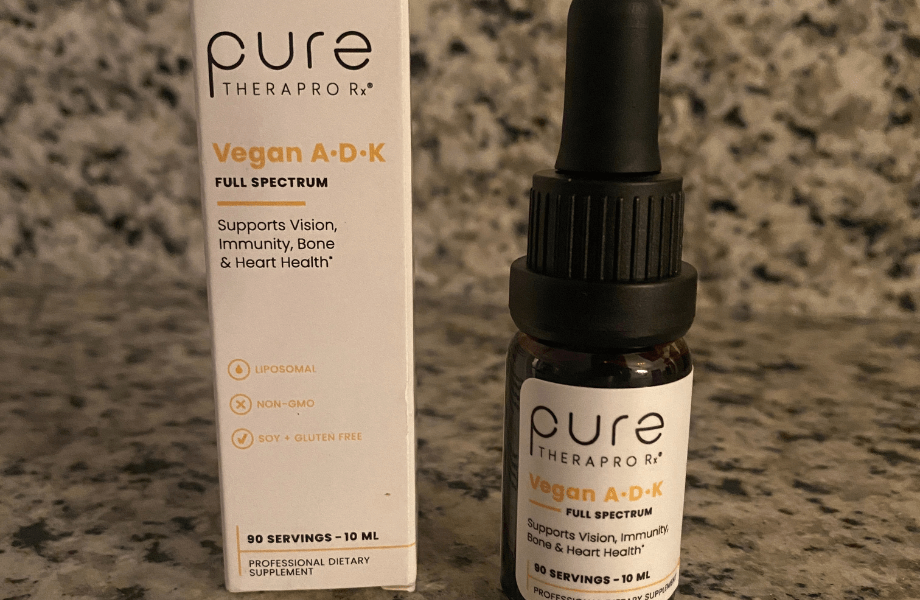
Because it’s a liquid and you only need 5 drops per serving, it gets a perfect 5 out of 5 for swallowability. Most people find the taste mild and pretty easygoing, though a few notice a slightly salty or off flavor. Based on my experience and customer feedback, it receives a 4 out of 5 for taste.
Amazon customers also give it an impressive 4.5 stars out of 5, based on over 860 reviews, with many users reporting increased energy, improved vitamin D levels, and quick absorption.
In terms of testing and transparency, it’s made in a GMP-certified facility and offers third-party testing, although it doesn’t carry certification from a major independent group like NSF. However, it does provide a Certificate of Analysis (COA), earning it a 3.5 out of 5 for third-party testing.
The price is a bit higher than many softgel options—about $0.44 per serving—giving it a 2 out of 5 for cost. But since you’re also getting vitamins D and K alongside A, it might be worth the extra investment for some users.
You may consider Bulletproof Vitamin A+D+K Gummies if you want adequate doses of vitamins A, D, and K in a gummy format.
| Price per serving | $0.44 |
| Vitamin A per serving | 1,500 mcg RAE (167% DV) |
| Vitamin A form | Palmitate |
| Serving size | 5 drops |
| Supplement form | Liquid |
| Other key ingredients | Vitamin D, Vitamin K |
| Available flavors | Unflavored |
| Third party testing | Yes |
Best Budget Vitamin A Supplement: Swanson Vitamin A 10,000 IU Softgels
Good for: Budget-conscious consumers looking to increase their vitamin A intake
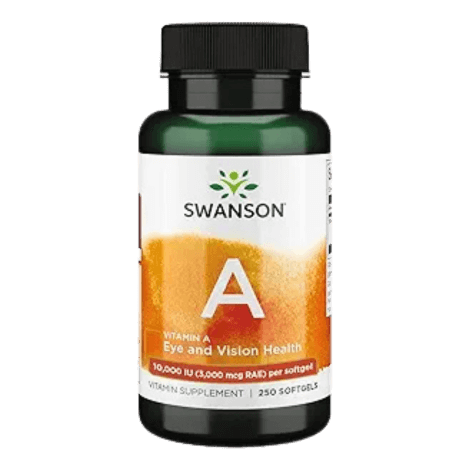

With over 250 single-serving capsules per bottle and a budget-friendly cost per serving below $0.05, Swanson Vitamin A Softgels can be an excellent budget-friendly solution to supplementing your daily nutrition. Each serving also contains 10,000 IU of retinyl palmitate, which equates to roughly 333% of your daily vitamin A value.
What our tester says:
“The taste, itself, is general and manageable, there is a present odor when opening the bottle. In my trials, this definitely detracted from the overall experience.”
Swanson Vitamin A 10,000 IU Softgels currently retail for just $0.04 per serving on Amazon—and even less with a subscription—making it an excellent value for any budget. Thanks to its affordability, it earns a perfect 5 out of 5 rating for price. But low cost doesn’t mean low quality—this supplement has more going for it than just the price tag.
Each softgel delivers 3,000 micrograms RAE, sourced from both cod liver oil and vitamin A palmitate with high bioavailability. It also includes an intentional synergistic combo: flaxseed oil to support absorption and tocopherols to help preserve the oil. #TeamWork
The formulation is solid, but third-party testing is where things get a little murky. Swanson claims the brand’s supplements are tested by independent labs and follow GMP standards. However, there’s no third-party certification from reputable organizations listed on this specific product’s label.
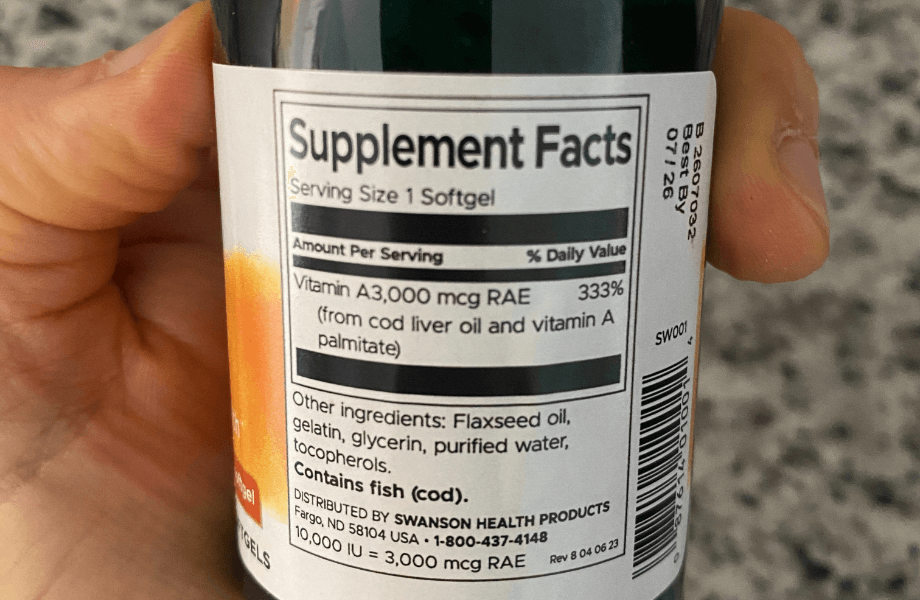
While Swanson seems to be a reputable brand, this lack of clarity knocks its third-party testing score to a 3 out of 5. Its formulation also lands at a 4 out of 5 rating, which could easily improve with verified testing credentials.
On the usability front, these softgels are a win. They’re small, easy to swallow, and unflavored, earning a 5 out of 5 for swallowability. However, like many other vitamin A supplements, they have a noticeable smell, which slightly reduces the taste rating to 4 out of 5.
Customer feedback lines up with these scores: the product boasts a 4.6-out-of-5-star rating from over 450 reviews on Amazon. Users consistently praise its quality, value, and easy-to-swallow size—plus, there are no fishy burps, a common complaint with some of the best fish liver oil supplements.
If you value third-party testing and transparency, Carlson Cod Liver Oil offers a natural source of vitamin A with clear certifications for purity and safety.
| Price per serving | $0.04 |
| Vitamin A per serving | 3,000 mcg (333% DV) |
| Vitamin A form | Cod Liver Oil and Vitamin A Palmitate |
| Serving size | 1 softgel |
| Supplement form | Softgel |
| Other key ingredients | Flaxseed Oil |
| Available flavors | Unflavored |
| Third party testing | Yes |
Best Gummy Vitamin A Supplement: Bulletproof Vitamin A+D+K Gummies
Good for: Those seeking a sugar-free gummy focused on bone, vision, and immune support
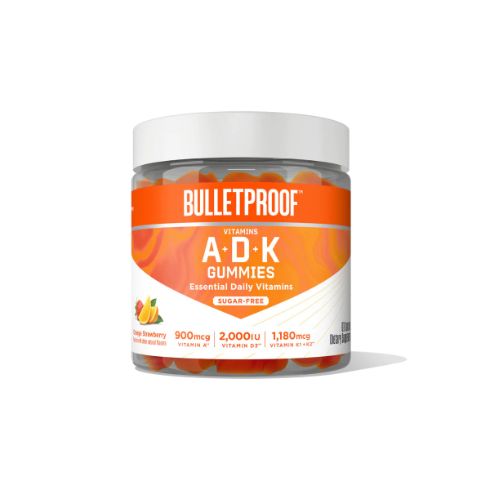

The Bulletproof Vitamin A+D+K Gummies provide potent doses of each vitamin in one gummy. With no added sugars, these gummies can be a nice alternative for those who struggle swallowing pills.
What our tester says:
“These are SO GOOD. I’m almost out of these gummies and I’m really sad about it.”
Not into swallowing capsules or dealing with liquid drops? Bulletproof’s Vitamin A+D+K Gummies offer a tasty, easy-to-take alternative that packs three essential fat-soluble vitamins in fruity bites. Think of them as a vitamin-rich candy option similar to some of the best creatine gummies on the market today.
Each serving delivers 900 micrograms of vitamin A (from highly bioavailable retinyl palmitate), plus 50 micrograms of vitamin D3 to support your immune system, bone health, and muscle function. It also provides two forms of vitamin K—1,000 micrograms of K1 for blood clotting and 180 micrograms of K2, which helps regulate calcium and supports strong bones5.
Some things to keep in mind: these gummies don’t contain added fats, which helps the body absorb fat-soluble vitamins. That’s not unusual for gummies, but it does mean you’ll want to take them with a meal to get the most benefit. They also don’t contain added sugar but use sugar alcohols, which may cause some digestive distress in some, resulting in an overall 3.5 out of 5 formulation rating.

Bulletproof gets points for transparent labeling and notes quality assurance testing. However, there’s no indication of third-party certifications from reputable groups like NSF, which brings the third-party testing score to a 2 out of 5.
Flavor-wise, our expert product tester Amanda Capritto, CPT, CES, CNC, CF-L1, CSNC raves that they’re, “SO GOOD,”—yes, in all caps—and gives their taste a perfect 5 out of 5. Most users agree, though a few mention a slight artificial aftertaste. Texture-wise, reviews are mixed. Some find the gummies soft and a little sticky, which affects their overall ease of consumption and brings the swallowability score to a 3 out of 5.
Regarding cost, they’re on the higher end at $0.83 per serving, which earns just a 1 out of 5 in this category. Still, the convenience and benefit of getting multiple vitamins in a flavorful gummy may justify the cost.
Pure TheraPro Rx Vegan A-D-K Drops may be a better option if you’re looking for the benefits of vitamins A, D, and K without the sugar alcohols or potential texture issues.
| Price per serving | $0.83 |
| Vitamin A per serving | 900 mcg (100% DV) |
| Vitamin A form | Retinyl Palmitate |
| Serving size | 2 Gummies |
| Supplement form | Gummies |
| Other key ingredients | Vitamin D (as Cholecalciferol), Vitamin K (as Phytonadione), Vitamin K2 (as Menaquinone-7) |
| Available flavors | Orange Strawberry |
| Third party testing | No |
Best Cod Liver Oil Vitamin A Supplement: Carlson Cod Liver Oil
Good for: Anyone seeking a natural source of vitamin A with added benefits from vitamins D, E, and omega-3s
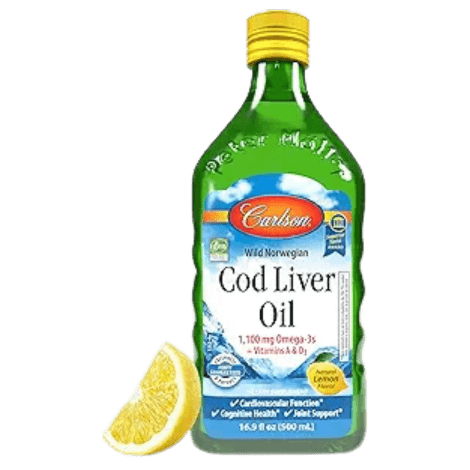

Carlson’s Cod Liver Oil is an old-school favorite that blends vitamin A with omega-3s for full-spectrum wellness. While there’s a definite “fishy” flavor note to this oil, the brand does throw in some Natural Lemon tastes to help make consumption less of a chore.
What our tester says:
“While I didn’t personally notice any fishy sensations, I was surprised at how smoothly this oil went down—even at a full 1-teaspoon dosage. No issues, whatsoever.”
I’ll be honest—I didn’t imagine myself staring down a large (and very green) bottle of cod liver oil in the name of testing vitamin A supplements. But here we are, and Carlson absolutely won this stare-down with its pure formulation, third-party certifications, and surprisingly non-fishy flavor.
Carlson’s nutritionals are quite the catch—each serving provides 255 micrograms RAE of vitamin A (28% Daily Value) sourced from cod liver oil and retinyl palmitate, along with 10 micrograms (400 IU) of vitamin D3 and 6.7 mg of vitamin E. That’s on top of a generous 1,100 milligrams of total omega-3 fatty acids—500 milligrams DHA, 370 milligrams EPA, and 50 milligrams DPA—from 100% Norwegian cod liver oil.
To preserve freshness and prevent oxidation, the oil is bottled using a nitrogen flush and a touch of antioxidants. It’s also certified by both the International Fish Oil Standards (IFOS) and IGEN (Non-GMO Verified), earning a perfect 5 out of 5 for third-party testing.
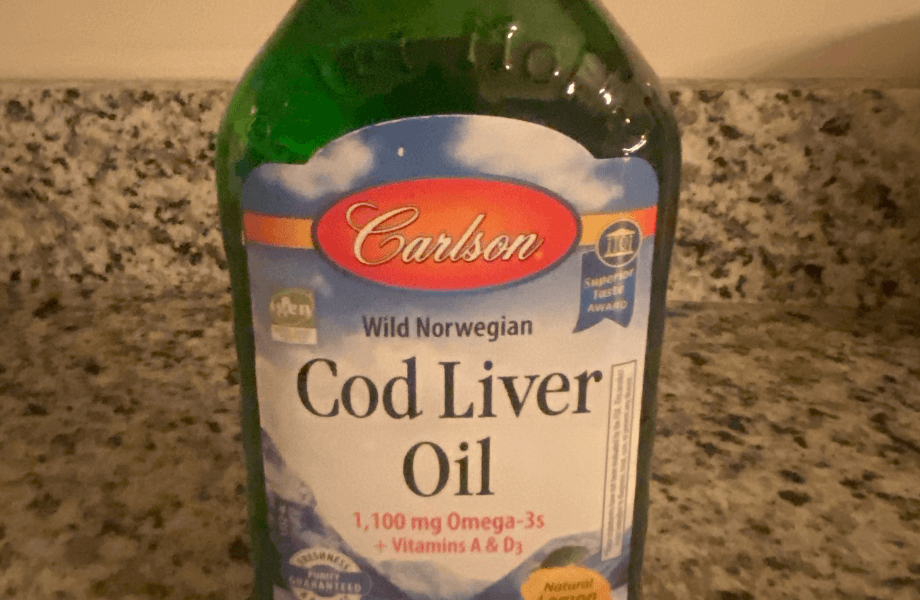
Now to be really honest, this was the last product I tried. The word “cod” alone made me wrinkle my nose. Add “liver” to the mix, and my mouth basically sealed itself shut. But hey, product testing is serious business around here, so I braced myself—and truly to my surprise, it deserves its perfect 5 out of 5 for taste.
And I’m not the only one impressed. With over 9,200 reviews and a stellar 4.8-star average on Amazon, Carlson clearly has a fan base. Many customers love the light lemon aftertaste and note there’s no fishy flavor or dreaded burps. Some even report benefits, such as reduced post-workout soreness and improved joint comfort.
Yes, the price per serving comes in at $0.47—earning a 2 out of 5 for cost—but what you get in return is a high-quality, easy-to-take supplement packed with essential nutrients.
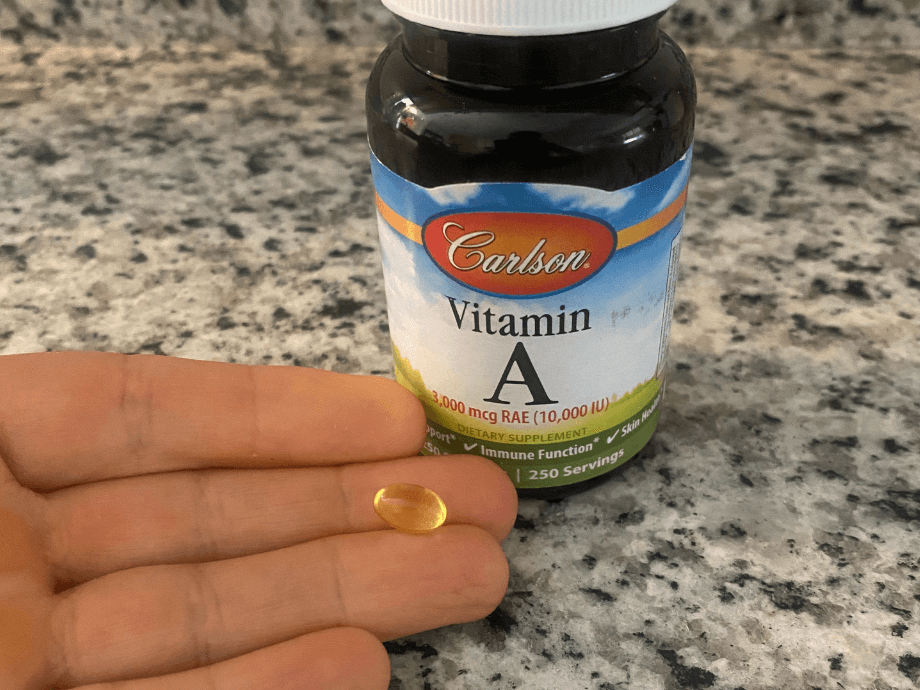
If the idea of tossing back cod liver oil doesn’t appeal to you, Carlson Vitamin A softgels might be a better fit.
| Price per serving | $0.47 |
| Vitamin A per serving | 255 mcg RAE (28% DV) |
| Vitamin A form | Cod Liver Oil and Retinyl Palmitate |
| Serving size | 1 tsp (5 mL) |
| Supplement form | Oil |
| Other key ingredients | Vitamin D3, Vitamin E, Natural Mixed Tocopherols, Natural Lemon Flavor |
| Available flavors | Natural Lemon |
| Third party testing | Yes |
Other Vitamin A Supplements We Researched
As we narrowed down our top picks, we took a close look at a number of contenders. Here are a few we reviewed, but ultimately ruled out.
- Carlson Vitamin A: Carlson’s delivers a strong dose of vitamin A sourced from cod liver oil. However, we’d like to see added antioxidants to help protect the oil from oxidation, which can impact freshness and stability over time. For that reason, we chose to leave it off our top list.
- Nature’s Way Vitamin A: Nature’s Way offers a clean, fish oil-derived vitamin A with a milder scent than many competitors. However, it’s priced higher than similar products and, like Carlson’s, lacks antioxidant protection for the oil. With better-formulated and more affordable options available, this one didn’t make the cut.
- Nordic Naturals Vitamin A + Carotenoids: Nordic Naturals is a trusted brand, but this particular product delivers only provitamin A (beta-carotene), which isn’t absorbed as well as preformed types. Plus, the small 30-serving bottle doesn’t offer great value compared to longer-lasting alternatives.
How We Picked and Tested the Best Vitamin A Supplements
Finding the best vitamin A supplements took more than just reading labels. Our team of certified personal trainers, registered dietitians, and nutritionists elected our top picks through thorough research, hands-on testing, and criteria from our GGR supplement testing methodology—like formulation, taste, and transparency—to rate each product on a 1 (lowest) to 5 (highest) scale. Here’s a closer look at said criteria:
- Formulation: We gave preference to products with preformed vitamin A, which the body can absorb and use more efficiently than provitamin A. We also favored formulas with antioxidants and high-quality oils (such as olive oil over soybean oil) for better absorption and stability, while deducting points for lower-quality ingredients like added sugars and fillers.
- Vitamin A Form: Preformed vitamin A (such as palmitate) is absorbed at a rate of 70 to 90 percent, whereas provitamin A (like beta-carotene) has a much wider and often lower absorption range of 8.7 to 65 percent1. Based on these evidence-based ranges, we prioritized products containing preformed vitamin A for more reliable absorption.
- Swallowability: From pill size and coating to texture, we considered how easy (or not) each supplement was to take.
- Taste: Taste can make or break the entire experience, and we always aim to avoid the latter. Anything with a strong odor or off-putting flavor lost points.
- Side Effects: We paid close attention to how we felt after taking each supplement—no one wants stomach issues, weird aftertastes, or headaches. We also factored in feedback from online reviews to spot patterns.
- Third-Party Testing: We gave top marks to dietary supplements with certifications from trusted organizations such as NSF, Informed Sport, or BSCG. Transparency also matters (a lot)—that means clear labeling, accessible COAs, and no shady proprietary blends.
- Value: We aimed to recommend high-quality options at a range of price points, so there’s something for just about every budget without sacrificing quality.
Benefits of Vitamin A Supplements
Here’s the thing: the health benefits of vitamin A supplements are primarily related to treating or preventing a vitamin A deficiency. That said, when dietary intake is low, supplementing with vitamin A may offer more pronounced support in the following areas:
Supports Healthy Vision
Vitamin A6 is essential for maintaining clear, healthy vision. One of the first telltale signs of vitamin A deficiency is an eye condition called xerophthalmia7, or unusually dry eyes. If left untreated, it can lead to night blindness and even permanent damage. Luckily, when it’s caused by low vitamin A levels, xerophthalmia is often reversible with proper, expert-guided supplementation.
Vitamin A may also help reduce the risk of age-related macular degeneration (AMD)8, a condition that impacts central vision as we age. While AMD doesn’t cause total blindness, it can make everyday activities—like reading, driving, or recognizing faces—more difficult.
Bolsters Immune Health
As Dr. Raj Dasgupta, MD explains, “You can think of your immune system as an internal shield that protects you from getting sick. It’s our body’s way of fighting off germs and keeping you in good health. As such, it’s important to support this system with proper nutrition, good hygiene, and adequate sleep habits.”
While every pillar of immune support matters, vitamin A is often called the “anti-inflammation vitamin” because of its critical role in enhancing immune function9. It helps maintain the protective barriers of the skin, lungs, and gut, which are your body’s first defense against infection. It also supports the development and function of immune cells, helping your body respond quickly and effectively to illness.
Without enough vitamin A, your immune system can weaken and leave you more vulnerable to infections. While research is still evolving, vitamin A has been shown to enhance immune defense and may offer protection against a range of infectious diseases.
May Play a Role in Cancer Prevention
Vitamin A helps regulate cell growth and development, which is why it’s been studied for its potential in cancer prevention. Some research suggests that a higher intake of vitamin A may be linked to a reduced risk of certain cancers, including lung, pancreatic, esophageal, ovarian, and bladder cancer1.
That said, here’s a note of caution: in certain cases, especially among smokers and former smokers, high-dose vitamin A supplements may actually increase the risk of some cancers1. So, it’s best to approach supplementation thoughtfully and under medical guidance.
Supports Skin Health
Vitamin A supports skin health by increasing cell turnover, stimulating collagen production, and supporting wound healing.
RELATED: Best Collagen Supplements
Fun fact: Vitamin A10 is the first vitamin approved by the FDA for its anti-wrinkle properties, due to its effects on skin texture and appearance. That’s why retinol, a form of vitamin A, is a staple ingredient in so many skincare products.
But (yes, again), it’s all about balance. Your body needs the right amount of vitamin A to support healthy skin and hair, but too little or too much can have negative effects.
Potential Side Effects
While vitamin A is crucial for your health, more isn’t always better. Vitamin A in excess may cause:
- Dry or orange-yellowish skin
- Headaches
- Nausea
- Loss of appetite
- Bone pain
- Cerebral edema (swelling in the brain) in severe cases
Toxicity typically happens when someone consistently consumes high doses, usually over 10,000 to 15,000 micrograms of retinol activity equivalents (RAEs) per day, over an extended period. Acute toxicity can also occur if someone takes a very large dose all at once, though this is less common6.
How Much Vitamin A Should I Take Per Day?
The amount of vitamin A your body needs depends on your age, sex, and life stage. Here’s what the Recommended Dietary Allowances (RDA) suggest for most adults each day1:
- Men (19+ years): 900 mcg
- Women (19+ years): 700 mcg
- Pregnant women: 770 mcg
- Lactating women: 1,300 mcg
These amounts are measured in retinol activity equivalents (RAE) to reflect different forms of vitamin A—like retinol from animal sources and beta-carotene from plant-based foods. Unless your healthcare provider advises otherwise, avoid exceeding the Tolerable Upper Intake Level (UL) for preformed vitamin A, which is 3,000 micrograms RAE daily for adults1.
And to drive this home one last time, Dr. Dasgupta (not just me!) emphasizes, “A vitamin A supplement may not be necessary for everyone. Similar to multivitamins, those with balanced diets, certain medical conditions, or athletes taking specific medications may be at risk of exceeding safe nutrient counts if they were to adopt a vitamin A supplement regimen.”
Buying Guide: What to Look for in Vitamin A Supplements
Choosing the right vitamin A supplement can feel overwhelming, but it doesn’t have to be. Here’s a straightforward guide to help you find a high-quality option that fits your health goals and lifestyle.
Ingredients and Formulation
Look for a supplement with a simple ingredient list. Ideally, it should include preformed vitamin A (a majority, if not all), a stable oil to support absorption, and antioxidants to preserve the oil’s freshness.
Some products may also include complementary nutrients, such as vitamins D or K, which can support overall wellness. Just be sure you’re not overdoing any listed nutrients from your diet or other supplements.
Watch out for unnecessary additives like added sugars, artificial sweeteners, or fillers. If you have allergies or dietary preferences, check the label carefully for common allergens like fish, soy, or tree nuts, and opt for a vegan formula if that’s important to you.
Vitamin A Form
Vitamin A comes in two main forms: preformed vitamin A (retinyl palmitate or retinyl acetate) and provitamin A (beta-carotene).
Preformed vitamin A is more readily absorbed and used by the body, making it a more reliable choice for those who want to ensure adequate intake. Provitamin A, found in plant-based sources, must be converted by the body into its active form, and its absorption rate can vary significantly.
If your goal is optimal absorption and effectiveness, a supplement containing preformed vitamin A is generally the better option.
Supplement Type
Vitamin A is available in several formats, so pick what fits your lifestyle best and makes sticking to your routine as seamless as possible:
- Softgels and capsules: Convenient, stable, and easy to take, but some may be smelly.
- Liquids: Great for adjustable dosing or if you struggle with pills.
- Fish liver oil: A natural source of vitamin A with omega-3s, but it may have a strong taste.
- Gummies: A tasty, easy-to-take option, especially if they’re properly dosed. Just be mindful of added sugars, artificial sweeteners, and whether they contain gelatin if following a vegan diet.
Taste and Available Flavors
While taste isn’t a deal-breaker for everyone, it can make all the difference, especially if you choose a liquid or gummy format. Some products offer mild, pleasant flavors such as citrus, which can be more enjoyable than the earthy or fishy aftertaste of other forms.
A supplement you enjoy taking is one you’re more likely to stick with over time.
RELATED: Best Tasting Protein Bars
Third-Party Testing
Third-party testing helps ensure that what’s on the label is exactly what’s in the bottle—and that it’s free from harmful contaminants like heavy metals. Certifications from trusted organizations like NSF, USP, or Informed Choice add an extra layer of confidence, especially for supplements you take daily or if you’re an athlete subject to drug testing.
Value
Look for a product that fits your budget but doesn’t compromise on quality—finding that sweet spot between affordability and effectiveness is key. Many brands sweeten the deal with perks like rewards programs, subscription discounts, and flexible delivery options that allow you to pause or cancel at any time.

It’s also a good idea to compare prices across trusted retailers like Amazon. Just make sure you’re buying from a reputable seller.
Experts Who Contributed to This Article
FAQs About the Best Vitamin A Supplements
What is the best form of vitamin A?
Preformed vitamin A—such as retinyl acetate or retinyl palmitate—is generally regarded as the most effective form in terms of absorption and bioavailability. As a dietary supplement, 70 to 90 percent of preformed vitamin A, while beta-carotene absorption can vary significantly, ranging from 8.7 to 65 percent1.
What is the best vitamin A supplement?
The “best” vitamin A supplement really comes down to individual needs, such as the dose, whether you prefer a simple formula or one that includes other nutrients, and even your preferred format—think gummies, softgels, or capsules.
That said, there are a few key things to look for. Aim for a supplement that contains preformed vitamin A—such as retinyl palmitate or retinyl acetate—since it’s more easily absorbed and used by the body compared to the plant-based carotenoids like beta-carotene.
Since vitamin A is fat-soluble, it’s also important that the supplement includes a stable oil—like MCT or olive oil—to enhance absorption. Bonus points if it contains antioxidants like vitamin E, which help preserve the oil and enhance overall stability.
Is it worth taking a vitamin A supplement?
Taking a vitamin A supplement may be beneficial for some individuals, especially if their diet lacks sufficient vitamin A. However, more isn’t always better when it comes to this nutrient, as excessive intake can be harmful. It’s best to seek medical advice before supplementing, particularly if you manage a health condition or take prescription medications.
How much do vitamin A supplements cost?
Our research shows that vitamin A supplements typically cost around $0.26 per serving on average, with prices ranging anywhere from $0.04 to $0.83. This wide range typically stems from differences in formulation, serving size, added ingredients, and whether the product holds third-party certifications for quality and purity.
These statements have not been evaluated by the Food and Drug Administration. This product is not intended to diagnose, treat, cure, or prevent any diseases.
References
- National Institutes of Health. Office of Dietary Supplements – Vitamin A. Nih.gov. Published 2023. https://ods.od.nih.gov/factsheets/VitaminA-HealthProfessional/
- National Institutes of Health. Office of Dietary Supplements – Vitamin E. Nih.gov. Published March 26, 2021. https://ods.od.nih.gov/factsheets/VitaminE-HealthProfessional/
- Olsen T, Lerner UH. Vitamin A – a scoping review for Nordic nutrition Recommendations 2023. Food Nutr Res. 2023;67:10.29219/fnr.v67.10229. Published 2023 Nov 7. doi:10.29219/fnr.v67.10229
- National Institutes of Health. Vitamin D. National Institutes of Health. Published 2024. https://ods.od.nih.gov/factsheets/VitaminD-HealthProfessional/
- Halder M, Petsophonsakul P, Akbulut AC, et al. Vitamin K: Double Bonds beyond Coagulation Insights into Differences between Vitamin K1 and K2 in Health and Disease. Int J Mol Sci. 2019;20(4):896. Published 2019 Feb 19. doi:10.3390/ijms20040896
- Debelo, H., Novotny, J. A., & Ferruzzi, M. G. (2017). Vitamin A. Advances in Nutrition (Bethesda, Md.), 8(6), 992–994. https://doi.org/10.3945/an.116.014720
- Feroze KB, Kaufman EJ. Xerophthalmia. [Updated 2023 Apr 17]. In: StatPearls [Internet]. Treasure Island (FL): StatPearls Publishing; 2025 Jan-. Available from: https://www.ncbi.nlm.nih.gov/books/NBK431094/
- Khoo HE, Ng HS, Yap WS, Goh HJH, Yim HS. Nutrients for Prevention of Macular Degeneration and Eye-Related Diseases. Antioxidants (Basel). 2019;8(4):85. Published 2019 Apr 2. doi:10.3390/antiox8040085
- Huang Z, Liu Y, Qi G, Brand D, Zheng SG. Role of Vitamin A in the Immune System. J Clin Med. 2018;7(9):258. Published 2018 Sep 6. doi:10.3390/jcm7090258
- Zasada M, Budzisz E. Retinoids: active molecules influencing skin structure formation in cosmetic and dermatological treatments. Postepy Dermatol Alergol. 2019;36(4):392-397. doi:10.5114/ada.2019.87443