




Although older adults may not be focused on muscle growth like younger generations, they still need to consume enough protein to support muscle health and quality of life as they age. Sarcopenia13, or the progressive decline of muscle mass and strength, affects more than 10% of older adults. Because it can be challenging to get enough protein from whole food sources, turning to a high-quality protein powder can be a convenient way to supplement dietary protein intake and maintain lean muscle mass. But with so many options available, what’s the best protein powder for seniors?
Our team of certified personal trainers, nutrition coaches, and competitive athletes has researched and tested more than 150 protein supplements and narrowed down the list to what we consider to be the best protein powders for older adults. Along with our rigorous supplement testing methodology, we also spoke with exercise physiologists and registered dietitians for expert insight.
The GGR team has helped connect over 1.8 million athletes with high-quality nutritional supplements over the years. We’re confident that the following details can help you find the perfect fit for your protein needs.u find the perfect fit for your protein needs.
Medical disclaimer: This article is intended for educational and informational purposes only. It is not intended as a substitute for medical advice. For health advice, contact a licensed healthcare provider.
GGR Gold Pick – Best Protein Powder for Seniors
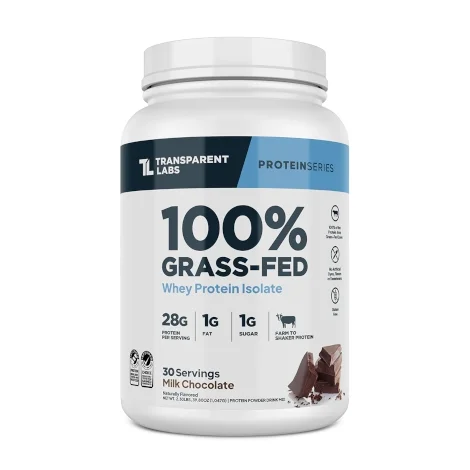
Our top pick for protein powders for older adults is Transparent Labs Whey Protein Isolate, which earned 4.6 stars during our testing. Not only does it pack 28 grams of protein into each serving, but it lacks artificial sweeteners, dyes, or fillers. Plus, according to our testing team, this protein powder tastes great and mixes well.
Best Protein Powder for Seniors
- Best Overall Protein Powder for Seniors – Transparent Labs Whey Protein Isolate
- Best Protein Powder for Seniors to Build Muscle – Sports Research Whey Isolate
- Best Whey Protein for Seniors – Legion Whey+
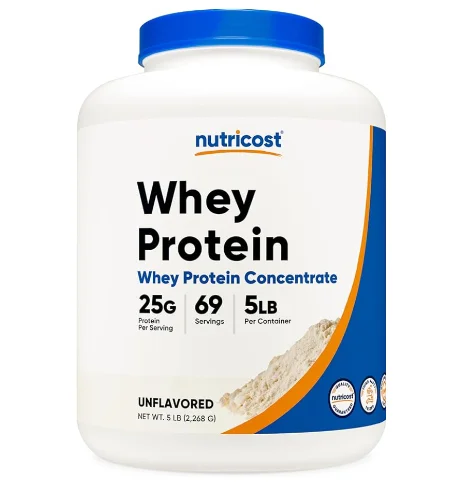
- Best Budget Protein Powder for Seniors – Nutricost Whey Protein Concentrate
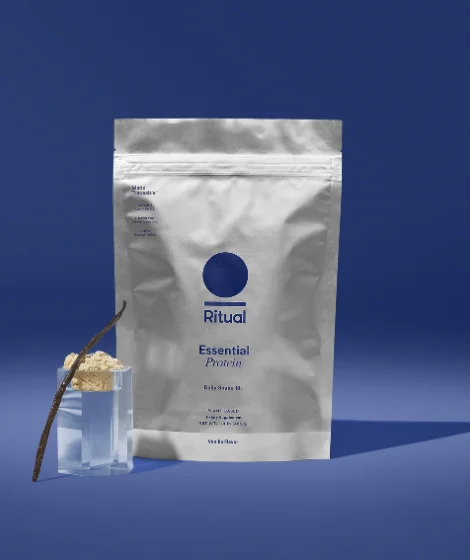
- Best Plant-Based Protein Powder for Seniors – Ritual Essential Protein Daily Shake
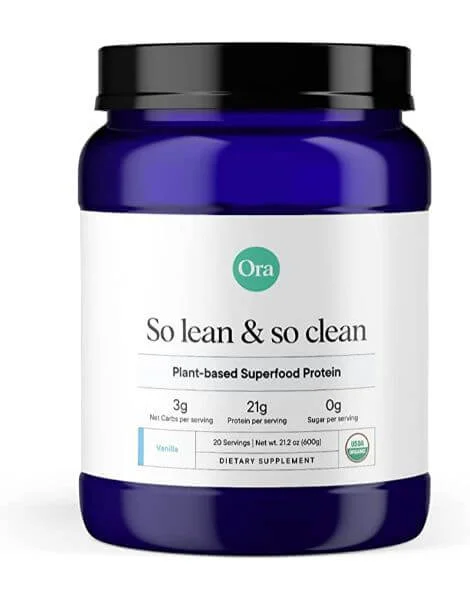
- Best Protein Powder for Seniors for Digestion – Ora Organic Daily Superfood Plant Protein
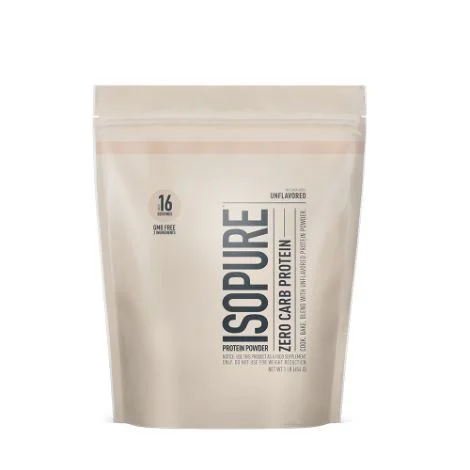
- Best-Tasting Protein Powder for Seniors – Isopure Whey Protein Isolate
Current Top Deals
- Transparent Labs Whey Protein Isolate – Free shipping on US orders $99+
- Legion Whey+ – BOGO up to 50% off sitewide
- Nutricost Whey Protein Concentrate – Save up to 10% on monthly orders
We compare the cost per serving across various protein powders to determine which ones deliver the best value for seniors on a budget. A protein powder that cost around $2 per serving earned a 3 out of 5, but top scores were given to proteins that cost less than $1.50 per serving.
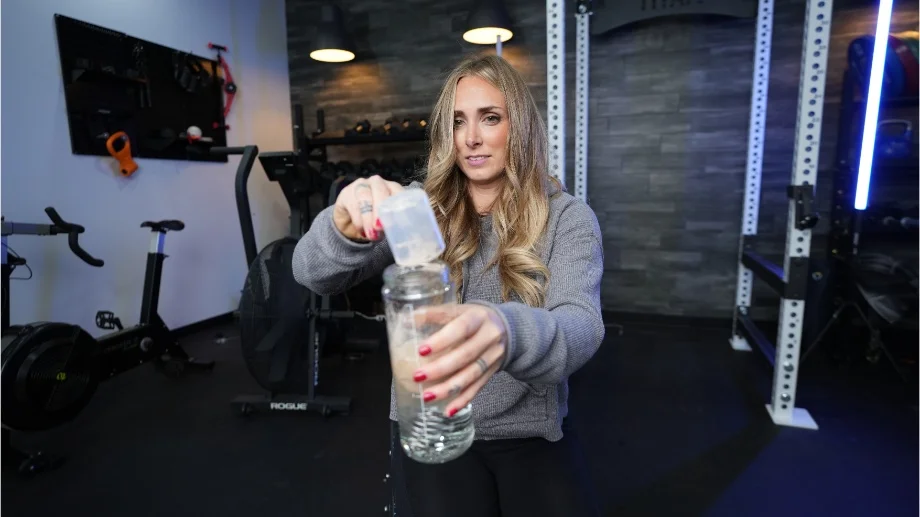
From how many grams of protein you get per serving to the amount of added sugars and whether there are any fillers or additives, we carefully assess whether the formulation aligns with what older adults need to support overall health and wellness. To get a 5-out-of-5 formulation rating, a protein powder should provide at least 20 grams of protein per serving, along with other beneficial ingredients like probiotics for gut health or collagen peptides to support healthy skin, hair, and nails.
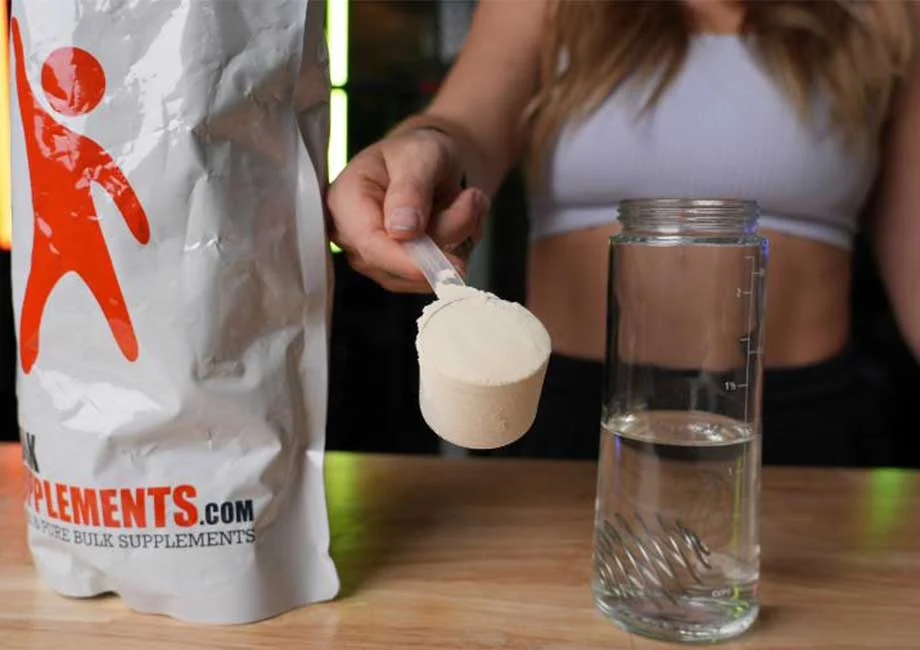
Do you experience bloating or cramps after consuming the protein powder? For those who are lactose intolerant or have sensitive stomachs, we want to identify any supplements that may cause digestive issues. To get a 5-out-of-5 rating, there must be zero negative side effects.
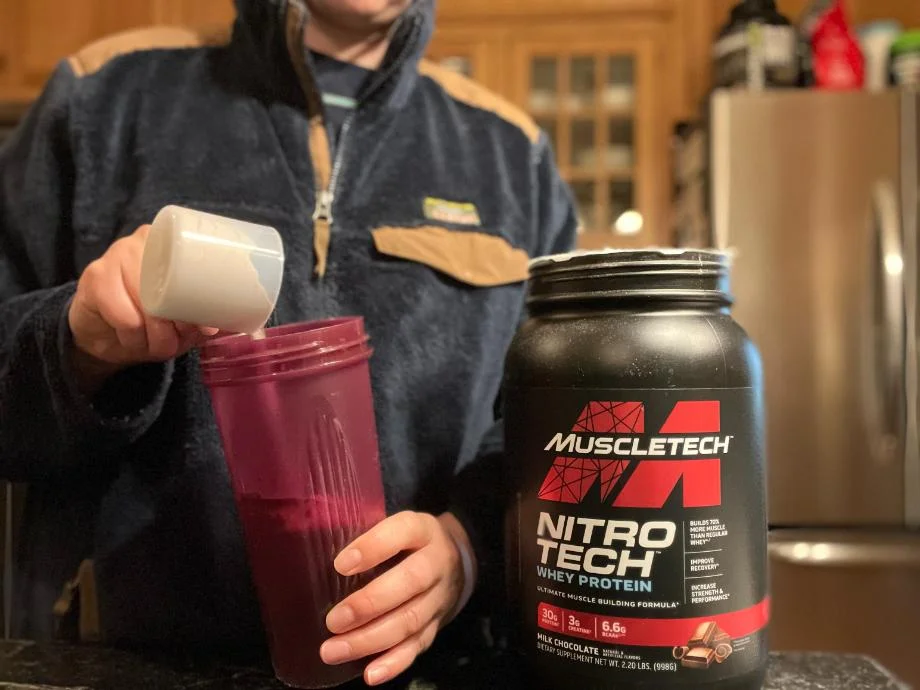
The team at Garage Gym Reviews has developed an in-depth supplement testing methodology, where we take a look at each supplement (protein powder in this case) and rate it a 1 to 5 in several key categories, including price, formulation, taste, solubility, and potential side effects. Members of our team have tried each protein powder that we recommend multiple times, so you can be assured that we put each product through rigorous testing before adding it to our panel.
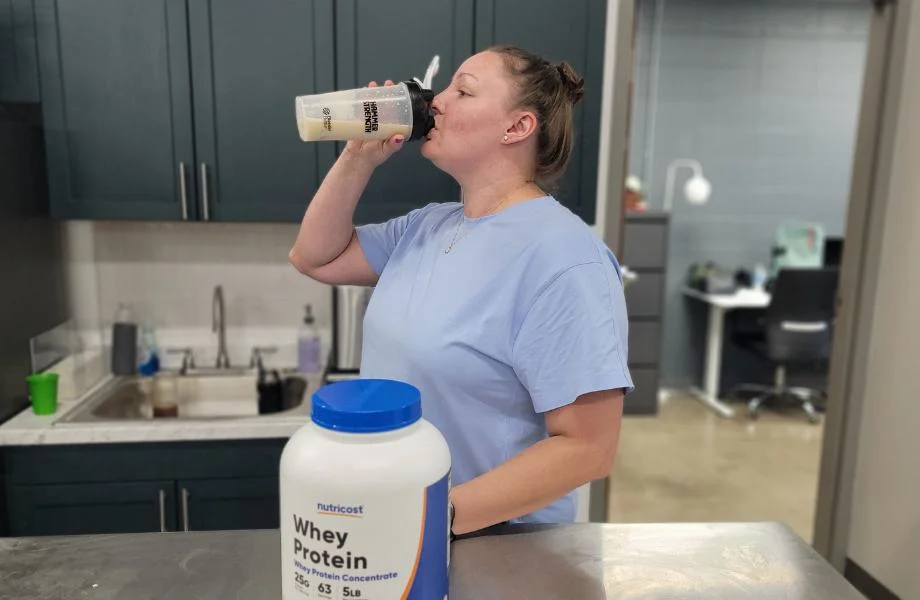
With certified nutrition coaches, personal trainers, and competitive athletes on the GGR team, we have collective decades of experience in the fitness world. We use our expertise in selecting our top picks, but we also reach beyond our team to experts like registered dietitian Chris Mohr, Ph.D., RD, to gain insights on the benefits of protein powder, particularly for older adults. We also asked Dr. Jennie Stanford, MD, with a degree in nutrition and dietetics, to medically review this piece.
Latest Updates
In September 2026 we re-evaluated the products on our list to more clearly articulate the pros and cons of each. We also added a formula for calculating a general range of daily protein intake based on your bodyweight.
Compare Side By Side
 |  |  |  |  |  |  | |
| Transparent Labs Whey Protein Isolate | Sports Research Whey Isolate | Legion Whey+ | Nutricost Whey Protein Concentrate | Ritual Essential Protein Daily Shake | Ora Organic Daily Superfood Plant Protein | Isopure Whey Protein Isolate | |
Rating | |||||||
| Price Per Serving | 1.82 | As low as $1.50 | 2.00 | 0.87 | $2.93 | $2.50 | $1.70 – $2.12 |
| Protein Per Serving | 28 g | 25g | Starting at 21g | 30g | 20g | 21 g | 25 g |
| Type | Grass-fed whey protein | Whey isolate | Whey protein | Instantized whey protein concentrate | Pea protein | Pea and rice protein | Whey isolate |
| Third-party Tested? | — | — | — | — | |||
| Calories Per Serving | 130 to 150 | 140 | 100 | 140 | 115 | 120 | 100 |
| Flavors | Milk Chocolate, Vanilla Oatmeal Cookie, French Vanilla, Peanut Butter, Dark Chocolate, Chocolate Peanut Butter, Oatmeal Chocolate Chip Cookie, Unflavored, Strawberry Milkshake, Vanilla Peanut Butter, Mocha, and Cinnamon French Toast | Creamy vanilla, Dutch chocolate | Apple Pie, Banana Bread, Birthday Cake, Chocolate Peanut Butter, Chocolate Hazelnut, Coco Cereal, Cookies & Cream, Cinnamon Swirl, Dutch Chocolate, Salted Caramel, French Vanilla, Fruity Cereal, Honey Cereal, Mocha Cappuccino, and more | Vanilla, Chocolate Peanut Butter, Chocolate, Strawberry Milkshake, and Unflavored | Vanilla, Chocolate | 4 flavors | Unflavored |
Best Overall Protein Powder for Seniors: Transparent Labs 100% Grass-Fed Whey Protein Isolate
Updated by: Stephen Sheehan, CPT, CNC







Scorecard for Transparent Labs Whey Protein Isolate
| Rating Factors | Our Scores |
|---|---|
| Label Accuracy | Excellent |
| Bisphenols | Excellent |
| Heavy Metals | Above Average |
| Phthalates | Excellent |
| Pesticides | Excellent |
GGR collaborated with Ellipse Analytics, an accredited third-party lab, to test more than 150 protein powder products. We screened for dozens of factors and rated each product against its peers.


Our testers love Transparent Labs 100% Grass-Fed Whey Protein Isolate because we know exactly what’s in it, and almost every flavor we’ve tried is a 5 out of 5 on taste. Yes, it’s a little more expensive than other protein powders but you get what you pay for.
What our tester says:
“The Peppermint Hot Chocolate Flavor gets a 5 out of 5 from me for its taste. This tastes like something you’d leave out for Santa, really.”
Transparent Labs tops our list as the best overall protein powder for seniors because it boasts one of the highest protein-by-weight ratios in the industry at 82% (meaning 82% of the powder is pure protein, with very little filler), delivering 28 grams of protein per serving. Designed to support muscle growth and overall health, it’s made from naturally-fed, hormone-free whey and contains no artificial sweeteners, food dyes, preservatives, or gluten. In addition to a perfect formulation score, this premium-priced protein powder earned 5-out-of-5 marks for taste and solubility.
Solubility: 5/5
Taste: 5/5
Price Per Serving: 2/5
Why We Like Transparent Labs 100% Grass-Fed Whey Protein Isolate
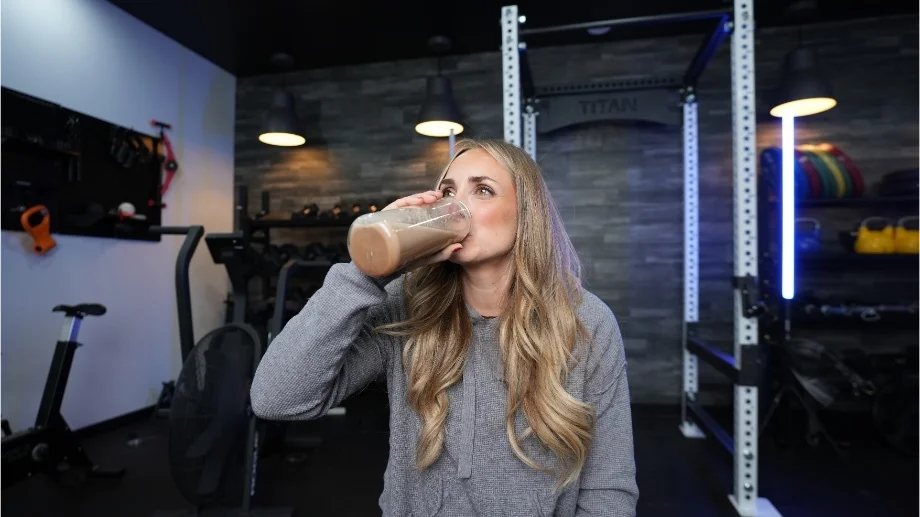
Transparent Labs 100% Grass-Fed Whey Protein Isolate checks just about every box we look for in a top-rated protein powder. GGR expert product tester Anthony O’Reilly, CPT, CNC, says it’s a “great mid-day snack or post-workout recovery drink” that leaves you feeling full without any stomach issues. Furthermore, he was a big fan of the Peppermint Hot Chocolate flavor. “It’s exactly that—all you need is some whipped cream and marshmallows to complete the scene,” Anthony says, rating the taste at 5 out of 5.
We also appreciate that this Transparent Labs product is Informed Choice-certified, meaning it’s tested for unsafe contaminants. GGR also collaborated with Ellipse Analytics, an accredited third-party lab, to test more than 150 protein powders. Whey Protein Isolate earned an “Excellent” rating in four of the five categories tested, meaning it’s in the top 10% of products.
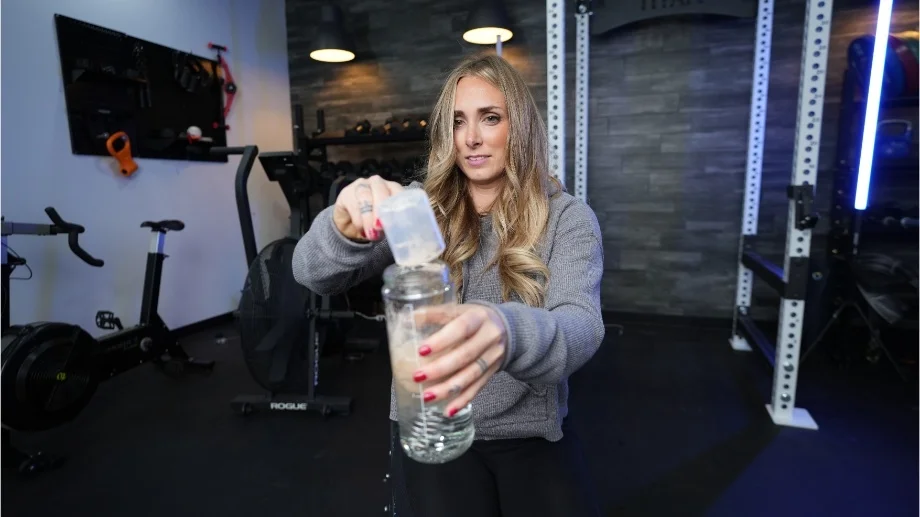
The powder easily mixes into your liquid of choice and leaves behind no clumps—it’s one of the smoothest protein powders I’ve ever had.
Anthony O’Reilly, CPT, CNC
What We Didn’t Like About Transparent Labs 100% Grass-Fed Whey Protein Isolate
The main drawback about Transparent Labs 100% Grass-Fed Whey Isolate is the price. At roughly $2 per serving, it’s among the more expensive options on this list. However, you can save 10% by signing up for a subscription that includes free shipping. Transparent Labs also offers Grass-Fed Whey Isolate in 4-pound tubs, which equates to roughly $1.82 per serving. They also offer occasional sitewide sales that offer percentage discounts. Overall, we rated the price per serving at 2 out of 5.
Older adults looking for a more budget-friendly option should check out Nutricost Whey ProteinConcentrate.
RELATED: Transparent Labs Discount Code
Testing Breakdown
Take a closer look at how Transparent Labs 100% Grass-Fed Whey Protein Isolate scored across all categories.
Vs. The Average
Transparent Labs 100% Grass-Fed Whey Protein Isolate is more expensive than the average protein powder. However, you have more flavor choices, and you get a bit more protein per serving.
| Transparent Labs 100% Grass-Fed Whey Protein Isolate | Average Protein Powder | |
| Price per serving | $2 | $1.85 |
| Calories per serving | 130 | 130 |
| Protein per serving | 28 g | 25 g |
| Flavors | 14+ | 8 |
If you’re interested in trying this product, read our full Transparent Labs Protein review.
Best Protein Powder for Seniors to Build Muscle: Sports Research Whey Isolate
Updated by: Stephen Sheehan, CPT, CNC
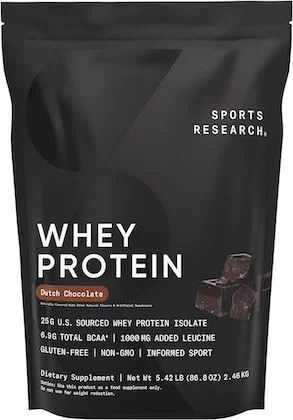
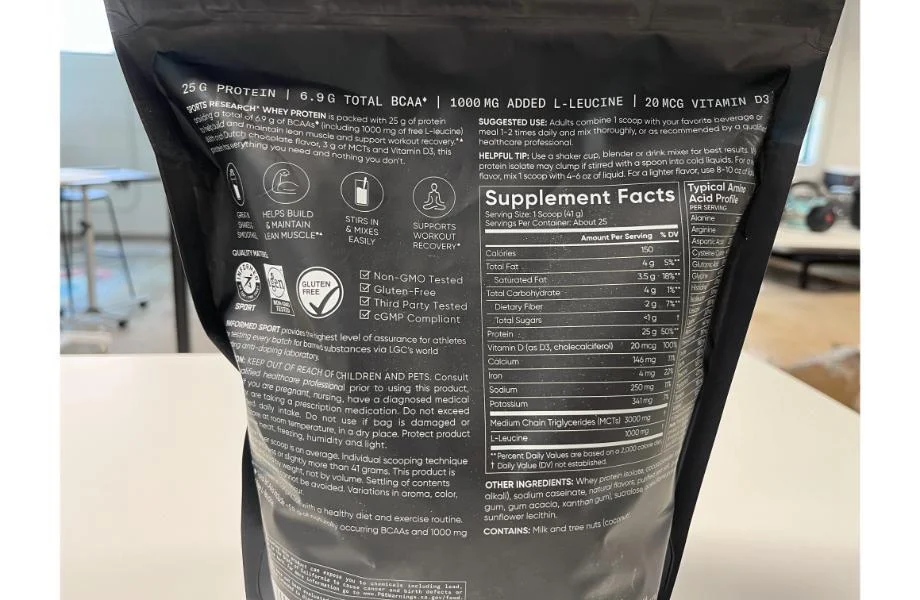
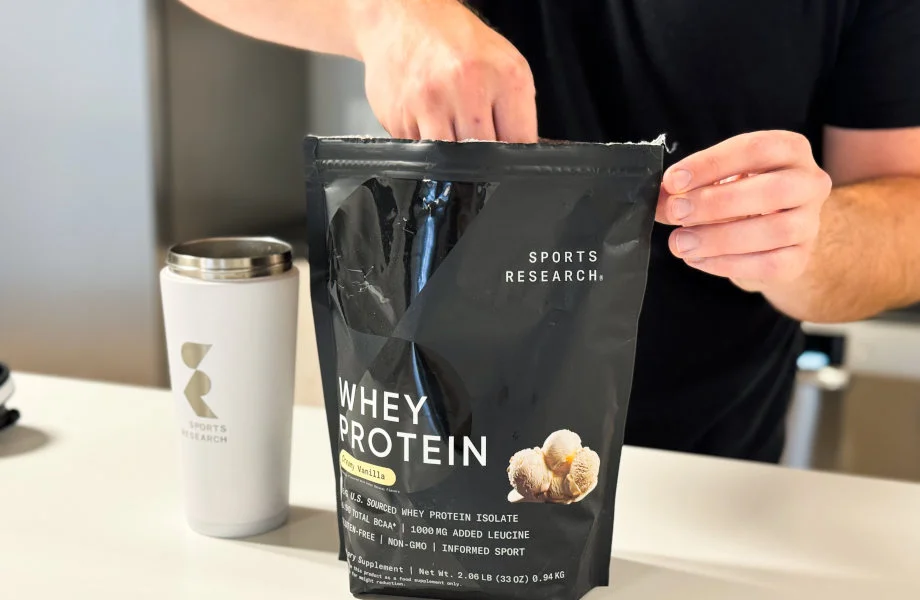
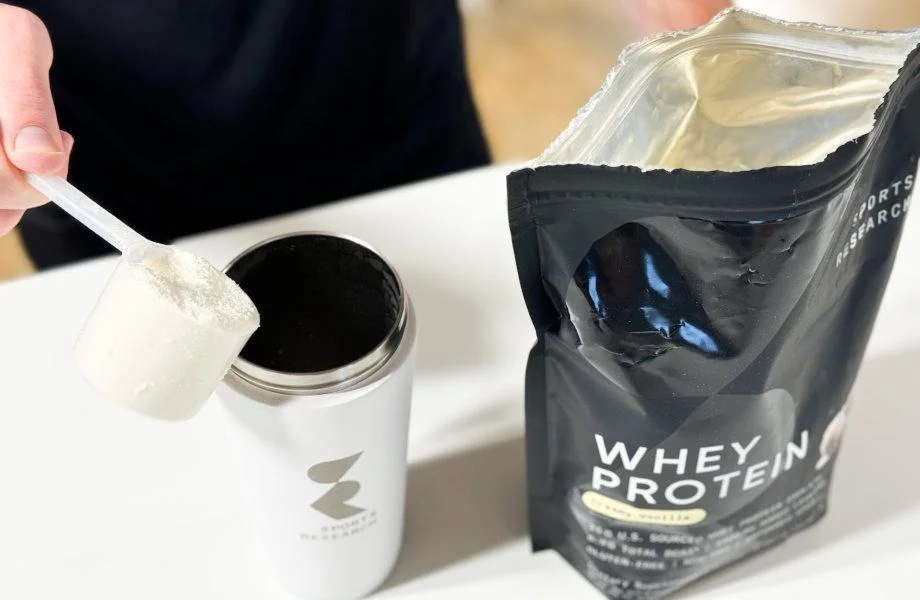
Sports Research whey protein isolate has 25 grams of protein per serving and just 150 calories. It’s third-party tested, too. Although there are only two flavors available, our testers think it’s worth a try.
What our tester says:
“This tastes like an instant cocoa powder drink, which is a good thing. I want to have this with marshmallows over an open fire. No protein aftertaste at all, and no upset stomach or bloating either.”
Sports Research Whey Isolate provides the building blocks necessary for muscle building and recovery. Each serving contains 25 grams of protein, including 6.5 grams of branched-chain amino acids (BCAAs), which may help reduce muscle soreness and increase muscle strength, according to evidence-based studies1, 14. It also contains all the essential amino acids (EAAs) that act as the building blocks of protein molecules. Earning an overall score of 4.6 out of 5, this well-priced product costs roughly $1.36 per serving.
Formulation: 4.5/5
Price Per Serving: 5/5
Solubility: 4/5
Why We Like Sports Research Whey Isolate
Although it’s only available in two flavors, seniors can look forward to a satisfying sipping experience with Sports Research Whey Isolate. GGR expert product tester Anthony O’Reilly gave the chocolate version a 4.5-out-of-5 rating for taste. “I want to have this with marshmallows over an open fire—no protein aftertaste at all,” he says.
This product has a short ingredient list—and that’s a good thing since each one counts. Older adults looking to add lean muscle will benefit from the inclusion of BCAAs, especially leucine, which is a key amino acid involved in building muscle protein. Plus, each serving of Sports Research Whey Isolate contains 20 micrograms of vitamin D3, which plays a crucial role in maintaining bone health, muscle function, and overall well-being as you age. As such, we rate the formulation at 4.5 out of 5.
This tastes like an instant cocoa powder drink, which is a good thing.
Anthony O’Reilly, CPT, CNC
What We Didn’t Like About Sports Research Whey Isolate
Unfortunately, Sports Research doesn’t offer this product in any varieties other than Dutch Chocolate and Creamy Vanilla. While that should still satisfy most taste buds, there are other brands that offer more robust flavor options. Other than that, our only major callout with this protein powder is solubility. Anthony rated it at 4 out of 5, noting there were some large protein clumps in his shaker bottle.
If you prefer a protein powder that’s still high-quality but available in more flavors, try Transparent Labs 100% Grass-Fed Whey Protein Isolate.
Testing Breakdown
Sports Research Whey Isolate received high marks across nearly every category. In fact, it scored at least a 4 in all factors.
Vs. The Average
Sports Research Whey Isolate is far more affordable than the average protein powder. Unfortunately, you’re much more limited in your flavor choices.
| Sports Research Whey Isolate | Average Protein Powder | |
| Price per serving | $1.36 | $1.85 |
| Calories per serving | 140 | 130 |
| Protein per serving | 25 g | 25 g |
| Flavors | 2 | 8 |
You can read more about this muscle-building protein in our full Sports Research Whey Protein Review.
Best Whey Protein for Seniors: Legion Whey+
Updated by: Stephen Sheehan, CPT, CNC
Scorecard for Legion Whey+
| Rating Factors | Our Scores |
|---|---|
| Label Accuracy | Excellent |
| Bisphenols | Excellent |
| Heavy Metals | Meets Standard |
| Phthalates | Excellent |
| Pesticides | Excellent |
GGR collaborated with Ellipse Analytics, an accredited third-party lab, to test more than 150 protein powder products. We screened for dozens of factors and rated each product against its peers.
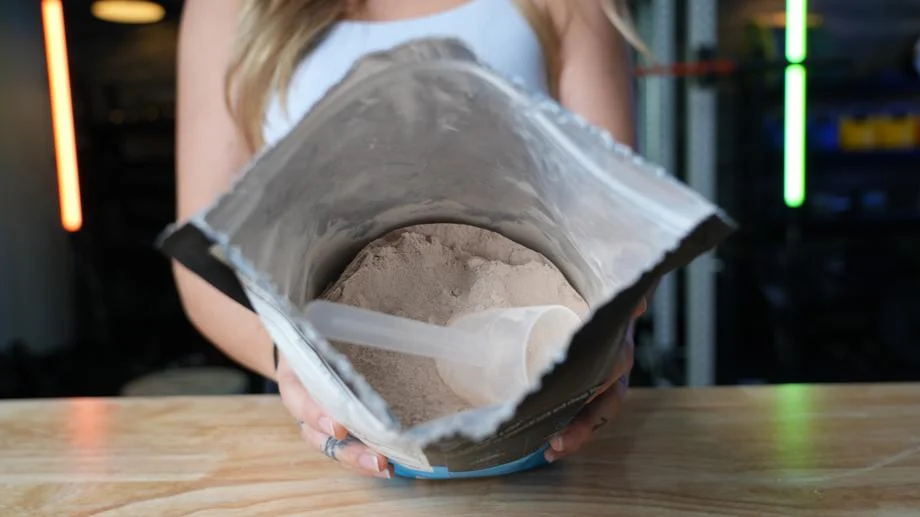
Legion Whey+ is a clean, sustainable protein powder that also is macro-friendly and a great option for anyone looking for a clean protein supplement. Many of our testers have bought this with their own money because they love the taste and easy mixability.
What our tester says:
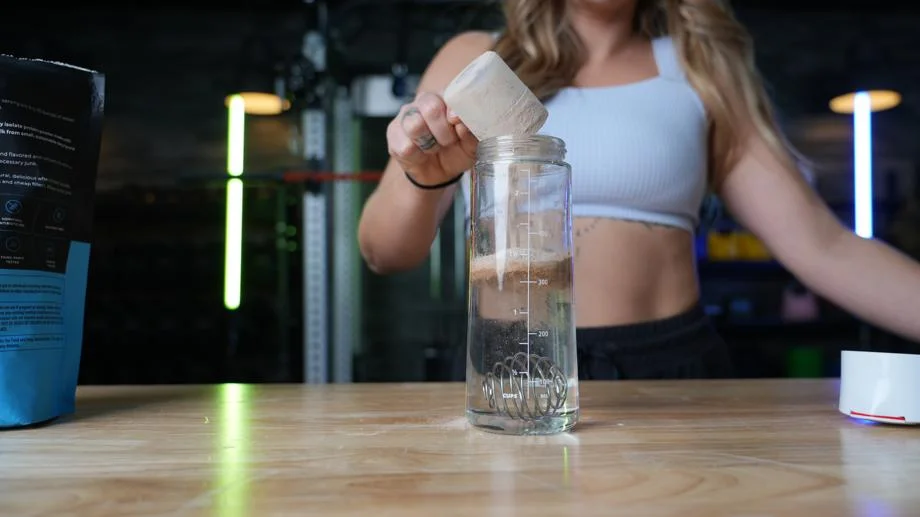
“The cereal cinnamon flavor tastes like a bowl of Cinnamon Toast Crunch, but specifically when you get to the bottom of the bowl. There weren’t any issues with the solubility either.”
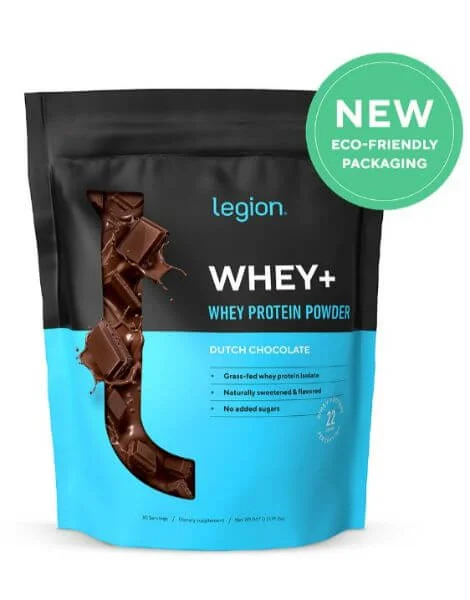
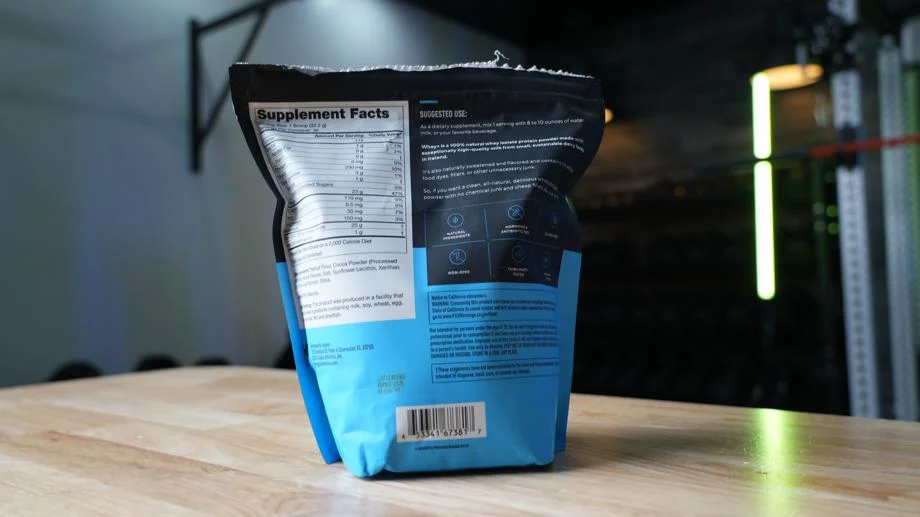
Legion Whey+ is our pick for the best whey protein for seniors based on its quality, flavors, and third-party testing. Specifically, Legion sources their whey from small, grass-fed dairy farms in Ireland, and it’s hard to get cleaner sourcing than that.15 We give this protein 5 out of 5 stars for the formulation.
Formulation: 5/5
Solubility: 5/5
Price Per Serving: 2/5
Why We Like Legion Whey+
We love that Legion uses all-natural ingredients with no additives to make this protein powder. Furthermore, Whey+ is tested by Labdoor, a third-party laboratory that ensures supplements are free from heavy metals and banned substances. We also did our own third-party testing and found Legion to score pretty high in most categories we looked at, too. Overall, Whey+ earns a near-perfect score of 5 out of 5 for third-party testing.
GGR expert product tester Anthony O’Reilly tried the Cinnamon Cereal flavor and gave it a 4.5-out-of-5 score on taste, saying, “Kind of tasted like when you first start eating a bowl of Cinnamon Toast Crunch and the cereal hasn’t had a chance to fully incorporate into the milk yet. In short, the flavor’s there but not quite as pungent as I would’ve liked.”
The Vanilla option is perfect for my morning fruit smoothie because it adds a hint of flavor and gets me more than 20 grams of protein.
Kate Meier, NASM-CPT, USAW-L1, CF-L1
What We Didn’t Like About Legion Whey+
At $2 per serving, Legion Whey+ is not the cheapest protein powder, and there are more affordable options. Although we rate the price at 2 out of 5, you get what you pay for. Legion uses high-quality ingredients with transparent labeling and third-party testing, which we love to see.
For another third-party tested protein powder that’s slightly cheaper, check out Sports Research Whey Isolate.
Testing Breakdown
Here’s how Legion Whey+ performed across all categories based on our testing experience.
Vs. The Average
Legion Whey+ is more expensive than your typical protein powder. However, it has fewer calories per serving, and you have an expansive list of flavor options from which to choose.
| Legion Whey+ | Average Protein Powder | |
| Price per serving | $2 | $1.85 |
| Calories per serving | 100 | 130 |
| Protein per serving | 22 g | 25 g |
| Flavors | 15+ | 8 |
For more details, read our Legion whey protein review, or watch our in-depth video from former GGR Everything lead reviewer Lindsay Scheele.
Best Budget Protein Powder for Seniors: Nutricost Whey Protein Concentrate
Updated by: Stephen Sheehan, CPT, CNC

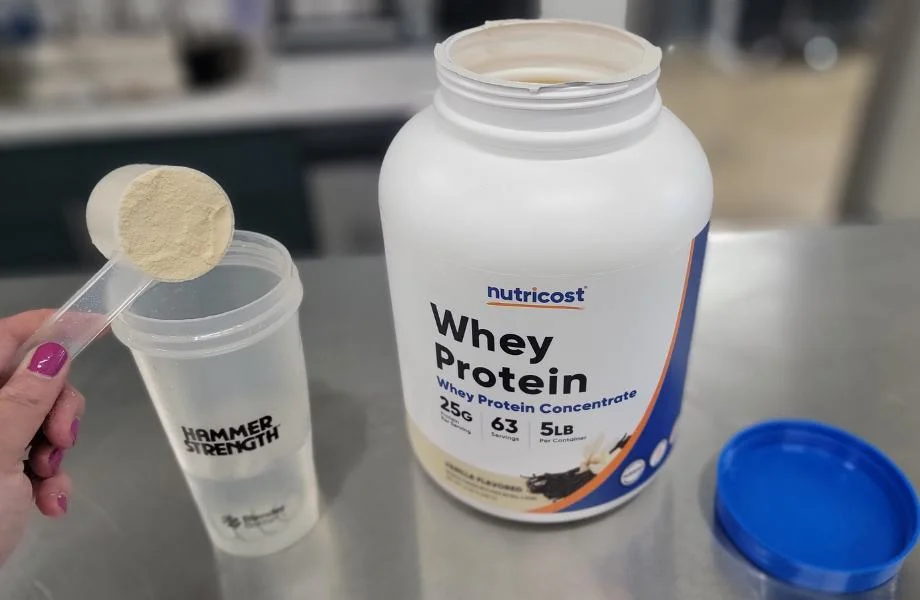
Nutricost Whey Concentrate contains 25 grams of high-quality whey protein concentrate, available in five flavors. It’s gluten-free, non-GMO, manufactured in a GMP-compliant facility, and third-party tested.
What our tester says:
“So, I don’t love peanut butter, so I wasn’t too jazzed about trying the Chocolate Peanut Butter flavor. However, the peanuty flavor is just right; it’s not too powerful and doesn’t overpower the chocolate. I really, really liked it.”
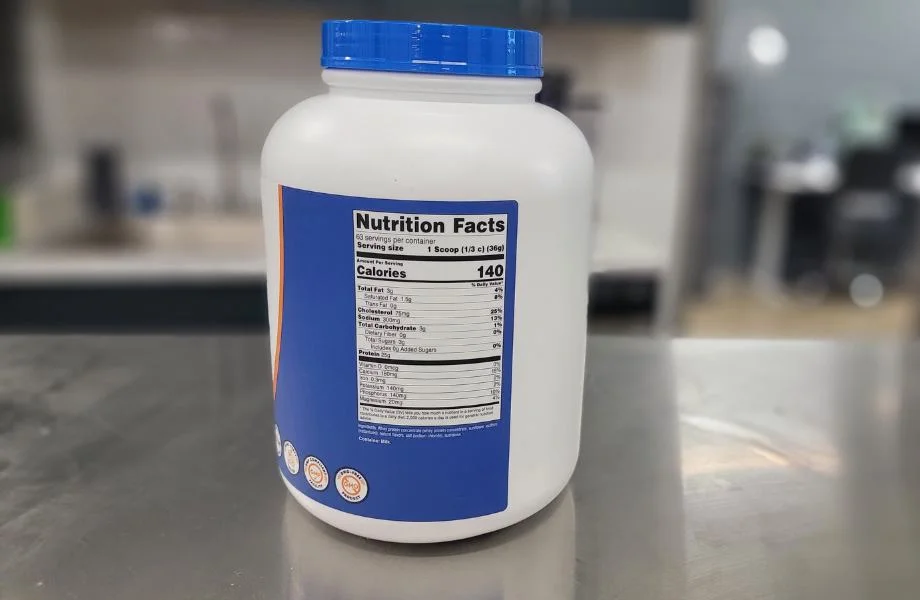
With 25 grams of protein per serving, our pick for the best budget protein powder for seniors is Nutricost Whey Protein Concentrate. You can get a 5-pound tub at a price that’s only about $0.73 per serving. That’s some nice savings, and earns a perfect 5-out-of-5 score for overall value.
Price Per Serving: 5/5
Taste: 4.25/5
Formulation: 4/5
Why We Like Nutricost Whey Protein Concentrate
In addition to its budget-friendly price point, our team appreciates Nutricost’s incredible taste. Senior Director of Content Kate Meier, NASM-CPT, USAW-L1, CF-L1, rated the Chocolate Peanut Butter flavor at 4.25 out of 5—an impressive feat since she’s usually not a fan of peanut butter. You can also opt for the unflavored version so you can increase your protein intake without altering the taste of whatever you mix it with.
Furthermore, the amount of protein per serving in Nutricost Whey Protein Concentrate will help active older adults prevent sarcopenia. Registered dietitian Perry Nix, MS, also explains, “The 25 grams of protein is plenty to stimulate muscle protein synthesis for building and repairing muscle mass.” Additionally, this concentrate has all nine essential amino acids, which are crucial for muscle growth and maintenance.
I’m normally not a peanut butter fan but the flavor of this is great—the peanut butter doesn’t overpower the chocolate.
GGR Editorial Member Kate Meier, NASM-CPT, USAW-L1, CF-L1
What We Didn’t Like About Nutricost Whey Protein Concentrate
While still strong, we docked a point from the formulation score because the flavored wheys contain artificial ingredients. All of them contain sucralose, and the chocolate protein is also sweetened with acesulfame potassium (Ace K). As a result, we gave Nutricost Whey Protein Concentrate a formulation score of 4 out of 5. Though sucralose contributes to the pleasant taste, some may feel overwhelmed by its rich sweetness.
If you prefer a whey protein powder that doesn’t have artificial sweeteners, try Legion Whey+.
Testing Breakdown
Here’s a breakdown of how Nutricost Whey Protein Concentrate scored based on our supplement testing methodology.
Vs. The Average
As our best budget protein powder for seniors, it’s no surprise that Nutricost is well below the market price. In fact, you can get a tub for nearly a third of the cost of the average protein powder.
| Nutricost Whey Protein Concentrate | Average Protein Powder | |
| Price per serving | As low as $0.73 | $1.85 |
| Calories per serving | 140 | 130 |
| Protein per serving | 25 g | 25 g |
| Flavors | 6 | 8 |
To read more, be sure to check out our in-depth Nutricost Whey Protein Concentrate review.
Best Plant-Based Protein Powder for Seniors: Ritual Essential Daily Protein Shake
Updated by: Stephen Sheehan, CPT, CNC

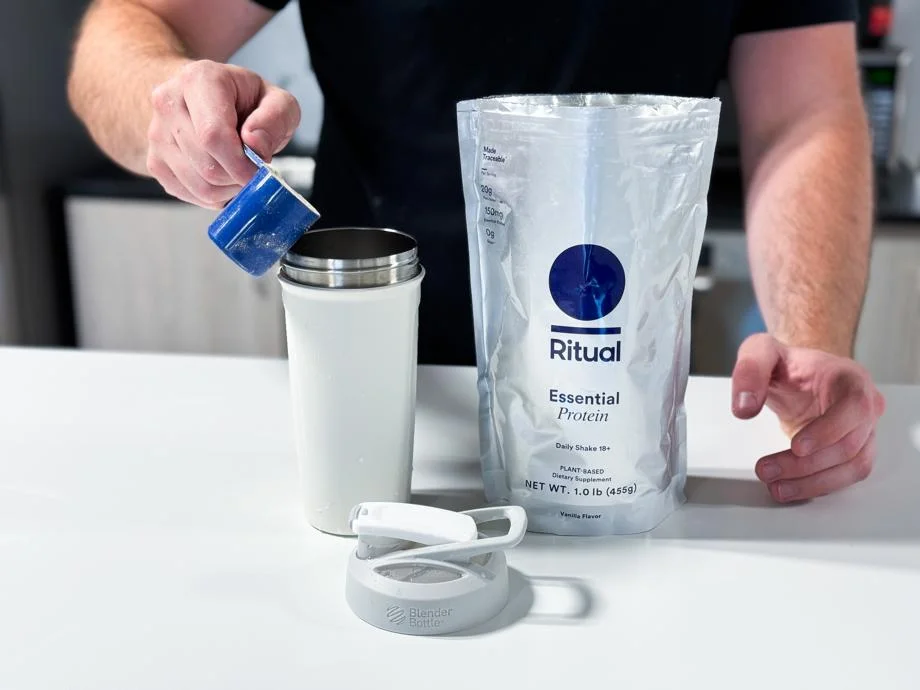
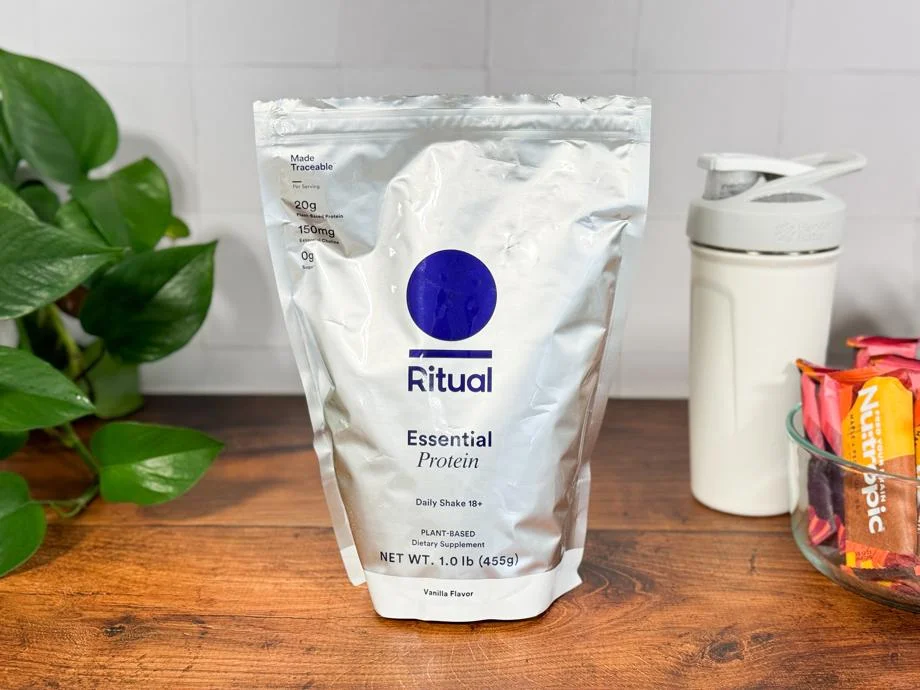
Ritual’s Essential Protein Daily Shake has 20 grams of protein per serving and 150 milligrams of chlorine (to support brain and nervous system function). This protein powder from Ritual is third-party tested and Informed Sport Certified, which means this formula has been screened for over 250 banned substances.
What our tester says:
“It has quite an aftertaste—and I don’t know what exactly it is. I tried it first with cold water, then to make it more palatable, I tried it with juice, which I sometimes will use with a vanilla or unflavored protein. That made it better, but the aftertaste was still there.”
Ritual Essential Protein Daily Shake is our pick for the best plant-based protein powder for seniors because it’s made with high-quality, traceable ingredients, including organic pea protein. Each serving provides 20 grams of protein with a complete amino acid profile that features 8 grams of essential amino acids and 4 grams of branched-chain amino acids, earning a 5-out-of-5 formulation score.
Solubility: 5/5
Formulation: 5/5
Price Per Serving: 1/5
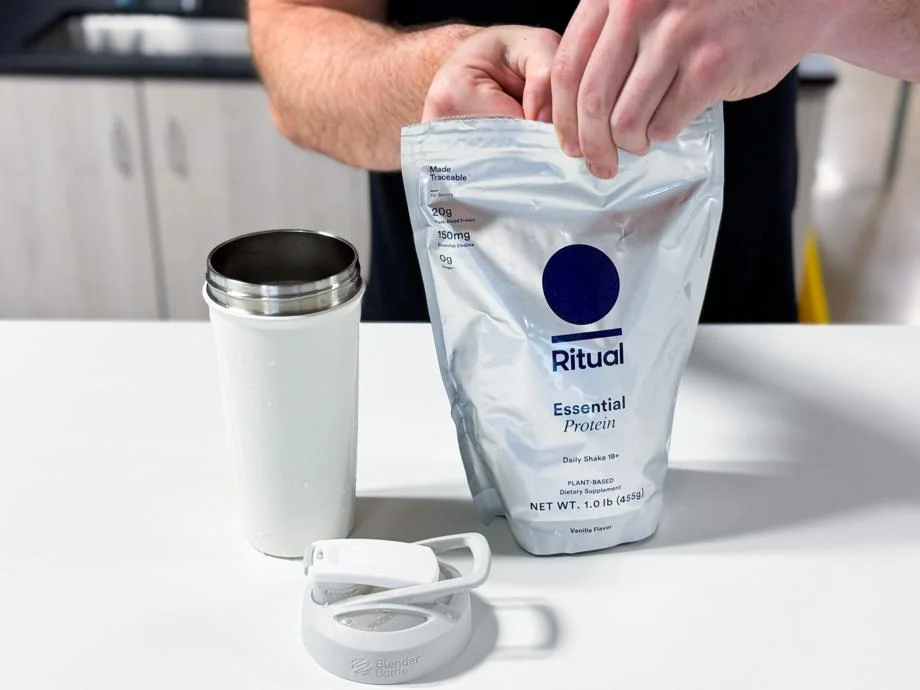
Why We Like Ritual Essential Daily Protein Shake
Ritual’s evidence-based ingredient list sets it apart from many other protein powders. Each serving provides 1.5 grams of calcium beta-hydroxy-beta-methyl butyrate, or calcium hydroxymethylbutyrate (HMB), a metabolite of the amino acid leucine. Research has shown that calcium HMB can support muscle strength and physical functionality in older adults.2 Additionally, Ritual’s products are third-party tested by Clean Label Project Certified, ensuring product quality and safety. We give a 5-out-of-5 rating in this key category.
Surprisingly, this dairy-free supplement also earned a perfect score for solubility. While many plant-based protein powders can be difficult to mix, that’s not the case with Ritual. “Mixed in just water, it dissolves completely and has a super-smooth texture,” says senior director of content Kate Meier, NASM-CPT, USAW-L1, CF-L1. “It’s not thick, but it’s not watery like some proteins I’ve tested.”
Ritual has an excellent consistency, which I find shocking for a plant-based protein.
Kate Meier, NASM-CPT, USAW-L1, CF-L1
What We Didn’t Like About Ritual Essential Daily Protein Shake
There are two noteworthy callouts with Ritual. First, you can’t look past the price. At nearly $3 per serving without a subscription, we gave it the lowest possible score of 1 out of 5. In addition, you’re limited to just vanilla. That may work fine for some, but you could easily grow bored with the same taste every day.
If you want a dairy-free protein powder that comes in more flavors, you may like Ora Organic Daily Superfood Plant Protein.
Testing Breakdown
Ritual Essential Daily Protein Shake earned perfect scores in several key categories. However, as mentioned, it also earned a poor score for price per serving.
Vs. The Average
Ritual Essential Daily Protein Shake doesn’t provide as much protein per serving as the average protein powder. Most importantly, it’s nearly twice as expensive on a per-serving basis, making it a poor choice for budget-conscious shoppers.
| Ritual Essential Daily Protein Shake | Average Protein Powder | |
| Price per serving | $2.93 | $1.85 |
| Calories per serving | 120 | 130 |
| Protein per serving | 20 g | 25 g |
| Flavors | 1 | 8 |
For more details, check out our full Ritual Protein Powder review. You can also get more insight from former GGR Everything lead reviewer Lindsay Scheele in her video review below.
Best Protein Powder for Seniors for Digestion: Ora Organic Daily Superfood Plant Protein
Updated by: Stephen Sheehan, CPT, CNC
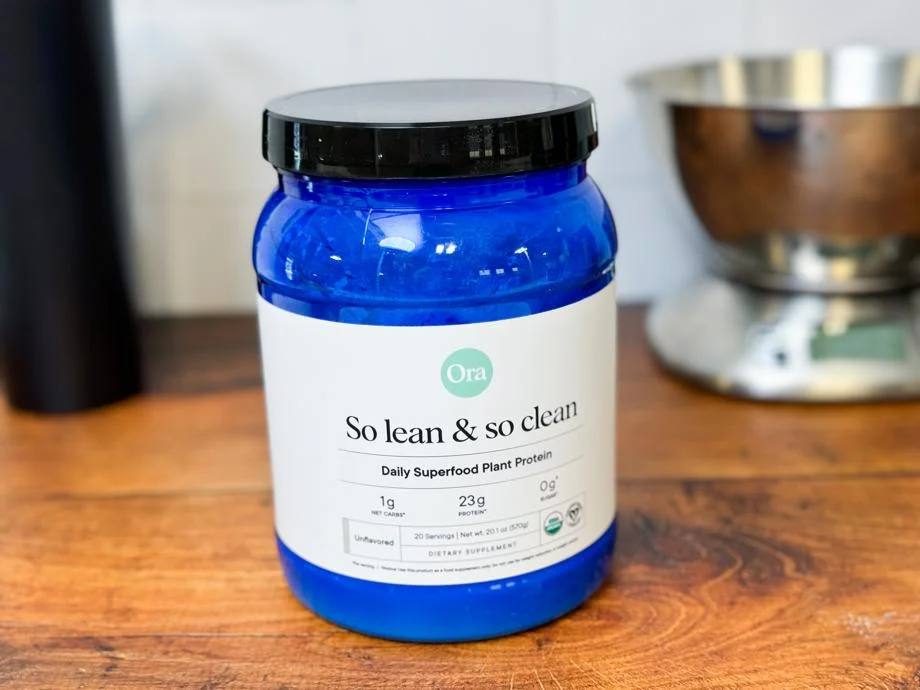
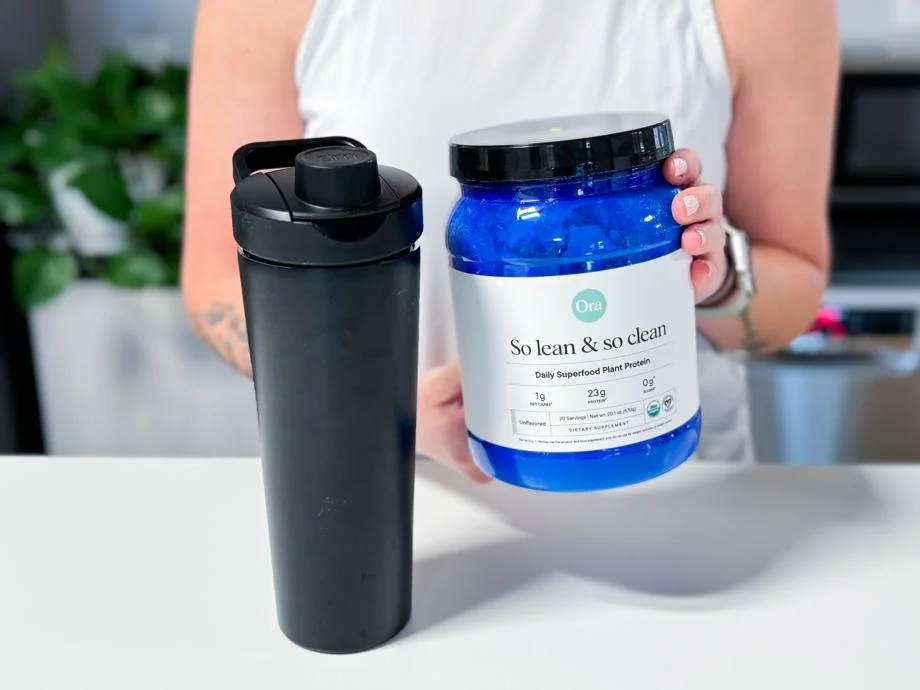
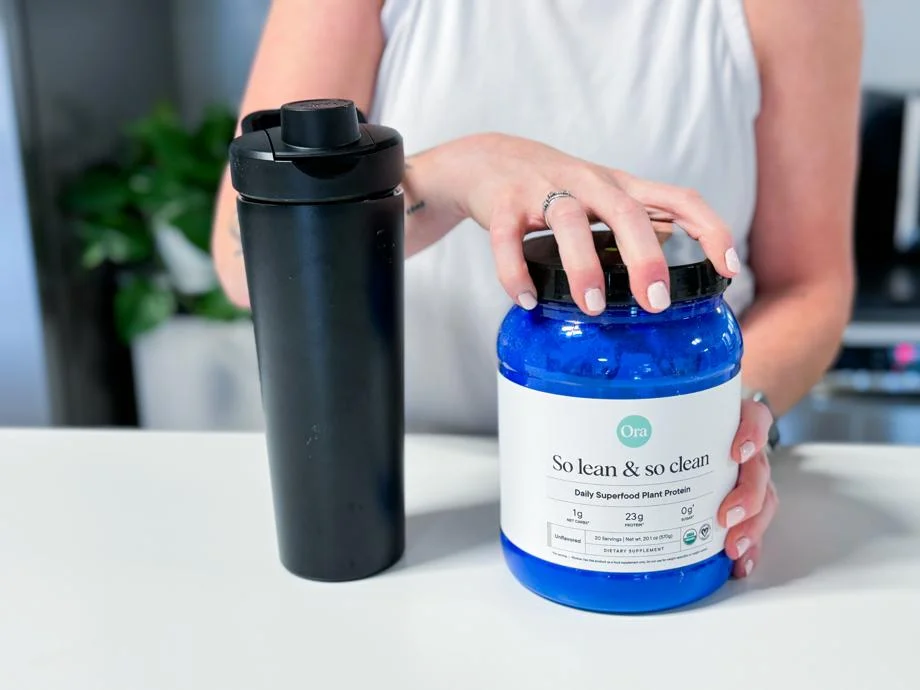
Ora Organic Daily Superfood Plant Protein is a solid plant-based protein from a well-known brand with positive reviews. It’s a good option for those looking for a very clean, organic vegan protein powder.
What our tester says:
“The Vanilla Chai actually tastes like chai, and I only docked a point because I like my chai to have a good amount of spice; this is more chai-flavored. Don’t get me wrong, it’s really good. I’m just a big chai drinker.”
As we age, our digestive capabilities change3, putting us at risk for poor nutrient absorption and other health concerns. Ora Organic Daily Superfood Plant Protein is easier to digest because it doesn’t contain lactose. This well-designed supplement earns a strong formulation score of 4 out of 5, thanks to the inclusion of a superfood blend and digestive enzymes.
Formulation: 4/5
Third-Party Testing: 4/5
Price Per Serving: 1/5
Why We Like Ora Organic Daily Superfood Plant Protein
Certified nutrition coach Anthony O’Reilly says he experienced no bloating or gas after drinking this protein supplement, and he also noted there was no protein aftertaste. As a result, Ora Organic earned a perfect 5-out-of-5 score for side effects.
Anthony tried the Vanilla Chai flavor and was impressed by how much he liked it, though the final score landed at 4 out of 5. “It actually tastes like chai, and I only docked a point because I like my chai to have a good amount of spice,” he says. “This is more chai-flavored. Don’t get me wrong, it’s really good. I’m just a big chai drinker.”
Another area where Ora Organic stood out is solubility. “It’s two scoops per serving, but I still found it pretty easy to mix up in a shaker bottle,” Anthony says, rating this plant-based protein powder at 5 out of 5 in this category.
It’s nice that Vanilla Chai has such a unique flavor that it hides the grassy taste that is inherent to even the best pea protein powder.
GGR expert product tester Amanda Capritto, CPT, CNC
Why We Like Ora Organic Daily Superfood Plant Protein
Seniors shopping on a tight budget may have to look elsewhere, as Ora Organic Daily Superfood Plant Protein is among the more expensive options available. We rated the price per serving at 1 out of 5, as each serving costs roughly $2.50. Plus, you only get 20 servings per bag, and each serving size is two scoops.
If you’re looking for a more budget-friendly protein powder and can tolerate whey, check out Isopure Whey Protein Isolate.
Testing Breakdown
Here’s a complete breakdown of how Ora Organic Daily Superfood Plant Protein scored across the board based on our supplement testing methodology.
Vs. The Average
Ora Organic Daily Superfood Plant Protein is more expensive than the average protein powder. You get slightly less protein-per-serving and far fewer flavor choices.
| Ora Organic Protein | Average Protein Powder | |
| Price per serving | $2.50 | $1.85 |
| Calories per serving | 130 | 130 |
| Protein per serving | 23 g | 25 g |
| Flavors | 2 | 8 |
Check out our full Ora Organic Protein Powder review for more details on this premium-priced supplement.
Best-Tasting Protein Powder for Seniors: Isopure Whey Protein Isolate
Updated by: Stephen Sheehan, CPT, CNC


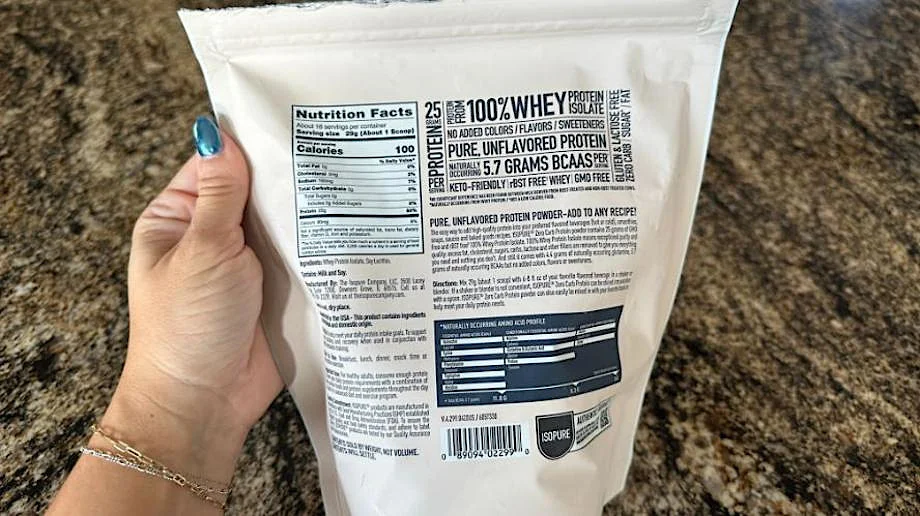
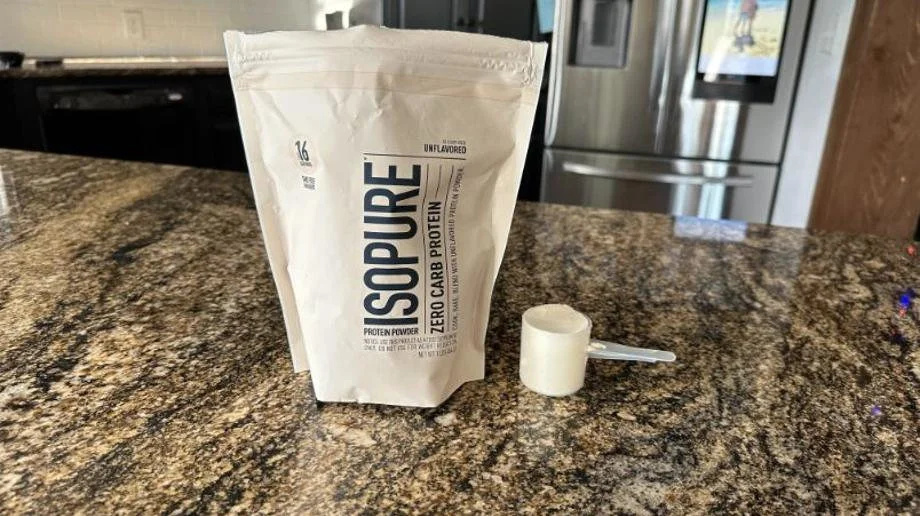
If you’re looking for a pure whey protein isolate, a great option is Isopure Unflavored Whey Protein Isolate. This isolate is 100% whey with no carbohydrates and fats, making it sugar-free and lactose-free. This protein powder is available in 16 servings or 47 servings.
What our tester says:
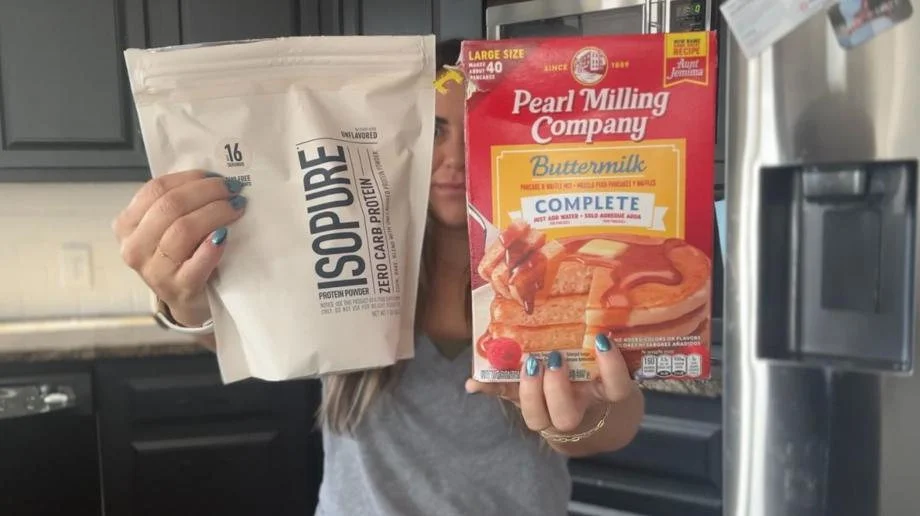
“I add this to my family’s soups and you can’t even tell. My other favorite thing to put this in is my kids’ pancakes. They can’t tell there’s any difference, and I feel better feeding them something that isn’t just straight carbs or sugar.”
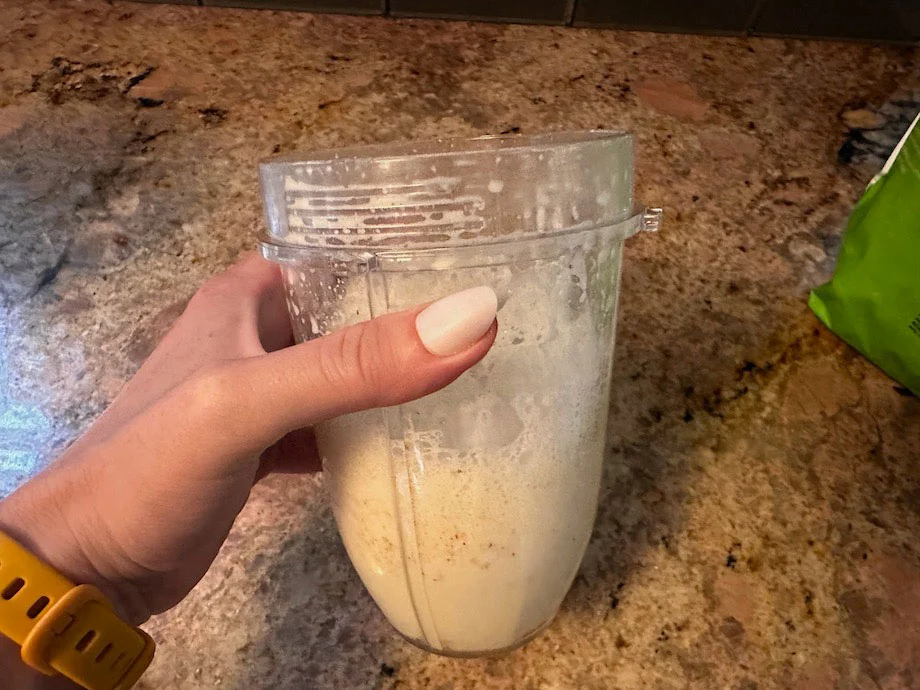
We chose Isopure Whey Protein Isolate as the best-tasting protein powder for seniors because it’s one of our favorite unflavored protein powders, allowing you to add it to smoothies, baking recipes, and other foods to increase your protein intake. Although unflavored, our product testers actually liked the taste and kept coming back to it, rating it a perfect 5-out-of-5 in this category.
Taste: 5/5
Formulation: 5/5
Price Per Serving: 3/5
Why We Like Isopure Whey Protein Isolate
GGR expert product tester Brittany Combs tested this flavorless protein powder extensively, giving it perfect marks for both taste and solubility. “This is actually REALLY good! I have added this to several different foods, and while the texture may have been altered slightly, I never really notice a change in flavor, which is great!” she explains.
Isopure is lactose- and sugar-free, providing 25 grams of protein and zero carbohydrates per serving. It can be consumed at breakfast, lunch, dinner, or as a snack between meals. Accordingly, the formulation earns a 5-out-of-5 score.
My favorite thing to put this in is my kids’ pancakes. They cannot tell there is any difference, and I feel better feeding them something that isn’t just straight carbs/sugar.
Brittany Combs, GGR expert product tester
What We Didn’t Like About Isopure Whey Protein Isolate
Unfortunately, we couldn’t find any evidence of third-party testing on the company’s website. Luckily, we conducted our own third-party testing with independent, accredited lab Ellipse Analytics. Isopure Whey Protein Isolate received “Excellent” ratings all around, meaning it fell in the top 10% of all products we tested for heavy metals and protein content. While our tests showcase a solid performance, athletes may still need an independently-tested protein accredited by more reputable labs like NSF or Informed Choice. As a result, we gave a 3-out-of-5 in this category.
For another tasty protein powder option that is also available in an unflavored option (as well as several other dessert-themed flavors), check out Legion Whey+.
Testing Breakdown
Here’s a complete view of how Isopure Whey Protein Isolate measured up against our supplement testing methodology.
Vs. The Average
Isopure Whey Protein Isolate is more affordable than the average protein powder. However, with just 100 calories per serving, you should view it as a way to supplement your protein intake rather than use it as a meal replacement.
| Isopure Whey Protein Isolate | Average Protein Powder | |
| Price per serving | $1.75 | $1.85 |
| Calories per serving | 100 | 130 |
| Protein per serving | 25 g | 25 g |
| Flavors | 1 | 8 |
For more, check out our in-depth Isopure Protein review.
Other Protein Powders for Seniors We Researched and Tested
When we compiled this list, we tried to consider all the factors that go into choosing the perfect protein powder. However, we know that no list is genuinely comprehensive. There are a couple of protein powders that we researched that just didn’t make the cut.
- Orgain Organic Plant Protein Powder: This protein powder provides 21 grams of protein per serving and 4 grams of prebiotics. It is made with pea and brown rice protein, but it requires two scoops per serving. For more, read our full Orgain Protein Powder review.
- Legion Casein+ Protein Powder: Casein protein is a slower-digesting protein that people tend to take right before bed or when they anticipate a long time between meals. Legion Casein+ is sourced from grass-fed, Irish cattle, has great flavor options, and a certification of analysis for purity and potency. We didn’t include it on this list because it can cause bloating for some, but it may still be worth a look. Read our full Legion Casein+ review for more information.
How We Picked and Tested The Best Protein Powder for Seniors
You know we don’t speak on products unless we’ve put them through the wringer. We’ve tested dozens of protein powders, examining them from our personal and professional perspectives. We’re coaches, registered dietitians, certified personal trainers, and athletes, and in our search for the best protein powders for seniors, we assessed their formula, taste, solubility, cost, and evidence-based research.
We considered their effects on the older population, whose needs are specific to their age. And because many of our testers fall into the surrounding age bracket, we had a special interest in compiling this list!
How Much Protein Do Older People Need?
Protein is found in every cell within the human body and plays a critical role in many biological systems at every stage of life. However, our nutritional needs change and protein needs typically increase as we age.
“Not eating enough protein can cause weakness, fatigue, and decreased immunity. For older adults, adequate protein intake is especially important because it can help them maintain muscle strength and support their overall health,” says Chris Mohr, Ph.D., RD.
RELATED: Best Protein Powder for Weight Loss
So, how much protein do you need? The current RDA for protein is 0.8 grams of protein per kilogram of body weight, but research continues to stress that the recommendation may fall short of actual needs.4 Science has shown that to support overall health and prevent the loss of muscle mass in seniors, protein requirements may be upwards of 1.3 grams or more per kilogram daily.16
“Men often require more protein because they tend to have more muscle and a higher body weight, but generally, men and women need about the same amount of protein per kilogram of body weight,” says Dr. Raj Dasgupta, MD, FACP, FCCP, FAASM.
Of course, nutrition needs are individualized based on various factors, such as age, activity level, and medical history. A registered dietitian nutritionist (RDN) can help you navigate the science and determine your macronutrient needs as they relate to your health goals.
How to Calculate Daily Protein Needs
Current research suggests older adults should aim for 1.0 to 1.6 grams of protein per kilogram of bodyweight every day.19 Here is a quick example for determining how much protein you should aim for based on that range. For this example, we’ll calculate the daily protein goals of a 150-pound athlete.
First, convert the 150 pounds into kilograms:
- 150 x 0.454 = ~68.1 kg
- 68.1 x 1.0 = 68.1 g
- 68.1 x 1.6 = 108.96 g
When Should Seniors Take Protein Supplements?
Most older adults use protein powders or other supplements to bridge the gap between their intake and their needs. Recommendations will vary between individuals, but recent research has indicated that twice-daily protein supplements may support overall health and retained muscle function.5
Some seniors may prefer to consume their protein supplements with meals, while others may choose to take them between meals. Since protein powders and shakes are designed to supplement inadequate protein intake, optimal timing may vary. Your doctor and registered dietitian can offer personalized guidance regarding the timing of your supplements.
RELATED: Best Time to Drink a Protein Shake
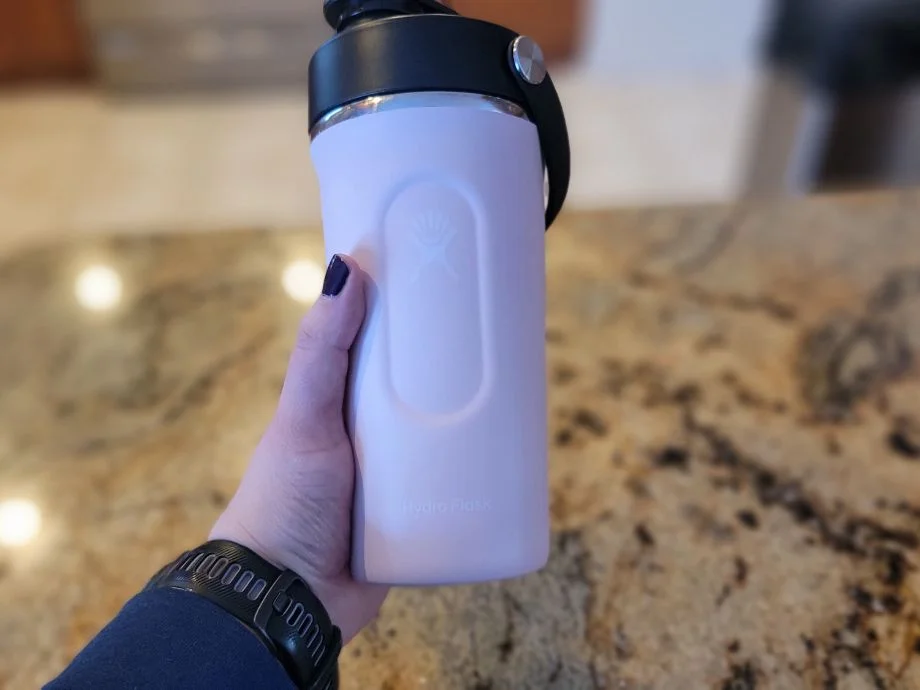
Benefits of Protein Powder for Seniors
Protein powders offer a slew of benefits for the young and old alike. Protein supplements have been shown to support healthy body composition and reduce the risk of developing chronic medical concerns.
Maintains Muscle Mass
Protein supplements can help older adults consume the amino acids needed to support lean muscle mass. Branched-chain amino acids are especially important for muscle protein synthesis, too. Research6 has shown that animal proteins, like milk protein, are more substantial in stimulating muscle protein synthesis than plant proteins. However, vegan protein sources can still benefit those who don’t consume animal products.
RELATED: Best Vegan Protein Powder
Helps With Bone Density
Research published by Osteoporosis International7 has shown a link between protein consumption and bone health. In older adults with osteoporosis and adequate calcium intake, protein intake above the current RDA was associated with higher bone mineral density, a slower rate of bone loss, and a reduced risk of hip fractures.
How does protein affect bone density? Protein can help increase intestinal calcium absorption while decreasing bone resorption8 at the cellular level. Plus, protein’s role in maintaining healthy skeletal muscle is directly related to bone health.
May Help Treat Anabolic Resistance
Anabolic resistance is best defined as a blunted stimulation of muscle protein synthesis, ultimately leading to muscle mass loss and decreased physical performance. Protein supplements that help older adults consume more than the RDA may help reverse the resistance9 to anabolic stimuli.
Supports Healthy Body Weight
Research continues to point to a link between protein and weight management10. While high-protein diets aren’t a fit for everyone, increased protein consumption may help support weight loss efforts and a healthy body composition.
“When combined with resistance training, protein helps the body repair and recover, as well as maintain lean muscle while losing fat,” says registered dietitian Chris Mohr.
RELATED: High-Protein Diet Side Effects
Protein can support a healthy body weight through various mechanisms. For one, it increases the satiety hormone, helping you feel fuller for longer. It also increases the thermic effect of food, meaning that protein requires more energy for digestion than do carbohydrates and fats. One 2014 study11 found that individuals whose diets consisted of 10% or 25% casein protein experienced increased energy expenditure.
Supports Immune System Health
Protein is essential to a well-functioning immune system12, with decreased protein intake causing detrimental effects on immunity. Protein is critical for the optimal production of antibodies; low protein intake increases the risk of infection. Protein also plays a role in triggering the cascade of signaling needed at the onset of an inflammatory response.
Promotes Wound Healing
Protein is necessary for optimal wound healing.17 Evidence suggests that protein supplementation promotes recovery from surgical procedures and encourages better aesthetic outcomes. Proteins are the structural building blocks of cells, so without sufficient protein, regeneration and repair of injured tissues is limited. Combining protein with other nutrients, like omega-3 fatty acids, iron, zinc, and vitamins, may further enhance healing and recovery.18
Easy to Use
As we get older, normal day-to-day activities may become more complex. Protein supplements are a convenient way to get enough protein without exerting effort in the kitchen. Protein powder can be mixed with pre-packaged beverages or added to various recipes. All it takes is a scoop!
“One of the easiest ways to consume more protein is to supplement with protein powder. You can add it to most foods, like oatmeal, yogurt, or smoothies, without noticing a difference,” adds exercise physiologist and registered dietitian Chris Mohr.
RELATED: DIY Protein Shake
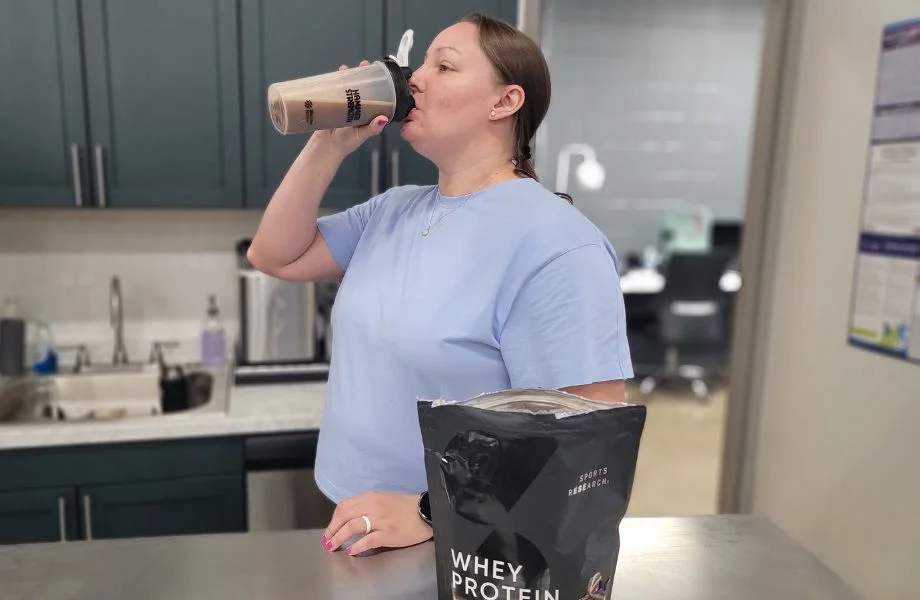
How to Find the Best Protein Powder for Seniors
There are many types of protein powder, each offering unique and beneficial health properties. It may feel overwhelming to navigate the sea of options, so consider these factors when looking for the best protein powder for your needs.
Protein Content
If you plan to use protein powder to increase your protein intake, its macronutrient content is a significant consideration. Look for protein amounts that will help you meet your daily needs without overdoing it on the calories. A registered dietitian can help you break down your protein and calorie requirements and find a supplement that fits those needs.
Minimal Ingredients
When it comes to the right protein powder, simple is best. Look for protein powders with minimal ingredients to reduce the risk of side effects or excess calories. Plus, fewer ingredients help to keep the cost low!
Sweeteners
If possible, try to avoid artificial sweeteners, as they may cause GI distress (we have a roundup of thebest clean protein powder you can check out). Protein powders have been known to cause bloating on occasion as well. By eliminating artificial sweeteners, you can encourage tolerance.
Easy to Digest
Protein powders have a reputation for being difficult to digest. Unfortunately, our digestive capabilities change as we age, and certain foods are less tolerable. To be proactive with your protein supplements, look for powders that are easy to digest. Hydrolyzed proteins are best known for their gastrointestinal ease.
Price
Budget can be a huge factor in finding the ideal protein powder. You’ll notice a significant price range with so many products on the market. Consider the amount of protein per serving and compare it to the price per serving.
Taste
Whether you’re searching for the best dairy-free protein powder for seniors or prefer whey protein powder, finding a product with a taste you like might take some trial and error. Artificial sweeteners typically leave a funky aftertaste. Consider trying supplements that use natural sweeteners or that can blend well with flavored beverages. You can check out our best-tasting protein powder roundup for some ideas as well.
FAQs About the Best Protein Powder for Seniors
What is the best nutritional supplement for seniors?
The best nutritional supplement will vary between seniors. The best supplement is one that you can consume consistently. Look for a protein supplement that prioritizes its protein content over carbs, and choose a flavor you like.
What is the best form of protein for seniors?
Whey protein supplements are one of the best types of protein for seniors. They provide a complete blend of all the essential amino acids you need, and they’re easy to mix with most liquids, as well as foods, like oatmeal and Greek yogurt.
How many grams of protein does a senior need daily?
Research shows that seniors can benefit from consuming adequate amounts of protein on a daily basis, and they may require more protein than younger adults. The daily recommended protein intake for seniors may be 1.3 grams per kilogram of body weight and higher, which is as much as 0.5 to 1.0 grams per pound of body weight.16
What is the best protein powder for seniors over 70?
For seniors over 70 we recommend a protein powder like Transparent Labs Whey Protein Isolate because it is easy to digest, packed with high protein content, and has a clean formulation with multiple third-party certifications. The flavor options can also make your protein shake something to look forward to!
References
- Khemtong, C., Kuo, C. H., Chen, C. Y., Jaime, S. J., & Condello, G. (2021). Does Branched-Chain Amino Acids (BCAAs) Supplementation Attenuate Muscle Damage Markers and Soreness after Resistance Exercise in Trained Males? A Meta-Analysis of Randomized Controlled Trials. Nutrients, 13(6), 1880. https://doi.org/10.3390/nu13061880
- Rathmacher, J. A., Pitchford, L. M., Khoo, P., Angus, H., Lang, J., Lowry, K., Ruby, C., Krajek, A. C., Fuller, J. C., & Sharp, R. L. (2020). Long-term Effects of Calcium β-Hydroxy-β-Methylbutyrate and Vitamin D3 Supplementation on Muscular Function in Older Adults With and Without Resistance Training: A Randomized, Double-blind, Controlled Study. The journals of gerontology. Series A, Biological sciences and medical sciences, 75(11), 2089–2097. https://doi.org/10.1093/gerona/glaa218
- Soenen, S., Rayner, C. K., Jones, K. L., & Horowitz, M. (2016). The ageing gastrointestinal tract. Current opinion in clinical nutrition and metabolic care, 19(1), 12–18. https://doi.org/10.1097/MCO.0000000000000238
- Baum, J. I., Kim, I. Y., & Wolfe, R. R. (2016). Protein Consumption and the Elderly: What Is the Optimal Level of Intake?. Nutrients, 8(6), 359. https://doi.org/10.3390/nu8060359
- Chapman, I., Oberoi, A., Giezenaar, C., & Soenen, S. (2021). Rational Use of Protein Supplements in the Elderly-Relevance of Gastrointestinal Mechanisms. Nutrients, 13(4), 1227. https://doi.org/10.3390/nu13041227
- Rizzoli, R., Biver, E., Bonjour, J. P., Coxam, V., Goltzman, D., Kanis, J. A., Lappe, J., Rejnmark, L., Sahni, S., Weaver, C., Weiler, H., & Reginster, J. Y. (2018). Benefits and safety of dietary protein for bone health-an expert consensus paper endorsed by the European Society for Clinical and Economical Aspects of Osteoporosis, Osteoarthritis, and Musculoskeletal Diseases and by the International Osteoporosis Foundation. Osteoporosis international : a journal established as result of cooperation between the European Foundation for Osteoporosis and the National Osteoporosis Foundation of the USA, 29(9), 1933–1948. https://doi.org/10.1007/s00198-018-4534-5
- Rizzoli, R., Biver, E., Bonjour, J. P., Coxam, V., Goltzman, D., Kanis, J. A., Lappe, J., Rejnmark, L., Sahni, S., Weaver, C., Weiler, H., & Reginster, J. Y. (2018). Benefits and safety of dietary protein for bone health-an expert consensus paper endorsed by the European Society for Clinical and Economical Aspects of Osteoporosis, Osteoarthritis, and Musculoskeletal Diseases and by the International Osteoporosis Foundation. Osteoporosis international : a journal established as result of cooperation between the European Foundation for Osteoporosis and the National Osteoporosis Foundation of the USA, 29(9), 1933–1948. https://doi.org/10.1007/s00198-018-4534-5
- Mangano, K. M., Sahni, S., & Kerstetter, J. E. (2014). Dietary protein is beneficial to bone health under conditions of adequate calcium intake: an update on clinical research. Current opinion in clinical nutrition and metabolic care, 17(1), 69–74. https://doi.org/10.1097/MCO.0000000000000013
- Paulussen, K. J. M., McKenna, C. F., Beals, J. W., Wilund, K. R., Salvador, A. F., & Burd, N. A. (2021). Anabolic Resistance of Muscle Protein Turnover Comes in Various Shapes and Sizes. Frontiers in nutrition, 8, 615849. https://doi.org/10.3389/fnut.2021.615849
- Hansen, T. T., Astrup, A., & Sjödin, A. (2021). Are Dietary Proteins the Key to Successful Body Weight Management? A Systematic Review and Meta-Analysis of Studies Assessing Body Weight Outcomes after Interventions with Increased Dietary Protein. Nutrients, 13(9), 3193. https://doi.org/10.3390/nu13093193
- Pesta, D. H., & Samuel, V. T. (2014). A high-protein diet for reducing body fat: mechanisms and possible caveats. Nutrition & metabolism, 11(1), 53. https://doi.org/10.1186/1743-7075-11-53
- Iddir, M., Brito, A., Dingeo, G., Fernandez Del Campo, S. S., Samouda, H., La Frano, M. R., & Bohn, T. (2020). Strengthening the Immune System and Reducing Inflammation and Oxidative Stress through Diet and Nutrition: Considerations during the COVID-19 Crisis. Nutrients, 12(6), 1562. https://doi.org/10.3390/nu12061562
- Alhmly, H. F., & Fielding, R. A. (2024). A Critical Review of Current Worldwide Definitions of Sarcopenia. Calcified tissue international, 114(1), 74–81.
- Plotkin, D. L., Delcastillo, K., Van Every, D. W., Tipton, K. D., Aragon, A. A., & Schoenfeld, B. J. (2021). Isolated Leucine and Branched-Chain Amino Acid Supplementation for Enhancing Muscular Strength and Hypertrophy: A Narrative Review. International journal of sport nutrition and exercise metabolism, 31(3), 292–301.
- Alothman, M., Hogan, S. A., Hennessy, D., Dillon, P., Kilcawley, K. N., O’Donovan, M., Tobin, J., Fenelon, M. A., & O’Callaghan, T. F. (2019). The “Grass-Fed” Milk Story: Understanding the Impact of Pasture Feeding on the Composition and Quality of Bovine Milk. Foods (Basel, Switzerland), 8(8), 350.
- Nishimura, Y., Højfeldt, G., Breen, L., Tetens, I., & Holm, L. (2023). Dietary protein requirements and recommendations for healthy older adults: a critical narrative review of the scientific evidence. Nutrition research reviews, 36(1), 69–85.
- Smith, T. J., Wilson, M., Whitney, C., Fagnant, H., Neumeier, W. H., Smith, C., Heaton, K. J., Cho, E., Spielmann, G., Walsh, N. P., & Karl, J. P. (2022). Supplemental Protein and a Multinutrient Beverage Speed Wound Healing after Acute Sleep Restriction in Healthy Adults. The Journal of nutrition, 152(6), 1560–1573.
- Seth, I., Lim, B., Cevik, J., Gracias, D., Chua, M., Kenney, P. S., Rozen, W. M., & Cuomo, R. (2024). Impact of nutrition on skin wound healing and aesthetic outcomes: A comprehensive narrative review. JPRAS open, 39, 291–302.
- Bauer, J., Biolo, G., Cederholm, T., Cesari, M., Cruz-Jentoft, A. J., Morley, J. E., Phillips, S., Sieber, C., Stehle, P., Teta, D., Visvanathan, R., Volpi, E., & Boirie, Y. (2013). Evidence-Based Recommendations for Optimal Dietary Protein Intake in Older People: a Position Paper from the PROT-AGE Study Group. Journal of the American Medical Directors Association, 14(8), 542–559. https://doi.org/10.1016/j.jamda.2013.05.021