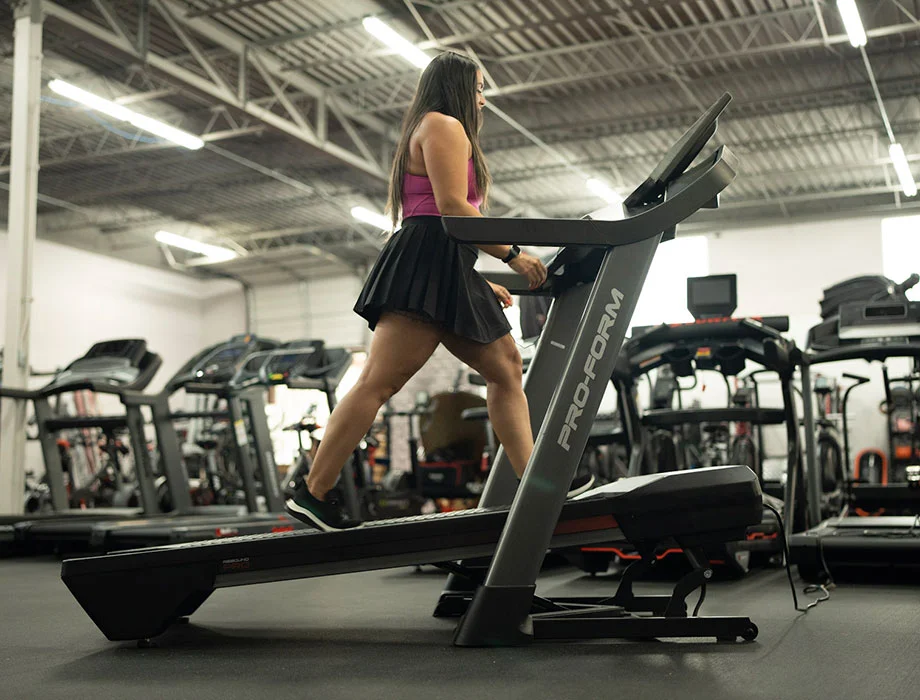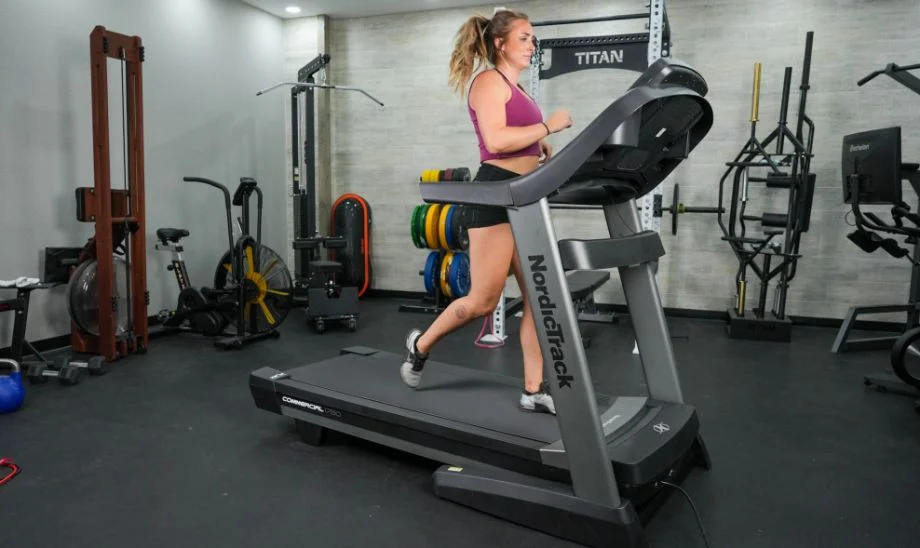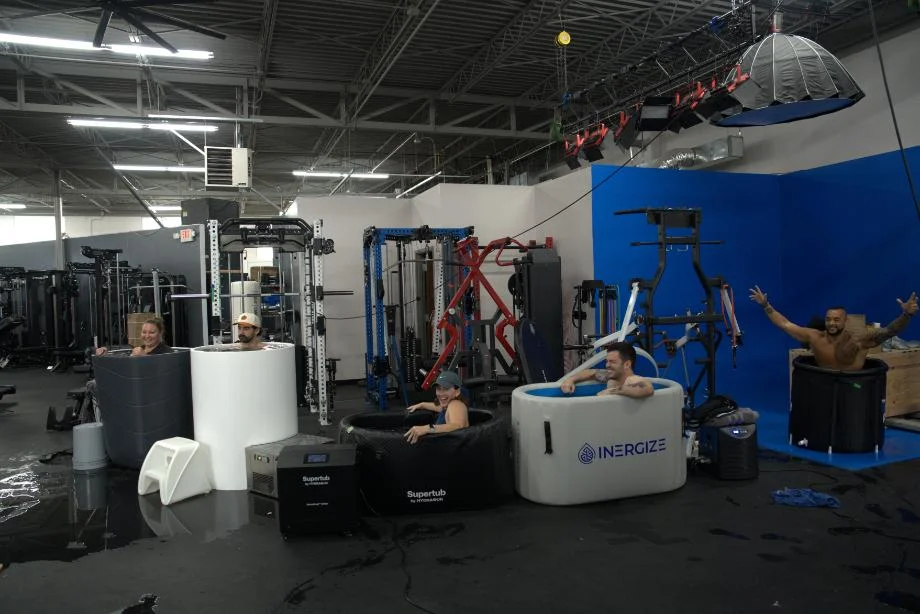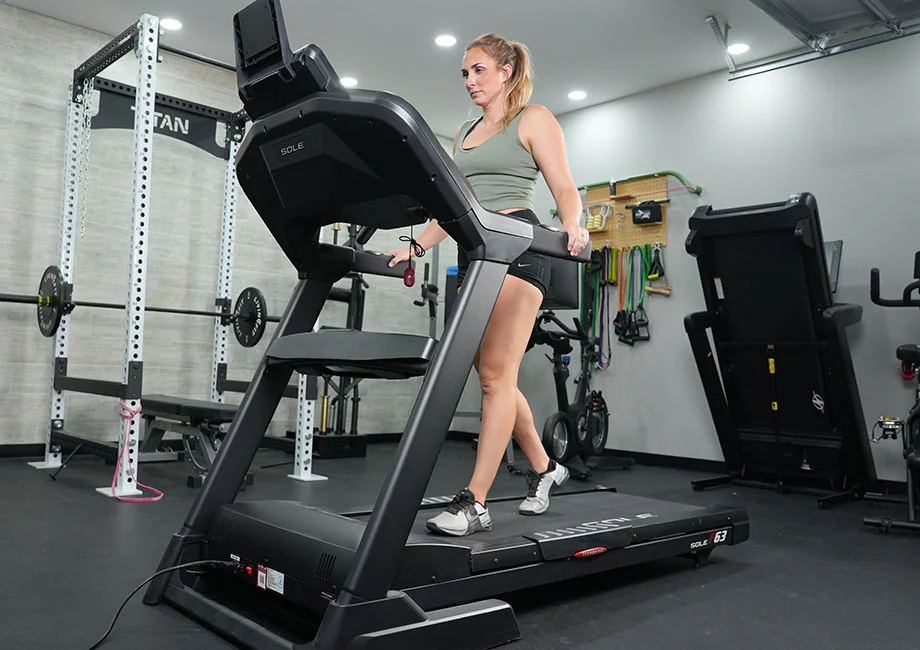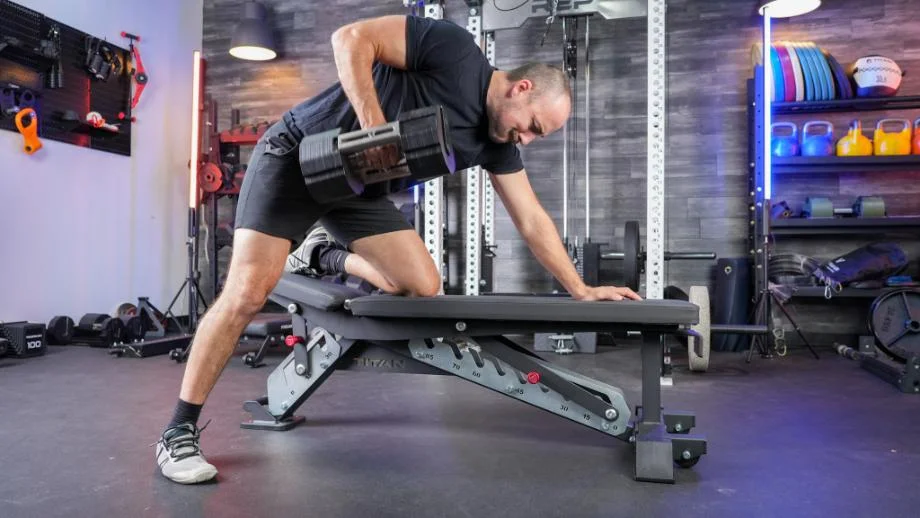

Outfitting your garage gym is more than just buying the best adjustable dumbbells, treadmills, or squat racks. Sure, the expert team here at Garage Gym Reviews knows plenty about home gym essentials with fitness professionals ranging from certified personal trainers to Olympic athletes and beyond.
However, other aspects to consider for your at-home training oasis are gym flooring, insulation, storage, and climate control, like heating units. When it comes to the best heaters—or cooling units—we’re experts in the field; many team members have outfitted their own home gyms before and can provide you with the most accurate information possible based on our experiences and expertise.
For our round-up of the best garage heaters, we also turned to our resident HVAC expert, Matt Strong (who also happens to be a competitive powerlifter). Matt is a professional engineer with a decade of experience in designing heating systems and specifying equipment. We also polled our Home Gym Community on Facebook to see which of the most popular heating products were actually being put to use.
Lastly, while we didn’t roast GGR headquarters with multiple heaters for testing, we did take inspiration from our equipment testing methodology, rating each unit across categories like value, functionality, and more. So don’t struggle in the cold next winter; here’s our picks for the best garage heaters to help you train comfortably year-round.
The following statements are meant to serve as general recommendations. It’s important to consult a local HVAC professional for proper sizing and capacity recommendations based on where you live and the size of your garage.
Additionally, you will not find any recommendations for propane heaters on this list for safety reasons. Propane heaters (without ventilation) can produce carbon monoxide, which is not only a poisonous gas, it’s also odorless, colorless, and tasteless, making it extremely difficult to detect.
Best Garage Heaters:
- Best Overall Garage Heater: MR COOL Mini Split Heat Pump
- Best Durable Electric Garage Heater for Gyms: NewAir Electric Heater
- Best Budget Electric Heater for Small Garages: GoFlame Electric Oil Filled Radiator
- Best Wall-Hung Natural Gas Garage Heaters: Mr. Heater Big Maxx
- Best Natural Gas Heater for Small Garage Gyms: Mr. Heater Vent Free Blue Frame
- Best Infrared Heater: Heat Storm Infrared
Best Overall Garage Heater: MR COOL Mini Split Heat Pump
Good for: Folks who want an efficient wall-hung heating (and cooling) option
Best Durable Electric Garage Heater for Gyms: NewAir Electric Heater
Good for: Athletes in need of a portable forced air heater built with durability in mind
Best Budget Electric Heater for Small Garages: GoFlame Electric Oil Heater
Good for: Individuals who want a radiant heater for small garages, or those who live in milder climates
Best Wall-Hung Natural Gas Garage Heater: Mr. Heater Big Maxx
Good for: Folks with large garages and access to a natural gas line
Best Natural Gas Heater for Small Garages: Mr. Heater Vent Free Blue Flame
Good for: Individuals who have access to a natural gas line with a small garage
Best Infrared Garage Heater: Heat Storm Infrared
Good for: Athletes looking for instant heat without the need to call a professional for installation
Other Garage Heaters We Researched
Dyna-Glo Electric Heater: This unit is similar to the NewAir Electric Heater but it’s not portable and costs more than double. It also requires a 240-volt outlet and a 60-amp breaker.
Mr. Heater Contractor Forced Air Heater: This unit works well but is intended to be portable and temporary by hooking up to a 20-pound liquid propane tank. It’s also not vented.
Mr. Heater Big Buddy: Although this is a terrific portable propane heater, it’s not going to provide enough heat for an entire garage. I personally own this and you have to be really close to feel the heat from this small unit. For reference, we use it for ice fishing.
How We Picked The Best Garage Heaters
There are many heating options for your home or garage gym on the market. So, to help us determine and finalize our list of the best garage heaters for home gym owners, we polled the Home Gym Community on Facebook for initial recommendations and gauged the group’s top picks.


After our poll, I consulted with our experts (both external and in-house) to determine which products will best serve the most people in most situations. Here’s a few aspects of each heater that we considered when rating each garage heater:
- Coverage: Usually marked in watts or BTUs, we rated how much of a garage gym it could heat up. Top scores went to units that could cover more square footage, although it’s important to note that these larger units probably wouldn’t work for smaller spaces—it’s best to opt for an appropriately-sized unit rather than one pumping out excessive heat.
- Materials: Is the heater built solidly? We took a look at the materials used to help determine the longevity and durability of each garage heater, with those made with durable metals and solid finishes getting higher ratings.
- Fuel type: How is the heater powered? Electric heaters were given top marks here, as they simply plug into an outlet, while natural gas heaters would need a gas line—not always available in every neighborhood.
- Functionality and features: Extras are always great. Here, we looked at any features or extras added that made the heater more convenient. The best scores were given to heaters that doubled as cooling units. Safety features were also a must-have.
- Value: All the previous factors determine the cost, so we made sure the unit was priced fairly. We also gave higher marks to space heaters that were packed with features yet still remained competitively priced.
It’s worth noting, too, that there are heating options that aren’t sold through Amazon, Home Depot, or Lowe’s. Instead, you’d have to go through an HVAC professional to buy and install those units. For the purposes of this article, we only chose products that are available to the general public.
Benefits of Garage Heaters
Here are the top benefits we think you’ll get from adding a heat source to your garage gym:
Overall Comfort
Depending on where you live, dealing with cold temperatures is not just uncomfortable; it can actually be a limiting factor to your training. I live in New England, for example, and if my garage were not heated (and insulated) it would be unbearable to train in during the middle of winter, especially when the temperatures stay in the single digits for weeks on end.
RELATED: How To Insulate a Garage Gym
Research tends to show the same, as a 2016 study1 surveyed over 500 people and determined that quite a few athletes hold off on exercising in the harsher seasons of the year—summer and winter. Having some level of climate control can help you get your workout in on days where the weather is more inclement.
Less Time to Warm Up
When your home gym is set to a comfortable temperature, you won’t have to start your workout by creating enough body heat to stay warm. When your body is warm, your blood vessels dilate, which increases overall blood flow and can help improve your mobility and movement quality.
Cold air can potentially make you feel like you’re too tense and limit your performance. In the cold, you’ll also have to take longer to warm up, as a 2021 review2 notes that athletic performance can increase up to 5% for every degree your muscle temperature rises (this study was done in a temperate temperature, and the review notes that more research needs to be done). With a garage heater and proper insulation, you can be ready to start your exercise routine much sooner.
Buying Guide for Garage Heaters
Next time that you need to buy a garage heater to withstand the colder winter temperatures, here are the things to consider while shopping around:
Heat and Fuel Source
Here are the main heating fuel sources you’ll come across while shopping for heaters:
- Electric: This includes electric heating panels and space heaters. Although expensive, heaters that run on electricity are often considered safer than other types of garage heaters because they don’t emit carbon monoxide fumes.
- Gas: A gas heat source can mean natural gas or liquid propane (and, in some cases, even diesel or kerosene heaters). To use natural gas, it has to be available in your area through a utility company, but propane can be delivered even if you live in a more rural area. It’s worth mentioning, too, that propane will require outdoor storage tanks and proper ventilation for fuel combustion.
- Radiant and infrared: Radiant or infrared garage heaters use a resistance coil to generate heat to warm an object, not the air like convection heating. This heating approach doesn’t emit humidity, fumes, or odors and can be ideal for spot treatment across specific home gym equipment or areas.
- Forced hot air: Fan-forced heaters can be fueled by gas, oil, or electricity. These heaters have a fan that brings air into the unit and forces warm air out. These types of heaters often need to be installed by a professional and are controlled with a thermostat.
Heating Capacity
The heating capacity of a unit is measured in British Thermal Units (BTUs) per hour or kilowatts per hour for electrical devices. According to HVAC specialist Matt Strong, you can roughly estimate for about 30 BTUs per hour of heating needed per square foot of your garage gym.
That said, if you want to heat a large space, you’ll need a heater that can keep up, and if you have a small space, you’ll want to size it accordingly. However, this is a rough estimate. It will ultimately depend on your location, climate, and how well your space is insulated—things like old windows or uninsulated walls and garage doors can amplify heat loss.
Thermostat Controls
While some units only have an on-and-off switch—or just a few heat settings—others will have built-in thermostat controls so you can regulate your desired temperature without overheating the unit or letting the room get too chilly. Some units will even feature Wi-Fi controls, so you can monitor the temperature away from home.
Warranty
Some heaters can be quite an investment, especially if you’re having to install it into your room or garage. Accordingly, you want to make sure you have a warranty that ensures it’ll last for years to come. Most freestanding, plug-and-play heaters have smaller warranties around 12 months, but larger units that require professional installation should have a longer multi-year warranty.
Best Garage Heaters FAQs
What is a good heater for a two-car garage?
The exact BTU rating for your garage will depend on square footage, how well it’s insulated, and your overall climate. That said, a good starting point can be about 30 BTU/h per square foot.
Will a 1,500 watt heater heat a two-car garage?
A 1,500 watt heater is equal to about 5,000 BTU/h. This is a fairly small heat capacity, but it will depend on your space, climate, and square footage.
Is it better to oversize a garage heater?
In short, no an oversized unit will not work better at heating your garage. The heater will certainly give off plenty of heat, but it will also take more time to warm up to your set point and the unit will cycle on and off more than a unit that is properly sized (or even undersized) for your garage, which is likely to waste more energy.
References
- Wagner, A. L., Keusch, F., Yan, T., & Clarke, P. J. (2019). The impact of weather on summer and winter exercise behaviors. Journal of sport and health science, 8(1), 39–45. https://doi.org/10.1016/j.jshs.2016.07.007
- Gatterer, H., Dünnwald, T., Turner, R., Csapo, R., Schobersberger, W., Burtscher, M., Faulhaber, M., & Kennedy, M. D. (2021). Practicing Sport in Cold Environments: Practical Recommendations to Improve Sport Performance and Reduce Negative Health Outcomes. International journal of environmental research and public health, 18(18), 9700. https://doi.org/10.3390/ijerph18189700