Creatine has long been a tried and true supplement for gaining lean muscle mass and supporting performance. Along with replenishing energy stores and boosting muscle strength and size, creatine can also potentially improve brain function1 and even reduce fatigue2.
The benefits of creatine are well established, but the sheer number of types, forms, and brands on the market can make it difficult to pick out which is most suitable for your fitness goals and your money.
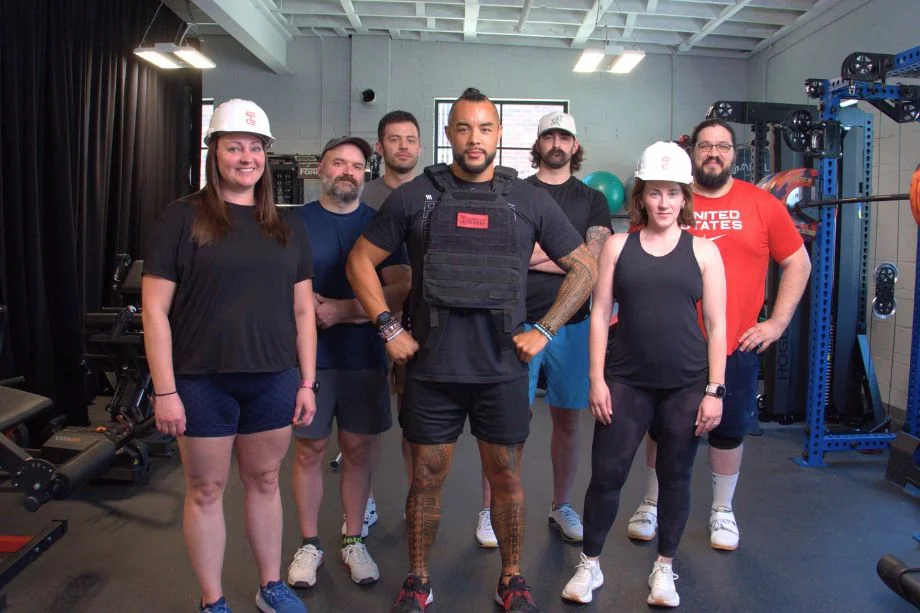
Fortunately, the expert team here at Garage Gym Reviews, full of certified nutrition coaches and daily creatine users, has tested a slew of top brands to determine the best creatine supplements on the market. We also consulted with sports science and nutrition researcher, Dr. Krissy Kendall, Ph.D., to analyze the formula and ingredients of each product, and had Dr. Caehla McGeady, family medicine physician and expert in the latest scientific research, review this content to ensure medical accuracy.
Using our supplement testing methodology, we then rated them based on factors that include:
- Formula: Top scores went to creatine that had research-backed dosages and lacked filler ingredients.
- Ingredients: We rated added ingredients on how well they enhanced benefits with creatine.
- Solubility: Scores of 3 or more were given to powders that mixed well with minimal settling or floaties.
- Third-party testing: Scores of 3 were given to supplements that had independent lab testing, but top scores went to brands that pursued certifications.
We helped nearly 5,800 people choose their creatine supplement just last year, so we’re confident we can help you find which creatine best suits your needs.
Medical disclaimer: This article is intended for educational and informational purposes only. It is not intended as a substitute for medical advice. For health advice, contact a licensed healthcare provider.
The 13 Best Creatine Supplements of 2025
- Best Creatine Overall – Transparent Labs Creatine HMB
- Best Creatine Gummies – Legion Naturally Sweetened & Flavored Creatine Monohydrate Gummies
- Best Creatine HCl – Kaged Creatine HCl
- Best Creatine for Women – Sports Research Creatine Monohydrate
- Best Creatine for Muscle Growth – MRM Nutrition Creatine Monohydrate Powder
- Best Creatine Pills – Optimum Nutrition Micronized Creatine Capsules
- Best-Tasting Creatine – Jacked Factory Growth Surge
- Best Creatine Monohydrate – Jocko Creatine
- Best Creatine for Athletes – Blonyx HMB+ Creatine
- Best Budget Creatine – Nutricost Creatine Monohydrate
- Best Creatine Powder – Legion Recharge Post-Workout with Creatine
- Best Vegan Creatine – ProHealth Longevity Creatine
- Best Creatine for Men – Crazy Nutrition Creatine
Best Black Friday and Cyber Monday Creatine Deals (2025)
- Legion Naturally Sweetened & Flavored Creatine Monohydrate Gummies – BOGO 75% off sitewide
- Transparent Labs Creatine HMB – 25% off + free bundle on orders $149+
- Jocko Creatine – 30% off sitewide, 40% off subscriptions, $25 gift card on $250+
- Kaged Creatine HCl – 30% off sitewide with code BLACKOUT
- Jacked Factory Growth Surge – Save up to 43% on Jacked Factory products on Amazon
Latest Updates
At Garage Gym Reviews, we’re always testing the latest creatine supplements and updating this page to reflect our favorite finds and top picks. Our team of certified personal trainers, elite athletes, and nutrition coaches have tested over 50 creatine supplements, including powders, gummies, and capsules. In December 2025, we re-evaluated all of the creatine supplements on our best-of list to ensure we’re still showcasing the best picks on the market, and we reworked this page to provide the most recent and up-to-date information.
Best Creatine Video Review
Compare Side by Side
|
|
|
|
|
|
|
|
|
|
|
|
|
|
| Transparent Labs Creatine | Legion Naturally Sweetened & Flavored Creatine Monohydrate Gummies | Kaged Creatine HCl | Sports Research Creatine | MRM Nutrition Creatine Monohydrate Powder | Optimum Nutrition Creatine Pills | Jacked Factory Growth Surge | Jocko Creatine | Blonyx Creatine | Nutricost Creatine | Legion Recharge Post-Workout with Creatine | ProHealth Creatine | Crazy Nutrition Creatine | |
|
Rating
|
|||||||||||||
| Price Per Serving | $1.67 | $1.33 | $0.33 | $0.31 – $0.33 | $0.31 | $0.46 – $0.60 | $0.92 – $1.17 | $0.44 | $1.08 | $0.33 | $1.00 – $1.33 | $0.56 | $1.50 |
| Grams Per Serving | 5 g | 5 g | 750 mg | 5 g | 5g | 2.5 g | 10 g | 5 g | 2.5 g | 5 g | 5 g | 5 g | 5 g |
| Third-party Tested? | — | — | — | — | — | ||||||||
| Type | Creatine monohydrate | Creatine Monohydrate | Creatine HCl | Creatine monohydrate | Creatine monohydrate | Creatine monohydrate | Creatine monohydrate | Creatine monohydrate | Creatine monohydrate | Creatine monohydrate | Micronized creatine monohydrate | Creatine monohydrate | Creatine monohydrate |
| Flavors | Multiple Flavors | Sour Green Apple, Lemon Drop, Sour Blue Raspberry, Sour Watermelon | Unflavored, Lemon Lime, Fruit Punch | Unflavored | Unflavored | Capsules | Multiple Flavors | Unflavored | Unflavored | Multiple Flavors | Multiple Flavors | Unflavored | Lemon & Lime, Orange & Mango |
Best Creatine Overall: Transparent Labs Creatine HMB
Updated by: Caine Wilkes, OLY, CNC, USAW-L1
Transparent Labs’ Creatine HMB puts a unique twist on the more traditional creatine monohydrate by adding HMB to more effectively build strength, stamina and recovery. It’s available in a dozen different flavors, including an unflavored option; some reviews criticize the taste of some flavors, though, saying that they’re overly sweet.
What our tester says:
“I tried Black Cherry and I wasn’t a huge fan of the taste of this one—it tasted a bit watered down, even with the right amount of water. Some people may prefer this though!”
Best Creatine Gummies: Legion Naturally Sweetened & Flavored Creatine Monohydrate Gummies
Updated by: Caine Wilkes, OLY, CNC, USAW-L1
Legion Creatine Gummies are a good option for those who don’t want to drink their creatine. Although it takes 5 gummies to reach one serving, and you’ll get 8 grams of added sugar, these taste great and are third-party tested.
Best Creatine HCI: Kaged Creatine HCl
Updated by: Caine Wilkes, OLY, CNC, USAW-L1
If you’re looking for a pure creatine HCL and are willing to pay for high quality, Kaged Creatine HCl may be for you.
What our tester says:
“I tried the Lemon Lime flavor and really liked it—it was tart and not too sweet. It also completely dissolved, so for solubility it gets an A+ from me.”
Best Creatine for Women: Sports Research Creatine Monohydrate
Updated by: Caine Wilkes, OLY, CNC, USAW-L1
Our testers love Sports Research Creatine Monohydrate because it’s less than 50 cents per serving, is truly tasteless, and is third party-certified so athletes can take it knowing there’s no junk inside.
What our tester says:
“I mixed this with water, and if I hadn’t poured the powder in myself I wouldn’t have been able to tell there was anything in the shaker bottle. It’s that flavorless.”
Best Creatine for Muscle Growth: MRM Nutrition Creatine Monohydrate Powder
Updated by: Caine Wilkes, OLY, CNC, USAW-L1
MRM Nutrition Creatine Monohydrate is a no-nonsense option for lifters who want a clean, effective product to support strength and muscle gains. While it doesn’t include extras like flavoring or added ingredients, it nails the basics with a solid dose, excellent mixability, and third-party testing to back up its claims.
Best Creatine Pills: Optimum Nutrition Capsules
Updated by: Caine Wilkes, OLY, CNC, USAW-L1
If you prefer capsules over powder, the Optimum Nutrition Micronized Creatine Capsules provide the same dosage and affect on performance as seen in the traditional powder supplement.
What our tester says:
“This is rated high because it’s third-party tested, the serving size is affordable, and taste and solubility aren’t an issue.”
Best-Tasting Creatine: Jacked Factory Growth Surge
Updated by: Caine Wilkes, OLY, CNC, USAW-L1
If you’re looking for a post-workout drink that tastes good and is designed to promote muscle growth and recovery, Growth Surge could be a good option.
What our tester says:
“The solubility of this one isn’t great, but I tried Cherry Limeade and liked the flavor. I thought there was an aftertaste, though—not horrible, but noticeable.”
Best Creatine Monohydrate: Jocko Creatine
Updated by: Caine Wilkes, OLY, CNC, USAW-L1
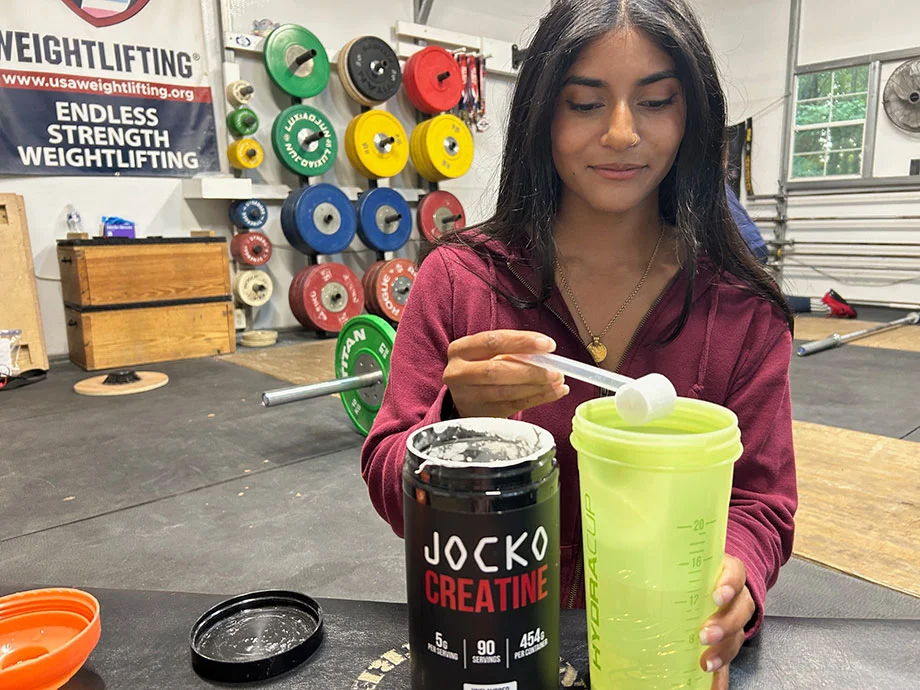
Jocko Creatine is as simple as they come with a clinically-effective dose of 5 grams of creatine monohydrate (and that’s it.) Those who just want creatine or wish to mix their creatine with other supplements will appreciate the uncomplicated formula and 90 servings per container.
What our tester says:
“It dissolves completely with just a few shakes and after about 30 seconds.”
Best Creatine for Athletes: Blonyx HMB+ Creatine
Updated by: Caine Wilkes, OLY, CNC, USAW-L1
Blonyx HMB+ Creatine is a creatine supplement with added calcium and HMB, which have been shown in studies to improve creatine’s effectiveness. While the single serving by itself is a bit underdosed, taking the serving twice a day as recommended will ensure you get 5 grams of creatine monohydrate and 3 grams of HMB, both research-backed and effective daily doses.
What our tester says:
“The HMB definitely gave it a tart bitterness that made me want to mix it with a sports drink or juice instead of just water. I wouldn’t notice any odd taste with a sports drink though.”
Best Budget Creatine: Nutricost Micronized Creatine Monohydrate
Updated by: Caine Wilkes, OLY, CNC, USAW-L1
Nutricost Creatine Powder contains 5 grams of creatine per serving and is available in both flavored and unflavored varieties. Nutricost shares that their creatine supplement can help with muscle building and strength, injury prevention, and cognitive and bone health. There are mixed reviews on the taste of certain flavors, saying that the sweetener used was too much.
What our tester says:
“Creatine is one of the more affordable sports nutrition supplements, but this is impressively affordable even with that expectation.”
Best Creatine Powder: Legion Recharge Post-Workout with Creatine
Updated by: Caine Wilkes, OLY, CNC, USAW-L1
If you’re looking for an all-natural post-workout supplement that is made of research-backed ingredients, Recharge post-workout supplement is one worth considering. Its taste and positive impact on performance is appreciated by the vast majority of users.
What our tester says:
“I tried Strawberry Lemonade, and it was pretty sweet but also had a good tart flavor; I liked it a lot, plus it dissolves well.”
Best Vegan Creatine: ProHealth Longevity Creatine
Updated by: Caine Wilkes, OLY, CNC, USAW-L1
ProHealth Longevity Creatine is an allergen-free and affordable creatine supplement that costs less than 60 cents per serving.
What our tester says:
“My wife mentioned she noticed a metallic aftertaste when she mixed it with water, but with a sports drink I didn’t notice it.”
Best Creatine for Men: Crazy Nutrition CRN-5
Updated by: Caine Wilkes, OLY, CNC, USAW-L1
Crazy Nutrition Ultimate CRN-5 is a decent option for people looking for a flavored creatine with added electrolytes. It provides the recommended dose of creatine.
What our tester says:
“It”s pretty good! A little tangy, but not too sweet and not too sour. I like lemon-lime things, so this is something I would drink for sure.”
Other Creatine Powders We Researched and Tested
We’ve literally tested dozens of other creatines to come up with this list, and some we’ve used just in our lives, as fitness enthusiasts ourselves. However, not every creatine can make our list, so here are some honorable mentions:
- Muscle Feast Creapure Creatine: This is a type of branded creatine monohydrate produced in Germany and distributed by a handful of partners including Proteinfactory and BPN. It is touted to be high-quality, but there seemingly isn’t anything special about this product versus another micronized creatine monohydrate.
- Cellucor Cor-Performance Creatine Monohydrate: Another micronized creatine monohydrate powder at an affordable price point of less than 50 cents per serving. We’d call this a solid runner-up for sure. (We also love Cellucor’s C4 pre-workout, and even have a special C4 coupon code for GGR readers.)
- Ghost Creatine: Ghost Creatine contains 5 grams of a branded type of creatine monohydrate and contains other ingredients proven to increase muscle size and strength, but at $1.50 per serving there are more price-effective options on this list. Read more in our Ghost creatine review.
- RedCon1 Tango Creatine: RedCon1 is one of the most well-known sports nutrition brands, and while certified personal trainer Anthony O’Reilly enjoyed the effects it is pricier than most of the options on this list. Read our RedCon1 Tango Creatine review for our unfiltered thoughts.
- Bulk Supplements Creatine: Bulk Supplements specializes in giving you no-nonsense products with minimal ingredients, as we explain in our Bulk Supplements Creatine review.
- Swolverine Creatine Monohydrate: This unflavored creatine supplement was fine but we found more affordable options.

How We Picked and Tested the Best Creatine
We used our GGR supplement testing methodology to narrow down the best creatine products to our current list. Our team of experts—certified nutrition coaches, personal trainers, and competitive athletes—has personally tested over 50 creatine supplements. We tested creatine pills, gummies, and powders, all to evaluate them on factors such as the ones below.
Formulation and Serving Size
Does the product contain strictly creatine, and how much? If there are other ingredients present, are they research-backed and included with a purpose?
The ideal dosage of creatine is 3 to 5 grams per day13—how many servings do you need to hit this?
We also took into account the different types of creatine that may be included:
- Creatine monohydrate, which is the most researched
- Creatine HCL has limited research available
- Kre-Alkalyn is a patented form of creatine and may help with better absorption
- Creatine plus HMB
- Creatine plus nitrate
Solubility
If powdered, does the product dissolve completely in liquid?
To test this, we mixed powders into water in a clear glass and observed the results. We also tasted the mixed drink to determine if we could detect any remnants of the powder.
For pills and creatine gummies, this then became a score of “swallowability,” or how easy it is to down a serving, noting the size, number, and texture of the gummies or pills each serving.
Efficacy
Does the creatine do what it’s supposed to—i.e. help with strength and body recomposition?
To gauge this, we had our testers use the creatine for at least 30 days (the time period most researchers use) to see if there were any changes in their strength levels.
Cost
What’s the price per serving? We found that the average creatine product falls between $0.50 and $1 per serving, with factors like the form or third-party testing factoring into the cost. We call out when products are significantly higher or lower than that, assessing if the quality is a reflection of the difference.
Third-Party Testing
Has the product been tested for banned substances by Informed Sport, NSF, or Banned Substance Control Group (BSCG)? This is an important factor to us, because third-party testing indicates that the product is free from contaminants and has an accurate label.
When products do not have third-party testing, we look for other trust signals, such as clear labeling and no proprietary blends.
Taste and Flavors
Is there more than an unflavored option? How do all of them taste? While taste is subjective, we did make notes of our experiences and also looked to other customer reviews for support.
Ingredients
Does it just contain creatine, or are there other ingredients included to help with bioavailability or effectiveness?
Safety and Side Effects
To make sure there would be no adverse side effects, we again looked for third-party testing and asked our testers to note if they felt any indigestion or other symptoms while taking the creatine.

How to Choose the Best Creatine for You
Before you whip out your credit card, decide what creatine supplement is the best fit for you. Here are some factors to consider.
Fitness and Wellness Goals
Are you strictly concerned with getting stronger or muscle-building while staying lean? Creatine monohydrate is the most-researched type of creatine, but is known to have some minor side effects like gastrointestinal issues and water retention. Creatine HCL has fewer reported side effects. Also creatine with HMB has been shown to help prevent the breakdown of muscle protein and enhance strength gains3.
Dosage
If you’re in a loading protocol and need to take 20 grams of creatine per day, consider the serving size of the supplement. Some containers only come with 30 servings, and if you need to take four per day, you’ll run through it quickly.
Cost Per Serving
Whether you purchase from Amazon or directly from the manufacturer, creatine can range from less than 40 cents per serving on the low end, to $2 per serving or more on the high end. The most affordable options are usually just creatine monohydrate powder, while the more expensive options tend to have other ingredients in them for post-workout recovery.
Taste
While an unpleasant flavor can make daily use less appealing, a better-tasting creatine powder—especially one that mixes smoothly—can help you maintain your routine. Over time, this consistency can support better performance and recovery benefits.
Form
Would you rather swallow a few pills or gummies to hit your creatine dosing, or does powder sound more appealing? Plenty of unflavored powders are available—you can mix them with almost any drink—or you can find flavored options as well.
Third Party-Testing
Third-party testing is especially important if you’re an athlete, but really anyone taking supplements should heed this advice. Look for Informed Sport or Choice, NSF Certified for Sport, or BSCG logos on the products to ensure they’ve been batch-tested for banned substances.
“Another consideration when purchasing nutritional supplements is that they are not fully regulated by the FDA,” says Dr. Caehla McGeady. “Many supplements on the market, creatine included, have been found to have14 a wide range of contaminants, including everything from harmless unlisted fillers to poisonous heavy metals and illegal levels of BPAs. Third-party testing mitigates the risk of harmful substances in your supplements.”
RELATED: Best Organic Protein Powders
Subscription Options
You can put the best creatine for your fitness goals on a monthly subscription. There are two reasons why you should do this: First, it ensures you’ll never run out of your favorite muscle-building supplement. Secondly, you’ll also likely get a discount so you end up paying less.
What Is Creatine and How Does it Work?
Creatine is an amino acid (derived from arginine) that’s found in both animal proteins and within our own muscle cells. It’s used by the body to replenish ATP15 (adenosine triphosphate) stores. ATP is the energy source your body uses for explosive movements, like sprinting and heavy lifting.
Creatine supplementation has been researched fairly extensively, and has been shown to boost the effects of short-duration, high-intensity exercise on muscle strength and size16. Approximately 95% of your body’s creatine is stored within your muscles as phosphocreatine17 (creatine phosphate), with the other 5% stored in your brain tissue.
In the brain, creatine also acts as an energy source; nascent clinical trials18 show that creatine supplementation may slow cognitive decline in elderly patients with early memory loss.
If you stop taking creatine supplements, your body will simply go back to producing ATP the way it did before supplementation. This may lead to some strength and muscle loss, but it won’t be anything too drastic.
RELATED: Is Creatine A Protein?
What Is Creatine?
Creatine is an amino acid (derived from arginine) that’s found in both animal proteins and within our own muscle cells. It’s used by the body to replenish ATP15 (adenosine triphosphate) stores. ATP is the energy source your body uses for explosive movements like sprinting and heavy lifting.
In the brain, creatine also acts as an energy source; nascent clinical trials18 show that creatine supplementation may slow cognitive decline in elderly patients with early memory loss.
How Does Creatine Work?
Creatine supplementation has been researched fairly extensively and has been shown to boost the effects of short-duration, high-intensity exercise on muscle strength and size16. Approximately 95% of your body’s creatine is stored within your muscles as phosphocreatine17 (creatine phosphate), with the other 5% stored in your brain tissue.
If you stop taking creatine supplements, your body will simply go back to producing ATP the way it did before supplementation. This may lead to some strength and muscle loss, but it won’t be anything too drastic.
RELATED: Is Creatine A Protein?
Benefits of Creatine
Creatine monohydrate is one of the most widely studied nutritional supplements, which is great news for you—this means that there’s research-backed evidence around the effects of creatine on performance and strength during high-intensity exercise.
Can Enhance Athletic Performance
When you participate in short bouts of intense exercise—like a 10-second sprint or a one-rep-max squat—your body uses its anaerobic system and stores of adenosine triphosphate (ATP) for energy. ATP, which is produced by phosphocreatine stores inside your muscles, is limited.
So, the idea is that if your creatine stores are not full, you may be missing out on potential ATP production, or in other words—leaving some untapped strength and power on the table.
Can Promote Muscle Growth and Strength
If you’re active in the gym, chances are that creatine supplementation can help you build strength and muscle.
“While your body makes around 1 to 2 grams of creatine per day, individuals who train regularly may need to consume 5 to 10 grams of creatine daily to maintain their creatine stores,” says Dr. Krissy Kendall, Ph.D. “Creatine supplementation appears to be most useful for short-duration, high-intensity, intermittent exercise, and has been shown to boost the effects of resistance training on muscle strength and size, as well as athletic performance overall.”
Improves Muscle Recovery
Supplementing creatine orally can help increase your intramuscular stores of creatine and phosphocreatine by as much as 40%, as shown in several studies19. Studies have also analyzed creatine monohydrate supplementation’s effect on strength and performance in resistance training exercises like leg press and bench press20, as well as explosive movements like jump height21, and a great majority have found improved results from the creatine supplementation group versus the control group.
In fact, a meta-analysis22 of 22 studies found that the average increase in muscle strength following creatine supplementation was 8% greater than with just resistance training alone. Also, the increase in weightlifting performance was 14% percent greater than with just training alone.

May Help Improve Bone Density
Research suggests creatine may be beneficial for your bone health. Studies show23 that creatine supplementation can increase the activity of osteoblasts (cells involved in the bone formation process) and reduce bone resorption (bone loss). In addition, combining creatine supplementation with resistance training can increase the muscle-to-bone interaction.
May Help Improve Brain Health and Function
We often talk about creatine’s effect on muscles, but emerging research is showing it may have similar benefits on our brain. A 2022 review1 of studies on creatine supplementation found there was sufficient evidence that it may help increase cognitive function and reduce symptoms of depression, concussions, and certain traumatic brain injuries. Further evidence shows that exogenous creatine may also have protective effects in early neurodegenerative disorders13.
Potential Side Effects of Creatine
Studies examining the effects of long-term creatine supplementation have demonstrated no negative effects on liver, kidney, blood, bone, brain, or muscle function. More so, there is no data that shows creatine causes muscle cramps or leads to dehydration. On the contrary, according to Dr. Krissy Kendall, Ph.D., creatine supplementation has been proposed to increase total body water, which can help to maintain hydration status.
RELATED: Creatine Myths
Potential Risks of Creatine
Taking creatine, especially larger doses, may cause some occasional, minor gastrointestinal issues. “It’s estimated around 5 to 7% of people who take creatine may experience stomach aches; however, taking smaller doses (3 to 5 grams) or using a micronized form of creatine may help reduce gastrointestinal distress,” Dr. Kendall says. “Creatine loading may also lead to an initial weight gain of 1 to 2% body mass in the first few days due to water being pulled into the muscle; however, this is less likely to occur if following a low-dose protocol.”
“Generally, these side effects are more likely if you have an underlying gastrointestinal disorder such as IBS,” Dr. McGeady adds.
RELATED: Creatine Side Effects
Although it’s widely recognized as a safe supplement, it’s always a good idea to consult your physician or a nutrition expert before taking creatine, especially if you take the following medications due to potential interactions in the kidneys:
- Anything that affects the kidneys
- Diuretics
- Non-steroidal anti-inflammatory drugs (NSAIDs)
RELATED: Is Creatine A Steroid?
Who Should & Should Not Take Creatine?
While creatine is most often recommended to athletes, bodybuilders, or everyday gym-goers (and those people should absolutely take 3 to 5 grams per day), there are many other people who should take creatine on a regular basis. For example, there is some research24 that indicates it might be beneficial to those who experience chronic headaches, dizziness, or brain injuries (such as athletes who play in impact sports).
Other studies25 have shown that creatine, when paired with a resistance training regimen, could slow down signs of aging. Additionally, the supplement and regular exercise may help improve bone density to prevent injuries. Women and other pre- and post-menopausal people may also experience increased bone density.
Although creatine doesn’t appear to affect kidney function in healthy individuals, it’s recommended that people with pre-existing kidney problems avoid taking creatine. Additionally, people with liver disease or high blood pressure should talk to their doctor first before taking creatine as there may be possible interactions with medications they are currently prescribed. Check out our Creatine Alternatives page for our top picks that offer similar benefits without the side effects.
RELATED: Creatine Monohydrate Dosage

What Are the Different Types of Creatine?
There are several types of creatine, each with unique characteristics, absorption rates, and potential benefits. Here’s a rundown of each:
- Creatine monohydrate is the most studied and popular form of creatine used in supplements, but it’s not the only form available on the market. Three other popular variations include creatine hydrochloride (HCL); Kre-Alkalyn, which is creatine buffered with bicarbonate; and creatine nitrate (creatine bound to a nitrate molecule). Creatine monohydrate is the least expensive form of creatine and the one most commonly used in research studies—so you know it works. Additionally, creatine monohydrate is the most stable form of creatine on the market and the least likely to be contaminated by exogenous substances or breakdown byproducts11.
- Creatine HCl is a creatine molecule bound to hydrochloric acid to enhance its solubility and overall absorption rates. Because of this, Dr. Kendall explains, you may be able to take a smaller dose (1 to 2 grams) and still observe the same benefits as taking 5 grams of creatine monohydrate. Consuming less product may help curb bloating and other minor gastrointestinal symptoms you may experience when taking larger doses of creatine monohydrate.
- Kre-Alkalyn. “Manufacturers of Kre-Alkalyn claim that the addition of an alkaline powder (like bicarbonate) reduces the breakdown of creatine in the stomach leading to improved creatine uptake in the muscle,” says Dr. Kendall. “Improved absorption rates may mean you can skip the loading phase and still get the gains.”
- And lastly, similar to the other forms of creatine, creatine nitrate is thought to have greater solubility, meaning you may receive equal benefits from a smaller dose of creatine nitrate (3 grams) compared to creatine monohydrate.
- There are other creatine formulas—including creatine magnesium chelate, creatine ethyl ester, creatine citrate, and liquid creatine—but they’re not nearly as popular, and research surrounding their effects is limited.
Types of Creatine at a Glance
| Type of Creatine | Pros | Cons | Best For | Example Product |
| Creatine Monohydrate | The most researched and least expensive creatine | Not as soluble, bigger recommended doses | People who want consistent, science-backed results | Optimum Nutrition Micronized Creatine Capsules |
| Creatine HCl | Potentially easier for the body to absorb | Less research, higher price compared to creatine monohydrate | People who experience stomach issues with creatine monohydrate | Kaged Creatine HCl |
| Kre-Alkalyn | May be better absorbed by the muscles | Research isn’t definitive | Those who want smaller doses and no loading phase | Swolverine Kre-Alkalyn |
| Creatine Nitrate | May see equal benefits from smaller doses | Less proven, limited research available | Anyone who wants creatine’s benefits from smaller doses | Kaged Pre-Workout Elite |
RELATED: Best Creatine for Muscle Growth

What Are the Different Forms of Creatine?
Just like there are different types of creatine, there are also different ways to consume it. While most people know about the powdered version, creatine also comes in two more convenient forms: capsules and gummies. Here’s an overview of each:
- Creatine powder is the most common and cost-effective form of this supplement. You can easily adjust your dosage by scooping more or less, and it typically dissolves in water (or your preferred liquid) with little fuss. While many creatine powders are unflavored, some brands do make flavored versions. In our experience, some powders require extra stirring or shaking to achieve optimal solubility.
- Creatine gummies offer a tasty, portable way to get your daily dose without having to worry about scooping or measuring powders. Although they’re easy to consume, they’re usually more expensive on a per-dose basis. Plus, depending on the brand, you may have to eat several gummies to reach the recommended dose of 5 grams.
- Creatine capsules are another convenient option that ensures consistent dosing without measuring, mixing, or chewing. Ideal if you’re always on the go, but be mindful that you’ll need to swallow multiple pills to hit a full dose (capsules often contain around 0.7–2.5 g each). Like gummies, capsules are more expensive than creatine powders.
The Best Time to Take Creatine
Creatine is the most-researched supplement in the world, and yet no study has been able to conclusively determine the best time to take creatine. We found three studies showing that there were no significant differences in people who took creatine before or after their workout, with one study26 saying it’s best to take it shortly prior to or following your training sessions rather than at a random time during the day.
RELATED: Do You Take Creatine Before or After Workout?
The Best Way to Take Creatine
The best way to take creatine is by starting with a creatine loading phase—or taking 5 grams of creatine monohydrate four to five times per day for a week, and then 5 grams per day going forward. This will ensure your creatine stores are fully loaded and that you’re reaping the most benefits from the supplement.
How To Dose Creatine
According to Dr. Krissy Kendall, Ph.D., to maximize the benefits of creatine, you need to saturate your body’s stores of creatine, and there are two ways to do this:
- Loading protocol: The creatine loading phase involves taking 20 grams of creatine a day, typically divided into four equal doses of 5 grams, for five to seven days. This has been shown to be an effective method to fully saturate your muscle’s creatine stores in one week’s time. Following the loading phase, it’s recommended to drop down to 5 grams of creatine daily to maintain creatine stores.
- Low-dose (maintenance) protocol: The alternative method is to simply take 5 grams of creatine every day, without a loading phase. This approach will eventually get your muscle’s creatine stores maximally saturated, it just takes a bit longer—about four weeks compared to one week with a loading protocol.
Both the loading phase and the low-dose maintenance protocol have been shown to produce significant improvements in muscle strength and size when used alongside a resistance training program. However, the low-dose protocol may help reduce potential side effects. According to nutrition expert and exercise physiologist Chris Mohr, Ph.D., RD, “Creatine may cause gastrointestinal issues like bloating and belching, but starting with lower doses of 3 to 5 grams daily can help prevent those concerns.”
RELATED: Best Protein Chips
Best Creatine FAQS
What brand of creatine is the most effective?
The best creatine brand will depend on your own fitness goals, but for most people, we recommend Transparent Labs Creatine HMB. The addition of beta-hydroxy beta-methylbutyrate (HMB) has been shown to enhance muscle growth3 when taken with creatine. Along with that, we like this creatine powder for its clinically-recommended dosage of 5 grams of creatine monohydrate, transparent labeling, and its Informed Choice certification.
What is the most effective type of creatine to take?
Creatine is the most researched supplement on the market11, but creatine monohydrate is the most researched type of creatine and often regarded as the most effective, backed by many studies. Creatine monohydrate has been shown to increase muscle growth and strength18, improve athletic performance19, and even enhance cognitive function1.
How long does it take for creatine to work?
It typically takes up to four weeks of consistent use to notice the benefits of creatine when taken as a 3- to 5-gram serving daily. However, using a creatine loading phase of 20 to 25 grams each day for a week will fill up your creatine stores faster, meaning you may notice the benefits by the end of the week, before shifting back to a lower maintenance dose.
How do I pick a good creatine?
The ideal creatine will vary from person to person, based on your budget, health and wellness goals, and level of activity. That said, some things to consider are the form that your creatine supplement is in as well as the price per serving. Try to find a creatine that has the ideal 3 to 5 grams of creatine per serving to make supplementing it easy, too.
Do I need to load creatine?
A creatine loading phase is when you take higher-than-normal doses at the start of your creatine cycle in order to saturate your muscle cells. These servings can be anywhere from 20 to 25 grams per day, compared to the usual 3- or 5-gram dose during the “maintenance” phase. The good news is that a loading phase isn’t necessary, according to research27. It might take longer to fully saturate your muscle cells by sticking with 3 to 5 grams from the start—a month to six weeks, on average—but your body will eventually get there.
Can you take creatine every day?
Yes, decades of studies28 have concluded that you can take creatine every day, even on days you’re not training. Keeping your daily dose consistent can help saturate your body’s creatine stores for maximum benefits and performance.
References
- Forbes, S. C., Cordingley, D. M., Cornish, S. M., Gualano, B., Roschel, H., Ostojic, S. M., Rawson, E. S., Roy, B. D., Prokopidis, K., Giannos, P., & Candow, D. G. (2022). Effects of Creatine Supplementation on Brain Function and Health. Nutrients, 14(5), 921. https://doi.org/10.3390/nu14050921
- Watanabe, A., Kato, N., & Kato, T. (2002). Effects of creatine on mental fatigue and cerebral hemoglobin oxygenation. Neuroscience research, 42(4), 279–285. https://doi.org/10.1016/s0168-0102(02)00007-x
- Izquierdo, M., Ibañez, J., González-Badillo, J. J., & Gorostiaga, E. M. (2002). Effects of creatine supplementation on muscle power, endurance, and sprint performance. Medicine and science in sports and exercise, 34(2), 332–343. https://doi.org/10.1097/00005768-200202000-00023
- Kesarwani, K., Gupta, R., & Mukerjee, A. (2013). Bioavailability enhancers of herbal origin: an overview. Asian Pacific journal of tropical biomedicine, 3(4), 253–266. https://doi.org/10.1016/S2221-1691(13)60060-X
- Holeček, M. (2017). Beta‐hydroxy‐beta‐methylbutyrate supplementation and skeletal muscle in healthy and muscle‐wasting conditions. Journal of Cachexia, Sarcopenia and Muscle, 8(4), 529-541.
- de França, E., Avelar, B., Yoshioka, C., Santana, J. O., Madureira, D., Rocha, L. Y., … & Caperuto, É. C. (2015). Creatine HCl and creatine monohydrate improve strength but only creatine HCl induced changes on body composition in recreational weightlifters. Food and Nutrition Sciences, 6(17), 1624.
- Forbes, S. C., Candow, D. G., Krentz, J. R., Roberts, M. D., & Young, K. C. (2019). Changes in Fat Mass Following Creatine Supplementation and Resistance Training in Adults ≥50 Years of Age: A Meta-Analysis. Journal of functional morphology and kinesiology, 4(3), 62. https://doi.org/10.3390/jfmk4030062
- Antonio, J., Candow, D. G., Forbes, S. C., Gualano, B., Jagim, A. R., Kreider, R. B., Rawson, E. S., Smith-Ryan, A. E., VanDusseldorp, T. A., Willoughby, D. S., & Ziegenfuss, T. N. (2021). Common questions and misconceptions about creatine supplementation: what does the scientific evidence really show?. Journal of the International Society of Sports Nutrition, 18(1), 13. https://doi.org/10.1186/s12970-021-00412-w
- Arazi, H., Aboutalebi, S., Taati, B., Cholewa, J. M., & Candow, D. G. (2022). Effects of short-term betaine supplementation on muscle endurance and indices of endocrine function following acute high-intensity resistance exercise in young athletes. Journal of the International Society of Sports Nutrition, 19(1), 1–16. https://doi.org/10.1080/15502783.2022.2041988
- Hussein, A. M., Adel, M., El-Mesery, M., Abbas, K. M., Ali, A. N., & Abulseoud, O. A. (2018). l-Carnitine Modulates Epileptic Seizures in Pentylenetetrazole-Kindled Rats via Suppression of Apoptosis and Autophagy and Upregulation of Hsp70. Brain sciences, 8(3), 45. https://doi.org/10.3390/brainsci8030045
- Kreider R. B. (1999). Dietary supplements and the promotion of muscle growth with resistance exercise. Sports medicine (Auckland, N.Z.), 27(2), 97–110. https://doi.org/10.2165/00007256-199927020-00003
- Fukushima, M., Matsuyama, F., Ueda, N., Egawa, K., Takemoto, J., Kajimoto, Y., Yonaha, N., Miura, T., Kaneko, T., Nishi, Y., Mitsui, R., Fujita, Y., Yamada, Y., & Seino, Y. (2006). Effect of corosolic acid on postchallenge plasma glucose levels. Diabetes research and clinical practice, 73(2), 174–177. https://doi.org/10.1016/j.diabres.2006.01.010
- Kreider, R. B., Kalman, D. S., Antonio, J., Ziegenfuss, T. N., Wildman, R., Collins, R., Candow, D. G., Kleiner, S. M., Almada, A. L., & Lopez, H. L. (2017). International Society of Sports Nutrition position stand: safety and efficacy of creatine supplementation in exercise, sport, and medicine. Journal of the International Society of Sports Nutrition, 14, 18. https://doi.org/10.1186/s12970-017-0173-z
- Moret, S., Prevarin, A., & Tubaro, F. (2011). Levels of creatine, organic contaminants and heavy metals in creatine dietary supplements. Food Chemistry, 126(3), 1232-1238.
- Riesberg, L. A., Weed, S. A., McDonald, T. L., Eckerson, J. M., & Drescher, K. M. (2016). Beyond muscles: The untapped potential of creatine. International immunopharmacology, 37, 31–42. https://doi.org/10.1016/j.intimp.2015.12.034
- Wax, B., Kerksick, C. M., Jagim, A. R., Mayo, J. J., Lyons, B. C., & Kreider, R. B. (2021). Creatine for Exercise and Sports Performance, with Recovery Considerations for Healthy Populations. Nutrients, 13(6), 1915. https://doi.org/10.3390/nu13061915
- Guimarães-Ferreira L. (2014). Role of the phosphocreatine system on energetic homeostasis in skeletal and cardiac muscles. Einstein (Sao Paulo, Brazil), 12(1), 126–131. https://doi.org/10.1590/s1679-45082014rb2741
- Li, Z., Wang, P., Yu, Z., Cong, Y., Sun, H., Zhang, J., … & Ju, X. (2015). The effect of creatine and coenzyme q10 combination therapy on mild cognitive impairment in Parkinson’s disease. European Neurology, 73(3-4), 205-211.
- Hall, M., & Trojian, T. H. (2013). Creatine supplementation. Current Sports Medicine Reports, 12(4), 240-244.
- Arciero, P. J., Hannibal, N. S., 3rd, Nindl, B. C., Gentile, C. L., Hamed, J., & Vukovich, M. D. (2001). Comparison of creatine ingestion and resistance training on energy expenditure and limb blood flow. Metabolism: Clinical and Experimental, 50(12), 1429–1434. https://doi.org/10.1053/meta.2001.28159
- Lamontagne-Lacasse, M., Nadon, R., & Goulet, E. D. (2011). Effect of creatine supplementation jumping performance in elite volleyball players. International Journal of Sports Physiology and Performance, 6(4), 525-533.
- Rawson, E. S., & Volek, J. S. (2003). Effects of creatine supplementation and resistance training on muscle strength and weightlifting performance. Journal of Strength and Conditioning Research, 17(4), 822–831. https://doi.org/10.1519/1533-4287(2003)017<0822:eocsar>2.0.co;2
- Candow, D. G., & Forbes, S. C. (2023, June). Creatine supplementation: New insights and perspectives on bone and brain health (Sports Science Exchange No. 240). Gatorade Sports Science Institute.
- Institute of Medicine (US) Committee on Nutrition, Trauma, and the Brain, Erdman, J., Oria, M., & Pillsbury, L. (Eds.). (2011). 10, Creatine. Nutrition and Traumatic Brain Injury: Improving Acute and Subacute Health Outcomes in Military Personnel. National Academies Press (US).
- Candow, D. G., Forbes, S. C., Kirk, B., & Duque, G. (2021). Current Evidence and Possible Future Applications of Creatine Supplementation for Older Adults. Nutrients, 13(3), 745. https://doi.org/10.3390/nu13030745
- Ribeiro, F., Longobardi, I., Perim, P., Duarte, B., Ferreira, P., Gualano, B., Roschel, H., & Saunders, B. (2021). Timing of Creatine Supplementation around Exercise: A Real Concern?. Nutrients, 13(8), 2844. https://doi.org/10.3390/nu13082844
- Antonio, J., Candow, D.G., Forbes, S.C. et al. Common questions and misconceptions about creatine supplementation: what does the scientific evidence really show?. J Int Soc Sports Nutr 18, 13 (2021). https://doi.org/10.1186/s12970-021-00412-w
- Naderi A, de Oliveira EP, Ziegenfuss TN, Willems MT. Timing, Optimal Dose and Intake Duration of Dietary Supplements with Evidence-Based Use in Sports Nutrition. J Exerc Nutrition Biochem. 2016;20(4):1-12. doi:10.20463/jenb.2016.0031