
Ozempic (semaglutide) has become one of the most widely discussed prescription medications in the 2020s. Originally approved to help adults with type 2 diabetes manage blood sugar, it has also become well known for its ability to promote significant weight loss. As millions of people have started taking semaglutide and other glucagon-like peptide-1 receptor agonists (GLP-1 RAs), questions about their long-term safety have followed.
One common concern is whether Ozempic and similar medications—like Mounjaro, Rybelsus, Zepbound, and Trulicity—can negatively affect the heart. Online discussions tell stories of heart palpitations, racing heartbeats, or chest discomfort after starting the medication, leaving many people wondering whether these symptoms signal a serious cardiovascular problem.
The short answer is that current evidence does not support the idea that Ozempic causes heart disease, heart attacks, or heart failure. In fact, the opposite appears to be true.
“GLP-1 receptor agonists are considered cardiovascular-protective because their benefits extend well beyond glucose-lowering,” says Dr. Humaira Ali, longevity physician and medical advisor at The Protocole. “These medications can improve metabolic risk factors, reduce inflammation, and promote weight reduction, all of which contribute to a lower risk of adverse cardiovascular events.”
As a result, Dr. Ali says, “GLP-1 receptor agonists are now recognized not only as treatments for diabetes and obesity, but also as important therapies for reducing cardiovascular risk.”
Indeed, research has consistently found that semaglutide reduces the risk of major adverse cardiovascular events1, including heart attack, stroke, and cardiovascular death in people at a high risk of such events.
That said, no medication is entirely free of side effects. Some people taking Ozempic experience a modest increase in resting heart rate, while others report palpitations or dizziness. Such side effects have led to some people wondering: Does Ozempic cause heart problems?
In this article, we’ll examine what the research says about Ozempic and heart health, explore why concerns about cardiovascular side effects arose in the first place, and review the growing body of evidence showing how GLP-1 receptor agonists may actually protect the heart.
GLP-1s Beyond Weight Loss—GGR Investigates
For more on how medications like Ozempic affect the body beyond weight loss, read GGR’s other reports on GLP-1 receptor agonists:
Why Are People Worried About Ozempic and Heart Problems?
The concern that Ozempic might cause heart problems isn’t entirely unfounded. Some people notice cardiovascular-related symptoms shortly after beginning treatment.
One of the best-documented physiological effects of GLP-1 receptor agonists is a small increase in resting heart rate2, typically ranging from one to 10 beats per minute depending on the medication (semaglutide, dulaglutide, tirzepatide, liraglutide, etc.) and dose.
It’s not common, but some patients also report heart palpitations after starting semaglutide. A palpitation3 is simply an awareness of the heartbeat. It may feel like pounding, fluttering, skipped beats, or a racing heart. While palpitations can sometimes signal an abnormal heart rhythm, they are also commonly caused by factors unrelated to structural heart disease, including dehydration, anxiety, electrolyte imbalances, caffeine intake, poor sleep, and certain medications.

Does Ozempic Cause Heart Problems?
More than anything, the evidence suggests that Ozempic (nor other GLP-1 medications) does not increase the risk of major cardiovascular events and, in many cases, actually lowers it1, 3, 4. That said, semaglutide can cause side effects that may be concerning if you aren’t expecting them.
Evidence Rating
Low/Limited
In 2008, the U.S. Food and Drug Administration began requiring many new glucose-lowering therapies to undergo dedicated cardiovascular outcomes trials5 to demonstrate that they did not increase the risk of adverse cardiovascular events.
Ironically, instead of merely proving that semaglutide was safe for the heart, these trials revealed that the medications consistently reduced cardiovascular events in high-risk populations1.
Increased Heart Rate
One of the most consistent cardiovascular findings with GLP-1 receptor agonists is a small increase in resting heart rate. Clinical trials have found that people taking semaglutide experience an average increase of about one to six beats per minute6, though the exact change varies depending on the dose, duration of treatment, and individual characteristics.
Researchers don’t yet fully understand why GLP-1 medications increase heart rate. There could be direct stimulation of GLP-1 receptors in the sinoatrial node7—the heart’s natural pacemaker—as well as changes in autonomic nervous system activity8 that slightly reduce parasympathetic (vagal) tone while increasing sympathetic activity.
Despite the known rise in heart rate, large cardiovascular outcome trials have consistently demonstrated reductions, not increases, in heart attack, stroke, and cardiovascular death5.
Heart Palpitations
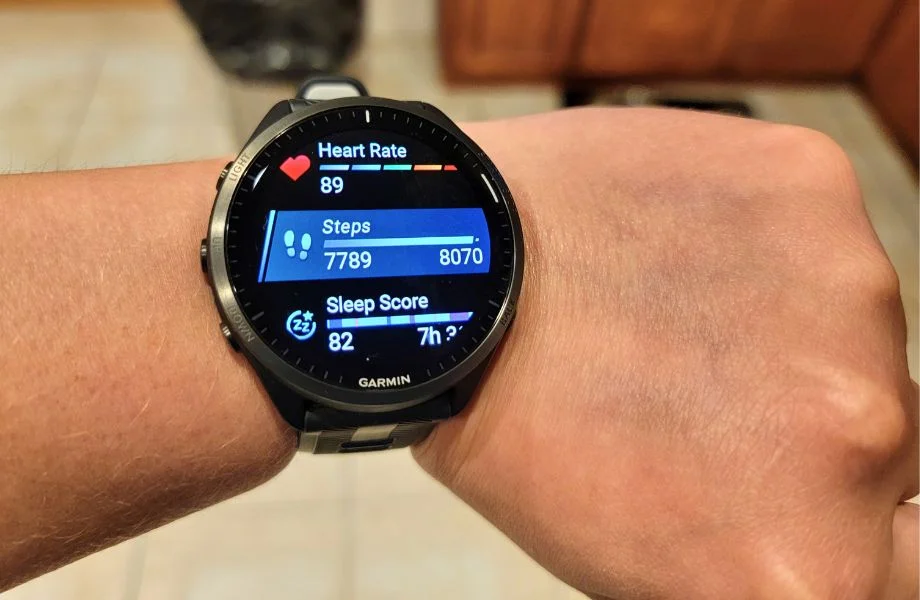
Heart palpitations are another reported concern, though uncommon, among people taking Ozempic. A palpitation is the sensation of becoming aware of your heartbeat. Some people describe it as fluttering, pounding, skipped beats, or a racing heart.
Current evidence does not suggest that Ozempic directly causes palpitations in most patients, but some common Ozempic side effects may explain them.
A likely contributor, for example, is dehydration. Nausea, vomiting, and diarrhea are among the most common side effects of semaglutide9. Fluid losses from these side effects can reduce blood volume10, prompting the heart to beat faster to maintain blood pressure.
Weight loss, itself, may also play a role. As body weight decreases and insulin sensitivity improves, some people experience lower blood pressure, especially if they also take blood pressure medications. Low blood pressure can cause heart palpitations10, as a result.
When to See a Doctor
Occasional palpitations are usually benign, but persistent or worsening symptoms deserve medical evaluation, particularly if they occur alongside chest pain, fainting, severe shortness of breath, or prolonged dizziness.
Arrhythmias
Because Ozempic can modestly increase resting heart rate, some researchers initially questioned whether it might also increase the risk of cardiac arrhythmias, which are irregular heartbeats caused by faulty electrical signaling in the body.
Evidence shows that GLP-1 receptor agonists may actually reduce the incidence or recurrence of heart arrhythmias, particularly atrial fibrillation11, 12, 13, and particularly among people with type 2 diabetes. Researchers are still investigating whether these potential anti-arrhythmic effects result primarily from weight loss or from direct effects on cardiac tissue.
Heart Failure
Heart failure, a common complication of type 2 diabetes14, is another condition that has received increasing attention in GLP-1 research. Unlike a heart attack, which occurs when blood flow to the heart muscle is blocked, heart failure develops when the heart can no longer pump blood effectively enough to meet the body’s needs.
Research is ongoing to better define the role of GLP-1 receptor agonists across different forms of heart failure, but evidence suggests that semaglutide is associated with a reduced risk of heart failure and cardiovascular mortality15, 16, 17.
When to Take Extra Caution
Although research suggests that Ozempic has an excellent cardiovascular safety profile, it isn’t appropriate for everyone, and some people should be monitored more closely after starting treatment.
For instance, those taking medications that lower blood pressure or increase fluid loss, such as diuretics, may be more susceptible to dehydration or hypotension.
Also, anyone with preexisting cardiovascular disease or a history of heart attack (myocardial infarction) should also continue routine follow-ups with their cardiologist. While semaglutide has been shown to reduce cardiovascular events in those at a high risk of cardiovascular events, it should not replace any other medication you’re currently on, such as statins or antihypertensive medications.
Finally, serious cardiovascular symptoms should never be blindly attributed to Ozempic or another GLP-1. Chest pain, severe shortness of breath, fainting, or symptoms of stroke require immediate medical attention regardless of whether or not you are taking a GLP-1 receptor agonist.

The Cardiovascular Benefits of GLP-1 Receptor Agonists
A growing body of evidence suggests that semaglutide and other GLP-1 receptor agonists reduce the risk of major cardiovascular events through a combination of weight loss, improved metabolic health, and direct effects on the cardiovascular system.
Landmark Trials
The first major breakthrough came in 2016 with the SUSTAIN-6 trial18. Researchers followed more than 3,200 adults with type 2 diabetes who were considered at high cardiovascular risk. Participants were randomly assigned to receive either semaglutide or placebo. After just over two years of follow-up, semaglutide reduced the risk of death from cardiovascular causes by 26% compared with placebo.
At the time, many experts wondered whether these benefits were unique to people with diabetes. Years later, the SELECT trial19 answered that question.
Published in 2023, SELECT enrolled more than 17,600 adults who were overweight or obese with established cardiovascular disease, but without diabetes. This allowed researchers to determine whether semaglutide’s cardiovascular benefits extended beyond glucose control.
Over an average follow-up of nearly 40 months, semaglutide reduced the risk of death from major adverse cardiovascular events by 20% compared with placebo. Participants also experienced substantial weight loss, improved blood pressure, and better overall cardiometabolic health.
Tirzepatide, a dual GLP-1 and GIP receptor agonist, has also been shown to reduce the risk of adverse cardiovascular events20, particularly heart failure21.
How Do GLP-1s Improve Heart Health?
Weight loss driven by GLP-1 medications plays a big role in their protective effects on the heart. Losing excess body fat reduces the heart’s workload, lowers blood pressure, improves insulin sensitivity, decreases triglycerides, and reduces chronic inflammation.
However, researchers increasingly believe weight loss is only part of the explanation. Several studies suggest that the reduction in cardiovascular events cannot be fully explained by weight loss alone22.
Reduced Inflammation
Chronic inflammation is recognized as a major driver of atherosclerosis and cardiovascular disease23. Excess visceral fat (fat around the internal organs), which is common with obesity, produces inflammatory molecules24 that promote insulin resistance, endothelial dysfunction (a type of coronary artery disease wherein the blood vessel linings don’t work properly), and plaque formation within arteries.
Weight loss reduces many of these inflammatory signals, but GLP-1 receptor agonists also appear to have direct anti-inflammatory effects. Studies have shown reductions25 in inflammatory biomarkers26 such as C-reactive protein (CRP) and lower oxidative stress.
It’s currently unclear how much of the cardiovascular benefit comes from these direct effects versus improvements in weight and metabolic health, but current evidence suggests both contribute.

Improved Blood Vessel Function
GLP-1 receptor agonists also improve the function of the endothelium27, the thin layer of cells lining every blood vessel. The endothelium28 regulates blood vessel dilation, blood clotting, inflammation, and blood flow.
Endothelial dysfunction29 is one of the earliest changes in the development of cardiovascular disease and commonly occurs in people with obesity, type 2 diabetes, hypertension, and metabolic syndrome before symptoms of these diseases even appear.
Studies have shown that GLP-1 receptor agonists improve endothelial function30 by increasing nitric oxide availability while reducing oxidative stress within blood vessels. Nitric oxide allows arteries to relax and widen, improving circulation and reducing arterial stiffness29.
Improved Blood Pressure
Beyond their direct effects on the health and function of blood vessels, GLP-1 receptor agonists appear to improve many of the traditional risk factors for cardiovascular disease.
Clinical trials consistently show reductions in both systolic and diastolic blood pressure31. Direct actions (like relaxed blood vessels, mentioned above) are at play here, but weight loss, reduced sodium intake due to appetite suppression, and increased release of sodium into the urine by the kidneys also contribute.
Metabolic Health
These medications also improve several markers of metabolic health, including:
- Lower fasting blood glucose and HbA1c
- Improved insulin sensitivity
- Reduced triglycerides
- Modest improvements in LDL and HDL cholesterol
- Reduced visceral fat
- Lower liver fat content in many people with metabolic dysfunction-associated steatotic liver disease (MASLD)

Who Benefits Most?
The cardiovascular benefits of GLP-1 receptor agonists are, according to current evidence, greatest among individuals who already have an elevated baseline risk of cardiovascular disease.
These include people with:
- Type 2 diabetes, particularly those with established cardiovascular disease
- Who are overweight or have obesity and existing cardiovascular disease
- Hypertension or dyslipidemia
- Metabolic syndrome
- Chronic kidney disease
- Multiple cardiovascular risk factors, including smoking, older age, or a strong family history of cardiovascular disease
It’s important to note that a GLP-1 medication is not a replacement for established cardiovascular care. If you are currently taking a statin, antihypertensive, or other cardiovascular medication, talk with your doctor before starting a GLP-1.
Cardiovascular Symptoms You Should Never Ignore While Taking Ozempic
Although Ozempic appears to be safe, even protective, for the heart, no medication can completely eliminate the possibility of a cardiac event. It’s also important to remember that many people prescribed GLP-1 receptor agonists already have obesity, type 2 diabetes, hypertension, or established cardiovascular disease—all, of which, independently increase the risk of heart attack and stroke.
For that reason, you should never dismiss serious cardiovascular symptoms as “just a side effect.”
Seek emergency medical care immediately if you experience:
- Chest pain, pressure, or tightness that lasts more than a few minutes or radiates to the jaw, shoulder, arm, or back
- Sudden shortness of breath, especially if it occurs at rest or is accompanied by chest discomfort
- Fainting or loss of consciousness
- A rapid or irregular heartbeat that persists or is accompanied by dizziness, chest pain, or difficulty breathing
- Sudden weakness or numbness on one side of the body
- Difficulty speaking, facial drooping, or sudden vision changes
- Sudden and severe swelling of the legs
These symptoms may indicate a heart attack, stroke, serious arrhythmia, or another medical emergency and require prompt evaluation regardless of whether you’re taking Ozempic.
You should still discuss less urgent symptoms with your healthcare provider, especially if they’re new or worsening. Examples include:
- New or increasing heart palpitations
- Persistent resting heart rate that feels unusually high
- Recurrent dizziness when standing
- Ongoing dehydration from nausea, vomiting, or diarrhea
- Fatigue that doesn’t improve as your body adjusts to treatment
Many of these symptoms are not caused by damage to the heart itself and can often be managed by adjusting the medication dose, improving hydration, reviewing other medications, or evaluating for unrelated medical conditions. Your healthcare provider can help determine whether your symptoms are expected, medication-related, or require additional testing.

Does Ozempic Cause Heart Problems? Final Thoughts
Current evidence does not support the idea that Ozempic causes heart problems. In fact, it’s quite the opposite.
Clinical trials involving tens of thousands of participants have demonstrated that semaglutide reduces major adverse cardiovascular events in adults with type 2 diabetes and obesity. Researchers believe these benefits stem from a combination of weight loss, improved blood sugar control, lower blood pressure, reduced inflammation, healthier blood vessels, and broader improvements in cardiometabolic health.
Of course, Ozempic isn’t a substitute for healthy lifestyle habits or specific cardiovascular care. The greatest benefits occur when the medication is combined with regular physical activity, a nutritious diet, adequate sleep, stress management, and preventive healthcare.
Does Ozempic Cause Heart Problems? FAQs
Can Ozempic cause heart palpitations?
Some people report palpitations while taking Ozempic, but current evidence doesn’t suggest the medication directly causes abnormal heart rhythms. Palpitations are often related to dehydration, electrolyte imbalances, anxiety, caffeine intake, or the known, small increase in resting heart rate associated with GLP-1 receptor agonists. If your palpitations are persistent, worsening, or occur alongside chest pain, fainting, or shortness of breath, seek medical care.
Does Ozempic increase heart rate?
Yes. Clinical studies consistently show that semaglutide increases resting heart rate by approximately one to six beats per minute, on average6. While researchers are still studying why this occurs, the increase has not been associated with a higher risk of heart attack, stroke, or cardiovascular death in large clinical trials.
Can Ozempic cause atrial fibrillation?
Current evidence does not show that Ozempic increases the risk of atrial fibrillation. In fact, some emerging research suggests GLP-1 receptor agonists may lower the risk of atrial fibrillation in certain populations14 by improving obesity, inflammation, and metabolic health.
Is Ozempic safe for people with heart disease?
Semaglutide has been extensively studied in adults with established cardiovascular disease and has been shown to reduce the risk of heart attack, stroke, and cardiovascular death in appropriately selected patients1. However, your healthcare should always be individualized based on your medical history, and treatment plans should be made in consultation with your healthcare provider.
Is Ozempic FDA-approved to reduce cardiovascular risk?
Yes, but only for certain populations. In 2025, the FDA expanded Ozempic’s labeling32 to include reducing the risk of death from major adverse cardiovascular events in adults with type 2 diabetes and chronic kidney disease. Wegovy also received an indication33 for reducing cardiovascular risk in adults who have obesity or are overweight and established cardiovascular disease based on the SELECT trial.
References
- Peter, K., Roka, O., Sepp, E. et al. The long-term cardiovascular safety and efficacy of glucagon-like peptide-1 (GLP-1) receptor agonists in high-risk cardiovascular populations: a systematic review and meta-analysis. Cardiovasc. Diabetol. – Endocrinol. Rep. 12, 36 (2026). https://doi.org/10.1186/s40842-026-00295-3
- Lorenz M, Lawson F, Owens D, et al. Differential effects of glucagon-like peptide-1 receptor agonists on heart rate. Cardiovasc Diabetol. 2017;16(1):6. Published 2017 Jan 13. doi:10.1186/s12933-016-0490-6
- “Heart Palpitations.” NHS inform, Scottish Government, 16 July 2026, https://www.nhsinform.scot/illnesses-and-conditions/cardiovascular-disease/heart-disease/heart-palpitations/.
- Shuja SH, Shuja MH, Shaukat A, et al. GLP-1 Receptor Agonists and Cardiovascular Outcomes in Adults With Diabetes and Peripheral Artery Disease: An Updated Systematic Review and Meta-Analysis. Am J Cardiol. 2026;258:268-275. doi:10.1016/j.amjcard.2025.09.039
- Galli M, Benenati S, Laudani C, et al. Cardiovascular Effects and Tolerability of GLP-1 Receptor Agonists: A Systematic Review and Meta-Analysis of 99,599 Patients. J Am Coll Cardiol. 2025;86(20):1805-1819. doi:10.1016/j.jacc.2025.08.027
- Regier EE, Venkat MV, Close KL. More Than 7 Years of Hindsight: Revisiting the FDA’s 2008 Guidance on Cardiovascular Outcomes Trials for Type 2 Diabetes Medications. Clin Diabetes. 2016;34(4):173-180. doi:10.2337/cd16-0005
- Novo Nordisk Limited. Ozempic 0.5 mg Solution for Injection in Pre-filled Pen – Summary of Product Characteristics (SmPC). electronic Medicines Compendium (emc), 7 Apr. 2026, https://www.medicines.org.uk/emc/product/9750/smpc#gref.
- Lubberding AF, Veedfald S, Achter JS, et al. Glucagon-like peptide-1 increases heart rate by a direct action on the sinus node. Cardiovasc Res. 2024;120(12):1427-1441. doi:10.1093/cvr/cvae120
- Valensi, P., Chiheb, S. & Fysekidis, M. Insulin- and glucagon-like peptide-1-induced changes in heart rate and vagosympathetic activity: why they matter. Diabetologia 56, 1196–1200 (2013). https://doi.org/10.1007/s00125-013-2909-x
- Sillassen CDB, Petersen JJ, Faltermeier P, et al. The adverse effects associated with semaglutide use in patients at increased risk of cardiovascular events: a systematic review with meta-analysis and Trial Sequential Analysis. BMC Med. 2025;23(1):654.
- Van Iterson, Erik. “Can Dehydration Cause Heart Palpitations?” Cleveland Clinic Health Essentials, Cleveland Clinic, 12 Feb. 2025, https://health.clevelandclinic.org/heart-palpitations-from-dehydration
- Liu Z, Bian N, Wu S, et al. A meta-analysis evaluating indirectly GLP-1 receptor agonists and arrhythmias in patients with type 2 diabetes and myocardial infarction. Front Cardiovasc Med. 2022;9:1019120. Published 2022 Oct 5. doi:10.3389/fcvm.2022.1019120
- Al-Sadawi MA, Aslam FM, Tao M, et al. Effects of GLP-1 Agonists on mortality and arrhythmias in patients with Type II diabetes. Int J Cardiol Heart Vasc. 2023;47:101218. Published 2023 May 19. doi:10.1016/j.ijcha.2023.101218
- “New Study Links GLP-1 Medications to Lower Risk of Atrial Fibrillation, Independent of Weight Loss.” Heart Rhythm Society, 23 Apr. 2026, https://www.hrsonline.org/news/glp1-medications-lower-afib-risk/.
- Pop-Busui R, Januzzi JL, Bruemmer D, et al. Heart Failure: An Underappreciated Complication of Diabetes. A Consensus Report of the American Diabetes Association. Diabetes Care. 2022;45(7):1670-1690. doi:10.2337/dci22-0014
- Pop-Busui R, Rasmussen S, Deanfield JE, et al. Oral Semaglutide and Heart Failure Outcomes in Persons With Type 2 Diabetes: A Secondary Analysis of the SOUL Randomized Clinical Trial. JAMA Intern Med. 2026;186(4):426-436. doi:10.1001/jamainternmed.2025.7774
- Pratley RE, Tuttle KR, Rossing P, et al. Effects of Semaglutide on Heart Failure Outcomes in Diabetes and Chronic Kidney Disease in the FLOW Trial. J Am Coll Cardiol. 2024;84(17):1615-1628. doi:10.1016/j.jacc.2024.08.004
- Deanfield J, Verma S, Scirica BM, et al. Semaglutide and cardiovascular outcomes in patients with obesity and prevalent heart failure: a prespecified analysis of the SELECT trial. Lancet. 2024;404(10454):773-786. doi:10.1016/S0140-6736(24)01498-3
- Marso SP, Bain SC, Consoli A, et al. Semaglutide and Cardiovascular Outcomes in Patients with Type 2 Diabetes. N Engl J Med. 2016;375(19):1834-1844. doi:10.1056/NEJMoa1607141
- Abdul-Hafez HA, Awashra A, Bdir S, et al. Tirzepatide and Cardiovascular Outcomes: A Narrative Review of Mechanisms, Efficacy and Implications for Heart Failure Management. Endocrinol Diabetes Metab. 2026;9(1):e70152. doi:10.1002/edm2.70152
- Zile MR, Borlaug BA, Kramer CM, et al. Effects of Tirzepatide on the Clinical Trajectory of Patients With Heart Failure, Preserved Ejection Fraction, and Obesity. Circulation. 2025;151(10):656-668. doi:10.1161/CIRCULATIONAHA.124.072679
- Lincoff AM, Brown-Frandsen K, Colhoun HM, et al. Semaglutide and Cardiovascular Outcomes in Obesity without Diabetes. N Engl J Med. 2023;389(24):2221-2232. doi:10.1056/NEJMoa2307563
- Murugadoss, K., Venkatakrishnan, A.J., Gregg, C.J. et al. Semaglutide cardiovascular outcomes align more closely with attained dose than achieved weight loss. npj Cardiovasc Health 3, 41 (2026). https://doi.org/10.1038/s44325-026-00146-1
- Cacciatore S, Andaloro S, Bernardi M, et al. Chronic Inflammatory Diseases and Cardiovascular Risk: Current Insights and Future Strategies for Optimal Management. Int J Mol Sci. 2025;26(7):3071. Published 2025 Mar 27. doi:10.3390/ijms26073071
- Banerjee D, Mani A. Obesity’s systemic impact: exploring molecular and physiological links to diabetes, cardiovascular disease, and heart failure. Front Endocrinol (Lausanne). 2025;16:1681766. Published 2025 Nov 7. doi:10.3389/fendo.2025.1681766
- Youkhana S, Odusanmi SS, Ihuchukwu BK, et al. Glucagon-Like Peptide-1 (GLP-1) Receptor Agonist Use and Inflammatory Markers Among U.S. Adults: A National Health and Nutrition Examination Survey (NHANES)-Based Analysis. Cureus. 2025;17(8):e90964. Published 2025 Aug 25. doi:10.7759/cureus.90964
- Alrasheed T, Mostafa MEA, Madkhali MA, Khairy HA. Inflammatory biomarker response to GLP-1 receptor agonists versus other glucose-lowering medications in patients with type 2 diabetes: a systematic review and meta-analysis. Front Endocrinol (Lausanne). 2026;16:1734549. Published 2026 Jan 15. doi:10.3389/fendo.2025.1734549
- Battistoni A, Piras L, Tartaglia N, Carrano FM, De Vitis C, Barbato E. Glucagon-like peptide-1 receptor agonists and the endothelium: molecular and clinical insights into cardiovascular protection. Front Med (Lausanne). 2025;12:1669685. Published 2025 Sep 9. doi:10.3389/fmed.2025.1669685
- Félétou M. The Endothelium: Part 1: Multiple Functions of the Endothelial Cells—Focus on Endothelium-Derived Vasoactive Mediators. San Rafael (CA): Morgan & Claypool Life Sciences; 2011. Available from: https://www.ncbi.nlm.nih.gov/books/NBK57149/
- Młynarska E, Bojdo K, Frankenstein H, et al. Endothelial Dysfunction as the Common Pathway Linking Obesity, Hypertension and Atherosclerosis. Int J Mol Sci. 2025;26(20):10096. Published 2025 Oct 16. doi:10.3390/ijms262010096
- Battistoni A, Piras L, Tartaglia N, Carrano FM, De Vitis C, Barbato E. Glucagon-like peptide-1 receptor agonists and the endothelium: molecular and clinical insights into cardiovascular protection. Front Med (Lausanne). 2025;12:1669685. Published 2025 Sep 9. doi:10.3389/fmed.2025.1669685
- Moiz A, Zolotarova T, Filion KB, Eisenberg MJ. GLP-1 Receptor Agonists and Blood Pressure: A State-of-the-Art Review of Mechanisms, Evidence, and Clinical Implications. Am J Hypertens. 2026;39(5):611-622. doi:10.1093/ajh/hpaf205
- “FDA Approves Ozempic® (Semaglutide) as the Only GLP-1 RA to Reduce the Risk of Worsening Kidney Disease and Cardiovascular Death in Adults with Type 2 Diabetes and Chronic Kidney Disease.” PR Newswire, Novo Nordisk, 28 Jan. 2025, https://www.prnewswire.com/news-releases/fda-approves-ozempic-semaglutide-as-the-only-glp-1-ra-to-reduce-the-risk-of-worsening-kidney-disease-and-cardiovascular-death-in-adults-with-type-2-diabetes-and-chronic-kidney-disease-302362466.html.
- “FDA Approves First Treatment to Reduce Risk of Serious Heart Problems Specifically in Adults with Obesity or Overweight.” U.S. Food and Drug Administration, 8 Mar. 2024, https://www.fda.gov/news-events/press-announcements/fda-approves-first-treatment-reduce-risk-serious-heart-problems-specifically-adults-obesity-or