

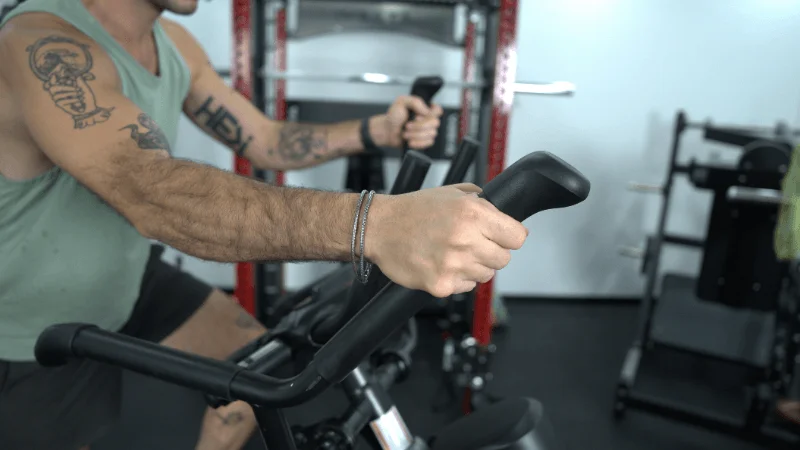
Social media made a fuss about “Ozempic face” and “Ozempic butt.” New research suggests concerns about muscle loss are overstated in medically indicated populations.
In 2023, it was hard to log onto Instagram or TiKTok without seeing something about “Ozempic butt” or “Ozempic face.” These terms refer to the aesthetic side effects of rapid weight loss that people experience when taking the drug semaglutide (also called Wegovy).
Weight loss is only part of the story when someone starts a GLP-1 medication. For many, a more pressing question is what happens to the weight that’s lost. Is it primarily body fat, or does skeletal muscle disappear along with it?
The answer is, as usual, it depends. Not only is everyone’s physiology unique, but lifestyle is a major factor in whether or not someone loses an unhealthy amount of lean mass during GLP-1 treatment.
Here, we dive into the research to answer the question: Do GLP-1s cause muscle loss?
Plus, registered dietitian Jenny Finke, founder of The Metabolic Dietitian, and Evan Strewler, head performance physiologist at Human Powered Health, provide pointers for recreational athletes who use GLP-1s.
Evidence Rating—Do GLP-1s Cause Muscle Loss?
Moderate
Thanks to years of research on glucagon-like peptide-1 receptor agonists (GLP-1 RAs) and body composition, we know a lot about how the medications affect lean body tissue. Yes, GLP-1 drugs cause a loss of lean tissue alongside a loss of fat tissue, but the latest research suggests the concern may be overstated in people who are medically indicated to take the drugs for weight loss.
People who are medically indicated to take GLP-1 RAs for weight loss generally include those who have a BMI of 30 or greater, or a BMI of 27 or greater with at least one obesity-related health condition, such as high blood pressure. Individuals with type 2 diabetes are also generally medically indicated to take them.
What the Research Shows
Current evidence shows that GLP-1 receptor agonists reduce both fat mass and lean mass, but that isn’t unique to these medications. Virtually every weight-loss intervention, from basic calorie restriction (i.e., dieting) to bariatric surgery, results in some degree of lean tissue loss. As the authors of a 2025 editorial in BMJ Nutrition, Prevention & Health1 point out, calorie restriction studies show a lean mass loss of about 30%.
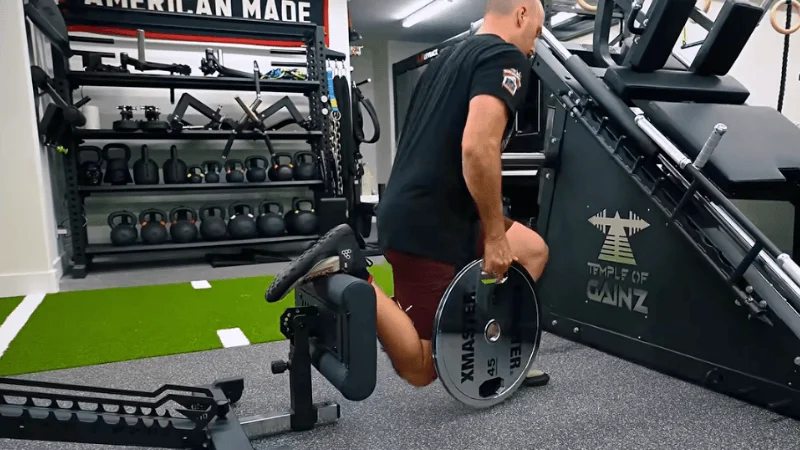
The difference is that the magnitude of weight loss achievable with modern GLP-1 agonist drugs has renewed attention on preserving lean body mass throughout treatment.
One of the most widely discussed findings surrounding GLP-1 medications is that approximately 25% to 40%1 of weight loss may come from lean mass rather than fat.
This statistic may sound like a reason to ring the alarm, but registered dietitian Jenny Finke, MS, RD, says it’s misunderstood by the general public.
“‘Lean mass’ is not the same as the actual contractile muscle itself,” she explains. “The descriptor of ‘lean mass’ is an umbrella term not only for reflecting muscle, but also total body water and glycogen, which is the stored form of carbohydrates in our muscles.”
Lean mass also includes the weight of your organs, bones, other bodily fluids, cartilage and other connective tissues, and skin. In other words, it’s everything but fat tissue.
So far, research shows that GLP-1 receptor agonist use doesn’t disproportionately cause muscle wasting:
- A 2025 meta-analysis and systematic review2 of 22 studies, with a total population size of nearly 2,300 participants, found that while GLP-1 and GIP receptor agonists reduced lean mass by an average of 25%, the percentage of lean mass relative to fat mass—a.k.a. body composition—remained unaffected.
- Another 2025 meta-analysis3 compared lean mass loss between diabetic patients taking GLP-1 agonist medication and diabetic patients not taking it. After reviewing 19 randomized controlled trials, the authors concluded that those on GLP-1s lost more fat mass and more lean mass, but that changes in lean mass percentage (body composition) were comparable between the two groups.
- In a 2026 randomized controlled trial4—and one of a few studies looking at actual muscle mass changes—researchers concluded that patients with obesity on GLP-1 agonists improved their body composition without a negative impact on muscular strength.
The takeaway from these studies is that while GLP-1 and GIP receptor agonists reduce absolute muscle mass, they don’t necessarily reduce relative muscle mass; that is, the amount of skeletal muscle you have relative to your body weight.
Lean Mass vs Muscle Mass in Clinical Trialing
Body composition is considered a “safety end point” of weight loss medications. By contrast, total body weight is considered an “efficacy end point.” Because of this, only a small fraction of study participants undergo body composition testing in GLP-1 trials, and the FDA does not require any tests of muscle function, mobility, or strength5. This makes it hard to measure the true impact of GLP-1/GIP receptor agonists on muscle health.
There’s some encouraging evidence that muscle quality may improve despite reductions in lean mass.
- In a 2025 randomized controlled trial6, patients taking tirzepatide (Mounjaro, Zepbound) showed reduced muscle fat infiltration (i.e., less fat tissue dispersed throughout muscle tissue), a marker of improved muscle health7 despite overall reduced muscle volume. A systematic review8 on tirzepatide echoes these findings.
- Similarly, a 2024 trial9 found that liraglutide (Victoza, Saxenda) reduced intramuscular fat in the thighs.
- A 2025 systematic review10 of 12 studies looked at the effects of GLP-1 receptor agonist therapy on muscle mass and strength in adults with a type of liver disease associated with muscle impairment. The researchers found no clinically meaningful loss of strength or function, with data instead pointing toward possible improvements in muscle quality.
In other words, having less lean mass doesn’t necessarily translate to weaker or less functional muscle. Instead, these imaging studies suggest that as excess fat stored within and around muscle decreases, muscle function and metabolic health may actually improve.
Muscle Quantity vs. Quality
The distinction between muscle quantity and muscle quality is important. Muscle quantity refers to how much lean tissue someone has, whereas muscle quality describes how well that muscle functions.
Factors such as fat infiltration, fibrosis, inflammation, and neuromuscular efficiency all influence muscle quality. As a result, two people with the same amount of muscle mass may differ considerably in strength and physical performance.
Early research suggests that GLP-1 receptor agonists may reduce fat within muscle tissue, potentially improving muscle quality even as total lean mass declines.
However, researchers caution that more studies are needed to determine whether these imaging changes consistently translate into better long-term strength and physical function across different populations.
And, importantly, research also shows11 that lifestyle modifications, like eating more protein and engaging in resistance training exercise, do a lot to preserve lean mass and improve functional movement during treatment. Scientists are also exploring combination treatments to preserve lean mass during weight loss with GLP-1 drugs.
For those who fall into at-risk groups (those who are physically inactive, are in perimenopause or menopause, have sarcopenia, or started treatment with low baseline muscle mass), the degree of lean mass loss during GLP/GIP receptor agonist treatment may warrant extra caution.
Keep In Mind
Clinical evidence on medications like Ozempic and muscle mass comes from studies using medically indicated populations—generally individuals with a BMI of 30 or greater, or a BMI of 27-30 with at least one weight-related comorbidity, like type 2 diabetes. There are no studies exploring lean mass loss in healthy-weight individuals without obesity-related diseases.
How GLP-1s Affect Lean Mass
Much of the lean mass loss seen with GLP-1 therapy is a predictable consequence of losing weight in general.
Whenever the body enters a sustained calorie deficit (which GLP-1 receptor agonists cause via appetite suppression), it begins using stored energy to meet its needs. Fat provides most of that energy, but some glycogen, body water, and lean tissue are lost as well. This occurs whether someone loses weight through dietary changes, exercise, medication, or bariatric surgery, or a combination of methods.12
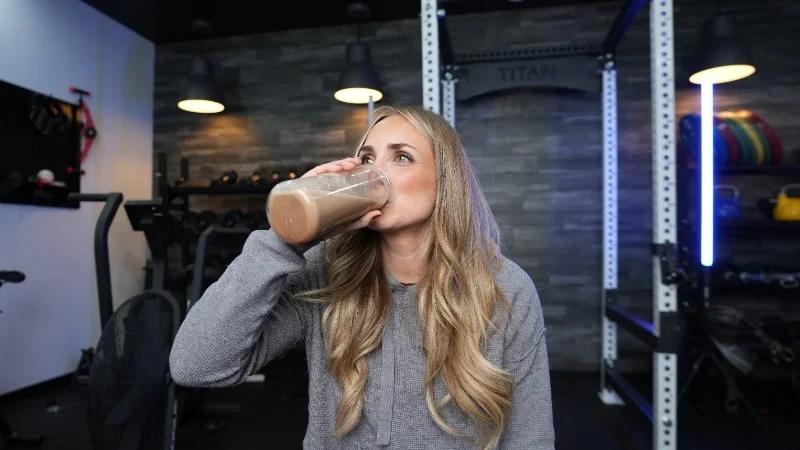
“As people reduce calorie intake, it’s normal for glycogen and water in the body to decrease because they’re eating less energy,” says registered dietitian Jenny Finke, owner of The Metabolic Dietitian. “As body size begins to decrease, body water decreases as well. I expect to see some degree of lean mass lost through any weight-loss phase, regardless of whether the client is taking a GLP-1.”
“I work with clients who take GLP-1s and clients who lose weight without them,” Finke continues. “Both groups achieve similar results. The difference is that people taking GLP-1s usually report much less food noise and fewer hunger cues, so they know to be more intentional about meal composition and timing.”
What It Means for You
For anyone using a GLP-1 medication, the goal shouldn’t simply be losing weight. It should be losing fat while preserving as much muscle, strength, and physical function as possible.
“The thing I care more about is whether the person is actually getting weaker, losing mobility, or seeing a decline in physical function,” Finke says. “In any dieting phase, a small amount of muscle loss can be expected, but it can be minimized if the client prioritizes protein and continues progressive overload strength training.”
Studies consistently show that resistance training is one of the most effective ways to preserve lean tissue during weight loss. Pairing strength training with adequate protein intake, typically around 1.2 to 1.6 grams per kilogram of body weight, or up to 2.4 grams per kilogram of body weight for active individuals, produces the best outcomes.13
High-Protein Diets for Weight Loss
GGR’s team of certified nutrition coaches and network of registered dietitians have created many guides on high-protein nutrition.
Evan Strewler, head performance physiologist at Human Powered Health, says movement isn’t optional during treatment.
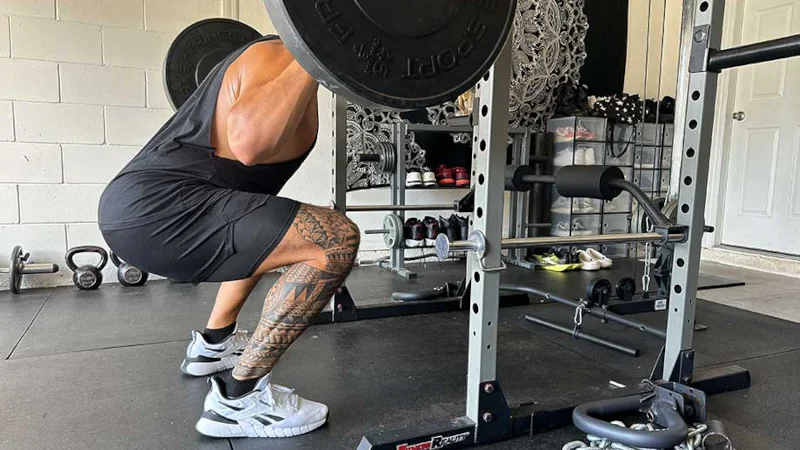
“In order to retain muscle mass, you need to move your body,” he says. “Ideally, that means two to three days of strength training each week, totaling around 150 minutes of activity. Lean mass becomes ‘expensive’ for the body to maintain if you’re not using it.”
He also encourages people to look beyond the scale.
“Success on a GLP-1 journey is really dependent on the person, and without getting data, you’re going to be in the dark when it comes to understanding and appreciating the true before and after,” Strewler says. “Just because your weight is down doesn’t necessarily mean you’ve made meaningful improvements in your physiology.”
Strewler recommends getting a DXA scan before starting a GLP-1 and rescanning every six months thereafter while you’re on the medication. This “provides a true tracking measure of where weight loss is occurring.”
He also encourages people to pay attention to other markers of health and fitness, like VO2 max (a key indicator of cardiovascular health) and grip strength (strongly associated with overall physical function14).
Exercising During Weight Loss
These workouts and plans from GGR coaches can help you maintain fat-free mass during periods of weight loss.
Final Thoughts: Do GLP-1s Cause Muscle Loss?
Ultimately, current evidence suggests that disproportionate muscle loss isn’t an inevitable downside of GLP-1 therapy. If anything, it’s a manageable risk, the same as with other weight loss methods.
People who continue resistance training, consume sufficient protein, and remain physically active appear much more likely to preserve strength and function while reaping the metabolic benefits of substantial fat loss.
The concern about muscle loss is greater in individuals who are not medically indicated to take weight management drugs (i.e., individuals at a normal weight and without an obesity-related health condition), as well as those in high-risk groups (sarcopenia, perimenopause/menopause, physically inactive).
FAQs
Can I cut on Ozempic?
Yes. In fact, Ozempic is often used during a calorie deficit because it reduces appetite, making it easier to eat fewer calories. However, cutting while taking Ozempic requires extra attention to preserving muscle mass. Rapid weight loss can lead to losses of both fat and lean tissue, particularly if protein intake is low or you aren’t doing resistance training. To minimize muscle loss, aim to eat enough protein (generally 1.2 to 1.6 grams per kilogram of body weight per day for active individuals), lift weights at least two to three times per week, and avoid overly aggressive calorie restriction. A slower rate of weight loss is better for maintaining muscle.
Will Ozempic make my bench go down?
Not necessarily, but it can if you lose muscle mass, eat too little, or stop training consistently. Many people experience lower energy intake while taking Ozempic, which can make it harder to recover from workouts and maintain strength. If you prioritize nutrition (especially protein intake) and keep your training consistent, you may be able to avoid drastic declines in bench performance.
Does Ozempic affect weight lifting?
Ozempic doesn’t directly interfere with your muscles’ ability to lift weights, but it can indirectly affect your workouts. Because it slows digestion and suppresses appetite, some people find it difficult to eat enough calories and protein to support training and recovery. Others may experience temporary side effects such as nausea, fatigue, or stomach discomfort that make it hard to work out, particularly during the first few weeks of treatment. For many people, these effects improve over time, and regular resistance training remains one of the best ways to preserve muscle while losing weight on Ozempic.
Does Ozempic make you weaker?
Ozempic itself does not appear to make muscles weaker. However, losing muscle mass during rapid weight loss can reduce strength if preventive steps aren’t taken. Current evidence suggests that people who continue strength training, consume adequate protein, and lose weight at a moderate or slow pace are much more likely to preserve both muscle function and strength. Some studies even suggest muscle quality may improve as excess fat within and around muscle decreases. The key is combining the medication with healthy nutrition and regular resistance exercise rather than relying on the medication alone.
References
- Mocciaro G, Capodici A, De Amicis R. GLP-1 receptor agonists induce loss of lean mass: so does caloric restriction. BMJ Nutr Prev Health. 2025;8(1):e001206. Published 2025 Mar 3. doi:10.1136/bmjnph-2025-001206
- Karakasis P, Patoulias D, Fragakis N, Mantzoros CS. Effect of glucagon-like peptide-1 receptor agonists and co-agonists on body composition: Systematic review and network meta-analysis. Metabolism. 2025;164:156113. doi:10.1016/j.metabol.2024.156113
- Jiao R, Lin C, Cai X, et al. Characterizing body composition modifying effects of a glucagon-like peptide 1 receptor-based agonist: A meta-analysis. Diabetes Obes Metab. 2025;27(1):259-267. doi:10.1111/dom.16012
- Langer HT, Gilmore NK, Hayden CMT, et al. Weight loss with GLP-1 medicines does not result in a disproportionate loss of muscle mass or function in obese mice and humans. Cell Rep Med. 2026;7(3):102665. doi:10.1016/j.xcrm.2026.102665
- Linge J, Birkenfeld AL, Neeland IJ. Muscle Mass and Glucagon-Like Peptide-1 Receptor Agonists: Adaptive or Maladaptive Response to Weight Loss?. Circulation. 2024;150(16):1288-1298. doi:10.1161/CIRCULATIONAHA.124.067676
- Sattar N, Neeland IJ, Dahlqvist Leinhard O, et al. Tirzepatide and muscle composition changes in people with type 2 diabetes (SURPASS-3 MRI): a post-hoc analysis of a randomised, open-label, parallel-group, phase 3 trial. Lancet Diabetes Endocrinol. 2025;13(6):482-493. doi:10.1016/S2213-8587(25)00027-0
- Wang L, Valencak TG, Shan T. Fat infiltration in skeletal muscle: Influential triggers and regulatory mechanism. iScience. 2024;27(3):109221. Published 2024 Feb 15. doi:10.1016/j.isci.2024.109221
- Hidalgo Ramos RA, Hong I, Ortiz M, Secades D, Dufner Krieger S, Ramos Stanziola L. Effects of Tirzepatide on Skeletal Muscle Mass in Adults: A Systematic Review. Cureus. 2025;17(7):e89020. Published 2025 Jul 29. doi:10.7759/cureus.89020
- Pandey A, Patel KV, Segar MW, et al. Effect of liraglutide on thigh muscle fat and muscle composition in adults with overweight or obesity: Results from a randomized clinical trial. J Cachexia Sarcopenia Muscle. 2024;15(3):1072-1083. doi:10.1002/jcsm.13445
- Iorra F, Jayakar T, Yee M, Thursz MR, Schaan BD, Manousou P. Effects of GLP-1 Receptor Agonists on Muscle Mass, Strength, and Quality in MASLD: A Systematic Review. Liver Int. 2026;46(5):e70643. doi:10.1111/liv.70643
- Tinsley GM, Nadolsky S. Preservation of lean soft tissue during weight loss induced by GLP-1 and GLP-1/GIP receptor agonists: A case series. SAGE Open Med Case Rep. 2025;13:2050313X251388724. Published 2025 Oct 16. doi:10.1177/2050313X251388724
- Cava E, Yeat NC, Mittendorfer B. Preserving Healthy Muscle during Weight Loss. Adv Nutr. 2017;8(3):511-519. Published 2017 May 15. doi:10.3945/an.116.014506
- Janssen TAH, Van Every DW, Phillips SM. The impact and utility of very low-calorie diets: the role of exercise and protein in preserving skeletal muscle mass. Curr Opin Clin Nutr Metab Care. 2023;26(6):521-527. doi:10.1097/MCO.0000000000000980
- Szaflik P, Zadoń H, Michnik R, Nowakowska-Lipiec K. Handgrip Strength as an Indicator of Overall Strength and Functional Performance—Systematic Review. Applied Sciences. 2025; 15(4):1847. https://doi.org/10.3390/app15041847