

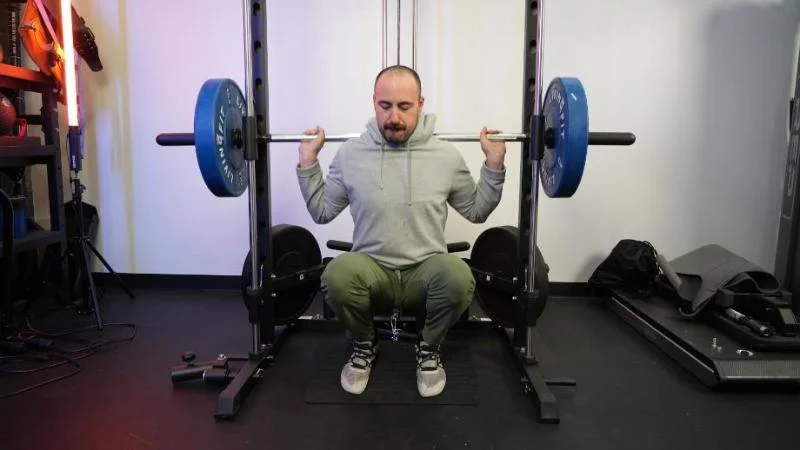
Serena Williams’ comeback after using tirzepatide, a GIP and GLP-1 agonist medication, raises questions about the drug’s effects on athletic performance.
The rapid rise of GLP-1 medications has sparked an uncomfortable question in the fitness industry: If these drugs help people lose substantial amounts of weight, what do they mean for athletic performance?
Research examining GLP-1 medications specifically in trained athletes is extremely limited, leaving coaches and sports scientists with more questions than definitive answers. Many are wondering whether GLP-1 medications could reshape competitive sports, especially as the World Anti-Doping Agency (WADA) has added GLP-1 agonists to its monitoring program (which doesn’t mean these drugs are banned, just that the organization is keeping an eye on their usage; more on that later).
Depending on the sport, some argue, the rapid weight loss caused by these medications could be considered a competitive advantage. Others argue that the related lean mass loss and appetite suppression hurt, not help, athletes.
Ahead, dive into the scrutiny around GLP-1s in sport, and hear from registered dietitian Jenny Finke, founder of The Metabolic Dietitian, and Evan Strewler, head performance physiologist at Human Powered Health, on what it all means for the recreational athlete.
Evidence Rating—GLP-1s as Performance Enhancers
Low/Limited Research
Current research shows no evidence of GLP-1s directly improving athletic performance, though greater ease of movement and improved fitness may be downstream effects for the recreational exerciser.
GLP-1s Under Scrutiny in Sport
The debate about GLP-1 agonists as performance enhancers intensified after public speculation surrounding elite athletes and weight-loss medications, including recent discussions around Serena Williams’ comeback at the 2026 HSBC Championships in London.
At age 44 and nearly four years after her last court appearance at the U.S. Open in 2022, Williams, alongside her doubles partner Victoria Mboko, won her opening match.
Williams has been very open about her use of GLP-1 medications, specifically Zepbound (tirzepatide), which she has promoted as an ambassador of telehealth brand Ro. In a video posted on Ro’s social channels, Williams says, “Some of my health stats are better than they were when I was playing tennis professionally.”
She also shares that she lost 34 pounds after one year on the medication, saying, “There’s less stress on my knees, so I can pull off moves that I could, quite frankly, never do before.”
The star athlete’s recent return to sport raised a question: Did her use of tirzepatide contribute to her winning athleticism?
It’s a timely moment to address a broader question that’s been lingering in the background of competitive sport: If these medications improve body composition or allow athletes to compete at lower body weights, should they be considered performance-enhancing?
GLP-1s as Performance Enhancers: What the Research Shows
At the moment, there’s little scientific evidence to support the hypothesis that GLP-1 agonist drugs work as performance-enhancing drugs. WADA does not prohibit GLP-1 receptor agonists, because no research has yet demonstrated that they directly enhance athletic performance.
What researchers have observed is more nuanced. Clinical trials consistently show improvements in physical function1, 2 among people with obesity as they lose weight on GLP-1 medications.

Walking, climbing stairs, hiking, and other weight-bearing activities require less effort after significant weight loss, and reduced joint loading may improve comfort and endurance during daily movement. These functional gains are well supported by clinical research, particularly among people with obesity-related conditions such as knee osteoarthritis.
Such improvements, however, largely reflect carrying less body mass rather than absolute increases in fitness or athletic capability. In fact, research has also shown that patients on GLP-1s tend to lose body fat without improvements in cardiorespiratory fitness3.
GLP-1 receptor agonists also have systemic anti-inflammatory effects. This is an indirect mode of performance enhancement that may improve movement capacity for some people.
Courtney Lawson, a labor and delivery nurse who has been taking semaglutide for a year and a half, says she has noticed improvements in her mobility and flexibility since starting the medication.
“I also experienced better ease of movement and less strain on my joints,” she says. “It wasn’t as much ‘work’ to move my body comfortably, whereas beforehand, it was difficult for me to climb up stairs, lift heavy items, walk, and even simply shave my legs from being overweight.”
No randomized clinical trials have shown improvements in measures such as maximal strength, sprint speed, power output, or aerobic capacity that can be attributed to the medications themselves.
Instead, the available data suggest that any gains in mobility or physical function from weight loss may be offset, at least in part, by reductions in lean tissue4 if muscle-preserving strategies such as resistance training and adequate protein intake are not incorporated.
How do GLP-1s Impact Athletic Performance?
From a purely mechanical standpoint, carrying less body mass can improve performance in certain activities. Running, hiking, climbing, gymnastics, and other weight-bearing sports often become more efficient when athletes lose excess fat while maintaining strength. (“While maintaining strength” is the key phrase here.)
For this reason, GLP-1 drugs have come under scrutiny in weight-sensitive sports. WADA has added semaglutide and tirzepatide to its monitoring program, which allows the agency to track usage trends, potential health risks, and potential “patterns of misuse.” Semaglutide (Ozempic, Wegovy, Rybelsus) was added to the program in 2024, with tirzepatide (Zepbound) following in 2025.
It’s important to remember that lower body weight isn’t automatically an advantage in terms of athletic performance. Losing weight without maintaining muscle may lead to reductions in strength and power.
Registered dietitian Jenny Finke, MS, RD, says that’s why body composition deserves more attention than the number on the scale. She cautions against assuming lighter always means fitter.
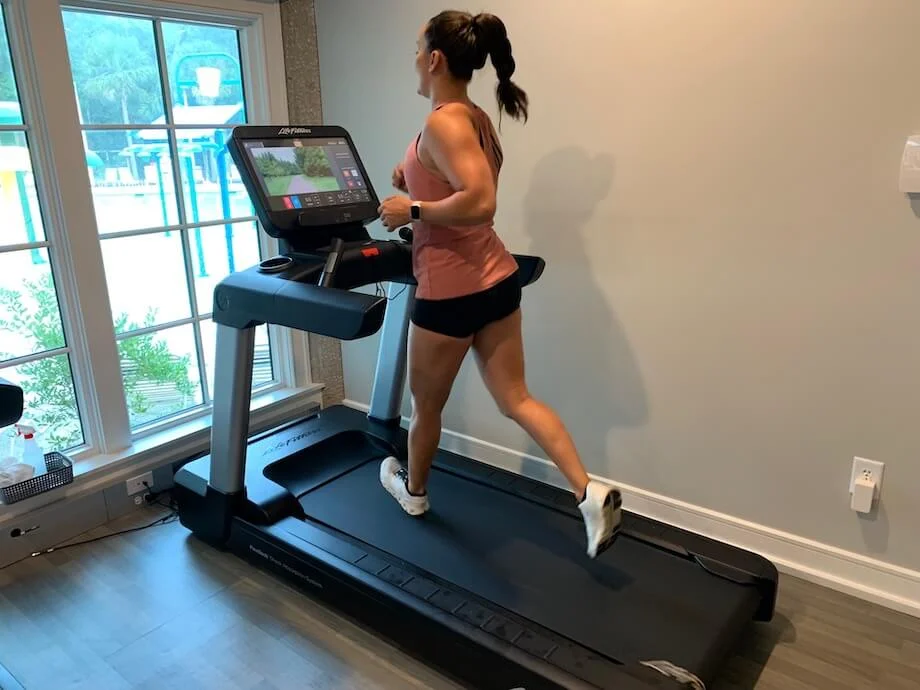
“These medications don’t automatically make someone fitter just because they make them lighter,” she says. “But it’s also not fair to say they only make people smaller in a way that has no real health upside,” she says.
She continues, “Two people could end up with very different results depending on how well they protect their muscle during the process of losing weight, not just whether one of them is taking a GLP-1.”
Additionally, athletes training for competition need sufficient energy availability to support performance and recovery. Appetite suppression, while beneficial for weight management, can make it difficult to consume enough calories, protein, and carbohydrates to meet those demands.
Recovery depends on having enough energy to repair muscle tissue, replenish glycogen stores, and support the hormonal processes involved in adaptation. If those needs aren’t met, training quality will suffer over time.
Another consideration is the gastrointestinal effects that GLP-1 receptor agonists have on some individuals. These medications have been linked to symptoms like nausea, constipation, and diarrhea5, which, naturally, could negate any positive performance effects in athletes. (Though this research has not been performed in athletes; only in individuals with overweight, obesity, and/or type 2 diabetes).
Sports dietitians increasingly recommend that athletes using GLP-1 medications work closely with qualified clinicians to monitor body composition, training quality, recovery, and nutrient intake.
“The bigger concern,” Finke says, “is whether the medication is being used in a way that supports function over time. That means enough protein, enough resistance training, and enough day-to-day movement rather than assuming the medication will do all of that work on its own.”
What It Means for You
For recreational exercisers who have excess weight to lose, GLP-1 medications may make training more enjoyable. Reduced joint stress, improved metabolic health, and greater ease of movement often allow people to exercise more consistently than they could before losing weight.
In that sense, improved fitness may occur indirectly because the medication removes barriers that previously limited physical activity.
But, as Evan Strewler, head performance physiologist at Human Powered Health, points out: “It can become ‘expensive’ (metabolically) to keep lean mass if we are not using it. When taking a peptide such as a GLP-1, lifestyle modifications are needed in order to see the ‘right’ weight loss occur.”
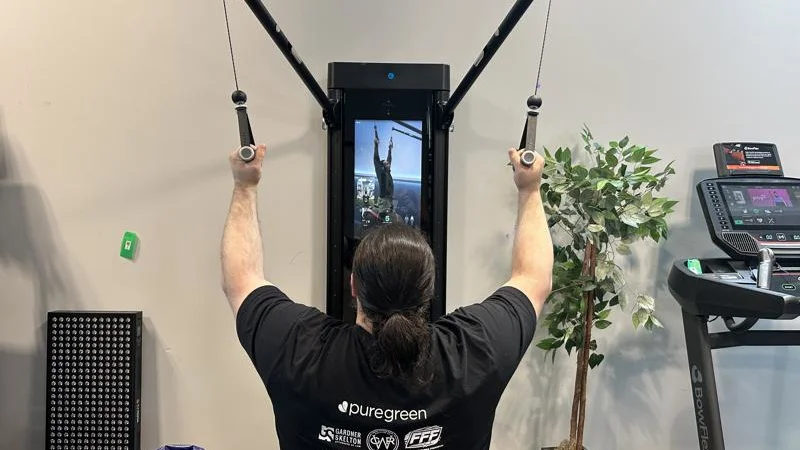
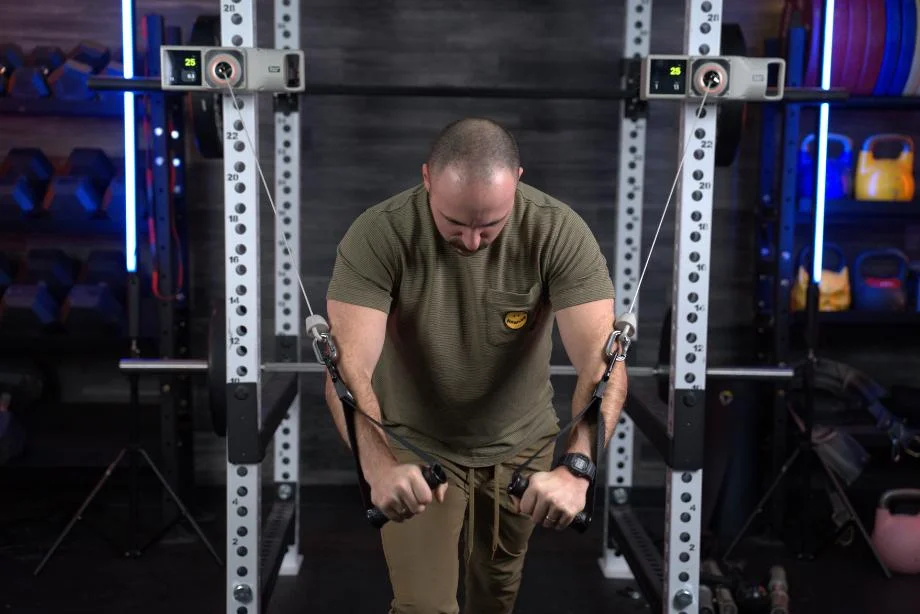
In order to retain muscle mass, you need to do resistance training, Strewler says. He suggests at least two to three strength training sessions per week, for at least a total of 150 minutes per week. When strength training, try to push each set to an effort level of 7-8 out of 10 for a strong muscle stimulus that encourages growth.
Getting Started With Resistance Training
These guides from GGR trainers and coaches can help you get started with strength training:
- How to Start Lifting Weights
- 12 Benefits of Strength Training
- 15-Minute Strength Training Workouts
- Workout Schedule for Beginners
Strewler recommends that people taking GLP-1s undergo body composition assessments, such as a DXA scan, before and during treatment. A DXA shows the precise amounts of lean and fat tissue, which makes it a great way to track progress.
“Without having baseline data to track changes over time, it is very hard to quantify where the weight loss is actually coming from,” Strewler says.
Final Thoughts: Are GLP-1s Performance Enhancers?
For now, the evidence suggests GLP-1 medications shouldn’t be viewed as performance-enhancing drugs.
Instead, they’re powerful metabolic therapies that may improve health and movement capacity in people who are medically indicated to take the drugs—and they also introduce serious nutritional and recovery considerations for those pursuing high-level athletic performance.
References
- Schmidt PHS, de Souza VSN, Machado LG, et al. Tirzepatide on physical function in adults with overweight or obesity: A systematic review and meta-analysis. Diabetes Obes Metab. 2026;28(4):3335-3343. doi:10.1111/dom.70529
- Rubino D, Bjorner JB, Rathor N, et al. Effect of semaglutide 2.4 mg on physical functioning and weight- and health-related quality of life in adults with overweight or obesity: Patient-reported outcomes from the STEP 1-4 trials. Diabetes Obes Metab. 2024;26(7):2945-2955. doi:10.1111/dom.15620
- Zhenqi Liu, Nathan R Weeldreyer, Siddhartha S Angadi. Incretin Receptor Agonism, Fat-free Mass, and Cardiorespiratory Fitness: A Narrative Revie., The Journal of Clinical Endocrinology & Metabolism, Volume 110, Issue 10, October 2025, Pages 2709–2717, https://doi.org/10.1210/clinem/dgaf335
- Karakasis P, Patoulias D, Fragakis N, Mantzoros CS. Effect of glucagon-like peptide-1 receptor agonists and co-agonists on body composition: Systematic review and network meta-analysis. Metabolism. 2025;164:156113. doi:10.1016/j.metabol.2024.156113
- Ismaiel, A., Scarlata, G.G.M., Boitos, I. et al. Gastrointestinal adverse events associated with GLP-1 RA in non-diabetic patients with overweight or obesity: a systematic review and network meta-analysis. Int J Obes 49, 1946–1957 (2025). https://doi.org/10.1038/s41366-025-01859-6