


Your blood sugar range probably isn’t something you have at the top of your mind and, for the most part, it shouldn’t be. Not if you are healthy, anyway. As a healthy person, having low blood sugar can be dangerous and cause unsavory symptoms like hunger, irritability, and even fainting. But this isn’t super common unless you are actively (and excessively) fasting.
RELATED: What Is Intermittent Fasting?
Those who have trouble intrinsically controlling their blood sugar need to be a bit more vigilant. Blood sugars that are consistently high can cause serious health problems and even increase your risk of kidney disease, heart disease, and other long-lasting issues. So, let’s talk about blood sugar range. Who should be worried about it, what highs and lows mean, how to detect them, and how to best manage them.
What Is Blood Sugar?
Blood sugar, also referred to as “blood glucose,” is the glucose that’s available in the blood that the body then uses for fuel. This glucose ends up in the blood after food and drinks are digested through the intestines and pancreas. The end products are metabolized by the liver, which sends nutrients to the bloodstream for them to be delivered to our tissues to be used as energy.
Blood sugar is most significantly impacted when carbohydrates are ingested. This is because, out of all the macronutrients, carbs have the largest content of glucose when fully digested. When glucose is released to the bloodstream, it triggers the pancreas to produce a hormone called insulin.

Insulin’s job is to shuttle blood glucose to where it is needed for energy. Once all tissues have been taken care of, insulin stores the excess either as fat tissue or as glycogen to be used for later. Glycogen is stored in the muscles and liver and keeping these stores full is a common goal of athletes, especially endurance athletes.
RELATED: Best Running Gels
This is because glycogen stores are only tapped when blood glucose has been used up, which is typically 3 to 4 hours after a meal1. This is why athletes are advised to eat every 3 to 4 hours in order to preserve glycogen for when it’s needed during activity when it doesn’t make sense for an active individual to stop and eat to delay fatigue.
To summarize, our blood glucose is used for fuel and insulin is the boss making sure blood glucose levels are regulated and controlled, ideally within normal ranges. When your blood sugar level is too high or low it can cause real problems for the body and even lead to health problems.
What Is a Normal Blood Sugar Range?
A normal blood sugar range can vary from person to person2. For example, people who are pregnant have a different normal than people who are not pregnant, according to the American Diabetes Association. Age and a diagnosis of diabetes also plays a role.
For the purposes of this article, we’ll go over the target range for healthy, non-pregnant adults. When blood glucose is measured while fasting, or after a period of not consuming calories for 8 hours, the normal range for plasma glucose is 100 milligrams per deciliter (mg/dL) or less.
If fasting blood glucose is 100 to 125 milligrams per deciliter, this means your body is experiencing insulin resistance which is also classified as prediabetes. Now, this isn’t full-blown diabetes, but this reading indicates your body isn’t reacting to insulin the way that it should.
RELATED: Best Protein Bars for Diabetics
When this happens, your healthcare team may advise you to keep an extra careful eye on your weight and intake of carbohydrates to ensure you don’t cross the threshold, as diabetes is irreversible for the most part.
Finally, a reading of 126 milligrams per deciliter or higher indicates that your body isn’t producing enough insulin to keep blood sugars under control. This often results in a Type 2 diabetes diagnosis.
What Causes High Blood Sugar?
High blood sugar, also called hyperglycemia, is something that is more or less normal. Blood sugars should be slightly elevated after a meal. It’s also been known to occur during periods of stress, illness, or trauma, as these conditions cause the body to release adrenaline. Adrenaline is released due to the body’s fight or flight response, thus stimulating the liver to release glycogen into the blood as glucose to give the body fuel.
Now, when the body experiences hyperglycemia consistently and these high blood sugar levels remain elevated, this is a problem. Too much sugar in the blood can actually damage the body’s tissues. If you’ve ever heard of those with poorly-managed Type 2 diabetes experiencing amputations, nerve damage, or kidney disease, this is the reason.
RELATED: Best Diabetic Meal Delivery
Persistent hyperglycemia slowly destroys the blood vessels which affects the circulation, with the smaller blood vessels in the body being the most vulnerable. Without adequate blood flow, nerves begin to die, resulting in irreversible numbness in the hands and feet, blindness, high blood pressure, and kidney disease. These are called Type 2 diabetes comorbidities.
Here are some reasons an individual may experience hyperglycemia:
- You are experiencing illness, injury, or stress
- It is between 4 am and 5 am, which is a time frame in which the body spontaneously releases a surge of insulin for an unknown reason. This is called “the dawn phenomenon.”
- You have Type 1 diabetes and have not injected enough insulin
- You have Type 2 diabetes and have not taken your medication or you ate more than your recommended amount of carbs
- You have prediabetes and are experiencing insulin resistance
What Causes Low Blood Sugar?
Hypoglycemia, or low blood sugar, is classified as a blood sugar that is lower than 70 milligrams per deciliter. While it takes months or years for hyperglycemia to cause lasting damage to the body, low blood sugar can be immediately life-threatening.
Even healthy individuals without diabetes frequently experience low blood sugar, but it’s the most common (and most alarming) in those with Type 1 diabetes. While Type 2 diabetes means the body doesn’t produce enough insulin and/or doesn’t respond to insulin the way that it should, Type 1 diabetes is the type of diabetes classified by the pancreas producing no insulin.
The difference between the two conditions is that Type 1 diabetes is an autoimmune disease in which the body attacks itself and destroys the part of the pancreas that makes insulin. Type 1 diabetes may arise due to genetics, but has no known cause. Type 2 diabetes typically arises due to poor lifestyle changes, chronic inflammation, and developing obesity.
RELATED: Best Sugar-Free Electrolyte Powder
Low blood glucose can be caused by:
- Being very physically active
- Alcohol
- Skipping meals
- Taking too much insulin or not scaling insulin with your intake of carbs
- Being at a high altitude or in hot weather
- Eating too many refined carbohydrates
The danger of hypoglycemia is highest when we sleep, because we aren’t eating when we are sleeping, but the body is still using energy to help you recover from your day. If you typically get low blood sugar in the middle of the night, have a small portion of carbohydrates before bed.
Those with Type 1 diabetes will wear a continuous glucose monitor (CGM) which sets off an alarm if your blood sugar gets too low, especially while asleep. Even people who are pros at managing blood sugar may get hypoglycemia as the body can be unpredictable when it decides to use more blood sugar than usual, so pay attention to any potential symptoms.
It is imperative to consume something high in sugar like fruit juice to boost your blood sugar back to normal ranges quickly if you have diabetes and experience hypoglycemia.
When to Check Your Blood Sugar
I want to be very clear here: Unless you have Type 1 diabetes, Type 2 diabetes, or gestational diabetes, you don’t need to be checking your blood sugar. To some extent, pregnant people may be asked by their health care provider to monitor their sugar if they have risk factors for gestational diabetes, which can be dangerous for both them and the baby.
Some advocates of low-carb diets recommend that followers of the diet use a continuous glucose monitor to see how certain foods affect your blood sugar.
RELATED: What Is a GOLO Diet? Health Revolution or Just Another Fad?
There is also the misguided claim that high blood sugars, and thus high levels of insulin, blocks the body’s ability to burn fat, so you must use a glucose meter to ensure your blood sugar level stays between 70 and 100 milligrams per deciliter to get the most of your diet.
Though it’s not inherently harmful to use a continuous glucose monitor (CGM), most dietitians heavily frown at this practice in healthy individuals. It’s largely unnecessary to track your body’s natural response to eating food, which is elevated blood sugar, and it can cause people to develop an unhealthy relationship with food.
Generally, newly diagnosed diabetics will be referred to a diabetes educator, usually a dietitian or nurse, who will show them how to use their glucose meter. Those with Type 2 diabetes still produce some insulin so they don’t have to monitor their lows and highs as closely as those with Type 1 diabetes and typically don’t use a CGM.

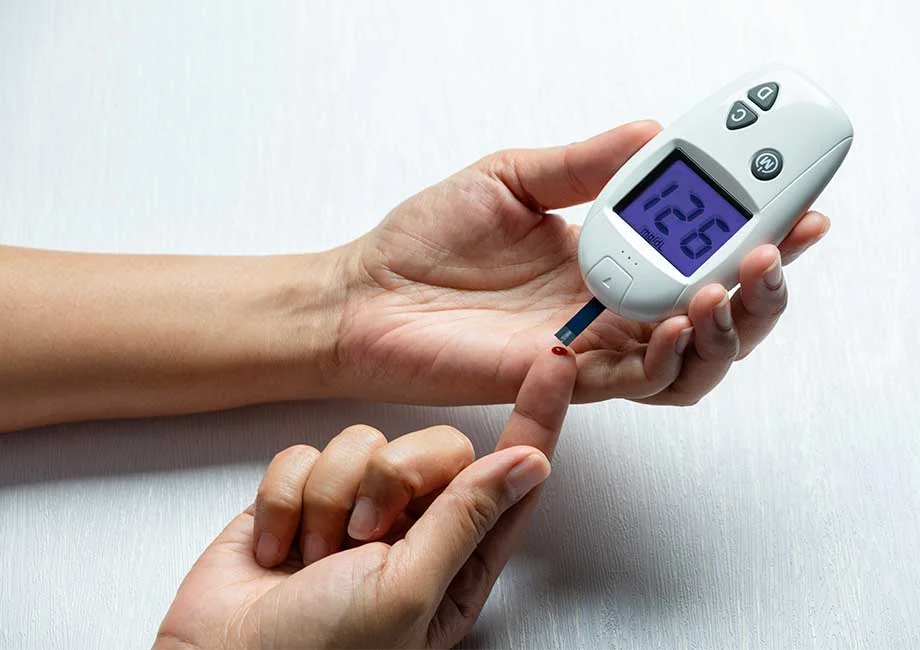
For others who have to check their blood sugar manually, their health care provider will typically let them know how often to check. This monitoring involves pricking your fingertip with a small lancet and putting a drop of blood on a test strip, which then goes into your glucose meter, and test results will show up on the screen within seconds to show your current level of plasma glucose.
According to the CDC3, “Monitoring will help you figure out what affects your numbers, find patterns, and adjust as you go. By checking regularly you’ll be more likely to achieve your blood sugar target ranges. Monitoring also helps your health care team make decisions about your diabetes care plan. Your doctor will tell you when and how often to check your blood sugar levels.”
RELATED: Best Low-Sugar Protein Bars 2024
In general, though, you want to check your blood sugar level:
- First thing in the morning while still fasted
- Before you eat
- Two hours after you eat
- Before going to bed for the night
These readings will be helpful in informing when to take your insulin and how much to take. It can also give valuable information on if you need to adjust how many carbohydrates you have at meals or if hypoglycemia could be setting in and you need to have a snack.
Symptoms of High Blood Sugar
Symptoms of hyperglycemia aren’t as obvious as hypoglycemia. So, if you have diabetes and suspect your blood glucose levels are too high, it’s safest to get out a test strip. That said, these are the most common signs:
- Frequently urinating
- Fruity smelling urine
- Dry mouth
- Fatigue
Unless you are testing your blood sugar constantly, it can be hard to know if your blood sugar is chronically elevated. So, your healthcare team may order an A1C test. Your hemoglobin A1C (HBA1C) is a measure of how high your blood sugar has been over a three-month period.
It basically takes a blood sample and measures how “sticky” your red blood cells are and the test results are presented as a percentage, which indicates how much of your red blood cell is coated in glucose. An HBA1C of 5.7% or less is considered normal and indicates no insulin resistance.
When the reading is 5.7% to 6.4%, it indicates prediabetes, and if the reading is 6.5% or above, it indicates diabetes, since it shows the pancreas’s low level of insulin is consistent enough to qualify for diabetes diagnosis.
RELATED: Best Protein Powder for Diabetics
Once you are diagnosed, your healthcare professional will typically test your HBA1C every three months with the goal of keeping it at 7% or less, which indicates optimal blood sugar control. In the meantime, it’s important to look out for the symptoms above.
More severe symptoms of high blood sugar include fruity breath, nausea, vomiting, confusion, and extreme fatigue. These signs indicate diabetic ketoacidosis and warrant immediate medical attention.
Symptoms of Low Blood Sugar
Even healthy individuals have likely experienced hypoglycemia, when the body’s blood glucose levels are low. Here are some common symptoms:
- Shaking
- Anxiety
- Confusion
- Dizziness
- Hunger
- Elevated heartbeat
- Sweating
There is something called hypoglycemia unawareness which occurs in those with poorly managed blood sugars. It happens when you are low so often, your body may not exhibit any symptoms. It can also happen with certain medications used to treat heart health problems.
Either way, if this is you, you want to be sure to employ your blood glucose monitoring skills more often.
How to Manage Your Blood Sugar
As I said earlier, if you have a working pancreas, you shouldn’t be concerned about this. That said, managing blood sugar can be easy with a few lifestyle changes. “Managing blood sugar” basically means avoiding high blood glucose and low blood glucose to stay in target range.
The best way to do this is to control your intake of carbs during meals, since carbohydrates have the biggest impact on plasma glucose. Contrary to popular belief, going low carb is not the best way to do this. A certified diabetes educator or dietitian can counsel you on how to eat carbs and still manage blood sugar. It’s just a matter of counting the carbs in the foods you eat.
The type of carbs is also important. For example, low-fiber, high-sugar carbs digest and reach the bloodstream very quickly. In healthy individuals this isn’t a big deal, but in those who don’t have the insulin to bring blood glucose levels back to normal, it’s best to avoid these foods for the most part.
Therefore, you want to stick to high-fiber carbs like whole grains, legumes, oats, fruits, and vegetables with a low glycemic index. You also want to make sure you eat at consistent times as the body loves consistently knowing when sugars are going to go up and down.

You also want to participate in physical activity, which studies conducted by the ADA4 show can help regulate blood sugar and improve how the body uses insulin. If you have Type 1 diabetes, however, overdoing it with physical activity can result in hypoglycemia, so be sure to check your CGM and talk to a healthcare professional about a safe form and duration of exercise.
RELATED: Working Out While Intermittent Fasting
Avoid smoking tobacco or drinking alcohol in excess, as both of these cause high blood glucose, with alcohol also causing hypoglycemia as the buzz starts to fade. This is why you get hungry after an intense bout of drinking.
Managing your levels of stress can help prevent unpredictable blood glucose levels. Hydrating regularly also works to dilute (using that word very loosely) the blood, as dehydration can result in a higher concentration of blood glucose.
Finally, keeping a healthy body weight is one of the most critical ways to battle insulin resistance. Obesity is one of the biggest risk factors of developing diabetes due to the inflammation it can cause that can damage the pancreas.
Excess fat also affects how the body uses insulin. When this excess fat blocks the body’s response to insulin (or insulin resistance) the pancreas produces more and more insulin to force your tissues to respond. This eventually exhausts the pancreas to the point that insulin production is permanently hampered, and this is how diabetes comes out.
Blood Sugar Range: Final Thoughts
If you’re worried about your risk of developing diabetes, you can ask your health care provider to give you an oral glucose tolerance test to see if your body responds properly to high blood glucose levels. If you aren’t pregnant or don’t have prediabetes or diabetes, then you don’t really need to worry about your blood glucose levels at all.
RELATED: Best Carbs for Bodybuilding
If you do have these conditions, however, seek counseling from a dietitian if you haven’t already. Your doctor can usually refer you to a certified diabetes educator, if needed, to teach you about your blood sugar, how to manage it through diet, and actions to take to make management a more sustainable, pain-free practice.
Blood Sugar Range: FAQs
What is the normal range for blood sugar?
When fasting, a blood sugar of 100 milligrams per deciliter or less is generally considered normal.
Is 200 blood sugar normal after eating?
No, a blood sugar of 200 or higher after eating is indicative of diabetes.
What should my blood sugar be when I wake up?
When you wake up, you usually want your blood sugar to be between 70 and 100 milligrams per deciliter.
What is a Type 2 diabetes blood sugar level?
If your blood sugar test results in a reading of 126 milligrams per deciliter or higher, your doctor may diagnose you with Type 2 diabetes.
References
- Murray, B., & Rosenbloom, C. (2018). Fundamentals of glycogen metabolism for coaches and athletes. Nutrition Reviews, 76(4), 243–259. https://doi.org/10.1093/nutrit/nuy001
- American Diabetes Association. (n.d.). Check your blood glucose: Diabetes testing & monitoring. Diabetes Tests. ADA.
- Centers for Disease Control and Prevention. (n.d.). Monitoring your blood sugar. Centers for Disease Control and Prevention. https://www.cdc.gov/diabetes/diabetes-testing/monitoring-blood-sugar.html
- Colberg, S. R., Sigal, R. J., Fernhall, B., Regensteiner, J. G., Blissmer, B. J., Rubin, R. R., Chasan-Taber, L., Albright, A. L., Braun, B., American College of Sports Medicine, & American Diabetes Association (2010). Exercise and type 2 diabetes: the American College of Sports Medicine and the American Diabetes Association: joint position statement. Diabetes Care, 33(12), e147–e167. https://doi.org/10.2337/dc10-9990