



Multivitamins are the most used supplement in every age group, according to the most recent data from the Centers for Disease Control and Prevention1 (CDC). Some people aren’t surprised by this because they know how beneficial multivitamins can be, while others might be wondering, “Do multivitamins actually work?”
Our best multivitamins for men roundup is for both types of people. We’ll provide suggestions for those who know why multivitamins can (that’s the keyword) be beneficial to our health, and for the skeptics, we’ll explain why multivitamins can be so great if you know what to look for.
Editor’s note: We intend the term “men” to include all men, including trans men. However, we recognize that almost all research on this topic has focused on cis men. For that reason, when we reference gender-based research and nutritional recommendations, we will clarify by saying “cis men.” We encourage trans and nonbinary people of all genders to check in with a trans-competent nutritionist regarding their supplements and training needs.
Why Trust Us
The GGR expert product tester team consists of certified nutrition coaches, registered dietitians, and certified personal trainers who are always searching for the highest-quality supplements, including creatine, top-rated protein powders, and greens powders.
After researching and testing more than 20 men’s multivitamins, we followed our supplement testing methodology to rank our top picks on factors such as:
- Ingredients and dosages: Does it have a wide variety of micronutrients in research-backed doses?
- Allergens: Is it safe for everyone?
- Serving size: Are we taking one pill or four?
- Price: What is the cost per serving? Are there subscription savings?
Medical disclaimer: This article is intended for educational and informational purposes only. It is not intended as a substitute for medical advice. For health advice, contact a licensed healthcare provider.
7 Best Multivitamins for Men
- Best Overall Multivitamin for Men: Legion Triumph for Men
- Best Multivitamin for Men Over 40: Performance Lab NutriGenesis Multi for Men
- Best Natural Multivitamin for Men: Transparent Labs Multivitamin
- Best Multivitamin for Men Over 50: Ritual Essential for Men 50+
- Best Vegan Multivitamin for Men: Nutricost Multivitamin
- Best Multivitamin for Athletes: Momentous Essential Multivitamin
- Best Daily Multivitamin for Men: Ritual Essential for Men Multivitamin 18+
Best Overall Multivitamin for Men: Legion Triumph for Men
Good for: Those looking for a multivitamin that takes care of their mental and physical health
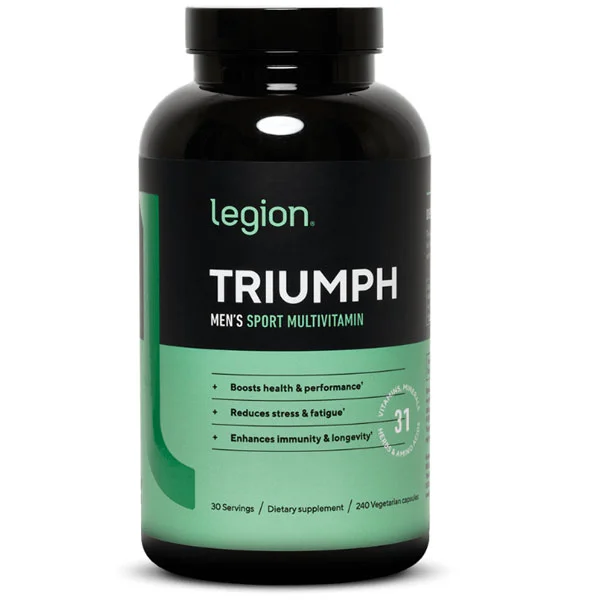








Legion Triumph is a multivitamin made with 100% natural ingredients and formulated with clinically effective doses of essential vitamins and minerals, as well as 10 well-researched ingredients documented to improve overall physical and mental health, athletic performance, and mood.
What our tester says:
“I noticed some slight energy improvement the following morning after taking them with dinner. But I’ll add that an eight-pill serving size is a bit ridiculous.”
Legion Triumph has a long list of vitamins and minerals needed in the human body each day, all in very high doses, but what separates it from your average multivitamin is the inclusion of nootropics. Nootropics are known as “cognitive enhancers” and are essentially vitamins for the brain. For this reason, this is our pick for the top multivitamin for men.
RELATED: Legion Athletics Coupon Code
The nutrition label is long, so we’ll give you the Cliff Notes of what you need to know: Vitamin A, vitamin C, B vitamins, and minerals like folate and zinc are present in respectable amounts, for a total of 21 vitamins and minerals. Additionally, there are 500 milligrams of ashwagandha root extract, an herb that’s been shown2 to have a myriad of effects, including stress relief, better focus and memory, and increased fertility. Our tester rated the formulation a 5 out of 5.
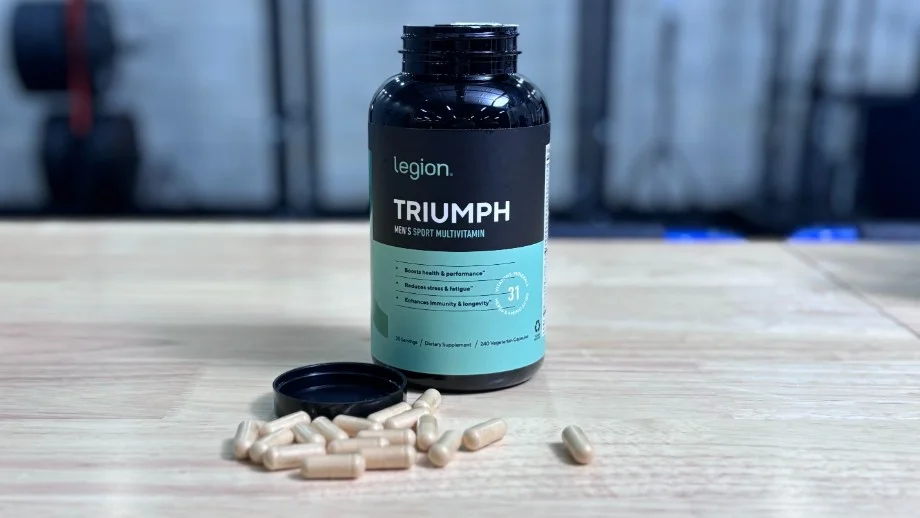
We also haven’t talked much about vitamin D, which is a shame, considering it’s one of the most beneficial micronutrients out there. Triumph gives you 250% of your daily value (or the amount considered to be sufficient for healthy adults) of vitamin D, which has been linked to3 bone health.
Bone health is important for younger people to reduce the risk of injury and for older adults to reduce the chance of falls that could potentially lead to greater injury.
There are also 600 micrograms of vitamin B12 in one serving, which is essential for red blood cell formation and DNA synthesis, according to studies published in the journal Nutrients4.
Legion Triump also earns a 5 out of 5 for transparency, as it’s certified by Labdoor and third-party tested for quality and purity.
One of the biggest drawbacks to Legion Triumph is its large serving size of eight capsules. That’s a lot to stomach (pun intended).
Our tester said, “An 8-pill serving is a bit ridiculous, let alone the size of the pills. I had a tough time swallowing the 7th and 8th pills.”
He added that he only took half a serving most of the time, as eight capsules felt like way too much. This is our biggest callout and the reason we only give Legion Triumph 3 out of 5 stars for swallowability.
Despite this, our tester still noticed the benefits of taking Legion Triumph on a regular basis.
“I noticed some slight energy improvement the following morning after taking them with dinner,” he said. “I keep track of my sleep, and saw improvement in my time-to-sleep scores, meaning I fell asleep faster than usual after taking the multivitamin.”
| Notable vitamins and minerals | Vitamin A, vitamin C, vitamin D, vitamin E, zinc, vitamin B12, ashwagandha root extract, CoQ10, grape seed extract, pumpkin seed extract |
| Form | Capsules |
| Dose | 8 capsules |
| Price | $1.67 per serving/$49.99 per container |
| Servings per container | 30 |
| Third-party testing? | Yes |
| Age range | N/A |
| Certifications | Labdoor-tested for purity, NSF-certified, manufactured in a cGMP-facility, gluten-free |
Best Multivitamin for Men Over 40: Performance Lab NutriGenesis Multi for Men
Good for: Anyone who prefers to put their supplements on a subscription basis
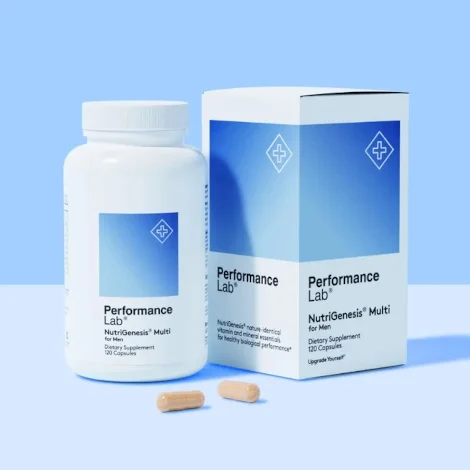

NutriGenesis Multi for Men is a plant-based vitamin that contains 26 vitamins and minerals and no fillers or additives. Performance Lab claims their multivitamin helps support energy metabolism, gut health, healthy aging, muscle, bone and joint health, immune function and masculine vitality. There are mixed customer reviews with some customers reporting that they did not feel a difference and others feeling they feel healthier with more energy.
What our tester says:
“I haven’t really prioritized my micronutrients as well as I should recently, so this has helped give me a slight edge and boost, from what I’ve felt over the last several days.”
Performance Lab NutriGenesis multivitamin is our pick for men over 40, as it contains everything you’d expect in a daily multivitamin: Vitamin A, vitamin C, B-vitamins, and different minerals like iron, magnesium, and zinc. We like seeing the 15 milligram dose of zinc per serving because it has been shown to support increased testosterone levels5, and we don’t have to tell you why that’s a good thing.
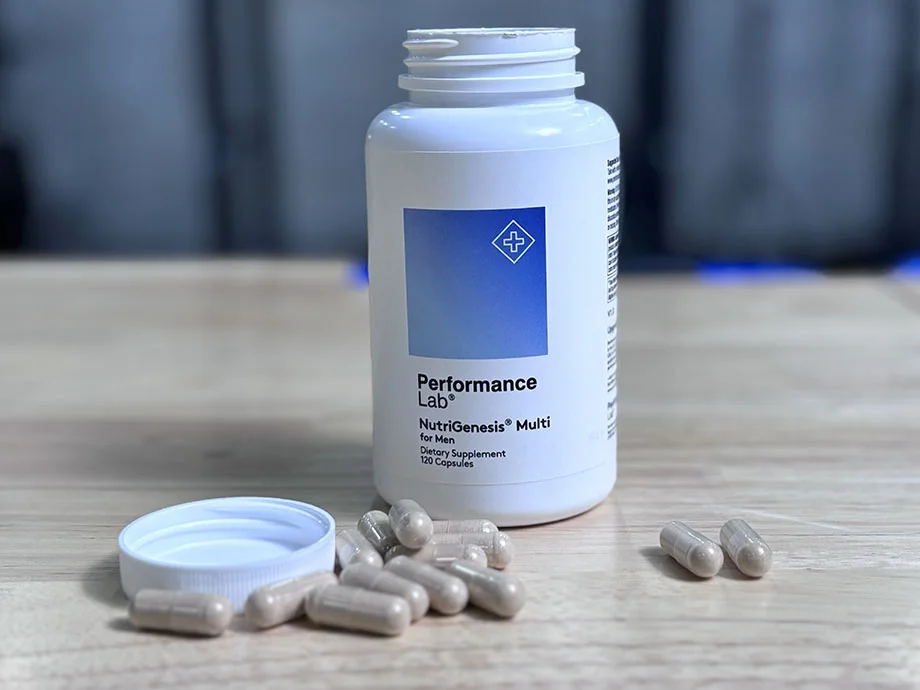
Additionally, you can take the stress out of supplement shopping by having your supply mailed right to your door with the Performance Lab NutriGenesis Multi for Men. We love supplement subscriptions, not only because we don’t have to remember to go shopping, but also because you end up saving a little money on each purchase (companies will take a small percentage off since they know you’ll be a repeat customer).
Performance Lab offers four-, two-, and one-month supplies. If you purchase the four-month supply and subscribe, you can save 25% off the retail price. It’s also worth noting that the serving size is four pills. It’s recommended to take two capsules in the morning and two in the evening (with or without food). You can take just two capsules, but you’ll only be getting half of the recommended doses.
Our tester felt a noticeable difference from using Nutrigenesis Multi for Men.
“I felt like the energy has been better than it has in the last several days for myself,” he said. “I have not prioritized my micro-nutrients as well as I should recently, so I feel like this has helped give a slight edge to my body.”
He also gave these vitamins a 5 out of 5 for taste and flavor, saying, “I took this with normal filtered water, and I did not notice any taste or aftertaste. The pill size was something that I was slightly more fearful of, but the taste was un-noticed.”
| Notable vitamins and minerals | Iron, magnesium, zinc, vitamin A, vitamin C, B-vitamins, vitamin C, vitamin D, vitamin E, and vitamin K |
| Form | Capsules |
| Dose | 4 capsules |
| Price | $1.62 to $1.23 per serving/$133.28 to $44.10 per container (depending on subscription) |
| Servings per container | 30 |
| Third-party testing? | Yes |
| Age range | N/A |
| Certifications | Clean label project certified, non-GMO, soy-free, gluten-free, allergen-free |
Best Natural Multivitamin for Men: Transparent Labs Multivitamin
Good for: Those looking for a multivitamin without unnecessary ingredients
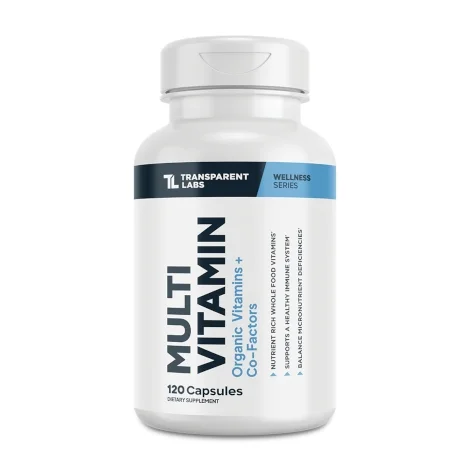

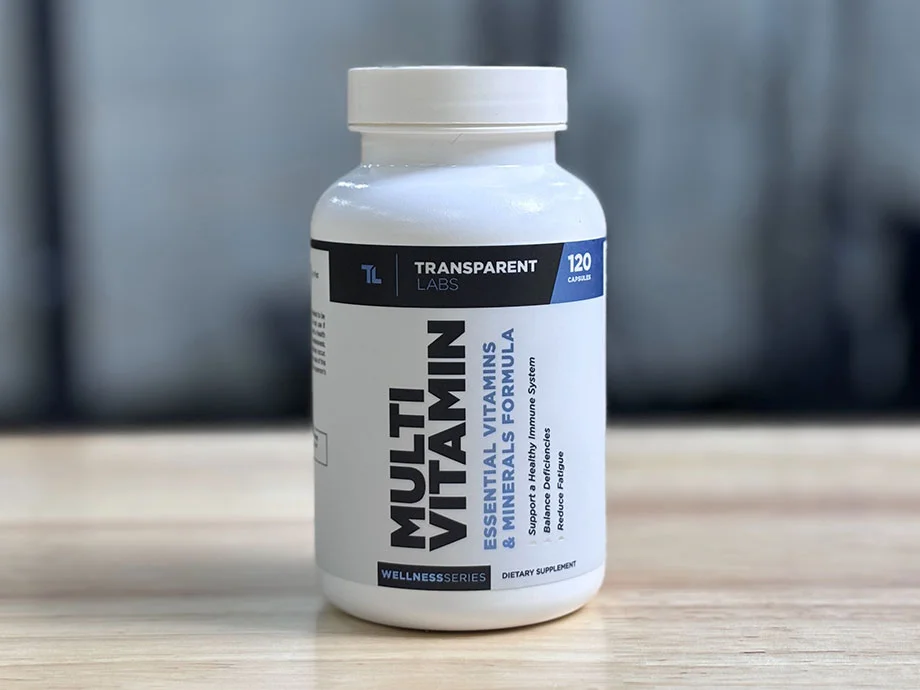
Transparent Labs Multivitamin is designed to support overall wellness for active adults. This supplement has limited but very positive reviews and may be sold out when you go to buy it.
What our tester says:
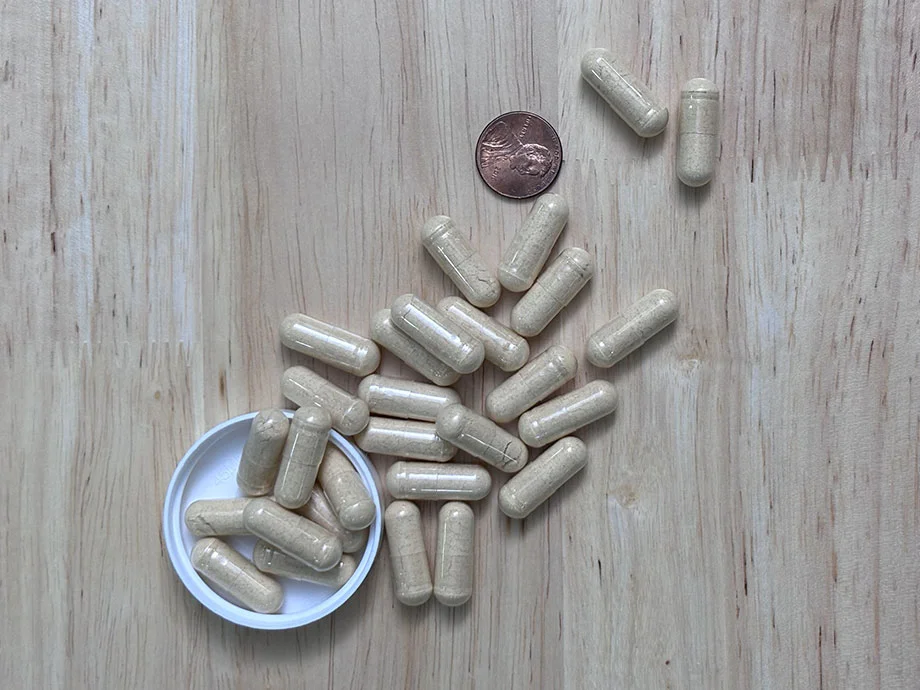
“It’s a bit much to take all four capsules at once since they’re rather large, and I still felt like one was stuck in my throat for a few minutes afterward.”
The word “natural” here means that this multivitamin gets its vitamins and minerals from food sources, which is exactly the case with the Transparent Labs Multivitamin. It uses 100% natural ingredients, and to prove it, the company provides complete transparency into the total formulation of their ingredients. Plus, it’s third-party tested.
RELATED: Transparent Labs Discount Code
We especially like the inclusion of nootropics. Nootropics have been linked to6 improved cognitive function and memory, and some clinicians have used them to treat conditions such as Alzheimer’s (though more research needs to be done on those treatments). (Another compound present in this formulation that may support cognition7 is N-acetylcysteine (NAC), a potent antioxidant.) It’s important to note that you won’t notice any side effects on your first day of taking nootropics—any benefits will come with frequent use.
RELATED: Best Creatine
Transparent Labs remains transparent in listing the full amount of vitamins, minerals, and nootropics in its multivitamin. It has 300 milligrams of organic ashwagandha extract, which is within the range of clinical dosage documented by researchers2 for stress relief, increased fertility, and better focus and memory (studies also say ashwagandha may increase muscle strength).
You also get 100 milligrams of Coenzyme Q10, an antioxidant needed for cellular health8 that our body creates naturally, though the amount it produces decreases as we age.
Finally, there’s 1 milligram of boron citrate, which, among other things, has been shown to improve the brain’s electrical activity9 and improve cognitive function.
Our tester noticed that the vitamins have a strong smell, which isn’t uncommon for multivitamins, but worth noting. He said, “This product definitely has a smell to it, I don’t know how to describe it other than that it smells mineral-like or earthy, similar to other multivitamins I’ve tested in the past.”
However, he clarified that despite having a strong smell, these vitamins have no actual taste. We rated it a 4 out of 5 for smell and taste.
To get all of these vitamins, you’ll need to take four capsules, which can feel like quite a lot, according to our tester. He added, “I always advise people to eat before taking a multi since they can cause you to feel nauseous. I did eat before testing the supplement and didn’t notice any nausea.”
Overall, we only give these a 3 out of 5 for swallowability due to the large serving size.
However, we love the label transparency and Informed Choice certification, which earns Transparent Lab a 5 out of 5 for third-party testing.
The other downside to this product is that it doesn’t contain any vitamin E. You can learn more in our Transparent Labs Multivitamin review.
| Notable vitamins and minerals | Vitamin A, B-vitamins, vitamin C, magnesium, zinc, selenium, organic ashwagandha root, Coenzyme Q10, boron citrate, potassium, chromium, biotin |
| Form | Capsules |
| Dose | 4 capsules |
| Price | $0.99 per serving/$29.99 per container |
| Servings per container | 30 |
| Third-party testing? | Yes |
| Age range | N/A |
| Certifications | Informed Choice certified, gluten-free, non-GMO |
Best Multivitamin for Men Over 50: Ritual Essential for Men Multivitamin 50+
Good for: Men aged 50 years or older
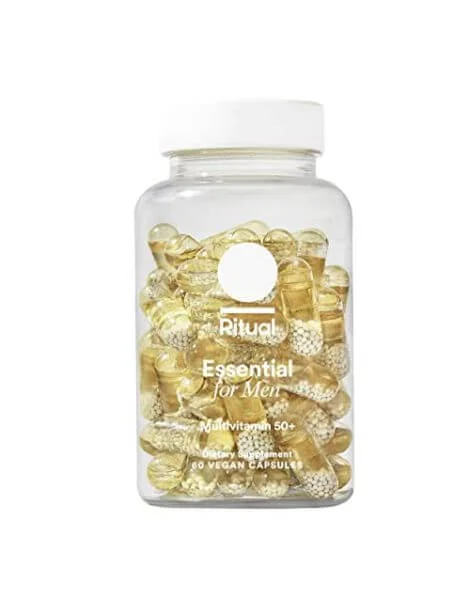
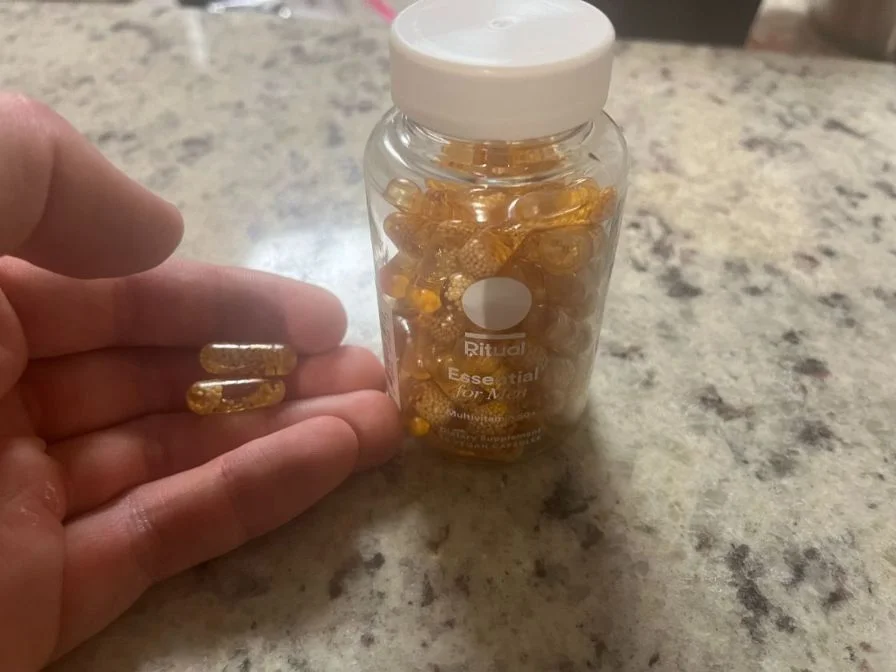
Ritual Essential for Men Multivitamin 50+ is a supplement that is easy on the stomach and made with traceable ingredients for men 50 years old or older.
What our tester says:
“There’s an essence of mint in the flavor that could prove to e a bit too overpowering, especially if you take these first thing in the morning.”
Nutritional deficiencies are often more common in older adults10 due to changes in food intake, making a high-quality multivitamin potentially an even more beneficial part of your supplement arsenal.
Ritual Essential for Men 50+ has the same 10 vitamins and minerals as the 18+ multivitamin, but with different doses since older adults may need more or less of a certain nutrient. We’ve already talked about how zinc may improve testosterone levels5, but there is also evidence suggesting that it may have anti-aging benefits11. However, more research is needed.
On the other hand, there is a plethora of research on vitamin K. For example, this September 2019 review12 shows a number of benefits, including improvements in blood and cardiovascular health and reduced risk of osteoporosis, especially in older adults.
Vitamin A, which is present in this multivitamin, has also been shown13 to help slow down the effects of age-related vision loss.
However, the formulation only earns a 2 out of 5, as it’s missing a few key ingredients that we look for in a multivitamin. The addition of selenium and chromium would be an upgrade to this formulation, while keeping to the minimalist approach.
Our tester didn’t notice much of an effect, but he noted, “I’m also not a 50+ man, so I can’t say how well it would work for its target audience. Customer reviews seem generally positive.”
Similar to the 18+ formulation, the 50+ formulation has a mint essence. “These have a mint flavor that can be quite strong, especially if you take them in the morning,” our tester said. He rated the smell and taste a 3 out of 5.
At $1.30 per serving, these fall right in the middle of the typical price range, earning 3 out of 5 stars for price and value.
| Notable vitamins and minerals | Vitamin A, vitamin D3, vitamin E, folate, vitamin B12, magnesium, zinc, boron, omega-3 DHA, vitamin K2 |
| Form | Capsules |
| Dose | 2 capsules |
| Price | $1.30 per serving/$39 per container |
| Servings per container | 30 |
| Third-party testing? | Yes |
| Age range | 50 and older |
| Certifications | Certified carbon-free, Clean label project certified, Non-GMO project verified, vegan |
Best Vegan Multivitamin for Men: Nutricost Multivitamin
Good for: Those who want to fill nutritional gaps and look after their gut health
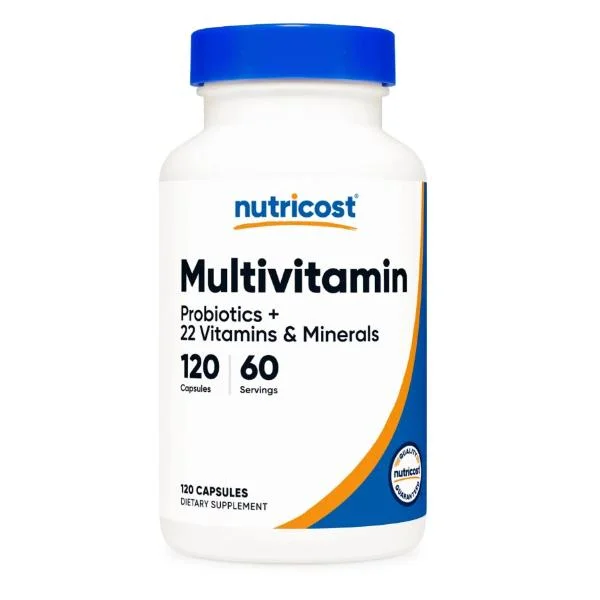
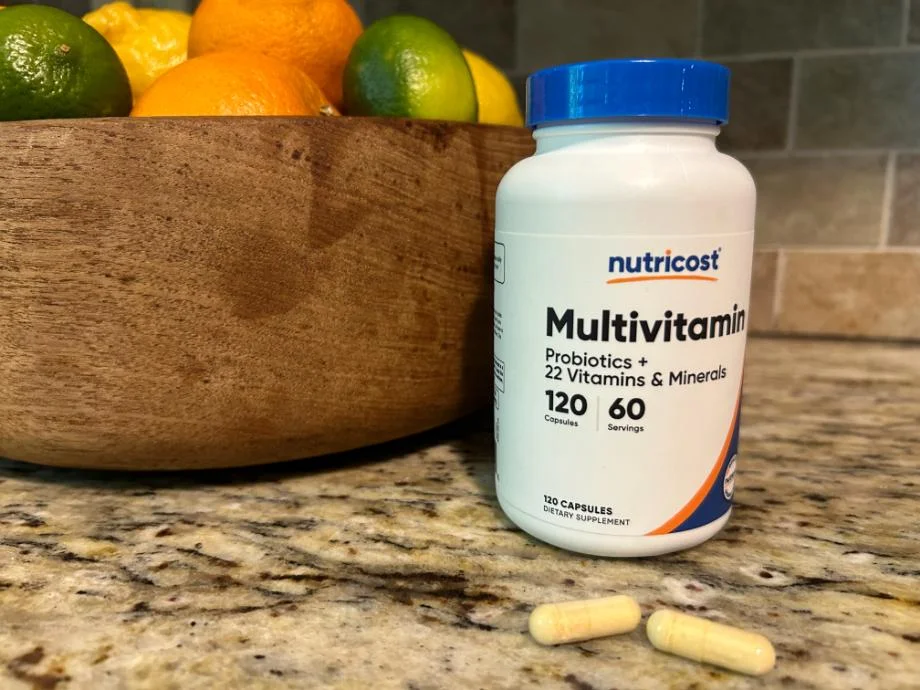
Nutricost Multivitamins has research-backed doses of 22 vitamins and minerals, and is also one of the most affordable multivitamin supplements.
What our tester says:
“If you find yourself struggling to get enough micronutrients through diet alone, this multivitamin is likely to cover any nutrient gaps you may have.”
Nutricost Multivitamins pack a one-two punch, delivering high doses of 22 vitamins and minerals, plus a blend of probiotics for gut health14. “The probiotic enzyme blend is intended to diversify the microbiome and improve gut health,” says registered dietitian Perry Nix. “Probiotics may enhance digestion and absorption and alleviate digestive symptoms like bloating and diarrhea.”
While probiotics are mostly linked with gut health, they may also help boost your immune system, decrease the risk of high blood pressure, and improve symptoms of disorders like anxiety and depression.
Looking at the vitamin and mineral content, Perry says Nutricost appears to be a one-stop shop for all your nutritional needs. “If you struggle to get enough nutrients through diet alone, this multivitamin is likely to cover nutrient gaps,” she says.
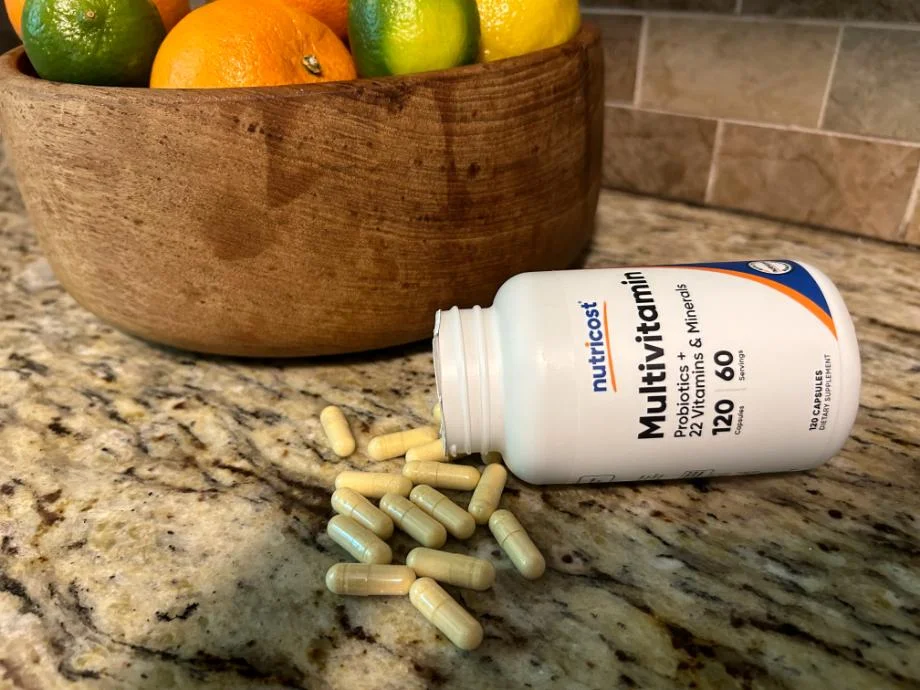
One major warning: Each two-capsule serving contains 10 milligrams of iron, which is above the daily recommended amount15 for most men and more than half the amount needed by women. While the body needs iron, too much of a good thing can be bad for you. Be sure to consult a physician or nutritionist before taking this supplement.
The vegan-friendly capsules are small and easy to swallow, according to GGR editorial team member and certified personal trainer (CPT) Kate Meier, who gave it a 5 out of 5 for that category. “These are between the size of a nickel and a quarter,” she says. “Easy to take both at the same time with water.” She says there’s a slight “vitamin-y” aftertaste, but noted it’s “nothing to cry about.”
Plus, they’re third-party tested for purity, and each daily serving only costs $0.21. Check out our Nutricost Multivitamin review for more.
| Notable vitamins and minerals | B-vitamins, iron, copper, calcium, iodine, zinc, probiotics, Vitamin A, Vitamin C, Vitamin B12 |
| Form | Capsules |
| Dose | 2 capsules |
| Price | $0.21 per serving/$17.95 per container |
| Servings per container | 60 |
| Third-party testing? | Yes |
| Age range | N/A |
| Certifications | non-GMO project verified, GMP-compliant facility, gluten-free |
Best Multivitamin for Athletes: Momentous Essential Multivitamin
Good for: Athletes wanting a nutrient-dense multivitamin that’s third-party tested
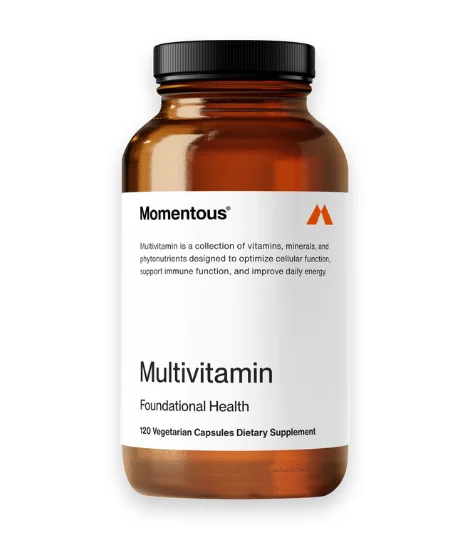

Momentous Essential Multivitamin offers a blend of vitamins and minerals in healthy doses to help support energy production, immune function, antioxidant defense, and overall health. The Momentous recommends taking this multivitamin twice per day: two capsules in the morning and two capsules at night, both with food.
What our tester says:
“The serving size of four capsules is a bit much, but at least Momentous recommends breaking it up into two two-capsule servings each day.”
Best Daily Multivitamin for Men: Ritual Essential for Men Multivitamin 18+
Good for: Folks who want a simple but effective daily multivitamin
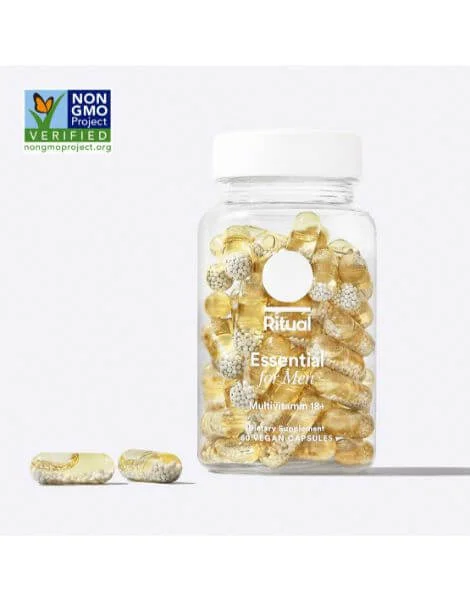
The Ritual Essential for Men Multivitamin 18+ is a well reviewed multivitamin with quality ingredients. The only notable complaint was the mint flavoring.
What our tester says:
“I like the minty essence, but I could see it being a bit overpowering on an empty stomach.”
Ritual Essential for Men Multivitamin 18+ is not like other daily multivitamins that contain a nutrition label with more words than a Tolkien novel—there are just 10 ingredients, each of which are traced to a specific origin for maximum transparency. Our expert reviewer gives this formulation a “thumbs up” for the minimalist approach and a 4 out of 5 for the formulation.
RELATED: Exclusive Ritual Promo Code
The omega-3 DHA, for example, comes from microalgae found in Saskatoon, Saskatchewan, Canada, and the vitamin D comes from an algae found in Nottingham, England. All the vitamins and minerals are derived from plant-based sources, so people of all diets and lifestyles can take Ritual’s multivitamin.
RELATED: Vitamin D Benefits

The aforementioned microalgae is a rich source of omega-3 DHA, which can help support reduced cognitive decline, improved joint health, and bolstered immune health, according to studies17. Recent studies18 have confirmed microalgae can be as effective as fish oil supplements and have the advantage of being more sustainable.
Ritual does a great job of finding sustainable and bioavailable forms of all 10 vitamins and minerals. If you’re wondering whether that’s truly enough for a multivitamin, the answer is yes…if your diet is well-rounded and you’re getting nutrients from whole foods (such as meat, dairy, fruits, and vegetables). The few included in this multivitamin are present in good doses to help with heart and brain health and muscle function.
One callout is the mint smell, which earns these vitamins a 3 out of 5 for taste and smell. Our tester noted, “It has a mint essence that can be a bit much if you take these early in the morning.”
He was also glad that the serving size is only two capsules, which are easy to swallow.
RELATED: Best Greens Powder
The only notable omissions from this formula are selenium and chromium. You can read more details in our Ritual vitamins review.
| Notable vitamins and minerals | Vitamin A, vitamin D3, vitamin E, folate, vitamin B12, magnesium, zinc, boron, omega-3 DHA, vitamin K2 |
| Form | Capsules |
| Dose | 2 capsules |
| Price | $1.10 per serving/$33 per container |
| Servings per container | 30 |
| Third-party testing? | Yes |
| Age range | 18-49 |
| Certifications | Certified carbon-free, Clean label project certified, Non-GMO project verified, vegan |
Other Men’s Multivitamins We Researched
Here are some other notable multivitamins we tested and researched:
- AG1 Next Gen: While this isn’t “technically” a multivitamin, Athletic Greens is a rich source of vitamins and minerals in addition to adaptogens, probiotics, and whole food-sourced ingredients that are beneficial to our overall health. Unsure if Athletic Greens is for you? Read our full Athletic Greens review.
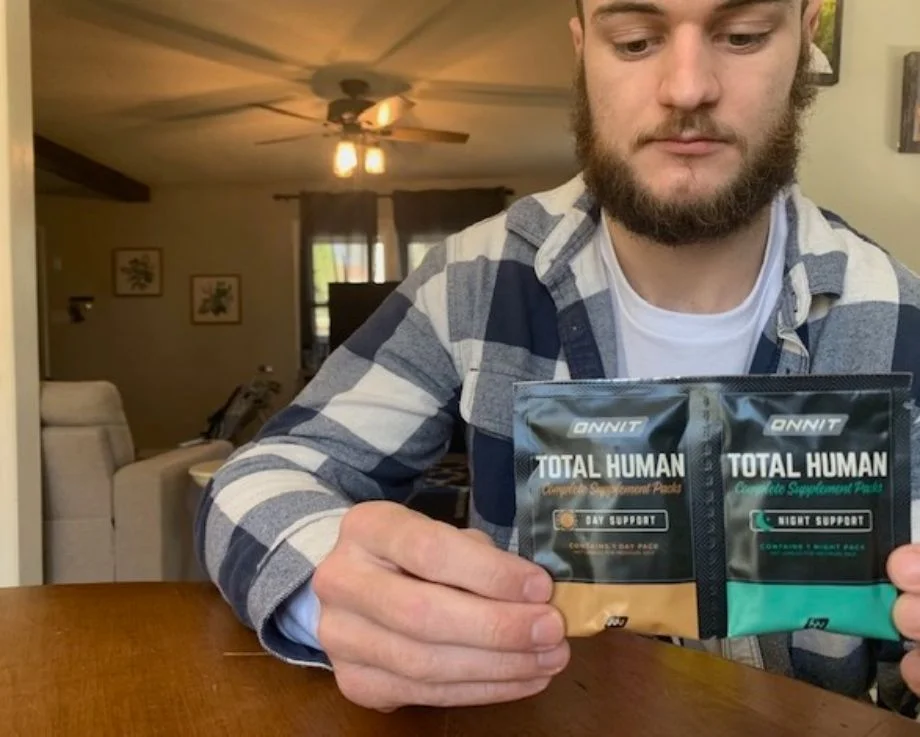
- 1st Phorm Micro Factor: This is similar to Onnit Total Human in that it’s six supplements in one: a multivitamin, antioxidants, a probiotic, CoQ10, Essential Fatty Acids, and Fruits and Vegetables. Consider this the budget-friendly version of Onnit, with the trade-off being that you get fewer supplements and lower dosages. It’s still a great product, but if you have the money for Onnit, we’d recommend it over 1st Phorm.
How We Picked and Tested the Best Multivitamins for Men
We’ll explain briefly why it’s so hard to pick a multivitamin that works for everyone, but there are some things that separate a good multivitamin from a bad one.
- Expert recommendations: All of the multivitamins on this list were reviewed and green-lighted by our experts to ensure that we only recommended high-quality, effectively dosed products.
- Nutrients and dosages: We wanted to find multivitamins that included moderate to high amounts of vitamins and minerals, though for things like iron and selenium, they should be present in lower amounts to avoid dangerous side effects.
- Variety: We looked for multivitamins that had a good variety of key nutrients.
- Price: We wanted to make sure each supplement was generally affordable for most people.
- Taste and swallowability: What form does it come in and how easy was it to take the multivitamin?
- Quality testing: The best multivitamin brand for men should be transparent and contain high-quality ingredients. We looked for multivitamins that had some kind of third-party testing to ensure each was free from banned substances and had an accurate label. If a product was not third-party tested, we evaluated whether the label was transparent and the company seemed trustworthy. All of the multivitamins on this list checked one of these two boxes.
What Vitamins and Minerals Do Men Need?
Men’s and women’s bodies are different in many ways, so it makes sense that men require different vitamins and minerals than women. Men should look for a multivitamin supplement that’s tailor-made for their needs. Here are the vitamins and minerals men should look for in a multivitamin.
- Vitamin A: Vitamin A supplementation can help slow age-related vision loss13. According to research evidence19, it may also help improve reproductive and cellular health and reduce the risk of some cancers.
- B Vitamins: B Vitamins have been linked with improved cellular health, immune function, and cognition20, and it may also help slow the aging process21.
- Vitamin C: There’s much more to vitamin C than its immune-boosting properties. For example, it could help your body better absorb other nutrients such as iron22 and according to researchers23 could help alleviate early symptoms of osteoarthritis.
- Vitamin D: Your body needs vitamin D to fully absorb calcium and phosphorus, making it a vital nutrient for those looking after their bone health9. Harvard Medical School24 states it may help reduce cancer cell growth, reduce inflammation, and aid the body in fighting infections.
- Vitamin E: Vitamin E acts as an antioxidant to protect your cells’ membranes to support blood, brain, and skin health, according to researchers25.
- Vitamin K: Adult cis men need vitamin K to help with blood, heart, and bone health26.
- Thiamin: Thiamin, sometimes called thiamine or vitamin B1, “plays a critical role in energy metabolism and, therefore, in the growth, development, and function of cells,” according to the National Institutes of Health’s Office of Dietary Supplements27.
- Riboflavin: Riboflavin, sometimes referred to as vitamin B2, plays a vital role in helping the body properly convert food into energy and may help you better utilize certain prescription drugs, according to the NIH28.
- Biotin: Most cis men don’t struggle with getting enough biotin, sometimes called vitamin H or vitamin B7, as it is prevalent in many food sources. Those who don’t get enough of it may experience thinning hair, cracked skin, loss of appetite, or fatigue, according to Mount Sinai29.
- Vitamin B12: Vitamin B12 is often found in animal-based products, so vegetarians or vegans will definitely want a multivitamin with this nutrient. It’s responsible for red blood cell formation and DNA synthesis4.
- Omega-3 fatty acids: Omega-3s are beneficial for heart and joint health17.
- Boron: Studies have shown that boron can help improve the brain’s electrical activity9.
- Iron: Iron deficiency is the most common nutritional deficiency. It can cause anemia30, which may lead to fatigue, hair loss, and poor temperature regulation12.
- Zinc: Zinc supplementation could help improve men’s overall testosterone levels5 and may have anti-aging properties11.
- Calcium: Calcium is essential for bone health and muscle contractions and is used in cardiac function31.
- Selenium: Selenium is vital to overall cellular health32.
- Magnesium: Sometimes called the “forgotten electrolyte33,” magnesium is involved in over 300 cellular processes in the body.
Ingredients To Pay Attention To (and Avoid)
While multivitamins can be a great addition to those dealing with vitamin or mineral deficiencies, not every multivitamin is built the same. Some may have fillers that should be avoided in large quantities. Ideally, your multivitamin should contain the micronutrients you need and little else.
Make sure to talk to your physician or a licensed professional to help weight the risks and benefits of supplements. That said, here are some common ingredients to be aware of (and in some cases avoid altogether):
Additives and Fillers
Fillers do just as their name suggests: They fill and add substance to a vitamin tablet or capsule. Additives can be used in multivitamins to increase their shelf life, bind ingredients, or to improve the flavor and texture of vitamins. Common additives used in supplements are:
- Cellulose
- Gelatin
- Soy Lecithin
- Magnesium stearate
- Maltodextrin
- Soybean oil
- Citric acid
- Sorbitol
While additives and fillers may be necessary in some products, a best practice is to avoid supplements and multivitamins with a large amount of additives and fillers.
Dyes and Coloring
Food and supplements can often contain food dyes to create a more appetizing hue for consumers. However, some studies and reviews34 show several food dyes to be carcinogenic or contaminated with other common carcinogens. Others caused hypersensitivity reactions. While more research needs to be done on these dyes, avoid multivitamins with these dyes.
Artificial Sweeteners
Some chewable vitamins may have added sugars, artificial sweeteners, or sugar alcohols. Sugar alcohols can cause digestive distress in some people (especially in larger quantities). Artificial and non-caloric sweeteners have been associated with cardiovascular disease in some observational studies, according to a 2024 review35. Exercise caution when choosing a supplement with artificial sweeteners.
Safety and Precautions
Even though multivitamins can be beneficial, there are some risks to taking supplements. If you have allergies, check your new multivitamins for any allergens, such as soy or tree nuts. Also, consult with a doctor or specialist before adding a new supplement to your regimen.
Some multivitamins may also contain gluten, so individuals who are sensitive to gluten should check labels carefully to find certified gluten-free versions.
Dr. Jennie Stanford
Benefits of Multivitamins
Before we start listing all the benefits of a multivitamin, we must remind you that you should get all your vitamins and minerals from whole foods (not the grocery store chain, but actual foods like meat, dairy, vegetables, fruits, and cheese). Depending on what you eat, how much of it you consume, and any medical conditions you have, you may still have different nutritional needs to address. For example, a plant-based eater will often be lower in iron than someone who eats red meat.
That said, we think there are a few main benefits of taking a multivitamin:
Convenience
A multivitamin allows you to fill those nutritional gaps in a much more affordable, convenient, and healthful way than eating extra food to obtain the micronutrients you might be lacking.
RELATED: Best Whey Protein
Maintains Bodily Functions
Our body requires micronutrients for vision, immune health, physical activity, focusing…you get it, they’re essential to everyday life. Without them, we can start to feel sluggish or even experience health problems. A multivitamin allows you to maintain optimal health by ensuring you’re getting all essential nutrients.
RELATED: Best Pre-Workout for Women
Addresses Unique Nutritional Needs and Health Concerns
Someone who’s not getting a lot of vitamin D from their diet will need a different multivitamin than someone who has adequate vitamin D but is deficient in vitamin A. Furthermore, according to Dr. Raj Dasgupta, MD, FACP, FCCP, FAASM, “Vegans can benefit from multivitamin supplementation to ensure they get essential nutrients that may be missed from following a plant-based diet, such as vitamin B12, vitamin D, calcium, iron, omega-3 fatty acids, and iodine.”
Some micronutrients can be harmful if ingested in excessive amounts, like iron and selenium. Taking a multivitamin with those two minerals can actually be dangerous to someone who’s already getting enough of them through their diet, even though they still may be deficient in other vitamins and minerals.
That’s all to say, please contact your physician or nutritionist before starting a multivitamin. They’ll be the best person to tell you which one is right for you.
How to Choose a Multivitamin for Men
This is a very difficult question because it truly depends on you and your health, diet, and overall health goals. Here are several things to consider when choosing a multivitamin for men:
- Age: “Because of age-related changes in nutrient absorption and metabolism, men over 50 are more prone to nutrient deficiencies. A multivitamin can help address these concerns and support men’s overall health, including bone strength, heart health, and cognitive function,” says Dr. Raj Dasgupta, MD, FACP, FCCP, FAASM.
- Lifestyle: Choose a multivitamin with the nutrients that can support your lifestyle.
- Dietary restrictions: Make sure the men’s multivitamin doesn’t contain any allergens or ingredients that might go against your faith (many of our top picks are Kosher and Halal).
- Allergies: Some vitamins and ingredients present in a multivitamin—like coloring agents, herbs, spices, and even the vitamins themselves—can cause an allergic reaction in some people. If you know you’re allergic to something, do your due diligence to check the label before taking a multivitamin.
- Budget: Multivitamins can range in price from $0.15 per serving to $3 per serving for a customized option. If this is something you’ll take daily, figure out how much you’re willing to spend. A budget-friendly option isn’t inherently less effective than a more expensive option, so shop around and do your research.
- Form: Many multivitamins come in capsules, tablets, or soft gels, but you can also find them in gummy, chewable, powder, or liquid forms. Each form has benefits and drawbacks. For instance, although gummies taste great, they may be inaccurately labeled36 more frequently and can lose potency over time37. Capsules are generally flavorless and the easiest to swallow but generally contain fewer ingredients than tablets. You may need to take more capsules than you would with tablets. It’s best to talk with your doctor about what your best option is.
RELATED: Best Protein Shakes
Who Should Take Men’s Multivitamins?
Whether or not you need to take a men’s multivitamin typically depends on your age and whether you’re regularly consuming a diet rich in essential nutrients. Unfortunately, Americans are notorious for under-consuming important nutrients and minerals, with the top four being vitamin D, dietary fiber, calcium, and potassium38. If you can reach your recommended daily intake of these nutrients from your diet alone, great! If not, vitamins for men can come in clutch.
Similarly, older adults are more at risk for vitamin deficiencies and may need supplemental help from a multivitamin. If you’re unsure if a daily multivitamin suits your current dietary needs, consult with your primary care physician or a registered dietitian to assess whether you may have certain vitamin and mineral deficiencies.
Who Should Avoid Men’s Multivitamins?
Multivitamins are generally harmless, especially if you’re taking one that has been third-party tested and contains reasonable amounts of each nutrient—meaning nothing above the daily intake. If anything, they’re considered unnecessary if you’re reaching your dietary needs through a healthy, well-balanced diet.
That said, if you’re a current or past smoker, you’ll want to avoid a multivitamin that is too high in beta carotene (vitamin A), as more than 20 milligrams (7,500 mcg) per day may put you at higher risk of lung cancer39. However, current evidence is inconclusive.
Experts Who Contributed to This Article
FAQs About Best Multivitamins for Men
What is the top-rated men’s multivitamin?
Some of the top-rated multivitamins for men that were also favorites amongst our testers and nutrition experts are Ritual Essential for Men Multivitamin 18+, Transparent Labs Multivitamin, and Legion Triumph for Men.
Do men’s multivitamins really work?
Men’s multivitamins can help fill nutrient gaps if you’re deficient in certain key vitamins and minerals. However, it’s important to speak with a physician before taking one to ensure it will address your specific needs. In some cases, taking a multivitamin can be harmful because you may end up consuming too much of a specific vitamin or mineral. Getting most of your nutrients from whole food sources is always the best place to start.
What is the best vitamin for men over 50?
We like Ritual Essential for Men 50+ for men over 50 because it contains several key vitamins and minerals that older men need for optimal health. It’s also certified carbon-free, Clean Label Project-certified, Non-GMO Project-verified, and vegan.
These statements have not been evaluated by the Food and Drug Administration. This product is not intended to diagnose, treat, cure, or prevent any diseases.
References
- Mishra, S., Stierman, B., Gahche, J. J., & Potischman, N. (2021). Dietary supplement use among adults: United States, 2017–2018.
- Bonilla, D. A., Moreno, Y., Gho, C., Petro, J. L., Odriozola-Martínez, A., & Kreider, R. B. (2021). Effects of Ashwagandha (Withania somnifera) on physical performance: Systematic review and bayesian meta-analysis. Journal of Functional Morphology and Kinesiology, 6(1), 20.
- Holick, M. F. (2024). Vitamin D and bone health: What vitamin D can and cannot do. Advances in Food and Nutrition Research, 109, 43-66.
- O’Leary, F., & Samman, S. (2010). Vitamin B12 in health and disease. Nutrients, 2(3), 299-316.
- Prasad, A. S., Mantzoros, C. S., Beck, F. W., Hess, J. W., & Brewer, G. J. (1996). Zinc status and serum testosterone levels of healthy adults. Nutrition, 12(5), 344-348.
- Malík, M., & Tlustoš, P. (2022). Nootropics as Cognitive Enhancers: Types, Dosage and Side Effects of Smart Drugs. Nutrients, 14(16), 3367. https://doi.org/10.3390/nu14163367
- Skvarc, D. R., Dean, O. M., Byrne, L. K., Gray, L., Lane, S., Lewis, M., … & Marriott, A. (2017). The effect of N-acetylcysteine (NAC) on human cognition–A systematic review. Neuroscience & Biobehavioral Reviews, 78, 44-56.
- Sarmiento, A., Diaz-Castro, J., Pulido-Moran, M., Kajarabille, N., Guisado, R., & J Ochoa, J. (2016). Coenzyme Q10 supplementation and exercise in healthy humans: A systematic review. Current Drug Metabolism, 17(4), 345-358.
- Pizzorno, L. (2015). Nothing boring about boron. Integrative Medicine: A Clinician’s Journal, 14(4), 35.
- Kaur, D., Rasane, P., Singh, J., Kaur, S., Kumar, V., Mahato, D. K., … & Kumar, S. (2019). Nutritional interventions for elderly and considerations for the development of geriatric foods. Current Aging Science, 12(1), 15-27.
- Cabrera, A. J. R. (2015). Zinc, aging, and immunosenescence: an overview. Pathobiology of Aging & Age-related Diseases, 5(1), 25592.
- Simes, D. C., Viegas, C. S., Araújo, N., & Marreiros, C. (2019). Vitamin K as a powerful micronutrient in aging and age-related diseases: pros and cons from clinical studies. International Journal of Molecular Sciences, 20(17), 4150.
- Khoo, H. E., Ng, H. S., Yap, W. S., Goh, H. J. H., & Yim, H. S. (2019). Nutrients for prevention of macular degeneration and eye-related diseases. Antioxidants, 8(4), 85.
- Quigley, E. M. (2019). Prebiotics and probiotics in digestive health. Clinical Gastroenterology and Hepatology, 17(2), 333-344.
- Latunde-Dada, G. O. (2024). Iron Intake and Human Health. Nutrients, 16(2), 206.
- Gupta, C., & Prakash, D. (2014). Phytonutrients as therapeutic agents. Journal of Complementary & Integrative Medicine, 11(3), 151–169. https://doi.org/10.1515/jcim-2013-0021
- Ghasemi Fard, S., Wang, F., Sinclair, A. J., Elliott, G., & Turchini, G. M. (2018). How does high DHA fish oil affect health? A systematic review of evidence. Critical Reviews in Food Science and Nutrition, 59(11), 1684–1727. https://doi.org/10.1080/10408398.2018.1425978
- Stiefvatter, L., Lehnert, K., Frick, K., Montoya-Arroyo, A., Frank, J., Vetter, W., … & Bischoff, S. C. (2021). Oral bioavailability of omega-3 fatty acids and carotenoids from the microalgae Phaeodactylum tricornutum in healthy young adults. Marine drugs, 19(12), 700.
- Carazo, A., Macáková, K., Matoušová, K., Krčmová, L. K., Protti, M., & Mladěnka, P. (2021). Vitamin A update: forms, sources, kinetics, detection, function, deficiency, therapeutic use and toxicity. Nutrients, 13(5), 1703.
- Kennedy, D. O. (2016). B vitamins and the brain: mechanisms, dose and efficacy—a review. Nutrients, 8(2), 68.
- Mikkelsen, K., & Apostolopoulos, V. (2018). B vitamins and ageing. Biochemistry and Cell Biology of Ageing: Part I Biomedical Science, 451-470.
- Li, N., Zhao, G., Wu, W., Zhang, M., Liu, W., Chen, Q., & Wang, X. (2020). The efficacy and safety of vitamin C for iron supplementation in adult patients with iron deficiency anemia: a randomized clinical trial. JAMA network open, 3(11), e2023644-e2023644.
- Ripani, U., Manzarbeitia-Arroba, P., Guijarro-Leo, S., Urrutia-Graña, J., & De Masi-De Luca, A. (2019). Vitamin C may help to reduce the knee’s arthritic symptoms. Outcomes assessment of nutriceutical therapy. Medical Archives, 73(3), 173.
- Harvard T.H. Chan School of Public Health. (2024, May 9). Vitamin D. The Nutrition Source.
- Xiong, Z., Liu, L., Jian, Z., Ma, Y., Li, H., Jin, X., … & Wang, K. (2023). Vitamin E and multiple health outcomes: an umbrella review of meta-analyses. Nutrients, 15(15), 3301.
- Hariri, E., Kassis, N., Iskandar, J. P., Schurgers, L. J., Saad, A., Abdelfattah, O., … & Kapadia, S. (2021). Vitamin K2—a neglected player in cardiovascular health: a narrative review. Open Heart, 8(2), e001715.
- U.S. Department of Health and Human Services. (2023, February 9). Office of dietary supplements – thiamin. NIH Office of Dietary Supplements.
- U.S. Department of Health and Human Services. (2022, May 11). Office of dietary supplements – riboflavin. NIH Office of Dietary Supplements.
- Vitamin H (biotin). Mount Sinai Health System. (n.d.).
- Fischer, J. A. J., Cherian, A. M., Bone, J. N., & Karakochuk, C. D. (2023). The effects of oral ferrous bisglycinate supplementation on hemoglobin and ferritin concentrations in adults and children: a systematic review and meta-analysis of randomized controlled trials. Nutrition reviews, 81(8), 904–920. https://doi.org/10.1093/nutrit/nuac106
- Drake TM, Gupta V. Calcium. [Updated 2024 Jan 8]. In: StatPearls [Internet]. Treasure Island (FL): StatPearls Publishing; 2024 Jan-. Available from: https://www.ncbi.nlm.nih.gov/books/NBK557683/
- Todorova, V., Ivanov, K., Delattre, C., Nalbantova, V., Karcheva-Bahchevanska, D., & Ivanova, S. (2021). Plant adaptogens—History and future perspectives. Nutrients, 13(8), 2861.
- Ahmed, F., & Mohammed, A. (2019). Magnesium: the forgotten electrolyte—a review on hypomagnesemia. Medical Sciences, 7(4), 56.
- Kobylewski, S., & Jacobson, M. F. (2012). Toxicology of food dyes. International journal of occupational and environmental health, 18(3), 220–246. https://doi.org/10.1179/1077352512Z.00000000034
- Warner J. O. (2024). Artificial food additives: hazardous to long-term health?. Archives of disease in childhood, 109(11), 882–885. https://doi.org/10.1136/archdischild-2023-326565
- Cohen, P. A., Avula, B., Wang, Y. H., Katragunta, K., & Khan, I. (2023). Quantity of melatonin and CBD in melatonin gummies sold in the US. JAMA, 329(16), 1401-1402.
- UCLA Health. Should you take gummy vitamins? Published 2022 Dec 12.
- Higgins, C. (2020, May 7). Top 10 Underconsumed Nutrients in America. Designs for Health. Accessed 10/03/2024 from:
- Hemilä, H. (2020). The effect of β-carotene on the mortality of male smokers is modified by smoking and by vitamins C and E: evidence against a uniform effect of nutrient. Journal of Nutritional Science, 9, e11.