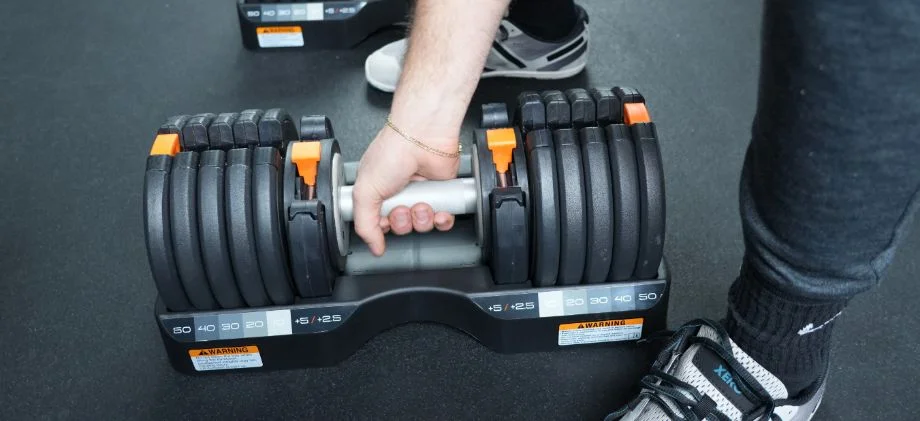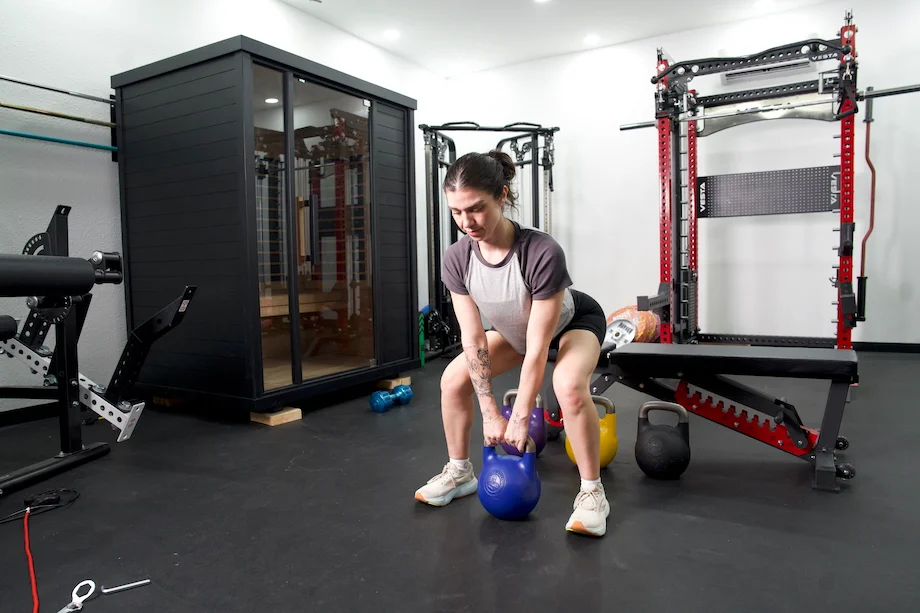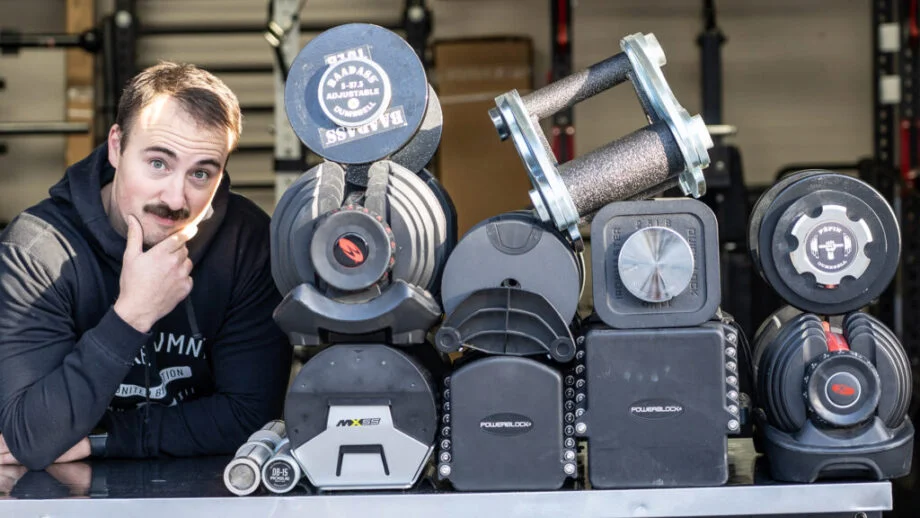
There are many ways to build muscle in your back, including barbell exercises, kettlebell training, and even some bodyweight movements; but have you considered trying a back workout with dumbbells? The best dumbbells are endlessly versatile, perfectly suited for beginners, and provide incredible benefits that, at times, eclipse what you’re able to achieve with even the almighty barbell.
Performing a back workout with dumbbells over time can provide lumbar support, stability, and relief from nagging neck and back pain. Those muscles include:
- Upper back muscles like the upper traps, levator scapulae, and the rhomboids
- Mid-back muscles like the trapezius and both the teres major and minor
- Lower back muscles like the latissimus dorsi, erector spinae, and other posterior chain
A 2020 study published in Medical Science Monitor1 observed this pain-relieving effect associated with strengthening the back muscles, specifically the lower trapezius. That’s why back strength training is not reserved for just athletes, but can be beneficial for everyone.
We’ve compiled a list of some of the best dumbbell back exercises out there. Incorporate some of these bad boys into your next sesh and you’ll be well on your way to a stronger back and an overall healthier lifestyle.
Back Workout With Dumbbells
Here, we will break down the best dumbbell exercises to build muscles in your back:
| Exercise | Primary Focus | Best For | Difficulty |
| Dumbbell Bent-Over Row | Upper back (lats, rhomboids, traps) | Building overall back thickness and pulling strength | Beginner-Intermediate |
| Single-Arm Dumbbell Row | Lats and mid-back, unilateral control, core stability | Fixing imbalances between arms, building unilateral strength, rotational core strength | Beginner-Intermediate |
| Dumbbell Shrugs | Upper trapezius (upper traps/neck area) | Trap strength and muscular development, upright pulling strength | Beginner |
| Reverse Dumbbell Flys | Posterior deltoids (back of shoulders), rhomboids, traps | Deltoid definition and scapular control | Beginner-Intermediate |
| Dumbbell Pullover | Lats and chest (depending on execution focus) | Developing strength and size in the lats | Intermediate |
| Dumbbell Deadlift | Posterior chain: hamstrings, glutes, erector spinae (lower back stability) | Full-body strength, hip hinge mechanics | Beginner-Intermediate |
| Renegade Row | Back (lats, rhomboids), core stability, shoulder girdle strength | Core-integrated back work and total-body stability | Advanced |
Move 1: Bent-Over Dumbbell Row
Sets: 3 to 6 | Reps: 6 to 12
How to do it:
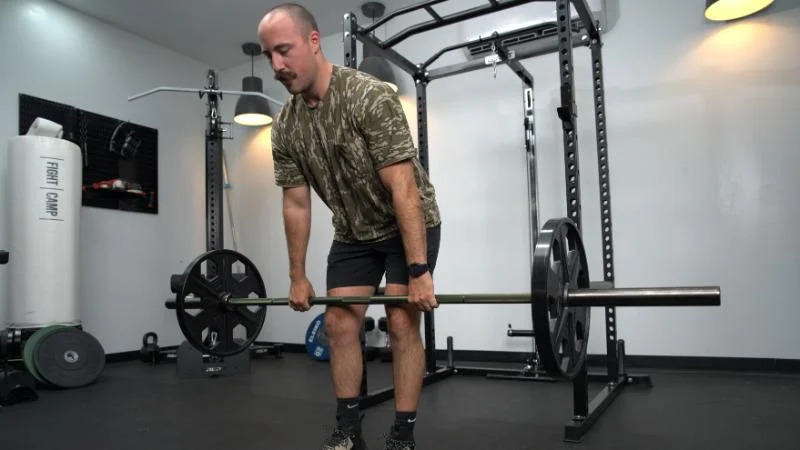
- Stand with your feet hip-width apart while holding a dumbbell in each hand with an overhand grip. Allow the weights to hang down with your arms fully extended.
- Tilt your chest until it is nearly parallel with the floor, holding your core tight.
- Keeping your lower back straight, row the weights to your sternum.
- Repeat as needed.

What It Targets
- Primary: Lats, rhomboids, mid and lower traps
- Secondary: Biceps, rear delts, core stabilizers
Pro Tips
- Keep a neutral spine and hinge at the hips; rounding the back is the most common mistake
- Row the dumbbells toward your hips (not your shoulders) to better engage the lats
- Avoid using momentum or standing too upright during the pull
Variations
- Regression (easier): Reduce weight or perform chest-supported dumbbell rows
- Variation: Underhand (supinated) grip to emphasize lats and biceps
- Progression (harder): Tempo rows or paused reps at the top
RELATED: The Best Bent-Over Row Alternatives
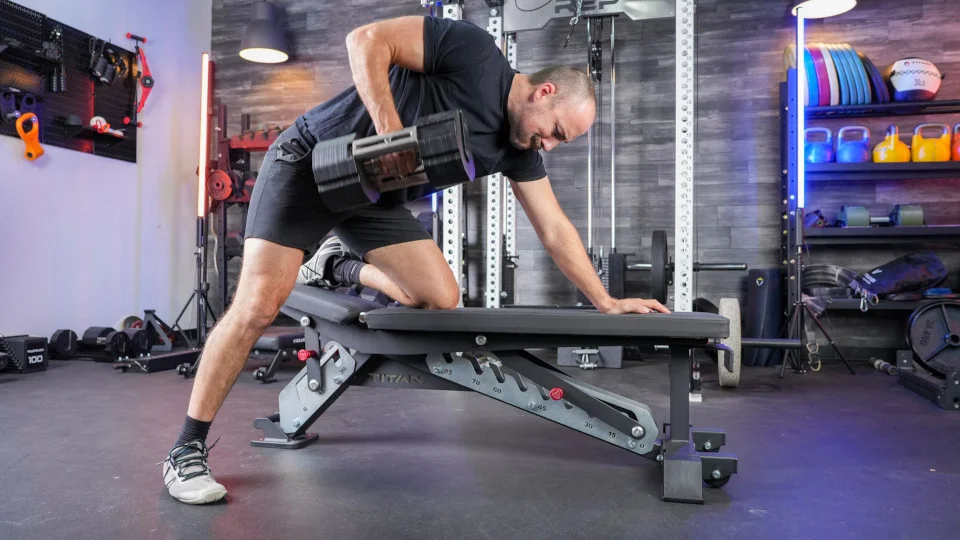
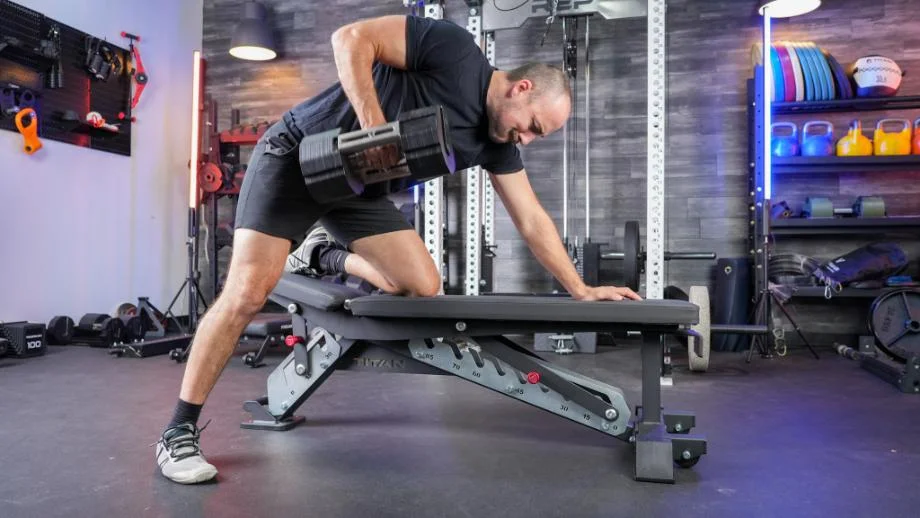
Move 2: Single-Arm Dumbbell Row
Sets: 3 to 6 | Reps: 6 to 12
How to do it:
- Hold a dumbbell in one hand and step your opposite foot forward to enter a staggered stance. Place your free hand on a bench for increased stability.
- Lean your chest forward, forming between a 45-degree and 90-degree angle. Allow the arm holding the dumbbell to fully extend and hang.
- Squeeze your shoulder blade and row the weight up into the body.
- Repeat as needed.

What It Targets
- Primary: Lats and mid-back muscles
- Secondary: Core and obliques for anti-rotation stability
Pro Tips
- Square your hips and shoulders to the bench or support surface
- Let the shoulder fully stretch at the bottom before pulling
- Don’t yank the weight or twist the torso to complete reps
Variations
- Regression (easier): Reduce weight or do double-hand version to build base strength
- Variation: Perform without bench support for greater core engagement
- Progression (harder): Increase load or add a 1–2 second pause at the top
RELATED: How To Do One-Arm Dumbbell Rows
Move 3: Dumbbell Shrugs
Sets: 3 to 6 | Reps: 6 to 12
How to do it:
- Stand with your feet shoulder-width apart.
- Pick up a dumbbell in each hand using a neutral grip and hold them at your sides.
- Bend your knees slightly.
- With your arms straight, your chin up, and your core tight, bring your shoulders to your ears and squeeze at the top of the movement.
- Slowly return to the starting position. Repeat as needed.

What It Targets
- Primary: Upper trapezius muscles
- Secondary: Grip strength and forearms
Pro Tips
- Lift straight up—avoid rolling your shoulders forward or backward
- Pause briefly at the top for maximum trap engagement
- Don’t use excessive weight that shortens range of motion
Variations
- Regression (easier): Use lighter dumbbells or resistance bands
- Variation: Farmer’s carries for loaded isometric trap work
- Progression (harder): Increase weight or perform extended-hold shrugs
Move 4: Seated Dumbbell Flys
Sets: 3 to 6 | Reps: 6 to 12
How to do it:
- Sit at the edge of a bench with a pair of dumbbells on your knees.
- Bend over at the hips and pick up the dumbbells.
- Raise your arms to your sides, leading with your elbows pointed toward the ceiling.
- Squeeze your shoulder blades at the top of the rep.
- Hold briefly before lowering your arms back to the start position.
- Repeat as needed.

What It Targets
- Primary: Rear delts, rhomboids, mid traps
- Secondary: Upper back postural muscles
Pro Tips
- Use lighter weights and emphasize control and slow tempo
- Lead with your elbows and squeeze shoulder blades together
- Avoid excessive lower-back arching or swinging the weights
Variations
- Regression (easier): Seated reverse flys with chest support
- Variation: Standing reverse flys
- Progression (harder): Slow tempo or use resistance bands for constant tension
Move 5: Dumbbell Lateral Raises
Sets: 3 to 6 | Reps: 6 to 12
How to do it:
- Stand with your arms at your sides, elbows slightly bent, and a dumbbell in each hand with your palms facing each other.
- Raise the arms outwards until they reach shoulder height.
- Slowly return to the starting position.
- Repeat as needed.

What It Targets
- Primary: Medial (lateral) deltoids
- Secondary: Upper traps and shoulder stabilizers
Pro Tips
- Use lighter weights and focus on control rather than momentum
- Avoid shrugging the shoulders or swinging the arms to move the weight
Variations
- Regression (easier): Perform one arm at a time or reduce range of motion
- Variation: Seated lateral raises to limit lower-body momentum
- Progression (harder): Tempo reps, pause at the top, or partials at the end of a set
Move 6: Dumbbell Pullover
Sets: 3 to 6 | Reps: 6 to 12
How to do it:
- Lie on a flat bench. Your knees should create a 90-degree angle, your feet should be planted firmly on the floor, and your upper back and shoulder blades should press into the bench.
- Hold the dumbbell with both hands above your head.
- Keeping a slight bend in the elbows, lower your arms behind your head until your arms are essentially pointed to the wall behind you.
- Push the dumbbell back up into the starting position.
- Repeat as needed.

What It Targets
- Primary: Lats and chest (emphasis depends on elbow position)
- Secondary: Serratus anterior and core stabilizers
Pro Tips
- Keep ribs down and core braced to avoid excessive lumbar arch
- Slight bend in the elbows throughout the movement
- Don’t lower the weight beyond shoulder mobility limits
Variations
- Regression (easier): EZ bar pullover
- Variation: Kettlebell pullover
- Progression (harder): Increase load gradually or use slow eccentrics
RELATED: The Best Weight Benches
Move 7: Dumbbell Deadlift
Sets: 2 to 4 | Reps: 1 to 5
How to do it:
- Stand with your feet hip-width apart and two dumbbells on the floor in front of you.
- Bend slightly at the knees, bring your hips back, and tilt your chest forward in order to grab the dumbbells with an overhand grip.
- Lift the dumbbells by driving through your heels and standing up straight. Keep the weights close to your body and engage your glutes and hamstrings as you stand.
- Pause briefly at the top of the movement and squeeze your glutes.
- Slowly lower the dumbbells back down to the floor by reversing the movement.
- Repeat as needed.

What It Targets
- Primary: Glutes, hamstrings, erector spinae
- Secondary: Lats and upper-back tension for spinal stability
Pro Tips
- Push hips back and keep dumbbells close to your body
- Maintain a neutral spine throughout the lift
- Avoid squatting the movement or letting the shoulders collapse forward
Variations
- Regression (easier): Pull from a raised surface, like a 25-pound bumper plate
- Variation: Romanian deadlift for hamstring emphasis
- Progression (harder): Increase load or add tempo pauses at mid-shin
RELATED: How To Deadlift With Dumbbells
Move 8: Renegade Row
Sets: 3 to 6 | Reps: 6 to 12
How to do it:
- Select your dumbbells and place them on the floor. Get into a high plank position, holding the dumbbells instead of placing your palms on the floor. Make sure your wrists are stacked directly under your shoulders.
- Row one dumbbell upward to your chest, engaging your core to maintain stability.
- Slowly return to the starting position and repeat for the other side.
- Repeat as needed.

What It Targets
- Primary: Lats, upper back, rhomboids
- Secondary: Core, shoulders, anti-rotation strength
Pro Tips
- Keep feet wide for better stability
- Brace your core and minimize hip rotation
- Don’t rush rep count or weight; control is key
Variations
- Regression (easier): Perform with knees planted on the ground
- Variation: Narrow-grip or wide-grip renegade row
- Progression (harder): Add a push-up between rows
RELATED: 12 Most Underrated Dumbbell Exercises
Putting It All Together: Back Workout With Dumbbells
So, you’ve got yourself a high-quality set of dumbbells and, thanks to this guide, you now know the best exercises to get a great back workout. There’s still something missing, though: How do we program these exercises into a comprehensive back workout with dumbbells? Further, how many reps to build muscle or improve performance, and how many set will support us in achieving our fitness goals?
According to a 2015 study published in the Journal of Strength and Conditioning Research2, “[Multiple] sets of each exercise were superior to a single set of each exercise in promoting strength, muscle endurance, and muscle hypertrophy increases in upper-body musculature.” Researchers observed optimal effects when participants completed between three and five sets of eight to 12 reps, as this rep scheme, “Emphasizes both strength and local muscular endurance.”
Another study, published in 2002 in the European Journal of Applied Physiology3, compared results of 32 untrained men after undergoing, “An eight-week progressive resistance-training program.” Participants were divided into groups performing a low rep scheme, an intermediate rep scheme, and a high rep scheme.

The study determined that, “Maximal strength improved significantly more for the low rep group compared to the other training groups,” who performed four sets of only three to five reps, while, “Maximal aerobic power and time to exhaustion significantly increased at the end of the study for only the high rep group,” who performed two sets of between 20 and 28 reps.
Based on these studies, we recommend choosing three or four of your favorite exercises from our list and completing the number of sets and reps that will support your personal fitness goals.
For strength and building muscle, go heavy on only a few reps at a time. If you want hypertrophy, an intermediate number of sets and reps may work best. For muscular endurance and improved cardio, a high number of reps at a lighter weight. When in doubt, consult a qualified fitness professional, coach, or CPT for personalized advice.
Sample Dumbbell Back Workouts
Courtesy of certified personal trainer and corrective exercise specialist Amanda Capritto, below are a few simple, plug-and-play workout templates. These can be adjusted based on available equipment, training experience, and overall goals.
Beginner Dumbbell Back Workout
Focus: Learning movement patterns and building a base of strength
- Dumbbell Bent-Over Row: 3 sets of 10 to 12 reps
- Single-Arm Dumbbell Row: 3 sets of 8 to 10 reps per side
- Reverse Dumbbell Fly: 2 to 3 sets of 12 to 15 reps
- Dumbbell Shrugs: 2 to 3 sets of 12 to 15 reps
Rest 60 to 90 seconds between sets.
Intermediate Dumbbell Back Workout
Focus: Hypertrophy and balanced upper-back development
- Dumbbell Deadlift: 4 sets of 6 to 8 reps
- Dumbbell Bent-Over Row: 3 to 4 sets of 8 to 10 reps
- Renegade Row: 3 sets of 6 to 8 reps per side
- Reverse Dumbbell Fly: 3 sets of 12 to 15 reps
- Dumbbell Lateral Raise: 2 to 3 sets of 12 to 15 reps
Rest 60 to 120 seconds between sets.

Advanced Dumbbell Back Workout
Focus: Strength, core stability, and time-efficient training
- Dumbbell Deadlift: 5 sets of 5 reps
- Superset:
- Single-Arm Dumbbell Row: 4 sets of 8 reps per side
- Reverse Dumbbell Fly: 4 sets of 12 reps
- Superset:
- Renegade Row: 3 to 4 sets of 8 to 10 total reps
- Dumbbell Shrugs (2 to 3 second hold at top): 3 sets of 10 to 12 reps
Rest 90 to 120 seconds between sets. For the superset, don’t rest in-between exercises, but rest 90 to 120 seconds after you complete both exercises in the set.
Quick Full-Back Dumbbell Circuit
Focus: Conditioning and muscular endurance
Complete 3 to 4 rounds with minimal rest:
- Dumbbell Bent-Over Row: 12 reps
- Renegade Row: 8 reps per side
- Reverse Dumbbell Fly: 15 reps
- Dumbbell Shrugs: 15 reps
Trainer Tips
Amanda offers a few helpful tips for adding dumbbell back exercises to your overall workout routine:
- Pair these workouts with pressing or lower-body days for a balanced weekly split.
- Train back once or twice per week with at least 36 to 48 hours between sessions.
- Progress by increasing reps, load, or time under tension (not all at once).
Form and Safety Tips
Safety first, always. “Mastering technique and prioritizing proper form in the gym is how you minimize injury risk,” says Amanda Capritto, CPT, CES, CNC, CF-L1, CSNC. “By maintaining a strong core, neutral spine, and efficient movement patterns, you’re also making your exercises as effective as they can be while still maximizing your time in the gym.”
Here are Amanda’s top tips for form and safety during dumbbell back workouts:
Prioritize Proper Setup and Posture
Start every movement with a neutral spine, braced core, and shoulders pulled slightly down and back to protect the lower back and improve muscle engagement.
Use Controlled Ranges of Motion
Move through pain-free ranges and avoid overextending the shoulders or rounding the spine, especially during rows, pullovers, and deadlifts.
Choose Appropriate Loads
Lighter weights with good form are more effective (and safer) than heavier weights that rely on momentum or compromised technique.
Move With Intention
Slow, controlled reps help maintain tension in the back muscles and can reduce strain on the joints.

Warm Up Thoroughly
Prep the shoulders, thoracic spine, and hips with mobility drills and lighter sets before your working sets.
Strengthen Your Grip
A weak grip can limit back activation. Lifting chalk can help, as can straps when appropriate, such as for heavy deadlifts. Consider grip-specific training if you struggle to increase loads due to a lack of grip strength.
Stop if Form Breaks Down
If you feel movement shifting to the lower back, neck, or joints, reset and reduce weight to avoid injury.
Back Workout With Dumbbells: Final Thoughts
Many fitness enthusiasts feel like they need a heavy barbell to deadlift or specialized equipment like the best lat pulldown machine to get those gains and build that back.
That’s simply not true.
Regularly performing our dumbbell back exercises above can help support improvements in muscle strength, size, and endurance, provided you program a routine that supports your personal fitness goals and you stay consistent. All you need is a great set of dumbbells, and you are golden.
Back Workout With Dumbbells: FAQs
Can you train your back with dumbbells?
There are many tools for building a strong back, including barbells, kettlebells, and machines like the lat pulldown and seated cable row. However, as indicated by our guide, a set of the best dumbbells is more than enough to complete a comprehensive collection of back exercises. Dumbbells are convenient, versatile, and provide a greater range of motion than your classic barbell, making them invaluable to any back strength training regimen.
How can I train my back at home?
There are many ways to train your back at home. Our list of exercises above provides an excellent place to start, and you should see great results from performing this workout routine regularly provided you prioritize proper form and employ progressive overload.
Supplementing your back workout with other exercises, like pull-ups, and compound lifts, like back squats, can also be beneficial while following this training program.
RELATED: Best Back Exercises
How do you build a wide back with dumbbells?
Building a wide back is all about targeting muscles appropriately. Dumbbell exercises like the dumbbell bent-over row, reverse fly, and pullover are all critical, while tried-and-true lifts like the deadlift and, alternatively, the Romanian deadlift work well, too.
Beyond dumbbells, we’d never disparage the benefits of an expertly-executed pull-up. Both wide grip and close grip pull-ups can assist in building a wide back.
What do shrugs work?
Shrugs involve your shoulders, primarily, but you’ll also get great activation in back muscles like the trapezius, levator scapulae, and rhomboids.
You’ll experience similar activation in the same muscle groups performing the upright row, making these two exercises important if you’re looking to inspire muscle growth and strength gains in this region.
How do you work out your back with one dumbbell?
One of the best things about dumbbells is that you really only need one to get the job done. Most back exercises that use dumbbells are unilateral movements or can be performed unilaterally if you either want to give a full effort to each side individually, need to correct imbalances, or simply don’t have a second dumbbell on hand.
While our list already includes the single-arm dumbbell row, nearly all of our picks can be converted into a unilateral movement. Simply perform the exercise with the dumbbell in your right hand, then pass it to your left hand and repeat the set.
It’s worth noting, however, that holding only one dumbbell will pose a new challenge to your balance and stability. Start out with lighter weights to practice proper form for a unilateral dumbbell exercise before really going heavy. As always, consult a personal trainer if you need any additional help or guidance.
References
- Park SH, Lee MM. Effects of Lower Trapezius Strengthening Exercises on Pain, Dysfunction, Posture Alignment, Muscle Thickness and Contraction Rate in Patients with Neck Pain; Randomized Controlled Trial. Med Sci Monit. 2020;26:e920208. Published 2020 Mar 23. doi:10.12659/MSM.920208
- Radaelli R, Fleck SJ, Leite T, et al. Dose-response of 1, 3, and 5 sets of resistance exercise on strength, local muscular endurance, and hypertrophy. J Strength Cond Res. 2015;29(5):1349-1358. doi:10.1519/JSC.0000000000000758
- Campos GE, Luecke TJ, Wendeln HK, et al. Muscular adaptations in response to three different resistance-training regimens: specificity of repetition maximum training zones. Eur J Appl Physiol. 2002;88(1-2):50-60. doi:10.1007/s00421-002-0681-6