
In 2023, gravel biking was the fastest-growing activity on Strava, a top fitness tracking app, with the company reporting a 55% increase in gravel bike activity logs from the previous year, when the “gravel ride” option was added. And market research posits the gravel bike industry to reach a value of nearly 2.5 billion by 2032, driven by a growing interest in adventure cycling on a variety of different terrains. If you’ve been fighting the itch to nab a gravel bike and explore your nearest backroads, rutted paths, and singletrack trails, now’s your time.
After analyzing more than two dozen gravel bikes and speaking with a variety of folks in the gravel world—cycling coaches, gravel athletes, and bike shop owners and managers—we’ve narrowed down the wide world of gravel bikes to eight incredible picks. Factoring in price for value, build quality, handling, versatility, weight, and expert insights, these are the best gravel bikes in 2025.
The 8 Best Gravel Bikes of 2026
- Best Gravel Bike Overall: Specialized Crux
- Best Budget Gravel Bike: Cannondale Trail 2
- Best Gravel Bike Under $1,000: Specialized Rockhopper Sport
- Best Steel Gravel Bike: Salsa Fargo
- Best Lightweight Gravel Bike: Trek Checkpoint
- Best Gravel Bike for Racing: Cervelo Aspero 5
- Best Electric Gravel Bike: Specialized Turbo Creo
- Best Gravel Bike Under $3,000: Fuji Jari
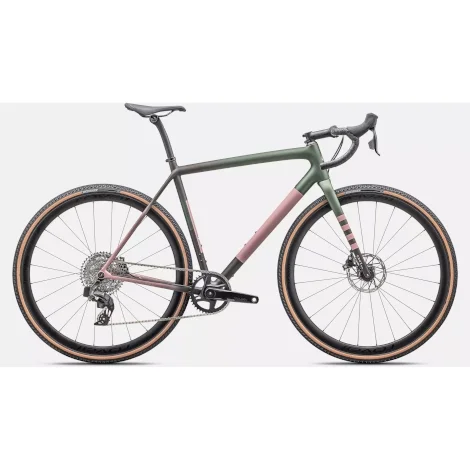
Best Gravel Bike Overall: Specialized Crux
Good for: Riders who want a lightweight, race-ready gravel bike that can dominate dirt, gravel, and pavement










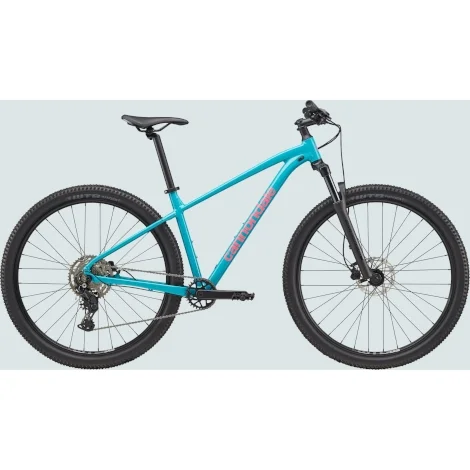
Best Budget Gravel Bike: Cannondale Trail 2
Good for: Riders who want an affordable, durable bike that can handle gravel backroads, light trails, and everyday rides





Best Gravel Bike Under $1,000: Specialized Rockhopper Sport
Good for: Riders who want an affordable, do-it-all bike that can handle gravel, dirt, and singletrack
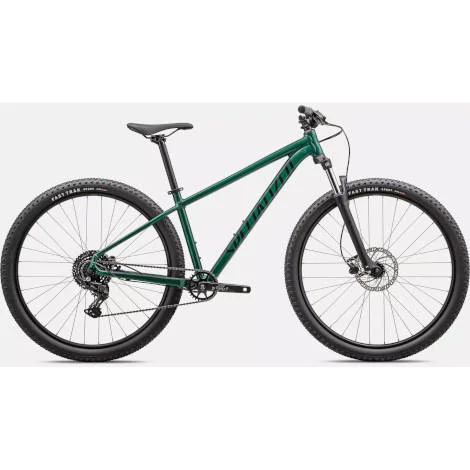


The Specialized Rockhopper Sport may be marketed as a cross-country trail mountain bike, but its balanced geometry and straightforward component setup make it a solid pick for budget-conscious gravel riders who want to feel confident going anywhere.
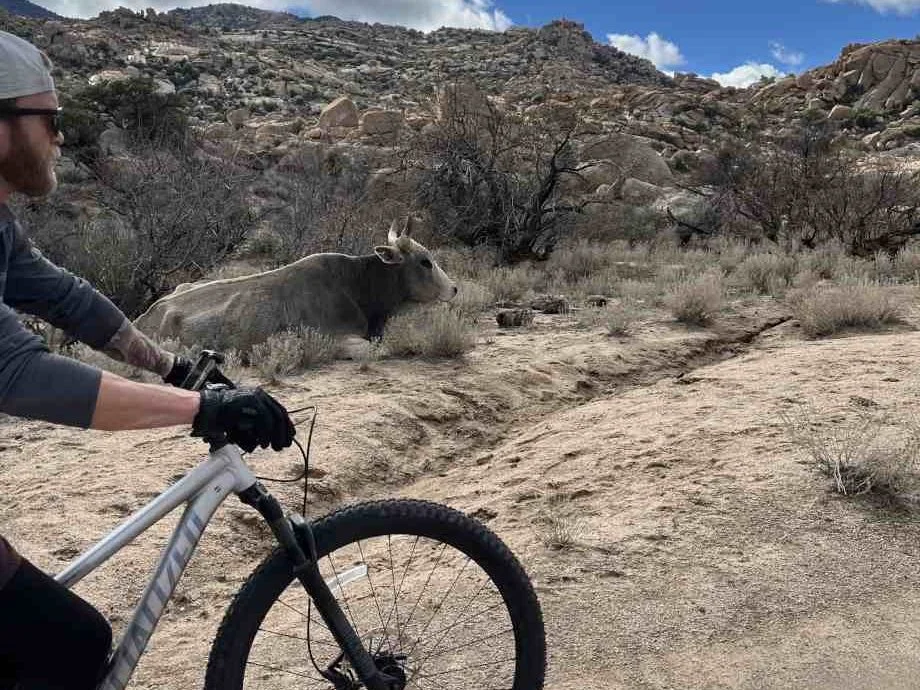
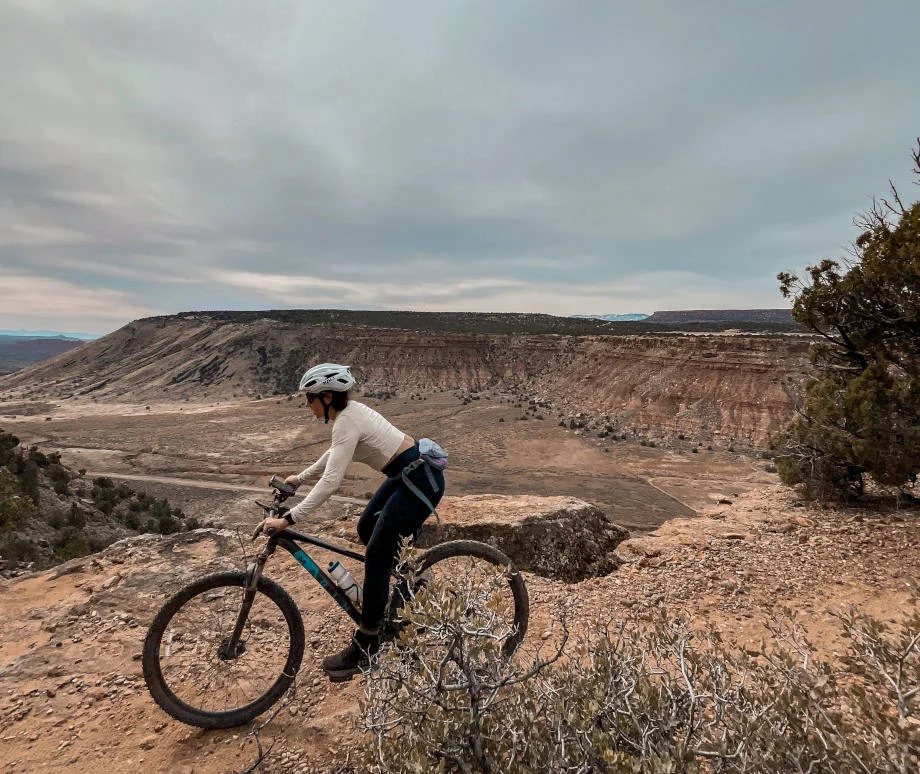
My husband picked one up at a shop in West Texas and has ridden it frequently over the past year and a half. His routes have included rocky backroads, desert dirt roads, and fast, flat gravel stretches, along with true mountain bike singletrack. For versatility, it earns 4.5 out of 5 points.
“I honestly didn’t expect much out of this bike, given that it was so inexpensive and I randomly chose it at a bike shop (because of its price),” he says. “But it has been a wildly fun ride and I’m super impressed by how well it has handled on different trails that it really wasn’t built for.”
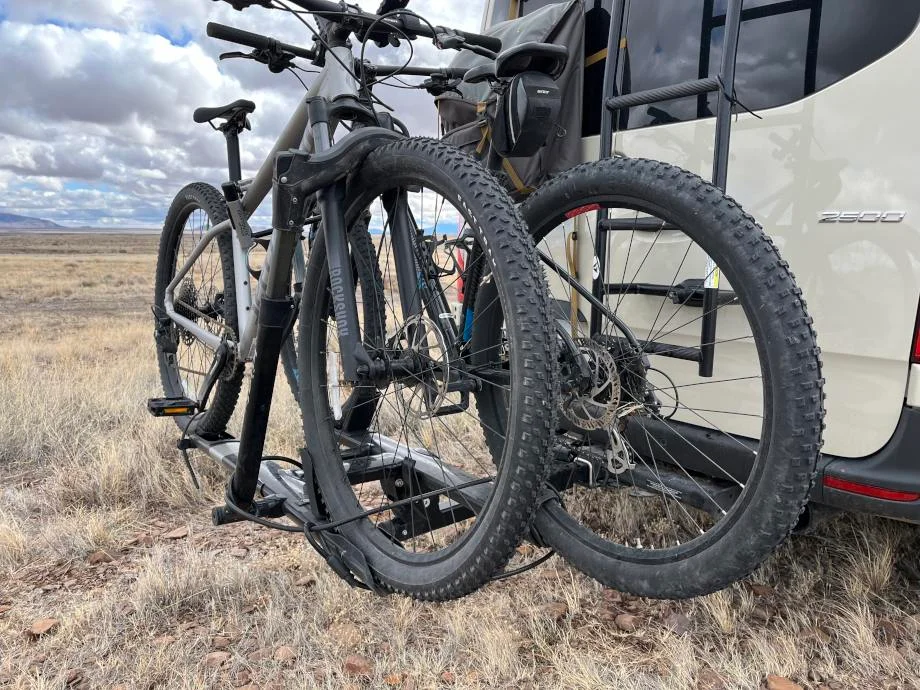
Weighing in at 29.5 pounds, the Rockhopper is unfortunately considerably heavier than a true gravel bike. It’s certainly not for gravel racers. But its cross-country-oriented geometry still helps it feel nimble over long gravel rides or rolling dirt roads, even without the specs of a dedicated gravel bike.
And there’s a lot here to love. The Shimano CUES 1x drivetrain keeps shifting simple, though the nine-speed cassette can feel limiting on steep, extended climbs. Internal cable routing keeps it looking clean, and its aluminum frame balances durability and maneuverability. Its components are midrange, earning the Rockhopper Sport 3.75 out of 5 points for build quality.
While the Rockhopper Sport isn’t as fast or efficient on pavement as a true gravel bike, its durability and adaptability make it an excellent gateway option for riders exploring mixed-surface cycling without a four-figure investment. For value, it scores 4.75 out of 5, thanks to features like hydraulic disc brakes, a wide 2.35-inch tire clearance, and dropper-post compatibility—rare at this price point.
| Price | $750 |
| Bike Weight | 29 lbs 8 oz |
| Frameset | Specialized A1 premium butted alloy, zero-stack head tube, internal cable routing, 135×9 mm forged dropouts, chainstay-mounted disc brake, replaceable alloy derailleur hanger, stealth rack mounts, dropper post compatible |
| Frame Material | Aluminum alloy |
| Handlebars | Stout Mini Rise, alloy, 9-degree backsweep, 15 mm rise, 31.8 mm |
| Wheels | Specialized alloy, disc only, double-wall, 25 mm inner width, 32h |
| Tires | Fast Trak Sport, 650b/29×2.35″ |
| Inner tubes | Standard 40mm SV 650B/29×1.75-2.4 |
| Suspension | SR Suntour XCM 29, 30 mm stanchions, Rx Tune, coil spring, QR, 90/100 mm travel (size-specific), 42 mm offset |
| Available Frame Sizes | XS, S, M, L, XL, XXL |
| Brakes | Tektro BR-M275 Hydraulic Disc, 180/160 mm (160 mm rear) |
| Rear Derailleur | Shimano RD-U4000, CUES, GS 9-speed |
| Cassette | Shimano CUES CS-LG300-9, 9spd, 11-41T |
| Crankset | Stout 1x, forged alloy |
| Warranty | Lifetime on frame; 2 years on parts, components, paint, and graphics |
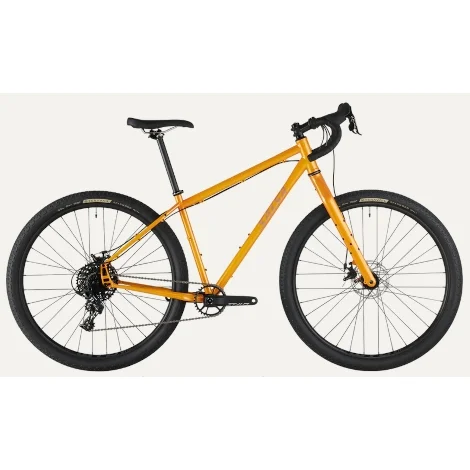
Best Steel Gravel Bike: Salsa Fargo
Good for: Adventure-focused gravel riders and bikepackers





Best Lightweight Gravel Bike: Trek Checkpoint
Good for: Riders prioritizing comfort, speed, and climbing capability for long gravel rides
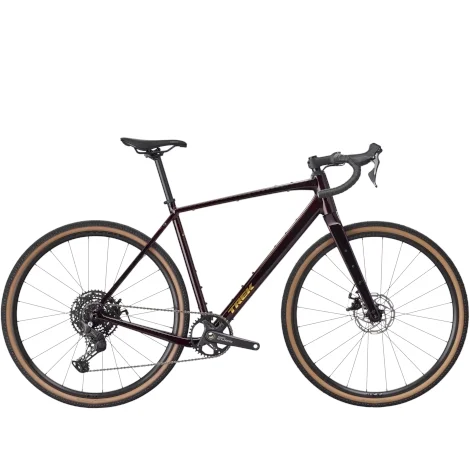

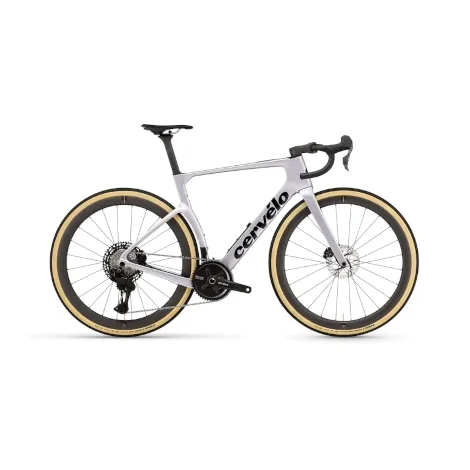
Best Gravel Bike for Racing: Cervelo Aspero 5
Good for: Competitive gravel racers seeking a fast, aerodynamic bike that handles rough terrain with precision


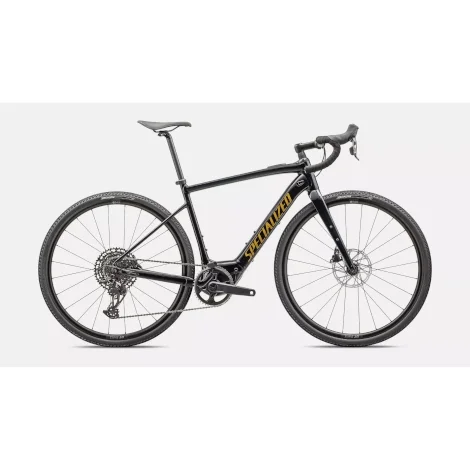
Best Electric Gravel Bike: Specialized Turbo Creo
Good for: Gravel riders looking for seamless pedal-assist on long, tough rides



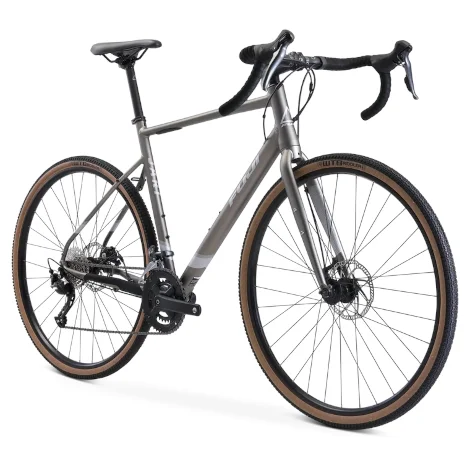
Best Gravel Bike Under $3,000: Fuji Jari
Good for: Riders who want a lightweight, highly adaptable bike for mixed-surface adventures and bikepacking on a budget.
Other Gravel Bikes We Researched
The following bikes were top contenders in our research but didn’t quite make our final cut:
- Cannondale Topstone: Available in aluminum and carbon frames, the Toptone is a highly recommended gravel bike for riders prioritizing long-distance touring comfort and performance.
- Marin Nicasio: This chromoly steel gravel bike is a great choice for those who want a solidly durable frame and are shopping on a sub-$2K budget.
- Canyon Grail: Fast and lightweight, the Grail is for gravel riders who want speed, aerodynamics, and race-worthy performance.
- SCOTT Addict Gravel: Frequently recommended in r/GravelCycling, the Addict features road-like geometry and a carbon frame for great speed and handling.
- Liv Devote: Equipped with top-tier components and a flip chip to alter geometry, the Liv Devote is the picture of versatility in gravel biking.
How We Picked and Tested the Best Gravel Bikes
We interviewed eight gravel bike riders, cycling coaches, bike shop owners and managers, and bike buyers to understand the gravel bike landscape. Combined with our own cross-terrain cycling experience, we were able to narrow down a list of more than 20 gravel bikes to the eight featured here. In our analysis, we considered:
- Frame and build quality: Is the frame made from quality materials and suited to gravel riding? Does the geometry provide stability, comfort, and control over rough terrain? Are welds, paint, and finishing clean?
- Drivetrain: Does the drivetrain provide a wide enough range for climbing, loaded riding, and fast flats? Is shifting smooth and consistent?
- Brakes: Are the brakes powerful and consistent on long descents and in wet conditions? Is modulation predictable?
- Weight and efficiency: Is the bike reasonably lightweight for its category? Does it accelerate well and maintain speed on rolling terrain? Is it sluggish on climbs?
- Wheelset and tires: Are the wheels lightweight, durable, and tubeless-ready? Do the tires provide good traction, comfort, and rolling efficiency on varied surfaces?
- Ride quality and handling: Does the bike absorb chatter and bumps well? Is it stable at speed and nimble in corners or on technical descents?
- Fit and sizing options: Is there a broad size range available? Are contact points (bars, stem, saddle) comfortable and reasonably adjustable?
- Serviceability and maintenance: Is the bike easy to maintain and upgrade? Does it use standard parts? Are cable routing and bottom bracket systems mechanic-friendly?
- Price and value: Does the bike offer good value for its price? Are the components and ride quality competitive with similar bikes?
- Brand support and warranty: What kind of customer service and warranty does the brand offer? Are crash replacement or lifetime frame warranties available?
- Customer reviews: What are other people saying about the bike?
Where to Ride Your Gravel Bike
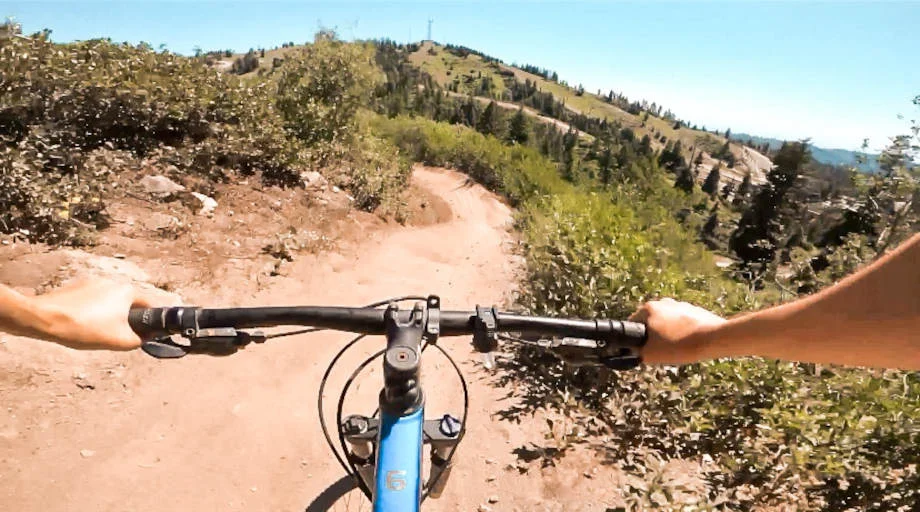
The beauty of gravel bikes is that you can ride them almost anywhere. Well, not anywhere—they’re not designed for enduro or downhill mountain bike trails, but otherwise, you can take a gravel bike pretty much wherever you want.
While gravel bikes are ideal for riding on packed off-road surfaces like forest roads and rural gravel lanes, they perform comfortably on paved surfaces and on moderate, flowy singletrack, too. Just be wary of the lack of suspension on singletrack trails: Not only can big drops and bumps be a pain in the tailbone, but the bike frame itself will absorb a lot of shock which can lead to expensive damage.
Buying Guide: What to Look for in Gravel Bikes
Ben Mahaffey, bike rental shop lead supervisor at Massanutten Resort, offers insights on how to choose the right gravel bike for you.
Frame Material
Frame material is rider-specific, says Mahaffey. “You will always have die-hard riders that will swear the only material a bike should be made out of is steel, and some that will say you should only run carbon,” he says.
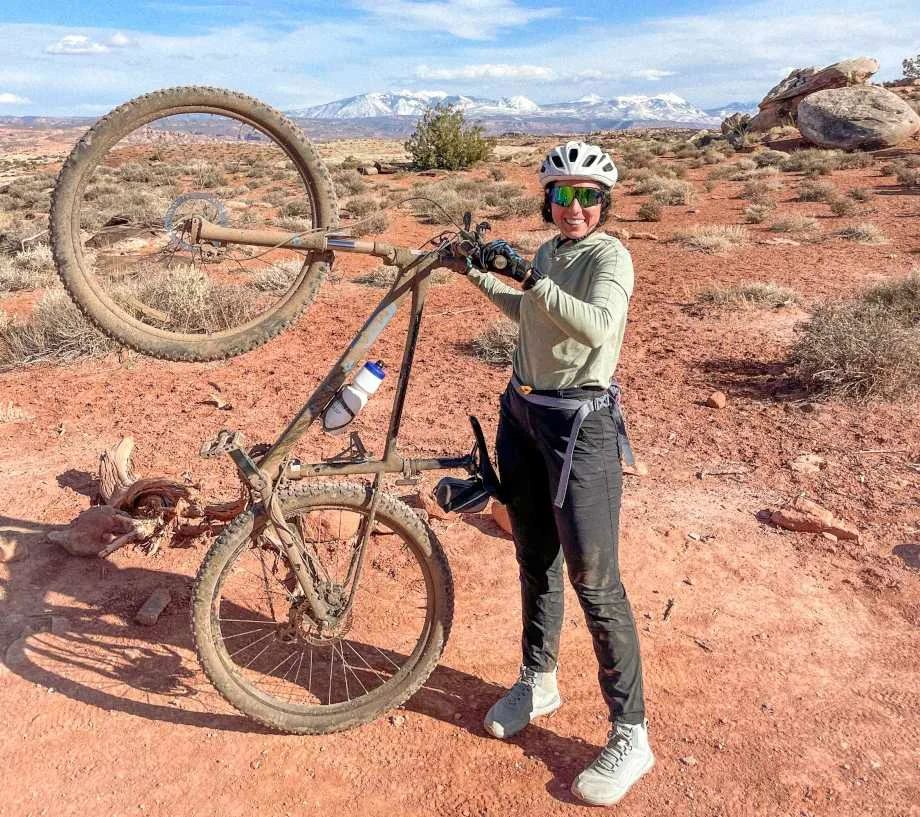
All frame materials are good for different purposes, Mahaffey explains. Steel frames are generally less expensive and more durable, but heavier. Carbon frames are incredibly lightweight but also incredibly expensive. For those just starting out, Mahaffey recommends aluminum.
“Aluminum offers the best mid-range frame material, with a lot of good benefits, like the frames being recyclable,” he says. They are plenty durable, relatively lightweight, and typically come at mid-range price points. There are downsides to aluminum bikes, Mahaffey says, including that they are stiffer than other materials and usually have a small amount of “chatter,” or slight vibration when maneuvering, that other frame materials don’t have.
Frame Geometry
“Geometry is extremely important when choosing the right bike,” Mahaffey says, noting, “I don’t think there will ever be a ‘one bike fits all’ frame.” The best way to really find what works for you would be to go to your local bike shop and see if they offer bike fittings, he says. But if you can’t do that before buying, there are some broad guidelines to keep in mind.
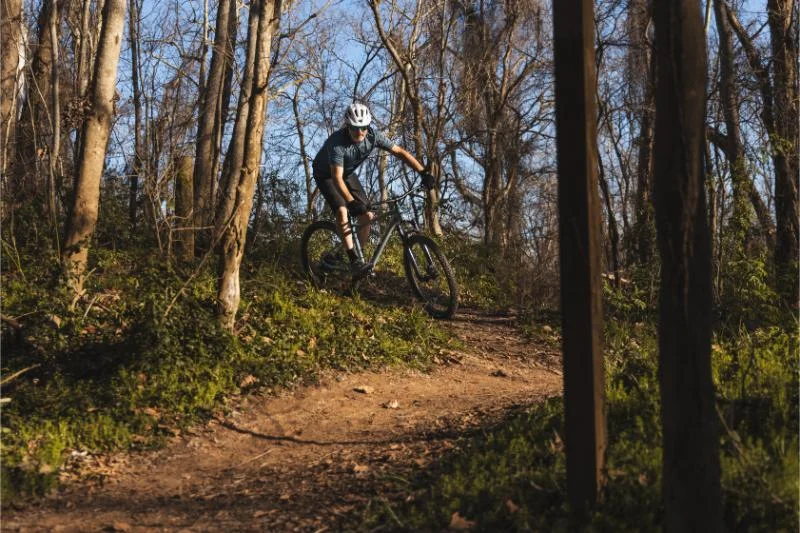
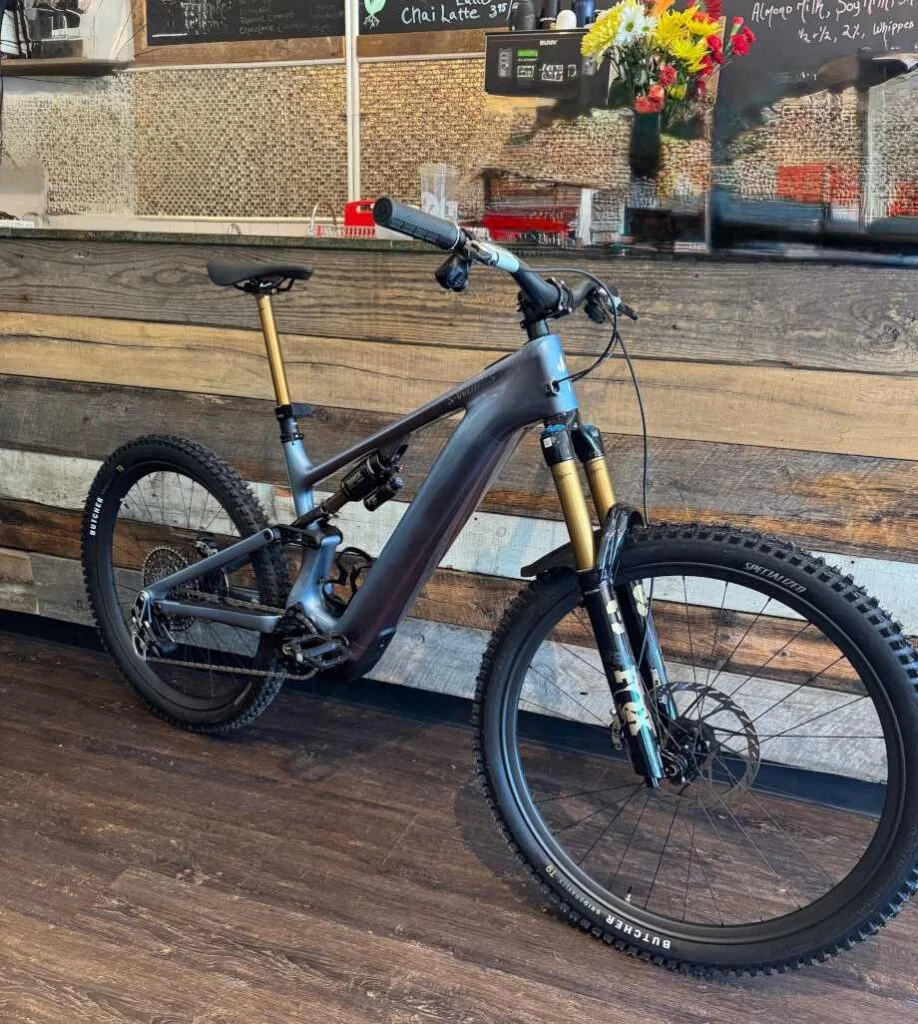
In general, the geometry of gravel bikes is designed with versatility in mind (like trail mountain bikes), which makes sense when you think about where people ride gravel bikes—all over. Steeper, more aggressive geometry is ideal for riders who prioritize speed and ride mostly on smoother surfaces, like hard-packed dirt. Slacker, more relaxed geometry is better for riders who prioritize downhill control and stability over large obstacles.
Tire Clearance, Tread, and Wheel Size
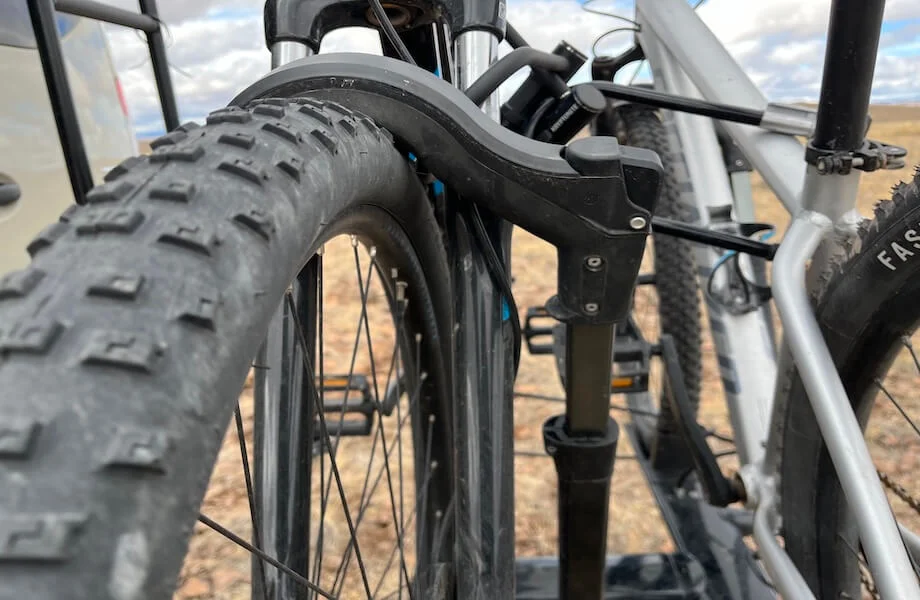
Tire clearance is extremely important for gravel bikes, Mahaffey says. “You don’t want to be doing a 70% gravel, 30% road ride on narrow, slick tires,” so a bike that can support wider, knobbier tires is critical. You’ll want at least 40 to 42 millimeters for your tire size, so make sure the bike can accommodate that.
Additionally, Mahaffey encourages buyers to make sure the bike is equipped with the correct tread pattern for the intended riding terrain. For smoother routes, slicker tires are okay; the more diverse and chunky (or wet) the terrain, the more tread you will want.
For wheel size, 700c (maximum outside diameter of 700 millimeters) is widely considered the gravel bike standard. However, 650b wheels can also work depending on how and where you ride. To illustrate how different wheel and tire sizes work for different terrain, Mahaffey explains how he runs his different bikes:
- A Trek Domane road bike with 700x38c tires, because that’s the largest tire that bike can run and it makes it more versatile than smaller tires.
- A Trek Checkpoint gravel bike with 700x45c tires, which provides greater stability on off-road surfaces.
- A hardtail mountain bike converted into a gravel bike with 29-inch wheels and 2.5-inch tires, so it can run just about anywhere without issue.
Tire Width
The tire width you choose is largely up to personal preference, the type of bike you’re riding, and how you like to ride, says Mahaffey. Remember that wider tires offer a wider base of support, while narrower tires offer greater speed and maneuverability.
Drop Bars
Gravel-specific bikes are designed with drop bars, similar in style to the handlebars on road bikes. This handlebar design allows you to utilize multiple hand positions and either sit more upright for a relaxed right or drop into an aerodynamic position when you want more speed. However, some of the best adventure bikes have flat bars, like those on mountain bikes. Flat handlebars provide a greater base of support and are helpful for downhill maneuverability, but they make overall steering more cumbersome and limit your possible hand positions.
Comfortable Saddle
Because gravel bikes typically lack any suspension at all—the tires and frame itself absorb any shock, like on road bikes—a comfortable bike seat is of the utmost importance.
Drivetrain Configuration
Mahaffey says that riders who mostly stay off of pavement or plan on very long endurance rides should get a 1x drivetrain. “It makes more sense,” he says, because “it’s one less derailleur and one less cable you need to worry about.”
However, if you plan on riding long paved sections and a smaller amount of gravel, a 2x drivetrain might be a better option, Mahaffey says, noting that it will give you more gearing—more speeds, that is—for the road ride. “However it seems the industry is really leaning towards more mountain bike-centered gearing, which is predominantly 1x now,” Mahaffey points out.
Dropper Post, Mounting Points, and Internal Storage
Whether or not these features are necessary depends on the individual’s riding style, Mahaffey says. For instance, “If someone is planning on gravel racing, they won’t be as worried about mounting points, but might really want a dropper and internal storage to give them more options for aerodynamics and comfort on fast paced rides.”
The same goes for people doing mainly short rides or just biking for fun or workouts. But “When you start getting into the bikepacking side of gravel riding, mounting points become a lot more beneficial,” Mahaffey says, “and things like dropper seatposts can be an added weight that they might not be willing to sacrifice.”
Experts Who Contributed To This Article
- Jason Cowie, bike buyer for Sun & Ski Sports
- Jo Raby, gravel cyclist and co-founder of Eric & Jo on the Go
- Julie Gabay, owner of Pacific Cycling & Triathlon
- Ben Mahaffey, bike rental shop lead supervisor at Massanutten Resort
- Clare Zecher, mountain bike competitor and head coach at Clare Zecher Coaching
- Natasha Woodworth, founder of Curious Creatures mountain bike apparel
FAQs About the Best Gravel Bikes
What is the best fast gravel bike to double as a road bike?
There are many road bikes that can serve as gravel bikes and many gravel bikes that can serve as road bikes. In some cycling circles, using one bike for both is discouraged because of the need to run two different wheelsets and different tires. However, that’s only necessary if you’re really looking for optimal performance. If you ride more for leisure, you can run gravel wheels and tires even when riding on the road. Good gravel bike choices for use on both trails and the road include the Trek Checkpoint, Specialized Turbo Creo, and Cannondale Trail 2.
What are the best gravel bike brands?
Some of the best gravel bike brands include Fuji, Cervelo, Specialized, Salsa, Trek, Cannondale, SCOTT, Giant, Canyon, Santa Cruz, and Marin.
What’s the difference between a road bike and a gravel bike?
A road bike is designed for optimal performance on paved surfaces, while a gravel bike is designed for speed and comfort on all road surfaces, including gravel roads and forest roads. Road bikes often have more aggressive geometry favoring speed and aerodynamics, as well as thinner tires with minimal tread and lighter wheels. Gravel bikes have somewhat knobby tires and more relaxed geometry compared to road bikes.
References
- Strava Stories. Strava Year In Sport Trend Report: Insights on the World of Exercise. January 3, 2024.
- Coherent Marketing Insights. Gravel Bikes Market Size and Forecast—2025-2032. May 2025.