



Let’s start with a little honesty: Before diving deep into nutrition, I was convinced biotin was the hair miracle I’d been waiting for. But after completing my dietetic internship, grad school, and working through several biotin bottles, I had to face the truth—biotin (or any supplement, really) isn’t a magic fix, and it didn’t change how I picked the best running headband for my hair.
That’s not to say biotin can’t be helpful, but it’s important to set realistic expectations. As Dr. Raj Dasgupta puts it, “If you’re truly low in biotin, supplements can definitely help. But if your levels are already normal, taking more biotin doesn’t necessarily give you thicker hair or stronger nails. The hype is bigger than the science, in most cases.”
Still, while I wasn’t one of the lucky ones who saw dramatic changes, Dr. Dasgupta notes that some people notice improvements. And let’s not forget: biotin1 (also known as vitamin B7) is an essential B-complex vitamin, helping convert food into energy and supporting several important metabolic processes.
So, whether you’re navigating a true deficiency or just hoping for a boost, my first tip is to talk with your doctor. In the clear? Great! Now, here are our expert-vetted picks—researched, tested, and carefully chosen by a team of certified personal trainers, registered dietitians, and nutritionists.
Medical disclaimer: This article is intended for educational and informational purposes only. It is not intended as a substitute for medical advice. For health advice, contact a licensed healthcare provider.
The 8 Best Biotin Supplements of 2026
- Best Biotin Supplement Overall: Nutricost Biotin Capsules
- Best Biotin Supplement for Women: Ritual Prenatal Multivitamin
- Best Budget Biotin Supplement: Sports Research Biotin 10,000mcg with Organic Coconut Oil
- Best Biotin Supplement for Athletes: Thorne Biotin
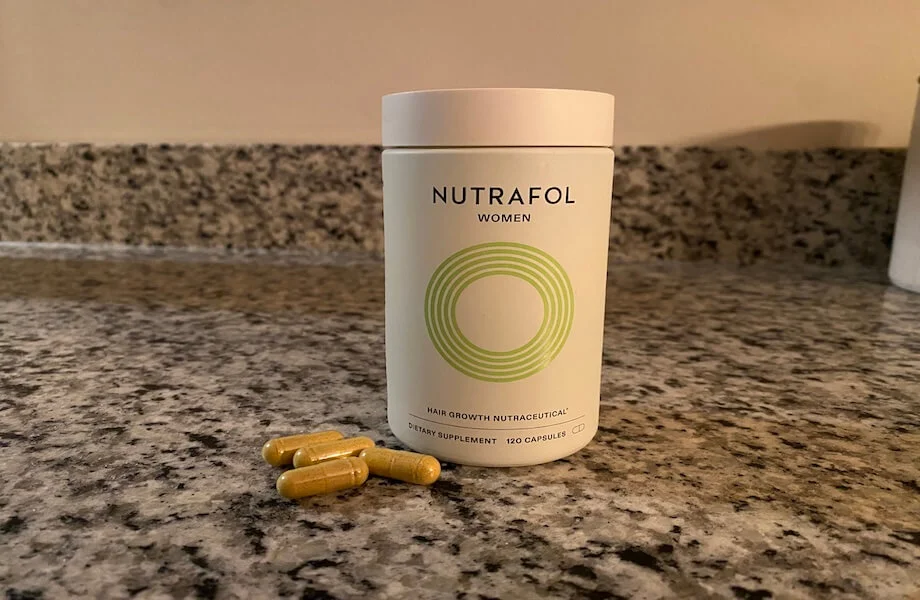
- Best Biotin Supplement for Hair Growth: Nutrafol Women’s Hair Growth Nutraceutical
- Best Biotin Supplement for Skin Health: Pure Encapsulations Biotin Complex Hair & Skin
- Best Gummy Biotin Supplement: Hims & Hers Biotin Multivitamin Gummies
- Best Postpartum Biotin Supplement: Perelel Mom Multi-Support Pack
Best Biotin Supplement Overall: Nutricost Biotin Capsules
Good for: Anyone looking for an affordable, high-quality biotin supplement with a potent dose
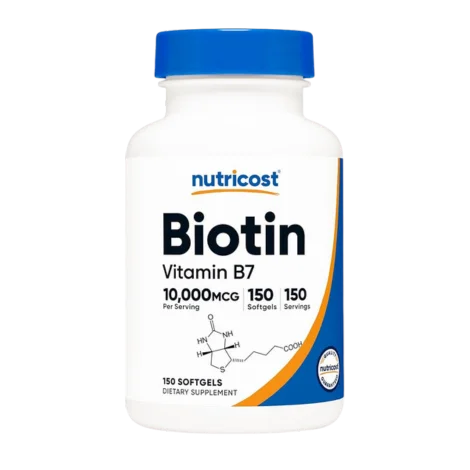







Nutricost Biotin Capsules are a solid choice if you’re after a high-dose biotin supplement that’s clean, simple, and cost-effective. Just be sure the 10,000 mcg dose matches your needs—it may be too much for some.
Best Biotin Supplement for Women: Ritual Prenatal Multivitamin
Good for: Women who are trying to conceive or are currently pregnant and want a science-backed, vegan-friendly multivitamin with biotin and transparently sourced ingredients
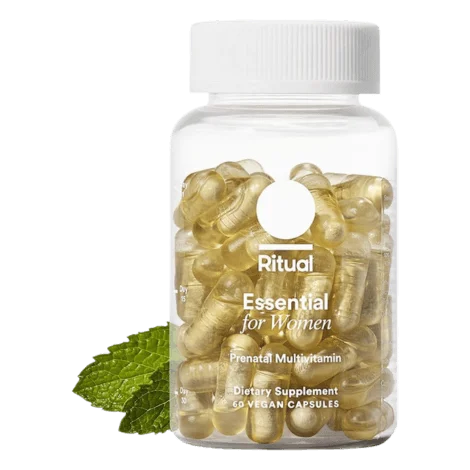





Ritual’s prenatal multivitamin is a favorite for its transparency and clean ingredients. Plus, the robust makeup can be great for female athletes looking to support cortisol levels, brain health, bone health, and neural tube functions.
What our tester says:
“I find the Mint flavoring to be pretty pleasant and enjoyable, and ingredient traceability is a major plus with any Ritual offering.”
Ritual’s Prenatal Multivitamin is one of the most thoughtfully formulated biotin supplements for women, especially during a life stage when it matters most. While true biotin deficiency is rare, women are at greater risk of deficiencies during pregnancy1.
The prenatal offers more than just 150 micrograms of biotin—it includes essential nutrients like folate, iron, B12, iodine, and vitamins D3 and K2. You’ll also get vegan-friendly omega-3 DHA from algae and 55 milligrams of choline2 (10% DV) to support fetal brain and neural tube development—Ritual also offers a Pregnancy & Postpartum Protein Shake for a boost of choline.
The formula is Clean Label Project certified, non-GMO, and rigorously screened for heavy metals and microbes. Ingredient traceability is a major plus, though the lack of NSF or Informed Sport certification slightly lowers its formulation and third-party testing scores to (a still solid) 4 out of 5—something to note for competitive athletes or those who prefer extra assurance of taking products without banned substances.
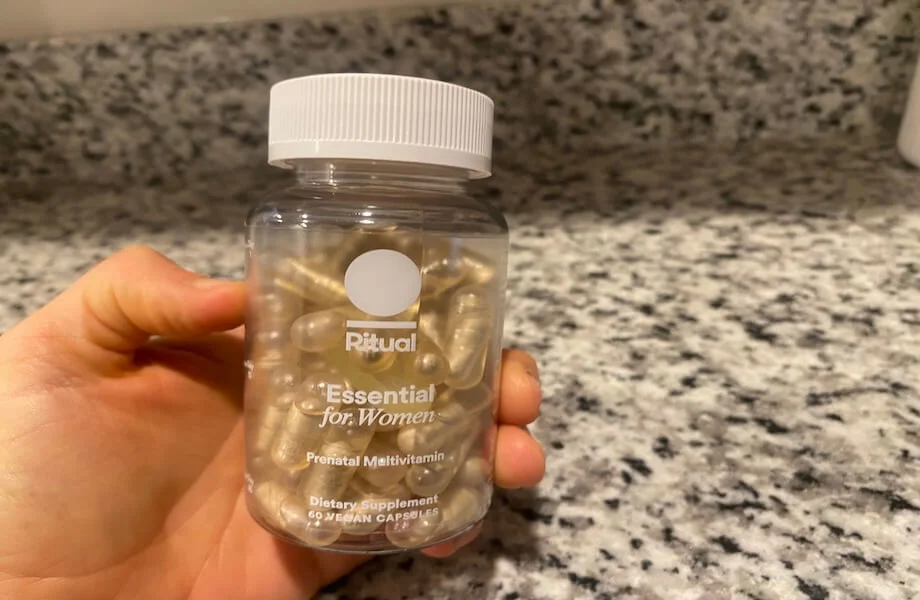
The taste and overall experience are where things become somewhat divisive. The capsules come in Citrus or Mint essences—off-putting for some and pleasant for others. Trying both options, I fall somewhere in the middle; while I don’t find the Citrus totally off-putting, I find the mint much more pleasant and enjoyable.
Fishy burps, due to the algal oil, are a common complaint, especially if dealing with morning sickness. Swallowing two flavored capsules daily is manageable for most, but challenging for those sensitive to smell. This ultimately gives taste, swallowability, and side effects 3 out of 5 ratings.
Still, many users report increased energy, stronger hair, and healthier nails, making it a great choice for supporting women’s health as they try to conceive or are pregnant.
Perelel Mom Multi-Support Pack offers a comprehensive, postpartum formula if you’re seeking support after delivery.
| Price Per Serving | $1.47 |
| Serving Size | 2 capsules |
| Biotin Per Serving | 150 mcg (429% DV) |
| Other Active Ingredients | Vitamin D, Vitamin E, Folate, Vitamin B12, Choline, Iron, Iodine, Magnesium, Omega-3 DHA, Boron, Vitamin K2 |
| Supplement Form | Capsules |
| Third-Party Testing | Yes |
Best Budget Biotin Supplement: Sports Research Biotin 10,000mcg with Organic Coconut Oil
Good for: Budget-conscious shoppers seeking a high-strength biotin supplement
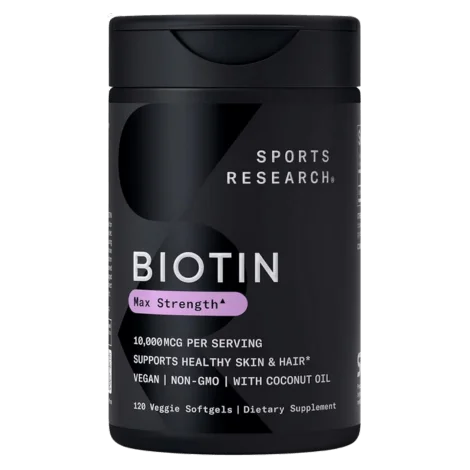


Sports Research Biotin delivers a high-impact biotin dose in a clean, coconut-oil-infused softgel that’s both vegan and third-party verified. However, this biotin supplement is just that—biotin, meaning there are no additional vitamins or minerals for extra wellness perks.
Best Biotin Supplement for Athletes: Thorne Biotin
Good for: Athletes and fitness enthusiasts who prioritize third-party testing in their supplements
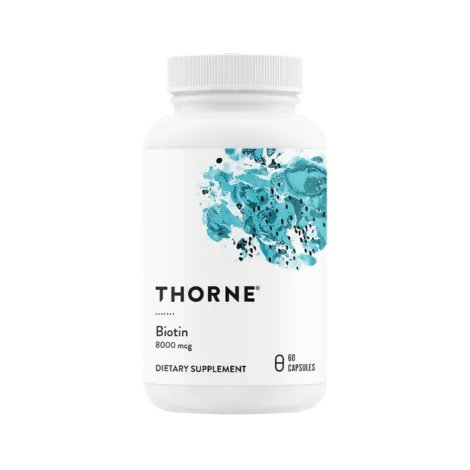
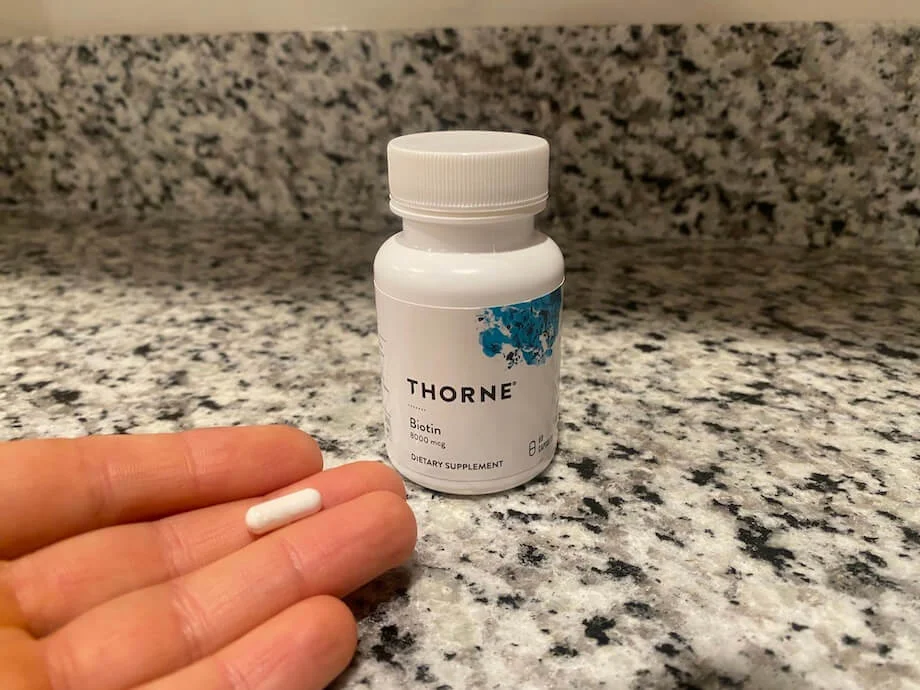
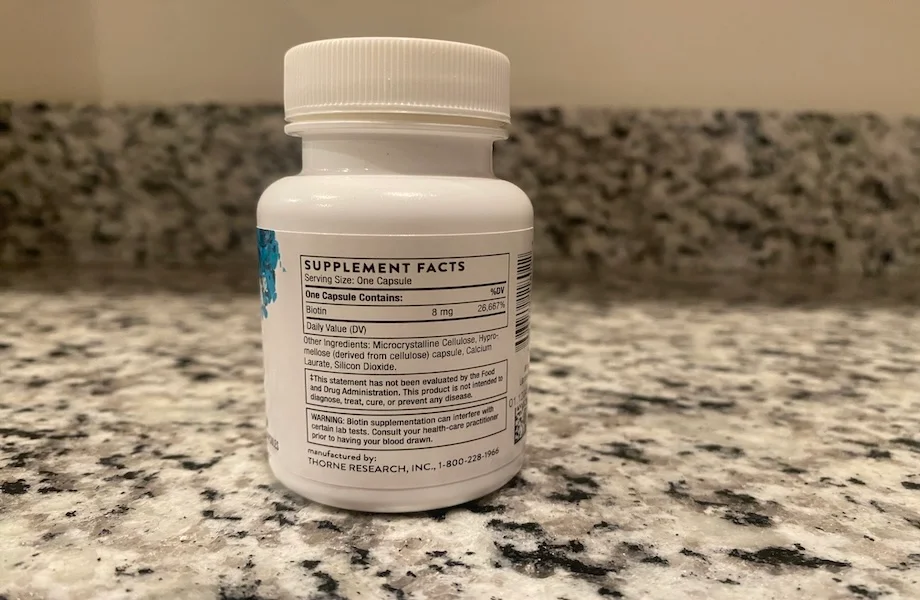
Thorne Biotin is a high-dose supplement option that’s easy to consume thanks to its small, single-capsule serving size. Plus, the formulation is NSF Contents Certified for added reassurance surrounding label accuracy and purity.
What our tester says:
“It’s a fantastic value for such a high-quality supplement. It’s tiny, easy to take, and odorless, too.”
Because Thorne is trusted by professionals in the UFC, NBA, and Olympic teams for its rigorous quality standards, its biotin supplement stands out as a top choice for athletes. It carries the NSF Contents Certified stamp, verifying label accuracy and testing for contaminants, earning a perfect 5 out of 5 for third-party testing.
Each capsule packs a solid 8,000 micrograms of bioactive biotin in a clean formula without any artificial fillers. And at just $0.45 per serving, it’s a fantastic value for such a high-quality supplement. As such, we score it at 5 out of 5 for formulation and price.
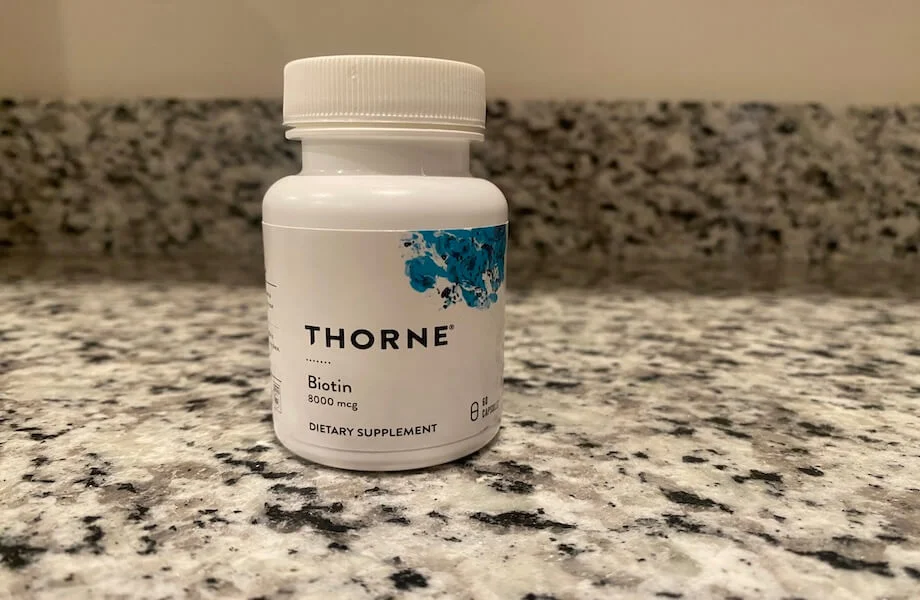
Taste and swallowability also score high with the small, single capsule earning a perfect 5 out of 5 for being easy to take and free of any unpleasant aftertaste or odor. One Amazon reviewer summed it up perfectly: “Size is very small. Easy to swallow. No odor. Would recommend.” Honestly, I couldn’t agree more—the capsule is tiny, simple to take, and odorless.
As for side effects, I personally experienced no issues and tolerated each serving well. And nearly 1,000 Amazon reviewers back this up with an impressive 4.7-out-of-5 rating.
While there are some mixed opinions about its effectiveness, this is to be expected, especially considering the use of biotin isn’t a golden ticket to strong nails and healthier hair. Still, 93 percent of users rate it a 4 or higher, suggesting positive user experiences.
If you’re looking for even more biotin and value, Sports Research Biotin 10,000mcg with Organic Coconut Oil is a trusted pick among athletes and fitness enthusiasts—just be sure to confirm both options are safe for your specific requirements if you’re subject to drug testing.
| Price Per Serving | $0.45 |
| Serving Size | 1 capsule |
| Biotin Per Serving | 8,000 mcg (26,667% DV) |
| Other Active Ingredients | None |
| Supplement Form | Capsules |
| Third-Party Testing | Yes |
Best Biotin Supplement for Hair Growth: Nutrafol Women’s Hair Growth Nutraceutical
Good for: Women ages 18-44 looking for a whole-body approach to hair health
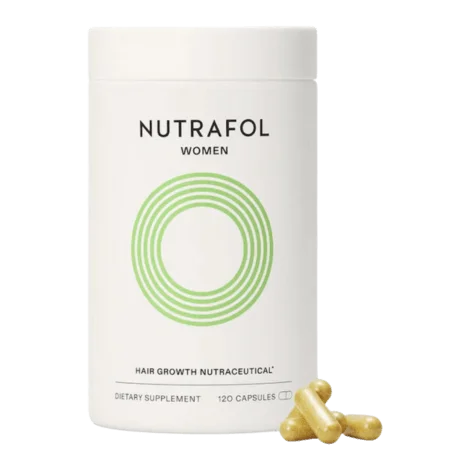


Nutrafol is a science-backed, premium pick for women experiencing hair loss. It takes a comprehensive approach but requires a daily four-capsule commitment and a higher budget.
What our tester says:
“The formulation is robust with its proprietary Synergen Complex and Nutrafol Blend combining stress adaptogens (like ashwagandha), antioxidants (such as curcumin), and DHT-targeting botanicals (like saw palmetto) to address multiple triggers of hair loss.”
Because hair struggles often stem from a mix of stress, hormones, and nutrient gaps, biotin alone may not cut it. Nutrafol takes a broader, more clinical approach—targeting root causes with a comprehensive formula backed by published research, making it a top biotin-inclusive pick for hair growth.
Nutrafol Women’s Hair Growth Nutraceutical includes 3,000 micrograms of biotin—lower than some options—but it’s supported by iodine, selenium, and vitamins A, C, D, and E. Its proprietary Synergen Complex and Nutrafol Blend combine stress adaptogens (like ashwagandha), antioxidants (such as curcumin), and DHT-targeting botanicals (like saw palmetto) to address multiple triggers of hair loss.
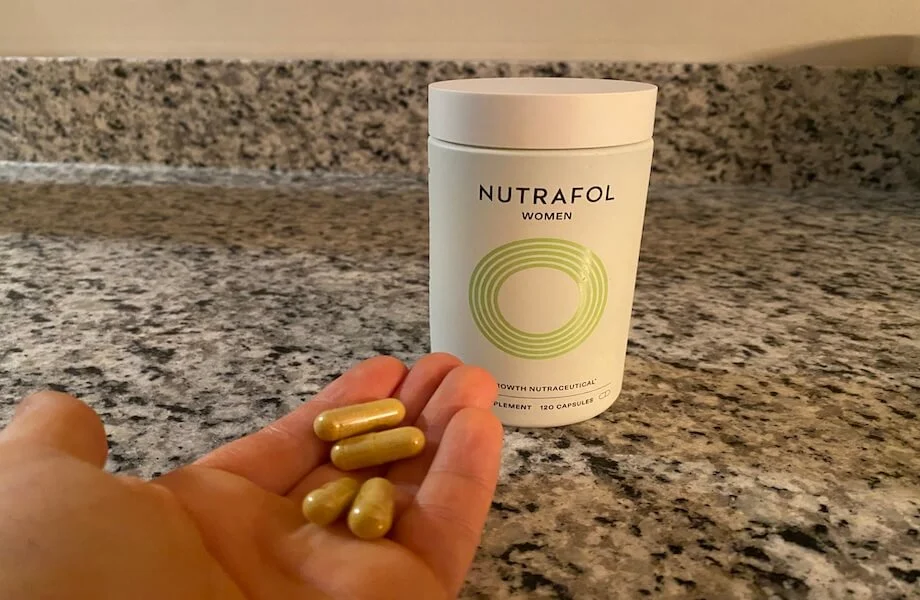
Yet, the formula isn’t without concerns. It contains proprietary blends, so we don’t know exact ingredient dosages. Some fat-soluble vitamins can be harmful at high levels, too, and while this formula is designed for women aged 18 to 44, certain ingredients (especially botanicals) may not be safe during pregnancy or breastfeeding.
Nutrafol also highlights its clinical research and states that products are manufactured in a GMP-certified, FDA-compliant facility with tested ingredients. However, they don’t share the names of third-party labs or provide Certificates of Analysis (COAs). Due to the lack of transparency and the use of proprietary blends, it receives a rating of 2 out of 5 for third-party testing and formulation.
As for side effects, I didn’t experience any personally, and Nutrafol reports that no adverse effects were found in its trials. However, digestive issues such as nausea or stomach pain are a recurring complaint among some reviewers (and even someone I know), which lowers its side effects rating to 2 out of 5.
User experiences vary widely, but if you’re curious about a comprehensive, research-driven formula—and you’re comfortable with the ingredients and taking four capsules a day—Nutrafol may be worth exploring.
If you like the idea of a unique formula but want a smaller serving size, Pure Encapsulations Biotin Complex Hair & Skin only requires taking one capsule daily.
| Price Per Serving | $2.93 |
| Serving Size | 4 capsules |
| Biotin Per Serving | 3,000 mcg (10,000 %DV) |
| Other Active Ingredients | Iodine, Selenium, Zinc, Vitamin A, Vitamin C, Vitamin D, Vitamin E, Synergen Complex (Hydrolyzed Marine Collagen, Sensoril Ashwagandha Extract, Saw Palmetto Extract, BCM-95 Bio-Curcumin, Turmeric Extract, Palm Extract, Hyaluronic Acid), Nutrafol Blend (L-Cysteine, L-Lysine, L-Methionine, Keratin, Horsetail Extract, Japanese Knotweed Extract, Cayenne Extract) |
| Supplement Form | Capsules |
| Third-Party Testing | Unclear |
Best Biotin Supplement for Skin Health: Pure Encapsulations Biotin Complex Hair & Skin
Good for: Those looking to support skin and hair health with an innovative biotin formula
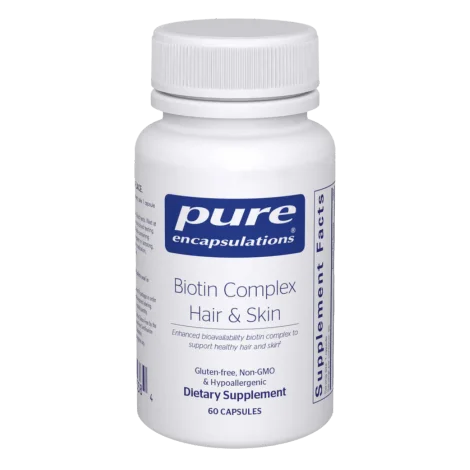
Pure Encapsulation’s Biotin Complex is a dermatologist favorite for good reason—it combines trusted nutrients for hair and skin in a clean, clinical formula. The included Lustriva—patented blend of inositol-stabilized arginine silicate and magnesium biotinate—can help bolster circulation to the skin and other peripheral tissues.
What our tester says:
“At just $0.71 per serving, this supplement nails it on value!”
Pure Encapsulations Biotin Complex Hair & Skin takes the top spot as the best biotin supplement for skin health—and it’s not just because of its potent formula free from common allergens, binders, and preservatives. What really sets it apart is a patented Lustriva®, a patented blend of inositol-stabilized arginine silicate and magnesium biotinate.
So, what makes Lustriva® so intriguing? At its core is arginine silicate inositol (ASI)—a compound better known in the sports nutrition world as Nitrosigine®, found in some of the best stim-free pre-workouts. ASI helps boost arginine (an amino acid) and nitric oxide3 levels, which may enhance blood flow to the skin and other peripheral tissues.
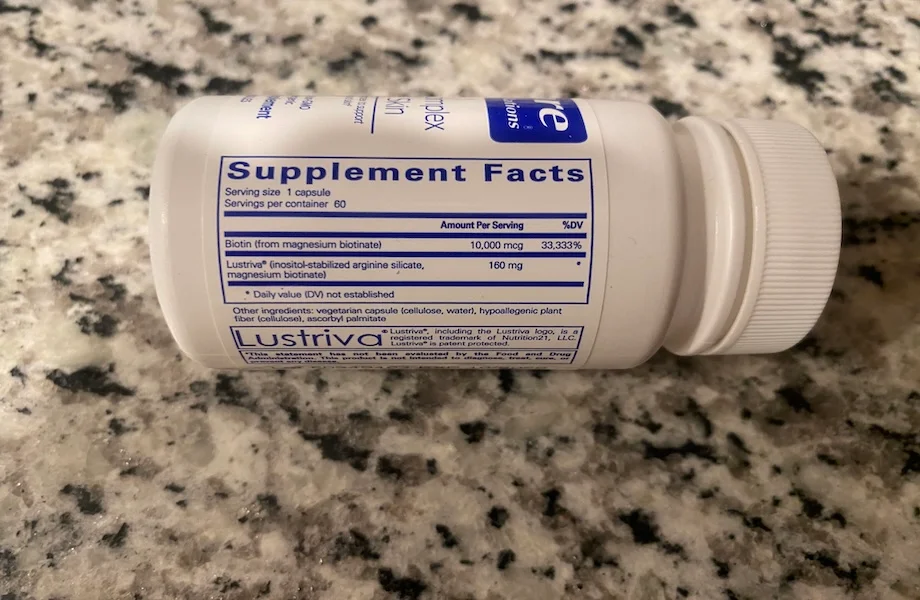
Better circulation supports nutrient delivery and collagen4 synthesis, two factors for improving skin hydration and elasticity. Additionally, pairing ASI with magnesium biotinate may protect against UV-related skin damage5 and promote hair and nail growth6.
That said, it’s worth noting that much of the research behind this formula is mostly industry-funded and based on animal studies. And while the formulation is Certified Gluten-Free, it currently lacks third-party certifications for purity and banned substances from organizations like NSF or Informed Choice. All things considered, this supplement earns solid 4-out-of-5 ratings for both formulation and third-party testing.
But here’s what may seal the deal: at just $0.71 per serving, this supplement nails it on value, earning a 4.5-out-of-5 score in the category. Many Amazon reviewers mention switching from pricier brands and achieving the same (if not better) results, as reflected in its impressive 4.6-star average rating.
Thorne Biotin might be a great choice if you prefer a simpler formula that still delivers high value.
| Price Per Serving | $0.71 |
| Serving Size | 1 capsule |
| Biotin Per Serving | 10,000 mcg |
| Other Active Ingredients | Lustriva |
| Supplement Form | Capsules |
| Third-Party Testing | Yes |
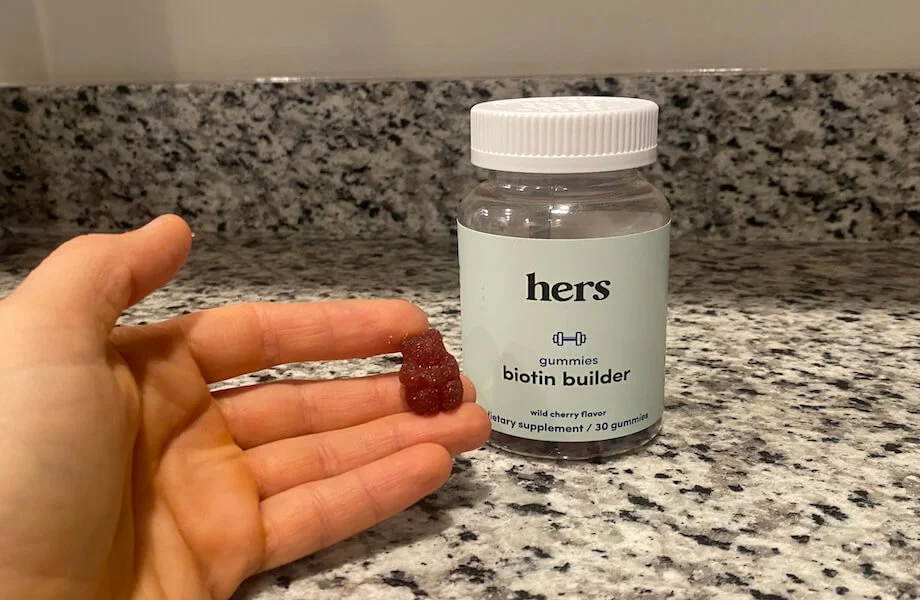
Best Gummy Biotin Supplement: Hims & Hers Biotin Multivitamin Gummies
Good for: Those who prefer a hair and nails gummy over capsules and softgels
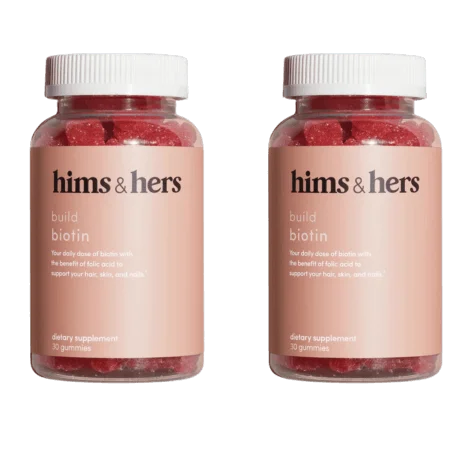

Hims & Hers Biotin Gummies can be a fun alternative to your regular pills and capsules. They’re easy to stick with, but they aren’t third-party tested and may not suit those abiding by a sugar-free lifestyle.
What our tester says:
“I found the cherry flavor pleasant and the exterior sugar coating gives each bite an appealing sense of texture.”
Hers Biotin Multivitamin Gummies earn top marks as the best biotin gummies supplement thanks to their enjoyable taste and well-rounded nutrient profile. Each gummy delivers 300 micrograms of biotin, complemented by “builder” nutrients—like vitamins A, C, D3, E, B6, B12, and folic acid—to synergistically support hair, skin, and nail health.
While thoughtfully designed with bioavailable vitamins, the biotin content is lower than others, and each gummy contains 1 gram of added sugar—low but worth noting if you watch your sugar intake. The lack of independent testing to verify quality and label accuracy (more on this soon) also lowers the overall formulation rating to 2 out of 5.
The added sugar works in the gummies’ favor, though, scoring 5 out of 5 for taste. Most users—myself included—found the cherry flavor pleasant (and not medicinal), and the sugar-coated texture gives it a nice bite.
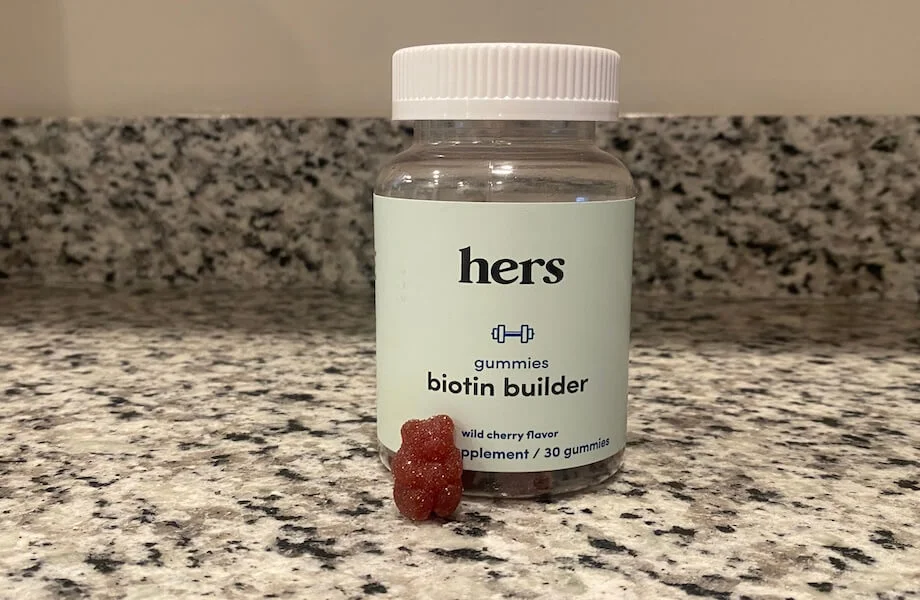
Swallowability earns a 4 out of 5, as well. The gummy itself is easy to take, but multiple reviews note issues with gummies arriving melted together into a single blob, which makes them harder to separate and ensure a proper dose. I did not experience this issue, though my gummies were delivered in the cooler weather conditions of early spring.
Hers earns just a 2 out of 5 for third-party testing. The brand states its products are not tested on animals, but there’s no mention of independent testing for quality, safety, or label accuracy.
Customer service is rated even lower at 1.5 out of 5. While the site includes a help center and contact options, returns aren’t accepted “given the nature of our products,” which can be frustrating, especially if your gummies arrive melted.
Still, if you’re looking for a biotin supplement in gummy form that’s easy to take with an enjoyable taste, this one checks most of the boxes—just be aware of its trade-offs.
If you’re in childbearing years or expecting and don’t mind flavored capsules, Ritual Prenatal Multivitamin is worth considering.
| Price Per Serving | $1.07 |
| Serving Size | 1 gummy |
| Biotin Per Serving | 300 mcg (1,000 %DV) |
| Other Active Ingredients | Folic Acid, Niacin, Pantothenic Acid, Vitamin A, Vitamin B6, Vitamin B12, Vitamin C, Vitamin D, Vitamin E |
| Supplement Form | Gummy (Non-Vegan) |
| Third-Party Testing | No |
Best Postpartum Biotin Supplement: Perelel Mom Multi-Support Pack
Good for: Postpartum women seeking full-body support—including hair, skin, nail, mood, and cognitive health—through a complete daily vitamin pack
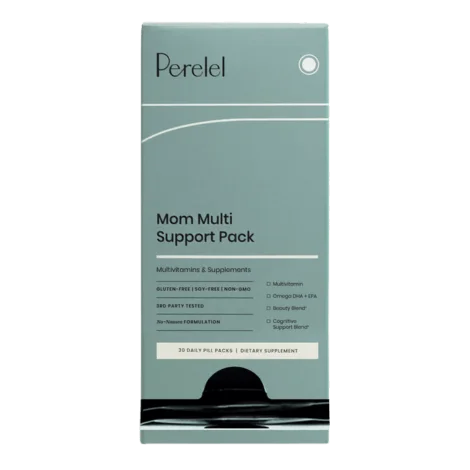


Perelel Mom Multi-Support Pack can be a powerhouse for postnatal care, combining key vitamins and nutrients into one daily bundle. However, pill-averse mothers may be hesitant of the five capsules featured in each daily pack.
What our tester says:
“You’ll need to swallow five capsules daily. It’s manageable and reflects the comprehensive formula, but may not be ideal for everyone, especially exhausted moms.”
Perelel’s Mom Multi-Support Pack stands out as the best postpartum supplement thanks to its comprehensive formula featuring a targeted “Beauty Blend” with 30 micrograms of biotin and 500 milligrams of collagen peptides to help combat hair loss and dull skin. While the biotin dose is slightly below the recommended 35 micrograms for breastfeeding women1, this conservative amount can be a safer approach during nursing.
Beyond beauty, the formula supports a wide range of postpartum needs. It includes essential nutrients like iron, folate, choline, vitamin D, and omega-3s, along with a “cognitive blend” to support heart health, mood, and focus. Some ingredients, such as vitamin A from beta-carotene, are less bioavailable than their preformed forms. However, the formula is thoughtfully designed and clearly labeled.
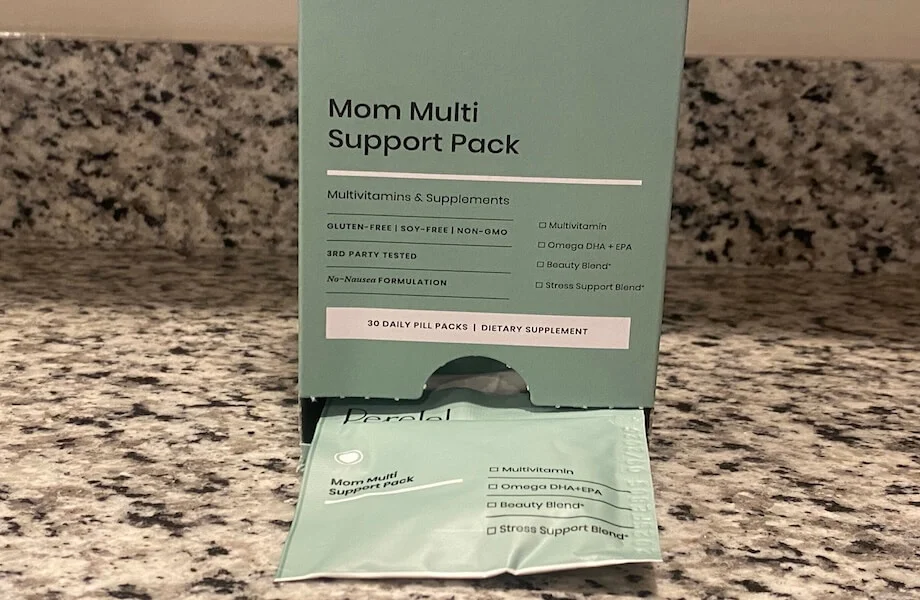
Perelel claims Clean Label Project certification and rigorous testing for heavy metals, potency, and contaminants. However, the lack of publicly available lab details or Certificates of Analysis lowers its testing score to 3 out of 5. And while the formula is clearly labeled, its purity and safety haven’t been verified by trusted third-party organizations like NSF or Informed Choice, also resulting in a 3-out-of-5 formulation rating.
Taking the pack daily means swallowing five capsules, which can feel overwhelming, especially if you’re a tired new mom. Several customers also mention a fishy taste and smell, though not enough to deter use (and it didn’t affect my own willingness to take them).
RELATED: Best Protein Powder for Breastfeeding
On the upside, many users report noticeable improvements in mood, energy, and hair and skin health. These mixed experiences translate to scores of 2 out of 5 for swallowability, 3.5 out of 5 for taste, and a perfect 5 out of 5 for minimal side effects.
A final plus? Perelel offers a 30-day refund on your first pack (minus shipping), earning a 4-out-of-5 rating for customer service.
If you prefer a simpler formula with only one capsule, Sports Research Biotin 10,000mcg with Organic Coconut Oil might be a good fit—just be sure to check in with your doctor first, especially if you’re breastfeeding.
| Price Per Serving | $1.94 |
| Serving Size | 1 pack, which includes 5 pills |
| Biotin Per Serving | 30 mcg (100% DV for non-lactating women, 86% for lactating women) |
| Other Active Ingredients | Beauty Blend (Biotin, Hydrolyzed Bovine Collagen Peptides), Cognitive Support Blend (L-Theanine, Lutein, Zeaxanthin), Omega-3 (DHA and EPA), Vitamins (Vitamins A, C, D, E, K and B Vitamins), Minerals (Boron, Choline, Chromium, Copper, Folate, Iodine, Iron, Magnesium, Selenium, Zinc) |
| Supplement Form | Capsules and softgels |
| Third-Party Testing | Yes |
Other Biotin Supplements We Researched
In testing these best biotin supplements, there were some high-quality profiles that just barely missed the cut for inclusion in this round-up. Here are a handful of picks we researched but ultimately ruled out.
- Mindbodygreen Beauty + Gut Collagen+: We appreciate the unique powdered makeup of this Mindbodygreen offering as well as the 500 micrograms of biotin per serving. However, with a price per serving of roughly $3.50, we feel the expense is too high for the potential performance benefits.
- Nature Made Maximum Strength Biotin: Nature Made Maximum Strength Biotin capsules feature 5,000 micrograms per serving—equivalent to 16,667 percent of your daily value. The cost is also appealing at roughly $0.20 per dose. However, we were able to find cheaper options with more potent dosages.
- Olly Undeniable Beauty: Another gummy option, Undeniable Beauty can be a worthwhile option for skin, hair, and nails thanks to the included 50 milligrams of keratin. What kept this biotin option off our round-up was the 2 grams of added sugars—a higher count than Hers Biotin Multivitamin Gummies.
How We Picked and Tested the Best Biotin Supplements
With hundreds—if not thousands—of biotin supplements on the market, narrowing down the best of the best is no easy feat. So, how did we do it? Through hands-on experience, detailed evaluations, and insights from our team of certified personal trainers, nutrition coaches, and registered dietitians.
We followed our trusted GGR supplement testing methodology to ensure consistency and fairness, scoring each product on a scale of 1 to 5 across several key categories. Here’s what we looked at:
Biotin Per Serving
We gave higher scores to products that delivered at least 5 milligrams (5,000 micrograms) of biotin per serving. On the other hand, we deducted points for formulas that included unnecessary additives such as artificial ingredients, added sugars, or proprietary blends that fail to disclose the exact amounts of biotin or other active compounds.
Taste
Biotin supplements aren’t typically known for their flavor, but if you’re taking something daily, taste matters. We combined tester feedback with customer reviews to evaluate overall flavor experiences. Products with unpleasant tastes or lingering odors were marked down, while those with enjoyable or neutral flavors received higher scores.
Swallowability
We assessed how easy each supplement was to take regularly. For pills and softgels, this meant considering their actual size as well as the number of capsules in a serving. Gummies needed to be easy to chew with an appealing texture and no odd aftertaste or stickiness. Any product that was difficult to get down for any reason lost points in this category.
Third-Party Testing
Since dietary supplements aren’t regulated by the Food and Drug Administration (FDA), third-party testing can be a key indicator of quality. We gave top marks to products certified by reputable organizations like NSF, Informed Choice, or BSCG. We also prioritized transparency, favoring brands that clearly list all key ingredients and dosages with no hidden proprietary blends.
Value
We didn’t just look at cost per serving—we looked at what you’re actually getting for the price. High scores went to supplements that offered quality ingredients, beneficial dosages, and trustworthy sourcing at a reasonable cost. If the value didn’t match the price tag, points were deducted.
Benefits of Biotin Supplements
Biotin, also known as vitamin B7, plays a key role in supporting energy production, metabolic health, nervous system function, and the structure of our hair, skin, and nails. While most people get enough biotin through diet alone, certain individuals may benefit from supplementation. Here’s a breakdown of the most well-supported health benefits:
Manages Biotin Deficiency
While biotin deficiencies are uncommon, they can happen, particularly in individuals with inherited enzyme deficiencies, those who are pregnant, or people taking specific medications. Biotin deficiencies can also stem from malnutrition brought on by alcoholism.
Dr. Chris Mohr shares that deficiencies often manifest on the surface. Some individuals may experience thinning hair, brittle nails, dry or scaly skin (especially around the mouth and eyes), as well as fatigue, mood changes, or tingling in the hands and feet.
In these cases, biotin supplementation can help restore optimal levels and gradually reverse related symptoms.
May Improve Hair, Skin, and Nail Health
While biotin plays a key role in maintaining healthy hair, skin, and nails, its benefits are most evident when someone is dealing with a deficiency or a medical condition such as brittle nail syndrome. For individuals with adequate biotin levels, current research doesn’t show strong evidence that extra supplementation leads to noticeable improvements.
Some people share anecdotal success stories, but it’s important to know that these personal accounts aren’t backed by consistent scientific findings—at least not for those without a deficiency.
Pro Tip: Unless you’re managing a biotin deficiency, if I had to choose between biotin vs collagen protein vs whey protein for so-called “beauty” benefits, I’d bet my money on the latter two. #ByeBiotin
Potential Side Effects
Biotin is generally considered safe for most people, even at higher doses. That said, it’s still important to be mindful of how much you’re taking each day.
Extremely high doses may trigger skin issues and can interfere with lab results, especially tests related to heart and thyroid function. As Dr. Raj Dasgupta explains, “That’s a big deal because it can lead to incorrect results. Always let your doctor know if you’re taking a biotin supplement, especially before blood work.”
So, while it might be tempting to go big with your dietary supplements, it’s best to stick to low or moderate amounts—unless your healthcare provider recommends otherwise.
How Much Biotin Should I Take Per Day?
For most adults (ages 19 and up), here are the adequate intake (AI) recommendations for biotin1:
- Adults: 30 mcg
- Pregnancy: 30 mcg
- Breastfeeding: 35 mcg
You’ll probably notice that many biotin supplements offer far more than that—sometimes hundreds or even thousands of micrograms per serving. While that might seem excessive, it’s generally considered safe. Still, more isn’t always better, especially if you’re not biotin deficient.
To drive this point home (again), check in with your doctor if you’re considering high doses, especially if you’re managing a medical condition, taking prescriptions, pregnant, or breastfeeding.
Buying Guide: What to Look for in Biotin Supplements
Choosing the right biotin supplement doesn’t have to be overwhelming. Here’s what to keep in mind as you shop—broken down into simple, digestible tips to help you find a product that fits your needs and lifestyle.
Biotin Per Serving
One of the first things to check is how much biotin you’re getting per serving. Supplement doses can range from the recommended daily intake of 30 micrograms all the way up to 10,000 micrograms.
As a general guideline, if your diet is well-balanced or you’re already taking other supplements, it’s smart to start with a lower dose. You can always increase later, ideally under the guidance of a healthcare professional.
Supplement Form
When it comes to biotin, you’ve got options: capsules, gummies, tablets, even powders. While the delivery method matters more for certain supplements—like the best probiotics, where enteric coatings or delayed-release capsules help protect live cultures—biotin is a bit more flexible. “There’s no ‘best’ form,” says Dr. Raj Dasgupta. “Whether it’s a capsule, gummy, or tablet, your body generally absorbs it just fine.”
So, the best form? The one you’ll take consistently across your routine, whether that’s a quick capsule with your pre-workout breakfast or a sweet gummy after lunch.
Third-Party Testing
This is a big one. Third-party testing ensures that what’s listed on the label is exactly what’s in the bottle—and nothing more (like contaminants or heavy metals). Look for certifications from trusted organizations, such as NSF, USP, and Informed Choice. And if you’re an athlete, double-check to see if the formulation is free of banned substances.
Cost Per Serving
Biotin supplements come in a wide price range, but higher cost doesn’t always mean higher quality. To get the best value, compare the cost per serving (not just the total price).
Also, compare prices across trusted retailers like Amazon—but always double-check that you’re buying from a reputable seller.
Experts Who Contributed to This Article
FAQs About the Best Biotin Supplements
What is the best biotin supplement to take?
The “best” biotin supplement depends on your personal needs and preferences. Some people are looking for a high dose, while others want a more well-rounded formula with other essential nutrients. You’ll also want to consider the format that fits best into your routine, whether that’s gummies, softgels, or capsules.
How much do biotin supplements cost?
Our research indicates that biotin supplements typically cost around $1.11 per serving, with prices ranging from as low as $0.09 to as high as $2.90. The variation typically comes down to factors such as dosage, added ingredients, and whether the product has undergone third-party certifications.
Is it better to take 5,000 or 10,000 biotin?
Whether it’s better to take 5,000 or 10,000 micrograms of biotin depends on your individual needs. For generally healthy individuals, it’s best to start with the lower dose, as higher amounts may cause side effects such as breakouts. Those with a diagnosed deficiency might require more, but it’s always best to consult a healthcare provider for personalized guidance.
Should you take biotin every day?
Daily biotin supplementation may benefit some individuals, particularly those with a diet lacking in biotin or those with increased biotin needs due to medical reasons. However, more isn’t always better—excessive intake can lead to unwanted effects like skin breakouts. It’s wise to speak with your doctor before adding biotin to your routine, especially if you have a health condition or take prescription medications.
These statements have not been evaluated by the Food and Drug Administration. This product is not intended to diagnose, treat, cure, or prevent any diseases.
References
- National Institute of Health. (2017). Office of Dietary Supplements – Biotin. Nih.gov. https://ods.od.nih.gov/factsheets/Biotin-HealthProfessional/
- Jaiswal, A., Dewani, D., Reddy, L. S., & Patel, A. (2023). Choline Supplementation in Pregnancy: Current Evidence and Implications. Cureus, 15(11), e48538. https://doi.org/10.7759/cureus.48538
- Gonzalez, A. M., Townsend, J. R., Pinzone, A. G., & Hoffman, J. R. (2023). Supplementation with Nitric Oxide Precursors for Strength Performance: A Review of the Current Literature. Nutrients, 15(3), 660. https://doi.org/10.3390/nu15030660
- Al-Atif H. (2022). Collagen Supplements for Aging and Wrinkles: A Paradigm Shift in the Fields of Dermatology and Cosmetics. Dermatology Practical & Conceptual,. 12(1), e2022018. https://doi.org/10.5826/dpc.1201a18
- Cicek, D., Demir, B., Orhan, C., Tuzcu, M., Ozercan, I. H., Sahin, N., Komorowski, J., Ojalvo, S. P., Sylla, S., & Sahin, K. (2021). The Protective Effects of a Combination of an Arginine Silicate Complex and Magnesium Biotinate Against UV-Induced Skin Damage in Rats. Frontiers in Pharmacology. 12, 657207.
- Komorowski, J., Ojalvo, S. P., Sylla, S., Cicek, D., Demir, B., Orhan, C., Tuzcu, M., Sahin, N., & Sahin, K. (2019). The Effect of a Combination of an Arginine Silicate Complex and Magnesium Biotinate on Hair and Nail Growth in Rats (P06-026-19). Current Developments in Nutrition, 3(Supplement_1). https://doi.org/10.1093/cdn/nzz031.p06-026-19