
All GGR Resources
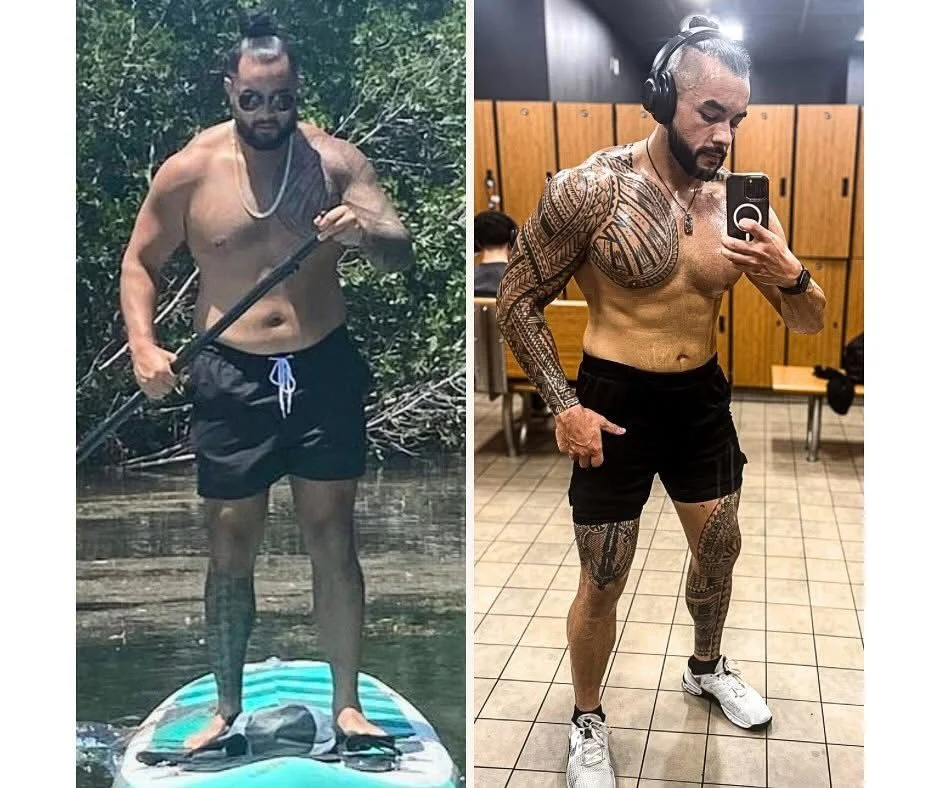
Behind the Transformation: 10 Lessons I Learned From Losing 75 Pounds
My whole world changed the day I stepped on the scale and saw an all-time high of 285 pounds. That fateful moment at the beginning of 2022 served as the wake-up call I desperately needed. Despite being a lifelong athlete, I completely lost my way during the pandemic. Instead of sticking to my workout routine and eating clean, I spent far too much time sitting in front of my computer, » Read more about: Behind the Transformation: 10 Lessons I Learned From Losing 75 Pounds »



Categories


All Resources
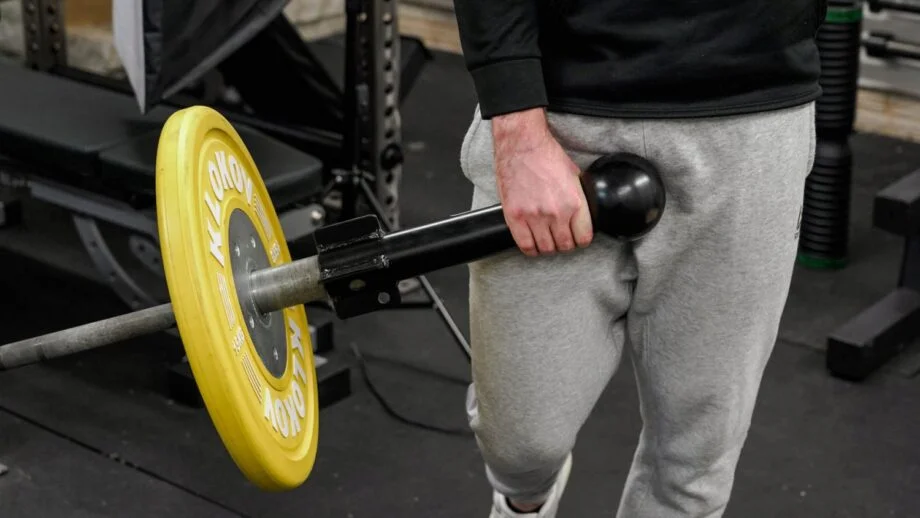 Read more: Get a Grip with the 10 Best Grip Strength Exercises
Get a Grip with the 10 Best Grip Strength Exercises
We’ve developed this grip strength exercises guide to help you hold onto a barbell and your grocery bags for longer.
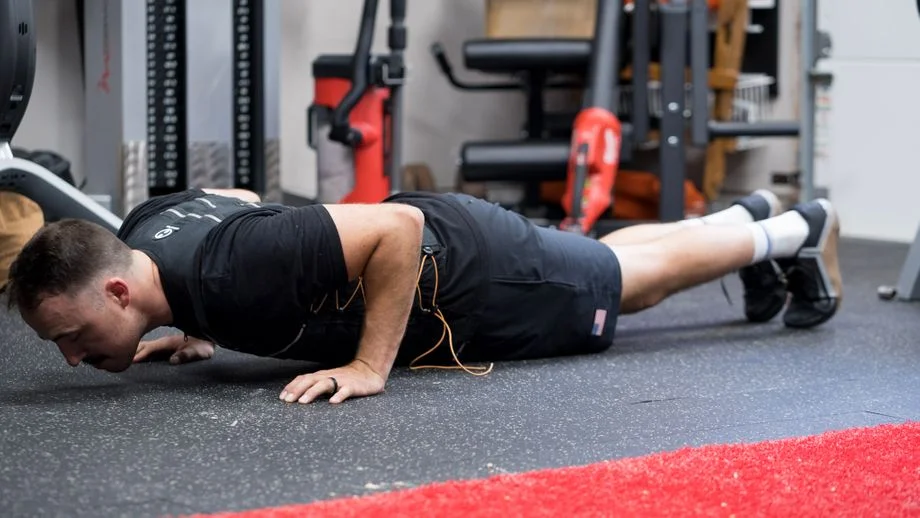 Read more: This Trainer-Created Push-Pull Workout Will Beef Up Your Back and Shoulders
This Trainer-Created Push-Pull Workout Will Beef Up Your Back and Shoulders
If you’re looking to build your upper body, you’ll need a little push and pull. Try our trainer-created push-pull workout to get your results fast!
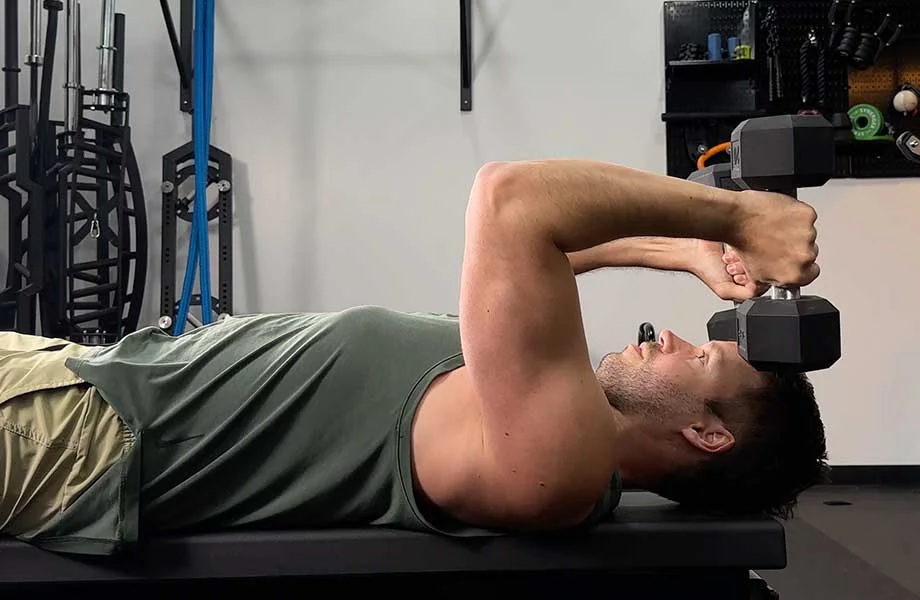 Read more: 3 Dumbbell Triceps Workouts to Build Up Your Arms
3 Dumbbell Triceps Workouts to Build Up Your Arms
We put together one of the best dumbbell triceps workouts ever, so you can build bigger, strong arms with minimal equipment! Check it out!
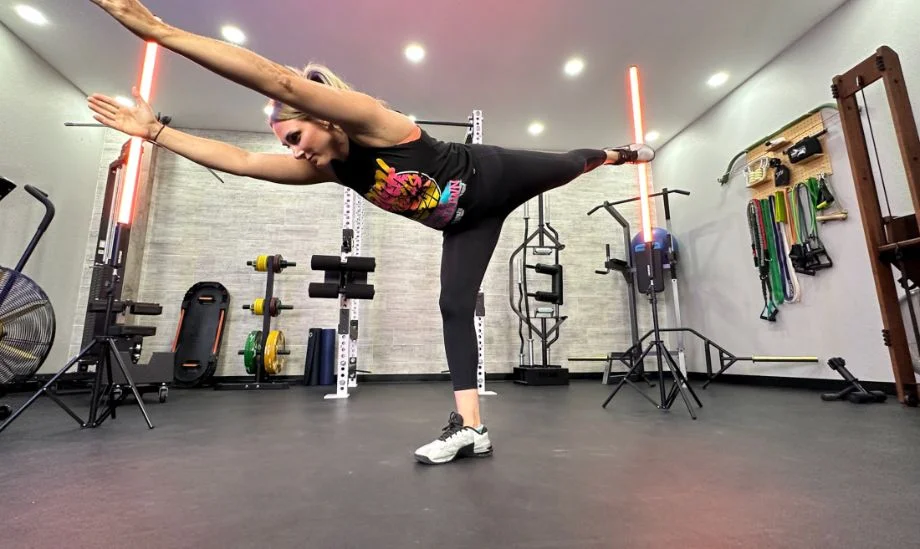 Read more: Balance Exercises: 9 Moves to Improve Stability and Boost Performance
Balance Exercises: 9 Moves to Improve Stability and Boost Performance
Balance exercises aren’t only for seniors. Find out how balance training can help give you an edge on the playing field!
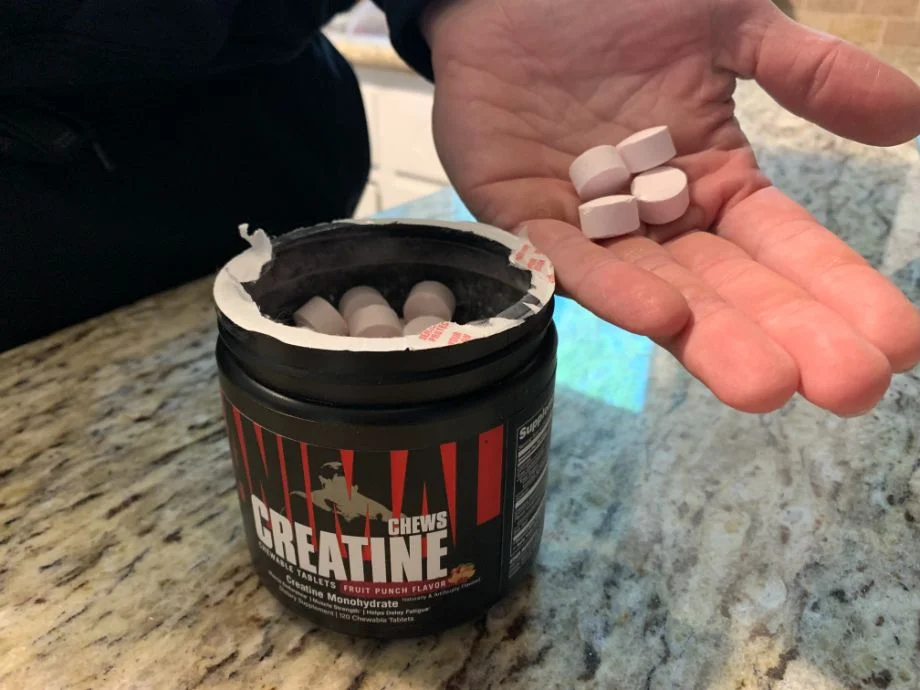 Read more: Creatine While Cutting: Is It Effective? 
Creatine While Cutting: Is It Effective? 
Should you take creatine while cutting? Keep reading for how creatine supplements impact fat loss and how they can support your next cut.
- Read more: Superset Workouts: Save Time and Build Strength
Superset Workouts: Save Time and Build Strength
Save time and build muscle with our superset workout guide. We explain the benefits of supersets and go through common muscle combinations for you to try.
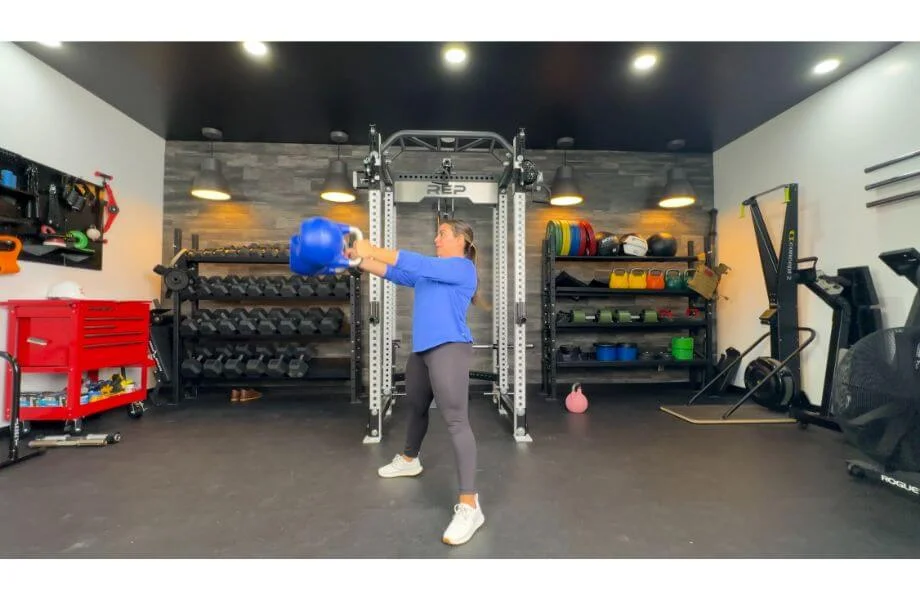 Read more: How Long Should a Workout Be? Advice From a Personal Trainer
How Long Should a Workout Be? Advice From a Personal Trainer
You want an effective workout, but your time is also precious. You’re probably thinking, “How long should a workout be?” Don’t worry, we’ve got you covered.
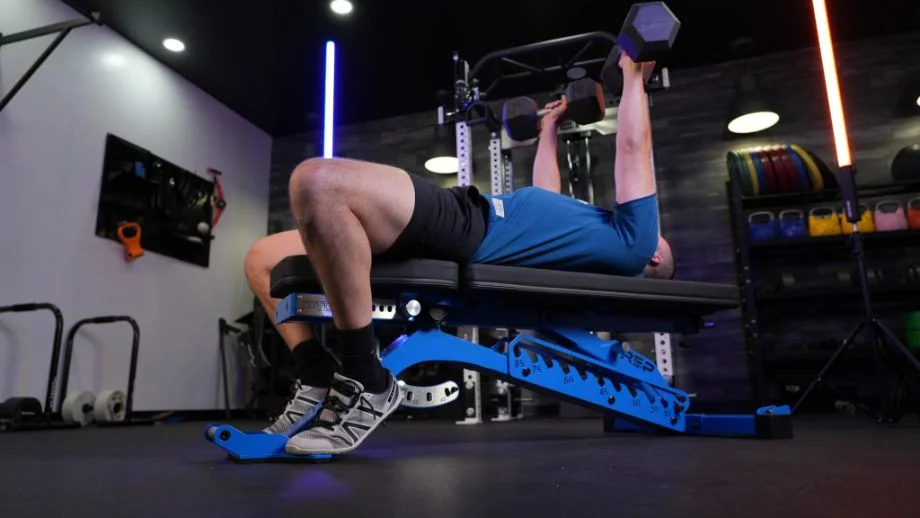 Read more: This Full-Body Dumbbell Workout Will Burn Your Muscles and Your Lungs
This Full-Body Dumbbell Workout Will Burn Your Muscles and Your Lungs
Can you get a total-body workout with just dumbbells? You betcha! Check out our full-body dumbbell workout and try it out now!
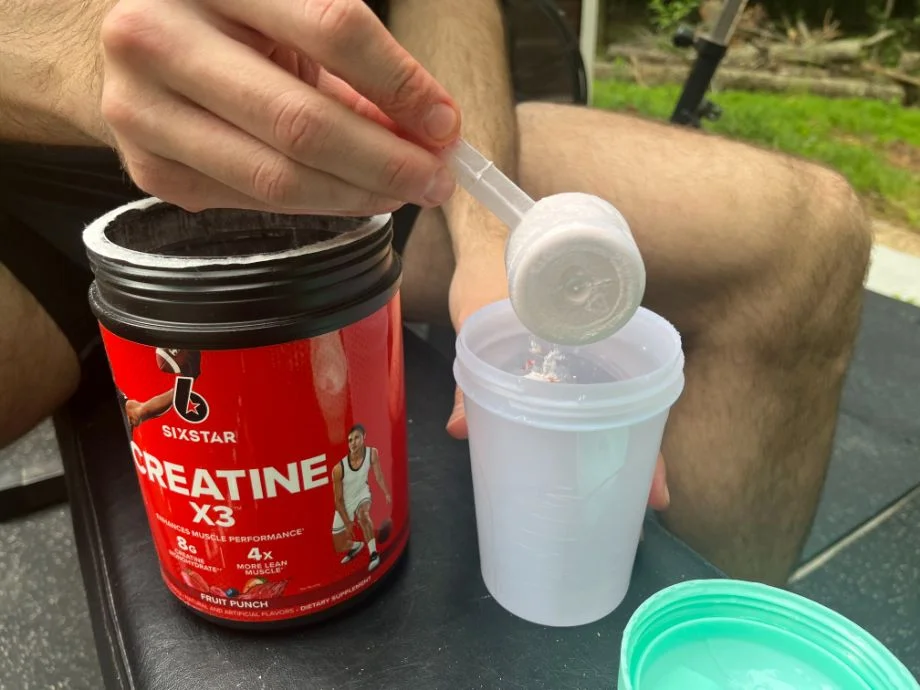 Read more: What to Know About Creatine and Alcohol Consumption: Do They Mix?
What to Know About Creatine and Alcohol Consumption: Do They Mix?
Mixing creatine and alcohol? It might not be a good idea. Here’s how creatine and alcohol affect performance, muscle-building, and more.
 Read more: Should I Take Creatine on Rest Days? Understanding the Benefits of Creatine
Should I Take Creatine on Rest Days? Understanding the Benefits of Creatine
The question, “Should I take creatine on rest days?” is a common one. Here, we provide the definitive answer.
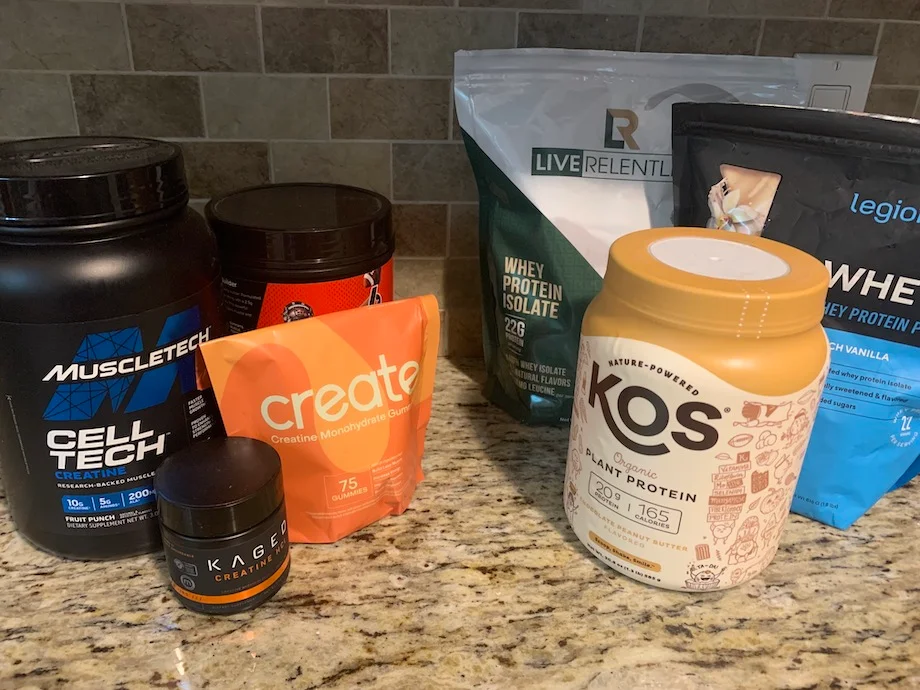 Read more: Can You Mix Creatine with Protein Powder?
Can You Mix Creatine with Protein Powder?
There may be times to keep supplements separated, but can you mix creatine with protein powder? We’ll investigate.
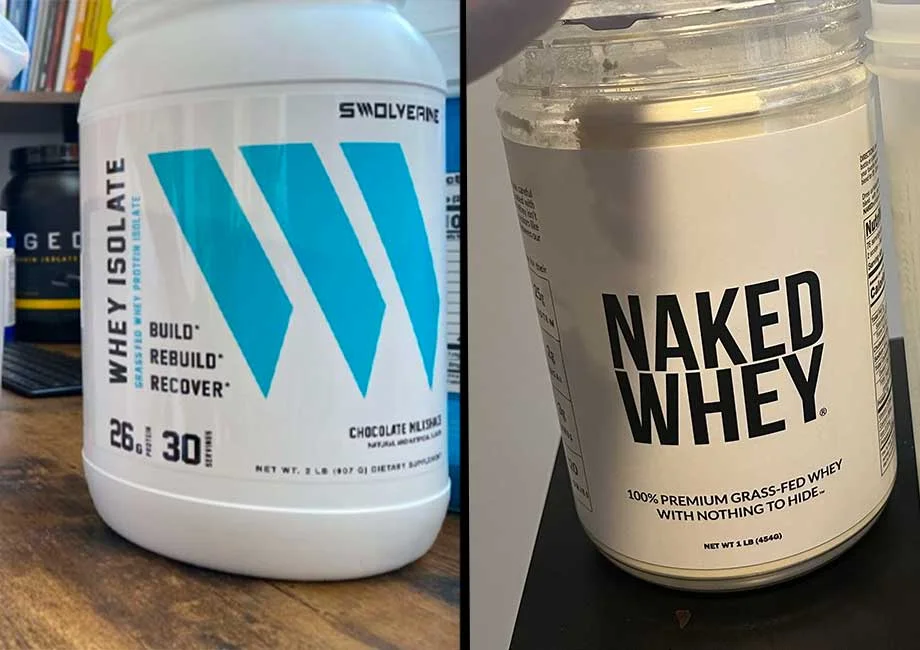 Read more: Whey Protein Isolate vs Concentrate: Which Is Best for You?
Whey Protein Isolate vs Concentrate: Which Is Best for You?
Wondering what form of whey protein is best? We’ll break down the science behind the whey protein isolate vs concentrate debate here.