


Bike helmets aren’t optional when you’re out riding. Wearing a helmet is associated with far fewer and less severe head injuries, according to 2024 research in The European Journal of Neurosurgery.
Beyond meeting minimum safety standards, today’s best bike helmets also consider factors like rotational-impact protection, weight, ventilation, and adjustability, so you don’t have to choose between comfort and protection. The right helmet makes a big difference in both performance and peace of mind, no matter where or how you’re riding.
RELATED: How Geography Shapes America’s Favorite Outdoor Activities
Best Bike Helmets
- Best Bike Helmet Overall: Kali Protectives Central Helmet
- Best Mountain Bike Helmet: O’Neal Sonus Deft Helmet
- Best Road Bike Helmet: Kask Protone Icon Helmet
- Best Dirt Bike Helmet: Leatt Helmet Kit Moto with IRIZ Goggle
- Best Budget Bike Helmet: Giro Fixture Helmet
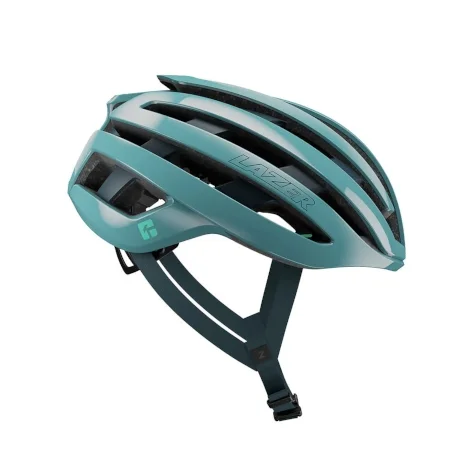
- Best Helmet for Hot Weather: Lazer Z1 KinetiCore Helmet
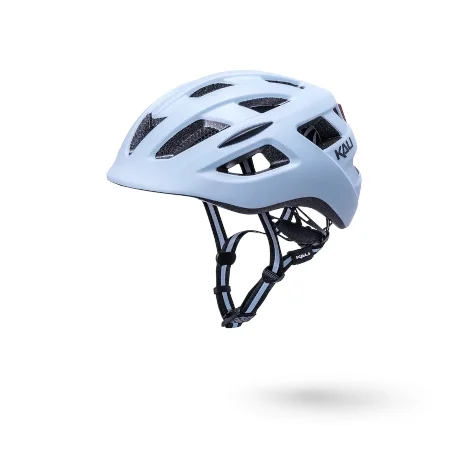
Best Bike Helmet Overall: Kali Protectives Central Helmet
Good for: Riding road, gravel, or trail while prioritizing both comfort and safety









Best Mountain Bike Helmet: O’Neal Sonus Deft Helmet
Good for: Recreational mountain bikers concerned with frontal falls
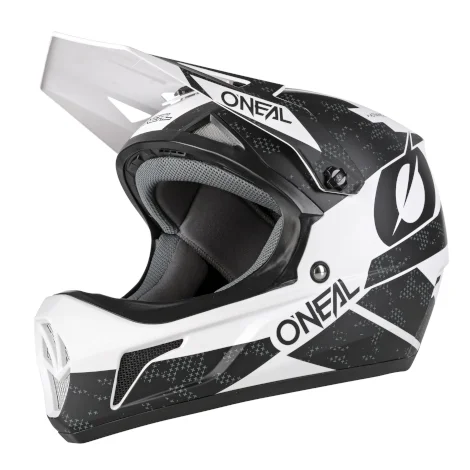






If you’re after a no-frills, downhill-oriented helmet with full-face coverage, the O’Neal Sonus Deft delivers solid protection at a very approachable price.
It meets both CPSC and EN-1078 standards, and it earned 4 out of 5 stars in Virginia Tech’s bicycle helmet safety testing, so it earns 4.5 out of 5 points for safety. While it doesn’t use MIPS or O’Neal’s own IPX rotational technology (found in the brand’s pricier helmets), the combination of ABS shell and EPS liner provides strong baseline impact absorption.
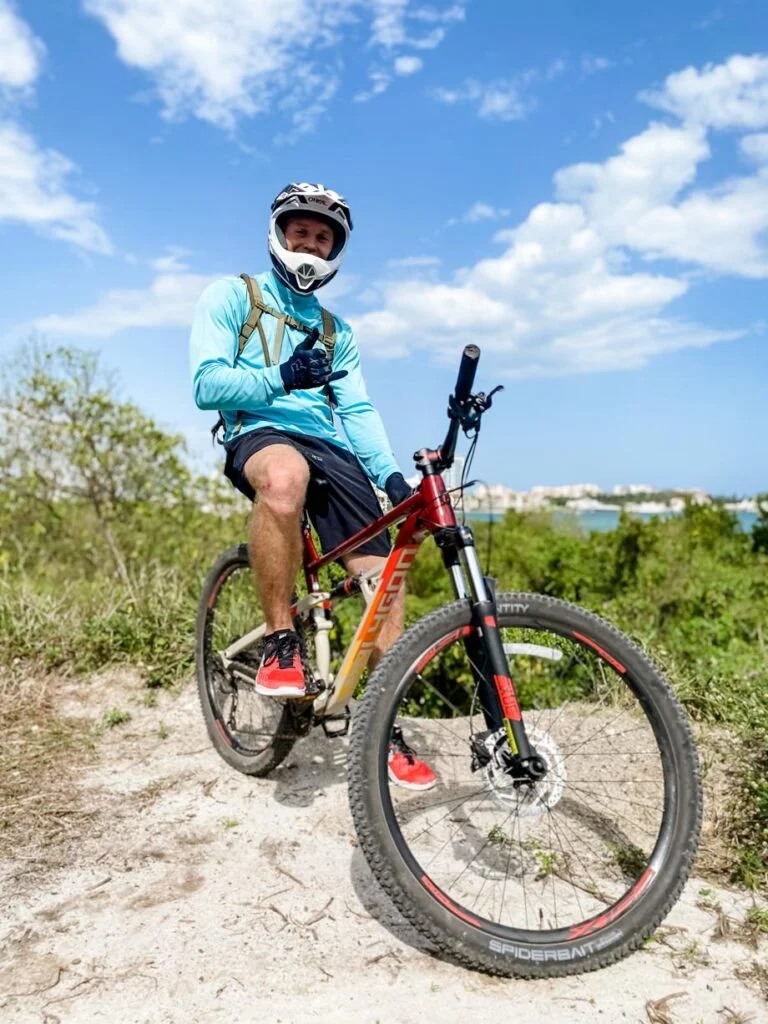
My husband was wearing this exact helmet when he crashed on a jump line. He went over the bars, and the fall was fast and bad. Though he came away with substantial bruising on his arms, shoulders, and collarbone, he suffered no face or head injuries even after a significant skid. He’s since retired the helmet, of course, as you’re supposed to after a crash.
At 2.3 pounds, it’s much heavier than a half-shell MTB helmet, which is why it earns 3 out of 5 points for weight. The extra heft is noticeable on long days but worth it if you’re riding technical descents where chin protection is essential. The Sonus comes in five sizes (XS to XL), which is excellent coverage and earns the helmet 5 out of 5 for sizing.
Adjustability is more limited compared to trail helmets with dial-fit systems. You’ll mainly be working with cheek pads, straps, and the fit at the crown, so it scores 3 out of 5 points there. On the plus side, the removable visor and washable pads are practical features, and the integrated goggle strap makes it a good pick if you prefer to ride with goggles.
This helmet won’t win awards for ventilation or lightness, but for downhill and park riders who want dependable coverage at a reasonable price, it’s a solid option. It’s a tad overkill for trail mountain biking and cross-country-oriented hardtail riding.
| Certification | CPSC, EN-1078 |
| Safety mechanisms | ABS shell, EPS lining |
| Virginia Tech star rating | 4/5 |
| Sizes available | XS, S, M, L, XL |
| Visor | Yes |
| Chin bar | Yes |
| Weight | 2.3 lbs |
| Accessories and features | Eyeglass/goggle strap, removable visor, removable and washable liner pads |
Best Road Bike Helmet: Kask Protone Icon Helmet
Good for: Optimizing aerodynamics and ventilation while prioritizing safety on road rides
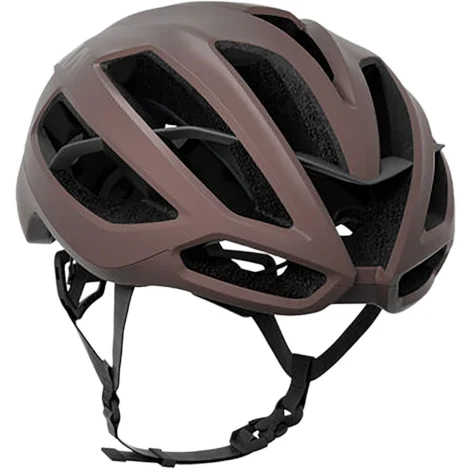





The Kask Protone Icon has become a favorite among road cyclists who want a blend of ventilation, low weight, and pro-level looks. It meets CPSC safety certification and incorporates Kask’s WG11 rotational impact testing protocol, which puts it at 4 out of 5 for safety standards. While Virginia Tech hasn’t rated it, Kask’s in-house testing emphasizes angular impact performance.
This helmet was highly recommended by my triathlon coach. Though I never adopted it myself—I stuck with my top pick, the Kali Central—it was a favorite of many of my team members.
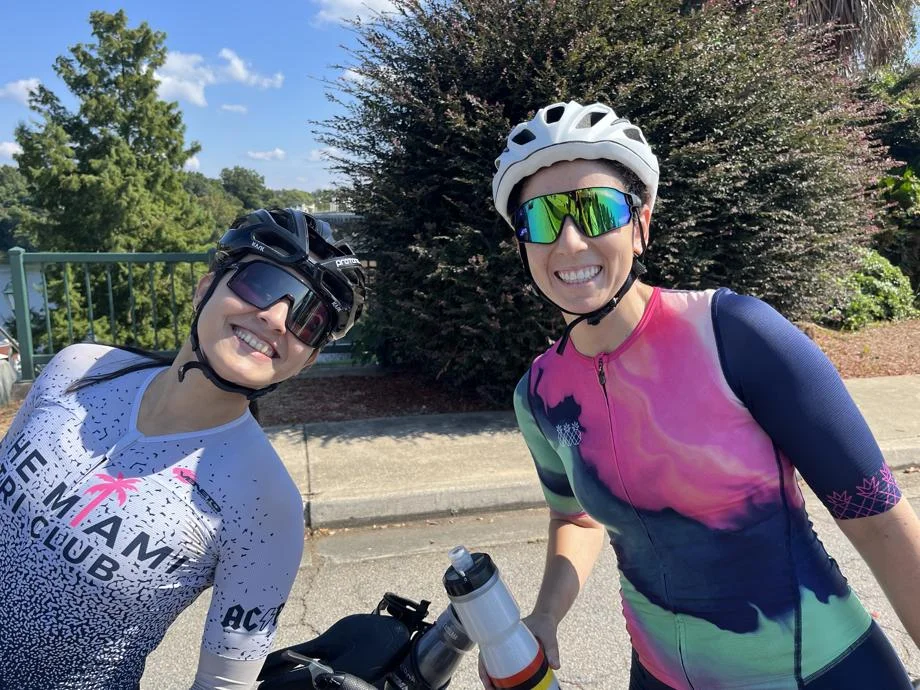
At just 9.1 ounces, it’s super lightweight compared to many competitors, earning a full 5 out of 5 points for weight. Long climbs and hot days feel more manageable thanks to the ample vents and aerodynamic shaping. The helmet comes in three sizes (S, M, L), which covers most riders but not all, so it scores 3 out of 5 for sizing.
Adjustability is also a highlight. The Octo Fit retention system and floating cradle allow for precise tightening, even while wearing gloves (IYKYK), which earns 5 out of 5 points for adjustability. The faux leather chin strap adds comfort and a touch of style, though it can feel stiff until broken in.
Overall, the Protone Icon is ideal for serious road cyclists who want to balance aerodynamics, comfort, and protection in a lightweight package. It’ll also work well for long-haul gravel riding.
| Certification | CPSC |
| Safety mechanisms | Kask Rotational Impact WG11 |
| Virginia Tech star rating | N/A (not tested) |
| Sizes available | S, M, L |
| Visor | No |
| Chin bar | No |
| Weight | 9.1 oz |
| Accessories and features | Faux leather chin strap |
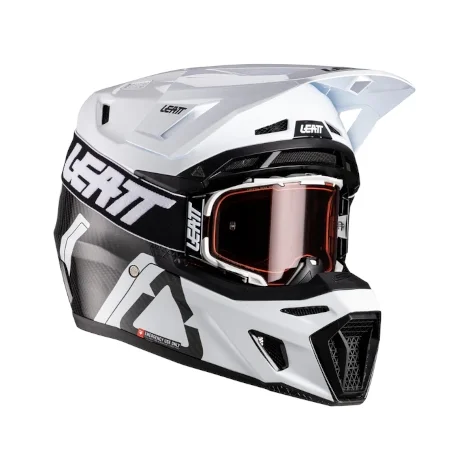
Best Dirt Bike Helmet: Leatt Helmet Kit Moto with IRIZ Goggle
Good for: Motocross or enduro riders who want maximum coverage and impact protection


Best Budget Bike Helmet: Giro Fixture Helmet
Good for: Casual bikers and commuters looking for an affordable helmet with MIPS technology
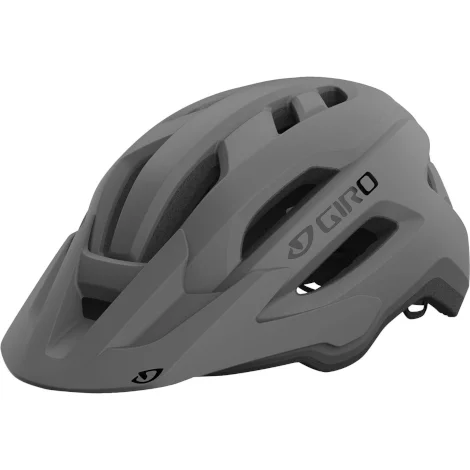

The Giro Fixture proves you don’t need to spend hundreds to get reliable protection. Despite being a budget pick, it’s CPSC-certified and equipped with MIPS for protection from rotational impact and concussion. That said, its Virginia Tech safety score (2 out of 5) isn’t as strong as some pricier models, so it earns 3.5 out of 5 points for safety.
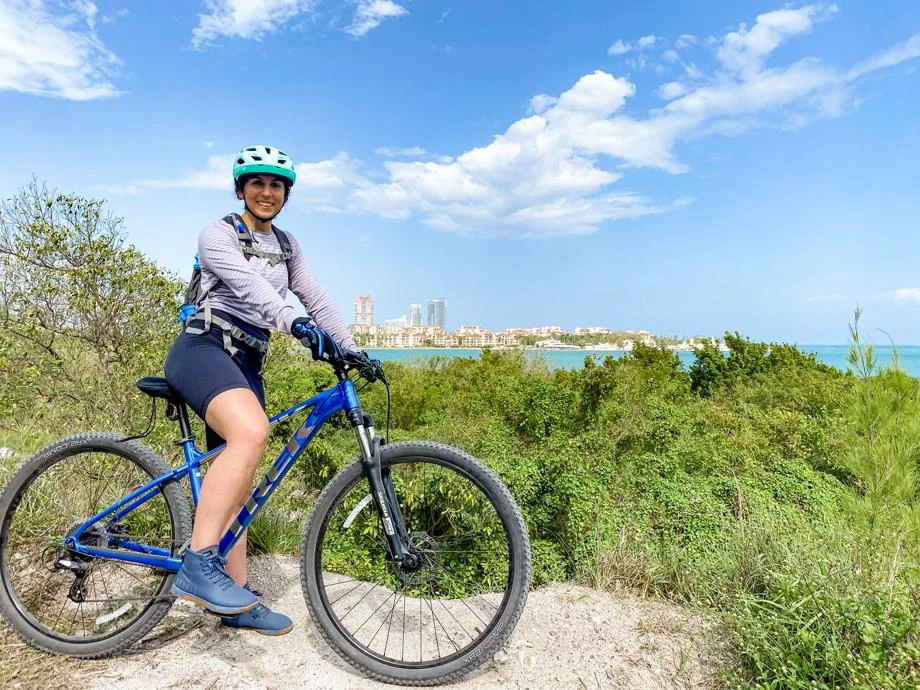
Weighing 11.6 ounces, it’s comfortably light for recreational use, earning 4 out of 5 for weight. The downside is sizing: the Fixture only comes in one “universal adult” fit. While the Roc Loc Sport system helps dial in snugness, one-size-fits-all inevitably leaves some cyclists behind. For that reason, it earns just 2 out of 5 points for sizing.
Adjustability is otherwise solid, with the easy-to-use dial and snap-fit visor, which earns it 4 out of 5 points. Ventilation is decent, though not as refined as higher-end Giro helmets. For under $75, the Fixture remains one of the best value helmets around. It’s ideal for casual riders, commuters, or those looking for a simple, comfortable lid without compromising baseline safety.
RELATED: Best Budget Mountain Bikes
| Certification | CPSC |
| Safety mechanisms | MIPS |
| Virginia Tech star rating | 2/5 |
| Sizes available | One size fits all |
| Visor | Yes |
| Chin bar | No |
| Weight | 11.6 oz |
| Accessories and features | Snap-fit visor |
Best Helmet for Hot Weather: Lazer Z1 KinetiCore Helmet
Good for: Road cyclists prioritizing body temperature control during warmer months


Other Bike Helmets We Researched
We also considered these helmets based on expert input, safety ratings, and value.
- Giro Aries: Consistently a top contender in Virginia Tech’s bicycle helmet safety rankings, the Aries is pricey but worth the investment for those who want supreme protection from head injury and want to prioritize ventilation and comfort.
- Specialized Align: One of Specialized’s most affordable helmets, the Align features MIPS technology, reflective details, and an easy-adjust dial-fit system.
- Specialized Mode: Affordable for a Specialized product, the Mode also earned a 5-Star Virginia Tech helmet rating, but not everyone will love it because of the lack of ventilation.
- S-Works Evade: This helmet utilizes MIPS and balances ventilation and aerodynamics for road riders. It meets the CPSC’s safety standards, but it’s pricey at $300.
How We Picked and Tested the Best Bike Helmets
Along with personal riding experience, these factors influenced our top choices.
- Anti-rotational impact technology: We looked for MIPS or similar technologies in the cycling helmets we analyzed.
- Safety standards: We only featured helmets that pass the Consumer Product Safety Commission’s testing for bike helmets.
- Retention system: This refers to the adjustability of the helmet, or how snug you can fit it to your noggin.
- Good ventilation: Whether you’re a bike commuter or competitive road cyclist, you’ll want a helmet with good airflow to prevent overheating.
- Accessories: Features like camera mounts, rear light mounts, ponytail ports, and visors can improve your overall experience with your new helmet.
- Aerodynamics: A lesser criterion compared to safety features, we considered aero features for certain categories, like road cycling.
Buying Guide: What to Look for in a Bike Helmet
As you shop for a new helmet, make sure to consider these factors. Consider going to a bike shop to speak with someone in person if you’re unsure about how to best match your needs.
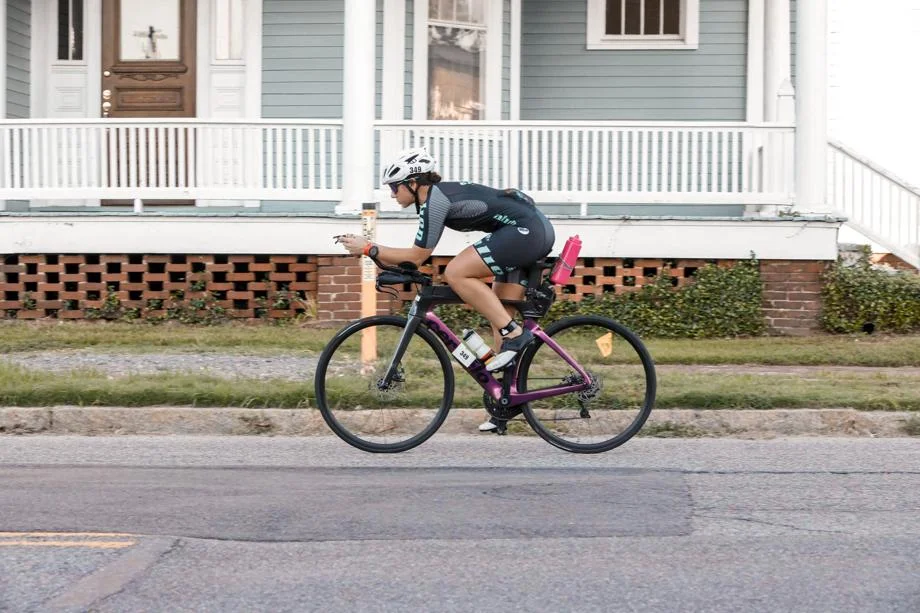
CPSC Certification
Make sure to choose a helmet that meets or exceeds the Consumer Product Safety Commission’s safety standard for that specific category of helmet. Even better, look for helmets that meet multiple standards, such as the European standard EN-1078. This means the helmet has been tested in different ways and approved by different safety agencies.
Outer Construction
The best and safest (and most expensive) helmets use materials like carbon fiber, aramids, and fiberglass in the outer shell construction. Less expensive helmets typically utilize thermoplastics like acrylonitrile butadiene styrene (ABS), which may not offer as much impact protection as the aforementioned materials.
Liner Construction
The liner is the most important part of the helmet. It consists of dense foam, typically expanded polystyrene (EPS) foam, which is the current standard in the U.S. The foam does two things: slows stopping (of your head) and converts a small amount of crash energy into heat. Together, these mechanisms reduce the likelihood of permanent brain damage.

Retention System
In addition to a chin strap, your helmet needs a fit system that includes a dial or tab to tighten to achieve a secure fit.
Ventilation
You may want more or less ventilation depending on how much you tend to sweat, the heat index and humidity in your area, and the time of year. Some cyclists have two helmets: one for summer and one for winter.
Weight
A lightweight helmet will be more comfortable, generally better-ventilated, and put less stress on the neck.
Camera Mount
If you like to capture action shots while riding, a helmet with a built-in action camera mount may be worth the added cost.
Ponytail Port
Those with long hair will appreciate a dedicated place to weave their ponytail out of the helmet.
Visor
If you find the sun bothers you while riding but don’t love wearing sunglasses, a visor can make your ride more comfortable. Look for a removable one for extra adjustability based on the day.
Chin Bar
Consider a full-face helmet if you’re likely to fall forward or go over the handlebars.
Experts Who Contributed To This Article
- Julie Gabay, owner of Pacific Cycling & Triathlon in Stamford, Connecticut
FAQs About the Best Bike Helmets
What is MIPS?
MIPS stands for multi-directional impact protection system. It refers to a type of bicycle helmet technology that protects the neck and head from rotational impact, thereby lessening the risk of serious head and brain injury due to a crash.
Are MIPS helmets better?
MIPS is widely considered the gold standard in protection from rotational injuries, concussion, and other head injuries due to bike accidents. However, according to the Bicycle Helmet Safety Institute, evidence shows mixed results as to whether MIPS helmets actually offer a significant safety advantage.
What are the best bike helmet brands?
Giro, Specialized, Trek, Smith, Schwinn, Bontrager, Bern, Cannondale, Kask, Kali, O’Neal, Lazer, and Leatt all make great helmets for different types of bike riding. It’s important to know your needs based on your style of riding and terrain before you buy.
What is the two-finger helmet rule?
When fitting your helmet, you should be able to snugly fit two fingers between your chin and chin strap.
Does head shape matter for bike helmets?
In the sense of protection, no. In the sense of fit, comfort, and style, yes. Your helmet should fit comfortably and snugly to ensure protection, but don’t sacrifice safety standards for style.
References
- Næss, I., Døving, M., Galteland, P. et al. Bicycle helmets are associated with fewer and less severe head injuries and fewer neurosurgical procedures. Acta Neurochir 166, 398 (2024). https://doi.org/10.1007/s00701-024-06294-6