

New to pre-workouts, or is your interest piqued about their hype? You’re in good company and good hands, as I’ve been in both seats.
As a dietitian who gets jazzed about the science and has tested several pre-workout formulas, myself, I’ll walk you through everything you need to know about the gym juice; from how to choose the best pre-workout supplement to its potential benefits, side effects, and smart tips for safe, effective use.
Whether you’re training for strength, endurance, or just trying to endure a tough session, you’ll learn how to make pre-workout work in your favor. Now, let’s scoop into it!
What Is Pre-Workout?

Pre-workout1 is a dietary supplement intended to be taken before exercise to boost performance. It’s formulated to support energy, focus, endurance, and strength, so you can feel more alert and push harder for longer.
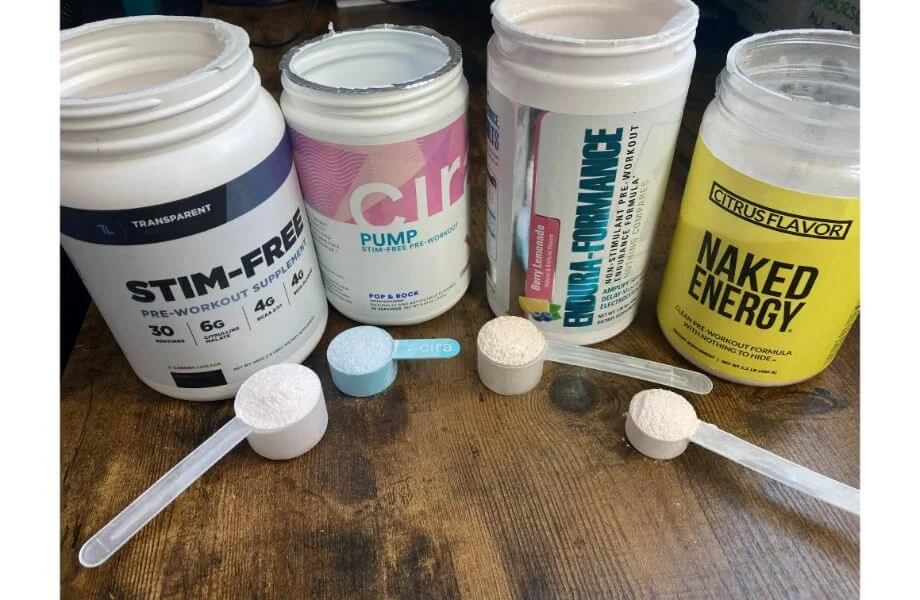
Pre-workout products come in various forms, such as powders, ready-to-drink beverages, and capsules. However, pre-workout powders are the most common among gymgoers.
Still, with hundreds of pre-workouts available, it’s unlikely any two formulas are twinsies. Think of them like snowflakes; each blend is unique, but most support diverse performance goals with a mix of ingredients:
- Stimulants and energy boosters like caffeine and creatine
- Focus enhancers, including L-theanine, L-tyrosine, and choline
- Nitric oxide boosters, such as L-citrulline, citrulline malate, arginine, and beetroot extract
- Muscular endurance enhancers like beta-alanine, creatine, betaine, and taurine
These ingredients work together to help you feel more alert, push harder, and get more out of every training session.
Benefits of Pre-Workout
If you’ve wondered, “Is pre-workout necessary?” the short answer is…nope. However, pre-workout supplements can help you put the pedal to the metal by boosting energy, focus, and beyond.
Boosts Energy Levels
Pre-workouts are best known for increasing your energy levels as you train. Caffeine2, a central nervous system stimulant, doesn’t provide energy directly (energy comes from food as calories) but affects how your body and brain perceive fatigue. It blocks the receptors of adenosine, a neurotransmitter that makes you feel sleepy, and increases adrenaline, reducing perceived effort while enhancing your alertness and motivation.
Creatine3 in pre-workout helps increase phosphocreatine stores in your muscles, which are essential for producing adenosine triphosphate (ATP), the body’s primary energy source. More ATP means more available energy to power high-intensity exercise and improve performance.
Increases Focus and Cognitive Function
Caffeinated pre-workouts can help you stay sharp and focused, and maybe even keep you from doomscrolling between sets. Many formulas also include L-theanine4, which works synergistically with caffeine to enhance focus while squashing those jitters stimulants can cause.
Some pre-workouts are formulated with nootropics5, which are cognitive enhancers or “smart drugs,” that may improve attention, reaction time, and mental processing speed.
May Increase Muscular Endurance
Pre-workout supplements can help you crank out more reps and sustain intensity by delaying fatigue. Caffeine, beta-alanine6, and nitric oxide boosters( like citrulline malate) help improve blood flow and muscular endurance, allowing you to sustain performance throughout working sets.
May Enhance Power and Strength
Pre-workouts often include caffeine and creatine, which support short, high-intensity bursts. They also help muscles produce energy more efficiently during heavy lifting or sprinting, thereby improving strength, power output, and long-term performance with consistent training.
May Offer Muscle Pumps
Ingredients like citrulline malate7 increase nitric oxide production, which enhances blood flow, oxygen delivery, and nutrient transport to the working muscles. Increased circulation promotes that infamous “muscle pump,” making muscles appear fuller and more vascular.
While mostly aesthetic rather than a direct driver of muscle growth, the effect can be motivating and help reinforce consistency in your training for long-term gains.

How Long Does Pre-Workout Last?
How long pre-workout lasts can be hard to pinpoint, since formulas vary and everyone responds differently to ingredients. However, most people notice effects within 30 to 60 minutes of taking a pre-workout, with most benefits lasting about one to two hours.
How Long Common Ingredients Last
Not all ingredients in your pre-workout last the same amount of time. Some provide short-term energy and focus, while others deliver longer-lasting effects. Here’s how long a few of the most common ones stick with you once they kick in:
- Caffeine: Takes effect within 30 to 60 minutes and can last several hours due to its three- to five-hour half-life.
- Citrulline malate: Peaks about 60 minutes after consumption and quickly declines within 15 to 30 minutes.
- L-arginine8: Peaks around 60 to 90 minutes after consumption and typically fades 30 to 120 minutes later, depending on the dose.
Some key ingredients, such as creatine and beta-alanine, don’t affect the duration of a pre-workout’s effects. Instead, you reap their benefits if you take them consistently over a longer period of time.
RELATED: Creatine Benefits
Factors That Affect Duration
Several factors9, including your sensitivity to caffeine and genetics, can affect how long pre-workout effects last:
- Caffeine sensitivity and tolerance: Regular caffeine users may experience shorter and less intense effects, while those who are sensitive to it may feel much stronger and longer effects, even at lower doses.
- Genetics: Some people metabolize caffeine more quickly or slowly, affecting how long they feel the effects, as highlighted in a review10 in Sports Medicine.
- Body composition: Those with a higher body fat percentage may experience the effects of caffeine longer than individuals with a lower percentage9.
- Food intake: Taking your pre-workout on an empty stomach may cause faster, more intense effects. Conversely, a 2020 review11 suggests combining caffeine with carbs may prolong energy levels for approximately 120 to 210 minutes.
When to Take Pre-Workout
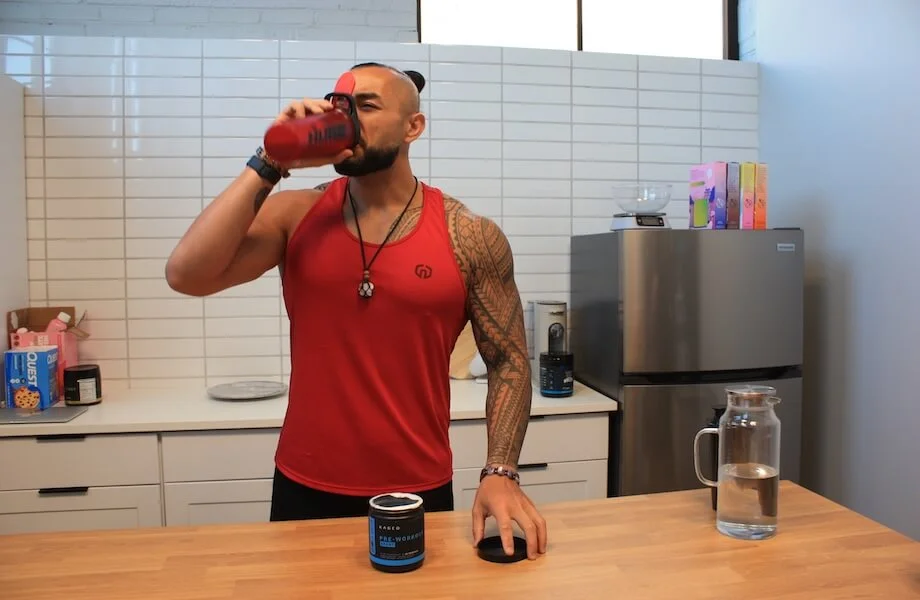
Understanding when to take pre-workout can make a big difference in how it affects your training. Most formulas recommend taking it 30 to 60 minutes before you start, but the best timing depends on your metabolism, workout style, and even the time of your training.
Find Your Timing Sweet Spot
Everyone responds to caffeine and other pre-workout ingredients differently, so you may need to experiment to find your ideal window. Ideally, you’ll feel the effects as you start your workout, not halfway through or after you’ve finished. #buzzkill
If pre-workout tends to hit you slowly, take it 45 to 60 minutes before training. If it kicks in quickly, 15 to 30 minutes beforehand may be better.
Match It to Your Workout Type
The type of workout can also dictate the best time to take pre-workout:
- Short, high-intensity workouts (like HIIT and sprints): Take it a bit earlier, around 30 to 45 minutes before, to feel peak energy right from the start.
- Longer strength or endurance sessions: Take it closer to your workout, about 15 to 30 minutes before, so your energy and focus stay strong until the final set.
Be Mindful of Evening Workouts
Caffeine has a half-life of three to five hours, meaning half your dose may still be active long after training ends. If you work out later in the day, consider a stimulant-free pre-workout to avoid restlessness or disrupted sleep at night.

How Much Caffeine Is in Pre-Workout?
Caffeine content in pre-workouts typically ranges from 100 to 390 milligrams per serving, with most products averaging around 250 milligrams per scoop1.
For context, 250 milligrams sits near the lower end of the research-backed recommended dose of 3 to 6 milligrams of caffeine per kilogram (mg/kg) of body weight. For a 70-kilogram (154-pound) individual, that’s about 210 to 420 milligrams. Those who weigh more or have a higher caffeine tolerance may need doses closer to the upper end (6 mg/kg) to experience full exercise performance benefits1.
That said, more isn’t always better. For healthy adults, caffeine intake12 above 400 milligrams can cause jitteriness, energy crashes, or an elevated heart rate.
My word of advice? Start low, assess your tolerance, and factor in caffeine from other caffeine sources, like coffee and energy drinks. For context, one cup of coffee contains nearly 100 milligrams of caffeine.
What to Look for in Pre-Workout Supplements
Because no one pre-workout is the same, you may feel a bit overwhelmed when choosing a formula, and rightfully so. Here’s what to look for in a pre-workout to make the most of your training (and dollar).
Research-Backed Ingredients and Dosages
Select pre-workouts that contain research-backed ingredients in clinically effective doses. Here’s a quick reference of some of the most effective, well-studied ingredients, along with their recommended serving sizes:
- Caffeine: 200 mg
- Creatine: 3-5 g (few pre-workouts contain this amount)
- Citrulline: 3-6 g
- Citrulline Malate: 6-8 g
- Beta-Alanine: 4-6 g
- Tyrosine: 2 g
Transparent Labeling
Some pre-workouts use proprietary blends under the aliases “matrix” or “complex,” making it difficult, if not impossible, to know how much of each ingredient you’re actually getting. While some brands do list individual doses within their blends, many don’t, so it’s unclear whether the formula delivers an evidence-based amount to support your performance.
I always recommend looking for products that clearly list every ingredient (and their respective doses) so you have confidence in what you’re taking.
Ingredient Quality
Select pre-workouts formulated with high-quality ingredients and little to no additives, such as artificial colors, sweeteners, dyes, or fillers. Premium and patented ingredients, such as Creapure creatine, generally offer superior quality and purity.
Goal-Focused Formulas
While all pre-workouts help increase your energy and focus, some support specific training and fitness goals better than others. For example:
- Pre-workouts for strength and power: Creatine, betaine, and citrulline for power output, muscle endurance, and pumps.
- Pre-workouts for running and endurance: Citrulline, electrolytes, nootropics, and moderate caffeine to sustain your energy.
- For focus without jitters: Stim-free or low-caffeine blends (with taurine, tyrosine, and other nootropics) for sharper focus.
Third-Party Testing
Prioritize pre-workouts that undergo third-party testing to ensure what’s listed on the label is actually in the product, along with purity and safety. For competitive athletes, verify the pre-workout is tested for banned substances.
Trusted certification logos to look for include:
- Informed Sport
- NSF Certified for Sport
- Banned Substances Control Group (BSCG)
Brands like Transparent Labs go a step further by publishing Certificates of Analysis that show testing dates and results for each batch. This is just one reason we’ve named it one of the best vitamin brands for athletes and anyone seeking clean, third-party tested supplements with peace of mind.

Best Pre-Workout Ingredients
The best pre-workout ingredients should improve your energy and focus from start to finish. Not all are must-haves, though here are some of the most studied, effective, and commonly used ingredients to look for.
Caffeine
Caffeine2 is one of the most studied ergogenic aids, shown to boost endurance, strength, sprinting, and aerobic capacity, with the most consistent benefits seen in endurance exercise. It also helps dial in your focus and attention.
Fun fact: Caffeine’s performance benefits are so strong that it was once banned, first by the International Olympic Committee (IOC) in 1984 and later by the World Anti-Doping Agency (WADA) in 2000. Though removed from banned lists in 2004, it’s still monitored, with athletes advised to keep urinary levels below 12 μg/mL (or 15 μg/mL under NCAA rules).
L-Theanine
L-theanine4 is an amino acid sourced from green tea, and often paired with caffeine. Why? When taken together, they help offer “smooth” energy and focus while reducing the jitters or crashes stimulants may cause. I personally feel a much more “calm” focus. Even if it’s a placebo, the combo is definitely worth it, in my opinion.
L-Citrulline
L-citrulline13 is an amino acid that increases nitric oxide production to improve blood flow and deliver oxygen to the working muscles. Improving circulation helps enhance endurance, reduce fatigue, and improve muscle recovery.
Citrulline Malate
Citrulline malate combines L-citrulline with malic acid to support both blood flow and ATP (energy) production. Research7 suggests citrulline malate reduces fatigue and improves muscular endurance, which may allow for greater training volume.
Beta-Alanine
Beta-alanine6 may improve muscular endurance by buffering acid that builds up during high-intensity exercise.
Betaine Anhydrous
Naturally found in beets and beetroot powder, betaine anhydrous14 may improve power output, strength, and muscular endurance. It helps regulate homocysteine levels, which may support recovery and reduce fatigue.
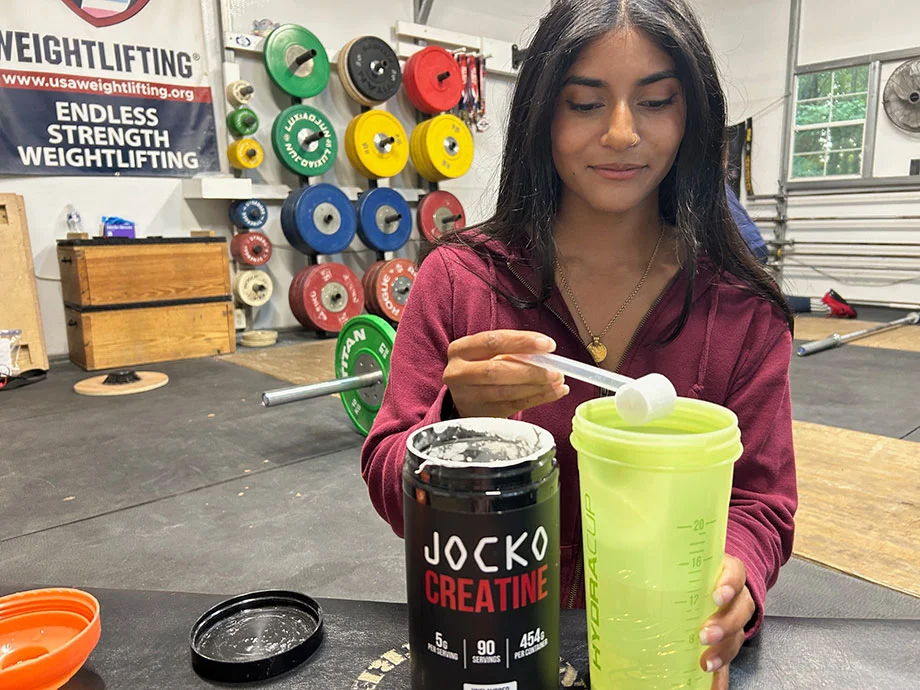
Creatine
Creatine3, especially in the form of creatine monohydrate, is one of the most effective and well-researched supplements for boosting high-intensity performance and building muscle. It increases your muscles’ phosphocreatine stores, which help regenerate ATP (your body’s main fuel source) for short, explosive movements. Once these stores are fully saturated, you may see improvements in your strength and athletic performance by up to 15%!
L-Arginine
L-arginine8 supports nitric oxide production, helping improve blood flow, oxygen delivery, and muscle efficiency during exercise. It may also support muscle protein synthesis (MPS) and energy production, especially in aerobic or endurance-based sports.
Electrolytes
Electrolytes15, such as sodium, potassium, and magnesium, are essential for hydration, as they help replenish what’s lost in sweat and delay dehydration-related fatigue. They also play critical roles in muscle contractions and nerve functions.
Branched-Chain Amino Acids (BCAAs)
The BCAAs leucine, isoleucine, and valine are essential amino acids that trigger MPS, yet the research16 is a mixed bag regarding their effectiveness. That said, they may reduce muscle soreness and help preserve muscle mass during intense training or calorie restriction for fat loss.
B Vitamins
B vitamins17, including vitamins B6 and B12, are involved in energy production and metabolism. They help convert food into energy and may reduce fatigue during workouts.
Pre-Workout Ingredients to Avoid
Some ingredients, especially potent stimulants, are banned or restricted in pre-workouts due to concerns about their safety, as they may increase heart rate, blood pressure, and the risk of cardiovascular disease. Although reputable, third-party-tested formulas usually avoid them, these compounds can still show up in older products, unregulated brands, or “hardcore” stimulant blends.
Dangerous ingredients to watch out for include:
- DMAA
- DMHA
- DMBA
- Ephedrine or pseudoephedrine
If you’re a competitive athlete, I can’t stress this enough: Compare supplements against the current WADA Prohibited List, as some ingredients are permitted below specific urinary thresholds. As always, choose NSF-Certified for Sport or Informed Sport products.

Pre-Workout Side Effects
Pre-workouts may improve your athletic pursuits, but certain ingredients may cause temporary or uncomfortable side effects, especially in higher doses or if you’re sensitive to stimulants. Common pre-workout side effects include:
- Anxiety: Large amounts of caffeine can cause jitteriness, restlessness, nervousness, and irritability.
- Tingling sensation: Beta-alanine often causes a harmless tingling (paresthesia) in the face, neck, or arms that fades within 60 to 90 minutes.
- Elevated blood pressure and heart rate: Caffeine and similar stimulants may temporarily elevate both; consult a doctor if you have a known heart condition.
- Digestive discomfort: Certain ingredients, such as caffeine, creatine, sodium bicarbonate, and sugar alcohols, may cause bloating, nausea, or diarrhea, especially in large amounts.
- Dehydration: Caffeine’s diuretic effect and the water-pulling nature of sugar alcohols may cause dehydration, although generally mild. That said, skipping water and dry scooping pre-workout can increase the risk of more severe dehydration.
- Headaches: Nitric oxide boosters, such as L-citrulline and citrulline malate, increase blood flow, which may cause headaches in sensitive individuals.
- Insomnia: Caffeine’s three- to five-hour half-life means it can linger into the evening, disrupting sleep if taken too late in the day.
Reducing Pre-Workout Side Effects
Rest assured, most side effects can be minimized or even avoided if you plan accordingly and practice moderation. Here’s what I recommend:
- Start with a lower-stimulant formula or half a scoop to gauge tolerance.
- Limit other caffeinated drinks or supplements throughout the day.
- Mix with enough water to stay hydrated and prevent stomach upset.
- If you train later in the day, consider using a stim-free formula to minimize sleep disruptions.
- Prefer to skip the tingles? Try a pre-workout without beta-alanine.
For your utmost safety, please please talk with your healthcare provider before using pre-workout, especially if you’re pregnant, breastfeeding, managing a health condition, or taking any prescription medications.
Does Pre-Workout Go Bad?
Like most supplements, pre-workout can expire, spoil, and lose its potency. Unopened tubs generally last one to two years, while opened containers last about six months with proper storage.
If you’re questioning whether your pre-workout is safe to use, or want to make it last as long as possible, here’s how to spot the warning signs and store it so the first scoop is as effective as the last.
Signs Pre-Workout Has Gone Bad
Supplement companies aren’t required to include expiration dates, but check for a “best by” or expiration date when possible. If neither is listed, try judging its freshness based on its appearance, smell, and texture, and discard your pre-workout if you notice:
- Mold or discoloration
- Unusual odor or sour taste
- Broken seal or damaged packaging before first use
- Texture or color changes
- Hard or damp clumps that don’t mix easily
Clumping alone isn’t always a sign of spoilage, though, it can happen if moisture gets into the container. If clumping is accompanied by a questionable smell, discoloration, or mold, play it safe and toss it.
How to Store Pre-Workout
Proper storage keeps your pre-workout fresh, prevents clumping, and ensures the ingredients stay potent for your workouts. Exposure to heat, air, and moisture can cause the powder to degrade faster, so a little care goes a long way.
To extend your pre-workout’s shelf life and maintain potency:
- Store in a cool, dry place away from sunlight, like in a pantry or cabinet.
- Tightly close the lid after every use to keep moisture out.
- Keep the silica packet inside the container to absorb humidity.
- Use a dry scoop to prevent contamination.
- Mix and drink after preparing; refrigerate only if needed for a few hours.
- Avoid storing pre-workout in hot, humid areas (like a car or gym bag).
Can You Take Pre-Workout Every Day?
I generally don’t advise taking pre-workout every day for various reasons. For starters, regular use can build up your tolerance, making the effects feel weaker over time, and increase your risk of jitters, headaches, poor sleep, and other side effects, according to a 2024 review18.

Plus, some people find themselves chasing the same energy boost with higher doses of caffeine, which can heighten the sensitivity to its undesirable (and potentially harmful) effects. If you’re relying on pre-workout daily, it may signal that your body isn’t getting the recovery it needs to keep you strong and resilient, as well.
To ensure you can feel the full effects of pre-workout over time, reserve it for your most demanding workouts or take a mini-break every few weeks to reset your caffeine tolerance. Stim-free options can be used more regularly since they don’t rely on caffeine.
Natural Alternatives to Pre-Workout
If you prefer a more food-first approach, or you’re sensitive to stimulants, you can absolutely fuel a great workout without traditional pre-workout supplements. These natural pre-workout alternatives deliver sustained energy and nutritional value with fewer side effects.
A Cup of Coffee or Tea for Focus and Energy
Coffee and tea offer a natural caffeine boost to enhance focus and alertness without the intense stimulant blends found in many pre-workouts. Squeeze in some maple syrup or honey, sources of simple carbs, for quick energy.
Fruit = Fast Energy
Fruit, especially lower-fiber options like ripe bananas, melons, and fruit juices, supplies fast-digesting carbs that your body can use quickly as fuel. They’re perfect before high-intensity workouts like lifting, intervals, or HIIT.
A word to the wise: The closer you are to your workout, the smaller and simpler your carbs should be so they digest easily.
Complex Carbs = Longer-Lasting Fuel
Complex carbs, like oatmeal, brown rice, or whole-grain toast, release energy more slowly, so they’re ideal for longer or moderate-intensity workouts. Pairing them with simple carbs offers the best of both worlds: Quick and sustained fuel.
Carbs + Healthy Fats = Endurance
Combining carbs with healthy fats, like a banana and peanut butter, avocado toast, or trail mix, provides long-lasting energy. This is especially helpful for long runs, hikes, or steady-state cardio.
Protein = Stability, Satiety, and Support
Protein shouldn’t be the main fuel source for exercise, but including a small amount, like a hard-boiled egg, Greek yogurt, or a protein shake, can help balance blood sugar, curb hunger, and support the muscle repair process. This is particularly useful if you’re training in the morning or haven’t eaten for several hours.

Final Thoughts: Guide to Pre-Workout
Pre-workout isn’t a necessity in your supplement stack, but it can supercharge your training (and therefore, your fitness gains) when used intentionally. If you decide to take pre-workout, keep these final takeaways in your back pocket:
- Caffeine provides most of the energy and focus benefits, but ingredients like citrulline, beta-alanine, creatine, and betaine support endurance, blood flow, and power.
- Stim-free formulas are ideal for evening workouts or anyone sensitive to caffeine.
- Timing matters: Most people feel best taking pre-workout 15 to 45 minutes before training, depending on caffeine sensitivity.
- Look for transparent labels, clinically effective doses, and minimal fillers. Avoid proprietary blends when possible.
- Competitive athletes should select third-party-tested products (NSF-Certified for Sport, Informed Sport) to avoid contamination with banned substances.
- Use pre-workout supplements on your most demanding or highest-volume sessions so you don’t build up a tolerance.
- Side effects, like jitters, tingles, or stomach upset, are usually mild and short-lived, and most common if you take too much or use pre-workout on an empty stomach. Start with half a scoop to assess tolerance.
- Avoid risky stimulants (like DMAA or DMHA), which may show up in unregulated or “hardcore” formulas.
Finally, just to put a bow on it, talk to your healthcare provider if you’re pregnant, breastfeeding, managing a medical condition, or taking medications.
Guide to Pre-Workout: FAQs
Can you mix pre-workout with creatine or protein powder?
Yes, you can mix pre-workout with creatine or protein powder, but there are considerations so you get the most from each. Combining creatine and pre-workouts is generally safe, though long-term caffeine intake may reduce creatine’s effectiveness during a loading phase and cause digestive issues in some consumers.
Protein powder and pre-workout are also safe together, but protein digests more slowly, so you may feel “weighed down,” when paired with a stimulant-heavy pre-workout right before training. If you tolerate the combo well, great, but if you notice stomach issues or your workouts fall short, it’s better to take them separately. Oh, and consider the flavors of your pre-workout and protein to avoid any clashes!
Is it OK to take pre-workout on an empty stomach?
Whether it’s OK or not to take pre-workout on an empty stomach will depend on your tolerance. Taking pre-workout without food may expedite caffeine’s energy boost, though there’s generally a greater likelihood of jitters, nausea, and other side effects. To side-step such risks, pair your pre-workout with a small snack or go with a stim-free formula, especially if you’re sensitive to caffeine or have a sensitive gut.
What happens if you take too much pre-workout?
Taking too much pre-workout may cause adverse effects like jitters, rapid heartbeat, tingling, digestive upset, headaches, or trouble sleeping, especially if overconsuming caffeine and other active ingredients.
Is pre-workout safe for beginners?
Yes, pre-workout is generally safe for beginners, but start with a low dose. Begin with one of the best pre-workouts for beginners, which typically contain no more than 200 milligrams of caffeine, to assess your tolerance.
References
- Jagim, A. R., Harty, P. S., & Camic, C. L. (2019). Common Ingredient Profiles of Multi-Ingredient Pre-Workout Supplements. Nutrients, 11(2), 254. https://doi.org/10.3390/nu11020254
- Guest, N. S., VanDusseldorp, T. A., Nelson, M. T., Grgic, J., Schoenfeld, B. J., Jenkins, N. D. M., Arent, S. M., Antonio, J., Stout, J. R., Trexler, E. T., Smith-Ryan, A. E., Goldstein, E. R., Kalman, D. S., & Campbell, B. I. (2021). International society of sports nutrition position stand: caffeine and exercise performance. Journal of the International Society of Sports Nutrition, 18(1), 1. https://doi.org/10.1186/s12970-020-00383-4
- Buford, T. W., Kreider, R. B., Stout, J. R., Greenwood, M., Campbell, B., Spano, M., Ziegenfuss, T., Lopez, H., Landis, J., & Antonio, J. (2007). International Society of Sports Nutrition position stand: creatine supplementation and exercise. Journal of the International Society of Sports Nutrition, 4, 6. https://doi.org/10.1186/1550-2783-4-6
- Anas Sohail, A., Ortiz, F., Varghese, T., Fabara, S. P., Batth, A. S., Sandesara, D. P., Sabir, A., Khurana, M., Datta, S., & Patel, U. K. (2021). The Cognitive-Enhancing Outcomes of Caffeine and L-theanine: A Systematic Review. Cureus, 13(12), e20828. https://doi.org/10.7759/cureus.20828
- Malík, M., & Tlustoš, P. (2022). Nootropics as Cognitive Enhancers: Types, Dosage and Side Effects of Smart Drugs. Nutrients, 14(16), 3367. https://doi.org/10.3390/nu14163367
- Trexler, E. T., Smith-Ryan, A. E., Stout, J. R., Hoffman, J. R., Wilborn, C. D., Sale, C., Kreider, R. B., Jäger, R., Earnest, C. P., Bannock, L., Campbell, B., Kalman, D., Ziegenfuss, T. N., & Antonio, J. (2015). International society of sports nutrition position stand: Beta-Alanine. Journal of the International Society of Sports Nutrition, 12, 30. https://doi.org/10.1186/s12970-015-0090-y
- Gough, L. A., Sparks, S. A., McNaughton, L. R., Higgins, M. F., Newbury, J. W., Trexler, E., Faghy, M. A., & Bridge, C. A. (2021). A critical review of citrulline malate supplementation and exercise performance. European Journal of Applied Physiology, 121(12), 3283–3295. https://doi.org/10.1007/s00421-021-04774-6
- Viribay, A., Burgos, J., Fernández-Landa, J., Seco-Calvo, J., & Mielgo-Ayuso, J. (2020). Effects of Arginine Supplementation on Athletic Performance Based on Energy Metabolism: A Systematic Review and Meta-Analysis. Nutrients, 12(5), 1300. https://doi.org/10.3390/nu12051300
- Skinner, T. L., Jenkins, D. G., Leveritt, M. D., McGorm, A., Bolam, K. A., Coombes, J. S., & Taaffe, D. R. (2014). Factors influencing serum caffeine concentrations following caffeine ingestion. Journal of Science and Medicine in Sport, 17(5), 516–520. https://doi.org/10.1016/j.jsams.2013.07.006
- Pickering, C., & Kiely, J. (2018). Are the Current Guidelines on Caffeine Use in Sport Optimal for Everyone? Inter-individual Variation in Caffeine Ergogenicity, and a Move Towards Personalised Sports Nutrition. Sports Medicine (Auckland, N.Z.), 48(1), 7–16. https://doi.org/10.1007/s40279-017-0776-1
- Martins, G. L., Guilherme, J. P. L. F., Ferreira, L. H. B., de Souza-Junior, T. P., & Lancha, A. H., Jr (2020). Caffeine and Exercise Performance: Possible Directions for Definitive Findings. Frontiers in Sports and Active Living, 2, 574854. https://doi.org/10.3389/fspor.2020.574854
- Rodak, K., Kokot, I., & Kratz, E. M. (2021). Caffeine as a Factor Influencing the Functioning of the Human Body-Friend or Foe?. Nutrients, 13(9), 3088. https://doi.org/10.3390/nu13093088
- Viribay, A., Fernández-Landa, J., Castañeda-Babarro, A., Collado, P. S., Fernández-Lázaro, D., & Mielgo-Ayuso, J. (2022). Effects of Citrulline Supplementation on Different Aerobic Exercise Performance Outcomes: A Systematic Review and Meta-Analysis. Nutrients, 14(17), 3479. https://doi.org/10.3390/nu14173479
- Yang, M. T., Lin, H. W., Chuang, C. Y., Wang, Y. C., Huang, B. H., & Chan, K. H. (2022). Effects of 6-Week Betaine Supplementation on Muscular Performance in Male Collegiate Athletes. Biology, 11(8), 1140. https://doi.org/10.3390/biology11081140
- Shrimanker I, Bhattarai S. Electrolytes. [Updated 2023 Jul 24]. In: StatPearls [Internet]. Treasure Island (FL): StatPearls Publishing; 2025 Jan-. Available from: https://www.ncbi.nlm.nih.gov/books/NBK541123/
- Martinho, D. V., Nobari, H., Faria, A., Field, A., Duarte, D., & Sarmento, H. (2022). Oral Branched-Chain Amino Acids Supplementation in Athletes: A Systematic Review. Nutrients, 14(19), 4002. https://doi.org/10.3390/nu14194002
- Lee, M.C., Hsu, Y.J., Shen, S.Y., Ho, C.S., Huang, C.C. (2023). A functional evaluation of anti-fatigue and exercise performance improvement following vitamin B complex supplementation in healthy humans, a randomized double-blind trial. International Journal of Medical Sciences, 20(10), 1272-1281. https://doi.org/10.7150/ijms.86738.
- Antonio, J., Newmire, D. E., Stout, J. R., Antonio, B., Gibbons, M., Lowery, L. M., Harper, J., Willoughby, D., Evans, C., Anderson, D., Goldstein, E., Rojas, J., Monsalves-Álvarez, M., Forbes, S. C., Gomez Lopez, J., Ziegenfuss, T., Moulding, B. D., Candow, D., Sagner, M., & Arent, S. M. (2024). Common questions and misconceptions about caffeine supplementation: what does the scientific evidence really show?. Journal of the International Society of Sports Nutrition, 21(1), 2323919. https://doi.org/10.1080/15502783.2024.2323919