

How We Test Barbells

We test and review fitness products based on an independent, multi-point methodology. If you use our links to purchase something, we may earn a commission. Read our disclosures


Man setting up for a clean on the Major Fitness Home Gym Barbell

Of the many home gym essentials the team at Garage Gym Reviews has put through the wringer, Olympic barbells have to be one of the most thoroughly tested pieces of strength equipment, with hundreds of barbells—good, bad, and ugly—having been tried and examined by members of our expert testing team.

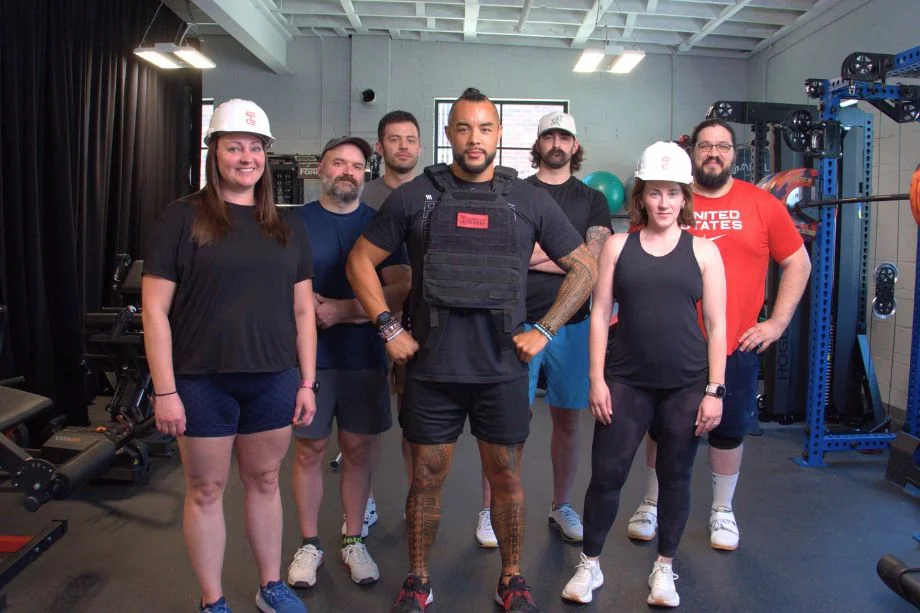
We’re here to make your buying experience as simple and straightforward as possible by providing you with honest, informative, and thorough feedback about each product we recommend. That’s why we have expert testers in the field—from certified personal trainers to Olympic-level athletes— testing out our barbells.

Along with having our hands on these bars and equipment, we follow a proprietary testing methodology to cover everything you’d want to know about these barbells, including their value, durability, and the style of training they’re best suited for. We then rate each factor from 1 to 5, determining an overall score for each barbell.

Looking for the right barbell to supplement your workout routine? Our experienced team has tested more than 100 bars, including Olympic barbells and specialty bars. In the past year, we helped over 4,400 people find their ideal barbell for their garage gym, so we’re certain we can help you, too.

Our Values

To make our recommendations, we rely on experts and their opinions, which is why we have highly experienced individuals on our testing team. From weightlifting coaches and gym owners to certified personal trainers and elite athletes, we have top professionals trying out top brands and barbells.

Along with our expert team, we check and consult with experts outside of Garage Gym Reviews, such as USA Weightlifting coaches, certified strength and conditioning coaches, and exercise physiology experts. We rely on these insights and the latest research to help determine our ratings and selections. Simply put, if a product doesn’t impress our team or reviewers, you won’t see it among our picks.

Weights are being added to one end of a Living.Fit Barbell

Our Process

There are tons of Olympic bars, trap bars, and curl bars available through reputable and disreputable brands alike. To sift through the many options, we begin with research. Looking at specifications like knurling and tensile strength, we determine which barbells will be worth a deeper look and order those profiles for in-depth testing. Most of our testers also have experience with barbells through their personal interests, and we’ll draw from that experience to determine which bars to test, as well.

We follow a nine-point testing methodology for Olympic barbells, rating each factor with a score from 1 to 5. Above-average scores mean a barbell excels in the category, while below-average scores often indicate that the bar doesn’t meet the industry standard or our set benchmarks.

Afterward, we average these scores out to determine an overall score. The cream of the crop then makes it onto our roundups and lists, prioritizing the best of the best. We’ll often revisit these panels, as well, to make adjustments as new models impress us.

Below is a quick look at each metric we factor into our testing, as well as the averages we’ve seen across the industry based on years of research and experience.

CategoryAverage Barbell We Test
Price$375
Barbell Weight20 kg (44 lbs)
Finish or CoatingCerakote
Shaft Diameter28.5 mm
KnurlingVolcano (medium)
Knurl MarksDual marks, no center knurling
Tensile Strength165,000 PSI
WarrantyLifetime

Olympic Barbell Performance Testing

Testing out the performance of an Olympic barbell requires more than just a quick back squat or two. We undergo multiple lengthy workouts with these bars, running them through the gamut of exercises they’re designed for. We use our subjective experience, as well as the bar’s specifications and construction, to help determine how well a barbell performs.

Below are the criteria we use to test each Olympic barbell, as well as how we rate them.

Tensile Strength

A good Olympic barbell should have a good “whip,” or be able to flex before returning to its normally straight position. The heavier the weight on a barbell, the more flex and bend you may see during a heavy squat or pull off the ground. That said, a good barbell will return to its neutral position once you slide your bumper plates off.

Caine performing a clean on the REP Fitness Alpine Bar

Tensile strength is a measurement of how much pressure a bar can withstand and still bend back to its original angle—usually given in pounds per square inch (PSI). We like this measurement as an indicator for the bar’s durability far more than a weight capacity rating, as the weight rating isn’t always tested to a maximum weight total. Most companies rate barbells for 1,000 pounds or so and call it a day, when in reality, they can withstand heavier loads without a problem.

Using the tensile strength takes a bit of guesswork out of the equation. A higher tensile strength indicates a more durable bar. Your average barbell will have a tensile strength of 165,000 PSI, thus earning a 3-out-of-5 rating on our scale, but barbells are more commonly reaching tensile strengths of 190,000 PSI or higher, which would earn top marks.

Coating or Finish

Barbells can have a variety of available coatings or finishes, with some of the more common finishes including:

  • Chrome
  • Cerakote (ceramic coating)
  • Stainless steel
  • Black oxide
  • Zinc
  • Bare steel
  • E-coat

Each finish varies in its ability to withstand rust or corrosion, so most people looking for a long-lasting barbell for a garage gym may want to opt for a higher-quality finish. Stainless steel is typically considered the best finish, but will oftentimes add to your cost. Cerakote and hard chrome coatings can be a good choice, too, and provide solid durability without increasing the price too much.

A close up of the knurling on the Major Fitness Barbell while a woman holds the barbell with a deadlift grip

That said, the same finishes won’t be the same from brand to brand; some will have uneven coatings, or the quality of the finish is just downright bad. After extensively testing each barbell, we’ll look at the coating or finish and check for any flaking or scratches—most commonly achieved by sliding weight plates on and off the barbell sleeves. We use them continuously for months on end, too, in an effort to monitor the finish to note any rust or deterioration.

An average 3-out-of-5 score goes to a barbell with a lower-end coating, like chrome or black oxide, that holds up well in its use. Some scratching may occur, but it’s minimal and mostly aesthetic.

Durability

How long is a barbell going to last? While the tensile strength and finish of a barbell are good indicators of a barbell’s longevity, you won’t know how well a barbell will last until you use it. This is because the quality of steel can vary—a lower-quality steel may have imperfections that make it susceptible to bending (or even breaking) over time.

Coop does a push press using Titan TwistLock Barbell Collars.

To test out the durability of a barbell, our team will use the equipment throughout multiple workouts, dropping the bar from overhead to see how it handles drops. Likewise, we’ll drop the bar from a squat rack to see how it handles drops to the floor—or safety pins—with several hundred pounds loaded onto the bar, noting any notable bends or issues that arise. 

To earn at least a 3 out of 5, the barbell should hold up decently throughout our testing without any major bends or breaks, although minor scratches and dings may arise prematurely. A higher score will go to a barbell that lasts years with little issue beyond aesthetic wear and tear.

Versatility

The versatility score of a barbell can vary, since some are specially made for certain purposes—think squat bars, deadlift bars, or curl bars, for example—while others are designed to handle multiple exercises. Not every bar aims to be as versatile as another, so a solid deadlift bar we recommend may still not score high in this category, simply due to its specialization.

A highly versatile barbell will have a decent rotation to allow for dynamic movements like a power clean, while also having a grippy knurling that’s not too aggressive and won’t tear up your hands through multiple reps. The knurl markings can also make a barbell easier to use, with specific rings for powerlifting, Olympic weightlifting, or both.

A woman performing a barbell jerk with the Eleiko IWF Weightlifting Training Bar.

We test each barbell through multiple weightlifting, powerlifting, and CrossFit exercises, noting out how comfortable different movements feel in training. Bars are rated at 3 out of 5 if they can handle various movements, even though they may be specialized for specific exercises. 

Knurling and Grip

Since some athletes may be throwing hundreds of pounds of weight over their head in quick, explosive movements (like a snatch), a barbell’s grip is vital to ensure the weight doesn’t slip out of your hands easily.

We check two factors to ensure that a barbell has a solid grip: the knurling and how well it holds lifting chalk. Knurling is a method of scoring the exterior of a bar that leaves criss-crossed, diamond-shaped patterns along the barbell, allowing for more surface area for your hand to grip. While using each barbell, we check how it holds chalk,and how easily we can grip the barbell for more dynamic movements, such as a clean and jerk.

A person is shown gripping the knurling of a Synergee Games Barbell

There are varying sharpnesses when it comes to knurling, but the common knurl is a medium volcano knurl, which is a raised diamond pattern with little divots at the crest. This knurling, in our opinion, is the best of both worlds—aggressive enough for a solid grip but not too aggressive that it will rip your hands.

Medium knurling usually gets a score of, at least, 4 out of 5, so long as the knurling is evenly applied and the bar holds chalk effectively.

Barbell Spin

Modern barbell shafts can rotate independently of the barbell sleeves thanks to an internal rotation system. Usually, the rotation system uses either bushings or bearings, each with their pros and cons.

  • Bushings are typically more durable and less expensive, but also have a slower spin.
  • Bearings can spin extremely well, but are usually the more expensive option.

In our performance testing, we note the type of rotation system used, as well as how well the spin feels. We typically look for tight tolerances between the shaft and sleeves, allowing for a smooth, controlled spin.

Man gripping barbell for deadlifts using Bear Grips Lifting Straps

We give a 3 out of 5 to bars with a modest rotation—good enough for daily use, but not ideal for specializing in dynamic exercises like the Olympic lifts. Most bushing rotation systems fall here, although some will receive higher scores for faster, smoother spins. Likewise, bearings will score high, but the score can drop if the rotation isn’t controlled or smooth.

Customer Experience Testing

Along with testing each barbell’s performance during use, we also rate and score certain aspects of the customer experience. The overall value, customer reviews, warranties, and customer service policies are looked over to help determine a bar’s overall score.

Value

Barbells can cost as much as $1,000 or more, but a pricier bar doesn’t always mean a better one. While it’s true that many budget barbells under $200 may not have the longevity or durability of more expensive barbells, you can find decent-quality barbells for just a few hundred dollars.

To help consumers decide if a barbell is worth it or not, we analyze the overall value of each barbell to see if the specs, durability, and versatility of each bar justify its price point. If a barbell holds up but is a bit overpriced compared to the market, it’ll typically earn a 3 out of 5 for its value. On the other hand, bars that are priced fair or even competitively will earn a higher score.

Hand gripping the barbell with chalk

Customer Experience (Warranty, Financing, Returns, Customer Service)

Purchasing gym equipment online should be easy and pain-free, so we factor in the overall customer experience into this rating. Here, we evaluate a barbell’s warranty, whether or not financing options are available, return policies, and how easy it is to talk to customer service.

While warranties can vary for barbells, lifetime warranties have become commonplace, so we expect to see larger, multi-year warranties on barbells at the very least. If a barbell’s warranty is lacking—say, five years or less—it’ll earn a 3 out of 5 for customer experience, so long as the brand also offers 0% financing options and a 30-day return window.

You can expect a perfect score from brands that offer lifetime warranties, excellent financing options, solid returns without any restocking fees or shipping costs, and a knowledgeable customer service staff that can be contacted through a variety of means—phone, email, or live chat, to name a few.

Customer Reviews

We understand that our experience with these barbells may not entirely reflect that of other home gym communities, so we study customer reviews to get a feel for other consumers’ time with these products. This can help give us insight into long-term use that we otherwise may not be able to see during our trials—things like coating performance, knurling resiliency, and even proper maintenance and cleaning of each barbell.

Taking a look at company websites as well as third-party retailers like Amazon, we average out the customer reviews scores and factor this into our overall rating.

Overall Score

After assigning a score to each of our nine categories, we average them out to create our overall rating. These overall scores play a large role in determining which barbells are worthwhile additions to our best-of lists, and which barbells shouldn’t make the cut. In all of our comprehensive guides, we tend to favor products with a score of 4 or higher out of 5, although lower overall scores may be used if the product performed very well in a particular area.

Barbell Ratings Chart Example