
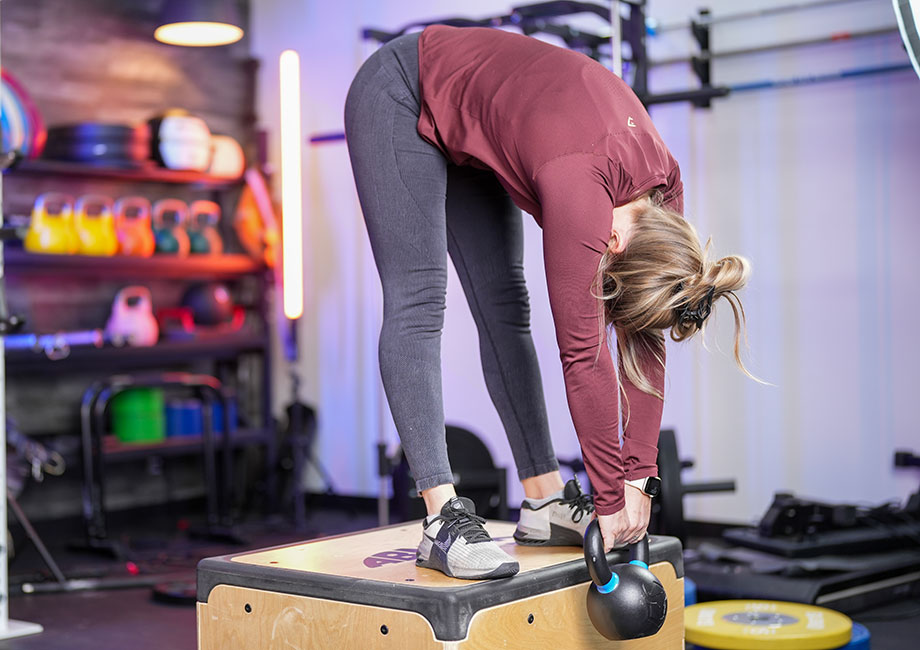
If you’ve ever seen someone perform the Jefferson curl, your first reaction may be confusion followed by anxiety as the person’s back bends to what looks like an uncomfortable degree. This is understandable, as many of us have been taught to keep our backs straight during strength training.
The Jefferson curl looks scary. You stand on a box or a few bumper plates holding a barbell or kettlebell in your hands, and round your back as far as you can. Optically, this lift appears reckless and seems to contradict common fitness advice like bracing your core, keeping your back straight, and lifting with your legs.
Even though the Jefferson curl looks like a Romanian deadlift gone horribly wrong, it’s a mobility exercise that can help healthy individuals. Mobility refers to being able to control your body through large ranges of motion, and Jefferson curls can help you learn to control your spine when it’s very rounded.
As a fitness coach and former personal trainer with 12 years of experience, I’ve used Jefferson curls with a number of my clients in specific situations, especially when I worked in a sports physical therapy clinic. I also spoke with GGR Staff Writer Caine Wilkes, OLY, USAW-L1, a certified expert with years of Olympic weightlifting experience who used Jefferson curls to help rehab his back injury.
In this workout guide, I’ll show you how and when to use the Jefferson Curl and different variations if you wish to modify it.
Jefferson Curl Training Guide
While Jefferson curls can help improve your mobility and strengthen your posterior chain, they can also be dangerous if you’re not doing the movement properly.
RELATED: Back Muscles Anatomy
Before you attempt this exercise, you must understand how it works, how to perform the movement safely, and how to add it to your program. Let’s take a closer look at the Jefferson Curl.
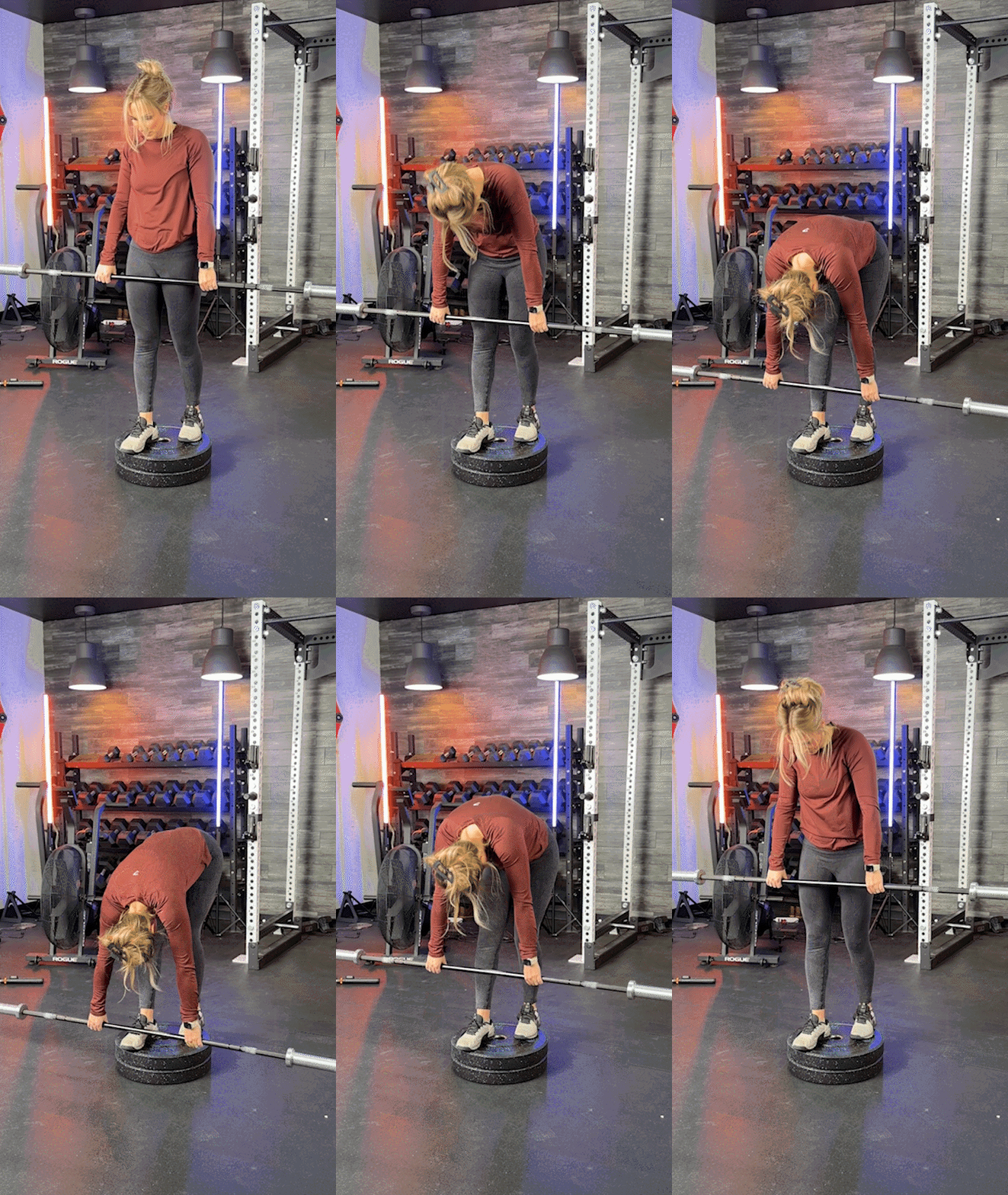
How to Do the Jefferson Curl
Muscles Worked: Erector spinae, spinal extensors, obliques, glutes, hamstrings
How to do it:
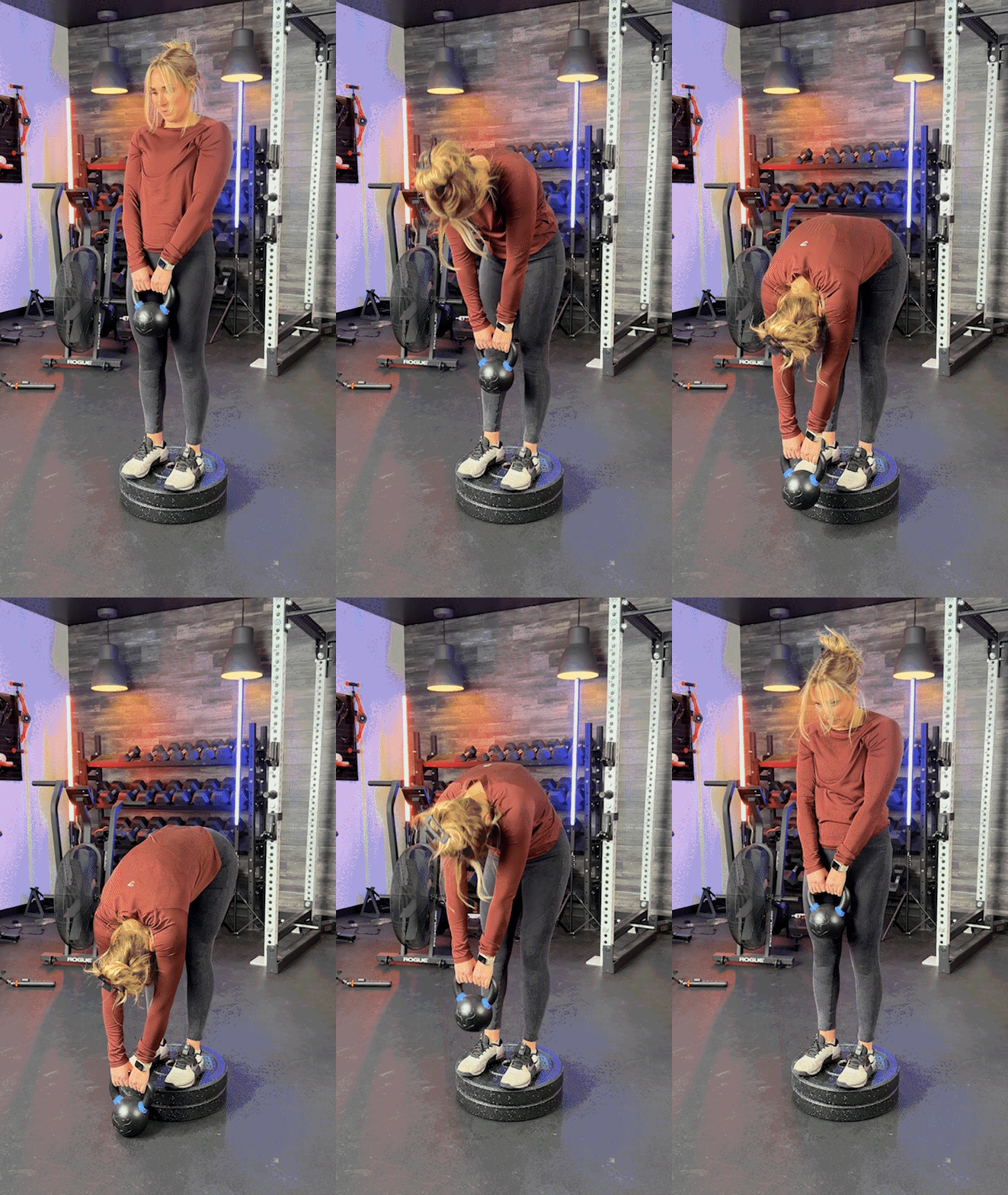
- Start by standing on a stable elevated surface, like a plyo box, step, bench, or even a few bumper plates stacked on top of each other.
- With your arms straight, hold a weight in front of you that feels light and easy to control. A light dumbbell or kettlebell would be a great choice.
- Begin the movement by slowly rounding your entire spine, starting at your neck. Tuck your chin down first, then imagine rounding one vertebra at a time as you slowly round throughout your entire spine.
- Letting your arms hang in front of you, lower the weight toward the floor. Do not let it drift.
- Bend down as far as you can while keeping your legs straight. If your hamstrings feel too tight, stop there. Your range of motion should increase over time.
- To stand back up, slowly straighten your back beginning at your waist, moving up one vertebra at a time until you reverse the movement by lifting your head.
Expert Form Tips
While the exercise looks simple enough, here are a few tips to ensure you’re performing the movement correctly. The following tips and coaching cues should help keep you safe and healthy as you practice your Jefferson curls.
Allow the Weight to Pull You Down Slowly
Moving in a slow, controlled manner is the most important thing to keep in mind when performing the Jefferson curl, especially when it’s still a new movement. Rounding of the back, or spinal flexion, is safe when performed correctly but puts your back in an unstable position.
The last thing you want is to move too quickly, lose control, and injure something in your back or any surrounding muscle groups, so move slowly and focus on good form.
Focus on One Vertebra at a Time
The spine is made up of 33 vertebrae, which are the discs in your back. When performing a Jefferson curl, imagine moving one disc at a time, starting at the top when you tuck your chin down toward your chest.
You won’t be able to feel every single disc moving as you bend forward, but feeling for the discs ensures you’re moving as much of your spine as possible (and in a slow and controlled manner).
Don’t Rush to Use More Weight
The Jefferson curl is best used as a slow, controlled movement to help improve mobility in the back and strengthen the muscles around your spine. The exercise is often used in rehab programs after a back injury, so the focus should always be on movement quality rather than total load.
When Caine Wilkes, OLY, USAW-L1, used Jefferson curls to help rehab his back after herniating a disc, he benefited from using them as a warm-up rather than a standalone strength exercise.
RELATED: Best Warm-Up Exercises
Stop If You Feel Pain
If you feel any pain or discomfort, stop performing the movement immediately. This is a longer range of motion than you’re probably used to lifting through, and if you have an existing back injury, pushing through the pain may aggravate the problem.
“I did [Jefferson curls] sometime after [my back] injury when I was ready to get back to weightlifting. I wouldn’t recommend Jefferson curls to anyone with previous back problems if it aggravates their back,” says Caine. “[You] can find other ways to strengthen the back and maintain mobility. And ultimately talk to a physical therapist or trainer for the best ways to rehab an injury.”
RELATED: 17 Lower Back Exercises to Try for Stability and Strength
Jefferson Curl Benefits
Before we dive into the potential benefits, I couldn’t find any clinical studies demonstrating the benefits of this specific exercise. It’s a common exercise, but somewhat controversial among back experts, which is why you need to make sure you’re using proper form and technique at all times.
One such expert who’s not convinced of the benefits is Dr. Stuart McGill, widely considered one of the world’s leading spine experts. He said that the majority of spine injuries happen when your spine is flexed or rotated, especially when using an external load.
In this podcast with corrective exercise specialist and certified personal trainer, Dean Somerset, Dr. McGill says that the risks of Jefferson curls outweigh the potential benefits. While the exercise may feel good, he believes athletes may be doing long-term damage to their spine.
Jefferson curls are hard to recommend for everyone, but they can be very beneficial under the right circumstances.
Improved Mobility
With the Jefferson curl, you’re taking your back through a full range of motion, using an external weight to help pull you down even further into a deeper stretch. This is a great way to improve the mobility in your back, as well as improve the resiliency and strength of the muscles around your spine, core, and hips.
You’ll be moving your spine through a large range of motion, and using the muscles around your spine to control your body and pull yourself back up.
May Help Relieve Back Pain
It’s not a pure strength-building exercise like a deadlift or a muscle-building movement such as the lat pulldown, but few other exercises take your spine through such a long range of motion. In particular, your lumbar spine, or lower back, gets quite a bit of movement during the Jefferson curls.
At the bottom of the movement, the weight helps pull you deep into the stretch, which can lengthen the muscles throughout your back, particularly your lumbar spine.
While you should always see a medical professional to help rehab any sort of injury, especially before trying a movement like the Jefferson curl, many physical therapists find that this is a useful tool to improve low back pain, likely because research shows1 that stretching your back can relieve pain.
Increases Range of Motion for Athletes
If you’re an athlete who needs to be able to bend and touch your toes, like a gymnast or diver, Jefferson curls can help increase your range of motion. Stretching with a weight in your hands pulls you deeper into the stretch, similar to a partner stretch, and regular stretching has been shown to increase your range of motion2.
Common Jefferson Curl Mistakes
Once you’ve decided to give Jefferson curls a try, you need to avoid these common mistakes to enjoy the full benefits of the exercise and minimize your injury risk.
Moving Without Control
Always remember: move very slowly and control your body when rounding your back while holding weight. Don’t let the weight pull you down, or use momentum to stand up. You should feel in complete control throughout the entire movement.
Moving too quickly can increase the risk of tweaking something in your back, so be sure to take things slow.
Keeping Parts of Your Back Stiff
This exercise is hard to feel, so you may need an expert spotter or a way to film yourself to ensure that your entire back is rounded. It’s common for your back to get stiff over time and lose mobility.
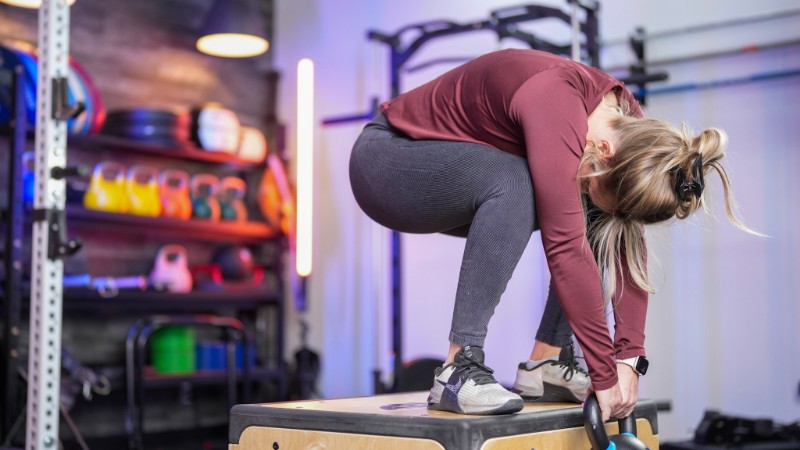
When I was dealing with back pain, a physical therapist had me try this movement and told me that my thoracic spine, or mid-back, wasn’t moving at all. Instead, my mid-back was completely stiff, while my lower and upper back did all of the bending, causing the muscles in those areas to become tight and painful. To get the full benefit of Jefferson curls, your entire spine should be moving.
RELATED: Thoracic Mobility Exercises
Letting the Weight Drift Away from Your Body
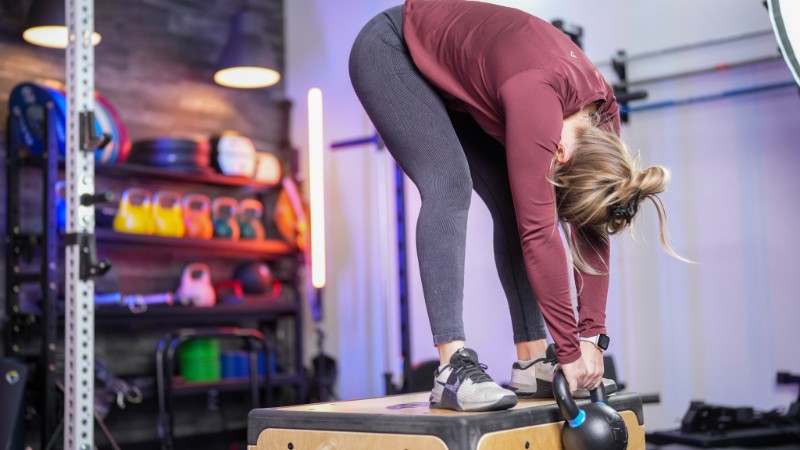
Similar to a deadlift, a Jefferson curl is meant to keep the weight near your center of gravity. As you lower the dumbbell, kettlebell, or barbell, try to aim for the top of your feet, or slightly in front of your toes if you’re standing on a box.
RELATED: 16 Best Deadlift Variations
If you let the weight drift too far out in front of you, you may feel increased strain on your lower back, which should be avoided.
Lifting with Your Ego
Let’s be honest, this is a weird-looking movement and nobody cares how much you’re lifting when you do it, so leave your ego at the door and avoid using more weight than you can safely handle. The weight should be enough to help you get deep into the stretch, but not so much that you have to strain your back to stand back up.
Who Should Do the Jefferson Curl
Here are a few considerations before adding Jefferson curls to your training program.
First, you should be completely free of any back pain or injuries. If you’re not injured, Jefferson curls are particularly useful for anyone who wants to improve their spinal mobility and slightly increase the strength of the muscles in your lower back.
Athletes who need to move their bodies through a long range of motion may find that improving the mobility in their spine helps improve sports performance. Gymnasts in particular can benefit from this exercise, as it helps them get into a folded position.
If you are dealing with a back injury, make sure you’re cleared by a professional before trying Jefferson curls.
How to Incorporate the Jefferson Curl in Your Training Program
Jefferson curls work best as a warm-up rather than a heavy strength exercise, so you could start by performing them two to three times per week and see how your body feels. Start light, using a small dumbbell, kettlebell, or even your body weight as a beginner, and make sure that you aren’t overexerting yourself or in any pain while performing the exercise.
RELATED: Best Dumbbells
Performing 2-3 sets of 5-10 reps should work when beginning, and you can gradually add reps or weight as you get more comfortable.
Jefferson Curl Alternatives
If you’re unable to perform Jefferson Curls, you may be able to perform similar exercises that strengthen the lower back and core, like hyperextensions or good mornings.
However, if you can do the Jefferson Curl, or you’ve been using them in your routine for a while and want to mix things up, here are some alternatives you can try.
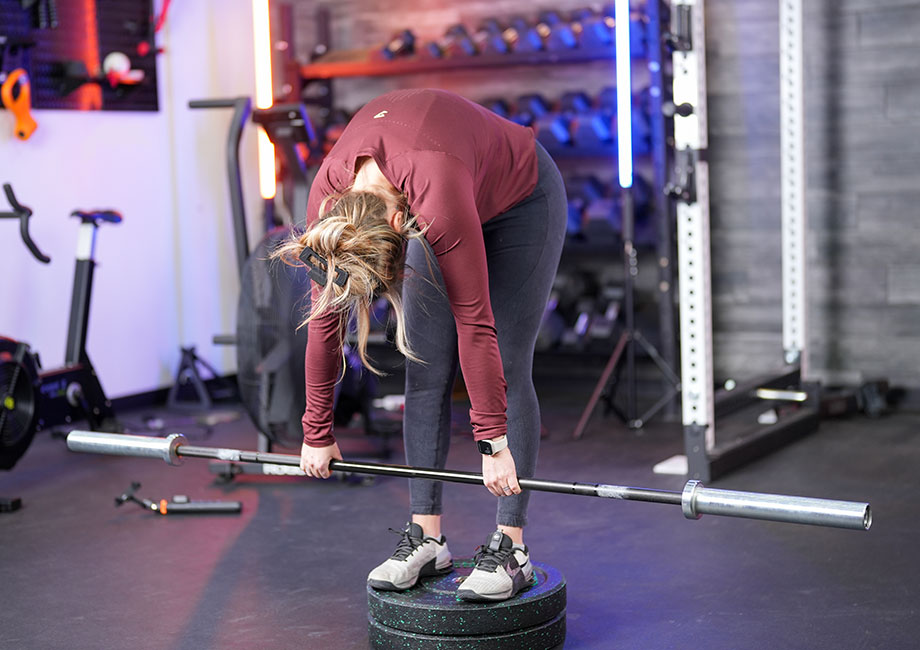
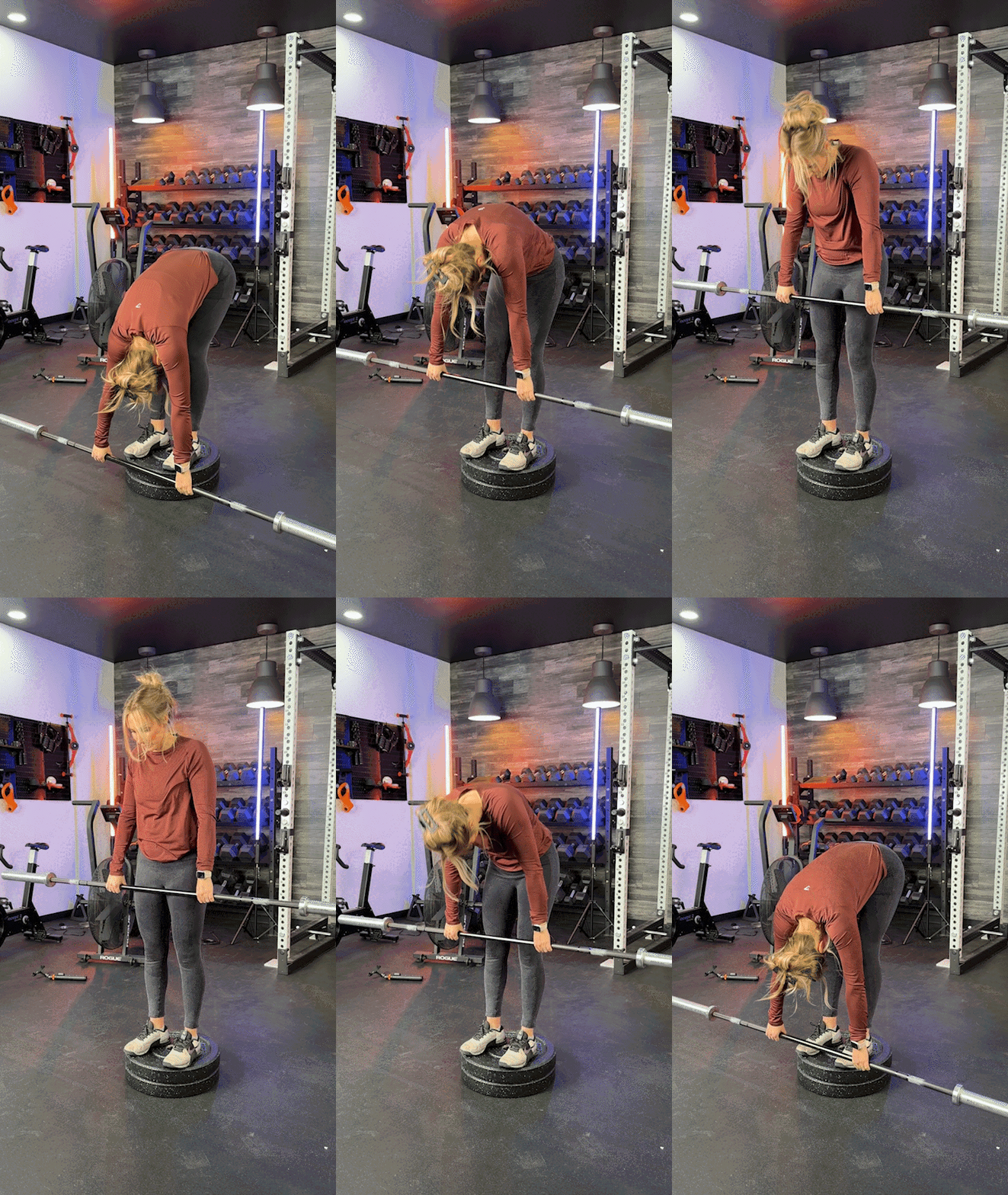
Barbell Jefferson Curl
Why do it: Using a barbell instead of a dumbbell or kettlebell allows you to use more weight if you can’t find a heavy enough dumbbell, or use precise adjustments if your dumbbells are only available in certain increments. As you get stronger, you may find that a lighter weight isn’t enough to provide a challenge and need something slightly heavier.
How to do it:
- Begin the movement the same way you would with a dumbbell or kettlebell, standing on a low step or box.
- Keep a shoulder-width grip on the barbell, and begin the movement at the top, by tucking your chin and rounding your upper back.
- As you continue to round your back and get lower, make sure you’re keeping the bar close to your body, so it doesn’t drift out in front of you.
- Stand up by reversing the movement, starting with your lower back and ending by standing up completely straight and raising your head.
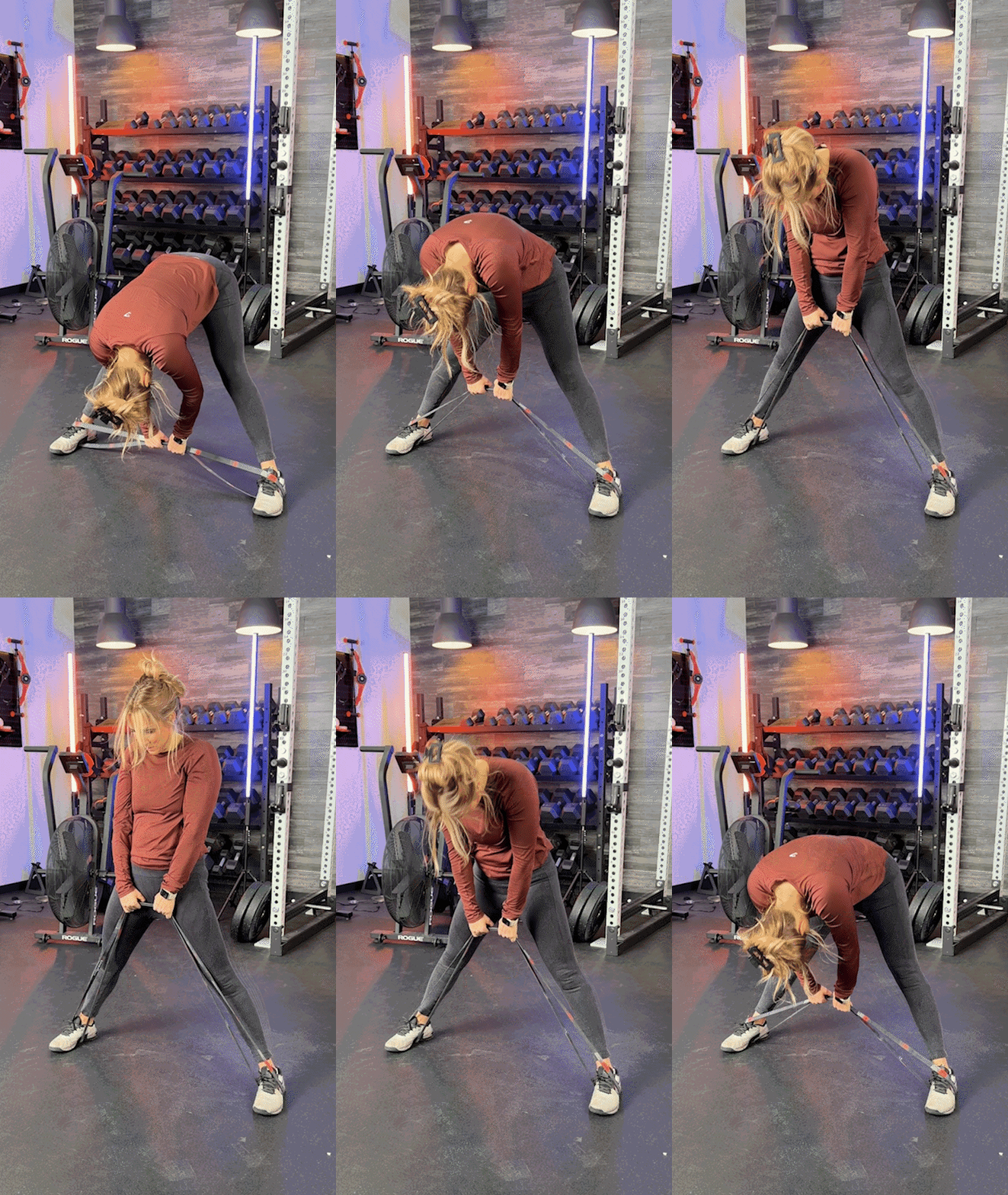
Banded Jefferson Curl
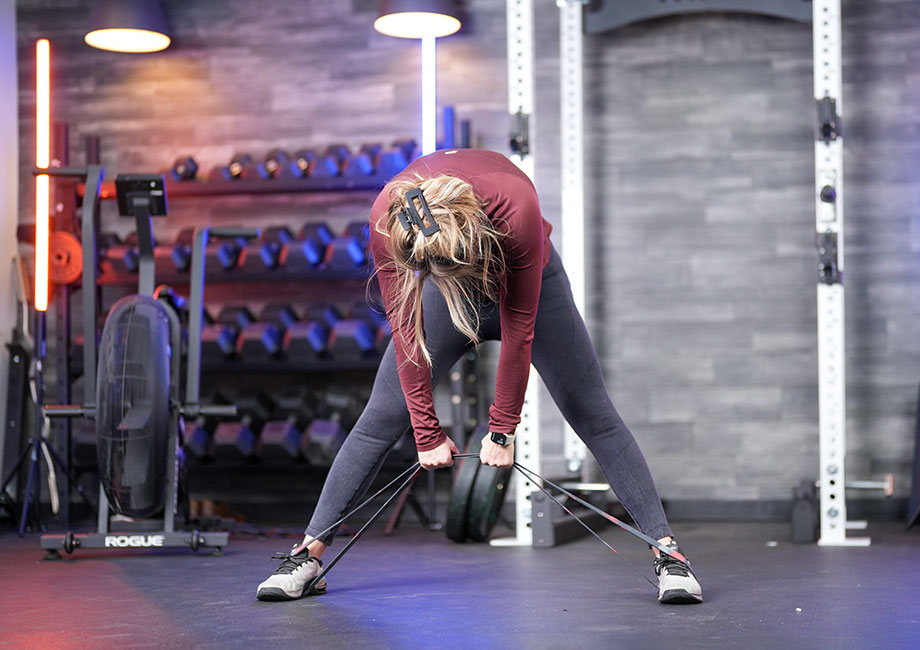
Why do it: Using a band adds variable resistance to the movement, and the wider stance makes it easier for those with limited mobility. As you stand up and tension increases in the band, so does the resistance, so you’ll have the most resistance at the top, where you’re naturally the strongest.
How to do it:
- Start with your feet slightly wider than shoulder-width apart, standing on a heavy resistance band.
- Tuck your chin and round your back to get to the bottom position, and place your hands slightly narrower than shoulder-width apart, holding the band between your knees.
- Now, without letting go, slowly stand up and straighten each vertebra in your spine one at a time, beginning in your lower back, and repeat for as many reps as you need.
RELATED: The 11 Best Resistance Bands of 2024
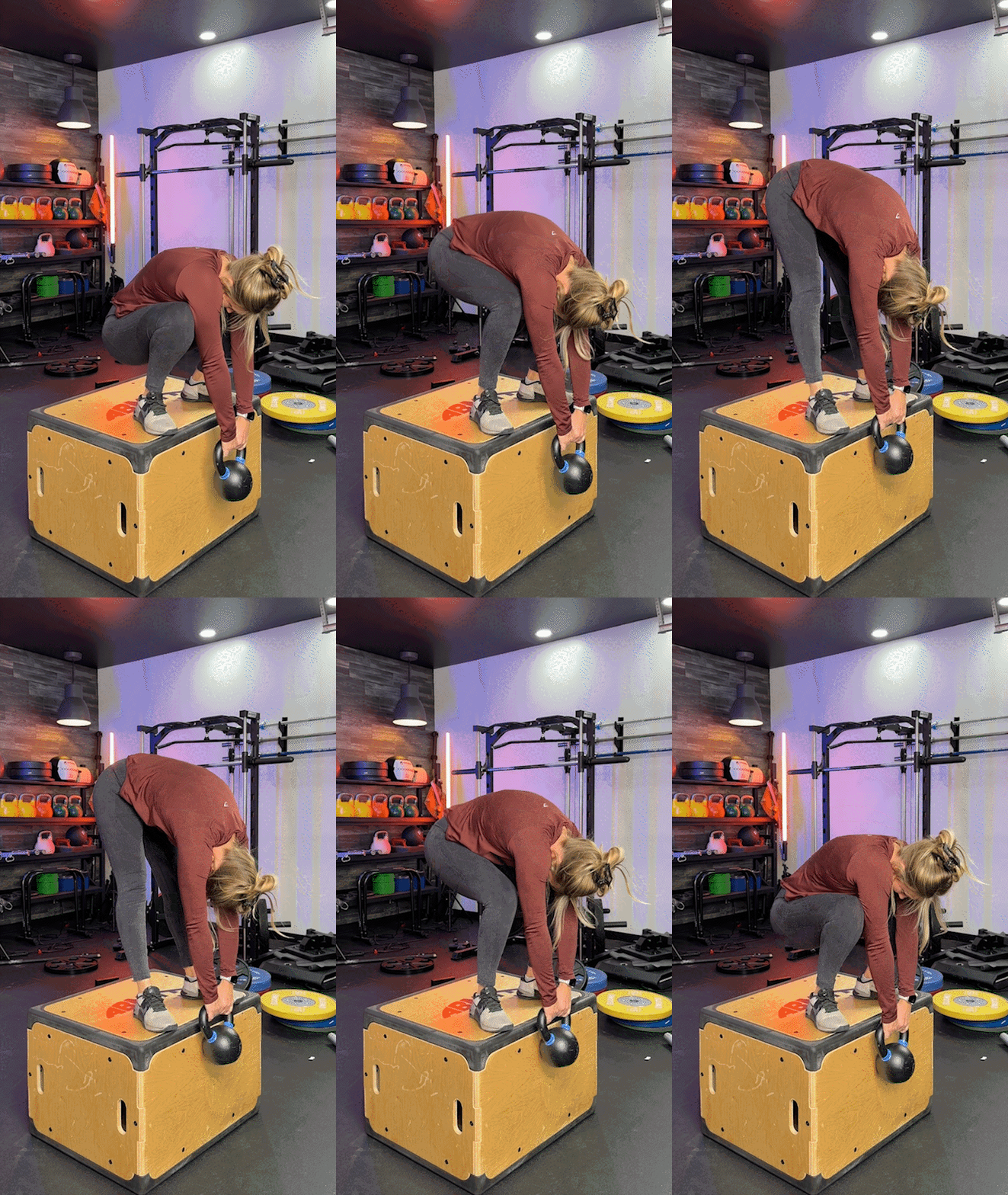
Reverse Jefferson Curl
Why do it: This is similar to the banded Jefferson Curl as you’re starting at the bottom, but your hands should stay low the entire time, instead of rising with you as you stand up. This is a great alternative for those who have a hard time getting to the bottom position.
How to do it:
- Start by standing on the edge of a low box or step, with your feet at the edge and holding a weight just over the edge.
- Squat as low as you can with your back rounded, so your hips are low and the weight is below the box. You’ll have your knees bent and your arms in between your knees.
- Initiate the movement by pushing your hips up toward the ceiling as high as you can, or until your legs are straight, but keep your back fully rounded the entire time.
- Once you’ve straightened your legs as much as possible, return to the starting position.
Split Stance Jefferson Curl
Why do it: Once you’re more advanced, adjusting your foot positioning can shift the emphasis from one side of your body to the other. This can help even out imbalances, or increase the difficulty if you’re a bit stronger and want to increase the challenge. Beginners should start with standard Jefferson Curls before using this variation.
How to do it:
- Start by standing on a box or step again, but this time, move one leg slightly back so that the toe of your back foot is just behind the heel of your front foot.
- Perform the Jefferson Curl by rounding your entire spine, starting at the neck.
- Try to keep your front leg as straight as possible without bending the knee, though your back knee can bend a bit.
- As you perform the movement, most of the weight should be in the heel of your front foot, with your back foot used primarily for balance.
- Once you’ve finished your set, switch your feet and repeat on the other side.
Jefferson Curl: FAQs
What does a Jefferson Curl do?
Jefferson curls move your spine through a complete range of motion with an external weight, which can improve the mobility of your spine and hips while strengthening the muscles in your lower back, core, glutes, and hamstrings.
Are Jefferson Curls good for lower back pain?
While Jefferson curls can be used to strengthen the lower back, only a qualified medical professional can tell you if these are a good choice for your particular situation. Back pain can have many causes, and Jefferson curls could make things worse if your back isn’t healthy enough for this movement.
What is the difference between a Jefferson Curl and a Romanian deadlift?
While the two exercises look quite similar, Jefferson curls are meant to improve your mobility and strengthen smaller muscles and should be performed slowly with very little external weight. Romanian deadlifts are more of a hip hinge exercise, where the movement comes from your hips, rather than your spine. Romanian deadlifts can be done with heavier weights as they’re primarily performed to increase strength and muscle.
RELATED: RDL Workout
Are Jefferson Curls healthy?
This is impossible to say without a professional diagnosis, as Jefferson curls could make you feel worse if you have pre-existing back conditions. They certainly can be helpful, but if you have any back pain, speak with a professional before trying Jefferson curls.
References:
- Turci AM, Nogueira CG, Nogueira Carrer HC, Chaves TC. Self-administered stretching exercises are as effective as motor control exercises for people with chronic non-specific low back pain: a randomised trial. J Physiother. 2023;69(2):93-99. doi:10.1016/j.jphys.2023.02.016
- Harvey L, Herbert R, Crosbie J. Does stretching induce lasting increases in joint ROM? A systematic review. Physiother Res Int. 2002;7(1):1-13. doi:10.1002/pri.236